Zhejiang University
Hangzhou, China (Mainland) · Urban
C9 LEAGUE · HANGZHOU, CHINA
Zhejiang University Admissions Guide for International Students
Founded in 1897, Zhejiang University is one of China's oldest and most prestigious research universities — a C9 League institution ranked #47 globally by QS. Situated in Hangzhou, just an hour from Shanghai, ZJU offers international students access to world-class research, affordable tuition, and proximity to one of Asia's most dynamic technology ecosystems. This guide walks you through every step of the international admissions process.
Whether you are drawn by ZJU's engineering and biomedical research powerhouse reputation, its partnership with global institutions like the University of Edinburgh, or Hangzhou's vibrant tech scene anchored by Alibaba, this guide gives you the honest picture of what it takes to gain admission and thrive at Zhejiang University.
Campus
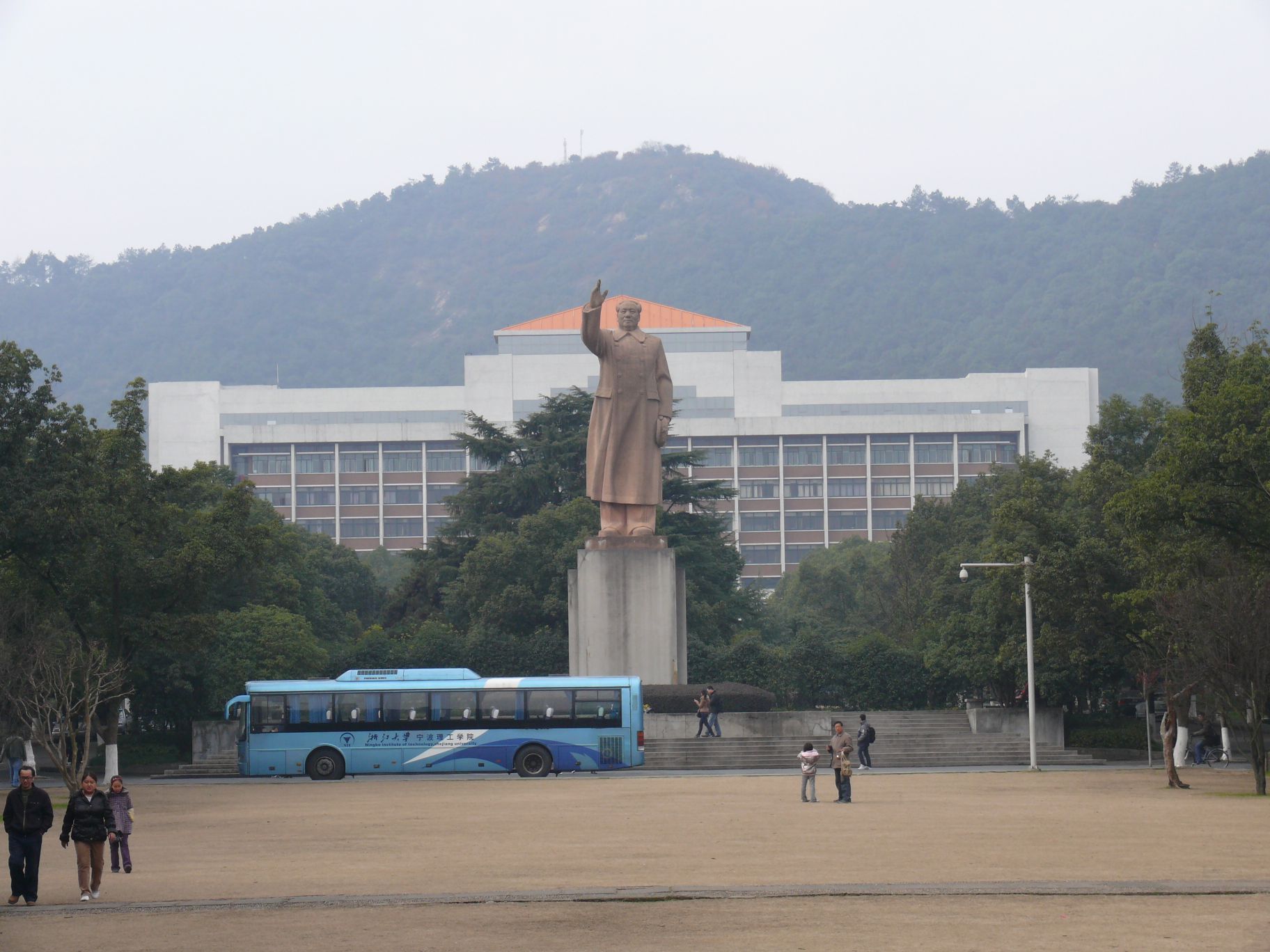
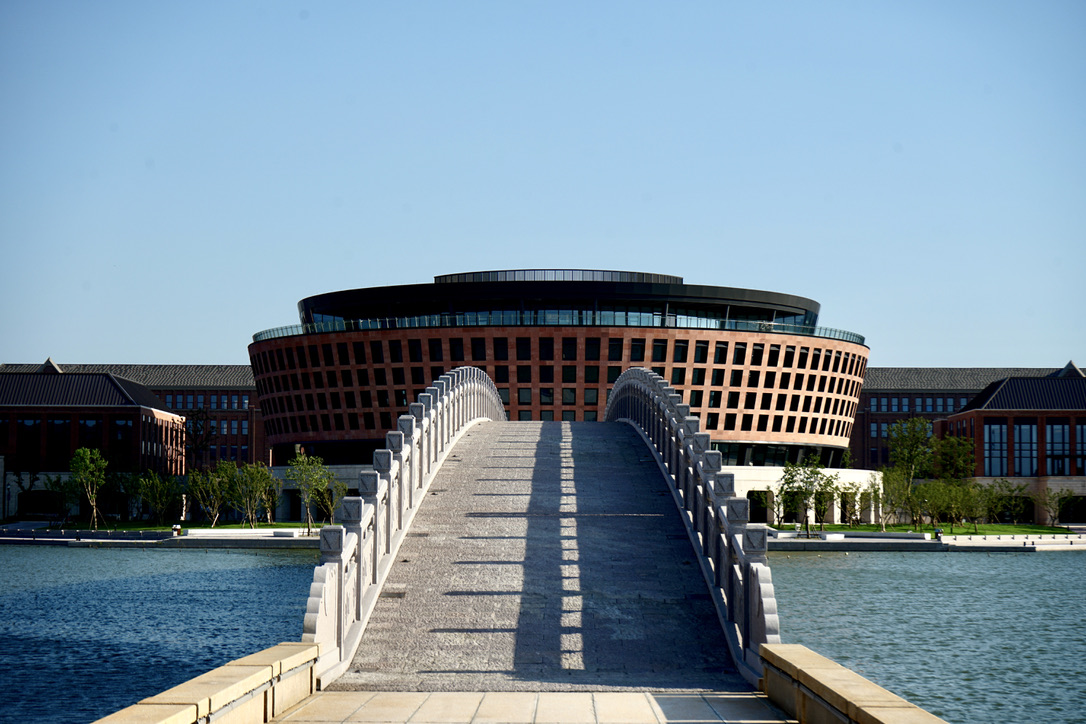
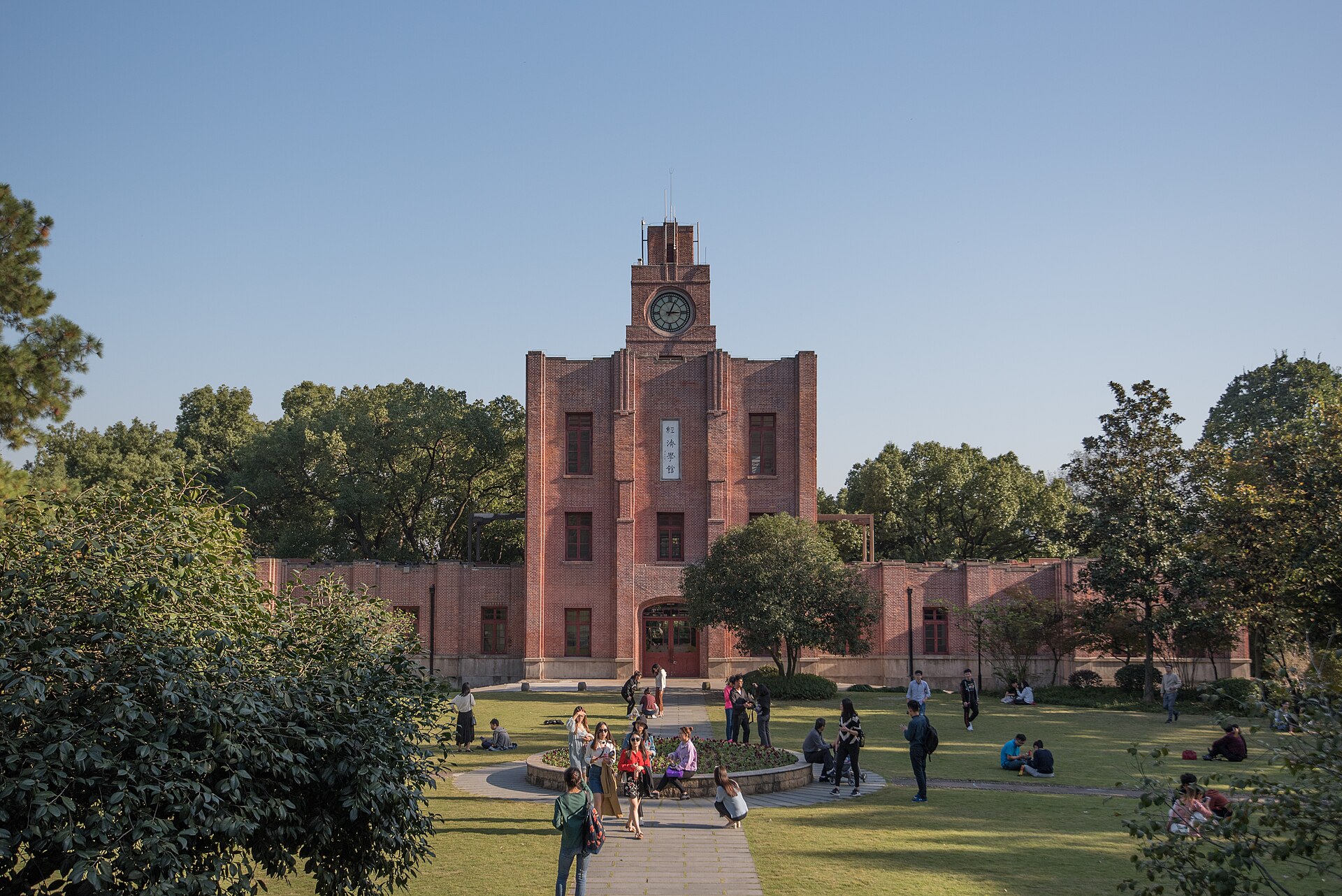
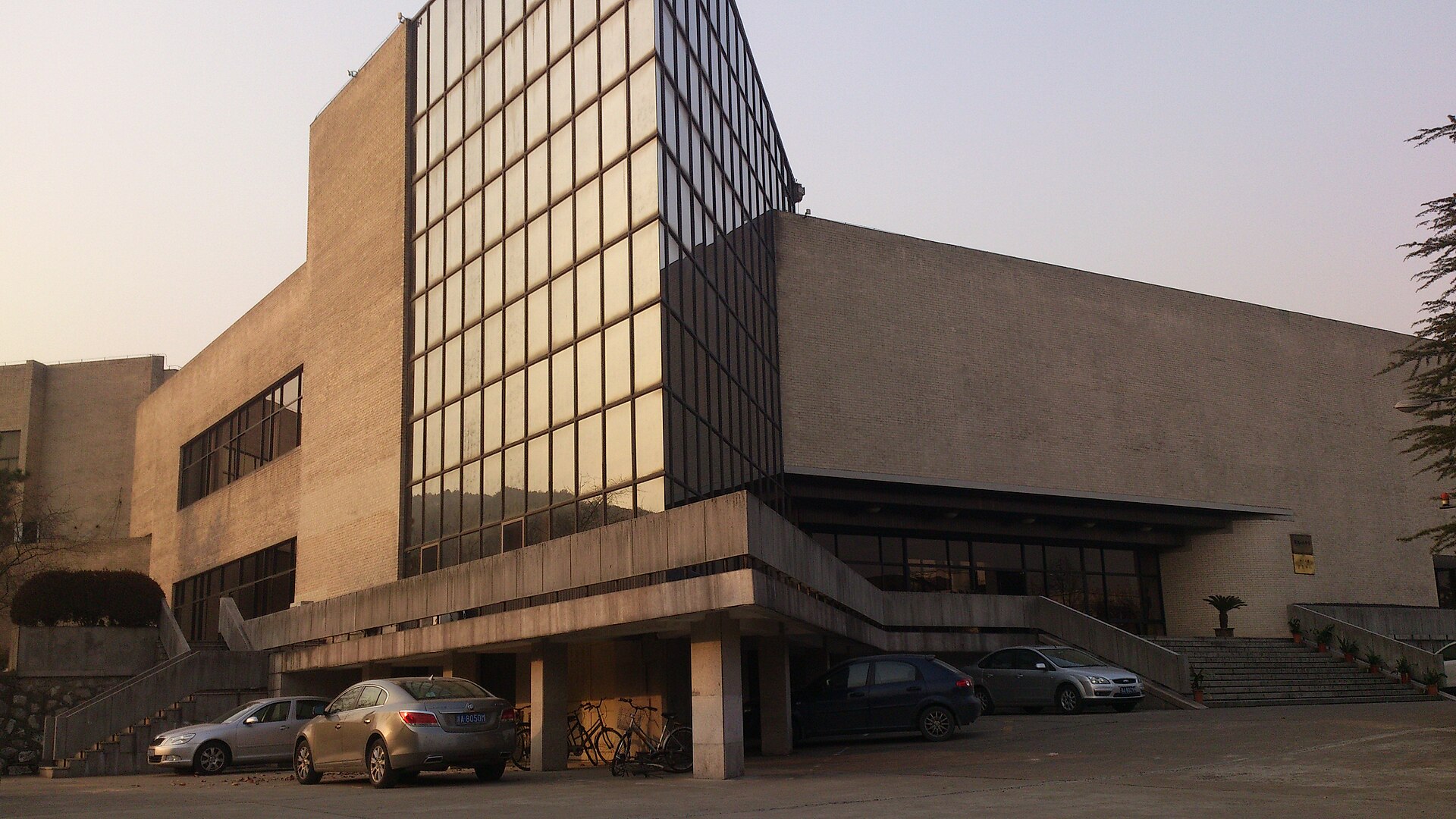
Zhejiang University — campus in pictures
Real, freely-licensed photographs of the campus (via Wikimedia Commons).

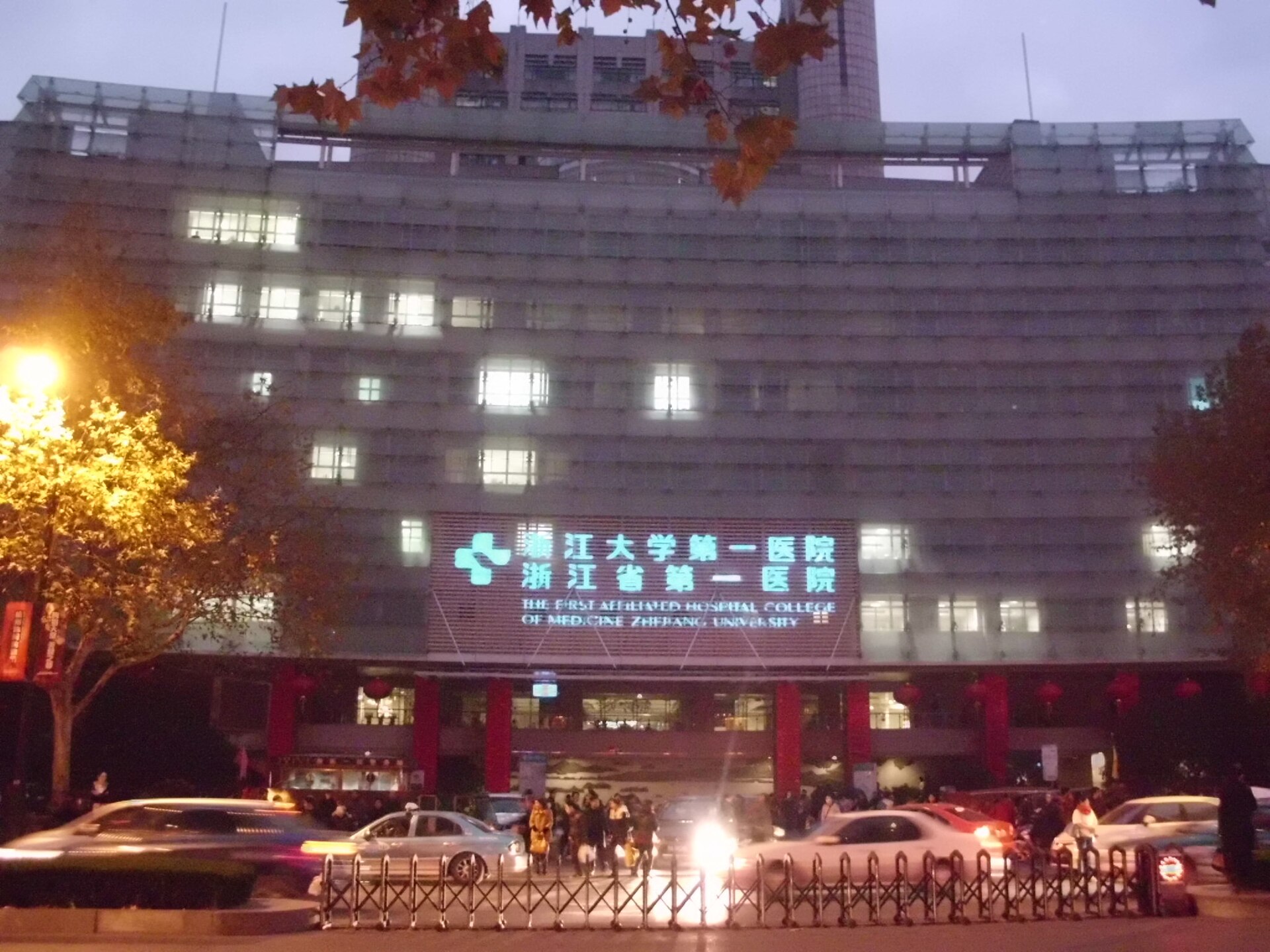
WHY ZJU
Why Zhejiang University — Prestige, Research & Gateway to China's Tech Economy
Zhejiang University consistently ranks among China's top three universities and is recognised globally for its research intensity, strong industry connections, and comprehensive academic programmes spanning medicine, engineering, and the natural sciences.
SELECTIVITY
How Selective is Zhejiang University?
For international students, ZJU runs its own admissions process that is separate from China's national Gaokao exam. International applicants are assessed on academic transcripts, standardised test scores (where submitted), language proficiency, a personal statement, recommendation letters, and often a video interview. The process is competitive but more transparent than domestic admissions.
An acceptance rate of around 15% places ZJU among China's most selective institutions for international applicants. Academic excellence is the baseline — a strong IB score of 34 or above, a cumulative GPA of 3.5 or higher, and a compelling personal statement are all important. For programmes such as Clinical Medicine (MBBS) and Computer Science, competition is significantly stiffer.
QUICK FACTS
Zhejiang University at a Glance
APPLICATION COMPONENTS
What Your Zhejiang University Application Consists Of
International students apply through ZJU's dedicated Online Application System for International Students. Applications are document-based with a video interview for shortlisted candidates.
ADMISSIONS PHILOSOPHY
What Zhejiang University Looks for in International Applicants
For competitive programmes like MBBS, Engineering, and Computer Science, a rigorous science and mathematics background is essential. Admissions committees look for consistency across your secondary transcript — an upward grade trend is viewed favourably. Evidence of prior research, academic competitions, or science olympiad participation can differentiate you, though these are supplementary rather than decisive factors.
ZJU seeks international students who demonstrate strong academic preparation, genuine intellectual curiosity, and the potential to contribute to its research community. Unlike US selective institutions, the process places heavier emphasis on academic transcripts and language proficiency than on extracurricular activities or a holistic narrative.
DEADLINES & APPLICATION SYSTEM
Application Deadlines and How to Apply
International students apply through ZJU's Online Application System at intlstudent.zju.edu.cn. There are no Early Decision or Regular Decision rounds in the US sense — ZJU runs a rolling admissions window that opens in December and closes in late February, with an extended deadline for some majors.
For Chinese Government Scholarship (CSC) applicants, you must also submit via your home country's dispatching authority by approximately March 31 annually. Check the CSC deadline with the Chinese Embassy or Consulate in your country.
| Round | Deadline | Notes |
|---|---|---|
| Application window opens | 1 December 2025 | Online portal opens; begin uploading documents |
| Primary application deadline | 28 February 2026 | All documents and fee must be submitted |
| Extended deadline (select majors) | 31 May 2026 | Verify eligibility in the program catalog |
| Formal admission notice issued | June 2026 | Pre-pay first-year tuition to confirm enrolment |
| On-campus registration | Early September 2026 | Arrive with admission notice and visa |
CAMPUS & CITY
Student Life at ZJU and in Hangzhou
Hangzhou is consistently ranked among China's most liveable cities. It sits at the heart of the Yangtze River Delta tech corridor, 45 minutes by high-speed rail from Shanghai. The city is known for its West Lake UNESCO heritage site, vibrant food culture, and the massive presence of Alibaba's headquarters, which has shaped a startup ecosystem rivalling Beijing's Zhongguancun.
ZJU operates across multiple campuses in Hangzhou, with the main Zijingang Campus being the hub of undergraduate academic life. The campus is large, modern, and well-equipped — featuring research institutes, sports facilities, libraries, and dedicated residential halls for international students.
CAREER OUTCOMES
Career and Graduate Outcomes
ZJU graduates are highly sought after across China and increasingly in international markets. Engineering, Computer Science, and Biomedical alumni regularly join leading Chinese technology firms, multinational R&D divisions, and global graduate schools. The university's proximity to Alibaba, Tencent offices, and hundreds of Hangzhou-based tech startups creates direct recruitment pathways for students studying on the main campus.
For international graduates, a ZJU degree signals strong technical and research training from a globally ranked institution, combined with direct exposure to China's technology ecosystem — a combination valued by employers in Asia, Europe, and North America. Graduate school acceptance to leading global programmes is a common pathway for ZJU alumni in sciences and engineering.
FAQS
Frequently Asked Questions
Do I need to know Chinese to study at Zhejiang University?+
Not necessarily. ZJU offers a range of English-taught programmes — including the MBBS, ZJU-UoE dual degrees, and the Global Communication and Management programme — that do not require Chinese proficiency. However, most undergraduate programmes are taught in Chinese, so you will need HSK certification or Chinese-medium secondary schooling for those tracks.
Is the SAT or ACT required?+
No. ZJU's test policy is optional, meaning SAT and ACT scores are not required. However, submitting strong scores can strengthen your application, particularly for competitive programmes.
What IB score do I need?+
The IB benchmark for admitted international students is approximately 34 points. For the most competitive programmes — MBBS and Computer Science — higher scores are advantageous.
Is there a minimum age requirement?+
Yes. Undergraduate applicants must be under 25 years of age at the time of application.
What is the Chinese Government Scholarship and how does it work at ZJU?+
The CSC (Type A) Scholarship covers tuition, accommodation, and living costs. International applicants apply through both ZJU's online portal for a pre-admission notice and through their home country's dispatching authority (typically the Chinese Embassy). The annual deadline for the CSC application via dispatching authorities is typically in early spring.
Can I apply as a current A-Level or IB student?+
Yes. ZJU accepts applicants who have completed or are completing A-Levels, the IB Diploma, or equivalent secondary qualifications. Your high school diploma must be completed before the registration date in September.
Is there a video interview for all applicants?+
Video interviews are conducted for shortlisted applicants. Not all applicants are automatically invited — ZJU screens applications first and then issues interview invitations.
Can I switch from English-taught to Chinese-taught programmes after arrival?+
Programme transfers are generally not straightforward and are subject to academic and language conditions. You should apply to the specific programme you intend to complete and plan your language preparation accordingly.
ACADEMIC EXPECTATIONS
Academic Standards at Zhejiang University What International Students Must Prepare
ZJU is a research-intensive C9 League university that holds its students — domestic and international alike — to rigorous academic standards. The curriculum is demanding, particularly in engineering, sciences, and medicine. International students who thrive at ZJU combine strong foundational knowledge with intellectual curiosity and the resilience to navigate a highly challenging academic environment, often partly or fully in Chinese.
The international admissions process evaluates your academic record holistically, placing the heaviest weight on your secondary school grades, language proficiency, and alignment between your academic background and chosen programme. Understanding these expectations before you apply is essential.
ACADEMIC PROFILE
Academic Benchmarks for Admitted International Students
The following figures reflect the academic profile of admitted international students at Zhejiang University.
These numbers represent floors, not guarantees. For highly competitive programmes like Clinical Medicine (MBBS), Computer Science, and Optical Engineering, the realistic admitted pool sits well above these minimums. A strong academic trajectory — ideally with distinction in relevant sciences or mathematics — is essential.
TEST POLICY
Standardised Tests: Optional at ZJU
The IB Diploma is recognised and commonly submitted by international applicants. An IB total score of 34 or above with strong Higher Level scores in your intended field of study is the effective benchmark. A-Level grades (typically AAB to AAA depending on the programme) are also accepted and well understood by ZJU's international admissions office.
Zhejiang University's test policy for international students is test-optional. SAT, ACT, and other standardised test scores are not required and will not disqualify you if absent from your application. However, submitting strong scores — particularly in Mathematics-heavy sections — can provide an additional data point in your favour for competitive STEM programmes.
If you choose not to submit a standardised test score, your secondary school transcript becomes all the more important. Aim for a consistent GPA of 3.5 or higher with strong grades in subjects relevant to your intended major.
SAT & ACT
SAT and ACT: Should You Submit?
ZJU does not publish official middle-50% SAT or ACT bands for admitted international students. There are no hard score cutoffs. The decision to submit should be based on whether the score adds positive information about your profile beyond what your transcript already demonstrates.
Because ZJU is test-optional, submitting SAT or ACT scores is a strategic choice. If your scores are strong — particularly in Mathematics — they reinforce your academic profile for STEM programmes. If your scores are average or below average relative to the rest of your application, omitting them is perfectly acceptable.
IB & A-LEVELS
How ZJU Reads IB and A-Level Qualifications
For science, engineering, and medicine programmes, ZJU expects Higher Level courses in Mathematics (Analysis & Approaches preferred for STEM) and at least one science — Physics, Chemistry, or Biology depending on the programme. For MBBS applicants, strong HL Biology and Chemistry scores are particularly important.
The IB Diploma is widely accepted at Zhejiang University and is one of the most common qualifications presented by international applicants. A total score of 34 or above is the competitive benchmark, though the distribution of scores across Higher Level subjects matters as much as the aggregate.
SUBJECT PREPARATION
Subject Rigour Expected by Programme
Your choice of secondary school subjects should align directly with your intended ZJU programme. The following guidance reflects typical academic expectations.
ENGLISH REQUIREMENTS
English Language Requirements for International Students
English proficiency requirements apply to applicants for English-taught programmes. Chinese-taught programmes require Chinese language proficiency (HSK) instead.
Duolingo English Test scores are not listed as an accepted test for ZJU. Use IELTS or TOEFL. If you were educated entirely in English, contact the international admissions office to confirm exemption eligibility.
| Test | Minimum | Notes |
|---|---|---|
| IELTS Academic | 6.5 overall | No individual band specified; aim for balanced scores |
| TOEFL iBT | 85 | Internet-Based Test; submit score to ZJU admissions |
| Exemptions | N/A | Applicants educated in English-medium secondary schools may be exempt — verify with admissions |
YEAR-BY-YEAR PLAN
Building Your ZJU-Ready Academic Profile
The most competitive ZJU applicants build their profile systematically through secondary school. Here is a practical roadmap.
COMMON PITFALLS
Academic Mistakes to Avoid
- Applying to a Chinese-taught programme without verifiable Chinese language proficiency (HSK) — ZJU will not waive this requirement
- Submitting a personal statement that is generic and could apply to any university — ZJU reviewers look for specific knowledge of the programme and institution
- Underestimating the importance of your full secondary transcript — individual year grades matter, not just your final year
- Missing the primary February 28 deadline and assuming the extended May date applies to all programmes — many competitive programmes close in February
- Not securing your recommendation letter writers early — letters must be submitted through the portal by the application deadline
- Applying for MBBS without strong HL Biology and Chemistry grades — this programme is among the most competitive and has specific science prerequisites
- Ignoring the age restriction — applicants who are 25 or older at the time of application are ineligible for undergraduate programmes
COST & AFFORDABILITY
The Real Cost of Attending Zhejiang University Affordable by Global Standards
Zhejiang University offers one of the most compelling value propositions in global higher education: top-50 QS ranking, world-class research infrastructure, and direct access to China's technology economy — all at a cost far below comparable institutions in the US, UK, or Australia.
Annual tuition for international undergraduates is approximately USD 4,150. The full estimated cost of attendance — including housing, food, transport, books, and personal expenses — is around USD 10,500 per year. This makes ZJU genuinely accessible to international students compared to its global peer group.
COST BREAKDOWN
Annual Cost Estimates for International Students
All figures below are annual estimates in USD. Actual costs may vary by programme and lifestyle. Exchange rates will affect RMB-denominated costs.
Figures sourced from the ZJU facts profile. Verify current tuition rates with the ZJU International College at iczu.zju.edu.cn.
| Component | Estimated Annual U S D | Notes |
|---|---|---|
| Tuition (international) | ~USD 4,150 | Varies slightly by programme |
| Living costs (Hangzhou) | ~USD 8,000 | Housing, food, transport, personal |
| Total cost of attendance | ~USD 10,500 | Full estimated annual cost |
| Application fee | ~USD 115 (800 RMB) | Non-refundable, one-time |
| Medical insurance | ~USD 115 (800 RMB) | Mandatory, per academic year |
FINANCIAL AID
Financial Aid for International Students
Because ZJU's base tuition is already low by global standards, full scholarship recipients face minimal out-of-pocket study costs. Even partial scholarships can make ZJU highly affordable relative to comparable universities in other countries.
ZJU does not operate a US-style need-based financial aid programme for international students. However, the Chinese and Zhejiang provincial governments fund substantial merit-based scholarship schemes specifically for international students — and these are the primary route to reducing your cost of attendance significantly.
SCHOLARSHIPS
Named Scholarships for International Students
The following scholarships are available to international students at Zhejiang University. All are merit-based and competitive.
THE NET PRICE REALITY
Putting ZJU's Cost in Context
For comparison, comparable QS-ranked institutions in the United States or United Kingdom typically charge international students USD 35,000 to USD 60,000 in annual tuition alone. ZJU's total cost of attendance of around USD 10,500 per year represents an extraordinary value proposition — particularly for STEM and medical programmes where the research training quality is world-class.
Even without scholarship support, Zhejiang University's sticker price is remarkably low for a top-50 globally ranked institution. Annual tuition of approximately USD 4,150, combined with Hangzhou's relatively affordable cost of living compared to Shanghai or Beijing, makes ZJU one of the most cost-effective pathways into a globally recognised research degree.
Hangzhou's living costs are moderate by Chinese city standards. On-campus accommodation is available and significantly cheaper than equivalent private housing. Students who live on campus and cook some meals at home can reduce their living expenditure meaningfully below the USD 8,000 estimate.
HOW TO APPLY FOR FUNDING
Step-by-Step: Securing a ZJU Scholarship
COST FAQS
Cost and Funding: Common Questions
Is there need-based financial aid at ZJU?+
ZJU does not operate a US-style need-based aid programme for international students. Funding for international students comes primarily through government scholarship schemes (CSC, Zhejiang Province) that are merit-based.
Does the CSC scholarship cover everything?+
The Chinese Government Scholarship (CSC Type A) covers tuition fees, on-campus accommodation, and a monthly living stipend. It effectively covers the main costs of studying at ZJU.
Can I work part-time in China as a student?+
International students in China on a student visa are generally permitted to work part-time in limited circumstances. Check the current Chinese visa regulations and ZJU's guidance carefully — rules change and working illegally can jeopardise your visa status.
How much do I need to budget for living in Hangzhou?+
The estimated annual living cost is approximately USD 8,000. Students who live on campus and manage spending carefully can often live comfortably on less. Hangzhou is more affordable than Shanghai or Beijing for everyday expenses.
Are there scholarships specifically for MBBS students?+
The MBBS programme has programme-specific scholarship support. Details are available in the programme catalog and via the ICZU admissions office. CSC scholarships are also applicable to MBBS students in many cases — verify with your dispatching authority.
When do I need to pay tuition after receiving an offer?+
After receiving a pre-admission notice, ZJU typically requires a tuition pre-payment to confirm your enrolment before the formal admission notice is issued in June. Full payment details are provided with your offer documentation.
APPLICATION & PERSONAL STATEMENT
Writing Your ZJU Application Statement Honest Guidance for a Chinese University Application
Zhejiang University is a Chinese public research university that uses its own direct application system — not Common App, UCAS, or any third-party platform. The 'essay' component of a ZJU application is a Personal Statement submitted as part of the online application portal, alongside recommendation letters and supporting documents.
Unlike US universities with multi-essay supplements or UK UCAS with a structured three-part personal statement, ZJU's personal statement is an open-form document describing your motivation, academic background, and goals. There are no published prompts to respond to. This tab guides you on how to write a compelling, authentic personal statement for a Chinese research university application.
APPLICATION OVERVIEW
How the ZJU Application Works for International Students
International students apply through ZJU's dedicated Online Application System for International Students at intlstudent.zju.edu.cn. The written components of the application are:
ZJU does NOT use Common App, UCAS, or any supplemental essay platform. There are no short-answer supplements or additional essay prompts beyond the personal statement. The process is simpler in structure but demands a well-crafted, targeted personal statement.
THE PERSONAL STATEMENT
What Your ZJU Personal Statement Should Cover
ZJU does not publish prescribed essay prompts. Your personal statement is an open-format document. Below is a recommended structure based on what ZJU's admissions process emphasises.
Because no official verbatim prompts are published, the guidance below is based on ZJU's stated admissions requirements and the conventions of Chinese university international applications. Verify the latest requirements at intlstudent.zju.edu.cn.
WRITING STRATEGY
How to Approach the ZJU Personal Statement
Chinese university admissions reviewers place high value on clarity, logic, and demonstrated academic seriousness. Unlike US personal statements where personality, storytelling, and emotional resonance are often valued, the ZJU personal statement rewards a well-structured, evidence-based argument for why you are the right student for this specific programme at this specific institution.
The ZJU personal statement is typically 500–1,000 words in English (for English-taught programme applicants). It is an academic document, not a reflective narrative. The tone should be formal, clear, and precise — closer to a cover letter for a graduate programme than to a US Common App personal essay.
Do not write in a flowery or overly personal style. Avoid starting with a dramatic narrative hook. Begin directly — introduce yourself, your academic background, and your motivation. Save the US-style storytelling approach for any other applications you may be submitting simultaneously.
LETTERS OF RECOMMENDATION
Maximising Your Recommendation Letters
Two recommendation letters are required. Choosing the right recommenders and briefing them well is as important as the letters themselves.
TOPIC GUIDANCE
What to Focus On — and What to Avoid
International students sometimes make the mistake of treating their ZJU application as an afterthought after submitting to US or UK institutions. This shows in statements that describe American college aspirations or UK-style academic narratives without any China-specific reasoning. ZJU reviewers notice this immediately.
The most effective ZJU personal statements are tightly focused on the academic and the specific. They demonstrate that the applicant has researched ZJU's programmes and Hangzhou's environment thoughtfully, and that their application is intentional — not a late-addition to a list of more familiar foreign universities.
COMMON MISTAKES
Personal Statement Pitfalls to Avoid
- Submitting a personal statement written for a US or UK application without adapting the tone, structure, or content for a Chinese university audience
- Writing a narrative-heavy, emotionally driven essay — ZJU expects academic clarity and logical structure, not a dramatic personal story
- Failing to mention ZJU by name or to explain specifically why Zhejiang University (not just 'China' or 'a top Asian university')
- Referencing programme details incorrectly — confirm the specific programme name, structure, and entry requirements before you write
- Submitting a statement significantly under the expected length — a very brief statement signals low effort or low interest
- Not addressing your language preparation, particularly for Chinese-taught programme applicants who must demonstrate HSK readiness
- Asking recommenders too late — both letters must be uploaded before the February 28 deadline, meaning recommenders need adequate preparation time
- Using the same personal statement for both Chinese-taught and English-taught programme applications — the audience, requirements, and framing differ significantly
APPLICATION FAQS
Personal Statement and Application: Common Questions
Does ZJU use Common App or UCAS?+
No. Zhejiang University has its own Online Application System for International Students at intlstudent.zju.edu.cn. All application materials are submitted directly through this portal.
Are there specific essay prompts at ZJU?+
No. ZJU does not publish specific essay prompts. The personal statement is an open-format document in which you describe your academic background, motivation for ZJU and your programme, and your goals. Structure it yourself — think of it as a formal letter of motivation.
How long should my personal statement be?+
ZJU does not publish an official word count. Aim for 500–1,000 words in English. Be concise and substantive — avoid padding. Reviewers are experienced and can tell immediately when content has been inflated to fill space.
Can I write my personal statement in Chinese?+
For English-taught programme applications, submit in English. For Chinese-taught programme applications, Chinese is acceptable and may even be advantageous. Check the specific programme requirements.
Should I mention the Chinese Government Scholarship in my personal statement?+
You can briefly mention that you are applying for the CSC scholarship if it is relevant context. However, do not let scholarship motivation dominate your personal statement — focus on academic and programme-related reasons for your application.
What if I am applying to both Chinese-taught and English-taught programmes?+
Prepare separate personal statements tailored to each programme. The language, framing, and programme-specific reasoning should differ. Submitting an identical statement for fundamentally different programmes signals lack of care.
Is a video interview part of the admissions process?+
Yes, for shortlisted applicants. The video interview is a structured assessment of your communication skills, academic knowledge, and motivation. Prepare by reviewing your personal statement and researching your intended programme thoroughly. Be able to discuss your academic interests and your reasons for choosing ZJU coherently and confidently.
Courses — schools, degrees & intake
113 degrees across 39 groupings.
School of Humanities · 3 degrees
Chinese Language and Literature
History
Philosophy
School of International Studies · 6 degrees
English (International Studies)
Translation Studies
Japanese
Korean
German
French
College of Media and International Culture · 4 degrees
Journalism
Radio and Television
Advertising
Network and New Media
School of Art and Archaeology · 3 degrees
Painting
Art History and Theory
Digital Media Arts
School of Economics · 4 degrees
Economics
International Economics and Trade
Finance
Statistics
Guanghua Law School · 1 degrees
Law
College of Education · 3 degrees
Education Studies
Preschool Education
Applied Psychology
School of Management · 7 degrees
Business Administration
Accounting
Marketing
Human Resource Management
Tourism Management
Electronic Commerce
Logistics Management and Engineering
School of Public Affairs · 2 degrees
Public Administration
Social Work
School of Mathematical Sciences · 3 degrees
Mathematics and Applied Mathematics
Information and Computing Science
Statistics
Department of Physics · 2 degrees
Physics
Applied Physics
Department of Chemistry · 3 degrees
Chemistry
Applied Chemistry
Materials Chemistry
School of Earth Sciences · 3 degrees
Atmospheric Sciences
Geography
Resources and Environment
Department of Psychology and Behavioral Sciences · 1 degrees
Applied Psychology
School of Mechanical Engineering · 3 degrees
Mechanical Engineering
Industrial Engineering
Vehicle Engineering
School of Material Science and Engineering · 2 degrees
Materials Science and Engineering
Metallic Materials Engineering
College of Energy Engineering · 3 degrees
Energy and Power Engineering
New Energy Science and Engineering
Thermal Energy and Power Engineering
College of Electrical Engineering · 2 degrees
Electrical Engineering and Its Automation
Electronic Information Engineering
College of Civil Engineering and Architecture · 4 degrees
Civil Engineering
Architecture
Urban and Rural Planning
Building Environment and Energy Applications Engineering
Ocean College · 3 degrees
Marine Engineering Technology
Ocean Science
Marine Technology
School of Aeronautics and Astronautics · 2 degrees
Aerospace Engineering
Flight Vehicle Propulsion Engineering
Department of Polymer Science and Engineering · 1 degrees
Polymer Materials and Engineering
College of Chemical and Biological Engineering · 3 degrees
Chemical Engineering and Technology
Biological Engineering
Pharmaceutical Engineering
College of Optical Science and Engineering · 2 degrees
Optical Engineering
Optoelectronic Information Science and Engineering
College of Information Science and Electronic Engineering · 3 degrees
Electronic and Computer Engineering
Telecommunications Engineering
Microelectronics Science and Engineering
College of Control Science and Engineering · 2 degrees
Automation
Robotics Engineering
College of Computer Science and Technology · 3 degrees
Computer Science and Technology
Artificial Intelligence
Data Science and Big Data Technology
School of Software Technology · 1 degrees
Software Engineering
College of Biomedical Engineering and Instrument Science · 2 degrees
Biomedical Engineering
Measurement and Control Technology and Instruments
College of Life Sciences · 2 degrees
Biological Sciences
Biotechnology
College of Biosystem Engineering and Food Science · 3 degrees
Food Science and Engineering
Biosystems Engineering
Food Quality and Safety
College of Environmental and Resource Sciences · 4 degrees
Environmental Science
Environmental Engineering
Ecology
Land Resource Management
College of Agriculture and Biotechnology · 5 degrees
Agronomy
Plant Protection
Horticulture
Landscape Architecture
Seed Science and Engineering
College of Animal Sciences · 3 degrees
Animal Science
Aquaculture
Veterinary Medicine
College of Pharmaceutical Sciences · 3 degrees
Pharmacy
Pharmaceutical Engineering
Traditional Chinese Pharmacy
School of Medicine · 4 degrees
Clinical Medicine (MBBS)
Stomatology (Dentistry)
Preventive Medicine
Nursing
ZJU-UIUC Institute (ZJUI) · 4 degrees
Computer Engineering
Electrical Engineering
Mechanical Engineering
Civil Engineering
ZJU-UoE Institute (ZJE) · 3 degrees
Biomedical Sciences
Global Public Health
Bioinformatics
International Business School of Zhejiang University (ZIBS) · 1 degrees
Global Communication and Management
Want your real chances at Zhejiang University?
Create a free TYCHR account for your personalised admit-chance, a shortlist you can track, exact entry requirements, and essay + counselling help.