Yonsei University
Seoul, South Korea · Urban
SKY UNIVERSITY · SEOUL, SOUTH KOREA
Yonsei University Admissions Guide for International Students
Yonsei University is South Korea's most globally connected private research university — a founding member of the elite 'SKY' trio and home to Underwood International College, one of Asia's premier fully English-taught liberal arts programmes. Founded in 1885 by Western missionaries, Yonsei blends a 140-year legacy of academic independence with a dynamic position at the heart of Seoul's culture, innovation, and career landscape. For ambitious international students, Yonsei offers a rare combination: world-class research depth, a genuinely international campus community, and a gateway into the world's 12th-largest economy.
Campus
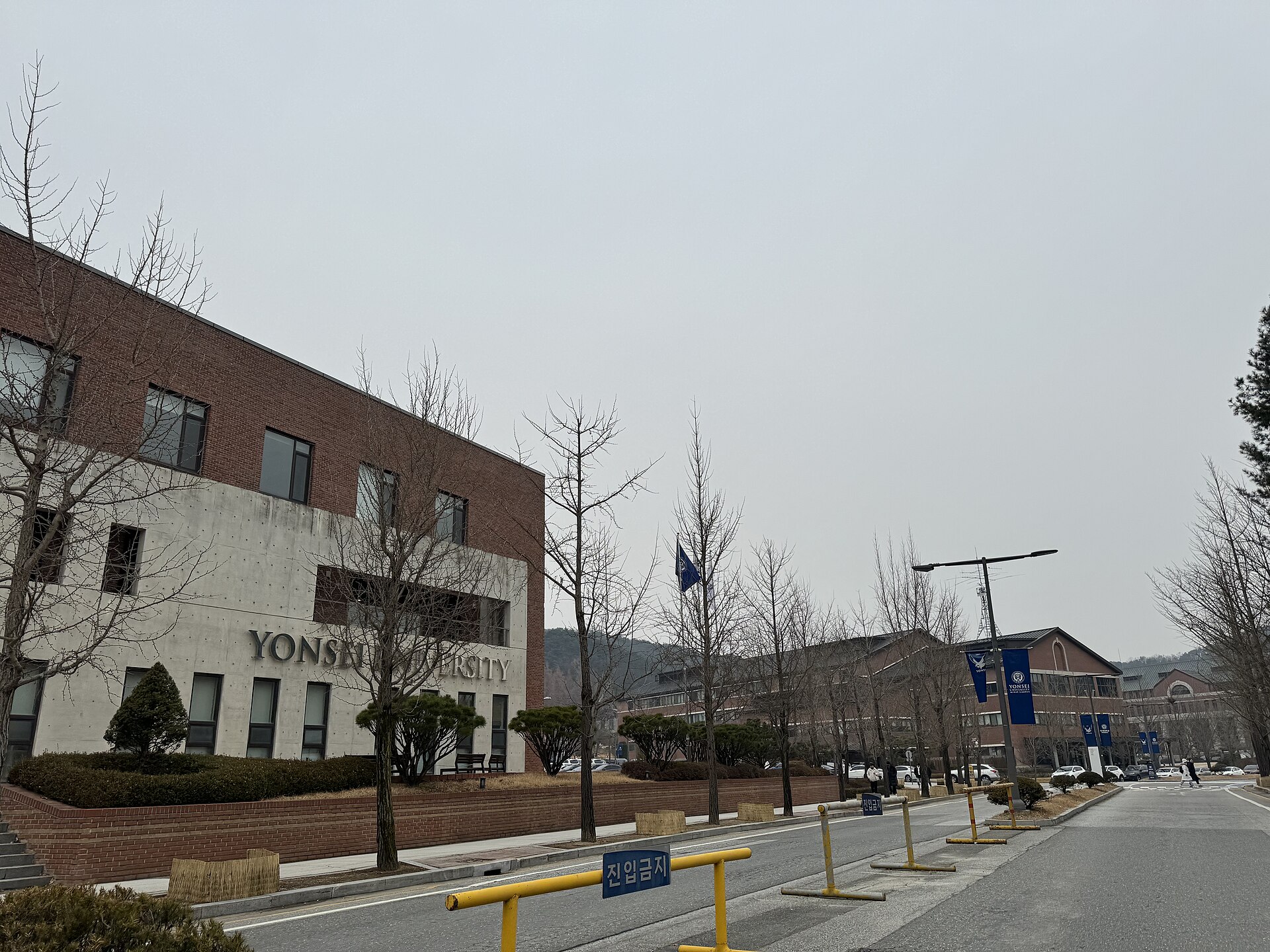
Yonsei University — campus in pictures
Real, freely-licensed photographs of the campus (via Wikimedia Commons).

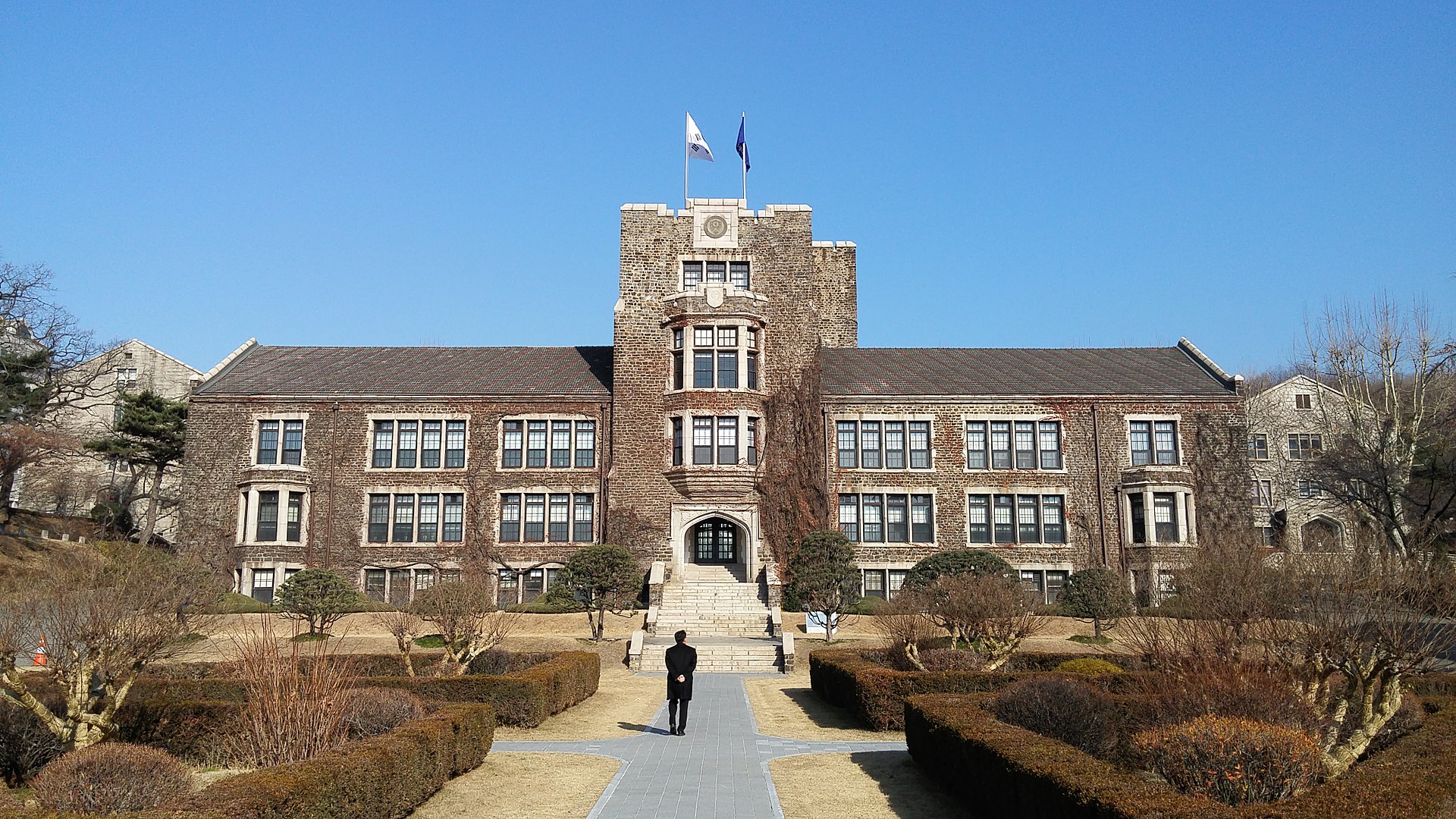
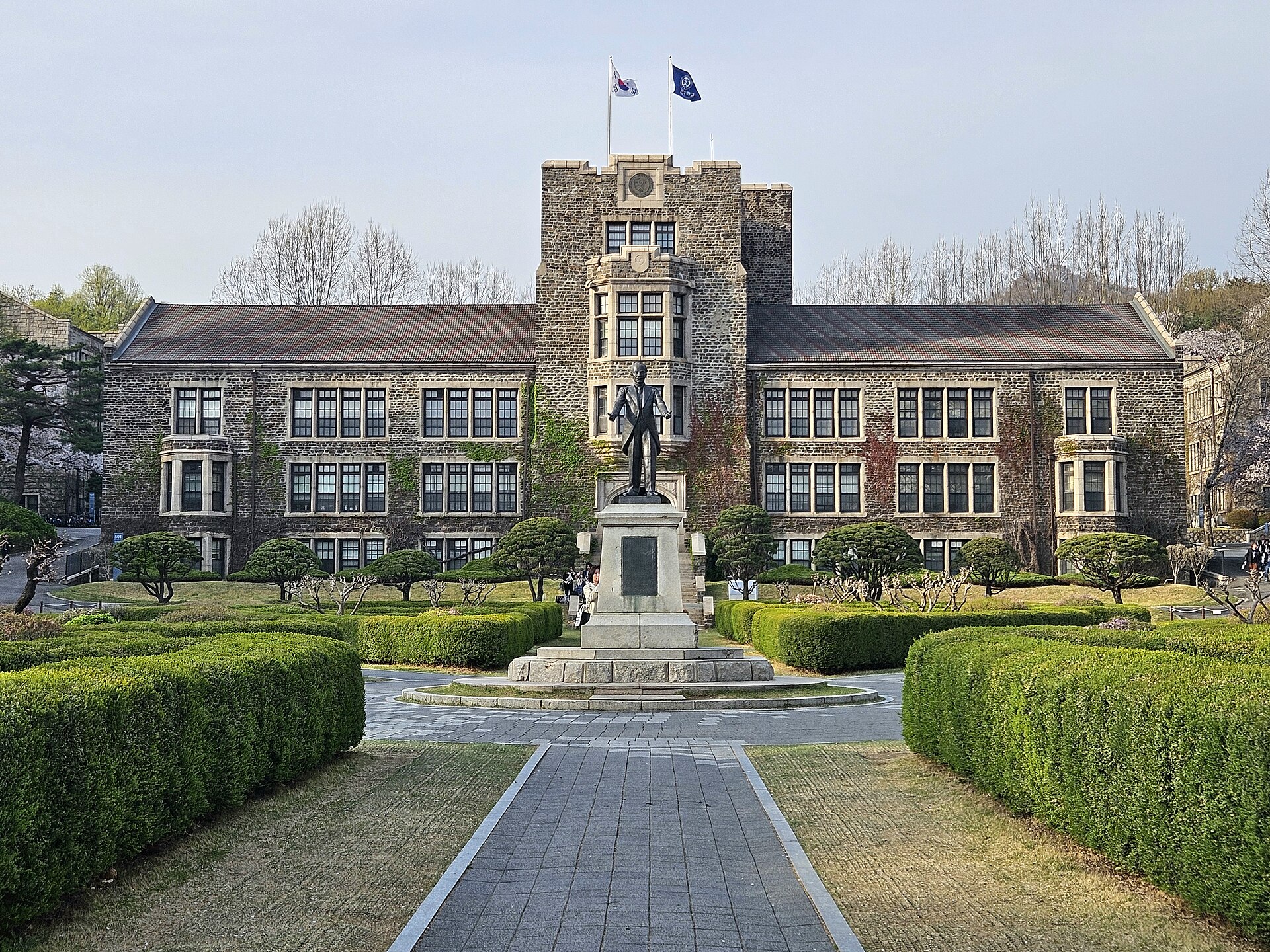
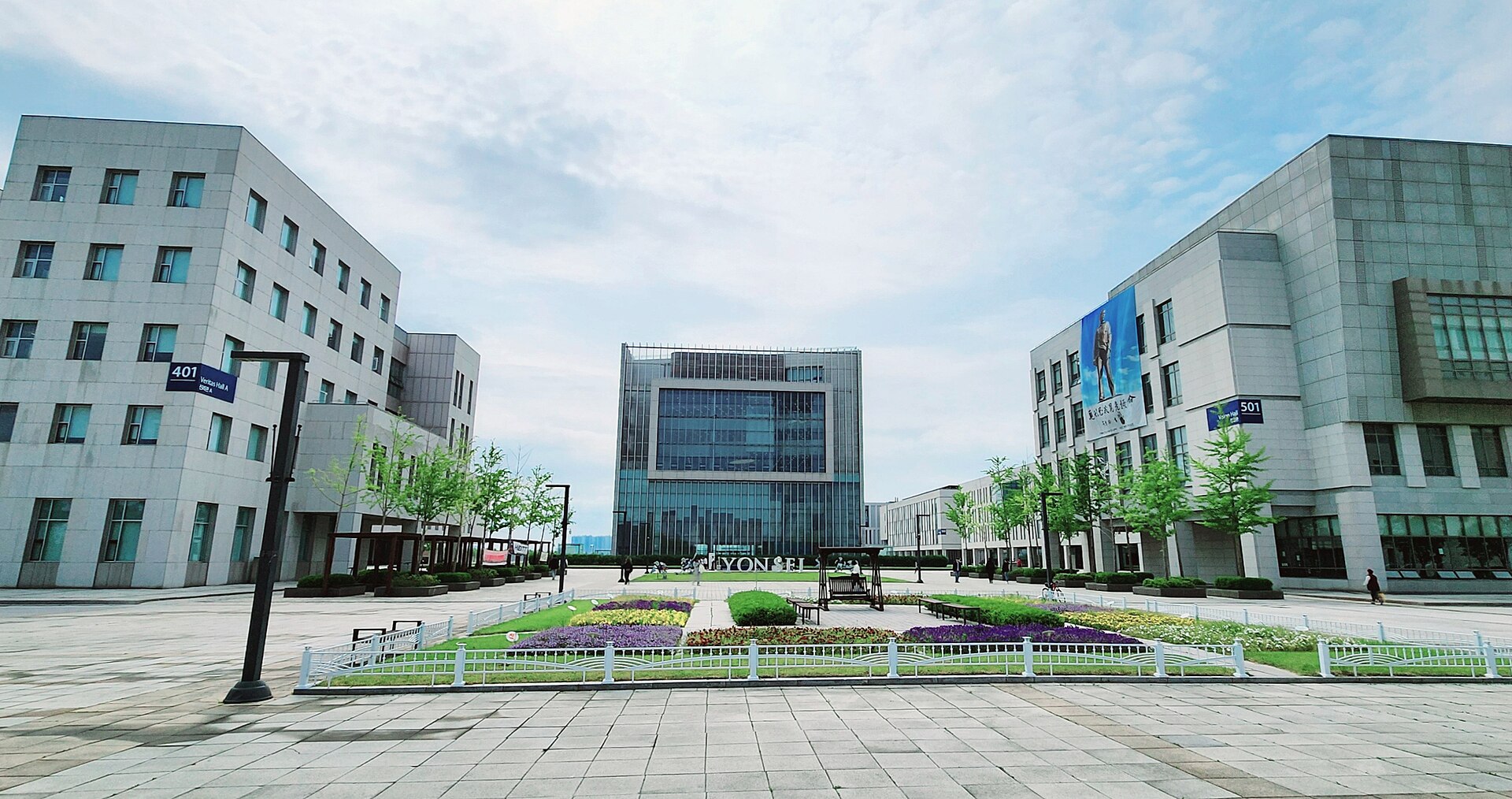
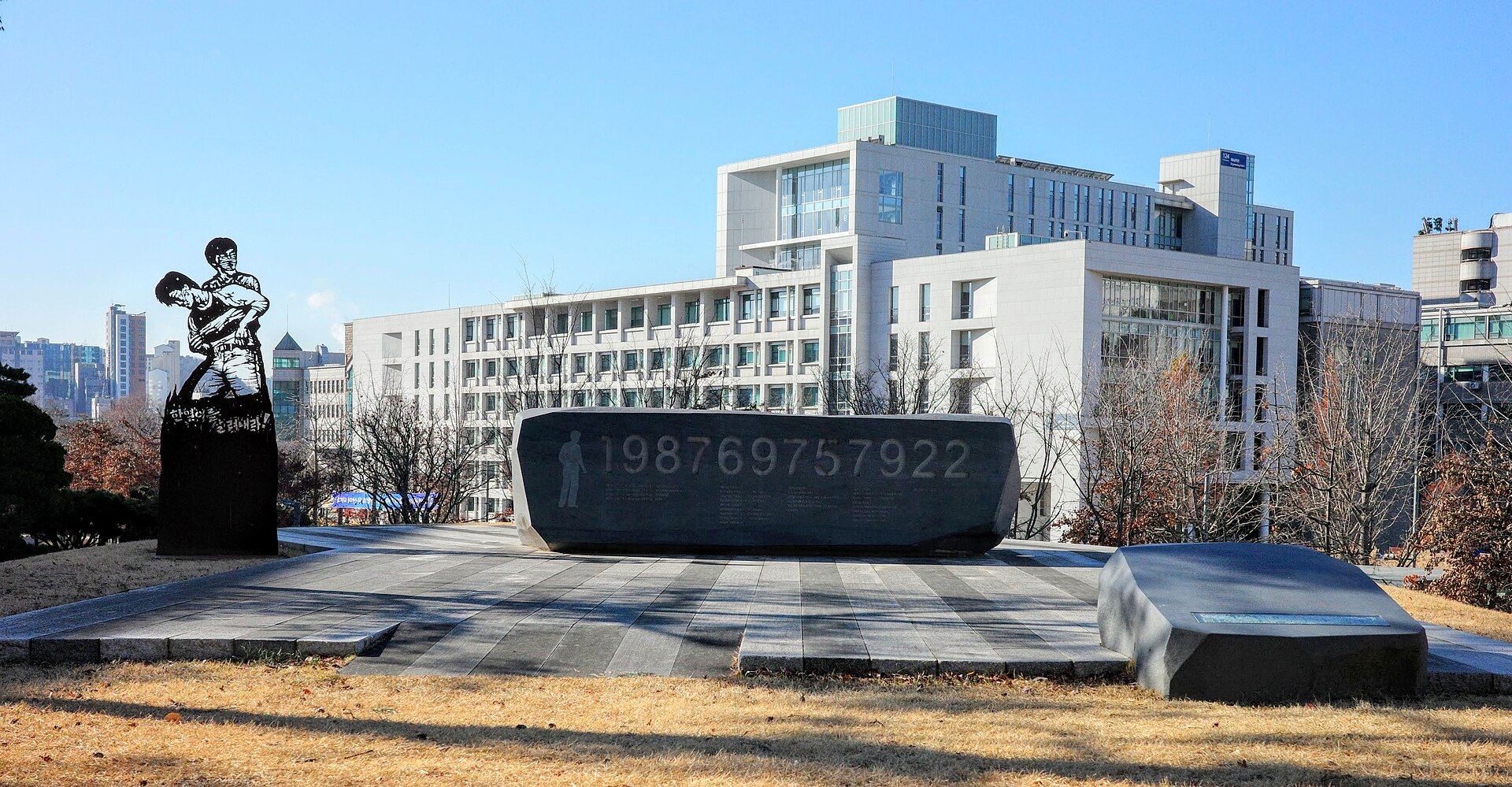
Why Yonsei — SKY Prestige, Global Campus & Seoul Advantage
Yonsei stands apart from other elite Asian universities by combining a globally recognised research identity with an explicitly international student experience — from English-taught degree tracks to a dedicated first-year residential campus at Songdo.
SELECTIVITY
How Selective Is Yonsei?
Yonsei's overall acceptance rate masks significant variation by programme. The university receives tens of thousands of applications annually, and international admissions — particularly through UIC — is highly competitive. For UIC specifically, holistic review (document + interview) makes non-academic dimensions as important as grades.
UIC international admissions is considerably more selective than the overall acceptance rate suggests. Applicants with IB scores below 36 or GPA below 3.7 face significant headwinds for UIC; other undergraduate faculties (Engineering, Business) also set high bars. The admissions process weights both academic records and the interview, so a strong written profile alone does not guarantee admission.
AT A GLANCE
Yonsei University Quick Facts
APPLICATION COMPONENTS
What Makes Up the Yonsei Application?
Yonsei's international undergraduate admission (particularly UIC) is a two-stage holistic process. Understanding each component helps you plan your application timeline well in advance.
ADMISSIONS PHILOSOPHY
The Profile Yonsei Admits
Yonsei — and UIC in particular — looks for academically excellent students who demonstrate genuine intellectual depth, cross-cultural curiosity, and clear reasons for choosing South Korea as a place to study and live. The admissions committee is experienced at spotting surface-level interest: vague references to K-pop or Korean culture without academic substance are red flags, not selling points.
APPLICATION TIMELINE
Application Rounds & Deadlines
Yonsei admits international undergraduates twice per year — Spring (March) and Fall (September) intake. The UIC process involves two formal stages (document review → interview). Deadlines below are for UIC international admissions; other faculties may follow the main international application schedule — verify directly with the admissions office.
The main Yonsei international admissions office (for non-UIC faculties such as Engineering and Social Sciences) follows a separate schedule. Spring intake applications typically open in October, Fall in March. Always confirm dates on the official admissions portal.
| Round | Opens | Deadline | Notes |
|---|---|---|---|
| UIC Round 1 — Fall 2027 Entry (Online) | Aug 26, 2026 | Sep 22, 2026 | Submit via UIC website or Common App |
| UIC Round 1 — Document Submission | — | Oct 2, 2026 | Physical documents posted to UIC office |
| UIC Round 1 — Interview | Dec 11, 2026 | Dec 12, 2026 | Zoom interview; shortlisted applicants only |
| UIC Round 1 — Decision | — | Dec 18, 2026 | Admission notification released |
| UIC Round 2 — Spring 2028 Entry | ~Mar 2027 | TBC | Dates to be announced; check uic.yonsei.ac.kr |
CAMPUS & CITY LIFE
Student Life at Yonsei
Life at Yonsei is shaped by three overlapping environments: the intimate first-year Songdo Residential College in Incheon, the vibrant main Sinchon campus in central Seoul, and Seoul itself — a global megalopolis that is also one of Asia's safest and most affordable cities for students.
First-year students of all nationalities live together at the Songdo International Campus under the Residential College programme, taking core courses and building the tight peer networks that define a Yonsei education. From the second year onwards, students move to the Sinchon campus in Seoul's Mapo/Seodaemun corridor — walkable to Hongdae's nightlife, a 20-minute metro ride from Gangnam, and close to the Han River parks. On campus, Yonsei hosts hundreds of clubs spanning academics, sports, culture, and social impact. The Mentors Club and Yonsei Global organisations specifically support international students with language exchange, cultural orientation, and community events. The annual AKARAKA festival is one of Korea's most iconic university events, and the Yon-Ko Games — an inter-university athletics rivalry with Korea University — is a fixture in every Yonsei student's calendar.
CAREERS & OUTCOMES
Where Yonsei Graduates Go
A Yonsei degree — especially from UIC — carries significant weight in Korean hiring, where SKY university affiliation directly influences recruitment at major corporations. International graduates benefit both from this domestic brand strength and from Yonsei's growing global alumni network.
Major Korean employers — Samsung, Hyundai, LG, SK Group, Kakao, Naver, and the major Korean banks — recruit heavily from Yonsei. International graduates who gain Korean language proficiency often pursue roles in Korea's tech, consulting, and finance sectors. Medicine and life sciences graduates from Yonsei's renowned medical school feed into Korea's globally respected healthcare industry. For those returning to their home countries, a Yonsei UIC degree is increasingly recognised by employers in Southeast Asia, South Asia, and the Middle East who value the combination of an English-medium education with Asian regional fluency.
FAQs
Common Questions from International Applicants
Do I need to speak Korean to study at Yonsei?+
Not for UIC or other designated English-taught programmes. UIC courses are conducted entirely in English. However, learning Korean significantly enhances your daily life, social integration, and career options in Korea — many UIC students take Korean language courses alongside their major.
Can I apply to Yonsei through the Common App?+
Yes — UIC is one of the few Korean universities that accepts the Common Application. You can search for 'Underwood International College' on the Common App platform. Other Yonsei faculties use a separate direct application system.
What GPA and IB score do I need?+
The minimum stated GPA is 3.5, but competitive applicants for UIC typically present 3.7+ GPA. For IB students, an IB score of 38 is the benchmark cited in the facts; the practical competitive range for UIC is 37–44. If your score falls below 36, focus on exceptionally strong essay and interview performance.
Is the interview mandatory for all international applicants?+
The interview is specific to UIC and is only for shortlisted applicants who pass the initial document review. It is conducted via Zoom and carries 100 of 300 total evaluation points — so it is extremely important if you receive an invitation.
Can I get a scholarship as an international student?+
Yes — UIC's Admissions Scholarship can cover full tuition for up to four years and is awarded automatically to exceptional incoming students without a separate application. The external Global Korea Scholarship (GKS) is also available and covers tuition, airfare, and a living stipend.
When should I start my application?+
For the fall entry cycle, the online application window typically opens in late August, with documents due in early October. Given the interview stage in December, start preparing your personal statement and requesting letters of recommendation at least 3–4 months before the online portal opens.
What is the Songdo campus like for first-year students?+
Songdo is a purpose-built campus in the Incheon Free Economic Zone — modern facilities, residential dorms, and a structured academic and social programme. It is about 45–60 minutes from central Seoul by transit. Most students find it a positive community-building experience, though the distance from Seoul requires adjustment.
Are both parents required to have non-Korean nationality?+
Yes — for the international student admissions track (INR track), both the applicant and their parents must hold non-Korean nationality. This is a hard eligibility requirement. Applicants of Korean heritage may be directed to a different admissions channel.
ACADEMIC STANDARDS
Academic Expectations for International Students at Yonsei University
Yonsei's academic culture is demanding, intellectually rigorous, and increasingly global. UIC in particular runs a credit-intensive liberal arts curriculum where critical reading, analytical writing in English, and interdisciplinary thinking are core competencies from day one.
International students should arrive prepared for seminar-style discussion courses, research-integrated modules, and a grading culture that rewards intellectual originality. The Sinchon campus houses Korea's most competitive professional schools (Medicine, Law, Business), and the academic environment reflects that ambition across all faculties. Students who have excelled in IB, A-Level, or AP curricula typically find the transition manageable — provided they have strong English writing skills and genuine intellectual curiosity.
ACADEMIC PROFILE
Competitive Academic Benchmarks
STANDARDISED TESTS
SAT / ACT Policy
Yonsei follows a test-optional policy for international undergraduate admissions — SAT and ACT scores are accepted and reviewed if submitted, but are not mandatory. This reflects a broader shift in Korean university admissions towards holistic evaluation.
For UIC applicants, the academic essay and interview carry significantly more weight than standardised test scores. If you have strong SAT/ACT results (SAT 1450+, ACT 32+), submitting them can strengthen your file — particularly if your transcript comes from a school system that is less familiar to Korean admissions readers. If your scores are below competitive ranges for your target programme, omitting them does not put you at a disadvantage. Prioritise the quality of your written materials and interview preparation over test score optimisation.
SAT & ACT
If You Submit Standardised Test Scores
There are no official published SAT or ACT bands for Yonsei's admitted international class. The following guidance is based on the competitive profile of admitted UIC students and general admissions standards.
INTERNATIONAL QUALIFICATIONS
How IB, A-Level & AP Are Evaluated
Yonsei is well-versed in evaluating international secondary qualifications. The IB Diploma is the most commonly submitted international qualification by UIC applicants globally.
SUBJECT PREPARATION
Recommended Subject Preparation by Programme
ENGLISH PROFICIENCY
English Language Requirements
English proficiency documentation is required for all international students applying to English-taught programmes (including all UIC concentrations). The following minimums apply — higher scores strengthen your application.
Students who completed their entire secondary education in English (e.g., international schools, English-medium systems in India, Singapore, Hong Kong) may submit a Medium of Instruction certificate instead of a test score. Native English speakers from recognised English-speaking countries are typically exempt.
| Test | Minimum | Notes |
|---|---|---|
| TOEFL iBT | 100 | Internet-based total; widely accepted for UIC |
| IELTS Academic | 6.5 | Overall band score; academic module required |
| IB English (HL or SL) | Grade 5+ | Accepted as documentary evidence of proficiency |
| Medium of Instruction (MOI) | Certificate required | From English-medium secondary school; accepted as proficiency evidence |
| Duolingo English Test | Not specified | Check with admissions office; verify before submission |
LONG-TERM PREPARATION
Building Your Profile: Grade 9 to Grade 12
PITFALLS TO AVOID
Common Academic Application Mistakes
- Applying with a GPA below 3.5 without extraordinary compensating factors in other application components.
- Treating the UIC essay as a personal narrative rather than an analytical, academic argument.
- Using AI tools or essay services to write your personal statement — Yonsei explicitly verifies for AI-generated and plagiarised content.
- Underestimating the interview: many applicants prepare for academics but fail to research UIC's specific concentrations and curriculum.
- Vague Korea interest: referencing K-pop, K-dramas, or general Korean culture without connecting it to academic or intellectual motivation is widely noted as a red flag.
- Missing the physical document submission deadline (a separate, later date from the online application).
- Applying without verifying that both parents hold non-Korean nationality — this is a hard eligibility requirement for the international track.
COST & FINANCIAL AID
Understanding the Cost of a Yonsei Education for International Students
Yonsei is significantly more affordable than leading universities in the US, UK, or Australia — but costs are real and require planning. The good news: UIC offers automatic scholarship consideration to all admitted international students, and South Korea's living costs are genuinely competitive with other major academic cities globally.
The annual cost of attendance for international students at Yonsei is estimated at approximately $20,500 — inclusive of tuition, fees, and living expenses. This positions Yonsei well below most English-speaking alternatives of comparable global rank. Understanding the cost structure and available scholarships is essential for financial planning.
COST BREAKDOWN
Estimated Annual Costs (International Students)
All figures are annual estimates in USD. Exchange rates fluctuate — budget with a margin. Tuition is charged in Korean Won (KRW).
Seoul's cost of living is lower than Tokyo, Singapore, Hong Kong, or Sydney for most categories. On-campus dormitory accommodation reduces living costs substantially compared to off-campus rental.
| Component | Annual Usd | Notes |
|---|---|---|
| Tuition | $12,100 | Approx. KRW 16–17M per year; varies slightly by faculty |
| Living expenses (Seoul) | $12,000 | Includes accommodation, food, transport, personal |
| Estimated total cost of attendance | $20,500 | Inclusive estimate; personal spending varies |
| Application fee | $80 | One-time; UIC may charge separately (~$150 USD) |
FINANCIAL AID POLICY
Financial Aid for International Students
Yonsei does not operate a large-scale need-blind financial aid programme comparable to top US universities. However, both merit-based and need-based scholarship support is available through multiple channels — within UIC, from the university, and from the Korean government.
UIC offers need-based scholarships for currently-enrolled students covering full, half, or one-third of tuition per semester. Students must apply with supporting financial documentation, and interviews with the scholarship committee may be required. The merit-based scholarship automatically considers all enrolled students each semester based on GPA. Students are advised to plan for full costs in Year 1 unless they receive an admissions scholarship, then apply for ongoing support based on academic performance.
NAMED SCHOLARSHIPS
Scholarships for International Students at Yonsei
Several named scholarships are available to international students at Yonsei. The most impactful are the UIC Admissions Scholarship and the Korean government's Global Korea Scholarship (GKS).
NET COST REALITY
How Affordable Is Yonsei in Practice?
Among globally ranked top-60 universities, Yonsei offers one of the most accessible cost structures for international students. Even without scholarship support, a four-year Yonsei education costs significantly less than one year at many equivalent-ranked US or UK institutions.
At approximately $20,500 per year all-in, Yonsei's total four-year cost is comparable to a single year at many US private universities. For students who receive the UIC Admissions Scholarship (full tuition), the net cost drops to living expenses only — roughly $10,000–12,000 per year in Seoul. South Korea also offers part-time work rights for international students with a valid visa (D-2), providing some ability to supplement income through campus or off-campus employment. Financial planning should account for Korean Won exchange rate fluctuations, as all tuition billing is in KRW.
HOW TO FUND YOUR STUDIES
Steps to Secure Financial Support
COST FAQs
Frequently Asked Questions: Cost & Aid
Is Yonsei need-blind for international students?+
No — Yonsei does not operate a need-blind admissions policy. Financial need is not explicitly considered in the admissions decision, but neither is it completely invisible. The primary aid mechanism for international undergraduates is merit-based (academic excellence).
Can I work while studying in South Korea?+
Yes — international students on a D-2 (Student) visa may work part-time (typically up to 20 hours per week during term, full-time during vacations) with a work permit endorsement on their visa. On-campus jobs and tutoring positions are common.
Are tuition fees the same for all programmes at Yonsei?+
Tuition varies slightly by faculty. Medicine is considerably higher than other programmes. UIC tuition is broadly in line with the university average. Check the UIC website for current per-semester figures in KRW.
When is the UIC Admissions Scholarship awarded?+
It is awarded automatically at the point of admission — you do not apply separately. If awarded, your admission letter will specify the terms and any GPA maintenance requirements.
Does Yonsei offer any funding for graduate international students?+
Yes — the Yonsei Companion Scholarship (launched in 2025) provides automatic flat-rate scholarships to all full-time international students admitted to the general graduate school. The Global Leader Fellowship also covers full funding at the graduate level.
APPLICATION WRITING
The Written Application at Yonsei University How to Present Yourself to UIC
Yonsei's Underwood International College is one of the few universities in South Korea with a substantive written application component — including a personal essay and, for shortlisted candidates, a Zoom interview. The essay is not a US-style personal narrative: it is closer to an academic writing sample requiring you to engage critically with a topic or question.
The South Korean university application system generally does not feature extensive essay-writing — most local Korean admissions processes are exam-score-based. UIC is a deliberate exception: it deliberately mirrors elements of US liberal arts admissions to select students capable of its discussion-intensive, writing-heavy curriculum. For international applicants, this is an advantage — your ability to construct analytical arguments in English is both required and differentiating.
APPLICATION SYSTEM
How Yonsei / UIC International Applications Work
UIC accepts applications via two routes: the Common Application (for those also applying to US colleges) and a direct UIC online application. Both feed into the same admissions process. The evaluation is scored out of 300 points: 200 from document review (transcripts, essay, recommendations) and 100 from a Zoom interview (shortlisted applicants only).
ESSAY PROMPTS
Yonsei UIC Essay Requirements
UIC does not publish fixed annual essay prompts in the way that US universities do. The essay requirement involves analytical, academic writing on an assigned or self-chosen topic — the exact format and question vary by cycle. Verify current-cycle prompts on the UIC admissions page or Common App before applying.
WRITING STRATEGY
Crafting Your Academic Essay for UIC
The UIC essay is the most important differentiating element of your application. Here is how to approach it strategically.
Start by identifying the strongest academic argument you can make. UIC is looking for intellectual capacity — the ability to identify a problem or question, analyse it from multiple angles, and reach a reasoned conclusion. Choose a topic connected to your intended area of study rather than a general interest piece. If you are applying to the Quantitative Risk Management concentration, an essay on risk modelling, financial uncertainty, or behavioural economics is far more compelling than an essay on your travel experiences. Write multiple drafts. Ask a trusted teacher (not an essay consultant) to critique the logic and structure, not just the grammar. Ensure your writing voice is genuinely yours — UIC is experienced at identifying AI-generated and professionally polished essays that do not match the quality of interview responses.
SUPPLEMENT STRATEGY
Beyond the Essay: Other Written Components
TOPIC SELECTION
Choosing What to Write About
The strongest UIC essays share one quality: they demonstrate that the applicant already thinks like a university student. Topic selection is therefore critical.
Start with what you have genuinely studied in depth. Your IB Extended Essay, a significant research project, a topic covered in one of your HL courses, or a subject you have pursued independently outside class are all strong starting points. Avoid topics that are extremely common (climate change in general terms, personal hardship as a narrative, sports metaphors for life lessons) unless you have a genuinely original analytical angle. Korean-connected topics — provided you can argue them seriously — can be particularly effective: the economics of Korea's technology sector, the social history of Korean education, the geopolitics of the Korean Peninsula, or Korean contributions to a specific scientific field are examples where genuine intellectual engagement will be visible and credible.
AVOID THESE MISTAKES
Essay Pitfalls That Hurt UIC Applications
- Writing a personal narrative instead of an analytical academic essay — UIC's essay is not a US Common App personal statement.
- Using AI tools (ChatGPT, Gemini, etc.) to draft or substantially revise your essay — UIC explicitly screens for this and disqualifies submissions.
- Hiring ghostwriters or essay coaching services that write the essay for you — same risk as AI; your interview responses will expose the gap.
- Listing parents' names or socioeconomic status in the personal statement — explicitly prohibited by UIC.
- Vague or generic 'Why Korea' answers referencing K-pop, Korean food, or Korean dramas without substantive intellectual engagement.
- Applying to UIC without researching its specific concentrations — mentioning the wrong programme or confusing UIC with another Yonsei faculty is an immediate credibility problem.
- Treating the application essay and interview as separate — your written argument and your interview answers should be consistent and mutually reinforcing.
- Submitting documents only online and missing the physical document deadline in October — both components are required.
ESSAY FAQs
Frequently Asked Questions: Essays & Application Writing
Does UIC use the Common App?+
Yes — UIC is listed on the Common Application platform. Search 'Underwood International College' on CommonApp.org. You can also apply directly through the UIC website. Both routes are accepted and evaluated equally.
Is the UIC essay the same as a US personal statement?+
No — the UIC essay is more academic in nature. It prioritises logical argument and critical thinking over personal storytelling. Think of it as a short academic position paper, not a memoir.
How long should the UIC essay be?+
Length requirements are published on the UIC portal and Common App supplement for each cycle. Verify the current word limit before writing. As a general rule, aim for precision and analytical depth rather than length.
Can I write about Korean culture in my essay?+
Yes — but only if you can move beyond surface-level engagement. If you can write analytically about a specific aspect of Korean society, history, economy, or intellectual tradition, it can be compelling. If you are writing about K-pop or Korean dramas, the bar for intellectual depth is extremely high.
What happens in the UIC interview?+
Shortlisted applicants are invited to a Zoom interview in December (for the standard admissions round). The interview probes your academic motivation, knowledge of UIC's curriculum and your intended concentration, and your reasons for choosing Korea and Yonsei. Prepare structured, specific answers — vague responses are a common failure mode.
I used an essay coach to help me write my application. Is that allowed?+
Guidance and feedback from a counsellor or teacher on structure, argument, and clarity is generally acceptable. Having someone else write the essay — or using AI to generate the text — is explicitly prohibited and can result in disqualification. The interview will reveal inconsistencies between a polished written essay and your natural spoken argument.
Do other Yonsei programmes (outside UIC) require essays?+
Most non-UIC Yonsei faculties have lighter written application requirements for international students — often transcript-based with a brief statement of purpose. Verify requirements for your specific faculty on the main Yonsei international admissions portal.
Courses — schools, degrees & intake
65 degrees across 15 groupings.
Underwood International College (UIC) · 16 degrees
Comparative Literature and Culture
Economics
International Studies
Political Science and International Relations
Life Science and Biotechnology
Asian Studies
Culture and Design Management
Information and Interaction Design
Creative Technology Management
Justice and Civil Leadership
Quantitative Risk Management
Science, Technology, and Policy
Sustainable Development and Cooperation
Nano Science and Engineering
Energy and Environmental Science and Engineering
Bio-Convergence
College of Engineering · 10 degrees
Chemical and Biological Engineering
Electrical and Electronic Engineering
Architectural Engineering
Urban Engineering
Civil and Environmental Engineering
Mechanical Engineering
Advanced Materials Engineering
Industrial Engineering
System Semiconductor Engineering
Display Convergence Engineering
College of Computing · 6 degrees
Computer Science
Artificial Intelligence
AI Systems
IT Convergence Engineering
Intelligent Semiconductor
Mobility Systems
College of Commerce and Economics · 2 degrees
Economics
Applied Statistics
School of Business · 1 degrees
Business Administration
College of Life Science and Biotechnology · 4 degrees
Systems Biology
Biochemistry
Biotechnology
Life Science Engineering
College of Liberal Arts · 7 degrees
Korean Language and Literature
Chinese Language and Literature
English Language and Literature
German Language and Literature
French Language and Literature
History
Philosophy
College of Social Sciences · 4 degrees
Political Science and International Relations
Public Administration
Cultural Anthropology
Sociology
College of Music · 5 degrees
Church Music
Vocal Performance
Piano
Orchestral Instruments
Composition
College of Nursing · 1 degrees
Nursing Science
College of Pharmacy · 1 degrees
Pharmacy
College of Medicine · 1 degrees
Medicine
College of Dentistry · 1 degrees
Dentistry
College of Theology · 1 degrees
Theology
Global Leaders College · 5 degrees
International Trade
Korean Language and Culture Education
Culture and Media
Biolife Engineering
Applied Information Engineering
Want your real chances at Yonsei University?
Create a free TYCHR account for your personalised admit-chance, a shortlist you can track, exact entry requirements, and essay + counselling help.