Xi'an Jiaotong University
Xi'an, China (Mainland) · Urban
C9 LEAGUE · PROJECT 985 · DOUBLE FIRST-CLASS
Xi'an Jiaotong University Admissions Guide for International Students
Founded in 1896 in Shanghai and relocated to Xi'an in 1956 on national mission, Xi'an Jiaotong University (XJTU) is one of China's oldest and most prestigious research universities — a founding member of the elite C9 League. Ranked among China's top engineering and technology institutions, XJTU anchors western China's booming science corridor with its landmark iHarbour Innovation Port campus. For international students who want elite Chinese engineering education with living costs far below Shanghai or Beijing, XJTU offers a compelling combination of academic rigour, research intensity, and access to China's growing technology economy.
Campus
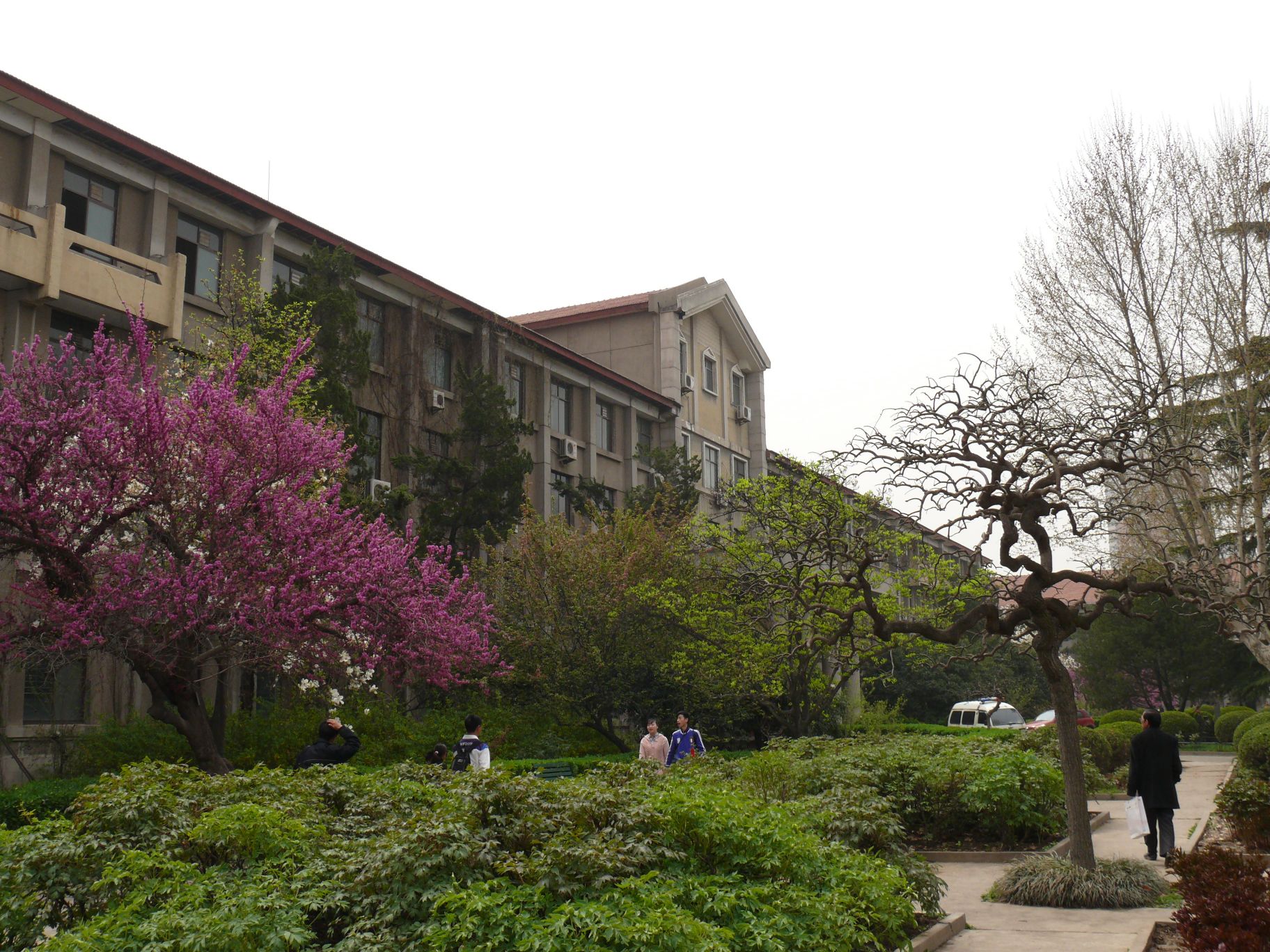
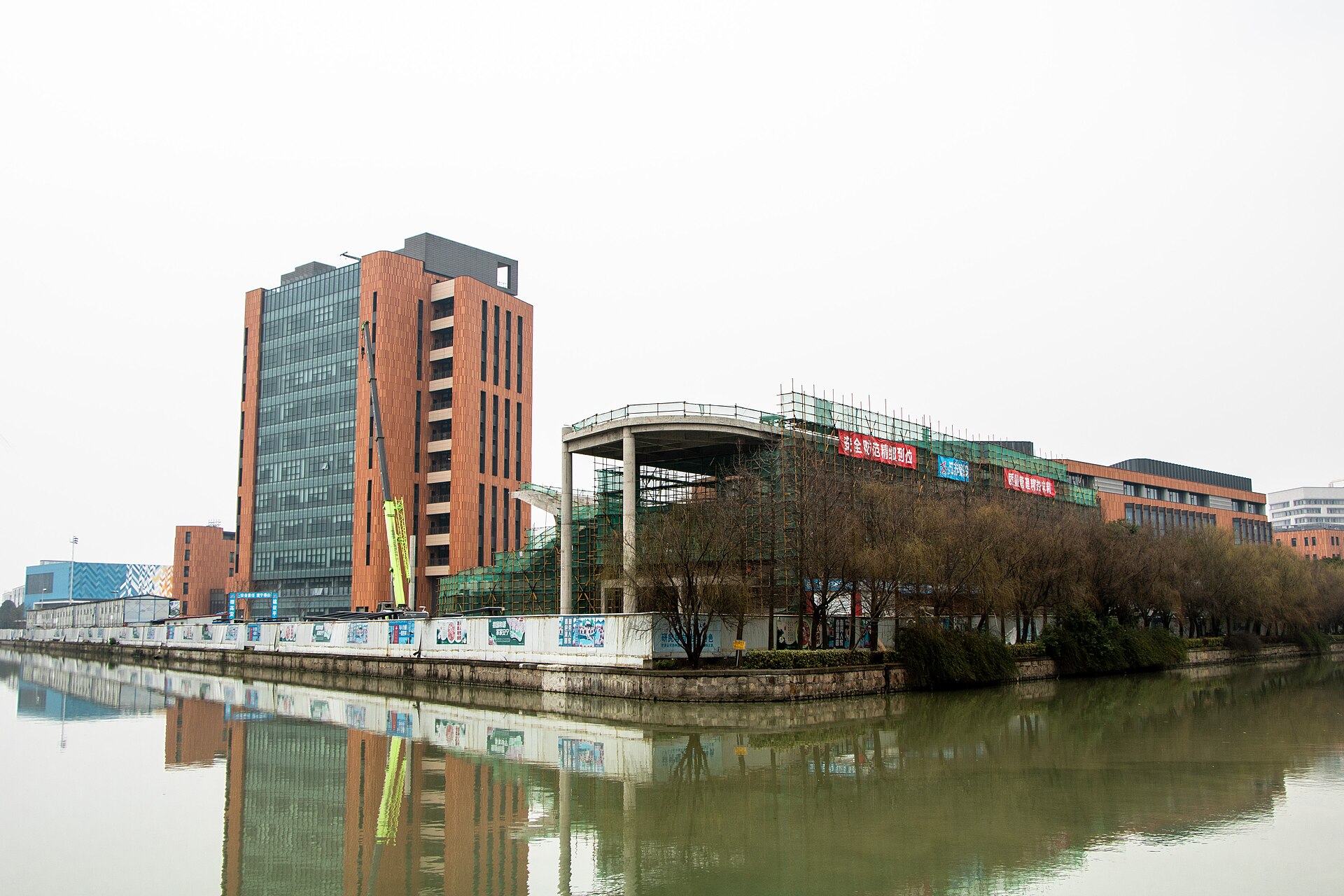
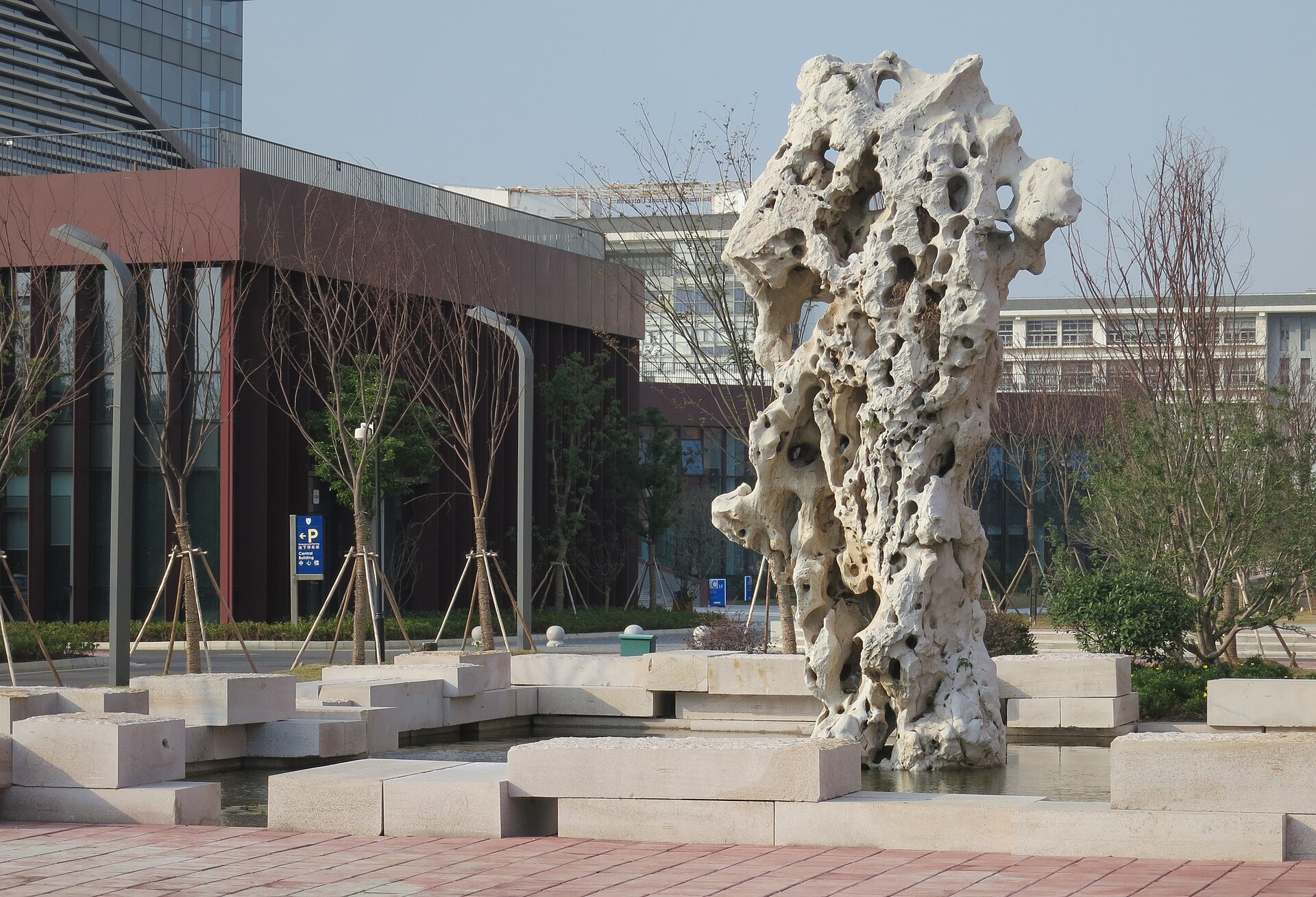
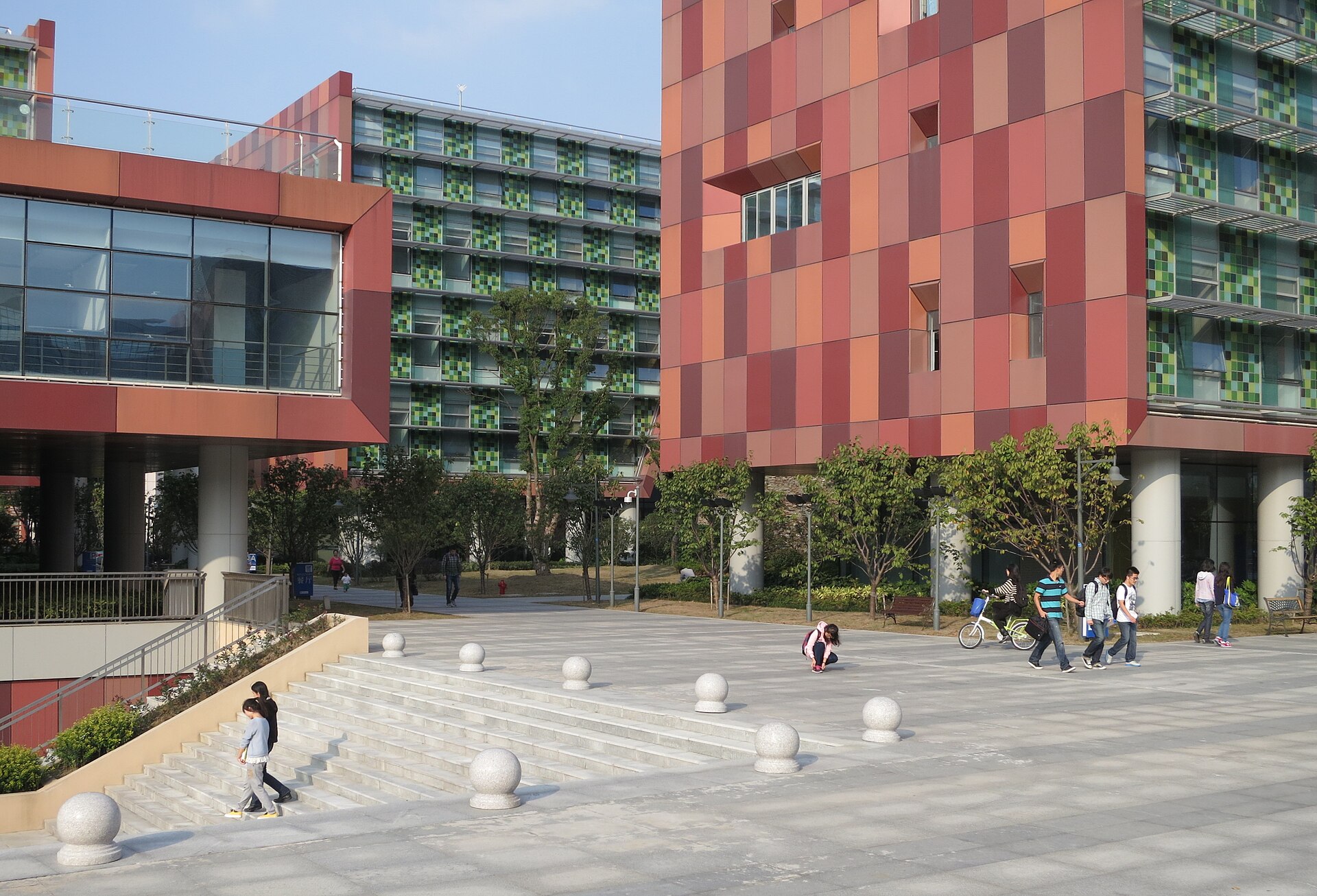
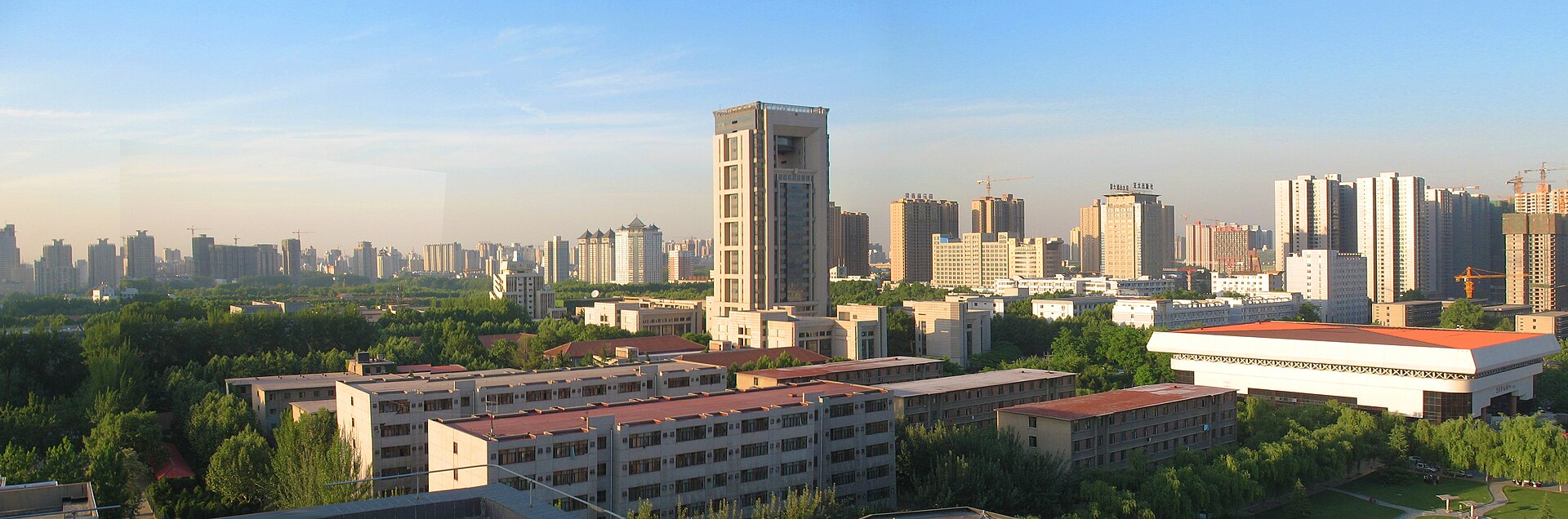
Xi'an Jiaotong University — campus in pictures
Real, freely-licensed photographs of the campus (via Wikimedia Commons).

Why Choose Xi'an Jiaotong University — Prestige, Research & Western China Advantage
XJTU belongs to China's most exclusive academic tier. A C9 League member and Project 985/Double First-Class institution, it consistently ranks among the nation's top engineering universities and is recognised globally for its research output in energy, electrical engineering, and materials science.
SELECTIVITY
Acceptance Rate & Admissions Profile
XJTU is selective — admission to its undergraduate programmes, especially in engineering and medicine, is highly competitive for both domestic and international students. The university's international admissions pathway applies different criteria from the domestic Gaokao route, and competition among international applicants is growing year on year.
XJTU receives applications from international students across South Asia, Southeast Asia, Central Asia, the Middle East, and beyond. Competition is highest for engineering (especially Electrical Engineering, Mechanical Engineering, and Artificial Intelligence) and Clinical Medicine. A strong academic record well above the minimum GPA and IB thresholds is strongly recommended.
AT A GLANCE
Xi'an Jiaotong University — Quick Facts
HOW TO APPLY
Application Components for International Students
International students apply directly to XJTU through the university's online application portal (not through a centralised system like Common App or UCAS). The application requires academic documents, language evidence, and a personal statement. All applications are reviewed by the International Students Office.
WHAT XJTU VALUES
The Candidate Profile XJTU Admits
XJTU's international admissions is primarily academic-merit driven. Unlike US universities, there is no holistic personality-based review; your grades, test scores, and stated academic purpose carry the most weight. Here is what stands out.
APPLICATION TIMELINE
Application Deadlines & Rounds
XJTU uses a rolling application system with defined intake windows for international students. Applications typically open in the autumn preceding the September intake. Scholarship applications (especially Chinese Government Scholarship via CSC) have earlier, fixed deadlines. Confirm exact dates on the official admissions portal, as they vary by year.
Always verify exact deadlines on the XJTU International Students Office portal, as they are updated annually. Scholarship applicants must meet earlier deadlines.
| Round | Deadline | Decision | Notes |
|---|---|---|---|
| CSC / Government Scholarship | Mar–Apr (varies by year) | Jun–Jul | Fixed early deadline — apply first |
| Standard Undergraduate Intake | Apr–May | Jun–Jul | September start |
| Standard Graduate Intake | Mar–May | Jun–Jul | September start |
| Spring Intake (limited programmes) | Nov–Dec | Jan | Not all programmes offered |
CAMPUS & CITY
Student Life in Xi'an
Xi'an is one of China's most historically significant cities — the starting point of the ancient Silk Road, home to the Terracotta Army, and a modern technology hub of over 12 million people. For international students, it offers a uniquely Chinese experience that is more culturally immersive and far more affordable than Shanghai or Beijing.
XJTU operates two primary campuses: the historic Xingqing Campus in central Xi'an (the original 1950s complex) and the modern iHarbour (Chuangye) Campus on the city's western innovation corridor. International students typically live in dedicated international dormitories on campus, with affordable rates and good facilities including dining halls, sports centres, and student clubs. The university has an active International Student Association and various clubs in music, martial arts, technology, and cultural exchange.
OUTCOMES
Career Outcomes & Graduate Employment
XJTU graduates enjoy strong employment outcomes, particularly in China's technology, energy, and manufacturing sectors. The university's engineering and technology credentials are widely recognised by top Chinese employers, and the C9 League brand carries significant weight with multinationals operating in China.
Top recruiters include Huawei, SMIC, CATL, China National Petroleum Corporation, Shaanxi Energy Group, China Aerospace, BYD, and leading state-owned enterprises. International students who build Chinese language proficiency during their studies significantly expand their employment options in China's domestic market. Graduates also proceed to doctoral programmes at XJTU and at partner universities in Germany, the US, and Japan.
FREQUENTLY ASKED QUESTIONS
Xi'an Jiaotong University — FAQs for International Students
Does XJTU offer programmes taught in English?+
Yes. XJTU offers a range of undergraduate and postgraduate programmes taught in English, particularly in engineering, science, and management. These are primarily targeted at international students. However, many programmes — including Clinical Medicine — are taught in Chinese, and some are delivered bilingually. Always confirm the language of instruction with your specific department before applying.
What is the minimum IB score for admission?+
The minimum IB Diploma score listed in XJTU's requirements is 33. However, competitive programmes such as Electrical Engineering, Artificial Intelligence, and Clinical Medicine will typically admit students well above this threshold. A score of 36+ is more competitive for top programmes.
Can I apply without Chinese language skills?+
For English-taught programmes, Chinese language proficiency is not required for admission. However, learning basic Mandarin is strongly recommended for daily life in Xi'an, where English is less widely spoken than in coastal cities. XJTU offers Chinese language courses for international students.
What is the Chinese Government Scholarship (CSC) and how do I apply?+
The China Scholarship Council (CSC) scholarship is the primary government-funded scholarship for international students at XJTU. It covers tuition, accommodation, and a monthly stipend. XJTU is a designated CSC institution. Applications are typically submitted in March–April through both XJTU's portal and your home country's Chinese embassy or the CSC online system. Deadlines are firm — apply early.
Is Xi'an safe and accessible for international students?+
Xi'an is considered one of China's safest major cities. The campus is well-secured and has dedicated international student support services. The city has an international airport with direct flights to major Asian hubs, and high-speed rail connects Xi'an to Beijing (approximately 4.5 hours), Chengdu, and other major cities.
How does the application process differ from applying to a Western university?+
XJTU's process is direct and document-based — you apply through the university's own online portal with transcripts, a study plan, and supporting documents. There is no Common App or UCAS. The review is primarily academic: grades, test scores, and your study plan. You will typically receive an admission notice and then apply for a student visa (X visa) for China.
What IELTS or TOEFL score do I need?+
For English-taught programmes, XJTU requires a minimum IELTS score of 6.0 or TOEFL iBT score of 80. Some competitive programmes may set higher thresholds. Students from English-medium schools or non-native English-speaking countries that use English as the primary medium of instruction may request a waiver — confirm with the admissions office.
What is the application fee?+
The non-refundable application fee is USD 60, paid online at the time of application submission.
ACADEMIC EXPECTATIONS
Academic Requirements for International Students at Xi'an Jiaotong University
XJTU is one of China's most demanding research universities. Academic admission is merit-based and grades-first. For international students, this means your secondary school or undergraduate transcript — and specifically your performance in mathematics and relevant sciences — is the primary decision-making criterion. Understanding what XJTU expects, and how your qualifications are evaluated, is essential preparation.
ACADEMIC BENCHMARKS
Minimum Academic Standards
These are the minimum thresholds from XJTU's facts. Competitive applicants for engineering, science, and medical programmes typically hold substantially higher scores.
STANDARDISED TEST POLICY
XJTU Test Policy for International Students
XJTU does not primarily rely on standardised tests like the SAT or ACT for international student admissions. The test policy is listed as 'optional' — meaning standardised tests such as the SAT may be submitted to strengthen an application but are not required. The primary criteria remain academic transcripts, GPA, and IB/A-Level or equivalent results.
Students who hold strong SAT/ACT scores are welcome to submit them as supporting evidence, particularly for science and engineering programmes. However, these tests are not a substitute for strong academic transcripts. Chinese language proficiency (HSK) is required for Chinese-taught programmes, at the level specified by each department.
SAT / ACT
SAT and ACT at XJTU
Unlike US universities where the SAT/ACT play a central role, XJTU's admissions process for international students is primarily transcript- and qualification-based. SAT/ACT scores are accepted as supplementary evidence.
IB / A-LEVEL / INTERNATIONAL QUALIFICATIONS
How XJTU Reads IB, A-Level & International Qualifications
XJTU accepts a wide range of international secondary qualifications. The admissions office evaluates these on academic merit relative to the Chinese Gaokao benchmark.
SUBJECT PREPARATION
Subject Preparation for XJTU Programmes
ENGLISH PROFICIENCY
English Language Requirements
For English-taught programmes, XJTU requires formal evidence of English language proficiency. The minimum thresholds are as follows:
Higher scores are always beneficial. For competitive programmes, an IELTS 6.5+ or TOEFL 90+ will make your application more competitive. These thresholds are minimums, not targets.
| Test | Minimum | Notes |
|---|---|---|
| IELTS Academic | 6.0 | Overall band; no individual band stated publicly — confirm with department |
| TOEFL iBT | 80 | Internet-based test; superscore not mentioned |
| Duolingo English Test | Not published | Confirm acceptance with admissions office |
| Exemption | Possible | For graduates of English-medium secondary schools; request waiver with supporting evidence |
PROFILE ROADMAP
Building Your Academic Profile for XJTU
Start preparing early — XJTU's competitive programmes fill quickly and scholarship deadlines fall in March–April of the application year.
AVOID THESE MISTAKES
Common Academic Mistakes in XJTU Applications
- Applying with a GPA close to the 3.0 minimum for competitive engineering programmes without compensating strengths in your study plan or test scores.
- Choosing Chinese-medium programmes without sufficient HSK preparation — the language barrier in Medical and engineering Chinese-taught programmes is significant.
- Submitting a generic study plan that could apply to any university — XJTU evaluates academic purpose seriously; reference specific programmes and faculty.
- Missing the CSC Scholarship deadline (March–April) by assuming the standard admissions deadline applies — it does not.
- Not checking whether your target programme is taught in English or Chinese before applying.
- Providing unofficial or self-translated transcripts — certified translations by a recognised translation agency are required.
- Underestimating the competitiveness of Clinical Medicine — it is among the hardest programmes to enter as an international student at XJTU.
COST & FINANCIAL AID
The Cost of Studying at Xi'an Jiaotong University — Affordable by Elite University Standards
XJTU offers one of the most cost-effective routes to a C9 League degree in China. Tuition fees for international students are a fraction of comparable programmes in the US, UK, or Australia. Combined with Xi'an's exceptionally low cost of living, studying at XJTU is financially accessible for many international families — especially when government scholarships are factored in.
ANNUAL COST ESTIMATE
Cost Breakdown (Annual Estimates in USD)
All figures are approximate annual estimates in US Dollars. Actual amounts depend on programme, accommodation choice, and personal lifestyle. Confirm current figures with the XJTU International Students Office.
These figures reflect the facts file data and are presented as approximate estimates. Always verify current tuition and fee schedules directly with XJTU.
| Component | Estimated Annual Usd | Notes |
|---|---|---|
| Tuition | USD 3,900 | Approximate; varies slightly by programme |
| Total Cost of Attendance | USD 8,800 | Includes tuition, housing, meals, and essentials |
| Living Costs (excl. tuition) | USD 4,500 | Xi'an is significantly cheaper than Beijing or Shanghai |
| Application Fee | USD 60 | One-time, non-refundable |
FINANCIAL AID POLICY
Financial Aid for International Students
XJTU does not operate a Western-style need-based financial aid system for international students. However, scholarship coverage at XJTU is substantial — approximately 30% of international students receive some form of scholarship support.
The primary financial support mechanisms are merit-based scholarships funded by the Chinese Government (via CSC), the Ministry of Commerce (MOFCOM), XJTU's own scholarship fund, and Shaanxi provincial government programmes. These scholarships typically cover tuition and may also cover accommodation and provide a monthly living stipend. Families should plan for full self-funding unless they have confirmed scholarship awards in advance.
SCHOLARSHIPS
Named Scholarships for International Students
XJTU is a designated institution for multiple Chinese Government scholarship programmes. These are the primary funding routes for international students:
AFFORDABILITY REALITY
The Real Cost Picture for International Families
Even without scholarship support, XJTU is significantly more affordable than elite universities in the UK, US, Australia, or Singapore. The combination of low tuition (approximately USD 3,900/year) and Xi'an's low cost of living makes XJTU one of the most financially accessible C9 League institutions.
A student without any scholarship can expect to pay approximately USD 8,800 per year all-in — a total of around USD 35,000–40,000 for a four-year undergraduate degree. By comparison, a single year of tuition at a comparable-ranked UK university may exceed USD 30,000. Families who secure a CSC scholarship can reduce this to near-zero cost. Budget-conscious families should prioritise the CSC application as a first step.
HOW TO GET FUNDING
Steps to Secure Financial Support at XJTU
COST FAQs
Cost & Aid — Frequently Asked Questions
How much does it cost to attend XJTU as an international student?+
The approximate total cost of attendance is USD 8,800 per year, which includes tuition (approximately USD 3,900), accommodation, and living expenses. Xi'an is one of China's most affordable major cities.
Can I get a full scholarship to XJTU?+
Yes — the Chinese Government Scholarship (Type A, via CSC) can cover tuition, accommodation, and provide a monthly stipend. This is effectively a full ride. XJTU is a designated Category A institution for the CSC programme. Competition is strong; you should have a genuinely strong academic record and a compelling study plan.
When is the scholarship deadline?+
The CSC scholarship deadline is typically in March–April of the year of intended entry. This is earlier than the general admissions deadline. Do not assume you can apply for scholarships after you receive an admission offer — the scholarship application must often run in parallel with or before the main application.
Does XJTU offer need-based financial aid?+
XJTU does not operate a Western-style need-based aid system for international students. Financial support is primarily merit-based via scholarships. Families should plan for full self-funding unless a scholarship is confirmed.
Is the application fee refundable?+
No. The USD 60 application fee is non-refundable regardless of the admissions outcome.
Are there part-time work opportunities in Xi'an?+
Chinese student visa regulations restrict international students from working off-campus without specific approval. On-campus roles such as research assistantships (particularly at postgraduate level) are available and commonly funded through supervisors' research grants. Check current visa regulations with your home-country Chinese embassy before planning on any employment income.
APPLICATION & PERSONAL STATEMENT
Applying to XJTU — The Study Plan & Personal Statement
Xi'an Jiaotong University follows the Chinese university admissions model: there is no Common App, no UCAS, and no supplemental essay prompts. The primary written component is the Study Plan (学习计划) — a purpose statement that explains your academic background, why you have chosen XJTU and your specific programme, and what you plan to do with your degree. This document carries significant weight in the international admissions review, and it deserves serious preparation.
THE WRITING REQUIREMENT
What Writing Does XJTU Require?
Unlike US or UK applications, XJTU does not require a personal essay on your identity, lived experience, or character. The written requirement is a Study Plan: a professional, structured document that is closer to a Statement of Purpose than a personal narrative.
Graduate applicants may also be required to submit a Research Proposal outlining their intended dissertation or thesis topic, methodological approach, and why XJTU's faculty is the right environment for this work. Some programmes may request an academic writing sample or portfolio. Confirm the specific writing requirements with your target department.
There are no pre-set prompts with word limits in the style of Common App or UCAS. The Study Plan is typically submitted as a free-form document, usually 500–1,000 words for undergraduate applicants and 1,000–2,000 words for graduate applicants. Confirm current format expectations on the XJTU application portal.
WHAT TO COVER
What to Address in Your Study Plan
XJTU does not issue verbatim prompts. The Study Plan is a self-directed document. Based on XJTU's stated admissions criteria and the standard format for Chinese university applications, your Study Plan should address the following areas:
STUDY PLAN STRATEGY
Writing a Study Plan That Gets Results
The Study Plan is a professional document, not a personal essay. Tone, structure, and specificity matter more than storytelling or emotion. Here is how to approach it effectively.
Write in clear, professional English (for English-taught programmes). Structure the document with clear headings or logical paragraphs. Reviewers read many Study Plans — one that opens with your academic record and programme rationale before expanding to goals is easier to evaluate than one that buries the key points in narrative. Aim for 600–800 words for undergraduate applications and 1,000–1,500 for postgraduate, unless the portal specifies otherwise. Every claim should be grounded in evidence: if you say you are interested in AI, reference a course, project, or experience that supports this. For postgraduate applicants, the Study Plan functions more like a Statement of Purpose at a US or UK university. Identify faculty whose work aligns with your interests and mention them by name — it signals genuine engagement with XJTU specifically.
GRADUATE-SPECIFIC REQUIREMENTS
Research Proposal (Graduate Applicants)
Graduate (master's and doctoral) applicants to XJTU's research programmes are typically expected to submit a Research Proposal alongside the Study Plan. This is a separate document outlining the research you intend to pursue.
TOPIC SELECTION
Choosing What to Write About
Because XJTU's Study Plan is open-format, the risk is not choosing the wrong prompt — it is writing something too generic to be distinguishable.
COMMON MISTAKES
Study Plan Mistakes That Hurt XJTU Applications
- Writing a personal life story instead of a focused academic and professional purpose statement — XJTU wants a Study Plan, not a personal essay.
- Being vague about your programme choice ('I want to study engineering at XJTU') without specifying a particular discipline, research area, or faculty interest.
- Copying or closely paraphrasing generic study plan templates found online — admissions officers read hundreds of applications and immediately recognise template language.
- For graduate applicants: failing to reference specific XJTU faculty or research groups — this is the single strongest signal of institutional fit.
- Failing to explain the connection between your previous qualifications and your proposed field of study at XJTU.
- Submitting a Study Plan with grammatical errors or unclear English — for English-taught programmes, the quality of your written English in this document reflects your readiness for an English-medium curriculum.
- Treating the Study Plan as an afterthought because XJTU 'doesn't have essays' — this document is often the only personal differentiator in an otherwise grades-based process.
APPLICATION FAQs
Application Writing — Frequently Asked Questions
Does XJTU require essays in the style of Common App or UCAS?+
No. XJTU follows the Chinese university admissions model. There are no pre-set essay prompts. The written requirement is a Study Plan (学习计划) — a structured statement of academic purpose. Graduate applicants may also submit a Research Proposal.
How long should my Study Plan be?+
Typical guidance for XJTU undergraduate applications is 500–1,000 words. Postgraduate applicants should aim for 1,000–2,000 words. Confirm the specific format requirements on the online application portal, as these can change year to year.
Should my Study Plan be in English or Chinese?+
For English-taught programmes, write in English. For Chinese-medium programmes, writing in Chinese (if you are proficient) may strengthen your application, but English is generally accepted unless the programme specifically requires Chinese. Confirm with the department.
Can I mention specific professors in my Study Plan?+
Yes — and for postgraduate applicants, this is strongly encouraged. Identifying faculty whose research aligns with your interests and explaining why you want to work with them is one of the most effective ways to demonstrate genuine institutional fit.
Does XJTU conduct interviews as part of the admissions process?+
Some programmes — particularly postgraduate and doctoral programmes — may conduct an interview or video call as part of the admissions review. Undergraduate admissions are typically document-based only. Confirm with your target department.
What is the difference between a Study Plan and a Research Proposal?+
The Study Plan covers your overall motivation, academic background, and study intentions. The Research Proposal (required for research-based graduate programmes) is more specific: it outlines your proposed research questions, methodology, and how your work fits within XJTU's academic environment. Both may be required for doctoral applications.
How do I make my Study Plan stand out?+
Be specific, be honest, and be coherent. Reference XJTU's specific programmes, faculty, or research facilities. Show a clear academic trajectory from your past to your planned future. Avoid generic language, over-aspirational claims, and templates. The reviewers are looking for genuine academic intent — not impressive-sounding but hollow statements.
Courses — schools, degrees & intake
38 degrees across 22 groupings.
School of Mathematics and Statistics · 1 degrees
Mathematics
School of Physics · 1 degrees
Physics
School of Chemistry · 2 degrees
Chemistry
Applied Chemistry
School of Mechanical Engineering · 1 degrees
Mechanical Engineering
School of Electrical Engineering · 1 degrees
Electrical Engineering
School of Energy and Power Engineering · 1 degrees
Energy and Power Engineering
Faculty of Electronic and Information Engineering · 1 degrees
Computer Science
School of Artificial Intelligence · 1 degrees
Artificial Intelligence
School of Materials Science and Engineering · 1 degrees
Materials Science
School of Chemical Engineering · 1 degrees
Chemical Engineering
School of Human Settlements and Civil Engineering · 2 degrees
Civil Engineering
Architecture
School of Life Sciences and Technology · 2 degrees
Biological Sciences
Biomedical Engineering
School of Aerospace Engineering · 1 degrees
Aerospace Engineering
School of Instrument Science and Technology · 1 degrees
Measurement Control Technology and Instruments
Medical School · 6 degrees
Clinical Medicine
Stomatology (Dentistry)
Pharmacy
Nursing
Preventive Medicine
Forensic Medicine
School of Economics and Finance · 3 degrees
Finance
Economics
International Economics and Trade
School of Management · 4 degrees
Management
Accounting
Information Management and Information Systems
Industrial Engineering
School of Public Administration · 1 degrees
Public Administration
School of Humanities · 3 degrees
Chinese Language and Literature
History
Philosophy
School of Law · 1 degrees
Law
School of Foreign Languages · 2 degrees
English
Japanese
School of New Media · 1 degrees
Journalism and Communication
Want your real chances at Xi'an Jiaotong University?
Create a free TYCHR account for your personalised admit-chance, a shortlist you can track, exact entry requirements, and essay + counselling help.