Wuhan University
Wuhan, China (Mainland) · Urban
WUHAN UNIVERSITY · CHINA
Wuhan University Admissions Guide for International Students
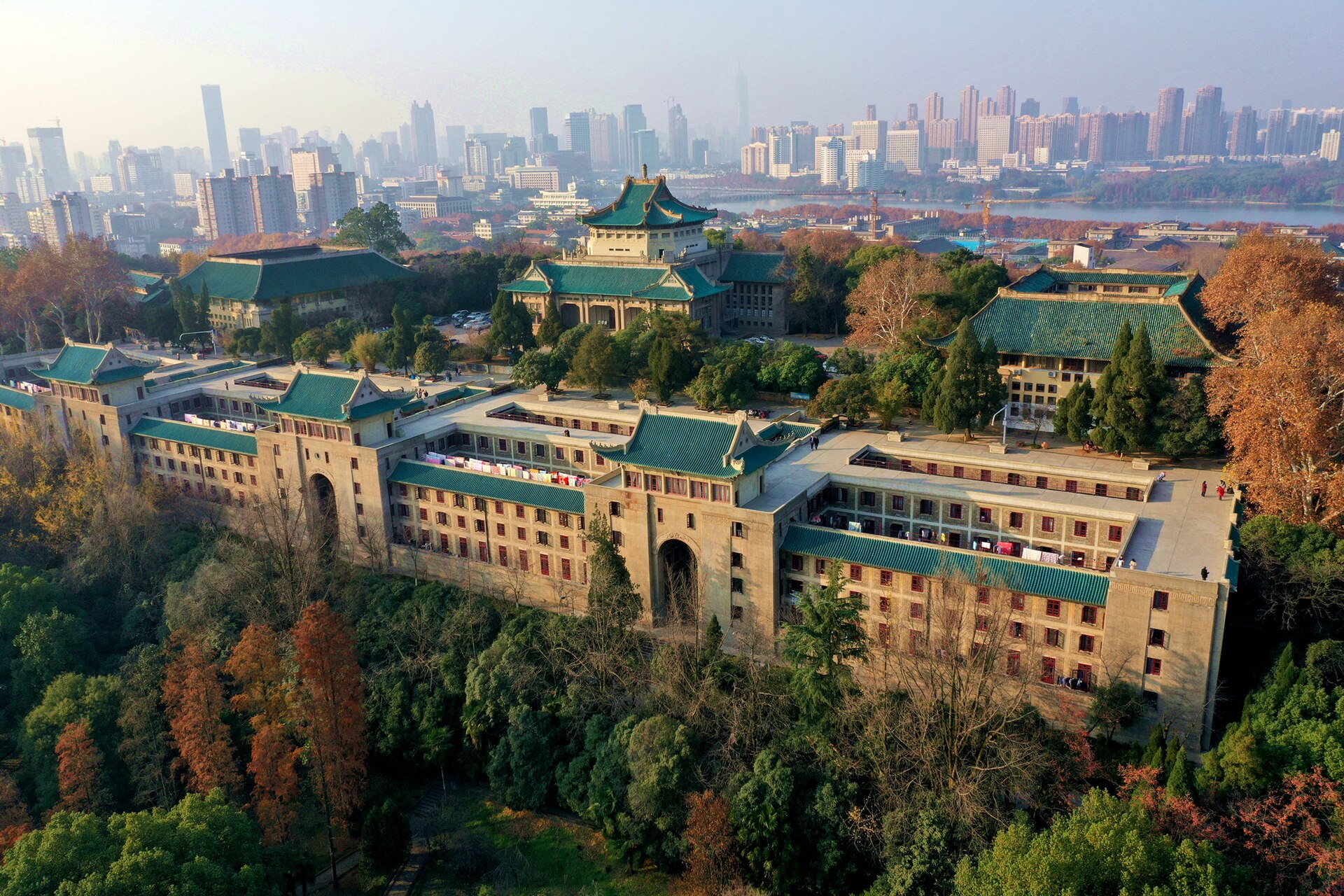
One of China's most storied and beautiful universities, Wuhan University (WHU) sits on the wooded shores of East Lake in Wuhan, Hubei — a campus so celebrated for its cherry blossoms and Gothic architecture that it has been called China's most beautiful university. Founded in 1893 and a flagship member of the elite Project 985 and Double First Class national programmes, WHU combines 130 years of academic tradition with cutting-edge research in remote sensing, geomatics, water resources, law, and medicine. For international students seeking a rigorous Chinese research university with global ambitions, WHU is the premier destination in Central China.
Campus
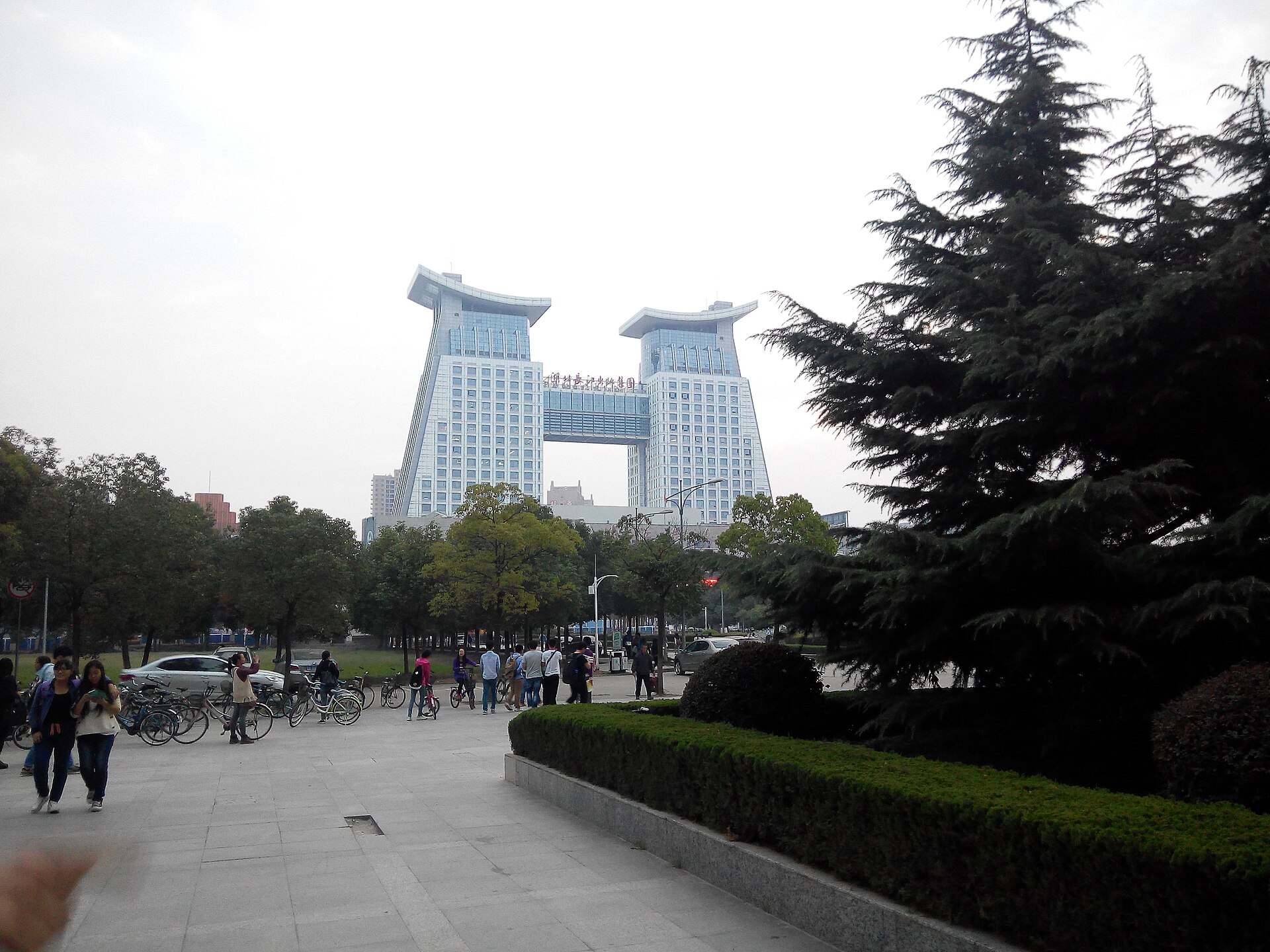
Wuhan University — campus in pictures
Real, freely-licensed photographs of the campus (via Wikimedia Commons).
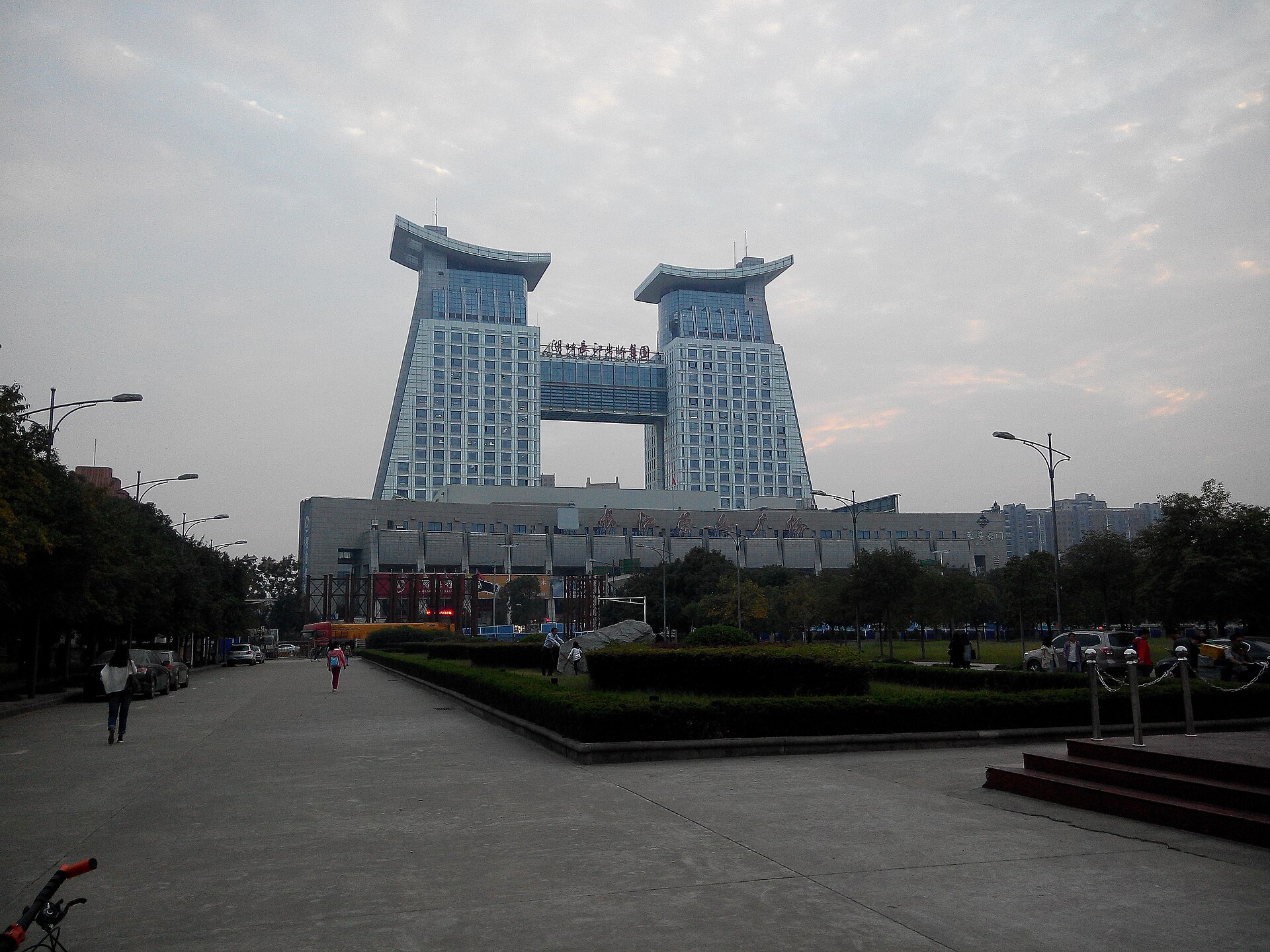
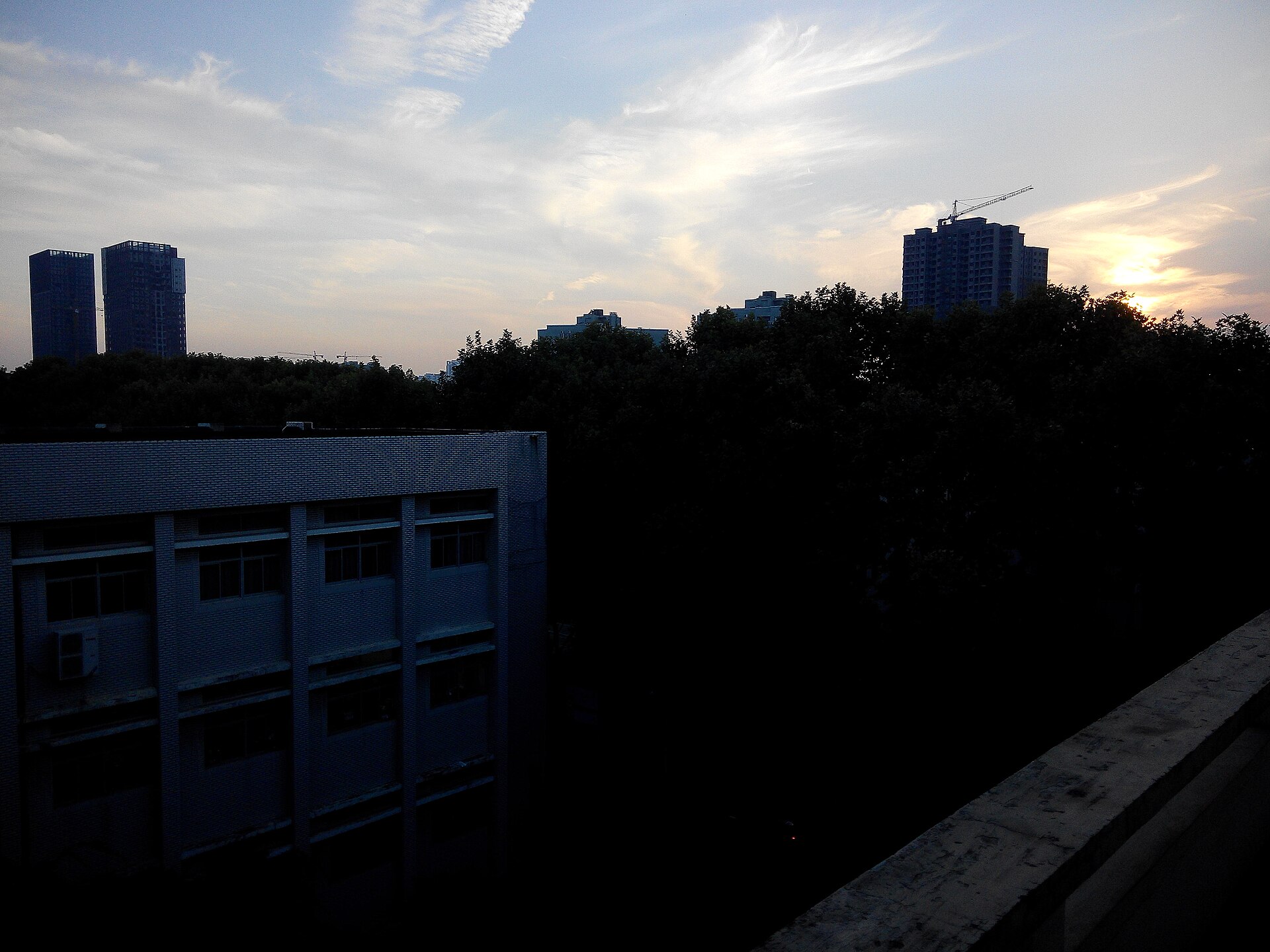
WHY WUHAN UNIVERSITY
Why WHU — Prestige, Research, and an Iconic Campus
Wuhan University is not simply a top-ranked Chinese university; it is one of the country's oldest comprehensive institutions, world-recognised for its research in geospatial sciences, and home to over 700,000 alumni including more than 100 academicians. For international students, it offers affordable tuition, generous government scholarships, and a rich multicultural environment in one of China's fastest-growing cities.
SELECTIVITY
How Selective is Wuhan University?
Wuhan University's international student admissions are moderately selective — more straightforward than elite Western institutions, but still competitive for popular English-medium programmes and full scholarship places. The university evaluates academic transcripts, language proficiency, and (for postgraduate applicants) a research proposal or statement of purpose. Strong candidates combine a solid academic record with genuine interest in WHU's research strengths.
AT A GLANCE
Wuhan University Quick Facts
APPLICATION COMPONENTS
What Your Application Must Include
International student applications to Wuhan University are submitted through the university's online portal at admission.whu.edu.cn. The process is document-based and evaluated holistically — academic performance, language proficiency, and fit with the programme are the primary criteria.
ADMISSION PROFILE
What Wuhan University Looks For
Unlike US or UK universities, Wuhan University does not conduct a holistic 'whole-person' review involving activities lists or personal essays as the core of its decision. The admissions process is fundamentally document-and-criteria-based. What matters most is your academic record and language preparation. That said, for competitive scholarship places and sought-after programmes, you want to present the strongest possible overall file.
KEY DATES
Application Deadlines & Timeline
Wuhan University follows the standard Chinese university academic calendar with a September start. Most international students apply in the spring for September admission. Chinese Government Scholarship applications typically open in early spring and have an earlier deadline than self-funded applications. Verify exact dates for your cycle at admission.whu.edu.cn, as they are updated annually.
Dates below are typical of recent cycles and should be verified on the official portal before applying.
| Round | Deadline | Notes |
|---|---|---|
| CSC Scholarship Application Opens | Late January – early February | Apply via campuschina.org AND WHU portal |
| CSC / Bilateral Scholarship Deadline | Approx. late March | Varies by scholarship type; check annually |
| Self-Funded Application Opens | January – February | Applications accepted on rolling basis |
| Self-Funded Application Deadline | Approx. May – June | Earlier is better for housing allocation |
| Admission Notification | June – July | Acceptance letter + visa materials sent |
| Registration / Arrival | Late August – early September | Specific dates in admission letter |
CAMPUS & CITY
Student Life at Wuhan University
Life at Wuhan University is shaped by the campus itself — a national heritage site spread across Luojia Mountain, where Mid-Republic architecture meets East Lake views and the world-famous cherry blossom avenues. Spring brings thousands of visitors to campus for the sakura festival, creating one of the most distinctive university environments in all of China. Wuhan is a city of immense cultural and economic vitality. As the capital of Hubei Province and a major inland metropolis, it offers outstanding transportation links (high-speed rail to Beijing, Shanghai, and Guangzhou in under five hours), a lively food and arts scene, and a growing technology and startup ecosystem. The cost of living is significantly lower than Shanghai or Beijing, making Wuhan one of the best-value cities for international students in China. On campus, international students have access to dedicated dormitories (typically in the Guoyi Building for international students), sports facilities, university hospitals, and an active School of International Education community. More than 200 student clubs and societies — from research groups to cultural performance ensembles — are open to all students. The university's proximity to East Lake, China's largest urban lake, gives students a rare natural retreat just minutes from lecture halls.
CAREERS & OUTCOMES
What Happens After Wuhan University?
With an employment rate of 90% among graduates and a national reputation that commands respect across Chinese and international employers, a WHU degree opens doors in China's economy and beyond. Graduates from WHU's science and engineering schools — particularly remote sensing, geomatics, geodesy, and water resources — are highly sought by Chinese state enterprises (CSNC, Yellow River Conservancy Commission, National Bureau of Surveying), technology companies (Alibaba, Huawei, DJI), and international organisations working in environmental monitoring and infrastructure. Law graduates, especially from the School of Law's WTO and International Economic Law programmes, enter careers in international commercial law, government trade departments, and multilateral institutions. Medical and Stomatology graduates from the affiliated hospitals pathway are competitive for both Chinese hospital appointments and postgraduate training abroad. For international graduates, a WHU degree combined with Chinese language fluency (which most international degree-track students acquire) positions graduates strongly for roles in China-linked business, diplomacy, foreign trade, and international development organisations operating in Asia.
FAQS
Frequently Asked Questions
Are most programmes at Wuhan University taught in Chinese or English?+
The large majority of WHU's undergraduate and postgraduate degree programmes are taught in Mandarin Chinese. A limited set of English-medium programmes exist — notably in International Law (WTO focus) and certain postgraduate tracks — but most international students who enrol in a full degree programme are expected to have functional Chinese (HSK 4-5). Students without Chinese can begin with a preparatory Chinese language course. Confirm the language of instruction for your specific programme directly with the School of International Education before applying.
Do I need to speak Chinese to apply?+
For Chinese-taught programmes, yes — an HSK certificate (usually HSK 4 for undergraduate, HSK 5 for many postgraduate programmes) is required. For English-taught tracks, Chinese language is not required for admission, though learning basic Mandarin will greatly enrich daily life in Wuhan. If you are still developing your Chinese, WHU's non-degree Chinese Language Programme (1-2 years) is an excellent pathway to full-degree enrolment.
What scholarships are available for international students?+
The main scholarship routes are: (1) Chinese Government Scholarship (CSC) — the most generous, covering tuition, accommodation, and a monthly stipend; (2) Belt and Road Scholarship — for students from countries in the BRI region; (3) Youth of Excellence Scheme of China — for outstandingly talented young international students; (4) WHU's own institutional scholarships. CSC scholarships require both online application through campuschina.org and a WHU portal application. Applications typically open in January-February for September entry.
What is the minimum IB score to be considered?+
The facts file indicates that 34 points on the IB Diploma is a typical benchmark for competitive programme entry, with a minimum GPA equivalent of 3.0/4.0. However, requirements vary by programme. Science and medicine programmes may expect stronger results. Contact the specific school or department for programme-level guidance.
Can I apply without an official Chinese qualification?+
Yes. WHU accepts international qualifications including the IB Diploma, A-Levels, and national secondary/university certificates from most countries. Your documents not in Chinese or English must be accompanied by notarised translations.
Where do international students live on campus?+
International students typically reside in dedicated dormitory buildings on the WHU campus, separate from Chinese students. Rooms are generally double or single occupancy with basic furnishings. Fees vary by room type. WHU also provides guidance on off-campus housing for postgraduate students who prefer independent living.
Is Wuhan University safe and accessible for international students?+
Wuhan is a large, well-connected Chinese city with excellent public safety, a comprehensive metro network, and an active international student community. WHU's campus is served by metro and campus shuttles. The university has a dedicated visa and immigration support service, and the School of International Education provides arrival support, pre-arrival guides, and ongoing pastoral assistance.
How long does the application and visa process take?+
Plan on submitting your application 4-6 months before your intended start date. Once admitted, WHU issues a Visa Application Form (JW202) and Admission Notice, which you take to a Chinese embassy or consulate to apply for an X1 (study) visa. Visa processing typically takes 1-2 weeks, but allow extra time if your country has fewer consular appointments.
ACADEMICS
Academic Expectations for International Applicants
Wuhan University is a comprehensive research university ranked among China's top 10 nationally and in the global QS top 200. Its academic environment is demanding and research-intensive. International students should be prepared for rigorous coursework, Chinese-language instruction in most programmes, and a campus culture that prizes hard work and intellectual discipline. The good news: the diversity of disciplines — from geomatics and hydrology to law, philosophy, and medical sciences — means that motivated students with very different backgrounds can find a strong home at WHU.
ACADEMIC BENCHMARKS
Academic Profile of Admitted Students
WHU evaluates international applicants primarily on secondary school or undergraduate academic performance. The minimum GPA threshold is 3.0/4.0, though competitive programmes typically expect stronger results. For IB Diploma holders, 34 points is a useful benchmark — strong candidates for STEM, law, and medical programmes should aim higher.
STANDARDISED TESTS
SAT, ACT, and Standardised Test Policy
Wuhan University does not require SAT or ACT scores from international applicants. These tests are irrelevant to the Chinese university admissions process. Your application will be evaluated on your academic transcripts, language proficiency certificates, and programme-specific requirements. If you have strong SAT or ACT scores, you are welcome to include them to provide additional context, but they will not substitute for the required documents and will not be a deciding factor.
Focus your preparation on achieving the required language proficiency (HSK for Chinese-taught programmes; IELTS/TOEFL for English-medium tracks) rather than standardised tests.
LANGUAGE PROFICIENCY
Language Proficiency: The Central Requirement
At Wuhan University, language proficiency — specifically Chinese or English depending on your programme — is the most important measurable academic credential in your application. This is categorically different from US/UK admissions, where standardised tests measure academic aptitude. At WHU, language certification demonstrates you can actually function in the classroom. For Chinese-taught programmes (the majority): HSK (Hanyu Shuiping Kaoshi) at Level 4 or above is the standard undergraduate requirement, and Level 5 is expected for many graduate programmes. HSK 6 is advantageous for humanities and law. The HSKK (oral component) may also be requested. For English-medium programmes: IELTS 6.0 overall (or TOEFL iBT 80) is required. There is no Duolingo minimum confirmed in the facts file for this university — check the current requirements with the admissions office.
| Test | Minimum | Notes |
|---|---|---|
| IELTS | 6.0 overall | For English-medium programmes |
| TOEFL iBT | 80 | For English-medium programmes |
| HSK Level | HSK 4 (UG) / HSK 5 (PG) | For Chinese-taught programmes |
IB, A-LEVEL & INTERNATIONAL QUALIFICATIONS
How WHU Reads IB, A-Level, and Other Qualifications
Wuhan University accepts a broad range of international secondary qualifications for undergraduate entry. There is no subject-by-subject mapping to Chinese gaokao streams — instead, your overall grade profile and transcript are assessed holistically. **IB Diploma:** A score of 34+ is a competitive benchmark. There are no specified required subjects, though students applying to STEM or medical programmes should have strong results in Higher Level Mathematics and sciences. The IB's bilingual and international profile is viewed positively. **A-Levels:** Strong A-Level results (typically ABB or above at A-Level) are accepted. Three A-Levels providing subject breadth relevant to your intended programme is the standard expectation. **National Secondary Certificates:** Academic certificates from most countries are accepted. Results should demonstrate academic standing in roughly the top 30% of your graduating cohort for competitive programmes. **Important caveat:** Qualifying through an international certificate does not exempt you from the Chinese language requirement for Chinese-taught degree programmes. You may receive an unconditional offer, but cannot begin until you have achieved the required HSK level.
IB benchmark of 34 is from the facts file. Programme-specific requirements should be confirmed directly with WHU's School of International Education.
SUBJECT PREPARATION
How to Prepare by Discipline
Different schools at WHU emphasise different subject preparation. Here is what you should have covered before applying to the most popular international student programmes.
ENGLISH REQUIREMENTS
English Proficiency Requirements
English language requirements apply specifically to English-medium programmes at Wuhan University. Most degree programmes require Chinese (HSK), not English. Always verify the language of instruction for your specific programme before applying.
| Test | Minimum | Notes |
|---|---|---|
| IELTS Academic | 6.0 | Overall band; check programme for sub-scores |
| TOEFL iBT | 80 | For English-medium programme tracks |
| Duolingo | Verify with WHU | Not confirmed in available sources |
| Native English Speakers | Exempt | From English-speaking countries (confirm with WHU) |
TIMELINE
Building Your Profile: Grade 9 to Application
AVOID THESE MISTAKES
Common Academic Preparation Mistakes
- Applying to a Chinese-taught programme without HSK certification — this is the single most common reason for application problems or withdrawn enrolments
- Assuming SAT/ACT scores matter — they do not; invest that preparation time in language proficiency instead
- Under-researching whether your intended programme is actually English-medium — very few programmes at WHU are, and this changes the application entirely
- Not contacting a potential supervisor before applying for a postgraduate programme — in many Chinese universities including WHU, informal supervisor agreement is expected before formal admission
- Submitting unnotarised translations — documents not in Chinese or English must be accompanied by notarised translations; unnotarised documents will be rejected
- Missing the CSC scholarship deadline — it falls 2-3 months before the general application deadline and is significantly earlier than most students expect
- Failing to obtain a physical examination report — this is a required element that many international students overlook until they arrive
COST & AID
Understanding the Cost of Studying at Wuhan University
Wuhan University is one of the most affordable QS top-200 universities in the world. Annual tuition for international students is $4,800 USD — a fraction of the cost of comparable institutions in the US, UK, or Australia. Wuhan's cost of living is significantly lower than China's tier-1 cities. When combined with competitive scholarships, many international students at WHU pay very little out of pocket. However, it is important to plan accurately: costs are real, and scholarship competition is keen.
ANNUAL COSTS
Annual Cost Breakdown (Estimates)
All figures are annual estimates in US dollars for the 2024-25 cycle. Exact amounts may vary by programme and are payable in Chinese Yuan (RMB). Confirm current fees at admission.whu.edu.cn.
| Component | Estimated Usd | Notes |
|---|---|---|
| Tuition | $4,800 | Annual, all international student programmes |
| Cost of Living | ~$5,000 | Food, transport, personal expenses — Wuhan is affordable |
| Total Cost of Attendance | ~$14,000 | Including accommodation, health insurance, misc |
| Application Fee | $60 | Non-refundable, paid via online portal |
FINANCIAL AID
Financial Aid for International Students
Wuhan University does not operate a need-based financial aid system comparable to US universities. Instead, financial support for international students takes the form of merit-based government scholarships and institutional grants. There is no confirmed average aid percentage from WHU's own funds — most significant funding comes through the Chinese Government Scholarship (CSC) programme administered by the China Scholarship Council. Self-funded students do not receive automatic institutional aid. If you require financial support to attend WHU, your primary pathway is securing a government or bilateral scholarship before you enrol.
SCHOLARSHIPS
Scholarships for International Students
Several government-backed scholarship programmes are available to international students applying to Wuhan University. These are competitive and merit-based. Funding amounts and coverage details below are general descriptions of the programme types — confirm precise figures with the China Scholarship Council or WHU's admissions office, as they are updated annually.
AFFORDABILITY
The Real Cost Picture for International Students
Even without a scholarship, Wuhan University is genuinely affordable by global standards. Annual tuition of $4,800 USD compares favourably with almost any comparably ranked university in the Western world. Wuhan's cost of living — food, transport, and daily expenses — is substantially lower than Beijing, Shanghai, or Guangzhou, and very low by international standards. For students from countries with weaker currencies, the dollar-denominated costs can still represent a significant family commitment. The CSC scholarship's value in this context is enormous: it eliminates tuition and dormitory costs entirely and provides a monthly living allowance, meaning a fully-funded WHU education at one of China's top-10 universities is realistically achievable for outstanding applicants. Self-funded students should budget for tuition (~$4,800/yr), dormitory (~$1,000–2,000/yr depending on room type), living expenses (~$4,000–5,000/yr), and travel to/from Wuhan. Health insurance and visa fees add a small additional annual cost. Total annual budget for a self-funded student is approximately $10,000–15,000 USD — well below the all-in cost at most peer universities globally.
HOW TO APPLY FOR AID
Steps to Maximise Your Scholarship Chances
COST FAQS
Cost & Aid — Frequently Asked Questions
Does WHU offer need-based financial aid like US universities?+
No. WHU does not operate a need-based aid programme for international students. All financial support takes the form of merit scholarships, primarily administered by the Chinese Government (CSC) rather than WHU directly. Self-funded students do not receive institutional aid.
How competitive are CSC scholarships at WHU?+
CSC scholarships at WHU are competitive but not impossible for strong applicants. The university is a popular CSC host institution, attracting many applications. A strong academic record, clear study plan, and early application significantly improve your chances. Start preparing documents in December for the March deadline.
Can I work while studying in China on a student visa?+
Chinese student visa (X1) regulations generally restrict paid employment for international students. This is subject to Chinese immigration policy, which changes; confirm the current rules with WHU's School of International Education and the local public security bureau before seeking any employment.
Is the cost of living in Wuhan affordable?+
Yes — Wuhan is significantly more affordable than Beijing, Shanghai, or Guangzhou. A typical international student can live comfortably on $400-500 USD per month covering food (using campus canteens extensively), transport, phone, and personal expenses. Students who cook at home and use the university cafeteria can live even more economically.
Are there WHU-funded scholarships separate from CSC?+
WHU does offer some institutional scholarship support, including the WHU President Scholarship for exceptional students. However, the primary funding pathway for most international students is the CSC scholarship. Check the current WHU scholarship catalogue at admission.whu.edu.cn for institutional programmes.
APPLICATION & STATEMENT
Your Application Statement: China's Document-Based System Explained
Wuhan University, like all Chinese Mainland universities, does not use a US-style supplemental essay system. There is no Common App, no supplements, and no short-answer prompts. However, your written materials — especially your study plan and personal statement — are the one place in your application where you can speak directly to the admissions committee and stand out from equally-qualified applicants. In China, they call this the 学习计划 (Study Plan) or 个人陈述 (Personal Statement), and it matters.
WHAT YOU'LL WRITE
What Written Materials Are Required?
For Wuhan University international student applications, the written components are: 1. **Personal Statement / Study Plan** — the most important written document; typically 500-1,000 words in Chinese or English (depending on the programme language). This is not optional and should be treated with the same seriousness as a university application essay anywhere in the world. 2. **Research Proposal** (Postgraduate applicants only) — a structured document (typically 1,000-2,500 words) outlining your proposed research topic, literature review, methodology, and expected outcomes. This is a formal academic document, not a personal narrative. 3. **Letters of Recommendation** — while not essays, these written assessments from professors or teachers contribute significantly to the committee's view of your academic potential. There are no multiple short prompts, no creative essays, no activity descriptions, and no interview (for most programmes — some medical/competitive tracks may vary). The weight falls almost entirely on your academic record, language proficiency, and study plan.
THE STUDY PLAN
The Study Plan — What to Write
Unlike US application essays with specific prompts, the WHU Study Plan is an open format. However, successful plans consistently address the same key areas. Think of it as answering one compound question: 'Why you, why WHU, why this programme, and what will you do with it?'
STRATEGY
Writing a Winning Study Plan
The single biggest mistake international students make on Chinese university applications is treating the study plan as a formality — a box to tick. In reality, when two candidates have similar academic records and language scores, the study plan is often the deciding factor, especially for scholarship nominations. Write your plan in the language of instruction for your programme. For Chinese-taught programmes, a study plan in clear, competent Chinese demonstrates language readiness and commitment. For English-medium tracks, strong, precise English writing matters. Regardless of language, the plan should be structured, jargon-free, and specific. Length: aim for 600-800 words for undergraduate plans; 1,000-1,500 words for postgraduate (excluding the research proposal). Longer is not better — clear and specific beats comprehensive and vague every time. Have your plan reviewed by a native speaker of the submission language and by someone familiar with WHU's specific programmes if possible. A study plan with grammatical errors or cultural misunderstandings reads as a warning sign about your readiness for the programme.
For scholarship applications (especially CSC), the study plan is read by the scholarship review committee as well as the academic department. It must persuade both audiences simultaneously.
POSTGRADUATE DOCUMENTS
The Research Proposal (Postgraduate Applicants)
For master's and doctoral applicants, the research proposal is the most technically demanding document you will submit. Unlike the personal study plan, which is narrative, the research proposal is a formal academic document.
TOPIC SELECTION
Choosing Your Research Topic or Study Focus
For undergraduates, 'topic selection' means identifying the specific major or interdisciplinary area within WHU that genuinely excites you — and writing honestly about why. Pretending to be fascinated by geomatics when you actually want to study international trade law will produce a weak study plan that experienced reviewers identify immediately. For postgraduates, topic selection is arguably the most consequential decision in your application. A well-chosen topic — one that aligns with the research agenda of a specific WHU faculty member — dramatically improves your chances of both admission and securing supervision funding. Browse WHU's school websites and faculty pages. Read recent papers by professors in your target department. Email professors whose work interests you before you apply: a brief, professional email expressing interest in their work and asking whether they are accepting students in your cycle can make the difference between success and rejection. For TYCHR students: discuss your study plan and research topic with your TYCHR counsellor before finalising — having an experienced reader assess your plan against real WHU admissions context is time well spent.
AVOID THESE MISTAKES
Common Study Plan and Application Mistakes
- Writing a generic plan that says 'WHU is famous and I want to study in China' — without naming specific programmes, labs, or professors
- Submitting a plan in poor English or Chinese (grammatical errors signal lack of readiness for academic work)
- Treating the study plan as a biographical essay rather than a forward-looking academic plan
- Failing to explain the connection between your previous studies and your proposed programme at WHU
- Writing a research proposal without reviewing current faculty research — proposals that are already well-covered territory or impossible to execute at WHU are weak
- Not tailoring the plan for the scholarship audience (CSC committee) as well as the academic department
- Submitting a plan well under the minimum length — brevity is good, but extremely short plans signal insufficient preparation
- Ignoring the language of instruction issue — do not write an enthusiastic plan for a Chinese-taught programme if you have not yet achieved HSK 4
APPLICATION FAQS
Application & Statement — Frequently Asked Questions
Do I need to write a personal statement for WHU?+
Yes. The study plan / personal statement is a required document in your WHU international student application. It is not optional and should be taken seriously. While it is less structured than a US supplemental essay, it carries real weight — especially for scholarship applications.
Should I write my study plan in Chinese or English?+
Write it in the language of your intended programme. If you are applying to a Chinese-taught programme, writing in Chinese demonstrates language readiness. If you are applying to an English-medium track, write in English. Do not write in a language you cannot use fluently — a Chinese-language plan with significant errors may disqualify you.
How long should the study plan be?+
WHU does not specify a strict word limit. Typical successful plans for undergraduate programmes run 600-800 words; postgraduate plans run 1,000-1,500 words (plus a separate research proposal for postgraduate). Aim for substance over length — every paragraph should add specific value.
Does WHU interview applicants?+
Most programmes at WHU do not require a formal admission interview. However, some medical, doctoral, and selective master's programmes may invite candidates for an online interview or require supervisor approval. Check with the specific school or department for your programme.
Can I apply to WHU without a confirmed supervisor for postgraduate study?+
For master's programmes, it is not always mandatory to have pre-arranged supervision before applying, though it is strongly advisable. For doctoral programmes, many departments at WHU effectively require that you have a faculty member willing to supervise you before they will admit you. Contact potential supervisors before you submit your application.
Is there anything like a Common App for Chinese universities?+
No. Each Chinese university has its own admissions portal. For Wuhan University, applications are submitted through admission.whu.edu.cn. There is no central clearing application system for Chinese universities comparable to Common App or UCAS.
Courses — schools, degrees & intake
91 degrees across 34 groupings.
School of Philosophy · 1 degrees
Philosophy
School of Chinese Language and Literature · 2 degrees
Chinese Language and Literature
Teaching Chinese as a Foreign Language
School of Foreign Languages and Literature · 8 degrees
English Language and Literature
French Language and Literature
German Language and Literature
Japanese Language and Literature
Spanish Language and Literature
Russian Language and Literature
Korean Language and Literature
Arabic Language and Literature
School of Journalism and Communication · 4 degrees
Journalism
Broadcasting and Television Studies
Advertising
Network and New Media
School of History · 3 degrees
History
World History
Archaeology
School of Arts · 3 degrees
Fine Arts
Art Design
Music Performance
Economics and Management School · 8 degrees
Economics (English-medium)
Management (English-medium)
International Economy and Trade
Finance
Accounting
Business Administration
Marketing
Tourism Management
School of Law · 1 degrees
Law (LLB)
School of Political Science and Public Administration · 4 degrees
Political Science
Public Administration
International Politics
Diplomacy
School of Sociology · 2 degrees
Sociology
Social Work
School of Information Management · 4 degrees
Library Science
Information Management and Information Systems
Archival Studies
Publishing
School of Mathematics and Statistics · 3 degrees
Mathematics and Applied Mathematics
Statistics
Information and Computing Science
School of Physics and Technology · 3 degrees
Physics
Applied Physics
Electronic Science and Technology
College of Chemistry and Molecular Sciences · 3 degrees
Chemistry
Applied Chemistry
Chemical Biology
College of Life Sciences · 3 degrees
Biological Sciences
Biotechnology
Ecology
School of Resource and Environmental Sciences · 3 degrees
Environmental Science
Environmental Engineering
Resources and Environmental Science
School of Earth and Space Science and Technology · 2 degrees
Geophysics
Space Science and Technology
Electronic Information School · 3 degrees
Electronic Information Engineering
Communication Engineering
Optoelectronic Information Science and Engineering
School of Computer Science · 3 degrees
Computer Science and Technology
Software Engineering (English-medium)
Data Science and Big Data Technology
School of Remote Sensing and Information Engineering · 2 degrees
Remote Sensing Science and Technology
Photogrammetry and Remote Sensing
School of Geodesy and Geomatics · 3 degrees
Surveying Engineering
Geographic Information Science
Navigation Engineering
School of Cyber Science and Engineering · 2 degrees
Cybersecurity
Cryptography
School of Artificial Intelligence · 1 degrees
Artificial Intelligence
School of Power and Mechanical Engineering · 3 degrees
Mechanical Engineering
Energy and Power Engineering
New Energy Science and Engineering
School of Electrical Engineering and Automation · 2 degrees
Electrical Engineering and Automation
Power Systems and Automation
School of Civil Engineering · 1 degrees
Civil Engineering
School of Water Resources and Hydropower Engineering · 3 degrees
Water Resources Engineering
Hydropower Engineering
Port Waterway and Coastal Engineering
School of Urban Design · 3 degrees
Architecture
Urban Planning
Landscape Architecture
School of Basic Medical Sciences · 1 degrees
Basic Medicine
First and Second Clinical Hospitals (MBBS Program) · 1 degrees
Clinical Medicine (MBBS — English-medium)
School of Public Health · 2 degrees
Preventive Medicine
Public Health
School of Pharmaceutical Sciences · 2 degrees
Pharmacy
Pharmaceutical Engineering
School of Stomatology · 1 degrees
Stomatology (Dentistry)
School of Nursing · 1 degrees
Nursing
Want your real chances at Wuhan University?
Create a free TYCHR account for your personalised admit-chance, a shortlist you can track, exact entry requirements, and essay + counselling help.