← All universities

Western University

London, Canada · Suburban

U15U15 CanadaPublicResearch
Acceptance
58.0%
QS World
#114
Tuition/yr
$33,000
Students
38,000
Founded
1878

WESTERN UNIVERSITY — LONDON, ONTARIO, CANADA

Canada's University for Global Leaders & Innovators

Founded in 1878 on the banks of the Thames River in London, Ontario, Western University is one of Canada's premier research-intensive universities and a member of the prestigious U15 group of research universities. Home to the world-renowned Ivey Business School, the Schulich School of Medicine & Dentistry, and a vibrant campus culture consistently ranked as Canada's best student experience, Western blends academic rigour with an unmatched campus life — making it a top destination for ambitious international students seeking a transformative Canadian education.

Western consistently ranks in the top 7 universities in Canada and top 114 globally (QS), with internationally recognised programs in business, medicine, engineering, health sciences, and the social sciences. Its 1,200-acre campus in London, Ontario offers a self-contained, safe, and energetic community just two hours from Toronto — the financial and cultural hub of Canada.

Campus

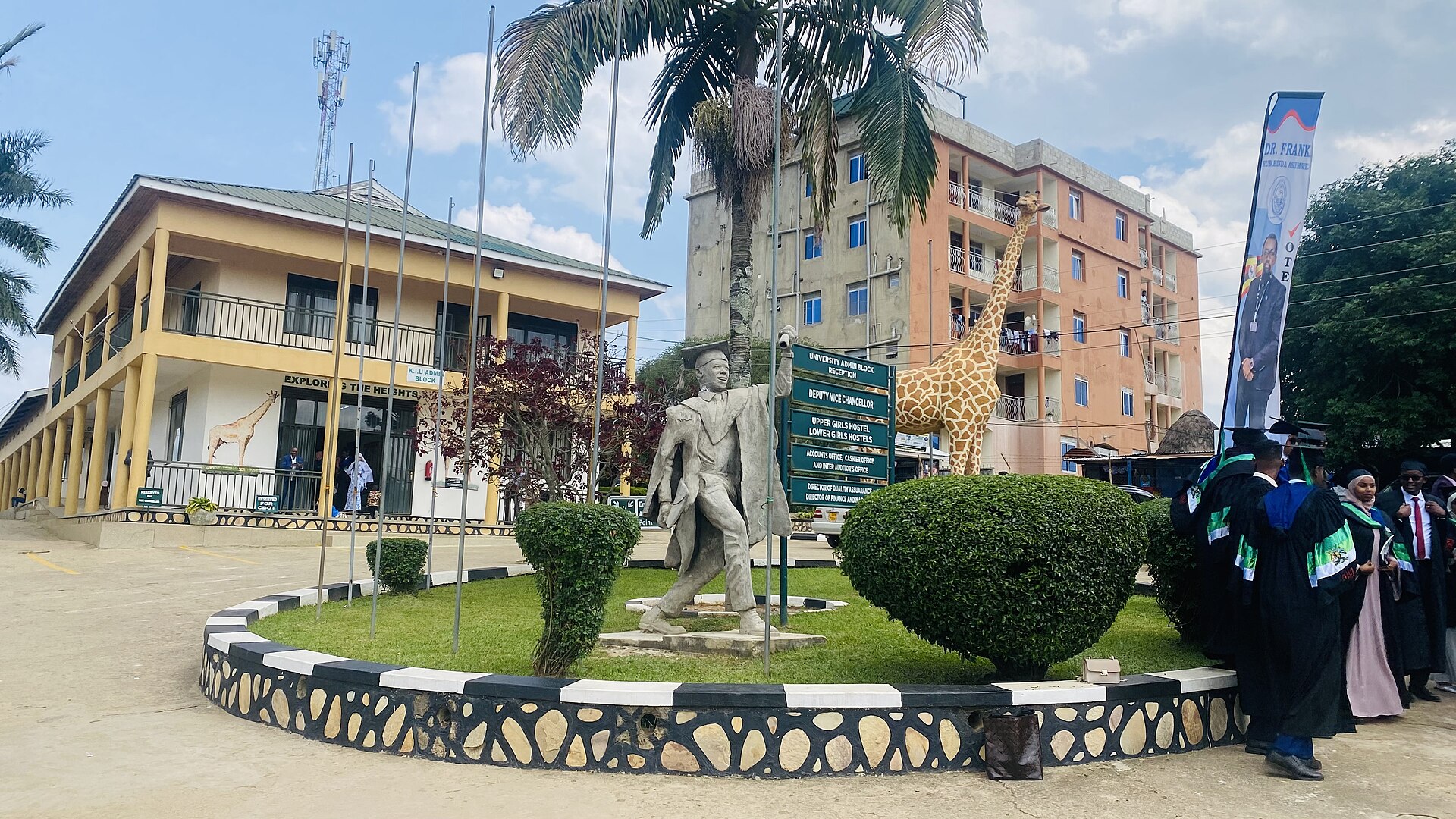
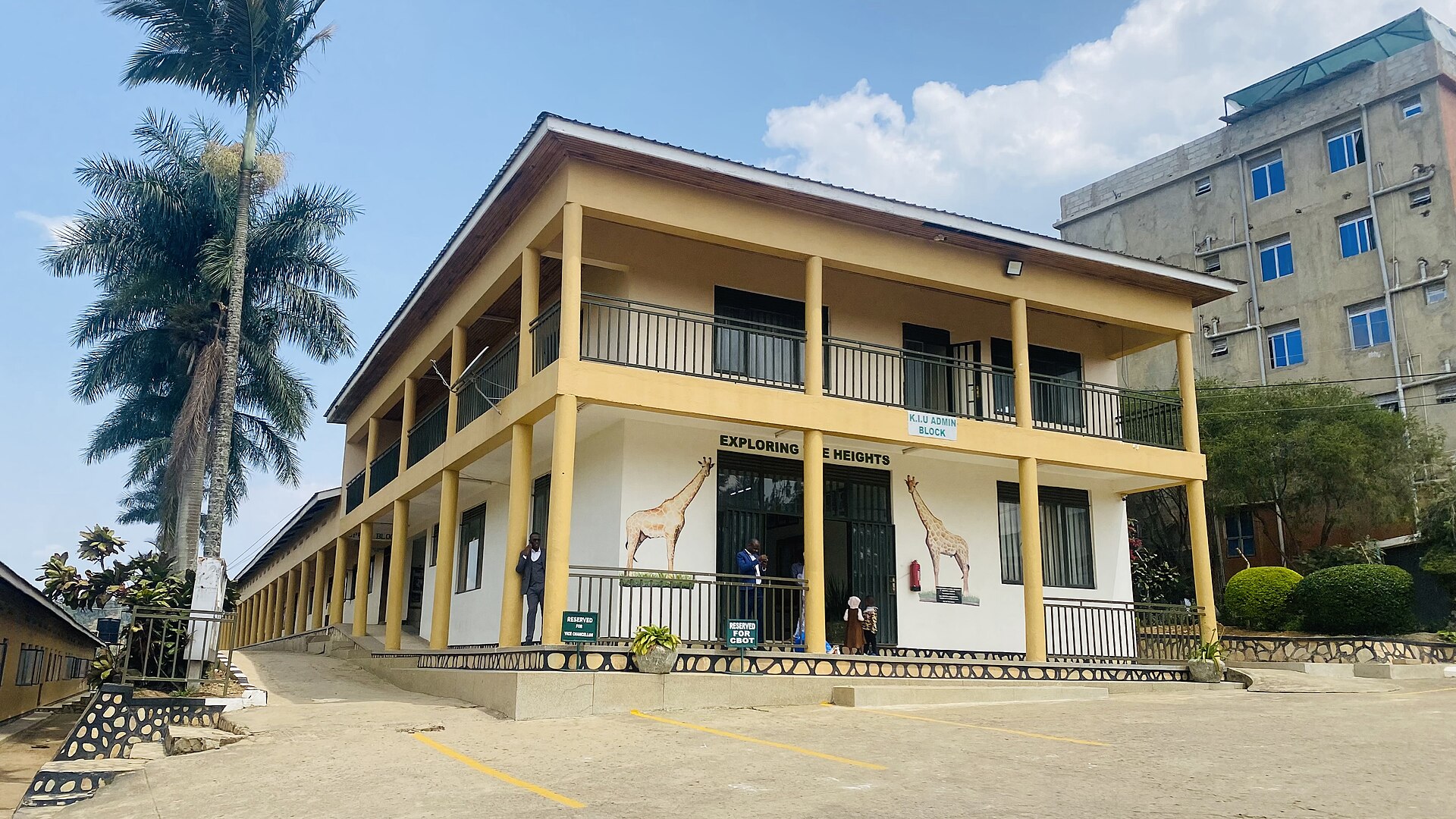
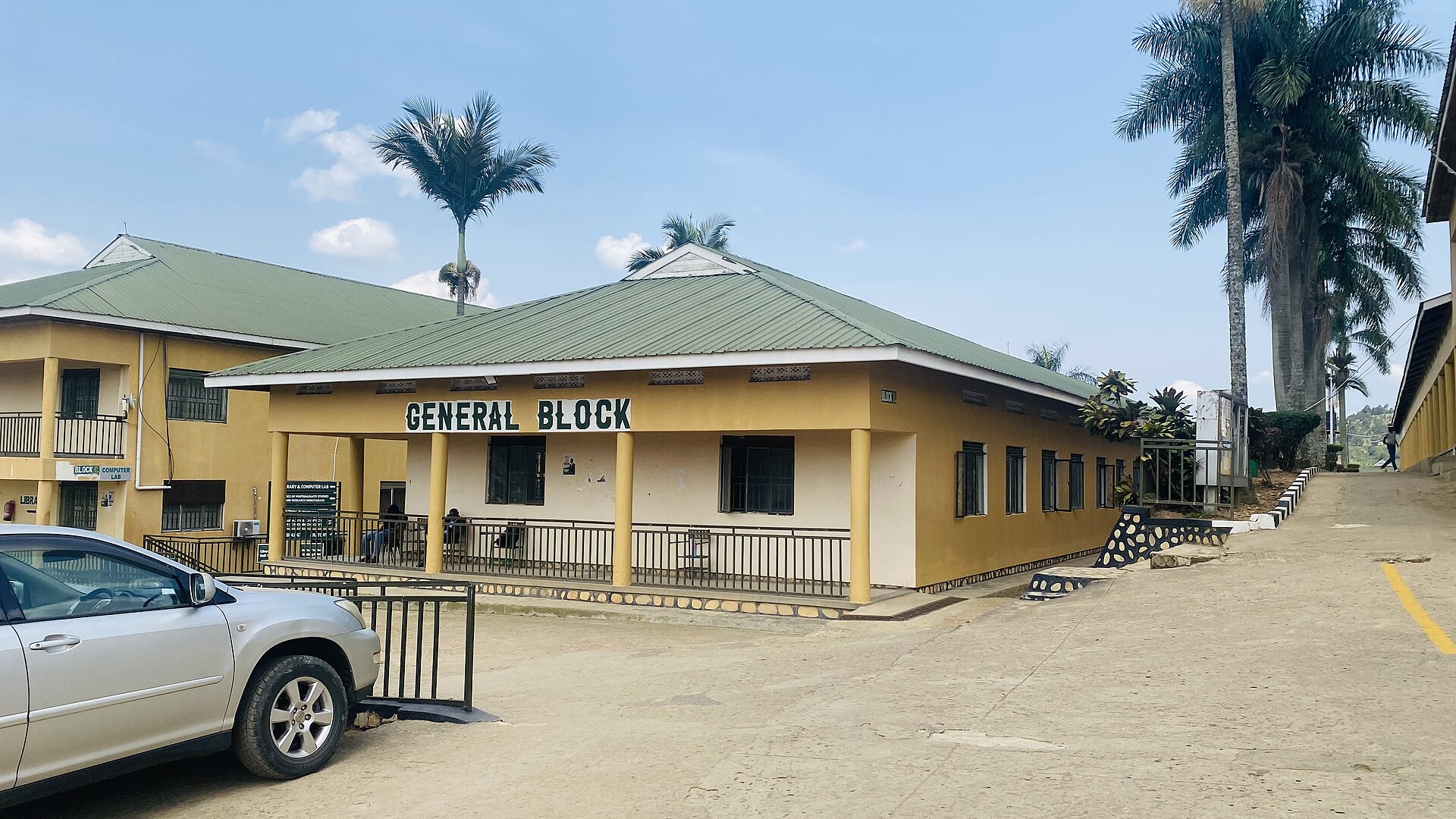
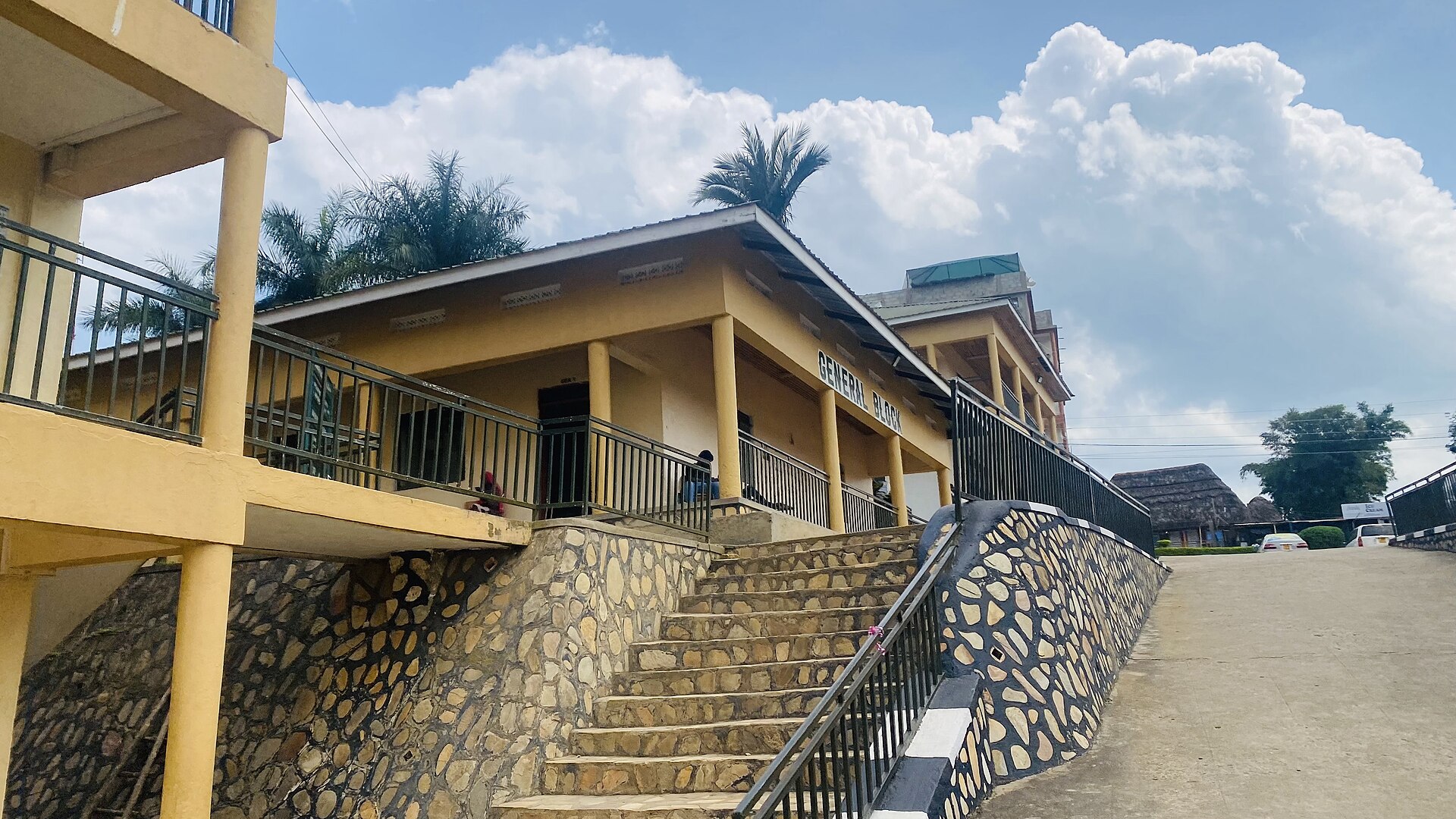
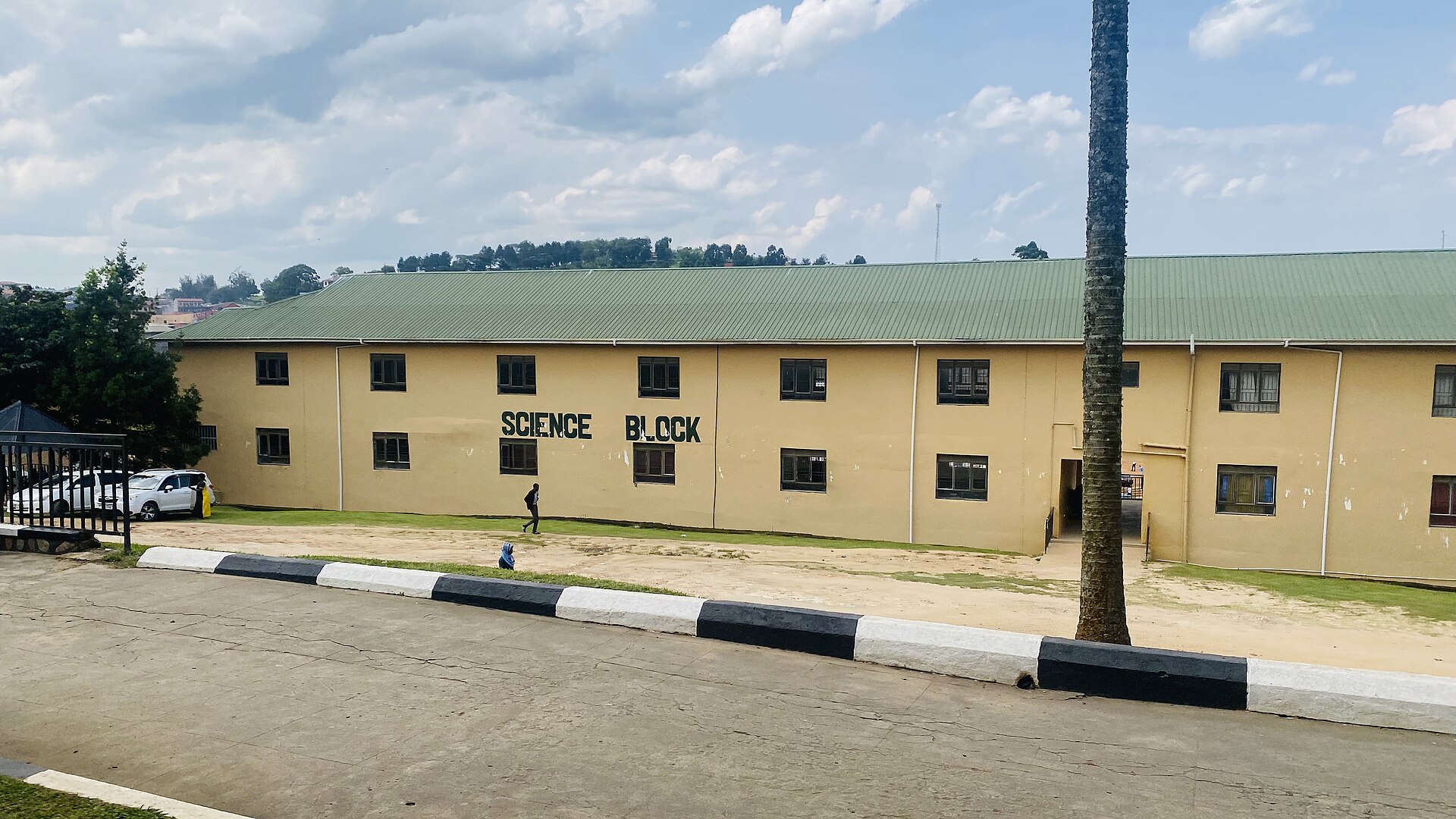
Western University — campus in pictures

Real, freely-licensed photographs of the campus (via Wikimedia Commons).
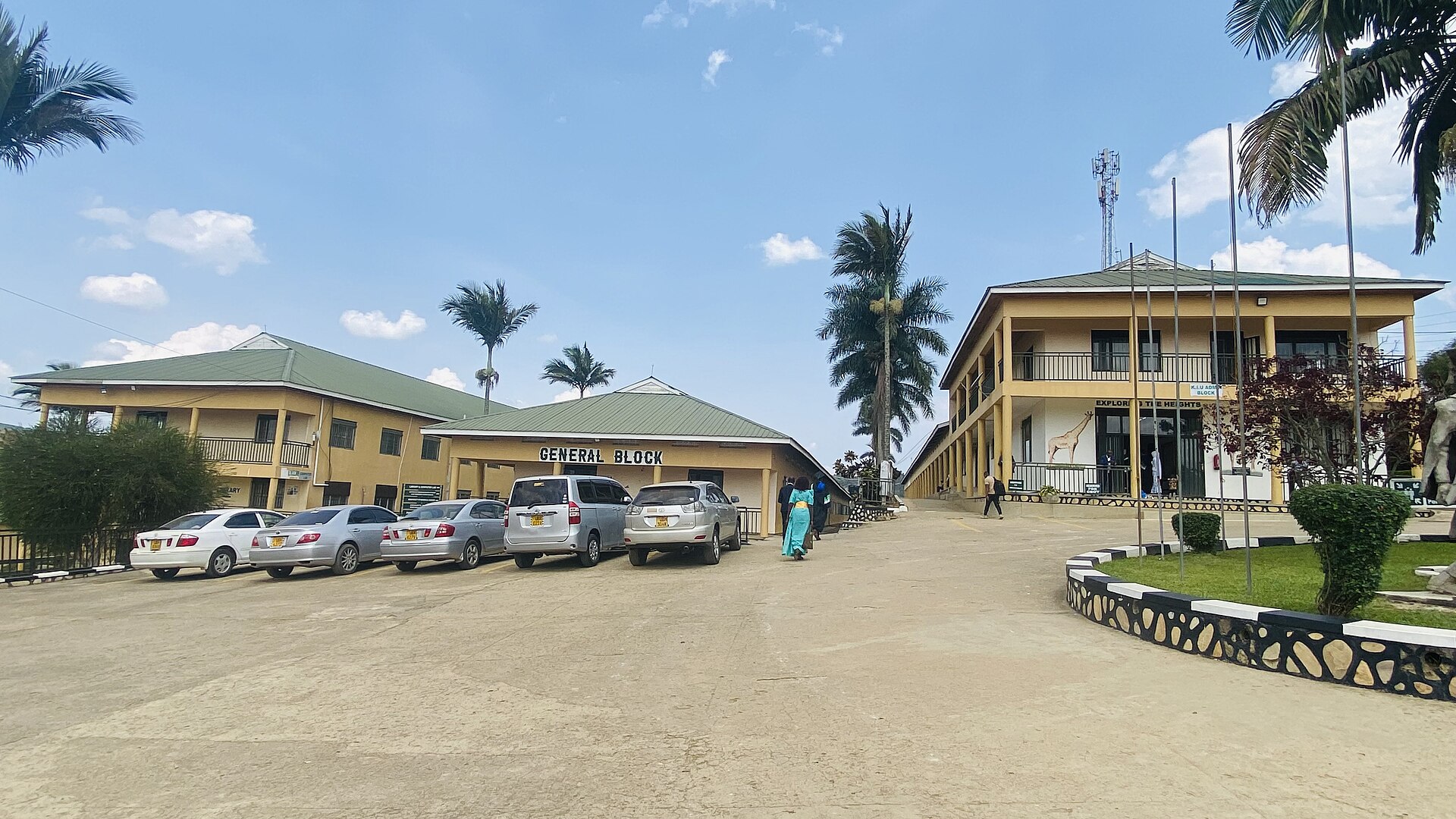
Kampala International University Western Campus in Ishaka in Western Uganda in November 2025
Kampala International University Western Campus in Ishaka in Western Uganda in November 2025B722N · CC BY-SA 4.0 · via Wikimedia Commons
Kampala International University Western Campus in Ishaka in Western Uganda in November 2025
Kampala International University Western Campus in Ishaka in Western Uganda in November 2025B722N · CC BY-SA 4.0 · via Wikimedia Commons
Kampala International University Western Campus in Ishaka in Western Uganda in November 2025
Kampala International University Western Campus in Ishaka in Western Uganda in November 2025B722N · CC BY-SA 4.0 · via Wikimedia Commons
Kampala International University Western Campus in Ishaka in Western Uganda in November 2025
Kampala International University Western Campus in Ishaka in Western Uganda in November 2025B722N · CC BY-SA 4.0 · via Wikimedia Commons
Kampala International University Western Campus in Ishaka in Western Uganda in November 2025
Kampala International University Western Campus in Ishaka in Western Uganda in November 2025B722N · CC BY-SA 4.0 · via Wikimedia Commons
Kampala International University Western Campus in Ishaka in Western Uganda in November 2025
Kampala International University Western Campus in Ishaka in Western Uganda in November 2025B722N · CC BY-SA 4.0 · via Wikimedia Commons

Why Choose Western — Prestige, Community & Career Outcomes

Western University combines elite academic programs, a legendary campus experience, and one of the strongest post-graduation employment records in Canada. For international students, it offers a pathway to global business, medicine, law, and research careers within one of the world's most welcoming countries.

1Ivey Business School
Ivey HBA is consistently ranked among the top business programs in the world, known for its case-method teaching model borrowed from Harvard Business School. Ivey graduates lead corporations, consulting firms, and financial institutions across the globe. For students interested in business, Western's Ivey is a defining reason to choose this university.
2Schulich Medicine & Leading Health Sciences
Western's Schulich School of Medicine & Dentistry is one of the most respected in Canada. The undergraduate Medical Sciences and Health Sciences programs are among the most competitive and sought-after in the country, with strong pathways to Canadian medical schools and international graduate programs.
3Canada's Best Student Experience
Western has been consistently ranked as offering Canada's best overall student experience — encompassing campus life, clubs, varsity sports, student government, residence culture, and community. The expansive main campus with its neo-Gothic architecture fosters a strong sense of belonging that international students consistently cite as a highlight.
4U15 Research University
Western is a member of the U15 Group of Canadian Research Universities — an association of Canada's top research-intensive universities. This translates to access to state-of-the-art labs, research centres, and funded undergraduate research opportunities from Year 1, especially in life sciences, engineering, and social science.
5Strong Employment & Career Outcomes
With a 90% employment rate among recent graduates and a strong alumni network spanning finance, law, medicine, tech, and public policy, Western provides a powerful launchpad. Western alumni have founded major companies and hold senior roles at institutions across North America and internationally.
6Gateway City — London, Ontario
London is a mid-sized Canadian city with a low cost of living relative to Toronto or Vancouver, a safe environment, and a welcoming community. It sits at the heart of Southwestern Ontario's innovation corridor, with easy access to Toronto (2 hours), Detroit (2 hours), and Windsor. For international students, London offers an affordable yet culturally rich urban experience.

SELECTIVITY

Acceptance Rate & Admissions Profile

Western University admits approximately 58% of applicants across all programs — but this overall figure masks significant variation by program. Competitive programs like Medical Sciences, Ivey AEO (pre-business), Kinesiology, Health Sciences, and Computer Science are substantially more selective. International students are assessed on the same academic basis as domestic students, with admission being primarily grades-driven.

Highly competitive programs — including Medical Sciences, Ivey AEO, and Kinesiology — have their own specific average and supplementary application requirements that are more selective than the overall university figure. Always check the program-specific admission averages on the official admissions page.

58%
Overall Acceptance Rate
34+
IB Score Band
3.3
Minimum GPA
#114
QS World Ranking

AT A GLANCE

Quick Facts

1878
Founded
38,000
Students
20%
International Students
26:1
Student:Faculty Ratio
#7
Canada Rank
Suburban
Campus Setting

HOW TO APPLY

Admissions Components

Western University uses OUAC (Ontario Universities' Application Centre) for Canadian applicants. International students from outside Canada apply directly through Western's international admissions portal. Unlike US universities, Canadian universities — including Western — do not use holistic admissions review; academic grades are the primary criterion. Some competitive programs also require supplementary applications.

REQUIRED — ALLAcademic Transcript
Your official secondary school transcript is the most important part of your application. Western assesses final and in-progress grades across core subject areas. International students submit transcripts with a translation if not in English or French. IB students submit predicted scores; a 34+ IB diploma is typically competitive for most programs.
REQUIRED — ALLOUAC or Direct Application
Ontario high school students apply through OUAC (Ontario Universities' Application Centre) — the centralised application system for Ontario universities. Students from other Canadian provinces use OUAC 105 or their provincial equivalent. International students from outside Canada apply directly through Western's admissions portal. Each application has a non-refundable fee.
REQUIRED — COMPETITIVE PROGRAMSSupplementary Application (Select Programs)
High-demand programs — including Medical Sciences, Kinesiology, Health Sciences, Computer Science, Engineering, and Ivey AEO (pre-business) — require a Western Supplemental Application (WSA). This typically includes short-answer questions about your academic interests, extracurricular activities, leadership, and goals. Deadlines are tight and early; verify program-specific requirements on the official site.
REQUIRED — NON-NATIVE SPEAKERSEnglish Language Proficiency
Applicants whose first language is not English must submit an approved English test score. Accepted tests include IELTS Academic, TOEFL iBT, Duolingo English Test, and others. Program-specific minimums may be higher than the university minimum — always check your target program's requirements.
MAY BE REQUIREDOfficial Documents & References
Some professional and graduate-pathway programs, particularly at the second-entry level (Ivey HBA, Law, Medicine), may require letters of reference, a personal statement, or a video interview. These are separate from the undergraduate direct-entry process and have their own application timelines.
https://registrar.uwo.ca/admissions/undergraduate.html

ADMISSIONS PHILOSOPHY

What Western Looks For

Western's undergraduate admissions are primarily grades-driven, but competitive programs add supplementary criteria that assess the whole student. Here is what matters by program tier:

Academic Excellence
Grades are the most important factor at Western. For most direct-entry programs, a high average across key prerequisite subjects is the primary criterion. For IB students, a predicted score of 34 or above is a reasonable benchmark for competitive programs, though top-tier programs may expect higher. Strong performance in mathematics and sciences is important for STEM and health science programs.
Supplementary Profile (Competitive Programs)
Programs that require the Western Supplemental Application are looking for evidence of community involvement, leadership, initiative, intellectual curiosity, and a genuine connection to the field of study. Your short-answer responses should be specific, concrete, and authentic — demonstrate impact and growth, not just participation.
English Communication
Western expects strong English proficiency beyond just meeting the minimum test score threshold. Your written communication in any supplementary application questions should be clear, well-organised, and demonstrate the kind of academic literacy that will support you in tutorials, seminars, and written assignments.
Passion for Chosen Discipline
Especially for programs like Medical Sciences, Kinesiology, Computer Science, or Ivey AEO, admissions readers want to see that you have already engaged with the field — through independent reading, relevant experiences, or meaningful projects. Surface-level interest is not differentiated; concrete, consistent engagement is.

KEY DATES

Application Deadlines

Western University follows the OUAC application cycle for Canadian applicants, with international deadlines also tied to the standard January–March window for September entry. Always verify the exact dates for your program and applicant category on the official Western admissions site, as deadlines shift annually and some programs have earlier supplementary deadlines.

Deadlines listed here are illustrative based on the typical OUAC cycle; confirm exact dates at registrar.uwo.ca before applying.

Applicant TypeApplication DeadlineNotes
Ontario High School (OUAC 101)January 15 (typical)Apply through OUAC; some programs have earlier supplementary deadlines
Canadian (non-Ontario) / Transfer (OUAC 105)February 1 (typical)Competitive programs fill early; apply by January
International (outside Canada)February 1 (typical)Apply directly via Western's international portal; earlier is better
Supplementary Application (select programs)January (program-specific)Ivey AEO, Medical Sciences, Kinesiology — check individual deadlines
https://registrar.uwo.ca/admissions/undergraduate.html

CAMPUS & CITY

Student Life at Western

Western University is famous for its campus experience — consistently ranked Canada's best by student surveys. The 1,200-acre main campus in London, Ontario features neo-Gothic stone buildings, extensive green space, a wide range of on-campus housing, and a concentrated community feel.

London, Ontario is a safe, mid-sized city of approximately 400,000 people with a vibrant arts scene, diverse food culture, and a lower cost of living than Canada's major urban centres. The city is home to a large student population across Western and other institutions, creating a youthful energy throughout the city. London is 2 hours by road or train from Toronto, making it easy to access internship opportunities, cultural events, and international travel connections.

Residence & Housing
Western guarantees first-year residence on campus for students who apply by the stated deadline. Residence communities are an integral part of the Western experience, with themed communities, live-in staff support, and social programming. From second year, most students move off-campus into London's affordable rental market.
University Students' Council (USC)
The USC is one of the most active student governments in Canada, managing a budget that funds hundreds of student clubs, events, campus pub operations, wellness programming, and student advocacy. Club life at Western is rich and diverse, spanning cultural associations, academic societies, competitive business clubs, debate, music, and more.
Varsity & Recreational Sports
Western Mustangs compete in 31 varsity sports through Ontario University Athletics (OUA) and U Sports. The Western Recreation Centre, the Amit Chakma Engineering Building fitness facilities, and Thompson Recreation Centre together make Western one of the best-equipped campuses for student fitness and sport in Canada.
International Student Community
With 20% of students coming from outside Canada, Western has a well-established international student community supported by Western International — the dedicated international student services office. Support includes orientation programs, immigration advising, cultural events, and peer mentorship connecting new arrivals with experienced international students.

CAREER OUTCOMES

Employment & Post-Graduation Outcomes

Western graduates are in high demand across Canada and internationally, with a 90% employment rate and an average starting salary of approximately US$50,000.

Ivey Business School alumni lead some of Canada's most prominent companies and are disproportionately represented in Bay Street finance, management consulting (McKinsey, BCG, Deloitte), private equity, and entrepreneurship. Medical Sciences and Health Sciences graduates have strong acceptance rates at Canadian medical schools, law schools, and graduate programs. Engineering graduates work at technology firms, infrastructure companies, and startups across North America. Western's career development team — Career Services and the Ivey Career Management Group — provides structured recruiting preparation, networking events, and alumni mentorship tailored to each faculty.

Stats

90%
Employment Rate
~US$50,000
Avg. Starting Salary

Cards

Finance & Consulting
Ivey HBA is the top-ranked Canadian undergraduate business program for Bay Street placement, with a strong on-campus recruiting culture. Students regularly secure roles at Goldman Sachs, Barclays, McKinsey, Bain, Boston Consulting Group, and Canada's Big Five banks.
Medicine & Health Sciences
Western's pre-medicine pathway through Medical Sciences and the Schulich School of Medicine & Dentistry creates a strong pipeline to MD programs in Canada and the US. Graduate pathways in public health, dentistry, optometry, and physical therapy are also well-represented.
Technology & Engineering
Engineering and Computer Science graduates work at Canadian tech companies, US-based firms, and startups in the Waterloo-Toronto innovation corridor. The proximity to Communitech in Waterloo and Google, Amazon, Shopify offices in Toronto and Waterloo gives Western students access to strong internship pipelines.
Law
Western Law (Faculty of Law) is one of Canada's prestigious law schools, and Western undergraduate alumni — particularly from Political Science, Economics, and Social Science — are a well-established feeder for Western Law and other top Canadian law programs.

FAQs

Frequently Asked Questions

How do international students apply to Western University?+

International students from outside Canada apply directly through Western University's international admissions portal rather than through OUAC (which is mainly for Canadian high school students). You submit your application, transcripts, English test scores, and any supplementary materials through the portal. Visit registrar.uwo.ca for the current application link and verify deadlines before applying.

Is the IB Diploma accepted at Western?+

Yes, Western University accepts the IB Diploma. An IB score of 34 or above is typically a competitive benchmark for most programs. Higher-demand programs like Medical Sciences and Ivey AEO may expect scores above this threshold. Western also grants course credits for Higher Level (HL) IB courses with scores of 5, 6, or 7 — confirm the exact transfer credit policy on the official site.

What is the Ivey AEO and should I apply?+

The Ivey AEO (Advanced Entry Opportunity) is a conditional pre-admission offer that guarantees entry into the Ivey HBA program after completing Year 1 or Year 2 at Western, provided you maintain the required academic standing. It is one of Canada's most sought-after business program pathways. AEO is available to both Canadian and international high school applicants and requires a strong academic record plus supplementary application materials.

Does Western require CASPer?+

Some programs at Western — particularly those with health-professional pathways such as Medical Sciences and Health Sciences — may require the CASPer (Computer-Based Assessment for Sampling Personal characteristics) test. CASPer is a situational judgment test used by many Canadian universities to assess non-academic attributes. Verify whether your target program requires CASPer on the official program admissions page.

Are there scholarships for international students?+

Western University offers merit-based entrance scholarships to international students. Scholarships are awarded based on academic performance and are applied automatically during the admissions process in most cases — you do not always need to submit a separate scholarship application. Need-based financial aid for international students is very limited; plan your finances accordingly and visit Western's Student Finances page for current scholarship details.

What is the cost of attending Western for international students?+

Annual tuition for international undergraduates is approximately US$33,000, with total cost of attendance (including housing, meals, books, and living expenses) estimated at around US$46,000. London, Ontario is significantly more affordable than Toronto, which helps international students manage living costs. Always check the official Fee Schedule as tuition is updated annually.

Is London, Ontario a good place for international students?+

Yes — London is a welcoming, diverse, and affordable Canadian city with a large international student community. It ranks highly in safety among Canadian cities and offers good public transit, a range of housing options, and a growing technology and healthcare employment sector. The main drawback compared to Toronto is fewer corporate internship opportunities in some sectors, though the city is increasingly connected to the Waterloo-Toronto innovation corridor.

What English test scores does Western require?+

Western requires a minimum IELTS Academic score of 6.5 (no band below 6.0), a TOEFL iBT score of 86, or a Duolingo English Test score of 120. Some programs — particularly health sciences and professional programs — may require higher scores. Always check the specific requirements for your intended program.

ACADEMIC EXPECTATIONS

What Western Expects Academically From International Applicants

Western University's admissions are primarily grade-driven at the undergraduate level. Academic performance in your final two years of secondary school — and the rigor of your coursework — are the most important factors in your application. While there is no universal cutoff, the competition for top programs is real, and understanding Western's academic expectations is essential for a strong application.

Unlike US universities with holistic admissions, Western focuses first on your grades across relevant prerequisite subjects. The IB Diploma is well-recognised, standardised tests are optional, and English language proficiency is required for non-native speakers. Building a rigorous academic record across your core subjects, maintaining strong grades, and meeting prerequisite requirements for your chosen program are the pillars of a successful application.

ACADEMIC BENCHMARKS

Academic Profile — Admitted Students

SAT/ACT are not typically required for Canadian university admissions and are optional at Western. The IB Diploma band and GPA guidance above are general benchmarks; always check your specific program's admission averages, which may differ significantly.

34+
IB Diploma Band
3.3
Min GPA (Transfer)
58%
Acceptance Rate

TEST POLICY

Standardised Test Policy

Western University has a test-optional policy — SAT and ACT scores are not required for admission to undergraduate programs. Canadian university admissions are primarily grade-based, and standardised test scores from systems like the SAT or ACT do not play the same role they do in US university admissions.

If you have taken the SAT or ACT, you may submit those scores, but they are unlikely to be the deciding factor in your admission. Western evaluates international applicants on their academic qualifications from their home country's secondary school system, including IB, A-Levels, CBSE/ISC, and other recognised credentials.

Test-optional: SAT/ACT not required or heavily weighted. Focus instead on maintaining strong grades and meeting program prerequisites.

SAT / ACT

Standardised Tests at Western

Because Canadian university admissions are grade-first, the SAT and ACT are not part of the standard evaluation criteria at Western University. However, understanding how your qualification maps to Western's grading scale is important.

What Matters Instead of SAT/ACT
Western will convert your international qualification (IB, A-Levels, CBSE, HKDSE, and others) into the Ontario percentage grade equivalent for assessment. For IB students, each predicted score maps to a percentage average. For A-Level students, grade requirements are listed per program. Focus on maximising your performance in your home qualification — not on preparing for standardised tests.
Credential Evaluation
If your credentials are from a country whose grading system is not immediately familiar to Western, you may need to have them evaluated by a recognised credential evaluation service. Western's Admissions Office will advise you on whether this is needed for your specific case.
IB vs A-Level — Which is Better?
Both qualifications are well-accepted and well-understood by Western's Admissions Office. For IB students, a 34+ total is competitive for most programs; top programs may prefer 36+. For A-Level students, the grade requirements vary by program. Neither has a structural advantage — focus on achieving the highest score possible in whichever qualification you are taking.

IB & A-LEVEL

IB Diploma & A-Levels at Western

Western University has a well-established process for evaluating IB and A-Level qualifications. These are among the most commonly submitted international qualifications from Western's international applicant pool.

IB Diploma — How It's Evaluated
Western converts IB predicted and final scores to Ontario percentage equivalents for comparison across the applicant pool. A total IB score of 34 (as noted in Western's general benchmarks) is a starting point for competitiveness, but individual Higher Level subject scores also matter — particularly for programs with specific prerequisite courses. For Medical Sciences, Ivey AEO, and Kinesiology, higher overall scores and strong performance in relevant HL subjects are important.
IB Credit Transfer
Western offers transfer credit for IB Higher Level (HL) courses in which you earn a score of 5 or higher. This can allow you to skip certain first-year courses, progress faster through your degree, or explore additional electives. The exact transfer credit policy is updated annually — check the current course equivalencies on Western's official transfer credit pages.
A-Level Qualifications
A-Level qualifications are well-recognised at Western. Each program sets minimum grade requirements for A-Level applicants, and some programs specify required subjects. Generally, strong A-Level grades (A* to B in relevant subjects) are needed for competitive programs. Always verify the specific A-Level requirements for your target program on Western's admissions site.
Other International Qualifications
Western also accepts CBSE/ISC (India), HKDSE (Hong Kong), the French Baccalauréat, the German Abitur, and many other national curricula. If you are completing a non-IB, non-A-Level curriculum, contact Western's Admissions Office early to confirm how your grades will be assessed and what equivalency applies.

SUBJECT PREPARATION

Subject-Level Preparation by Program

Western's competitive programs have specific prerequisite subjects. Meeting minimums is not enough — excelling in the prerequisite courses is what separates admitted students at the top programs.

Medical Sciences & Health Sciences
Biology and Chemistry are essential prerequisites, with strong performance in Mathematics also expected. At the IB level, taking HL Biology and HL Chemistry is the standard preparation for pre-medicine pathways. Breadth of scientific preparation signals genuine interest and readiness for the program's intensive lab and lecture curriculum.
Engineering
Physics and Mathematics are required prerequisites for Engineering programs at Western. At the IB level, HL Mathematics (Analysis & Approaches) and HL Physics are the recommended preparation. Strong performance in Chemistry is also beneficial for Chemical and Biochemical Engineering streams.
Ivey Business / Ivey AEO
There is no specific prerequisite for general business entry, but Mathematics is important for the quantitative coursework within Ivey HBA. IB students should take HL Mathematics; A-Level Mathematics or Further Mathematics is beneficial. Equally important is your engagement with business, economics, and leadership activities reflected in your supplementary application.
Computer Science
Mathematics is the core prerequisite for Computer Science at Western. Strong performance in IB HL Mathematics (Analysis & Approaches, or Applications & Interpretation) or equivalent A-Level Mathematics demonstrates the quantitative foundation needed. Programming experience, while not formally required, strengthens your supplementary application for competitive CS admission.
Social Sciences & Humanities
Western's Arts and Social Science programs (Economics, Political Science, Sociology, History, English, Philosophy) require English/Language Arts as a core prerequisite. The Social Science program is a popular first-year general arts pathway. Strong grades in humanities subjects, combined with clear writing skills, form the foundation for these programs.

ENGLISH PROFICIENCY

English Language Requirements

Western University requires proof of English language proficiency for all applicants whose first language is not English. Scores must typically be no more than two years old at time of application.

Health Sciences and Medical Sciences programs may require higher IELTS/TOEFL minimums. Some applicants from countries where English is the primary medium of instruction may be exempt — check with Western Admissions.

TestMinimum ScoreNotes
IELTS Academic6.5 overallNo individual band below 6.0; some programs may require higher
TOEFL iBT86Some programs require higher scores; check individual program requirements
Duolingo English Test120Accepted for most programs
CAEL60 overallCanadian Academic English Language Assessment
PTE Academic60 overallVerify current acceptance on official site

ROADMAP

Building Your Academic Profile — Year by Year

1Grade 9–10: Build Your Foundation
Identify your interest area early — medicine, business, engineering, social sciences. Choose your IB or A-Level subjects with your target Western program's prerequisites in mind. Take the most rigorous mathematics and sciences available to you. Begin exploring extracurricular activities in relevant fields.
2Grade 11: Commit & Deepen
Grade 11 results may be used for early offers. Maintain high grades across all subjects with particular focus on your prerequisite courses. Begin meaningful extracurricular involvement — academic clubs, community service, research assistantships, part-time work. If applying for Ivey AEO or Medical Sciences, start thinking about what makes you a distinctive candidate beyond grades.
3Grade 12 First Semester: Apply
Submit your OUAC or international application in the October–January window. If your target program requires the Western Supplemental Application (WSA), start your short-answer responses early — they often have tight turnarounds. Prepare your English language test if not already completed. Review all program-specific prerequisites and confirm you are on track.
4Grade 12 Second Semester: Maintain & Confirm
Do not let your grades slip after submitting your application. Conditional offers from Western — like all Canadian university offers — are contingent on maintaining your predicted/interim grades. Your offer can be rescinded for a significant grade drop. Respond to your Western offer before the stated acceptance deadline.

COMMON PITFALLS

Academic Mistakes to Avoid

  • Applying to Medical Sciences or Ivey AEO without meeting the program's specific averages — the overall acceptance rate of 58% does not apply to these highly selective programs
  • Ignoring the Western Supplemental Application (WSA) deadline — many strong applicants are disqualified for missing the WSA deadline even if their grades are excellent
  • Applying with an IELTS or TOEFL score below the program minimum — your application may be rejected outright regardless of grades
  • Underestimating prerequisite requirements — taking Standard Level Biology instead of Higher Level for a pre-medicine pathway weakens your application significantly
  • Not requesting IB or A-Level transfer credits — Western grants substantial credits for strong HL/A-Level results, which can save you a full year of coursework
  • Letting your Grade 12 second-semester grades drop after receiving a conditional offer — offers can and do get rescinded for significant grade declines
  • Not checking program-specific admission averages — Western lists the admission average range for each program; benchmark yourself against these, not just the overall acceptance rate
  • Applying too late in the cycle — international applications are reviewed on a rolling basis and some programs fill before the official deadline

TUITION & FINANCIAL AID

Cost of Attendance at Western An Honest Assessment for Internationals

Western University offers a world-class Canadian education at a cost that is substantially lower than comparable institutions in the United States or United Kingdom. Annual international tuition is approximately US$33,000, with total cost of attendance (including housing, meals, books, and personal expenses) around US$46,000. London, Ontario's lower cost of living compared to Toronto is a meaningful financial advantage for international students.

Financial aid for international students at Western is primarily merit-based. Need-based aid is very limited for internationals, unlike some US institutions. International students should plan their finances with this in mind. Scholarship opportunities do exist and are awarded based on academic performance — understanding the landscape early allows you to position yourself for the best possible outcomes.

COST BREAKDOWN

Annual Costs — International Students (Estimates)

The figures below are based on data from Western University's facts profile and are annual estimates in USD. Exact tuition varies by program (medical/dental programs are higher); costs are updated annually and should be verified on Western's official Fee Schedule.

London, Ontario is significantly more affordable than Toronto for off-campus housing and daily expenses. Second and third-year students living off-campus typically see lower accommodation costs than those in residence.

ComponentEstimate U S DNotes
International Tuition~US$33,000Varies by program; first-year programs
Housing & Meals (On-Campus)Included in cost of attendanceVaries by residence type and meal plan
Cost of Living (London, ON)~US$14,000Books, transport, personal expenses, off-campus housing
Total Cost of Attendance~US$46,000Annual estimate; significantly lower than US or UK equivalents
Application FeeUS$120Non-refundable application fee
https://registrar.uwo.ca/student_finances/

FINANCIAL AID

Financial Aid for International Students

Western University offers limited financial aid to international students. Unlike many US private universities, Western does not have large endowment-funded need-based aid programs for international undergraduates. The primary financial support available to international students is merit-based scholarships and entrance awards.

The Ontario Student Assistance Program (OSAP) — Ontario's government student loan and bursary program — is available to Canadian citizens and permanent residents only. International students are not eligible for OSAP. Private loans, personal savings, and family support are the primary funding sources beyond any scholarships you receive. Some international students find part-time work in London during the academic year (international students on a valid study permit may be permitted to work a limited number of hours) to supplement their finances.

Verify current work eligibility rules with Immigration, Refugees and Citizenship Canada (IRCC) and Western International before relying on work income as part of your financial plan.

https://registrar.uwo.ca/student_finances/scholarships_awards/

SCHOLARSHIPS

Scholarships for International Students

Western University awards merit-based entrance scholarships to international students. In many cases, scholarship consideration is automatic based on your admission application — no separate application is required. Scholarship values and names should be confirmed on Western's current Student Finances and Scholarships pages, as they are updated annually.

MERIT-BASEDAutomatic Entrance Scholarships
Western awards entrance scholarships automatically to high-achieving admitted students, including international students. The scholarship amount is typically tied to your admission average. Scholarship consideration is generally automatic when you apply for admission — check with the Admissions Office whether a separate application is needed for your category. Verify current values on the official Scholarships page.
PROGRAM-SPECIFICFaculty & Program Scholarships
Individual faculties at Western — including Engineering, Science, Social Science, and the Faculty of Arts & Humanities — may offer additional scholarships for high-achieving domestic and international students. These are typically listed on each faculty's financial support pages and may require a separate application or strong performance in specific prerequisite subjects.
COUNTRY-SPECIFICExternal Scholarships
International students are also encouraged to explore external scholarships from their home governments, international organisations, and foundations. The Aga Khan Foundation, Mastercard Foundation Scholars Program (at select universities), Commonwealth Scholarships, and national government scholarships vary by country. Western International can advise on external funding sources relevant to your home country.
CURRENT STUDENTSIn-Course Awards & Bursaries
Once enrolled, international students can apply for in-course awards, research bursaries, and work-study positions through Western's Award Search database. These are competitive but provide meaningful additional support. Engage with Western's Student Finances office early in your first year to understand what you are eligible for.
https://registrar.uwo.ca/student_finances/scholarships_awards/

AFFORDABILITY

Putting the Cost in Perspective

Western University's total cost of attendance of approximately US$46,000 per year is significantly lower than comparable US private universities (which often exceed US$80,000 per year) and competitive with mid-range UK institutions. Several factors make Western more affordable in practice:

London, Ontario is Affordable
London's cost of living is substantially lower than Toronto, Vancouver, or other major Canadian cities. Off-campus housing in London is affordable relative to Canadian urban norms. Grocery costs, transit, and entertainment are all meaningfully lower than what students face in larger Canadian cities — an important factor over a 4-year degree.
Strong Career ROI
Western's strong employment outcomes — particularly through Ivey HBA for business, and Medicine/Health Sciences for pre-professional pathways — deliver meaningful return on the investment in a Western degree. The average starting salary of approximately US$50,000 and 90% employment rate compare favourably to the cost.
Canadian Education Globally Recognised
A Western University degree is recognised by employers and graduate school admissions offices globally. Canadian universities are often undervalued relative to their actual standing — a Western Ivey or Medical Sciences credential carries real prestige in competitive professional environments, at a fraction of the cost of comparable US programs.

ACTION PLAN

Steps to Fund Your Western Education

1Calculate Your Real Cost
Use Western's official Fee Schedule (registrar.uwo.ca) to get the current annual tuition for your specific program. Add housing (on-campus or off-campus estimate), meal plan, books, health insurance, and personal expenses. Build a 4-year financial plan with conservative assumptions.
2Check Your Automatic Scholarship Eligibility
Western awards entrance scholarships automatically to eligible students. Once you receive your offer, check your Student Centre for any scholarship award details. Contact Student Finances if no scholarship is listed and you believe your academic record qualifies you.
3Research External Scholarships
Start researching external scholarships from your home country government, foundations, and international organisations at least 12 months before your intended start date. Many external scholarships require a confirmed university admission — having your Western offer in hand strengthens these applications.
4Explore Study Permit Work Rights
Students on a valid Canadian study permit may be eligible to work a set number of hours per week during the academic year. Confirm current rules with IRCC and factor this realistically into your financial plan. Western International (wintl@uwo.ca) can advise on study permit conditions.
5Engage With Western's Financial Counselling
Western's Student Finances office offers drop-in financial counselling to all enrolled students. Once you arrive, make an appointment to understand in-course bursary opportunities, emergency funding, and any additional support for which you may qualify.

COST FAQs

Cost & Aid Frequently Asked Questions

Is financial aid available for international students at Western?+

Need-based financial aid is very limited for international undergraduate students at Western. The primary financial support is merit-based entrance scholarships, which are awarded automatically to high-achieving students. International students are not eligible for OSAP (Ontario's student loan program). Plan to fund your education primarily through family resources, scholarships, and — if eligible — part-time work.

Do I need to apply separately for entrance scholarships?+

In most cases, scholarship consideration for automatic entrance scholarships is part of the admissions process — no separate application is required. However, some faculty-specific or named scholarships may require a separate application. Check the Scholarships & Awards section at registrar.uwo.ca and your program faculty page for any additional award applications relevant to your situation.

Is London, Ontario cheap to live in?+

Relative to Canadian urban norms, yes. London is significantly more affordable than Toronto or Vancouver for housing, groceries, and daily life. Off-campus rental housing (shared houses and apartments) is available at reasonable rates. On-campus residence is guaranteed in first year and provides a structured, cost-predictable living arrangement.

Can international students work while studying at Western?+

International students holding a valid Canadian study permit may be eligible to work off-campus under current IRCC regulations. Eligibility and hourly limits can change — always check the current rules at IRCC's official site and confirm your permit conditions. Western International can also advise on work rights.

Is the tuition the same for all programs?+

No. International tuition varies by program. Most undergraduate programs are in a standard tuition band, but professional programs, graduate programs, and specific professional schools (dentistry, medicine at the graduate level) have different fee structures. Always check the official Fee Schedule for your exact program.

APPLICATIONS & STATEMENTS

Applying to Western: Canada's Grades-First System, Explained

Unlike US universities, Western University does not use a US-style holistic admissions process centred on personal essays. Canadian university admissions — including Western's — are primarily grades-driven. However, competitive programs at Western (Ivey AEO, Medical Sciences, Kinesiology, Health Sciences, Computer Science, Engineering) require a Supplementary Application with short-answer questions. This tab guides you through the supplementary process and how to present yourself effectively for Canadian admissions.

For the majority of programs at Western, your secondary school grades are your application. But for the most sought-after programs, the Western Supplemental Application (WSA) is your opportunity to differentiate yourself beyond the academic transcript. Understanding what each program's WSA assesses — and how to approach it — is the key to maximising your chances.

APPLICATION SYSTEM

How the Application Process Works

Western University uses OUAC (Ontario Universities' Application Centre) for Canadian applicants. International students from outside Canada apply directly through Western's admissions portal. The process is grades-first — there is no universal personal statement equivalent to the Common App or UCAS personal statement. Supplementary applications are program-specific, not university-wide.

Step 1: Submit Your OUAC or Direct Application
Apply through OUAC (for Canadian students) or through Western's international admissions portal (for international students). Select your program choices and submit your academic documents.
Step 2: Check for Supplementary Application Requirements
After submitting your main application, check whether your target program requires a Western Supplemental Application (WSA). If required, you will receive instructions to complete it through Western's online portal. The WSA has its own deadline — often earlier than the main admissions deadline.
Step 3: Submit Supporting Documents
Submit official transcripts, English language test scores, and any other required supporting documents. International credentials may need official translation if not in English or French.
Step 4: Monitor Your Application
Track your application status through Western's Student Centre. Conditional offers are issued based on interim grades; final confirmation requires meeting stated grade conditions at graduation.
https://registrar.uwo.ca/admissions/undergraduate.html

SUPPLEMENTARY APPLICATION

The Western Supplemental Application (WSA)

The Western Supplemental Application is required for competitive programs at Western. The questions vary by program and are updated annually. The information below describes the general nature of WSA questions — for current, verbatim prompts, visit the official program admissions pages and verify before applying.

COMMON WSA QUESTION TYPEAcademic and Extracurricular Activities
Official Text: Describe your significant academic, extracurricular, and community involvement activities. (Verify current prompt text at the official Western admissions site — prompts are updated annually.)
Strategic Guide: This question is asking for breadth and specificity. List 5–8 activities with brief, concrete descriptions of your role, time commitment, and what you achieved or contributed. Avoid vague generalities like 'I am passionate about science.' Instead: 'I conducted a 6-week independent research project on antibiotic resistance at my school's biology lab, which led to a presentation at our regional science fair.' Quality and specificity matter more than sheer volume of activities.
Source: https://registrar.uwo.ca/admissions/undergraduate.html
COMMON WSA QUESTION TYPEGoals and Motivations
Official Text: Describe why you are interested in your chosen program and what you hope to achieve with your education. (Verify current prompt text at the official Western admissions site — prompts are updated annually.)
Strategic Guide: Programs like Medical Sciences and Ivey AEO see thousands of applicants claiming interest in medicine or business. Differentiate yourself by being specific about WHY Western and WHY this program — not just the field in general. Reference real experiences that shaped your interest. Ivey AEO applicants should demonstrate genuine business curiosity and leadership potential, not just 'I want to be a successful businessperson.' Medical Sciences applicants should show clinical or healthcare exposure that grounds their stated motivation.
Source: https://registrar.uwo.ca/admissions/undergraduate.html
COMMON WSA QUESTION TYPELeadership and Contribution
Official Text: Describe a leadership experience or initiative where you made a meaningful impact. (Verify current prompt text at the official Western admissions site — prompts are updated annually.)
Strategic Guide: Leadership at Western's competitive programs means initiative and impact, not just holding a formal title. Avoid describing your role as 'President of the Science Club' without explaining what the club actually achieved under your leadership. The strongest responses describe a specific problem you identified, an action you took, and a measurable or observable outcome. Think: situation → action → result. The best answers show adaptability, persistence, and the ability to work with others to achieve a goal.
https://registrar.uwo.ca/admissions/undergraduate.html

NO UCAS / COMMON APP

Canadian Admissions vs UCAS and Common App

A common point of confusion for international students is expecting Western to work like UK or US universities. Here is what you need to know:

Western does NOT use UCAS (the UK system) or the Common App / Coalition App (US systems). There is no universal personal statement required for all applicants. The application is OUAC-based (for Canadians) or direct-portal-based (for internationals), and the content focuses primarily on academic credentials. The Supplementary Application is program-specific and contains short-answer questions — typically 150–500 words per question — rather than the 650-word personal essay format of the US Common App.

If you are also applying to US or UK universities, note that your Common App personal essay or UCAS personal statement cannot be repurposed directly for Western's WSA. The WSA questions are more specific and structured, requiring targeted, program-focused responses rather than a personal narrative.

WSA STRATEGY

How to Approach the Supplementary Application

The Western Supplemental Application is your primary — and often only — opportunity to communicate who you are beyond your transcript. Use it strategically.

Start with Self-Inventory
Before writing any WSA response, list your 10 most meaningful activities, experiences, and achievements. For each, identify: What did I do? What was my specific role? What was the measurable impact? This inventory is your raw material. Do this before you see the actual questions so you have a clear picture of what you bring.
Map Your Inventory to Program Fit
Once you see the WSA questions for your specific program, select the experiences from your inventory that best demonstrate the qualities that program values. Medical Sciences programs want to see scientific curiosity and community service. Ivey AEO wants to see business acumen, leadership, and initiative. Kinesiology wants athletic involvement and an understanding of human performance. Fit your best stories to the program's lens.
Be Concrete and Specific
The most common WSA mistake is writing in vague generalities. 'I am hardworking, passionate, and committed to making a difference' tells an admissions reader nothing. 'I spent three months volunteering at a physiotherapy clinic where I assisted with patient exercises and learned to document treatment progress — this confirmed my decision to study Kinesiology' is specific, credible, and program-relevant.
Respect Word Limits
WSA responses typically have word or character limits. Exceeding them signals poor attention to detail; coming in dramatically short suggests you have not fully engaged with the question. Write to the limit, then edit tightly. Every word should earn its place.
Review for Tone and Language
Write in a direct, professional, but genuine voice. Avoid overly formal or corporate language that feels impersonal. Avoid casual language or slang. The tone should be: a serious, thoughtful student communicating clearly. Have a trusted teacher, mentor, or counsellor review your WSA responses before submitting.

WHAT TO HIGHLIGHT

Choosing What to Feature in Your WSA

Because WSA questions are more structured than US-style personal essays, topic selection is more about matching your strongest experiences to the question being asked, rather than finding a singular 'story.' Here are principles for selecting what to feature:

Relevance to Your Program
Prioritise experiences that directly connect to your chosen program. A Kinesiology applicant should lead with athletic involvement, sports training, or health-related volunteer work. A Medical Sciences applicant should highlight science research, clinical observation, or community health work. Ivey AEO applicants should feature entrepreneurship, business club achievements, or meaningful leadership. General experiences that do not connect to your chosen program are lower priority.
Impact Over Participation
Membership in 10 clubs with no specific contribution is less compelling than one project where you organised a school-wide health fair attended by 300 students. Admissions readers at competitive programs are pattern-matching for candidates who show initiative and impact, not just participation. Choose the activity where your involvement was most meaningful and your contribution was most distinct.
Authenticity
Do not fabricate or significantly embellish activities. Canadian admissions offices have seen every version of 'I founded a charity' or 'I led a major research project.' Be honest about your level of involvement and let the genuine substance of your experience speak. An honest account of a modest but real achievement is more compelling than a vague, oversized claim.

COMMON MISTAKES

Western WSA & Application Mistakes to Avoid

  • Missing the Supplementary Application (WSA) deadline — it is often earlier than the main admissions deadline, and there is typically no extension granted
  • Treating the WSA like a US personal essay — the questions are structured and program-specific, not an invitation to tell a general personal story
  • Being vague about your activities — 'I am interested in business' is not enough; describe specific actions, roles, and outcomes
  • Writing only about grades and test scores — the WSA is where your activities, leadership, and motivation matter; your transcript already covers academics
  • Submitting rushed responses without review — WSA responses are short but important; take the time to draft, refine, and get feedback
  • Applying without checking your program's specific prerequisites — discovering you are missing a required course after applying wastes your application fee and time
  • Ignoring the English requirement — submitting an application without meeting the IELTS/TOEFL/Duolingo minimum will result in rejection regardless of academic standing
  • Assuming the overall 58% acceptance rate applies to your top-choice program — Medical Sciences, Ivey AEO, and Kinesiology are far more selective; research your specific program's historical admission averages

APPLICATION FAQs

Application & Supplementary FAQs

Does every Western program require a supplementary application?+

No. The Western Supplemental Application (WSA) is required only for select high-demand programs, including (but not limited to) Medical Sciences, Kinesiology with AEO, Health Sciences, Computer Science, Ivey AEO, and some Engineering programs. Programs like Social Science, Arts, and general Science typically do not require a WSA and are assessed purely on grades. Check your specific program page to confirm.

What is the Ivey AEO and what does the application involve?+

The Ivey Advanced Entry Opportunity (AEO) is a conditional pre-admission offer for high-achieving students who want a guaranteed pathway into the Ivey HBA Program. AEO applicants typically need strong grades AND a competitive supplementary application demonstrating leadership, business interest, and community involvement. AEO is available to high school applicants (Canadian and international) as well as university transfer applicants. The specific WSA questions for Ivey AEO are listed on the Ivey admissions site — verify current prompts before applying.

Can I apply to multiple programs at Western with one application?+

Yes. OUAC allows you to list multiple program choices in one application. For Western specifically, you can list up to three program choices within Western on your OUAC application. International students applying directly can also list multiple program preferences. Note that if each of your program choices requires a WSA, you may need to complete separate supplementary questions per program.

How long are the WSA responses?+

WSA response lengths vary by program and by question. Typically, individual questions have word limits in the range of 150–500 words, and there are usually 3–5 questions per application. The total WSA is designed to be completed in one to two focused sittings. Quality and relevance matter more than length — always write to the stated limit, not beyond it.

Is there a personal statement requirement for Western?+

Not in the UCAS or Common App sense. Western does not have a universal personal statement that all applicants submit. The WSA (for programs that require it) contains structured short-answer questions that serve a similar purpose for program-specific evaluation. For most programs, there is no written personal statement at all — your application is your grades and supporting documents.

Can I reuse my Common App or UCAS essay for Western?+

No — not directly. The WSA asks program-specific structured questions, not an open personal narrative. However, the experiences, achievements, and reflections you have developed for your US or UK applications can inform your WSA answers. Adapt your best stories to the specific WSA questions rather than copy-pasting personal statement content.

When is the best time to submit my application to Western?+

Applying early in the cycle is strongly recommended, especially for competitive programs where spots fill on a rolling basis. For Ontario high school students, the OUAC deadline is typically January 15; for international students applying directly, aim to submit by December or January for September entry. Supplementary applications (WSA) often have earlier internal deadlines — check your program page immediately after submitting your main application.

Courses — schools, degrees & intake

55 degrees across 10 groupings.

Faculty of Arts and Humanities · 9 degrees

Art History

BachelorsEntry IB 34; min. 70% average in Grade 12 subjectsDeadline 2026-01-15

Classical Studies

BachelorsEntry IB 34; min. 70% average in Grade 12 subjectsDeadline 2026-01-15

Creative Writing

BachelorsEntry IB 34; min. 70% average in Grade 12 subjectsDeadline 2026-01-15

English Language and Literature

BachelorsEntry IB 34; min. 70% average in Grade 12 subjectsDeadline 2026-01-15

Film Studies

BachelorsEntry IB 34; min. 70% average in Grade 12 subjectsDeadline 2026-01-15

French Studies

BachelorsEntry IB 34; min. 70% average in Grade 12 subjectsDeadline 2026-01-15

Gender, Sexuality, and Women's Studies

BachelorsEntry IB 34; min. 70% average in Grade 12 subjectsDeadline 2026-01-15

Philosophy

BachelorsEntry IB 34; min. 70% average in Grade 12 subjectsDeadline 2026-01-15

Visual Arts

BachelorsEntry IB 34; min. 70% average in Grade 12 subjects; portfolio requiredDeadline 2026-01-15

Faculty of Social Science · 14 degrees

Anthropology

BachelorsEntry IB 34; min. 70% average in Grade 12 subjectsDeadline 2026-01-15

Commercial Aviation Management

BachelorsEntry IB 34; min. 70% average in Grade 12 subjectsDeadline 2026-01-15

DAN Management and Organizational Studies

BachelorsEntry IB 34; min. 70% average in Grade 12 subjectsDeadline 2026-01-15

Economics

BachelorsEntry IB 34; min. 70% average in Grade 12 subjects including MathematicsDeadline 2026-01-15

Geography and Environment

BachelorsEntry IB 34; min. 70% average in Grade 12 subjectsDeadline 2026-01-15

History

BachelorsEntry IB 34; min. 70% average in Grade 12 subjectsDeadline 2026-01-15

Indigenous Studies

BachelorsEntry IB 34; min. 70% average in Grade 12 subjectsDeadline 2026-01-15

Linguistics

BachelorsEntry IB 34; min. 70% average in Grade 12 subjectsDeadline 2026-01-15

Neuroscience

BachelorsEntry IB 34; min. 70% average in Grade 12 subjects including Biology and ChemistryDeadline 2026-01-15

Political Science

BachelorsEntry IB 34; min. 70% average in Grade 12 subjectsDeadline 2026-01-15

Politics, Philosophy and Economics

BachelorsEntry IB 34; min. 70% average in Grade 12 subjects including MathematicsDeadline 2026-01-15

Psychology

BachelorsEntry IB 34; min. 70% average in Grade 12 subjectsDeadline 2026-01-15

Sociology

BachelorsEntry IB 34; min. 70% average in Grade 12 subjectsDeadline 2026-01-15

Urban Development

BachelorsEntry IB 34; min. 70% average in Grade 12 subjectsDeadline 2026-01-15

Faculty of Science · 11 degrees

Astrophysics

BachelorsEntry IB 34 with HL Mathematics and HL Physics; min. 75% in senior sciences and mathDeadline 2026-01-15

Biochemistry

BachelorsEntry IB 34 with HL Chemistry and HL Biology; min. 75% in senior sciences and mathDeadline 2026-01-15

Bioinformatics

BachelorsEntry IB 34 with HL Biology and HL Mathematics; min. 75% in senior sciences and mathDeadline 2026-01-15

Biology

BachelorsEntry IB 34 with HL Biology and HL Chemistry; min. 75% in senior sciences and mathDeadline 2026-01-15

Chemistry

BachelorsEntry IB 34 with HL Chemistry and HL Mathematics; min. 75% in senior sciences and mathDeadline 2026-01-15

Computer Science

BachelorsEntry IB 34 with HL Mathematics; min. 75% in senior math and sciencesDeadline 2026-01-15

Data Science

BachelorsEntry IB 34 with HL Mathematics; min. 75% in senior math and sciencesDeadline 2026-01-15

Earth Sciences

BachelorsEntry IB 34 with HL Mathematics or HL Biology; min. 75% in senior sciences and mathDeadline 2026-01-15

Mathematics

BachelorsEntry IB 34 with HL Mathematics; min. 75% in senior mathDeadline 2026-01-15

Physics

BachelorsEntry IB 34 with HL Physics and HL Mathematics; min. 75% in senior sciences and mathDeadline 2026-01-15

Statistical and Actuarial Sciences

BachelorsEntry IB 34 with HL Mathematics; min. 75% in senior mathDeadline 2026-01-15

Faculty of Engineering · 7 degrees

Chemical Engineering

BachelorsEntry IB 34 with HL Mathematics, HL Chemistry, and HL Physics; min. 80% in senior sciences and mathDeadline 2026-01-15

Civil Engineering

BachelorsEntry IB 34 with HL Mathematics, HL Chemistry, and HL Physics; min. 80% in senior sciences and mathDeadline 2026-01-15

Electrical Engineering

BachelorsEntry IB 34 with HL Mathematics, HL Chemistry, and HL Physics; min. 80% in senior sciences and mathDeadline 2026-01-15

Integrated Engineering

BachelorsEntry IB 34 with HL Mathematics, HL Chemistry, and HL Physics; min. 80% in senior sciences and mathDeadline 2026-01-15

Mechanical Engineering

BachelorsEntry IB 34 with HL Mathematics, HL Chemistry, and HL Physics; min. 80% in senior sciences and mathDeadline 2026-01-15

Mechatronic Systems Engineering

BachelorsEntry IB 34 with HL Mathematics, HL Chemistry, and HL Physics; min. 80% in senior sciences and mathDeadline 2026-01-15

Software Engineering

BachelorsEntry IB 34 with HL Mathematics, HL Chemistry, and HL Physics; min. 80% in senior sciences and mathDeadline 2026-01-15

Faculty of Health Sciences · 4 degrees

Food and Nutritional Sciences

BachelorsEntry IB 34 with HL Biology and HL Chemistry; min. 75% in senior sciences and mathDeadline 2026-01-15

Health Studies

BachelorsEntry IB 34; min. 70% average in Grade 12 subjectsDeadline 2026-01-15

Kinesiology

BachelorsEntry IB 34 with HL Biology; min. 75% in senior sciences and mathDeadline 2026-01-15

Nursing

BachelorsEntry IB 34 with HL Biology and HL Chemistry; min. 75% in senior sciences and mathDeadline 2026-01-15

Don Wright Faculty of Music · 5 degrees

Bachelor of Music (BMus)

BachelorsEntry IB 34; min. 70% average in Grade 12 subjects; audition requiredDeadline 2026-01-15

Bachelor of Arts in Music

BachelorsEntry IB 34; min. 70% average in Grade 12 subjectsDeadline 2026-01-15

Popular Music Studies

BachelorsEntry IB 34; min. 70% average in Grade 12 subjectsDeadline 2026-01-15

Music Administrative Studies

BachelorsEntry IB 34; min. 70% average in Grade 12 subjectsDeadline 2026-01-15

Music Recording Arts

BachelorsEntry IB 34; min. 70% average in Grade 12 subjects; audition requiredDeadline 2026-01-15

Faculty of Information and Media Studies · 2 degrees

Media, Information and Technoculture

BachelorsEntry IB 34; min. 70% average in Grade 12 subjectsDeadline 2026-01-15

Media and the Public Interest

BachelorsEntry IB 34; min. 70% average in Grade 12 subjectsDeadline 2026-01-15

Ivey Business School · 1 degrees

Honours Business Administration (HBA)

BachelorsEntry IB 34; admission after Year 1 or 2 at Western; strong academic standing requiredDeadline 2026-01-15

Schulich School of Medicine and Dentistry · 1 degrees

Bachelor of Medical Sciences (BMSc)

BachelorsEntry IB 34 with HL Biology and HL Chemistry; min. 80% in senior sciences and mathDeadline 2026-01-15

Faculty of Education · 1 degrees

Bachelor of Education (BEd)

BachelorsEntry IB 34; completed or near-completed undergraduate degree required for most streamsDeadline 2026-01-15

Want your real chances at Western University?

Create a free TYCHR account for your personalised admit-chance, a shortlist you can track, exact entry requirements, and essay + counselling help.