Washington University in St. Louis
St. Louis, United States · Suburban
WASHU ADMISSIONS GUIDE
Washington University in St. Louis — A Top-25 Research University for Ambitious Internationals
Washington University in St. Louis (WashU) sits inside Forest Park — one of America's largest urban parks — yet routinely ranks among the top 25 universities in the United States and top 40 globally in the Times Higher Education rankings. It is defined by a fierce commitment to interdisciplinary research, an unusually intimate 7:1 student-to-faculty ratio, and distinctive professional schools in medicine, social work, architecture, and business that undergraduates can access from day one.
For international students, WashU offers a genuinely collaborative academic culture that rewards intellectual breadth. Students cross-register across its nine schools freely, collaborative research programmes bring undergraduates into faculty labs from first year, and St. Louis — affordable, artistically rich, and professionally connected in healthcare and technology — offers a city experience unlike anything on the coasts. This guide walks you through everything you need to build a competitive WashU application.
Campus
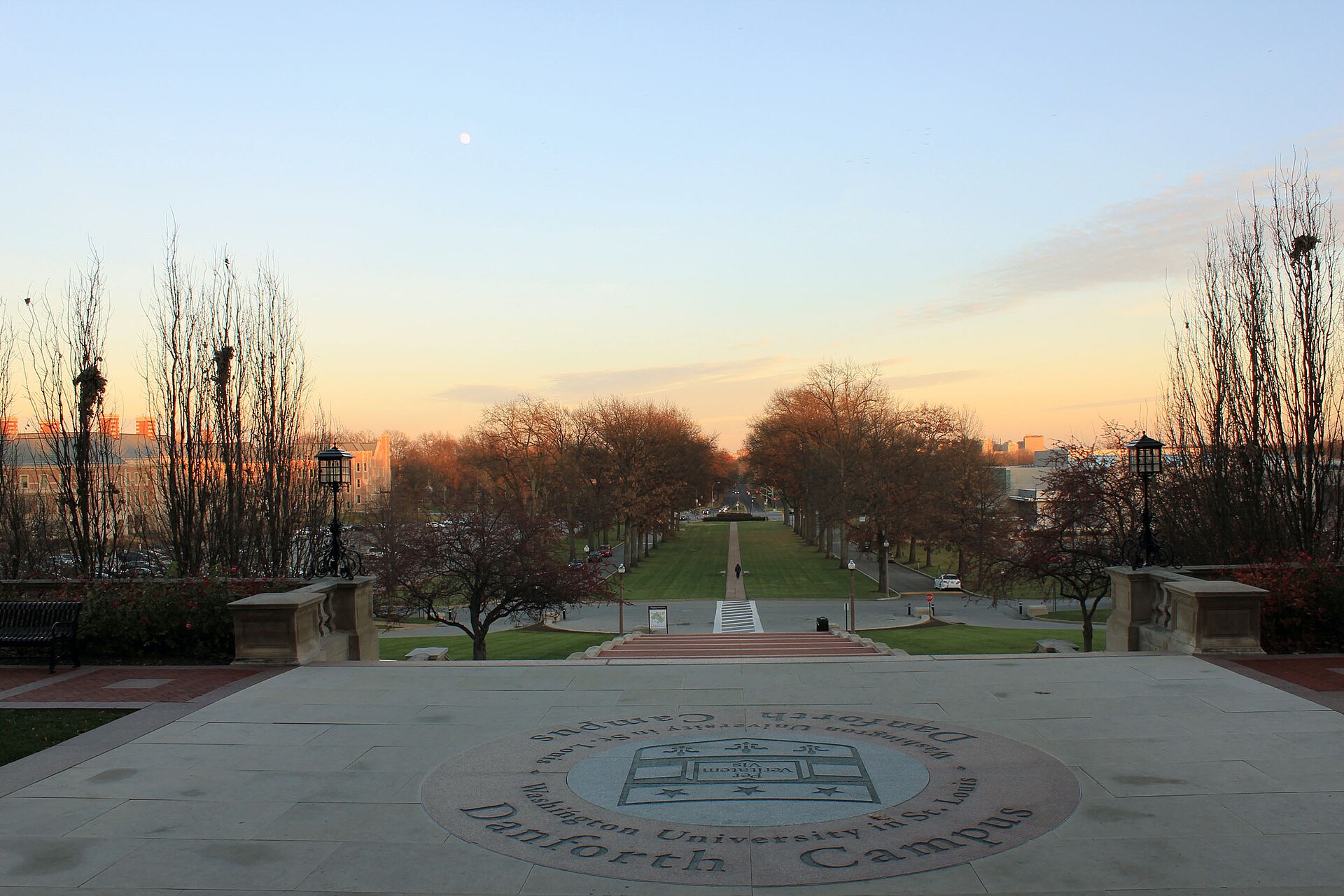
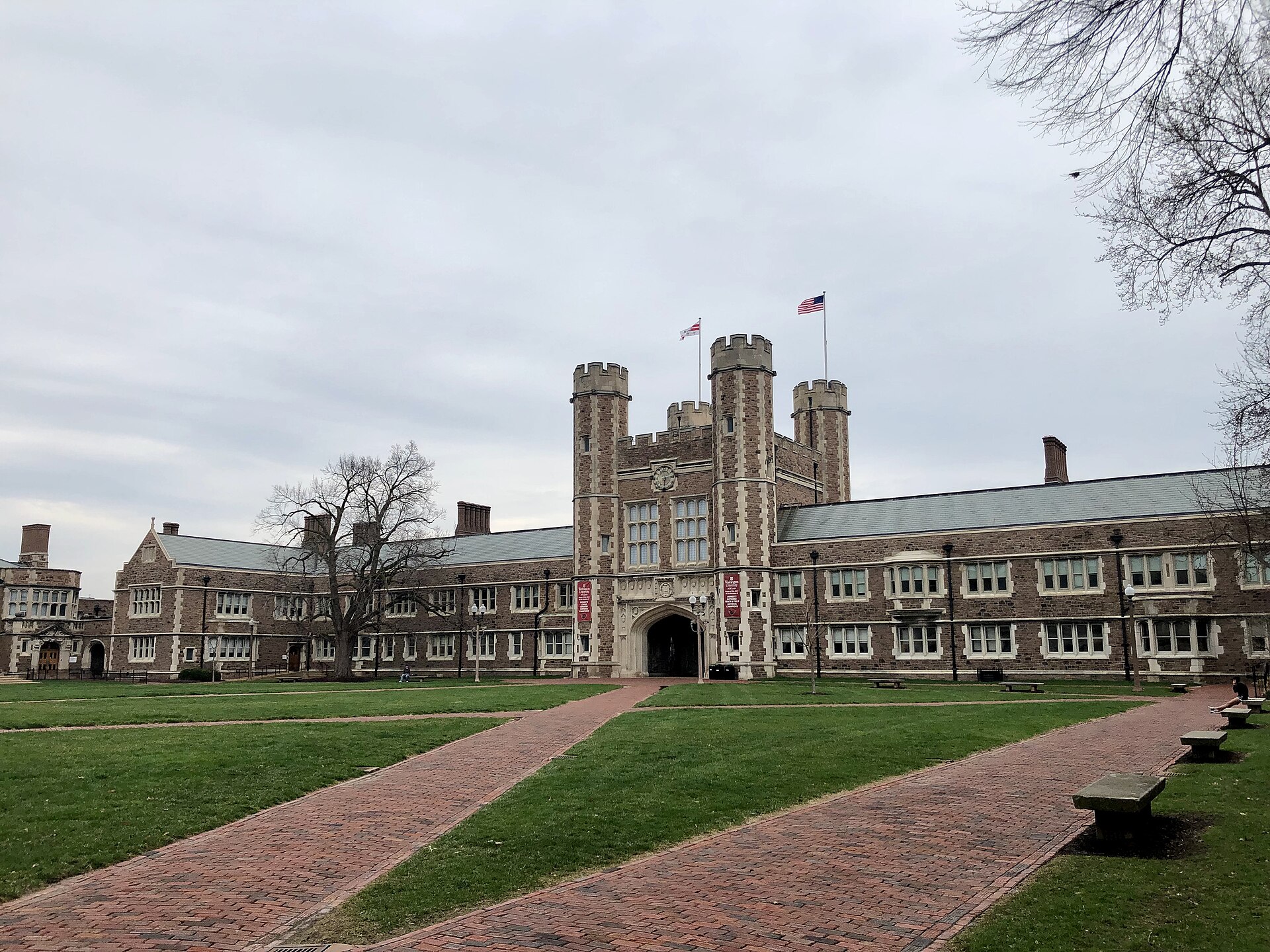
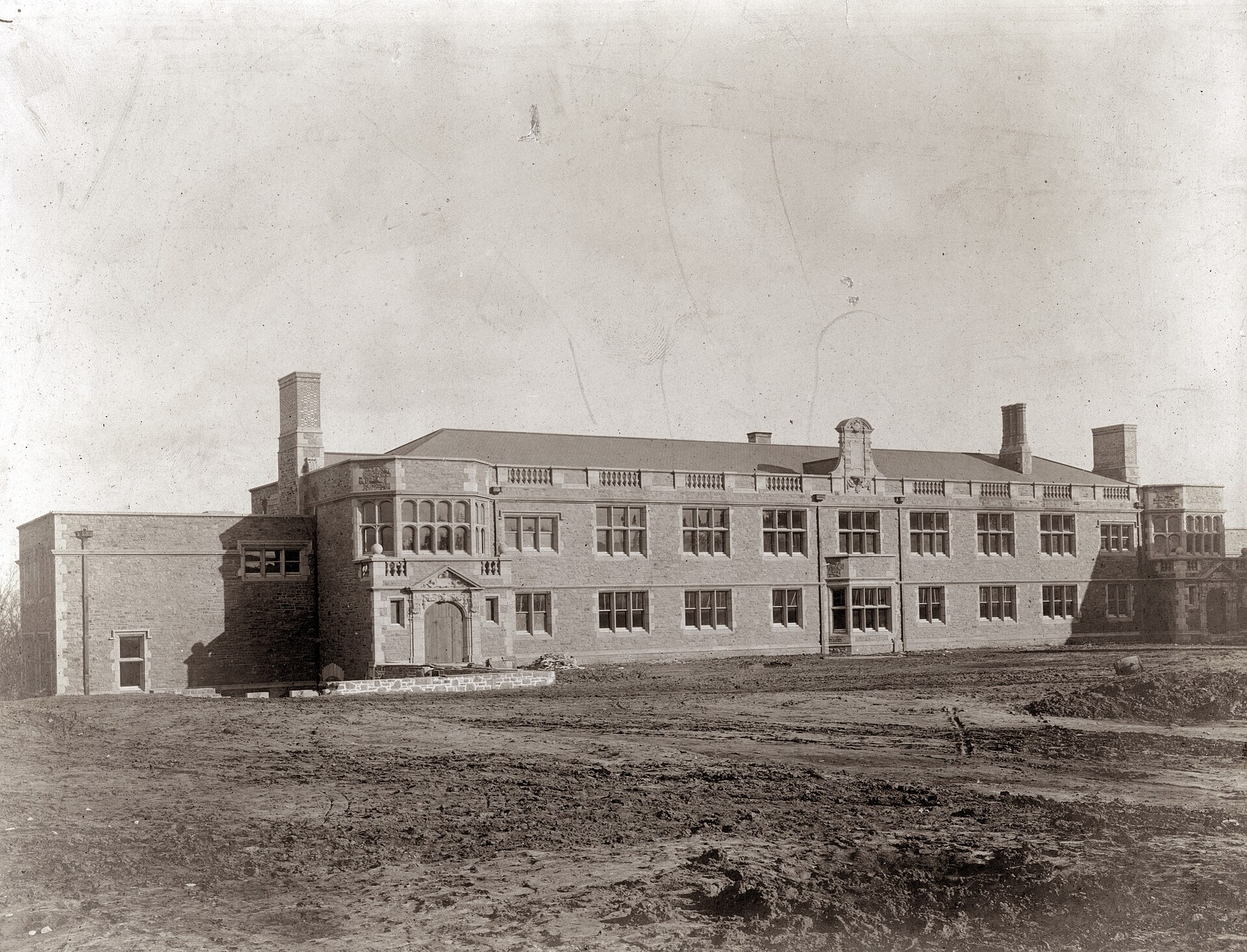
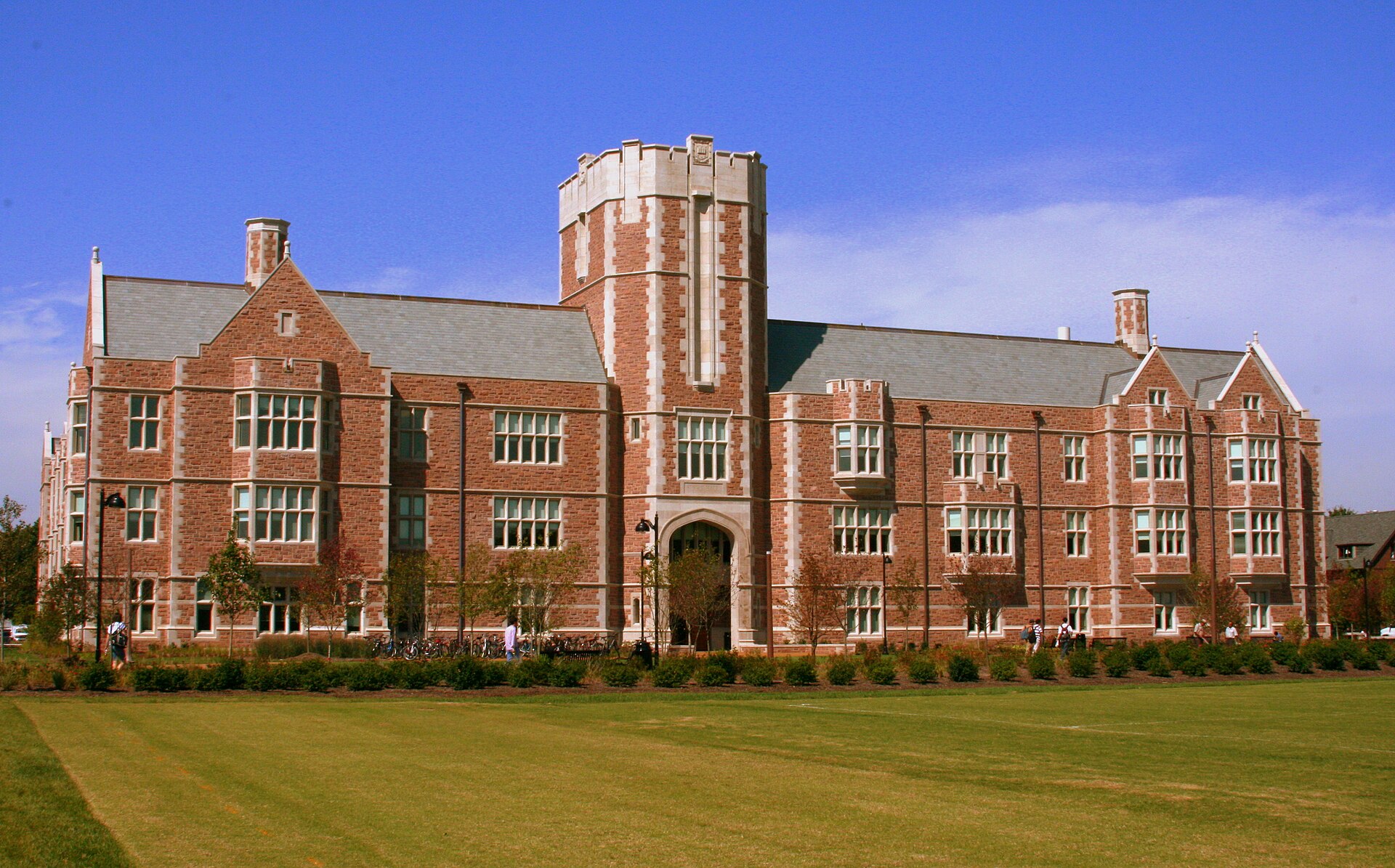
Washington University in St. Louis — campus in pictures
Real, freely-licensed photographs of the campus (via Wikimedia Commons).
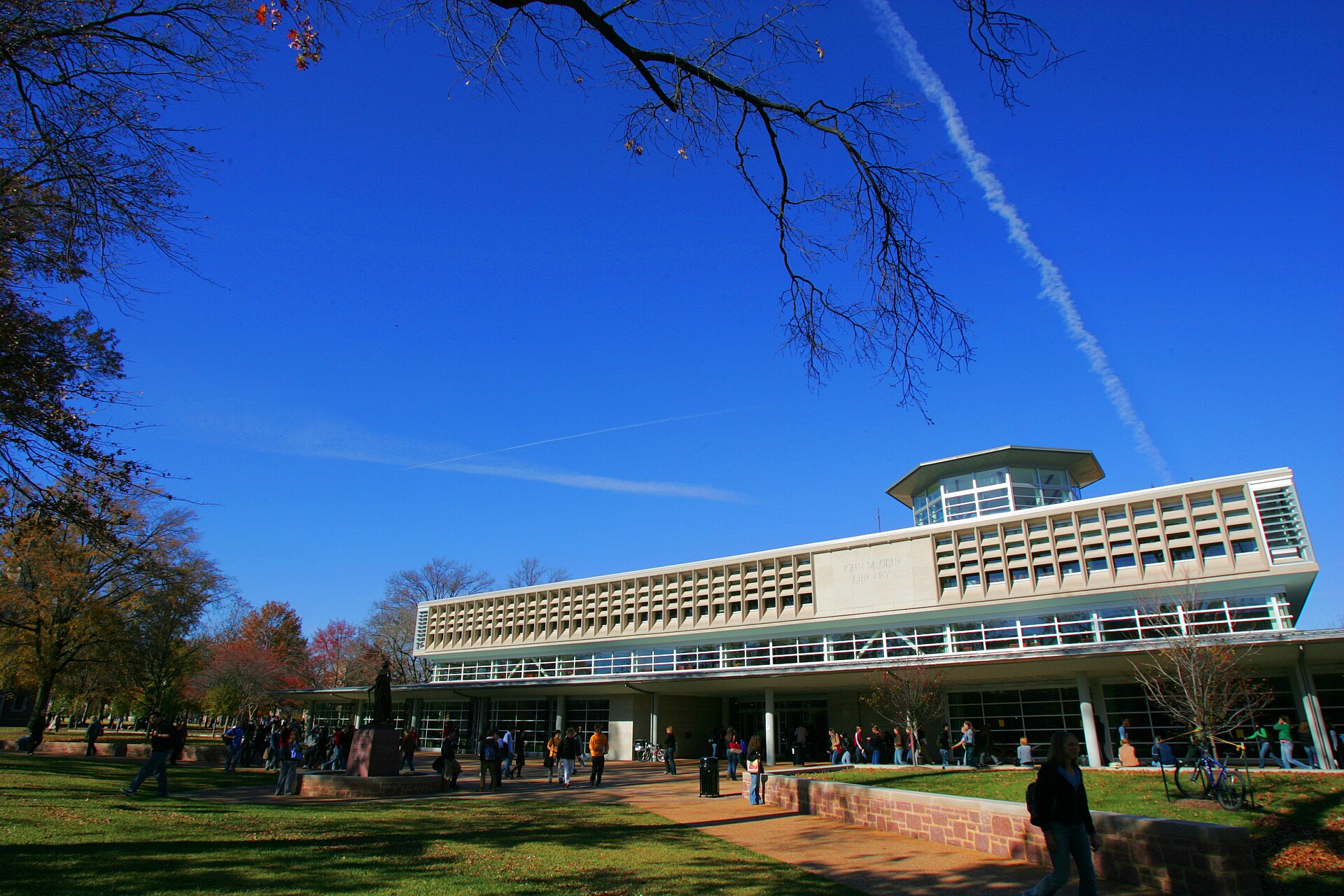
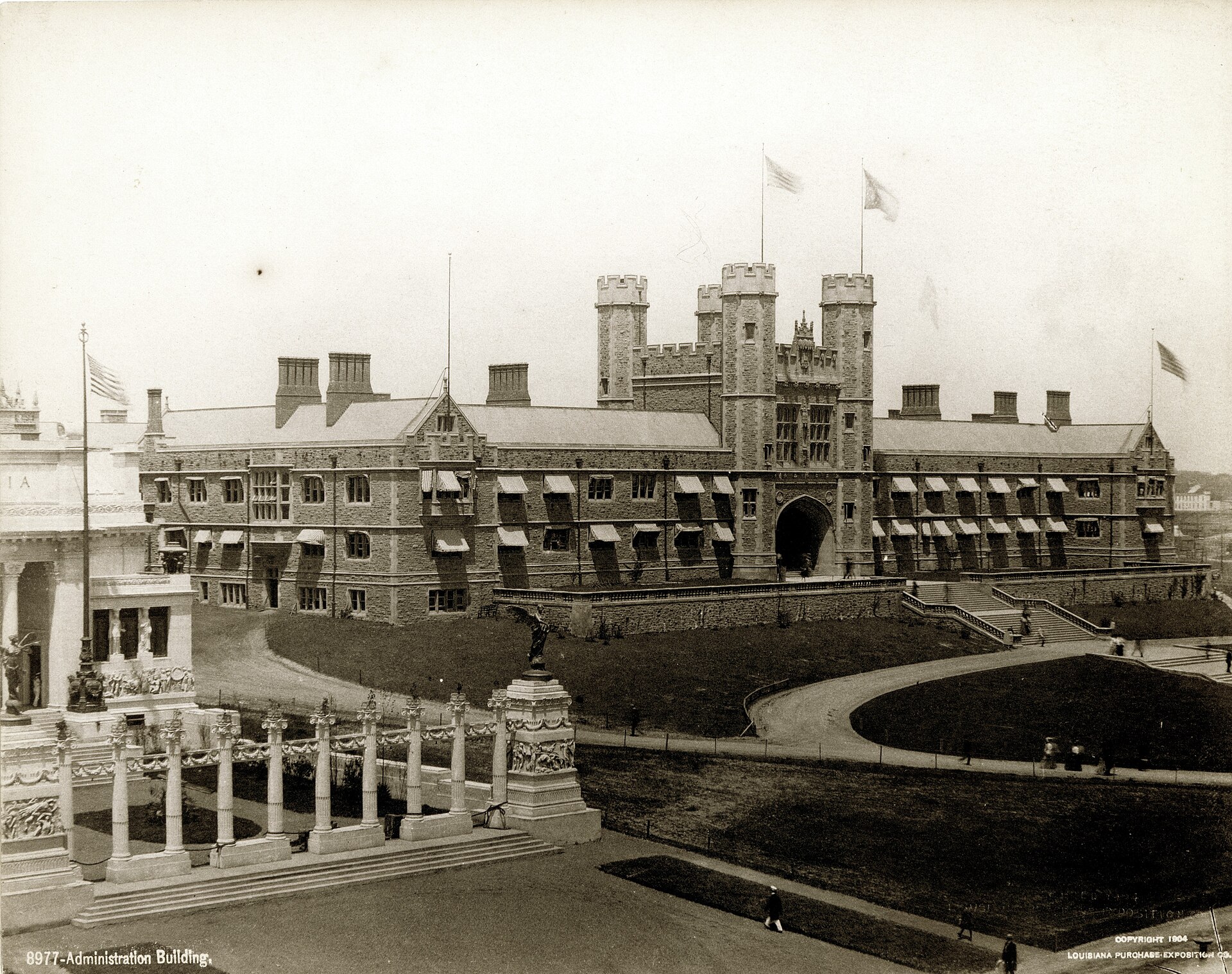
Why WashU — Research, Scale & Distinctive Schools
SELECTIVITY
WashU Acceptance Rate & Admitted Student Profile
Washington University admits approximately 12% of applicants — placing it in the highly selective tier alongside top-30 US universities. The admitted profile is strong across all dimensions, but WashU's holistic review genuinely looks beyond numbers: intellectual curiosity, demonstrated passion, and contribution to campus community matter alongside GPA and test scores.
WashU is test-optional. A 12% acceptance rate means roughly 1 in 8 applicants is admitted — significantly more attainable than peer institutions like Johns Hopkins or Vanderbilt, though still requiring a compelling and complete application.
QUICK FACTS
Washington University in St. Louis — At a Glance
APPLICATION COMPONENTS
What a Complete WashU Application Looks Like
WashU accepts both the Common Application and the Coalition Application. Every component below is either required or plays a meaningful role in the holistic review process.
HOLISTIC REVIEW
What WashU Admissions Officers Are Really Looking For
WashU's holistic review genuinely weighs every part of the application. Admissions officers look for students who will contribute to — not just benefit from — the WashU community. The academic profile must be strong, but intellectual curiosity, depth of commitment, and clarity of purpose differentiate admitted students.
APPLICATION DEADLINES
WashU Application Rounds — Deadlines & Decision Dates
WashU offers Early Action (non-binding), Early Decision I and II (binding), and Regular Decision. For international students, Early Action is often the best strategic choice: you demonstrate commitment without the binding restriction of ED, and you receive your decision in late December.
Scholarship supplement deadline (Signature Scholar Programs): December 16, with priority consideration. Application fee: $75 USD (waivers available).
| Round | Deadline | Decision |
|---|---|---|
| QuestBridge | November 1 | December 2 |
| Early Action (non-binding) | November 2 | December 23 |
| Early Decision I (binding) | November 2 | December 11 |
| Early Decision II (binding) | January 4 | February 12 |
| Regular Decision | January 4 | April 1 |
CAMPUS & CITY LIFE
Student Life at WashU — Campus, City & Community
Within campus, students have access to over 300 student organisations spanning cultural groups, entrepreneurship clubs, a robust Greek system, media and literary organisations, and Division III athletics. The Residential Life system clusters students into residential communities that create long-term friendships and mentorship networks.
WashU's Danforth Campus is a stunning Gothic quad that opens directly onto Forest Park — 1,300 acres of parkland housing the Saint Louis Art Museum, the Missouri History Museum, the St. Louis Zoo (free admission), and the famous Jewel Box greenhouse. Students cross between campus and the park daily, giving WashU an outdoor quality of life that urban campuses cannot match.
St. Louis itself is an underrated college city: a nationally recognised food scene, thriving arts and music district, professional sports (Cardinals, Blues, City SC), and a cost of living that is roughly 30–40% lower than major coastal cities. Internship and co-op opportunities in healthcare (BJC HealthCare is one of the largest employers), biotech, and financial services are abundant and accessible from the WashU campus.
CAREER OUTCOMES
WashU Graduate Outcomes — Employment, Salary & Alumni Network
WashU graduates enter the workforce at remarkably high rates. The university's proximity to major employers in healthcare, finance, and technology — combined with a career services office that partners directly with recruiters — produces outcomes that match institutions ranked higher nationally.
Stats
Cards
FAQS
WashU Admissions — International Students FAQ
Does WashU accept both the Common App and the Coalition App?+
Yes. WashU accepts both the Common Application and the Coalition Application for first-year applicants. Both platforms open August 1 and there is no preference between them. Use whichever you have already begun.
Is WashU truly test-optional for international students?+
Yes, WashU's test-optional policy applies to all applicants including international students. You decide whether to submit SAT or ACT scores. If your scores fall within or above the middle 50% band (SAT 1500–1570, ACT 33–35), submitting them can strengthen your application. If they fall below, it may be better to withhold them.
What is the WashU-specific essay question?+
WashU requires one 250-word short answer: 'Please tell us what you are interested in studying at college and why.' This is submitted through the Common App or Coalition App as a school-specific question. Write specifically about your intellectual interests and why WashU's programmes connect to them — not a generic 'I love science' paragraph.
Do Early Decision applicants have a higher acceptance rate at WashU?+
Like most US universities, WashU historically admits a higher proportion of applicants in Early Decision rounds than in Regular Decision. However, WashU also offers non-binding Early Action — which for most international students is the strategic sweet spot: demonstrating interest without the binding commitment.
Are international students eligible for merit scholarships at WashU?+
Some of WashU's Signature Scholar Programs are restricted to US citizens, permanent residents, and DACA students (specifically the Ervin Scholars). The eligibility of international students for the Danforth and Rodriguez Scholars programs should be confirmed directly with the admissions office. The Howard Nemerov Writing Scholars Program ($3,000 each) does not specify a citizenship restriction.
What are WashU's English language requirements for international students?+
WashU requires a TOEFL score of at least 100, IELTS of at least 7.0, or Duolingo English Test score of at least 120. Students from countries where English is the primary language of instruction may be exempt — confirm with the admissions office.
Can I apply to multiple WashU schools at once?+
When applying to WashU, you select a specific undergraduate school (Arts & Sciences, McKelvey Engineering, Olin Business, Sam Fox, Brown School). You are applying to that school specifically, though the campus is shared and cross-registration is available. Choose the school that best matches your primary academic interest.
What is the Kessler Scholars Program at WashU?+
The Kessler Scholars Program supports first-generation college students pursuing STEM who have limited family income. It provides up to 20 students per year with financial support and community programming. No separate application is needed — eligible students are identified through the regular admissions process.
ACADEMIC REQUIREMENTS
WashU Academic Profile — What Admitted Students Actually Look Like
Washington University in St. Louis admits a student body with exceptionally strong academic credentials — a 3.8+ GPA, SAT scores of 1500–1570, and IB scores of 38 or above are the competitive benchmarks. But WashU's holistic review means that academic excellence is the entry ticket, not the winning lottery number.
ACADEMIC BENCHMARKS
WashU Admitted Student Academic Profile
These benchmarks are from the WashU facts profile and represent the competitive range for admitted international students.
TEST POLICY
WashU Test-Optional Policy — The Honest Guidance
WashU is test-optional for all applicants, including international students. You make the decision whether to include SAT or ACT scores. WashU evaluates applications holistically regardless of whether scores are submitted.
SAT & ACT
SAT and ACT at WashU — Benchmarks and Strategy
The SAT middle 50% band for admitted WashU students is 1500–1570. The ACT middle 50% is 33–35. Both tests are accepted equally. The strategic question is not which test to take, but whether to submit at all — and if so, which score best represents your academic capability.
INTERNATIONAL CURRICULA
IB Diploma, A-Levels & AP — How WashU Reads International Qualifications
WashU's admissions officers are experienced at evaluating international curricula. IB, A-Level, Indian CBSE/ISC, and other national qualifications are all understood in context. The competitive IB benchmark is 38 points or above.
SUBJECT PREPARATION
Subject Preparation by Intended School — WashU
WashU expects strong preparation in the subjects relevant to your intended school. Because students apply to a specific undergraduate school, coherence between your academic record and your school choice matters.
ENGLISH PROFICIENCY
English Language Requirements for International Applicants
International students whose primary language of instruction is not English must demonstrate English proficiency. WashU accepts three major English tests.
Students who have completed at least two years of secondary school with English as the primary language of instruction may be exempt. Confirm your status directly with the admissions office before applying.
| Test | Minimum | Notes |
|---|---|---|
| TOEFL iBT | 100 | Score report from ETS required |
| IELTS Academic | 7.0 | Academic band; sent directly from British Council |
| Duolingo English Test | 120 | Accepted by WashU admissions |
TIMELINE
Building Your WashU-Competitive Profile — Grade 9 to Application
COMMON PITFALLS
Academic Mistakes That Hurt WashU Applications
- Applying to a WashU school whose academic requirements don't match your transcript — McKelvey Engineering applicants without strong maths preparation stand out for the wrong reasons.
- Submitting SAT/ACT scores below the 25th percentile (SAT < 1500, ACT < 33) when the rest of the application is strong — this introduces a weak data point unnecessarily.
- Taking easier courses to protect GPA instead of demonstrating curricular rigour — WashU evaluates what was available to you and whether you challenged yourself relative to your options.
- Treating the 250-word 'why this field' essay as an afterthought — it is the primary WashU-specific signal of intellectual fit.
- Choosing teachers for recommendations based on grade received rather than how well they know your intellectual character.
- Not requesting English test score waivers when eligible — many international students who qualify do not realise exemptions exist.
- Submitting a portfolio for Sam Fox that shows technical skill without evidence of a creative point of view — portfolio reviewers want to see how you think, not just that you can draw.
COST & FINANCIAL AID
The Honest Cost Picture — WashU Tuition & Aid for International Students
Washington University in St. Louis is a private research university with a cost of attendance of approximately $94,289 per year — in line with peer institutions. For domestic US students, WashU's financial aid programme is exceptional: it meets 100% of demonstrated financial need without loans. The picture for international students is more limited, and this guide is honest about that distinction.
ANNUAL COSTS
WashU Annual Cost Breakdown (Estimated)
These figures are based on WashU's published annual cost estimates. All amounts are in US dollars.
| Component | Annual | Notes |
|---|---|---|
| Tuition | $68,240 | All undergraduate schools |
| Room & Board | Included in CoA | Estimated within total CoA below |
| Cost of Living (est.) | $18,000 | Books, personal, transportation in St. Louis |
| Total Cost of Attendance | $94,289 | University estimate for all students |
| Application Fee | $75 | Fee waivers available — see admissions site |
FINANCIAL AID POLICY
Financial Aid at WashU — Domestic vs International
WashU's domestic financial aid programme is generous and well-known: it meets 100% of demonstrated financial need for US students without loans, and over half of domestic undergraduates receive some form of grant aid. International students should understand that this policy applies primarily to domestic applicants.
SCHOLARSHIPS
WashU Scholarships — Named Programs and Awards
WashU offers several named merit scholarship programmes. International students should confirm their eligibility directly with the admissions office.
PLANNING FOR COST
Affordability Planning for International Applicants
The case for investing in WashU rests on three factors: outcomes (94% employment rate, $70,000 average starting salary), the 7:1 student-to-faculty ratio that provides graduate-level academic access at the undergraduate level, and the quality of the research, professional, and alumni networks that graduates enter. WashU's St. Louis location also keeps the cost of living lower than comparable peer institutions in Boston, New York, or San Francisco — a meaningful practical factor for international students.
With a total cost of attendance of $94,289 per year and limited need-based aid for international students, WashU requires thoughtful financial planning. A four-year WashU education represents a significant investment — roughly $375,000 at current rates before any merit aid.
Some external scholarships and home-government funding programmes (such as those from Gulf state scholarship councils, Malaysian MARA, Brunei JPA, and similar national agencies) may cover WashU attendance. International students should explore these options early — many have application deadlines a year or more in advance.
FUNDING ROADMAP
How to Fund Your WashU Education — Step by Step
COST FAQS
WashU Cost & Aid — International Students FAQ
Does WashU meet 100% of financial need for international students?+
WashU's guarantee to meet 100% of demonstrated financial need without loans (the WashU Pledge) applies primarily to US domestic students. International students receive very limited need-based aid. Plan for close to full cost of attendance unless you receive a merit scholarship.
Can international students apply for the Danforth or Rodriguez Scholars programs?+
The Ervin Scholars Program is explicitly restricted to US citizens, permanent residents, and DACA students. The Danforth and Rodriguez Scholars programs do not specify a citizenship restriction in published materials, but you should confirm your eligibility directly with the admissions office before submitting the supplement.
What is the application fee, and is there a waiver for international students?+
The application fee is $75 USD. WashU offers fee waivers — check the admissions site (admissions.washu.edu) for the current waiver options available to international applicants.
Is the net price calculator on the WashU website applicable to international students?+
No. WashU explicitly notes that its financial aid estimation tool is not applicable to international students. Contact the Office of Undergraduate Admissions directly for an international cost estimate.
Are there on-campus employment options for international students?+
F-1 visa holders may work on-campus up to 20 hours per week during the academic year. WashU's research labs, libraries, dining services, and administrative offices all employ students. This is not sufficient to cover tuition costs, but it provides meaningful supplementary income.
ESSAYS & APPLICATION WRITING
WashU Essays — The Personal Statement and the 250-Word Pivot
Washington University in St. Louis uses the Common Application and Coalition Application systems. The essay requirements are focused: one Common App personal statement (650 words) plus one WashU-specific short answer (250 words). The supplemental essays are minimal — but the 250-word question is the make-or-break WashU writing moment, and most applicants underestimate it.
ESSAY REQUIREMENTS
How Many Essays Does WashU Require?
WashU keeps its writing requirements focused compared to peer institutions. Here is the complete picture of what is required and what is optional.
ESSAY PROMPTS
WashU Essay Prompts — What You Are Writing
PERSONAL STATEMENT STRATEGY
Writing the Common App Personal Statement for WashU
The most effective WashU personal statements have three qualities: they are specific (a concrete scene, a named thing, a precise memory — not an abstraction), they are honest (the reader senses a real person, not a performance), and they have a point of view (you come to a conclusion, not just describe events). WashU's culture values intellectual curiosity and collaborative engagement — essays that reveal how you think and engage with ideas read better here than achievement-stacking narratives.
The personal statement is your largest piece of writing in the WashU application: 650 words read by an admissions officer who has already seen your transcript, test scores (if submitted), and activity list. The essay is not a summary of your application — it is meant to add a dimension that the data cannot convey.
Start with a scene, not a statement. 'I have always been passionate about science' is a statement. A scene might begin: 'The centrifuge shook at 3 AM in my neighbour's garage lab, and I held the tube up to the light, watching cells separate.' Which opening makes you want to read the next sentence?
SUPPLEMENT STRATEGY
WashU Supplement Strategy — The 250-Word Question
The 250-word 'why this field' response is where WashU distinguishes intellectually purposeful applicants from well-rounded ones. Here is how to approach it by intended school.
TOPIC SELECTION
Choosing Your Essay Topics — The WashU Approach
For your personal statement: ask yourself what you would write about if you were not trying to get into university. What would you write about because you cannot stop thinking about it? That is closer to the essay topic you need. For the 250-word supplement: ask what the most honest, specific, intellectually rigorous version of your interest in your intended field looks like — then write that.
The most common mistake international applicants make is choosing essay topics designed to impress rather than to reveal. WashU's admissions readers have seen thousands of essays about science fairs won, debate championships, and humanitarian trips. The essays that stay with readers are the ones that reveal a specific mind with a specific perspective.
ESSAY PITFALLS
Common WashU Essay Mistakes to Avoid
- Writing a personal statement that summarises your resume — the activities list already shows your achievements; the essay should reveal a person, not a credential.
- Treating the 250-word WashU question as a minor formality and writing a generic paragraph about loving your intended field — this question is the primary WashU-specific signal of intellectual fit.
- Failing to name specific WashU programmes, faculty, or resources in the 'why this field' response — vague references to 'world-class faculty' are invisible to admissions readers.
- Using the optional video supplement without a compelling reason — it rarely adds value unless the medium itself is the point.
- Writing scholarship supplement essays that are restyled versions of the main application essays — each supplement requires fresh, programme-specific writing.
- Over-editing to the point of losing your authentic voice — admissions readers can tell when an essay has been rewritten by a parent or counsellor; your voice is the point.
- Submitting the essay application before running it through a native English reader — not for content changes, but for grammar and clarity specific to written academic English.
- For portfolio applicants: submitting a portfolio that shows technical range without a unifying creative perspective — a smaller, more coherent portfolio usually reads stronger than a comprehensive but unfocused one.
ESSAY FAQS
WashU Essays — Frequently Asked Questions
Is there a 'Why WashU' essay?+
Not as a separate prompt. The WashU short answer ('Please tell us what you are interested in studying at college and why') functions as a combined 'why this field' and implicit 'why WashU' question. To answer it well, you need to engage specifically with WashU's programmes and resources — so research WashU's curriculum, faculty, and research centres before writing.
Should I submit the optional video supplement?+
Only if you have a compelling reason the rest of your application cannot convey. A strong musical audition, an athletic performance, or a creative work that exists only as video might justify it. A general 'introduction to me' video does not. WashU explicitly states applicants are not penalised for opting out.
Can I use AI tools to help with my essays?+
AI tools can help you think through structure and ideas, but the writing must be authentically yours. WashU's admissions readers are experienced at identifying essays that have been heavily AI-generated — and an AI-written voice is typically generic, which is precisely the opposite of what WashU's short-answer question requires. Use AI as a thinking tool, not as a ghostwriter.
Do I have to write separate scholarship supplements for each Signature Scholar Program?+
Yes. Each Signature Scholar Program requires its own 250-word short answer submitted through the Pathway portal by December 16. If you apply for multiple programmes, write each supplement fresh for that programme's specific values — do not submit the same response to all.
Is there a specific word count for the 'why this field' response?+
Yes — 250 words. This is a hard limit. Write at 270 words, then cut to 250 — the editing process makes the writing stronger. Every sentence in a 250-word essay must earn its place.
How important are essays relative to grades and test scores for WashU?+
At WashU's selectivity level (12% acceptance), essays are a genuine differentiator among applicants with similar academic profiles. Admissions officers use essays to understand the person behind the transcript. The 250-word subject response, in particular, is a primary signal of intellectual fit with the specific school to which you are applying.
Courses — schools, degrees & intake
95 degrees across 4 groupings.
College of Arts & Sciences · 65 degrees
African and African-American Studies
American Culture Studies
Ancient Studies
Art History and Archaeology
Astrophysics
Biology
Biology: Ecology and Evolution
Biology: Genomics and Computational Biology
Biology: Molecular Biology and Biochemistry
Biology: Neuroscience
Chemistry
Chemistry: Biochemistry
Classics
Comparative Arts
Comparative Literature and Thought
Dance
Data Science
Drama
Earth Science
Economics
Economics and Computer Science
Educational Studies
Elementary Education
English Literature
English Literature: Creative Writing
Environmental Analysis
Environmental Biology
Environmental Policy
Environmental Science
Film & Media Studies
Film and Media Studies: Film and Media Production
Global Studies
History
Jewish, Islamic, and Middle Eastern Studies
Latin American Studies
Linguistics
Mathematics
Mathematics and Computer Science
Mathematics and Economics
Applied Mathematics
Middle School Education
Music
Philosophy
Philosophy: Law and Policy
Philosophy: Philosophy of Science
Philosophy-Neuroscience-Psychology: Cognitive Neuroscience
Philosophy-Neuroscience-Psychology: Language, Cognition, and Culture
Physics
Planetary Science
Political Science
Psychological & Brain Sciences
Psychological & Brain Sciences: Cognitive Neuroscience
Religious Studies
Secondary Education
Sociology
Statistics
Women, Gender, and Sexuality Studies
Arabic
East Asian Languages and Cultures
French
Germanic Languages and Literatures
Hebrew
Italian
Romance Languages and Literatures
Spanish
McKelvey School of Engineering · 15 degrees
Biomedical Engineering
Computer Science
Computer Engineering
Computer Science + Economics
Computer Science + Math
Business + Computer Science
Data Science
Electrical Engineering
Applied Science (Electrical Engineering)
Systems Science & Engineering
Chemical Engineering
Chemical Engineering - Applied Science
Environmental Engineering
Mechanical Engineering
Mechanical Engineering - Applied Science
Olin Business School · 8 degrees
BSBA - Accounting
BSBA - Economics and Strategy
BSBA - Entrepreneurship
BSBA - Finance
BSBA - Healthcare Management
BSBA - Organization and Strategic Management
BSBA - Marketing
BSBA - Operations and Supply Chain Management
Sam Fox School of Design & Visual Arts · 7 degrees
Architecture (BS)
Architecture (BA)
Studio Art (BFA)
Communication Design (BFA)
Fashion Design (BFA)
Studio Art (BA)
Design (BA)
Want your real chances at Washington University in St. Louis?
Create a free TYCHR account for your personalised admit-chance, a shortlist you can track, exact entry requirements, and essay + counselling help.