Wageningen University & Research
Wageningen, Netherlands · Suburban
THE WORLD'S #1 FOR LIFE SCIENCES & AGRICULTURE
Wageningen University & Research Admissions Guide for International Students
Wageningen University & Research (WUR) is the world's undisputed leader in food, agriculture, and life sciences — consistently ranked #1 globally in agriculture and forestry by every major index. Located in a compact university town in the heart of the Netherlands, WUR draws more than a quarter of its 13,000 students from abroad, giving every classroom a genuinely global dimension. If you want to tackle climate change, food security, biodiversity loss, or sustainable land use at the highest scientific level, there is no institution better positioned to launch that career.
This guide covers WUR's Dutch application system (Studielink for BSc, direct portal for MSc), its motivation-letter-based selection process, English-language programme availability, scholarship pathways, and how to position yourself as a competitive international applicant.
Campus
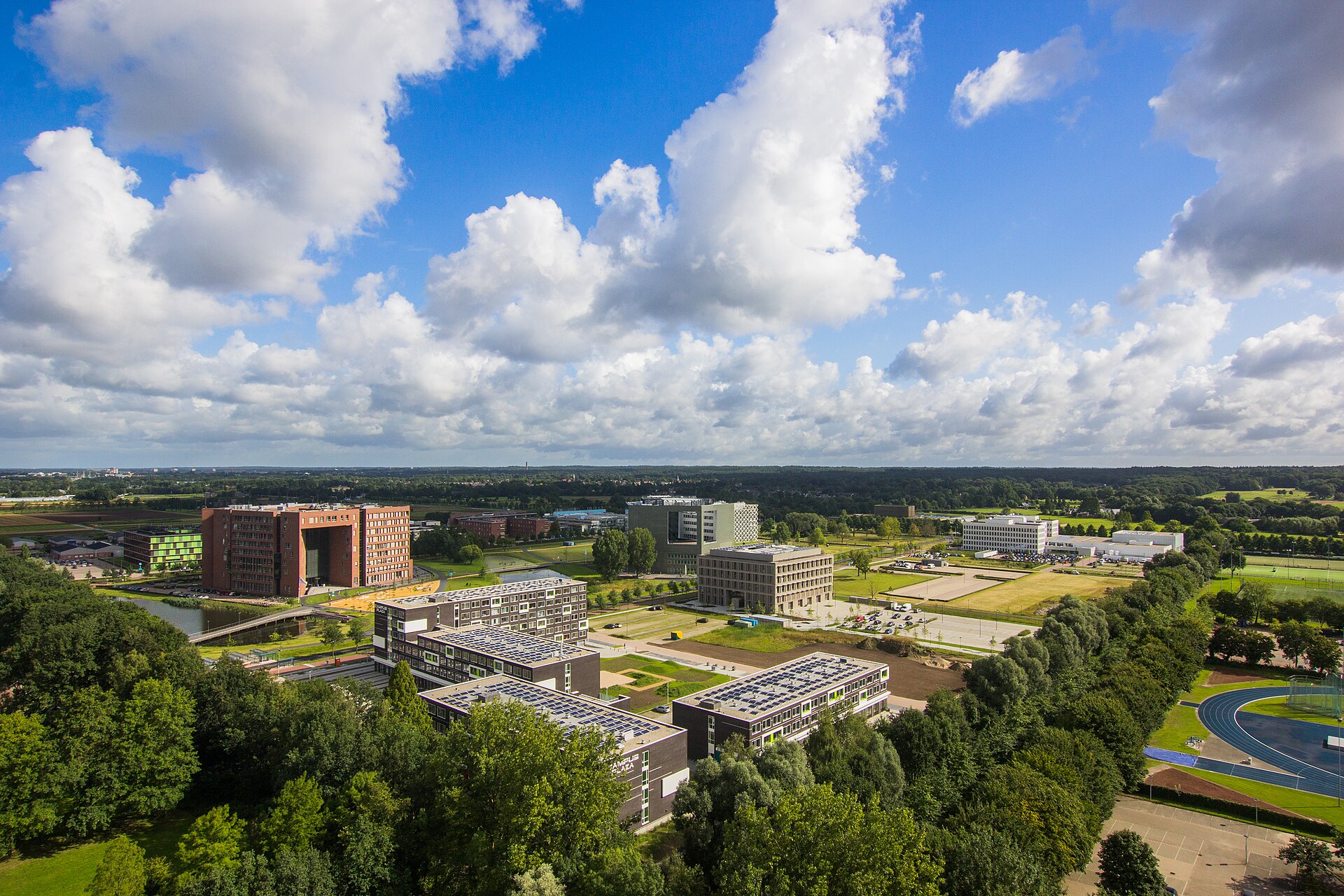
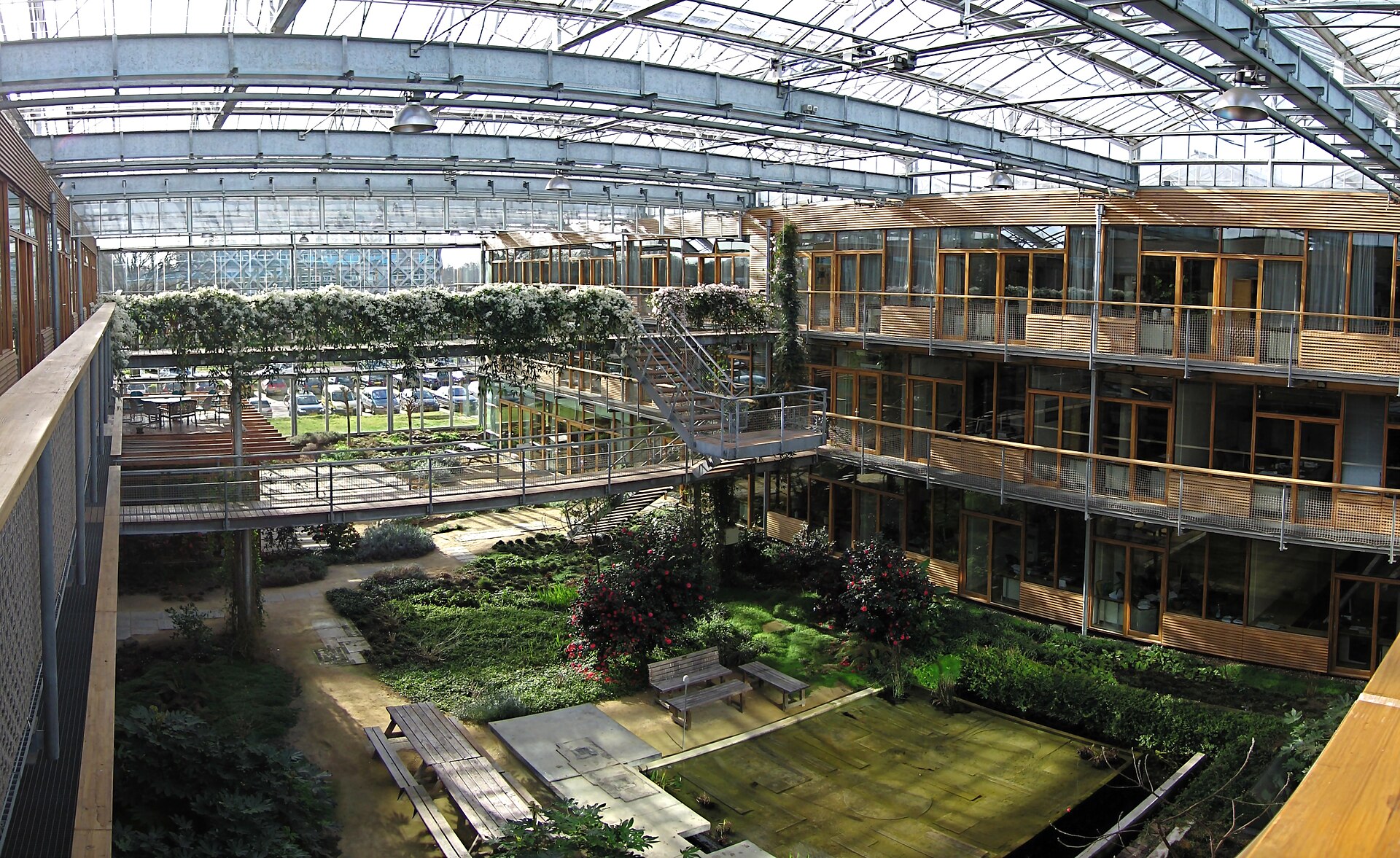
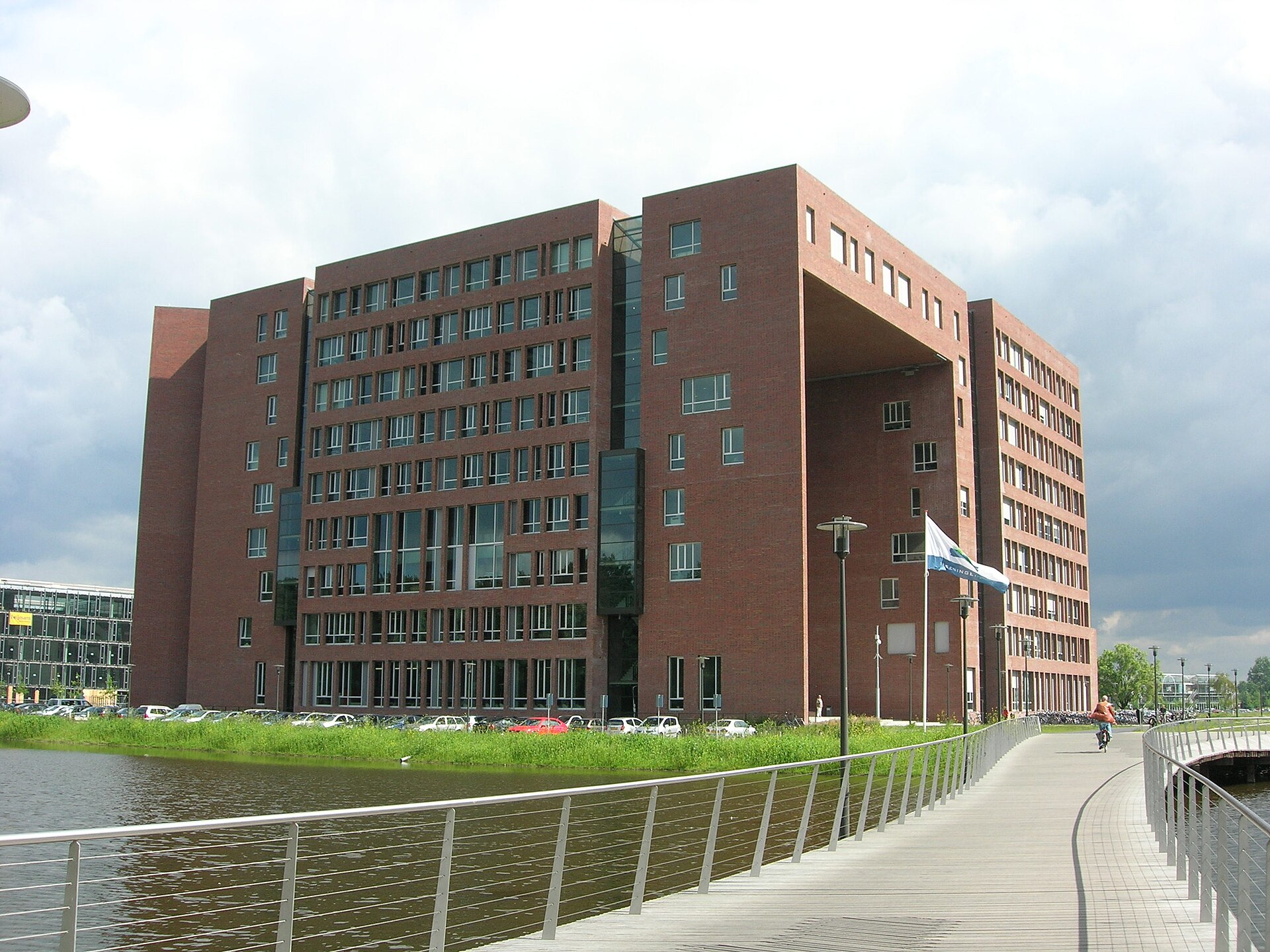
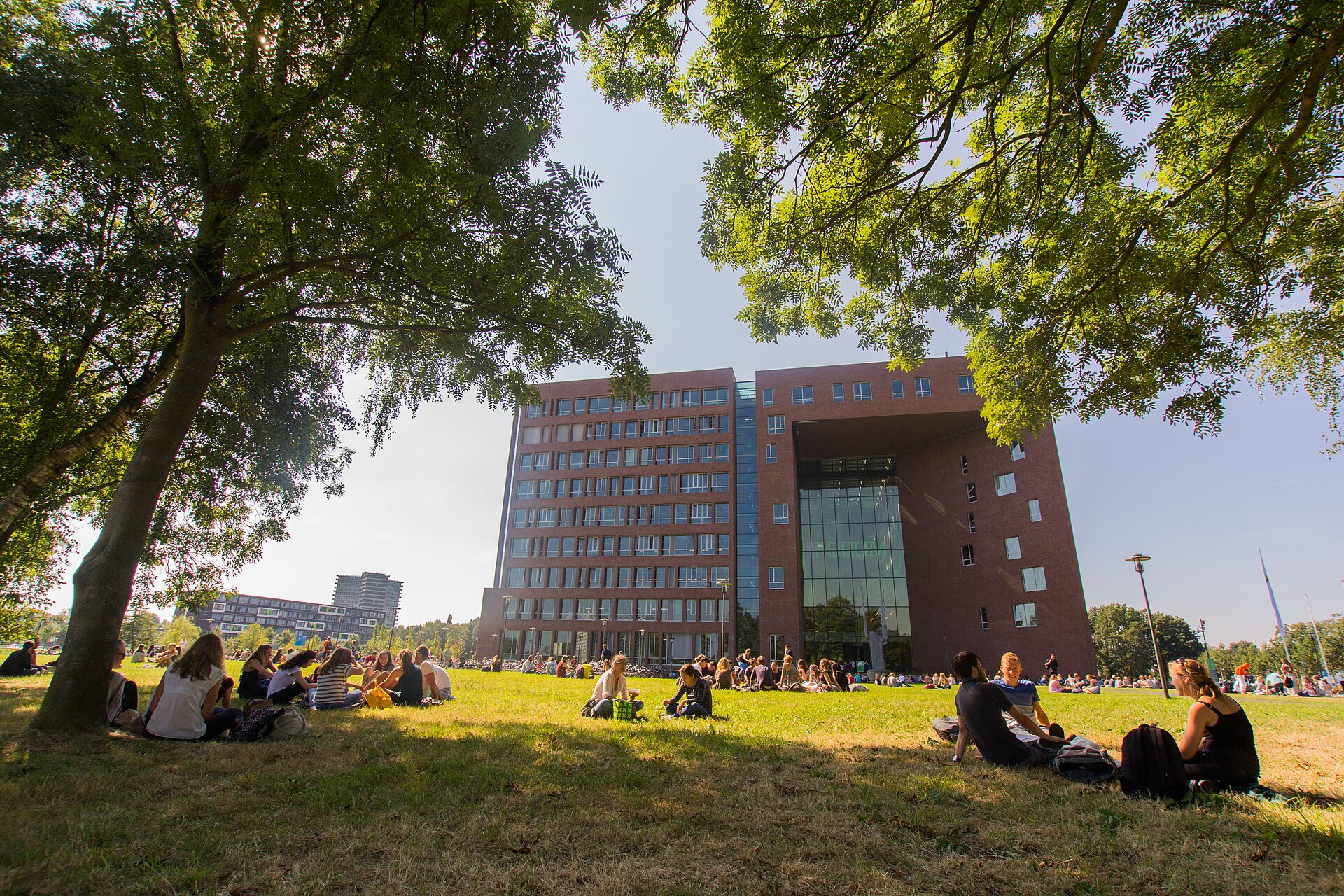
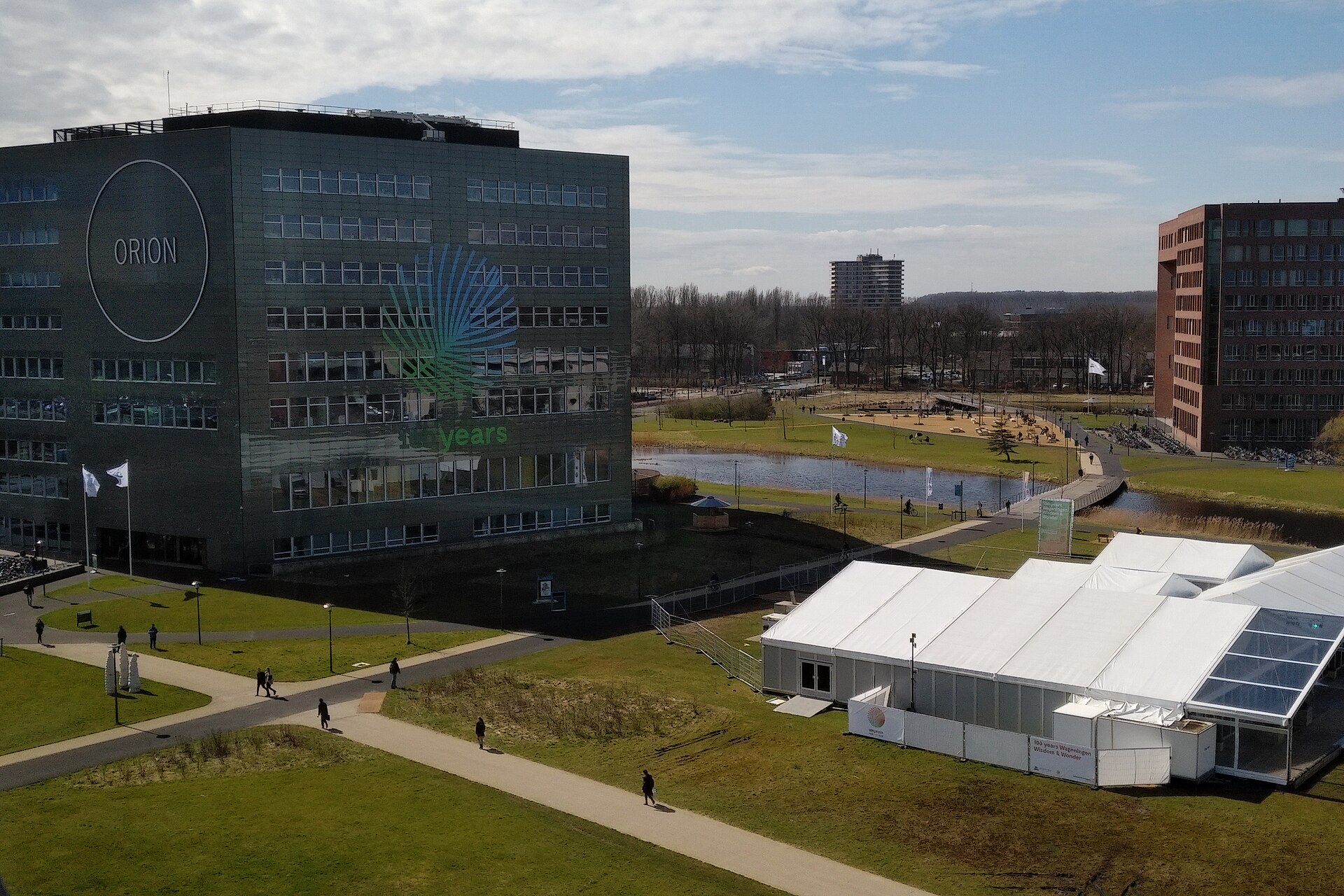
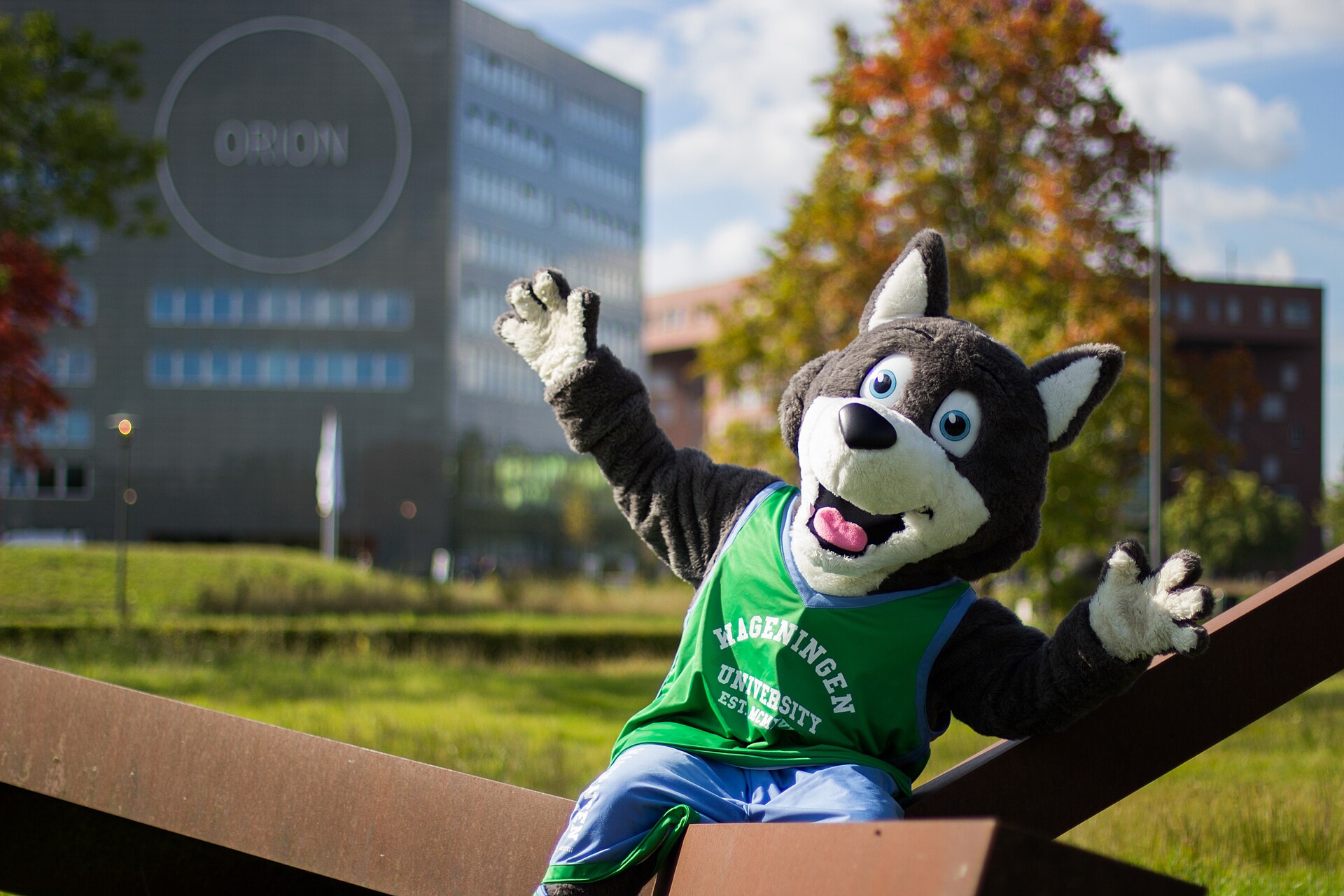
Wageningen University & Research — campus in pictures
Real, freely-licensed photographs of the campus (via Wikimedia Commons).
Why Wageningen — Global #1 in Its Field, Research-Led, Internationally Inclusive
WUR is not a generalist university trying to do everything. It is the world's deepest specialist institution in food, life sciences, and sustainability — and that focus produces extraordinary outcomes in research impact, graduate employment, and real-world relevance.
SELECTIVITY
How Selective Is Wageningen?
With an acceptance rate of approximately 60%, WUR is accessible by global top-university standards — but admission to specific programmes, especially at MSc level, can be considerably more competitive. The GPA and IB thresholds screen for academic readiness, and the motivation letter functions as the qualitative filter for strong programmes. For international BSc students, the main English-taught programme (International Land and Water Management) has its own prerequisites.
WUR's open access philosophy reflects the Dutch higher-education tradition — qualifications that meet the admission threshold grant entry. However, popular MSc programmes in Food Technology, Biotechnology, Environmental Sciences, and Plant Sciences attract large international applicant pools, making early application and a strong motivation letter essential. Meeting the minimum IB score of 32 is necessary; programmes with high demand often admit students with significantly higher profiles in practice.
AT A GLANCE
Wageningen University & Research — Key Facts
APPLICATION COMPONENTS
What Your Application Consists Of
WUR uses different application routes for BSc and MSc programmes, both reflecting the Dutch university tradition: qualification-based entry with a motivational component. There are no standardised test requirements, no activity resumés in the US sense, and no recommendation letters for most programmes. The application is academic and purposeful.
ADMISSION PROFILE
What WUR Looks For in International Applicants
WUR is a specialist institution. It is looking for students who are genuinely motivated by life sciences, sustainability, food systems, or environmental research — not students who chose it as a fallback. The ideal applicant demonstrates academic readiness in the relevant natural sciences and a clear articulation of purpose.
APPLICATION DEADLINES
When to Apply — BSc and MSc
WUR uses Studielink (the Dutch national portal) for BSc applications and its own direct portal for MSc applications. Deadlines differ by programme level and student origin. Non-EU/EEA students should apply as early as possible to allow time for visa processing.
Deadlines listed below are indicative based on WUR's standard cycle. Always confirm exact dates on the official WUR admissions pages before applying, as programme-specific or year-specific variations may apply.
| Level | Deadline | System | Note |
|---|---|---|---|
| BSc (non-EU students) | 1 May (preceding September start) | Studielink | Earlier is strongly advised for visa processing |
| BSc (EU/EEA students) | 1 May | Studielink | Standard Dutch BSc deadline |
| MSc (non-EU students) | 1 April (for September) | WUR direct portal | Scholarship deadline: 1 December prior year |
| MSc (EU/EEA students) | 1 June (for September) | WUR direct portal | Some programmes have earlier programme-specific deadlines |
CAMPUS & LIFE
Life at Wageningen — A Compact University Town
Wageningen is an unusual university experience: the town (population ~40,000) exists almost entirely around the university. You will not be a student lost in a big city. Instead, you will be immersed in a tight-knit academic community where professors, researchers, and students share cafes, cycling paths, and weekend markets.
The campus is modern and sustainably designed — WUR practices what it researches. Experimental gardens, greenhouses, food labs, and outdoor biodiversity plots are integrated into the campus landscape. Student associations are active and numerous, covering everything from food culture (the WUR food community) to international policy, agroforestry practice, and sport.
GRADUATE OUTCOMES
Career Outcomes — Where WUR Graduates Go
WUR's 90% employment rate and specialist reputation produce a distinctive career footprint. Graduates are disproportionately hired by the world's leading food companies, environmental agencies, research institutes, and international organisations — because WUR is the globally recognised credential in these fields.
Major employers of WUR graduates include Unilever, Nestlé, Danone, DSM-Firmenich, Bayer CropScience, Wageningen Research (WR), RIVM, Deltares, Shell, and various Dutch ministries. International organisations including the FAO, IFAD, World Bank, and UN Environment Programme are significant employers of WUR MSc graduates, particularly from programmes like International Development Studies, Environmental Sciences, and Food Technology. Many graduates also continue to PhD research within WUR's own graduate schools or affiliated institutes.
Stats
Cards
FAQs
Frequently Asked Questions
Is Wageningen University right for me if I'm interested in sustainability but not specifically agriculture?+
Yes — WUR's programmes span environmental sciences, climate, biobased economy, water management, food policy, and health nutrition. You do not need to be interested in farming. The unifying thread is the intersection of nature, people, and food systems, which includes many non-agricultural disciplines.
Are bachelor programmes at WUR taught in English?+
The majority of WUR's BSc programmes are taught in Dutch, making them inaccessible to most international students without Dutch language proficiency. The main English-taught BSc programme is International Land and Water Management (ILWM). MSc programmes at WUR are almost entirely taught in English, which is why WUR attracts the majority of its international students at master's level.
Do I need to take the SAT or ACT to apply to WUR?+
No. WUR does not require standardised tests like the SAT or ACT. Admission is based on your secondary school qualifications (IB, A-Levels, national diploma) or bachelor's degree for MSc entry. Your test policy is listed as 'optional' — these tests are not relevant to the Dutch application system.
What is the total cost of studying at WUR as a non-EU student?+
Annual tuition for non-EU/EEA students is approximately USD 19,760. The estimated total cost of attendance including living expenses is approximately USD 32,000 per year. The city of Wageningen is affordable by Dutch standards, with estimated living costs around USD 13,000 per year including accommodation, food, and transport.
Can I work while studying in the Netherlands at WUR?+
Non-EU students on a student visa may work up to 16 hours per week (or full-time during the summer months June, July, August). The Netherlands has a strong labour market, and WUR's location near major Dutch employers means part-time work in food and agri-related companies is possible. Always confirm working rights with your visa conditions.
Does WUR offer scholarships to international students?+
Yes. Named scholarships include the Excellence Programme (tuition waiver for non-EU/EEA MSc students with a GPA of 80% or above), the Africa Scholarship Programme (full funding for African students with First Class honours), and the Anne van den Ban Fund (for students from developing countries, invitation-based). Scholarship deadlines (typically 1 December for the following September) are months before the general MSc application deadline.
Do I apply via UCAS or Common App for WUR?+
No. WUR uses the Dutch Studielink portal for BSc applications and its own direct application portal for MSc applications. Neither UCAS nor Common App is relevant. The application process is straightforward and handled entirely through WUR's own systems.
Is an interview required for admission to WUR?+
Most programmes do not require an interview. Some MSc programmes with high demand or a specific research fit requirement may conduct interviews in exceptional cases. Confirm with your specific programme's admissions office during the application process.
ACADEMIC EXPECTATIONS
Academic Standards for International Applicants What WUR Requires and Rewards
Wageningen University & Research is a research university in the truest sense — every programme is anchored in active scientific investigation, and the expectation is that students can engage with primary literature, laboratory work, and field research from the outset. For international applicants, this means your academic foundation in the natural sciences must be solid, and your subject choices must signal readiness for specialist study.
ENTRY BENCHMARKS
Admitted Student Academic Profile
WUR publishes minimum entry requirements rather than competitive medians. The IB and GPA thresholds below are floors — students admitted to competitive programmes typically present stronger profiles. There are no SAT/ACT requirements.
The IB minimum of 32 points places the qualifying threshold at a solid but not exceptional level. Students targeting competitive MSc programmes (Food Technology, Biotechnology, Environmental Sciences, Plant Sciences) should present significantly stronger undergraduate records — first-class or near-first-class honours from accredited institutions. WUR's MSc selection is based on the combination of academic performance, relevance of prior degree, and the quality of the motivation letter.
STANDARDISED TESTS
Standardised Test Policy at WUR
WUR does not require SAT, ACT, GRE, or GMAT scores for any of its programmes. The Dutch higher-education system is qualification-based: what you studied and how well you performed in your degree are the entry criteria. Standardised tests from other systems are neither expected nor advantageous.
This is materially different from US or even some UK universities. Do not spend time or money on SAT/ACT preparation for WUR. Focus instead on achieving strong results in your IB subjects, A-Level subjects, or equivalent qualifications — and on selecting the right science subjects (see below).
IB & A-LEVEL
How WUR Reads IB Diplomas and A-Level Qualifications
WUR explicitly recognises the IB Diploma as an entry qualification with a minimum of 32 points. A-Level students should hold three A-Levels in relevant subjects. Both qualifications are well understood by WUR's international admissions team.
SUBJECT PREPARATION
The Right Subject Foundations for WUR Programmes
Programme-by-programme subject requirements vary, but the following core subjects signal readiness for WUR's scientific curriculum.
LANGUAGE REQUIREMENTS
English Language Requirements for International Students
All MSc programmes at WUR are taught in English. The one international BSc programme (International Land and Water Management) is also English-taught. Most other BSc programmes are taught in Dutch. Language proficiency must be formally demonstrated unless you completed your prior degree entirely in English.
| Test | Minimum | Sub Scores | Notes |
|---|---|---|---|
| IELTS Academic | 6.0 overall | No band below 5.5 (confirm with programme) | Most widely accepted |
| TOEFL iBT | 80 total | Confirm sub-score requirements with programme | Accepted for all English-taught programmes |
| Duolingo English Test | 115 | No component below 100 | Accepted at WUR |
| Cambridge C1 Advanced / C2 Proficiency | C1 grade | — | Accepted; confirm with admissions |
YOUR ACADEMIC ROADMAP
Building a Competitive Profile for WUR — Grade 9 to Application
COMMON PITFALLS
Academic Mistakes That Hurt WUR Applications
- Choosing the wrong programme: WUR's programmes are specialist. Applying to Food Technology without a chemistry background, or Environmental Sciences without biology, signals a mismatch that the admissions team will notice immediately.
- Ignoring Dutch-taught programmes: Most WUR BSc programmes are taught in Dutch. International students who do not investigate this end up surprised. Check language of instruction carefully before applying at BSc level.
- Missing the scholarship deadline: The Excellence Programme closes 1 December — months before the general April MSc deadline. Applying in March and then asking about scholarships is too late.
- Soft IB subject choices: Taking IB Biology SL instead of HL, or choosing a less demanding science profile to maximise total points, can make your application weaker for WUR than 3 fewer points with a stronger HL Science combination.
- Generic language test planning: Scoring 6.0 IELTS exactly means you meet the floor. Programme-specific sub-score requirements may be higher. Check individual programme pages and aim for IELTS 6.5–7.0 overall to give yourself margin.
- Applying late and expecting visa processing to be easy: Netherlands student visa processing for non-EU students requires time. A late MSc application (after April 1) for a non-EU student risks not receiving a visa decision before September.
COST & FINANCIAL AID
The Cost of Studying at WUR as an International Student
Wageningen University & Research offers world-class research education at a significantly lower price point than comparable US or UK institutions. Non-EU tuition of approximately USD 19,760 per year is the primary cost driver. Living in the small city of Wageningen is affordable by Dutch and European standards. Named scholarships are available for qualifying international students — but they are competitive and have early deadlines.
COST BREAKDOWN
Annual Cost Estimates for Non-EU International Students
All figures below are approximate USD equivalents based on WUR's published data. Actual EUR amounts depend on the exchange rate at the time of payment. Figures are per academic year.
| Item | Annual U S D | Notes |
|---|---|---|
| Tuition (non-EU/EEA) | ~$19,760 | Per year; varies slightly by programme |
| Student accommodation (Wageningen) | ~$6,000–$8,000 | SSH student housing; book early |
| Food & daily living | ~$3,500–$5,000 | Affordable by Dutch standards |
| Books, materials & lab fees | ~$1,000–$1,500 | Varies by programme |
| Health insurance (mandatory) | ~$1,000–$1,500 | Required for all international students |
| Visa & administration fees | ~$500–$800 | One-time cost; residency permit included |
| Total estimated cost of attendance | ~$32,000 | Inclusive all-in estimate |
FINANCIAL AID
Financial Aid for International Students at WUR
The Netherlands does not offer need-blind financial aid to international students in the way some US universities do. WUR does not meet 100% of demonstrated financial need. Aid is primarily scholarship-based (merit + eligibility criteria) rather than need-based grants from the university itself.
Non-EU students are not eligible for Dutch government study finance (Studiefinanciering). Your primary funding avenues are: WUR's own scholarships (Excellence Programme, Africa Scholarship Programme, Anne van den Ban Fund), external scholarships from your home government or bilateral agreements (listed on WUR's scholarships page), the Dutch government's Holland Scholarship (for students outside Europe from selected countries), and paid internships or part-time work during studies (up to 16 hours/week).
EU/EEA students pay the statutory Dutch tuition fee (approximately EUR 2,530/year in 2024–25), which makes WUR exceptionally affordable for European students. Non-EU students pay the institutional fee of approximately EUR 18,000–20,000/year.
NAMED SCHOLARSHIPS
Scholarships Available to International MSc Students
WUR offers several named scholarships specifically for international MSc students. All require unconditional admission to a WUR MSc programme as a prerequisite for scholarship application. Apply early — scholarship deadlines typically fall on 1 December, months before the general April application deadline.
THE REAL NET COST
Affordability — What WUR Actually Costs After Scholarships
Without scholarship support, a non-EU student should budget approximately USD 32,000 per year all-in — lower than equivalent-quality US research universities but still a significant investment. The key variables are housing (Wageningen is affordable) and whether you secure a tuition waiver.
Students who receive the Excellence Programme scholarship pay living costs only — roughly USD 12,000–14,000 per year, making WUR genuinely accessible. Africa Scholarship Programme recipients receive full coverage including travel and living costs, making it a fully funded opportunity. For students without scholarship coverage, WUR's two-year MSc structure (vs three years at many UK universities) means the total degree cost is lower in aggregate than the annual tuition figure suggests.
Part-time work rights (up to 16 hours/week for non-EU students on a student visa) can materially reduce living costs, particularly for students who secure lab assistant or research support positions on campus.
FUNDING ROADMAP
How to Pursue Financial Aid at WUR
COST FAQs
Cost & Aid — Common Questions
How much does a WUR MSc degree cost in total for a non-EU student?+
Most WUR MSc programmes are 2 years (120 ECTS). At approximately USD 19,760/year in tuition and USD 13,000/year in living costs, the estimated total two-year investment is around USD 64,000–70,000. This is substantially less than a comparable US research university MSc.
Is there a need-based aid programme for international students at WUR?+
WUR does not offer need-based grants in the way US universities do. Financial support is primarily through merit/eligibility-based scholarships (Excellence Programme, ASP) and external sources. There is no equivalent of a US financial aid office calculating Expected Family Contribution.
Can I get a tuition waiver as an international student?+
Yes, through the Excellence Programme (WMS), which is a full tuition waiver for non-EU/EEA students with a GPA of 80% or above. Selection is by lottery among eligible applicants. The deadline is 1 December — months before the general April MSc application deadline.
What is the difference between EU and non-EU tuition at WUR?+
EU/EEA students pay the Dutch statutory tuition fee (approximately EUR 2,530/year as of 2024–25), which is heavily subsidised by the Dutch government. Non-EU/EEA students pay the full institutional fee of approximately EUR 18,000–20,000/year. This is a very significant difference — EU passport holders pay a fraction of non-EU costs.
Does WUR have no-loan or loan-free policies?+
WUR does not itself issue loans to international students. The Dutch government's student loan system (Dienst Uitvoering Onderwijs, DUO) is available only to EU/EEA students and some specific international student categories. Non-EU students must fund their studies through savings, scholarships, family support, or private loans from their home country.
APPLICATION & MOTIVATION LETTER
Writing Your WUR Application The Motivation Letter Is Your Essay
Wageningen University & Research does not use the US Common Application, UCAS, or supplemental essay prompts. The Netherlands application system is direct and qualification-based — for MSc programmes, the primary qualitative element is the Letter of Motivation. This document is your opportunity to explain precisely why you are the right person for this specific programme. Done well, it transforms a capable application into a compelling one.
APPLICATION SYSTEM
How WUR's Application System Works
WUR is a Netherlands-based university and uses its own direct application portal for MSc programmes. There is no Common App, no Coalition App, and no UCAS. The application consists of academic documents (transcript, diploma), English test scores, a CV, and a Letter of Motivation. Understanding the Dutch system is essential before investing effort in the wrong materials.
THE MOTIVATION LETTER
What the WUR Motivation Letter Should Cover
WUR does not publish verbatim essay prompts. The Letter of Motivation is open-form — you are expected to structure it yourself. The following sections represent the conventional structure expected by WUR admissions committees, drawn from WUR's official guidance and standard Dutch MSc application practice.
LETTER STRATEGY
How to Write a Strong WUR Motivation Letter
The WUR motivation letter is functionally different from the US Common App Personal Essay. It is professional and purposeful, not personal and narrative. Think of it as a hybrid between a cover letter and a research statement — grounded in who you are academically, not who you are personally.
Start with your 'why' — the academic or real-world problem that draws you to this field. Do not begin with 'I am writing to apply for…' Open with a sentence that immediately signals intellectual engagement: the moment a concept crystallised your interest, a field experience that revealed the gap you want to address, or a research question you encountered in your thesis. Then establish your academic credentials (concisely), articulate your career direction (specifically), and close by linking WUR's distinct characteristics to your goals.
Length: 400–600 words is ideal. One to one-and-a-half A4 pages. Do not exceed two pages. Use a clean, professional format. No graphics, columns, or creative layout — this is a formal academic document, not a design portfolio.
CV STRATEGY
Building a Strong Curriculum Vitae for WUR
Your CV accompanies the motivation letter and should be structured for an academic/scientific context — not a corporate job application. WUR's admissions teams are scientists reviewing your academic fitness for a research programme.
PROGRAMME RESEARCH
Choosing the Right WUR Programme — Research Before You Write
The most common motivation letter failure at WUR is writing a generic letter that could apply to any life-sciences university. WUR's programmes are highly specific — and the letter that wins admission is the one that names the right programme, references specific WUR research themes or faculty, and explains precisely why this programme (not just WUR) is the destination.
Before writing your letter, spend time on WUR's programme pages. Read the course descriptions, the research group pages, and the thesis topics listed by current MSc students. Identify one or two research themes or faculty members whose work aligns with yours. Reference these by name in your letter — not to flatter, but to demonstrate that you have genuinely engaged with what this programme does. WUR's six strategic themes (sustainable food systems, biodiversity, health, climate, biobased economy, water and land) are useful anchors: identify which theme your letter's narrative belongs to, and connect it explicitly.
PITFALLS TO AVOID
Common Motivation Letter Mistakes for WUR Applications
- Writing a generic letter that could apply to any university: 'I have always been passionate about the environment' tells WUR nothing about why you are applying here. Every sentence should be WUR-specific.
- Describing your admiration for the Netherlands instead of your fit for the programme: WUR's admissions team is not selecting students based on enthusiasm for Dutch culture, tulips, or cycling. Focus entirely on academic and research fit.
- Listing achievements without linking them to the programme: Your high GPA, awards, and research experience are only relevant to WUR if you explain how they prepare you for this specific programme's curriculum and research demands.
- Exceeding two pages: A motivation letter that runs three or four pages signals an inability to communicate concisely — a skill WUR's research environment demands. Edit ruthlessly to 400–600 words.
- Starting with 'I am writing to apply for…': This wastes your opening sentence, which should immediately signal intellectual engagement or context. Open with the research problem, the field challenge, or the moment your interest crystallised.
- Ignoring the CV: The motivation letter and CV work together. Do not repeat everything from your CV in the letter. The letter explains why and where you are going; the CV documents what you have done. Keep them complementary, not redundant.
- Applying to the wrong programme: Applying to MSc Biotechnology when your background is in social sciences, or to MSc Environmental Policy when your profile is lab-chemistry, creates immediate mismatch. Match your programme choice to your strongest academic background and most genuine interest.
APPLICATION FAQs
Application & Motivation Letter — Common Questions
How long should the WUR motivation letter be?+
WUR typically expects a motivation letter of 1–2 pages (approximately 400–600 words). Aim for one clean, focused page if you can say everything that matters in that space. Never exceed two pages — conciseness is valued in academic and scientific communication.
Is the motivation letter really that important for WUR admission?+
Yes. For MSc programmes with competitive applicant pools (Food Technology, Biotechnology, Environmental Sciences, Plant Sciences), the motivation letter is the primary qualitative differentiator once academic thresholds are met. A strong, specific, well-structured letter can distinguish you from equally qualified applicants.
Do I need a reference letter for WUR?+
Reference letters are not universally required for WUR MSc applications, but some programmes may request them. Check your specific programme's application requirements on the WUR website. If references are required, choose academic supervisors or research supervisors who can speak directly to your scientific capabilities and academic character.
Can I apply to multiple WUR MSc programmes simultaneously?+
WUR advises checking their specific guidance on multiple applications. In general, you should apply to the programme that best fits your profile rather than hedging across several. Each motivation letter should be tailored to its specific programme — submitting the same generic letter to multiple programmes at WUR will weaken each application.
Is there a specific format or template for the motivation letter?+
WUR does not prescribe a specific template. Use a standard A4 document format with a professional font (Arial, Times New Roman, or Calibri at 11–12pt), 2.5cm margins, and a date and addressee at the top. No graphics, columns, or coloured headings — this is a formal academic document.
Does WUR conduct interviews as part of the admission process?+
Interviews are not a standard part of WUR's MSc admission process. Some programmes with high competition or a specific research-match requirement may contact shortlisted applicants for an informal conversation, but this is the exception rather than the rule. Your motivation letter and CV carry the full qualitative weight of your application.
What language should I write the motivation letter in?+
All MSc applications at WUR should have the motivation letter written in English. English is the language of instruction for all MSc programmes, and your letter should demonstrate your ability to communicate clearly and precisely in English at an academic level.
Courses — schools, degrees & intake
15 degrees across 4 groupings.
Life Sciences, Food & Health · 5 degrees
Food Technology
Nutrition and Health (Voeding en Gezondheid)
Biotechnology (Biotechnologie)
Molecular Life Sciences (Moleculaire Levenswetenschappen)
Biology (Biologie)
Plant, Animal & Agro Sciences · 3 degrees
Animal Sciences
Plant Sciences (Plantenwetenschappen)
Agrotechnology (Agrotechnologie)
Environment, Earth & Water Sciences · 5 degrees
Environmental Sciences
Earth System Sciences
International Land and Water Management
Marine Sciences
Forest and Nature Management (Bos- en Natuurbeheer)
Social Sciences & Sustainable Development · 2 degrees
International Development Studies (Internationale Ontwikkelingsstudies)
Tourism (joint degree with Breda University of Applied Sciences)
Want your real chances at Wageningen University & Research?
Create a free TYCHR account for your personalised admit-chance, a shortlist you can track, exact entry requirements, and essay + counselling help.