Vrije Universiteit Brussel
Brussels, Belgium · Urban
BRUSSELS, BELGIUM
Vrije Universiteit Brussel Admissions Guide for International Students
Vrije Universiteit Brussel (VUB) is Belgium's Dutch-speaking free university in the heart of the European capital. Founded in 1970 when it split from the Université Libre de Bruxelles (ULB), VUB today combines world-class research — including Europe's oldest AI laboratory — with an unusually open admissions culture, genuinely affordable tuition, and an unrivalled location for students who want to launch careers in policy, technology, and international affairs.
With a 75% acceptance rate, internationally minded teaching, and English-taught degrees from bachelor to PhD level, VUB offers ambitious international students a rare combination: research credibility, EU-institution proximity, and surprisingly low costs. This guide walks you through everything you need to apply successfully and thrive once you arrive.
Campus
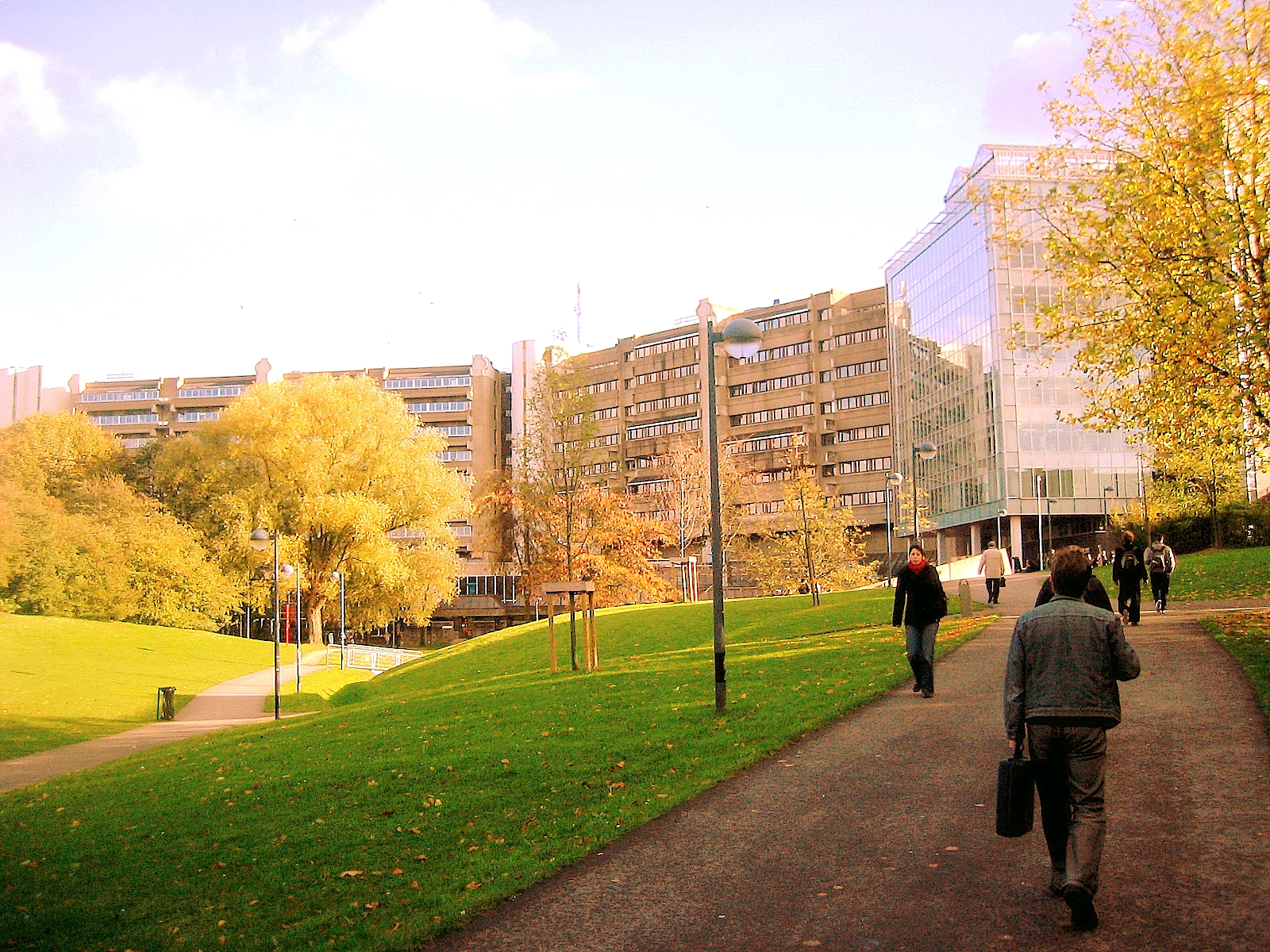
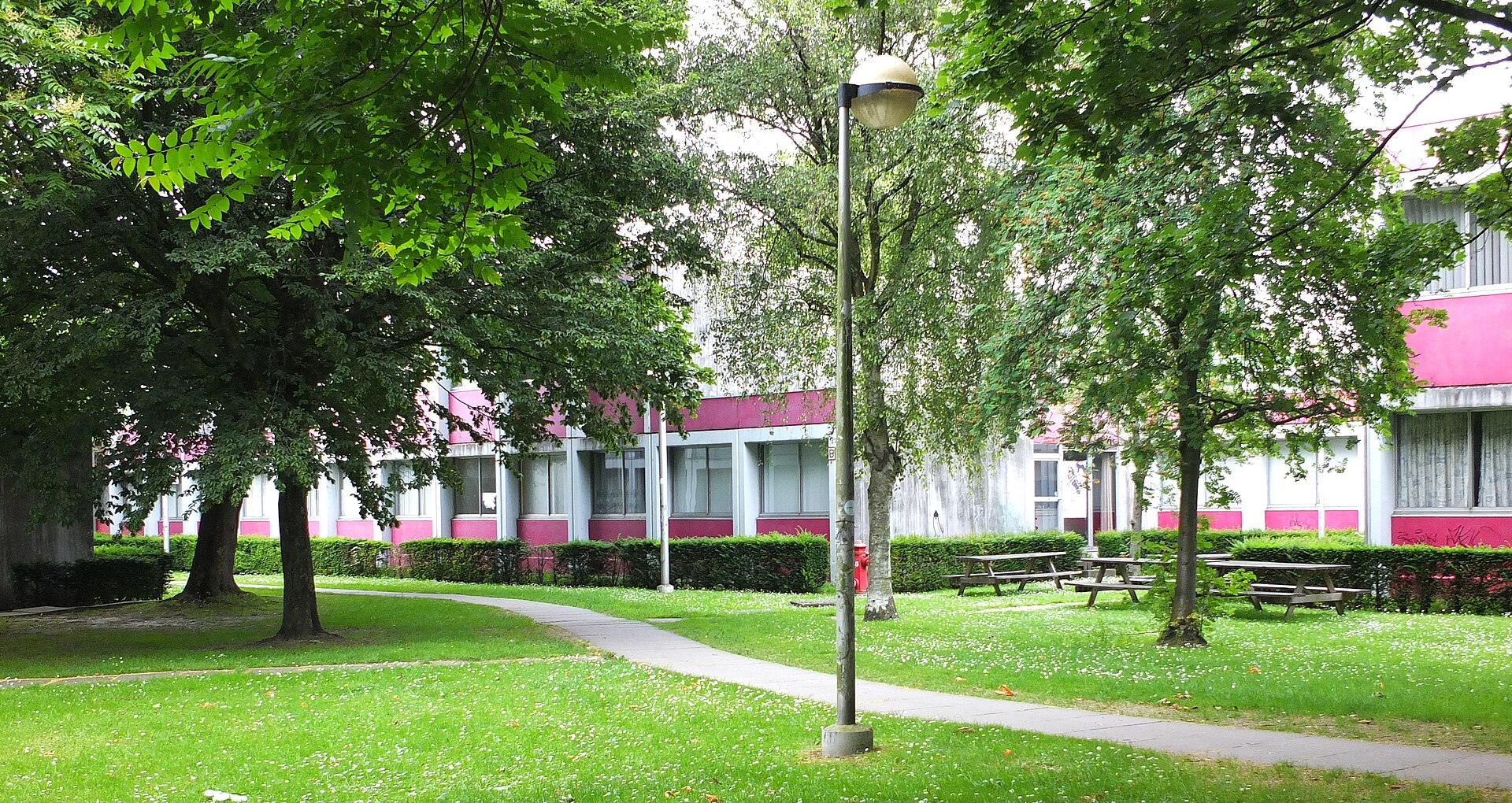
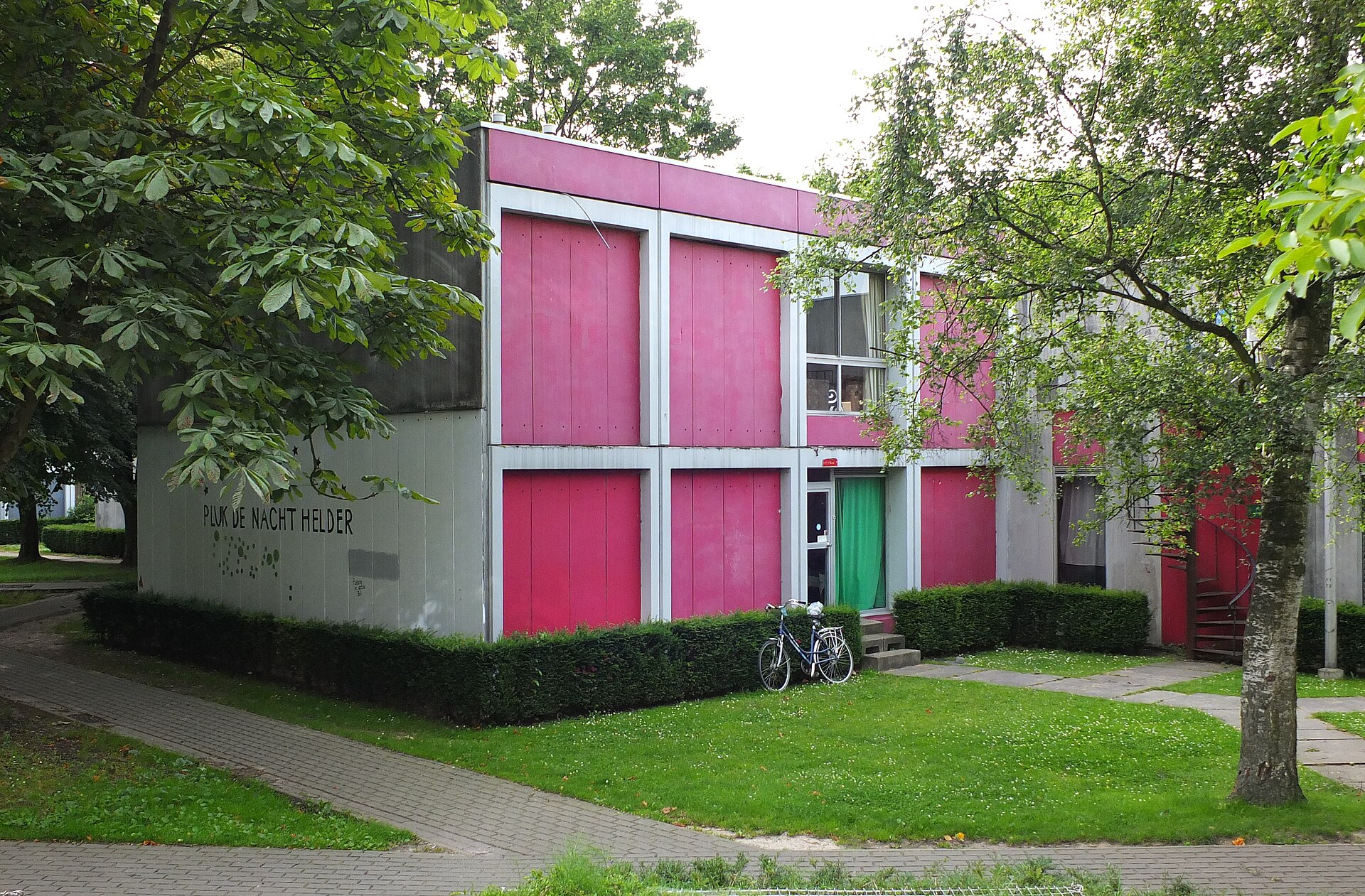
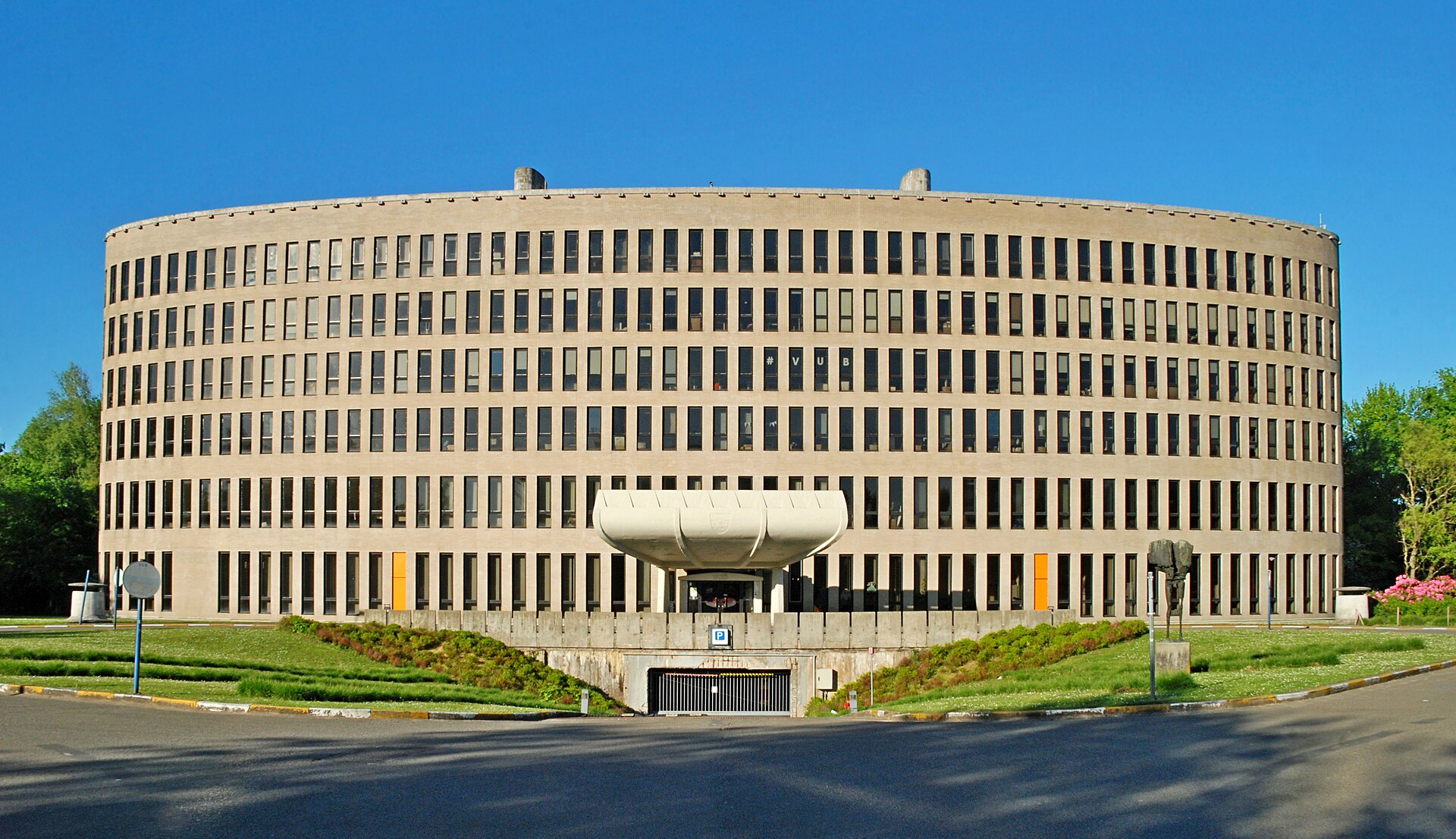
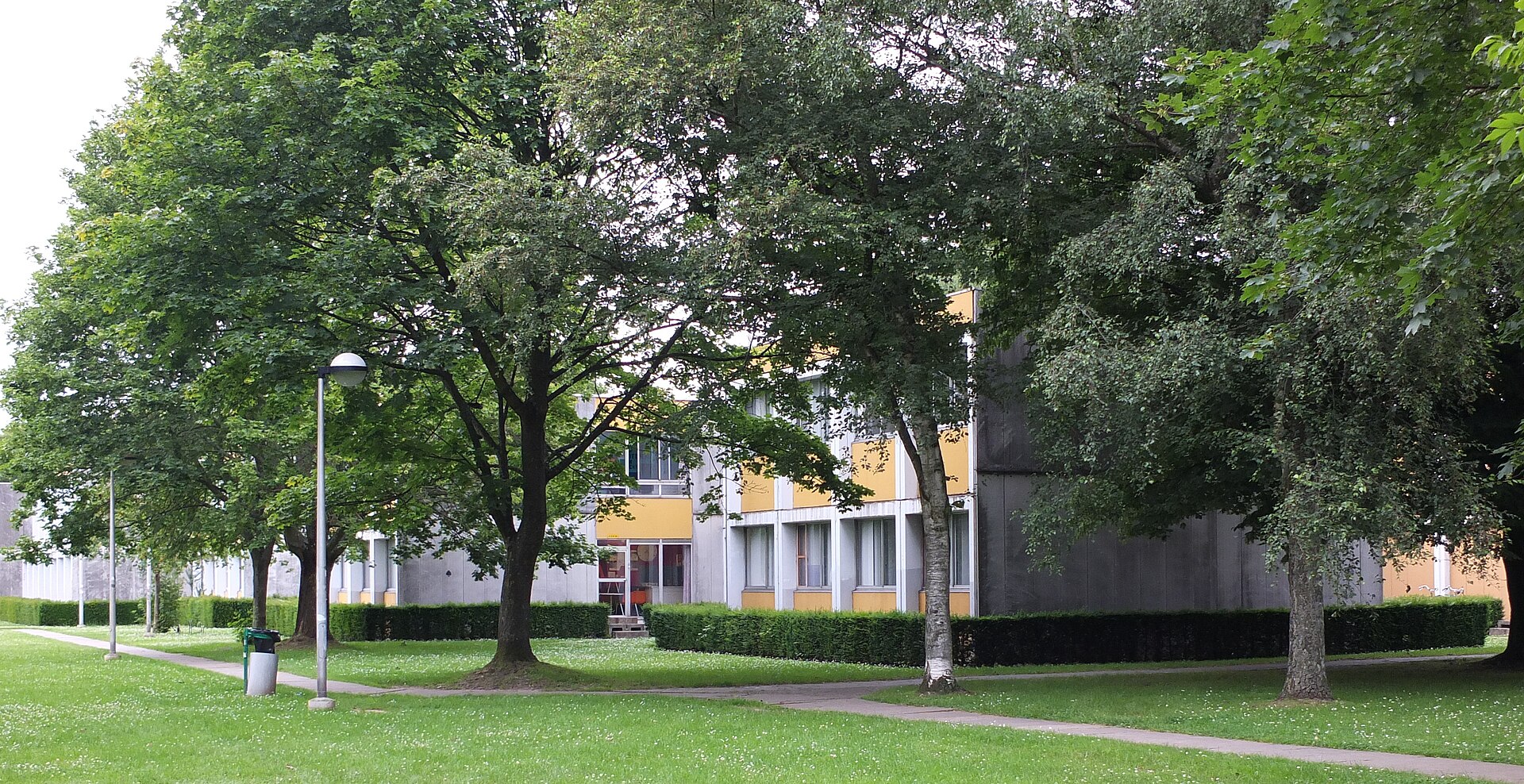
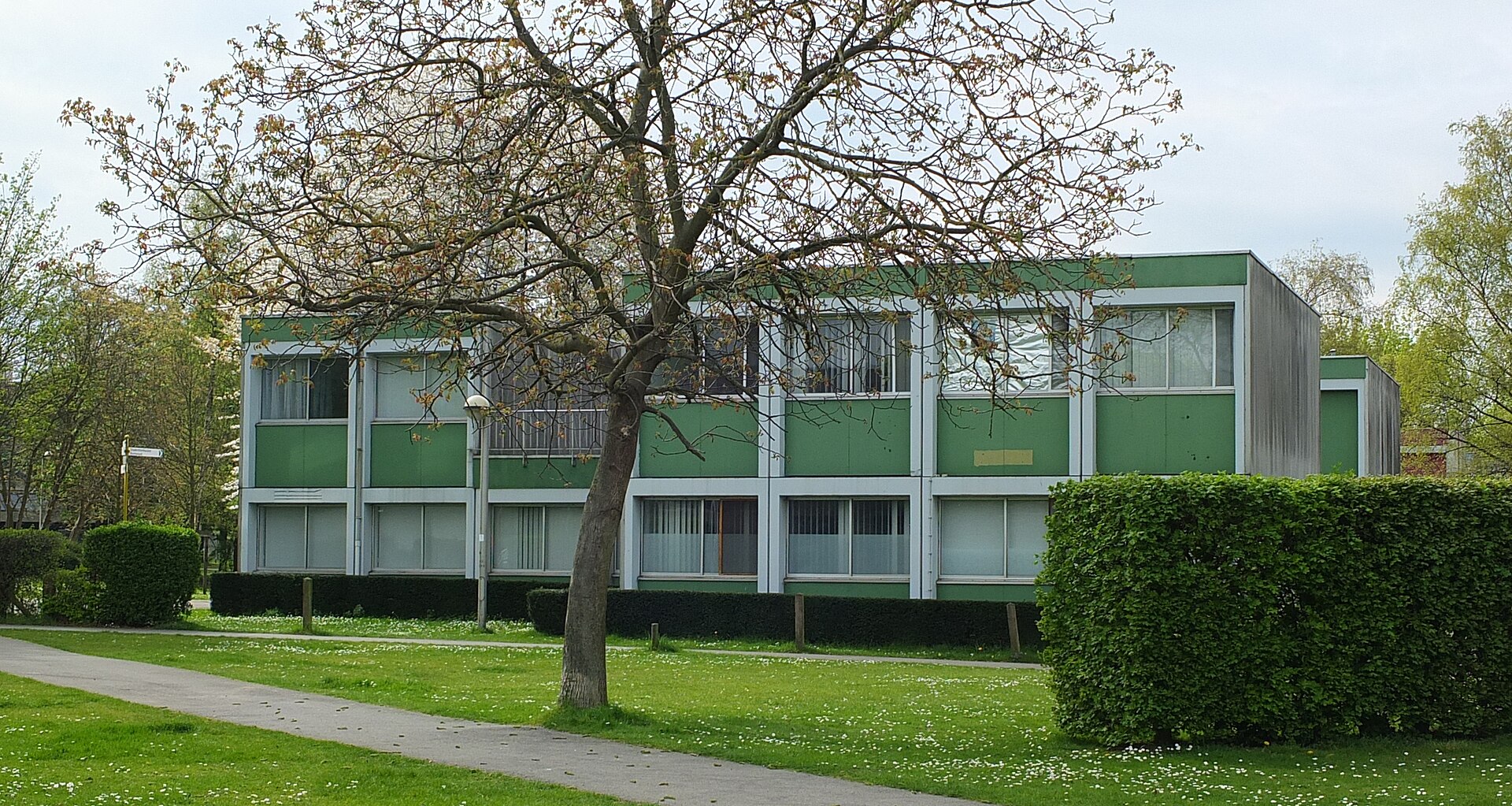
Vrije Universiteit Brussel — campus in pictures
Real, freely-licensed photographs of the campus (via Wikimedia Commons).
WHY VUB
Five Reasons to Choose Vrije Universiteit Brussel
SELECTIVITY
VUB Acceptance Rate & Admissions Profile
VUB operates with a relatively open admissions philosophy by international standards, with an acceptance rate of approximately 75%. This reflects Belgium's public-university tradition of accessible higher education rather than a lower bar for academic quality: once enrolled, students are expected to meet rigorous academic standards and progression requirements.
Acceptance rate figures are misleading at Belgian public universities: the real filter is academic progression and first-year examinations. Many students who begin a bachelor's programme repeat Year 1 or exit before graduation. International students should therefore focus not on 'getting in' but on sustained academic performance once admitted. Competitive English-taught programmes (AI, Computer Science, Engineering) may have tighter practical capacity limits — verify current intake numbers on the VUB programme pages.
QUICK FACTS
VUB at a Glance
Stats
Items
APPLICATION COMPONENTS
What Your VUB Application Consists Of
VUB uses a direct online application system — there is no Common App, UCAS, or central platform. Applications are made through the VUB online enrolment portal. The required documents vary by programme but the core components are consistent for international students.
ADMISSIONS PROFILE
What VUB Looks For in International Applicants
VUB's admissions philosophy centres on academic preparation and genuine motivation rather than competitive ranking or prestige signals. As a free university (vrij = free, referring to philosophical freedom rather than cost), VUB values intellectual independence, critical thinking, and civic engagement. At the bachelor's level, the primary criterion is whether your prior qualifications demonstrate readiness for university-level study in Belgium. At the master's level, academic fit, research interest, and professional direction become central.
APPLICATION DEADLINES
When to Apply to VUB
VUB sets programme-specific deadlines that differ for EU/EEA and non-EU international students. Non-EU students face earlier deadlines because of the time required for credential recognition and visa processing. The table below provides general guidance — always verify the exact deadline for your programme on the official VUB website, as dates change each cycle.
These are indicative dates based on general Belgian university practice. Always confirm current deadlines at vub.be/en/apply before submitting. Applying well ahead of the deadline is strongly advised — VUB processes credentials sequentially and late submissions risk missing the start of the academic year.
| Applicant | Deadline | Notes |
|---|---|---|
| Non-EU international (bachelor's) | 1 March (indicative) | Earlier deadline to allow credential recognition |
| Non-EU international (master's) | 1 April (indicative) | Some programmes close earlier; verify per programme |
| EU/EEA students | Late June / July (indicative) | Closer to Belgian national deadline |
| Exchange / Erasmus+ | Via home university | Bilateral agreement timelines apply |
CAMPUS & CITY LIFE
Student Life at VUB and in Brussels
Brussels itself is one of Europe's most underrated student cities: genuinely international (over 180 nationalities live there), relatively affordable by Western European standards, and dense with professional opportunity. The Grand Place, Ixelles neighbourhood, and European Quarter are all accessible within minutes. Students regularly attend EU Parliament hearings, policy conferences, and international cultural events as part of everyday Brussels life. The city is connected to Amsterdam, Paris, and London by high-speed rail in under two hours, making weekend travel across Europe effortless.
VUB's main campus in Etterbeek is a green oasis surprisingly close to the centre of Brussels, featuring restaurants, cafés, sports facilities, libraries, and student housing. The Pilar cultural venue on campus hosts concerts, exhibitions, and events that bring the university community together beyond the academic calendar. Student associations (kringen) are central to social life — from subject-specific societies to sports clubs, international student organisations, and debate groups.
CAREER OUTCOMES
What Happens After a VUB Degree
VUB's alumni network, while smaller than those of some global giants, is tightly concentrated in Brussels and Europe's power centres. The EUTOPIA alliance additionally provides pathways for VUB graduates to continue with master's or doctoral research at partner institutions across Europe. Fields with strong VUB placement records include technology and AI, public policy and EU affairs, life sciences and pharmaceuticals, and international business.
VUB graduates are well-positioned in the Belgian and European job markets. Brussels's concentration of EU institutions, international consultancies, NGOs, and tech firms gives VUB students an internship-to-employment pipeline that is disproportionate to the university's size. Graduates in AI, engineering, and policy-adjacent fields particularly benefit from proximity to where key European decisions — on technology regulation, climate policy, and economic governance — are actually made.
FREQUENTLY ASKED QUESTIONS
VUB Admissions FAQs
Do I need to speak Dutch to study at VUB?+
Not for English-taught programmes. VUB offers a growing portfolio of bachelor's and master's programmes fully in English, including Social Sciences, AI, Computer Science, and the Bruface Engineering master's. However, most traditional bachelor's programmes (Medicine, Law, Psychology) are taught in Dutch. Check your specific programme's language of instruction before applying.
Is VUB test-optional for SAT or ACT?+
Yes — VUB is test-blind for SAT and ACT. These American standardised tests play no role in the Belgian university admissions process. Admission is based on your secondary school qualifications (IB, A-Levels, national baccalaureate, etc.) and their Belgian equivalency assessment.
How does an IB diploma translate to VUB admission?+
The International Baccalaureate Diploma is well recognised in Belgium. A score of 31 or above is the general benchmark for bachelor's admission, though some competitive programmes may set higher internal expectations. Your subject selection also matters — Higher Level subjects in areas relevant to your programme carry more weight.
Can I apply to multiple programmes at VUB?+
You can express interest in more than one programme, but you must meet the specific admission requirements for each. Contact the VUB admissions office (welcome@vub.be) if you are uncertain about applying to multiple programmes simultaneously.
What makes VUB different from KU Leuven or the University of Ghent?+
VUB's key differentiators are its Brussels location (EU institution access, multilingual environment), its liberal-humanist free-thinking tradition, its leadership in AI research since 1983, and its English-taught programme portfolio for internationals. KU Leuven is Belgium's highest-ranked overall university; Ghent is strong in engineering and life sciences. VUB is the strongest choice for students who specifically want a Brussels-centred, internationally immersed experience.
What is Bruface?+
Bruface is a joint engineering master's programme between VUB and ULB (Université Libre de Bruxelles). It is fully English-taught, jointly certified by both universities, and described as one of the most affordable engineering master's programmes in Europe due to Belgian government tuition subsidies. It covers fields including civil engineering, computer science, electrical engineering, and more.
Is financial aid available to non-EU international students?+
Direct need-based aid from VUB is limited — the university's primary affordability advantage is its low tuition compared to UK or US peers. However, several external scholarships are available (Master Mind, China Scholarship Council, Jean Monnet, Erasmus+, Tropimundo, and others). Check the VUB scholarships page and your country's bilateral scholarship agreements with Belgium.
What is the VUB application fee for international students?+
The application / enrolment fee is approximately USD 100 (in euro equivalent). Exact figures change annually — confirm the current fee on the VUB enrolment portal before applying.
ACADEMICS
Academic Expectations at VUB for International Students
VUB's open admissions philosophy does not mean low academic expectations — it means the university trusts students to meet serious scholarly standards once admitted. The Belgian credit system (ECTS), rigorous year-end examinations, and world-class research culture make VUB genuinely demanding. International students who arrive underprepared for independent study, critical analysis, and exam intensity often struggle, regardless of their prior grades.
Understanding VUB's academic culture before you arrive is essential. Teaching emphasises small-group discussion, project work, and critical engagement alongside lectures. Assessment is heavily exam-weighted in many programmes, with comprehensive sit-down examinations at the end of each semester. First-year students — including international applicants — should expect a steep adjustment curve and make use of the study guidance services from week one.
ACADEMIC BENCHMARKS
Admission Benchmarks for International Qualifications
Belgium recognises a wide range of international qualifications. The IB Diploma is well-accepted, with a total score of 31 serving as the general minimum benchmark. A-Level students typically need at least three A-Levels at grade B or above, with Higher Level subjects relevant to the programme. National baccalaureates (French, German, Dutch, and many others) are assessed for direct equivalency to the Belgian CESS (Certificat d'Enseignement Secondaire Supérieur). If your qualifications fall below direct equivalency, you may be asked to sit a supplementary entrance examination or complete a bridging year.
STANDARDISED TESTS
VUB Test Policy: Test-Blind for SAT & ACT
If you have SAT or ACT scores, you do not need to submit them and they will not improve your application. Instead, direct your energy toward ensuring your transcripts and diploma are properly certified and translated, and toward writing a strong motivation letter for programmes that require one.
VUB is test-blind — SAT and ACT scores are neither required nor considered in the admissions process. This is standard practice for Belgian and most European universities, which assess applicants on their secondary school qualifications and the equivalency of those qualifications to Belgian standards.
IB, A-LEVELS & EUROPEAN QUALIFICATIONS
How VUB Reads International Qualifications
SUBJECT PREPARATION
Subject Rigour Expected by Programme Area
ENGLISH LANGUAGE
English Requirements for VUB International Applicants
All applicants to English-taught programmes whose native language is not English must provide proof of English proficiency. VUB accepts the following standardised tests.
Language requirements may vary by programme. IELTS 6.0 and TOEFL 80 are the university-wide minimums — individual programmes may set higher thresholds. Always check your specific programme's language page on vub.be.
| Test | Minimum Score | Notes |
|---|---|---|
| IELTS Academic | 6.0 overall | No individual band below the minimum specified by your programme |
| TOEFL iBT | 80 | Internet-based test; check for any sub-score requirements |
| Cambridge C1/C2 | C1 or above | Accepted by most English-taught programmes — verify per programme |
| Prior English-medium education | Exemption possible | If your prior degree was fully taught in English, you may be exempt — provide official confirmation |
| Duolingo English Test | Not specified | Acceptance not confirmed in current facts; verify directly with programme office |
PROFILE BUILDING
Building Your Profile Year by Year (Grades 9–12)
COMMON PITFALLS
Academic Mistakes to Avoid When Applying to VUB
- Applying without checking whether your target programme is taught in English or Dutch — many programmes, including Medicine and Law, are Dutch-only.
- Underestimating the credential equivalency process — Belgium is rigorous about assessing foreign diplomas, and errors or missing documents can delay admission by months.
- Missing the non-EU early deadline (often around March for bachelor's) because you assumed it matched EU deadlines in June.
- Submitting an IELTS or TOEFL score below the minimum and expecting it to still be considered — language minimums are firm thresholds at VUB.
- Writing a generic motivation letter that could apply to any university — VUB admissions officers can tell immediately when a letter has not been tailored to the programme and the Brussels context.
- Assuming you can begin in semester 2 — most bachelor's programmes at Belgian universities admit in September only; check carefully before planning a February start.
- Failing to seek study guidance services in the first weeks — VUB's exam-heavy assessment system can shock students from continuous-assessment backgrounds; connect with study counsellors before you feel overwhelmed, not after.
COST & FINANCIAL AID
Understanding the Real Cost of Studying at VUB
VUB is one of the most cost-effective top-300 research universities in the world for international students. While non-EU students pay a higher tuition rate than Belgian and EU/EEA students, the fee is dramatically below comparable institutions in the UK, US, Netherlands, or Australia — and Brussels's cost of living, though rising, remains manageable by Western European standards.
The honest picture: international (non-EU) students at VUB will pay tuition of approximately USD 4,600 per year, with a total estimated cost of attendance around USD 17,600 annually including accommodation and living. This compares favourably with annual costs of USD 60,000–80,000 at US private universities or USD 35,000–50,000 at major UK institutions. Financial aid from VUB directly is limited, but external scholarships and Belgium's subsidy structure keep VUB among Europe's most affordable research-university options.
COST BREAKDOWN
Annual Cost of Attendance Estimates (International Students)
The figures below are derived from the university facts data. All figures are approximate annual estimates in USD and should be verified on the official VUB cost pages, as tuition scales and living costs change each year.
These are indicative estimates. Tuition at Belgian universities is set partly by the Flemish government and adjusted annually. Verify the exact tuition for your programme and student category (EU vs. non-EU) on vub.be before budgeting.
| Component | Annual U S D | Notes |
|---|---|---|
| Tuition (non-EU international) | ~$4,600 | Per academic year; lower for EU/EEA students |
| Cost of Living (Brussels) | ~$13,000 | Housing, food, transport, personal expenses |
| Total Cost of Attendance | ~$17,600 | Tuition + living; excludes books, travel |
| Application / Enrolment Fee | ~$100 | One-time on enrolment |
| Books & Materials | ~$500–$1,000 | Estimate; varies by programme |
| Health Insurance | ~$300–$600 | International students should verify Belgian requirements |
FINANCIAL AID
Financial Aid for International Students at VUB
Non-EU students should approach VUB's cost advantages as structural (low tuition) rather than individual (large personal grants). That said, a number of scholarship programmes are available — particularly at master's level — and some students receive significant support through government-to-government scholarship agreements between their home countries and Belgium.
VUB does not operate a large need-based grant programme comparable to US universities. The primary affordability mechanism is Belgium's state-subsidised tuition structure, which keeps fees low for all students including non-EU internationals. The university's aid programme covers approximately 10% of costs on average — a relatively modest figure that reflects the fact that baseline tuition is already low rather than that aid is unavailable.
SCHOLARSHIPS
Scholarships Available to VUB International Students
The following scholarships are available to international students studying at VUB. Verify current eligibility criteria, amounts, and application windows on the VUB scholarships page and the relevant programme or external agency pages.
THE AFFORDABILITY REALITY
Is VUB Genuinely Affordable for Internationals?
The honest caveat for students from South Asia, Southeast Asia, or Africa: Brussels is a Western European city, and USD 13,000 per year in living costs is not trivial relative to home-country purchasing power. Students who secure an external scholarship (Master Mind, CSC, bilateral government agreements) substantially improve the cost equation. Belgian student jobs are available but work-hour limits apply to student visas — factor this into your financial planning. Contact the VUB SLFS office early for a realistic budget breakdown for your situation.
Compared with UK Russell Group universities (USD 30,000–40,000/year tuition), Dutch universities (USD 12,000–18,000/year), and Australian Group of Eight universities (USD 25,000–35,000/year), VUB's non-EU tuition of approximately USD 4,600/year is exceptional value for a ranked research university. Total cost of attendance (~USD 17,600/year) is manageable for students whose families can support European student-level costs.
EU/EEA students pay substantially lower tuition than non-EU internationals — the university's Flemish government subsidy applies more fully to this group. If you hold EU citizenship through a parent, confirm your eligibility category before budgeting.
HOW TO FUND YOUR DEGREE
Steps to Secure Funding for VUB
COST FAQs
Cost & Funding Questions Answered
How much does VUB cost per year for a non-EU international student?+
Tuition is approximately USD 4,600 per year for non-EU international students. Total cost of attendance including Brussels living costs is estimated at around USD 17,600 per year. These figures should be verified on the current VUB enrolment pages as they are adjusted annually.
Does VUB offer need-blind admissions or need-based grants?+
VUB does not operate a US-style need-blind admissions or large need-based grant programme for international students. The affordability comes primarily from Belgium's subsidised tuition structure. Limited internal bursary support exists — contact the SLFS office.
Can I work while studying at VUB?+
International (non-EU) students on a student visa in Belgium are permitted to work, but with restrictions on hours. Check the current Belgian immigration rules and your visa conditions carefully. Part-time student jobs exist in Brussels, but should not be planned as a primary source of income.
Are there scholarships I can apply for before arriving at VUB?+
Yes. The Master Mind scholarship is specifically for incoming international master's students. Erasmus Mundus scholarships for joint degree programmes can also be applied for before arrival. External scholarships (CSC, home-country government grants, Jean Monnet) are applied for independently of VUB.
Is the application/enrolment fee refundable?+
The enrolment fee (approximately USD 100) is generally non-refundable once processed. Confirm the current policy on the VUB enrolment portal before payment.
APPLICATION & MOTIVATION
The Motivation Letter: Your Key Written Component at VUB
VUB does not use the Common App, UCAS, or any US/UK-style supplemental essay system. There are no short-answer supplements, no 'Why VUB?' prompts with word counts, and no coalition-style activities essays. The written component of your VUB application — where it exists — is a motivation letter (also called a letter of motivation or statement of purpose), particularly for master's programmes and some competitive bachelor's tracks.
This tab is your practical guide to the motivation letter as it functions in the Belgian/European direct-application system, including how to approach it, what VUB's readers look for, and how to position yourself honestly and compellingly. If your target programme does not require a written statement, this tab still provides useful framing for how to communicate your candidacy in supplementary documents.
WRITTEN REQUIREMENTS
Does VUB Require a Motivation Letter?
Requirements vary by programme and level. As a general guide: most master's programmes at VUB require a motivation letter as a core component of the application. Some bachelor's programmes — particularly in the social sciences and arts — require a short written motivation. Programmes with intake restrictions (numerus clausus or capacity limits) use the motivation letter as a selection tool. Standard open-access bachelor's programmes may not require a written statement beyond your qualifications.
Always check your specific programme's application requirements page on vub.be — written requirements are set programme-by-programme and change from year to year.
MOTIVATION LETTER STRUCTURE
What Your Motivation Letter Needs to Cover
VUB does not publish a single standardised prompt for motivation letters. Instead, programmes typically ask applicants to address a core set of themes. The following guidance reflects what Belgian and European admissions committees look for — frame your letter to cover these areas clearly and specifically.
MOTIVATION LETTER STRATEGY
Writing a Motivation Letter That Works for European Admissions
A good VUB motivation letter reads like it was written by someone who has done serious research on the programme, knows what they want to achieve, and can make a clear argument for why they belong in this cohort. The tone should be professional but not robotic — a distinctive voice is welcome, but the underlying argument must be substantive. Avoid: generic opening sentences about 'always being passionate about X'; vague claims about wanting to 'make a difference'; and copying phrases from VUB's website back to them. Instead: open with a specific intellectual problem or question that drew you to this field; demonstrate that you understand VUB's particular approach; and close with a clear, concrete picture of where you are headed.
European motivation letters differ from US personal essays in important ways. US essays often reward storytelling, vulnerability, and personal narrative. European motivation letters — including those at Belgian universities like VUB — are more academic in register: they expect clarity of purpose, intellectual maturity, and evidence that you understand what the programme entails and why you are specifically suited to it.
Length guidance: for master's motivation letters, 600–900 words (roughly one to one-and-a-half A4 pages in standard academic formatting) is a reasonable target unless the programme specifies otherwise. Shorter is often better than longer — every sentence should earn its place.
ADDITIONAL DOCUMENTS
Supporting Documents That Strengthen Your VUB Application
WHAT TO WRITE ABOUT
Choosing Your Angle for the VUB Motivation Letter
The most effective approach to a VUB motivation letter is to identify the intellectual or professional thread that genuinely connects your past experience to this programme and your future ambitions — then make that thread visible and explicit. Do not try to present yourself as a perfect, all-rounded candidate. Admissions committees at research universities respond better to students who have a clear intellectual identity and know what they want to investigate or build.
COMMON MISTAKES
Motivation Letter Pitfalls to Avoid at VUB
- Opening with 'Since childhood, I have always been passionate about…' — this is clichéd and wastes your most valuable sentence.
- Writing a letter that could be submitted unchanged to five different universities — it should be impossible to swap VUB for another institution without rewriting substantial parts.
- Failing to name specific VUB programmes, research groups, or faculty — vagueness reads as a lack of genuine interest.
- Summarising your CV in prose — the letter should interpret and add value to your CV, not repeat it.
- Exceeding the recommended length — a 2,000-word letter is rarely more persuasive than a 700-word one; concision signals clarity of thought.
- Translating a letter originally written in Dutch or French without having a native English speaker review it — language fluency is partly demonstrated by your written submission.
- Claiming to want to 'experience Belgian culture' as a motivation — this is not a substantive academic reason.
- Leaving out concrete career goals — European admissions readers expect applicants to have thought carefully about where they are going and why this programme gets them there.
APPLICATION FAQs
Written Application Questions Answered
Does VUB use Common App or UCAS?+
No. VUB uses its own direct online application portal. There is no Common App, UCAS, or other central platform. You apply directly to VUB through vub.be/apply.
Is a motivation letter required for all VUB programmes?+
No. A motivation letter is typically required for master's programmes and some capacity-restricted bachelor's programmes. Many open-access bachelor's programmes do not require a written statement. Always check your specific programme page for the current requirements.
What language should the motivation letter be written in?+
For English-taught programmes, your motivation letter should be written in English. For Dutch-taught programmes, it should be in Dutch unless the programme page specifies otherwise. If you are unsure, English is safe for English-taught programmes — confirm with the programme office.
How long should the motivation letter be?+
No universal word count is mandated by VUB. For most master's programmes, 600–900 words (one to one-and-a-half A4 pages) is appropriate. Follow any word limit specified by your programme. When in doubt, prioritise quality and clarity over length.
Can I address the letter to a specific faculty member?+
For research master's and PhD applications where you have identified a potential supervisor, addressing the motivation letter to them — or at least referencing their work directly — is a strong move. For professional master's programmes, address the letter to the admissions committee or programme coordinator.
Is there an interview for VUB admissions?+
Some programmes — particularly research master's and PhD tracks — may include an interview or informal meeting with a potential supervisor as part of the selection process. This is not universal. Check your programme's admissions page or contact the programme office directly.
What if I am applying to a Dutch-taught programme but my Dutch is not native?+
Dutch-taught programmes require Dutch language proficiency — typically NT2 (Dutch as a Second Language) certification at an appropriate level, or equivalent evidence of Dutch proficiency. International students without strong Dutch are generally better served by VUB's English-taught programmes unless they are native or near-native Dutch speakers.
Courses — schools, degrees & intake
32 degrees across 8 groupings.
Faculty of Sciences and Bioengineering Sciences · 8 degrees
Bachelor of Science in Artificial Intelligence
Bachelor of Science in Bioengineering Sciences
Bachelor of Science in Biology
Bachelor of Science in Chemistry
Bachelor of Science in Computer Science
Bachelor of Science in Physics and Astronomy
Bachelor of Science in Geography
Bachelor of Science in Mathematics and Data Science
Faculty of Social Sciences and Solvay Business School · 7 degrees
Bachelor of Science in Social Sciences
Bachelor of Science in Business Economics
Bachelor of Science in Communication Sciences
Bachelor of Science in Sociology
Bachelor of Science in Political Sciences
Bachelor of Science in Business Engineering
Bachelor of Science in Applied Economic Sciences
Faculty of Languages and Humanities · 6 degrees
Multilingual Bachelor of Arts in Linguistics and Literary Studies
Bachelor of Arts in History
Bachelor of Arts in Art History and Archaeology
Bachelor of Arts in Language and Literary Studies
Bachelor of Arts in Applied Linguistics
Bachelor of Arts in Philosophy and Moral Sciences
Faculty of Psychology and Educational Sciences · 2 degrees
Bachelor of Science in Psychology
Bachelor of Science in Educational Sciences
Faculty of Physical Education and Physiotherapy · 2 degrees
Bachelor of Science in Physical Education and Movement Sciences
Bachelor of Science in Rehabilitation Sciences and Physiotherapy
Faculty of Engineering · 2 degrees
Bachelor of Engineering Sciences (Civil Engineering)
Bachelor of Engineering Sciences (Industrial Engineering)
Faculty of Medicine and Pharmacy · 3 degrees
Bachelor of Medicine
Bachelor of Pharmaceutical Sciences
Bachelor of Biomedical Sciences
Faculty of Law and Criminology · 2 degrees
Bachelor of Laws
Bachelor of Criminology
Want your real chances at Vrije Universiteit Brussel?
Create a free TYCHR account for your personalised admit-chance, a shortlist you can track, exact entry requirements, and essay + counselling help.