Virginia Tech
Blacksburg, United States · Suburban
VIRGINIA TECH ADMISSIONS GUIDE
Virginia Tech — Engineering Excellence for International Students
Virginia's flagship land-grant polytechnic, founded in 1872, is one of America's top engineering producers and a hub for technology, innovation, and research. Nestled in Blacksburg's Blue Ridge foothills, with a growing Innovation Campus minutes from Washington, DC, Virginia Tech offers ambitious international students a powerful combination of rigorous academics, spirited Hokie community culture, and outstanding career pathways in engineering, computing, and beyond.
With a 57% acceptance rate, Virginia Tech is moderately selective but highly competitive for top STEM programmes. International applicants bring extraordinary talent to a campus that values purpose-driven engineering, collaborative community, and real-world impact.
Campus
Virginia Tech — campus in pictures
Real, freely-licensed photographs of the campus (via Wikimedia Commons).
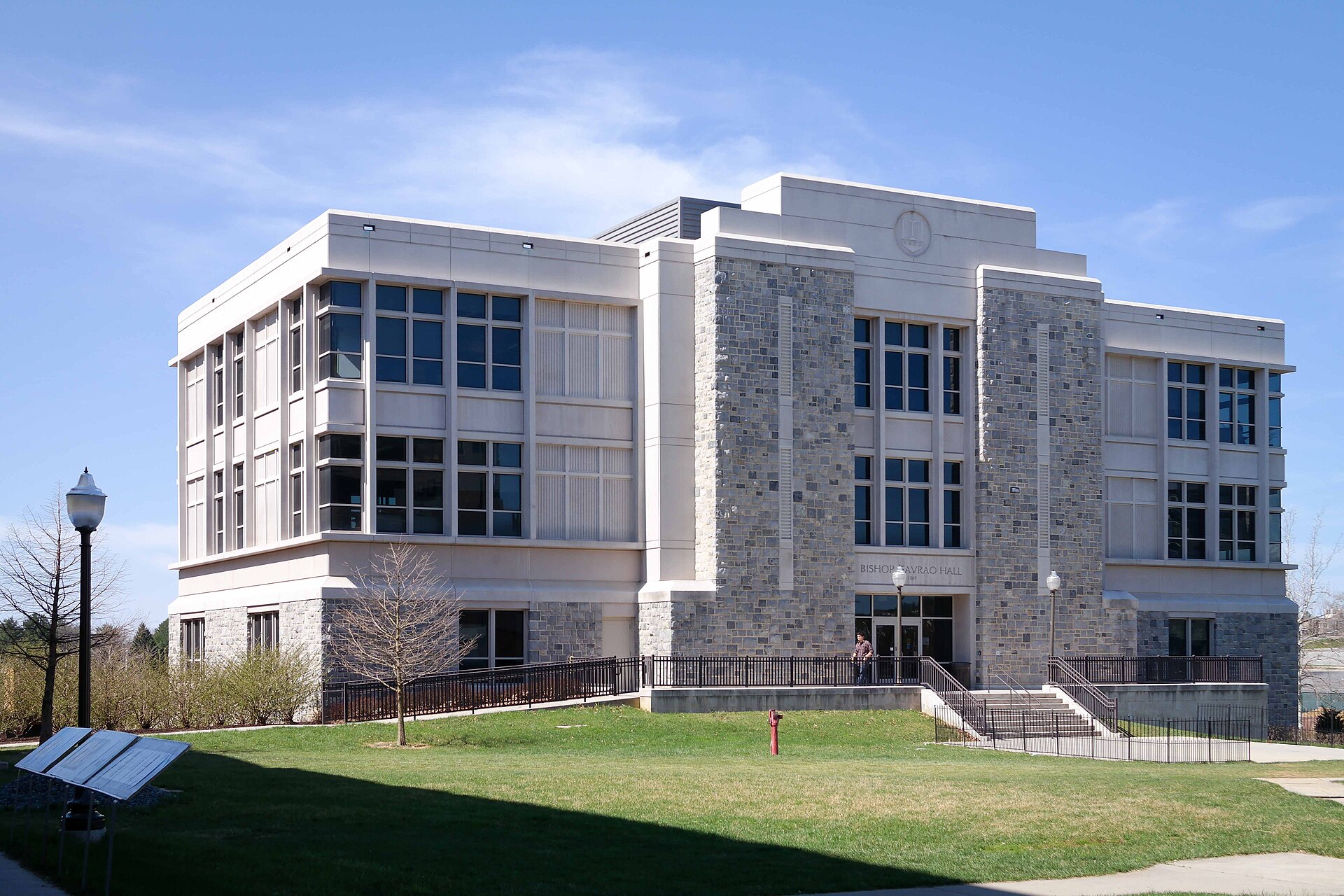
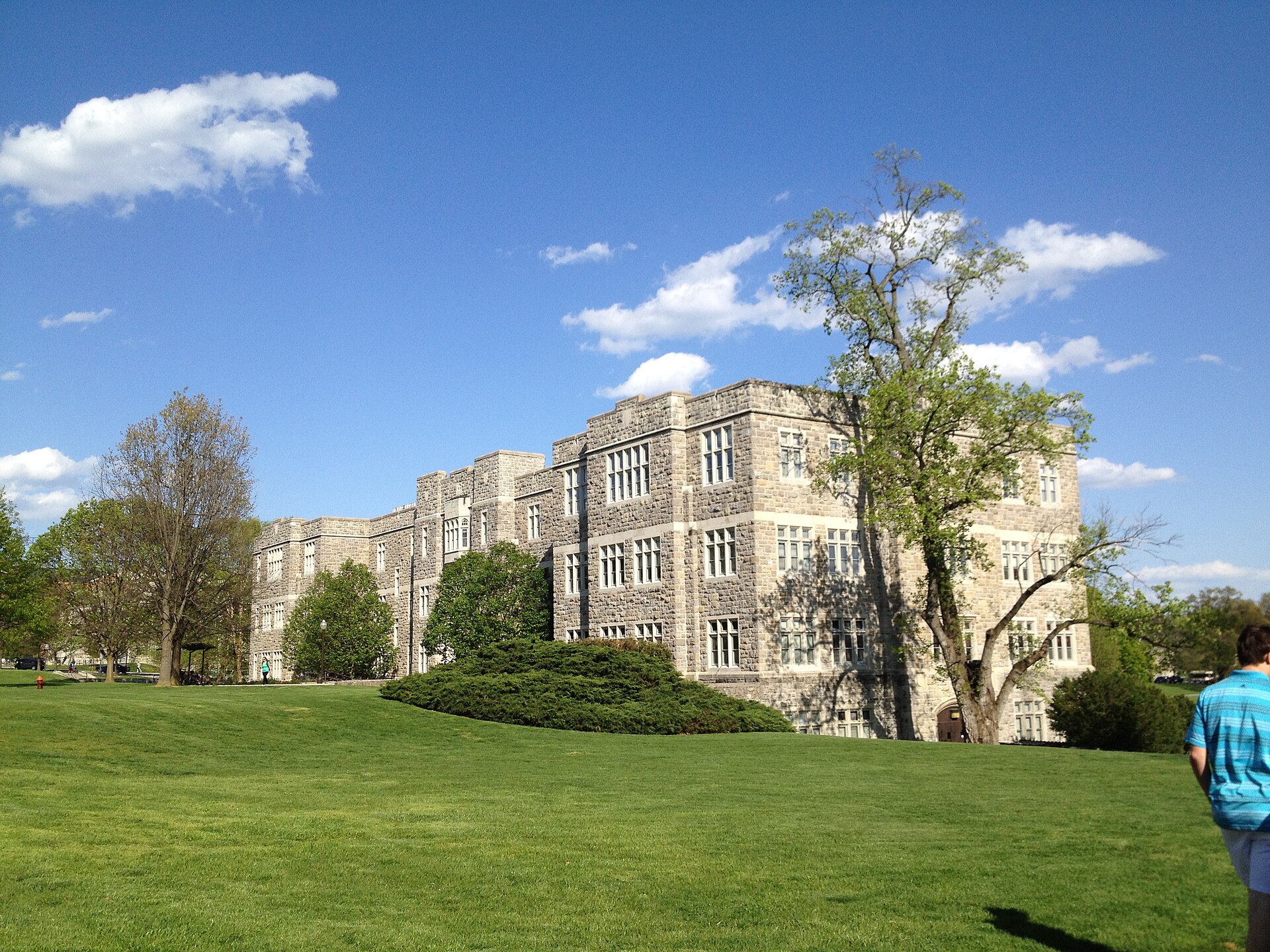
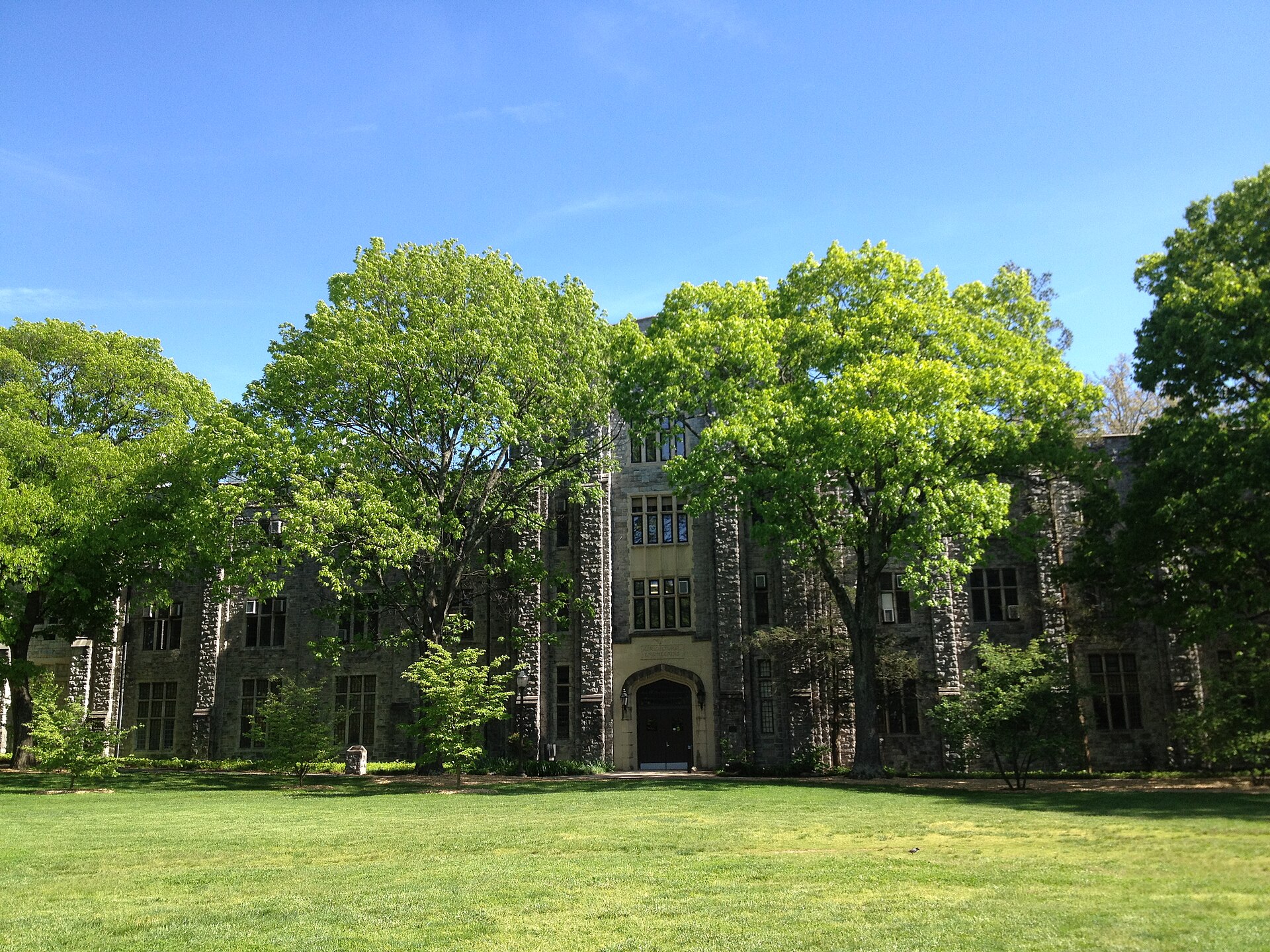
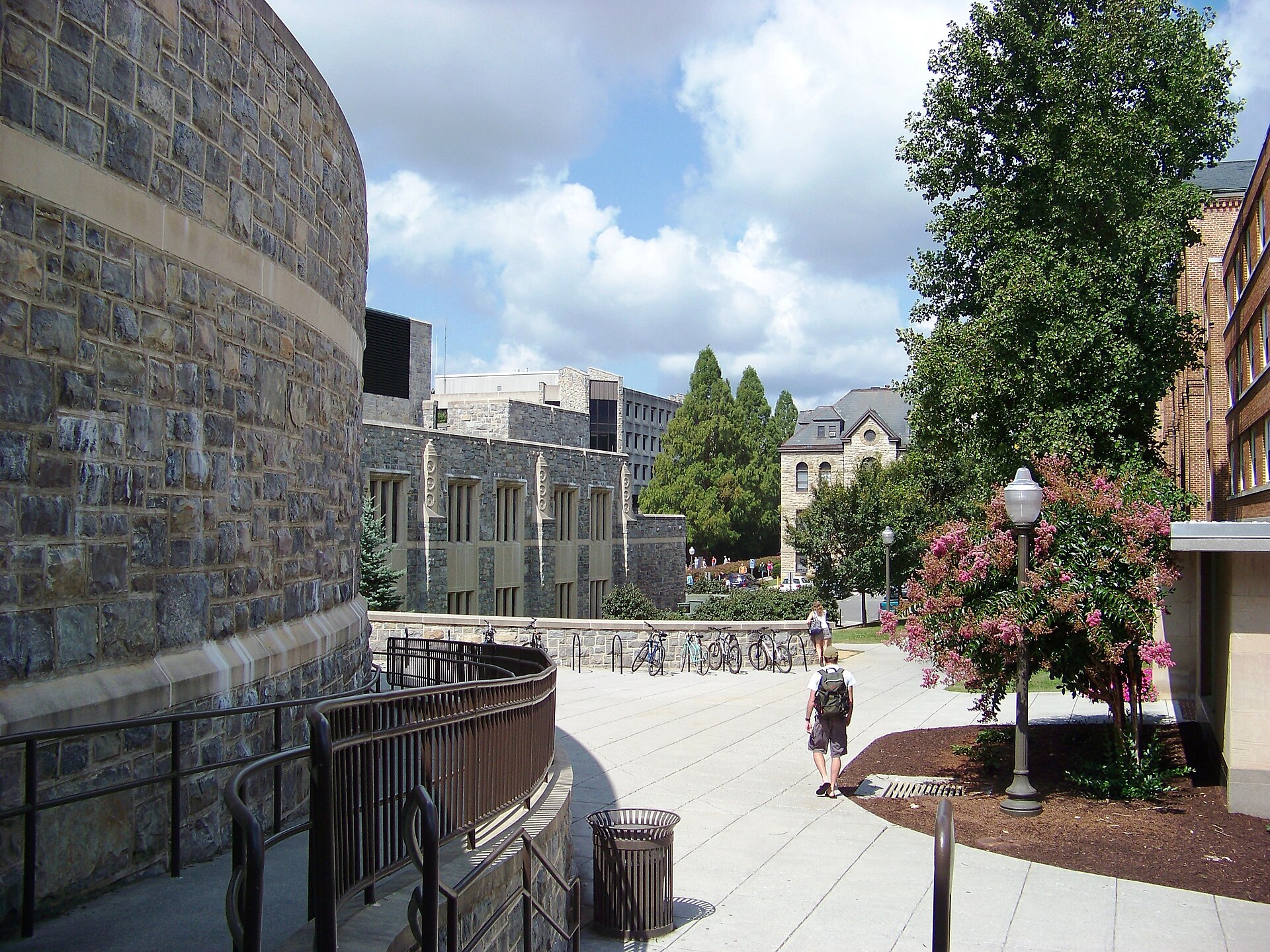
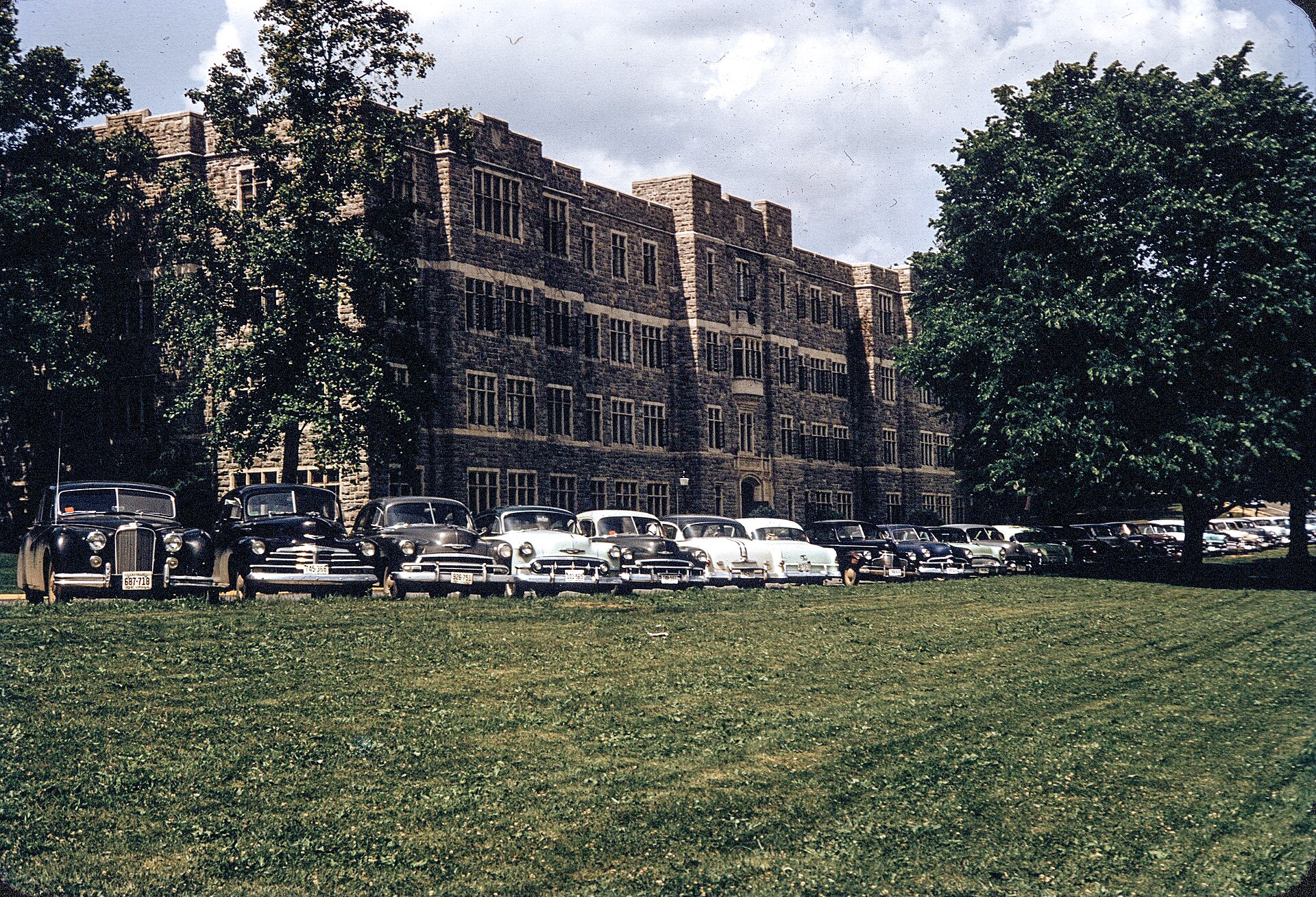
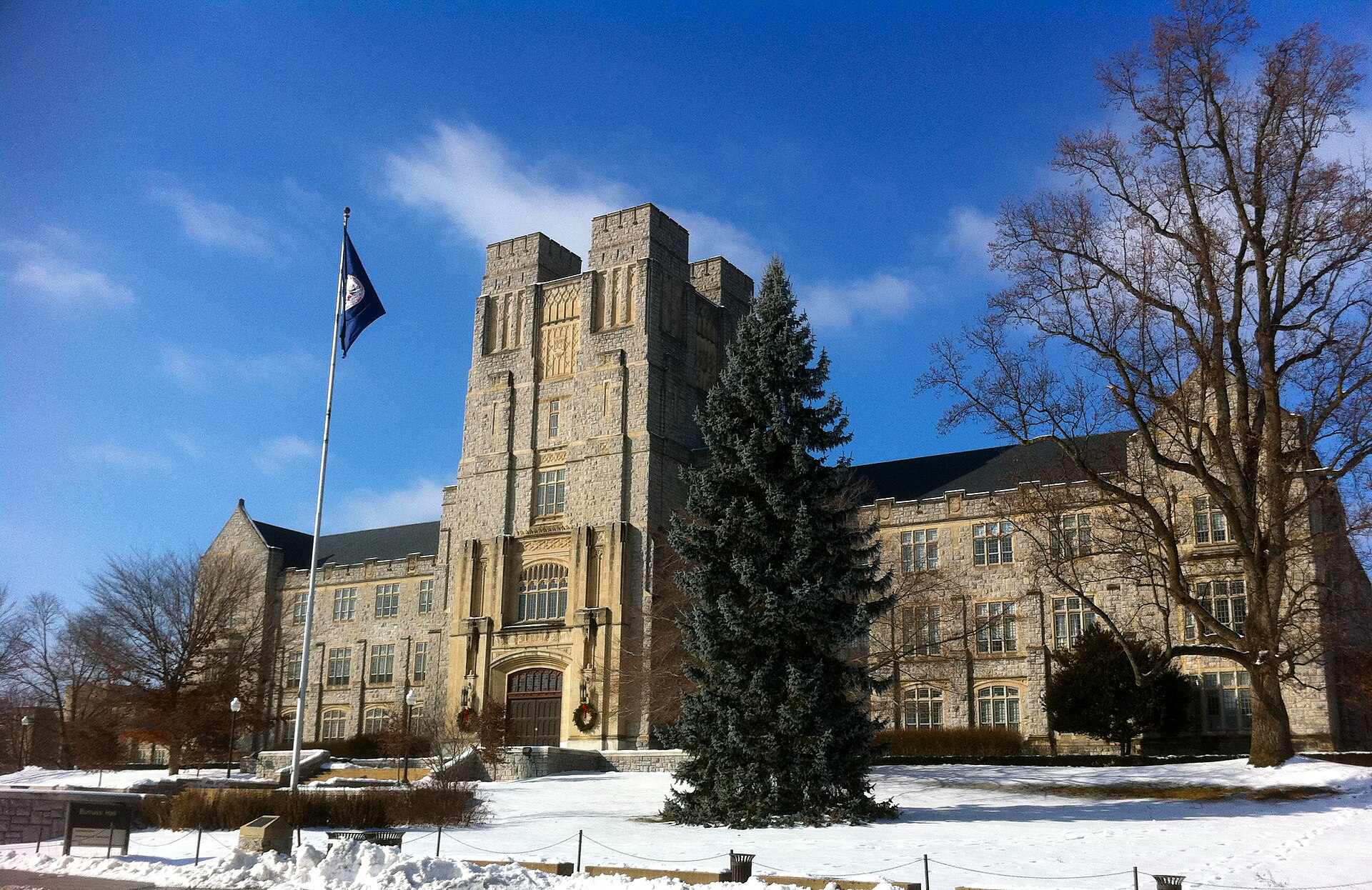
WHY VIRGINIA TECH
Why Choose Virginia Tech?
Virginia Tech is more than an engineering school — it is a complete research university where Hokie spirit, innovation, and community shape every student's experience. Here is why it stands out for international applicants.
ADMISSIONS PROFILE
How Selective Is Virginia Tech?
Virginia Tech has an overall acceptance rate of 57%, but this figure is an average across all programmes. Admission into high-demand majors — particularly Computer Science, Mechanical Engineering, and Architecture — is meaningfully more competitive. International applicants should present a strong academic record, especially in mathematics and sciences, to be competitive for STEM programmes.
Virginia Tech is test-optional for most programmes. Strong grades and rigorous coursework carry the most weight in admissions decisions. For popular engineering majors, aim for GPA well above the minimum and demonstrated preparation in advanced mathematics and sciences.
QUICK FACTS
Virginia Tech at a Glance
Stats
Items
APPLICATION COMPONENTS
What Virginia Tech Evaluates
Virginia Tech reviews applications holistically, with particular weight on academic preparation, community involvement, and character. International applicants submit the same core materials as domestic students, with additional English proficiency documentation.
ADMISSION PHILOSOPHY
The Profile Virginia Tech Admits
Virginia Tech is looking for students who are academically prepared, personally engaged, and purpose-driven. The admissions office places particular emphasis on intellectual curiosity, service to community, and the ability to contribute to Virginia Tech's diverse, collaborative campus culture.
For STEM applicants, strong preparation in advanced mathematics (Pre-Calculus, Calculus) and sciences is essential. For Architecture and business programmes, demonstrated interest in your intended field — through coursework, projects, competitions, or internships — matters greatly. Virginia Tech values students who have contributed meaningfully to their communities, not just accumulated extracurricular checkboxes.
APPLICATION DEADLINES
Rounds & Deadlines
Virginia Tech offers Early Decision (binding), Early Action (non-binding), and Regular Decision rounds. International students can apply in any round. Applying Early Action or Early Decision gives you an earlier decision and signals strong interest, which may benefit borderline applicants.
Verify current-cycle deadlines on the official Virginia Tech admissions website before applying, as dates can shift year to year.
| Round | Deadline | Decision | Notes |
|---|---|---|---|
| Early Decision | November 1 | Mid-December | Binding — withdraw other applications if admitted |
| Early Action | November 15 | February 20 | Non-binding — keep all options open |
| Regular Decision | January 15 | March 15 | Standard timeline; most international applicants |
| Reply Deadline | May 1 | — | Accept offer and submit enrolment deposit |
CAMPUS & STUDENT LIFE
Life at Virginia Tech
Virginia Tech's main campus in Blacksburg, Virginia, is one of the most beautiful in the American Southeast — 2,600 acres of neo-Gothic limestone buildings (Hokie Stone), rolling hills, and the iconic Drillfield at the heart of campus life.
Blacksburg is a classic American college town: affordable, safe, and revolving around the university. Students enjoy hiking in the Appalachian foothills, access to outdoor adventure on the Appalachian Trail, and a tight-knit community that international students frequently describe as welcoming and supportive. For those who want urban access, the Innovation Campus in Northern Virginia connects students to Washington, DC's tech and policy ecosystem.
CAREER OUTCOMES
Where Virginia Tech Takes You
Virginia Tech graduates are in high demand across engineering, technology, government, and business. The university's reputation in STEM — particularly with defence contractors, federal agencies, and technology firms — translates into strong placement rates and competitive starting salaries.
Top employers of Virginia Tech graduates include Northrop Grumman, Amazon, Capital One, Boeing, Google, Accenture, Deloitte, and the US federal government. The university's proximity to the Pentagon and Northern Virginia's defence and technology corridor makes it one of the premier feeder schools for US national security and technology careers. For international students planning to work in the US after graduation, Virginia Tech's engineering and computing credentials are strong assets in OPT/H-1B processes.
Stats
Cards
FAQs
Frequently Asked Questions
Does Virginia Tech use Common App?+
Yes. Virginia Tech accepts applications via both the Common Application and the Coalition Application. Either platform works; choose whichever you are already using for other US universities to reduce your workload.
Is Virginia Tech test-optional for international students?+
Yes, Virginia Tech's test-optional policy applies to international applicants as well. You are not required to submit SAT or ACT scores. If you do submit scores, the middle-50% ranges for admitted students are 1240–1430 (SAT) and 27–32 (ACT).
What is Virginia Tech's minimum GPA for international applicants?+
The published minimum GPA is 3.4 on a 4.0 scale. In practice, competitive applicants for engineering and computing programmes typically have GPAs well above this, often 3.7 or higher. IB students should aim for 33+ total points.
Can international students receive financial aid at Virginia Tech?+
Virginia Tech is a public university and does not meet 100% of demonstrated financial need for international students. Limited merit-based aid is available. Most international students at public universities fund their studies through family resources, home-country scholarships, or private external funding. Budget the full out-of-state cost of attendance carefully.
What is the Innovation Campus and can international students attend?+
Virginia Tech's Innovation Campus in Alexandria, Northern Virginia, is a graduate campus focused on Computer Science and technology, opened in partnership with Amazon. Undergraduate CS students are based on the main Blacksburg campus, but the Innovation Campus creates a strong regional tech ecosystem that benefits all VT CS students.
How competitive is admission to Computer Science at Virginia Tech?+
CS is one of Virginia Tech's most competitive programmes. The overall acceptance rate is 57%, but CS — especially given strong demand from international applicants — is meaningfully more selective. Strong maths preparation, demonstrated programming experience, and a compelling personal narrative are essential for CS applicants.
What English proficiency scores does Virginia Tech require?+
Non-native English speakers must submit: IELTS (minimum 6.5), TOEFL iBT (minimum 80), or Duolingo English Test (minimum 110). You may be exempt if you have completed at least two years of full-time study in English at a secondary school in an English-speaking country.
Is there an Early Decision option at Virginia Tech?+
Yes. Virginia Tech offers Early Decision I with a November 1 deadline — this is a binding commitment. If admitted, you must withdraw all other applications and enrol at Virginia Tech. There is also a non-binding Early Action option with a November 15 deadline.
ACADEMIC EXPECTATIONS
Academic Standards at Virginia Tech for International Students
Virginia Tech's academic environment is demanding, particularly in its signature engineering and computing programmes. International students who thrive here typically come with strong preparation in advanced mathematics and sciences, a rigorous secondary school curriculum, and genuine intellectual curiosity. Understanding what Virginia Tech expects — and how your international credentials are read — is the first step to a competitive application.
Virginia Tech holds to high academic standards across all nine colleges. The minimum GPA threshold of 3.4 is a floor, not a target. Students admitted to competitive STEM programmes typically present significantly stronger profiles. The university evaluates your curriculum's rigour alongside your grades — a 3.8 GPA in a standard curriculum may be less impressive than a 3.5 in a demanding IB or A-Level programme.
ACADEMIC PROFILE
Admitted Student Academic Profile
For high-demand programmes like CS, Mechanical Engineering, and Architecture, admitted students typically present academic profiles well above these minimums. International students should benchmark against the upper end of these ranges.
TEST POLICY
Test-Optional Admissions
Virginia Tech adopted a test-optional policy that applies to all applicants, including international students. You are not required to submit SAT or ACT scores, and choosing not to submit will not disadvantage your application.
However, test-optional does not mean test-blind. Strong standardised test scores — particularly for STEM applicants — can strengthen a borderline application or compensate for a challenging semester on your transcript. If you have sat the SAT or ACT and scored in or above the middle-50% band, submitting is generally worthwhile. If your scores fall well below the band, focus your energy on other parts of the application.
STANDARDISED TESTS
SAT & ACT — What You Need to Know
Virginia Tech accepts both the SAT and ACT with no preference between the two. You may submit scores from multiple sittings, and Virginia Tech will consider the highest composite score (superscoring is offered for both the SAT and ACT where applicable — confirm on the official site).
IB & A-LEVEL
How Virginia Tech Reads IB, A-Level & AP
Virginia Tech has extensive experience evaluating international qualifications. The admissions office understands the rigour of IB Diploma, British A-Levels, Indian boards, and other national curricula, and does not penalise students for applying from different systems.
IB Diploma students should target a minimum of 33 total points for a competitive application, with HL performance in relevant subjects weighed carefully. A-Level students applying for engineering should demonstrate strong results (A–B) in Mathematics and Physics, with Further Mathematics as a differentiator for competitive programmes. AP students should aim for 4s and 5s in relevant subjects.
SUBJECT PREPARATION
Subject Rigour Virginia Tech Expects
The subject preparation Virginia Tech values depends on your intended programme. Regardless of major, the university expects a strong foundation in English and mathematics from all applicants.
ENGLISH PROFICIENCY
English Language Requirements
Non-native English speakers must demonstrate English proficiency as part of the Virginia Tech application. The following minimum scores apply:
These are minimum scores for admission consideration, not guarantees of admission. Students with scores significantly above the minimum are advantaged, particularly in high-demand programmes. Exemptions may apply if you have completed two or more years of full-time secondary study in English in a designated English-speaking country — verify on the official admissions site.
| Test | Minimum | Notes |
|---|---|---|
| IELTS | 6.5 | Academic band preferred |
| TOEFL iBT | 80 | Internet-based test |
| Duolingo English Test | 110 | Accepted as alternative |
PREPARATION TIMELINE
Building Your Virginia Tech Application — Year by Year
COMMON MISTAKES
Academic Pitfalls to Avoid
- Applying to Virginia Tech CS or Mechanical Engineering with a below-average maths preparation — these are the most competitive programmes and require strong mathematical foundations.
- Treating the 3.4 GPA minimum as a target rather than a floor — most admitted students in competitive programmes are well above this.
- Neglecting the English proficiency requirement until late in the application process — allow time to sit IELTS/TOEFL if needed.
- Submitting a low SAT/ACT score when test-optional means you don't have to — if your scores are below the 25th percentile band, withhold them.
- Not explaining gaps or anomalies in your transcript in the additional information section — admissions officers appreciate context for a difficult semester or school disruption.
- Assuming your national curriculum is automatically understood — a brief note in the additional information section explaining your school system or grading scale can help.
- Waiting for Regular Decision when Early Action gives you an answer by February — applying EA is almost always advantageous for international applicants who are ready.
COST & FINANCIAL AID
Understanding the Cost of Virginia Tech for International Students
Virginia Tech is a public university — which means state residents benefit from heavily subsidised tuition. International students pay the out-of-state rate, which is significantly higher but still competitive with many private research universities. Understanding the full cost of attendance, and what financial support is realistically available to international applicants, is essential before applying.
All figures in this section are drawn from official university data. Costs change annually — always verify current figures on the Virginia Tech financial aid and bursar websites before finalising your budget.
ANNUAL COSTS
Virginia Tech Cost of Attendance (International / Out-of-State)
The following figures represent estimated annual costs for international undergraduate students:
The cost of living in Blacksburg is meaningfully lower than major US metro campuses. Four years at Virginia Tech typically costs international students approximately $200,000–$230,000 all-in, which is lower than most private research universities of comparable standing.
| Component | Annual Estimate | Notes |
|---|---|---|
| Out-of-State Tuition & Fees | ~$37,000 | International students pay out-of-state rate |
| Room & Board (on-campus) | Included in total below | Varies by accommodation type |
| Cost of Living (off-campus estimate) | ~$14,000 | Blacksburg is relatively affordable |
| Total Cost of Attendance | ~$56,000 | Annual all-in estimate |
| Application Fee | $60 | One-time; fee waivers available |
FINANCIAL AID
Financial Aid for International Students
Virginia Tech, as a public land-grant university, has limited financial aid available for international undergraduate students. The university's primary aid programmes are funded by state appropriations, which are generally restricted to Virginia residents.
International students are not eligible for US federal financial aid (FAFSA) programmes. Virginia Tech's institutional need-based aid is primarily directed toward domestic students. However, a small number of merit-based scholarships and external awards are available to international students. On average, international students who do receive some form of aid receive support covering approximately 25% of costs — but this is not guaranteed or widely available. Most international undergraduates at Virginia Tech fund their education through family resources, home-country government scholarships, or private external funding.
Budget conservatively: plan for the full out-of-state cost of attendance ($56,000/year) without assuming institutional aid. If aid is offered, it will be a pleasant supplement, not a financial plan.
SCHOLARSHIPS
Scholarship Opportunities
Virginia Tech offers a range of merit scholarships primarily aimed at domestic students, but international students may be considered for some entrance scholarships based on academic merit. Specific scholarship names, amounts, and eligibility criteria change annually — verify on the official scholarship portal before applying.
AFFORDABILITY
Is Virginia Tech Affordable for International Students?
Relative to private research universities of similar standing, Virginia Tech represents solid value for international students — particularly in engineering, computing, and architecture, where the career ROI is strong.
Average starting salaries for Virginia Tech graduates are around $68,000 across all majors, with engineering graduates often earning significantly more. Engineering and CS graduates typically recoup four years of tuition within two to three years of graduation if working in the US. For students from countries where Virginia Tech's annual tuition ($37,000) represents a major financial stretch, external scholarship funding and careful financial planning are essential. Blacksburg's low cost of living is a genuine asset: housing, food, and transportation are substantially cheaper than NYC, Boston, or San Francisco campuses.
Virginia Tech does NOT have a no-loan policy or guaranteed aid programme for international students. Financial planning should be based on the full cost of attendance without institutional aid.
HOW TO FUND YOUR EDUCATION
Steps to Fund Your Virginia Tech Degree
COST FAQs
Financial Aid FAQs
Can international students receive need-based financial aid at Virginia Tech?+
Need-based institutional aid from Virginia Tech is very limited for international undergraduates, as it is primarily funded by state appropriations restricted to Virginia residents. Most international students fund their education through family resources, home-country scholarships, or merit awards.
What is the total annual cost of attending Virginia Tech as an international student?+
The estimated total cost of attendance for international students is approximately $56,000 per year, including tuition, fees, room, board, and living expenses. Blacksburg's low cost of living keeps this figure more manageable than many comparable US universities.
Does Virginia Tech offer any automatic merit scholarships to international applicants?+
Virginia Tech offers a limited number of entrance merit scholarships that may be awarded automatically to outstanding admitted students. The specifics change annually — contact the admissions and scholarship offices directly after admission to understand what you may have received.
Are F-1 international students allowed to work while studying?+
Yes, F-1 visa holders may work on campus up to 20 hours per week during term and full-time during academic breaks. After one year of study, you may also be eligible for Curricular Practical Training (CPT) or Optional Practical Training (OPT) for paid internships related to your field.
How does Virginia Tech's cost compare to private universities?+
Virginia Tech's out-of-state cost of attendance (~$56,000/year) is typically $15,000–$30,000 per year lower than highly selective private research universities. For programmes of similar quality, particularly in engineering, this represents significant value.
ESSAYS & APPLICATION
Virginia Tech's Essays — Short, Personal, and Purposeful
Virginia Tech's supplemental essays are deceptively short — just 120 words each. Do not let the brevity mislead you: four essays of 120 words require precise, intentional writing that cannot afford a wasted sentence. Each prompt is directly tied to Virginia Tech's Principles of Community, which define the campus culture. International students who understand what Virginia Tech values — inclusion, purpose, leadership, and service — and who connect their authentic experiences to those values will stand out.
Virginia Tech accepts applications via the Common Application and Coalition Application. Alongside the standard Common App Personal Statement (650 words), applicants complete four Virginia Tech-specific short-answer supplements. Understanding how to use both the personal statement and the supplements strategically is key to a strong application.
ESSAY OVERVIEW
How Many Essays Does Virginia Tech Require?
Virginia Tech requires a total of five written components from freshman applicants via Common App or Coalition App:
Virginia Tech's supplement essays are among the shorter supplemental essays in US university admissions, but the precision they demand is high. 120 words is roughly two strong paragraphs — every word must earn its place.
ESSAY PROMPTS
Virginia Tech's Supplemental Essay Prompts (2025–26)
COMMON APP PERSONAL STATEMENT
The Common App Personal Statement — Strategy for Virginia Tech
The Common App Personal Statement (up to 650 words) is not Virginia Tech-specific — it is the same essay submitted to all your Common App schools. However, its role in your Virginia Tech application is significant: it is the longest piece of writing the admissions committee will read and your best opportunity to tell a complete story.
Choose a Common App prompt that allows you to write with authentic specificity. The prompts asking about a challenge or a place where you belong often resonate strongly for international students navigating dual cultural identities. Avoid topics that feel performative or generic (volunteering trip abroad, sports injury comeback, immigrant parent tribute) unless you can approach them with genuine originality. Virginia Tech's admissions team reviews thousands of essays; what distinguishes strong writers is concreteness, specificity, and a clear sense of who the student is beyond their transcript.
The Common App Personal Statement does NOT need to be about engineering, technology, or any specific academic subject. The four short supplements already cover your goals and interests — the personal statement is about who you are as a human being.
SUPPLEMENT STRATEGY
How to Approach Virginia Tech's Four Supplements
Four essays of 120 words each is a demanding exercise in brevity. Most students write far more than 120 words in a first draft and must ruthlessly edit down. Here is how to approach this strategically.
TOPIC SELECTION
Choosing the Right Topics
The single most common mistake in Virginia Tech's supplements is writing about the same theme four times. Here is a framework for distributing your story across the four prompts.
- Essay 1 (Community): Choose a community where your contribution is concrete and traceable — a club you built, a sport you coached, a neighbourhood initiative you sustained. Duration and specificity matter.
- Essay 2 (Inclusion): Choose a moment that was genuinely uncomfortable or challenging — the essay loses power if the exclusion you describe was mild or ambiguous. Show genuine perspective shift.
- Essay 3 (Leadership): If Essay 1 is community-focused, make Essay 3 different in context — academic vs. extracurricular, formal vs. informal, or different time period. Highlight a specific skill, not just a general story.
- Essay 4 (Goals): Be as specific as possible about your post-VT trajectory. Mention a Virginia Tech programme, research area, lab, or co-op opportunity. Generic 'I want to be an engineer' answers waste the 120-word limit.
- Avoid: Writing about the same person (a mentor, parent, or teacher) in multiple essays. Avoid excessive self-praise — let the actions speak and reflect honestly.
- International student tip: Do not feel you need to translate your experience into American cultural norms. An essay about leading a community initiative in your home country, navigating exclusion as an international student, or setting goals shaped by your cultural background can be deeply compelling.
ESSAY MISTAKES
Essay Pitfalls to Avoid
- Exceeding 120 words — the application system will cut off your submission at the word limit, potentially mid-sentence. Edit ruthlessly.
- Being vague about your community: 'I am part of my school community' tells the committee nothing. Name the community, your role, and your specific contribution.
- Writing about exclusion you experienced (Essay 2 asks about exclusion you witnessed or addressed, not your own exclusion — though you can be part of the story).
- Repeating the same theme or person across multiple essays — four supplements on the same topic waste valuable narrative real estate.
- Leaving the 'how would you share this with others at Virginia Tech' part of Essay 1 as an afterthought — it should be a genuine, specific connection to VT life.
- Using generic leadership language ('I motivated my team', 'I showed great communication') without a specific, concrete story backing it.
- Submitting a first draft — the 120-word format punishes imprecision. Every sentence should be reviewed at least three times.
- Not researching Virginia Tech's programmes, clubs, and research initiatives before writing Essays 1 and 4 — specific references to VT demonstrate genuine interest and strengthen your application significantly.
ESSAY FAQs
Essay & Application FAQs
Does Virginia Tech use the Common App?+
Yes. Virginia Tech accepts applications through both the Common Application and the Coalition Application. Either platform is acceptable — choose the one you are already using for other US universities.
How many supplemental essays does Virginia Tech require?+
Virginia Tech requires four supplemental short-answer essays, each capped at 120 words. Topics cover community contribution, inclusion, leadership/role modelling, and goal-setting. All four are required for freshman applicants.
Do I also need to write a Common App Personal Statement for Virginia Tech?+
Yes. You must submit the Common App Personal Statement (up to 650 words, your choice of prompts) in addition to the four Virginia Tech supplements. The personal statement is not Virginia Tech-specific — it is the same essay you use for all Common App schools.
Is there a 'Why Virginia Tech' supplement?+
Virginia Tech does not have a dedicated 'Why VT' essay, but you should incorporate specific references to Virginia Tech's programmes, culture, or resources naturally within the four supplements — especially in Essay 1 (how you will share your community contribution at VT) and Essay 4 (your goals and the steps to achieve them).
Can I write about experiences from my home country in the supplements?+
Absolutely. International experiences are often the most compelling and original content in a Virginia Tech application. Community involvement, leadership, and goal-setting stories that emerge from your home country's cultural context can differentiate you significantly from domestic applicants.
Should I write about my intended major in the essays?+
You are not required to, but Essay 4 (goals) is a natural place to connect your academic and career aspirations to Virginia Tech's specific programmes. If you are applying to Engineering or CS, specific references to VT's research centres, the Innovation Campus, or particular faculty research groups can strengthen your application.
Is the Common App Personal Statement important for Virginia Tech, or do the supplements carry more weight?+
Both matter. The personal statement is the longest piece of writing the committee sees and your broadest opportunity to tell your story. The supplements are short and targeted. Together, they should present a coherent, specific, and compelling picture of who you are.
Courses — schools, degrees & intake
97 degrees across 7 groupings.
College of Engineering · 16 degrees
Aerospace Engineering
Ocean Engineering
Biological Systems Engineering
Biomedical Engineering
Building Construction
Chemical Engineering
Civil Engineering
Computer Engineering
Computer Science
Construction Engineering and Management
Construction Safety Leadership
Electrical Engineering
Industrial and Systems Engineering
Materials Science and Engineering
Mechanical Engineering
Mining Engineering
Pamplin College of Business · 16 degrees
Accounting and Business Analysis
Accounting and Information Systems
Business Information Technology
Cybersecurity Management and Analytics
Entrepreneurship, Innovation and Technology Management
Event and Experience Management
FinTech and Big Data Analytics
Finance
Financial Planning and Wealth Management
Hospitality and Tourism Management
Human Resource Management
Management
Management Consulting and Analytics
Marketing Management
Professional Sales in Marketing
Real Estate
College of Science · 12 degrees
Biological Sciences
Chemistry
Computational Modeling and Data Analytics
Economics
Geosciences
Mathematics
Microbiology
Nanoscience and Nanomedicine
Neuroscience
Physics
Psychology
Statistics
College of Liberal Arts and Human Sciences · 22 degrees
Advertising
Communication
Creative Writing
Criminology
Elementary Education (PK-6)
English
Environmental Policy and Planning
History
Human Development
International Public Policy
International Relations
International Studies
Multimedia Journalism
National Security and Foreign Affairs
Philosophy
Philosophy, Politics, and Economics
Political Science
Public Relations
Sociology
Spanish
Sports Media and Analytics
Urban Planning
College of Architecture, Arts, and Design · 12 degrees
Architecture
Art History
Cinema
Creative Technologies
Fashion Merchandising and Design
Graphic Design
Industrial Design
Interior Design
Landscape Architecture
Music
Studio Art
Theatre Arts
College of Natural Resources and Environment · 11 degrees
Environmental Conservation and Society
Environmental Data Science
Environmental Resources Management
Fish Conservation
Forestry
Geography
Meteorology
Packaging Systems and Design
Sustainable Systems Science
Water: Resources, Policy, and Management
Wildlife Conservation
College of Agriculture and Life Sciences · 8 degrees
Agricultural and Applied Economics
Agricultural, Leadership, and Community Education
Biochemistry
Entomology
Food Science and Technology
Human Nutrition, Foods, and Exercise
Animal Sciences
Plant and Environmental Sciences
Want your real chances at Virginia Tech?
Create a free TYCHR account for your personalised admit-chance, a shortlist you can track, exact entry requirements, and essay + counselling help.