Victoria University of Wellington
Wellington, New Zealand · Urban
NEW ZEALAND'S CAPITAL UNIVERSITY
Victoria University of Wellington Admissions Guide for International Students
Te Herenga Waka—Victoria University of Wellington is New Zealand's only capital-city university, perched on hillside campuses overlooking Wellington Harbour, steps from Parliament, the Supreme Court, and the world's most concentrated cluster of national cultural institutions. Founded in 1897, Victoria has shaped four New Zealand Prime Ministers, a Nobel Laureate, and some of the most influential creative and policy minds in the Pacific. For international students, it offers a rare combination: top-five national standing, a globally ranked law faculty, direct proximity to government and industry, and a vibrant, compact city that makes deep professional networks genuinely accessible during your degree.
Victoria is particularly the right choice if you are drawn to law, international relations, public policy, design, or the creative arts. The Kelburn campus sits above the cultural quarter; the Pipitea campus is embedded in the legal and political precinct; and Wellington's Miramar suburb is home to Weta Workshop, making this one of the only university cities on earth where the film industry is a short bus ride from lecture theatres.
Campus
Victoria University of Wellington — campus in pictures
Real, freely-licensed photographs of the campus (via Wikimedia Commons).

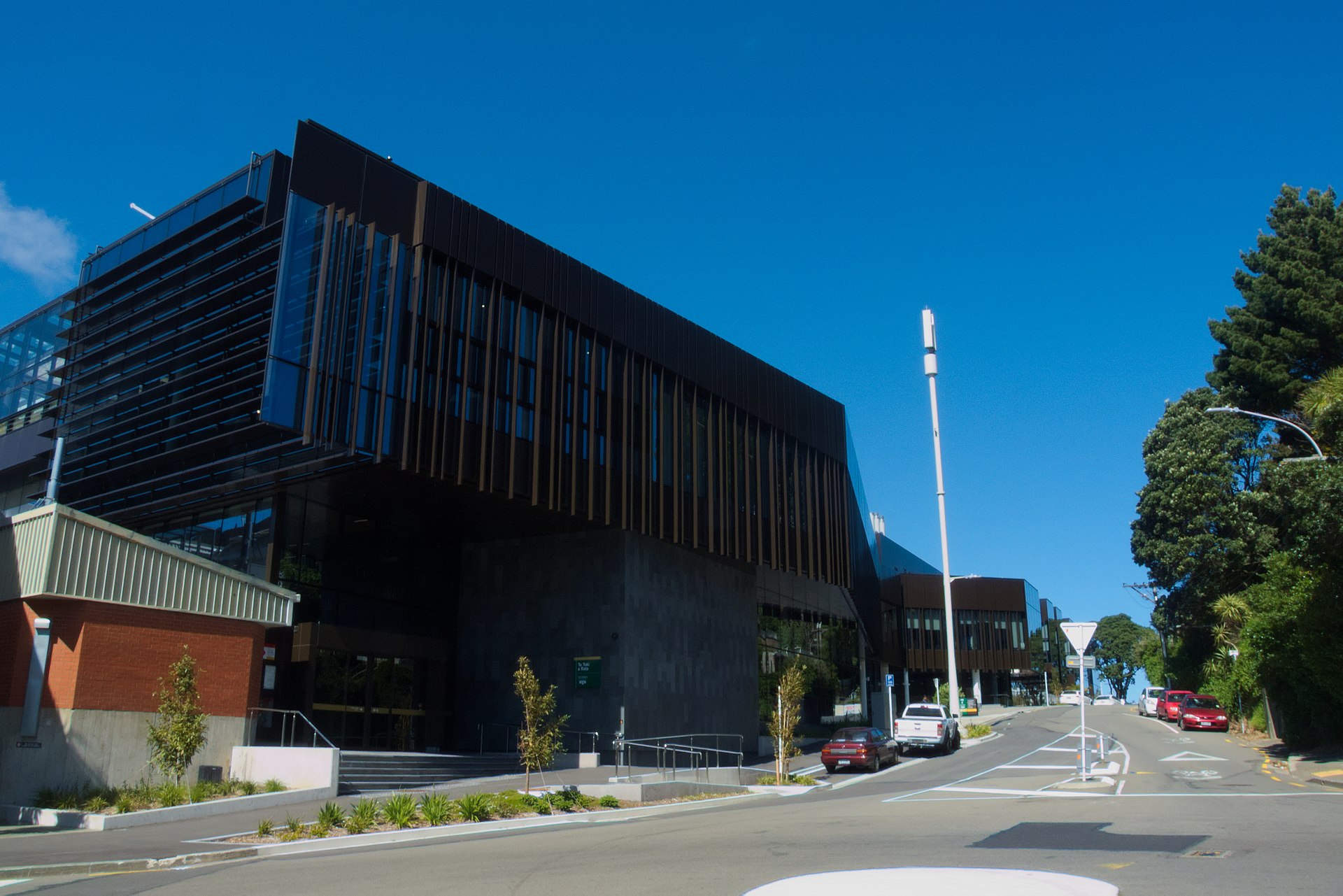
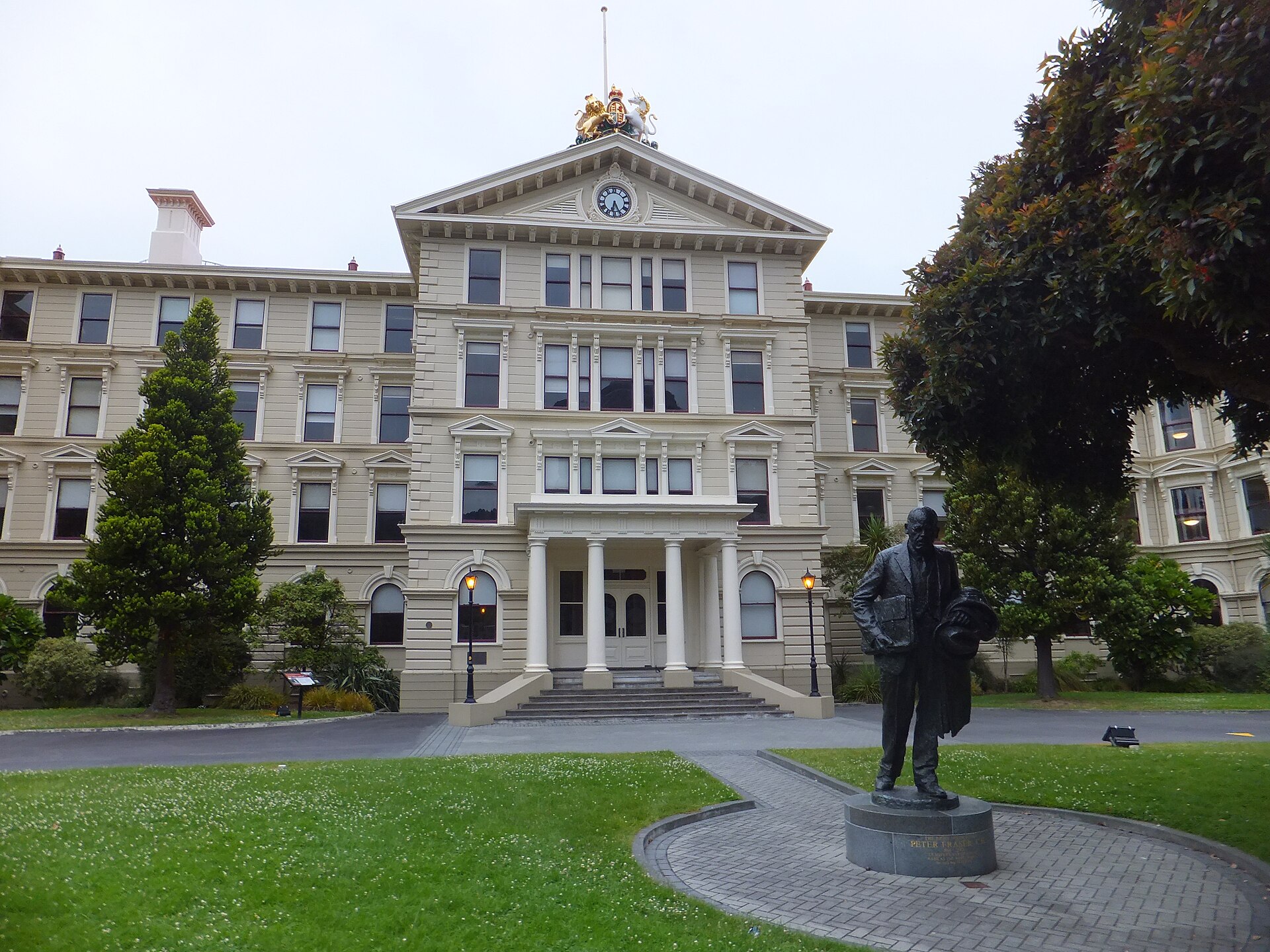
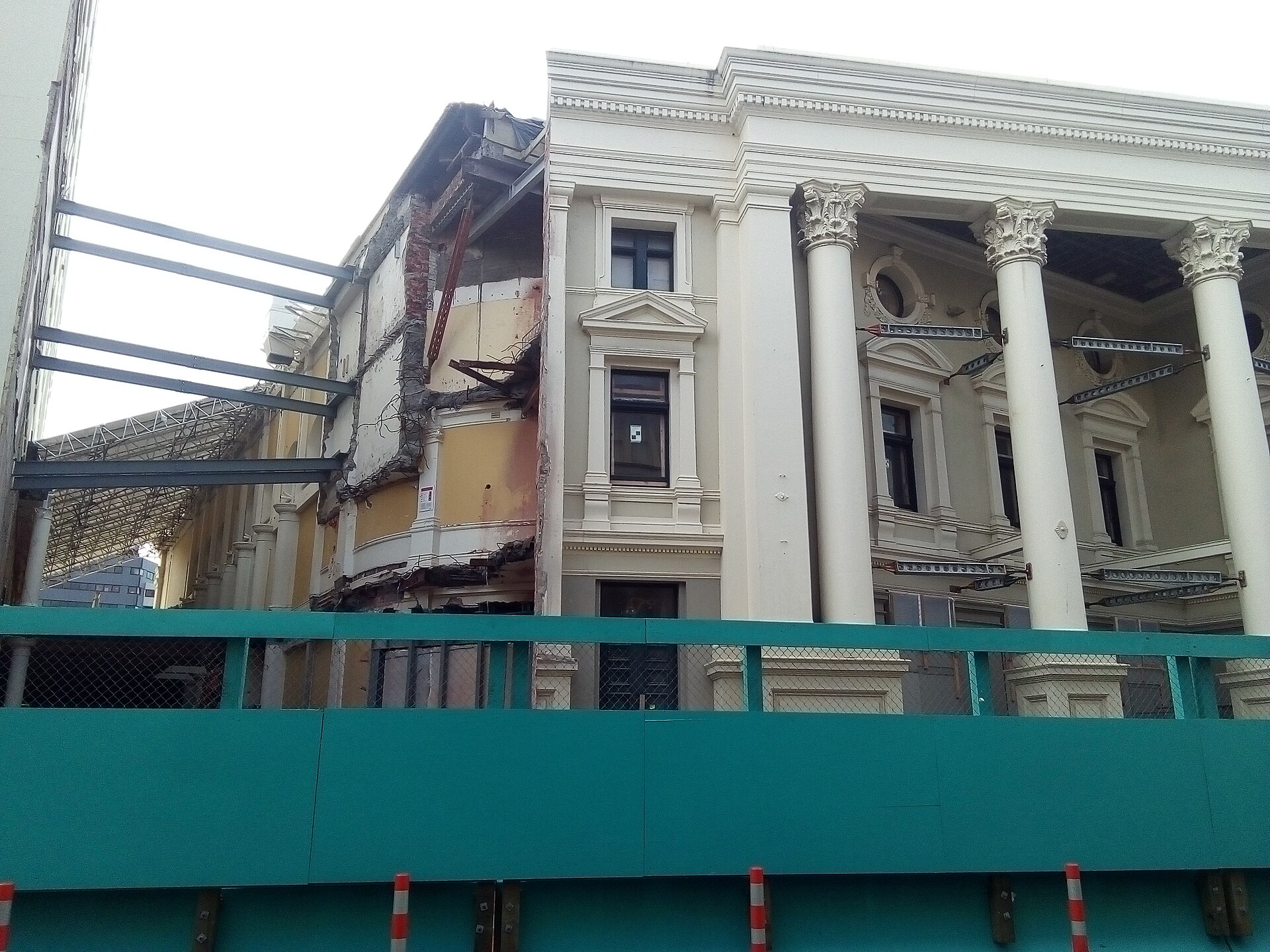
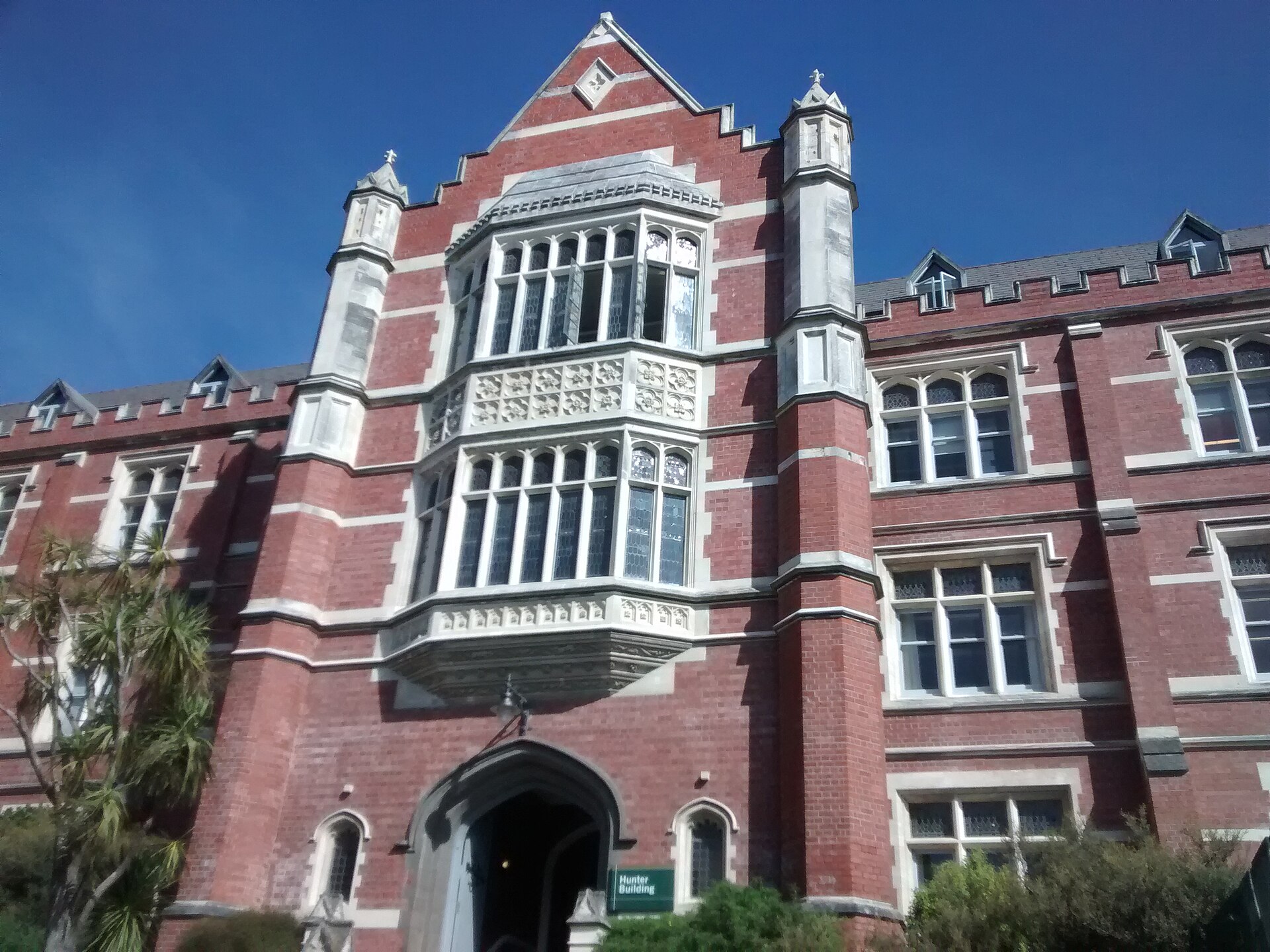
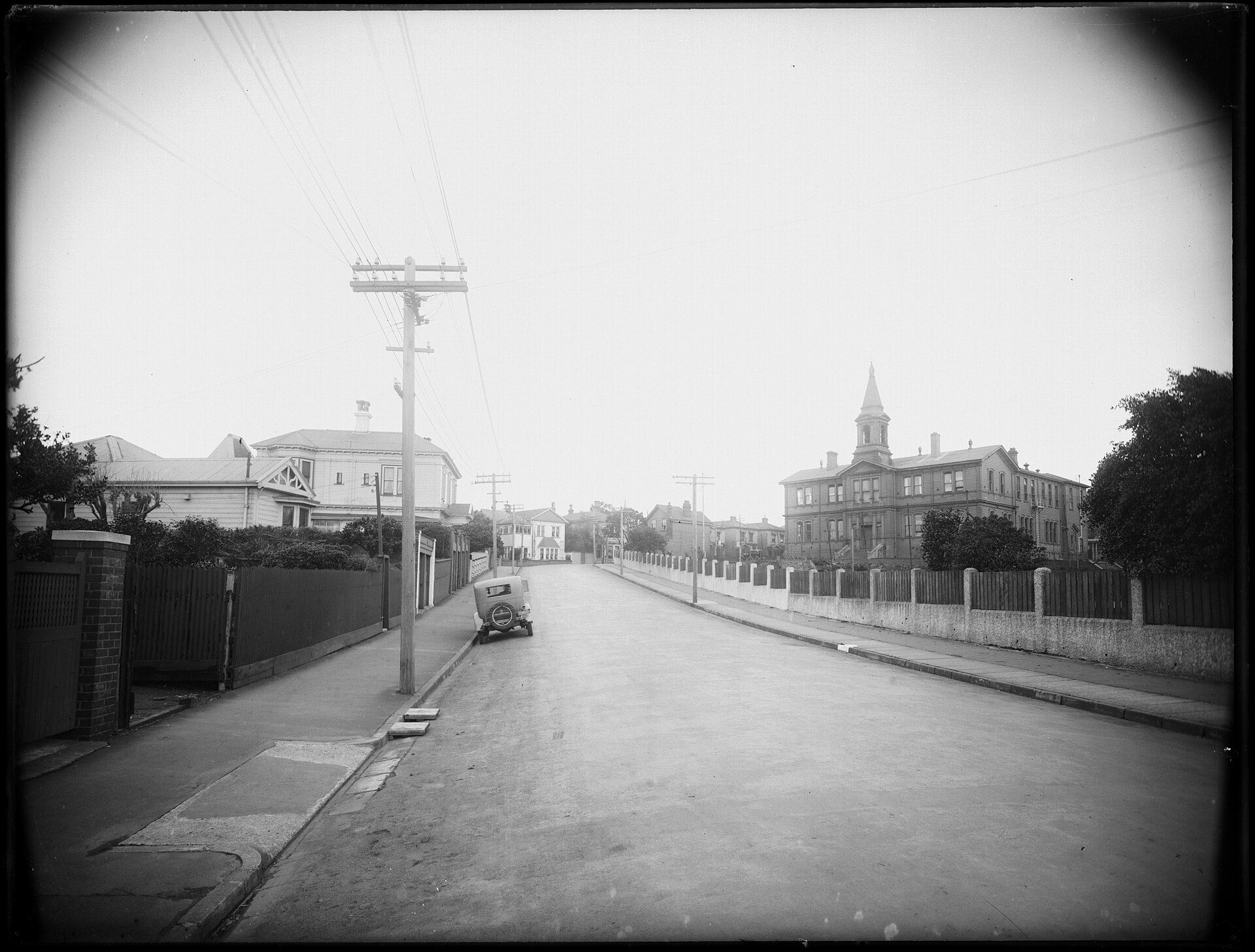
Why Victoria Wellington — Capital City, Global Reach
Victoria's distinctive strengths flow from its location and its long commitment to the disciplines that define public life. If you want to understand how governments work, how law shapes society, how films are made, or how cities are designed — few universities in the world place you this close to the real thing.
SELECTIVITY
Admissions Profile Who Gets In
Victoria University of Wellington is moderately selective, with an overall acceptance rate that reflects New Zealand's more accessible approach to tertiary education compared to highly competitive US or UK institutions. The university sets minimum academic thresholds rather than operating a holistic point-scoring system; meeting those thresholds and English language requirements generally earns an offer of admission to most programmes. The important caveat for international students is that some high-demand programmes — particularly Law (LLB) and Architecture — have restricted entry with additional selection processes beyond minimum grades.
The acceptance rate in the facts file reflects typical undergraduate intake patterns. For competitive-entry programmes such as Law and Architecture, the effective bar is considerably higher. Check programme-specific requirements on the official admissions pages.
AT A GLANCE
Victoria Wellington Quick Facts
WHAT YOUR APPLICATION INCLUDES
Application Components for International Students
Victoria's admissions process is direct and grades-focused. Unlike US universities, there are no personal essays, letters of recommendation, or holistic review processes for most undergraduate programmes. The application is submitted via the Pūaha online portal and assessed primarily on academic credentials and English language proficiency.
SELECTION CRITERIA
What Victoria Wellington Looks For
That said, for high-demand restricted-entry programmes — particularly Law and Architecture — the effective threshold is higher, and selection takes into account academic performance relative to the applicant pool. Postgraduate programmes involve a more substantive review of academic history, research fit, and professional background.
For most undergraduate programmes, Victoria's admissions are primarily grades-based. The university assesses whether your qualifications meet the academic entry threshold for your chosen programme, and whether you meet English language requirements. This is different from US-style holistic admissions where softer factors are formally scored.
APPLICATION DEADLINES
When to Apply Trimester Intake Dates
Victoria University of Wellington operates a trimester system with three main intake periods. International students should apply well before the listed deadlines to allow time for document verification, English test results, visa processing, and accommodation arrangements. New Zealand student visas typically take 4–8 weeks to process.
Scholarship application deadlines are typically several months earlier than general admission deadlines. Verify current deadlines on the official international admissions portal.
| Intake | Start Month | Application Deadline | Notes |
|---|---|---|---|
| Trimester 1 | February | 8 December (prior year) | Main intake — widest programme choice |
| Trimester 2 | July | 1 May | Second intake — most programmes available |
| Trimester 3 | November | 1 September | Limited programme availability; check specific courses |
CAMPUS & CITY
Student Life in Wellington New Zealand's Creative Capital
Victoria's main Kelburn campus sits above Te Aro and the waterfront on a forested hillside, connected by cable car to the city centre. The Pipitea campus is a short walk from Parliament and the National Library. Wellington's waterfront, Te Papa Tongarewa (the national museum), and the city's renowned restaurant scene are all within easy walking distance of campus. Student accommodation is available on campus and nearby, and Victoria's orientation and support services for international students are comprehensive.
Wellington has a reputation entirely out of proportion to its size. With fewer than 450,000 people, it punches well above its weight for culture, food, nightlife, and civic life. It consistently ranks among the most walkable, most compact, and most socially progressive cities in Australasia — and for an international student arriving from a large city, it offers the unusual experience of feeling genuinely embedded in a community rather than lost in a metropolis.
GRADUATE OUTCOMES
Career Outcomes Life After Victoria
For international graduates, New Zealand's post-study work visa pathway offers significant appeal. Graduates of a three-year bachelor's degree from New Zealand are generally eligible for a three-year Post-Study Work Visa, giving international students substantial time to build careers in-country before deciding on long-term migration pathways. New Zealand's immigration settings are generally welcoming toward skilled graduates in law, engineering, ICT, health, and education.
Victoria graduates are recognised across New Zealand's government, legal, commercial, and creative sectors. With 87% of graduates employed within a short period of graduation, Victoria's employment outcomes reflect both the practical orientation of its programmes and the advantages of being based in New Zealand's capital — where government agencies, law firms, tech companies, NGOs, and creative studios are concentrated.
Stats
Cards
FREQUENTLY ASKED QUESTIONS
Victoria Wellington FAQs for International Students
Is Victoria University of Wellington good for international students?+
Yes. Approximately 18% of Victoria's student body is international, and the university has well-developed international student support services including visa guidance, orientation programmes, buddy schemes, and an International Student Experience team. Wellington's compact, walkable character also makes it easier for international students to build social connections compared to larger cities.
What is the difference between Victoria's campuses?+
Victoria has three main Wellington campuses. The Kelburn campus is the main campus for Arts, Sciences, and Engineering. The Pipitea campus houses Law, Business, and Government, and is located next to Parliament. The Te Aro campus is dedicated to Architecture and Design. There is also an Auckland campus. Most students spend their time at whichever campus is home to their faculty.
Is a personal statement or essay required to apply?+
For most undergraduate programmes, no. Victoria's undergraduate admissions process is grades-based and document-based — you submit transcripts and English language proof, not personal essays. Some restricted-entry programmes and all scholarship applications may require a personal statement or written response. Postgraduate applications require a more substantive academic profile.
Can I apply for multiple trimesters?+
Yes. Victoria offers three trimester intakes per year. Trimester 1 (February) is the primary intake with the widest choice of courses. Trimester 2 (July) is also a full intake. Trimester 3 (November) has limited course availability. Most international students join in Trimester 1 for the best course selection and orientation support.
What are the English language requirements for international students?+
Standard undergraduate entry requires IELTS 6.0 overall (no band below 5.5), TOEFL iBT 80, or Duolingo 110. Some programmes — notably Law, Education, and Health Sciences — require higher scores (typically IELTS 6.5 or 7.0). Students from recognised English-medium schools or countries may be eligible for exemption.
What is the post-study work visa situation for Victoria graduates in New Zealand?+
New Zealand's Post-Study Work Visa allows graduates of three-year degrees at New Zealand universities to work in New Zealand for up to three years after graduation. This is a significant advantage for international students who want to gain work experience in the country after their degree. Consult Immigration New Zealand for current policy, as visa settings can change.
Is Victoria Wellington strong in Law?+
Very much so. Victoria's Faculty of Law has been ranked among the top 100 law schools in the world in several subject rankings, and is widely regarded as New Zealand's pre-eminent law school. Its location adjacent to Parliament, the Supreme Court, and the major government legal offices is a distinctive practical advantage.
What is the IB requirement for entry?+
The minimum IB requirement for general undergraduate entry is 29 points total. Specific programmes may have higher requirements or require certain Higher Level subjects. Law and Architecture typically require results above the minimum threshold. Predicted results are accepted for conditional offers; final results must be confirmed.
ACADEMICS
Academic Expectations for International Students
Victoria University of Wellington holds itself to New Zealand's highest academic standards. For international students, the academic environment combines seminar-style critical thinking — particularly in Law, Humanities, and Social Sciences — with quantitative rigour in Science, Engineering, and Commerce. Academic integrity is taken extremely seriously; all students complete compulsory academic integrity training.
International students from IB, A-Level, and US High School backgrounds are well-served by Victoria's admissions recognition policies. The university has clear equivalency guidelines for all major international qualifications and will advise on credit recognition for prior study.
Victoria's teaching is structured around trimesters rather than semesters, with a 12-week teaching period per trimester. Assessment is typically a mix of coursework (assignments, essays, group projects) and final examinations. Class sizes at Victoria are generally smaller than at New Zealand's largest universities, and face-to-face contact with lecturers and tutors is actively encouraged.
ACADEMIC BENCHMARKS
Academic Entry Profile What the Numbers Say
Victoria uses academic benchmarks rather than competitive ranking of applicants for most programmes. Meeting or exceeding the minimum threshold generally secures admission. For restricted-entry programmes, the effective bar is higher.
STANDARDISED TESTS
Test Policy SAT & ACT Not Required
This is standard across all New Zealand universities. If you have strong SAT or ACT scores, they are not harmful to include in your application as supporting information, but they play no formal role in the admissions decision. Your academic transcript and English language test result are what matter.
Victoria University of Wellington does not require SAT or ACT scores from any applicant, including those from the United States. The university assesses international applicants primarily on their national secondary school results — IB Diploma, A-Level, NCEA, or equivalent — not on standardised admissions tests.
If you are applying directly from a US high school without an IB or A-Level qualification, contact the International Admissions team to discuss qualification equivalency. Victoria has clear policies for assessing US high school transcripts.
IB & A-LEVEL
IB Diploma & A-Level Recognition What Victoria Expects
A-Level students are assessed on their predicted or achieved results in three or more A-Level subjects. The standard for general entry is BBB at A-Level; competitive programmes typically require ABB or higher. Higher Level IB subjects are weighted similarly to A-Level; Standard Level subjects count toward the overall IB score but are generally treated as supporting rather than lead credentials for discipline-specific requirements.
The IB Diploma is well-recognised and commonly accepted at Victoria University of Wellington. The minimum entry threshold is 29 points total, which represents a comfortable pass in the IB with a good spread of scores. Strong performance above 30–33 points is expected for competitive-entry programmes such as Law (LLB) and Architecture.
SUBJECT PREPARATION
Academic Preparation by Programme Area
Your subject choices at secondary school matter at Victoria, particularly for competitive or specialist programmes. Here is what strong preparation looks like for Victoria's major discipline areas.
ENGLISH LANGUAGE
English Language Requirements Standard & Higher Thresholds
Victoria requires all international students to demonstrate English proficiency before enrolment unless they are exempt (e.g., citizens of recognised English-speaking countries, or graduates of recognised English-medium schools). Requirements vary by programme level and discipline.
Scores in the table reflect Victoria's published minimum requirements from the facts file and publicly available equivalency tables. Always verify programme-specific scores on the official admissions site before applying.
| Level | Ielts | Toefl Ibt | Duolingo | Notes |
|---|---|---|---|---|
| Standard Undergraduate | 6.0 (no band <5.5) | 80 | 110 | Most undergraduate programmes |
| Standard Postgraduate | 6.5 (no band <6.0) | 90 | 120 | Most postgraduate taught programmes |
| Higher — Law / Education | 7.0 (no band <6.5) | 100 | 130 | LLB, Education, some Health Sci |
| PhD / Research | 6.5–7.0 | 90–100 | Varies | Depends on faculty; verify with supervisor |
YEAR-BY-YEAR ROADMAP
Building Your Profile Year 9 to Application
Victoria's admissions are primarily grades-based, so your academic record matters most. But for competitive programmes and scholarships, a more rounded profile — leadership, community contribution, relevant activities — makes a real difference. Here is a year-by-year guide for international students targeting Victoria.
WHAT TO AVOID
Common Academic Mistakes for International Applicants
Victoria's admissions process is relatively straightforward, but international students do make avoidable mistakes that cost them offers or delay enrolment.
- Applying without verifying English language requirements for your specific programme — some programmes (Law, Education) require significantly higher scores than the standard minimum.
- Missing the document submission deadline — a late or incomplete transcript can delay your offer by an entire trimester.
- Assuming any IB score above 24 is sufficient — the general minimum is 29, and competitive programmes require more.
- Not applying early enough for scholarships — many Victoria international scholarships close months before the general application deadline.
- Choosing Architecture without preparing a portfolio — no portfolio means no chance of entry into the Bachelor of Architectural Studies.
- Ignoring the trimester calendar — if you miss the Trimester 1 deadline, you may wait until July to start. Plan your application 6–9 months ahead.
- Applying to Law without checking restricted-entry criteria — admission to the LLB is not automatic on meeting the general academic minimum.
- Not confirming whether your qualification is directly recognised — if your qualification is unusual, contact Victoria's international admissions team for a pre-assessment rather than discovering the issue after applying.
COST & AID
Cost of Studying at Victoria Wellington
For international students, Victoria University of Wellington represents a genuinely cost-competitive option relative to comparable universities in the US, UK, and Australia. New Zealand's tuition fees for international students, while higher than domestic fees, are significantly lower than those at peer institutions in Anglophone countries at similar global ranking levels. The cost of living in Wellington, while rising, remains lower than Sydney, Melbourne, or London.
The facts below reflect the university's published international tuition rate and estimated costs of attendance. All figures are approximate USD equivalents from the facts file; actual costs in NZD will vary with exchange rates. Always check the official fee calculator on Victoria's website for the most current programme-specific fees.
ANNUAL COSTS
Cost Breakdown Annual Estimates (International Students)
The figures below are approximate annual estimates in USD, based on the facts file. Actual NZD tuition varies by programme and year of study. Some professional programmes (Medicine, Law, Architecture) have higher fee bands than the average figure below.
Figures are estimates in USD converted from NZD. Exchange rate fluctuations will affect actual USD costs. Use Victoria's official fee calculator for current NZD programme-specific fees.
| Component | Annual U S D | Notes |
|---|---|---|
| International tuition (approx.) | ~USD 21,600 | Average; varies by programme and faculty |
| Living costs (accommodation, food, transport) | ~USD 13,000 | Estimate; Wellington costs vary by lifestyle |
| Total cost of attendance (est.) | ~USD 34,600 | Tuition + living; books/personal costs extra |
| Application fee | NZD 0 | No application fee for most programmes |
| Student services levy | ~NZD 1,100 | Covers student union, health, sports (approx.) |
FINANCIAL AID
Aid for International Students What to Realistically Expect
The average aid as a percentage of total cost is modest — approximately 10% of cost of attendance based on the facts file — reflecting that scholarship awards, while available and real, are not sufficient to make Victoria cost-free for most international students. This is typical of New Zealand universities, which operate a lower-tuition model than US institutions but have fewer endowed aid programmes. Plan your financing primarily from personal or family funds, supplemented by scholarship income where you are successful.
International students at Victoria University of Wellington are not eligible for New Zealand Government student loans or allowances (which are reserved for domestic students). The primary financial support pathway for international students is scholarships, of which Victoria offers a number specifically targeting international applicants.
US students may be eligible for US Federal Student Aid (Direct Loans and PLUS Loans) to fund study at Victoria, which is a recognised institution for this purpose. US veterans may also access VA Education Benefits. Consult the Victoria International Office for details on accessing these programmes.
SCHOLARSHIPS
Scholarships for International Students
Victoria University of Wellington offers a range of scholarships for international students. Specific amounts and eligibility criteria change annually; the descriptions below reflect scholarships that are known to exist or have been publicly advertised. Always verify current offerings and application deadlines on the official scholarships portal.
AFFORDABILITY
The Real Cost Picture Comparing Wellington to Alternatives
New Zealand's post-study work rights are also generous for graduates: a three-year bachelor's degree from Victoria entitles international graduates to a three-year Post-Study Work Visa, which can generate substantial income to offset education costs. Many international students factor this visa pathway into their financial planning when comparing New Zealand to other Anglophone destinations.
Compared to similarly-ranked universities in the United States or United Kingdom, Victoria Wellington is significantly more affordable. A year at Victoria costs approximately USD 34,600 all-in, compared to USD 70,000–80,000 all-in at similarly-ranked US private universities or GBP 35,000–45,000 at equivalent UK institutions. Australian comparators (Monash, Queensland, Adelaide) have similar international tuition levels to Victoria, but Australian living costs — particularly in Melbourne and Brisbane — are higher than Wellington.
Tax and immigration policy in New Zealand can change. Always verify current Post-Study Work Visa eligibility through Immigration New Zealand before relying on it in your financial planning.
HOW TO FUND YOUR DEGREE
Funding Steps A Practical Guide
COST FAQs
Money Questions Answered Honestly
How much does a year at Victoria Wellington actually cost for international students?+
Based on available data, annual costs are approximately USD 21,600 in international tuition plus approximately USD 13,000 in living costs, totalling roughly USD 34,600 per year. NZD equivalent costs depend on your programme and the current exchange rate. Law, Medicine, and Architecture programmes may have higher tuition bands than the average.
Is there any merit-based aid available before I arrive?+
Yes, but it is competitive and limited. Victoria offers the Victoria International Excellence Scholarship and other awards for incoming international students. Search the Victoria scholarships portal and apply as early as possible. Most pre-entry international scholarships are merit-based and require strong academic results.
Can I work while studying in New Zealand?+
Yes. International students on a New Zealand Student Visa are generally allowed to work up to 20 hours per week during term and full-time during scheduled breaks. Wellington's labour market is generally favourable for student employment in hospitality, retail, and the public sector.
Is Victoria more or less expensive than studying in Australia?+
International tuition at Victoria is broadly comparable to Australian Group of Eight universities. Wellington's cost of living is generally lower than Melbourne, Sydney, or Brisbane, making the total cost of attendance at Victoria somewhat more favourable than at an equivalent Australian institution for most nationalities.
Are there government scholarships for international students to study in New Zealand?+
Yes. The New Zealand Government's Manaaki New Zealand Scholarships Programme funds students from eligible developing countries. Additionally, many other governments fund citizens to study abroad at recognised institutions — check your home country's education ministry for overseas scholarship programmes.
APPLICATION & PERSONAL STATEMENT
Applying to Victoria Wellington No Essays — But Your Application Still Matters
Victoria University of Wellington uses a direct, grades-based application process for most undergraduate programmes. Unlike US universities, there is no Common Application, no required personal essays, and no holistic review of extracurricular activities for standard undergraduate entry. Your admission decision will be made primarily on your academic results and English proficiency.
This tab explains the Victoria application process honestly, identifies where a personal statement or motivation letter is required or useful, and provides strategic guidance for maximising your scholarship and postgraduate application outcomes.
This does not mean all writing is irrelevant. Personal statements matter for scholarship applications, for postgraduate programmes, and for architecture portfolio submissions. Understanding where and how to write effectively for Victoria — and for New Zealand-style admissions broadly — gives you a genuine strategic advantage over applicants who expect the US admissions playbook to apply.
HOW IT WORKS
The Victoria Application System Pūaha Online Portal
For most undergraduate programmes, no personal statement is required as part of the standard application. You will select your programme, upload your documents, and receive an offer (conditional on final results) if you meet the entry requirements. For restricted-entry programmes such as Law and Architecture, additional process steps — a ranked selection process for Law, a portfolio for Architecture — apply beyond the standard document submission.
International students apply to Victoria through the Pūaha online portal (pūaha means gateway in Māori). The portal collects your personal information, programme selection, academic documents, and English language evidence. Most applications are assessed within 2–4 weeks of a complete submission.
WHERE WRITING MATTERS
When You Need a Personal Statement
While Victoria's standard undergraduate application does not require a personal essay, there are three contexts where written statements are genuinely important: scholarship applications, architecture portfolio submissions, and postgraduate programme applications. Here is how to approach each.
STRATEGY
Writing for New Zealand Universities — What Works
The most effective Victoria scholarship statements are structured, not flowery. They state your academic interest clearly and specifically (not 'I love law' but 'I am drawn to public international law, specifically the intersection of climate agreements and state sovereignty'), identify what Victoria offers that is specifically relevant (a named faculty member's research, the Pipitea campus proximity to the New Zealand Parliament), and articulate a credible career or research plan. They are written in plain, precise English — not decorated with adjectives.
New Zealand academics and scholarship committees respond to a different writing style than US admissions officers. Where US essays reward narrative storytelling and vulnerability, New Zealand scholarship statements tend to reward clarity, intellectual seriousness, and demonstrated knowledge of what you will actually study.
New Zealand's academic culture places high value on intellectual honesty and direct communication. Avoid hyperbole ('Victoria is the only university in the world where...') and unsupported claims. Write as you would write to a serious professor, not as you might write a US college essay.
PROGRAMME-SPECIFIC NOTES
Programme-Specific Application Strategy by Discipline
SCHOLARSHIP WRITING GUIDE
How to Approach Your Scholarship Statement
Most international students applying to Victoria will not write a personal statement for undergraduate admission — but they should absolutely write one for scholarship applications. Here is how to approach scholarship topic selection strategically.
WHAT TO AVOID
Application Mistakes That Cost International Students
- Treating Victoria's application like a US Common App — there are no required personal essays for standard undergraduate entry and no holistic review process.
- Missing the scholarship deadline because you confused it with the general application deadline — scholarship deadlines are typically much earlier.
- Writing a generic 'why this university' statement that could apply to any New Zealand university — be specific about Victoria and Wellington.
- Applying to Architecture without submitting a portfolio, or submitting a portfolio that does not follow the published format requirements.
- Sending a PhD application without first identifying and contacting a potential supervisor — unsupported research applications are rarely successful.
- Using US-style essay conventions (emotional narrative, highly personal disclosures) in New Zealand scholarship statements — the tone should be academic and direct.
- Underestimating English proficiency requirements for Law and Education — IELTS 7.0 is materially harder to achieve than IELTS 6.0, and the test cannot be rushed.
- Not verifying whether your home country's qualifications are directly recognised — contact Victoria's admissions team for a pre-assessment if in doubt.
APPLICATION FAQs
Application Questions Answered Honestly
Does Victoria University of Wellington require a personal essay for undergraduate admission?+
No. Standard undergraduate admission to Victoria is grades-based. You submit academic transcripts and English language proof via the Pūaha portal. No personal statement, personal essay, or letters of recommendation are required for most undergraduate programmes.
When does writing matter in a Victoria application?+
Writing matters in three contexts: scholarship applications (most require a personal statement), architecture/design portfolio submissions (assessed as part of restricted entry), and postgraduate programme applications (personal statement and research proposal are standard requirements for master's and PhD applications).
What is the Pūaha portal?+
Pūaha (meaning 'gateway' in Māori) is Victoria's online application system. All international student applications are submitted through this portal. You create an account, select your programme, upload your documents, and track your application status through the same portal.
How do I apply for Law at Victoria if it has restricted entry?+
Apply through the Pūaha portal by the Trimester 1 deadline. Your application will be assessed against the restricted-entry criteria for the LLB programme. Ensure your academic results are as strong as possible and that your IELTS score meets the higher Law threshold. Contact the Law Faculty admissions office for the current year's selection criteria.
Can I apply for both a degree and scholarships at the same time?+
Your scholarship application is submitted separately from your degree application, through Victoria's scholarships portal. The two processes are independent. However, you need to have submitted (or be in the process of submitting) your degree application before most scholarships can be confirmed.
Is there an interview process for international applicants?+
For most undergraduate programmes, there is no interview. For some postgraduate and research programmes, and for some restricted-entry courses, an interview may be part of the selection process. Contact your specific faculty's admissions contact if you are uncertain.
How should I approach finding a PhD supervisor at Victoria?+
Search the Victoria research database and faculty pages for academics whose work aligns with your proposed research topic. Email them directly — a brief, professional email describing your background, your research interest, and why you want to work with them specifically. If they are accepting students, they will advise you how to proceed. A supervisor's support is typically required before a PhD application is processed.
Courses — schools, degrees & intake
21 degrees across 6 groupings.
Faculty of Architecture and Design Innovation · 4 degrees
Bachelor of Architectural Studies
Bachelor of Building Science
Bachelor of Construction
Bachelor of Design Innovation
Faculty of Business and Government · 2 degrees
Bachelor of Commerce
Bachelor of Global Studies
Faculty of Education, Health, and Psychological Sciences · 4 degrees
Bachelor of Education (Teaching) — Early Childhood
Bachelor of Health
Bachelor of Midwifery
Bachelor of Psychology
Faculty of Humanities and Social Sciences · 6 degrees
Bachelor of Arts
Bachelor of Communication
Bachelor of Music
Bachelor of Politics
Bachelor of Popular Music
Bachelor of Environment and Society
Faculty of Law · 2 degrees
Bachelor of Laws
Bachelor of Laws with Honours
Faculty of Science and Engineering · 3 degrees
Bachelor of Science
Bachelor of Biomedical Science
Bachelor of Engineering with Honours
Want your real chances at Victoria University of Wellington?
Create a free TYCHR account for your personalised admit-chance, a shortlist you can track, exact entry requirements, and essay + counselling help.