← All universities

Vanderbilt University

Nashville, United States · Urban

Association of American Universities (AAU)PrivateResearchCoed
Acceptance
6.0%
QS World
#220
Tuition/yr
$67,000
Students
13,700
Founded
1873

NASHVILLE, TENNESSEE · FOUNDED 1873

Vanderbilt University Admissions Guide for International Students

Vanderbilt is one of America's most selective private research universities — a nationally ranked institution set inside a 330-acre arboretum campus in the heart of Nashville. With a 6% acceptance rate, an 8:1 student-to-faculty ratio, and a no-loan financial aid commitment, Vanderbilt offers world-class academics alongside one of the most energetic college cities in the United States. For international students, Vanderbilt's Peabody College (education and human development), Blair School of Music, nationally recognised biomedical engineering programme, and vibrant interdisciplinary research culture make it a genuinely distinctive choice among America's elite private universities.

Campus

Vanderbilt University — campus in pictures

Real, freely-licensed photographs of the campus (via Wikimedia Commons).
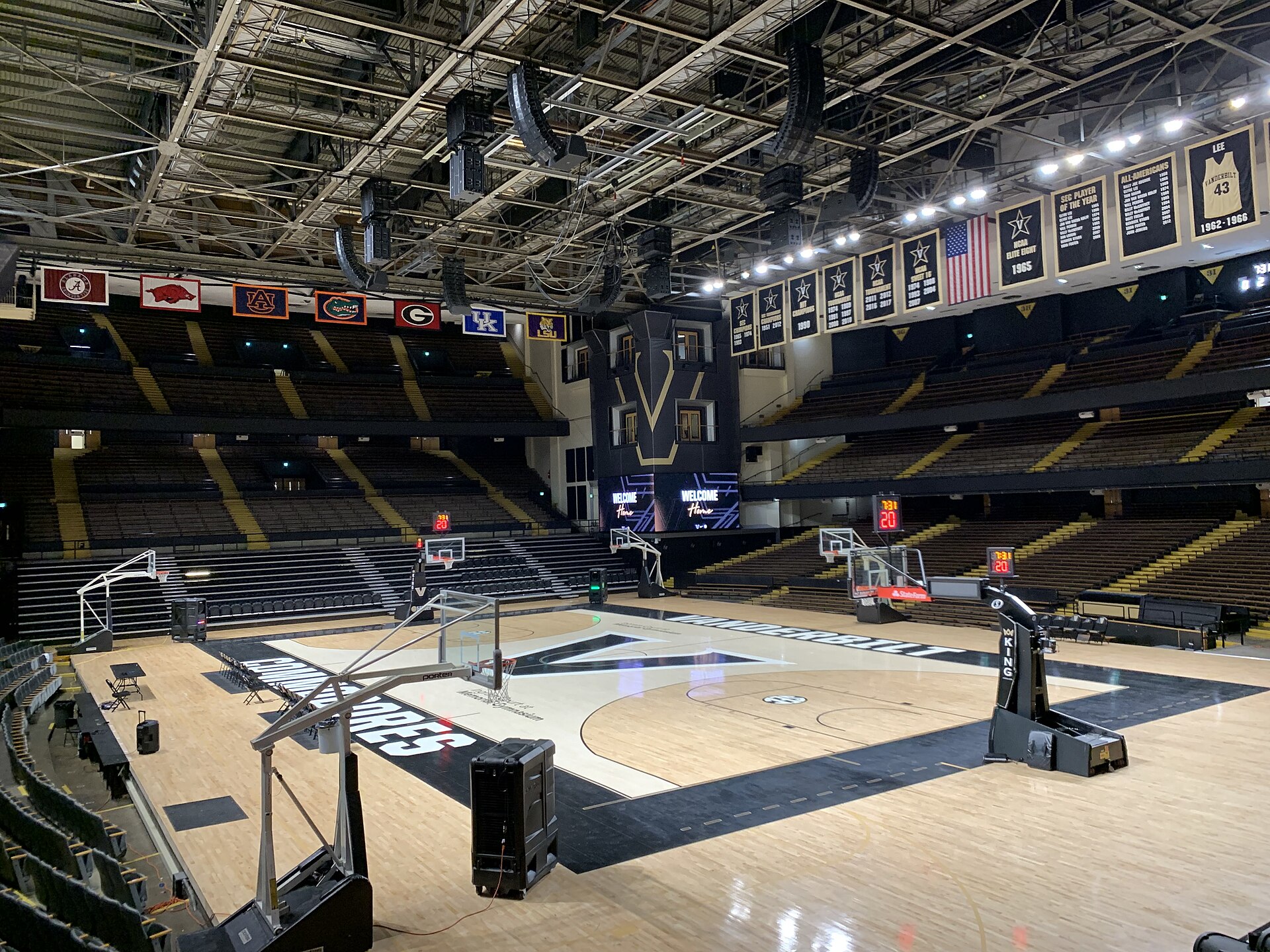
Interior view of Memorial Gymnasium, on the campus of Vanderbilt University in Nashville, Tennessee, on August 26, 2023
Interior view of Memorial Gymnasium, on the campus of Vanderbilt University in Nashville, Tennessee, on August 26, 2023PCN02WPS · CC BY-SA 4.0 · via Wikimedia Commons
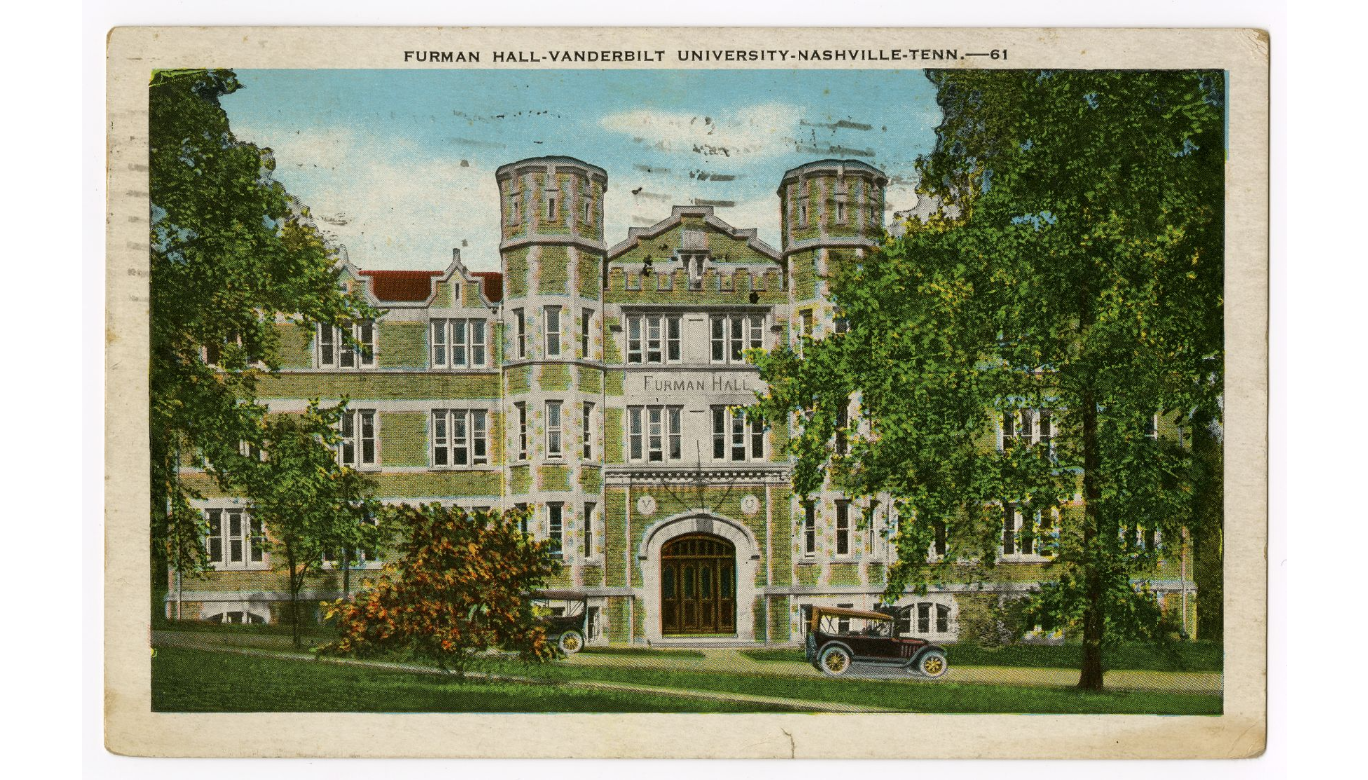
Furman Hall (postcard, circa 1930)
Furman Hall (postcard, circa 1930)E.C. Kropp Co. (Publisher) · Public domain · via Wikimedia Commons
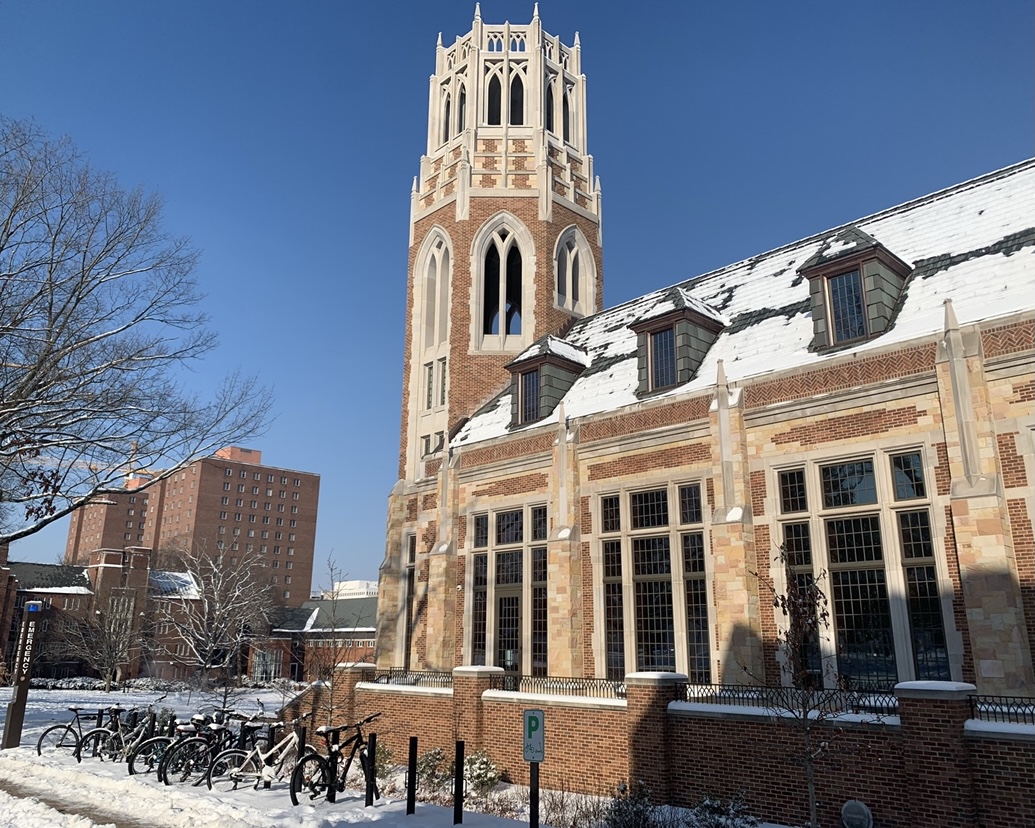
E. Bronson Ingram College at Vanderbilt University
E. Bronson Ingram College at Vanderbilt UniversityBugsMeanee · CC BY-SA 4.0 · via Wikimedia Commons
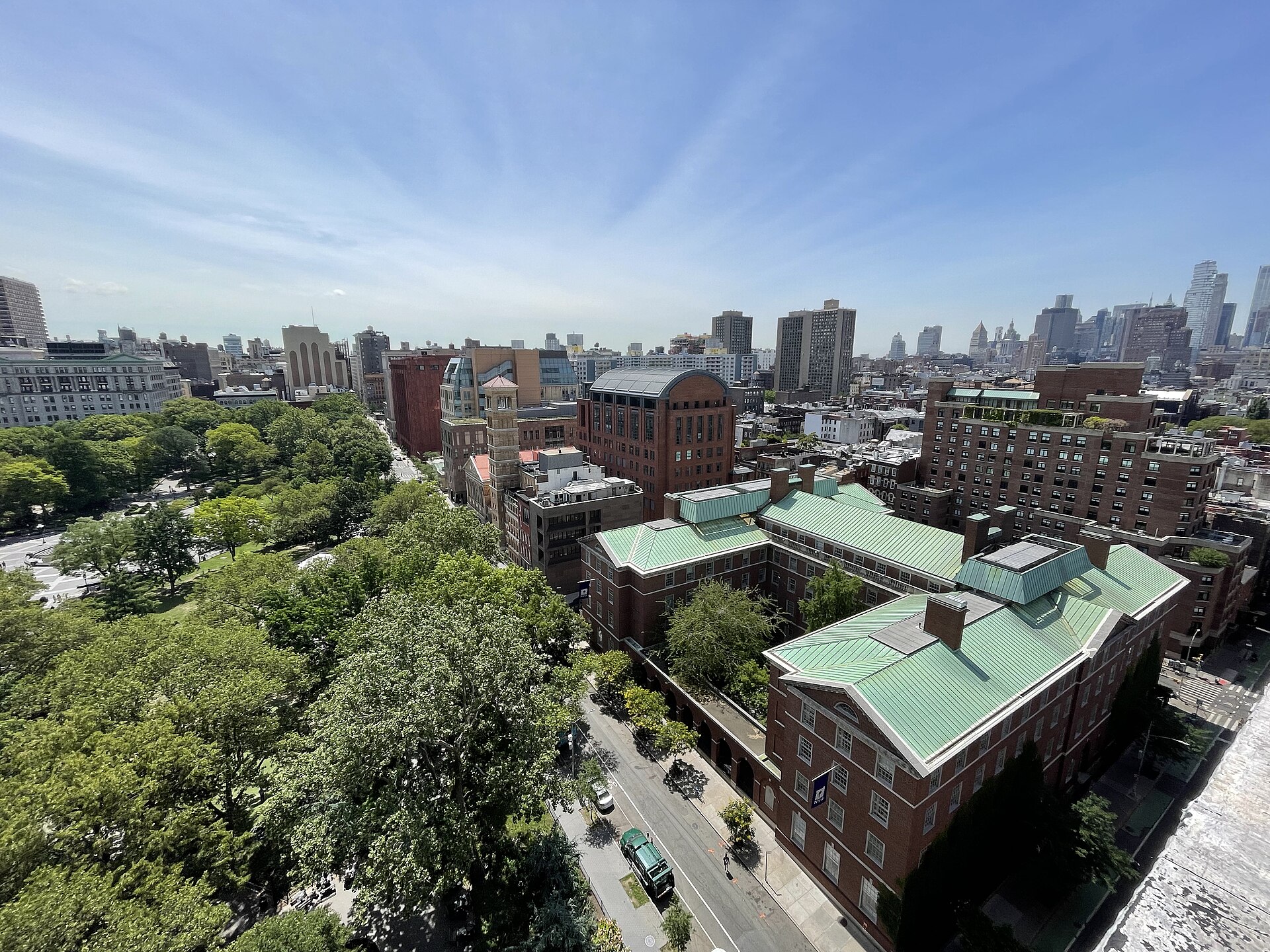
NYU Campus 2021
NYU Campus 2021Wil Fyfordy · CC BY-SA 4.0 · via Wikimedia Commons
Statue of Cornelius Vanderbilt, designed by Giuseppe Moretti, Vanderbilt University
Statue of Cornelius Vanderbilt, designed by Giuseppe Moretti, Vanderbilt UniversityDansan4444 · CC BY-SA 3.0 · via Wikimedia Commons
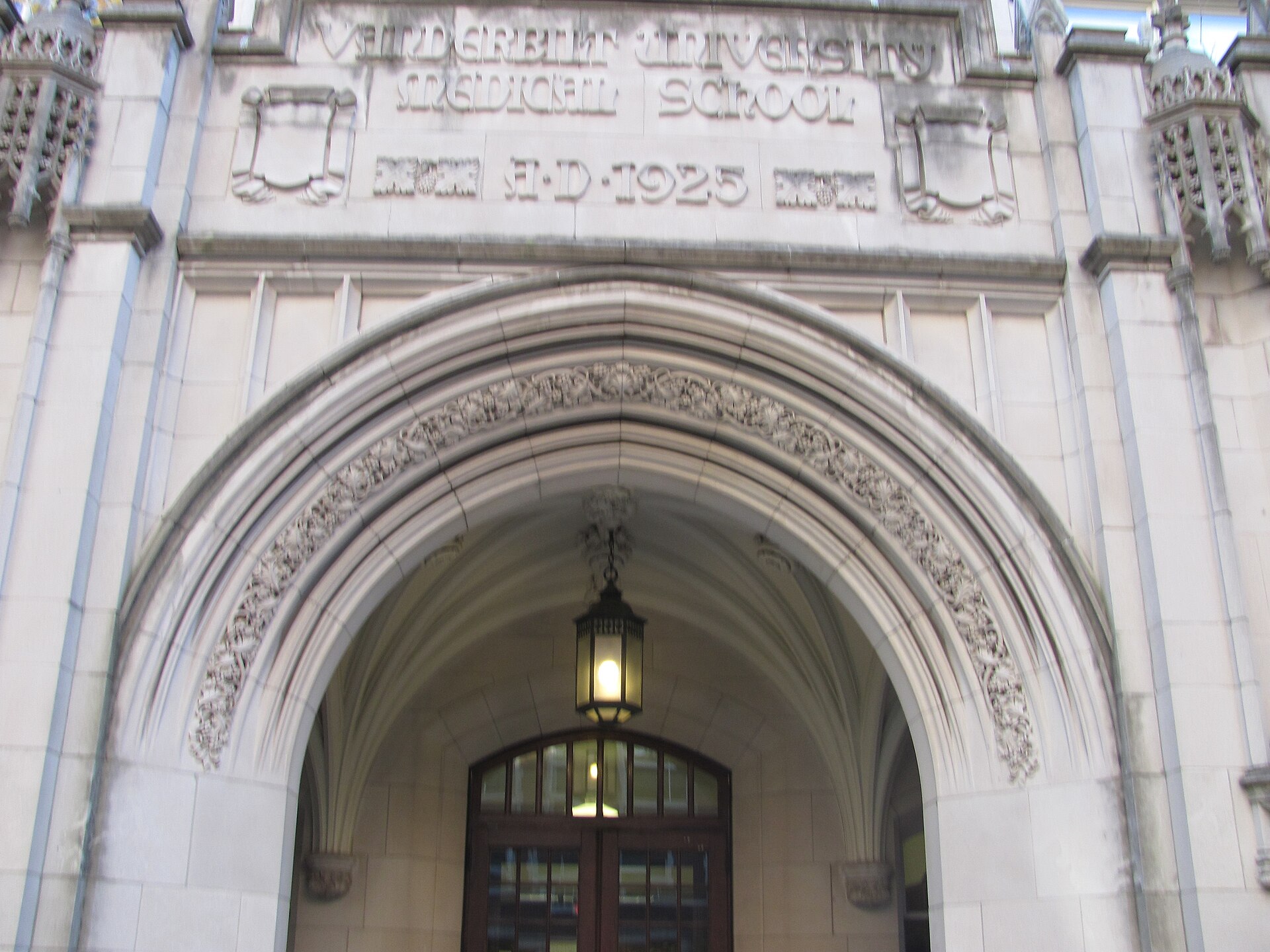
Entrance to the Vanderbilt School of Medicine
Entrance to the Vanderbilt School of MedicineThepsmith6 · CC0 · via Wikimedia Commons

Why Choose Vanderbilt — Prestige, Place, and Purpose

Vanderbilt stands out among America's top 20 universities not just for its rankings, but for its unusual combination of rigorous academics, Southern warmth, and a campus culture that values collaboration over competition. Here is why international students choose Vanderbilt.

1Top-20 National University
Ranked #18 nationally (US News), Vanderbilt is a member of the Association of American Universities and counts among the most selective research universities in the United States. Its THE global rank of #110 reflects a strong record in research impact.
2Nashville: A City That Works For Students
Nashville is one of the fastest-growing cities in the US, with thriving healthcare, technology, music, and finance sectors. Students benefit from internship pipelines at companies like HCA Healthcare, Nissan, and Amazon, while the city's live music and cultural scene is unmatched in the Southeast.
3Peabody College and Signature Programmes
Peabody College of Education and Human Development is consistently ranked #1 in its field. The Blair School of Music is a rare conservatory within a research university. Biomedical Engineering and Neuroscience are national leaders, and the Vanderbilt Institute for Clinical and Translational Research draws students into hands-on research from Year 1.
4Collaborative, Not Competitive Culture
Vanderbilt's 'work hard, play hard' reputation is backed by a culture of academic generosity — students share notes, form study groups, and collaborate across disciplines. The Honor Code shapes a campus where intellectual trust is the norm.
5Exceptional Career Outcomes
94% of Vanderbilt graduates are employed or enrolled in graduate/professional school within six months of graduation, with an average starting salary of $85,000. Major recruiters include Goldman Sachs, McKinsey, Google, and top medical and law schools.
6Generous No-Loan Financial Aid
The Opportunity Vanderbilt programme commits to meeting 100% of demonstrated financial need for eligible students, replacing loans with grants. 65% of undergraduates receive some form of financial assistance, with the average aid package reaching $76,750.

SELECTIVITY

How Selective Is Vanderbilt?

Vanderbilt accepts approximately 6% of applicants, placing it among the most selective universities in the United States. Admitted students present exceptional academic records alongside compelling personal narratives. There are no hard cutoffs for test scores or GPA — Vanderbilt conducts a holistic, context-based review.

6%
Acceptance Rate
1500–1570
SAT Middle 50%
34–36
ACT Middle 50%
40+
IB Score (Typical)

QUICK FACTS

Vanderbilt at a Glance

1873
Founded
13,700
Total Enrolment
10%
International Students
8:1
Student : Faculty

APPLICATION COMPONENTS

What Vanderbilt Requires

Vanderbilt accepts applications through Common App, Coalition powered by Scoir, and QuestBridge. The application is holistic and considers multiple dimensions of each candidate.

Academic Transcripts
Rigorous course selection is essential. Vanderbilt expects students to challenge themselves with the most demanding curriculum available — IB Diploma, A-Levels, AP, or equivalent national qualifications.
Standardised Tests (Optional)
SAT or ACT scores are currently optional for fall 2027 and 2028 entry. From fall 2029, standardised tests will be required. If you submit scores, the admitted band runs 1500–1570 (SAT) and 34–36 (ACT).
Essays
The Common App personal statement (650 words) plus Vanderbilt-specific supplemental essays are required. The supplements ask about why Vanderbilt specifically and about your personal background or values. See the Essay tab for detailed strategy.
Letters of Recommendation
Two teacher recommendations (from academic subjects) and one school counsellor recommendation are required. Additional letters from research supervisors, coaches, or mentors may strengthen the application.
Extracurricular Activities
A rigorous activity profile — leadership roles, research, music, athletics, community service — is expected. Vanderbilt values depth and authenticity over a superficial breadth of involvements.
Application Fee
The application fee is $50. Fee waivers are available for students with demonstrated financial need through Common App or Coalition.

ADMISSIONS PHILOSOPHY

What Vanderbilt Is Really Looking For

Vanderbilt conducts a context-based, holistic review. Admissions officers read each application in the context of the school, community, and opportunities available to the applicant — meaning a student from a school with fewer AP courses is not penalised. The university does not consider demonstrated interest in its decision process.

The ideal Vanderbilt candidate combines exceptional academic achievement with evidence of curiosity, character, and a desire to contribute to the Vanderbilt community and the wider world. Vanderbilt is especially drawn to students who can articulate clearly why Vanderbilt — its specific programmes, research centres, or culture — fits their goals.

Intellectual Curiosity
Vanderbilt wants students who pursue learning beyond what is assigned — through independent research, reading, or creative projects. Strong academic essays that convey genuine passion for a subject stand out.
Leadership and Community Impact
Whether in student government, community service, or a startup, Vanderbilt looks for students who initiate and lead. The Ingram Scholars Programme specifically targets students committed to civic engagement.
Purposeful Fit with Vanderbilt
Knowing what you want to study and why Vanderbilt specifically serves those goals is critical. Mentioning Peabody, Blair, the Wond'ry innovation centre, or specific faculty signals genuine research.
Character and Integrity
Vanderbilt's Honor Code is central to campus culture. The application looks for students who demonstrate honesty, integrity, and a genuine sense of personal values.

DEADLINES

Application Rounds and Deadlines

Vanderbilt offers three decision plans. Early Decision is binding — if admitted, you must enrol and withdraw other applications. ED I gives the best statistical advantage in a highly selective pool.

International students applying for need-based financial aid must also submit the College Board CSS Profile. Submit it alongside your application to meet priority deadlines.

RoundDeadlineDecisionDeposit
Early Decision I (Binding)1 NovemberMid-December31 December
Early Decision II (Binding)1 JanuaryMid-February1 March
Regular Decision1 JanuaryLate March1 May
Merit Scholarship Deadline1 DecemberWith admissions decision—

CAMPUS LIFE

Living and Studying at Vanderbilt

Vanderbilt's 330-acre campus has been designated a national arboretum — a genuinely beautiful environment that blends Gothic and modern architecture. The residential college system (Commons for first-years, then 10 upperclass houses) creates tight-knit communities within the larger university.

Nashville is one of America's most exciting college cities. Live music venues, world-class restaurants, and outdoor spaces are all within reach. The city's booming economy means internship and networking opportunities are embedded in day-to-day student life. Nashville International Airport offers strong global connectivity for international students travelling home.

Residential Colleges
First-year students live on the Commons, a dedicated residential area with faculty-in-residence who co-teach seminars. The House system continues through all four years, offering mentorship, programming, and community.
500+ Student Organisations
From cultural organisations celebrating international communities to entrepreneurship clubs, performing arts ensembles, and Division I athletics, Vanderbilt offers a rich co-curricular environment.
International Student Community
The Margaret Cunningham International House (iHouse) serves as a hub for Vanderbilt's international community. The Office of International Student and Scholar Services provides immigration advising, cultural programming, and peer support.
Nashville: Music City and More
Beyond the famous live music scene, Nashville is home to major healthcare, technology, and finance employers. The city's young professional culture means students graduate into a thriving social and professional network.

CAREER OUTCOMES

Where Vanderbilt Graduates Go

Vanderbilt's career outcomes are among the strongest of any liberal arts-focused research university in the United States. 94% of graduates are employed or enrolled in further education within six months, with an average starting salary of $85,000.

The Career Center at Vanderbilt maintains deep employer relationships, particularly in healthcare (HCA Healthcare, Vanderbilt University Medical Center), technology (Google, Amazon, Microsoft), consulting (McKinsey, BCG, Bain), and finance (Goldman Sachs, J.P. Morgan). Medical school acceptance rates for Vanderbilt pre-med students substantially exceed the national average, and the law school pipeline feeds the nation's top programmes.

94%
Employment Rate
$85,000
Avg. Starting Salary

FAQs

Frequently Asked Questions

Does Vanderbilt require standardised tests?+

For fall 2027 and 2028 entry, Vanderbilt is test-optional — you may submit SAT/ACT scores but are not required to. From fall 2029 entry, standardised tests will be required. Check the official admissions site for the most current policy.

Is Vanderbilt need-blind for international students?+

No. Vanderbilt is need-blind for US citizens and eligible non-citizens, but need-aware for international students. If you apply for financial aid as an international student, your financial need may factor into the admissions decision. Need-based aid is available to a limited number of international applicants.

Can international students apply for merit scholarships?+

Yes. International students are eligible for Vanderbilt's merit scholarships, including the Cornelius Vanderbilt Scholarship and the Ingram Scholars Programme — both offer full-tuition awards plus summer stipends. These are highly competitive and go to the top 1% of applicants. The separate scholarship deadline is December 1.

What is the best decision plan for international students?+

If Vanderbilt is your clear first choice, applying Early Decision I (deadline November 1) offers the strongest chance of admission. Remember that ED is binding. If you need to compare financial aid offers from multiple universities, Regular Decision (January 1) is advisable.

What IB score do I need?+

The typical competitive IB score range is 40 or above. However, Vanderbilt evaluates applicants holistically, and a student with a 38 and exceptional essays or research experience may be competitive while a 43 without compelling personal narrative may not be.

Does Vanderbilt consider demonstrated interest?+

No. Vanderbilt explicitly does not track or consider demonstrated interest in its admissions decisions. You do not need to visit campus, open emails, or log into the portal to improve your chances.

What makes Vanderbilt unique compared to other top-20 US universities?+

Vanderbilt's combination of Nashville's city energy, a collaborative (not competitive) campus culture, the specialised Peabody and Blair schools, and Opportunity Vanderbilt's no-loan aid commitment distinguishes it. It is one of the few universities offering conservatory-level music training within a full research university environment.

Is the application fee waiver available for international students?+

Fee waivers are processed through Common App and Coalition platforms. International students who demonstrate financial hardship should request the fee waiver through those platforms. The fee is $50.

ACADEMIC EXPECTATIONS

Academic Preparation for Vanderbilt University

Vanderbilt's academic environment rewards curiosity, rigour, and interdisciplinary thinking. International students arrive having competed globally, and they thrive in an environment where small seminar classes, direct faculty access, and undergraduate research are the norm rather than the exception. This tab outlines the academic profile you need to build and maintain from Year 9 through Year 12.

ACADEMIC PROFILE

Admitted Student Academic Range

These are the actual ranges for admitted students, sourced from the facts file. Meeting the lower bounds does not guarantee admission — the holistic review weighs the full picture.

1500–1570
SAT Middle 50%
34–36
ACT Middle 50%
40+
IB Diploma (Typical)
3.8
Minimum GPA (Unweighted)

TEST POLICY

Vanderbilt's Standardised Test Policy

Vanderbilt is currently test-optional for fall 2027 and fall 2028 applicants. This means you may choose whether or not to submit SAT or ACT scores. If submitted, scores are evaluated alongside all other elements of the application with no score acting as a floor or ceiling.

From fall 2029 entry onwards, Vanderbilt will require standardised test scores. International students preparing for multiple application cycles should plan to sit the SAT or ACT regardless of the test-optional window. If you achieve scores within or above the 1500–1570 (SAT) or 34–36 (ACT) admitted band, submitting scores is likely to strengthen your application.

Vanderbilt does not superscore between ACT sittings but does superscore SAT (combining highest section scores across sittings). Confirm the current policy on the official admissions website.

SAT & ACT

Preparing for Standardised Tests

The admitted middle 50% band for SAT is 1500–1570 and for ACT is 34–36. These are among the highest bands of any US university, reflecting Vanderbilt's selectivity.

SAT Strategy
Target a combined score of 1520+ to be solidly competitive. Prioritise SAT Math (800 target) and Evidence-Based Reading and Writing (720+ target). Strong math scores are particularly valued for STEM, Economics, and engineering applicants.
ACT Strategy
A composite of 35–36 places you within the admitted range. Science and Math sections of the ACT align well with STEM programme strengths. Take the ACT at least twice — fall and spring of Year 11 and early Year 12.
When to Submit vs. Withhold
If you score below 1480 on SAT or below 33 on ACT, carefully consider whether submitting adds to your application. A score below the middle 50% can become a flag in the holistic review, while withholding under the test-optional policy keeps the focus on your academic transcript and essays.

IB / A-LEVEL / AP

How Vanderbilt Reads International Qualifications

Vanderbilt is experienced in evaluating the IB Diploma Programme, British A-Levels, and other international curricula. The key principle is maximum rigour within your available system.

IB Diploma Programme
A competitive IB score is 40 or above out of 45. Take at least three Higher Level (HL) subjects, including math and a science if applying to STEM fields. Extended Essay and Theory of Knowledge grades factor into the overall score Vanderbilt receives. Students admitted to top programmes typically score 7s in their chosen HL subjects.
British A-Levels
A-Level students are competitive with A*A*A to A*A*A* profiles across three subjects. If you are applying to engineering or science, A-Level Mathematics and a relevant science (Physics, Chemistry, Biology) at A* are expected. Further Mathematics at A or above is a strong signal for quantitative programmes.
AP Courses
AP students at international schools should aim for 5s across five or more AP courses, with demonstrated AP depth in the intended field of study. AP Calculus BC, AP Statistics, AP Physics, and AP Chemistry are particularly valued for STEM applicants.
Other National Qualifications
Indian students (CBSE/ISC/JEE), Singapore students (A-Levels/Poly), and students from other systems are evaluated on the strongest qualifications available to them. Top marks in national board exams accompanied by strong standardised test scores build a competitive profile.

SUBJECT PREPARATION

What Rigour Looks Like at Vanderbilt

Vanderbilt expects students to pursue the most challenging curriculum available at their school. Here is what that looks like by subject area.

Mathematics
For STEM, Economics, and pre-med applicants: Calculus (AB or BC at minimum), Statistics, and ideally Linear Algebra or Multivariable Calculus if available. Vanderbilt's engineering programmes begin with advanced calculus sequences in Year 1.
Sciences
Pre-med students should complete Chemistry, Biology, and Physics at the highest available level. Biomedical Engineering applicants benefit from Chemistry at HL IB or A-Level alongside strong mathematics.
English and Humanities
Strong analytical writing is essential across all programmes. AP Language and Composition or AP Literature at a 5, or IB English A HL with a high Internal Assessment, demonstrates the writing proficiency Vanderbilt requires.
Human & Organisational Development
Peabody College's HOD programme — Vanderbilt's most popular major — values social science coursework (Psychology, Sociology, Economics) alongside strong writing and evidence of community engagement.

ENGLISH PROFICIENCY

English Language Requirements

International students whose primary language is not English must demonstrate English proficiency. Minimum scores are listed below. Students who studied at an English-medium school for four or more years may be eligible for a waiver — confirm with the admissions office.

These are minimums, not targets. Competitive international applicants typically score well above minimums — TOEFL 110+, IELTS 7.5+ are more representative of admitted international students.

TestMinimumNotes
TOEFL iBT100Internet-based test; 100 is the stated minimum
IELTS Academic7.0Overall band score
Duolingo English Test120Accepted; verify current policy

YEAR-BY-YEAR PLAN

Building Your Vanderbilt Profile from Year 9

1Year 9 — Foundation
Establish strong grades across core subjects. Begin your deepest extracurricular commitments — music, science olympiad, model UN, community service. Identify your intellectual anchor: what subject or problem genuinely excites you?
2Year 10 — Depth and Discovery
Pursue leadership roles in 1–2 core activities. If available, take your first formal research or mentorship opportunity. Begin SAT/ACT prep. Explore Vanderbilt's specific programmes through the website and virtual information sessions.
3Year 11 — Peak Performance
Sit your first SAT or ACT (October/November). Achieve your highest grades in the most challenging subjects. Lead a meaningful project — science fair, community initiative, or research paper. Begin drafting your personal story.
4Year 12 — Application Season
Finalise standardised test sittings by October. Complete the Common App personal statement and Vanderbilt supplements by November 1 (ED I) or January 1 (ED II/RD). Submit CSS Profile for financial aid simultaneously. Request recommendation letters in September.

COMMON PITFALLS

Academic Mistakes That Hurt Vanderbilt Applications

  • Choosing easy courses to protect GPA — Vanderbilt can see your school's course offerings and expects maximum rigour.
  • Submitting low standardised test scores below the 1480 SAT / 33 ACT threshold when test-optional is an alternative.
  • Predicted grades below 40 IB or below A/A* in A-Level subjects — these are red flags even if finals are expected to improve.
  • An uneven academic profile (e.g. strong in STEM but failing English/Humanities) that doesn't match the liberal arts expectations of Vanderbilt's curriculum.
  • Missing the December 1 scholarship deadline if you are a merit-scholarship contender.
  • Waiting until senior year to sit English proficiency tests — TOEFL/IELTS should be completed by September of Year 12.
  • Not disclosing Grade 11 or mid-Year 12 results in full — Vanderbilt expects complete and accurate academic disclosure.

COST & FINANCIAL AID

Understanding the True Cost of Vanderbilt for International Students

Vanderbilt's sticker price is substantial, but the Opportunity Vanderbilt programme and competitive merit scholarships make it genuinely accessible for students with financial need or exceptional academic achievement. The critical distinction for international students: Vanderbilt is need-aware for international applicants, meaning your financial need may factor into the admissions decision if you apply for aid.

ANNUAL COST ESTIMATE

Cost of Attendance Breakdown

The following figures are sourced from the facts file and represent approximate annual costs. These are subject to change — verify current figures on the official Vanderbilt financial aid website before making decisions.

Four-year total cost of attendance is approximately $368,000 at current rates before aid. Financial aid packages significantly reduce this figure for eligible students.

ComponentAnnual EstimateNotes
Tuition$67,000Fixed across schools
Total Cost of Attendance$92,000Includes tuition, housing, meals, books, personal
Living Expenses (Nashville)$21,000Housing, food, transport, personal
Application Fee$50One-time; fee waivers available

FINANCIAL AID POLICY

Financial Aid for International Students

Vanderbilt's financial aid framework differs for international vs. domestic students. Understanding this distinction is critical before you apply.

Need-Aware Admissions for Internationals
Unlike domestic applicants (where Vanderbilt is need-blind), international students are evaluated on a need-aware basis. If you apply for need-based financial aid, the amount of aid required may factor into the admissions decision. This does not mean you should not apply for aid — but it is a real consideration.
Need-Based Aid Available
Vanderbilt does extend renewable need-based financial aid to a limited number of international first-year students. Aid is not guaranteed, but eligible applicants with demonstrated need who are also academically exceptional can receive meaningful packages. You must submit the CSS Profile to apply.
Opportunity Vanderbilt (Domestic Framework)
Opportunity Vanderbilt is Vanderbilt's commitment to meet 100% of demonstrated financial need for eligible students through grants rather than loans. While primarily structured for US citizens and eligible non-citizens, it illustrates Vanderbilt's broader commitment to access.
Self-Funding Option
International students who do not apply for need-based aid are evaluated without financial need as a factor. If you can finance four years independently (approximately $368,000 at current rates), not applying for aid removes a potential disadvantage in the admissions process.
https://www.vanderbilt.edu/financialaid/undergraduate/international/

MERIT SCHOLARSHIPS

Vanderbilt's Named Merit Scholarships

Vanderbilt offers two flagship merit scholarships that are among the most prestigious in the United States. Both are open to international students and carry full-tuition awards. The separate scholarship application deadline is December 1.

Over 225 students hold full-tuition merit scholarships at Vanderbilt in any given year. These are among the most competitive awards in American higher education.

FULL TUITIONCornelius Vanderbilt Scholarship
Awarded to students who combine outstanding academic achievement with exceptional leadership outside the classroom. Recipients receive a full-tuition award renewable for four years, plus summer stipends for study abroad, research, or service projects. Competition is among the top 1% of Vanderbilt applicants.
Source: https://www.vanderbilt.edu/scholarships/
FULL TUITIONIngram Scholars Programme
Designed for students who plan to combine a professional or business career with an exceptional commitment to civic-minded service. Like the Cornelius Vanderbilt Scholarship, it offers full-tuition plus summer stipends. Ingram Scholars complete a community engagement component throughout their time at Vanderbilt.
Source: https://www.vanderbilt.edu/scholarships/
MERIT-BASEDGeneral Merit Scholarships
Beyond the two flagship awards, Vanderbilt distributes merit scholarships to exceptional first-year applicants. These vary in amount and are awarded at the discretion of the admissions office without a separate application. International students are eligible.

NET COST REALITY

What International Students Actually Pay

The sticker cost of $92,000 per year is the ceiling, not the floor. The actual net price for students who qualify for aid is substantially lower.

For domestic and eligible non-citizen students with demonstrated need, the average aid package reaches $76,750 — meaning many pay under $20,000 per year out of pocket. International students qualifying for need-based aid can receive comparable packages, though the pool is smaller and the competition is intense. Merit scholarship recipients (Cornelius Vanderbilt, Ingram) pay no tuition at all.

65% of Vanderbilt undergraduates receive some form of financial assistance. International students who receive merit scholarships or need-based grants are not required to take on loans under Vanderbilt's no-loan policy for aid-eligible students.

HOW TO APPLY FOR AID

Steps to Apply for Financial Aid at Vanderbilt

1Decide Whether to Apply for Need-Based Aid
Given the need-aware policy for international students, make this decision carefully. If your family can fully fund four years, applying without aid removes a potential disadvantage. If you genuinely need aid, apply — qualified applicants can and do receive packages.
2Submit the CSS Profile
Vanderbilt requires the CSS Profile (College Board) for all need-based aid applicants, including internationals. Submit it by the same deadline as your application (ED I: November 1; ED II/RD: January 1).
3Apply for Merit Scholarships by December 1
The Cornelius Vanderbilt Scholarship and Ingram Scholars Programme have a separate scholarship deadline of December 1. This is earlier than the main RD deadline. If you are a merit contender, plan your application timeline accordingly.
4Gather Financial Documentation
International students must document all sources of financial support: bank statements, tax records, sponsorship letters, scholarship awards. Vanderbilt may request verification documents after submitting the CSS Profile.
5Use the Net Price Calculator
Vanderbilt's net price calculator (on the financial aid website) provides a personalised estimate of your expected annual cost. Use it before committing to applying — it gives a realistic sense of what aid you may qualify for.

COST FAQs

Financial Aid — Frequently Asked Questions

Can international students receive need-based aid at Vanderbilt?+

Yes, but in limited numbers. Vanderbilt is need-aware for international applicants — meaning financial need may factor into the admissions decision. A limited number of international first-year students do receive renewable need-based grants.

Are the Cornelius Vanderbilt and Ingram Scholarships open to international students?+

Yes. Both full-tuition merit scholarships are open to international students. They are extraordinarily competitive — going to the top 1% of applicants — but there is no nationality restriction. The scholarship application deadline is December 1.

Does Vanderbilt offer loans to international students?+

No. Vanderbilt's Opportunity Vanderbilt programme replaces loans with grants for aid-eligible students. International students who qualify for aid packages would receive grant-based aid rather than loans.

What is the total four-year cost?+

At current annual cost of attendance of $92,000, the four-year total is approximately $368,000. Students receiving merit scholarships have no tuition obligation. Need-based aid recipients' net cost depends on their financial situation.

Is it better to apply for aid or self-fund?+

This is a genuinely strategic decision. Applying for aid signals financial need, which under Vanderbilt's need-aware policy may reduce your admissions odds marginally. However, if you genuinely need financial support to attend, applying for aid is the right choice — Vanderbilt does admit and fund international students with need.

What documents does Vanderbilt require for international financial aid?+

The CSS Profile is required. Vanderbilt may additionally request bank statements, tax documents, sponsorship letters, or equivalent documentation demonstrating your family's financial capacity. Prepare these documents in advance.

ESSAYS & WRITING

How Essays Win or Lose Vanderbilt Admissions

At 6% acceptance, Vanderbilt has no shortage of applicants with perfect test scores and top grades. What separates the admitted class is the quality of the essays. Vanderbilt's supplemental essays are genuinely read, and they reward students who have done serious research into what makes Vanderbilt specifically the right fit for their academic and personal goals.

APPLICATION WRITING

The Vanderbilt Essay Package

Vanderbilt accepts the Common App, Coalition powered by Scoir, and QuestBridge applications. All applicants submit the main personal statement (650 words) on their chosen platform plus Vanderbilt's own supplemental essays.

Vanderbilt's supplement typically includes a 'Why Vanderbilt' essay alongside one or more short-answer prompts exploring your background, identity, or intellectual interests. The supplement is reviewed alongside your personal statement as a holistic picture of who you are and why Vanderbilt is the right environment for you.

Essay prompts are released each August for the coming application cycle. Always verify the current prompts directly on the Vanderbilt admissions website or through your chosen application platform before writing.

ESSAY PROMPTS

Vanderbilt Supplemental Essays

Vanderbilt's supplemental prompts change annually. The information below reflects the typical structure of Vanderbilt supplements based on recent cycles. Verify current-cycle prompts at admissions.vanderbilt.edu before writing.

Always confirm the current cycle's exact prompts and word limits on the official Vanderbilt admissions website or your chosen application platform (Common App, Coalition, QuestBridge) before writing.

REQUIRED · 250–650 WORDSCommon App / Coalition Personal Statement
Official Text: Choose from one of the seven Common App essay prompts: (1) background, identity, interest or talent that shapes who you are; (2) challenge, setback or failure; (3) belief or idea you have questioned; (4) problem you have solved; (5) accomplishment, event or realisation; (6) topic of your choice; (7) what captivates you about a topic in the Common App essay length of 250–650 words. [Verify current prompts at commonapp.org]
Strategic Guide: For Vanderbilt, the personal statement should reveal something authentic and specific about who you are — your intellectual passions, your values, or the experiences that have shaped your approach to challenges. Vanderbilt admissions officers read thousands of essays about community service trips and sports injuries. What makes the best essays distinctive is their specificity and honest self-reflection. Avoid generic narratives; instead, anchor your essay in a single moment, observation, or intellectual question that is genuinely yours.
Source: https://www.commonapp.org/apply/essay-prompts
REQUIRED SUPPLEMENT · ~250 WORDSWhy Vanderbilt
Official Text: Vanderbilt typically asks applicants to describe why they are specifically interested in Vanderbilt University and how their academic interests, goals, or values align with what Vanderbilt offers. The exact wording changes each cycle — verify the current prompt at admissions.vanderbilt.edu.
Strategic Guide: This is Vanderbilt's most important supplement, and the admissions office can immediately identify essays that are generic or could apply to any top university. Successful 'Why Vanderbilt' essays name specific programmes, research labs, faculty, courses, or initiatives — Peabody's HOD programme, the Wond'ry innovation hub, Blair's unique conservatory environment, the Vanderbilt Brain Institute, or Opportunity Vanderbilt's aid commitment. Connect these specifics directly to your own goals and experiences. If you are interested in biomedical engineering, cite specific Vanderbilt labs. If music, reference Blair's pedagogy. Generic enthusiasm for 'Nashville's energy' or 'collaborative culture' without specifics will not differentiate your application.
REQUIRED SUPPLEMENT · ~250 WORDSShort Answer / Personal Background Prompt
Official Text: Vanderbilt's supplemental short answers in recent cycles have asked about topics such as your community or background, an intellectual passion, or what you would add to the Vanderbilt campus. The exact prompt changes annually — verify at admissions.vanderbilt.edu or through your chosen application platform.
Strategic Guide: These short prompts reward clarity and specificity over length. Answer the question directly, then layer in one concrete example or anecdote that demonstrates rather than just claims the quality you are describing. International students can use these prompts to illuminate the cultural context of their experiences — growing up navigating multiple languages, organising a community initiative, or pursuing a subject not widely available in their country. Avoid restating what is already in your main personal statement.

PERSONAL STATEMENT STRATEGY

Writing the Common App Essay for Vanderbilt

The Common App personal statement is your primary narrative vehicle — 650 words to show Vanderbilt who you are beyond grades and test scores.

Vanderbilt's culture is collaborative, intellectually curious, and community-oriented. The most effective personal statements align with these values not by stating them explicitly, but by embodying them in the story you tell. A student who recounts debugging a robotics programme at 2am alongside teammates is showing collaboration and intellectual drive without naming them. A student who wrote a novel during COVID lockdown and then started a peer writing workshop is showing creative ambition and generosity simultaneously.

For international students: your global perspective, multilingual experience, or the unique challenges of your educational system can be genuine assets in the personal statement — but only if you bring them to life with specific, vivid detail. Avoid framing your international background as an obstacle you overcame unless the story is exceptionally compelling; instead, frame it as a lens that shapes how you see the world and engage with problems.

SUPPLEMENT STRATEGY

How to Approach Each Vanderbilt Supplement

Why Vanderbilt: Research Before You Write
Spend at least two hours on the Vanderbilt admissions and departmental websites before writing this essay. Identify three specific programmes, faculty members, research centres, or initiatives that align with your goals. Reference them by name. The goal is to convince the reader that you chose Vanderbilt with the same rigour you would apply to a research question.
Why Vanderbilt: Connect to Your Story
Each specific Vanderbilt element you cite should connect back to something in your own background. If you mention Peabody College, explain what in your experience makes HOD the right academic home for you. If you cite the Vanderbilt Brain Institute, connect it to your coursework, research, or intellectual journey.
Short Prompts: Prioritise Clarity
At 250 words, there is no room for a preamble. Open immediately with the thing itself — the interest, the experience, the community — then develop it with one specific example. End with a forward-looking sentence about how you will bring this to Vanderbilt.

TOPIC SELECTION

Choosing the Right Essay Topics

Topic selection is the most important decision in your essay writing process. The best topics are specific, honest, and reveal something that is not visible anywhere else in your application.

Avoid the Over-Used Topics
Sports injury followed by comeback. Mission trip that 'opened your eyes'. Moving to a new country as the main theme (unless the story is extraordinary in its specificity). Death of a grandparent. These are not inherently bad experiences — they are often badly written because they are approached generically.
Start with What You Obsess Over
The best Vanderbilt essays tend to begin with the question: what do you think about when you are not required to think about anything? Your intellectual obsessions, creative projects, and recurring questions are more likely to produce compelling essays than searching for an 'impressive' topic.
The Personal Statement Is Not a Resume
Do not use the personal statement to summarise your activities list. Choose one story and go deep. Vanderbilt's supplement already asks why Vanderbilt — use the personal statement for your deeper self.
For the 'Why Vanderbilt' Prompt
Research Vanderbilt's specific academic offerings that match your interest areas. The Wond'ry (entrepreneurship), Curb Center for Art, Enterprise and Public Policy, the Vanderbilt-Ingram Cancer Center research opportunities, Peabody's unique interdisciplinary approach to HOD, Blair's combination of conservatory and liberal arts — know these specifically.

ESSAY PITFALLS

Mistakes That Hurt Vanderbilt Essays

  • Writing a 'Why Vanderbilt' essay that could apply to any top-20 university — no specific programmes, faculty, or initiatives cited.
  • Repeating what is already visible in the activities list or résumé rather than revealing new dimensions.
  • Using the personal statement to explain an academic weakness rather than to showcase strength and character.
  • Essays that are thematically generic: 'I learned resilience' or 'I learned to embrace diversity' without a specific, concrete story.
  • Over-editing until the essay sounds formal and impersonal — Vanderbilt values authentic voice.
  • Ignoring the word limits: going significantly under suggests lack of effort; over suggests poor editing judgment.
  • Failing to proofread for grammar, especially for non-native English speakers — a minor error creates a disproportionate negative impression at this level of competition.
  • Submitting the same 'Why Vanderbilt' essay you wrote for another university with the school name changed — admissions officers notice generic praise.

ESSAY FAQs

Essays — Frequently Asked Questions

How many essays does Vanderbilt require?+

Vanderbilt requires the Common App / Coalition personal statement (up to 650 words) plus a Vanderbilt-specific supplement. The supplement typically includes a 'Why Vanderbilt' essay and one or more short-answer prompts. Exact prompt count and word limits vary by cycle — verify at admissions.vanderbilt.edu.

Does Vanderbilt use the Common App?+

Yes. Vanderbilt accepts Common App, Coalition powered by Scoir, and QuestBridge. All three platforms access Vanderbilt's supplemental questions. Most international students use the Common App.

How important are the essays relative to grades and test scores?+

At Vanderbilt's selectivity level, essays are extremely important. The majority of applicants have near-perfect grades and scores. Essays are one of the primary mechanisms for differentiating between academically similar candidates.

Should I write about being an international student?+

Only if your international experience is the most compelling and specific story available to you. The topic itself is not a differentiator — many international students apply. A deeply specific, honest account of a cross-cultural experience can be powerful; a generic reflection on moving to a new country is not.

Can I write about the same topic in both the personal statement and the supplement?+

Avoid it where possible. The two essays are an opportunity to show Vanderbilt two different facets of who you are. If the supplement forces you back to the same topic as your personal statement, approach it from a different angle — zoom in on a different aspect or moment.

How do I know if my 'Why Vanderbilt' essay is strong enough?+

A reliable test: could any sentence in your 'Why Vanderbilt' essay be applied to a different top university without changing it? If so, revise until every sentence is specific to Vanderbilt. Strong essays typically cite at least two or three named Vanderbilt-specific programmes, people, or resources.

When are essay prompts released?+

Vanderbilt typically releases its supplemental essay prompts in August for the coming application cycle (for admission the following fall). Monitor admissions.vanderbilt.edu and your chosen application platform from August onward.

Courses — schools, degrees & intake

65 degrees across 4 groupings.

College of Arts and Science · 44 degrees

African American and Diaspora Studies

BachelorsEntry SAT 1500–1570 / ACT 34–36 / IB 40+ typical; GPA 3.8+; test-optional; holistic reviewDeadline 2026-11-01

Anthropology

BachelorsEntry SAT 1500–1570 / ACT 34–36 / IB 40+ typical; GPA 3.8+; test-optional; holistic reviewDeadline 2026-11-01

Architecture and the Built Environment

BachelorsEntry SAT 1500–1570 / ACT 34–36 / IB 40+ typical; GPA 3.8+; test-optional; holistic reviewDeadline 2026-11-01

Art

BachelorsEntry SAT 1500–1570 / ACT 34–36 / IB 40+ typical; GPA 3.8+; test-optional; holistic reviewDeadline 2026-11-01

Asian American and Asian Diaspora Studies

BachelorsEntry SAT 1500–1570 / ACT 34–36 / IB 40+ typical; GPA 3.8+; test-optional; holistic reviewDeadline 2026-11-01

Asian Studies

BachelorsEntry SAT 1500–1570 / ACT 34–36 / IB 40+ typical; GPA 3.8+; test-optional; holistic reviewDeadline 2026-11-01

Biochemistry and Chemical Biology

BachelorsEntry SAT 1500–1570 / ACT 34–36 / IB 40+ typical; GPA 3.8+; test-optional; holistic reviewDeadline 2026-11-01

Biological Sciences

BachelorsEntry SAT 1500–1570 / ACT 34–36 / IB 40+ typical; GPA 3.8+; test-optional; holistic reviewDeadline 2026-11-01

Chemistry

BachelorsEntry SAT 1500–1570 / ACT 34–36 / IB 40+ typical; GPA 3.8+; test-optional; holistic reviewDeadline 2026-11-01

Cinema and Media Arts

BachelorsEntry SAT 1500–1570 / ACT 34–36 / IB 40+ typical; GPA 3.8+; test-optional; holistic reviewDeadline 2026-11-01

Classical and Mediterranean Studies

BachelorsEntry SAT 1500–1570 / ACT 34–36 / IB 40+ typical; GPA 3.8+; test-optional; holistic reviewDeadline 2026-11-01

Climate and Environmental Studies

BachelorsEntry SAT 1500–1570 / ACT 34–36 / IB 40+ typical; GPA 3.8+; test-optional; holistic reviewDeadline 2026-11-01

Communication of Science and Technology

BachelorsEntry SAT 1500–1570 / ACT 34–36 / IB 40+ typical; GPA 3.8+; test-optional; holistic reviewDeadline 2026-11-01

Communication Studies

BachelorsEntry SAT 1500–1570 / ACT 34–36 / IB 40+ typical; GPA 3.8+; test-optional; holistic reviewDeadline 2026-11-01

Culture, Advocacy, and Leadership

BachelorsEntry SAT 1500–1570 / ACT 34–36 / IB 40+ typical; GPA 3.8+; test-optional; holistic reviewDeadline 2026-11-01

Earth and Environmental Sciences

BachelorsEntry SAT 1500–1570 / ACT 34–36 / IB 40+ typical; GPA 3.8+; test-optional; holistic reviewDeadline 2026-11-01

Economics

BachelorsEntry SAT 1500–1570 / ACT 34–36 / IB 40+ typical; GPA 3.8+; test-optional; holistic reviewDeadline 2026-11-01

Economics and History

BachelorsEntry SAT 1500–1570 / ACT 34–36 / IB 40+ typical; GPA 3.8+; test-optional; holistic reviewDeadline 2026-11-01

English

BachelorsEntry SAT 1500–1570 / ACT 34–36 / IB 40+ typical; GPA 3.8+; test-optional; holistic reviewDeadline 2026-11-01

European Studies

BachelorsEntry SAT 1500–1570 / ACT 34–36 / IB 40+ typical; GPA 3.8+; test-optional; holistic reviewDeadline 2026-11-01

French

BachelorsEntry SAT 1500–1570 / ACT 34–36 / IB 40+ typical; GPA 3.8+; test-optional; holistic reviewDeadline 2026-11-01

Gender and Sexuality Studies

BachelorsEntry SAT 1500–1570 / ACT 34–36 / IB 40+ typical; GPA 3.8+; test-optional; holistic reviewDeadline 2026-11-01

German Studies

BachelorsEntry SAT 1500–1570 / ACT 34–36 / IB 40+ typical; GPA 3.8+; test-optional; holistic reviewDeadline 2026-11-01

History

BachelorsEntry SAT 1500–1570 / ACT 34–36 / IB 40+ typical; GPA 3.8+; test-optional; holistic reviewDeadline 2026-11-01

History of Art

BachelorsEntry SAT 1500–1570 / ACT 34–36 / IB 40+ typical; GPA 3.8+; test-optional; holistic reviewDeadline 2026-11-01

Integrative Biology

BachelorsEntry SAT 1500–1570 / ACT 34–36 / IB 40+ typical; GPA 3.8+; test-optional; holistic reviewDeadline 2026-11-01

Jewish Studies

BachelorsEntry SAT 1500–1570 / ACT 34–36 / IB 40+ typical; GPA 3.8+; test-optional; holistic reviewDeadline 2026-11-01

Latin American, Caribbean, and Latinx Studies

BachelorsEntry SAT 1500–1570 / ACT 34–36 / IB 40+ typical; GPA 3.8+; test-optional; holistic reviewDeadline 2026-11-01

Law, History, and Society

BachelorsEntry SAT 1500–1570 / ACT 34–36 / IB 40+ typical; GPA 3.8+; test-optional; holistic reviewDeadline 2026-11-01

Mathematics

BachelorsEntry SAT 1500–1570 / ACT 34–36 / IB 40+ typical; GPA 3.8+; test-optional; holistic reviewDeadline 2026-11-01

Medicine, Health, and Society

BachelorsEntry SAT 1500–1570 / ACT 34–36 / IB 40+ typical; GPA 3.8+; test-optional; holistic reviewDeadline 2026-11-01

Molecular and Cellular Biology

BachelorsEntry SAT 1500–1570 / ACT 34–36 / IB 40+ typical; GPA 3.8+; test-optional; holistic reviewDeadline 2026-11-01

Neuroscience

BachelorsEntry SAT 1500–1570 / ACT 34–36 / IB 40+ typical; GPA 3.8+; test-optional; holistic reviewDeadline 2026-11-01

Philosophy

BachelorsEntry SAT 1500–1570 / ACT 34–36 / IB 40+ typical; GPA 3.8+; test-optional; holistic reviewDeadline 2026-11-01

Physics

BachelorsEntry SAT 1500–1570 / ACT 34–36 / IB 40+ typical; GPA 3.8+; test-optional; holistic reviewDeadline 2026-11-01

Political Science

BachelorsEntry SAT 1500–1570 / ACT 34–36 / IB 40+ typical; GPA 3.8+; test-optional; holistic reviewDeadline 2026-11-01

Public Policy Studies

BachelorsEntry SAT 1500–1570 / ACT 34–36 / IB 40+ typical; GPA 3.8+; test-optional; holistic reviewDeadline 2026-11-01

Psychology

BachelorsEntry SAT 1500–1570 / ACT 34–36 / IB 40+ typical; GPA 3.8+; test-optional; holistic reviewDeadline 2026-11-01

Religious Studies

BachelorsEntry SAT 1500–1570 / ACT 34–36 / IB 40+ typical; GPA 3.8+; test-optional; holistic reviewDeadline 2026-11-01

Russian Studies

BachelorsEntry SAT 1500–1570 / ACT 34–36 / IB 40+ typical; GPA 3.8+; test-optional; holistic reviewDeadline 2026-11-01

Sociology

BachelorsEntry SAT 1500–1570 / ACT 34–36 / IB 40+ typical; GPA 3.8+; test-optional; holistic reviewDeadline 2026-11-01

Spanish

BachelorsEntry SAT 1500–1570 / ACT 34–36 / IB 40+ typical; GPA 3.8+; test-optional; holistic reviewDeadline 2026-11-01

Spanish and Portuguese

BachelorsEntry SAT 1500–1570 / ACT 34–36 / IB 40+ typical; GPA 3.8+; test-optional; holistic reviewDeadline 2026-11-01

Theatre

BachelorsEntry SAT 1500–1570 / ACT 34–36 / IB 40+ typical; GPA 3.8+; test-optional; holistic reviewDeadline 2026-11-01

School of Engineering · 8 degrees

Biomedical Engineering

BachelorsEntry SAT 1500–1570 / ACT 34–36 / IB 40+ typical; GPA 3.8+; test-optional; holistic reviewDeadline 2026-11-01

Chemical and Biomolecular Engineering

BachelorsEntry SAT 1500–1570 / ACT 34–36 / IB 40+ typical; GPA 3.8+; test-optional; holistic reviewDeadline 2026-11-01

Civil and Environmental Engineering

BachelorsEntry SAT 1500–1570 / ACT 34–36 / IB 40+ typical; GPA 3.8+; test-optional; holistic reviewDeadline 2026-11-01

Computer Engineering

BachelorsEntry SAT 1500–1570 / ACT 34–36 / IB 40+ typical; GPA 3.8+; test-optional; holistic reviewDeadline 2026-11-01

Computer Science

BachelorsEntry SAT 1500–1570 / ACT 34–36 / IB 40+ typical; GPA 3.8+; test-optional; holistic reviewDeadline 2026-11-01

Electrical Engineering

BachelorsEntry SAT 1500–1570 / ACT 34–36 / IB 40+ typical; GPA 3.8+; test-optional; holistic reviewDeadline 2026-11-01

Engineering Science and Management

BachelorsEntry SAT 1500–1570 / ACT 34–36 / IB 40+ typical; GPA 3.8+; test-optional; holistic reviewDeadline 2026-11-01

Mechanical Engineering

BachelorsEntry SAT 1500–1570 / ACT 34–36 / IB 40+ typical; GPA 3.8+; test-optional; holistic reviewDeadline 2026-11-01

Peabody College of Education and Human Development · 7 degrees

Human and Organizational Development

BachelorsEntry SAT 1500–1570 / ACT 34–36 / IB 40+ typical; GPA 3.8+; test-optional; holistic reviewDeadline 2026-11-01

Child Studies

BachelorsEntry SAT 1500–1570 / ACT 34–36 / IB 40+ typical; GPA 3.8+; test-optional; holistic reviewDeadline 2026-11-01

Cognitive Studies

BachelorsEntry SAT 1500–1570 / ACT 34–36 / IB 40+ typical; GPA 3.8+; test-optional; holistic reviewDeadline 2026-11-01

Early Childhood Education

BachelorsEntry SAT 1500–1570 / ACT 34–36 / IB 40+ typical; GPA 3.8+; test-optional; holistic reviewDeadline 2026-11-01

Elementary Education

BachelorsEntry SAT 1500–1570 / ACT 34–36 / IB 40+ typical; GPA 3.8+; test-optional; holistic reviewDeadline 2026-11-01

Secondary Education

BachelorsEntry SAT 1500–1570 / ACT 34–36 / IB 40+ typical; GPA 3.8+; test-optional; holistic reviewDeadline 2026-11-01

Special Education

BachelorsEntry SAT 1500–1570 / ACT 34–36 / IB 40+ typical; GPA 3.8+; test-optional; holistic reviewDeadline 2026-11-01

Blair School of Music · 6 degrees

Bachelor of Music — Performance

BachelorsEntry SAT 1500–1570 / ACT 34–36 / IB 40+ typical; GPA 3.8+; test-optional; holistic review; audition requiredDeadline 2026-11-01

Bachelor of Music — Composition

BachelorsEntry SAT 1500–1570 / ACT 34–36 / IB 40+ typical; GPA 3.8+; test-optional; holistic review; audition/portfolio requiredDeadline 2026-11-01

Bachelor of Music — Jazz Studies

BachelorsEntry SAT 1500–1570 / ACT 34–36 / IB 40+ typical; GPA 3.8+; test-optional; holistic review; audition requiredDeadline 2026-11-01

Bachelor of Music — Integrated Studies (Music Education)

BachelorsEntry SAT 1500–1570 / ACT 34–36 / IB 40+ typical; GPA 3.8+; test-optional; holistic review; audition requiredDeadline 2026-11-01

Bachelor of Music — Integrated Studies (Musicology)

BachelorsEntry SAT 1500–1570 / ACT 34–36 / IB 40+ typical; GPA 3.8+; test-optional; holistic review; audition requiredDeadline 2026-11-01

Bachelor of Musical Arts

BachelorsEntry SAT 1500–1570 / ACT 34–36 / IB 40+ typical; GPA 3.8+; test-optional; holistic review; audition requiredDeadline 2026-11-01

Want your real chances at Vanderbilt University?

Create a free TYCHR account for your personalised admit-chance, a shortlist you can track, exact entry requirements, and essay + counselling help.