Utrecht University
Utrecht, Netherlands · Urban
NETHERLANDS · QS #107 · THE #69
Utrecht University Admissions Guide for International Students
Founded in 1636 and consistently ranked as the Netherlands' top university, Utrecht University is one of Europe's great research institutions — a member of the League of European Research Universities (LERU) with unrivalled strengths in life sciences, veterinary medicine, geosciences and sustainability. For international students, Utrecht offers a gateway into the Dutch academic system: rigorous, interdisciplinary, and surprisingly affordable compared to English-speaking peers. Most bachelor's programmes are taught in Dutch, but a growing number — including the prestigious University College Utrecht liberal arts programme — are fully English-medium. Understanding how the Dutch system works is the first step to a successful application.
Campus
Utrecht University — campus in pictures
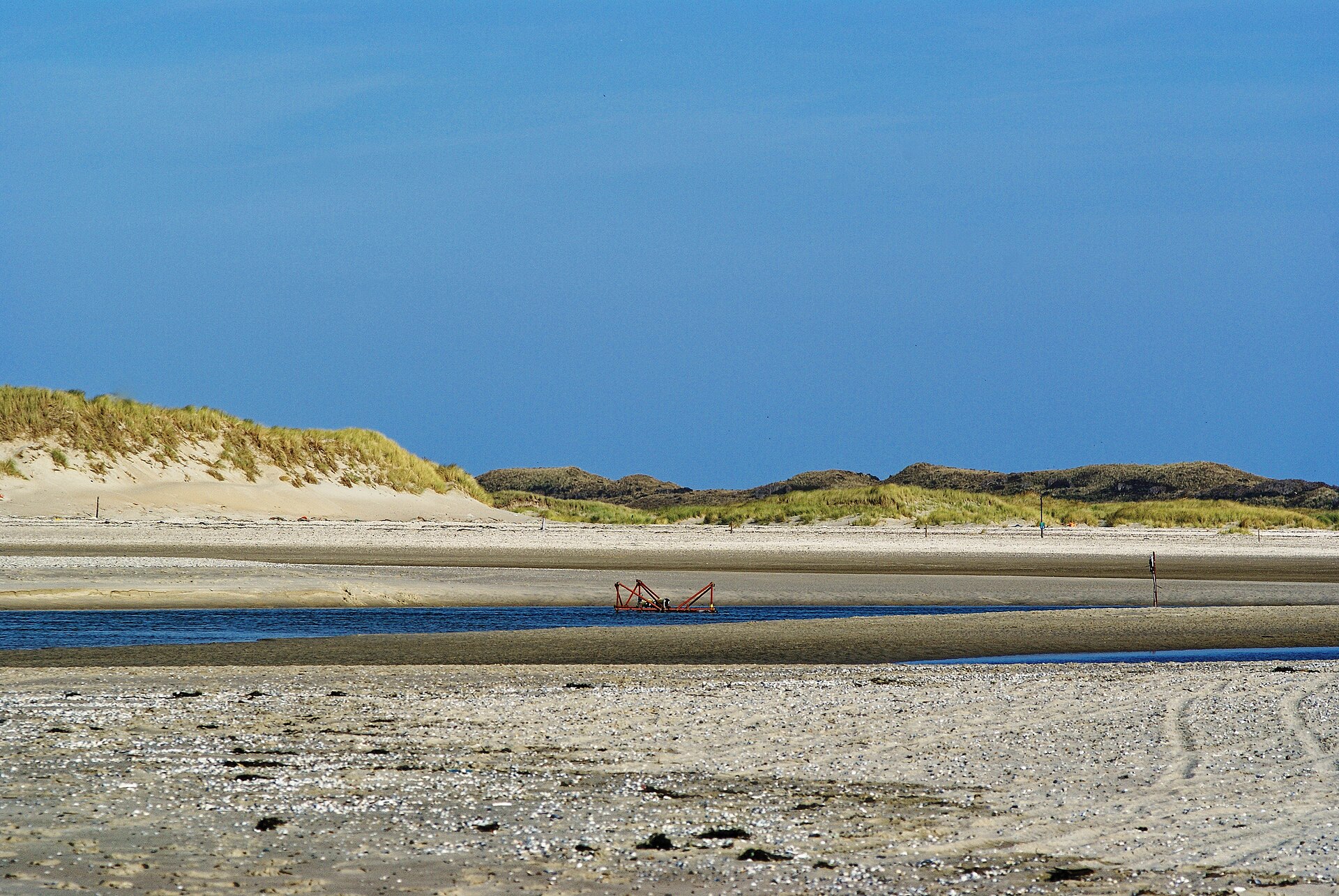
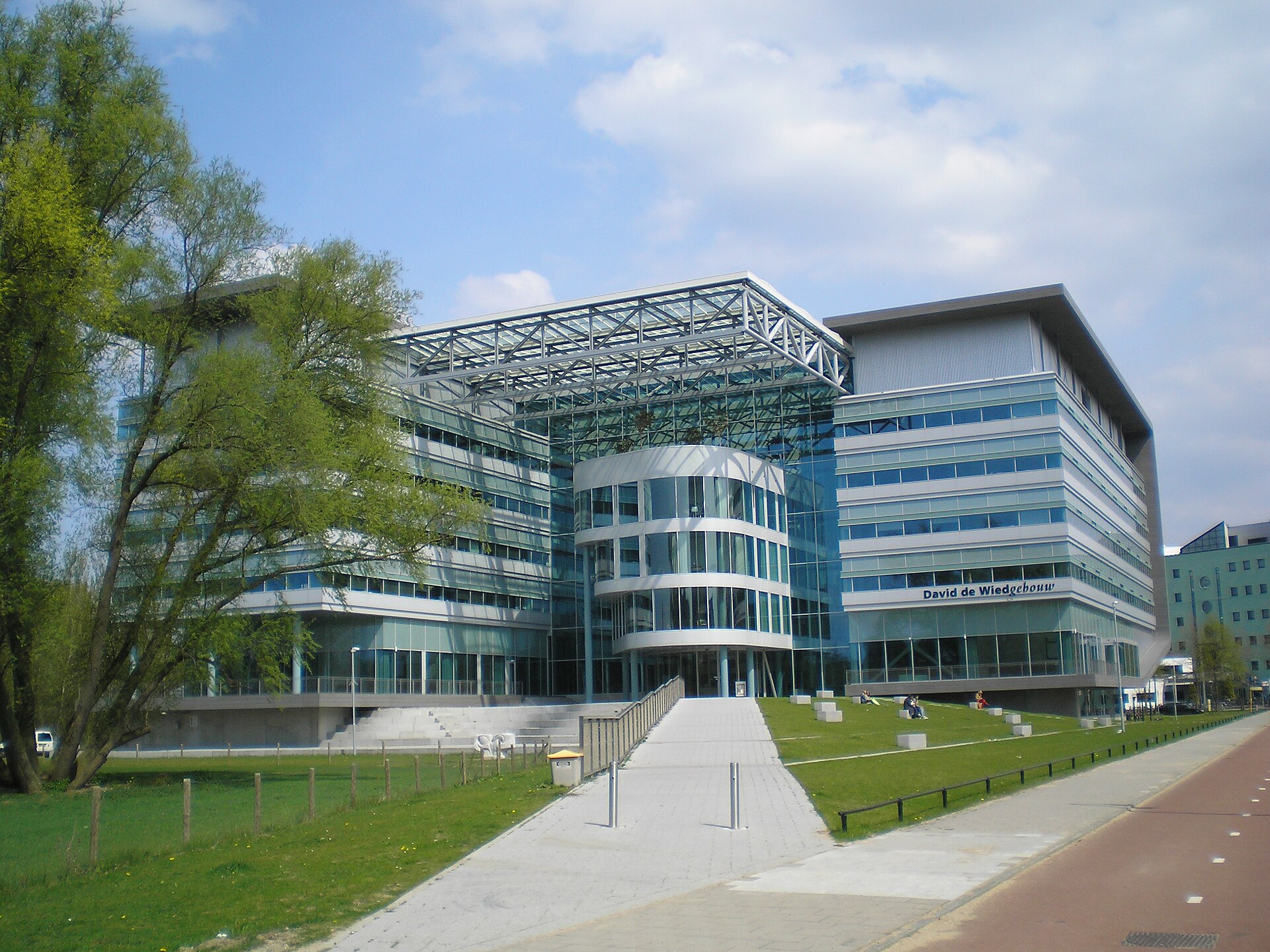
Real, freely-licensed photographs of the campus (via Wikimedia Commons).
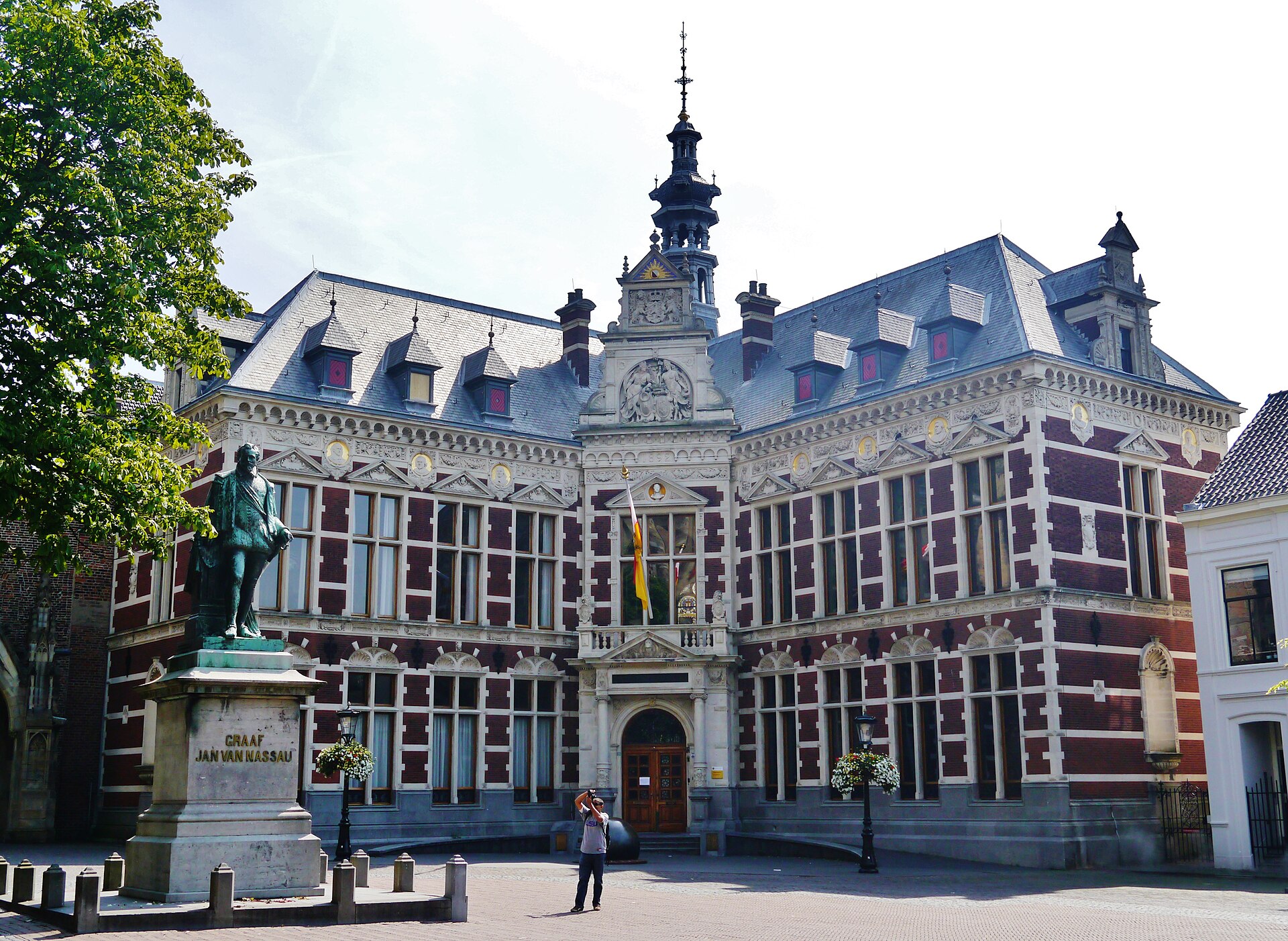
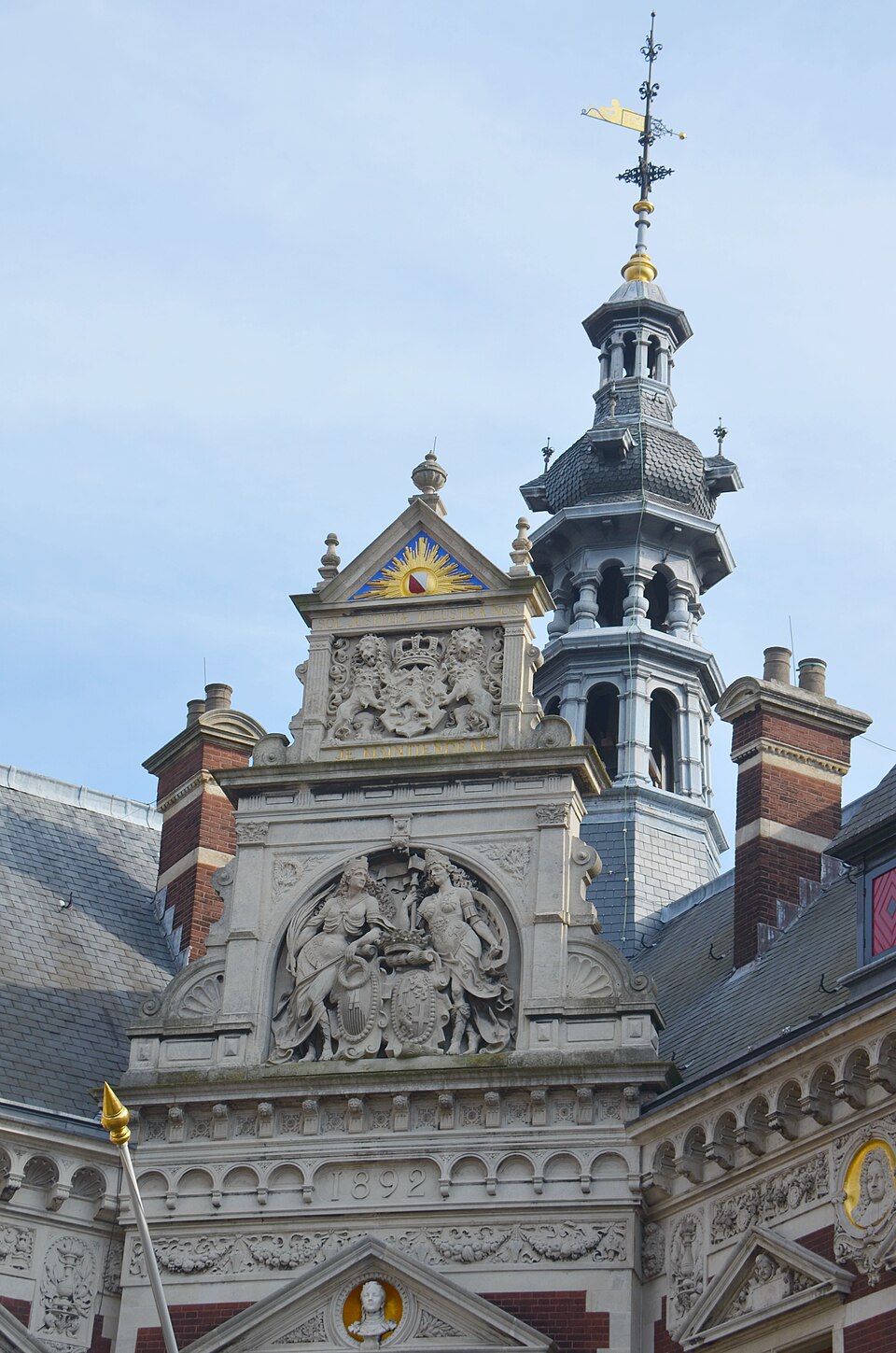
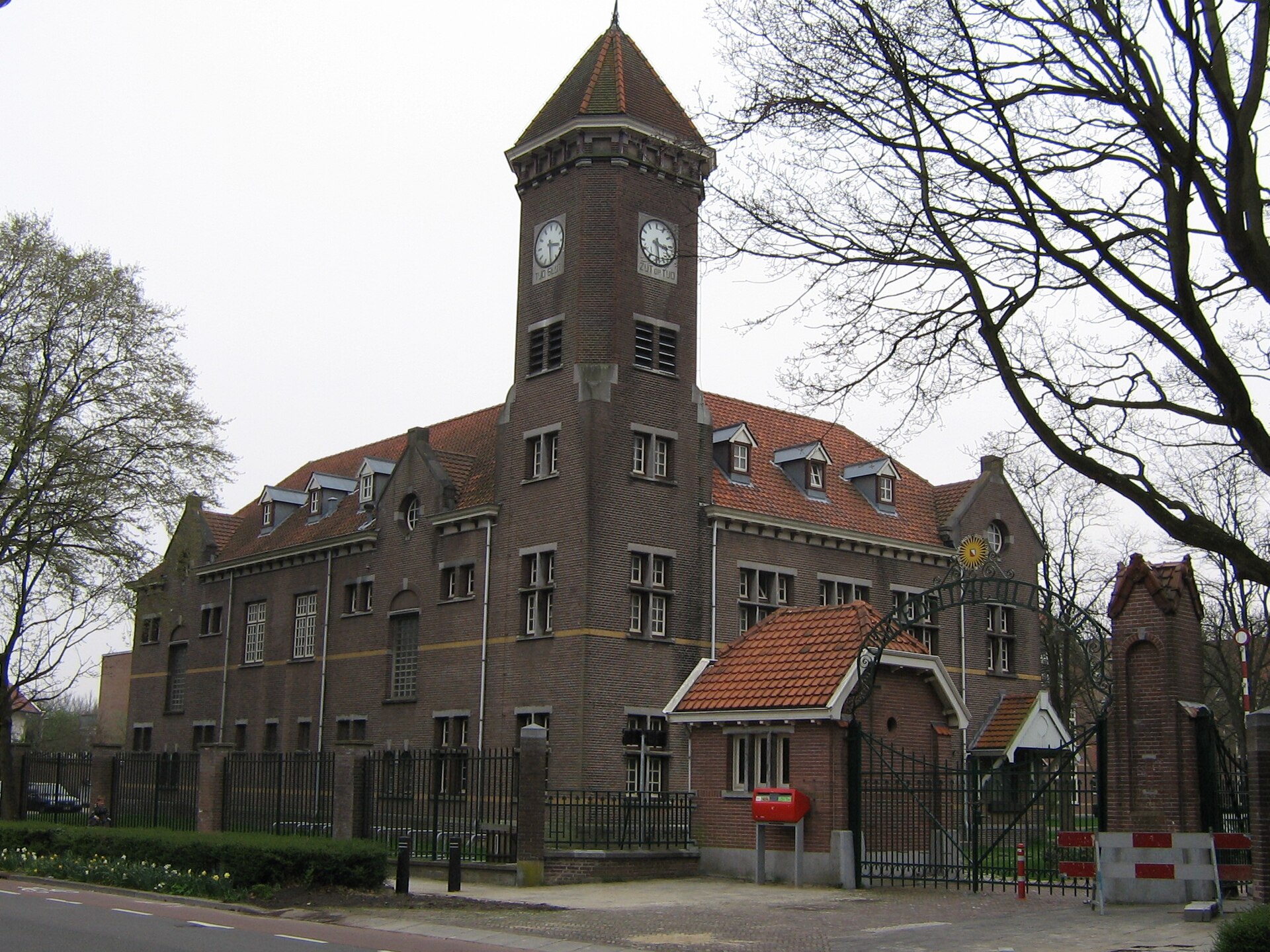
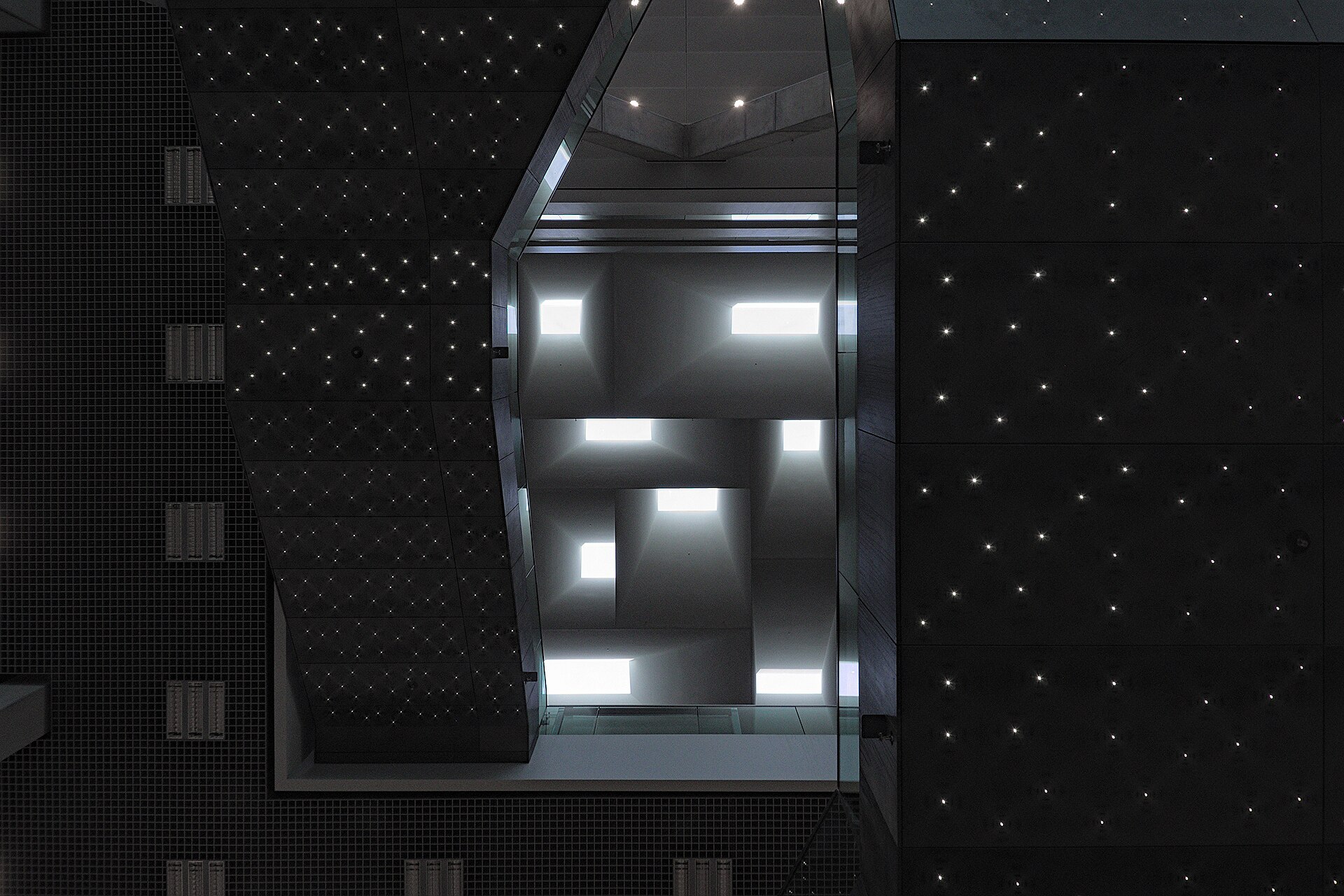
Why Utrecht University — Research, Prestige & a Liveable City
Utrecht sits at an exceptional intersection: it is the #1 university in the Netherlands, a top-ten continental European research university by THE rankings, and located in one of Europe's most bicycle-friendly and culturally rich cities. For international students, this means world-class science combined with a genuinely high quality of life — and tuition fees that are a fraction of US or UK equivalents.
Admission Profile — Selectivity & Entry Standards
Utrecht University's overall acceptance rate is relatively high compared to highly selective US or UK peers, because the Dutch system operates on open-access principles for most bachelor's programmes — qualified students with the right diploma are typically admitted. However, a number of high-demand programmes operate under numerus fixus (enrolment caps), where places are limited and selection or weighted lottery procedures apply. International applicants must additionally meet Dutch entry equivalency requirements for their home-country diploma.
Numerus fixus programmes — including Psychology, Pharmaceutical Sciences, and Veterinary Medicine — are significantly more competitive and use weighted lottery or selection procedures. Early application and meeting all entry equivalency requirements is essential.
Utrecht University — Key Facts at a Glance
What the Utrecht Application Consists Of — Dutch System, Not Common App
Utrecht does not use Common App, UCAS, or any US/UK application portal. Admissions work through the Dutch national Studielink system combined with Utrecht's own OSIRIS document portal. The process is document-driven and grades-first — there are no personal essays in the US sense, but a motivation letter is a standard required document.
What Utrecht Looks For — Academic Fit, Not the Full US Package
Utrecht's admissions philosophy is fundamentally different from US selective universities. The primary question is whether you have the academic qualification equivalent to the Dutch VWO diploma and whether you meet the specific programme's entry requirements. There is no holistic review of activities, leadership, or essays for most programmes. For selective and numerus fixus programmes, academic performance becomes the differentiating factor.
Application Deadlines — Dutch System & Visa Considerations
Deadlines at Dutch universities vary significantly by programme and whether you need a student visa and residence permit. Students from outside the EU/EEA who require a visa must apply earlier to allow time for visa processing. Always check your specific programme's page on uu.nl for exact deadlines, as individual programmes set their own cut-off dates.
All Studielink deadlines expire at 23:59 Central European Time on the specified date. Verify exact deadlines on your programme's official page at uu.nl.
| Category | Deadline | Notes |
|---|---|---|
| Non-EU/EEA students (visa required) | Typically January–May (programme-specific) | Earlier deadline to allow visa/residence permit processing |
| EU/EEA students | Typically April–September (programme-specific) | Later deadline; no visa processing needed |
| Numerus fixus programmes | January 15 (Studielink) | National Dutch deadline for enrolment-capped programmes; after this date you enter a reserve list |
| UCU Liberal Arts & Sciences | Programme-specific; apply early | Competitive selection — earlier application is strongly advised |
| Scholarship deadlines (NL/Bright Minds) | 1 February 23:59 CET | Must apply for the master's programme first before scholarship consideration |
Student Life in Utrecht — A City Built for Students
Utrecht is not just where the university is — it is a city defined by its student population. With 35,000 Utrecht University students alongside students from other institutions, Utrecht is one of the youngest, most vibrant cities in the Netherlands. The iconic canal system with its unique sunken wharf-cellars (werfkelders) lining the Oudegracht hosts restaurants, bars, and cultural venues at water level — a feature found nowhere else in Europe.
The main academic campus — Utrecht Science Park (De Uithof) — is located just east of the city centre, connected by tram and bus. Most faculties and research institutes, including the University Medical Centre Utrecht, are concentrated here. University College Utrecht (UCU) is a residential college at Cambridgelaan, operating as a self-contained campus community. Student housing is tight in Utrecht — as in all Dutch cities — and international students are strongly advised to begin their housing search well before arrival, ideally through SSH (Student and Starter Housing) or university-affiliated options. The bicycle is the primary mode of transport, and owning one is effectively compulsory for day-to-day student life.
Career Outcomes — Dutch Job Market & Global Networks
With an employment rate of 85% and an average starting salary of approximately USD 38,000 (reflecting Dutch graduate salary norms, where starting salaries are modest but employment security is high), Utrecht graduates are well-positioned in the Dutch and European job markets. Utrecht's life sciences cluster makes it a natural feeder into the Dutch pharmaceutical corridor (Janssen, Organon, Astellas all have major Netherlands operations), while its business and economics graduates often enter Amsterdam's financial sector.
Utrecht's LERU membership and partnerships with institutions across Europe open significant pathways for further graduate study at peer institutions. UCU graduates in particular benefit from a strong alumni network that extends into academia, international organisations, and consulting. The Netherlands' strong economy, stable legal system, and position as headquarters for multinationals (Shell, Unilever, Philips, ASML) creates a favourable environment for international graduates who stay in the country — and the Dutch government's orientation year permit (Zoekjaar) allows non-EU graduates one year to find employment after graduation.
Frequently Asked Questions Utrecht & the Dutch System
Do I need to speak Dutch to study at Utrecht University?+
For most bachelor's programmes: yes. The majority of Utrecht's 59 bachelor's degrees are taught in Dutch, and you will need B2/C1 Dutch proficiency. However, several programmes are taught fully in English: University College Utrecht (Liberal Arts and Sciences), Game Technology / Computing Science, and select Life Sciences programmes. All 148 master's programmes are either fully or partly English-medium. If you don't speak Dutch, target English-taught bachelor's programmes or plan to arrive at master's level.
What is the application portal for Utrecht University?+
Utrecht University does not use Common App or UCAS. You register via Studielink (studielink.nl), the Netherlands' national higher education enrolment portal, and then upload your application documents through Utrecht's own OSIRIS system. Both accounts are needed.
What is a numerus fixus programme and am I at risk?+
Numerus fixus means the programme has a fixed enrolment cap — more students want to study it than places are available. For these programmes (including Psychology, Pharmaceutical Sciences, Veterinary Medicine, and others), a selection or weighted lottery decides who is admitted. You must register via Studielink by January 15. Strong grades improve your chances in the weighted selection; being on the reserve list does not guarantee a place.
Is a motivation letter really important at a Dutch university?+
For most standard programmes it is assessed but not the primary factor — your diploma equivalency and grades matter more. For competitive programmes (UCU liberal arts, selective master's with numerus fixus), the motivation letter and any supporting documents are reviewed more carefully. Always write a genuine, programme-specific letter even if it seems like a formality.
Can I get financial aid as an international student?+
Most Dutch government student finance (DUO) is only available to EU/EEA students. Non-EU/EEA students are not eligible for DUO. However, Utrecht University offers the NL Scholarship (€5,000–€15,000 for non-EEA master's students), Bright Minds Fellowships (€5,000–€10,000 for EU/EEA master's students), and the Utrecht Sylff Scholarships for exceptional UCU and Economics graduates. External scholarships such as your home government's study-abroad grants, Erasmus+ (for eligible nationalities), and bilateral agreements are worth exploring.
How do I sort out housing in Utrecht?+
Housing in Utrecht is genuinely competitive — this is one of the tightest rental markets in the Netherlands. International students should register with SSH Student Housing (sshu.nl) as early as possible — ideally as soon as you receive an offer. UC Utrecht (UCU) students live in the college's residential community, which simplifies things. Utrecht University's International Service Desk also maintains a housing resource page for incoming students.
Does Utrecht accept IB Diploma students?+
Yes. The IB Diploma is widely accepted as equivalent to the Dutch VWO diploma. An IB total of 32+ is generally the minimum expectation, with higher scores expected for competitive programmes. Specific subject requirements at Higher Level (HL) apply per programme — for example, life sciences programmes typically require HL Biology and Chemistry.
What is University College Utrecht (UCU)?+
UCU is a selective, fully English-taught residential liberal arts Honours college within Utrecht University, housed on a separate campus. It is the oldest and most prestigious liberal arts college in continental Europe. Students live on campus, take a broad interdisciplinary curriculum in science, social science, and humanities, and graduate with a BSc or BA after three years. UCU has its own selection process and is significantly more competitive than general-track Utrecht programmes.
ACADEMIC STANDARDS
Academic Expectations at Utrecht — A Research-Intensive European University
Utrecht is a serious research university that expects intellectual engagement, independent study habits, and strong academic preparation in relevant subjects. For international students, the academic culture may differ from your home system: Dutch university education is comparatively self-directed, with more contact time in smaller groups than large lecture-based systems but significant independent reading and project work expected from year one. Understanding these expectations — and what Utrecht requires from your secondary qualifications — is essential for planning your application.
Academic Entry Profile — What Utrecht Expects
Utrecht University's entry requirements are tied to the Dutch VWO diploma standard, with international qualifications assessed for equivalency. The figures below represent the minimum expectations; competitive and numerus fixus programmes set higher bars.
TEST POLICY
Standardised Tests at Utrecht — Not Required for Most Programmes
Utrecht University does not require SAT, ACT, GRE, or GMAT for bachelor's admissions. Entry is based on secondary school qualifications (IB Diploma, A-Levels, national diplomas) assessed for equivalency to the Dutch VWO diploma. The university's official test policy is listed as 'optional', reflecting the fact that such tests are accepted as supporting documents for some programmes but are not a standard requirement. For master's programmes, some selective degrees may review GRE/GMAT scores as supplementary evidence of academic readiness.
IB students: your IB Diploma is the primary credential evaluated. Standardised test scores (SAT/ACT) add minimal value to your Utrecht application and are not part of the standard admission review.
IB · A-LEVELS · INTERNATIONAL DIPLOMAS
How International Qualifications Are Assessed — The VWO Equivalency Standard
All international secondary qualifications are assessed against the Dutch VWO diploma (the highest track of Dutch secondary education, culminating at age 18 after six years). Nuffic, the Dutch organisation for international education, publishes official equivalency tables that Utrecht uses.
SUBJECT REQUIREMENTS
Subject Preparation — What You Must Study Before Applying
Unlike US universities which accept a broad range of academic backgrounds, Dutch universities specify exact secondary-school subject requirements per programme. Choosing the wrong subjects at secondary school can make you ineligible — check requirements before you finalise your IB or A-Level subject choices.
ENGLISH LANGUAGE
English Language Requirements — IELTS, TOEFL & EMI Levels
Utrecht University uses an EMI (English Medium of Instruction) tiered system for assessing English proficiency. Each programme specifies which EMI level it requires. The figures below reflect the facts-verified minimum thresholds and the most common EMI-ready and EMI-experienced standards. Always confirm the required level for your specific programme on uu.nl.
IB Diploma holders who completed English A Language & Literature or English B at Standard or Higher Level may be exempt from submitting a language test. Confirm exemption eligibility with your programme's admissions contact.
| Test | Minimum | Notes |
|---|---|---|
| IELTS Academic | 6.5 | Overall band; no sub-score below 6.0 (EMI-experienced). EMI-ready: 6.0 overall. Test must be no more than 2 years old. |
| TOEFL iBT | 90 | EMI-experienced standard: 93. EMI-ready: 83. Institutional TOEFL not accepted. |
| Cambridge C1 Advanced | 176 (EMI-experienced) | C2 Proficiency: 180. Component minimums apply per EMI level. |
| Duolingo English Test | Verify on uu.nl | Facts file lists 110 as minimum; confirm official acceptance for your programme before registering for the test. |
YEAR-BY-YEAR PLAN
Building Your Profile for Utrecht — Grade 9 to Application
COMMON PITFALLS
Academic Mistakes to Avoid — Dutch System Traps for International Students
- Choosing IB/A-Level subjects that don't satisfy your target programme's subject requirements — check requirements BEFORE Year 11
- Applying to Dutch-medium bachelor's programmes without the required Dutch language proficiency — most of Utrecht's bachelor's are NOT in English
- Missing the January 15 Studielink deadline for numerus fixus programmes — late registration means a reserve list, not a place
- Submitting an English language test older than two years at the time of application
- Assuming your US High School diploma qualifies you for direct entry — it typically does not without additional qualifications (IB, APs)
- Uploading documents that are not in Dutch, English, French or German without certified sworn-translator translations
- Waiting until the last week before the deadline to apply — applications submitted just before the cut-off cannot be corrected if incomplete
- Assuming a 32 IB total is enough for competitive programmes — Veterinary Medicine and Psychology typically see applicants with 35–40 IB points
COST & FINANCIAL AID
Cost of Studying at Utrecht — Affordable by Global Standards
Utrecht University is one of the world's top-100 universities with annual non-EU tuition fees of approximately USD 14,040 — less than many mid-tier US or UK universities. The total cost of attendance including living expenses in Utrecht runs approximately USD 28,000 per year, making it a genuinely cost-competitive option for international students seeking European research excellence. However, financial aid for non-EU students is limited, and you should plan to fund most of your studies through personal or family resources, scholarships from your home government, or the limited university scholarships available.
Annual Cost Breakdown — Non-EU/EEA Student Estimates
The figures below are sourced from the Utrecht University facts file. Actual tuition fees vary by programme and are listed in EUR on the university website; USD equivalents fluctuate with exchange rates. Living costs in Utrecht are representative of a mid-sized Dutch city — lower than Amsterdam but higher than most non-Western European cities.
EU/EEA students pay the statutory tuition fee (approximately €2,530 per year in 2025–26), which is dramatically lower than the institutional fee for non-EU/EEA students. If you hold an EU/EEA passport, this is a significant cost advantage.
| Component | Annual Usd | Notes |
|---|---|---|
| Tuition (Non-EU/EEA, institutional fee) | ~$14,040 | Exact figure varies by programme; check uu.nl for EUR amounts |
| Cost of Living (accommodation, food, transport) | ~$13,000 | Utrecht is more affordable than Amsterdam; housing is the largest variable |
| Total Estimated Cost of Attendance | ~$28,000 | Combined tuition + living; personal spending varies |
| Application Fee | ~$100 | One-time fee paid via OSIRIS before submitting application |
Financial Aid for International Students — Limited but Available
The Dutch student finance system (DUO — Dienst Uitvoering Onderwijs) provides grants and loans primarily for Dutch citizens and EU/EEA students with work history in the Netherlands. Most non-EU/EEA international students are not eligible for DUO support. This means financial aid planning for non-EU students must focus on university scholarships, home-government scholarships, and personal funding.
Utrecht University Scholarships — Named Awards for International Students
The scholarships listed below are sourced from Utrecht University's official website. They are primarily aimed at master's-level students. Bachelor-level international students have fewer dedicated awards from the university itself and should focus on external scholarships from their home government or bilateral agreements.
The Real Cost Picture — How Utrecht Compares
At approximately USD 28,000 per year all-in, Utrecht University sits at a fraction of the total cost of comparably ranked US institutions (which often exceed USD 75,000–85,000 per year for international students) and significantly below UK universities of similar standing (typically USD 45,000–55,000 per year all-in). For families evaluating value-for-money, Utrecht represents one of the strongest propositions in global higher education.
The most significant cost variable for Utrecht students is housing. Utrecht is a competitive rental market — SSH Student Housing (the main student accommodation provider) typically charges €350–€650 per month for a student room, but availability is limited and demand is high. Students who secure SSH accommodation are in a stronger financial position; those in the private market may pay more. Budget carefully and begin your housing search as early as possible after receiving your admission offer. Healthcare insurance is compulsory for anyone residing in the Netherlands — a Dutch health insurance policy (basisverzekering) costs approximately €100–€150 per month.
How to Secure Funding — Step-by-Step Guide
Cost & Aid FAQs
How much does a bachelor's degree at Utrecht cost in total for a non-EU student?+
Based on the facts-verified figures, annual cost of attendance is approximately USD 28,000 (tuition ~USD 14,040 + living ~USD 13,000). A three-year bachelor's degree would therefore cost approximately USD 84,000 in total — roughly equivalent to one year's tuition at many US private universities.
Are there bachelor-level scholarships for non-EU students?+
Utrecht's own university scholarships (NL Scholarship, Bright Minds, Sylff) target master's students. For bachelor's level, international students should focus on home-government scholarships, bilateral agreements, and external foundations. There is no equivalent of a US university merit scholarship system for bachelor's entry at Utrecht.
Can I work while studying in the Netherlands to offset costs?+
Non-EU students on a student visa are permitted to work up to 16 hours per week during the academic year (full-time during summer months). Working in the Netherlands requires a work permit (TWV) unless you are from certain countries. EU students can work without restriction. Dutch minimum wage is relatively high, making part-time work a meaningful supplement — but it should be budgeted as supplementary income, not a primary funding source.
Is health insurance included in tuition fees?+
No. Students residing in the Netherlands must arrange their own Dutch health insurance (basisverzekering). This costs approximately €100–€150 per month. EU/EEA students may be able to use their home-country EHIC card initially, but for stays longer than six months Dutch insurance registration is generally required.
What is the EU/EEA statutory tuition fee?+
EU/EEA students who qualify for the statutory tuition fee pay approximately €2,530 per year (2025–26 figure), which is set by the Dutch government. This is roughly USD 2,800 — dramatically less than the non-EU institutional fee. If you hold an EU/EEA passport, your total cost of attendance would be approximately USD 16,000/year rather than USD 28,000.
APPLICATION & MOTIVATION LETTER
Applying to Utrecht — No US Essays, But Motivation Matters
Utrecht University does not use Common App, UCAS, or US-style supplemental essays. The application is submitted through Studielink (the Dutch national portal) and OSIRIS (Utrecht's document system). The primary written component is a motivation letter — a focused, professional document explaining why you want to study this specific programme at Utrecht University. Understanding how to write a strong Dutch-style motivation letter, and how the selection process works for different programme types, is the strategic focus of this tab.
The Dutch Application System — What You Actually Submit
The Netherlands uses a national higher education registration system (Studielink) rather than institution-specific application portals. This means there is no Common App personal essay, no activity list scored by an admissions officer, and no letters of recommendation as a standard requirement. The process is document-driven and qualification-focused.
The closest equivalent to a personal essay is the motivation letter — a required PDF document submitted via OSIRIS that explains your academic interests, relevant preparation, and specific reasons for choosing this programme at Utrecht. For most standard programmes, this letter is reviewed but not weighted heavily against your diploma equivalency and grades. For competitive and English-taught programmes — particularly University College Utrecht (UCU) and selective master's programmes — the motivation letter and supporting documents are reviewed more carefully and can be a differentiating factor.
What Your Motivation Letter Must Address — Utrecht's Unwritten Framework
Utrecht does not publish numbered essay prompts like US universities. The motivation letter is an open document — but admissions offices consistently evaluate the same core questions. The 'prompts' below are the implicit questions your letter must convincingly answer, drawn from Utrecht's stated selection criteria and common Dutch admissions expectations.
STRATEGY
How to Write the Dutch Motivation Letter — Format, Tone & Length
A Dutch university motivation letter is a professional academic document, not a personal narrative in the US college essay tradition. It should be clear, direct, and specific — Dutch academic culture values concision and intellectual honesty over literary flourishes or emotional appeals.
UNIVERSITY COLLEGE UTRECHT
UCU: A Different Selection Process — More Like a Liberal Arts Application
University College Utrecht (UCU) is the exception within Utrecht's application landscape. As a selective, fully English-taught residential Honours college, UCU applies a more intensive selection process than standard Utrecht programmes. While specific requirements should be confirmed directly on the UCU programme page, the selection typically involves a more detailed application including a substantive motivation and potentially an interview.
UCU seeks students who demonstrate intellectual curiosity across multiple disciplines, the maturity to manage a rigorous residential academic community, and clarity about why the breadth of a liberal arts education serves their goals. The motivation for UCU should feel qualitatively different from a standard Dutch programme letter — more reflective, more personal in its academic journey, and more explicit about the interdisciplinary ambition that makes UCU distinctive. If you are considering UCU, research the college's specific current application requirements at uu.nl and prepare for the possibility of a selection interview.
Always verify current UCU application requirements at the official programme page on uu.nl/en/education/university-college-utrecht, as selection procedures may evolve.
WHAT TO WRITE ABOUT
Choosing Your Motivation — Substance Over Story
Unlike the US personal essay where an individual story can carry a whole application, the Dutch motivation letter is evaluated primarily on its academic content and logical reasoning. Focus on substance.
COMMON MISTAKES
Application & Letter Mistakes to Avoid — What Weakens Dutch Applications
- Writing a motivation letter that could apply to any university — every letter must be specific to Utrecht and the specific programme
- Treating the Dutch application like a US Common App process — there are no activity lists, no teacher recommendations (for most programmes), and no holistic review for standard programmes
- Missing the Studielink registration deadline for numerus fixus programmes (January 15) — after this date, you can only join a reserve list
- Submitting documents in languages other than Dutch, English, French or German without sworn-translator certification
- Applying to Dutch-medium bachelor's programmes without adequate Dutch language proficiency
- Writing in an overly narrative or personal US college essay style — Dutch motivation letters are professional and analytical, not literary
- Failing to check programme-specific subject requirements — some programmes require specific IB HL subjects and will reject students who lack them regardless of overall IB score
- Applying late without accounting for visa processing time — non-EU/EEA students need to build in time for the IND (Immigration and Naturalisation Service) residence permit process
Application & Letter FAQs
Does Utrecht University require letters of recommendation?+
Not as a standard requirement for bachelor's programmes. For most master's programmes, a CV and motivation letter are the required written documents — not letters of recommendation. Some highly selective master's programmes may request additional materials (work samples, test scores), but this varies by programme. Check your specific programme's requirements on uu.nl.
How long should my motivation letter be?+
For bachelor's programmes: 400–600 words is typical. For master's programmes: up to 800–1,000 words. Quality over length — a concise, specific letter is stronger than a long, generic one. Always submit as a PDF.
Can I apply to more than one Utrecht programme?+
Yes, you can register for multiple programmes via Studielink, but each programme requires a separate motivation letter tailored to that specific field. Submitting the same generic letter for multiple programmes is a common mistake.
Is the UCU application process very different from standard Utrecht programmes?+
Yes. UCU is a selective liberal arts Honours college with a more intensive application process that may include a personal statement, supporting documents, and an interview. It is closer in spirit to applying to a selective US liberal arts college than to a standard Dutch university programme. Confirm current UCU requirements directly at uu.nl.
Do I need Dutch for University College Utrecht (UCU)?+
No. UCU is fully English-taught and many of its students are international. Dutch language proficiency is not required for UCU admission. However, learning basic Dutch is strongly recommended for daily life in Utrecht and for long-term integration into the Netherlands.
Can I apply to Utrecht as a gap-year student who has already graduated?+
Yes. You apply in the same way, submitting your final diploma and transcripts rather than proof of being in your final year. There is no disadvantage to applying as a gap-year student at Dutch universities — admissions are not affected by whether you have taken time between secondary school and university.
Is there an interview as part of the standard bachelor's application?+
For most standard programmes: no. Some numerus fixus programmes with selection procedures may include an interview, group assessment, or aptitude test. UCU typically includes an interview or assessment component. Check your specific programme's selection procedure on uu.nl.
When will I receive an admission decision?+
Timelines vary by programme and application date. For numerus fixus programmes, weighted lottery or selection results are typically communicated within a few weeks of the registration deadline. For open-access programmes with sufficient qualified applicants, decisions are made on a rolling basis. Early application generally means earlier decisions — important for housing planning and visa processing.
Courses — schools, degrees & intake
61 degrees across 8 groupings.
Faculty of Humanities · 20 degrees
Communication and Information Sciences
German Language and Culture
English Language and Culture
French Language and Culture
Geschiedenis (History)
History
Islam and Arabic
Italian Language and Culture
Art History
Literatuurwetenschap (Literary Studies)
Literary Studies
Media en cultuur (Media and Culture)
Media and Culture
Musicology
Dutch Language and Culture
Philosophy
Politics, Culture and Religion
Spanish Language and Culture
Language and Culture Studies
Linguistics
Faculty of Law, Economics and Governance · 7 degrees
Public Administration and Organisational Science
Economie en bedrijfseconomie (Economics and Business Economics — Dutch track)
Economics and Business Economics
Economics and Mathematics
Philosophy, Politics and Economics
Rechtsgeleerdheid (Law)
Law: Utrecht Law College
Faculty of Science · 18 degrees
Biology
Biomedical Sciences
College of Pharmaceutical Sciences
Pharmacy
Computer Science
Computer Science and Information Science (Double Degree)
Computer Science and Mathematics (Double Degree)
Computer Science: Game Technology
Information Science
Artificial Intelligence
Molecular and Biophysical Life Sciences
Physics and Astronomy
Physics, Astronomy and Chemistry (Double Degree)
Physics, Astronomy and Mathematics (Double Degree)
Natural Science and Innovation Management
Chemistry
Mathematics
Mathematics and Applications
Faculty of Social and Behavioural Sciences · 8 degrees
Academic Teacher Training in Primary Education
Cultural Anthropology
Educational Sciences
Interdisciplinary Social Science
Pedagogical Sciences
Psychology
Sociology
Care, Health and Society
Faculty of Geosciences · 3 degrees
Earth Sciences
Global Sustainability Science
Social Geography and Urban Planning
Faculty of Medicine / UMC Utrecht · 1 degrees
Medicine
Faculty of Veterinary Medicine · 1 degrees
Veterinary Medicine
University Colleges · 3 degrees
University College Utrecht (Liberal Arts and Sciences)
University College Roosevelt (Liberal Arts and Sciences)
Liberal Arts and Sciences
Want your real chances at Utrecht University?
Create a free TYCHR account for your personalised admit-chance, a shortlist you can track, exact entry requirements, and essay + counselling help.