Uppsala University
Uppsala, Sweden · Urban
FOUNDED 1477 · SWEDEN'S OLDEST UNIVERSITY
Uppsala University Admissions Guide for International Students
Uppsala University is the oldest university in Scandinavia and one of Europe's most distinguished research institutions. Ranked #105 globally by QS, it blends five centuries of intellectual tradition with cutting-edge research in medicine, life sciences, engineering, law, and the humanities — all set in a compact, vibrant university city just 70 minutes from Stockholm. For ambitious international students seeking rigorous European education with genuine research depth, Uppsala is a compelling destination.
Campus
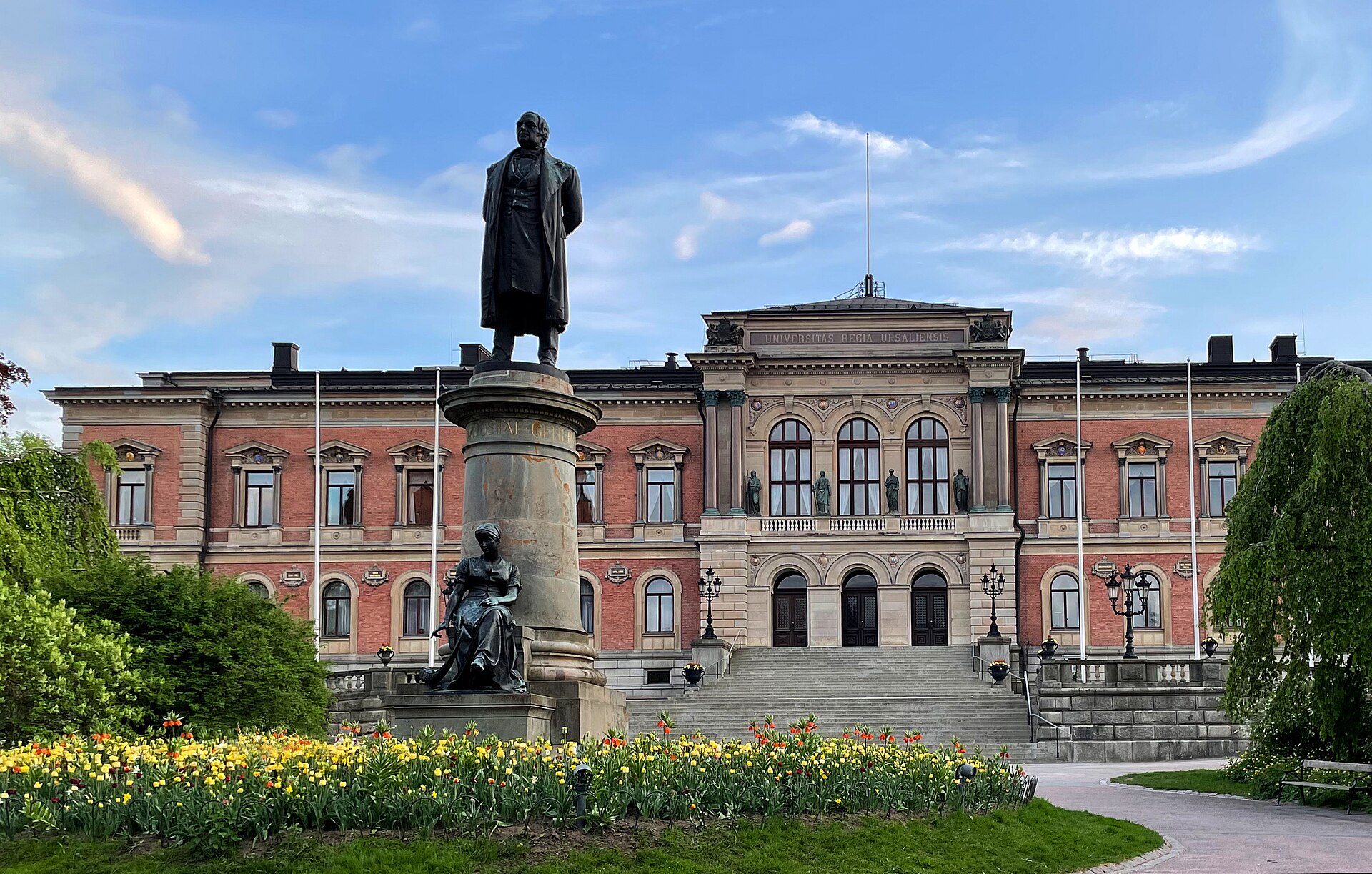
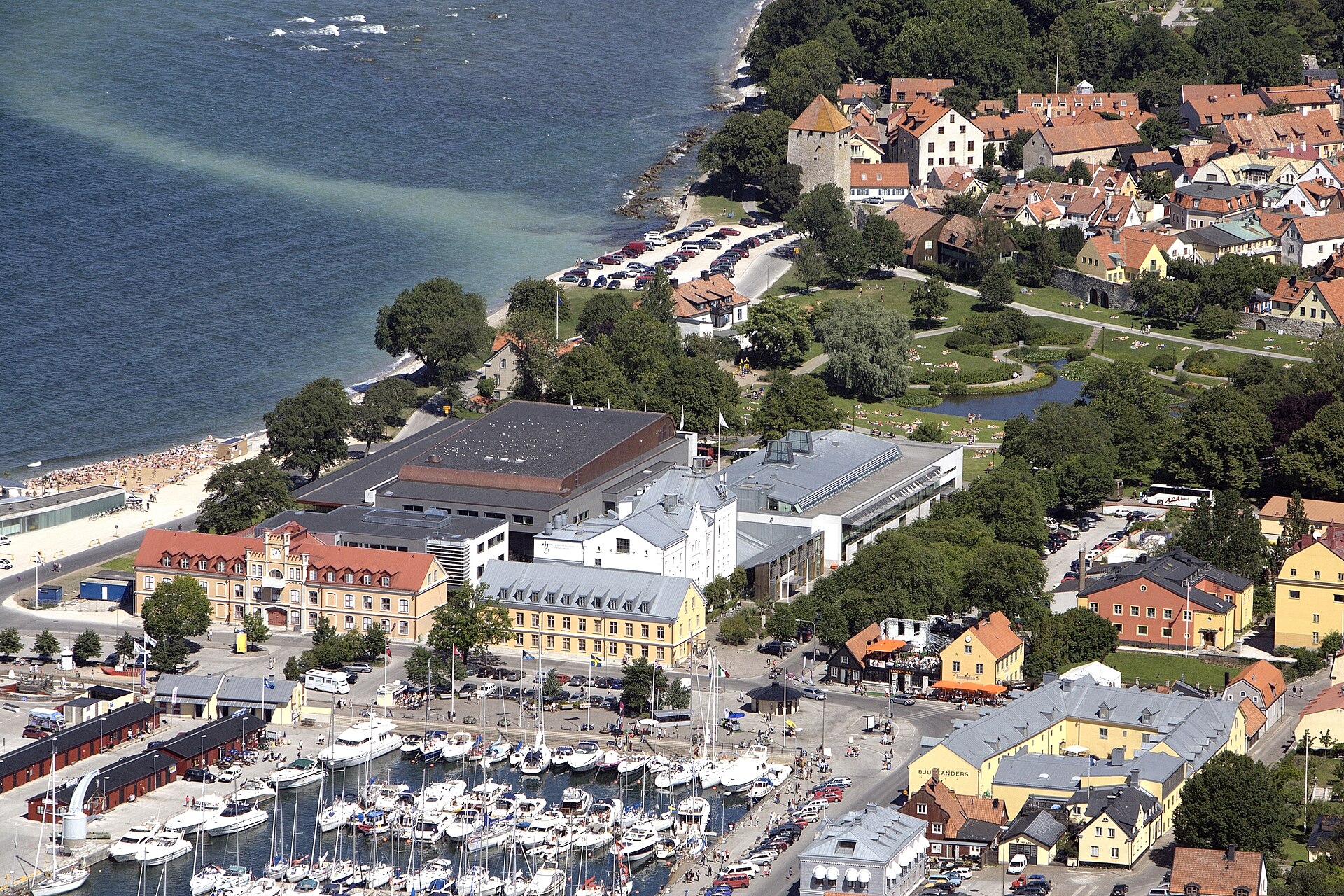
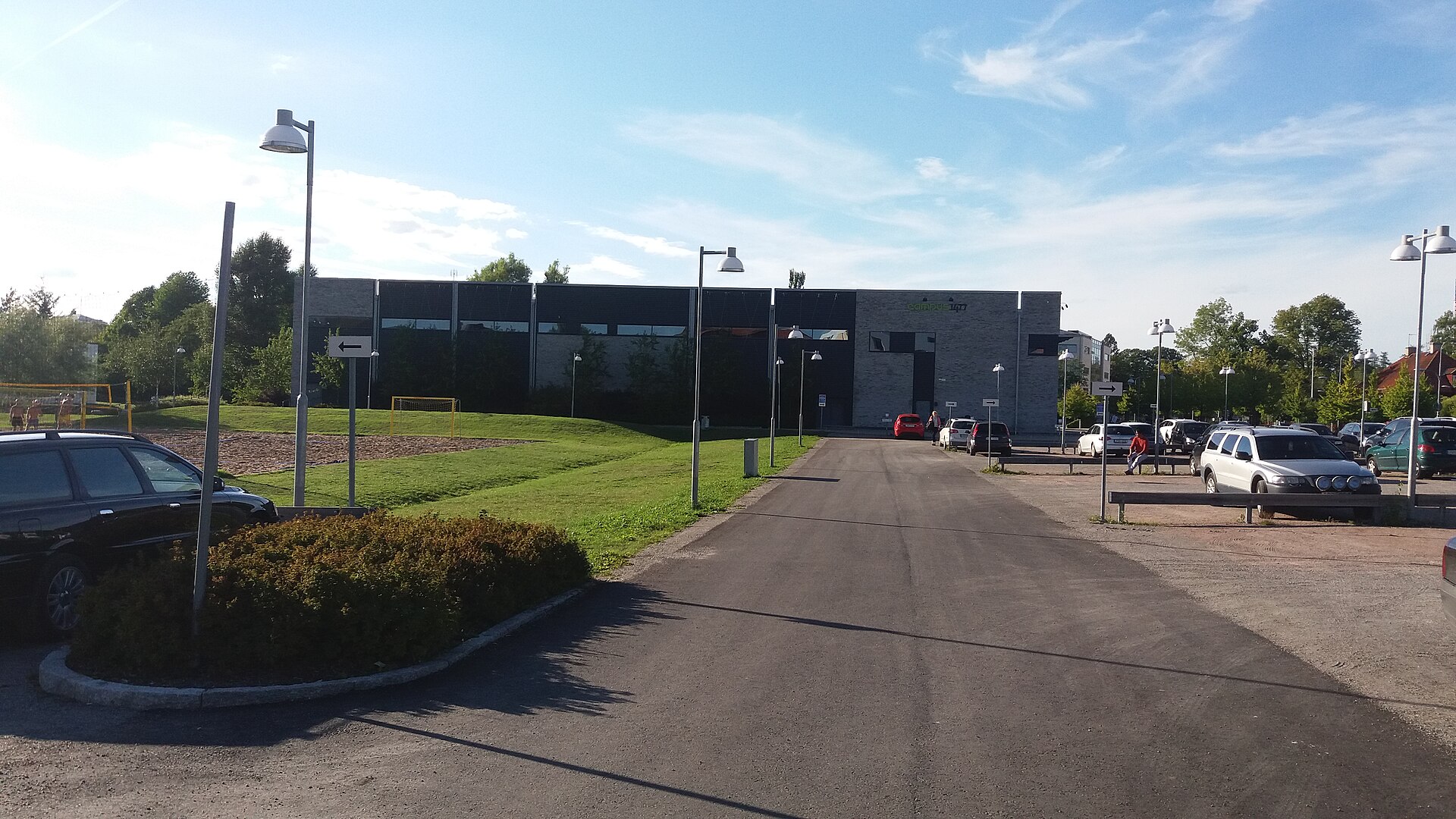
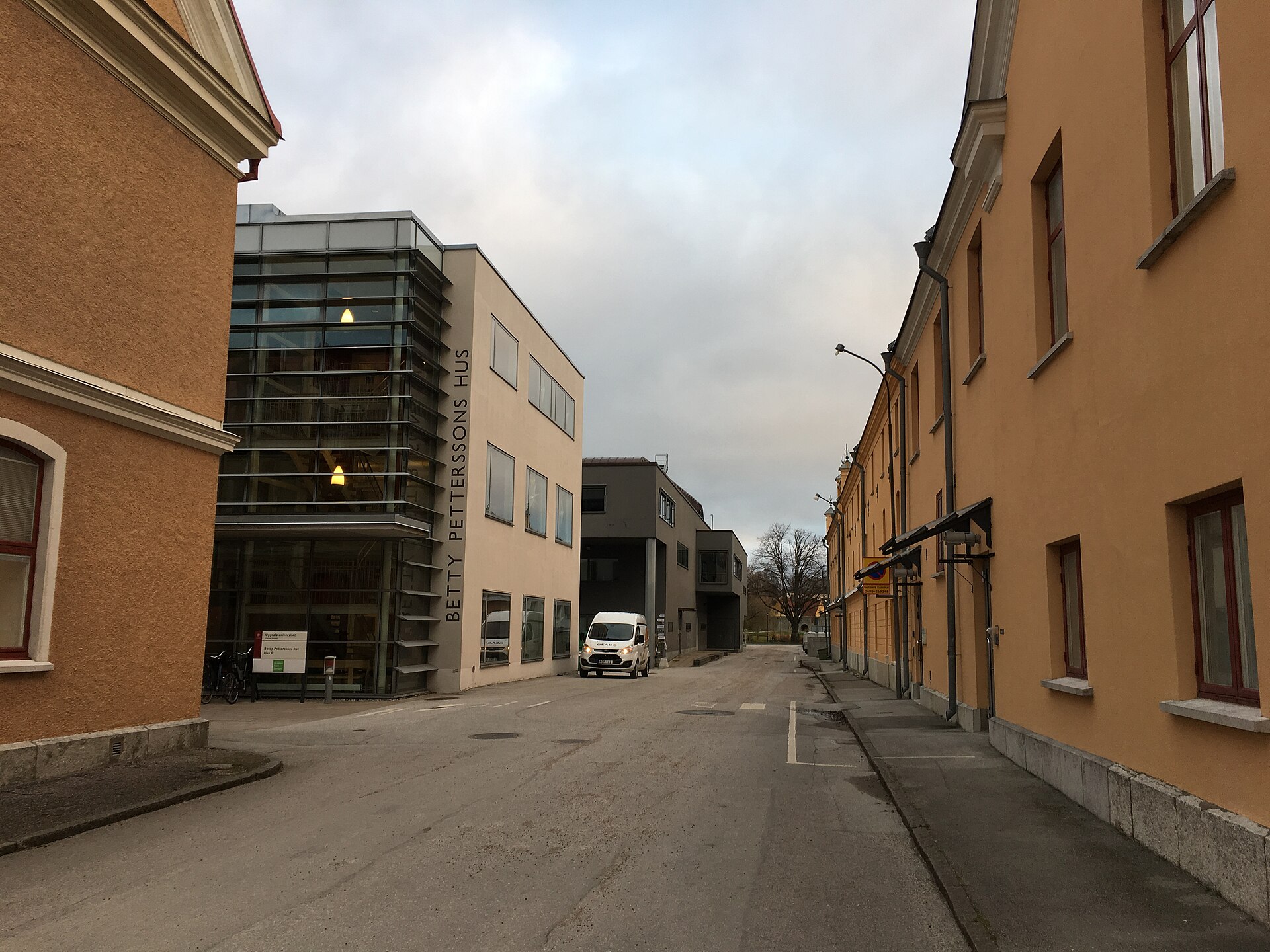
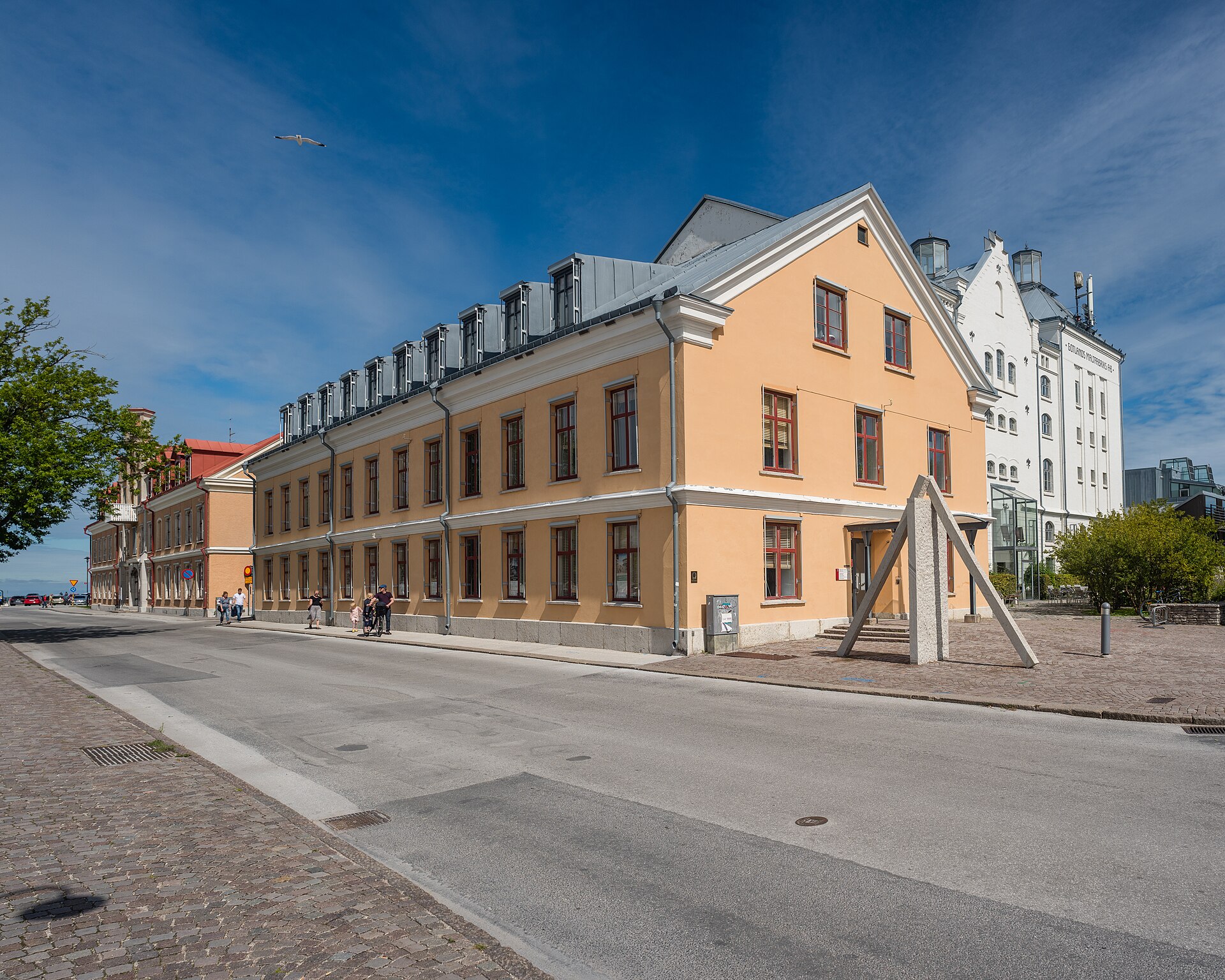
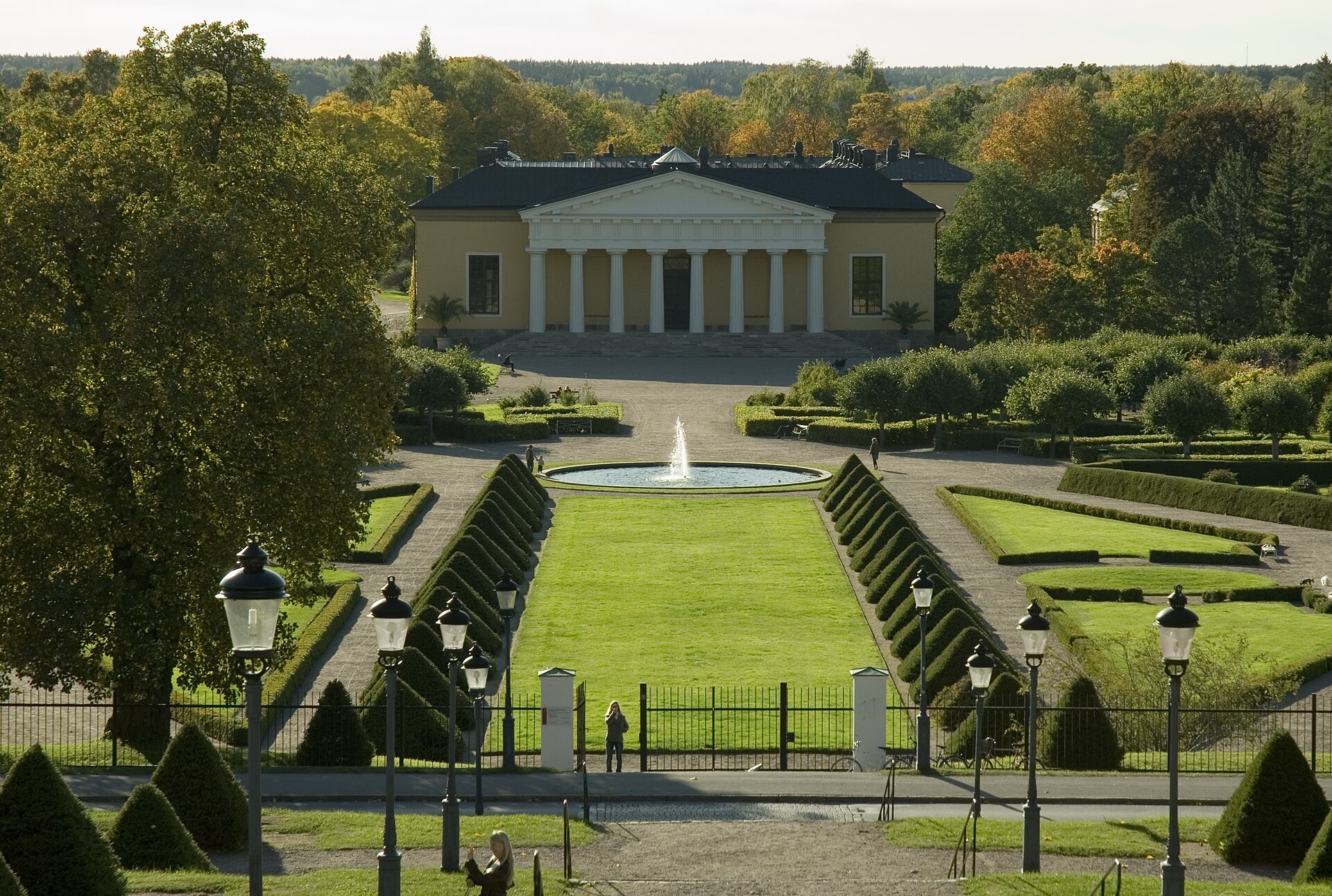
Uppsala University — campus in pictures
Real, freely-licensed photographs of the campus (via Wikimedia Commons).
Why Uppsala — Tradition, Research & European Prestige
Uppsala has produced Nobel laureates, pioneered modern biology through Carl Linnaeus, and given the world the Celsius temperature scale through Anders Celsius. This legacy of discovery continues today across nine faculties and more than 120 English-taught Master's specialisations.
SELECTIVITY
Admission Profile
Uppsala University admits approximately 40% of applicants, making it moderately selective by global standards. Admission is primarily based on academic merit — your grades, qualifications, and (for some programmes) ranked test results — without the holistic extracurricular weighting common in US admissions. For high-demand programmes (Medicine, Law, Computer Science), competition is considerably tighter.
AT A GLANCE
Uppsala University — Quick Facts
APPLICATION COMPONENTS
What Your Application Consists Of
Uppsala's application process runs through Sweden's centralised portal, Universityadmissions.se. The process is document-driven and grade-focused — no standardised test scores are required for most programmes.
ADMISSIONS PROFILE
What Uppsala Looks For
Uppsala's admissions are fundamentally merit-based. Unlike US universities, there is no holistic committee review of your extracurriculars, leadership, or personal narrative. Admission decisions are primarily quantitative — your grades relative to the applicant pool for each programme.
For international students, the key factors are: (1) strong, verifiable academic performance in your national curriculum — IB, A-Level, Advanced Placement, or national leaving exams; (2) meeting the specific prerequisites for your chosen programme (e.g., Mathematics at a certain level for engineering or computer science); (3) English proficiency proof; and (4) a compelling motivation letter where required. For graduate programmes, research experience and alignment with faculty interests can strengthen your application.
KEY DATES
Application Deadlines & Timeline
Uppsala runs one main intake per year (autumn semester beginning August/September). Applications proceed via Universityadmissions.se. Non-EU/EEA students must pay an application fee.
Dates shown reflect the 2025–26 cycle (verify on Universityadmissions.se for your intake year). There is no spring intake for most programmes.
| Milestone | Date | Notes |
|---|---|---|
| Applications Open | Mid-October (prior year) | Portal opens at Universityadmissions.se |
| Application Deadline | 15 January (midnight CET) | Submit online application and rank programmes |
| Supporting Documents Deadline | 2 February | Transcripts, English proof, motivation letter due |
| First Admission Results | Late March | Accept offer or remain on reserve list |
| Autumn Semester Begins | August / September | Exact date varies by programme |
CAMPUS & CITY
Student Life in Uppsala
Uppsala is one of the most student-centred cities in Europe. With over 50,000 students in a city of around 230,000, the university and student culture are inseparable from daily life.
The 13 student nations are the defining feature of Uppsala student life. Each nation is an independent student organisation offering housing, social events, pubs, sports, and community — with traditions stretching back to the 17th century. Joining one is one of the first things new students do. Beyond nations, Uppsala has six student unions covering different faculties, as well as hundreds of clubs, sports societies, and cultural groups. The university provides free Student Health Services, access to university museums, and discounted entry to concerts and cultural events. Uppsala city is compact, flat, and extremely cycle-friendly. Sweden's culture of outdoor recreation means skiing (within 2 hours), lake swimming, hiking, and winter festivals are part of student life. Stockholm, with its global restaurant scene, design culture, and international job market, is just 40 minutes away by express train.
CAREER OUTCOMES
Graduate Employment & Career Pathways
Uppsala graduates are well-regarded by employers across Europe and internationally, particularly in life sciences, technology, international organisations, law, and public policy.
The Uppsala–Stockholm corridor is one of Europe's most active pharmaceutical and biotech clusters — AstraZeneca, Pfizer, and numerous biotech startups are located within commuting distance. Uppsala graduates in life sciences and medicine enter this ecosystem with recognised credentials. Engineering and computer science graduates access the broader Stockholm tech market (Spotify, King, Klarna, Ericsson are all Stockholm-headquartered). Law graduates have strong pathways into Swedish and EU institutions. International students who gain post-study work authorisation in Sweden can stay in the country to work following graduation; Sweden offers a job-search permit for graduates from Swedish universities.
FAQS
Frequently Asked Questions
Do I need to know Swedish to study at Uppsala?+
No — if you apply to an English-taught programme (Uppsala offers over 120 Master's specialisations in English), all teaching, materials, and examinations are in English. However, learning basic Swedish will significantly enhance your social life and employability in Sweden.
Is Uppsala test-optional? Do I need SAT/ACT/GRE?+
Yes, standardised tests like SAT, ACT, and GRE are generally not required for admission. Entry is based on your academic qualifications (IB, A-Levels, national grades) and English proficiency scores. Some specialised programmes may request GRE — check the specific programme page.
Do EU students pay tuition?+
EU/EEA and Swiss citizens are exempt from tuition fees and pay no application fee. Non-EU/EEA students pay both an application fee and programme tuition fees, which range from approximately 49,500 to 90,000 SEK per semester depending on the programme.
Can I apply for scholarships as an international student?+
Uppsala offers a limited number of full-tuition scholarships to fee-paying international Master's students. These are competitive and awarded on merit. The Swedish Institute also offers scholarships for non-EU students studying in Sweden. Contact tuitiongrants@uu.se for the most current scholarship list.
What is the application deadline?+
The main application deadline is 15 January (midnight CET) through Universityadmissions.se, with supporting documents due 2 February. There is typically one intake per year (autumn semester). Always verify dates on the official portal for your intake year.
Is Uppsala part of any university networks?+
Yes — Uppsala is a member of the Coimbra Group (a network of leading European research universities) and the U4 Network (Ghent, Göttingen, Groningen, Uppsala). These memberships facilitate exchange partnerships, joint research, and student mobility.
What student housing options exist?+
Uppsala has student housing available through the student nations, private operators, and some university-affiliated housing. Demand is high — apply for accommodation as early as possible after receiving your offer of admission. International students are strongly encouraged to sort housing before arriving.
How does Uppsala compare to Lund or Stockholm in Sweden?+
Uppsala is Sweden's oldest and historically most prestigious university, strongest in natural sciences, medicine, and law. Lund is strong in engineering and business. Stockholm University excels in social sciences and humanities. KTH (in Stockholm) is Sweden's premier technical university. Choose based on your specific programme, not just prestige.
ACADEMIC EXPECTATIONS
Academic Profile for International Applicants
Uppsala University is Sweden's most research-intensive institution. The academic environment is rigorous, independent, and seminar-driven — with an expectation of self-directed learning uncommon in many education systems. Understanding what Uppsala values academically is the foundation of a strong application.
ENTRY BENCHMARKS
Typical Academic Profile
Admission is grade-based. The figures below represent typical benchmarks for competitive programmes — easier programmes may have lower thresholds, while Medicine, Law, and Computer Science are more demanding.
TEST POLICY
Standardised Tests — Optional at Uppsala
Uppsala University does not require SAT, ACT, or GRE scores for undergraduate or master's admission. Entry is based on your academic qualifications and official English proficiency tests. The test policy is optional, meaning scores are neither required nor used as a primary evaluation criterion.
This means your IB diploma total, A-Level grades, national baccalaureate, or university GPA are the core of your academic file. There is no place in the Swedish admissions system for test-score boosting strategies common in US admissions.
SAT / ACT / GRE
Do SAT, ACT or GRE Help?
SAT and ACT scores are not required and are unlikely to influence Uppsala's merit-based grade ranking. GRE is occasionally listed as a supplemental requirement by specific Master's programmes — verify on the individual programme page.
International students from systems where SAT/ACT are the primary leaving credential (e.g., the US) should provide their transcript showing course-level grades alongside test scores. Uppsala's admissions team is experienced at evaluating international qualifications and converts them to Swedish grade equivalents.
IB & A-LEVELS
How IB, A-Level & Other International Qualifications Are Read
Uppsala accepts a wide range of international secondary qualifications. IB Diplomas and A-Levels are well-understood and readily evaluated.
SUBJECT PREPARATION
Subject-Level Rigour Expected
Subject prerequisites at Uppsala are strict. Meeting the general entry benchmark but lacking a specific subject requirement will result in rejection regardless of overall grades.
ENGLISH PROFICIENCY
English Language Requirements
English proficiency is required for all English-taught programmes. Uppsala accepts IELTS Academic, TOEFL iBT, and Duolingo English Test.
| Test | Minimum | Notes |
|---|---|---|
| IELTS Academic | 6.5 overall | No individual band below 5.5 typically accepted |
| TOEFL iBT | 90 | Some programmes may require higher sub-scores |
| Duolingo English Test | 115 | Increasingly accepted; verify with your specific programme |
| English-medium education | May exempt | If your prior degree was entirely in English, you may be exempt — check the list of accepted documentation on universityadmissions.se |
PREPARATION TIMELINE
Building Your Academic Profile for Uppsala
COMMON PITFALLS
Academic Mistakes to Avoid
- Missing a subject prerequisite — this disqualifies you regardless of GPA or IB total
- Submitting documents after the 2 February supporting documents deadline
- Applying to a Swedish-taught programme when you don't speak Swedish
- Underestimating how competitive Medicine, CS, and Law programmes are relative to the 40% overall acceptance rate
- Not checking your specific programme's entry requirements — they vary significantly within Uppsala
- Assuming your IB Extended Essay or CAS is evaluated — Uppsala admission is grade-based, not holistic
- Leaving English proficiency testing to the last minute — IELTS and TOEFL results take 2–13 days to arrive
- Not ranking multiple programmes in order of preference — if your first choice is oversubscribed, alternatives can still get you an offer
COST & FUNDING
Understanding the Cost of Uppsala for International Students
Uppsala is a public Swedish university — which means EU/EEA students pay no tuition and non-EU students pay significantly less than comparable private universities in the UK or US. However, Scandinavian living costs are high. Understanding the full financial picture — including scholarships and Sweden's social infrastructure — is essential before you apply.
ANNUAL COST ESTIMATES
Cost Breakdown (Annual, Non-EU/EEA Students)
All figures are estimates in USD. Tuition varies by programme. EU/EEA/Swiss citizens pay zero tuition. Figures from the university facts file.
EU/EEA and Swiss citizens pay NO tuition and NO application fee. This guide focuses on non-EU applicants.
| Component | Annual Usd | Notes |
|---|---|---|
| Tuition (non-EU/EEA) | $13,400 | Approximate annual average; programmes range from ~$11,000 to ~$20,000/year (49,500–90,000 SEK/semester) |
| Cost of Living | $13,000 | Housing, food, transport, personal; Uppsala is cheaper than Stockholm but still a high-cost city |
| Total Cost of Attendance | $23,700 | Tuition + living; estimated annual total |
| Application Fee | $90 | One-time; non-EU/EEA students only; paid at Universityadmissions.se |
FINANCIAL AID
Financial Aid for International Students
Uppsala does not offer a US-style need-based financial aid system. Aid for international students comes primarily through competitive scholarships — full-tuition awards that cover the fee but not living expenses.
Non-EU students who receive admission should plan for full self-funding of living costs. Sweden has no institution-level loan scheme for international students. However, the cost base is meaningfully lower than comparable universities in the UK or US, and Sweden's student lifestyle infrastructure (subsidised healthcare, cultural events, student discounts) reduces day-to-day spending. Contact tuitiongrants@uu.se for the current scholarship options.
SCHOLARSHIPS
Scholarship Opportunities for International Students
Uppsala offers competitive scholarships covering full tuition for non-EU/EEA Master's students. The Swedish Institute offers additional funding nationally.
AFFORDABILITY
The Net Cost Reality at Uppsala
Uppsala offers a genuinely affordable path to a top-100 global university education compared to UK or US equivalents — especially for EU/EEA students who pay zero tuition.
For non-EU students, the total annual cost of approximately $23,700 is meaningfully lower than UK Russell Group or US peer institutions, while the academic credentials and research environment are comparable. Sweden's publicly subsidised student healthcare, housing support systems, and cultural discounts reduce the real cost of daily life. That said, Scandinavian living costs are real — Uppsala is not cheap relative to many Asian or Eastern European university cities. Budget planning should account for accommodation (Uppsala housing is competitive — secure it early), food, transport, and personal expenses before you arrive.
HOW TO FUND YOUR DEGREE
Steps to Secure Funding
COST FAQS
Frequently Asked Questions — Cost & Aid
Do I pay tuition if I'm from the EU?+
No. EU, EEA, and Swiss citizens are fully exempt from tuition fees and application fees at Uppsala and all Swedish public universities.
What does the Uppsala tuition scholarship cover?+
Uppsala's internal scholarships cover the full cost of tuition for the duration of the programme. They do not cover living expenses, travel, or accommodation — you must budget for those separately.
Are there scholarships for bachelor's students?+
Uppsala's scholarship programme is primarily aimed at Master's students. Bachelor's students should investigate the Swedish Institute and their home country's scholarship schemes.
Can I work while studying in Sweden as a non-EU student?+
Yes. Sweden's student residence permit allows part-time work without a separate work permit. Many students work in retail, hospitality, or on-campus roles to supplement their income. Full-time work is not recommended alongside a full-time programme.
Is Sweden expensive to live in?+
Yes, by global standards — but Uppsala is cheaper than Stockholm. Student discounts, subsidised healthcare, and the student nation system (affordable meals and social events) help manage costs. Budget approximately $13,000 per year for living expenses.
When do I pay the application fee?+
The application fee ($90 USD equivalent) is paid at Universityadmissions.se when you submit your application. It is non-refundable. EU/EEA and Swiss citizens are exempt.
APPLICATION WRITING
Your Application Statement at Uppsala The Motivation Letter
Uppsala does not use Common App, UCAS, or standardised essay prompts. Admission is managed through Sweden's Universityadmissions.se portal and is primarily grade-based. However, many — particularly Master's — programmes require a motivation letter or statement of purpose as a key supporting document. This guide covers what that letter is, how it differs from US essays, and how to write one that works.
THE SWEDISH APPLICATION SYSTEM
How the Application System Works
Uppsala uses Sweden's centralized admissions portal — Universityadmissions.se — not Common App or UCAS. The process is transparent, merit-ranked, and document-based.
You submit a ranked list of programmes, upload supporting documents (transcripts, English scores, motivation letter), and are ranked against other applicants based on grade equivalency. There are no holistic review committees, no extracurricular scores, and no short-answer essays about activities or character. The motivation letter — where required — is your primary opportunity to demonstrate intellectual fit, readiness, and genuine interest in the specific programme. Not all programmes require it; check your target programme's specific document requirements on the Uppsala programme catalogue.
WHAT TO WRITE
The Motivation Letter — What Uppsala Expects
Uppsala's motivation letters are programme-specific and vary in format and length requirements. The university does not publish a single set of essay prompts — instead, each programme specifies what it expects in a motivation letter through the supporting documents section of the programme catalogue. Below are the key themes and questions you should address.
LETTER STRATEGY
How the Uppsala Motivation Letter Differs from US/UK Essays
Students familiar with US Common App essays or the UK UCAS personal statement sometimes bring the wrong framework to a Scandinavian motivation letter. The differences matter.
The US Common App personal statement is a narrative about who you are — your identity, growth, and character. The UCAS personal statement blends academic motivation and personal story. The Uppsala (Nordic) motivation letter is neither of these. It is a professional academic document that addresses: (1) what you have studied and why it qualifies you, (2) why this specific programme is the right next step, and (3) what you plan to do with the degree. Personal narrative and emotional storytelling are less expected and can feel out of place. Write with clarity, precision, and intellectual confidence. A well-structured, 500–800 word letter that directly answers the three questions above will outperform a beautifully crafted narrative that does not address academic fit.
PROGRAMME-SPECIFIC TIPS
Motivation Letter Tips by Subject Area
HOW TO APPROACH YOUR LETTER
Choosing Your Angle — What Works
The single most effective motivation letters have one thing in common: they are impossible to send to a different university. Your goal is specificity.
Start by reading the programme syllabus and faculty research pages on uu.se. Identify one or two faculty members whose research overlaps with your interests — and mention them by name and work. Identify the specific module, research methodology, or programme feature that Uppsala offers and others don't. Then build your letter backward from that specificity: here is what I've studied, here is the specific gap or question I have, here is exactly why Uppsala's programme fills it. This structure is honest, targeted, and far more compelling than generic enthusiasm.
COMMON MISTAKES
Motivation Letter Pitfalls to Avoid
- Writing a personal narrative about your childhood or family — Uppsala expects academic and professional rationale, not personal storytelling
- Using the exact same letter for every programme — reviewers can tell, and it signals low interest
- Being vague about why Uppsala specifically — 'Uppsala is a world-class university' is not a reason
- Exceeding the specified word or page limit — Swedish academic culture values precision and economy of language
- Describing what the programme will teach you without explaining what you bring to it
- Failing to address subject prerequisites or gaps in your background proactively — if your transcript has a weakness, address it briefly
- Submitting the letter late — the supporting documents deadline is strict and late submissions are typically not accepted
- Writing in a language other than the one specified — if the programme is English-taught, submit in English
ESSAY FAQS
Frequently Asked Questions — Application Writing
Does every Uppsala programme require a motivation letter?+
No — not all programmes require one. Some are grade-based only. Check the 'Supporting Documents' section of your specific programme page on uu.se to confirm whether a motivation letter is required and what format is expected.
How long should the motivation letter be?+
Typical programme requirements specify 500–1,000 words or 1–2 pages. Follow the programme's own specification. If no length is given, aim for 700–800 words. Conciseness is valued in Scandinavian academic culture.
Is the motivation letter the same as a US personal essay?+
No. The Uppsala motivation letter is an academic-professional document, not a personal narrative. It should address your academic background, motivation for the programme, and career goals — not your character or personal journey.
Do I need to mention specific faculty in my letter?+
Not always required, but highly recommended for research-intensive programmes. Mentioning a faculty member by name — with a specific reference to their work — signals genuine interest and preparation.
Can I submit the same letter if I apply to multiple programmes?+
You should not. Each programme has a different focus, faculty, and research culture. Submitting identical letters is detectable and undermines your application's credibility.
What language should I write the letter in?+
For English-taught programmes, write in English. For Swedish-taught programmes, write in Swedish. If the programme specifies a language, follow it strictly.
Is there an interview process at Uppsala?+
Some programmes — particularly in medicine, fine arts, and certain research master's — include interviews or portfolio reviews. This is programme-specific. Check the programme's admissions page for confirmation.
Courses — schools, degrees & intake
50 degrees across 9 groupings.
Faculty of Arts · 6 degrees
Egyptology
Holocaust and Genocide Studies
History
Philosophy
Art History
Musicology
Faculty of Languages · 4 degrees
Linguistics
Modern Languages
Scandinavian Languages
English
Faculty of Social Sciences · 9 degrees
Bachelor Programme in Peace and Development Studies
Bachelor's Programme in Business and Economics
Bachelor's Programme in Political Science
Bachelor's Programme in Social Sciences
Bachelor's Programme in Behavioural Sciences
Bachelor's Programme in Human Resource Management and Working Life
Bachelor's Programme in Media, Communication and Journalism Studies
Bachelor's Programme in Digital Business Development
Bachelor's Programme in Information Systems – Systems Development
Faculty of Law · 2 degrees
Law Programme (Juristprogrammet)
Bachelor's Programme in Land Management
Faculty of Theology · 1 degrees
Theology
Faculty of Educational Sciences · 3 degrees
Upper Secondary School Teacher Education – Biology
Upper Secondary School Teacher Education – Mathematics
Upper Secondary School Teacher Education – Physics and Mathematics
Medical Faculty · 3 degrees
Medicine Programme (Läkarprogrammet)
Bachelor's Programme in Biomedicine
Nursing Programme
Pharmaceutical Faculty · 2 degrees
Master of Science in Pharmacy (Apotekarprogrammet)
Bachelor of Science in Pharmaceutical Science (Receptarieprogrammet)
Faculty of Science and Technology · 20 degrees
Game Design and Graphics
Game Design and Level Design
Game Design and Programming
Game Design and Project Management
Energy Transition – Sustainability and Leadership
Leadership – Quality Management – Improvement
Bachelor's Programme in Physics – Physics
Bachelor's Programme in Physics – Astronomy
Bachelor's Programme in Physics – Geophysics
Bachelor's Programme in Physics – Meteorology and Climate Physics
Bachelor's Programme in Mathematics
Bachelor's Programme in Chemistry
Bachelor's Programme in Biology
Bachelor's Programme in Earth Science
Bachelor's Programme in Construction Engineering
Bachelor's Programme in Sustainable Development in Industrial Engineering
Bachelor's Programme in Mechanical Engineering
Bachelor's Programme in Biomedical Engineering
Bachelor's Programme in Information Systems – Software Engineering
Science and Technology Foundation Year Programme
Want your real chances at Uppsala University?
Create a free TYCHR account for your personalised admit-chance, a shortlist you can track, exact entry requirements, and essay + counselling help.