University of Wisconsin-Madison
Madison, United States · Urban
PUBLIC IVY · BIG TEN · AAU RESEARCH UNIVERSITY
University of Wisconsin-Madison Admissions Guide for International Students
Founded in 1848 on the shore of Lake Mendota, the University of Wisconsin-Madison is one of America's great public research universities — a Big Ten flagship animated by the Wisconsin Idea: the conviction that the university's work should benefit all people, everywhere. With a 48,000-strong student body, world-class research programmes, and a thriving campus city that doubles as Wisconsin's state capital, UW-Madison offers the scale of a major research institution with the intellectual depth of a liberal arts tradition. For ambitious international students, Madison is a place where curiosity is rewarded, research is accessible from year one, and a Wisconsin degree commands genuine respect in every industry.
Campus
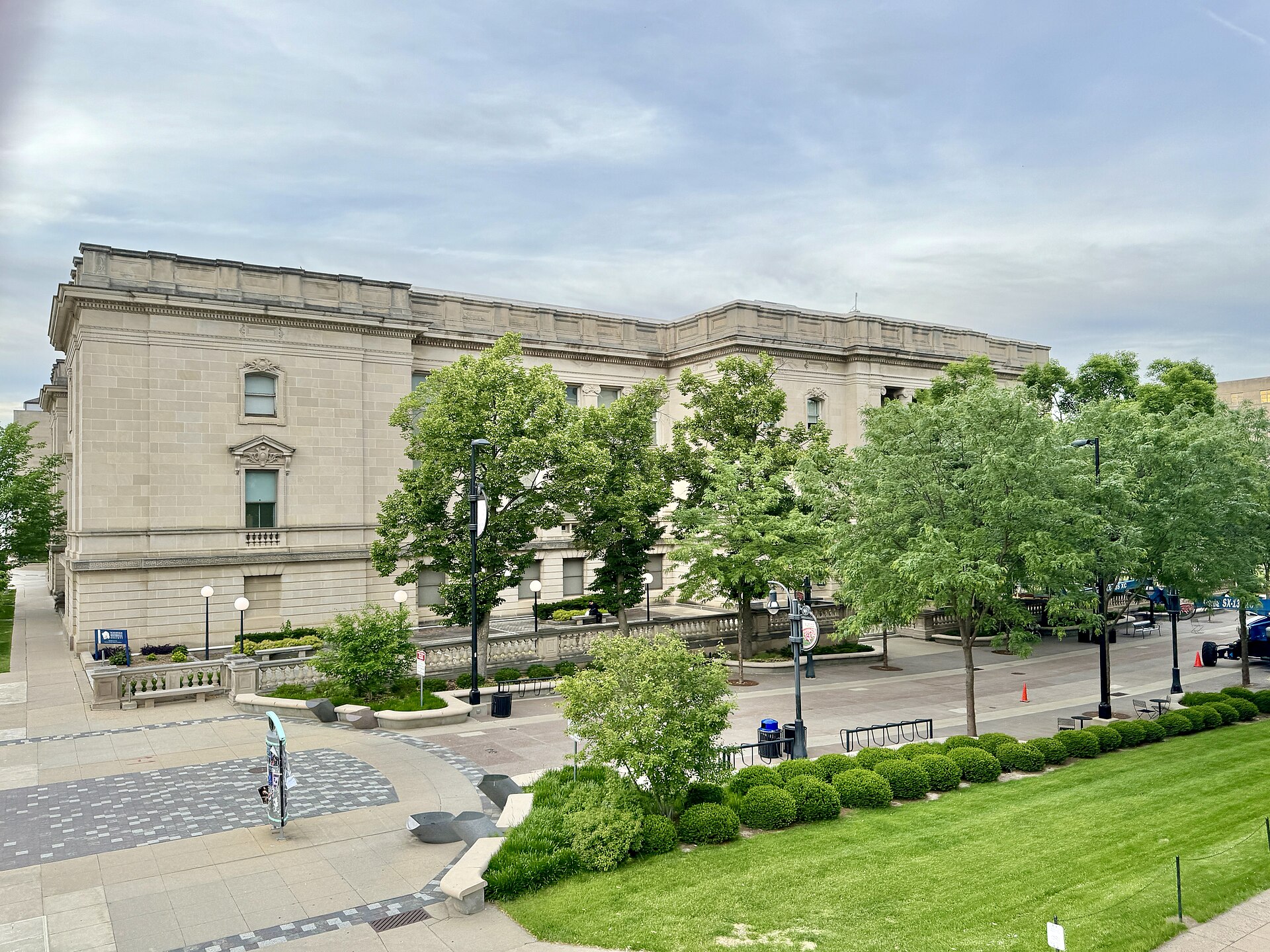
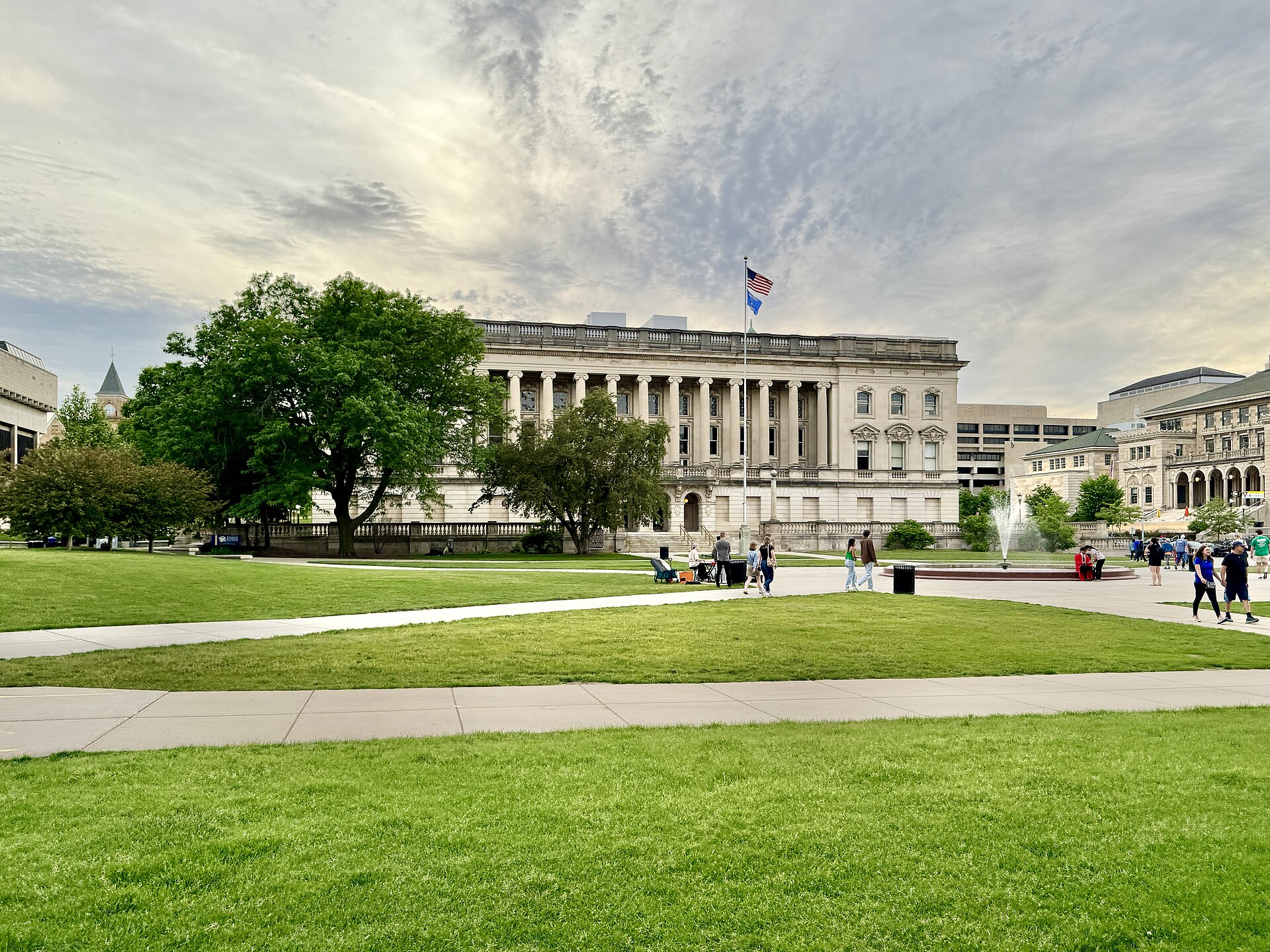
University of Wisconsin-Madison — campus in pictures
Real, freely-licensed photographs of the campus (via Wikimedia Commons).
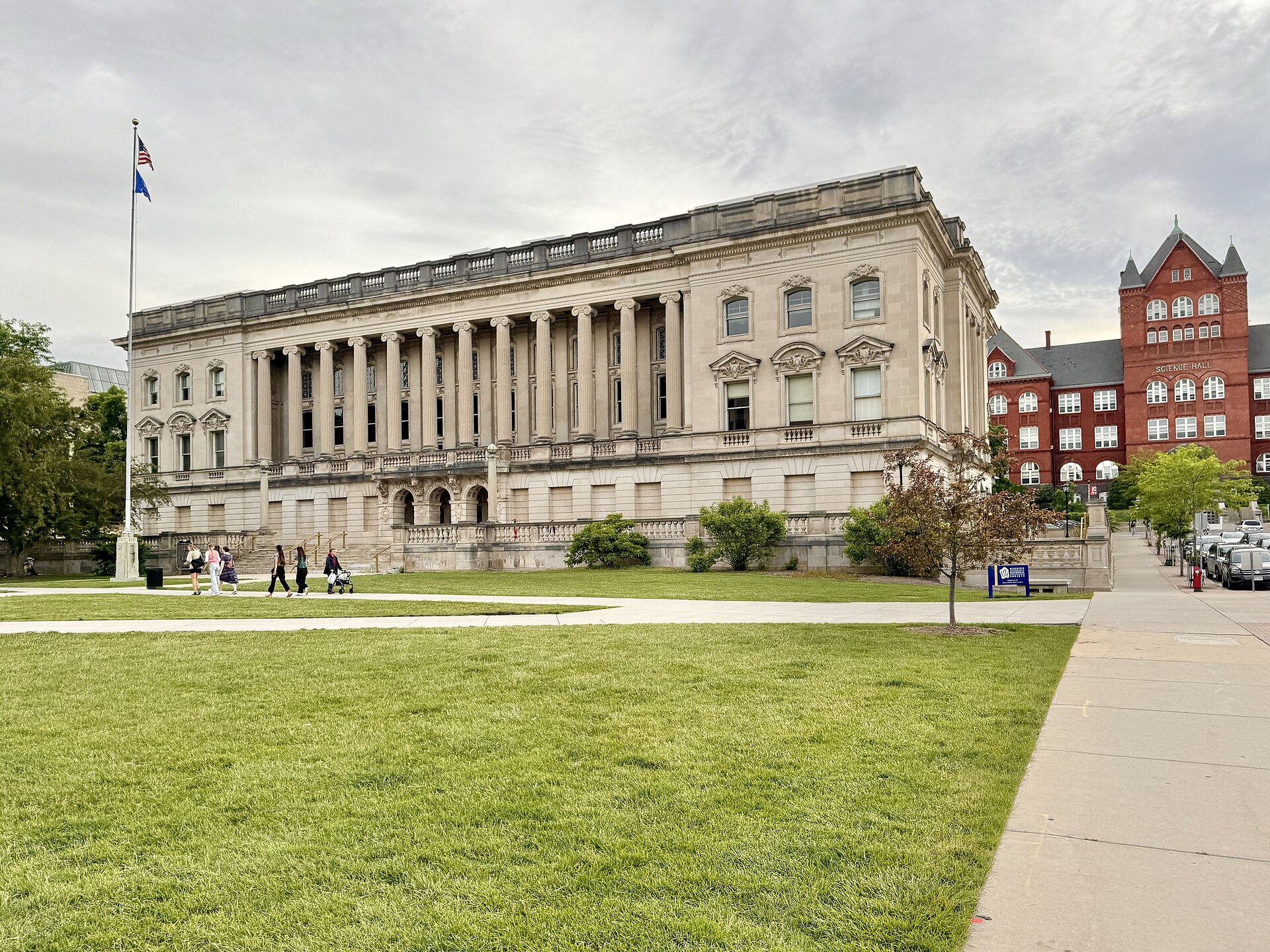
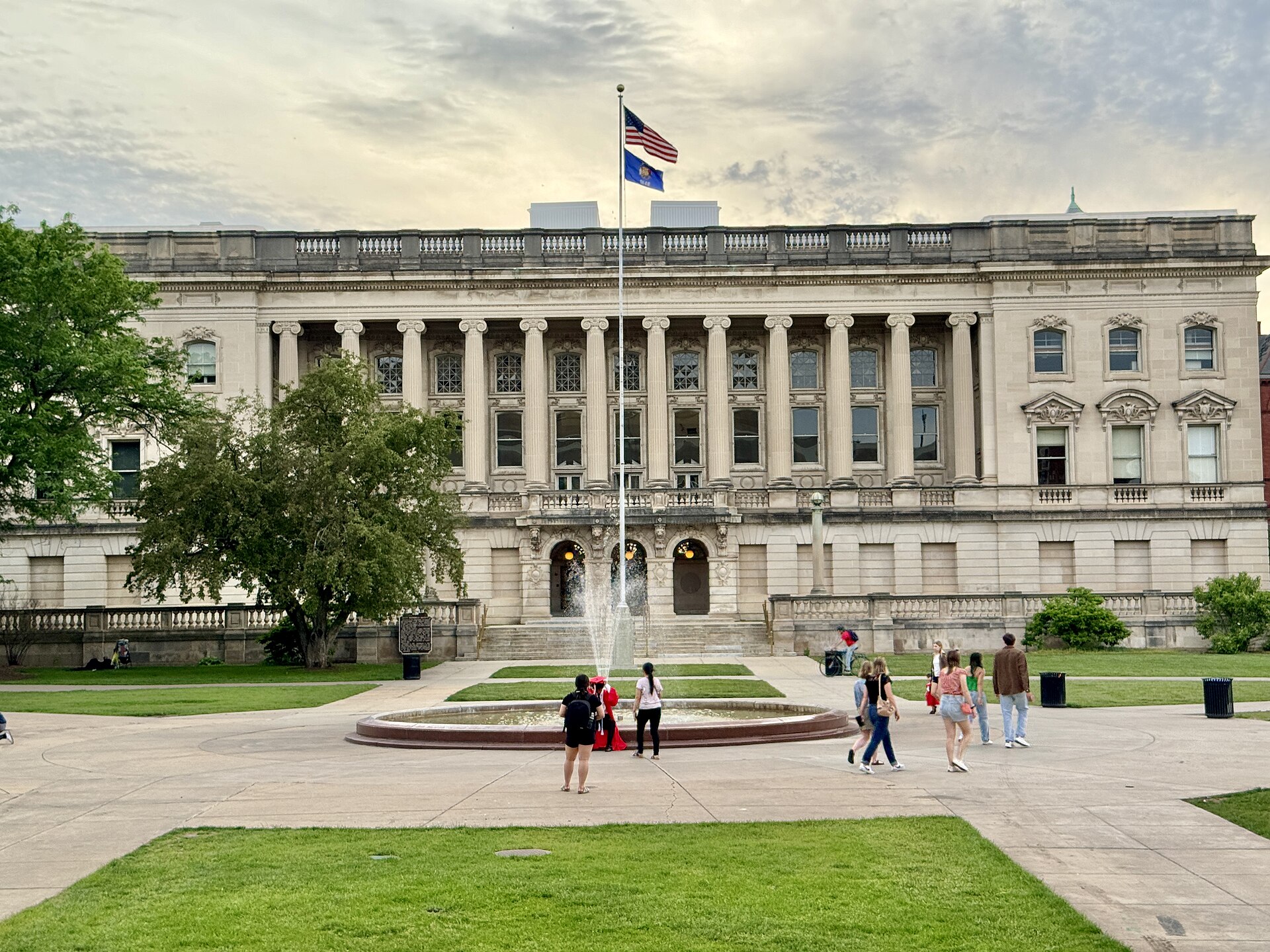
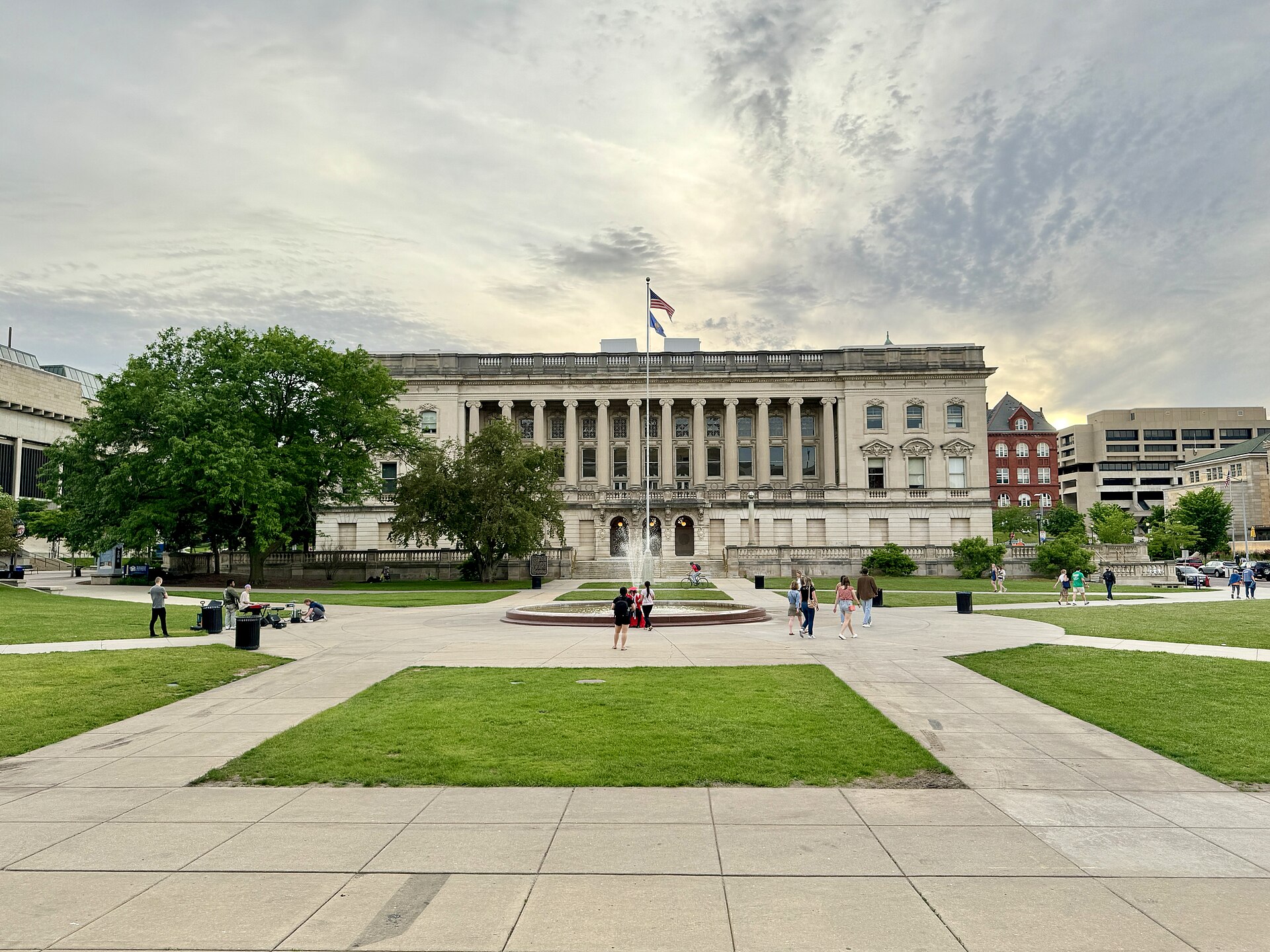
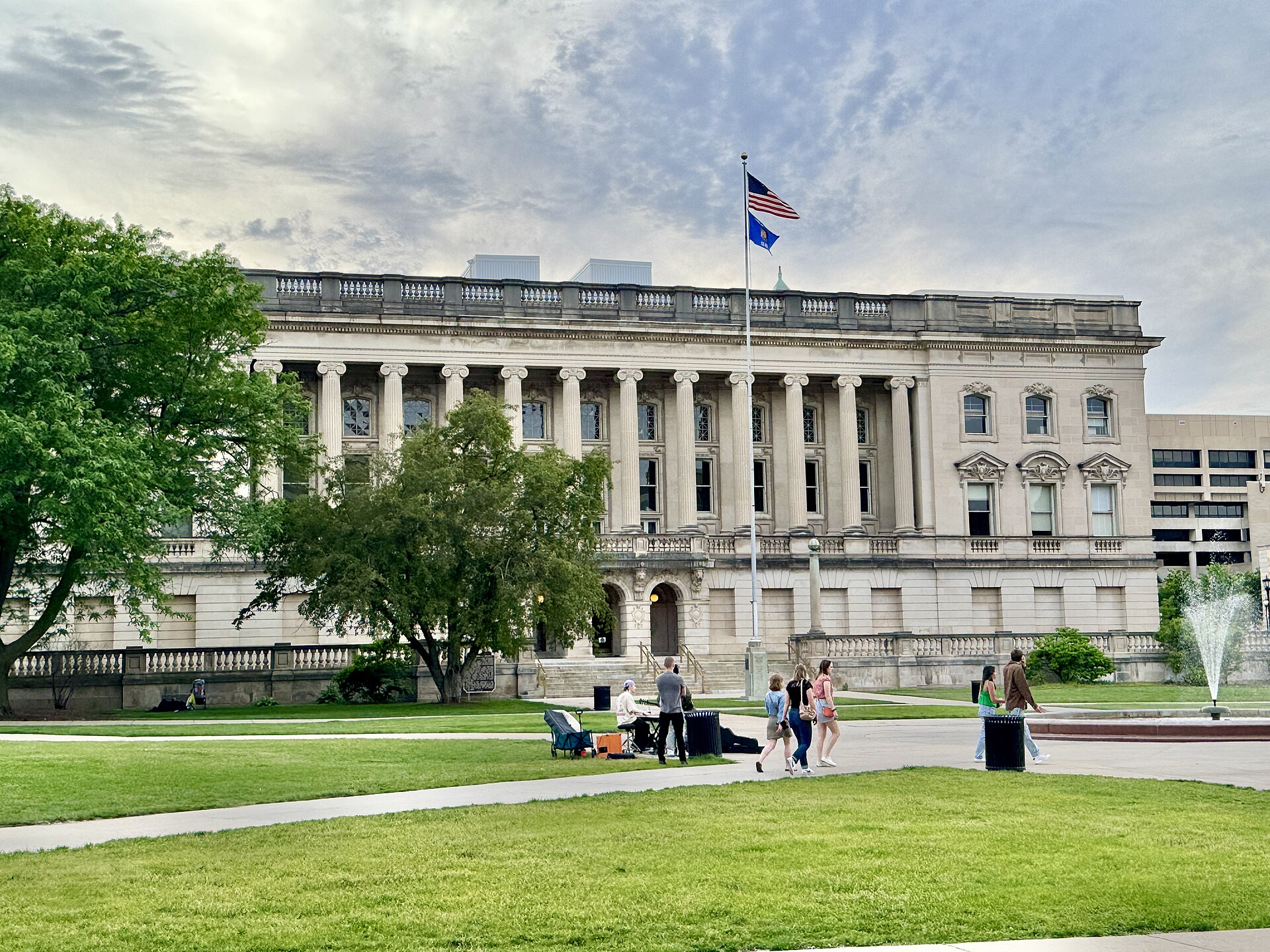
WHY WISCONSIN
Why UW-Madison — Research Power, Public Mission & a Vibrant Campus
UW-Madison is not simply a large public university — it is one of the founding members of the Association of American Universities, consistently ranked among the top 100 universities globally. The Wisconsin Idea gives its education a purposeful edge that sets it apart from peers.
SELECTIVITY
Acceptance Rate & Admitted Student Profile
UW-Madison is selective but not hyper-selective: its 41% overall acceptance rate reflects a broad applicant pool, and the university practises a genuinely holistic review that values academic rigour alongside personal qualities and potential contributions to campus.
The 41% headline acceptance rate does not tell the full story for international applicants, who compete in a separate pool. Strong academic preparation — demonstrated through consistently challenging coursework — is the clearest differentiator. Test scores (SAT/ACT) are optional through spring 2028, but submitting a strong score remains beneficial for competitive majors such as Computer Science, Engineering, and pre-health programmes.
AT A GLANCE
Quick Facts
APPLICATION COMPONENTS
What Your Application Must Include
UW-Madison accepts either the Common Application or the Universities of Wisconsin (UW) Application. All applicants must submit the following materials.
WHAT ADMISSIONS WANTS
The Profile UW-Madison Admits
UW-Madison practises holistic review, balancing academic performance with personal qualities and the potential to contribute to a diverse, engaged campus community. Academic preparation is the foundation; your story, curiosity, and fit with the Wisconsin Idea differentiate you.
DEADLINES
Application Rounds & Key Dates
UW-Madison offers three application rounds for first-year students. Early Action is non-binding and strongly recommended for international applicants who want maximum scholarship consideration time.
Early Action is non-binding. You may apply to other universities simultaneously. If admitted, you are not required to commit until the national deadline of 1 May. All deadlines are 11:59 pm Pacific Time. Applications open 1 August.
| Round | Application Deadline | Materials Deadline | Decision |
|---|---|---|---|
| Spring Regular Decision | 1 October | 15 October | On or before 31 December |
| Fall Early Action | 1 November | 9 November | On or before 31 January |
| Fall Regular Decision | 15 January | 22 January | On or before 31 March |
CAMPUS & CITY LIFE
Student Life at UW-Madison
The UW-Madison experience is shaped by the extraordinary setting: a campus strung between two lakes — Mendota and Monona — in one of America's most liveable and progressive cities.
With over 1,000 student organisations, Division I Big Ten athletics (go Badgers), a legendary student union on the lakeshore, and a vibrant State Street corridor connecting campus to the state capitol, Madison offers a college experience that is simultaneously world-class and genuinely welcoming. The International Student Services (ISS) office runs robust programming for the 12% international student community, including cultural orientation, immigration advising, and community building events. First-Year Interest Groups (FIGs) — small cohorts of students who live and take courses together around shared themes — are an excellent way for incoming international students to build community quickly in a large campus environment.
OUTCOMES
Career Outcomes & Graduate Success
A UW-Madison degree carries strong market recognition across the United States and increasingly in international markets, particularly in tech, finance, life sciences, and government.
Wisconsin graduates are recruited actively by a wide range of employers: Big Tech firms (Amazon, Google, Microsoft, Epic Systems — a major UW-Madison partner headquartered in Madison), investment banks, consulting firms, healthcare organisations, and federal government agencies. The Wisconsin School of Business is particularly well-connected to finance and consulting pipelines. Engineering graduates benefit from UW-Madison's long partnership with semiconductor, biomedical, and aerospace industries. Graduate school placement is strong, with UW-Madison consistently ranked among the top producers of PhD graduates in the United States. International students who remain in the US after graduation have access to OPT and STEM OPT extension (where programme-eligible), extending their US work authorisation for up to three years post-graduation in designated STEM fields.
FAQS
Frequently Asked Questions
Is UW-Madison test-optional for international students?+
Yes. The test-optional policy applies to all applicants, including internationals, through spring 2028 intake. If you have taken the SAT or ACT and scored within or above the middle 50% bands (SAT 1370–1490, ACT 29–33), submitting your scores can strengthen your application. For highly competitive majors such as CS and Engineering, a strong score may help differentiate you.
Does UW-Madison offer need-based financial aid to international students?+
UW-Madison does not meet 100% of demonstrated financial need for international students, and need-based federal aid is unavailable to non-US citizens. International students can apply for campus scholarships through the Wisconsin Scholarship Hub (WiSH) after enrolment. The financial aid picture for international students is primarily merit-based, and applicants should plan to fund their education through personal resources, external scholarships, or sponsored funding.
Which application should I use — Common App or the UW App?+
Both are fully accepted. Most international students use the Common Application as it is more familiar and allows simultaneous submission to other US universities. The UW App is a good option if UW-Madison is your sole or primary US application. Both require the same core essays, including the Wisconsin-specific 'Why UW-Madison' supplement.
Is the IB Diploma recognised, and is it advantageous?+
Yes — UW-Madison recognises the IB Diploma and offers credit for Higher Level subjects scored 5 or above (credit policies vary by department). A strong IB score (34+) signals the academic rigour the university values, and IB Diploma holders are well-prepared for Wisconsin's academic environment. Higher Level scores in Mathematics, Sciences, or other relevant subjects are particularly valued for STEM programme applications.
What is Early Action and should international students apply EA?+
Early Action is non-binding — you can apply to other universities at the same time and are not required to commit if admitted. The deadline is 1 November for fall entry, with decisions by 31 January. Applying EA is generally advisable for international students who have a clear preference for UW-Madison, as earlier decisions allow more time to arrange visas, housing, and finances.
How competitive is admission to the Wisconsin School of Business (WSB) or Engineering?+
Both WSB and the College of Engineering admit students directly from high school (not from an internal transfer pool as at many public universities). These programmes are substantially more competitive than the university average. For Engineering, demonstrated strength in mathematics and science coursework is essential. For WSB, academic excellence paired with a clear articulation of professional goals in the Why essay is important.
What English proficiency score does UW-Madison require?+
UW-Madison requires English proficiency evidence if your secondary schooling was not primarily in English. Required minimum scores from the facts data are: TOEFL 95 (iBT), IELTS 7.0, or Duolingo 120. You should always verify current requirements on the official admissions page, as thresholds can change.
Can I visit campus as a prospective international student?+
Yes. UW-Madison runs campus visit programmes and virtual information sessions for prospective students worldwide. Virtual information sessions are particularly practical for international students who cannot travel to Madison. The Admissions office also holds webinars specifically for international applicants at various points in the application cycle.
ACADEMICS
Academic Expectations for International Students at UW-Madison
UW-Madison is a rigorous research university where academic preparation is the single most important factor in admission. International students succeed here when they arrive with strong foundation coursework, intellectual independence, and the willingness to engage deeply — not just to perform well on exams.
The university offers over 600 degree programmes across 13 schools and colleges, from the liberal arts-oriented College of Letters & Science to the specialist Wisconsin School of Business, College of Engineering, School of Education, and the internationally respected College of Agricultural and Life Sciences. International students are admitted into programmes directly (not into a general studies pool), meaning your choice of major matters and must be explained in your application. The academic culture blends lecture-based instruction with strong undergraduate research access, making it a strong fit for students who want to pursue graduate school or research careers.
ACADEMIC PROFILE
Admitted Student Academic Profile
These ranges represent typical admitted students across all programmes. Admits to competitive majors (CS, Engineering, WSB, Nursing) tend to sit in the upper ranges of these bands. Strong performance in the most challenging curriculum at your school is more important than chasing a perfect score on a standardised test.
TEST POLICY
Standardised Test Policy
UW-Madison is test-optional for all applicants (domestic and international) through spring 2028 intake. This means you may choose whether to submit SAT or ACT scores. The university states that not submitting scores will not disadvantage your application.
In practice, submitting a strong score still adds a data point that can help — particularly for programmes with a heavy quantitative focus. If your score falls below the middle 50% band for your target programme, you may be better served by not submitting. For English language purposes, the SAT or ACT does NOT waive the English proficiency requirement for international students educated in non-English-medium schools.
SAT & ACT
SAT and ACT Strategy for UW-Madison
IB / A-LEVELS / AP
How UW-Madison Reads IB, A-Level & AP Qualifications
UW-Madison has well-established policies for evaluating international qualifications and granting advanced credit.
SUBJECT PREPARATION
Academic Preparation by Discipline
ENGLISH PROFICIENCY
English Language Requirements
International students educated in non-English-medium secondary schools must demonstrate English proficiency. Scores must be sent directly to UW-Madison from the testing body.
If your secondary education was conducted entirely in English, you may qualify for a waiver — confirm with the admissions office. SAT/ACT scores do NOT substitute for English proficiency tests for international applicants.
| Test | Minimum Score | Notes |
|---|---|---|
| TOEFL (iBT) | 95 | Section minimums may apply; check official site |
| IELTS | 7.0 | Academic IELTS required |
| Duolingo English Test | 120 | Accepted for 2025+ cycles; verify current policy |
YEAR-BY-YEAR PLAN
Building a Competitive Academic Profile
COMMON PITFALLS
Academic Mistakes to Avoid
- Choosing easy courses in Grade 11–12 to protect your GPA — UW-Madison explicitly values course rigour; a B in IB HL Mathematics is more impressive than an A in a standard-level course.
- Applying as 'undecided' to avoid the Why Major question without genuinely exploring your interests — lack of direction is visible in unfocused essays.
- Sending low SAT/ACT scores under the test-optional framework — if your score falls below the 25th percentile, withhold it rather than let it undermine an otherwise strong application.
- Failing to have TOEFL/IELTS scores sent officially to UW-Madison — self-reported scores are not sufficient for language proficiency; official reports must come directly from the testing body.
- Underestimating the Wisconsin Why Essay — this is a required supplement that admissions readers take seriously. Generic answers about 'world-class research' and 'diverse campus' without specifics are a red flag.
- Submitting your application close to the deadline without tracking supporting materials — the materials deadline is several days after the application deadline, but your letter of recommendation and transcripts must arrive by that date, not when you think they were sent.
- Assuming IB or A-Level credit will automatically count toward your major — credit policies vary by department, and some advanced credit may apply only to electives, not core programme requirements.
COST & AID
The Real Cost of UW-Madison for International Students
UW-Madison is a public university that charges non-resident tuition rates for international students. While this is lower than comparable private US universities, it is a significant investment. International students should plan finances carefully before applying, as need-based federal aid is unavailable to non-US citizens and institutional aid for international undergraduates is limited.
The full cost of attendance at UW-Madison for international undergraduates is substantial, though the university's strong career outcomes — 88% employment within six months, average starting salary of $60,000 — position a Wisconsin degree as a long-term value investment. Careful financial planning, including exploration of external scholarships, home-country government funding, and employer sponsorship, is essential for most international families.
ANNUAL COSTS
Annual Cost Breakdown (Estimated)
All figures are annual estimates for international undergraduate students. Costs are subject to change — verify current figures at the UW-Madison financial aid office.
These figures come from UW-Madison's institutional data. Living costs in Madison are moderate relative to coastal US cities — a meaningful advantage when planning total expenditure.
| Component | Estimated Annual | Notes |
|---|---|---|
| Tuition & Fees (International) | $42,531 | Non-resident rate; confirmed from facts data |
| Cost of Living (Estimated) | $15,000 | Housing, food, personal expenses |
| Total Cost of Attendance | $61,689 | All-in estimate including tuition and living |
| Application Fee | $70 | One-time, non-refundable |
FINANCIAL AID
Financial Aid for International Students
Financial aid for international undergraduates at UW-Madison is primarily limited to merit-based scholarships. Understanding what is and is not available is essential before committing to apply.
SCHOLARSHIPS
External Scholarship Options for International Students
Given the limited institutional aid, international students applying to UW-Madison should actively explore external scholarships and home-country funding sources.
AFFORDABILITY
The Net Cost Reality
UW-Madison is more affordable than elite private US universities but still represents a significant annual cost for most international families.
At approximately $61,689 total cost of attendance annually, a four-year UW-Madison degree represents a substantial investment. However, this compares favourably to comparable private US universities, many of which charge $80,000–$90,000 per year. Madison's cost of living is moderate — significantly lower than coastal cities such as Boston, New York, or San Francisco — which keeps the living component of costs manageable. Students who enter with advanced credit (from IB, A-Level, or AP) and graduate in fewer than four years can reduce total costs meaningfully; the average time to degree at UW-Madison is approximately 3.78 years. On-campus employment (on-campus jobs are permitted for F-1 students up to 20 hours per week during term) can supplement income, though it should not be the primary financial plan.
HOW TO FUND YOUR DEGREE
Steps to Fund Your UW-Madison Education
COST FAQS
Cost & Aid FAQs
Does UW-Madison meet 100% of demonstrated financial need for international students?+
No. UW-Madison does not have a policy of meeting 100% of demonstrated financial need for international undergraduates. Need-based federal and state aid is unavailable to F-1 students, and institutional need-based aid for internationals is extremely limited. Financial self-sufficiency or external scholarship funding is expected.
Can I work while studying on an F-1 visa at UW-Madison?+
Yes, with restrictions. F-1 students may work on-campus up to 20 hours per week during the academic term and full-time during official breaks (summer, winter). Off-campus employment generally requires Curricular Practical Training (CPT) or Optional Practical Training (OPT) authorisation from the International Student Services office.
What does the 77% average financial aid figure mean for international students?+
The 77% average aid coverage reflects the overall student population and is heavily influenced by domestic students receiving federal grants, state grants, and subsidised loans — none of which are available to international students. This number is not representative of what an international student should expect to receive.
Are there any tuition waivers or reduced-rate programmes for international students?+
Some graduate programmes offer tuition waivers or teaching/research assistantships. At the undergraduate level, tuition waivers are rare and not a standard offering for international students. Confirm with the specific school or department you are applying to.
Is health insurance mandatory for international students at UW-Madison?+
UW-Madison requires all F-1 and J-1 visa holders to carry health insurance. The university offers a Student Health Insurance Plan (SHIP) that can be enrolled in directly. Health insurance costs are typically included in the university's estimated cost of attendance figures.
ESSAYS
Why Essays Matter at UW-Madison The Wisconsin Supplement Is Your Differentiator
UW-Madison is a selective public university that practises holistic review. At the 41% acceptance rate, academic credentials are the threshold — but essays are the differentiator between equally qualified applicants. The Wisconsin-specific supplement, in particular, is taken seriously by admissions readers as a test of genuine fit and intellectual intent.
With nearly 50,000 students on campus, UW-Madison is large by any measure — which is exactly why its admissions process values essays that reveal a specific, authentic human being rather than a generic high-achiever. The Wisconsin Idea — that education should serve the broader public good — shapes what admissions readers look for: evidence that you understand and embrace the ethos of this particular institution, not just 'a top university'.
ESSAY STRUCTURE
Essay Requirements Overview
UW-Madison requires two essays from all first-year applicants. The system and personal essay prompt depend on which application platform you use; the Wisconsin supplement is required for everyone.
The university recommends drafting in word processing software rather than directly in the web form. Essays may be considered for campus programme and scholarship reviews. AI-generated responses are strongly discouraged — the university states this limits your ability to communicate individual fit.
ESSAY PROMPTS
The Prompts — and How to Approach Them
PERSONAL ESSAY STRATEGY
Crafting Your Personal Essay for UW-Madison
Whether you are using the Common App prompt or the UW App identity prompt, the personal essay is your primary opportunity to introduce yourself as a full human being — not a list of achievements.
The most effective Wisconsin personal essays share a few characteristics. They are specific: a single concrete experience or through-line, not a greatest-hits summary of your high school years. They are honest: authenticity resonates with admissions readers who are trained to spot formulaic narratives. They are forward-looking without being grandiose: you do not need to claim you will cure cancer or end poverty — you need to show genuine curiosity and direction. For international applicants, the essay is also an opportunity to help admissions understand your context: your schooling system, your community, the opportunities you had and those you had to work harder to access. A student who grew up in a country with a different educational tradition, or who navigated language barriers, or who brought a specific cultural lens to their intellectual work, has a rich vein of authentic material that most domestic applicants simply cannot access. Use it — but ground it in specific stories, not abstract claims about 'diverse perspective'.
SUPPLEMENT STRATEGY
Mastering the Wisconsin Why Essay
The Wisconsin supplement is the single most differentiating piece of your application. It is short (300–500 words recommended), but it carries significant weight.
TOPIC SELECTION
Choosing Your Essay Topic as an International Student
International students often face a particular challenge: which of their experiences are worth writing about, and how 'international' should the essay feel? The answer is: write about what is genuinely true and specific to you.
ESSAY PITFALLS
Essay Mistakes to Avoid
- Writing a generic 'Why Wisconsin' essay that praises the university's ranking, campus, or research without naming specific programmes, labs, faculty, or resources relevant to you.
- Submitting an AI-generated or heavily AI-edited essay — UW-Madison strongly discourages this and notes it limits your ability to communicate genuine fit; admissions readers are experienced at identifying inauthentic voices.
- Exceeding the 650-word maximum — the limit is firm; anything beyond will be cut off in the application system.
- Writing two essays with the same theme or story — the personal essay and the Wisconsin supplement should complement each other, not repeat the same narrative.
- Choosing a topic that is too broad — essays about 'my journey to becoming a global citizen' or 'my passion for STEM' lack the specificity that makes memorable applications.
- Saving the essay for the week before the deadline — strong essays require multiple drafts, time between revisions, and feedback from trusted readers. Start at least 8–10 weeks before your target deadline.
- Writing what you think admissions wants to hear, rather than what is genuinely true — readers are trained to detect performative sincerity. Authenticity, even when imperfect, is consistently more compelling.
- Failing to proofread carefully — grammatical and spelling errors in an essay nominally testing your English proficiency are particularly costly for international applicants. Use spell-check as a start, but also have a trusted reader review your final draft.
ESSAY FAQS
Essay FAQs
What is the word limit for UW-Madison essays?+
Each essay has a maximum of 650 words. The university recommends aiming for 300–500 words for the Wisconsin supplement. Longer is not better — clear, specific, and well-crafted within the recommended range is the target.
Can I use the same Common App personal statement for UW-Madison and other US universities?+
Yes. The Common App personal statement is submitted to all universities on your Common App list simultaneously. Only the Wisconsin supplement is specific to UW-Madison. Make sure your personal statement does not reference UW-Madison specifically in a way that is odd when read by other universities — if you write about 'attending Madison', for example, that reference will be visible to all schools.
Will my essay be reviewed by a person, or is it screened by AI?+
UW-Madison's admissions process involves human review. The university has explicitly stated it will not automatically screen essays for AI-generated content, nor will it auto-disqualify applicants for AI use — but it strongly discourages submitting AI-generated text, as it undermines your ability to demonstrate individual fit.
Should I write about being an international student in my essay?+
Only if it is genuinely central to who you are and leads somewhere specific. Being international is not a topic in itself — what matters is how your experiences, wherever they occurred, shaped your thinking and goals. Don't use your nationality as a substitute for a real story.
How important is the 'Why Major' part of the Wisconsin supplement?+
Very important, especially for direct-admit programmes like Engineering, CS, Nursing, and Business. Admissions readers for these programmes want to see that your choice of major is considered and grounded — not just a default answer. Research your intended department and connect your experiences to the specific field.
What happens if I'm applying as 'undecided'?+
For the Wisconsin supplement, undecided applicants are instructed to describe their potential academic interests rather than a specific major. This is not a disadvantage — but it requires you to demonstrate genuine intellectual curiosity and some sense of direction, even without a declared major.
Courses — schools, degrees & intake
111 degrees across 8 groupings.
College of Letters and Science · 54 degrees
African American Studies
African Cultural Studies
Anthropology
Applied Mathematics, Engineering and Physics
Art History
Astronomy–Physics
Atmospheric and Oceanic Sciences
Biochemistry
Biology
Botany
Chemistry
Chinese
Classics
Communication Arts
Communication Sciences and Disorders
Computer Sciences
Conservation Biology
Data Science
Economics
English
Environmental Sciences
Gender and Women's Studies
Geography
Geology and Geophysics
German
History
Information Science
International Studies
Italian
Japanese
Jewish Studies
Journalism and Mass Communication
Kinesiology
Korean Language and Culture
Landscape Architecture
Linguistics
Mathematics
Microbiology
Molecular and Cell Biology
Music
Neurobiology
Philosophy
Physics
Political Science
Portuguese
Psychology
Public Policy
Religious Studies
Russian
Scandinavian Studies
Social Work
Sociology
Spanish
Statistics
College of Agricultural and Life Sciences · 18 degrees
Agricultural and Applied Economics
Agricultural Business Management
Agroecology
Agronomy
Animal Sciences
Biological Systems Engineering
Community and Environmental Sociology
Dairy Science
Entomology
Food Science
Forest Science
Genetics and Genomics
Global Health
Horticulture
Life Sciences Communication
Nutritional Sciences
Plant Pathology
Soil Science
College of Engineering · 14 degrees
Aerospace Engineering
Biomedical Engineering
Chemical Engineering
Civil Engineering
Computer Engineering
Electrical Engineering
Engineering Mechanics
Engineering Physics
Environmental Engineering
Geological Engineering
Industrial Engineering
Materials Science and Engineering
Mechanical Engineering
Nuclear Engineering
Wisconsin School of Business · 12 degrees
Accounting
Actuarial Science
Finance
Human Resource Management
Information Systems
International Business
Management
Marketing
Operations and Technology Management
Real Estate and Urban Land Economics
Risk Management and Insurance
Supply Chain Management
School of Human Ecology · 5 degrees
Consumer Behavior and Marketplace Studies
Consumer Finance and Financial Planning
Design Innovation and Society
Human Development and Family Studies
Interior Architecture
School of Education · 5 degrees
Art Education
Dance
Elementary Education
Kinesiology – Physical Education
Special Education
School of Nursing · 1 degrees
Nursing
School of Pharmacy · 2 degrees
Pharmaceutical Sciences
Pharmacology and Toxicology
Want your real chances at University of Wisconsin-Madison?
Create a free TYCHR account for your personalised admit-chance, a shortlist you can track, exact entry requirements, and essay + counselling help.