University of Victoria
Victoria, Canada · Suburban
UVIC ADMISSIONS GUIDE
University of Victoria — Canada's Pacific Gem for International Students
Nestled on Vancouver Island in one of Canada's most livable cities, the University of Victoria blends rigorous research with an exceptional quality of life. With a 63% acceptance rate, a globally ranked reputation in environmental and ocean science, co-op programmes with extraordinary job-placement success, and a welcoming international community, UVic offers ambitious students a genuinely transformative Canadian education — without the crushing selectivity of its eastern peers.
If you are an international student weighing Canadian universities, UVic sits at a compelling intersection: academically serious (QS #340 globally, national rank #12), genuinely international (17% of students from abroad), and located in a mild-climate, walkable Pacific city with direct Pacific Rim connections. This guide walks you through every step of your application journey.
Campus
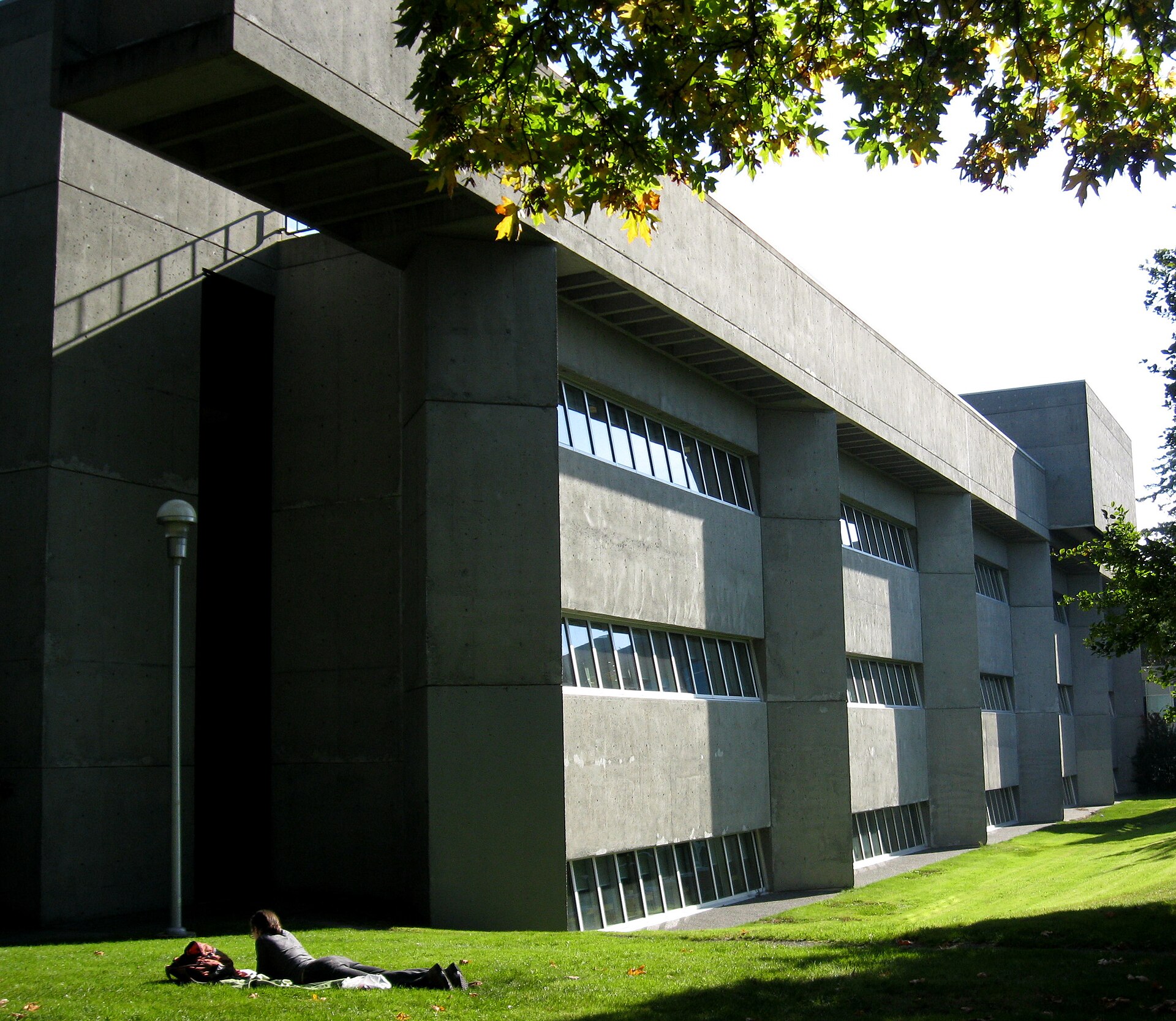
University of Victoria — campus in pictures
Real, freely-licensed photographs of the campus (via Wikimedia Commons).
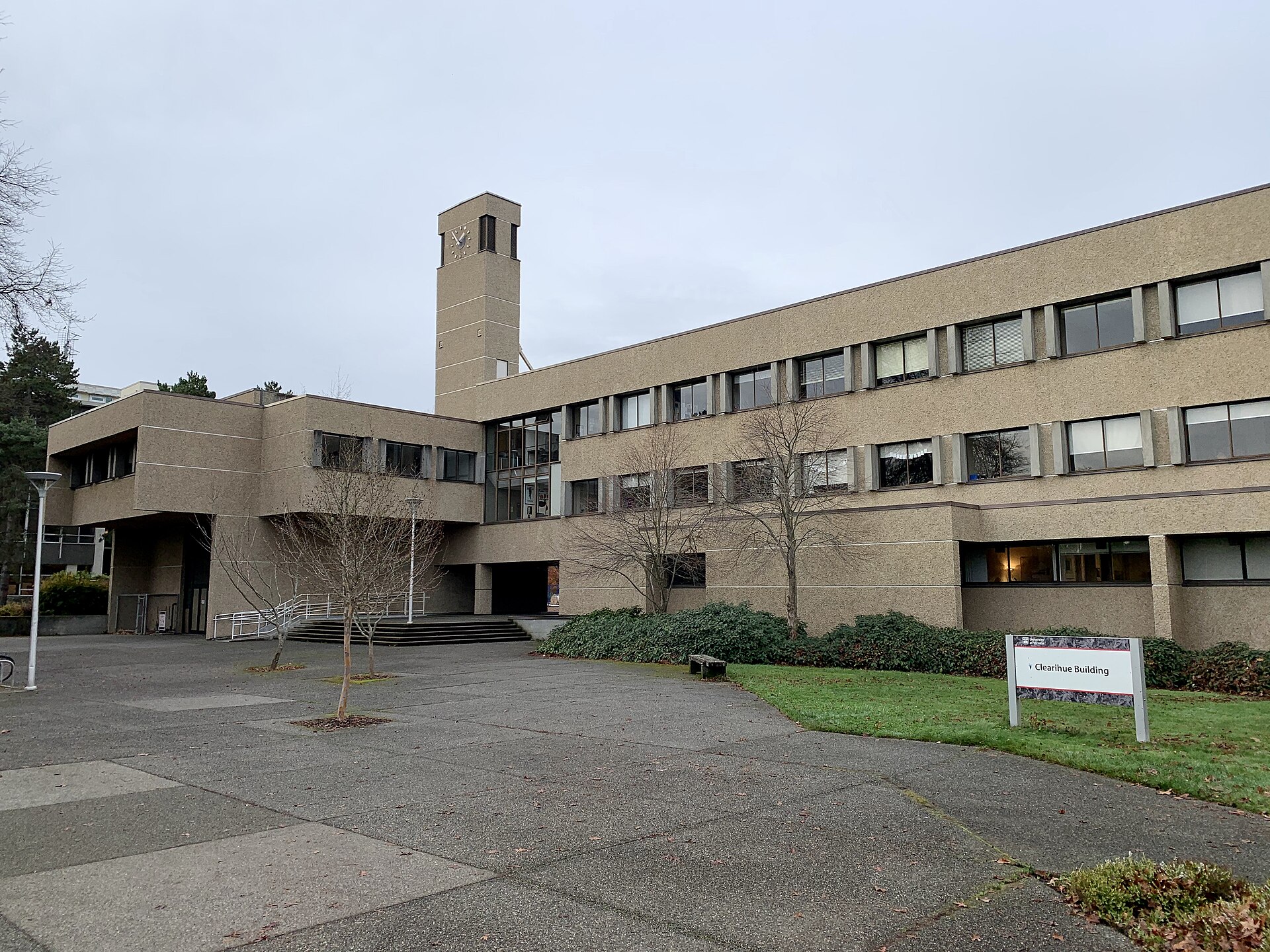
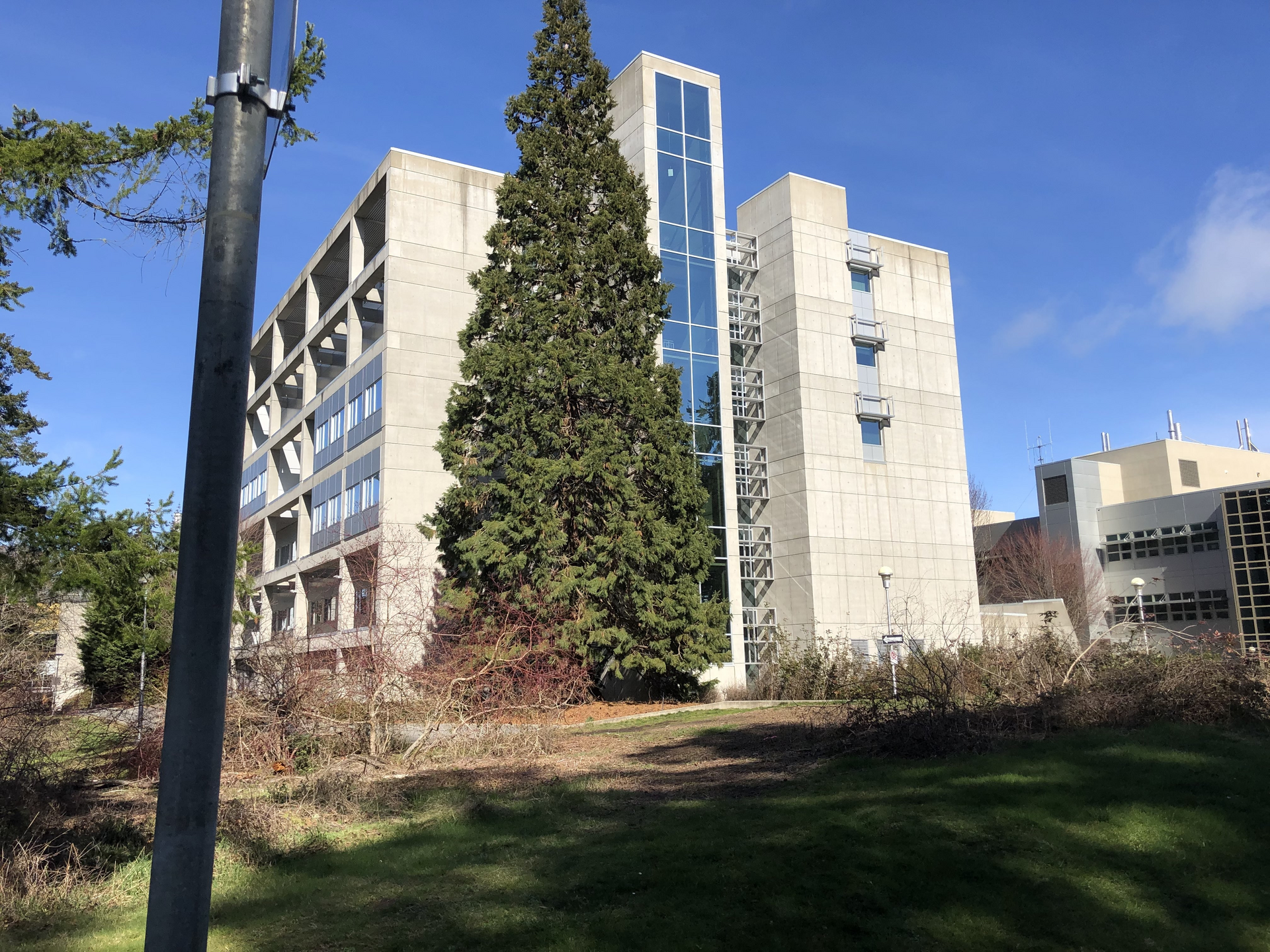
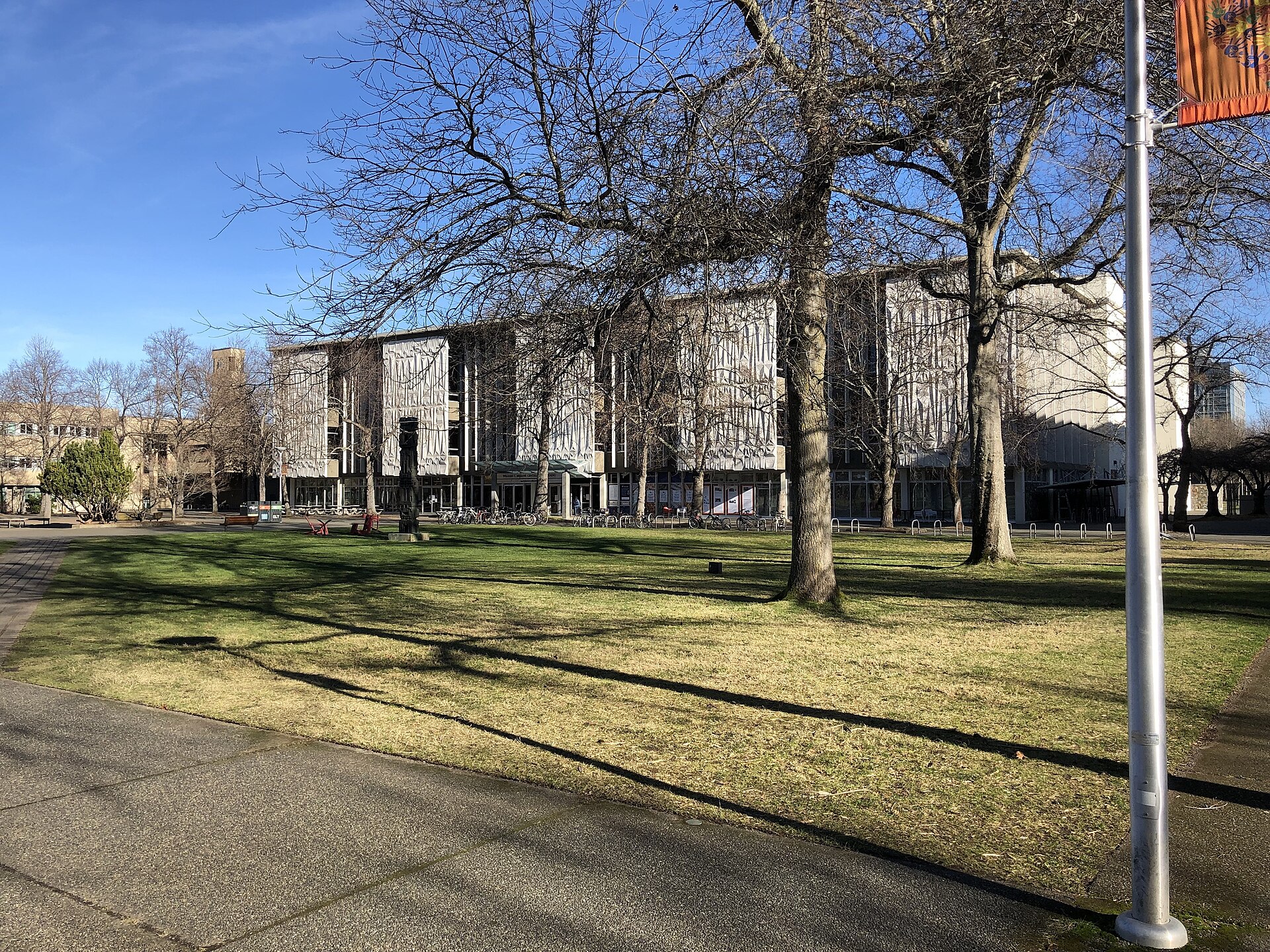

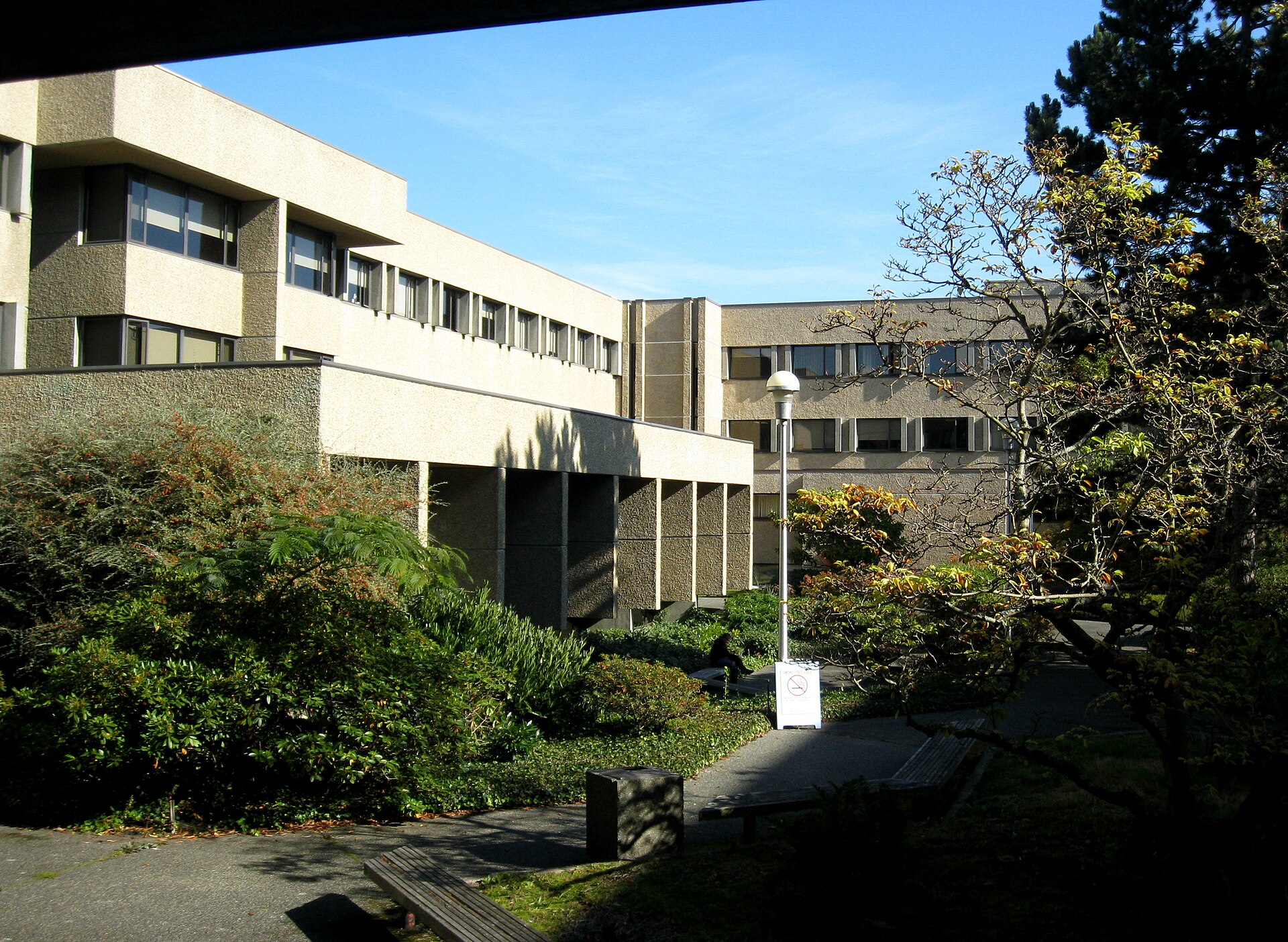
WHY UVIC
Five Reasons UVic Belongs on Your Shortlist
SELECTIVITY
UVic Acceptance Rate & Admitted Student Profile
UVic is moderately selective by Canadian standards, admitting roughly six in ten applicants. However, admission to competitive programmes — Computer Science, Nursing, Engineering, and the Gustavson School of Business — is meaningfully more competitive than the university-wide rate suggests. International applicants should not treat a 63% headline rate as a guarantee; specific programme averages, co-op-stream seats, and English proficiency requirements tighten the effective bar considerably.
Hard numbers sourced from the UVic facts file. Programme-level average entry grades are available on individual programme pages at uvic.ca.
AT A GLANCE
University of Victoria — Quick Facts
Stats
Items
WHAT YOU NEED TO SUBMIT
Application Components for International Students
UVic uses EducationPlannerBC — British Columbia's centralized application platform — rather than OUAC or the Common App. The process is direct and document-driven; grades are the primary decision factor for most programmes.
SELECTION CRITERIA
What UVic Looks For in International Applicants
UVic's undergraduate admissions is primarily grade-based for most programmes. Your predicted or actual final grades in senior secondary subjects — particularly in subjects relevant to your chosen programme — carry the most weight. Unlike many US universities, there is no holistic personal essay review for standard entry; extracurricular activities and personal statements are not part of the standard first-year application for most faculties.
APPLICATION DEADLINES
When to Apply — Rounds & Deadlines
UVic uses EducationPlannerBC for direct applications. There are no Early Decision or Early Action rounds — admission is rolling within the published deadline window. Apply as early as possible; competitive programmes and co-op streams can fill before the official deadline.
Deadlines are from official UVic admissions pages and apply to all applicants regardless of domestic/international status. Applications can close early without warning — apply well before the listed deadline.
| Entry | Deadline | Notes |
|---|---|---|
| September (Fall) | January 31 | Most degree programmes — RECOMMENDED for internationals |
| January (Winter) | September 30 | Most degree programmes (limited availability) |
| Summer | March 31 | Most programmes; Engineering Dec 31 |
| Teacher Education | January 2 | Elementary & Secondary streams |
| Discovery Studies | April 30 (Sep) / Oct 31 (Jan) | Undeclared exploratory entry |
LIFE AT UVIC
Campus Life, Housing & Victoria BC
Victoria itself is routinely ranked among Canada's most livable cities: low crime, a vibrant food and arts scene, mild year-round climate (BC's warmest winters), and a growing technology sector anchored by companies like Schneider Electric and a cluster of gaming studios. The city's manageable scale — under 400,000 people — means international students integrate into real community life rather than being absorbed by a sprawling metropolis.
UVic's ring-shaped suburban campus sits in the Gordon Head neighbourhood of Victoria — a city on the southern tip of Vancouver Island, separated from mainland Vancouver by a short ferry crossing. The campus is bicycle-friendly, bordered by Mystic Vale forest, and within 30 minutes of ocean beaches, whale-watching tours, and some of North America's most scenic hiking.
CAREERS & OUTCOMES
What Happens After You Graduate
Key employer sectors include BC's growing technology corridor (Victoria and Vancouver), federal and provincial government agencies, environmental consulting firms, health authorities, and creative industries. Gustavson School of Business graduates enter accounting, finance, and management consulting. Computer Science alumni feed into gaming studios, fintech, and cloud-computing companies across the Pacific region.
UVic's co-op programme is one of the strongest career accelerants in Canadian higher education. Combining academic terms with paid work placements — in industry sectors from tech to government to marine science — students graduate with 12–20 months of verified Canadian work experience on their resumé. For international graduates, this is invaluable: Canadian work experience is one of the primary pathways to Express Entry and permanent residency.
FAQs
UVic Admissions — Frequently Asked Questions
Does UVic use the Common App or OUAC?+
Neither. UVic uses EducationPlannerBC (EPBC), British Columbia's own centralized application service. You apply directly through educationplannerbc.ca. This is simpler than the US Common App — there is no personal essay required for most programmes.
Can I apply without SAT or ACT scores?+
Yes. UVic's test policy is optional for standardised tests like SAT and ACT. Admissions decisions for most programmes are based primarily on your secondary school grades, not test scores.
What IB score do I need?+
The minimum IB score on record is 30 (full diploma). However, competitive programmes such as Computer Science, Engineering, and Nursing typically expect higher averages. A score of 30–32 may be the floor; aiming for 34+ strengthens your application for selective programmes.
Is there an English proficiency test requirement?+
Yes, if English is not your first language or your prior schooling was not conducted in English. UVic requires IELTS 6.5, TOEFL iBT 90, or Duolingo English Test 120 as minimum scores. Scores must be sent officially by the testing body.
Can I defer my offer?+
Yes. First-year admission offers can be deferred for up to one year to the following September entry. Contact UVic admissions to formally request a deferral after accepting your offer.
Will UVic give me credit for my IB courses?+
UVic offers generous IB credit recognition. Students who complete the full IB Diploma can receive up to one year of transfer credit if minimum subject scores are met. Individual Higher Level courses may also earn credit through course-by-course assessment even without the full diploma.
Is financial aid available for international students?+
UVic offers entrance scholarships that are available to international students, some automatic based on admission average. On average, aid packages cover approximately 25% of cost. Need-based aid for international students is more limited than for domestic students — scholarships are the primary source of funding.
Does the co-op programme accept international students?+
Yes. International students in co-op eligible programmes can participate in paid work terms. Co-op employment in Canada is authorised under your study permit's co-op work authorisation — you do not need a separate work permit for co-op placements, provided the co-op is a mandatory part of your programme.
ACADEMIC EXPECTATIONS
What UVic Expects from International Students Academically
UVic's academic environment rewards students who demonstrate consistent, strong performance in rigorous secondary-school curricula. Whether you are an IB student, A-Level candidate, or completing a national curriculum, the admissions team evaluates your predicted and actual grades against programme-specific benchmarks.
Unlike US universities that weigh a broad portfolio of extracurriculars, leadership, and personal essays, UVic prioritises academic achievement. This means the most important thing you can do in Grade 11 and 12 is perform well — especially in subjects directly relevant to your intended programme. If you are strong academically, UVic will notice, even without a perfect extracurricular portfolio.
ACADEMIC BENCHMARKS
Admitted Student Academic Profile
Hard numbers from the UVic facts file. Programme-level grade thresholds are published on individual programme pages at uvic.ca.
STANDARDISED TESTS
UVic Test Policy — Optional
This reflects the broader Canadian university norm: Canadian universities rarely require SAT/ACT scores for international entry. Focus your preparation energy on achieving the highest possible grades in your national curriculum rather than SAT/ACT coaching.
UVic does not require SAT or ACT scores for undergraduate admission. The test policy is optional: submitting strong scores can complement your application but their absence will not disadvantage you. Admissions decisions are grade-driven.
SAT / ACT
SAT & ACT at UVic — Useful but Not Required
Do not invest in SAT/ACT preparation specifically for UVic. There is no evidence that submitted test scores change admission outcomes at Canadian universities that do not require them — and there is no published band data to target.
No SAT or ACT band data is published by UVic because these tests are optional and rarely submitted by Canadian-track applicants. If you have completed the SAT or ACT as part of a US-style preparation, submitting strong scores (SAT 1300+, ACT 28+) is unlikely to hurt and may help contextualise an otherwise uneven transcript.
IB & A-LEVELS
IB Diploma & A-Level Recognition at UVic
A-Level students are evaluated on predicted and confirmed grades. Three A-Levels at grades AAA–BBB are generally competitive, depending on programme. If you are completing both an IB Diploma and a national curriculum simultaneously, UVic evaluates whichever combination presents your best-case scenario.
UVic has a well-established process for evaluating IB Diploma and A-Level qualifications. The minimum IB score for entry is 30; however, competitive programmes set higher effective averages. Students completing the full IB Diploma with scores meeting UVic's subject minimums can receive up to one year of transfer credit — an exceptional value proposition that can shorten your degree.
SUBJECT PREPARATION
Subject Rigour Expected by Programme
ENGLISH PROFICIENCY
English Language Requirements for International Students
If English is not your first language, or if your previous education was not conducted primarily in English, you must submit official proficiency test results. Scores are sent directly by the testing organisation — self-reported scores or unofficial screenshots are not accepted.
| Test | Minimum Score | Notes |
|---|---|---|
| IELTS Academic | 6.5 overall | No band below 6.0 typically accepted |
| TOEFL iBT | 90 total | Official score report required |
| Duolingo English Test | 120 | Accepted as of recent cycles |
| Cambridge B2 First / C1 Advanced | Equivalent to 6.5 IELTS | Verify equivalency with UVic |
| Prior English-medium schooling | Exemption possible | 4+ years in English-medium school may exempt you — confirm with UVic |
GRADE 9 TO 12
Building Your UVic Profile — Year by Year
COMMON PITFALLS
Academic Mistakes to Avoid When Applying to UVic
- Applying late — competitive programmes fill before January 31. Apply in October–November.
- Neglecting prerequisite subjects — if you have not taken senior Maths for an Engineering application, you may be ineligible regardless of your overall average.
- Underestimating the IB minimum — a score of 30 is the floor, not a competitive target for programmes like CS or Nursing.
- Sending self-reported English scores — UVic requires official score reports sent directly by IELTS, TOEFL, or Duolingo. Self-reported scores delay your application.
- Assuming the university-wide 63% acceptance rate applies to your programme — CS, Engineering, Nursing, and Business have significantly higher grade thresholds.
- Missing the final transcript deadline — a conditional offer is not an unconditional offer. Your place can be rescinded if final grades are not received by the stated deadline.
- Ignoring supplementary application requirements — programmes requiring portfolios or auditions (Music, Visual Arts) have separate submission processes and deadlines.
COST & FINANCIAL AID
The Real Cost of UVic for International Students
UVic is significantly more affordable than comparable US universities for international students — but it is not cheap relative to Canadian domestic fees. International tuition runs approximately USD $21,900 per year, with total cost of attendance around $34,400. Understanding the full picture — and the scholarships available — is essential before you apply.
Canada's weak-dollar environment means that costs quoted in CAD convert to materially lower USD or INR amounts depending on exchange rates. Always verify current CAD amounts on UVic's official fees page, then convert to your home currency. The numbers in this guide are USD equivalents from the UVic facts file.
ANNUAL COSTS
UVic Cost Breakdown — Annual Estimates (USD)
All figures are annual estimates in USD from the UVic facts file. CAD figures should be verified on the official UVic tuition and fees page.
Cost of living in Victoria BC is lower than Vancouver or Toronto. On-campus housing costs are included in the living estimate. Personal expenses, travel, and health insurance are additional.
| Component | Annual Cost Usd | Notes |
|---|---|---|
| International Tuition | $21,900 | Per academic year |
| Cost of Living (housing + food + transport) | $12,500 | Estimate for Victoria BC |
| Total Cost of Attendance | $34,400 | Tuition + living; books/personal extra |
| Application Fee | ~$90 | One-time; higher for international transcripts |
FINANCIAL AID
Financial Aid for International Students at UVic
Need-based financial aid for international students at UVic is limited. The Canadian government's student loan and grant programmes are not available to international students. Scholarships — merit-based entrance awards and in-course awards — are the primary mechanism through which international students reduce their cost of attendance.
UVic offers entrance scholarships that are open to international students — some awarded automatically based on admission average, others requiring an application. The average aid package at UVic covers approximately 25% of total cost, though this figure reflects average scholarship amounts and does not imply guaranteed coverage for every student.
International students are not eligible for most Canadian government-funded student aid programmes. External funding from home-country scholarships, government sponsorships, or employer/family support should be planned accordingly.
SCHOLARSHIPS
Named Scholarships & Awards for International Students
UVic's entrance scholarships include both automatic awards (based on admission average, no application required) and competitive awards (requiring an application or supplementary materials). Check the UVic scholarships portal for the current year's named awards and international eligibility.
AFFORDABILITY
Making UVic Work Financially
UVic's co-op programme is a key affordability mechanism: co-op work terms are paid, and students can earn $15,000–$25,000 CAD per work term in tech, government, and science placements. Over a full co-op sequence, many students effectively fund 1–2 years of tuition through their own work term earnings.
At USD $34,400 total annual cost, UVic is substantially less expensive than comparable US research universities ($70,000–$90,000) and is significantly below elite UK universities for four-year costs. The three-year Post-Graduation Work Permit means your Canadian investment can be recouped through Canadian employment before returning home or pursuing permanent residency.
Co-op earnings figures are not from the facts file — they are typical market ranges in Victoria/BC. Verify current co-op salary data with UVic's Co-operative Education Programme office.
HOW TO FUND YOUR DEGREE
Steps to Secure Funding for UVic
COST FAQs
Cost & Aid — Frequently Asked Questions
Can international students work while studying at UVic?+
Yes. International students studying full-time on a valid study permit can work up to 20 hours per week during academic sessions (and full-time during scheduled breaks). Victoria's labour market, while smaller than Vancouver's, has campus employment and service-sector opportunities.
What is the application fee for international students?+
The application fee via EducationPlannerBC is approximately USD $90 for applications with international transcripts (a higher fee applies than the domestic-only rate). Verify the current CAD amount on EducationPlannerBC before submitting.
Does UVic offer need-blind admission for internationals?+
No. Like most Canadian public universities, UVic does not offer need-blind admission or extensive need-based financial aid for international students. Merit-based entrance scholarships are the primary source of institutional funding for internationals.
Are co-op earnings enough to meaningfully offset tuition costs?+
For students in co-op-eligible programmes (CS, Engineering, Business, Science), co-op earnings across 3–5 work terms can be substantial. Many students cover one or more full years of tuition through co-op earnings. This is one of UVic's strongest value propositions for international students.
Is on-campus housing guaranteed for international students?+
First-year housing priority is offered to students who apply by the residence priority deadline. Apply for housing as soon as you accept your offer — availability is limited and Victoria's rental market is competitive.
APPLICATION & STATEMENTS
How UVic Applications Actually Work — A Canadian Approach
UVic is a Canadian university using a direct application system — not the Common App. For most undergraduate programmes, there are no personal essays in the US sense. Admissions is primarily grade-based. However, some competitive and creative programmes require supplementary applications, personal profiles, or portfolios. This tab explains what each programme expects and how to present yourself most effectively within Canada's grades-first admissions culture.
If you are coming from a US college admissions context, recalibrate your expectations. Your personal essay on a life-changing summer volunteer trip will not be reviewed for most UVic programmes. What matters is whether your Grade 11–12 transcript shows you can handle the academic rigour of your chosen programme.
WHAT IS REQUIRED
Essays & Supplementary Applications — What UVic Actually Asks For
UVic applies through EducationPlannerBC. The standard application has no personal essay. However, specific programmes require supplementary materials — these are programme-level requirements, not university-level, and vary significantly.
SUPPLEMENTARY MATERIALS
Supplementary Application Guidance — Programme by Programme
UVic does not publish universal essay prompts because most programmes have no essay. Where supplementary applications exist, they are programme-specific. The guidance below is based on UVic's published admissions approach — verify current requirements on the individual programme page before applying.
STRATEGY
The Canadian Application Mindset — Grades First, Documents Second
This does not mean your written materials are unimportant if your programme requires them. Where supplementary applications exist (Business, Education, creative programmes), they matter — but they are evaluated for genuine programme fit and relevant experience, not creative personal narrative. Write specifically, avoid clichés, and always ground your responses in actual experience rather than aspirational claims.
If you are an international student applying to UVic from a system that emphasises personal statements — the US Common App, UK UCAS, or similar — the most important mental shift is this: at UVic, your transcript is your statement. The grades you earn in Grade 11 and 12 will determine your eligibility and competitiveness more than any written document.
If you are applying to a programme that requires no supplementary application, focus all your energy on academic performance. There is nothing to 'polish' beyond your transcript and English test scores.
WRITING STRATEGY
How to Write UVic Supplementary Applications Effectively
TOPIC SELECTION
Choosing What to Write About in Your Supplementary Application
For UVic supplementary applications, the most effective topics are those that connect your genuine background and experience to the specific programme you are applying to. This is not the place for a 'hero's journey' essay about overcoming adversity — it is a professional application document.
WHAT NOT TO DO
Common Application Mistakes at UVic
- Treating UVic like a US application — spending weeks on a personal narrative essay for a programme that does not require one.
- Submitting generic supplementary responses that could apply to any university ('I have always been passionate about business/education/science').
- Missing the programme-specific supplementary application deadline while assuming the general January 31 date covers everything.
- Failing to research your specific programme's requirements — some programmes have very different application processes within the same faculty.
- Submitting a portfolio or audition recording with poor production quality — technical issues can undermine otherwise strong creative work.
- Overstating experience in supplementary applications — admissions staff can identify implausible claims, especially for selective professional programmes.
- Applying undeclared/exploratory when a specific programme was clearly your goal — if you have a clear programme preference, apply directly.
APPLICATION FAQs
Application & Supplementary — Frequently Asked Questions
Does UVic require a personal statement for all applicants?+
No. Most undergraduate programmes at UVic do not require a personal statement or essay. Admissions is primarily grade-based. Only selected programmes (Business, Education, Music, Visual Arts, Theatre, and some others) require supplementary applications.
Does UVic use the Common App?+
No. UVic uses EducationPlannerBC, British Columbia's own centralized application service. There is no Common App, Coalition App, or UCAS involved.
How important is a personal statement if my programme requires one?+
For programmes that require supplementary materials, the personal profile or responses are taken seriously alongside grades. A poorly written supplementary response can disadvantage otherwise strong candidates for competitive programmes like Gustavson Business.
Can I apply to multiple programmes in one application?+
Yes. EducationPlannerBC allows you to list multiple programme choices in a single application. This is advisable — applying to a first-choice competitive programme alongside a second-choice gives you a better chance of receiving an offer.
Can I change my programme after applying?+
Contact UVic admissions to request a programme change before an offer is made. After enrolment, internal programme transfers are possible under certain conditions — but entry into competitive restricted programmes (like CS or Nursing) from other programmes has its own requirements.
Are there interviews for any UVic programmes?+
Interviews are not a standard part of most UVic undergraduate admissions. However, some professional programmes (Teacher Education, certain Health Sciences streams) may include interview components. Verify with the individual programme's admissions office.
When should I submit supplementary materials?+
Submit supplementary materials as early as possible after opening your application, and no later than the programme's specific supplementary deadline. Some supplementary deadlines are earlier than the general January 31 application deadline.
Courses — schools, degrees & intake
62 degrees across 8 groupings.
Peter B. Gustavson School of Business · 2 degrees
Commerce
Business
Faculty of Engineering and Computer Science · 8 degrees
Biomedical Engineering
Civil Engineering
Computer Engineering
Computer Science
Data Science
Electrical Engineering
Mechanical Engineering
Software Engineering
Faculty of Fine Arts · 7 degrees
Music
Music (Performance/Composition)
Visual Arts
Theatre
Writing
Art History and Visual Studies
Film Studies
Faculty of Human and Social Development (Health) · 7 degrees
Nursing
Kinesiology
Health Information Science
Social Work
Public Health
Recreation and Health Education
Child and Youth Care
Faculty of Humanities · 13 degrees
English
History
Philosophy
French and Francophone Studies
Hispanic Studies
Germanic Studies
Linguistics
Greek and Roman Studies
Pacific and Asian Studies
Indigenous Studies
Religion, Culture and Society
Media Studies
Medieval Studies
Faculty of Science · 11 degrees
Biology
Chemistry
Physics
Mathematics
Statistics
Earth Sciences
Astronomy
Ocean Sciences
Molecular Life Sciences
Climate Science
Psychology
Faculty of Social Sciences · 10 degrees
Political Science
Sociology
Economics
Geography
Anthropology
Psychology
Environmental Studies
Global Development Studies
Gender Studies
Public Administration
Faculty of Education · 4 degrees
Teacher Education — Elementary Curriculum
Teacher Education — Secondary Curriculum
Physical and Health Education
Indigenous Language Revitalization
Want your real chances at University of Victoria?
Create a free TYCHR account for your personalised admit-chance, a shortlist you can track, exact entry requirements, and essay + counselling help.