University of Twente
Enschede, Netherlands · Suburban
NETHERLANDS · QS #199 · ENSCHEDE
University of Twente Admissions Guide for International Students
The Netherlands' only true campus university, University of Twente sits on a self-contained green estate in Enschede and has built one of Europe's most distinctive identities: 'High Tech, Human Touch.' Engineering and technology programmes are woven together with social sciences, psychology, and management — a combination that produces graduates who can both build and apply technology to solve real human problems. With over 1,300 start-ups and spin-offs including Booking.com and Just Eat Takeaway, UT is the most entrepreneurial technical university in the Netherlands.
If you are an international student drawn to engineering, technology, or design but want more than a purely technical education — and you want to study in a genuinely international, campus-based community in the heart of Europe — the University of Twente deserves serious attention.
Campus
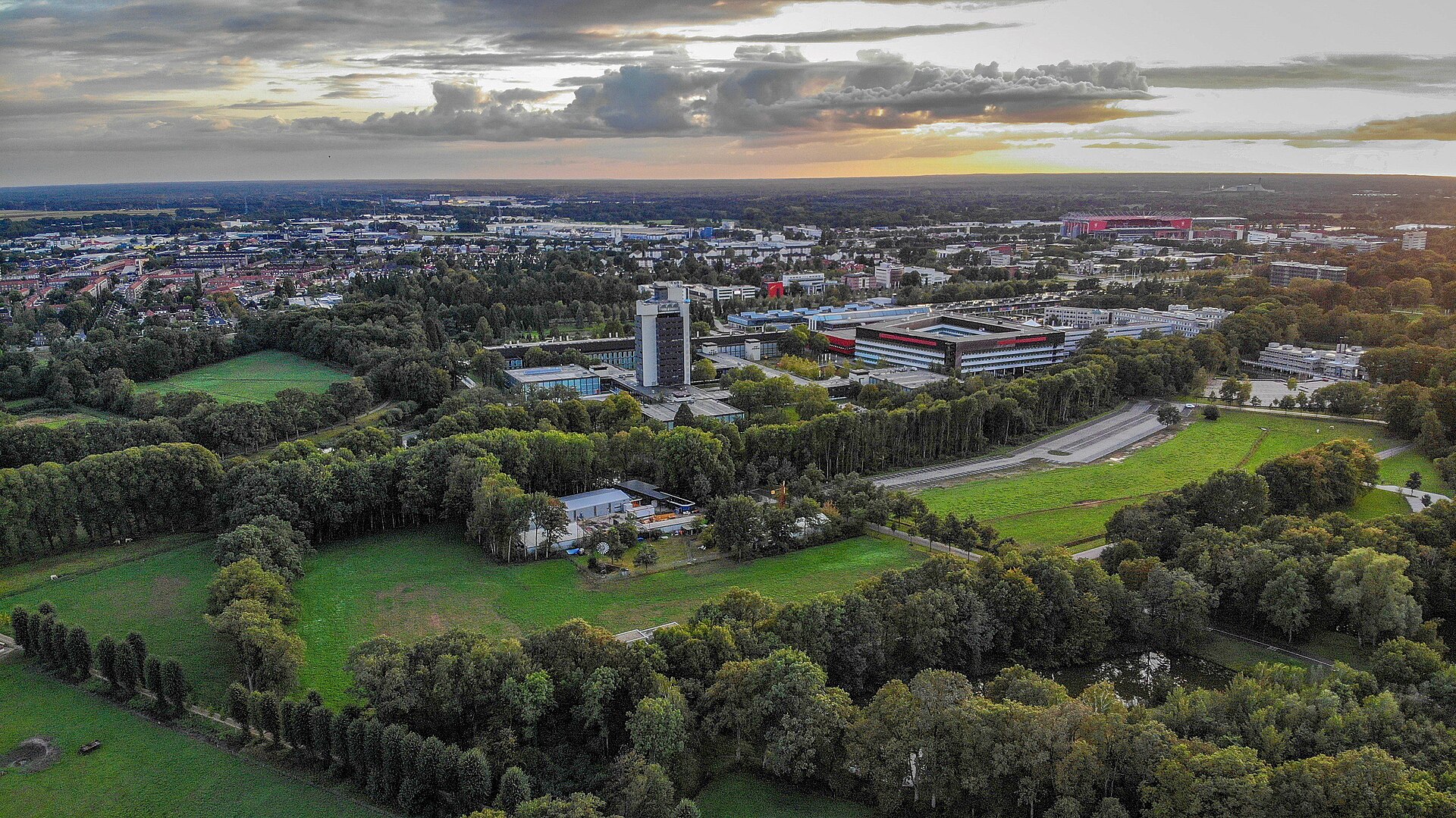
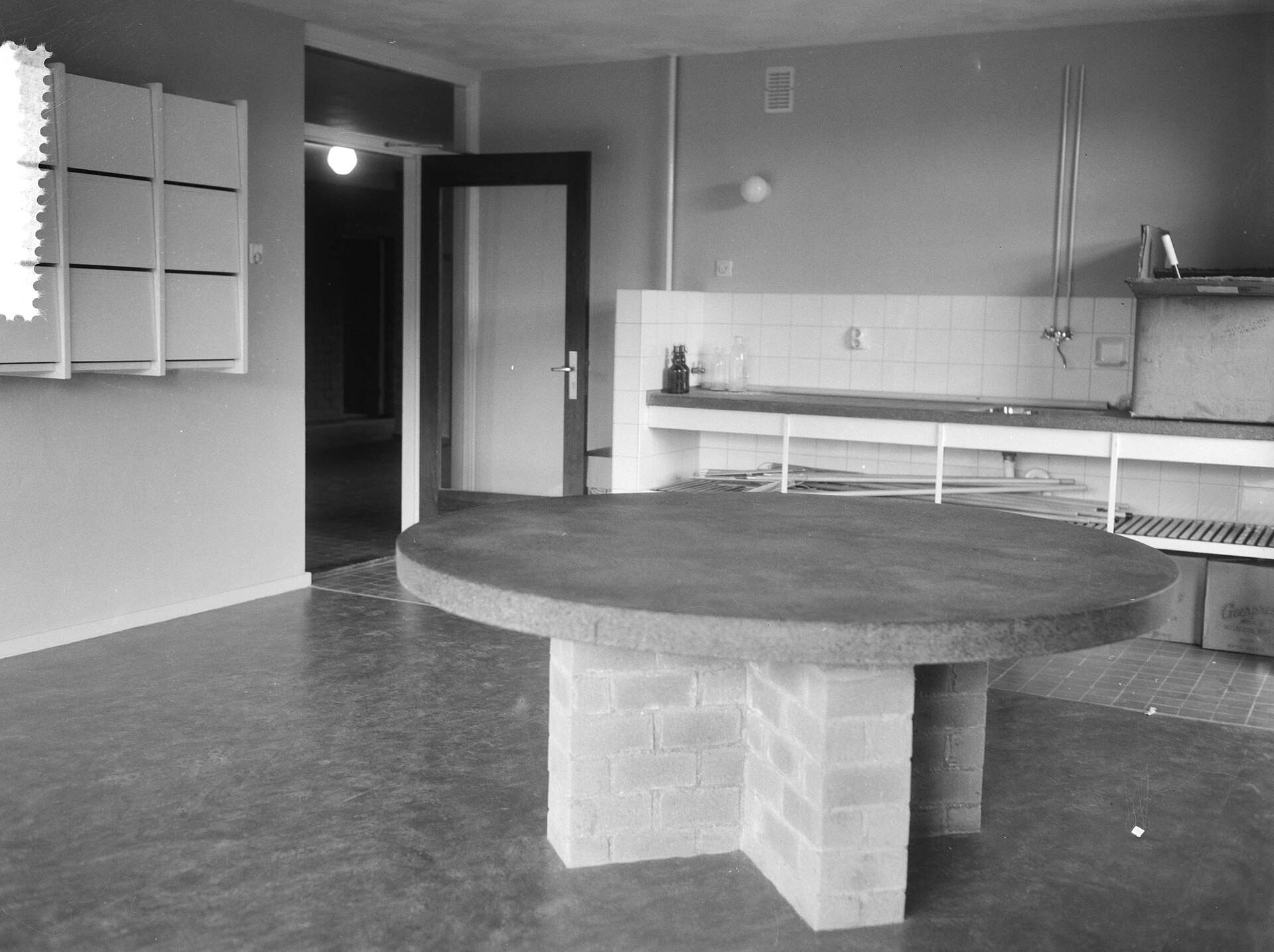
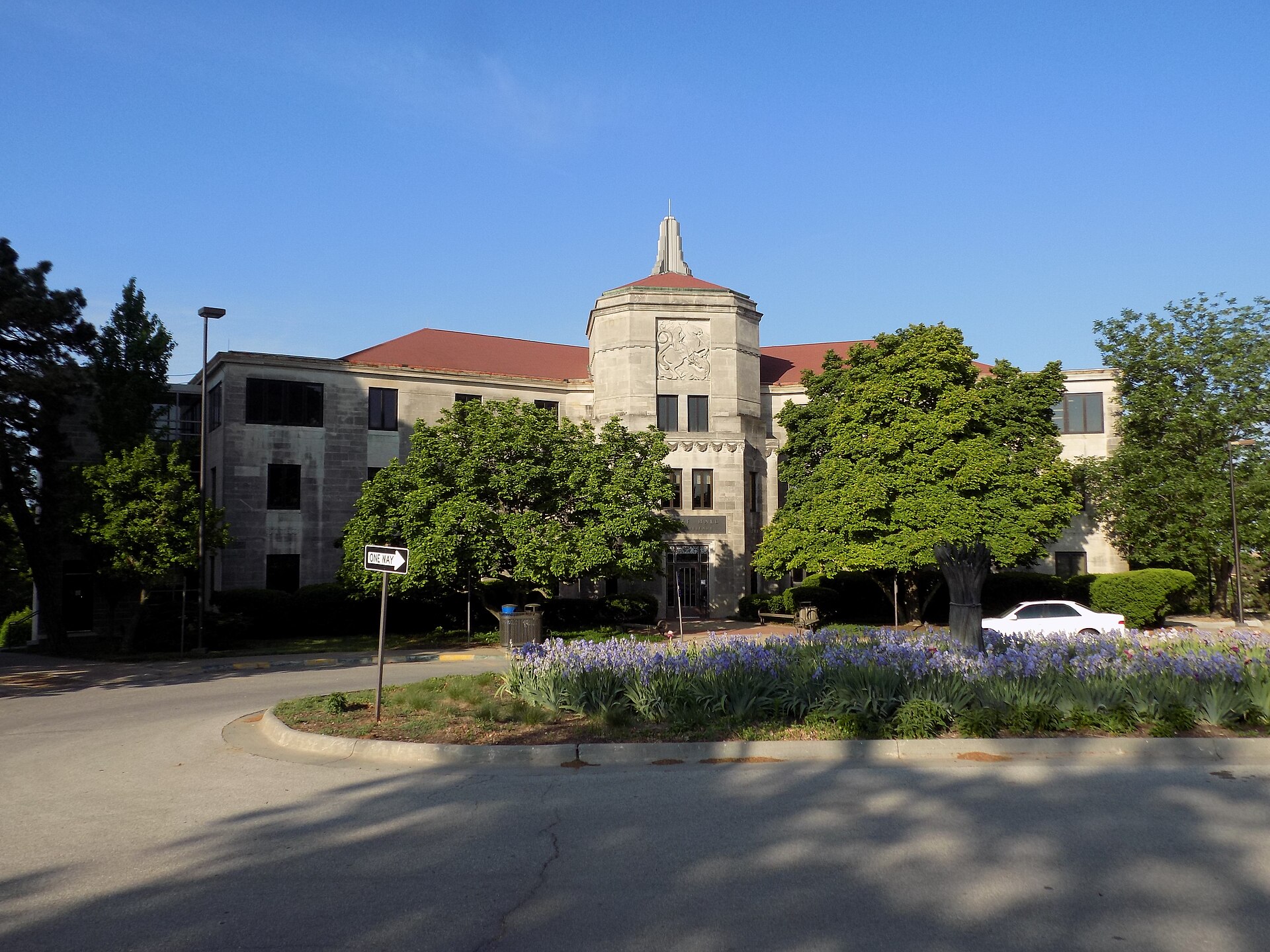
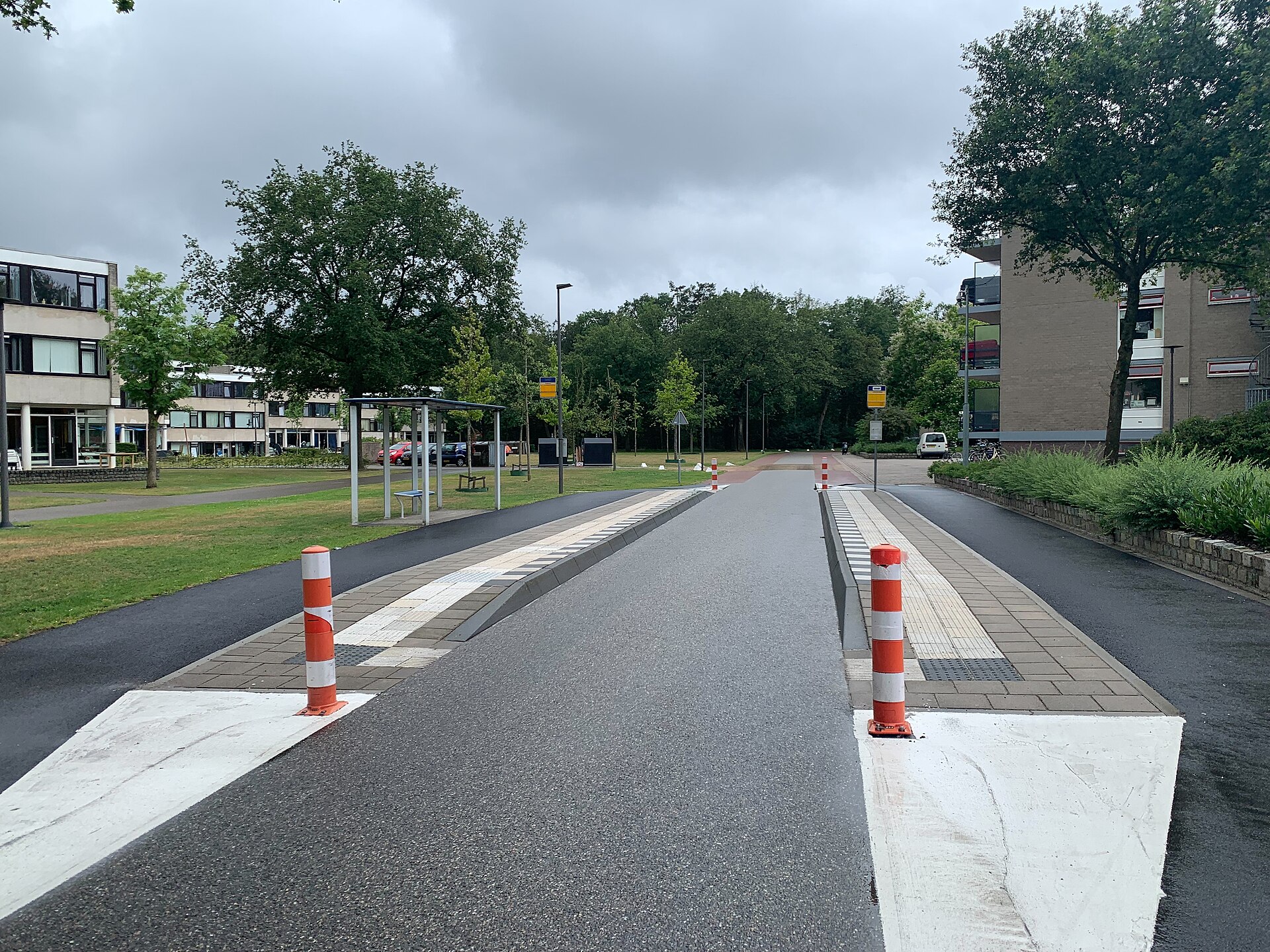
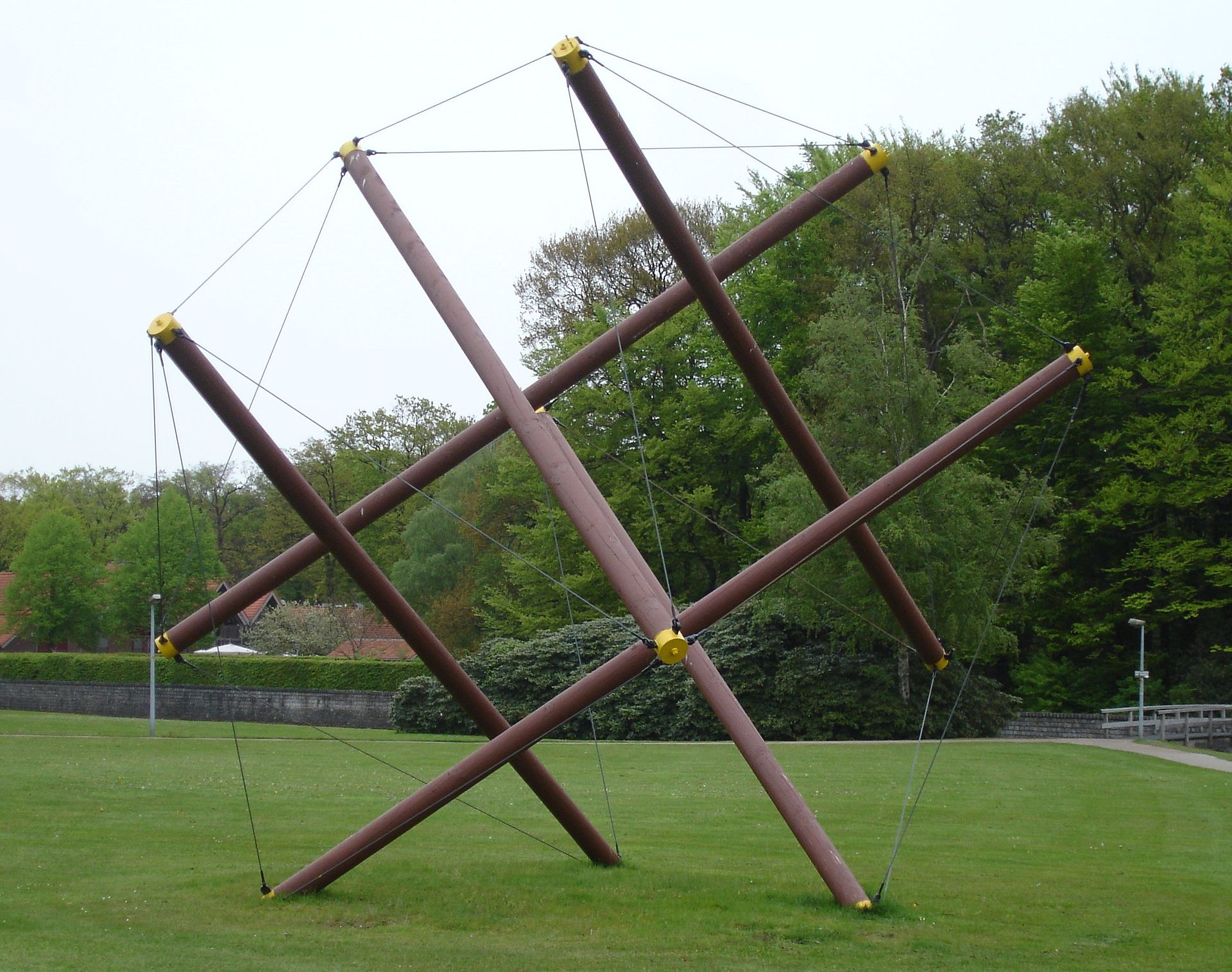
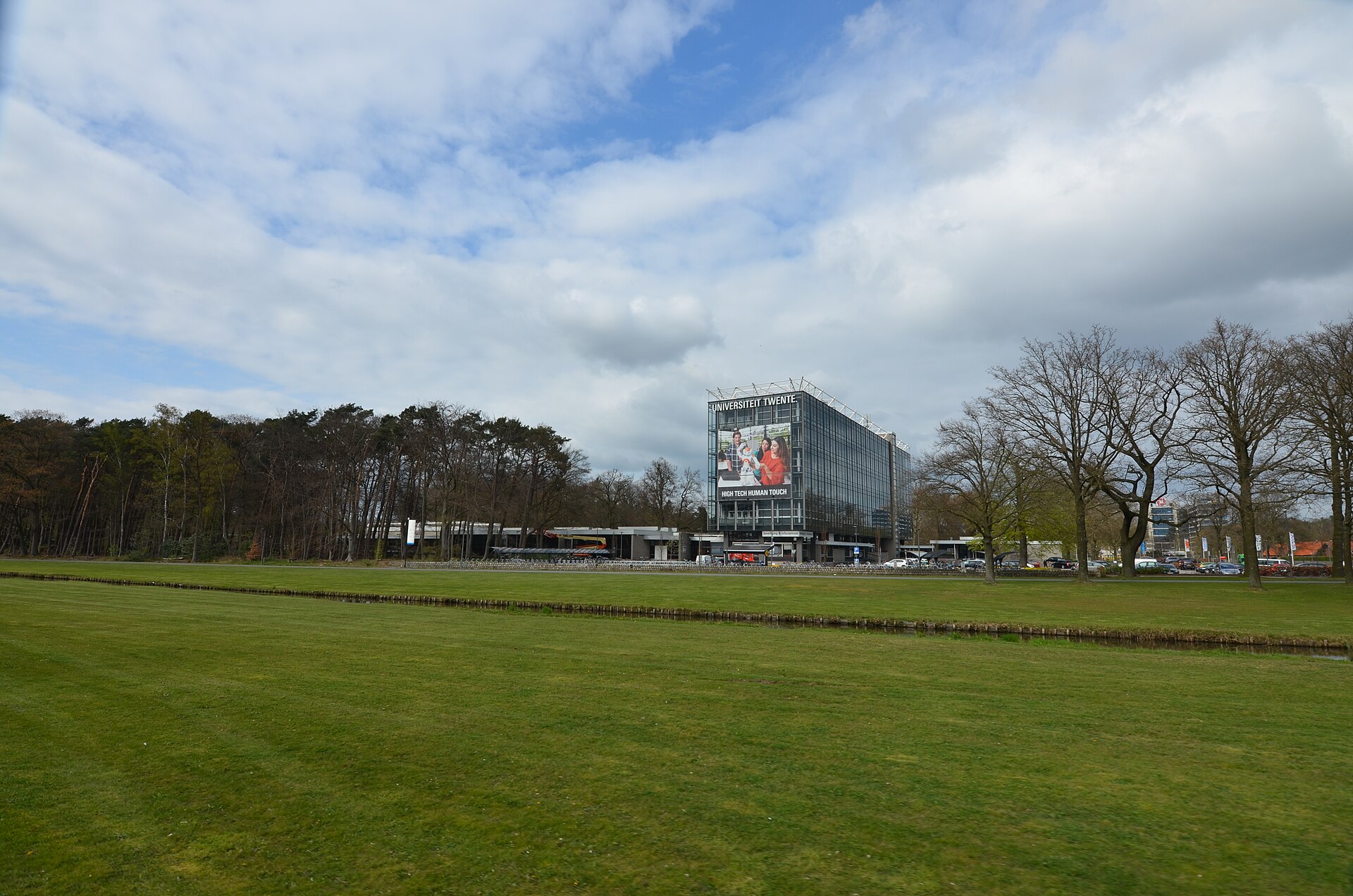
University of Twente — campus in pictures
Real, freely-licensed photographs of the campus (via Wikimedia Commons).
Why Choose University of Twente — Tech, Entrepreneurship & Campus Life
UT offers a rare combination: world-class technical research, a uniquely interdisciplinary curriculum, and a fully self-contained campus that creates an unusually tight-knit community.
SELECTIVITY
Acceptance Rate & Academic Profile
University of Twente is broadly accessible to well-qualified international students applying to most programmes. However, a number of high-demand programmes operate under a numerus fixus (capped enrolment) or decentralised selection process, where applicants go through matching activities, interviews, or portfolio assessments. For these programmes, the effective selectivity is considerably higher. Always check whether your target programme has a selection procedure on the UT admissions page.
SAT and ACT scores are not considered in the admissions process (test-blind). Academic achievement in your national qualification (IB Diploma, A-Levels, national high school leaving certificate) is the primary academic criterion.
AT A GLANCE
University of Twente — Quick Facts
HOW TO APPLY
What Your Application Consists Of
University of Twente uses the Dutch national Studielink portal for all applications. The process is structured and document-driven — there is no centralised essay system like Common App. Here is what makes up your application.
ADMISSIONS CRITERIA
The Profile University of Twente Admits
UT is not a prestige-for-prestige's-sake institution. It actively recruits students who want to apply technology to real-world problems and who are excited by the interdisciplinary, campus-based environment it offers. The ideal applicant is curious, entrepreneurial, and genuinely motivated — not just academically credentialed.
APPLICATION TIMELINE
Application Deadlines & Key Dates
Deadlines at University of Twente depend on your nationality, your intended programme, and whether your programme has a numerus fixus or selection procedure. The university provides a dedicated 'Deadlines tool' on its website to look up the exact deadline that applies to your situation. The broad structure below applies to most September-intake bachelor's programmes.
Use the UT Deadlines tool at utwente.nl to verify the exact deadline for your programme and nationality. Applying at the earliest opportunity is strongly recommended for non-EEA students.
| Applicant | Deadline | Notes |
|---|---|---|
| Non-EEA students (most programmes) | 1 April (year of entry) | Earlier deadline — apply well in advance; payment of €100 fee required |
| EEA/EU students (most programmes) | 1 May (year of entry) | Standard Dutch deadline via Studielink |
| Numerus fixus / selection programmes | 15 January (year of entry) | Includes matching activities; earlier deadline applies to all nationalities — verify on programme page |
| Master's programmes | Varies by programme | Many master's have 1 April or 1 May deadlines; some popular programmes close earlier — always check the programme page |
CAMPUS & CITY
Student Life in Enschede
University of Twente's campus is unlike any other in the Netherlands — a fully self-contained green estate where lecture halls, research institutes, student housing, sports facilities, cafes, and student association buildings are all within walking distance. This creates a social intensity and sense of community that is rare in European higher education.
Enschede itself is a compact, affordable Dutch city near the German border in the Overijssel region. Rents are among the lowest of any Dutch university city, and the city centre offers all the essentials — restaurants, cycling infrastructure, museums, and good rail connections to Amsterdam, Utrecht, and beyond. The cost of living (estimated at USD 13,000 per year) makes UT one of the more financially accessible choices for international students in the Netherlands.
GRADUATE OUTCOMES
Careers & Graduate Outcomes
University of Twente graduates are highly sought-after by technology, engineering, consultancy, and public-sector employers across Europe. The university's ECIU membership and 4TU consortium connections provide structured pathways into European industry networks.
The strongest employment pathways from UT are in engineering consultancy, software and ICT, advanced manufacturing, healthcare technology, and public-sector engineering. The Netherlands is a hub for European headquarters of global technology and logistics companies — ASML, Philips, DSM, and Booking.com are among the large employers who recruit from UT. For internationally mobile graduates, the degree is well-recognised across Western Europe, and UT's global QS ranking makes it a credible credential in Asia and North America too.
Many UT bachelor's graduates continue to master's level, either at UT or at partner universities within the 4TU consortium. The direct-entry-to-master's pathway within UT (for top bachelor's graduates) is a compelling reason to do both degrees here.
FREQUENTLY ASKED QUESTIONS
University of Twente — International Applicant FAQs
Do I need to speak Dutch to study at University of Twente?+
No. All bachelor's programmes at UT are taught in English (or with a bilingual Dutch-English track). A small number of bachelor's programmes are Dutch-medium — verify on the programme page. At master's level, essentially all programmes are English-taught. You do not need Dutch to live on campus, but learning some basics is helpful for daily life in Enschede.
What is the difference between a numerus fixus programme and a regular programme?+
A numerus fixus programme has a capped number of places. Applicants must meet earlier deadlines (typically 15 January) and participate in 'matching' activities — sometimes including interviews, portfolio reviews, or study advice sessions. Places are then allocated based on the selection outcome. Technical Medicine and Creative Technology are among the UT programmes with numerus fixus. Always check the programme page before applying.
Is the SAT or ACT required?+
No. University of Twente is test-blind for SAT and ACT. Your national qualification (IB Diploma, A-Levels, national leaving certificate) is the academic credential assessed. SAT/ACT scores cannot be submitted and will not improve your application.
What IB score do I need?+
The indicative IB benchmark for competitive UT programmes is around 34 total points. However, subject requirements matter as much as total points — Higher Level Mathematics and a relevant science (Physics, Chemistry, or Biology) are typically required for engineering and science programmes. Check the specific IB admission requirements on each programme page.
Can I apply if I am not from the EU/EEA?+
Yes. UT actively recruits international students from outside the EU/EEA. Note that non-EU/EEA students pay a higher tuition fee (approximately USD 17,000 per year for most programmes) than EU/EEA students, and have an earlier application deadline (typically 1 April). Priority housing on campus is available for international students.
Is there financial aid or scholarships for international students?+
Yes, though the availability is limited. The Holland Scholarship and UT's own scholarship programmes provide partial support for non-EEA international students. On average, approximately 10% of the tuition cost is offset through institutional aid. UT also participates in externally funded scholarships. See the Cost tab for a full breakdown. The best strategy is to apply early and check the scholarship deadline — it often precedes the admission deadline.
What is Studielink and how does it work?+
Studielink is the Dutch national online portal for applying to all Dutch higher-education institutions. You create an account at studielink.nl, select University of Twente and your programme, pay the application fee (non-Dutch applicants only), and then upload your documents via UT's own Osiris student portal. The process is clear and well-supported — UT's Student Services team can assist at each stage.
When should I start preparing my application?+
For non-EEA students aiming for a September start, begin your application in November or December of the preceding year. This ensures you meet the 1 April deadline comfortably, gives you time to collect certified documents and translations, and keeps you in consideration for scholarship deadlines (which often fall in January or February).
ACADEMIC PREPARATION
Academic Expectations for International Students at UT
University of Twente is a technical research university. Its programmes are demanding in quantitative reasoning, problem-solving, and design thinking. International students should arrive with strong foundations in mathematics and their discipline's core sciences — and be ready for a project-based, collaborative learning environment that is quite different from lecture-heavy secondary school curricula.
UT's educational philosophy is built around project-driven learning in small teams, combining technical depth with cross-disciplinary thinking. From the first year, you will be designing, prototyping, and solving real problems alongside students from different disciplinary backgrounds.
ACADEMIC BENCHMARKS
Academic Profile — What Competitive Applicants Look Like
These are indicative benchmarks. Final admission decisions depend on your specific programme's requirements, including required subjects and, where applicable, the decentralised selection outcome. Always check the programme-specific page.
TEST POLICY
University of Twente is Test-Blind
Unlike North American universities, University of Twente does not consider SAT or ACT scores in any part of its admissions or scholarship process. This is standard for Dutch universities. Your national school-leaving qualification — whether that is the IB Diploma, A-Levels, the German Abitur, the Dutch VWO, the Indian CBSE/ISC, or another recognised qualification — is your primary academic credential.
If you have strong SAT or ACT scores, they will not help your UT application. Concentrate your preparation on achieving strong results in your national qualification, particularly in Higher Level Mathematics and any required science subjects.
IB & A-LEVEL APPLICANTS
How UT Reads IB Diplomas & A-Levels
International Baccalaureate Diploma students and A-Level students are welcome applicants and their qualifications are well-understood by UT admissions. Both are recognised entry routes across all UT programmes.
SUBJECT PREPARATION
Building the Right Academic Foundation
The subjects you study in secondary school directly affect your eligibility for specific UT programmes. Engineering and technology degrees require strong prior study in mathematics and sciences — not just general academic ability.
ENGLISH PROFICIENCY
English Language Requirements
All UT bachelor's and master's programmes in English require a recognised English language test for applicants whose prior education was not conducted entirely in English. The minimum requirements below are institutional minimums — some programmes require higher scores.
If your secondary education was conducted entirely in English (e.g. IB Diploma in an English-medium school, or UK/US/Australian education), you may be exempt from the language test requirement. Document your medium of instruction clearly in your application.
| Test | Overall | Notes |
|---|---|---|
| IELTS Academic | 6.5 | Band scores of 6.0 or above in each component; some programmes require 7.0 overall |
| TOEFL iBT | 90 | Sub-scores may be specified per programme; some programmes require 100+ |
| Duolingo English Test | Not specified | Check with UT admissions for current Duolingo policy |
| Cambridge C1/C2 | Grade B or above | Cambridge Advanced (CAE) and Proficiency (CPE) accepted; check with admissions |
YEAR-BY-YEAR ROADMAP
Building Your Profile — Grade 9 to Application
PITFALLS TO AVOID
Common Academic Preparation Mistakes
- Choosing Standard Level Mathematics instead of Higher Level in the IB when applying to engineering — this can make you ineligible for your first-choice programme.
- Assuming a high overall IB score compensates for a weak result in a required subject — UT assesses subject-by-subject for entry to each programme.
- Leaving the English language test too late — schedule IELTS or TOEFL by November of your application year so you have time to retake if needed.
- Applying to a numerus fixus programme after the January deadline — these programmes close early and late applications are not considered.
- Paying the application fee but failing to upload documents to Osiris — the application is only reviewed once documents are received, not just the fee.
- Choosing a programme based on general interest without checking its specific mathematical prerequisites — several UT programmes are demanding in calculus and linear algebra from week one.
- Underestimating the motivation letter — for selective programmes, a generic or unfocused motivation letter is a direct cause of rejection. See the Essay tab for detailed guidance.
Faqs Section
COST & FINANCIAL AID
Understanding the Cost of Studying at University of Twente
For non-EU/EEA international students, University of Twente represents a significantly more affordable option than comparable-quality universities in the United States, United Kingdom, or Australia — while offering comparable research quality and outcomes. However, it is not free, and financial planning is essential. This tab walks you through the real costs and the limited but real aid available.
EU/EEA students pay a statutory Dutch tuition fee that is very low (regulated by the Dutch government). Non-EU/EEA students pay institutional tuition fees set by the university, which are higher. The figures below are annual estimates in US dollars for non-EU/EEA international students.
ANNUAL COST ESTIMATE
Cost Breakdown — Non-EU/EEA International Students
All figures are approximate annual estimates in USD for non-EU/EEA international students. Actual costs depend on the specific programme, exchange rates, and personal lifestyle. Figures sourced from the university's facts data.
| Component | Estimate Usd | Notes |
|---|---|---|
| Tuition & Programme Fees | ~USD 17,000 | Per academic year; varies by programme |
| Living Costs (Enschede) | ~USD 13,000 | Housing, food, transport, personal; Enschede is among the most affordable Dutch cities |
| Total Cost of Attendance | ~USD 30,000 | Estimated total annual cost (tuition + living) |
| Application Fee | ~USD 100 | One-time; non-refundable; non-Dutch applicants only |
FINANCIAL AID
Financial Aid Policy for International Students
University of Twente is a Dutch public university. EU/EEA students are eligible for Dutch government student finance (DUO grants and loans). Non-EU/EEA international students are not eligible for DUO student finance but may access UT institutional scholarships and the Holland Scholarship.
On average, approximately 10% of tuition costs are offset through institutional scholarships for the students who receive them. This is a partial contribution, not a full scholarship. The majority of international students self-fund their studies. Families should plan for the full cost of attendance when budgeting, treating any scholarship as a welcome supplement rather than a financial plan.
UT does not offer need-blind admissions or comprehensive need-based financial aid packages to international students comparable to the top US need-aware programmes. Aid is competitive, partial, and not guaranteed.
SCHOLARSHIPS
Scholarships for International Students
Several named scholarships are available for non-EEA international students at University of Twente. Scholarship availability and amounts change annually — always verify the current cycle on the official UT scholarship pages.
THE REAL PICTURE
Affordability — An Honest Assessment
Compared to the United States or United Kingdom, University of Twente offers excellent value for a top-200 global research university. At approximately USD 30,000 per year in total cost of attendance, it is considerably less expensive than most comparable institutions in those countries.
However, the total cost is still significant, and financial aid for non-EEA students is limited and competitive. Unlike many US universities that advertise generous need-based financial aid, Dutch universities do not operate need-blind systems for international students. The honest advice: budget for the full cost, apply for every scholarship for which you are eligible (before their deadlines), and treat scholarship income as a bonus rather than a financial plan.
Living in Enschede rather than Amsterdam or Rotterdam is a genuine financial advantage. Rent, food, and transport costs in Enschede are materially lower than the Dutch randstad cities. Students report that a monthly budget of €900–1,100 is typically sufficient for comfortable student living in Enschede (excluding tuition).
HOW TO FUND YOUR DEGREE
Step-by-Step: Funding Your UT Education
COST & AID FAQs
Financial Aid FAQs
How much do EU students pay in tuition at UT?+
EU/EEA students pay the Dutch statutory tuition fee, which is regulated by the Dutch government and is substantially lower than the non-EU fee. The exact amount changes slightly each year — check the current figure at duo.nl or on the UT website. It is significantly lower than the USD 17,000 non-EU fee cited for international students.
Is there a tuition fee waiver for exceptional non-EU students?+
No full tuition fee waiver is generally available. Scholarship awards are partial contributions to tuition, not complete waivers. Some master's programmes may offer full scholarships for exceptional candidates — check programme-specific scholarship pages and contact the admissions office.
Can I work part-time while studying at UT?+
Non-EU/EEA students holding a Dutch residence permit for study purposes may work up to 16 hours per week in the Netherlands. EU/EEA students have no work restrictions. Student jobs are available in Enschede, though the market is smaller than in larger Dutch cities. Part-time work can help offset living costs but should not be relied upon to cover tuition.
Does UT offer payment plans for tuition?+
Contact UT Student Services or the finance office directly for information on tuition payment schedules. Dutch universities typically require tuition to be paid by semester or in a lump sum. EU students paying DUO rates may use DUO's payment system.
Are the scholarships enough to cover full costs?+
In most cases, no. Available scholarships for non-EEA students typically cover a partial contribution — perhaps one semester's tuition or a fixed annual amount. Families should plan for the full cost of attendance and treat scholarship income as a supplement.
APPLICATION & MOTIVATION LETTER
The Motivation Letter — Your Most Important Application Document
University of Twente does not use a US-style application essay system. There is no Common App personal statement, no supplemental essay prompts, and no 650-word narrative to craft. Instead, the key written document in your UT application is the Motivation Letter — a focused, programme-specific letter explaining why you want to study this exact programme at this exact university, and what you intend to do with it.
For selective UT programmes — those with numerus fixus or decentralised selection — the motivation letter can be decisive. For open programmes, it adds important colour to your academic record. Either way, it deserves serious preparation.
APPLICATION SYSTEM
How International Students Apply to UT
University of Twente uses the Dutch national Studielink platform for all applications. This is fundamentally different from Common App, UCAS, or Coalition App — it is a document submission portal, not an essay-driven system.
The application structure has no predefined essay prompts. Instead, you are asked to upload a motivation letter (and sometimes a CV) as part of your document package. Some programmes — particularly those with selection procedures — also invite shortlisted applicants to participate in matching activities, which may include interviews, group exercises, or portfolio reviews. These are programme-specific and described on the relevant programme admissions page.
THE MOTIVATION LETTER
What Your Motivation Letter Must Address
There are no standardised verbatim prompts at UT. The motivation letter is open-format. However, UT's admissions guidance consistently signals that a strong motivation letter addresses three core questions — treat these as your structural framework.
STRATEGY
Writing a Strong Motivation Letter for UT
A motivation letter for a Dutch technical university is not a personal statement in the US sense. It is not the place for a coming-of-age narrative or a story about personal struggle. It is a structured, professional document — closer to a very good cover letter than to a US college essay.
The ideal UT motivation letter is typically one to two pages (A4). It opens by clearly stating which programme you are applying to and why you are drawn to it. It then demonstrates that you understand what the programme involves — its structure, its teaching philosophy, its strengths — and why you are a good match for it. It closes with a clear articulation of your post-graduation direction and why UT is the right place to develop it.
Avoid the temptation to write in an overly personal, anecdotal style — UT admissions readers are assessing academic and professional motivation, not narrative voice. Be clear, be specific, be honest, and be direct.
SELECTION PROCEDURES
Numerus Fixus & Decentralised Selection
For programmes with a numerus fixus or decentralised selection, the written motivation letter is only the first step. Shortlisted applicants are typically invited to participate in additional selection activities.
WHAT TO WRITE ABOUT
Choosing Your Motivation Letter's Focus
The motivation letter is not the place to list your CV — you submit a CV separately. It is the place to make an argument: why you + this programme + this university = a good match. Here is how to find the focus.
PITFALLS
Common Motivation Letter Mistakes
- Writing a generic letter that could apply to any technical university — UT admissions readers recognise this immediately. Specificity is essential.
- Telling your life story instead of making an argument — the motivation letter is not a personal statement. Focus on academic and professional motivation.
- Failing to demonstrate knowledge of UT's distinctive character — if you do not mention the campus, the 'Human Touch' philosophy, the project-based model, or something specific to UT, the letter signals low engagement.
- Listing achievements that belong in your CV — keep the motivation letter focused on motivation, not on a summary of your extracurricular record.
- Submitting a poorly proofread letter — small errors in a short document (1–2 pages) signal carelessness. Have a trusted reader review it before submission.
- Missing the numerus fixus deadline — once the 15 January deadline passes, applications to capped programmes are not accepted. No exceptions.
- Using an overly informal or conversational tone — a Dutch university admissions letter should be professional and direct, not chatty.
- Ignoring programme-specific requirements — some UT programmes ask for additional documents (portfolio, research proposal) that are separate from the motivation letter. Read the programme admissions page carefully.
APPLICATION FAQs
Application & Motivation Letter FAQs
How long should my motivation letter be?+
Typically one to two pages of A4 (approximately 500–800 words). Some programmes specify a word or page limit — always check. If no limit is given, aim for one page and expand only if you have genuinely relevant material to add.
Should I write a different motivation letter for each programme I apply to?+
Yes, absolutely. You can apply to more than one UT programme via Studielink, but each application requires a programme-specific motivation letter. A generic letter is immediately recognisable and significantly weakens your application.
Can I reuse my US Common App personal statement or UCAS personal statement as my UT motivation letter?+
No. A US personal statement is a personal narrative; a UT motivation letter is a focused professional argument. A UCAS personal statement is closer in format but is written for a different assessment context. Both need to be substantially rewritten — or replaced entirely — for UT.
Does the motivation letter need to be in Dutch?+
No. For English-taught programmes, the motivation letter should be in English. For Dutch-medium programmes, it should typically be in Dutch. Always match the language of the programme.
What happens if my programme has decentralised selection?+
After you submit your application via Studielink and upload your documents, you will be invited to participate in the selection activities (matching session, interview, or portfolio review). Participation is mandatory — failing to respond promptly or attend can disqualify you. Check your email regularly after submitting your application.
Can I contact UT admissions for feedback on my motivation letter?+
UT's Student Services team can answer questions about what is expected but will not pre-read individual letters. Some UT programmes host open days and online information sessions where admissions staff discuss what makes a strong motivation letter — these are worth attending.
Is there an interview for standard (non-numerus fixus) programmes?+
Generally no. Most open UT programmes do not require an interview. Your application is assessed on your academic credentials, English language test, and motivation letter. Only numerus fixus and certain research programmes include interviews or further selection steps.
Courses — schools, degrees & intake
19 degrees across 4 groupings.
Faculty of Electrical Engineering, Mathematics and Computer Science (EEMCS) · 5 degrees
Applied Mathematics
Business Information Technology
Creative Technology
Electrical Engineering
Technical Computer Science
Faculty of Science and Technology (TNW) · 5 degrees
Advanced Technology
Applied Physics
Biomedical Technology
Chemical Science & Engineering
Technical Medicine
Faculty of Engineering Technology (ET) · 3 degrees
Civil Engineering
Industrial Design Engineering
Mechanical Engineering
Faculty of Behavioural, Management & Social Sciences (BMS) · 6 degrees
Communication Science
Health Sciences
Industrial Engineering & Management
International Business Administration
Psychology
Public Administration
Want your real chances at University of Twente?
Create a free TYCHR account for your personalised admit-chance, a shortlist you can track, exact entry requirements, and essay + counselling help.