University of Turku
Turku, Finland · Urban
FINLAND'S FOURTH-RANKED UNIVERSITY
University of Turku — Admissions Guide for International Students
Founded in 1920 on the banks of the Aura river, the University of Turku is Finland's oldest Finnish-language university and a comprehensive research powerhouse. With world-class strengths in biomedicine, astronomy, law, futures studies, and the life sciences, it offers ambitious international students a rigorous, research-anchored education in one of Europe's safest, most liveable student cities.
UTU's 17-plus English-taught master's programmes span engineering, biosciences, economics, social sciences, and humanities — all at publicly funded Finnish universities whose tuition levels are a fraction of comparable programmes in the UK or the US. For international students willing to compete on academic merit, Turku offers a genuinely compelling mix of research depth, Nordic lifestyle, and career mobility across Europe.
Campus
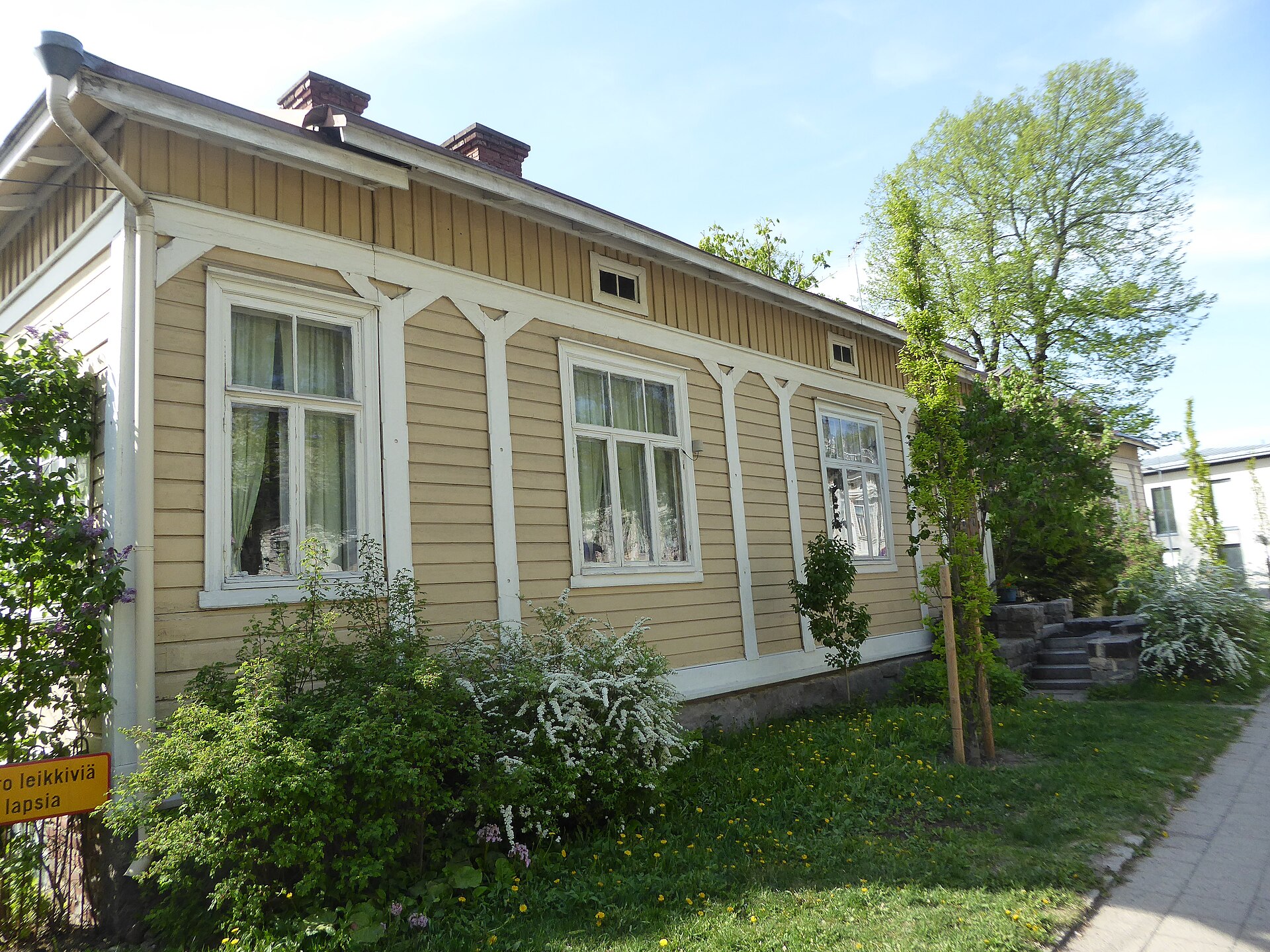
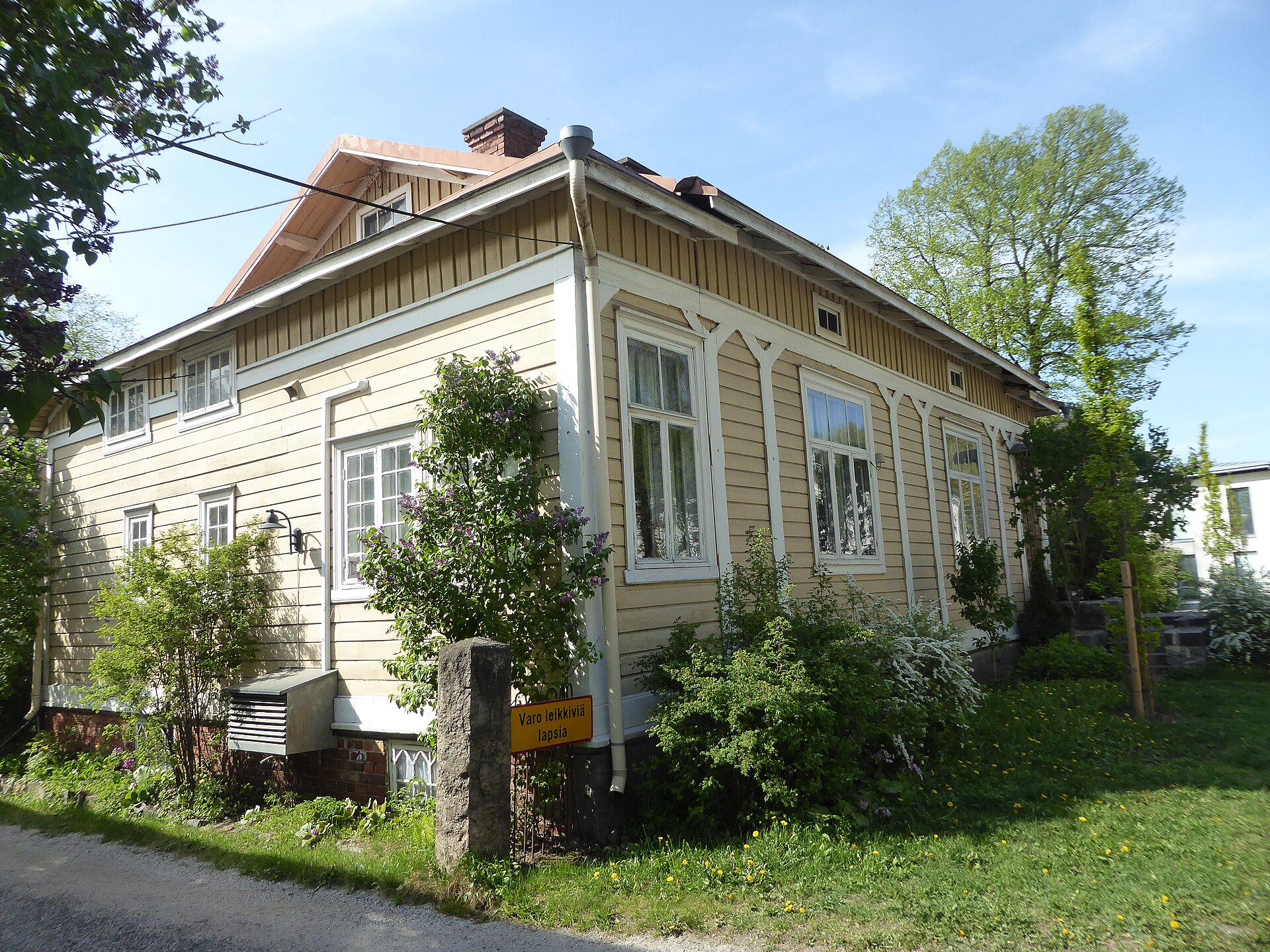
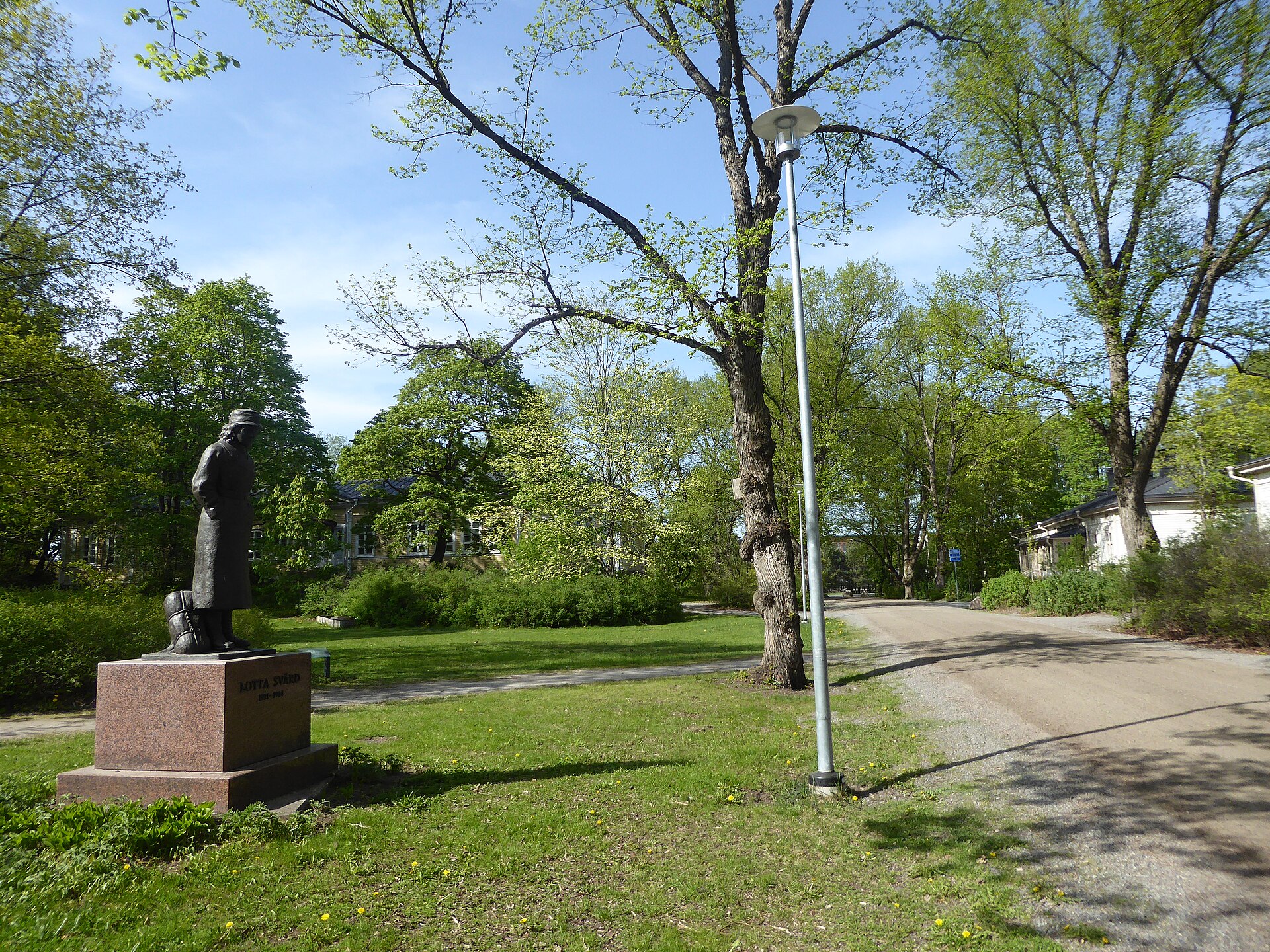
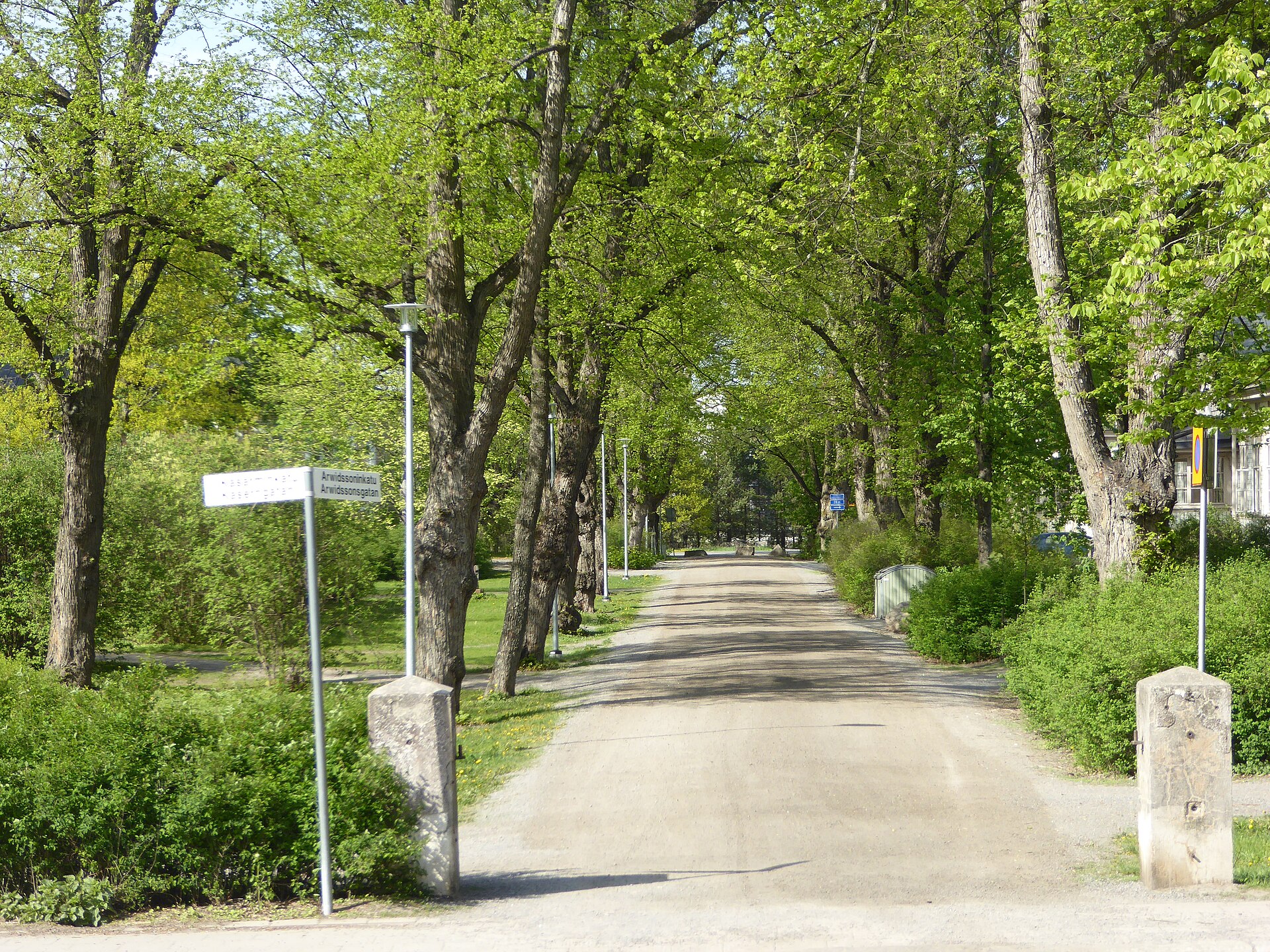
University of Turku — campus in pictures
Real, freely-licensed photographs of the campus (via Wikimedia Commons).


Why the University of Turku — Research, Rankings & Nordic Value
UTU consistently ranks among Finland's top four universities and sits comfortably in the global top 325 across both QS and Times Higher Education tables. It combines the intellectual breadth of a classic European research university with the focused intensity of Finland's innovation ecosystem.
SELECTIVITY
How Selective Is the University of Turku?
Admission to UTU master's programmes is programme-specific and competitive. The overall acceptance rate across all programmes is approximately 40%, but individual programmes — particularly in biomedicine, health technology, and futures studies — can be significantly more selective. Admission is based on academic merit, not a holistic essay-portfolio model: your transcript and bachelor's thesis matter most.
QUICK FACTS
University of Turku at a Glance
WHAT YOUR APPLICATION CONSISTS OF
Application Components
UTU uses a merit-based, document-driven selection process through the Finnish national portal Studyinfo.fi. Applications are evaluated in up to three phases. There are no standardised test requirements (SAT/ACT/GRE) — your academic record is the primary signal.
ADMISSION PROFILE
What UTU Looks For
UTU's selection is academic-first. Committees look for a demonstrably strong academic foundation in the relevant discipline, a coherent rationale for choosing the programme, and evidence that you can perform at master's level in an English-speaking research environment.
KEY DATES
Application Deadlines and Timeline
UTU runs one main international application round per year for master's programmes beginning in September. All applications are submitted through Studyinfo.fi. The next round opens in January 2027 for entry in September 2027.
| Stage | Timing | Notes |
|---|---|---|
| Application window | Early–late January each year | 2027 round: 7–21 January 2027 (verify on Studyinfo.fi) |
| Document submission | By end of January | All documents including certified transcripts and language scores |
| Admission results | April | All applicants notified via Studyinfo.fi |
| Tuition fee payment / Early Bird | Within 28 days of admission | Pay within 28 days to claim the €2,000 Early Bird Discount |
| Studies begin | Late August | Orientation week for new international students |
STUDENT LIFE
Life in Turku as an International Student
Turku is Finland's oldest city — a riverfront university town with a medieval castle, a vibrant food scene, and the entire Finnish archipelago on its doorstep. With 25,000 students and staff in a city of roughly 200,000 residents, students make up a genuine share of city life.
The UTU Student Union (TYY) is one of the most active in Finland. Membership is automatic for degree students and covers access to a wide range of clubs, sporting facilities, legal advice services, and social events. TYY operates as an umbrella for dozens of subject-specific guilds and hobby clubs — one of the best routes into Finnish student culture for international arrivals. Student housing in Turku is managed through TYYS (the UTU and Åbo Akademi student housing foundation), which offers affordable furnished rooms and apartments across several campus-proximate locations. Apply for housing early — demand is high among international students. For practical living costs, UTU students typically budget between €800 and €1,000 per month including rent, food, transport, and personal expenses.
CAREER OUTCOMES
Where UTU Graduates Go
The University of Turku posts a 90% employment rate for graduates, with average starting salaries around $42,000 (approximately €38,000). Finland's labour market — particularly in biotech, pharmaceutical, maritime/logistics, ICT, and public sector research — is UTU's primary graduate destination.
Cards
Stats
FAQs
Frequently Asked Questions
Do I need to speak Finnish to study at UTU?+
No. All 17-plus master's programmes listed on the international programme pages are fully taught in English. However, UTU encourages international students to take Finnish language courses — and the UTU Merit Scholarship actually requires a minimum of 4 Finnish language credits for continued eligibility. Learning even basic Finnish will enrich your experience in the city.
Are EU/EEA students charged tuition?+
No. Citizens of EU/EEA countries and Switzerland study at UTU free of tuition fees, as at all Finnish public universities. Non-EU/EEA students pay programme-specific fees ranging from €1,500 to €12,000 per year.
Can I apply to more than one UTU programme?+
Yes. You can apply to multiple programmes simultaneously through Studyinfo.fi, but each programme has its own application and evaluation — including separate motivation letters and eligibility requirements. Do not submit the same motivation letter to different programmes.
When is the application deadline?+
The main international application round typically opens in early January and closes in late January each year. The 2027 round runs from 7 to 21 January 2027. Studyinfo.fi is the authoritative source — confirm the exact dates before applying.
Is there an application fee?+
Yes. Non-EU/EEA applicants pay an application fee of approximately $110 (around €100). EU/EEA applicants are typically exempt — confirm on Studyinfo.fi as this may vary by cycle.
Can I work in Finland while studying?+
Non-EU/EEA students on a student residence permit can work up to 25 hours per week during term time and full-time during official university holidays. Part-time employment is common among international students, particularly in Turku's service and research sectors.
What is Studyinfo.fi?+
Studyinfo.fi (in Finnish: Opintopolku.fi) is Finland's national application portal for all higher education. All UTU applications for degree study are submitted here. Create an account well before the application period opens; uploading certified documents can take time.
Does UTU offer bachelor's degrees in English for international students?+
Currently, UTU's international-track English-taught programmes are predominantly at the master's level. Most bachelor's programmes are taught in Finnish. International students seeking undergraduate education in English should check the latest programme listings on utu.fi, as the offering may expand.
ACADEMIC EXPECTATIONS
Academic Profile for International Applicants
UTU's Selection is Grades-First
Unlike US universities, UTU does not run a holistic admissions process. Your academic record — degree class, transcript grades, and bachelor's thesis — is the primary and decisive factor. Understanding what the evaluation committee looks for in your transcripts is the key to a competitive application.
Each programme publishes a detailed selection criterion document on Studyinfo.fi that weights different transcript elements (thesis grade, major GPA, relevant ECTS credits, degree level). Reading this document before you apply is essential. A perfect motivation letter cannot compensate for a below-threshold GPA; but strong grades with a mediocre motivation letter can still secure admission in Grade-only programmes.
ACADEMIC BENCHMARKS
Entry Profile — What You Need
TEST POLICY
Standardised Tests: Optional
UTU's test policy is optional: SAT, ACT, and GRE are NOT required or considered in the admissions evaluation. The only mandatory test is English proficiency (IELTS, TOEFL, PTE, or Cambridge) for applicants whose prior degree was not taught in English.
This is a significant difference from US admissions. Your energy should go into your transcript, thesis, and motivation letter — not test preparation. If you already have strong SAT or GRE scores from US applications, you can mention them in your CV, but they carry no weight in UTU's evaluation.
NO SAT/ACT REQUIRED
What Tests Actually Matter at UTU
The only test that is mandatory for UTU admission (for most international applicants) is an English proficiency exam. UTU accepts IELTS Academic, TOEFL iBT, Cambridge C1 Advanced / C2 Proficiency, and PTE Academic.
IB & A-LEVELS
How IB and A-Level Results Are Read
UTU evaluates international qualifications through a structured equivalence framework. IB and A-Level results are mapped to Finnish degree-level equivalents for the purpose of determining eligibility and grade ranking.
An IB score of 32 or above is a general indicative benchmark for competitive UTU master's programmes. However, because most UTU master's programmes require a completed bachelor's degree as the basis for admission, your IB results are rarely the primary factor — your bachelor's transcript is. IB/A-Level results are more directly relevant if you are applying to any undergraduate-level entry (check individual programmes). For A-Level applicants, strong grades in relevant subjects (e.g., Mathematics and Physics for engineering, Biology and Chemistry for biosciences) will support your application profile. Finnish admissions coordinators are experienced with IB and A-Level and apply consistent grade equivalences.
SUBJECT PREPARATION
Subject Rigour Expected by Programme Area
ENGLISH LANGUAGE
English Language Requirements
| Test | Minimum Score | Notes |
|---|---|---|
| IELTS Academic | 6.5 overall | Sub-scores vary by programme |
| TOEFL iBT | 90 total | Home Edition accepted; confirm MyBest policy |
| Cambridge C1 Advanced | Grade B or above | C2 Proficiency also accepted |
| PTE Academic | Accepted | Confirm minimum score with admissions@utu.fi |
| Degree in English | Exemption | Prior bachelor's taught fully in English |
GRADE 9 TO UNIVERSITY
Building Your Academic Profile: A Year-by-Year Ladder
COMMON MISTAKES
Academic Application Pitfalls to Avoid
- Applying to a programme outside your eligible bachelor's field — Phase 1 will disqualify you regardless of grades or motivation letter quality.
- Submitting an incomplete application — missing transcripts, missing English test scores, or a missing motivation letter all lead to automatic rejection.
- Underestimating the bachelor's thesis — committees evaluate it as a writing and research sample. A weak or unrelated thesis can cost you even with a good GPA.
- Not checking programme-specific GPA requirements — some programmes set 3.0 out of 5.0 in major studies as an absolute floor; others look at specific course clusters.
- Sending the same motivation letter to multiple programmes — each programme requires a tailored letter addressing its specific focus and your relevant background.
- Waiting until January to take the English test — scores take weeks to arrive; book your test no later than November for a January submission.
- Ignoring the Finnish language requirement for the Merit Scholarship — if you plan to apply for continued scholarship support, enrol in Finnish language courses from semester one.
COST & FINANCIAL AID
What Does the University of Turku Cost?
Affordable by International Standards — with Scholarships Available
For EU/EEA students, UTU is entirely free. For non-EU/EEA international students, tuition fees (introduced in Finland in 2017) range from €1,500 to €12,000 per year — significantly lower than comparable programmes in the UK, US, or Australia. Finland's cost of living is moderate by Western European standards.
UTU offers three distinct financial support mechanisms for non-EU/EEA students: an Early Bird tuition discount, an in-study Merit Scholarship, and the Fulbright-UTU Graduate Award for US citizens. Understanding these mechanisms and when to apply is essential to planning your finances.
ANNUAL COST ESTIMATES
Cost Breakdown (Annual, Non-EU/EEA Students)
| Item | Amount | Notes |
|---|---|---|
| Tuition (non-EU/EEA) | $13,100 / year | Approx. €10,000–€12,000 depending on programme |
| Cost of living (Turku) | $10,500 / year | Rent, food, transport, personal; approx. €800–€1,000/month |
| Total cost of attendance | $25,000 / year | Tuition + living; estimated for typical master's student |
| Application fee (non-EU/EEA) | $110 | One-time fee per application cycle; EU/EEA may be exempt |
| Tuition (EU/EEA / Swiss) | Free | No tuition for EU/EEA citizens — only living costs apply |
FINANCIAL AID POLICY
Financial Aid for International Students
UTU does not operate a need-blind admissions process or a comprehensive need-based financial aid programme comparable to US universities. Financial support is primarily merit-based or time-of-payment based. The average financial aid benefit across aided students covers approximately 30% of tuition.
Most international students fund their studies through a combination of personal savings, home-country scholarships, and UTU's own scholarship options. Finland's student loan guarantee system is not available to most non-EU/EEA students. Non-EU/EEA students are strongly encouraged to research home-country scholarship schemes (such as national government scholarships, bilateral agreements, or private foundations) before arriving in Finland.
SCHOLARSHIPS
Named Scholarships at the University of Turku
NET COST REALITY
The Real Cost of a UTU Master's Degree
A two-year non-EU/EEA master's at UTU costs approximately $50,000 in tuition and living expenses before scholarships. With the Early Bird Discount (€2,000) and a Merit Scholarship in Year 2 (50% of tuition — worth €5,000–€6,000), a diligent student can reduce the total cost meaningfully.
Turku is significantly cheaper to live in than Helsinki, London, Amsterdam, or Zürich. Student housing through TYYS runs roughly €350–€550/month for a furnished room, depending on location and type. A monthly student budget of €800–€950 covers rent, groceries, transport, and modest social activities. Part-time work (up to 25 hours/week for non-EU/EEA permit holders) can supplement income — Turku's service sector, university research assistant positions, and student internship schemes all offer pathways.
EU/EEA students face no tuition cost at all — for an EU passport holder, two years at UTU is one of the best academic value propositions in Europe.
HOW TO FUND YOUR STUDIES
Step-by-Step: Applying for Financial Support
COST FAQs
Cost & Aid: Frequently Asked Questions
Is UTU free for EU/EEA students?+
Yes. Citizens of EU/EEA countries and Switzerland pay no tuition fees at UTU or any Finnish public university. You only pay for living costs and the modest TYY student union membership.
What is the Early Bird Discount and how do I get it?+
It is a €2,000 reduction off your first year's tuition, automatically applied if you accept your admission offer and pay within 28 days of the admission decision. No separate application is needed — you just need to act quickly when results arrive in April.
Can I get a scholarship without exceptional academic performance?+
The Early Bird Discount (€2,000) requires only prompt payment, not exceptional grades. The Merit Scholarship requires a 3.0 average (not the top grade), so it is achievable for solid — not just exceptional — students.
Is there need-based financial aid?+
UTU does not operate a comprehensive need-based aid programme for international students comparable to US universities. Support is primarily merit- and performance-based. Students in financial hardship should explore home-country scholarships and part-time work options.
Can non-EU students access Finnish student loans?+
Finland's government-backed student loan guarantee system (Kela) is generally not available to non-EU/EEA students studying in Finland. EU/EEA students and those with long-term residence may be eligible. Check Kela.fi for current eligibility rules.
How much does housing cost in Turku?+
Student housing through TYYS (the UTU student housing foundation) costs approximately €350–€550 per month for a furnished single room, depending on accommodation type and location. This is significantly cheaper than private-market rents in Turku or Helsinki. Apply early — demand from international students is high.
APPLICATION & MOTIVATION LETTER
The UTU Application: No Supplemental Essays — But Your Motivation Letter is Decisive
UTU is a Finnish public university. It does not use the Common App, UCAS, or any US-style supplemental essay system. Applications go through Studyinfo.fi, and the written component — where required — is a motivation letter, not a personal statement in the American sense.
This is important framing: if you are also applying to US or UK universities, resist the urge to repurpose your Common App personal statement or UCAS personal statement as a UTU motivation letter. They are different documents serving different purposes. The UTU motivation letter is evaluated on programme-specific fit and academic coherence — not on life narrative or personal growth stories.
HOW IT WORKS
The UTU Application Written Component
Applications are submitted through Studyinfo.fi, Finland's national higher education portal. For most UTU master's programmes, the motivation letter is the only written component required — and for many programmes it serves as a decisive third-phase selection document.
The process differs by programme. Some programmes evaluate applicants on academic record alone (GPA, thesis, relevant coursework). Others use the motivation letter as a mandatory phase-3 filter. In the most selective programmes, only the top 20 applicants by academic score advance to the motivation letter phase. In these cases, even a brilliant motivation letter cannot help an applicant who did not score highly in Phase 2 — and an applicant with excellent academic scores can be rejected at Phase 3 by a weak motivation letter.
Always check your specific programme's selection criteria document on Studyinfo.fi before writing. Some programmes require no motivation letter at all; others will reject applications without one.
THE MOTIVATION LETTER
What UTU Asks For in the Motivation Letter
UTU does not publish a standardised motivation letter prompt. Each programme defines what it wants the letter to address, but the core expectations are consistent across the university.
Because there is no publicly fixed prompt text that can be cited verbatim, the following guidance is based on UTU's published programme criteria and the stated evaluation framework. Verify the specific requirements for your programme on Studyinfo.fi before submitting.
NOT THE COMMON APP
UTU Versus US/UK Applications: What's Different
Students applying to both UTU and US or UK universities often try to adapt their Common App personal essay or UCAS personal statement for UTU. This is almost always a mistake.
The Common App personal essay is about you as a person — your story, growth, and character. The UCAS personal statement blends academic interest with personal journey. UTU's motivation letter is a professional-academic document: it is about why you are academically qualified for this programme, why you chose it, and what you plan to do with it. Personal narrative, emotional growth arcs, and family background stories are typically inappropriate in a Finnish academic motivation letter unless they directly explain an academic choice. Keep the tone clear, factual, and professionally focused. Length varies by programme — confirm on Studyinfo.fi — but one to two focused pages is standard.
WRITTEN COMPONENTS BY PROGRAMME TYPE
Written Requirements: What to Expect by Faculty
HOW TO APPROACH YOUR LETTER
Topic and Tone: How to Approach the UTU Motivation Letter
A strong UTU motivation letter is typically one to two pages, professionally structured, and programme-specific. It answers three questions: Why am I qualified? Why this programme? What will I do with this degree?
WHAT TO AVOID
Motivation Letter Mistakes That Cost Admissions
- Submitting a Common App personal essay or UCAS personal statement adapted as a UTU motivation letter — the genre, tone, and content expectations are fundamentally different.
- Writing a letter that could apply to any university in Europe — if you remove UTU's name and it still makes sense, rewrite it.
- Ignoring the programme's specific stated selection criteria on Studyinfo.fi — these documents tell you exactly what the committee values.
- Missing the motivation letter entirely — for programmes that require it, a missing letter means automatic rejection regardless of grades.
- Overusing superlatives and aspirational language — Finnish academic readers value precision and directness over enthusiasm.
- Writing more than the specified length without compelling reason — most programmes expect one to two focused pages; longer letters are not rewarded.
- Failing to proofread for formal English — a motivation letter with grammatical errors signals that the applicant cannot perform at master's level in an English-language programme.
- Applying to a programme outside your academic background and using the letter to explain why — Phase 1 will disqualify you before the committee reads a single word of your letter.
APPLICATION FAQs
Motivation Letter & Application: FAQs
Is a motivation letter mandatory for all UTU programmes?+
No — it is mandatory for some programmes and not required for others. Some programmes (particularly in technology and engineering) evaluate applicants on academic record alone. Always check your specific programme's selection criteria on Studyinfo.fi before you begin.
Where do I submit the motivation letter?+
All application documents, including the motivation letter, are submitted through Studyinfo.fi (opintopolku.fi) during the January application window. Do not send documents directly to UTU by email unless specifically instructed to do so.
How long should the motivation letter be?+
Most UTU motivation letters are expected to be one to two pages (around 500–700 words). The specific programme page or Studyinfo.fi entry will state any length requirement. Do not exceed the maximum if one is stated.
Can I reuse my UCAS personal statement for UTU?+
No. The UCAS personal statement and the UTU motivation letter serve different purposes and have different conventions. Repurposing a UCAS statement without significant revision will produce a document that reads as off-genre to a Finnish admissions committee.
Are there interviews as part of the application process?+
Some programmes — particularly Health Technology and selected engineering tracks — may invite shortlisted candidates for an interview as a final selection phase. Interviews are conducted online and focus on your academic background and programme suitability. Not all programmes use interviews.
What language should the motivation letter be written in?+
English, for all English-taught master's programmes. Finnish-language programmes may require a letter in Finnish.
Can I apply to UTU without a bachelor's degree?+
No. All UTU master's programmes require a completed bachelor's degree (equivalent to at least 180 ECTS) as a prerequisite. Applications without an eligible qualifying degree are rejected at Phase 1.
Courses — schools, degrees & intake
57 degrees across 9 groupings.
Faculty of Technology · 8 degrees
Automation Technology
Biomedical Engineering and Health Technology
Biotechnology
Food Technology
Information and Communication Technology
Materials Engineering and Mechanical Engineering
Biochemistry
Computer Science
Turku School of Economics · 5 degrees
Accounting and Finance
International Management and Entrepreneurship
Marketing and Value Chain Management
Economics and Business Competence
Sustainable and Social Entrepreneurship
Faculty of Social Sciences · 3 degrees
Social Sciences
Psychology
Speech and Language Pathology
Faculty of Law · 1 degrees
Law
Faculty of Medicine · 4 degrees
Medicine
Dentistry
Biomedicine
Nursing Science
Faculty of Science · 7 degrees
Biology
Biodiversity and Conservation Biology
Chemistry
Geology and Geography
Learning Analytics
Mathematics and Statistics
Physics and Astronomy
Faculty of Humanities — School of History, Culture and Arts Studies · 13 degrees
Archaeology
Art History
Comparative Literature
Cultural History
European and World History
European Ethnology
Finnish Literature
Folkloristics
Gender Studies
Media Studies
Museology
Musicology
Study of Religion
Faculty of Humanities — School of Languages and Translation Studies · 12 degrees
Applied Language Studies
Chinese Studies
Classics
English Language and Translation
Estonian Language and Culture
Finnish and Finno-Ugric Languages
French Language and Translation
German Language and Translation
Hungarian Language and Culture
Italian Language and Translation
Scandinavian Languages
Spanish Language and Translation
Faculty of Education · 4 degrees
Class Teacher Education
Early Childhood Education
Educational Sciences
Special Education
Want your real chances at University of Turku?
Create a free TYCHR account for your personalised admit-chance, a shortlist you can track, exact entry requirements, and essay + counselling help.