University of Toronto
Toronto, Canada · Urban
CANADA'S #1 UNIVERSITY
University of Toronto Admissions Guide for International Students
Founded in 1827, the University of Toronto is Canada's most research-intensive university and one of the world's great public universities. With over 97,000 students across three campuses in the Greater Toronto Area, U of T offers a breadth of academic programmes matched by few institutions on earth — paired with the career-launch advantages of Canada's financial, technology, and life-sciences capital.
For international students, U of T represents something rare: a globally top-25 research university with a relatively accessible acceptance rate, located in one of the world's most liveable and multicultural cities. Whether your ambition is deep-learning research, investment banking, pre-medicine, or architecture, U of T has a direct-entry programme and the faculty to match.
Campus
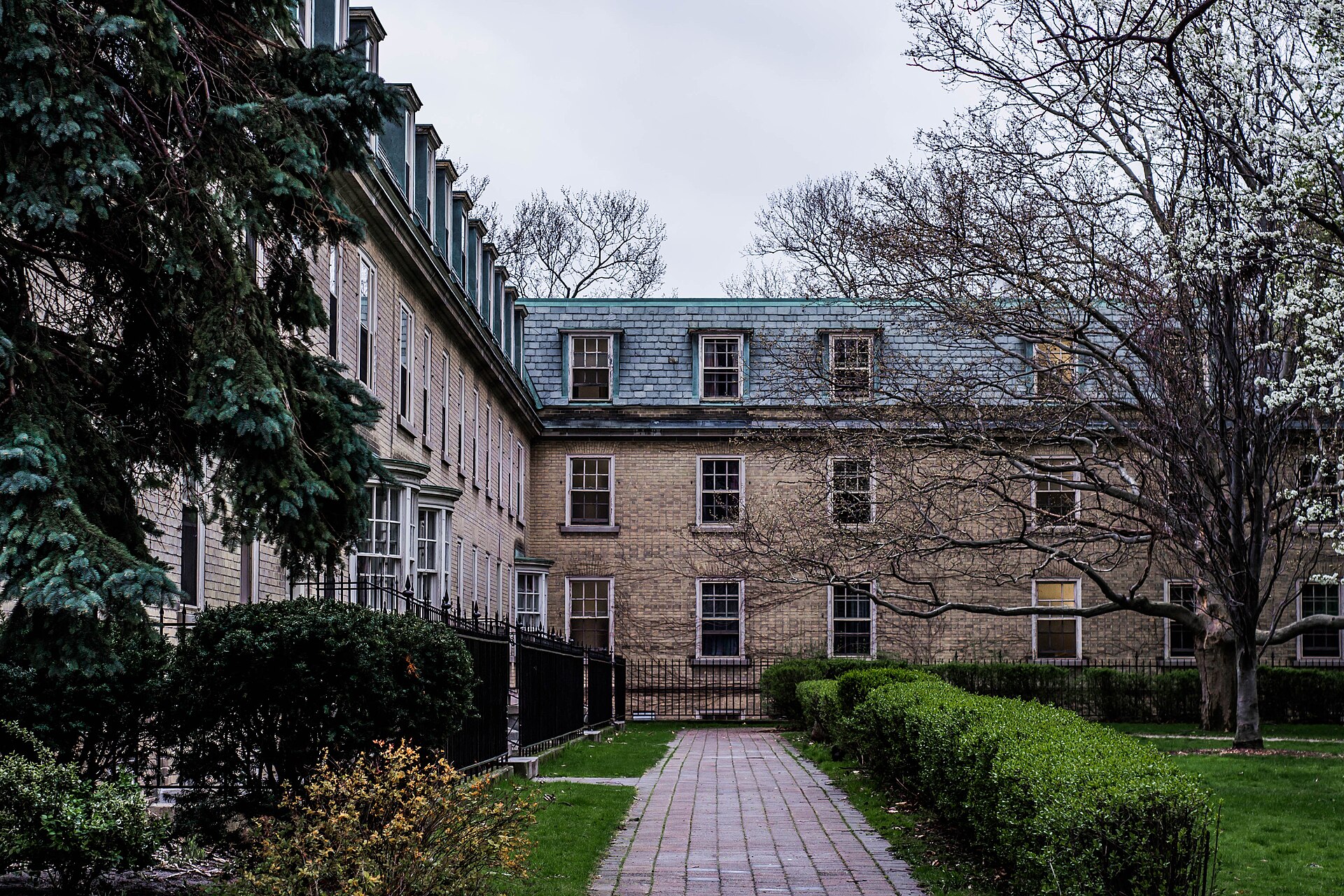
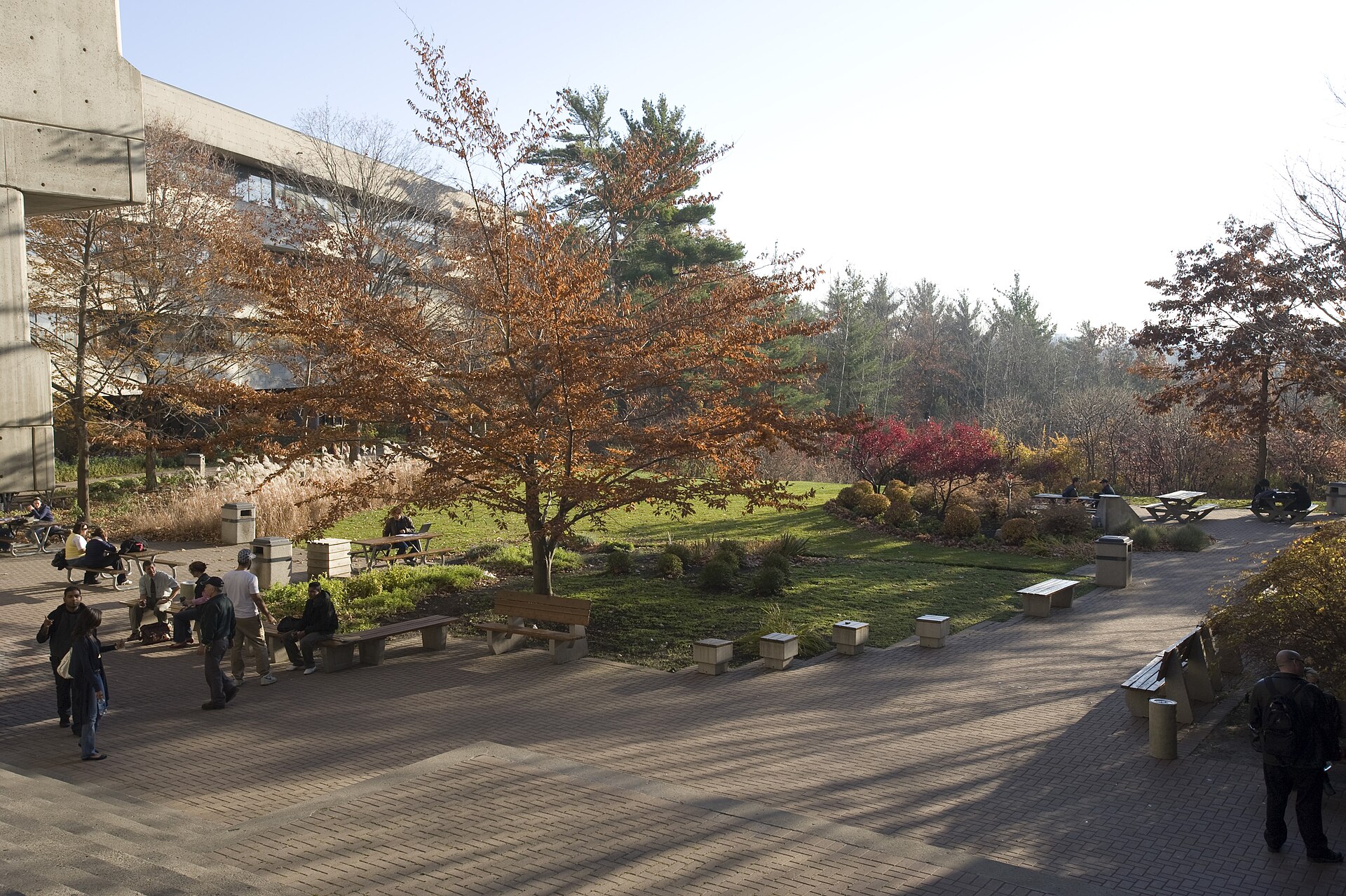
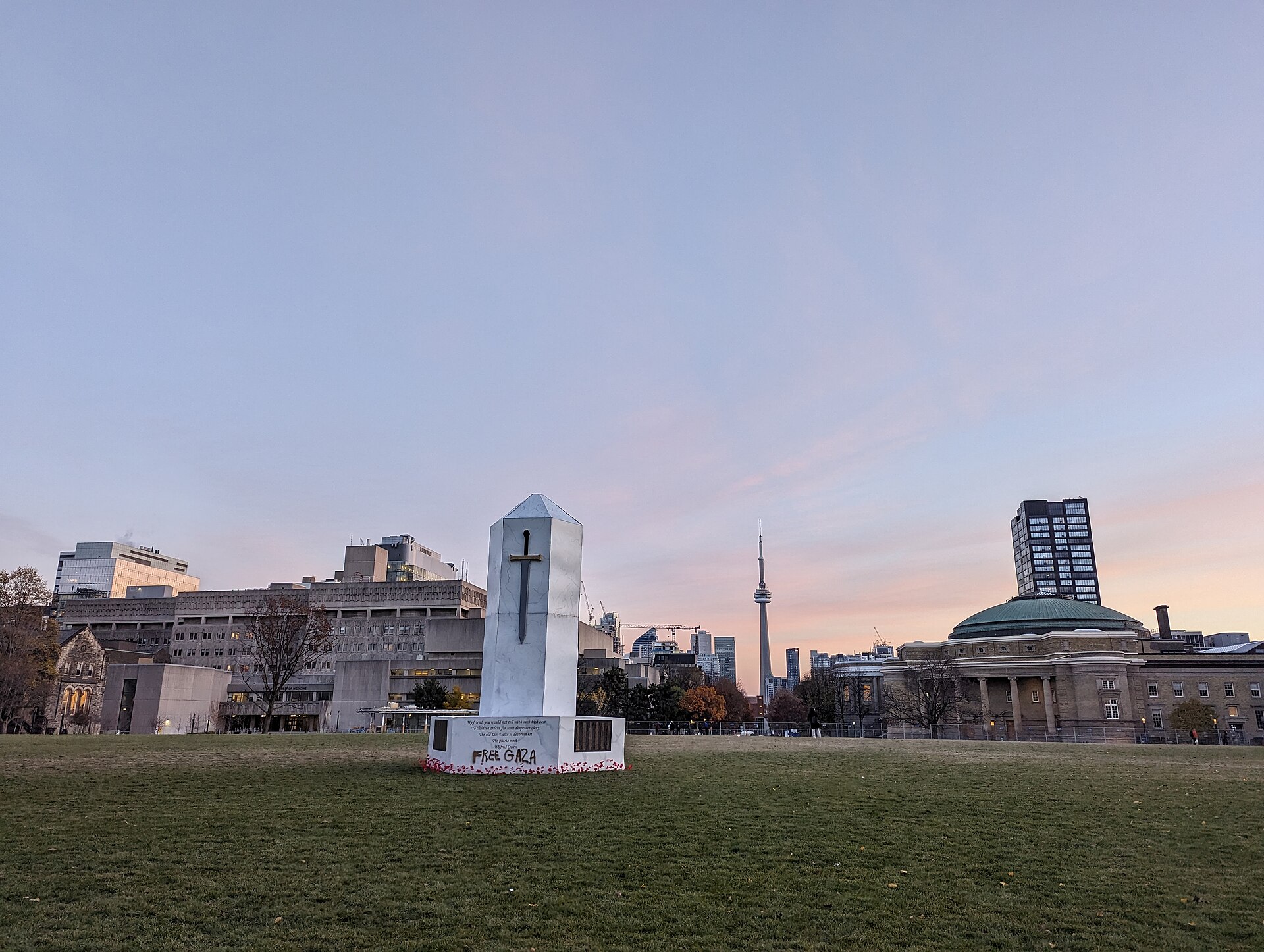
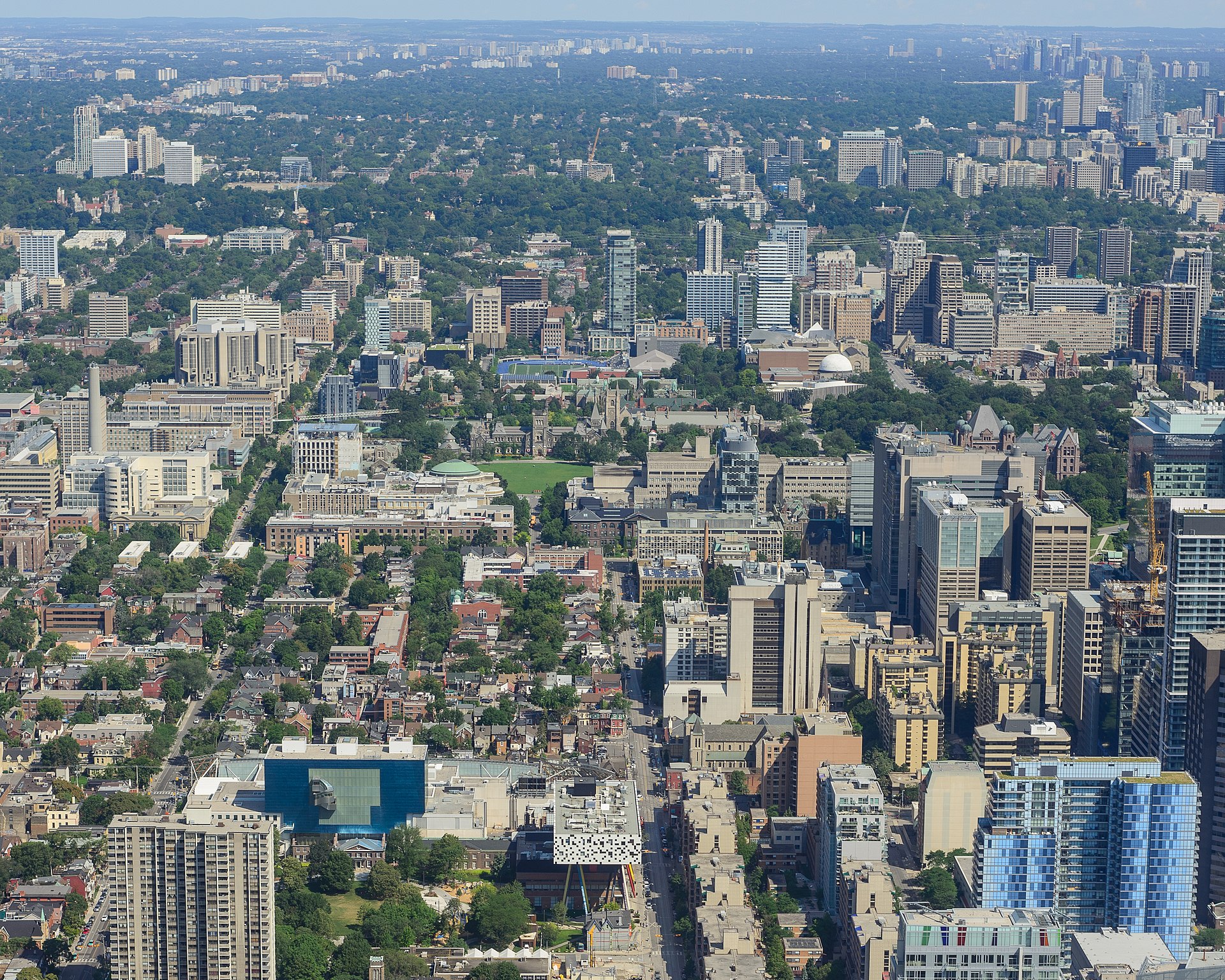
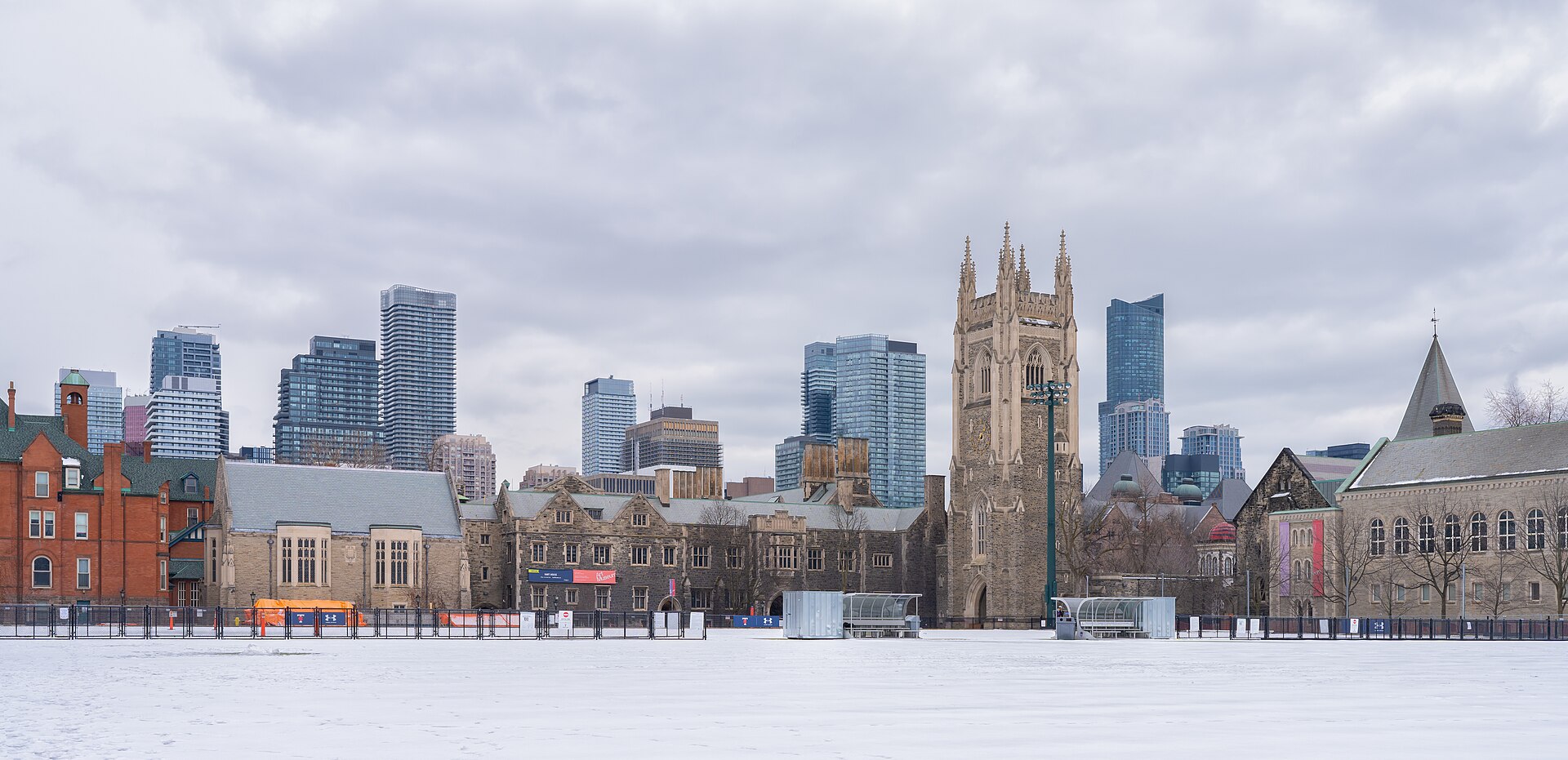
University of Toronto — campus in pictures
Real, freely-licensed photographs of the campus (via Wikimedia Commons).

WHY U OF T
Why Choose the University of Toronto — Research, City & Global Standing
U of T's combination of top-25 global rankings, a diverse tri-campus system, and Toronto's booming technology and finance ecosystem make it one of the most compelling choices for internationally ambitious students.
SELECTIVITY
Acceptance Rate & Admissions Profile
U of T's overall acceptance rate of approximately 43% places it in a different category from the most selective US universities — but do not be misled. Acceptance rates vary dramatically by programme. Engineering Science, Rotman Commerce, and Computer Science within Arts & Science are highly competitive, with effective acceptance rates far below the institutional average. The IB benchmark of 34 points reflects the minimum for serious consideration; admitted students to flagship programmes typically present significantly higher scores.
SAT and ACT scores are not required for admission and are not part of the standard review. U of T assesses international applicants primarily on academic transcripts and, where required, supplementary applications.
AT A GLANCE
Quick Facts — University of Toronto
APPLICATION COMPONENTS
What the U of T Application Consists Of
International students apply through the Ontario Universities' Application Centre (OUAC 105) or directly via the U of T International Application if not applying to other Ontario universities. The application is programme-direct — you apply to specific faculties and admission categories.
ADMISSIONS PROFILE
What U of T Looks For in International Applicants
U of T's admissions process is primarily academic. Unlike many US universities, extracurricular activities, personal essays, and letters of recommendation are NOT part of the standard Arts & Science or Engineering application. The review is transcript-first: your grades in prerequisite and senior courses, and the rigour of your curriculum, are the primary decision factors.
For programmes requiring supplementary applications — Rotman Commerce, Engineering, and select others — the supplementary is formally evaluated alongside your academic record. In these programmes, communication skills, leadership evidence, and a demonstrated understanding of your chosen field matter significantly. Rotman Commerce in particular uses written and video responses to assess how well you think on your feet.
DEADLINES
Application Deadlines — International Students (OUAC 105)
U of T uses rolling admissions within a window. Applying early significantly improves your chances — especially for competitive programmes — because decisions are released in rounds beginning in January. Applying by November and submitting documents by December positions you for the earliest possible consideration.
Dates above are for the 2025–2026 entry cycle (Fall 2026 start). Verify current-year deadlines at future.utoronto.ca before applying.
| Round | Application | Documents | Decisions |
|---|---|---|---|
| Early Consideration | November 7 | December 2 | January onwards |
| Engineering / Kinesiology / Music / Nursing | January 15 | January 15 | February–April |
| Arts & Science (St. George) / Architecture | February 2 | February 2 | February–May |
| Medical Radiation Sciences | February 1 | February 1 | March–May |
| UTM / UTSC (rolling) | August 10 | August 10 | Rolling through summer |
CAMPUS LIFE
Student Life at U of T — Three Campuses, One City
Life at U of T is inseparable from life in Toronto — one of the world's great cities and consistently ranked among the most liveable. The St. George campus sits in the heart of downtown, a short walk from the Financial District, Queen's Park, and Kensington Market. You are not tucked away in a college town; you are in the city from day one.
U of T's size — 97,000 students — means you have access to over 1,000 student clubs, a world-class athletics and recreation centre, and a residential college system on the St. George campus. The seven federated residential colleges (Trinity, Victoria, St. Michael's, Innis, New, Woodsworth, and University College) each have their own culture, dining, and community — they function as the social and residential anchor within a large university, preventing the anonymity that sometimes comes with size.
CAREERS
Career Outcomes — 92% Employment, Toronto Advantage
U of T graduates have one of the strongest employment records in Canadian higher education. The combination of a globally recognised degree, a massive alumni network, and Toronto's position as Canada's economic and technology capital creates a powerful career-launch platform.
Toronto is home to the headquarters of Canada's five major banks (RBC, TD, BMO, Scotiabank, CIBC), the MaRS Discovery District — North America's largest urban innovation hub — and a technology sector that has grown into a genuine rival to Waterloo and San Francisco. Rotman Commerce graduates enter Bay Street banking and consulting firms. Engineering graduates join Google, Microsoft, and AMD's Toronto AI research labs as well as Shopify and Wattpad. Life sciences graduates feed into the largest cluster of hospitals in Canada — the University Health Network, Sunnybrook, and SickKids — and into companies like GSK and AstraZeneca, both of which have significant Toronto presences.
Employment figures from facts file. Salary is USD equivalent estimate and will vary substantially by programme, specialisation, and career path.
FAQS
Frequently Asked Questions — International Applicants
Do I need to take the SAT or ACT to apply to U of T?+
No. U of T does not require SAT or ACT scores for undergraduate admission and does not use them as a primary assessment tool. Your secondary school transcript and grades are the primary basis for evaluation. If you choose to submit scores, they will not substitute for required academic prerequisites.
I am applying to Engineering and Arts & Science simultaneously. Can I do that?+
Yes. Through OUAC 105 you can select multiple programmes and campuses. Each programme has its own prerequisites and some have their own supplementary applications. Make sure you meet the prerequisites for each programme you select before applying.
How does the tri-campus system work? Does it matter which campus I apply to?+
Yes, it matters. St. George (downtown Toronto) hosts the flagship Engineering, Rotman Commerce, Medicine, and large Arts & Science programmes. UTM (Mississauga) and UTSC (Scarborough) have their own programme sets, faculty, and campus culture — and strong co-op integration. All three campuses issue U of T degrees. Apply to the campus and programme that matches your academic goals and preferred environment.
What is the Lester B. Pearson International Scholarship and how competitive is it?+
The Pearson Scholarship is U of T's most prestigious award for international students, covering full tuition, books, incidental fees, and residence for four years. Only 37 scholars are selected annually from thousands of nominees worldwide. Nomination by your secondary school is required — your school may nominate only one student per year. It is among the most competitive undergraduate scholarships in Canada.
Is financial aid available to international students beyond the Pearson Scholarship?+
U of T is a publicly-funded provincial institution and, as its own website states, cannot offer need-based financial aid to international students. Admission scholarships (awarded on academic merit at the time of offer) are available and do not require a separate application. The Pearson Scholarship is the flagship award for internationals requiring comprehensive support.
What English test score do I need, and are there exemptions?+
Minimum requirements are IELTS 6.5 (no band below 6.0), TOEFL iBT 100, or Duolingo 120. Students who have completed three or more years of full-time secondary or post-secondary education taught in English at a recognised institution may qualify for an exemption. Citizens of Australia, Ireland, New Zealand, the UK, and the US, among other designated countries, are also generally exempt.
Does U of T accept predicted IB grades for conditional offers?+
Yes. U of T regularly issues conditional offers of admission based on predicted IB grades. Your offer will include conditions — typically a minimum overall diploma score and specific HL subject scores — that must be met. Final results are required before you can formally enrol.
How important is the Rotman Commerce Supplemental Application?+
It is formally evaluated alongside your academic record and carries significant weight. The application uses the Kira Talent platform and consists of written and video responses on themes related to business, teamwork, leadership, and communication. Rotman receives far more academically-qualified applicants than it can admit, so the supplemental is a genuine differentiator. There is a $51 CAD supplemental application fee.
ACADEMIC EXPECTATIONS
Academic Standards for International Applicants
U of T is a programme-direct university that reads your academic record with precision. There are no holistic second-chances through essays or recommendations in most programmes — your transcript must speak for itself. The university converts international grades to a competitive average and assesses whether you meet both the overall threshold and the specific prerequisite requirements for your chosen programme.
The good news: U of T's assessment of international qualifications is sophisticated and well-documented. IB, A-Level, and AP students are all well-understood by the admissions team, and the equivalencies are clear. The challenge: prerequisite alignment is non-negotiable. A strong overall average with a missing prerequisite will result in a rejection.
ACADEMIC BENCHMARKS
Academic Profile — What Gets You In
SAT and ACT bands are not available or used for U of T's undergraduate admissions process. These stats are from the university's facts profile.
TEST POLICY
Standardised Test Policy — Tests Not Required
The University of Toronto does not require or use SAT or ACT scores in its undergraduate admissions process for international students. The policy is effectively test-blind in the sense that standardised tests from other systems (SAT/ACT) do not factor into the evaluation.
U of T's review is centred on your secondary school grades, the specific courses you have taken (especially prerequisites), and for select programmes, a supplementary application. This is materially different from US university admissions and is important to understand: there is no pathway through a high SAT score to compensate for a lower academic average. The transcript is the primary document.
English proficiency tests (IELTS, TOEFL, Duolingo) are required for students whose first language is not English, unless an exemption applies. These are distinct from academic standardised tests.
ENGLISH PROFICIENCY
English Language Tests — IELTS, TOEFL & Duolingo
For international students who do not qualify for an English proficiency exemption, one of three tests is required. The minimum scores below are the institutional floor — competitive programmes may hold applicants to a higher standard in practice.
Exemptions apply for: students from Australia, Canada (outside Quebec), Ireland, New Zealand, UK, USA, and others; and students who have completed 3+ years of full-time study taught entirely in English.
| Test | Overall | Subsections | Notes |
|---|---|---|---|
| IELTS Academic | 6.5 | Minimum 6.0 in each band | Academic version required; IELTS General Training not accepted |
| TOEFL iBT | 100 | 22 in Speaking & Writing (pre-Jan 2026 test format) | TOEFL MyBest (superscored) not accepted |
| Duolingo English Test | 120 | No band minimum specified | Accepted as of recent cycles |
IB / A-LEVEL / AP
International Baccalaureate, A-Level & AP Curriculum Guide
U of T has well-developed policies for all three major international qualifications. Here is what each pathway looks like in practice.
SUBJECT PREPARATION
Subject Preparation by Programme Area
Prerequisites are strictly enforced. Here is what each major programme area expects from your secondary school curriculum.
ENGLISH REQUIREMENTS
English Language Proficiency — Requirements & Exemptions
English language proficiency is assessed separately from academic prerequisites. All applicants whose first language is not English must demonstrate proficiency unless they qualify for an exemption.
Exemption criteria include: citizenship or permanent residency in designated English-speaking countries (Australia, Canada outside Quebec, Ireland, New Zealand, UK, USA); completion of 3+ consecutive years of full-time secondary or post-secondary education taught entirely in English.
| Test | Minimum | Band Requirement | Notes |
|---|---|---|---|
| IELTS Academic | 6.5 overall | Minimum 6.0 in each of 4 bands | Most commonly accepted; Academic version required |
| TOEFL iBT | 100 overall | 22 in Speaking & Writing | MyBest (superscored) results not accepted |
| Duolingo English Test | 120 overall | No sub-score minimum stated | Accepted; growing recognition across Canadian universities |
GRADE 9–12 ROADMAP
Building Your Profile — Grade 9 to Grade 12
U of T's admissions is almost entirely academic. Here is how to structure your four secondary years to maximise your chances.
COMMON PITFALLS
Academic Mistakes That Cost Applicants Their Place
- Applying to Engineering or Commerce without the required math/calculus prerequisite — this is the single most common reason for early rejection
- Using IB Mathematics: Applications & Interpretation SL for engineering or science programmes — this course does NOT satisfy the calculus prerequisite at U of T
- Submitting a TOEFL MyBest (superscored) result — U of T does not accept superscored TOEFL; a single sitting must meet the 100 threshold
- Applying only to UTSG and overlooking UTM or UTSC as fallback options for the same programme area
- Missing the early consideration deadline (November 7 / December 2) and losing out on the most competitive round
- Underestimating the Rotman Commerce Supplemental — treating it as a formality rather than a serious evaluated component of your application
- Expecting strong extracurriculars to compensate for a sub-threshold academic average — they will not in most programmes
- Not applying to the Pearson Scholarship simply because the process looks complex — 37 awards from a global applicant pool is tight, but the value (four years fully funded) justifies the effort for qualifying students
COST & AID
Cost of Attendance at U of T — An Honest Assessment for Internationals
U of T is Canada's top university, but it is a publicly-funded provincial institution — and that distinction matters for international students. Unlike private US universities with multi-billion-dollar endowments and robust need-based aid for international students, U of T explicitly states it cannot offer financial aid to international students. The cost is real, and you should plan for it carefully.
That said, U of T's international tuition — while significant — is lower than many comparable US private research universities. Toronto is an expensive city by Canadian standards but remains more affordable than New York, London, or Boston for equivalent quality of life. The Lester B. Pearson International Scholarship and merit-based admission awards provide meaningful relief for the very strongest applicants.
COST BREAKDOWN
Annual Cost of Attendance — International Student Estimate
All figures are annual estimates in USD equivalent, from the university's facts profile. Actual CAD amounts vary by programme and year of study. Tuition varies significantly by faculty — Engineering and Commerce are at the higher end of the range.
CAD/USD exchange rates fluctuate. These figures use the facts-file USD equivalents. Always verify current CAD amounts at the U of T Student Accounts website.
| Item | Amount | Notes |
|---|---|---|
| International Tuition | ~$48,000 USD | Annual estimate; varies by programme and year |
| Cost of Living (Housing, Food, Transport) | ~$16,000 USD | Annual estimate for Toronto; higher if living off-campus in central areas |
| Total Cost of Attendance | ~$62,000 USD | Inclusive of tuition and living estimate |
| Application Fee | $130 USD | One-time OUAC fee; Rotman Commerce adds $51 CAD supplemental fee |
| University Health Insurance Plan (UHIP) | ~$800 CAD/year | Mandatory for international students; covers basic medical in Ontario |
FINANCIAL AID
Financial Aid for International Students — The Honest Picture
U of T is transparent about this: as a publicly-funded provincial institution, it cannot offer need-based financial aid to international students. This is confirmed on the university's own fees page, which states: 'The University of Toronto is a publicly-funded institution and cannot offer financial aid to international students.'
This means the primary financial support pathways for international students are: (1) merit-based admission scholarships awarded at the time of admission offer, which require no separate application; (2) the Lester B. Pearson International Scholarship for exceptional students; (3) external scholarships from your home government, foundations, or organisations; and (4) part-time work — international students on a valid Canadian study permit can work up to 24 hours per week off-campus during academic sessions.
SCHOLARSHIPS
Scholarships for International Students
AFFORDABILITY
Understanding the Real Net Cost of a U of T Education
At approximately $62,000 USD per year in total cost of attendance, U of T sits below the sticker price of most comparable US private research universities (MIT, Stanford, Columbia) but above European tuition systems. For students from middle-income families in emerging economies, the cost without scholarship support is significant.
However, context matters. Toronto offers legitimate on-campus and off-campus employment — international students with Canadian study permits can work up to 24 hours per week during academic sessions and full-time during scheduled breaks. Co-op programmes at UTM and UTSC build paid work terms directly into the degree structure, partially offsetting costs. And a U of T degree in Canada carries strong value: the 92% employment rate and $55,000 USD average starting salary represent a meaningful return on investment within a few years of graduation.
No-loan policies and full-need-blind policies for international students do not apply at U of T. Plan your financing before you apply.
FUNDING ROADMAP
How to Fund Your U of T Degree
COST FAQS
Cost & Aid — Frequently Asked Questions
Does U of T offer need-based financial aid to international students?+
No. The university is explicit: as a publicly-funded provincial institution, it cannot offer need-based financial aid to international students. Merit-based scholarships and the Pearson Scholarship are the primary award mechanisms.
How much is the Pearson Scholarship worth in dollar terms?+
The Pearson Scholarship covers full tuition, books, incidental fees, and residence support for four years. No single dollar figure is published because tuition varies by programme, but the total value across four years typically exceeds $200,000 CAD for students in programmes with higher international tuition rates.
Can international students work in Canada while studying?+
Yes. International students with a valid Canadian study permit can work up to 24 hours per week off-campus during the academic session and full-time during scheduled breaks. Co-op programmes at UTM and UTSC integrate paid work terms into the degree structure.
Is the application fee refundable if I'm rejected?+
No. The OUAC application fee ($130 USD or CAD equivalent) is non-refundable. The Rotman Commerce supplemental application fee ($51 CAD) is also non-refundable.
Does tuition increase each year?+
International tuition at U of T has historically increased annually. The figures in this guide are estimates based on the most recently published data. Verify current programme-specific tuition at the U of T Student Accounts website before finalising your budget.
Are there scholarship opportunities available after I enrol?+
Yes. In-course scholarships, research awards, and bursaries are available for continuing students. These are administered through individual faculties and the Office of Student Life. For research-active students in upper years, paid undergraduate research positions (through NSERC USRA and similar programmes) are available.
SUPPLEMENTARY APPLICATIONS
Supplementary Applications & Essays at University of Toronto
University of Toronto's admissions process is transcript-first for most programmes — no essays, no letters of recommendation, no Common App personal statement. However, several flagship programmes require supplementary applications that carry genuine evaluative weight, and these are where your voice, reasoning, and communication skills enter the picture.
The most important supplementary applications are for Rotman Commerce (Kira Talent platform: written and video responses) and Engineering (Admission Information Form). If you are applying to either of these programmes, treat the supplementary with the same rigour as a competitive university essay. It is formally reviewed, formally scored, and formally used to differentiate among candidates with similar academic profiles.
OVERVIEW
Which Programmes Require Supplementary Applications
Most Arts & Science programmes at U of T do NOT require a supplementary application. The exceptions are notable and include two of U of T's most sought-after programmes.
WHAT THEY ASK
What the Supplementary Applications Assess
The specific written and video prompts for Rotman Commerce and Engineering AIF are released through the JOIN U of T portal after you submit your OUAC application — they are not published publicly in advance. Below is what we know about the format and themes from official sources.
STRATEGY
Supplementary Application Strategy — By Programme
Each supplementary has a distinct purpose and audience. Generic answers that could apply to any university are immediately obvious to evaluators who read thousands of applications.
NO COMMON APP
U of T Does Not Use Common App or Coalition
Unlike US universities, U of T does not use the Common Application, Coalition Application, or QuestBridge. The application is submitted through OUAC (Ontario Universities Application Centre) — a Canadian-specific platform — or the U of T International Application for students not applying to other Ontario schools.
There is no personal statement required as part of the OUAC application for most programmes. You do not write a Common App-style essay about a formative experience. The application is document-based: transcript, test scores (English proficiency), and for select programmes, a supplementary via JOIN U of T. This is a meaningful structural difference from applying to US universities and should shape how you allocate your writing time during application season.
If you are applying to both US and Canadian universities simultaneously, be aware that your time and energy for essays should be primarily directed at your US supplements. The U of T application itself requires far less written work — but the supplementary for Rotman or Engineering, if applicable, deserves serious preparation.
TOPIC SELECTION
Choosing What to Say in Your Supplementary Application
For Rotman Commerce and Engineering, you have limited space and response time to make your case. Topic selection determines whether you stand out.
COMMON MISTAKES
Essay & Supplementary Mistakes to Avoid
- Treating the Rotman Commerce Supplemental as a formality — it is formally evaluated and carries real weight in the decision
- Using AI to write your Kira Talent or AIF responses — U of T (and Rotman explicitly) disqualifies applicants for AI-generated content in the Pearson Scholarship application, and evaluators screen for it in supplementaries
- Recording your Kira Talent video in a noisy, poorly lit environment — lighting, sound quality, and visual presentation reflect your professionalism
- Writing generic 'I love business / I love building things' statements without specific evidence or examples
- Not using the unlimited Kira Talent practice sessions before your actual submission
- Submitting the AIF or Supplemental at the last minute — rushed applications read as rushed
- Referencing programmes, professors, or lab groups you have not actually researched — evaluators will notice factual errors
- Applying to Engineering and Commerce simultaneously with identical generic supplementaries — each supplementary must be tailored to that programme
ESSAY FAQS
Supplementary Application — Frequently Asked Questions
Is there a personal statement required for the standard U of T OUAC application?+
No. For most programmes, the OUAC application does not include a personal statement. Your application is assessed primarily on your academic transcript and English proficiency. Supplementary applications are required only for specific programmes such as Rotman Commerce and Engineering.
When do I get access to the Rotman Commerce Supplemental Application?+
Access is granted through the JOIN U of T portal after you submit your OUAC application and receive your JOINid/UTORid. You should submit your OUAC application well before the supplemental deadline to give yourself adequate preparation time.
Can I apply to both Rotman Commerce and Engineering at U of T?+
Yes, you can list multiple programmes on your OUAC application. Each programme with a supplementary requirement will have its own application to complete. You will pay the Rotman supplemental fee for the Commerce application. There is no additional fee for the Engineering AIF.
How long are the Kira Talent video responses?+
The exact time limits are delivered within the platform and may vary. Typically, video responses in Kira Talent allow 60–120 seconds per response, with a brief preparation window before recording. The unlimited practice sessions allow you to experience the format before your official submission.
Does the Pearson Scholarship have a separate essay or personal statement?+
Yes. The Pearson Scholarship application — submitted after your school nominates you — includes a separate application with its own questions about your background, achievements, and aspirations. AI-generated content in the Pearson application results in automatic disqualification.
Is there an interview for Rotman Commerce or Engineering admission?+
For Rotman Commerce, the Kira Talent video responses function as an asynchronous video interview component — there is no live interview. Engineering does not have an interview component; the AIF is a written form. Some scholarship and specialised programme competitions may include interviews at a later stage.
What happens if I miss the supplementary application deadline?+
Missing the supplementary deadline typically means your application will not be considered for that programme in the early rounds. Rotman Commerce states that applicants submitting after the early consideration deadline (December 2) may not be reviewed until April, significantly reducing chances of an early offer and guaranteed housing.
Courses — schools, degrees & intake
71 degrees across 9 groupings.
Faculty of Arts & Science · 40 degrees
Computer Science
Mathematics
Statistics
Data Science
Economics
Biology
Chemistry
Physics
Neuroscience
Human Biology
Global Health
Immunology
Cognitive Science
Environmental Science
Astronomy & Astrophysics
Political Science
Psychology
Sociology
Anthropology
History
Philosophy
English
Linguistics
International Relations
Criminology & Sociolegal Studies
Ethics, Society and Law
Geography
Women & Gender Studies
Indigenous Studies
Art History
Cinema Studies
Drama, Theatre and Performance Studies
Visual Studies
Near & Middle Eastern Civilizations
East Asian Studies
South Asian Studies
History and Philosophy of Science and Technology
Peace, Conflict and Justice
Urban Studies
Music
Rotman Commerce · 6 degrees
Commerce — Management
Commerce — Finance
Commerce — Accounting
Commerce — Marketing
Commerce — Economics & Management
Commerce — Human Resources Management
Faculty of Applied Science & Engineering · 8 degrees
Engineering Science
Chemical Engineering
Civil Engineering
Electrical Engineering
Industrial Engineering
Materials Science Engineering
Mechanical Engineering
Mineral Engineering
John H. Daniels Faculty of Architecture, Landscape, and Design · 1 degrees
Architectural Studies (Visual Studies stream)
Faculty of Kinesiology & Physical Education · 2 degrees
Kinesiology
Physical Education and Health
Faculty of Music · 3 degrees
Music Performance
Music Education
Music and Culture
Lawrence S. Bloomberg Faculty of Nursing · 1 degrees
Nursing
University of Toronto Mississauga · 5 degrees
Commerce (UTM)
Computer Science (UTM)
Biology (UTM)
Psychology (UTM)
Economics (UTM)
University of Toronto Scarborough · 5 degrees
Management (UTSC)
Computer Science (UTSC)
Human Biology (UTSC)
Neuroscience (UTSC)
Psychology (UTSC)
Want your real chances at University of Toronto?
Create a free TYCHR account for your personalised admit-chance, a shortlist you can track, exact entry requirements, and essay + counselling help.