University of Technology Sydney
Sydney, Australia · Urban
SYDNEY, AUSTRALIA · QS #88
University of Technology Sydney Admissions Guide for International Students
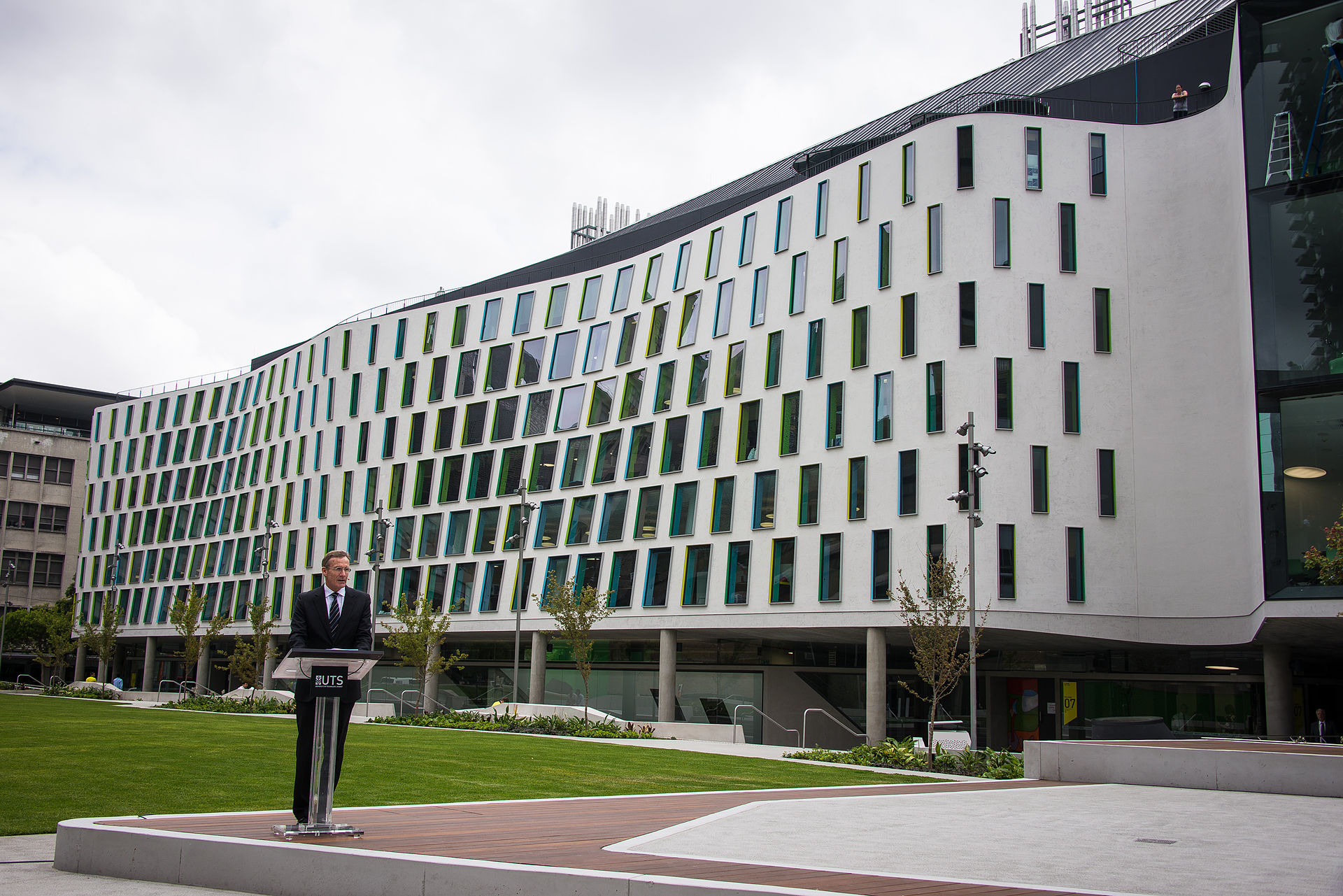
UTS is Australia's leading young university — ranked #88 globally by QS and #10 nationally — sitting at the intersection of technology, design, and industry. Housed in a striking Frank Gehry-designed building in the heart of Sydney's CBD, UTS produces graduates that employers rank among Australia's most work-ready. For international students who want a practical, professionally oriented degree in one of the world's most liveable cities, UTS is a compelling choice.
Campus
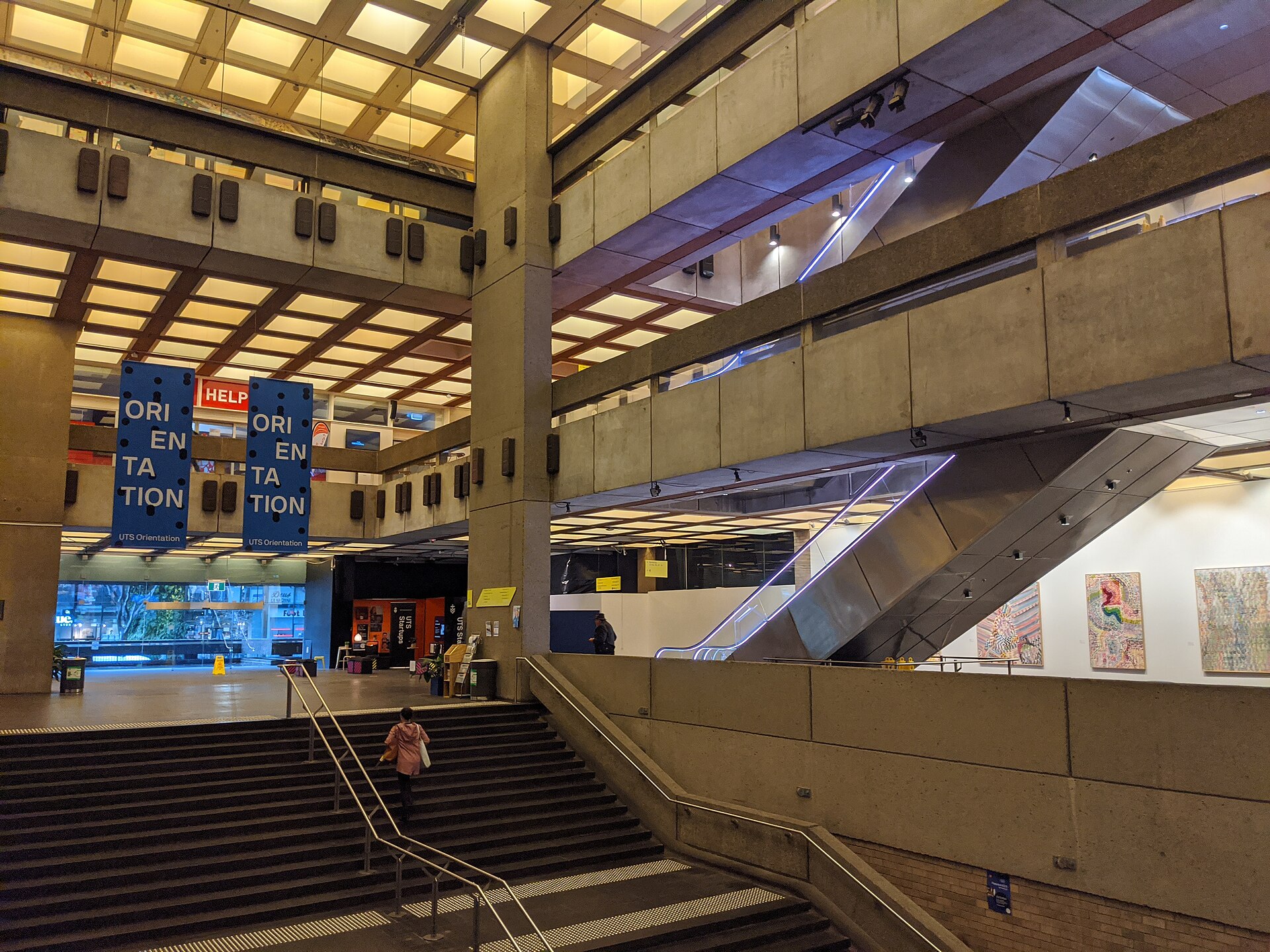
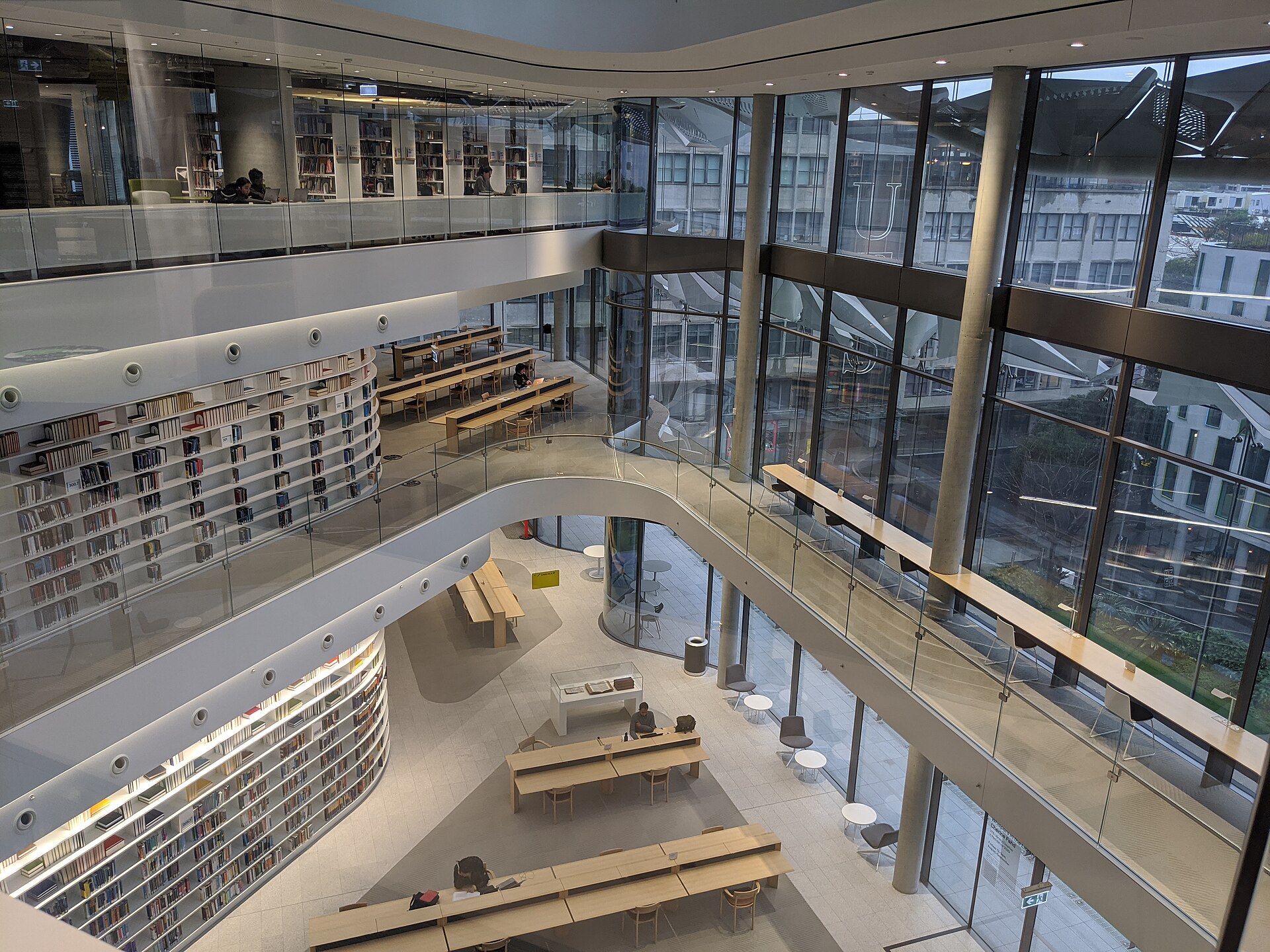
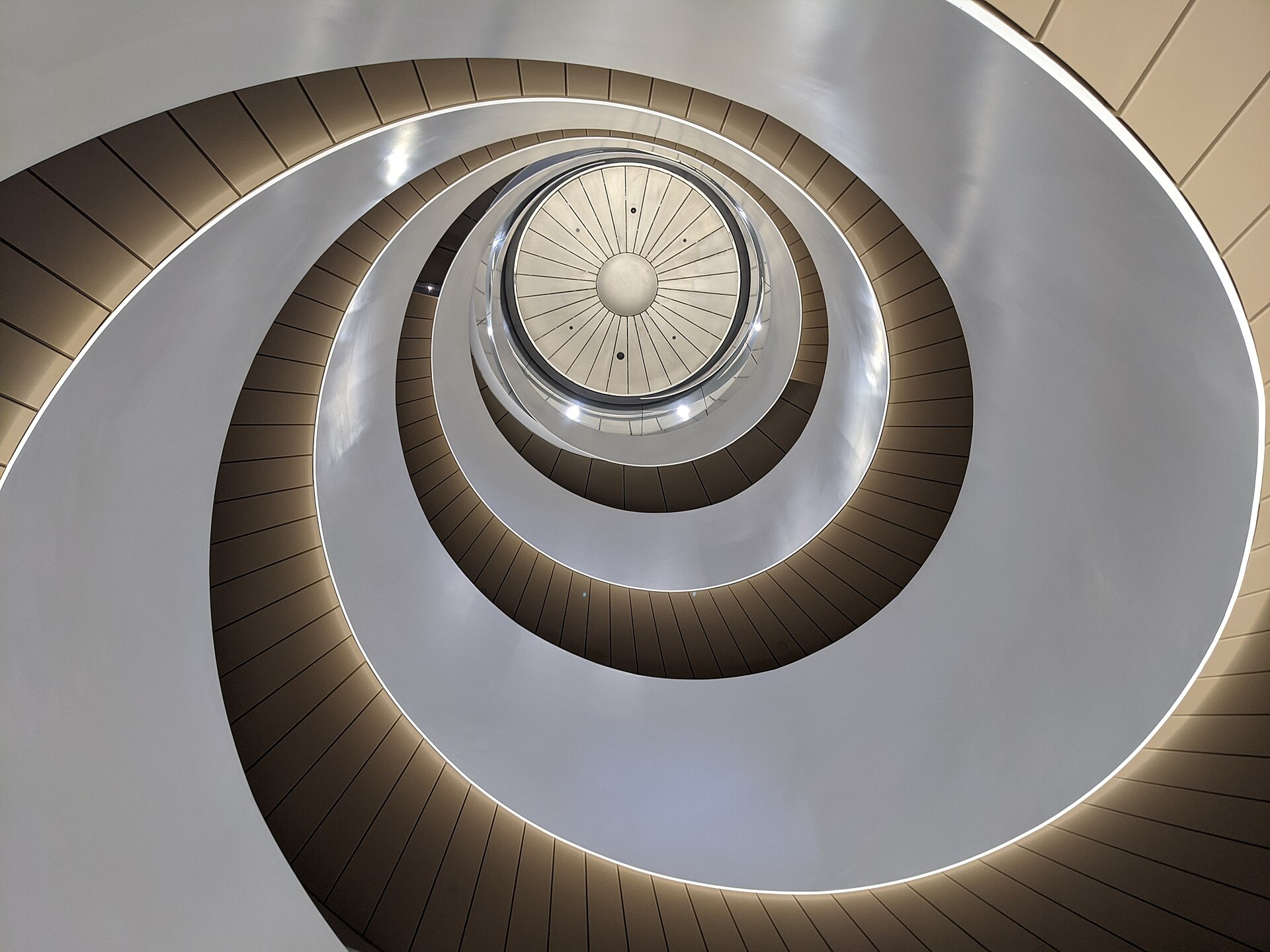
University of Technology Sydney — campus in pictures
Real, freely-licensed photographs of the campus (via Wikimedia Commons).
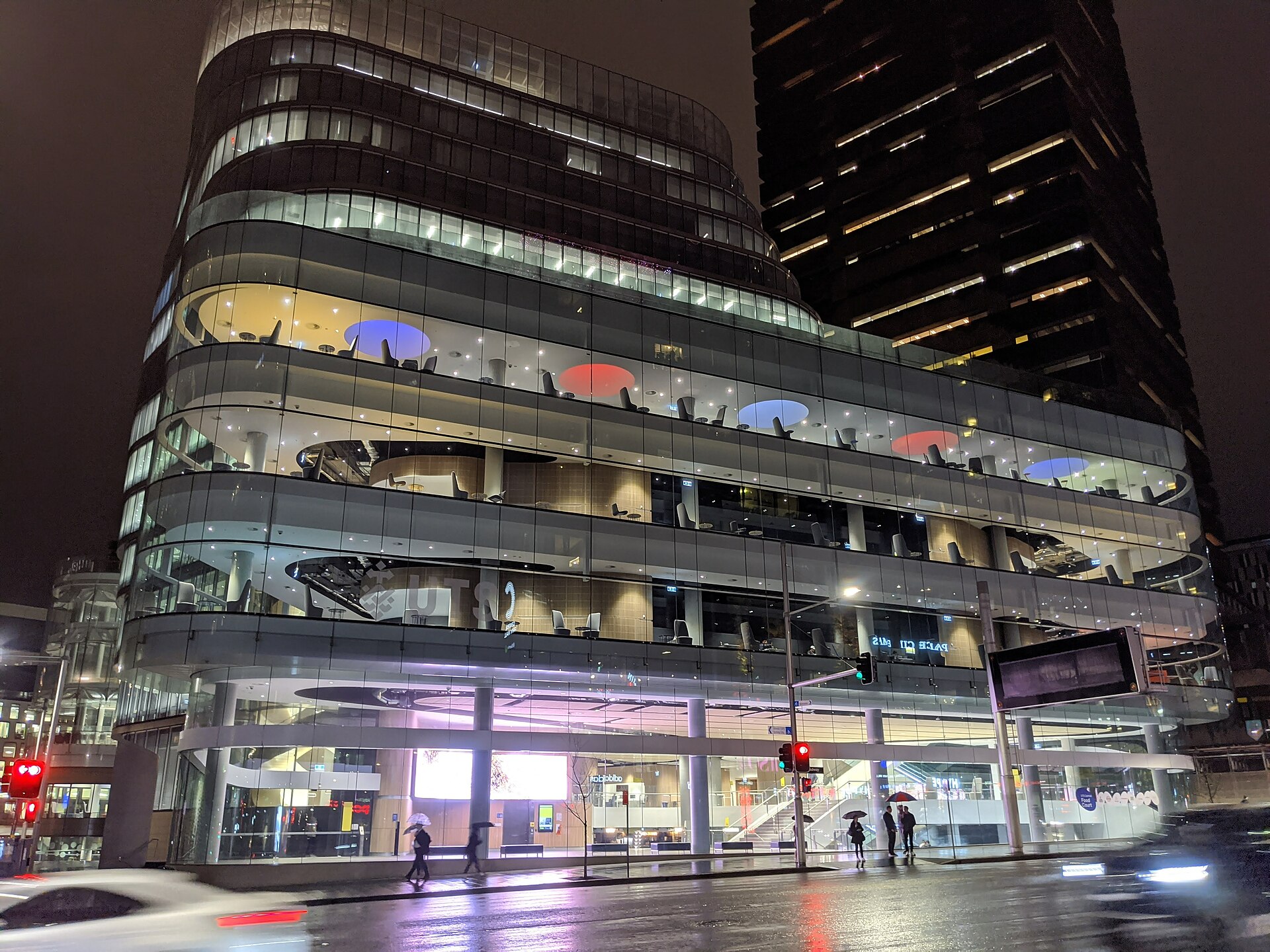
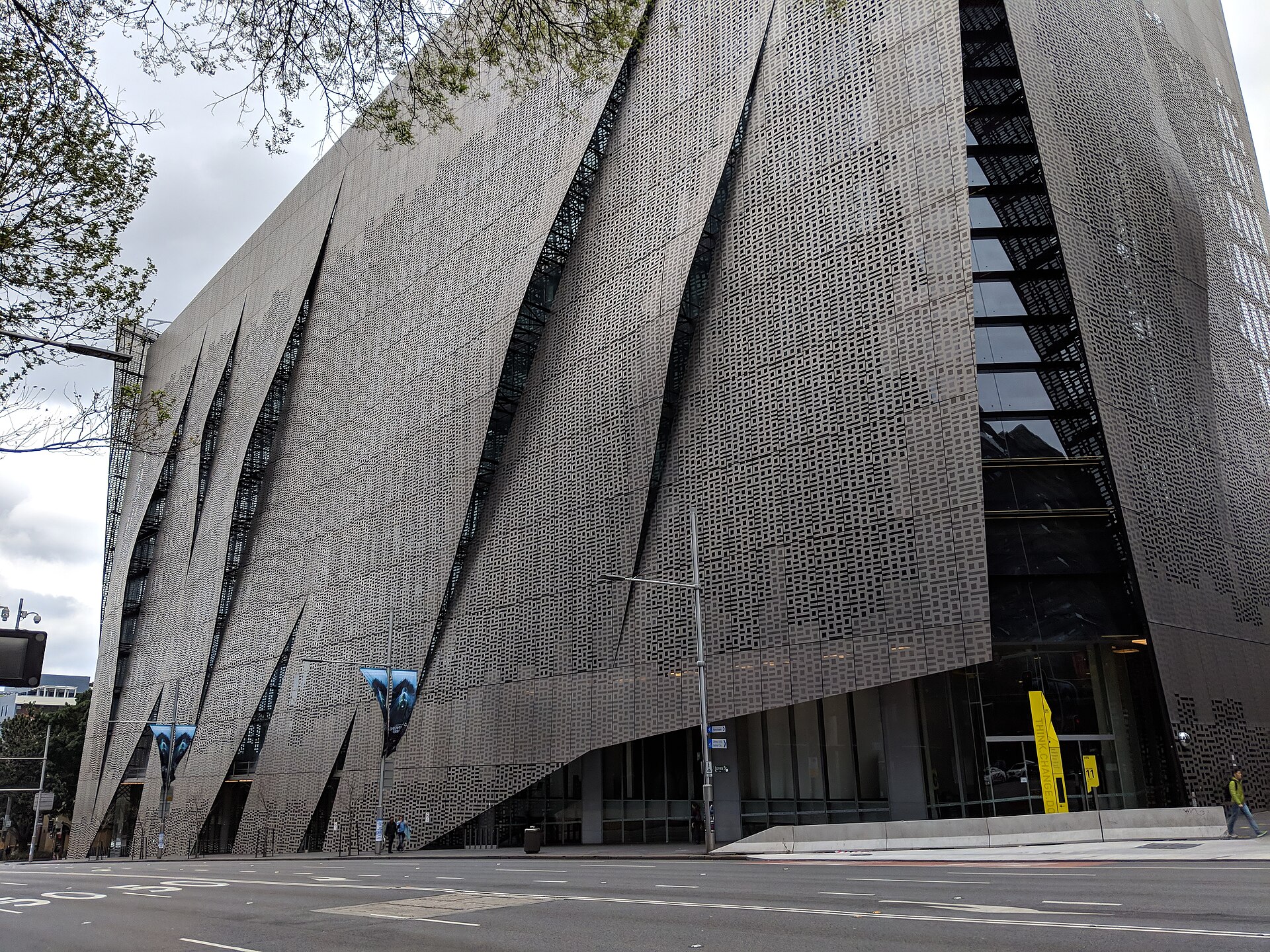
Why Choose UTS — Industry, Innovation & Sydney
UTS is not a traditional sandstone university — it is deliberately built around real-world impact. Its Australian Technology Network membership, its deep employer partnerships, and its campus culture of making and doing set it apart from older institutions that prioritise theory over practice.
Selectivity & Admissions Profile
UTS admits approximately 27% of applicants across all programmes, though selectivity varies significantly by course. High-demand programmes — such as Engineering (Honours), Computer Science, Law, and Architecture — are considerably more competitive. International students are assessed holistically on academic results and qualifications recognised by UTS International.
Quick Facts
What Your Application Consists Of
UTS uses a qualifications-based admissions system. There are no Common App-style application essays or supplements. Your application is assessed primarily on your academic record, with supporting documentation.
What UTS Looks For in International Students
UTS is not primarily looking for the highest test scores — it is looking for students who can engage with practical, industry-relevant challenges. The admissions process is grades-first, but programme-specific criteria mean that different qualities matter depending on your chosen faculty. For Engineering and IT, strong mathematics and sciences at senior secondary level (IB Higher Level, A-Level, or equivalent) are essential. For Business, a solid all-round academic record is expected. For Design and Architecture, creative portfolio strength can be as important as grades. For Law and Health Sciences, competition is intense and minimum ATAR/IB equivalents are among the highest at UTS.
Intakes & Application Deadlines
UTS offers three intake periods per year, giving international students more flexibility than universities with a single annual entry point. Apply as early as possible — offers are issued on a rolling basis and popular courses fill quickly.
Autumn (February/March) is the main intake and the entry point recommended for most incoming international students. Processing time for a complete application is typically one to two weeks.
| Intake | Applying From Outside Australia | Applying From Inside Australia |
|---|---|---|
| Autumn (Feb/Mar) | 30 November | 15 January |
| Spring (July) | 30 April | 31 May |
| Summer (November) | 30 August | 30 September |
Student Life at UTS
UTS is an urban university — the campus itself is embedded in the Tech Central precinct between Sydney's CBD and the inner-west suburb of Ultimo. There is no traditional residential college system; most students live in the surrounding suburbs (Glebe, Pyrmont, Newtown, Chippendale) and commute. This city-integrated model means students are genuinely part of Sydney life from Day 1, not sealed into a campus bubble. UTS has over 100 student clubs and societies spanning cultural, academic, sporting, and social interests. The UTS Students' Association and UTS Haberfield (the students' union) run events, social activities, and support services across the year. Sydney itself — the beaches, the arts scene, Vivid Festival, the national parks, and strong café culture — is an enormous draw. Public transport from campus is excellent: the new Sydney Metro connects Tech Central directly to the CBD and onwards to the international airport, making travel within and beyond the city straightforward.
Graduate Careers & Outcomes
UTS focuses intensely on graduate employability, and the results reflect this. 85% of graduates are employed shortly after graduation. The average starting salary for UTS graduates is approximately USD $45,000 (AUD equivalent), competitive for the Australian market, with higher salaries in engineering, IT, and finance. UTS is a preferred employer partner for major Australian and global organisations in technology, engineering, design, media, and law. Programmes in Information Technology and Engineering routinely place graduates in roles at firms such as Atlassian, Google, IBM, Deloitte, and the major Australian banks. The UTS Careers service provides internship matching, graduate employer events, and professional mentoring throughout the degree.
Frequently Asked Questions
Do I need SAT or ACT scores to apply to UTS?+
No. UTS does not require SAT or ACT scores from international applicants. Admission is based on your completed secondary or post-secondary qualifications (such as IB Diploma, A-Levels, or national board results), assessed for equivalency by UTS International.
What is the minimum IB score to apply to UTS?+
The overall university minimum is an IB Diploma score of 31. However, competitive programmes — particularly Engineering, Law, Computer Science, and Health Sciences — have higher course-specific requirements. Always check the entry requirements for your specific programme on the UTS website.
Does UTS accept three intakes per year?+
Yes. UTS has three annual intakes: Autumn (February/March), Spring (July), and Summer (November). The February/March intake is the main and largest intake. Not all programmes are available at every intake — confirm your course is offered in your preferred semester.
Can I apply through UAC if I'm an international student?+
International students who completed Australian Year 12 in Australia, or an IB Diploma in Australia, may apply through UAC. Most other international students apply directly via the UTS International Application Portal.
How long does UTS take to process an international application?+
UTS typically processes complete applications within one to two weeks. Ensure all required certified documents are included at the time of submission to avoid delays.
Is Sydney affordable for international students?+
Sydney is an expensive city. UTS estimates total cost of attendance at approximately USD $57,000 per year including tuition and living costs. Most international students manage costs through a combination of scholarships, part-time work (up to 48 hours per fortnight on a student visa), and family support.
Does UTS have pathway programmes for students who don't meet direct entry requirements?+
Yes. UTS College offers Foundation and Diploma programmes that provide a pathway to direct entry into UTS undergraduate degrees. Students who complete UTS College qualifications may also be eligible for transfer scholarships.
What is the Frank Gehry building at UTS?+
The Dr Chau Chak Wing Building is UTS's Business School building, designed by acclaimed architect Frank Gehry and completed in 2015. It is a landmark of Sydney's architectural landscape and a major symbol of UTS's investment in innovative learning environments.
ACADEMICS
Academic Expectations for International Students
UTS is a research-intensive university with a strong industry orientation. Academic standards are high, but the focus is on applied learning — laboratory work, design projects, coding challenges, and industry-partnered research are central to the student experience. Expect rigorous coursework in your core discipline alongside significant collaborative and project-based assessment.
Typical Academic Profile of Admitted Students
UTS assesses international qualifications for ATAR equivalency. The figures below reflect the minimum thresholds — competitive programmes require substantially higher results. Students admitted to Engineering Honours and Computer Science, for example, typically hold IB scores well above the minimum.
Standardised Test Policy
UTS does not use the SAT, ACT, or any US-style standardised test as part of international undergraduate admissions. The university operates a qualifications-based admissions system: your IB Diploma score, A-Level grades, national board results, or equivalent are the primary academic measure. This is standard across Australian universities — you will not need to prepare for or sit a US-standardised test.
The only standardised test required of most international applicants is an English language proficiency test (IELTS, TOEFL, or equivalent). Some postgraduate programmes may have additional requirements.
SAT / ACT: Not Required
Unlike US universities, UTS does not use the SAT or ACT in admissions decisions. International students are assessed on secondary school results translated to an ATAR equivalent by UTS International. If you have SAT or ACT scores from preparing for US university applications, they are not submitted to UTS and will not affect your application either way.
Focus your preparation on achieving the strongest possible results in your final year secondary qualifications — particularly in IB Higher Level subjects relevant to your intended programme.
IB Diploma & A-Levels at UTS
The IB Diploma is well recognised by UTS and widely held by international applicants. The university minimum is an IB score of 31, but this is a floor, not a target — competitive programmes in Engineering, CS, and Law require stronger results.
A-Level qualifications from the UK, Singapore, Hong Kong, and other systems are also directly assessed by UTS International. UTS publishes programme-specific entry requirements in terms of both ATAR equivalents and accepted international qualifications. Always check the entry requirements for your specific course rather than relying on the university-wide minimum. AP scores are not a primary admissions criterion for Australian universities, but strong AP results may be considered as supplementary evidence of ability. They are most commonly noted for US-educated applicants whose IB score or secondary GPA is the primary document.
IB students: ensure your Higher Level subject choices align with your intended programme's prerequisites before finalising your IB subject selection in Year 11.
Subject Preparation by Programme Area
UTS has subject prerequisites for several of its most competitive programmes. Confirm the specific prerequisites for your chosen programme on the UTS website before locking in your IB or A-Level subject choices.
English Language Requirements
All international applicants must demonstrate English proficiency unless they have completed at least two years of secondary or tertiary education taught and assessed entirely in English in an approved country. The minimum scores below are university-wide minimums — some programmes (particularly Nursing, Law, and Teaching) require higher scores.
Programmes such as Nursing, Midwifery, Education, and Law may require IELTS 7.0 or higher. Always check your specific programme's English requirements on the UTS course page.
| Test | Minimum Score | Note |
|---|---|---|
| IELTS Academic | 6.5 overall | No band below 6.0 in most programmes |
| TOEFL iBT | 79 | Minimum score for general entry |
| Duolingo English Test | 110 | Accepted as alternative |
| PTE Academic | 58 | Accepted equivalent |
| Cambridge C1 Advanced | 176 | Accepted equivalent |
Building Your Academic Profile: Year 9 to 12
The path to a strong UTS application starts well before final year. Here is how to build the academic profile UTS is looking for.
Common Academic Mistakes to Avoid
- Applying without checking programme-specific prerequisites — the university minimum IB of 31 does not guarantee entry to competitive programmes.
- Submitting uncertified copies of transcripts — UTS will not process an application with unverified documents.
- Sitting an English test below the score your target programme requires — check the course-specific English minimum, not just the university minimum.
- Choosing IB subjects without mapping them to prerequisites — changing subjects in Year 12 is difficult and may not satisfy entry requirements.
- Applying only to the Autumn intake — if your results come in mid-year, the Spring (July) intake offers a valid and fully equivalent entry pathway.
- Underestimating competition for design and law courses — portfolio quality and overall academic results both matter; do not submit a weak portfolio expecting grades to compensate.
- Assuming that an ATAR from a non-Australian system is automatically recognised — UTS International assesses your qualification; ensure you submit all documents needed for equivalency assessment.
COST & FINANCIAL AID
Understanding the Cost of Studying at UTS
Sydney is one of the world's great cities — and one of its most expensive. An honest assessment of the financial commitment is essential before applying. The good news: UTS offers a range of automatic scholarships that can meaningfully reduce tuition costs, and Australia's student visa allows part-time work to offset living expenses.
Annual Cost Breakdown
All figures are annual estimates based on facts file data. Tuition varies by programme — Engineering and Medicine are at the higher end, Humanities and Education at the lower end. Contact UTS International for course-specific tuition figures.
These are estimates in USD. Actual costs in AUD depend on the AUD/USD exchange rate at time of payment. Living costs in Sydney are high; budget generously, especially for rent.
| Component | Estimated Annual U S D | Notes |
|---|---|---|
| Tuition (International) | ~$34,500 | Varies by programme |
| Living Costs (Sydney) | ~$20,000 | Rent, food, transport, personal |
| Total Cost of Attendance | ~$57,000 | Tuition + living estimate |
| Application Fee | ~$66 (AUD ~$100) | One-time, at application |
Financial Aid for International Students
UTS does not offer US-style need-blind financial aid for international students. The university does not publish an average aid percentage, as most support comes through scholarships rather than needs-based grants. A significant advantage at UTS is that the majority of international scholarships require no separate application — eligibility is assessed automatically when you submit your course application. This means you are considered for merit-based support simply by applying and meeting the criteria.
Australian student visa holders are currently permitted to work up to 48 hours per fortnight during term and unlimited hours during scheduled university breaks. Many UTS students use legal part-time employment to offset living expenses. The on-campus UTS JobShop and the UTS Careers service can assist with finding work.
Named International Scholarships at UTS
UTS offers a structured suite of international scholarships. Most are automatically assessed — no separate application required. Specific award percentages and eligibility criteria should be confirmed on the UTS scholarships page, as amounts may change annually.
Making UTS Affordable: An Honest View
UTS is not inexpensive. For an international student paying full tuition and living in Sydney, total annual costs are in the range of USD $50,000–60,000 — comparable to mid-tier US private universities, but without US-style need-based financial aid. The most realistic path to affordability for international students is: 1. Automatic merit scholarships (15–50% tuition reduction, assessed at application, no extra form) 2. Legal part-time work during studies (up to 48 hours per fortnight during term) 3. Family financial planning — Sydney rent is high and should be budgeted conservatively (AUD $1,500–2,200+ per month for a shared room in the inner suburbs near campus) If your scholarship is the Vice-Chancellor's award (full tuition), living costs remain your responsibility — factor this into your planning. It is also worth comparing UTS tuition against the value of a Sydney-based degree in your target industry: for tech and engineering graduates, the Australian job market and potential for post-study work visas make the investment more viable over a longer time horizon.
UTS does not publish income-band aid tables or meet-demonstrated-need policies for international students. Do not assume need-based aid is available.
How to Pursue Scholarships at UTS
Cost & Aid FAQs
Does UTS offer need-based financial aid for international students?+
No. UTS does not offer US-style need-based financial aid for international undergraduate students. Support comes through merit-based scholarships, most of which are automatically assessed when you apply.
Do I need a separate application for UTS scholarships?+
Most UTS international scholarships — including the Academic Merit and Academic Excellence awards — require no separate application. You are automatically considered when you apply for your course. The Vice-Chancellor's scholarship is an exception and requires a separate application with its own deadline.
Can I work while studying at UTS?+
Yes. Australian student visa holders can work up to 48 hours per fortnight during university terms and unlimited hours during scheduled university breaks. Many UTS students in Sydney find part-time work in hospitality, retail, and their industry sector.
What is the cheapest way to live in Sydney as a UTS student?+
Shared accommodation in inner-west suburbs (Glebe, Newtown, Erskineville, Chippendale) within walking distance or a short bus ride of campus is typically the most cost-effective option. Student accommodations in Ultimo are convenient but can be pricier. Budget AUD $1,200–2,000 per month for a shared room.
Are there scholarships specifically for Indian students at UTS?+
Yes. The UTS Academic Merit International Scholarship – South Asia is specifically for students from South Asian countries including India. It provides a 15% tuition reduction and is automatically assessed at application.
APPLICATION & PERSONAL STATEMENT
Applying to UTS: No Supplemental Essays — But a Statement Matters
UTS is an Australian university using a direct-application, qualifications-based admissions system. There are no supplemental essays, short-answer prompts, or Common App-style components. However, a personal statement is a required part of the direct application and can matter for competitive programmes and scholarship consideration. This guide explains exactly what you need to submit and how to approach it honestly.
How UTS Applications Work
UTS does not use the Common App, Coalition App, or UCAS. International students (outside the Australian Year 12 / IB in Australia system) apply directly via the UTS International Application Portal. The application is primarily academic: transcripts, English test scores, and a personal statement. For design and creative programmes, a portfolio is also required.
The personal statement at UTS is not a long, narrative essay in the Harvard or Stanford mould. It is a focused document — typically one to two pages — that explains your motivation for the programme, your relevant background and preparation, and your academic or professional goals after graduation. Its purpose is to help UTS International contextualise your academic record and assess whether you are a good fit for your chosen programme.
What to Cover in Your Personal Statement
UTS does not publish verbatim personal statement prompts. The statement is an open-format document. Based on UTS admissions guidance and standard Australian university practice, your personal statement should address the following themes:
How to Write a Strong UTS Personal Statement
The UTS personal statement is shorter and more functional than a US personal essay — it is not the place for a coming-of-age narrative or literary experimentation. Think of it as a professional cover letter for your academic career, written in clear, confident prose. Aim for one to two pages (approximately 500–800 words). Each paragraph should serve a specific purpose: introduce your motivation, contextualise your background, describe relevant preparation, and articulate your goals. Avoid filler phrases ('passionate about', 'always dreamed of') that say nothing specific. For international students coming from systems where a personal statement is unfamiliar (many Asian education systems, for example), this may be the part of the application that benefits most from guidance or revision by a counsellor who knows Australian university expectations.
The personal statement for the UTS direct application is distinct from the Statement of Purpose (SOP) required for an Australian student visa application. Prepare both documents but do not confuse them — the visa SOP is for the Department of Home Affairs, not for UTS admissions.
Programme-Specific Requirements Beyond the Statement
Some UTS programmes require additional components beyond the standard personal statement. Confirm your programme's specific requirements on the UTS course page.
What Makes a UTS Personal Statement Stand Out
Given that most UTS programmes are assessed primarily on academic results, the personal statement's primary role is to confirm that you are a thoughtful, motivated applicant who understands what you are applying for. It is less likely to admit an applicant whose grades fall short than it is to confirm a strong applicant's suitability. That said, for borderline cases and for scholarship assessment (particularly the Vice-Chancellor's Scholarship, which does require a statement of purpose as part of its application), a compelling, specific, well-structured statement can meaningfully strengthen your case. The best UTS personal statements are: specific about the programme and university, honest about the applicant's background and preparation, clear about career or research goals, and free from generic, uncritical enthusiasm.
Common Application Mistakes to Avoid
- Submitting a generic personal statement not tailored to UTS or your specific programme.
- Writing a US-style personal essay narrative — the UTS statement is professional and focused, not a memoir or story.
- Confusing the UTS admissions personal statement with the Australian student visa SOP — these are separate documents for separate purposes.
- Applying without researching programme-specific requirements — some courses require portfolios, additional documentation, or interviews that are not mentioned on the general application page.
- Submitting uncertified copies of transcripts or English test scores — incomplete applications delay processing significantly.
- Applying late — UTS processes applications on a rolling basis and competitive programmes fill before the official deadline.
- For the Vice-Chancellor's Scholarship: missing the specific October application window — this scholarship has a hard deadline that is separate from the general course application.
Application & Statement FAQs
Does UTS require essays or supplemental writing like US universities?+
No. UTS is an Australian university and does not use the Common App, Coalition App, or supplemental essay prompts. A personal statement is required as part of the direct application, but it is a focused professional document, not a series of themed short essays.
How long should my UTS personal statement be?+
UTS does not specify a word limit for the personal statement in the general application. Aim for one to two pages (500–800 words) and focus on quality over length. The Vice-Chancellor's Scholarship application may have its own statement requirements — check the scholarship page for specifics.
Can I use the same personal statement for multiple UTS programmes?+
If applying to more than one programme, you should tailor your statement to each. The 'why this programme' section especially needs to reflect the specific degree you are applying for — submitting an Engineering statement with a Business application will undermine your case.
Do I need a portfolio if I am applying to an IT or Engineering programme?+
Portfolios are officially required for Design and Architecture programmes. For IT and Engineering, a portfolio of projects or a GitHub repository is not formally required but is strongly recommended for competitive applicants — it demonstrates practical ability alongside academic results.
Is a personal statement required for the UTS student visa SOP?+
The visa Statement of Purpose (SOP) is a separate document for the Australian Department of Home Affairs, explaining why you want to study in Australia and your genuine temporary entrant status. It is not the same as the UTS admissions personal statement. You will need to prepare both documents.
Does the personal statement matter much if my grades are strong?+
For general programme admission, strong academic results are the primary factor. The personal statement matters more for: scholarship assessment (especially the Vice-Chancellor's award), creative and professional programmes where fit matters, and borderline cases where grades alone do not clearly place you above the cut-off.
Courses — schools, degrees & intake
49 degrees across 9 groupings.
Faculty of Engineering and Information Technology · 16 degrees
Bachelor of Engineering (Honours) — Biomedical Engineering
Bachelor of Engineering (Honours) — Civil Engineering
Bachelor of Engineering (Honours) — Civil and Environmental Engineering
Bachelor of Engineering (Honours) — Chemical Process Engineering
Bachelor of Engineering (Honours) — Data Science Engineering
Bachelor of Engineering (Honours) — Electrical Engineering
Bachelor of Engineering (Honours) — Electronic Engineering
Bachelor of Engineering (Honours) — Mechanical Engineering
Bachelor of Engineering (Honours) — Mechanical and Mechatronic Engineering
Bachelor of Engineering (Honours) — Mechatronic Engineering
Bachelor of Engineering (Honours) — Software Engineering
Bachelor of Engineering (Honours) — Renewable Energy Engineering
Bachelor of Engineering (Honours) — Flexible Engineering
Bachelor of Information Technology
Bachelor of Information Technology (Co-op)
Bachelor of Information Systems
UTS Business School · 1 degrees
Bachelor of Business
Faculty of Design, Architecture and Building · 5 degrees
Bachelor of Design in Visual Communication
Bachelor of Design in Product Design
Bachelor of Design in Fashion and Textiles
Bachelor of Construction Project Management
Bachelor of Landscape Architecture (Honours)
Faculty of Arts and Social Sciences — Communication · 10 degrees
Bachelor of Communication (Journalism)
Bachelor of Communication (Media Arts and Production)
Bachelor of Communication (Digital and Social Media)
Bachelor of Communication (Strategic Communication)
Bachelor of Communication (Writing and Publishing)
Bachelor of Communication (Social and Political Sciences)
Bachelor of Communication (Animation Production)
Bachelor of Communication (Music and Sound Design)
Bachelor of Communication (Media Business)
Bachelor of Communication (Creative Production)
Faculty of Health · 4 degrees
Bachelor of Nursing
Bachelor of Midwifery
Bachelor of Public Health
Bachelor of Sport and Exercise Science
Faculty of Science · 10 degrees
Bachelor of Science in Food Science
Bachelor of Science in Pharmaceutical Science
Bachelor of Science in Physics and Quantum Technology
Bachelor of Science in Chemistry
Bachelor of Science in Medical Science
Bachelor of Science in Environmental Sciences
Bachelor of Science in Forensic Science
Bachelor of Science in Biotechnology
Bachelor of Science
Bachelor of Mathematics (Statistics and Quantitative Finance)
UTS Law School · 1 degrees
Bachelor of Laws
School of International Studies · 1 degrees
Bachelor of International Studies
School of Transdisciplinary Innovation · 1 degrees
Bachelor of Creative Intelligence and Innovation
Want your real chances at University of Technology Sydney?
Create a free TYCHR account for your personalised admit-chance, a shortlist you can track, exact entry requirements, and essay + counselling help.