University of Tasmania
Hobart, Australia · Urban
AUSTRALIA'S GATEWAY TO THE SOUTH
University of Tasmania Admissions Guide for International Students
Established in 1890, the University of Tasmania (UTAS) is Australia's fourth-oldest university and the only one in the island-state of Tasmania. It is a global leader in marine, Antarctic and maritime science, and its campuses in Hobart and Launceston place students in one of Australia's most liveable and culturally rich cities. For international students seeking research-active education, world-class facilities, and genuine affordability, UTAS stands apart.
With an automatic international student fee bursary, zero application fee, and a welcoming community where 25% of students come from abroad, UTAS offers a compelling combination of academic quality and practical value. Its Institute for Marine and Antarctic Studies (IMAS) is recognised internationally, and its programmes in medicine, law, business, engineering, and the arts give students across every discipline a strong foundation for global careers.
Campus
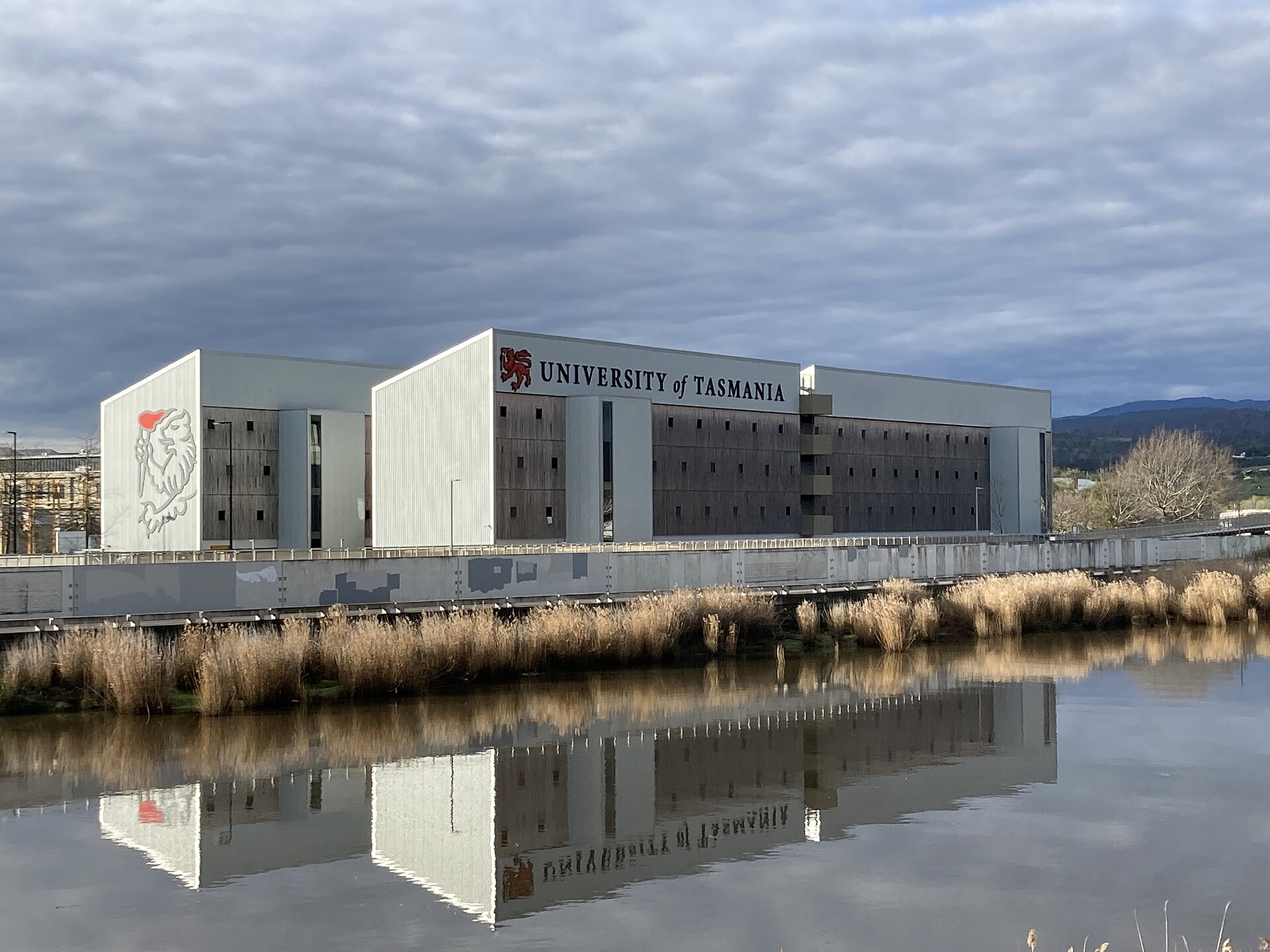
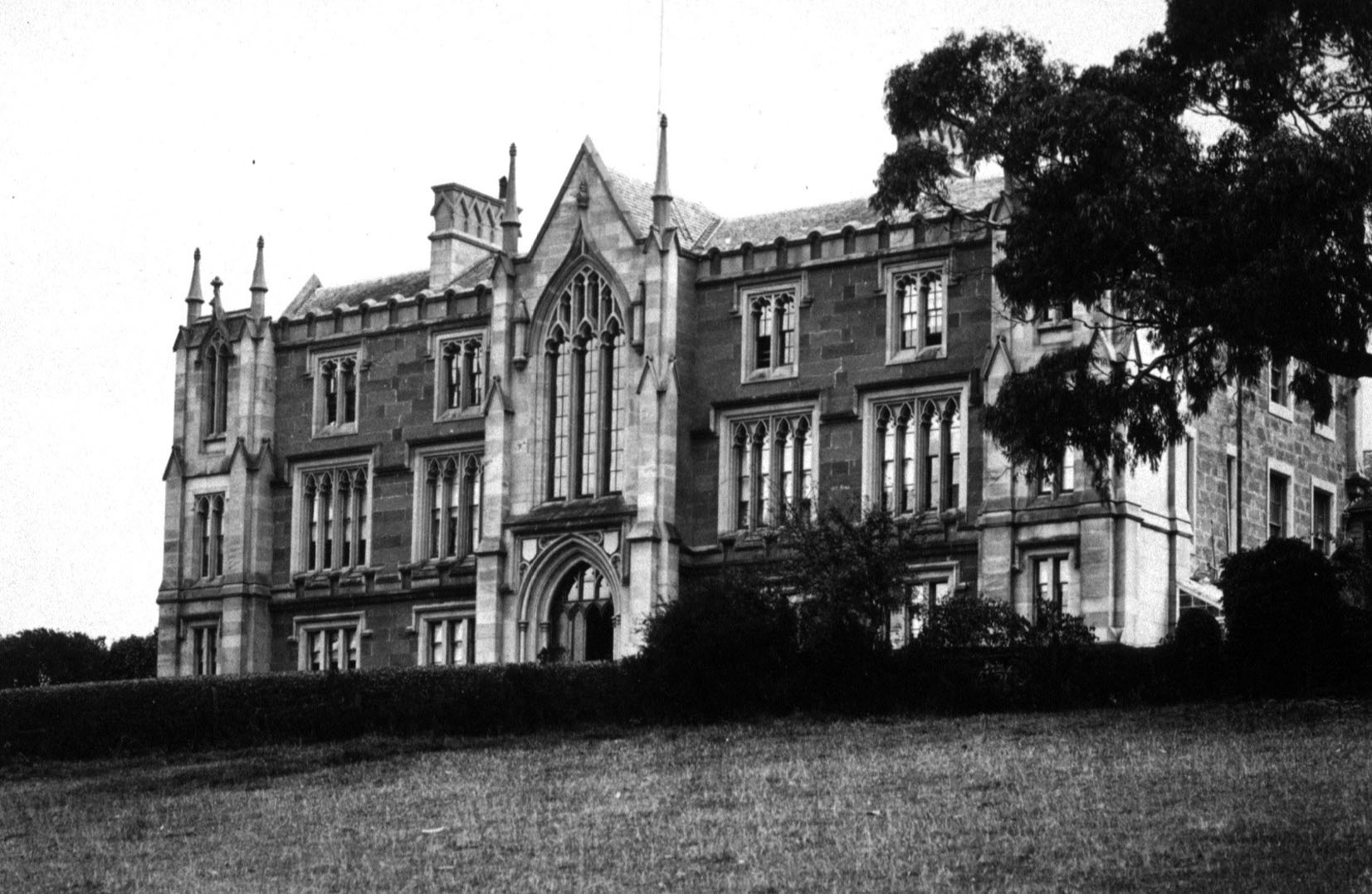
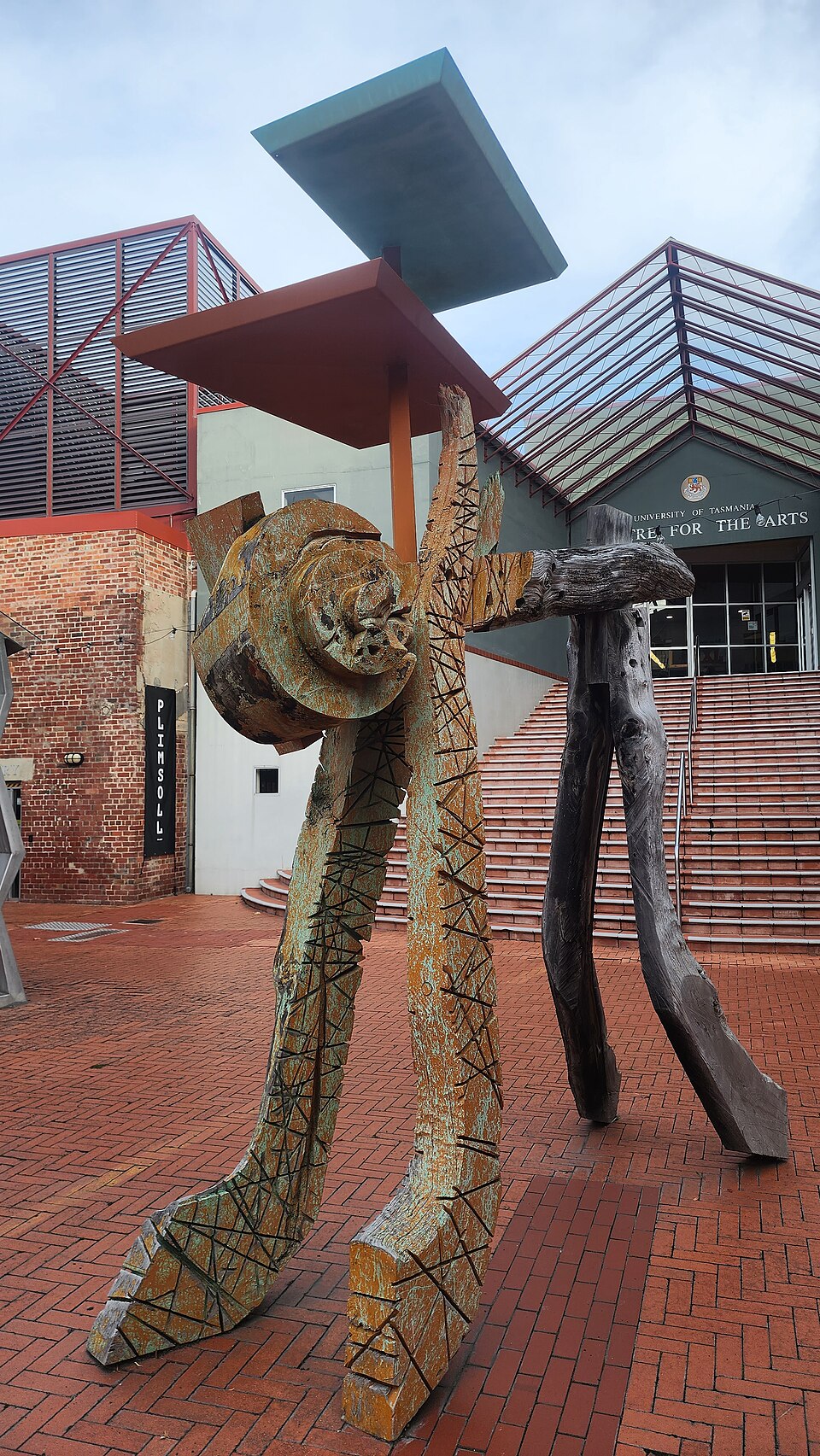
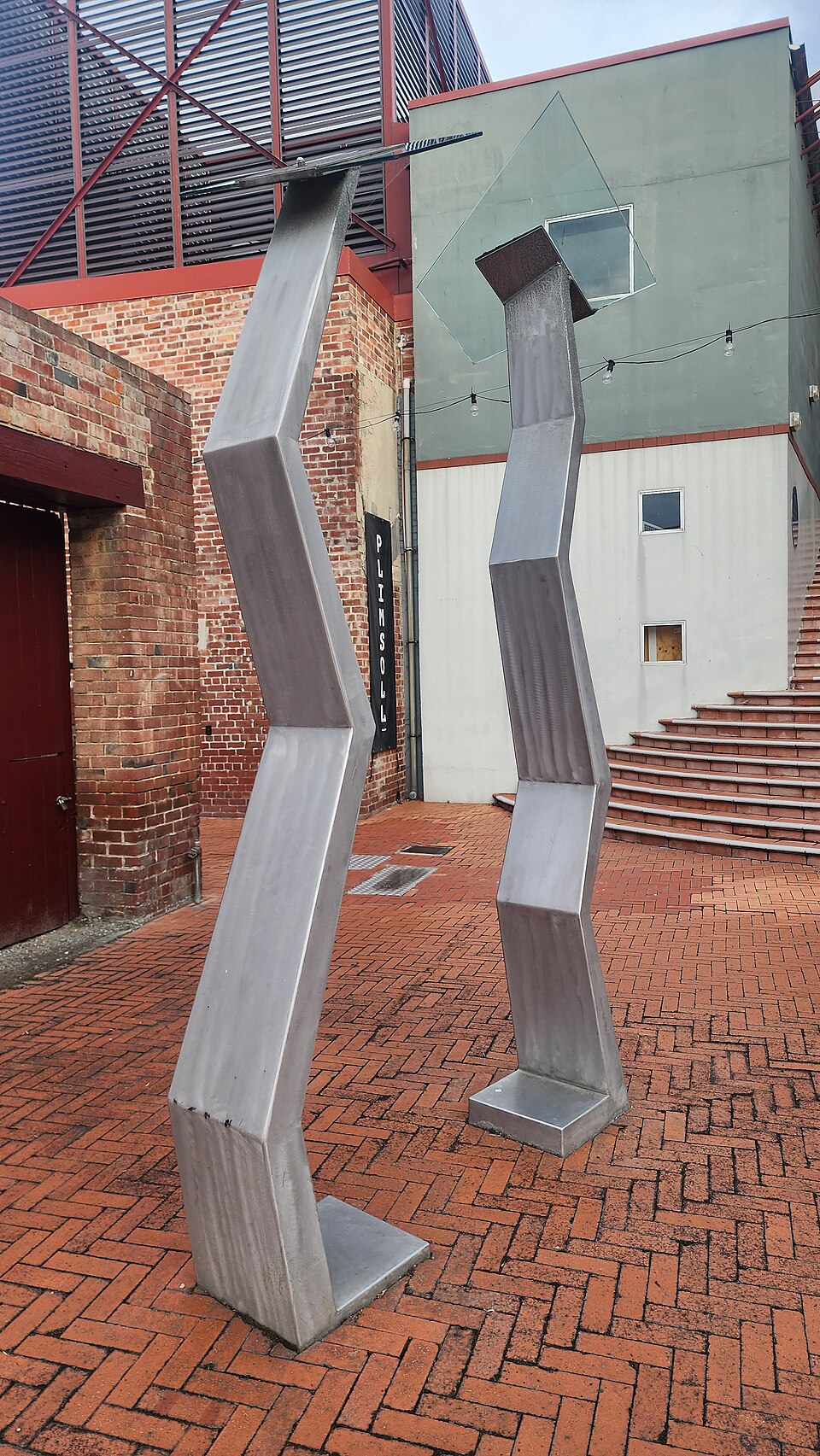
University of Tasmania — campus in pictures
Real, freely-licensed photographs of the campus (via Wikimedia Commons).
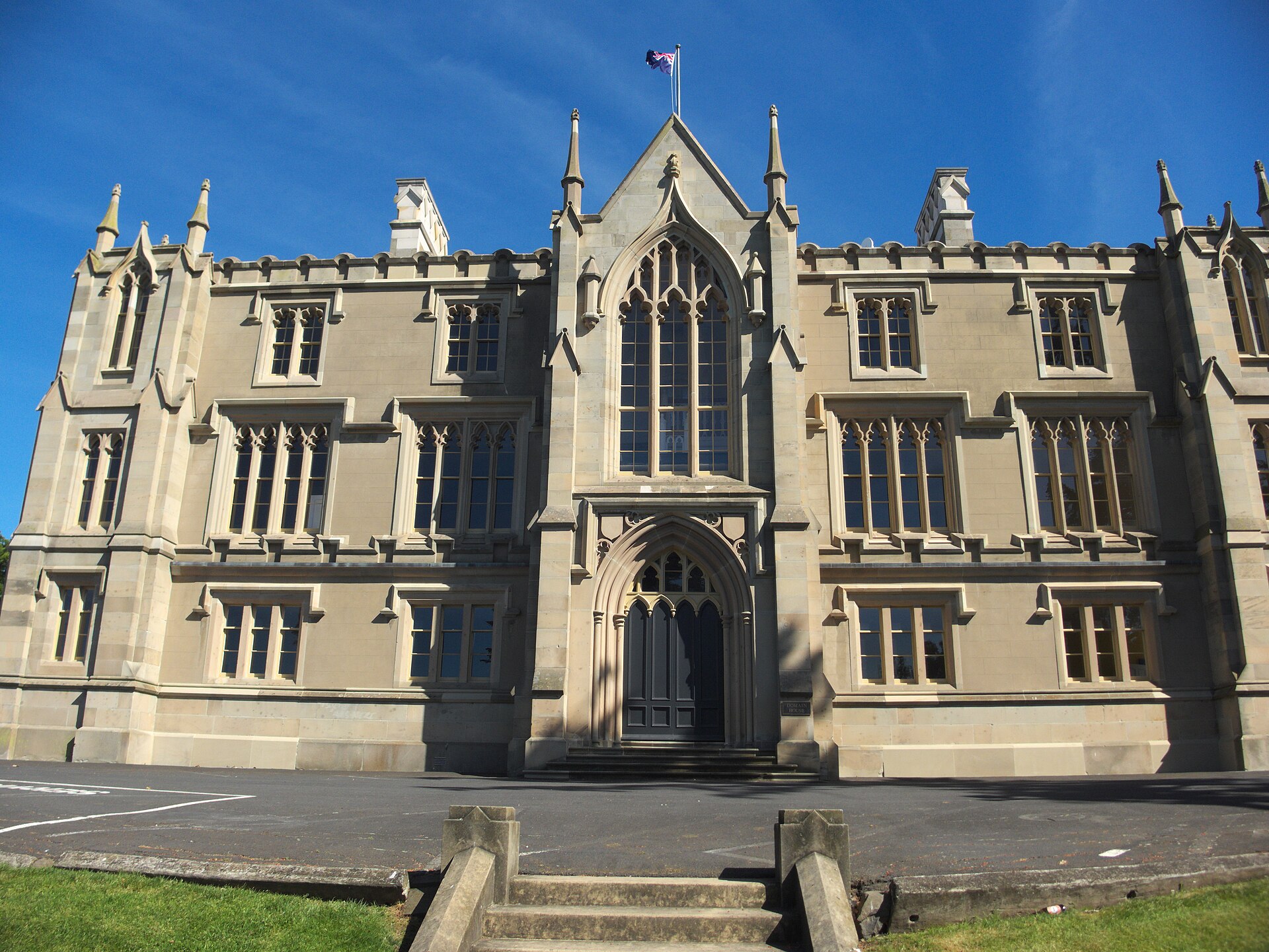
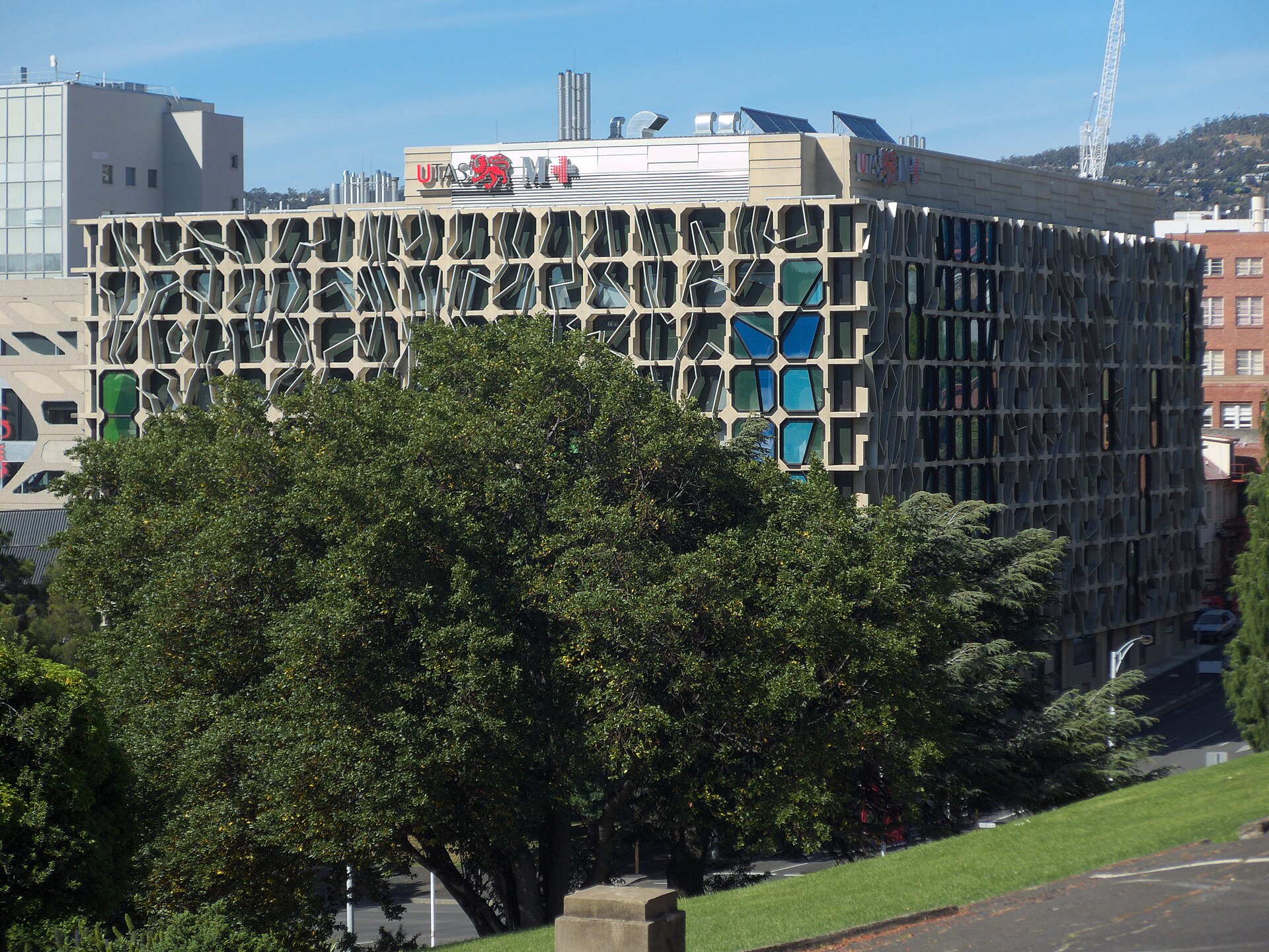
Why Choose UTAS — Research Excellence, Value & Unique Location
UTAS offers a rare combination: internationally recognised research, authentic small-city living, and one of the most generous automatic scholarship programmes among Australian universities. Here is what sets it apart for ambitious international students.
SELECTIVITY
Acceptance Profile & Entry Standards
UTAS is an accessible university with a 70% acceptance rate, meaning entry is competitive but not hyper-selective. Admission is primarily qualification-based — your academic record, English proficiency, and specific subject prerequisites determine eligibility. There are no application essays for most undergraduate programmes.
The 70% acceptance rate reflects UTAS's commitment to broad access — but entry to specific high-demand programmes such as Medicine, Law, Pharmacy, and Engineering is considerably more competitive. Check individual programme entry requirements carefully, as minimum IB scores and subject prerequisites vary by course.
QUICK FACTS
University of Tasmania at a Glance
HOW TO APPLY
What Your Application Consists Of
UTAS uses a direct application process — you apply through the UTAS online portal, not through a centralised system. Applications are straightforward and free of charge. Here is what you need to prepare.
ADMISSION PROFILE
What UTAS Looks For
UTAS evaluates international applications primarily on academic merit and qualification equivalency. Strong candidates demonstrate consistent academic performance, appropriate subject preparation, and genuine interest in their chosen field.
INTAKES & DEADLINES
Application Deadlines & Intake Periods
UTAS offers two main intakes per year. Applications are accepted on a rolling basis, but it is strongly recommended to apply well in advance to allow time for offer processing, visa lodgement, and travel arrangements.
Specific deadlines vary by programme. Applications close earlier for Medicine and other high-demand courses. Always verify current deadlines on the UTAS international admissions page before applying.
| Intake | Commencement | Recommended_deadline | Notes |
|---|---|---|---|
| Semester 1 | Late February | 31 October (prior year) | Main intake; most programmes available |
| Semester 2 | Mid-July | 31 May | Fewer programmes available; check course availability |
CAMPUS & CITY
Student Life in Hobart & Beyond
Life at UTAS is defined by the extraordinary environment of Tasmania — Australia's southernmost state, known for its wilderness, clean air, world-class art, and relaxed pace of life. Hobart is one of Australia's most liveable cities and offers a genuine community feel that large-city campuses rarely match.
OUTCOMES
Graduate Employment & Career Pathways
UTAS graduates enter a wide range of careers across Australia and internationally, with the university's research-intensive environment and specialist programmes opening doors in medicine, environmental science, law, maritime industries, and business.
Stats
Cards
FREQUENTLY ASKED
Student FAQs for International Applicants
Is there an application fee for international students?+
No. UTAS charges no application fee for international students, making it one of the most accessible Australian universities to apply to.
How does the 25% international student bursary work?+
Eligible international students automatically receive a 25% reduction in their tuition fees. This does not require a separate application for most students — it is assessed at the time of your offer. Confirm eligibility criteria on the UTAS scholarships page.
Can I start in Semester 2 (July)?+
Yes, UTAS offers July intake for many programmes, though the range is smaller than the February (Semester 1) intake. Always check whether your specific course is available mid-year before applying.
Do I need to sit standardised tests like SAT or ACT?+
No. Australia does not use SAT, ACT, or similar exams for university admission. Entry is based on your secondary school qualifications (IB Diploma, A-Levels, national board exams, or local equivalents) and English language test results.
Is Tasmania safe for international students?+
Hobart and Tasmania consistently rank among Australia's safest regions. The relatively small city size and close-knit university community contribute to a welcoming environment for international students.
Can international students work while studying?+
Yes. An Australian student visa (subclass 500) allows international students to work up to 48 hours per fortnight during semester and unlimited hours during scheduled breaks.
What pathway options exist if I don't meet direct entry requirements?+
UTAS offers pathway programmes through its partner English language and foundation colleges for students who do not yet meet direct entry requirements. These can be a strong option for students looking to improve their English or academic credentials before starting their degree.
How does Tasmania's cost of living compare to Sydney or Melbourne?+
Hobart is significantly more affordable than Sydney or Melbourne. Rent, food, and transport costs are notably lower, contributing to UTAS's total cost of attendance being among the most competitive for Australian universities.
ACADEMIC EXPECTATIONS
Academic Standards for International Students
UTAS admits students across a wide range of disciplines with an inclusive approach to entry — but strong academic preparation in relevant subjects is essential, particularly for Medicine, Law, Pharmacy, and Engineering. Understanding how your international qualifications translate to UTAS entry requirements is the first step to a successful application.
For international students, the path to UTAS runs through your national or international qualification — IB Diploma, A-Levels, your national board certificate, or other recognised credentials. UTAS maps these to an Australian Tertiary Admission Rank (ATAR) equivalent and assesses whether you meet each programme's minimum entry standard. The good news: the process is transparent and well-documented, and with careful subject selection in your senior years, most well-prepared students can meet UTAS entry requirements for their desired programme.
ENTRY BENCHMARKS
Academic Profile of Admitted Students
Entry requirements vary significantly by programme. Medicine, Pharmacy, Law, and Engineering set higher minimum scores. The figures above represent institution-wide minimums; competitive programmes will require stronger academic profiles.
TEST POLICY
Standardised Tests — Policy Overview
UTAS operates on an optional standardised test policy for international students. Entry to UTAS does not require SAT, ACT, GRE, or similar standardised tests — Australia's higher education system does not use these as admission criteria.
Your secondary school qualifications (IB Diploma, A-Levels, or your national equivalent) ARE your standardised entry credential. For postgraduate study, some research programmes may consider GRE or GMAT scores as supplementary evidence of readiness, but they are not required for undergraduate admission. English language tests (IELTS, TOEFL, Duolingo) are required separately and are mandatory, not optional.
SAT / ACT
SAT & ACT — Not Required for UTAS
Unlike US universities, UTAS does not require or consider SAT or ACT scores for undergraduate admission. The Australian higher education system uses your secondary school academic record — translated into an ATAR equivalent — as the primary admission metric.
If you are applying from the United States or have SAT/ACT scores, you may include them as supplementary information, but they will not substitute for your secondary school results. Your IB Diploma, A-Level results, or national board examination results carry full weight in the evaluation process.
IB & A-LEVELS
IB Diploma & A-Level Entry Requirements
UTAS actively recruits IB Diploma and A-Level students and has clear published equivalency tables for both qualifications. These are among the most internationally recognised and respected credentials for Australian university entry.
SUBJECT PREREQUISITES
Subject Preparation by Discipline
Different programmes at UTAS require prior study in specific subjects. Planning your senior secondary subject choices with your target programme in mind is critical.
ENGLISH PROFICIENCY
English Language Requirements
All international applicants whose first language is not English must demonstrate English proficiency. The following minimum scores apply for most programmes — note that some courses (notably Medicine, Law, Education, and Nursing) require higher scores.
Students who don't yet meet English requirements can enrol in UTAS's English language pathway programmes before commencing degree study.
| Test | Minimum_overall | Minimum_component | Notes |
|---|---|---|---|
| IELTS Academic | 6.0 | 6.0 in each band | Most common test; widely accepted |
| TOEFL iBT | 72 | Varies by component | Accepted at all UTAS programmes |
| Duolingo English Test | 105 | Check sub-scores | Accepted; verify for specific programme |
| PTE Academic | ~50 | Varies by programme | Verify current threshold on UTAS site |
YEARS 9–12 ROADMAP
Building Your Academic Profile for UTAS Admission
Admission to UTAS is primarily about consistent academic performance and correct subject preparation. Here is a year-by-year guide to building a competitive application.
COMMON PITFALLS
Academic Application Mistakes to Avoid
Items
- Applying without checking programme-specific prerequisites — the institutional minimum IB of 26 does not apply to all courses.
- Underestimating English requirements — some programmes (Medicine, Education, Law) require IELTS 7.0 or above, not just 6.0.
- Applying too late — rolling admissions means early applicants receive offers faster and have more time to organise visas and accommodation.
- Assuming any July intake programmes are equivalent to February — some courses and scholarship rounds are only available for Semester 1.
- Neglecting to verify accepted qualification equivalency for non-IB/A-Level backgrounds — contact admissions directly if in doubt.
- Skipping the English pathway option — if you fall slightly below the English minimum, pathway courses are a time-efficient route into your degree.
- Not accounting for visa processing time — Australian student visa applications can take several weeks; apply well before your intended commencement.
Faqs
What if my IB score is below 26 — can I still apply?+
You may be able to access UTAS via a pathway programme. UTAS partner colleges offer foundation and English courses that can lead into direct admission to a degree programme.
Does UTAS accept conditional offers based on predicted IB results?+
Yes. UTAS can issue conditional offers to IB students based on predicted results, which become unconditional when final results are confirmed.
FEES & FUNDING
Cost of Studying at UTAS — Honest Financial Planning
University of Tasmania is one of Australia's most cost-effective study destinations for international students. With no application fee, an automatic 25% tuition bursary for eligible students, and significantly lower living costs than Sydney or Melbourne, UTAS offers genuine value without compromising on research quality or teaching standards.
The figures below are annual estimates in USD. Tuition varies by programme — check your specific course fee on the UTAS website. Living costs in Hobart are substantially lower than Australia's eastern capital cities, giving international students a more manageable financial situation than the headline numbers might suggest.
ANNUAL COSTS
Cost Breakdown (Annual Estimates)
All figures are approximate annual estimates in USD. Actual tuition depends on your specific programme. Tuition for Medicine and Engineering programmes is typically higher than the average shown.
| Component | Amount_usd | Notes |
|---|---|---|
| Tuition (International) | ~USD 22,400 | Annual estimate; varies by programme |
| Cost of Living (Hobart) | ~USD 13,000 | Accommodation, food, transport, personal |
| Total Cost of Attendance | ~USD 35,400 | Full-year estimate |
| Application Fee | USD 0 | Free to apply |
FINANCIAL AID
Financial Aid for International Students
UTAS international students are not eligible for the Australian Government's HECS-HELP loan scheme (which is reserved for domestic students). However, UTAS provides meaningful fee relief through its scholarship programmes, with an average financial support of approximately 15% of fees across scholarship recipients.
The most impactful and widely available mechanism is the automatic 25% International Student Bursary, which reduces tuition costs significantly without requiring a separate competitive application. Beyond this, a range of merit-based, faculty-specific, and need-aware scholarships are available. International students should budget as full-fee paying students and treat any scholarship as supplementary relief rather than expected funding.
UTAS does not offer need-blind admission or guaranteed need-based financial aid packages comparable to US institutions. Aid is primarily merit-based and scholarship-driven.
SCHOLARSHIPS
Scholarships for International Students
UTAS offers several scholarship programmes specifically for international students. The automatic bursary is the broadest; additional merit and faculty awards provide further support for high-achieving students. Always verify current scholarship availability and amounts on the official UTAS scholarships page, as these change each academic year.
Verify current scholarship round deadlines, values, and eligibility criteria directly on the UTAS website — information above is qualitative guidance, not confirmed amounts.
VALUE PROPOSITION
Why UTAS Offers Real Affordability
When you combine UTAS's lower-than-average international tuition, the automatic 25% bursary, Hobart's significantly lower cost of living versus Sydney or Melbourne, and the zero application fee, the real cost of studying at UTAS is among the most competitive of any ranked Australian university.
A student at UTAS paying full international fees before any scholarship receives a total annual cost of attendance of approximately USD 35,400. With the 25% bursary applied, tuition falls meaningfully, bringing the effective cost of attendance closer to USD 29,800–30,000 (estimate — verify actual tuition amounts for your programme). Compare this to the cost of attending a ranked Australian university in Sydney or Melbourne, where rent alone can exceed AUD 25,000 per year, and the UTAS value proposition becomes clear.
The above cost estimate with bursary applied is illustrative. Actual amounts depend on your programme tuition rate, scholarship eligibility, and living choices. Always verify on the UTAS fee schedules.
HOW TO SECURE FUNDING
Steps to Maximise Your Financial Support
COST FAQs
Frequently Asked Questions About Fees & Aid
Is the 25% bursary guaranteed for all international students?+
The 25% bursary is an automatic award for eligible international students — but you should confirm eligibility criteria on the UTAS scholarships page, as conditions may apply based on your programme, level of study, or nationality.
Can I access Australian government loans as an international student?+
No. The HECS-HELP and FEE-HELP loan schemes are only available to Australian citizens, permanent residents, and some visa holders. International students are expected to fund their studies through personal means, scholarships, or overseas funding.
How much does accommodation cost in Hobart?+
On-campus residential college fees and off-campus rental costs vary. Hobart is substantially cheaper than Sydney or Melbourne. The USD 13,000 annual living estimate in the cost breakdown covers accommodation, food, transport, and personal expenses — but individual choices will affect your actual spend.
Are there any hidden fees I should budget for?+
Budget for your student visa application fee (paid to the Australian government), overseas student health cover (OSHC — mandatory for all international students on a student visa), and initial travel and setup costs. These are separate from tuition and living expenses.
Does UTAS offer tuition payment plans?+
UTAS typically allows tuition payment by semester rather than requiring full annual payment upfront. Confirm payment plan options with the UTAS Student Finance team after receiving your offer.
AUSTRALIA / DIRECT APPLICATION
Applying to UTAS — No Essays Required for Most Programmes
Unlike US universities, the University of Tasmania does not require application essays for the vast majority of undergraduate programmes. Entry is qualification-based — your academic record, English language test results, and subject prerequisites are the foundation of your application. This guide explains the UTAS direct application process and where written statements can strengthen specific applications.
The Australian higher education system prioritises academic merit and qualification equivalency over essays and extracurricular narratives. For most UTAS programmes, there is no personal statement, no supplemental essays, and no short-answer questions. However, scholarship applications and a small number of portfolio-based or research programmes may require a written statement — and understanding how to write one effectively is still valuable.
APPLICATION SYSTEM
How the UTAS Application System Works
UTAS uses a direct online application system. There is no common application portal (equivalent to Common App or UCAS) — you apply directly through the UTAS website. The process is straightforward and entirely online.
No application essays are required for standard undergraduate admission. Scholarship statements (below) are separate from the admission application.
WRITTEN STATEMENTS
When a Personal Statement Is Required
While most UTAS undergraduate programmes have no essay requirement, there are specific situations where a written statement is expected or can strengthen your application significantly.
SCHOLARSHIP STATEMENTS
Writing a Winning Scholarship Statement for UTAS
If you are applying for the Vice-Chancellor's International Scholarship or a faculty award, your written statement is your opportunity to differentiate yourself beyond your grades. Here is how to approach it.
STATEMENT STRATEGY
How to Approach Your UTAS Statement
Whether you are writing a scholarship statement or a postgraduate research proposal, the following strategic principles apply.
CHOOSING YOUR ANGLE
What to Write About in Your UTAS Application
For the specific contexts where a written statement matters — scholarship applications, research proposals, creative portfolios — choosing the right focus is as important as the writing itself.
- Specific academic achievements or turning points that shaped your field of study choice — not just 'I've always been interested in science.'
- Research you've encountered (a paper, a documentary, a competition) that connects to UTAS's specific research strengths (Antarctic science, maritime engineering, marine ecology).
- Direct connections between your career goals and Hobart's unique position — as an Antarctic gateway city, a growing arts and culture hub, or a centre for environmental research.
- Why Tasmania and UTAS specifically — not just Australia generically. The island location, the smaller community, the research institutes are distinctive.
- For postgraduate research: a focused, specific research question rather than a broad topic area.
- Evidence of independence and intellectual curiosity — projects you initiated, problems you investigated, questions you pursued beyond the classroom.
COMMON PITFALLS
Application & Statement Mistakes to Avoid
- Writing a scholarship statement so generic it could apply to any Australian university — if you could swap 'UTAS' for 'University of Melbourne' without changing anything, rewrite it.
- Applying without verifying English requirements for your specific programme — some UTAS courses require IELTS 7.0, not the institutional minimum of 6.0.
- Submitting incomplete academic transcripts — all institutions and qualifications you have studied at must be listed.
- For research applicants: submitting a research proposal without first contacting a potential supervisor — many UTAS research programmes require or strongly prefer pre-application supervisor contact.
- Missing scholarship application windows — the automatic 25% bursary is assessed at offer stage, but merit scholarships have separate deadlines.
- Assuming no personal statement means no preparation — even for grades-based entry, understanding what prerequisite subjects you need and verifying them with your secondary school is essential.
- Underestimating visa processing time — allow at least 6–8 weeks for your Australian student visa after your offer is accepted.
APPLICATION FAQs
Application Process Frequently Asked Questions
Do I need to write an essay to apply to UTAS as an undergraduate?+
For most undergraduate programmes, no — UTAS entry is grades-based with no personal statement required. Exceptions include some creative arts portfolio programmes and scholarship applications.
How is UTAS's direct application different from applying through UAC or VTAC?+
UTAS accepts international applications directly through its own online portal. You do not need to go through UAC (NSW/ACT) or VTAC (Victoria) as an international student — those central admission centres are primarily for domestic students.
Is a research proposal required for postgraduate coursework?+
No — a research proposal is only required for Masters by Research or PhD applications. Postgraduate coursework (e.g., Master of Business, Master of Engineering) follows a standard application process based on your academic record and English proficiency.
How competitive is the Vice-Chancellor's International Scholarship?+
It is competitive and merit-based, awarded to a limited number of students each intake. Strong academic results and a well-targeted scholarship statement improve your chances. Check the UTAS scholarships page for the current round and the number of awards available.
Can I submit my IB predicted results instead of final results?+
Yes. UTAS issues conditional offers to IB students based on predicted results. Once your final results are released, you submit them to UTAS and your conditional offer becomes unconditional if you meet the stated requirements.
What happens if I need to write a creative portfolio statement?+
For creative arts, design, or architecture programmes, your portfolio statement should contextualise your work — explain your creative process, influences, and development. It is typically shorter than a research proposal (500–800 words) and focuses on artistic voice and intentionality rather than academic argument.
Is there an interview process at UTAS?+
Interviews are not standard practice for most UTAS undergraduate admissions. Some postgraduate research programmes and Medicine may include an interview or selection test as part of the process — verify for your specific programme.
Courses — schools, degrees & intake
52 degrees across 5 groupings.
College of Arts, Law and Education · 18 degrees
Bachelor of Arts
Bachelor of Arts with Honours
Bachelor of English and Writing
Bachelor of Philosophy
Bachelor of Theatre and Performance
Bachelor of Music
Bachelor of Music (Honours)
Bachelor of Fine Arts
Bachelor of Fine Arts with Honours
Bachelor of Design
Bachelor of Media and Communication
Bachelor of Creative Arts and Health
Bachelor of Laws
Bachelor of Arts and Bachelor of Laws
Bachelor of Social Work with Honours
Bachelor of Education (Primary)
Bachelor of Education (Health and Physical Education)
Bachelor of Education (Adult Learning)
College of Health and Medicine · 11 degrees
Bachelor of Nursing
Bachelor of Nursing (Accelerated)
Bachelor of Nursing (Honours)
Bachelor of Pharmacy (Honours)
Bachelor of Biomedicine
Bachelor of Psychological Science
Bachelor of Psychological Science (Honours)
Bachelor of Exercise and Sport Science
Bachelor of Dementia Care
Bachelor of Medical Research (Honours)
Bachelor of Medical Science and Doctor of Medicine
College of Sciences and Engineering · 13 degrees
Bachelor of Science
Bachelor of Science with Honours
Bachelor of Engineering (Specialisation) with Honours
Bachelor of Science and Bachelor of Engineering with Honours
Bachelor of Marine and Antarctic Science
Bachelor of Marine and Antarctic Science with Honours
Bachelor of Information and Communication Technology
Bachelor of Information and Communication Technology (Honours)
Bachelor of Architecture and Built Environments
Bachelor of Natural Environments and Conservation
Bachelor of Geospatial Science
Bachelor of Agricultural Science with Honours
Bachelor of Agriculture (Honours)
Australian Maritime College · 5 degrees
Bachelor of Maritime Engineering (Honours)
Bachelor of Applied Science (Nautical Science)
Bachelor of Applied Science (Marine Engineering)
Bachelor of Global Logistics and Maritime Management
Bachelor of Global Logistics and Maritime Management with Honours
Tasmanian School of Business and Economics · 5 degrees
Bachelor of Business
Bachelor of Business and Bachelor of Laws
Bachelor of Business and Information and Communication Technology
Bachelor of Economics
Bachelor of Economics with Honours
Want your real chances at University of Tasmania?
Create a free TYCHR account for your personalised admit-chance, a shortlist you can track, exact entry requirements, and essay + counselling help.