University of Sussex
Brighton, United Kingdom · Suburban
BRIGHTON, UNITED KINGDOM
University of Sussex Admissions Guide for International Students
Perched on a purpose-built campus at the foot of the South Downs, ten minutes from the sea and moments from one of Britain's most vibrant cities, the University of Sussex has been shaping progressive, interdisciplinary thinkers since 1961. Internationally recognised in development studies, psychology, media, and AI research, Sussex draws students from more than 120 countries who want an education that is both rigorous and genuinely global in outlook.
Campus
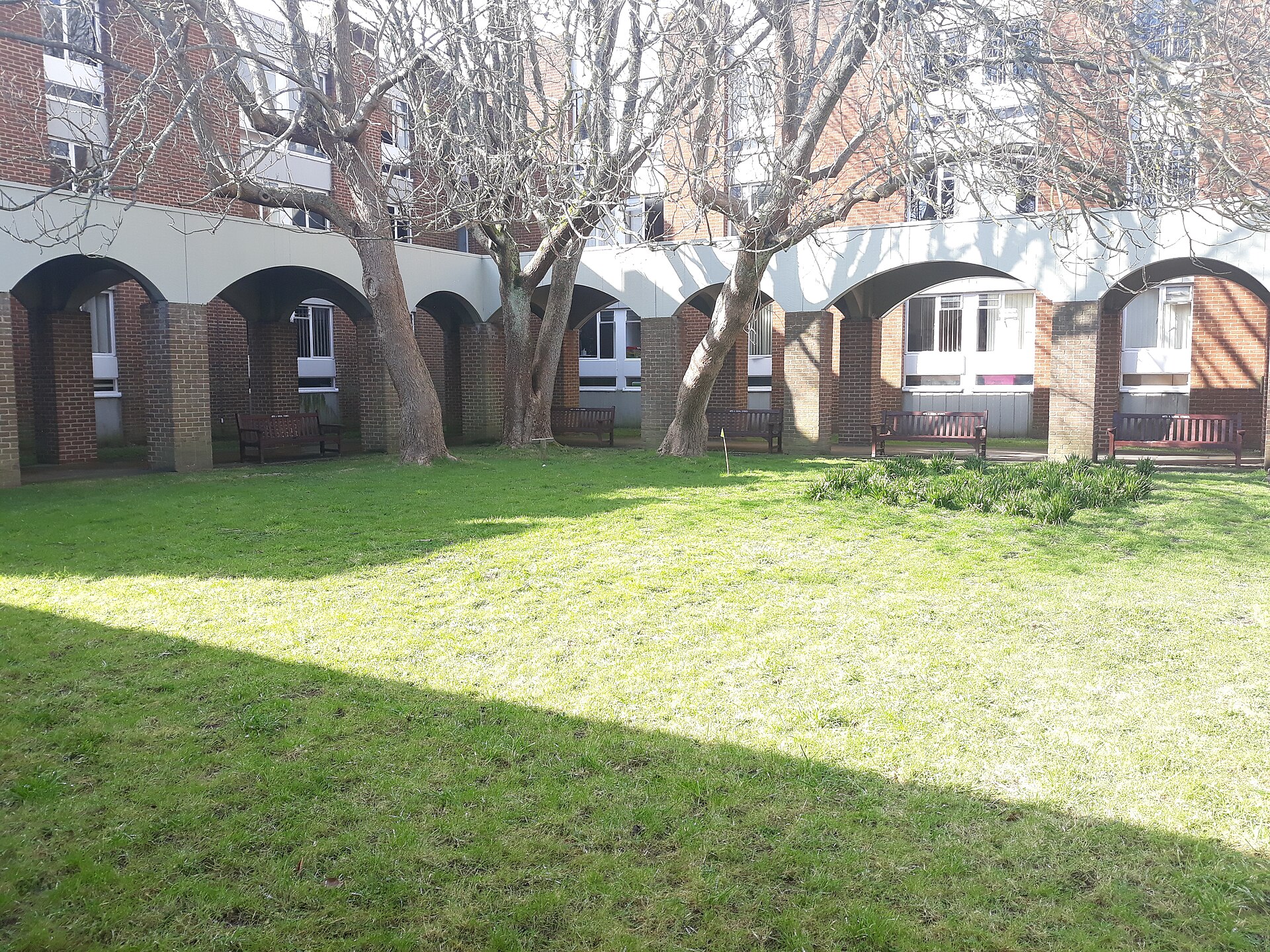
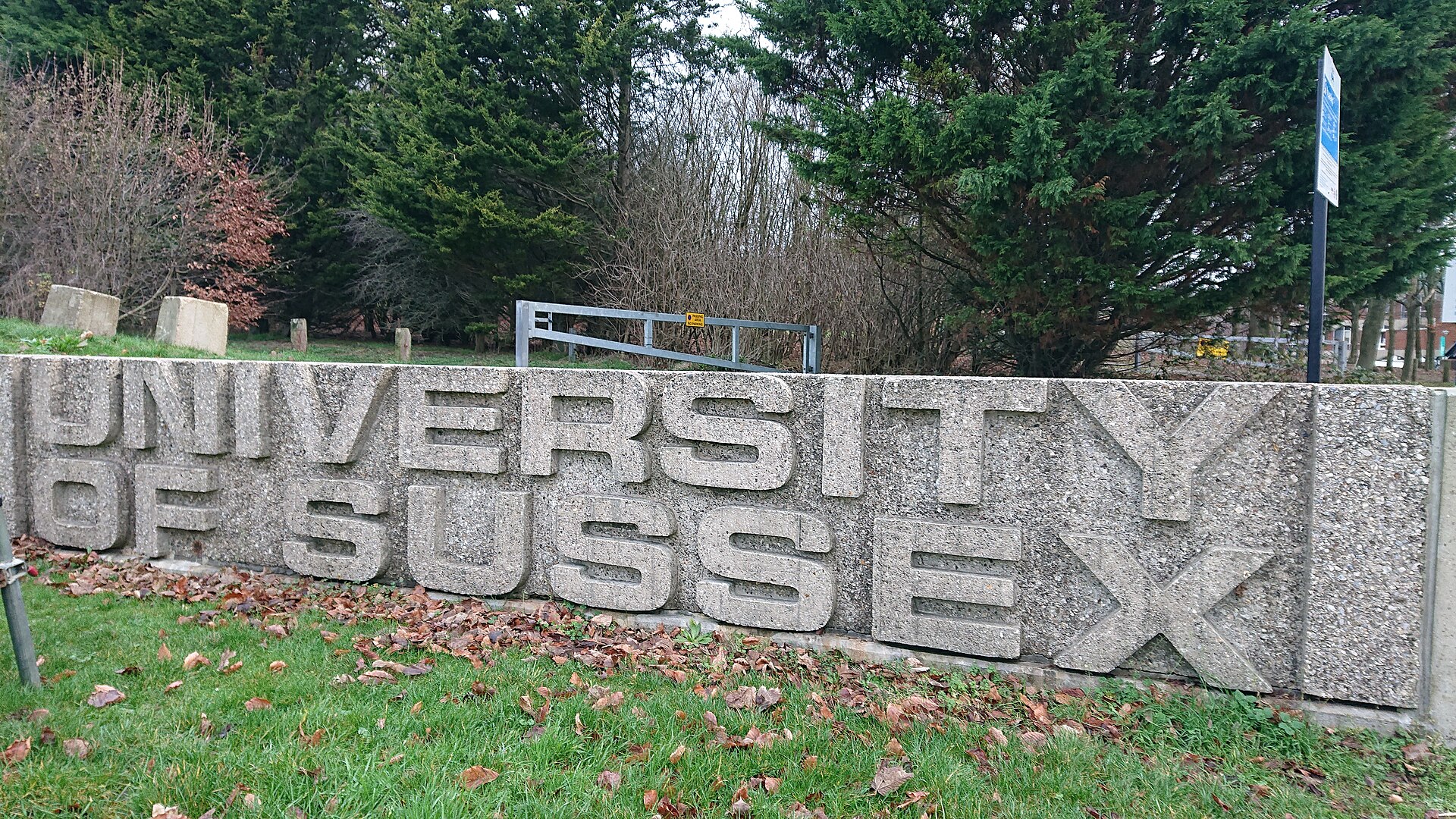
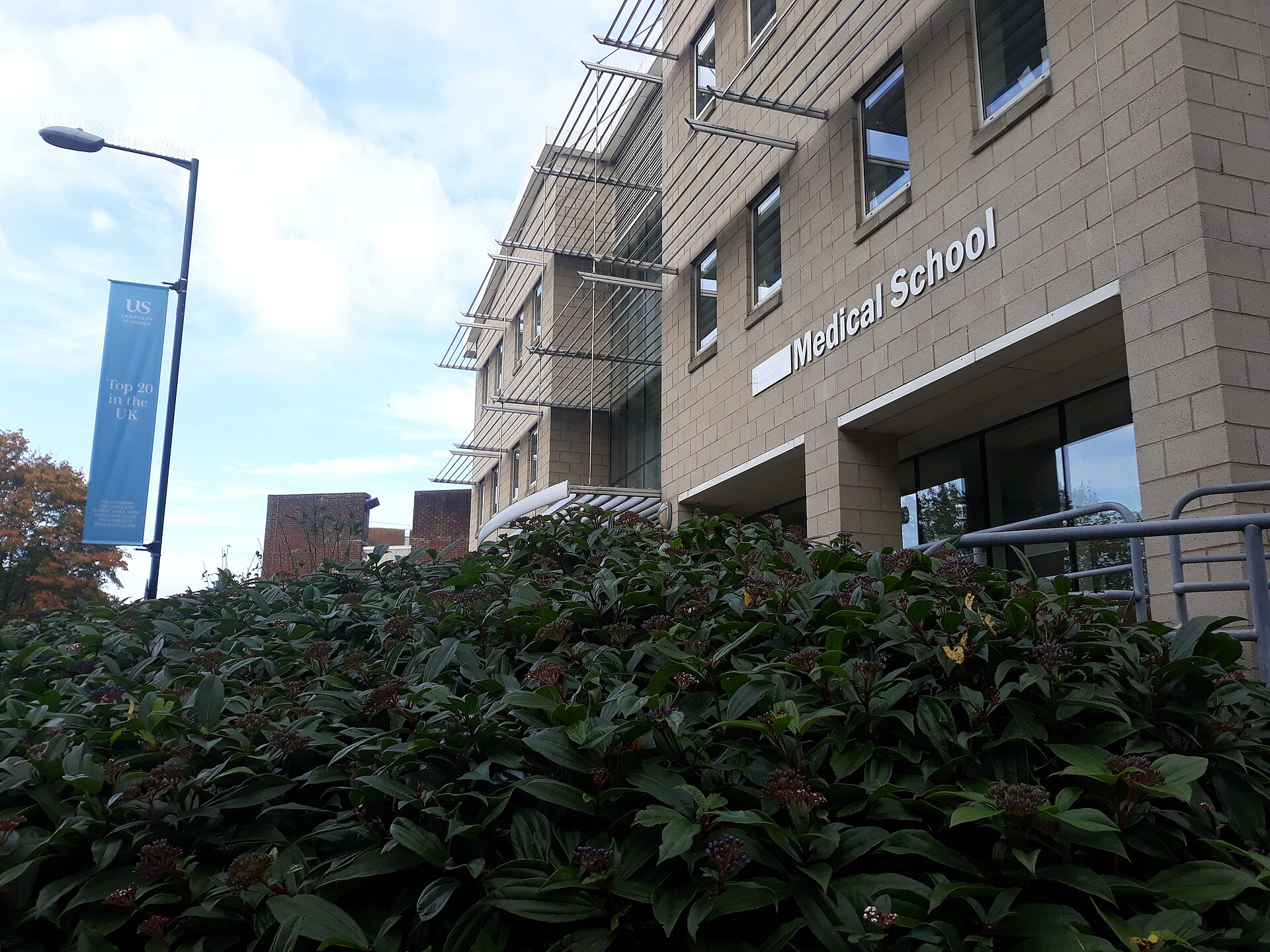
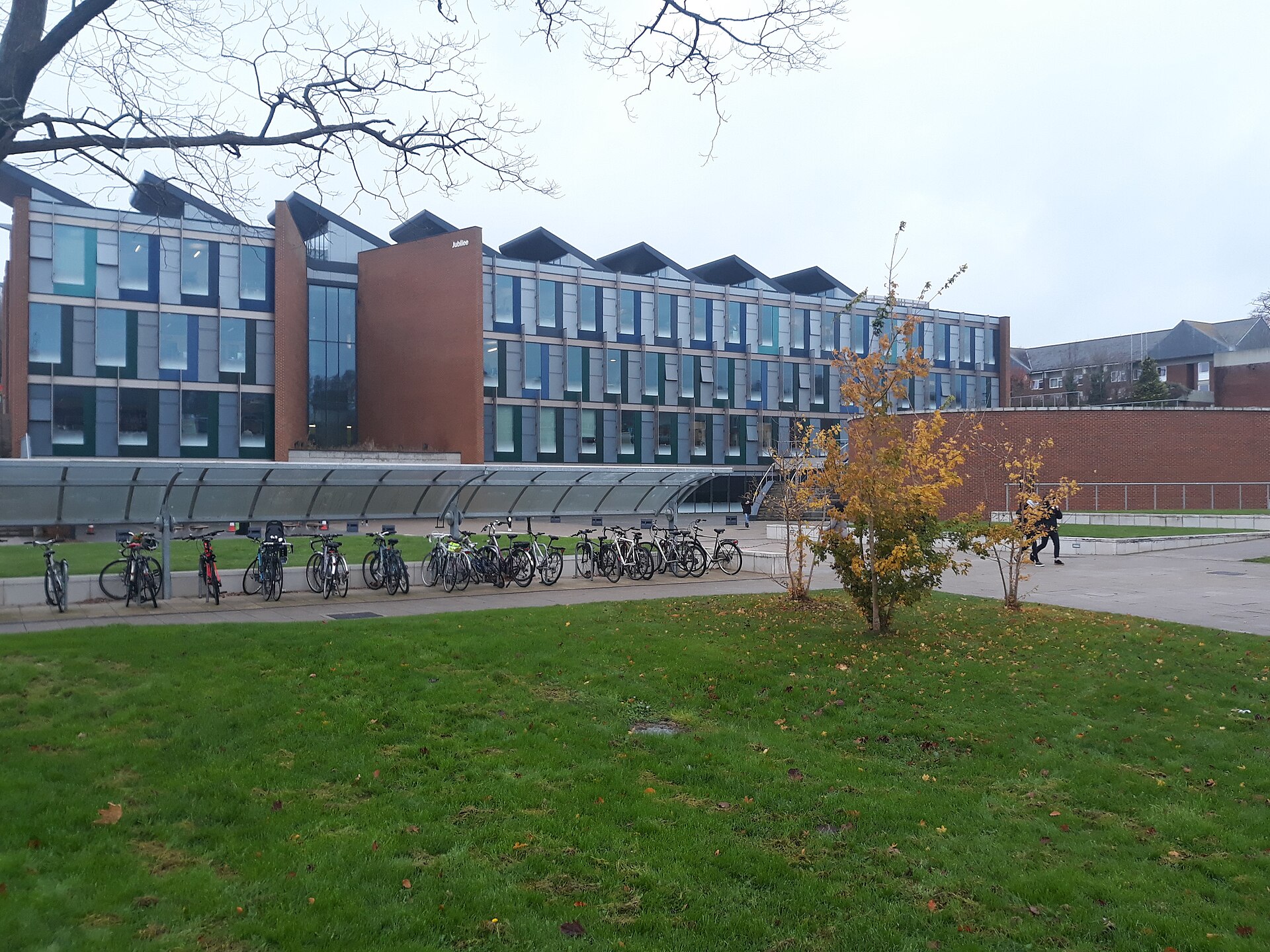
University of Sussex — campus in pictures
Real, freely-licensed photographs of the campus (via Wikimedia Commons).
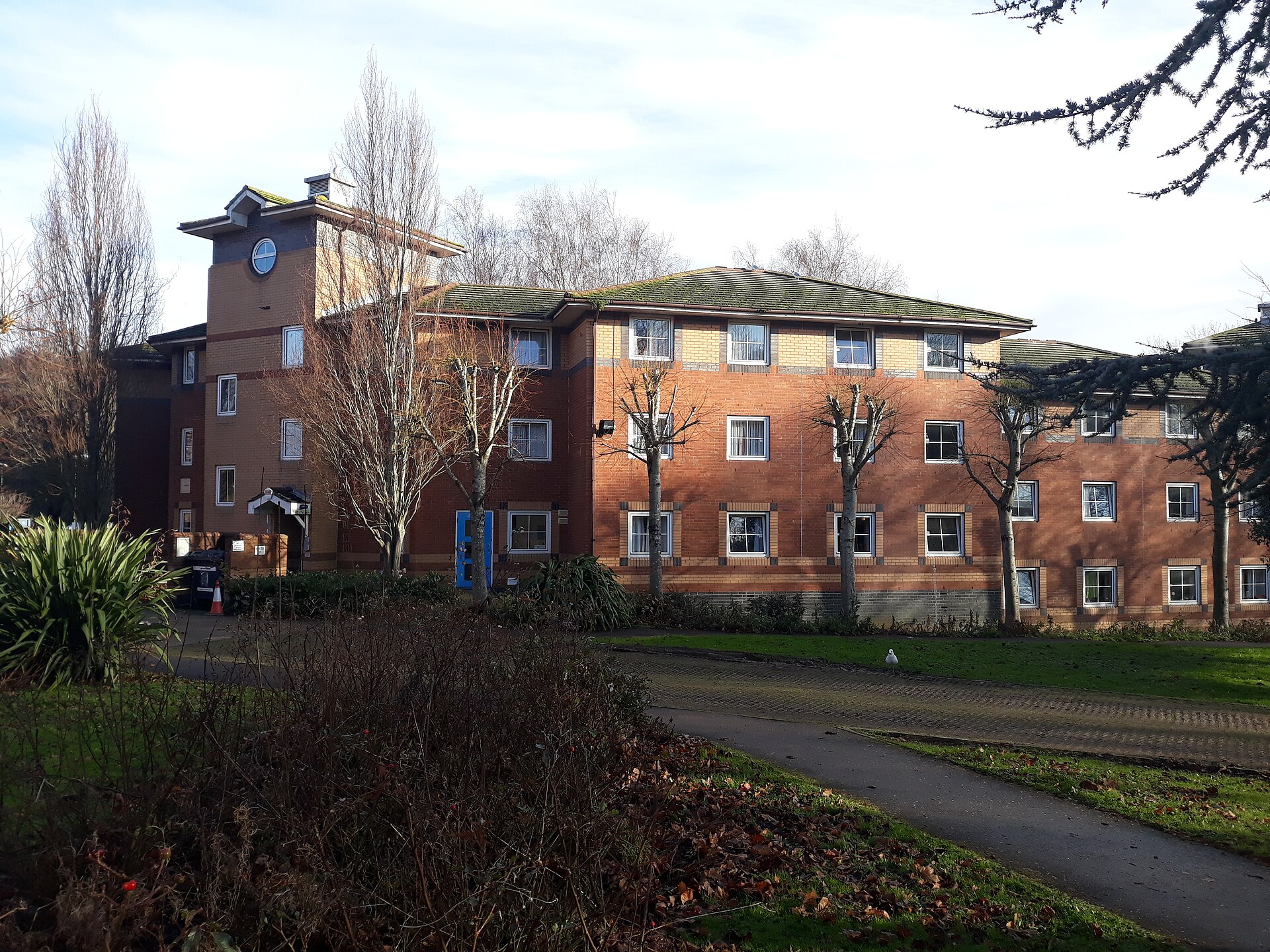
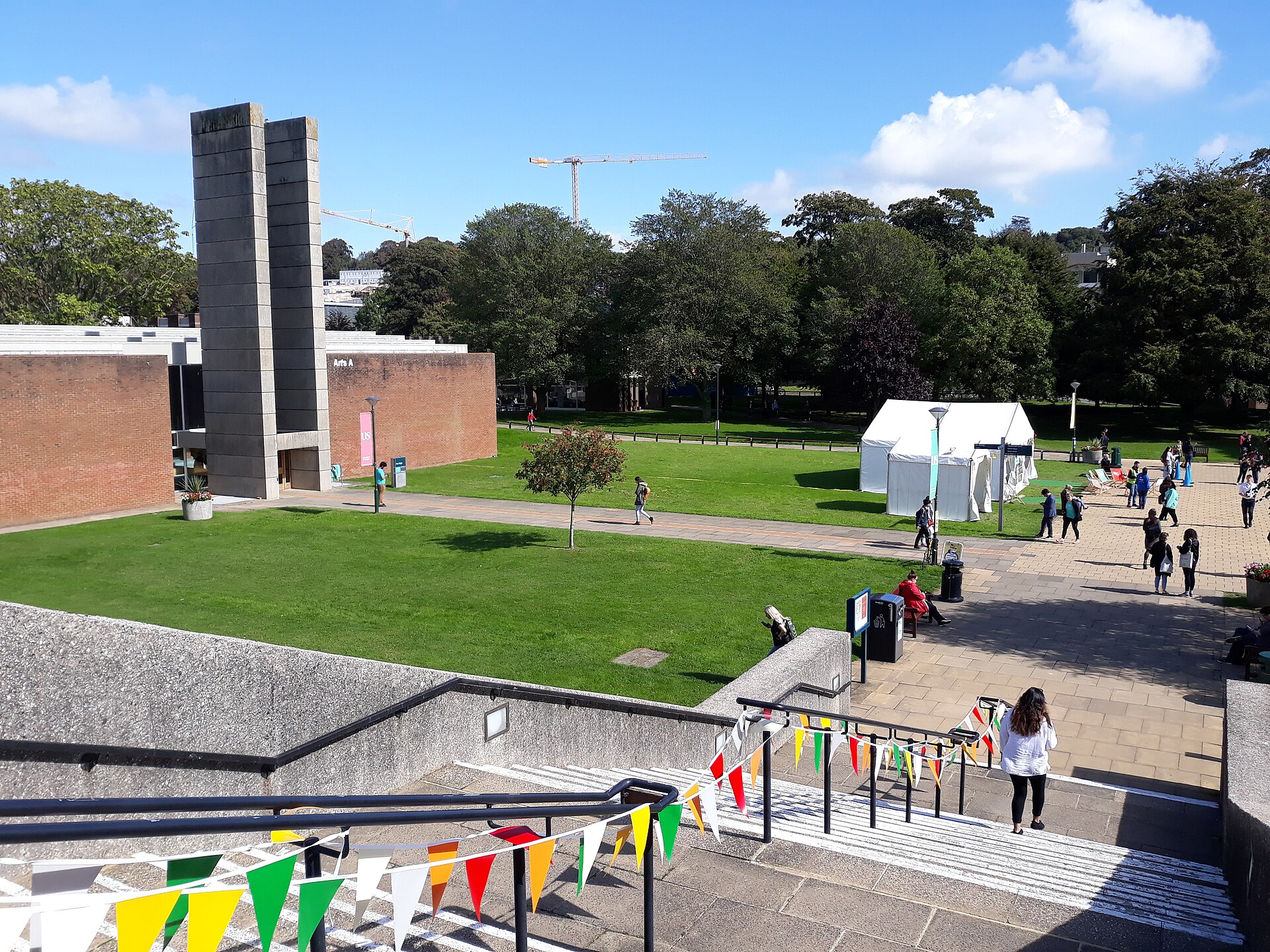
Why Choose Sussex — Research, Brighton, and Global Impact
Sussex stands apart from many British universities through its interdisciplinary founding philosophy and its sustained commitment to research that addresses real-world problems. For international students, it offers a compact, walkable campus community alongside the cultural richness of Brighton — all at a competitive international tuition level.
SELECTIVITY
Acceptance Profile
University of Sussex has an overall acceptance rate of approximately 75%, making it more accessible than the UK's most selective institutions while still requiring strong academic preparation. Course-level competitiveness varies significantly: high-demand programmes such as Medicine, Law, Computer Science, and Psychology are considerably more selective than the university-wide figure suggests. International students should not treat the headline acceptance rate as a guarantee — your subject choice, qualification results, predicted grades, and UCAS personal statement all influence your outcome.
AT A GLANCE
University of Sussex — Key Facts
HOW TO APPLY
What Makes Up a Sussex Application
Undergraduate applications to Sussex are submitted through UCAS (Universities and Colleges Admissions Service). There is no university-specific form, and Sussex does not require supplemental essays. What matters is the quality of your academic results, your predicted grades, your UCAS personal statement, and your school reference.
WHAT SUSSEX VALUES
The Profile Sussex Admits
Sussex is not looking for a narrow academic archetype. Its founding philosophy — that the best thinking happens at the intersection of disciplines — shapes what admissions tutors look for. Genuine subject passion, the capacity to engage with complexity, and an awareness of how your chosen field connects to broader societal questions are qualities Sussex actively values.
For competitive courses, academic results remain the primary filter. But your UCAS personal statement is your opportunity to demonstrate that your interest in the subject is active and authentic — not just a performance. Sussex tutors want to see that you have read beyond the syllabus, engaged with ideas in the discipline, and thought about why this subject matters to you personally and intellectually.
UCAS DEADLINES
Application Deadlines
Sussex uses UCAS for all undergraduate applications. There is no early-decision or early-action equivalent — UCAS is a centralised system where universities review applications on a rolling or cohort basis. International students should aim to apply by the standard January deadline to allow sufficient time for visa processing and accommodation applications.
| Route | Deadline | Notes |
|---|---|---|
| Medicine (BSMS) | 15 October (6pm UK time) | Hard UCAS deadline — no exceptions |
| All other undergraduate courses | 14 January (6pm UK time) | Standard UCAS deadline — aim to submit before this |
| International students (visa timing) | By January — earlier is better | Student Route visa takes 3–8 weeks to process |
| Late UCAS applications | By 30 June | Only if places remain; not recommended for international applicants |
| Clearing | August (post-results) | Available if A-Level/IB results differ significantly from offer |
CAMPUS LIFE
Student Life at Sussex and Brighton
The University of Sussex campus sits in Falmer — a short bus ride from central Brighton and a twenty-minute train journey from London. Designed by architect Sir Basil Spence, the campus blends distinctive red-brick and flint buildings within the South Downs National Park. It is a genuinely beautiful and walkable environment.
Brighton is the university's biggest asset beyond the classroom. One of the UK's most creative and diverse cities, Brighton has a thriving arts scene, celebrated music venues, an independent restaurant culture that punches far above its size, beaches, and an LGBTQ+ community that makes it one of Europe's most inclusive cities. For international students, Brighton's cosmopolitan character means you are unlikely to feel out of place — the city is accustomed to diversity and celebrates it.
CAREERS AND OUTCOMES
What Happens After Sussex
Sussex graduates enter a wide range of sectors. The university's proximity to London — fifty minutes by train — connects graduates to one of the world's largest graduate job markets. Brighton's growing tech, creative, and professional services industries also offer strong local opportunities. The university careers service provides employer events, graduate job boards, and individual guidance appointments.
Stats
Cards
FAQS
Frequently Asked Questions
Do international students apply through UCAS or directly to Sussex?+
All undergraduate international students apply through UCAS, the centralised UK admissions service. There is no separate direct application route for undergraduate study. Sussex's UCAS institution code is S90 (SUSX).
Does Sussex accept the IB Diploma?+
Yes. Sussex fully accepts the IB Diploma. A minimum of 32 IB points is the university threshold, though specific courses may require higher scores or particular Higher Level (HL) subjects. Always check the individual course entry requirements on the Sussex course finder.
Can I apply if my predicted grades are slightly below the standard offer?+
Sussex does consider applications where context is provided for lower predicted grades. If mitigating circumstances affected your performance, you or your school can flag this through the UCAS application. However, for competitive courses, meeting predicted grades is important — contact admissions to discuss your situation before applying.
Is campus accommodation guaranteed for international students?+
Sussex guarantees accommodation for first-year international students who firm Sussex as their first choice and meet the accommodation application deadline. This is a practical advantage compared to universities without a first-year guarantee.
What visa do I need to study at Sussex?+
Most international students require a UK Student Route visa. Sussex is a licensed Student visa sponsor and will issue a Confirmation of Acceptance for Studies (CAS) once you have accepted your offer and met all conditions. Apply for your visa early — processing can take 3–8 weeks.
Does Sussex offer foundation or pathway programmes?+
Yes. Sussex offers International Foundation Year and International Year One programmes for students who do not yet meet direct entry requirements. These are run through INTO University Partnerships and provide a route into undergraduate degrees for applicants who need additional preparation.
What are the English language requirements?+
Sussex requires IELTS Academic 6.5 overall (no component below 6.0) for most courses. TOEFL iBT 88 and Duolingo 115 are also accepted. Some programmes — including Psychology and Law — have higher requirements. If you are below the minimum, a pre-sessional English course at Sussex may be available.
How is Sussex ranked internationally?+
Sussex is ranked #246 in the QS World University Rankings and #176 in the Times Higher Education World Rankings. Its national ranking in the UK is approximately 40th. For specific subjects — especially Development Studies and Psychology — Sussex ranks considerably higher.
ACADEMICS
Academic Expectations for International Applicants
Sussex admits students who are genuinely ready for university-level academic work — not just those who clear a numerical entry bar. For international applicants, this means demonstrating strong performance in a recognised qualification, a credible English language score, and — through your UCAS personal statement — evidence that you have engaged actively and critically with your chosen subject.
ENTRY REQUIREMENTS
Academic Profile of Admitted Students
Sussex publishes course-specific entry requirements rather than a single university-wide threshold. The figures below reflect the general range for international applicants. Competitive programmes such as Medicine, Law, and Computer Science typically sit at the higher end or above these benchmarks.
TEST POLICY
Standardised Tests at Sussex
Sussex does not require SAT or ACT scores as part of a standard undergraduate application through UCAS. UK universities assess students primarily on school-leaving qualifications and predicted grades. SAT and ACT scores may be submitted as supplementary context but are not the primary assessment metric and will not replace qualification requirements.
The exception is admissions tests for specific courses. Students applying to Brighton and Sussex Medical School (BSMS) must sit the UCAT (University Clinical Aptitude Test) during the testing window in the summer before application. For other Sussex courses, no separate admissions test is ordinarily required. Always verify on the individual course page at the point of application.
UK QUALIFICATIONS SYSTEM
How International Qualifications Are Assessed
Sussex accepts a broad range of international secondary qualifications for direct undergraduate entry. Admissions tutors translate each qualification against UK A-Level standards when setting course offers. Understanding this equivalence framework helps you plan your qualification choices and target the right courses.
IB DIPLOMA IN DEPTH
IB Diploma and A-Level Guidance for Sussex
The IB Diploma is one of the most respected qualifications in the UK university system, and Sussex has significant experience reading IB applications. A total score of 32 points is the university minimum baseline, but you should aim above this for any competitive programme.
Higher Level subject selection matters significantly, especially for STEM and professional courses. Sussex engineering and computer science courses, for example, typically specify HL Mathematics Analysis and Approaches. Psychology and Neuroscience often expect HL Biology. Review your target course requirements early — ideally in Year 10 or 11 — to ensure your IB subject choices do not inadvertently close doors at the application stage.
SUBJECT PREPARATION
Subject Rigour Expected at Sussex
Sussex expects students who arrive with genuine curiosity and substantive preparation in their chosen discipline — not just strong grades. Across its flagship subject areas, here is what admissions tutors are looking for beyond your transcript.
ENGLISH PROFICIENCY
English Language Requirements
Sussex requires formal English language evidence from applicants whose first language is not English. The minimum scores below apply to most courses — some programmes (notably Psychology, Law, and Business) have higher thresholds. Always check the specific course page for programme-level requirements.
| Test | Minimum | Component Min | Notes |
|---|---|---|---|
| IELTS Academic | 6.5 overall | No component below 6.0 | Most widely used; preferred by many courses |
| TOEFL iBT | 88 total | Writing 21, Speaking 21 | Widely accepted across all faculties |
| Duolingo English Test | 115 | Literacy 105, Conversation 90 | Accepted for most courses |
| Cambridge Advanced / Proficiency (CAE / CPE) | Grade C or above | Equivalent to IELTS 6.5 | Accepted for standard entry |
| Pre-sessional English (Sussex) | On-campus programme | 6-week or 12-week options | For applicants slightly below minimum; leads to conditional offer |
YEAR-BY-YEAR PLAN
Building Your Profile for Sussex: Years 9–13
COMMON PITFALLS
Academic Mistakes to Avoid
- Applying without checking the course-specific entry requirements — the university minimum and the individual course requirement can differ significantly, especially for competitive programmes.
- Choosing IB Higher Level subjects in Year 10 without verifying whether they match your intended university course prerequisites — this cannot be corrected at the application stage.
- Misreading your predicted grades: if your IB predicted total is below 32, discuss with your IB coordinator whether to target courses with lower offers or consider the Sussex International Foundation Year first.
- Assuming your English language score will be sufficient without checking the course-level requirement — some Sussex programmes require IELTS 7.0 or TOEFL 100, above the university minimum.
- Not taking advantage of the Sussex pre-sessional English programme if your score is borderline — completing the programme on campus familiarises you with the university environment before your degree begins.
- Applying after the January UCAS deadline as an international student — post-deadline applications may miss the accommodation guarantee window and leave insufficient time for Student Route visa processing.
- For Medicine (BSMS): not sitting the UCAT during the annual testing window — missed UCAT sittings mean a full year's delay, as results expire and the window does not reopen mid-cycle.
FEES AND FUNDING
Understanding the Cost of Sussex for International Students
University of Sussex charges international (non-UK) students at a higher tuition rate than domestic students — this is standard across all UK universities. The annual international tuition is approximately $29,200 USD, with an estimated total cost of attendance (including living) of around $44,200 USD per year. Sussex is not among the most expensive UK universities for international students, and the university offers a range of funding support. Understanding the full picture before applying is essential.
ANNUAL COSTS
Cost Breakdown — Annual Estimates
All figures below are approximate USD equivalents for international undergraduate students. Actual amounts depend on exchange rates, course, and individual lifestyle. Verify current GBP amounts directly on the Sussex fees pages.
All figures are approximate USD conversions from GBP. Exchange rates fluctuate; use the current rate when planning your budget. Specialist courses (Medicine, some joint degrees) may carry different tuition rates.
| Item | Cost | Notes |
|---|---|---|
| International tuition (per year) | $29,200 | Standard undergraduate international rate |
| Living costs (accommodation, food, transport) | $15,000 | Annual estimate; Brighton is mid-range for UK cities |
| Total estimated cost of attendance | $44,200 | Per year (tuition + living combined) |
| UCAS application fee | $36 | One-time charge covering up to 5 UCAS choices |
FINANCIAL AID
Financial Aid for International Students
International students at Sussex are not eligible for UK government student loans, which are restricted to UK nationals and qualifying EU/EEA students under specific arrangements. Funding for international undergraduates therefore comes primarily through university-administered scholarships, external government schemes, and self-funding.
On average, Sussex international students who receive institutional support receive aid covering approximately 10% of costs — this reflects the share of students who receive scholarship support, not a guaranteed award for all applicants. Most institutional funding at Sussex is merit-based, tied to academic performance at the point of application or entry.
SCHOLARSHIPS
Scholarship Support at Sussex
Sussex offers scholarships specifically for international undergraduate students. Specific award names, amounts, and eligibility criteria change from year to year — always verify current offerings on the official Sussex scholarships page at the time of your application.
AFFORDABILITY
Making Sussex Financially Workable
Brighton is not London — and that distinction matters significantly for cost of living. Students at Sussex typically spend less on accommodation and daily expenses than counterparts at UCL, King's College London, or Imperial College. On-campus halls offer a guaranteed first-year option that removes the unpredictability of the private rental market that inflates costs in many other UK cities.
Sussex does not operate a no-loan or full-need-met policy for international students, and does not offer the large need-blind aid packages available at the wealthiest US universities. If cost is a significant constraint, identifying scholarship or external funding before accepting your offer is essential. Planning a realistic three-year funding picture — covering tuition, living costs, visa fees, and the UK Immigration Health Surcharge — before committing is strongly advisable.
FUNDING PLAN
Steps to Fund Your Sussex Degree
COST FAQS
Frequently Asked Questions — Fees and Funding
Can international students access UK government student loans?+
No. UK government student loans are available only to UK nationals and qualifying EU/EEA students under specific transitional arrangements. International students must fund their studies through personal means, scholarships, external sponsorship, or a combination.
Is the UCAS application fee paid to Sussex or to UCAS?+
The UCAS application fee (approximately £28 / ~$36 USD) is paid directly to UCAS — the centralised admissions service — and covers your application to up to five UK universities simultaneously. Sussex itself does not charge a separate application fee.
What does the UK Student visa cost?+
The UK Student Route visa fee and the Immigration Health Surcharge (IHS) are paid to the UK Home Office, not to Sussex. Together they represent a significant additional cost — typically £700–£1,200 or more depending on course length. Check the UK Visas and Immigration website for current fee schedules.
Does Sussex offer tuition instalment plans?+
Sussex offers payment by instalments — tuition does not need to be paid as a single annual lump sum. Contact the Sussex student fees team to confirm the current instalment schedule once you have confirmed your acceptance.
What is the typical annual cost of campus accommodation?+
Campus accommodation costs vary by hall and room type. Sussex's estimated total cost of living figure (approximately $15,000 per year) covers accommodation, food, local transport, and personal expenses combined. Check the Sussex accommodation pages for current GBP room rates to build an accurate budget.
Are there scholarships specifically for IB students?+
Sussex does not publish a dedicated IB-only scholarship. However, merit-based awards such as the Chancellor's International Scholarship are open to high-achieving IB Diploma applicants. Your IB total score and HL grades will be primary factors in any merit scholarship assessment.
UCAS PERSONAL STATEMENT
The Sussex Application: Your UCAS Personal Statement
University of Sussex does not ask applicants to write university-specific supplemental essays or answer Sussex-branded prompts. The single written component that carries full weight in your undergraduate application is the UCAS Personal Statement — now structured around three focused questions for 2026 entry onwards. This guide explains what Sussex tutors are reading for, and how to write a statement that genuinely stands out.
HOW IT WORKS
The UCAS Personal Statement: 2026 Format
UCAS introduced a new personal statement format for students applying to UK universities for 2026 entry. The old single open-ended essay (4,000 characters) has been replaced by three structured questions. This format applies to all UK university applications, including Sussex.
Because one UCAS personal statement is submitted simultaneously to all five universities you apply to, your answers must address the common thread across your application — ideally the same subject or closely related fields across all choices. For Sussex, admissions tutors read these responses to evaluate your subject motivation, your preparedness, and your academic readiness. There is no Sussex-specific written supplement beyond the UCAS form itself.
THE THREE QUESTIONS
UCAS Personal Statement Questions (2026 Entry)
WRITING STRATEGY
Writing a Personal Statement Sussex Will Remember
The UCAS Personal Statement is read by every university on your list simultaneously. You cannot customise it for Sussex alone — which means it must be genuinely subject-focused, not institution-focused. The best strategy is to write a strongly subject-centred statement that demonstrates the qualities all your target universities value: intellectual seriousness, authentic preparation, and a credible sense of academic purpose.
Sussex admissions tutors in competitive programmes read many statements per cycle. The ones that stand out are not the most eloquent — they are the most specific. A student who writes 'reading Ha-Joon Chang's 23 Things They Don't Tell You About Capitalism challenged my assumption that free markets naturally produce development, which led me to examine supply-side policy in East African manufacturing contexts' is dramatically more compelling than one who writes 'I have always been passionate about economics and its impact on society'. Specificity, intellectual honesty, and a clear thread between your experiences and your subject choice are the signals Sussex admissions tutors are looking for.
QUESTION-BY-QUESTION
Approaching Each UCAS Question Strategically
CHOOSING YOUR ANGLE
How to Choose What to Write About
The most effective personal statements emerge from genuine intellectual experiences — not from trying to guess what Sussex wants to read. Start with this question: what is the most intellectually significant encounter I have had with this subject? What book, event, piece of work, or discovery genuinely shifted how I think about the discipline?
WHAT NOT TO DO
Common Personal Statement Mistakes
- Writing a generic statement that could apply to any subject at any university — admissions readers at Sussex can identify this immediately, and so can the four other universities on your UCAS list.
- Describing activities without reflecting on what you actually learned or how your thinking developed — extracurriculars count as evidence only when you explain their intellectual or personal significance.
- Devoting too much of the statement to personal background or biographical narrative and leaving insufficient space for subject engagement — admissions assesses subject readiness, not personal history.
- Including your predicted grades or test scores in the personal statement — these appear elsewhere in the UCAS application and repeating them uses valuable space without adding information.
- Writing what you think the university wants to hear rather than what is genuinely true — inauthenticity is detectable to experienced readers and undermines the statement's credibility.
- Leaving the statement until the last few weeks before the UCAS deadline — the January 14 deadline requires a near-final draft by mid-December at the latest to allow meaningful revision cycles and teacher feedback.
- Applying to courses with significantly different subject focus across your five UCAS choices — one personal statement must serve all five simultaneously, and a divided focus weakens the case for all of them.
- Misrepresenting or superficially citing academic sources — if you refer to a thinker or text, be sure you have genuinely engaged with the relevant work and can reflect substantively on what it argues.
PERSONAL STATEMENT FAQS
Frequently Asked Questions — Writing Your Statement
Does Sussex read the personal statement closely, or do grades dominate?+
For competitive courses at Sussex — Law, Computer Science, Psychology, and Medicine — the personal statement is read carefully and can differentiate between academically similar applicants. For less competitive programmes, predicted grades may be the more decisive factor. Either way, a strong statement never hurts, and in competitive cycles, it can be decisive.
Should I mention Sussex specifically in my personal statement?+
No. You should not mention any specific university in your UCAS personal statement. The same statement is submitted to all five of your UCAS choices simultaneously, and mentioning Sussex would be visible to every institution on your list. Focus on your subject motivation, not institution-specific reasons.
What are the character or word limits for the new UCAS format?+
Under the new 2026 format, the three questions have individual limits. Check the current UCAS website for the most up-to-date specification — limits may differ from the old 4,000-character single essay. UCAS updates its guidance for each application cycle.
Can I get feedback on my personal statement before submitting?+
Yes — and you should. Ask your school's university counsellor, your UCAS referee, and a teacher in your subject area to review and comment on your draft. If you are working with a TYCHR counsellor, personal statement review is one of the highest-value support stages — experienced feedback on specificity, structure, and authenticity is essential.
Do I need to submit a portfolio or writing samples?+
For most Sussex undergraduate courses, no portfolio or additional writing sample is required beyond the UCAS application. Selected art, design, and creative arts programmes may require a portfolio — check the specific course requirements on the Sussex website before applying.
Will I have an interview after submitting my application?+
Most Sussex undergraduate courses do not involve interviews. Brighton and Sussex Medical School (BSMS) uses Multiple Mini Interviews (MMIs) as a formal part of its admissions process. A small number of other competitive courses may conduct interviews in specific circumstances. Always verify on your course page.
I am an international applicant — does my global background help?+
Sussex actively welcomes international students and admissions tutors are practised at reading applications from diverse educational backgrounds worldwide. Demonstrating genuine awareness of global dimensions within your subject — particularly relevant for Development Studies, International Relations, or Global Media — is genuinely valued. However, international context alone does not substitute for strong academic preparation and a well-crafted, subject-focused statement.
Courses — schools, degrees & intake
48 degrees across 10 groupings.
University of Sussex Business School · 7 degrees
Accounting and Finance BSc (Hons)
Banking and Digital Finance BSc (Hons)
Business and Management BSc (Hons)
Business Analytics BSc (Hons)
Economics BSc (Hons)
Finance and Business BSc (Hons)
Marketing and Management BSc (Hons)
School of Engineering and Informatics · 6 degrees
Computer Science BSc (Hons)
Artificial Intelligence BSc (Hons)
Data Science BSc (Hons)
Electrical and Electronic Engineering BEng (Hons)
Mechanical Engineering BEng (Hons)
Robotics and Autonomous Systems BSc (Hons)
School of Mathematical and Physical Sciences · 5 degrees
Mathematics BSc (Hons)
Mathematics with Finance BSc (Hons)
Physics BSc (Hons)
Chemistry BSc (Hons)
Geography BSc (Hons)
School of Life Sciences · 7 degrees
Biology BSc (Hons)
Biochemistry BSc (Hons)
Genetics BSc (Hons)
Neuroscience BSc (Hons)
Zoology BSc (Hons)
Ecology and Conservation BSc (Hons)
Biomedical Science BSc (Hons)
School of Psychology · 2 degrees
Psychology BSc (Hons)
Psychology with Neuroscience BSc (Hons)
Brighton and Sussex Medical School · 1 degrees
Medicine BMBS
Faculty of Media, Arts and Humanities · 9 degrees
English Literature BA (Hons)
History BA (Hons)
Philosophy BA (Hons)
Film Studies BA (Hons)
Media Practice BA (Hons)
Drama and Theatre Studies BA (Hons)
Music BA (Hons)
American Studies BA (Hons)
Art History BA (Hons)
School of Law, Politics and Sociology · 5 degrees
Law LLB (Hons)
Politics BA (Hons)
Sociology BA (Hons)
Criminology BA (Hons)
Law with Criminology LLB (Hons)
School of Global Studies · 4 degrees
International Development BA (Hons)
International Relations BA (Hons)
Anthropology BA (Hons)
Development Studies and Economics BSc (Hons)
School of Education and Social Work · 2 degrees
Childhood and Youth Studies BA (Hons)
Social Work BA (Hons)
Want your real chances at University of Sussex?
Create a free TYCHR account for your personalised admit-chance, a shortlist you can track, exact entry requirements, and essay + counselling help.