University of Stuttgart
Stuttgart, Germany · Urban
TU9 RESEARCH UNIVERSITY · STUTTGART, GERMANY
University of Stuttgart: Engineering Excellence in Automotive Germany
Nestled in the heartland of German industrial innovation, the University of Stuttgart sits at the intersection of world-class engineering research and the corporate headquarters of Mercedes-Benz, Porsche, and Bosch. As a founding member of TU9 — the alliance of Germany's nine leading technical universities — Stuttgart offers international students an unmatched pipeline into Europe's most consequential manufacturing and technology sector.
Founded in 1829, the University of Stuttgart has evolved from a trade school into one of Germany's premier research universities, ranked #310 globally (QS 2025) and #13 nationally. Its signature strength in simulation science, automotive engineering, aerospace, and architecture makes it an exceptional destination for ambitious students who want to learn engineering and apply it immediately in one of the world's densest concentrations of leading industrial employers.
Campus
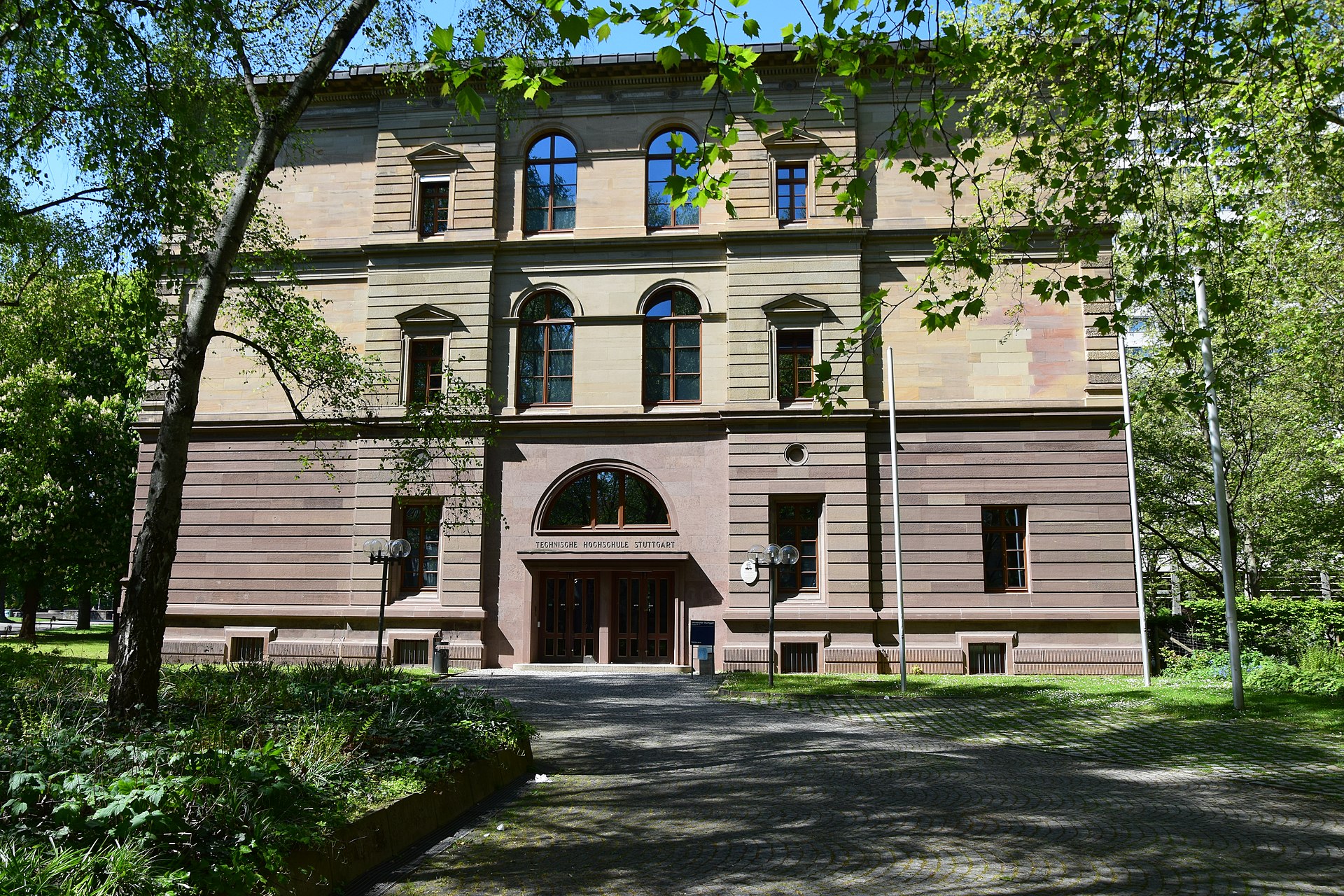
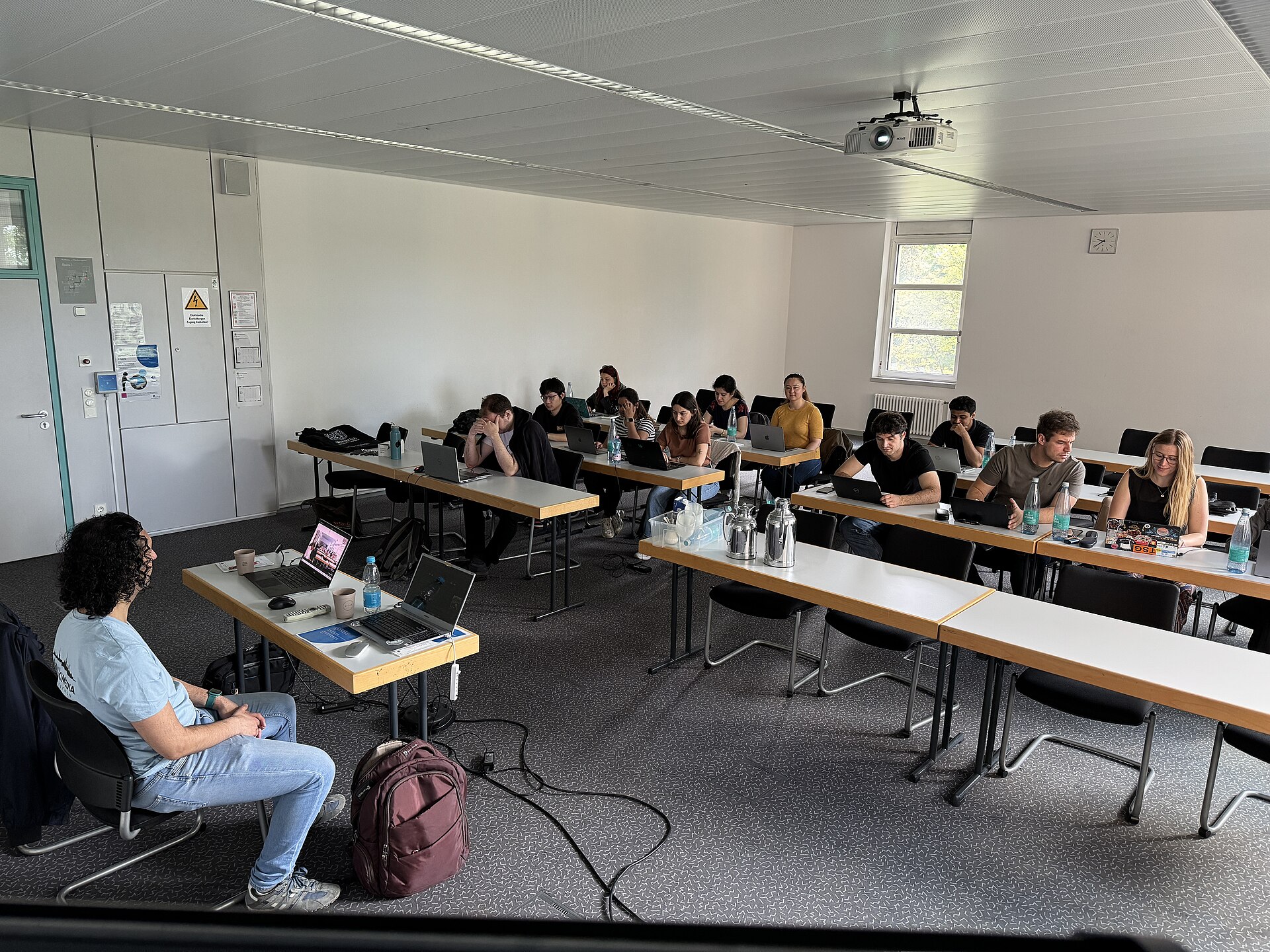
University of Stuttgart — campus in pictures
Real, freely-licensed photographs of the campus (via Wikimedia Commons).
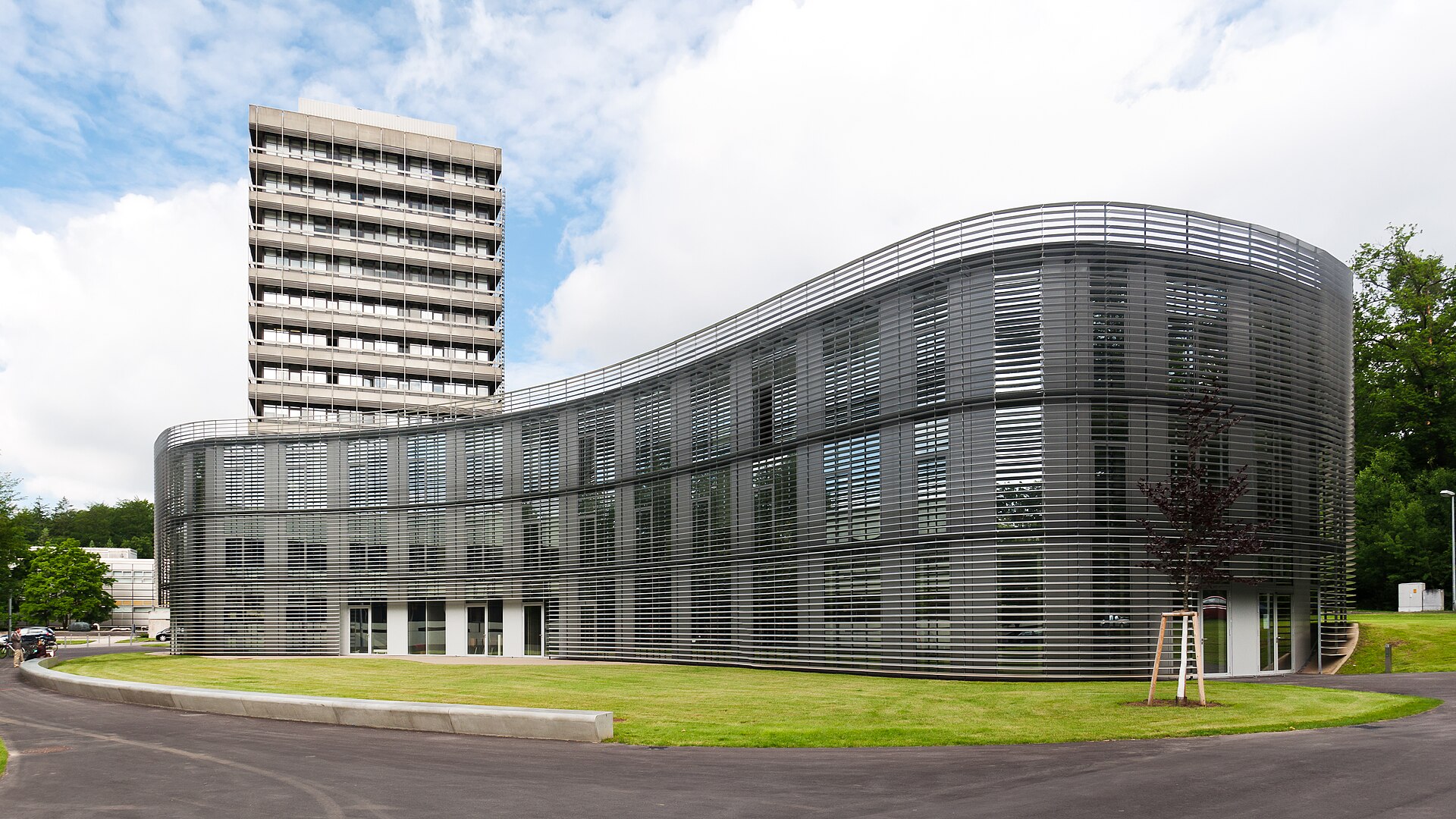
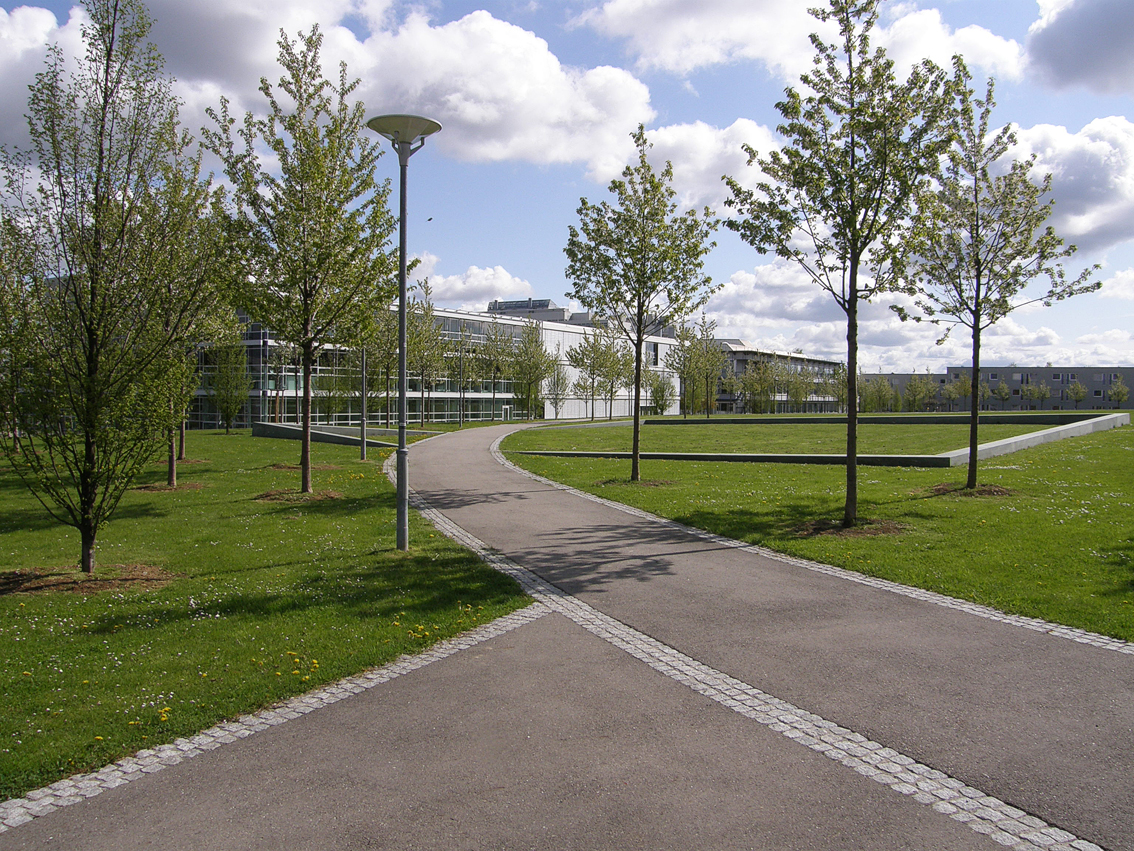
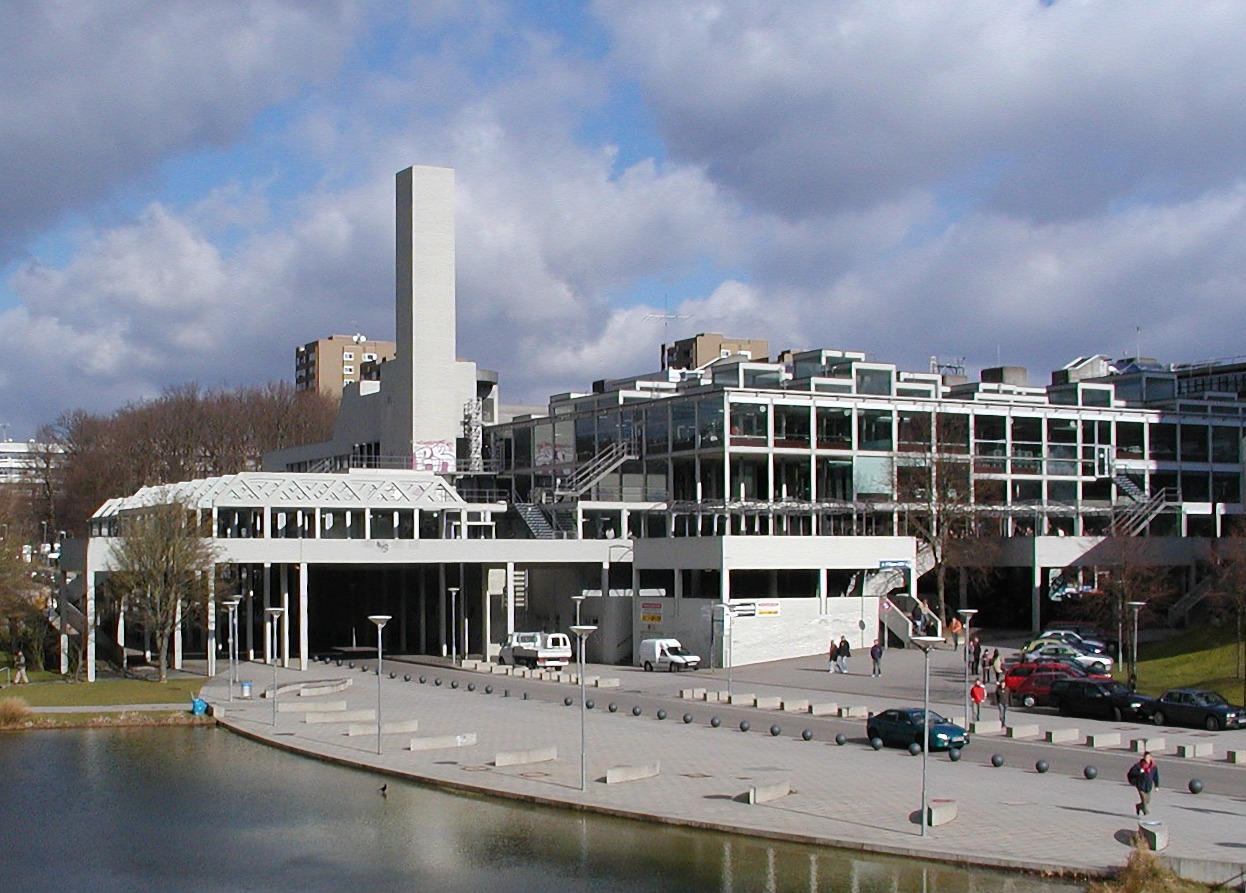
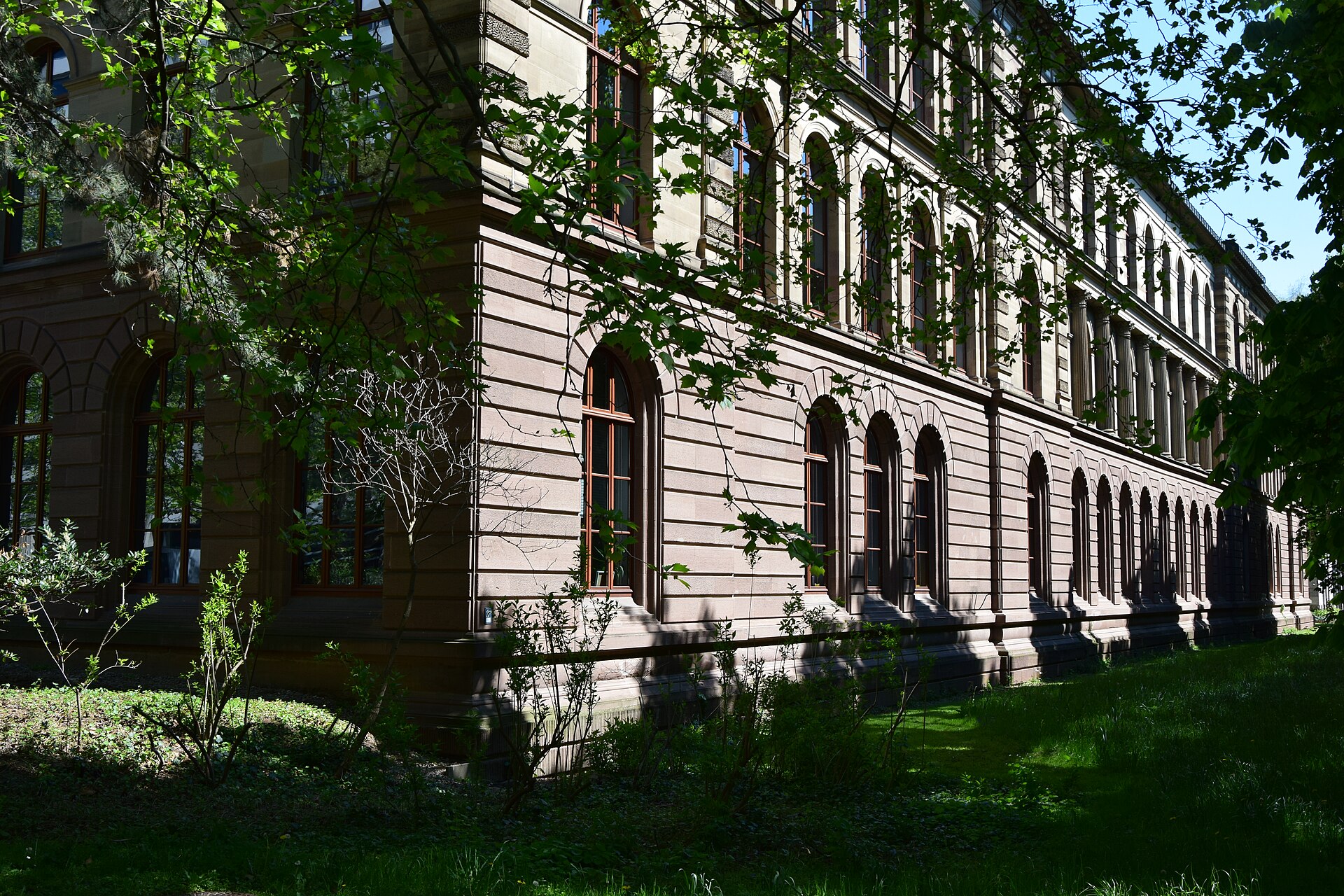
WHY STUTTGART
Five Reasons to Choose University of Stuttgart
Stuttgart is not a typical university city — it is one of Europe's most economically dynamic metropolitan regions, and the university is wired directly into it.
SELECTIVITY
Acceptance Rate & Admissions Profile
The University of Stuttgart admits approximately 40% of applicants, making it competitive but accessible for well-qualified international students. Selectivity varies significantly by programme: engineering programmes like Aerospace and Automotive Engineering are more competitive, while access to some bachelor's programmes is regulated by numerus clausus (NC) — a grade threshold system that changes each semester based on applicant pool strength.
Unlike the holistic, essay-driven admissions process of US universities, Stuttgart's admissions are primarily grades-based. For bachelor's programmes, your secondary school leaving certificate (Abitur equivalent, IB Diploma, A-Levels, or other recognised qualification) determines eligibility. The IB band cited above is a general indicative benchmark — some competitive programmes may require higher, and some general programmes may admit lower. Always check the current NC for your specific programme on the university's official admissions portal.
AT A GLANCE
University of Stuttgart Quick Facts
Stats
Items
HOW TO APPLY
What Your Application Consists Of
Stuttgart's application is direct — there is no Common App, no UCAS, and no coalition platform. You apply through the university's own C@MPUS management portal, and the process is entirely online with no application fee.
ADMISSIONS PROFILE
What Stuttgart Looks For
Stuttgart's admissions are primarily merit-based and grades-first, reflecting the German higher education tradition of using secondary school results as the primary selection criterion. However, at the master's level — especially for English-taught international programmes — the profile they seek is more nuanced.
APPLICATION TIMELINE
Application Deadlines & Key Dates
The German academic year runs on two semesters: Winter Semester (October start) and Summer Semester (April start). Most bachelor's programmes only admit in Winter Semester. Master's programmes vary. All applications are submitted through the free C@MPUS online portal.
English-taught international master's programmes have special deadlines and application procedures. Always verify on the specific programme's page as these differ substantially from German-taught deadlines. Applications to Stuttgart are free of charge — the C@MPUS portal charges no fee.
| Programme | Semester | Deadline | Decision |
|---|---|---|---|
| Bachelor's (with NC/entrance exam) | Winter Semester | 15 May – 15 July | Before semester start |
| Bachelor's (without NC) | Winter Semester | 15 May – 15 September | Before semester start |
| Bachelor's | Summer Semester | Not available | No summer intake |
| Master's (German-taught) | Winter Semester | 15 May – 15 July | Before semester start |
| Master's (German-taught) | Summer Semester | 1 December – 15 January | Before semester start |
| English-taught Master's | Varies by programme | Check programme page | Programme-specific |
CAMPUS & CITY
Student Life at Stuttgart: Between the Vineyard and the Factory
Stuttgart is unlike any other German university city. It sits in a valley flanked by forested hills and vineyards — the city has more vineyards within city limits than any other German city — yet it is also the economic capital of Baden-Württemberg, one of Europe's wealthiest regions. The combination creates a distinctive lifestyle: intellectually serious, technically minded, but genuinely beautiful and liveable.
The University of Stuttgart operates across two main campuses. The Stadtmitte campus in the city centre houses humanities, architecture, and some engineering faculties — steps from Stuttgart's pedestrian zone, museums, and the famous Staatsgalerie. The Vaihingen campus, accessible by S-Bahn, is the main science and engineering hub: a self-contained research park with labs, libraries, student housing, sports facilities, and a vibrant student café culture. Students pay a semester contribution of roughly €200–€250 which includes a public transport pass for all of Baden-Württemberg — a remarkable value that makes day trips to the Black Forest, Lake Constance, or even Switzerland and France affordable on a student budget. With 22,000 students and a large international community (20% of students), Stuttgart offers a full range of student organisations, sports teams, cultural clubs, and international student groups. The student union (Studierendenwerk Stuttgart) operates affordable canteens (Mensa), student housing, and counselling services. The DEKRA and automotive museums in the city, Mercedes-Benz Museum, and Porsche Museum are practically on the doorstep.
OUTCOMES
Career Outcomes & Industry Pipeline
Stuttgart graduates enter the job market with one of the strongest employment records of any German technical university, driven by the exceptional density of global employers within reach of campus.
The Stuttgart region is home to the headquarters or major R&D centres of Mercedes-Benz, Porsche, Bosch, Daimler Truck, ZF Friedrichshafen, Festo, Trumpf, and hundreds of world-leading Mittelstand companies in precision engineering, automation, and software. Stuttgart graduates in automotive engineering, mechanical engineering, and computer science are among the most sought-after in Germany, and the proximity to these employers means thesis partnerships, working-student positions, and full-time offers emerge naturally during the degree. For international graduates, Germany's post-study work visa allows 18 months of job-seeking after graduation — one of the most generous arrangements in Europe. Germany's skilled worker shortage means that qualified engineers from Stuttgart find strong demand in the domestic market, while the TU9 brand ensures global recognition for those who return to their home countries or pursue careers in the US, UK, or Asia.
Stats
Cards
FAQs
Frequently Asked Questions — University of Stuttgart
Do I need to speak German to study at Stuttgart?+
For most bachelor's programmes: yes, a high level of German is required (TestDaF level 4 in all four skills, or DSH-2). However, several master's programmes are taught entirely in English. If you want to study at bachelor's level but don't yet speak German, you should first complete Stuttgart's preparatory intensive German courses (available before semester start) or an external language programme.
Is there an application fee?+
No. The University of Stuttgart charges no application fee. You apply free of charge through the C@MPUS management portal.
What is the tuition fee for international students?+
Non-EU/EEA students at Baden-Württemberg public universities pay approximately $3,300 per year in tuition (equivalent to roughly €1,500 per semester). EU/EEA students pay only the semester contribution (approx. €200–€250), which includes a public transport pass for Baden-Württemberg.
What is the numerus clausus (NC) and how does it affect my application?+
NC is a minimum grade threshold that varies each semester based on the size of the applicant pool. If more students want to enrol than there are places, the NC rises; if demand is lower, the NC falls. There is no fixed NC you can plan for in advance — check the previous semester's NC on the university portal as an indicative guide, and aim for grades above that threshold.
Are there English-taught programmes at Stuttgart?+
Yes — primarily at the master's level. Notable English-taught programmes include INFOTECH (Information Technology), several engineering master's, and inter-faculty courses. The bachelor's portfolio is predominantly German-taught. Always verify the language of instruction on the specific programme's page.
How does the IB Diploma compare in the German admissions system?+
The IB Diploma is a well-recognised qualification in Germany and is generally accepted as a university entrance qualification. An IB score of around 33 is the indicative benchmark for Stuttgart; competitive programmes (Aerospace Engineering, Architecture) may implicitly expect higher. German universities convert your IB score to an equivalent grade on the German 1.0–4.0 scale.
Can I work while studying in Stuttgart?+
Yes. Students from outside the EU/EEA are permitted to work up to 120 full days or 240 half days per year in Germany. The Stuttgart region's dense employer base means part-time roles, internships, and working-student (Werkstudent) positions are genuinely available to technically qualified international students.
What is the post-study work visa situation in Germany?+
Germany offers an 18-month job-seeker visa after graduation, allowing you to remain in the country while seeking employment commensurate with your degree. Given Germany's skilled worker shortage and Stuttgart's employer density, this is a realistic pathway for international graduates.
ACADEMIC EXPECTATIONS
Academic Standards at Stuttgart: Rigorous, Technical, and Internationally Recognised
The University of Stuttgart operates within the German research university tradition — highly rigorous, deeply subject-specific, and designed to produce graduates who can solve real engineering and scientific problems. International students should arrive prepared for intensive analytical coursework, especially in mathematics-heavy disciplines. The reward is a degree that carries TU9 prestige and direct links to Germany's leading industrial employers.
Unlike US universities that assess candidates holistically, Stuttgart's admissions are grades-first. Your performance in mathematics and science at secondary school is the primary indicator evaluated. At master's level, your undergraduate GPA and the quality of your first degree programme matter most — alongside a compelling motivation letter. There are no SAT, ACT, or similar standardised tests in the German admissions ecosystem.
ACADEMIC BENCHMARKS
Academic Profile of Successful Applicants
Stuttgart is test-blind: SAT and ACT scores are neither required nor considered. Your school-leaving qualification — IB Diploma, A-Levels, German Abitur equivalent, or recognised national qualification — is the basis of assessment. An IB score of 33 is an indicative minimum for general admission; engineering and architecture programmes in high demand may implicitly require stronger results to pass the NC threshold in competitive semesters.
TEST POLICY
Standardised Tests at Stuttgart: Test-Blind
The University of Stuttgart does not require or consider SAT, ACT, AP, or IB subject test scores beyond the overall IB Diploma result. This reflects the German higher education system's philosophy: your secondary school qualification is the measure of readiness, not a separate standardised test taken outside of your regular schooling. For IB Diploma holders, the overall diploma score is what matters. Individual Higher Level subject results may be considered when evaluating prerequisite subject requirements for specific programmes (e.g., Mathematics HL for engineering) — but there is no 'test score' separate from your diploma that you need to prepare.
IB & A-LEVELS
IB Diploma & A-Levels: How Stuttgart Reads Them
The IB Diploma and British A-Levels are both well-recognised in Germany and accepted as university entrance qualifications at Stuttgart. Here is how each is assessed:
ENGLISH-TAUGHT PROGRAMMES
Studying in English at Stuttgart
While most bachelor's programmes are taught in German, Stuttgart offers a meaningful portfolio of English-taught master's programmes — particularly in engineering, information technology, and interdisciplinary science. This is an important distinction for international students who do not speak German.
Always verify the language of instruction on the specific programme page before applying. The English-language master's portfolio changes over time.
ACADEMIC PREPARATION
Subject Preparation: What Stuttgart Expects
ENGLISH PROFICIENCY
English Language Requirements
For English-taught master's programmes, you must demonstrate English proficiency through an accepted test. The following minimums apply — individual programmes may set higher thresholds, so always check your specific programme page.
For German-taught programmes, German language certification (TestDaF level 4 / DSH-2) is required instead of English proficiency tests. Some programmes have no separate language test requirement if your secondary school was conducted in English or German.
| Test | Minimum | Notes |
|---|---|---|
| IELTS Academic | 6.5 overall | No individual band below 6.0 |
| TOEFL iBT | 88 | Minimum total score |
| Duolingo English Test | Not specified | Confirm with programme directly |
| Native speaker / previous English-medium degree | Exemption possible | Verify with International Office |
YEAR-BY-YEAR ROADMAP
Building Your Profile: Grade 9 to Application
PITFALLS TO AVOID
Academic Mistakes to Avoid in Your Stuttgart Application
- Applying to a German-taught programme without verified German language certification — your application will not be considered regardless of your academic grades.
- Underestimating the mathematics requirements — Stuttgart's engineering programmes assume a strong secondary-level mathematics foundation. Gaps in calculus or linear algebra will create immediate difficulties in semester one.
- Missing the NC: not checking the previous semester's numerus clausus before applying. If the NC for your programme is 2.0 (German grade equivalent) and your certificate converts to a 2.5, your application is unlikely to succeed.
- Submitting uncertified or untranslated documents. All non-German and non-English documents must be accompanied by certified translations. Uncertified copies are not accepted.
- Applying to an English-taught programme but submitting a German language certificate (or vice versa). The language requirement depends on the language of instruction of your specific programme.
- Ignoring the Studienkolleg route. If your secondary certificate is not directly recognised, the Studienkolleg (preparatory college) pathway exists to bridge this gap — it is not a failure, it is a legitimate entry route.
- Writing a generic motivation letter that could apply to any German university. Stuttgart's admissions committees read many letters — specificity about the SimTech cluster, the Stuttgarter Weg, or a particular research group stands out.
COST & FUNDING
Cost of Studying at Stuttgart: Exceptional Value for a TU9 Degree
The University of Stuttgart offers one of the best academic value propositions available to international students globally: a TU9-ranked technical degree with strong industry links, at a tuition cost of roughly $3,300 per year for non-EU students. This is a fraction of equivalent programmes in the United States or United Kingdom. That said, Stuttgart is not a budget city — cost of living in this affluent Baden-Württemberg metropolis runs higher than, say, Leipzig or Dortmund — and careful financial planning is important.
Understanding the full cost picture is essential before committing. The tuition fee covers your studies; the semester contribution (around €200–€250) is separate and mandatory but includes significant benefits including a public transport pass for all of Baden-Württemberg. Living costs — housing, food, health insurance, and personal expenses — make up the largest portion of your annual budget.
ANNUAL COST ESTIMATE
Cost of Attendance Breakdown (Annual)
The following figures are drawn from the university's facts data and reflect approximate annual costs in USD. Exchange rates and individual spending habits will cause variations. All figures represent non-EU/EEA international student costs.
Health insurance is compulsory for all students in Germany — typically around €110–€120 per month for students under 30 through statutory health insurance (GKV). Budget this separately. These figures are approximate USD equivalents; actual costs depend on the EUR/USD exchange rate at the time of payment.
| Item | Annual | Notes |
|---|---|---|
| Tuition (non-EU/EEA students) | ~$3,300 | Baden-Württemberg non-EU tuition |
| Tuition (EU/EEA students) | Minimal (semester contribution only) | Approx. $250–$300 per semester |
| Semester contribution | ~$550 | Includes public transport pass for BW |
| Cost of living (housing, food, insurance, personal) | ~$13,000 | Stuttgart is above-average cost for Germany |
| Total estimated cost of attendance | ~$16,300 | Non-EU student, full year |
| Application fee | $0 | C@MPUS portal is free |
FINANCIAL AID
Financial Aid for International Students
Germany's public universities, including Stuttgart, do not operate a need-based financial aid system comparable to US institutions. There is no institutional endowment fund distributing aid to international students based on family income. Instead, support comes primarily through external scholarship programmes, the German student loan system (BAföG — largely restricted to EU citizens), and merit-based stipends.
Approximately 10% of financial need is covered through aid for international students, primarily via scholarship routes. The most significant support channel for international students is the DAAD (Deutscher Akademischer Austauschdienst — German Academic Exchange Service), Germany's largest funding organisation for international academic mobility. International students considering Stuttgart should plan finances assuming tuition will not be waived: the $3,300 annual figure is fixed by Baden-Württemberg state policy for non-EU students. Scholarships are competitive add-ons rather than a primary funding mechanism for most students.
SCHOLARSHIPS
Scholarships for International Students at Stuttgart
Scholarship applications typically close well before study start — often 12–18 months in advance for DAAD awards. Plan your scholarship applications in parallel with your admissions application, not as a follow-up.
COST OF LIVING
Living Costs in Stuttgart
Stuttgart is one of Germany's more expensive cities — commensurate with its status as the economic capital of Baden-Württemberg and one of Europe's wealthiest regions. However, the semester contribution's inclusion of a public transport pass substantially reduces one major expense.
Public transport within Stuttgart and across Baden-Württemberg is covered by the semester contribution (Semesterticket) — this saves an estimated €80–€100 per month compared to buying a transit pass separately.
| Item | Monthly | Notes |
|---|---|---|
| Student dormitory (Studierendenwerk) | €250–€400 | Limited availability; apply early |
| Private room/shared flat (WG) | €500–€850 | Warm rent; varies by location |
| Food (Mensa + groceries) | €200–€350 | Mensa meals ~€3–5 each |
| Health insurance (statutory GKV, under 30) | €110–€125 | Compulsory for all students |
| Books & study materials | €30–€60 | Lower due to library access |
| Personal expenses & leisure | €100–€200 | Highly variable |
NET PRICE REALITY
The Affordability Picture: Realistic for Well-Prepared Students
At approximately $16,300 total annual cost (tuition + living), Stuttgart is one of the most affordable routes to a globally recognised engineering or technical degree for an international student. Compare this to $65,000–$85,000 per year at a comparable US private university, £35,000–£45,000 at a UK Russell Group institution, or AUD 45,000–55,000 at a Group of Eight Australian university. The non-EU tuition fee ($3,300) was introduced in Baden-Württemberg in 2017 and applies per year, not per semester. This remains low compared to most Anglophone destinations. For students who can secure a DAAD stipend (€992/month = approximately $12,000/year), the net cost of studying at Stuttgart can be substantially reduced. Combined with modest personal savings or parental contribution, this makes Stuttgart genuinely financially accessible in a way that few highly-ranked technical universities anywhere in the world can match.
HOW TO SECURE FUNDING
Steps to Finance Your Stuttgart Education
COST FAQs
Cost & Aid Frequently Asked Questions
Do EU students pay the same tuition as international students?+
No. EU/EEA students pay only the semester contribution (approximately €200–€250 per semester), which includes the public transport pass. The additional non-EU tuition fee of approximately €1,500 per semester applies only to students from outside the EU/EEA. This makes Stuttgart essentially free to EU students in terms of tuition.
Is there any need-based aid for non-EU international students?+
Stuttgart does not have a large institutional need-based aid programme equivalent to US universities. External scholarships (DAAD, Deutschlandstipendium, home-country government awards) are the main pathways. The German student loan system (BAföG) is largely unavailable to non-EU students.
Can I work to support myself while studying?+
Yes. Non-EU students can work up to 120 full days or 240 half days per year. A Werkstudent (working student) role in Stuttgart's engineering and automotive sector is realistic for technically skilled students and can contribute meaningfully to living costs.
What is the DAAD and how do I apply?+
The DAAD (Deutscher Akademischer Austauschdienst) is Germany's largest international academic funding organisation. It offers scholarships for various levels and fields. Apply through the DAAD portal at daad.de — most programmes require academic excellence, a study or research proposal, and recommendation letters.
How much does student housing cost and is it guaranteed?+
Studierendenwerk Stuttgart (student services organisation) provides dormitory places at €250–€400/month, but demand greatly exceeds supply. Apply for housing as soon as you receive your admission letter — waiting lists are long. Most international students end up in private shared flats (WG) at €500–€850/month.
APPLICATION & STATEMENT
The Stuttgart Application: Grades First, Motivation Letter Second
Stuttgart does not use the US Common App, UCAS, or supplemental essay system. The application is direct through the university's C@MPUS portal, and the primary admission criterion is your academic record. However, for master's programmes — particularly English-taught international programmes — the Motivationsschreiben (motivation letter) matters considerably, and crafting one that speaks specifically to Stuttgart's strengths is a genuine differentiator.
This tab guides you through the application statement process at Stuttgart. If you are applying to a bachelor's programme, the process is primarily document-based with no personal essay — your focus should be on ensuring your academic credentials and language certifications are in order. If you are applying to a master's programme, the motivation letter is the one place where you control the narrative beyond your grades.
HOW IT WORKS
The Stuttgart Application System Overview
All applications to the University of Stuttgart are submitted through the C@MPUS management portal — a free, university-run online system. There is no third-party platform (Common App, UCAS, Coalition) involved.
THE MOTIVATION LETTER
Writing Your Motivationsschreiben
For master's programme applications at Stuttgart, the Motivationsschreiben (letter of motivation) is typically the only opportunity you have to speak beyond your grades and CV. Unlike US supplemental essays with fixed prompts, the motivation letter is an open-format document — typically one to two pages — addressing why you want to study this programme at this university.
German academic culture values precision, directness, and intellectual specificity. An effective Stuttgart motivation letter is NOT a general statement about your passion for engineering or your life story. It IS a clear, professional document that answers three core questions: What have you done academically and professionally that makes you ready for this programme? Why this programme at Stuttgart specifically (not just 'TU9 prestige')? And where are you going with this degree? The most effective letters demonstrate genuine knowledge of Stuttgart's specific research landscape — for example, citing the SimTech Excellence Cluster if you're interested in simulation science, or referencing the ICD/ITKE research groups if you're applying for Architecture. Generic statements about 'excellent reputation' or 'beautiful campus' are filler that admissions readers see constantly.
STRATEGY
Making Your Motivation Letter Stand Out
PORTFOLIO & OTHER DOCUMENTS
Supplementary Documents by Programme Type
Beyond the motivation letter, different Stuttgart programmes require additional materials. These are the equivalents of US 'supplemental' application components — specific, programme-mandated, and taken seriously.
WHAT TO WRITE ABOUT
Choosing What to Say in Your Letter
The German motivation letter is not a personal narrative in the US sense — it is a professional communication closer to a cover letter than a college essay. However, it should be authentic and specific to YOU. Here is guidance on what topics work:
WHAT TO AVOID
Common Mistakes in the Stuttgart Application
- Writing the same generic motivation letter for multiple universities without customising it to Stuttgart's specific programmes and research strengths. Admissions readers identify copy-pasted letters immediately.
- Focusing on personal life story or childhood inspiration rather than academic and professional substance. The German academic tradition values concise professional communication, not narrative memoir.
- Not submitting the motivation letter in the programme's language of instruction — submitting an English letter for a German-taught programme is a red flag.
- Neglecting to verify prerequisite course requirements — many Stuttgart master's programmes specify exact undergraduate modules you must have completed. Applying without meeting these prerequisites is wasted effort.
- Submitting a portfolio for Architecture that includes only finished, polished work. Process sketches, design iterations, and critical thinking evidence are often more revealing than perfect final renders.
- Applying to a programme without verifying its exact application deadline — English-taught master's at Stuttgart frequently have deadlines different from the standard July 15 or September 15 dates published for German-taught programmes.
- Overpromising research contributions or fabricating contact with Stuttgart supervisors you have not actually engaged with. Stuttgart's academic community is small enough that vague supervisor name-drops are easily checked.
APPLICATION FAQs
Application & Statement Frequently Asked Questions
Does Stuttgart require a personal statement for bachelor's applications?+
No. Bachelor's applications at Stuttgart are grades-based. You submit your academic certificate, language certification, and any required supporting documents — there is no personal essay or statement for undergraduate admission.
How long should my motivation letter be?+
One to two pages is standard. Some programmes specify a maximum length — check the programme's admission regulations. In the German tradition, brevity and clarity are valued; a tight, specific one-page letter often outperforms a rambling two-page one.
Should I write in German or English?+
Write in the language of instruction of your programme. For German-taught programmes: write in German (this also demonstrates your language proficiency). For English-taught programmes: write in English. If the programme is bilingual, German is typically preferred but English is usually accepted — confirm with the programme coordinator.
Do I need to contact a professor before applying?+
For master's applications: not usually required, though it can help for research-intensive programmes. For doctoral applications: yes — identifying and informally contacting a potential supervisor before submitting your formal application is strongly advised, as you need an academic sponsor.
Are reference letters (recommendation letters) required?+
They are not universally required at Stuttgart the way they are in US/UK admissions, but some master's programmes do request academic references. Check your specific programme's admission requirements document carefully. For programmes that ask, a letter from your undergraduate research supervisor or a professor who knows your technical work is most appropriate.
Can I apply for multiple programmes simultaneously?+
Yes, you can apply to multiple programmes through the C@MPUS portal. Each programme application is processed separately. Be realistic about your language qualifications — if you apply to both German-taught and English-taught programmes, ensure you submit the correct language certificate for each.
What happens if my application is declined?+
If declined due to NC restriction (your grade was below the cut-off), you can try again in the next semester. If declined due to missing qualifications or language requirements, address those gaps before reapplying. The university does not offer a formal appeal process for NC-based rejections.
Courses — schools, degrees & intake
43 degrees across 10 groupings.
Faculty of Aerospace Engineering and Geodesy · 2 degrees
Aerospace Engineering
Geodesy and Geoinformatics Engineering
Faculty of Civil and Environmental Engineering · 4 degrees
Civil Engineering
Environmental Engineering
Real Estate Engineering and Management
Transport Engineering
Faculty of Chemistry · 1 degrees
Chemistry
Faculty of Energy, Process and Biotechnology Engineering · 5 degrees
Chemical and Bio-Engineering
Renewable Energy Engineering
Technical Biology
Biochemistry
Materials Science
Faculty of Computer Science, Electrical Engineering and Information Technology · 8 degrees
Computer Science
Electrical Engineering and Information Technology
Engineering Cybernetics
Software Engineering
Simulation Technology
Artificial Intelligence and Data Science
Media Computer Science
Mechatronics
Faculty of Architecture and Urban Planning · 1 degrees
Architecture and Urban Planning
Faculty of Business, Economics and Social Sciences · 7 degrees
Economics
Technology Management
Social Sciences
Social Sciences German-French
Information Systems
Sport Science: Sociology and Economics
Vocational Education
Faculty of Mathematics and Physics · 2 degrees
Mathematics
Physics
Faculty of Mechanical Engineering · 3 degrees
Mechanical Engineering
Automotive Engineering
Medical Engineering
Faculty of Philosophy and History (Humanities and Languages) · 10 degrees
Art History
English
German
History
History of Natural Sciences and Technology
Linguistics
Computational Linguistics
Philosophy
Romance Studies
Movement Science
Want your real chances at University of Stuttgart?
Create a free TYCHR account for your personalised admit-chance, a shortlist you can track, exact entry requirements, and essay + counselling help.