University of Reading
Reading, United Kingdom · Suburban
UNITED KINGDOM · BERKSHIRE
University of Reading Admissions Guide for International Students
Founded in 1892 and awarded its Royal Charter in 1926, the University of Reading sits on one of the UK's most beautiful parkland campuses in Berkshire — 25 miles west of London. Reading is globally recognised for its world-class research in Meteorology and Climate Science, Agriculture and Food, and Real Estate and Planning through the Henley Business School. For international students, Reading offers a welcoming, internationally diverse community, strong professional links with London's business sector, and genuinely life-changing research opportunities. This guide walks you through everything you need to know about applying through UCAS as an international student.
Campus
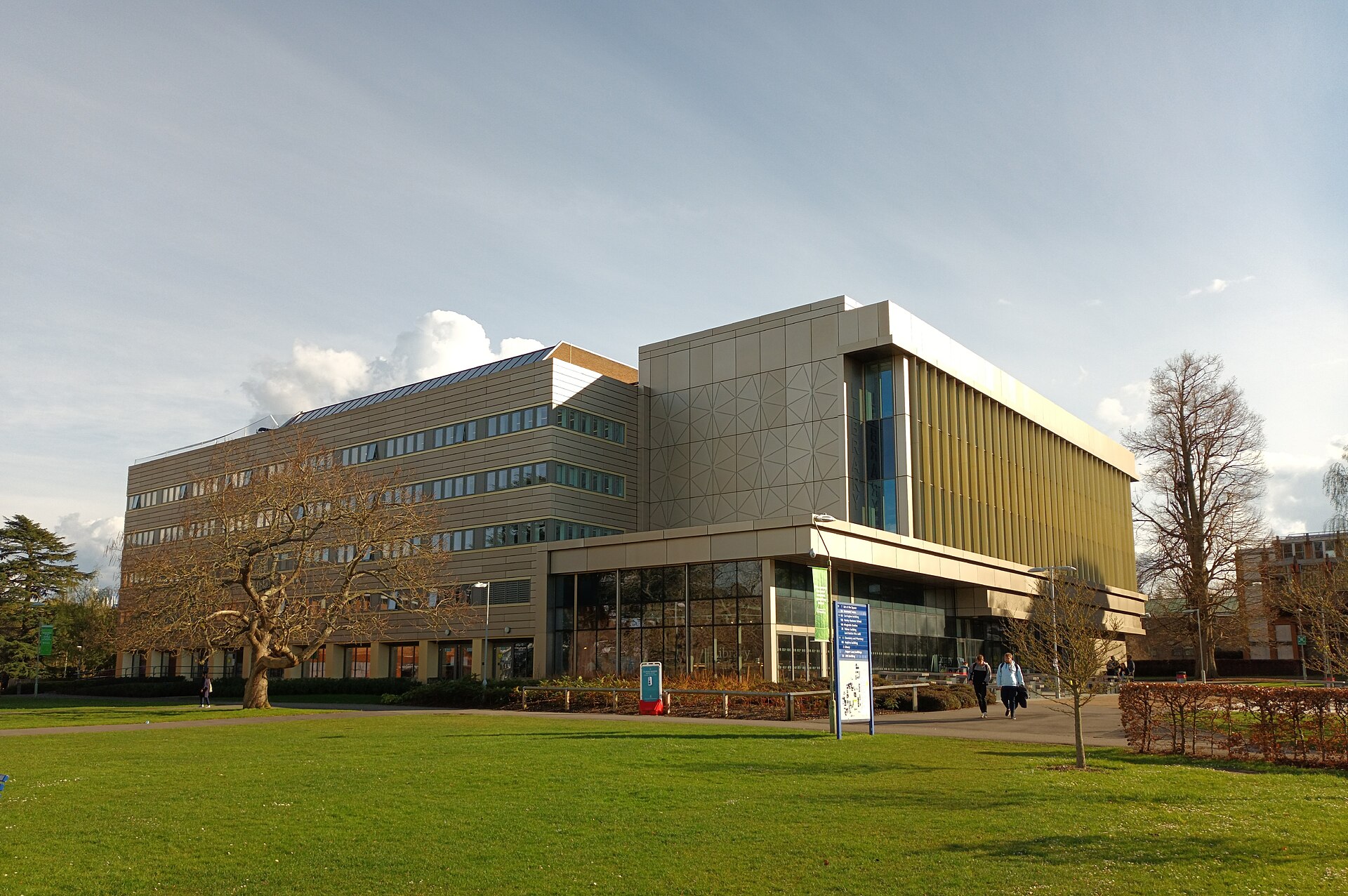
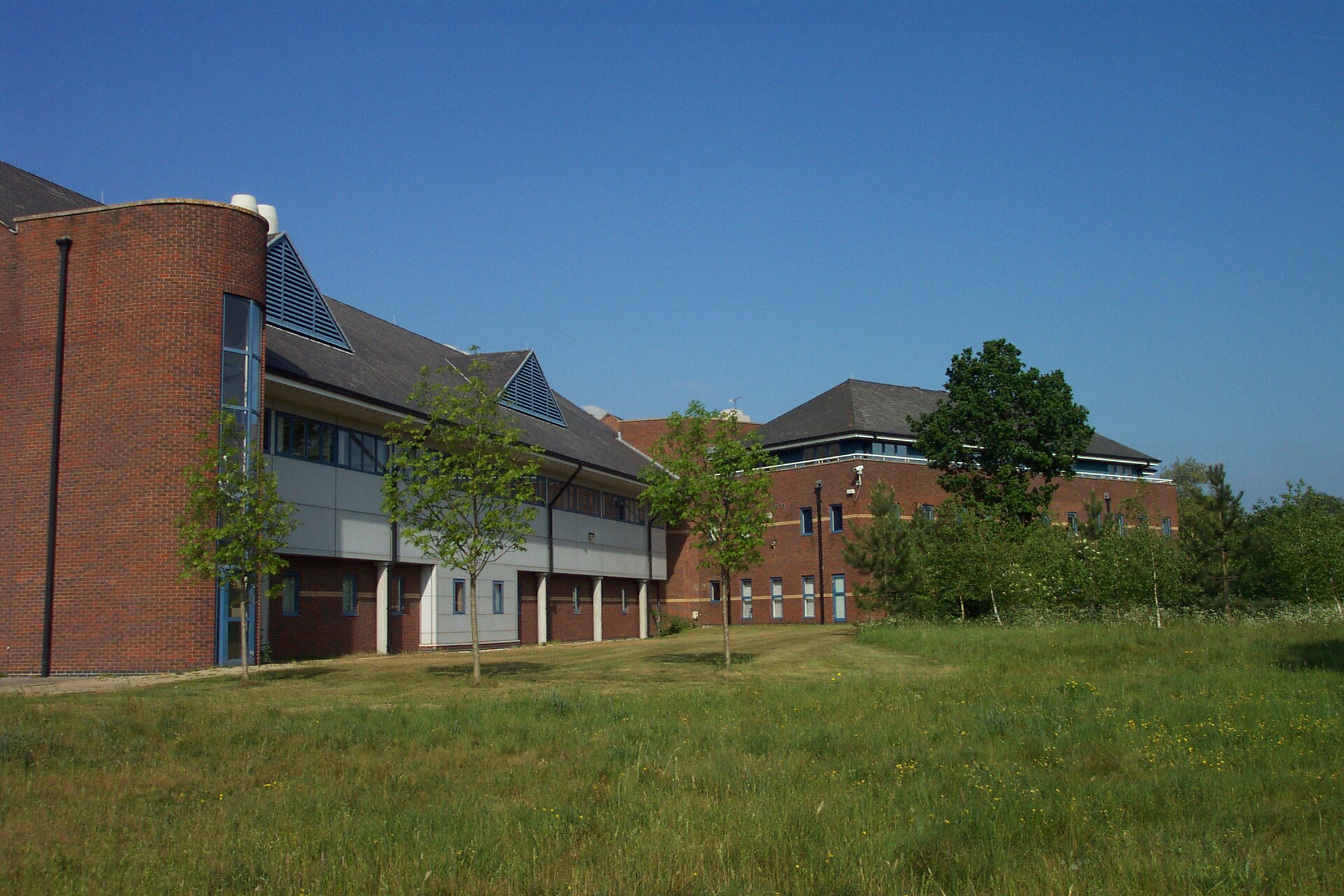
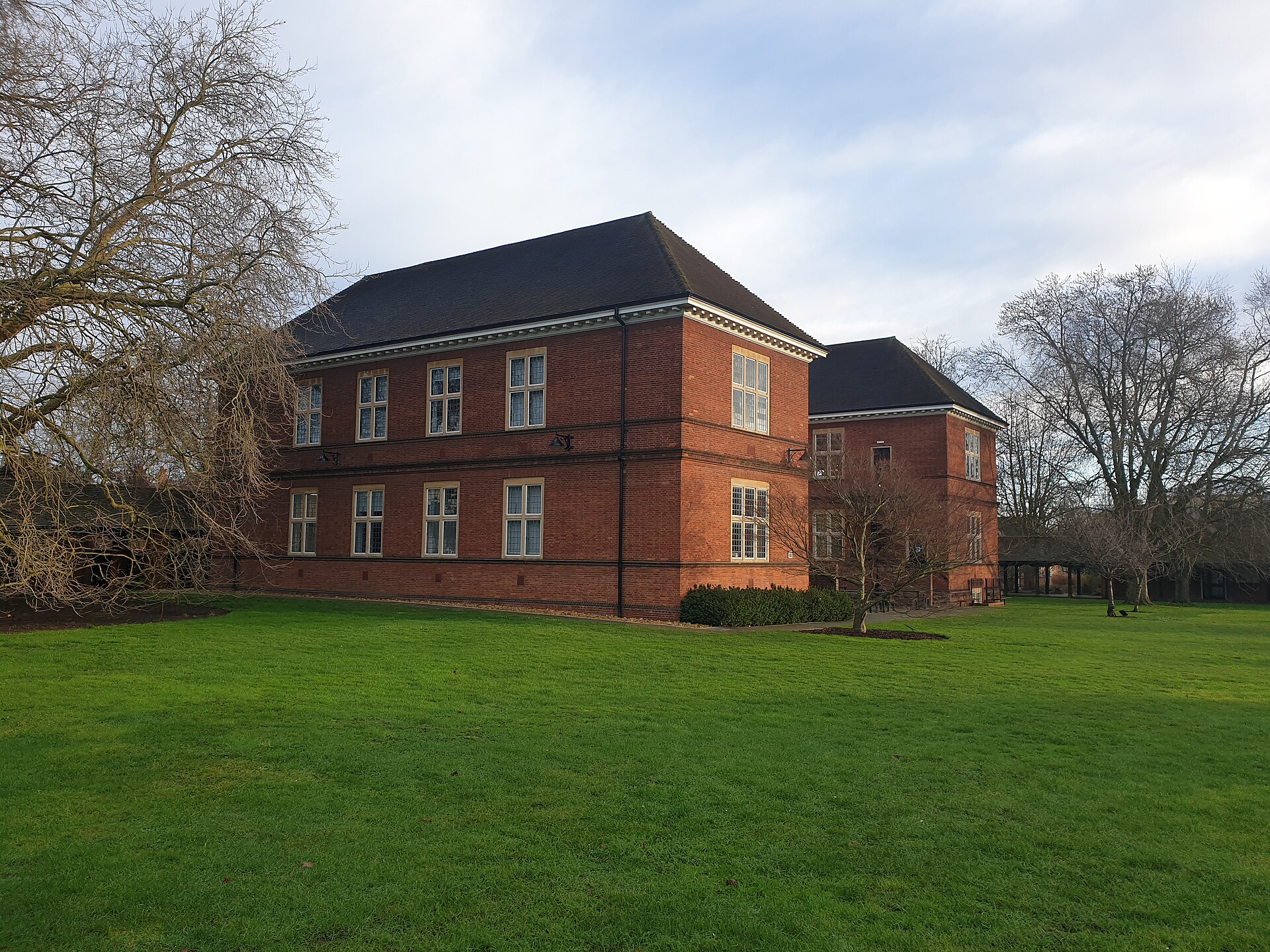
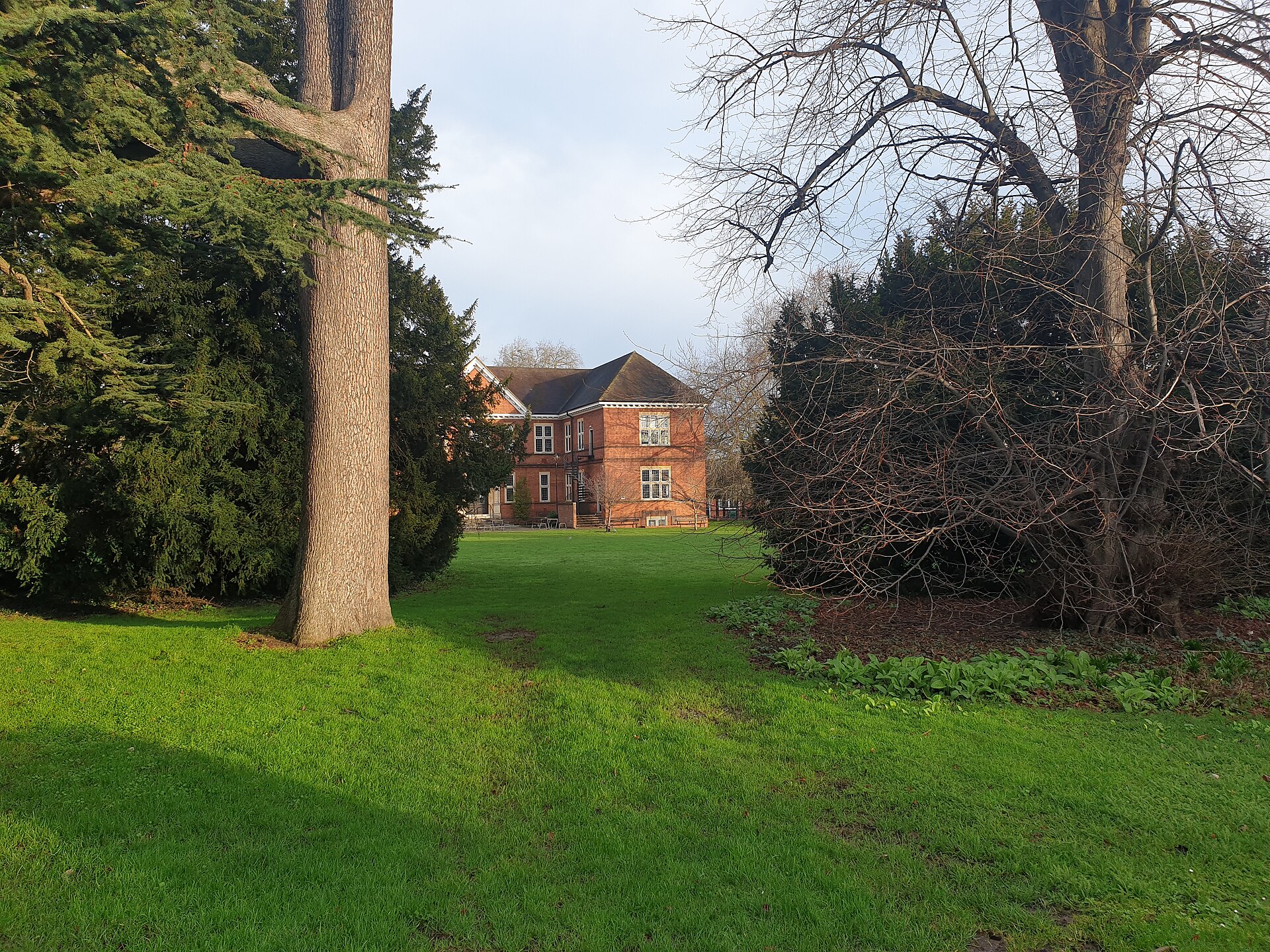
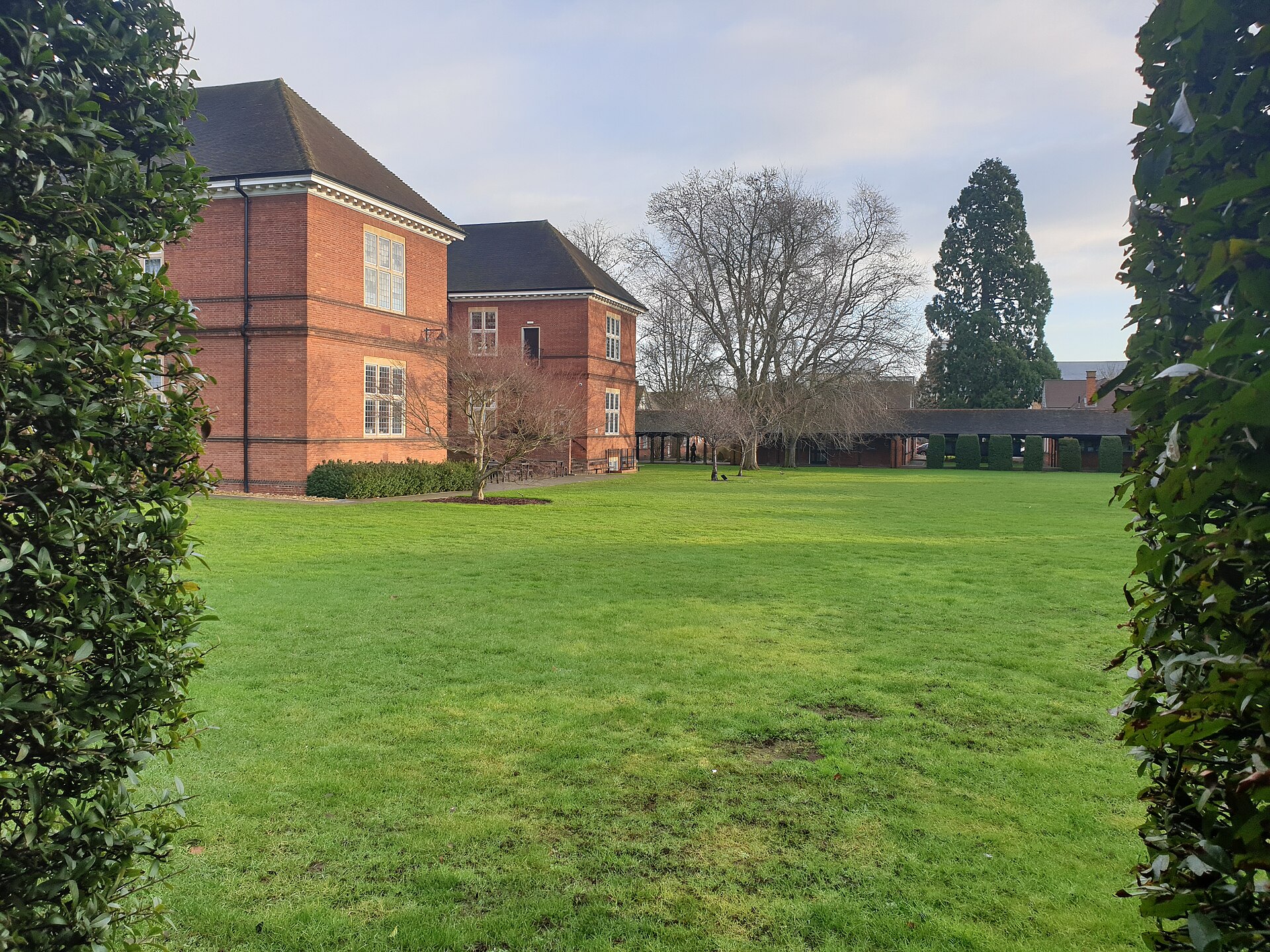
University of Reading — campus in pictures
Real, freely-licensed photographs of the campus (via Wikimedia Commons).

Why University of Reading — Prestige, Research & Location
Reading consistently ranks among the UK's top 30 universities and holds a strong international reputation in several fields that are genuinely hard to find at this quality elsewhere. For international students seeking a world-ranked UK degree within commuting distance of London, Reading offers a compelling combination of academic rigour, campus life, and career access.
SELECTIVITY
How Selective Is Reading?
With an acceptance rate of approximately 74%, the University of Reading is selective but accessible for well-prepared international students. The university uses contextual admissions, meaning your personal and educational background is considered alongside your grades. The key differentiators are academic performance in your specific subjects and a compelling UCAS personal statement. Entry offers are course-specific, so acceptance rates vary significantly — popular programmes in Business, Law, and Pharmacy are considerably more competitive.
AT A GLANCE
University of Reading — Quick Facts
APPLICATION COMPONENTS
What Does a Reading Application Consist Of?
International undergraduate applicants apply to the University of Reading through UCAS (Universities and Colleges Admissions Service) — the UK's central application platform. You can apply to up to five universities on a single UCAS form. There is no separate Reading application portal for most undergraduate programmes.
ADMISSIONS PHILOSOPHY
What Does Reading Look For?
Reading's admissions process is primarily academic — your grades and predicted results in relevant subjects carry the most weight. Unlike highly holistic US-style processes, UCAS admissions in the UK are grades-led: Reading will make you a conditional offer based on your predicted IB or equivalent score, and confirm it once you achieve those grades. However, the personal statement matters more than many students assume, particularly for oversubscribed courses.
Reading uses contextual admissions for UK applicants and looks holistically at international qualifications. The university is particularly interested in students who can demonstrate genuine engagement with their chosen discipline — not just strong general grades. For competitive programmes like Law, Business, and Pharmacy, the personal statement can be the deciding factor between two otherwise equal applicants.
KEY DATES
UCAS Application Deadlines
University of Reading undergraduate applications are submitted through UCAS. The standard UCAS deadline for most courses is the January deadline. Medicine, Dentistry, and applications to Oxford/Cambridge have an earlier October deadline that does not apply to Reading. Always verify the current cycle's exact dates on ucas.com as deadlines are set annually by UCAS.
Verify exact dates for the 2027 entry cycle on ucas.com. Dates below reflect the standard UCAS undergraduate application cycle.
| Round | Deadline | Decision |
|---|---|---|
| UCAS Main Deadline (most courses) | Late January | Decisions typically by May |
| UCAS Extra (if you have no offers) | February – July | Rolling |
| UCAS Clearing (remaining places) | July – September | Immediate/rolling |
| Postgraduate / Direct International | Varies by programme | Check course page |
CAMPUS LIFE
Student Life at Reading
Whiteknights campus is one of the UK's most celebrated university environments. Spread across 130 hectares of parkland, lakes, and gardens in Berkshire, the campus creates a close-knit community feel that's rare in British universities. The Students' Union hosts over 200 clubs and societies spanning culture, sports, academic interests, and international communities.
Reading town itself is a vibrant, affordable city with excellent transport links. The Oracle shopping centre, a lively café and restaurant scene, and easy access to the countryside offer a high quality of life. For international students, London's full cultural offering — galleries, theatres, music, and London's global communities — is just 25 minutes away by train. Campus accommodation is available for all first-year students, and the university offers a range of catered and self-catered options at Whiteknights and London Road campuses. The International Students' Advisory Service provides dedicated support from pre-arrival through graduation.
CAREERS & OUTCOMES
What Happens After Reading?
The University of Reading reports an 80% employment rate among graduates. Henley Business School connects students with employers across finance, consulting, and real estate. The Meteorology and Agriculture departments feed directly into government agencies, environmental consultancies, and research institutions worldwide. Reading's proximity to London — home to global banks, tech firms, and media companies — gives students access to internship and placement markets that many regional universities cannot match.
Reading graduates are well-represented in sectors including financial services, food and agriculture, environmental consultancy, law, pharmacy, and media. The university runs a strong careers service with employer networking events, mentoring programmes, and placement year opportunities. Many programmes offer integrated placement years — particularly in Pharmacy, Business, and Psychology.
FAQs
Frequently Asked Questions
Do international students apply through UCAS?+
Yes. Most undergraduate international students apply to Reading through UCAS (ucas.com), the UK's central admissions platform. You can apply to up to five UK universities simultaneously. Some postgraduate and direct-entry pathways have separate application routes — check your specific course page.
What IB score does Reading typically require?+
The typical IB Diploma entry band at Reading is around 32 points overall. Specific course requirements vary — more competitive programmes such as Pharmacy and Law may require higher scores and specific Higher Level subjects. Always check the specific course entry requirements on reading.ac.uk.
Does Reading accept Indian qualifications?+
Yes. Reading accepts CBSE, ISC, and state board qualifications. Specific grade requirements vary by course and board. Check the country-specific requirements section on the Reading website for your exact qualification.
Is Reading safe for international students?+
Yes. Reading is a prosperous, well-connected town in Berkshire with low crime rates relative to major UK cities. The Whiteknights campus itself is a self-contained, safe environment with 24/7 security.
Can I work while studying at Reading?+
International students on a Student Visa can typically work up to 20 hours per week during term time and full-time during vacations — check current UK Home Office visa conditions. The university's careers service can also help you find part-time work.
How far is Reading from London?+
Reading is approximately 25 miles west of London. Fast Great Western Railway trains from Reading station reach London Paddington in as little as 25 minutes, making the city highly accessible for internships, employment, and cultural experiences.
Does Reading offer foundation pathways for international students?+
Yes. The University of Reading Global Academy offers International Foundation Pathways designed for students who don't yet meet direct entry requirements. These typically run for one year and, on successful completion, guarantee or facilitate entry to undergraduate programmes.
Does Reading consider my personal statement?+
Yes, especially for competitive programmes. The UCAS personal statement (new three-question format from 2026 entry) is reviewed alongside your grades. For oversubscribed courses, a strong personal statement demonstrating genuine subject engagement can be decisive.
ACADEMICS
Academic Expectations at Reading What International Students Need to Know
The University of Reading offers over 200 undergraduate programmes across science, humanities, social science, business, and professional fields. Academic standards are high and course-specific. For international students, understanding how Reading reads your qualifications — and what they expect in relevant subjects — is the foundation of a strong application.
ACADEMIC PROFILE
Typical Academic Profile of Admitted Students
Reading's entry requirements are course-specific and qualification-specific. The following benchmarks reflect typical expectations for international applicants. Always verify requirements for your specific course on reading.ac.uk.
TEST POLICY
SAT / ACT — What Role Do They Play at Reading?
The University of Reading is a UK institution and primarily assesses applicants on national school-leaving qualifications (A-Levels, IB, CBSE, etc.) rather than standardised tests like the SAT or ACT. These US-style tests are not required and play little role in the UK admissions process. Reading's test policy is best described as qualification-based rather than test-driven.
If you have taken the SAT or ACT and your national qualification is less well-known, you may include them as supporting evidence — but they are not a substitute for or a significant booster to a strong IB or equivalent result. Focus your energy on achieving strong predicted grades in relevant subjects.
IB & A-LEVELS
How Reading Reads IB, A-Level, and AP Qualifications
Reading explicitly welcomes IB Diploma students and has well-established entry benchmarks for IB. A typical offer is around 32 IB points overall, with specific requirements for relevant Higher Level subjects depending on the programme.
SUBJECT PREPARATION
Subject Rigour by Programme Area
Reading is a broad-based research university. Academic expectations vary considerably by subject area. Ensure your secondary school curriculum includes the right foundation subjects for your intended programme.
ENGLISH LANGUAGE
English Language Requirements
International students whose first language is not English must provide evidence of English proficiency. The following are standard minimum requirements for most undergraduate programmes. Some courses — particularly Speech and Language Therapy and Pharmacy — have higher minimums. Always verify your specific course requirements.
| Test | Overall | Components | Notes |
|---|---|---|---|
| IELTS Academic | 6.5 | No component lower than 5.5 | Most standard UG programmes |
| TOEFL iBT | 88 | Listening/Writing ≥17; Reading ≥18; Speaking ≥20 | Most standard UG programmes |
| Duolingo English Test | 120 | No sub-score lower than 100 | Standard route |
| Duolingo + Pre-sessional (6 weeks) | 120 | No sub-score lower than 100 | Alternative route |
| Duolingo + Pre-sessional (10 weeks) | 115 | No sub-score lower than 90 | Lower scores accepted with longer course |
| IELTS (Speech & Language Therapy) | 8.0 | Minimum 7.5 per component | Higher requirement for SLT |
ACADEMIC ROADMAP
Building Your Academic Profile — Year by Year
For an IB student targeting the University of Reading, here is the timeline to build a competitive academic profile from Year 9 onwards.
COMMON MISTAKES
Academic Pitfalls to Avoid
- Choosing HL subjects without checking if they are required for your target Reading programme — always verify course-specific HL requirements.
- Applying with a qualification that Reading does not recognise — check the international qualifications equivalencies page before applying.
- Underestimating English language requirements — some programmes (SLT, Pharmacy) have significantly higher IELTS minimums. Check course pages, not just the generic minimum.
- Misunderstanding the UCAS five-choice rule — you are applying to five universities simultaneously; do not assume Reading will see your other choices or be offended by them.
- Failing to note conditional vs. unconditional offers — Reading's conditional offers have grade conditions you must meet. Accepting a conditional offer without meeting grades means the offer is withdrawn.
- Leaving the personal statement generic — the new three-question UCAS format rewards specific, subject-focused answers. Generic answers about 'passion for learning' are ineffective.
- Not factoring in the Foundation Pathway option — if your qualifications are borderline, the Global Academy Foundation Year is a structured route to Reading undergraduate study rather than a rejection fallback.
COST & FINANCIAL AID
Understanding the Cost of Studying at Reading For International Students
The University of Reading is a UK public university — its fees for international (non-UK) students are set at rates typical of the UK higher education sector. Reading is significantly more affordable than London universities, and the town's lower cost of living is a genuine financial advantage. Several named scholarships are available specifically for international undergraduates. This section walks through all costs honestly.
ANNUAL COSTS
Cost Breakdown (Annual Estimates)
The following figures are approximate annual costs for international undergraduate students at the University of Reading. All values in USD. Always verify current fee schedules in GBP on reading.ac.uk as exchange rates and fee uplifts apply each year.
| Component | Annual Usd | Notes |
|---|---|---|
| Tuition (International UG) | $35,800 | Approximate; varies by programme |
| Cost of Living (Berkshire/Reading) | $15,000 | Accommodation, food, transport, personal |
| Total Cost of Attendance (Est.) | $52,000 | Full annual budget including tuition |
| UCAS Application Fee | $36 | One-time fee for UCAS application |
FINANCIAL AID
Financial Aid for International Students
UK public universities do not offer US-style need-blind financial aid to international students. The University of Reading does not provide comprehensive need-based grants that cover a significant portion of tuition for international undergraduates in the way that some US universities do. However, Reading does offer a range of merit scholarships specifically targeting international fee-paying students.
International students are advised to explore government scholarships in their home country (such as India's ICCR scholarships, Commonwealth Scholarships, or Chevening for eligible countries), in addition to Reading's own scholarship offerings. Many students also work part-time (up to 20 hours/week on a Student Visa) to offset living costs.
SCHOLARSHIPS
Named Scholarships at University of Reading
The following are verified scholarships relevant to international undergraduate and postgraduate students at Reading. Scholarship availability, amounts, and eligibility may change each academic year — verify current offerings on the Reading scholarships page.
AFFORDABILITY
The Real Cost Picture for International Students
At approximately $52,000 total annual cost of attendance, Reading sits in the mid-range for UK universities compared to London institutions (which typically run $60,000–$70,000+ due to living costs). The £5,000 Reading Excellence Scholarship reduces annual tuition costs meaningfully for qualifying international students.
Reading, Berkshire is significantly more affordable to live in than London. Student accommodation on the Whiteknights campus is competitively priced. Students who also access part-time employment (up to 20 hours/week during term on a UK Student Visa) can offset living costs further. Many international students find Reading's combination of a strong degree, London access, and below-London living costs to be genuinely good value within the UK system.
HOW TO APPLY FOR AID
Steps to Secure Funding as an International Student
COST FAQs
Cost & Aid Frequently Asked Questions
Does Reading offer need-based financial aid to international students?+
Reading does not offer comprehensive need-based grants in the US sense. Financial support for international undergraduates is primarily through merit scholarships (Reading Excellence Scholarship, Global Sustainability Leaders). For need-based support, explore Chevening, Commonwealth, and government scholarships in your home country.
What is the Reading Excellence Scholarship worth?+
The Reading Excellence Undergraduate Scholarship is a £5,000 per year tuition fee reduction for eligible international students. It is awarded automatically to qualifying applicants — no separate application is required. Up to 80 scholarships are available for 2026/27 entry.
Are tuition fees the same for all international students?+
Tuition fees vary slightly by programme. Science and engineering-related programmes may have higher fees than humanities. Check your specific course page on reading.ac.uk for the exact fee in GBP.
Can international students work part-time at Reading?+
Yes. Most international students on a UK Student Visa can work up to 20 hours per week during term time and full-time during official university vacations. The university's careers service can help you find on-campus and local part-time work.
Is accommodation guaranteed for international students?+
First-year international students who accept their offer by the deadline are typically guaranteed campus accommodation. Reading's Whiteknights campus has a range of catered and self-catered options. Apply for accommodation early once you hold a firm offer.
Does Reading waive the UCAS application fee for international applicants?+
The UCAS application fee (approximately £28–30, around $36) is a fixed UCAS charge, not set by Reading. It is not waived for international applicants and is paid once for all five UCAS choices.
UCAS PERSONAL STATEMENT
Your UCAS Application & Personal Statement The UK Way — No US-Style Supplements
The University of Reading is a UK university and admits students through UCAS — the UK's centralised admissions system. Unlike US universities, Reading does not require supplemental essays, short-answer responses, or 'Why Reading?' essays. The primary written component of your application is the UCAS Personal Statement, which you submit once and all five of your UCAS choices read. From 2026 entry, UCAS has moved to a new structured three-question format, replacing the old open-format essay. This guide explains what that means and how to write a personal statement that works for Reading — and your other UCAS choices simultaneously.
THE FORMAT
The New UCAS Personal Statement Format (2026 Entry)
From 2026 university entry, UCAS replaced the traditional single open-ended personal statement with a structured three-question format. Instead of one blank-canvas essay, applicants answer three specific questions within a combined character limit. This format is the same for all UCAS applicants — it is not specific to Reading.
The three questions are designed to help you articulate: (1) your genuine motivation and interest in the subject you are applying to study; (2) the skills, experiences, and preparation you have undertaken; and (3) your plans and aspirations beyond your degree. Each section should be specific, evidenced, and subject-focused. Note that your UCAS personal statement is read by all five universities you apply to — it must therefore be appropriate for all your choices. If you are applying to multiple different subjects at different universities, seek advice from your school counsellor.
Verify current character limits and exact question wording on ucas.com before you begin drafting. UCAS may update format details between cycles.
THE THREE QUESTIONS
Breaking Down the Three UCAS Questions
The new UCAS personal statement asks three structured questions. Rather than quoting the exact official wording (which should be verified on ucas.com each cycle), here is what each section is designed to elicit and how to approach it for a University of Reading application.
STRATEGY
How to Write a Personal Statement That Works for Reading
The UCAS personal statement is your one chance to speak directly to Reading's admissions tutors (and those at your other four choices) outside of your grades. Because Reading's admissions are primarily grades-led, the personal statement is most influential in two scenarios: when your grades are borderline for the course, and when courses are oversubscribed with many applicants meeting the standard offer.
The most effective personal statements for Reading-type programmes are those that demonstrate genuine, evidenced subject engagement. Reading values applicants who have thought carefully about why they want to study their subject at degree level — not just students who perform well in school. The personal statement should be your authentic intellectual voice, not a list of achievements or a school brochure restatement. Be honest, specific, and curious.
QUESTION-BY-QUESTION
Key Principles for Each Section
WHAT TO WRITE ABOUT
Choosing What to Include
The strongest personal statements answer one underlying question: 'Why are you the right student for this degree?' Everything you include should serve that purpose. Here is how to decide what belongs in your statement.
COMMON MISTAKES
Essay Mistakes That Hurt UCAS Applicants
- Starting with a cliché opening like 'From a young age, I have always been fascinated by…' — admissions tutors read this thousands of times.
- Making the statement too general — a personal statement that could be submitted for any degree is convincing for none.
- Spending too much time on extracurricular achievements unrelated to the subject — UCAS personal statements are subject-focused, not holistic character statements.
- Using the statement to explain poor grades without being asked — unless the form provides a specific box for extenuating circumstances, leave grade explanations to your reference.
- Copying or closely paraphrasing material from the internet or AI-generated sources — UCAS uses plagiarism detection and AI-detection tools; caught applicants can have all offers withdrawn.
- Exceeding character limits or poor formatting — the new three-question format has specific limits per section. Respect them.
- Writing for one university when applying to five — do not mention Reading by name or reference specific Reading programmes in your personal statement unless all five of your choices share the same subject.
- Leaving drafting until the last week before the UCAS deadline — strong personal statements go through five or more drafts. Start months in advance.
FAQs
UCAS Personal Statement FAQs
Does Reading require a separate 'Why Reading?' essay?+
No. The University of Reading does not require any supplemental essays or 'Why Reading?' responses beyond the standard UCAS personal statement. The UCAS three-question personal statement is your only written application component.
Can I mention Reading by name in my personal statement?+
Technically yes, but it is generally inadvisable. Your personal statement is sent to all five universities you apply to. If you specifically mention Reading, your other four choices will read it too. Focus on the subject rather than a specific university.
How long is the new UCAS personal statement?+
From 2026 entry, the UCAS personal statement is structured across three questions with a combined character limit. Verify the exact current limits on ucas.com — UCAS may refine the format between cycles.
How important is the personal statement relative to grades?+
For most Reading programmes, grades carry more weight than the personal statement. However, for competitive programmes (Law, Business, Pharmacy) where many applicants meet the grade threshold, the personal statement becomes the differentiating factor. Never treat it as unimportant.
Will Reading interview me?+
The University of Reading does not routinely interview undergraduate applicants. Some programmes and scholarship processes may include interviews — verify on your specific course page. For most undergraduate applicants, the UCAS form and grades are the entire application.
Can I use AI to write my personal statement?+
UCAS and universities explicitly warn against AI-generated personal statements and use detection tools. Your statement must be authentically your own. Using AI to generate text risks all offers being withdrawn. You may use AI for brainstorming or feedback — not for drafting.
What if my English is strong but my personal statement sounds formal?+
A clear, slightly formal academic tone is fine — admissions tutors do not penalise non-native English speakers for formal phrasing. What matters is clear subject engagement, not literary flair. Ask your school counsellor or English teacher to review the statement before submission.
When should I start writing my personal statement?+
Aim to start drafting at least three to four months before the UCAS deadline (the January deadline for most Reading programmes). Strong statements go through multiple drafts. Beginning in September of your final year allows time for revision without pressure.
Courses — schools, degrees & intake
87 degrees across 12 groupings.
Henley Business School · 13 degrees
BSc Accounting and Finance
BSc Accounting and Management
BSc Finance
BSc Economics and Finance
BA Economics
BSc Business Economics
BSc Real Estate
BSc Real Estate Development and Planning
BSc Real Estate Finance
MPlan Planning and Geography
BSc Consumer Behaviour and Marketing
BSc Mathematics with Finance and Investment Banking
BSc International Business and Management with a Modern Language
School of Agriculture, Policy and Development · 7 degrees
BSc Agriculture
BSc Agricultural Business Management
BSc Food Science
BSc Nutrition and Food Science
BSc Nutrition
BSc Food Technology with Bioprocessing
BSc Food Business and Marketing
School of Mathematical, Physical and Computational Sciences · 7 degrees
BSc Meteorology and Climate
MMet Meteorology and Climate with a Year in Oklahoma
BSc Mathematics
BSc Mathematics with Computer Science
BSc Mathematics and Statistics with Data Science
BSc Computer Science
BSc Computer Science with Artificial Intelligence
School of Biological Sciences · 7 degrees
BSc Biological Sciences
BSc Biomedical Science
BSc Biochemistry
BSc Microbiology
BSc Ecology and Wildlife Conservation
BSc Zoology
BEng Biomedical Engineering
School of Chemistry, Food and Pharmacy · 4 degrees
BSc Chemistry
BSc Pharmaceutical Chemistry
BSc Cosmetic and Pharmaceutical Science
MPharm Pharmacy
School of Law · 5 degrees
LLB Law
LLB Law with Criminology
LLB Law with International Business
MLaw
BSc Criminology
School of Psychology and Clinical Language Sciences · 5 degrees
BSc Psychology
BSc Psychology with Criminology
BSc Psychology with Neuroscience
BSc Psychology and Language Sciences
MSci Speech and Language Therapy
School of Humanities · 16 degrees
BA History
BA Ancient History and History
BA History and Economics
BA History and International Relations
BA English Literature
BA English Literature with Creative Writing
BA English Language and Literature
BA Archaeology
BA Archaeology and Anthropology
BA Ancient History and Archaeology
BA Museum Studies and Archaeology
BA Philosophy
BA Philosophy, Politics and Economics
BA Philosophy, Business and Ethics
BA Modern Languages
BA Modern Languages and English Literature
School of Social Sciences · 6 degrees
BA Politics and International Relations
BA Philosophy and Politics
BSc Geography (Human and Physical)
BSc Environmental Science
BSc Geography and Economics (Regional Science)
BA Modern Languages and International Relations
School of Built Environment · 6 degrees
BSc Architecture
BEng Architectural Engineering
BSc Construction Management
BSc Building Surveying
BSc Quantity Surveying
BSc Construction Management and Surveying
School of Arts and Communication Design · 8 degrees
BA Fine Art
BA Art
BA Art and History of Art
BA Art and Graphic Design
BA Film and Theatre
BA Film and Television
BA Acting and Performance
BA Creative Writing and Film
Institute of Education · 3 degrees
BA Education Studies
BA Education and Psychology
BA Primary Education (QTS)
Want your real chances at University of Reading?
Create a free TYCHR account for your personalised admit-chance, a shortlist you can track, exact entry requirements, and essay + counselling help.