University of Pittsburgh
Pittsburgh, United States · Urban
PITTSBURGH, PENNSYLVANIA · FOUNDED 1787
University of Pittsburgh Admissions Guide for International Students
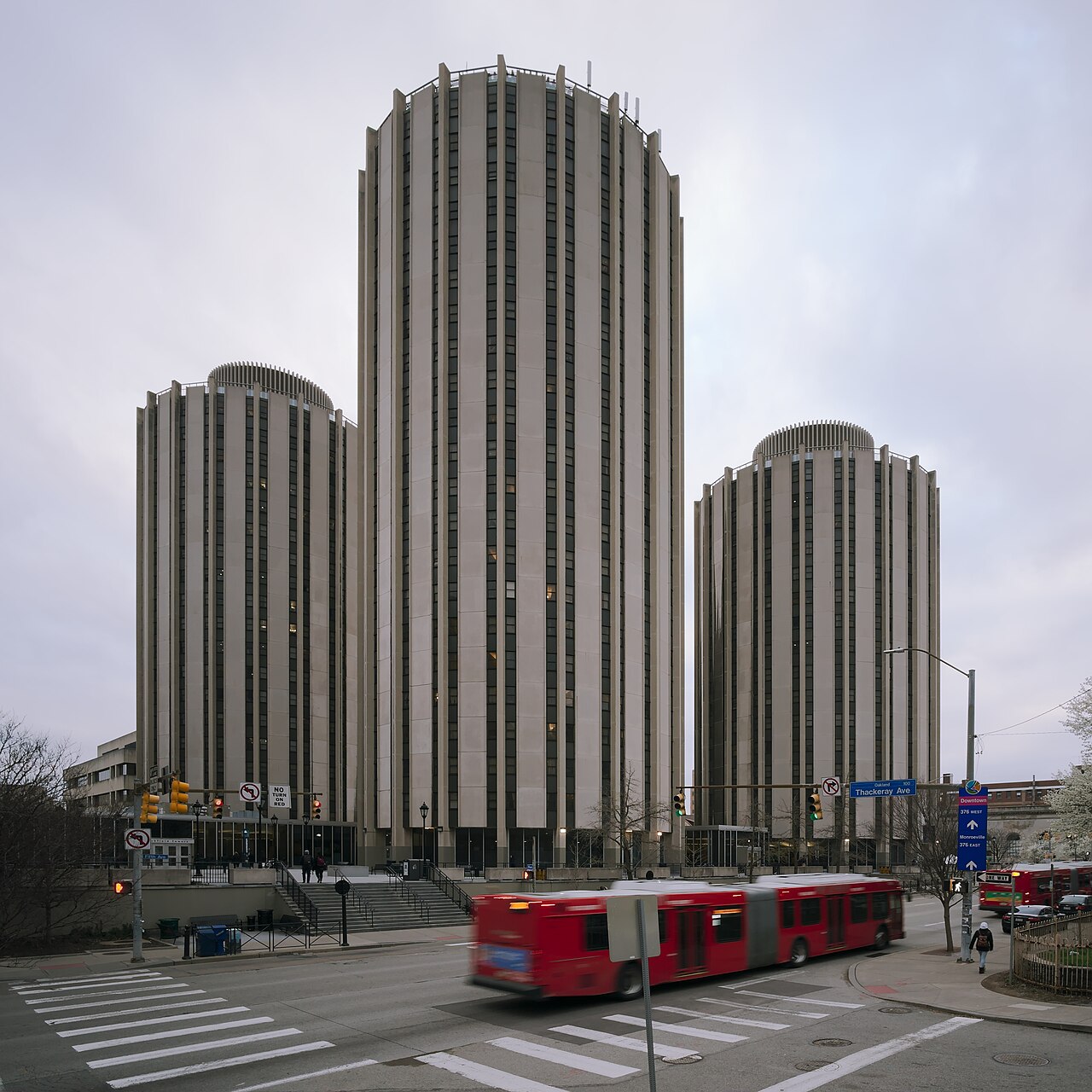
The University of Pittsburgh — known simply as Pitt — is one of America's oldest and most distinguished public research universities, anchored by the iconic 42-story Cathedral of Learning that towers over Oakland's college-city ecosystem. With deep ties to UPMC, one of the country's largest academic medical systems, Pitt offers unmatched clinical and research immersion in health sciences, while its location beside Carnegie Mellon creates a uniquely collaborative intellectual neighbourhood. For international students, Pitt combines the rigor of an AAU research university with genuine access to faculty, a vibrant urban campus, and a cost of attendance that remains more affordable than many peer institutions.
Campus
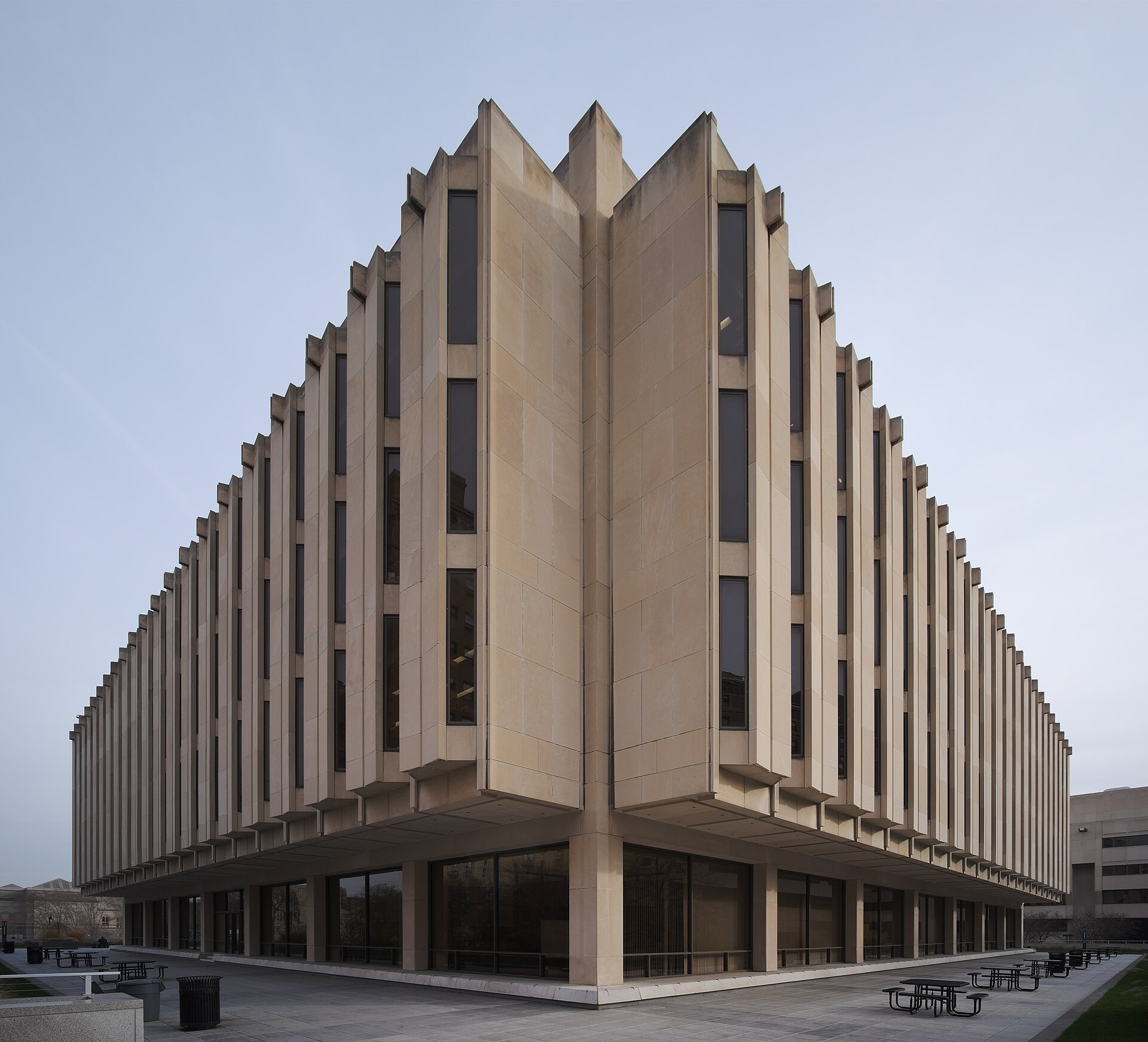
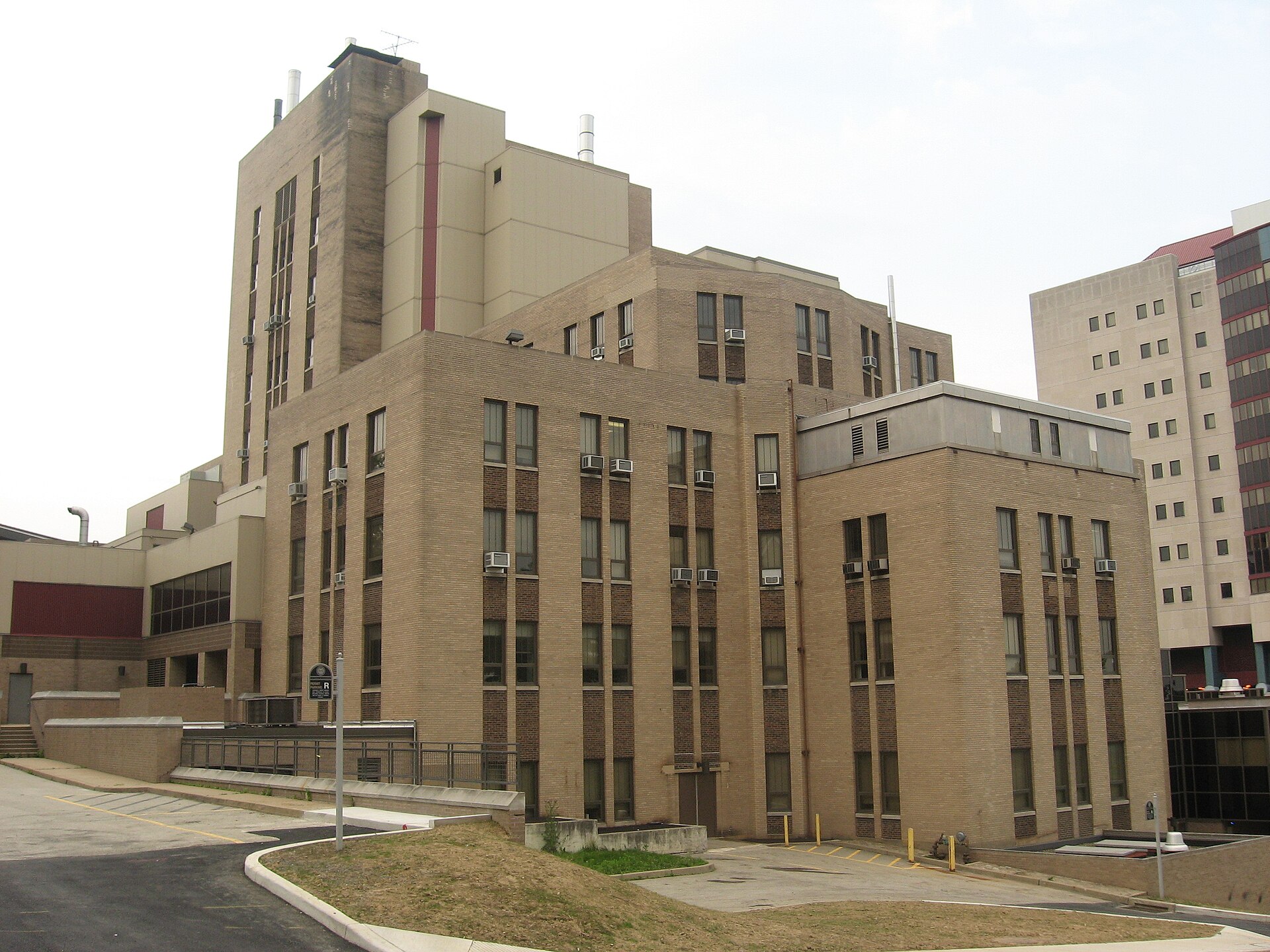
University of Pittsburgh — campus in pictures
Real, freely-licensed photographs of the campus (via Wikimedia Commons).



Why Choose the University of Pittsburgh
Pitt sits at the intersection of health sciences excellence, urban opportunity, and authentic research access. Here is what distinguishes it for international applicants.
SELECTIVITY
Admissions Profile How Competitive Is Pitt?
Pitt admits roughly half of all applicants, making it a moderately selective university. However, competitive programmes — particularly in nursing, bioengineering, and computer science — attract stronger pools and carry higher de-facto bars. International applicants who present strong academic records, compelling personal statements, and scores in the upper bands significantly improve their chances.
AT A GLANCE
Quick Facts University of Pittsburgh
WHAT YOUR APPLICATION NEEDS
Application Components for International Students
Pitt accepts both the Common App and its own Pitt Application (pitt.mycollegeapplication.org). The following elements make up a complete application for international first-year students.
ADMISSIONS PHILOSOPHY
What Pitt Looks For in International Applicants
Pitt uses a holistic review process, balancing academic achievement with personal narrative, intellectual curiosity, and potential to contribute to the campus community. Admissions officers read every application; no score or GPA alone guarantees admission or rejection.
WHEN TO APPLY
Application Deadlines Rolling Admissions + Key Dates
Pitt operates rolling admissions for first-year applicants — there is no single fixed deadline. Applications are reviewed as they arrive, and decisions are typically communicated 6–8 weeks after all materials are received. However, several critical funding and programme deadlines impose earlier submission targets for international students.
Pitt strongly encourages early application. Programme spaces in high-demand schools (Nursing, Engineering, Swanson) can fill before February. Applying in September or October maximises your odds and scholarship eligibility.
| Milestone | Date | Notes |
|---|---|---|
| Applications open | August 1 | For the following fall term |
| International scholarship priority | February 1 | Apply by this date for scholarship consideration; decisions made weekly on rolling basis |
| Scholarship decision notification | By April 1 | All scholarship decisions communicated |
| Rolling admission decisions | 6–8 weeks after complete file | Ongoing throughout the cycle |
CAMPUS & CITY LIFE
Student Life Pittsburgh & the Pitt Experience
Pittsburgh has been repeatedly named one of America's most liveable cities — affordable, walkable, culturally rich, and home to a booming tech and life-sciences sector. For Pitt students, the city is both a backdrop and an extension of campus.
POST-GRADUATION
Career Outcomes Where Pitt Graduates Go
Pitt's location in Pittsburgh's expanding tech and health-sciences corridor, combined with UPMC's scale as an employer, means students have unusual direct access to career pathways. The University Career Center partners with hundreds of employers and graduate schools.
Stats
Cards
COMMON QUESTIONS
Frequently Asked Questions University of Pittsburgh
Does Pitt have a fixed application deadline for international students?+
Pitt operates on rolling admissions, so there is no single mandatory deadline. However, you must apply by February 1 to be considered for the International Freshmen Scholarship (up to $10,000/year). Applying earlier — ideally by November or December — gives you the best combination of admission odds, programme-space availability, and scholarship consideration.
Can international students receive financial aid from Pitt?+
International undergraduates are not eligible for US federal financial aid. Pitt's primary financial offering for international freshmen is a merit scholarship of up to $10,000 per year for eight undergraduate terms, awarded on a rolling basis to applicants who apply before February 1. No separate scholarship application is required.
Is the SAT or ACT required for international applicants?+
No. Pitt is test-optional, meaning you can apply without submitting SAT or ACT scores. If you do submit scores, they will be considered as part of a holistic review. Strong scores can reinforce your application and may support scholarship eligibility, but they are not mandatory.
What English language test scores does Pitt accept and what are the minimums?+
Pitt accepts TOEFL (minimum 80 iBT), IELTS (minimum 6.5 overall), and Duolingo English Test (minimum 110). Students who attended an accredited English-medium secondary school for all four years may be eligible for a waiver — confirm this with the admissions office.
Do I need to submit the STARS transcript record as an international student?+
No. The STARS system (Self-reported Transcript and Academic Record System) is required for domestic US applicants but is explicitly waived for international students. International applicants submit official transcripts directly.
What makes Pitt distinctive compared to other public research universities?+
The UPMC partnership is Pitt's most singular differentiator. No other American public university has the same embedded clinical research infrastructure within walking distance of campus. For students interested in health sciences, pre-med, bioengineering, or public health, this is a genuine academic and career advantage rather than a marketing claim.
Is Pittsburgh a good city for international students?+
Pittsburgh consistently ranks among the most affordable and liveable US cities for students. The cost of living is substantially lower than Boston, New York, or San Francisco. The city has a significant international community, excellent public transit connecting Oakland to downtown, and a growing tech sector that provides internship and job opportunities for international graduates (subject to work authorisation).
What programmes is Pitt particularly known for internationally?+
Nursing, bioengineering, neuroscience, and rehabilitation science are internationally recognised through Pitt's UPMC connection. Computer science and mechanical engineering benefit from proximity to Pittsburgh's tech ecosystem. Political science and international studies also have strong faculties within the Kenneth P. Dietrich School of Arts and Sciences.
ACADEMIC EXPECTATIONS
Academic Profile What Pitt Expects from International Students
Pitt's academic standards reward students who have taken intellectual risks — challenging curricula, strong upward trajectories, and genuine depth in subjects that matter to their intended field. As a moderately selective research university with some highly competitive programmes, the academic bar you need to clear varies significantly by school and major.
For international students, the admissions office evaluates your transcript in the context of your country's educational system. An IB Diploma holder, an A-Level student, and a student from an Indian board will each be assessed against the expectations for their respective curricula. What matters is: did you take the hardest courses available to you, and did you excel in the subjects relevant to your intended programme?
ACADEMIC BENCHMARKS
Academic Benchmarks Admitted Student Profile
TEST POLICY
Test-Optional Policy What It Means for You
Pitt is test-optional for all applicants, including international students. You decide whether to submit SAT or ACT scores. If you do not submit scores, your application will be evaluated on the basis of your academic record, personal statement, and other materials. There is no penalty for not submitting.
SAT & ACT
SAT & ACT Benchmarks and Strategy
If you choose to submit standardised test scores, aim for the mid-range or above of the admitted student profile. Scores near the 75th percentile significantly strengthen your application to competitive programmes.
Stats
Cards
IB, A-LEVELS & INTERNATIONAL QUALIFICATIONS
IB Diploma, A-Levels & How Pitt Reads Them
Pitt has extensive experience evaluating international qualifications. Admissions officers assess the rigour of the subjects chosen, the level at which they are studied (HL vs SL for IB; AS vs A2 for A-Levels), and your actual marks or predicted grades.
SUBJECT PREPARATION
Subject Preparation Matching Your Courses to Your Major
The subjects you take in the last two years of secondary school send a signal about your readiness and commitment to your intended programme at Pitt.
ENGLISH LANGUAGE
English Language Requirements for International Students
International applicants whose first language is not English must demonstrate English proficiency. Pitt accepts three main tests. Scores below these minimums will typically result in conditional admission or a requirement to complete additional English language preparation.
Students who completed all four years of secondary school at an English-medium institution may request a waiver. Confirm eligibility with the Pitt international admissions office at pitt.admissions@pitt.edu.
| Test | Minimum | Notes |
|---|---|---|
| TOEFL iBT | 80 | Internet-based total score |
| IELTS Academic | 6.5 | Overall band score |
| Duolingo English Test | 110 | Overall score |
GRADE-BY-GRADE ROADMAP
Building Your Academic Profile Year by Year
A competitive Pitt application is built over four years of secondary school, not in the final semester. Here is how to approach each stage.
WHAT TO AVOID
Academic Pitfalls Common Mistakes International Applicants Make
- Waiting until spring of Grade 12 to apply — Pitt's rolling process means earlier applications get stronger programme consideration and scholarship priority
- Not explaining your grading system — if your country uses a 10-point or 100-point scale, include a brief explanation or grading key so officers can contextualise your marks
- Underestimating the personal statement — for international applicants it is required, not optional, and is often the decisive differentiator when transcripts are similar
- Applying without a TOEFL/IELTS/Duolingo score when one is required — missing this document is the most common reason for application delays
- Choosing soft course loads in Grade 12 — admissions officers check your final year curriculum; dropping science or maths for easier subjects after Grade 11 raises red flags
- Assuming test-optional means tests are irrelevant — strong scores still help; weak scores that you chose not to submit simply don't hurt you
- Not requesting financial documentation early — proving you can cover the full cost of attendance (~$60,000/year) is required before your I-20 is issued; bank statements take time to obtain
- Targeting only nursing without a backup — nursing is Pitt's most applied-to health-science programme; have a thoughtful secondary major preference if nursing is your first choice
COST & FINANCIAL AID
Cost of Attending Pitt An Honest Guide for International Students
The University of Pittsburgh is a public research university — and for international students, it is priced accordingly. Tuition is set at out-of-state rates (Pennsylvania residency does not apply to internationals), and no US federal financial aid is available to non-citizens. That said, Pitt does award merit scholarships specifically for international freshmen, and the overall cost of attendance compares favourably to many private research universities of similar standing.
International students should approach Pitt cost planning with full-cost budgeting in mind. The university requires proof of financial resources covering the first year before issuing Form I-20 for your student visa. Plan for the full cost of attendance — and investigate the International Freshmen Scholarship before applying.
ANNUAL COST ESTIMATE
Cost Breakdown Annual Estimates for International Students
All figures are annual estimates from the facts file. Actual costs may vary by programme and personal spending patterns. These are approximate figures — confirm current rates at the Pitt Student Affairs website before budgeting.
| Component | Annual | Notes |
|---|---|---|
| Tuition & Fees | $40,200 | Out-of-state/international rate |
| International Services Fee | $1,000 | Charged each fall and spring term ($500/term) |
| Room & Board | Included in COA below | Varies by housing type selected |
| Total Cost of Attendance (estimated) | $60,000 | Includes tuition, housing, meals, personal, transport |
| Cost of Living (personal only) | $16,000 | Personal expenses, books, local transport |
| Application Fee | $55 | One-time, non-refundable |
AID POLICY
Financial Aid for International Students — The Reality
International undergraduate students at Pitt are not eligible for US federal financial aid (Pell Grants, subsidised loans, work-study). The primary financial support available is institutional merit scholarships. Pitt does not operate a need-blind admissions or need-based aid programme for international undergraduates.
SCHOLARSHIPS
Scholarship Opportunities What International Students Can Access
The following scholarships are relevant to international freshmen at Pitt. Domestic-only scholarships (Nordenberg, Stamps, Rees-Chancellor) are included for context but require US citizenship or permanent residency.
NET COST REALITY
Affordability What You Will Actually Pay
The headline cost of attendance of approximately $60,000 per year is what most international students should plan around. The International Freshmen Scholarship can reduce this to approximately $50,000 at maximum — still a significant investment. Pittsburgh's comparatively low urban cost of living (relative to New York, Boston, or San Francisco) moderates the personal expenses portion of the budget meaningfully.
YOUR FUNDING PLAN
Steps to Fund Your Pitt Education A Practical Checklist
COST QUESTIONS
Cost & Aid FAQs Answers for International Students
Is the $10,000 International Freshmen Scholarship guaranteed or competitive?+
It is merit-based and competitive, awarded to admitted international freshmen who apply by February 1. There is no separate application — your admission application is the scholarship application. Apply early for the best opportunity.
Does Pitt meet 100% of demonstrated financial need for international students?+
No. Pitt does not operate a need-based aid programme for international undergraduates. The only institutional financial support for international students is merit scholarships.
What does the International Services Fee cover?+
The International Services Fee ($500 per fall and spring term, $1,000 annually) covers services provided by Pitt's Office of International Services, including visa maintenance, immigration advising, and international student programming. It is mandatory for all international students.
Can international students work on campus?+
Yes, F-1 students are permitted to work on campus for up to 20 hours per week during the academic year and full-time during breaks. On-campus employment does not require additional work authorisation. Off-campus employment requires CPT or OPT authorisation.
Are costs the same for all programmes?+
Core tuition rates are uniform, but some professional schools and specific programmes may charge differential fees. Confirm exact costs for your specific school (Engineering, Nursing, Business) on the official Pitt Student Accounts website.
THE WRITTEN APPLICATION
Essays & Personal Statement Your Voice in the Application
The University of Pittsburgh uses the Common App or its own application platform, both of which include a personal statement section. Unlike many elite private US universities, Pitt does not publish a fixed set of supplemental essay questions — instead, the personal statement carries the full weight of your written narrative. For international applicants, this essay is required (not optional) and is the primary tool through which you distinguish yourself beyond grades and test scores.
WHAT YOU NEED TO WRITE
Essay Overview Pitt's Application Writing Requirements
Pitt accepts applications through two equally weighted platforms: the Common App and the Pitt Application (pitt.mycollegeapplication.org). In both cases, the personal statement section is the primary writing component. There are no required supplemental essays published for the general undergraduate application, though the Frederick Honors College application may carry additional writing requirements.
ESSAY PROMPTS
Common App Prompts Seven Options — Choose One
If applying via Common App, choose one of the seven standard Common App personal statement prompts. These are the current Common App prompts; verify the latest version at commonapp.org before you write. Your essay should be 250–650 words.
STRATEGY
Personal Statement Strategy Writing for Pitt Specifically
Because Pitt does not require supplemental essays, the personal statement — whether through Common App or the Pitt Application — must carry the full weight of your written self-presentation. Every word counts. This is not an essay where you summarise your CV or list achievements; admissions officers already have that information from your transcript and activities list.
ADDITIONAL WRITING
Supplemental & Additional Writing Beyond the Personal Statement
Pitt does not mandate supplemental essays for general undergraduate admission. However, the following scenarios involve additional writing — plan accordingly if they apply to you.
TOPIC GUIDANCE
Choosing Your Essay Topic What Works at Pitt
The single most common mistake international applicants make in the personal statement is choosing a 'safe' or 'expected' topic: describing their home country, recounting a service trip, or narrating a sports achievement without genuine reflection. Pitt readers want to know who you are and how your mind works — not a summary of impressive events.
COMMON ERRORS
Essay Mistakes to Avoid at Pitt
- Writing a CV in prose form — Pitt readers already have your activities list; the essay must add something qualitatively new
- Using the personal statement to explain low grades without pivoting to a growth narrative — spend at most one sentence on the problem, the rest on the lesson and recovery
- Translating directly from a personal statement written in another language without fully adapting it — phrasing, idiom, and cultural context often need significant reworking for a US admissions reader
- Starting with a quotation or dictionary definition — this is among the most flagged essay openings in US admissions; start with your own words and a specific scene
- Being too broad — trying to say everything about yourself in 650 words produces an essay about nothing; focus on one core narrative thread
- Ignoring the 'so what' — always end by connecting your story to why you are pursuing this path at Pitt specifically; the essay should feel directional, not just reflective
- Submitting a first draft — the personal statement almost always improves significantly with multiple revisions; give yourself at least three rounds of editing before submission
- Using AI to write the essay verbatim — Pitt and all US universities expect authentic student voice; AI-generated essays often read as generic and may be flagged
ESSAY FAQs
Essays at Pitt Frequently Asked Questions
Does Pitt require supplemental essays?+
No — Pitt does not require supplemental essays for general undergraduate admission. The personal statement (via Common App or Pitt Application) is the primary writing component. The Frederick Honors College requires a separate application with additional writing.
Is the personal statement required for international students?+
Yes. While the personal statement is optional for some domestic applicants, it is explicitly required for international students. It is also required for scholarship consideration and Honors College consideration.
Which application platform should I use — Common App or the Pitt Application?+
Both are accepted equally and neither confers an advantage. If you are applying to multiple US universities, Common App is more efficient since one essay serves all schools. If Pitt is your primary or only US application, the Pitt Application may feel more tailored. The admission process is identical.
How important is the essay compared to my grades and test scores?+
For international applicants, the essay is essential — it is one of the primary tools available to distinguish yourself from other applicants with similar academic profiles. For scholarship consideration, a strong essay paired with a complete early application is how scholarship awards are differentiated.
Should my essay explain why I want to attend Pitt?+
The personal statement is primarily about you, not specifically about Pitt. However, weaving in a specific connection to Pitt's strengths — UPMC, a particular department, Pitt's research culture — shows genuine interest and strengthens the narrative. Avoid vague 'Pitt has great opportunities' language; be specific.
What word count should I target for the personal statement?+
Aim for 550–650 words if using Common App (maximum 650). For the Pitt Application's personal statement, follow the guidance provided within the application. Shorter is not better if you have more to say — but avoid padding simply to reach a word count.
Can I submit additional writing materials beyond the personal statement?+
Both platforms have an 'Additional Information' section where you can include context not captured elsewhere. Use it for substantive additions only — a brief explanation of a gap, an unusual award, or a research project. Do not simply restate your personal statement.
Courses — schools, degrees & intake
88 degrees across 8 groupings.
Dietrich School of Arts and Sciences · 53 degrees
Actuarial Mathematics
Applied Mathematics
Astronomy
Biochemistry
Biological Sciences
Chemistry
Ecology and Evolution
Environmental Science
Geology
Mathematical Biology
Mathematics
Microbiology
Molecular Biology
Neuroscience
Physics
Physics and Astronomy
Statistics
Africana Studies
Anthropology
Classics
Communication
Creative Writing
Economics
English Literature
Film and Media Studies
Gender, Sexuality, and Women's Studies
History
History of Art and Architecture
History and Philosophy of Science
Linguistics
Museum Studies
Music
Philosophy
Political Science
Psychology
Religious Studies
Sociology
Theatre Arts
Urban Studies
Arabic
Chinese
French
German Language and Cultural Studies
Italian
Japanese
Korean
Russian
Spanish
Studio Arts
Interdisciplinary Studies
International and Area Studies
Law, Criminal Justice, and Society
Public and Professional Writing
Swanson School of Engineering · 10 degrees
Bioengineering
Chemical Engineering
Petroleum Engineering
Civil Engineering
Environmental Engineering
Electrical Engineering
Computer Engineering
Industrial Engineering
Mechanical Engineering
Materials Science and Engineering
College of Business Administration (Joseph M. Katz Graduate School of Business) · 7 degrees
Accounting
Business Information Systems
Finance
Global Management
Human Resources Management
Marketing
Supply Chain Management
School of Nursing · 2 degrees
Bachelor of Science in Nursing (BSN)
Accelerated 2nd Degree BSN (ABSN)
School of Education · 3 degrees
Exercise Science
Teacher Education
Applied Developmental Psychology
School of Health and Rehabilitation Sciences (SHRS) · 5 degrees
Rehabilitation Science
Emergency Medicine
Health Informatics
Nutrition and Dietetics
Communication Science and Disorders
School of Computing and Information · 7 degrees
Computer Science
Information Science
Data Science
Computational Biology
Computational Social Science
Digital Narrative and Interactive Design
Physics and Quantum Computing
School of Social Work · 1 degrees
Bachelor of Arts in Social Work (BASW)
Want your real chances at University of Pittsburgh?
Create a free TYCHR account for your personalised admit-chance, a shortlist you can track, exact entry requirements, and essay + counselling help.