University of Padua
Padua, Italy · Urban
FOUNDED 1222 · PADUA, ITALY
University of Padua Admissions Guide for International Students
The University of Padua (Università degli Studi di Padova) is one of the world's oldest universities and Italy's fourth-ranked institution — a living monument to eight centuries of discovery where Galileo taught for 18 years, the world's first permanent anatomical theatre was built, and the first doctoral degree ever awarded to a woman was conferred in 1678. For international students seeking a rigorous European education at historically extraordinary depth, Padua pairs its Renaissance legacy with modern research strength, a growing portfolio of English-taught programmes, and some of the most affordable tuition of any ranked research university on earth.
Padua's 70,000 students fill a city that has been a university town for over 800 years. The Palazzo Bo — the historic university building that houses Galileo's lectern and the anatomical theatre — sits at the heart of a compact, walkable city just 35 minutes from Venice by train. With a QS World Rank of 219, national rank 4th in Italy, and tuition starting at approximately USD 3,000 per year, Padua offers a combination of academic prestige, cultural depth, and genuine affordability that is difficult to match anywhere in Europe.
Campus
University of Padua — campus in pictures
Real, freely-licensed photographs of the campus (via Wikimedia Commons).
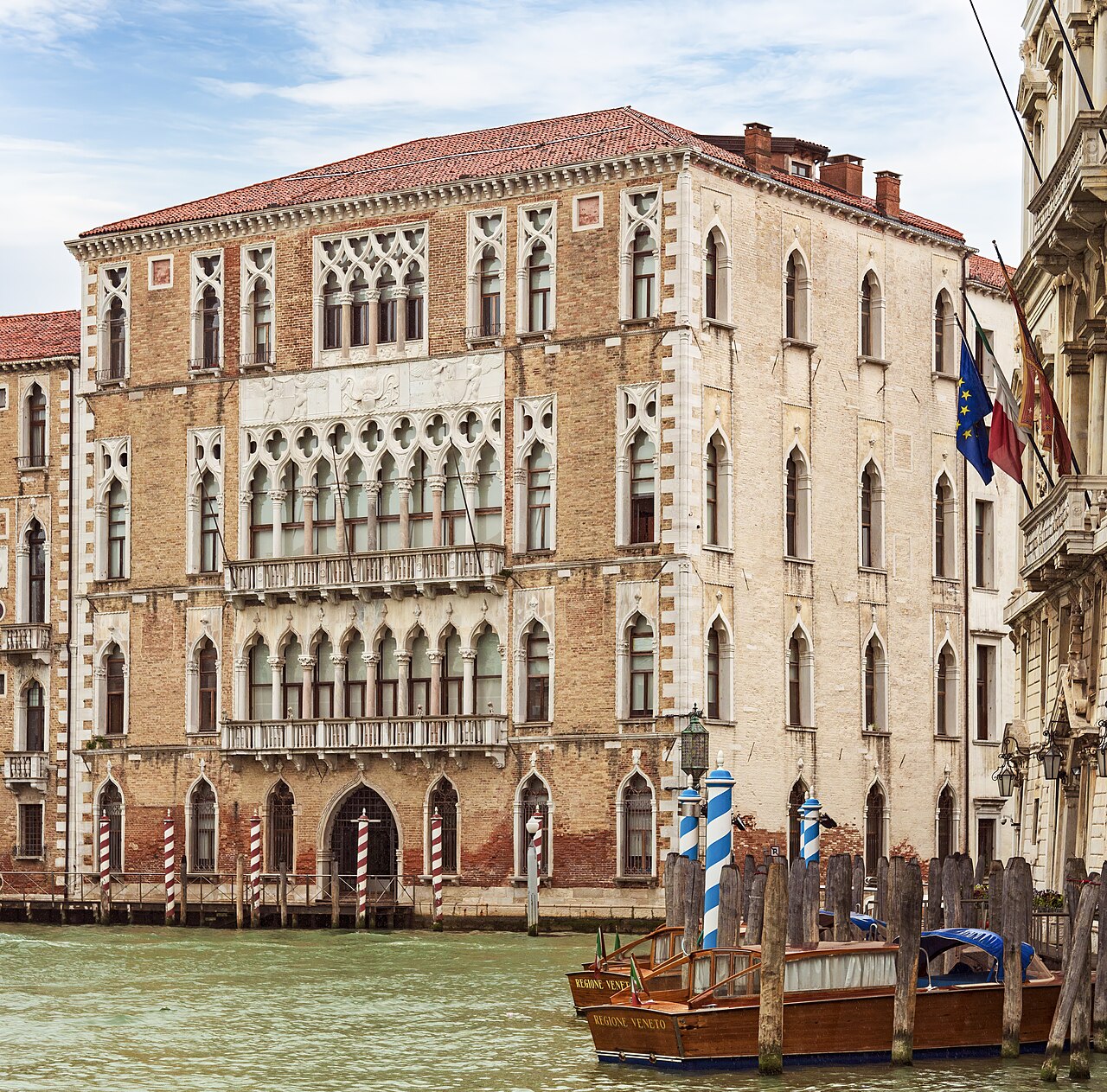
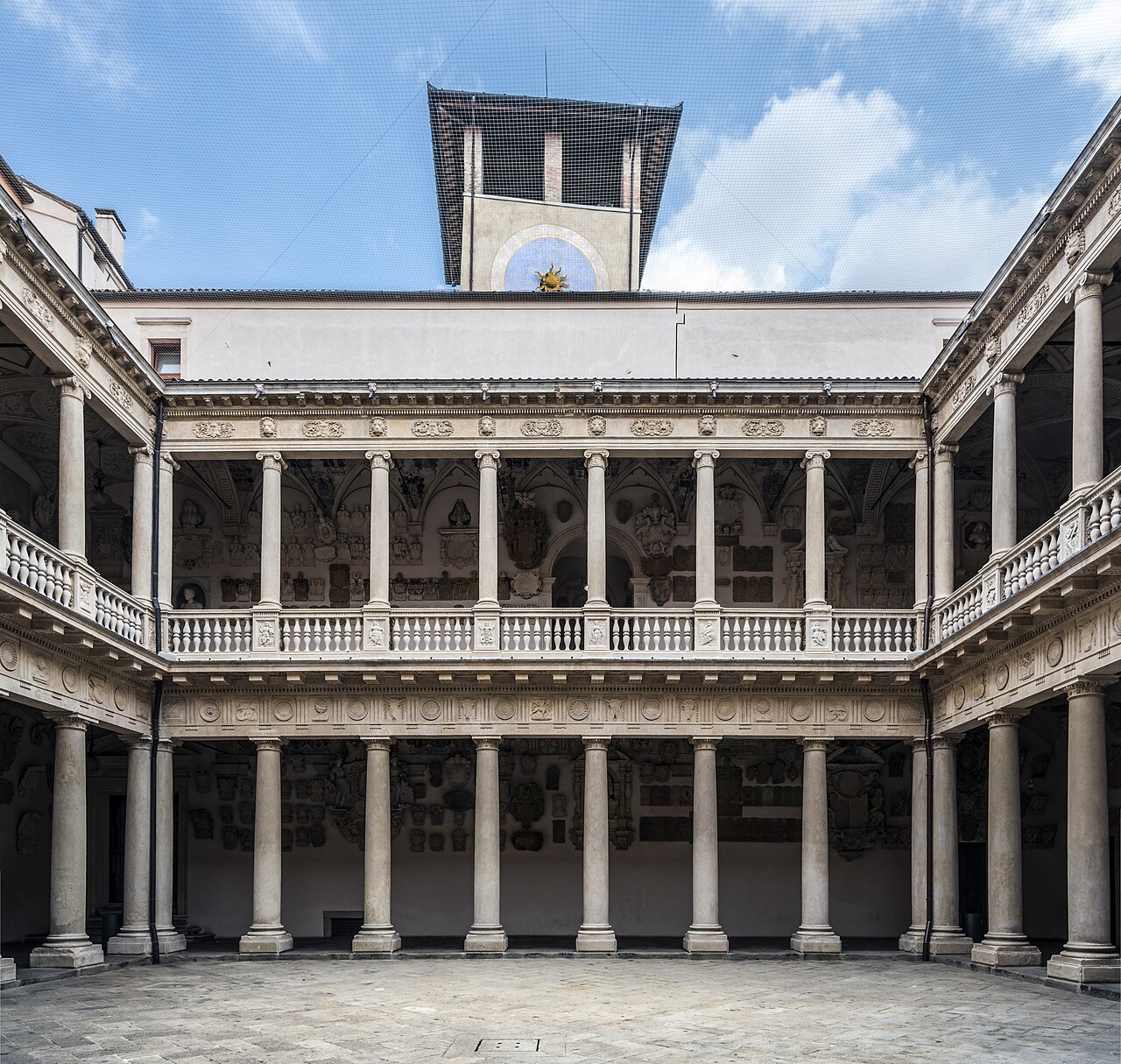
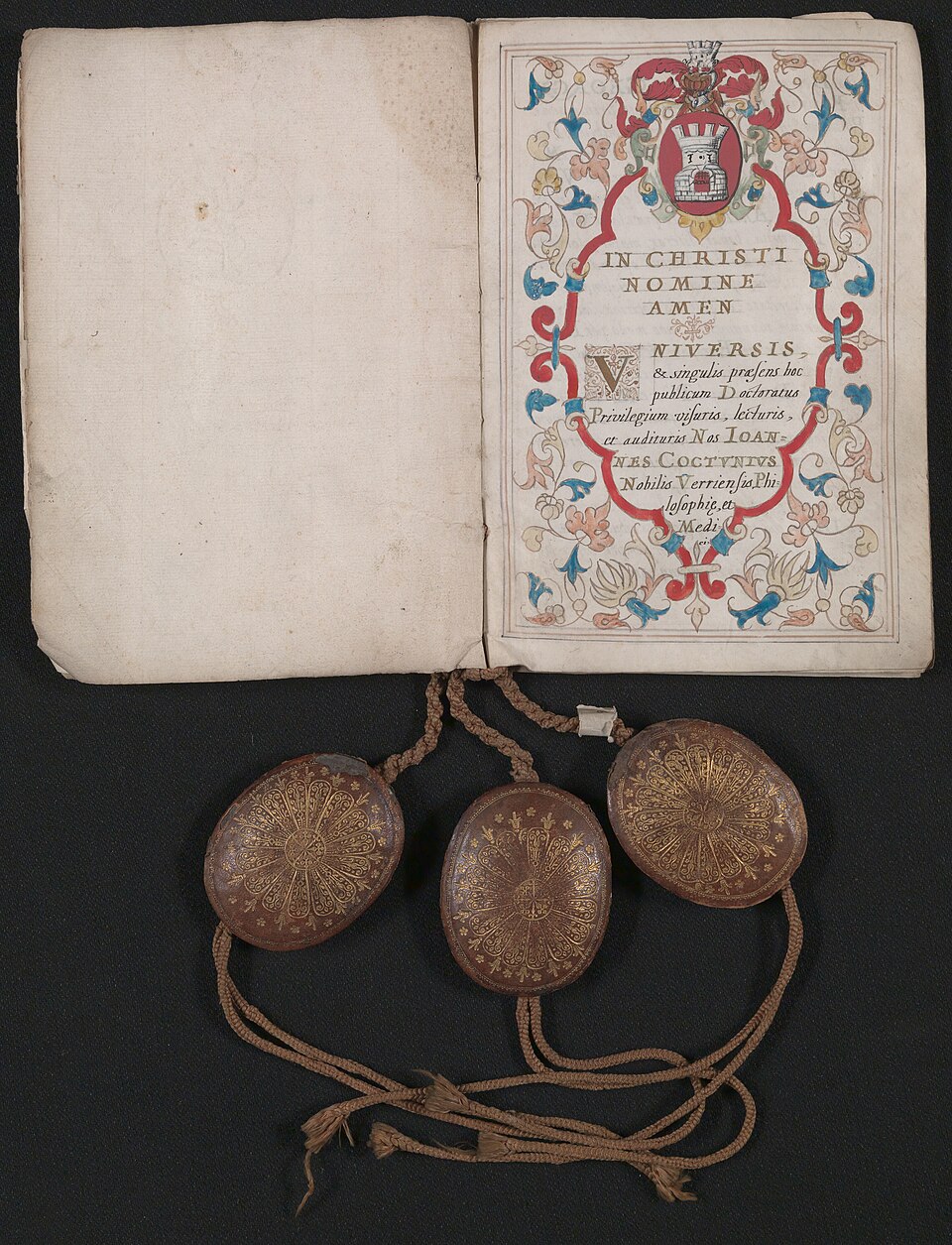
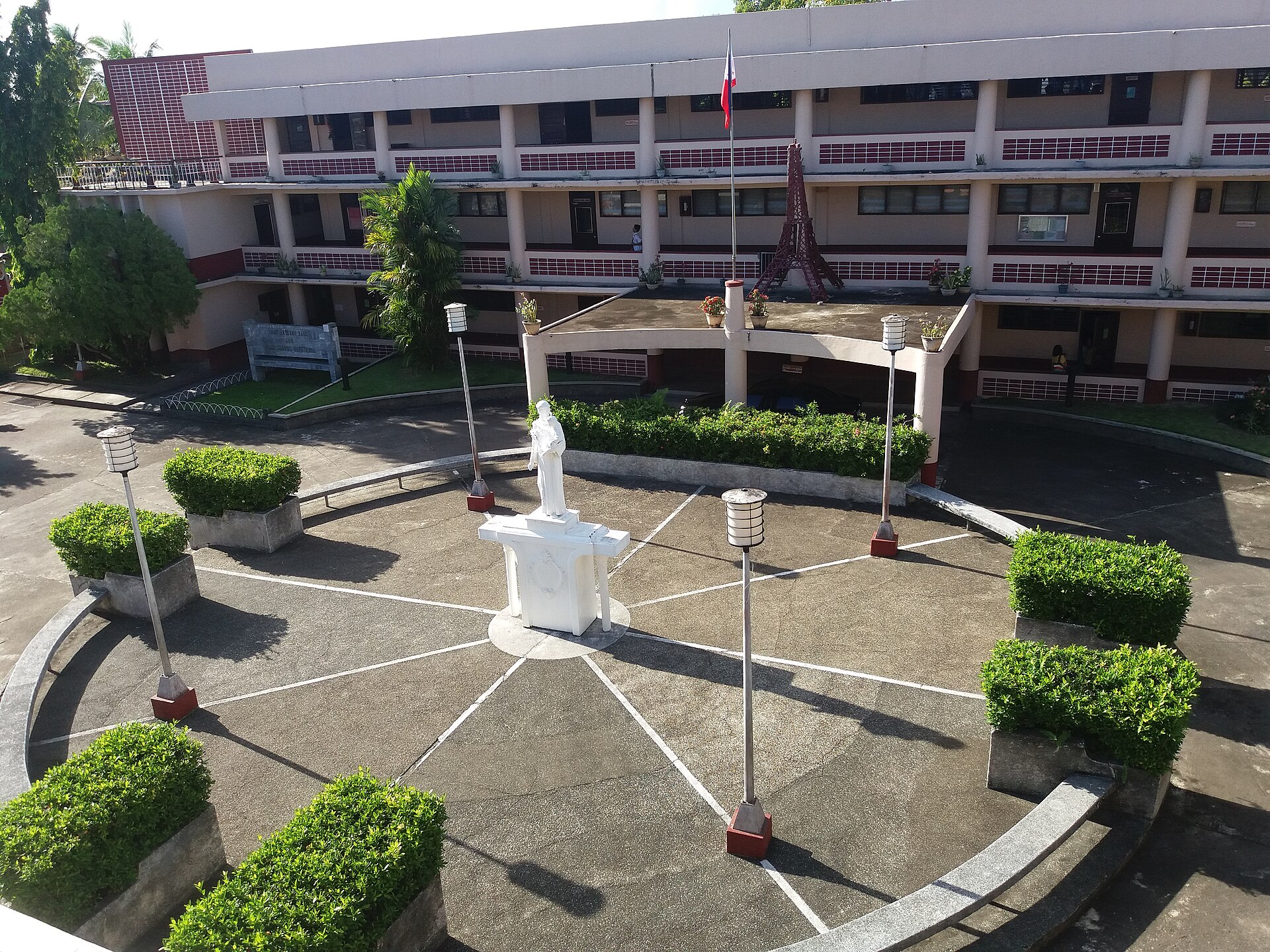
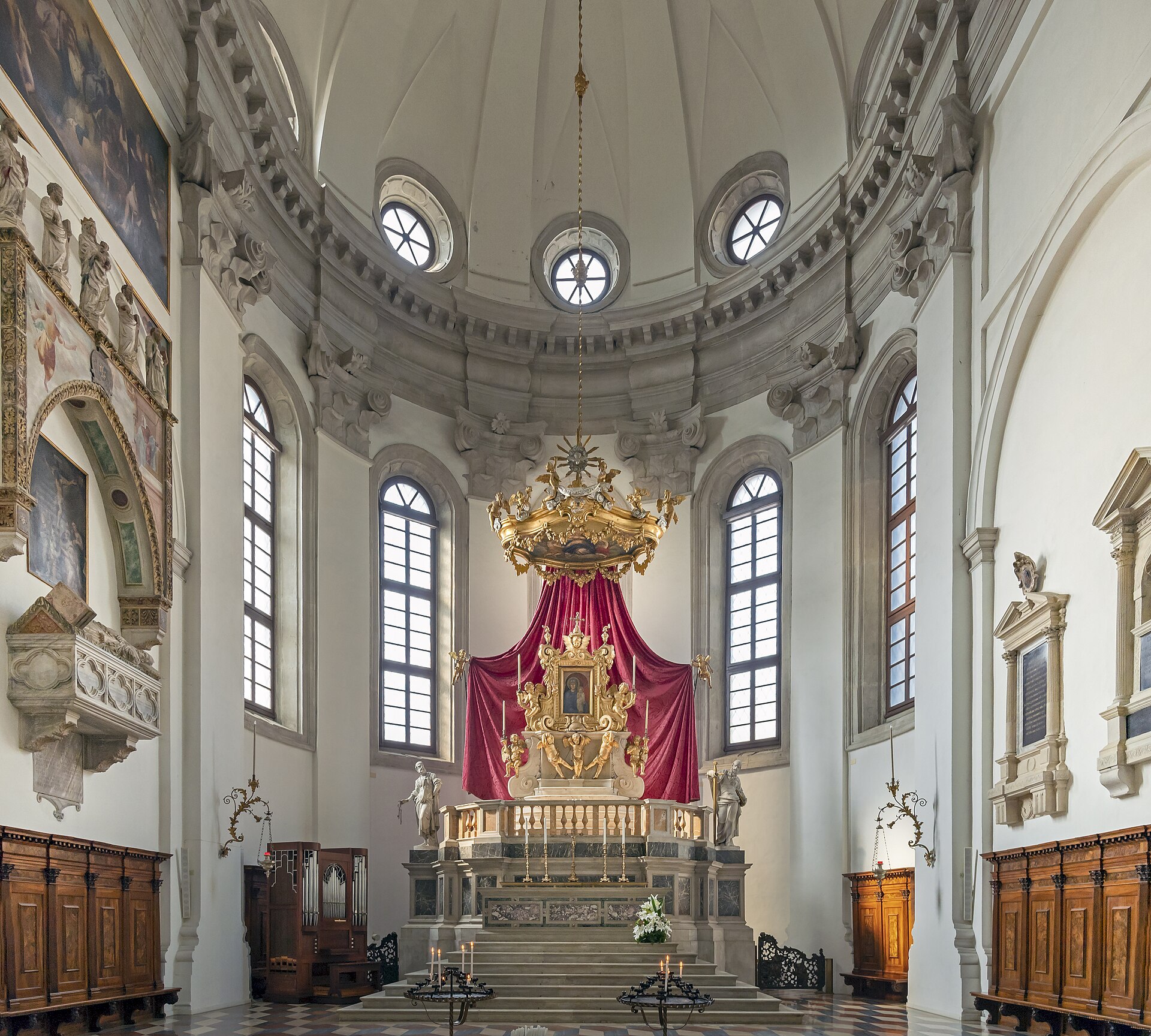
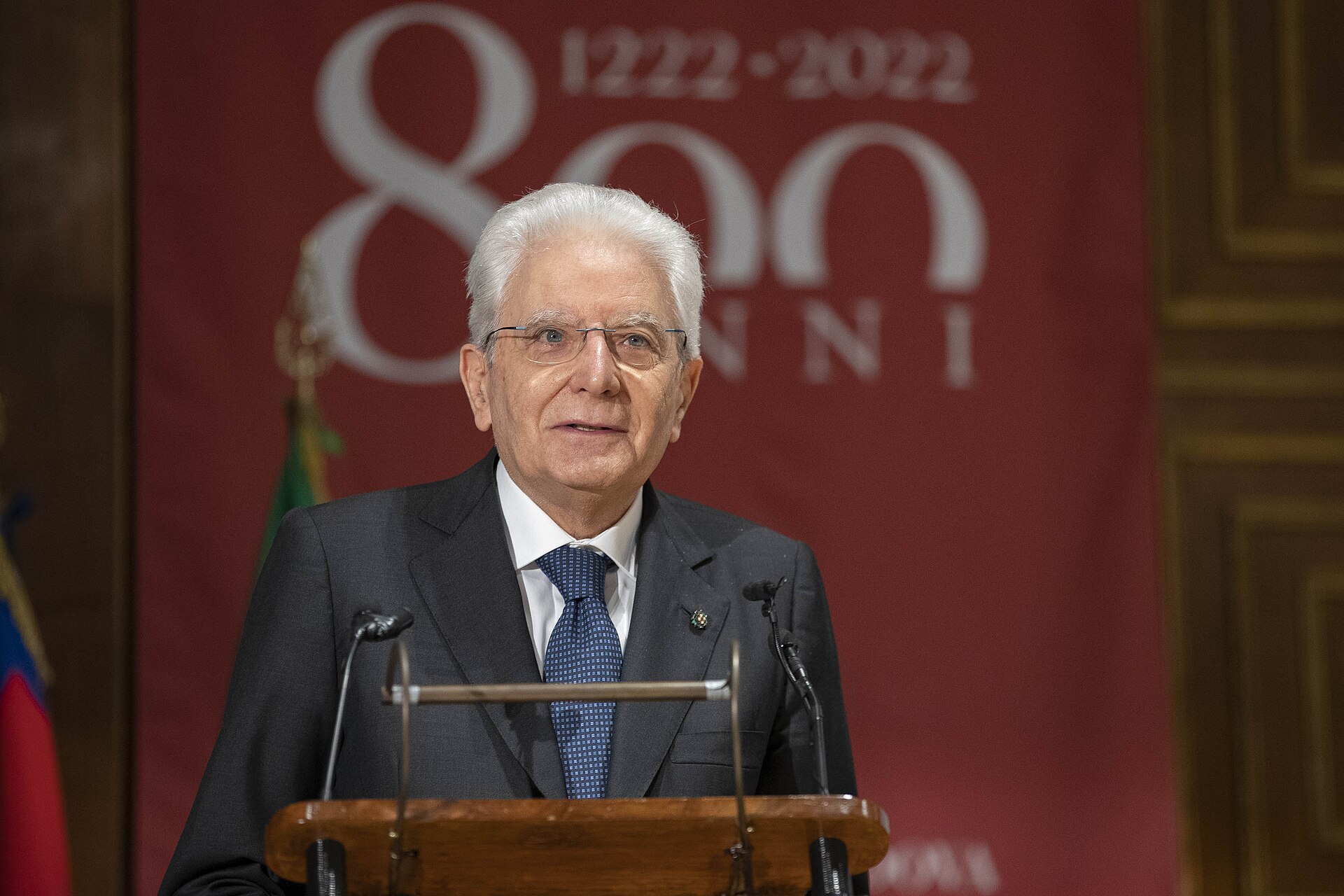
Why the University of Padua — Eight Centuries of Discovery
Padua's combination of living history, modern research excellence, affordable costs, and the extraordinary setting of Italy's Veneto region makes it a compelling choice for internationally ambitious students.
SELECTIVITY
Admission Profile
Padua operates a relatively broad admissions model overall, with an overall acceptance rate of approximately 60%. However, selectivity varies dramatically by programme. High-demand faculties such as Medicine, Dentistry, Veterinary Medicine, and some Engineering streams are capped and require passing a national or local entrance test (test di ammissione). For English-taught master's programmes, international applicants are evaluated primarily on academic transcripts, subject alignment, and a motivation letter — direct numerical cut-offs are programme-specific and published per cycle on the official admissions portal.
AT A GLANCE
Quick Facts
WHAT YOUR APPLICATION INCLUDES
Application Components
Padua uses a direct online application system through its own portal. Requirements vary by level (bachelor vs master) and programme, but international applicants for English-taught programmes typically submit the following.
THE SUCCESSFUL APPLICANT
What Padua Looks for in International Students
Padua's direct application system means admissions criteria are programme-specific rather than university-wide. For bachelor's programmes, particularly capped ones, performance on Italy's national admissions tests (TOLC, IMAT for Medicine) is decisive. For English-taught master's programmes — the primary pathway for most international students — the committee evaluates academic preparedness, subject alignment, and genuine motivation for graduate-level study in their specific field.
APPLICATION DEADLINES
Application Timing
Application windows at Padua open and close on programme-specific schedules, typically earlier than Anglo-American universities. English-taught master's programmes generally open applications in winter/spring for a September start, with some offering multiple intake rounds. The steps below reflect the typical timeline — always confirm dates on the specific programme page at unipd.it, as deadlines vary by faculty and cycle.
Specific deadlines change each academic year. Always verify current dates at https://www.unipd.it/en/study before applying.
| Phase | Timing | Action |
|---|---|---|
| Programme Research & Prerequisite Check | 12–18 months before start | Confirm entry requirements, English language thresholds, and prerequisite subjects |
| Document Preparation | 6–9 months before start | Obtain certified/apostilled transcripts, English certificate, CV, reference letters |
| Online Application Opens (master's) | Typically Jan–Apr | Submit via unipd.it application portal; programme-specific deadlines vary |
| Pre-Enrollment (non-EU bachelor's) | Apr–May via Italian consulate | Non-EU applicants must pre-enroll through the Italian diplomatic mission in their country |
| Admission Decision | 2–8 weeks post-deadline | Some programmes hold interviews; decisions communicated via portal |
| Italian Student Visa Application | At least 3–4 months before start | Non-EU students apply for a Type-D student visa at their local Italian consulate |
CAMPUS & CITY LIFE
Life in Padua
The university's historic buildings are woven into the fabric of the city centre; the main campus is not walled off but embedded in urban life. The Orto Botanico (Botanical Garden, 1545) and the Cappella degli Scrovegni — home to Giotto's extraordinary frescoes — are a five-minute walk from central lecture halls. Venice is 35 minutes by train, the Euganean Hills (thermal spas) are 20 minutes by bus, and the Dolomites are reachable in under two hours by car.
Padua is one of Italy's great university cities — compact enough to walk or cycle everywhere, yet rich enough in culture, food, history, and nightlife to keep 70,000 students genuinely engaged. The Prato della Valle, one of Europe's largest piazzas, hosts weekend markets and student gatherings. The historic Caffè Pedrocchi, open since 1831, is the archetypal student café. The covered arcades (portici) that line Padua's streets — modelled on those of Bologna — make the city navigable in all weather.
CAREER OUTCOMES
Graduate Employment and Outcomes
The university's alumni network spans Italian and international industry. The proximity to the Veneto's industrial heartland — home to major manufacturing, luxury goods, and agri-food companies — creates strong regional recruitment ties. For research-oriented graduates, Padua's connections to European research funding (ERC, Horizon Europe) and its active PhD community open pathways into academic and research careers across the continent.
Padua's employment outcomes are strong by Italian and European standards, with an employment rate of 87% among graduates and an average starting salary of approximately USD 33,000 per year — competitive for the Italian and broader EU labour market. Strong performing sectors for Padua graduates include medicine and healthcare (anchored by Padua's historic medical tradition), engineering (particularly information engineering, aerospace, and mechanical), agricultural sciences, psychology and cognitive science, and physics/astronomy research.
FREQUENTLY ASKED QUESTIONS
FAQs for International Applicants
Do I need to speak Italian to study at Padua?+
Not for English-taught programmes. Padua offers a growing portfolio of fully English-taught master's degrees, and bachelor's programmes in English also exist in specific areas. However, for Italian-taught programmes (which form the majority of bachelor's degrees), B2 Italian proficiency is typically required. Even for English-taught programmes, conversational Italian significantly improves daily life in Padua.
Is Padua's acceptance rate of 60% accurate for international students?+
The 60% figure is an overall acceptance rate across all programmes. Selectivity varies enormously: Medicine, Dentistry, and Veterinary Medicine require national entrance tests with highly limited places, while many arts and social science programmes are more open. English-taught master's programmes are moderately competitive, with acceptance depending on your undergraduate GPA, subject alignment, and motivation letter.
As a non-EU international student, how does the visa process work?+
Non-EU students must apply for an Italian Type-D (long-stay) student visa at the Italian consulate in their home country. For bachelor's programmes, this is often linked to the Italian Government's pre-enrollment process (dichiarazione di valore). Begin the visa process as soon as you receive your admission offer — Italian consulate appointment waiting times can be significant in some countries.
What are the IB requirements for Padua?+
The indicative IB minimum is 30 points. Specific requirements depend on the programme: medicine-adjacent programmes typically expect higher scores (often 34+), while some arts and social science programmes may accept 30. Always check the specific programme's admission requirements on the official Padua course catalogue.
Can I study at Padua for free or with a scholarship?+
Tuition at Padua is income-linked — students from lower-income families may pay significantly less than the stated maximum, and in some cases near zero. The DSU Veneto regional right-to-study body offers grants that can cover tuition and provide a living stipend to eligible students, including international students. Additional merit-based and Italian Government scholarships are also available. Check the current academic year's scholarship call on the Padua and DSU Veneto websites.
What English-taught master's programmes does Padua offer?+
Padua has expanded its English-taught portfolio significantly. Fields include Physics, Astronomy, Astrophysics, Information Engineering, Computer Science, Marine Biology, Molecular Biology, Cognitive Neuroscience and Clinical Neuropsychology, Management, and others. The full up-to-date list is on the official course catalogue at unipd.it. New programmes are added each cycle.
Does Padua require the SAT, ACT, or GRE?+
No. Padua does not use standardised admissions tests like the SAT, ACT, or GRE for most programmes. Admission is based on your secondary or university academic record, subject prerequisites, and (for master's) a motivation letter. For restricted-access programmes in Medicine and related fields, Italy's national IMAT (International Medical Admissions Test) is required instead.
Is the University of Padua recognised internationally?+
Yes. Padua's degrees are recognised across the European Union and in most countries worldwide. Its membership in the Coimbra Group and Bologna Process signatory status ensure degree recognition across European higher education systems. For professional qualifications (Medicine, Law, Engineering), specific recognition processes may apply in different countries — confirm this for your intended career jurisdiction.
ACADEMIC EXPECTATIONS
Academic Life at Padua — What International Students Need to Know
The University of Padua is a research-intensive public institution where academic standards are rigorous and teaching is closely linked to active research programmes. International students who thrive here come prepared with strong subject foundations, genuine intellectual curiosity, and readiness to engage with the European academic culture — which emphasises depth, independence, and written analytical work rather than the frequent graded assignments common in some other systems.
The European Credit Transfer and Accumulation System (ECTS) governs degree structures. A bachelor's degree (Laurea Triennale) is 3 years / 180 ECTS; a master's degree (Laurea Magistrale) is 2 years / 120 ECTS. Assessment typically relies heavily on oral or written examinations at the end of each semester, rather than continuous assessment. This style demands organised self-study, which international students should plan for carefully.
ACADEMIC BENCHMARKS
Academic Profile of Admitted Students
Padua uses a programme-specific review based primarily on prior academic performance. The following indicators reflect the stated minimums and typical expectations — competitive programmes consistently expect more.
TEST POLICY
Standardised Tests at Padua
For all other programmes — including Engineering, Sciences, Psychology, Astronomy, Management, and the Humanities — there is no standardised test requirement. Admission is based on your transcript, subject prerequisites, and (for master's) a motivation letter and potentially an interview.
Padua does not require the SAT, ACT, or GRE for admission to most programmes. For international students, prior academic records (transcripts and degree certificates) carry the weight. The principal exception is restricted-access professional programmes: students applying to Medicine and Surgery (in English) must sit the IMAT (International Medical Admissions Test), a standardised test administered annually in September by the Italian Ministry of University and Research (MUR). The IMAT is your primary lever for Medicine — equivalent to UCAT/BMAT in the UK system.
IB, A-LEVELS & INTERNATIONAL QUALIFICATIONS
How International Qualifications Are Evaluated
IB Diploma: The indicative minimum is 30 points. For admission to competitive programmes, higher totals are expected — Medicine (IMAT-based, so IB score is context rather than the primary criterion), Engineering (typically 33+), Physics/Astronomy (strong Higher Level Mathematics and Physics scores carry weight). A-Level students should hold a minimum of three A-Level passes at grades that translate to a strong Italian equivalent — typically BBC or above for non-selective programmes, AAA and above for competitive STEM degrees. AP credits are evaluated individually; the university may grant credit recognition for advanced-level subject passes.
Italy's university admissions system is designed primarily for students with an Italian maturità but is well established for international qualifications through the dichiarazione di valore (declaration of value) and equivalency process. IB Diploma holders, A-Level students, and holders of most national secondary credentials can apply directly; the university or Italian consulate evaluates whether your qualification is equivalent to the Italian maturità and whether you meet specific subject prerequisites.
SUBJECT PREPARATION
Academic Preparation by Field
Padua's strongest and most internationally recognised areas require specific subject-level preparation. Do not arrive at a Padua master's programme without the quantitative or disciplinary foundations your faculty expects.
ENGLISH LANGUAGE REQUIREMENTS
English Proficiency Standards
For English-taught programmes, non-native speakers whose prior education was not conducted in English must demonstrate English proficiency. Minimum thresholds are listed below — some competitive programmes may require higher scores. Confirm the specific requirement on each programme's admissions page.
| Test | Minimum | Notes |
|---|---|---|
| IELTS Academic | 6.0 | No individual band below 5.5 for most programmes; some require 6.5 |
| TOEFL iBT | 80 | Some programmes may require up to 90 — confirm per programme |
| Duolingo English Test | 105 | Accepted for some programmes; confirm with specific faculty |
| Cambridge C1 Advanced / C2 | Grade B | Generally accepted; confirm with admissions office |
| Prior English-medium education | Verified by transcript | Prior degree in English may waive test requirement — check per programme |
GRADE 9 → UNIVERSITY
Building Your Academic Profile for Padua
COMMON PITFALLS
Academic Application Mistakes to Avoid
Items
- Applying to Italian-taught programmes without meeting B2 Italian language requirements
- Underestimating IMAT difficulty for Medicine — beginning preparation only 2–3 months before the September test
- Failing to check programme-specific subject prerequisites — general good grades are not always sufficient if core subjects are missing
- Submitting uncertified or non-apostilled transcripts — Italian universities require properly legalised documents
- Ignoring the visa timeline — non-EU students have been denied places because they could not complete the visa process in time
- Not checking whether your chosen programme is in Italian or English — most bachelor's degrees at Padua are still Italian-medium
- Leaving the motivation letter as an afterthought — for competitive English-taught master's programmes, it is a primary evaluation criterion
- Applying without confirming ECTS credit prerequisites for master's — Padua specifies minimum ECTS credits in relevant subject areas as entry conditions for many master's programmes
Faqs
Can I transfer credits from a foreign university to Padua?+
Yes, ECTS credit recognition is possible for exchange and transfer students within the European system. Non-European credit systems (US, Indian) are evaluated case-by-case by the specific faculty. Contact the relevant department's international coordinator well in advance of applying.
Is Italian required even for English-taught master's?+
Not for coursework and exams in English-medium programmes. However, administrative processes, housing applications, and daily life in Padua run in Italian. The university offers Italian language courses for enrolled international students, which are strongly recommended.
COST & FINANCIAL AID
The Real Cost of a Padua Education — Remarkably Affordable for a Ranked Research University
The University of Padua charges tuition that is dramatically lower than comparable universities in the UK, USA, Switzerland, or Australia. As a public Italian university, tuition is income-linked — students from lower-income families may pay significantly less than the stated maximum, and in some cases pay near zero. Total cost of attendance for an international student is estimated at USD 14,000 per year including living costs, making Padua among the best-value ranked research university experiences available.
Italy's cost of living is moderate by Western European standards, and Padua specifically — despite being close to Venice — is considerably cheaper than Milan or Rome. Student-oriented housing, subsidised university cafeteria (mensa) meals, and the DSU Veneto regional student welfare system reduce the real cost further for eligible students.
ANNUAL COST BREAKDOWN
Cost Breakdown (Annual Estimates)
All figures are estimates based on the university's stated data. Actual tuition depends on your family income band (Padua uses ISEE/ISEEU income certification). Living costs depend on accommodation type and personal lifestyle.
| Component | Annual Usd | Notes |
|---|---|---|
| Tuition & University Fees | ~USD 3,000 | Income-linked; lower-income students may pay less; maximum for non-EU students |
| Living Expenses (accommodation, food, transport, personal) | ~USD 10,500 | Estimated; varies by accommodation type and lifestyle |
| Total Cost of Attendance | ~USD 14,000 | University estimate; individual variation expected |
| Application Fee | USD 30 | One-time application processing fee |
| Health Insurance (non-EU students) | ~USD 200–400 | Required for non-EU students not covered by Italian reciprocal agreement; estimate |
FINANCIAL AID
Financial Aid for International Students
Crucially, Padua's tuition is income-linked for all students, including non-EU international students who can provide the Italian equivalent of income documentation (ISEEU — ISEE for international students). Eligible non-EU students may qualify for substantially reduced or zero tuition. DSU Veneto scholarship grants additionally cover living costs for eligible low-income students, including non-EU international students who meet residency and income thresholds.
International students are eligible for financial support at Padua, both through the university and through the regional DSU Veneto (Azienda Regionale per il Diritto allo Studio Universitario del Veneto) system. The university's stated average aid percentage is 25% of costs, but this figure masks a wide distribution — students from low-income backgrounds can receive significantly more generous support.
SCHOLARSHIPS
Named Scholarships and External Funding
Padua and the broader Italian support ecosystem offer several scholarship avenues for international students. Where specific amounts are listed, treat them as indicative and verify the current academic year's figures on the official portals listed below.
Scholarship availability and amounts change each academic year. Always verify on the official Padua and DSU Veneto websites for the current cycle before making financial plans.
AFFORDABILITY REALITY
Net Cost: Putting Padua in Perspective
The key financial planning challenge for international students at Padua is not tuition — it is ensuring you have documentation ready for ISEEU/income certification (which determines your tuition band), and meeting the DSU Veneto scholarship application deadlines, which typically open in August for the incoming academic year. Missing these deadlines means missing aid you would otherwise be entitled to.
At a maximum tuition of approximately USD 3,000 per year — and potentially much less with income-linked reductions — the University of Padua represents a radically different financial proposition from its Anglo-American peers. A comparable degree at UCL, University of Melbourne, or Boston University would cost international students USD 40,000–60,000 per year all-in. At Padua, the total cost of attendance is estimated at USD 14,000 per year.
HOW TO MAXIMISE YOUR AID
Steps to Secure Funding at Padua
COST & AID FAQS
Cost and Financial Aid FAQs
Is tuition the same for EU and non-EU international students?+
Tuition is primarily income-linked rather than nationality-linked at Padua. However, non-EU students face additional requirements (ISEEU documentation process, visa costs, potentially health insurance) that add to overall expenses. The stated tuition figure of approximately USD 3,000 represents the upper band — lower-income students pay less regardless of nationality.
When does the DSU Veneto scholarship application open?+
DSU Veneto scholarship calls typically open in August for the incoming academic year, with deadlines in September or October. Check dsu.veneto.it each summer for the exact dates of the current call. Missing this deadline means missing a year of potential grant support.
Does Padua offer merit-only scholarships that don't require income documentation?+
The primary financial support mechanisms at Padua are income-linked (DSU Veneto) or merit-plus-income (regional scholarship grants). Pure merit scholarships from the university that require no income documentation are limited and typically awarded at graduation as prizes rather than entry-level awards. External merit-only scholarships (MAECI, bilateral programmes) exist but are competitive.
What is the cost of accommodation in Padua?+
ESU Padova manages student residences with subsidised rates for eligible students (typically in the range of €250–400/month — verify current rates). Private rooms in shared apartments in central Padua typically cost €350–600/month. Overall, Padua is considerably more affordable than Milan, Rome, or UK/US university cities.
Is there a student loan system for international students in Italy?+
Italy does not have a widespread government student loan system comparable to the UK or US. Most financial support for students comes in the form of grants (DSU Veneto borse di studio), tuition waivers (income-linked tuition), and external scholarships. Financial planning needs to account for funds being available upfront.
APPLICATION WRITING AT PADUA
Your Application Statement — Italy Doesn't Use US-Style Essays
The University of Padua uses a direct application system — not Common App, not UCAS. There are no supplemental essays, short-answer questions, or US-style personal statements required. For most English-taught master's programmes, the key written component is a motivation letter (lettera di motivazione), which is more analytical and less personal-narrative in style than a US supplement. For bachelor's applicants, many programmes have no written personal statement at all — admission is grades-based with entrance test results for restricted programmes.
This guide reframes the 'essay tab' honestly for Italy: it is a guide to the motivation letter for master's applicants, the personal statement where required for specific programmes, and how to present yourself effectively in the Italian academic application context. If you are applying to the English-medium Medicine programme, the IMAT test is your primary hurdle — but a well-prepared personal statement for the medical application adds important context.
WHAT WRITING IS REQUIRED
Written Components of the Padua Application
The written requirements depend on your level of study and specific programme. Here is an honest breakdown of what to expect.
WHAT TO ADDRESS
What the Motivation Letter Must Cover
Padua does not publish standardised essay prompts like US universities do. The motivation letter for master's applications is an open-format document (typically 500–1,000 words) that you write without a prescribed question. However, committees consistently look for the following elements. Treat each as a required component.
THE MOTIVATION LETTER
Writing an Effective Motivation Letter for Padua
A well-structured Padua motivation letter typically follows this sequence: (1) an opening that states the specific programme you are applying for and a single-sentence rationale for your choice; (2) a section on your academic background and how it meets the programme's requirements; (3) a section on relevant experience (research, laboratory work, internships); (4) a section on your goals and why Padua specifically; and (5) a brief closing. The whole document should not exceed one to one and a half pages. Write in English for English-taught programmes.
The Italian academic tradition values precision, intellectual rigour, and clarity over personal narrative flourishes. Your motivation letter at Padua should read more like a structured academic document than a US-style personal essay. Use clear paragraphs, professional register, and logical sequencing. Avoid excessive emotionalism or origin stories unless they directly explain your intellectual path.
SUPPORTING DOCUMENTS
Supporting Document Strategy
WHAT TO EMPHASISE
How to Approach Your Motivation Letter
The most effective Padua motivation letters are specific, substantive, and honest about your academic preparation. The committee reads many letters that express passion for a subject in general terms; what distinguishes a strong letter is demonstrated engagement with the specific discipline at the level the master's programme expects.
WHAT TO AVOID
Common Application Writing Mistakes
- Writing a generic motivation letter that could apply to any university — this disqualifies strong candidates at research-selective programmes
- Using US-style personal narrative ('My grandmother's illness inspired me…') as the primary mode — Italian academic committees prefer substantive professional and academic context
- Submitting a letter that is longer than 1,500 words — concision is valued in European academic communication
- Failing to address specific programme prerequisites in your letter — if you don't confirm you meet the ECTS subject requirements, the committee may assume you don't
- Writing the letter in an informal or conversational register — maintain a professional, academic tone throughout
- Copying phrases or structure from published examples without personalising them — committees at research universities are alert to boilerplate
- Neglecting to proofread for English grammar and spelling — the quality of your academic writing in English is itself an evaluation criterion for English-taught programmes
- Submitting your letter without confirming the specific programme's stated requirements — some programmes have specific sub-questions or document structures they require
APPLICATION WRITING FAQS
FAQs: The Padua Application Statement
Is there a Common App essay or UCAS personal statement for Padua?+
No. Padua uses its own direct application portal (apply.unipd.it). There is no Common App, UCAS, or other centralised system. You apply directly to the university, and the written component for master's applications is a motivation letter in a format you structure yourself.
How long should the motivation letter be?+
Typically 500–1,000 words for master's applications, with some programmes specifying up to 1,500. Always check the specific programme's application instructions. When in doubt, a focused 700-word letter is better than a sprawling 1,400-word one.
Should I write the motivation letter in Italian or English?+
Write in English for English-taught programmes. For Italian-taught programmes, a letter in Italian is strongly preferred and in many cases required. If you are applying to an Italian-medium programme with B2 Italian certification, writing your motivation letter in Italian demonstrates language proficiency concretely.
Can I reuse the same motivation letter for multiple Padua programmes?+
No — not without significant adaptation. If you apply to two different programmes (e.g., Computer Science and Information Engineering), each letter must be tailored to that specific programme's focus, faculty, and requirements. Generic letters perform poorly.
Do I need to contact faculty before applying?+
For master's programmes, cold-emailing faculty is not a standard requirement or strong expectation in Italy as it is in the US. For PhD programmes, contacting a potential supervisor before applying is strongly recommended — most Italian PhD positions are attached to a supervisor and research project, and prior contact significantly improves your application.
Is an interview required?+
Some master's programmes at Padua, particularly competitive ones in Sciences and Psychology, include an interview round. Interviews are typically conducted online for international applicants. If an interview is part of the process, you will be notified after initial document screening. Prepare to discuss your academic background and research interests in depth.
What if I don't have research experience — can I still get in?+
Yes, for many programmes. Research experience strengthens applications at research-intensive faculties (Physics, Biology, Neuroscience) but is not universally required for all master's programmes. For management, economics, or professionally oriented programmes, relevant work experience or project work may substitute effectively.
Courses — schools, degrees & intake
41 degrees across 8 groupings.
School of Engineering · 9 degrees
Aerospace Engineering
Civil Engineering
Electronic Engineering
Information Engineering
Mechanical Engineering
Biomedical Engineering
Chemical Engineering and Materials
Management Engineering
Building Engineering-Architecture
School of Sciences · 9 degrees
Physics
Mathematics
Chemistry
Astronomy
Computer Science
Biotechnology
Geological Sciences
Biology of Human and Environmental Health
Earth and Climate Dynamics
School of Medicine and Surgery · 5 degrees
Medicine and Surgery (English)
Medicine and Surgery (Italian, Padova)
Medicine and Surgery (Italian, Treviso)
Pharmacy
Pharmaceutical Chemistry and Technology
School of Agricultural Sciences and Veterinary Medicine · 5 degrees
Animal Care
Animal Science and Technology
Agricultural Sciences and Technologies
Food Science and Technology
Veterinary Medicine
School of Economics and Political Science · 2 degrees
Economics, Governance and Decision-Making
Political Science, International Relations and Human Rights
School of Law · 2 degrees
Law (Padova)
Law (Treviso)
School of Psychology · 3 degrees
Psychological Science
Techniques and Methods in Psychological Science
Cognitive and Psychobiological Psychological Sciences
School of Human and Social Sciences and Cultural Heritage · 6 degrees
Letters (Lettere)
History
Philosophy
Archaeology
Italian Medieval and Renaissance Studies
Primary Teacher Education
Want your real chances at University of Padua?
Create a free TYCHR account for your personalised admit-chance, a shortlist you can track, exact entry requirements, and essay + counselling help.