University of Otago
Dunedin, New Zealand · Urban
NEW ZEALAND'S OLDEST UNIVERSITY
University of Otago Admissions Guide for International Students
Founded in 1869, the University of Otago occupies a singular place in New Zealand higher education — it is the country's oldest university, home to its only dentistry school, and consistently ranked second nationally. Nestled in Dunedin on the South Island, Otago is renowned for its collegiate residential culture, world-class health sciences, and a campus often cited among the world's most beautiful. For ambitious international students seeking a research-intensive, full campus-life university experience in the Southern Hemisphere, Otago delivers an unmatched combination of academic rigour and community.
Campus
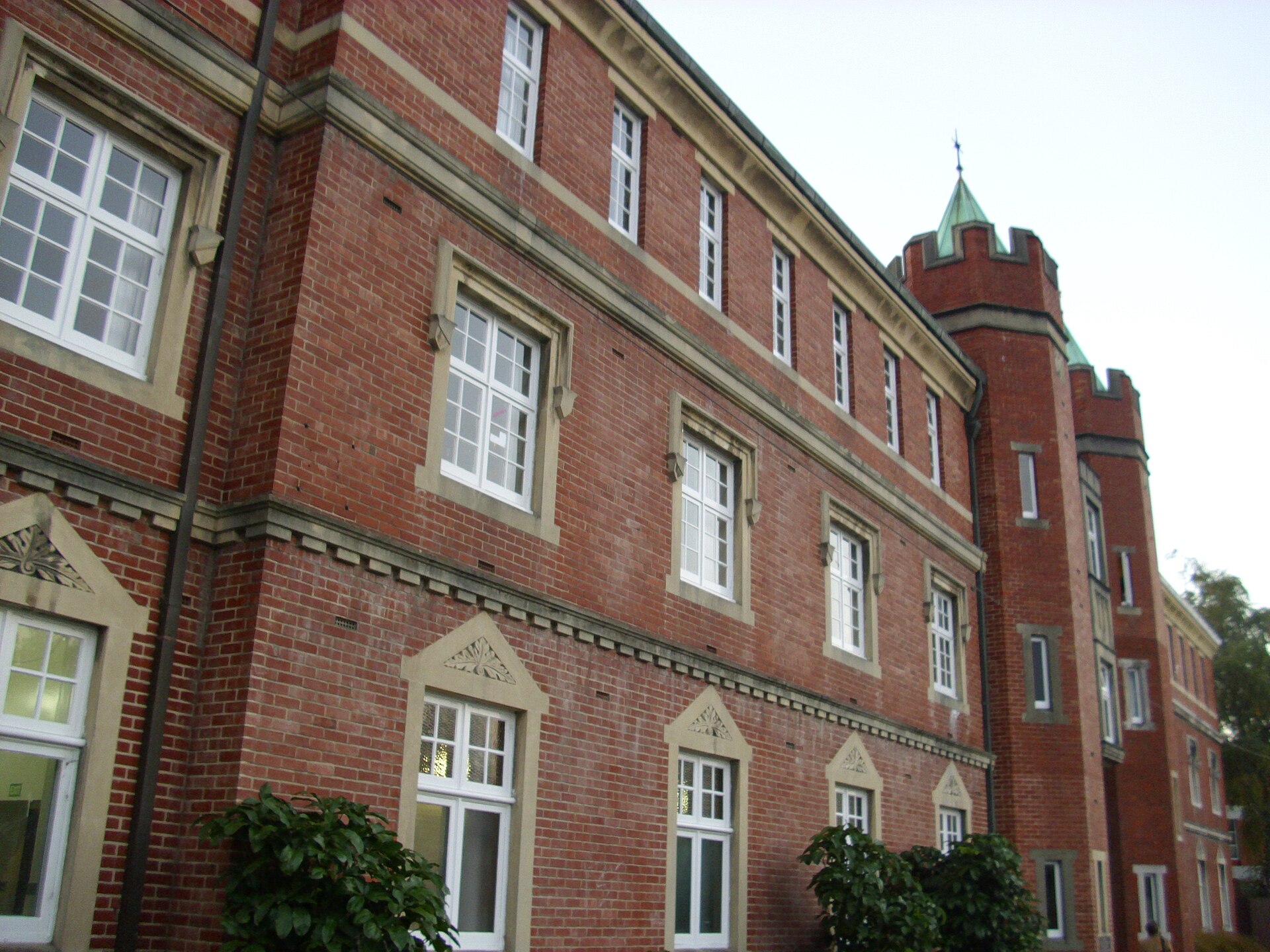
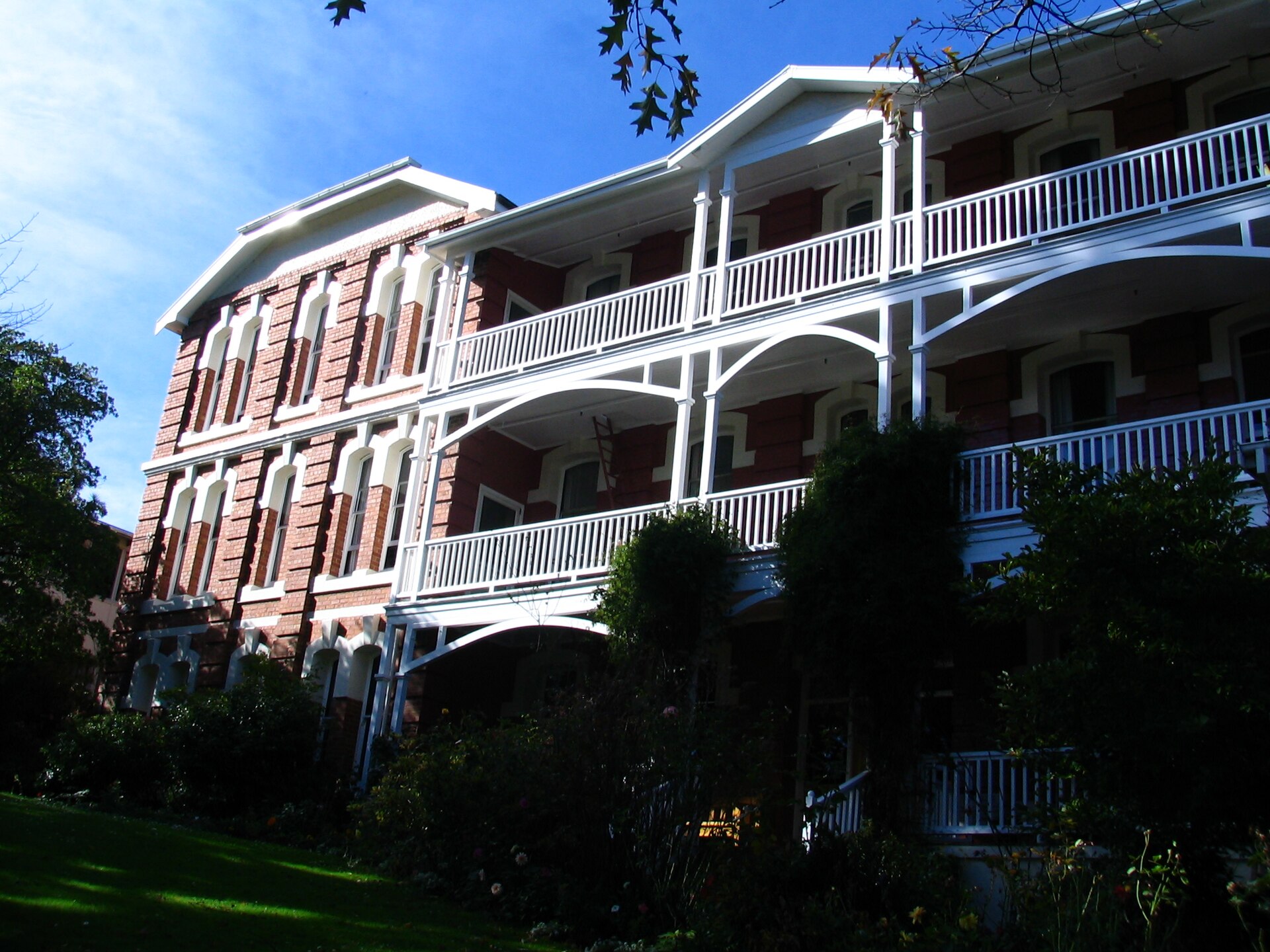
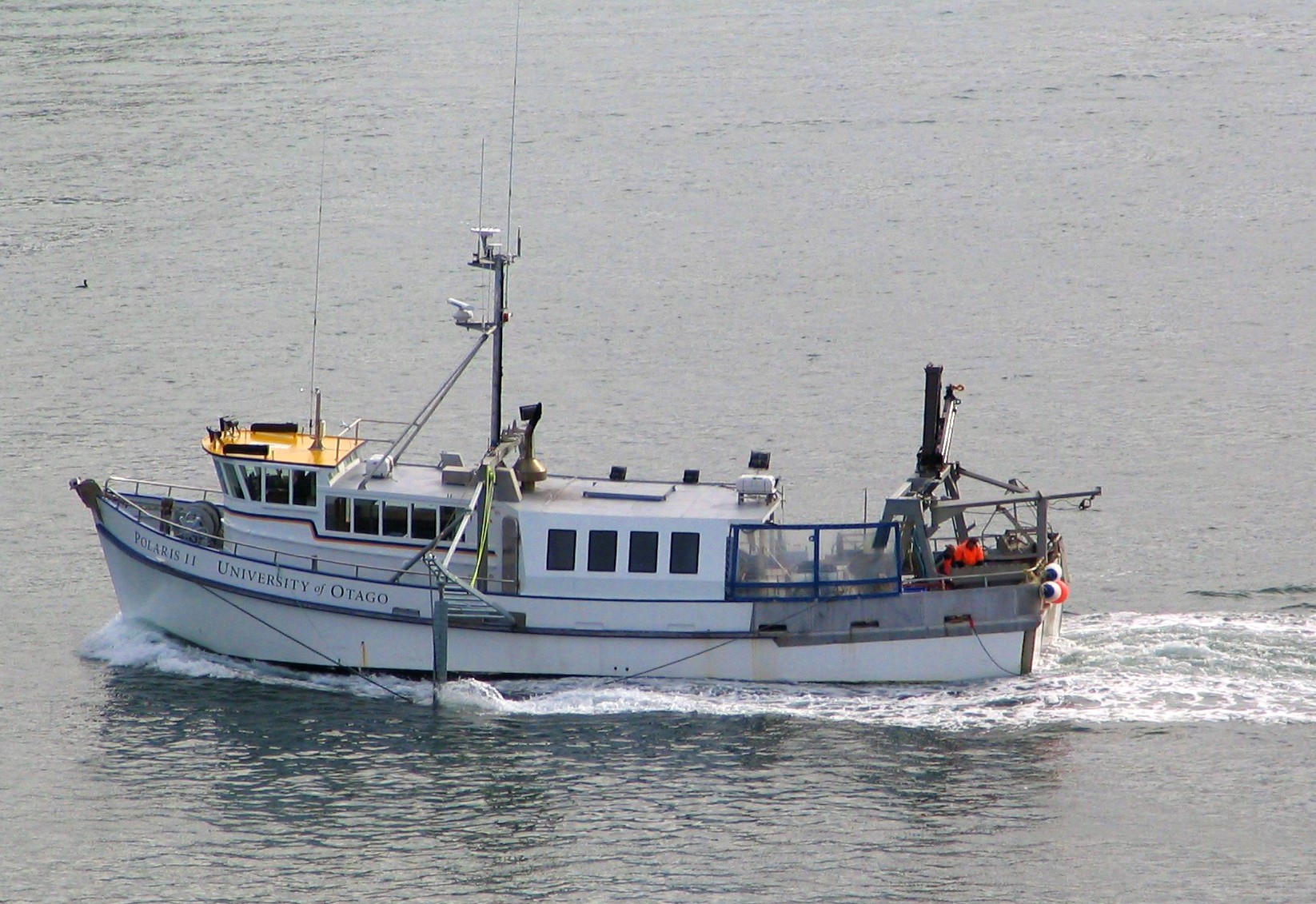
University of Otago — campus in pictures
Real, freely-licensed photographs of the campus (via Wikimedia Commons).



Why Choose Otago — Research, Reputation & Campus Life
Otago is not simply New Zealand's oldest university — it is the institution that has most consistently set the standard for health sciences, research output, and student experience in the country. For international students, it offers a rare combination: a genuine campus city, world-ranked programmes, and a famously tight-knit community.
SELECTIVITY & ENTRY PROFILE
Who Gets In
The University of Otago is moderately selective overall, with an acceptance rate of 58% across all programmes. However, selectivity varies enormously by faculty: entry to Medicine and Dentistry is highly competitive and involves a separate selection process, while programmes in Commerce, Humanities, and Sciences are more broadly accessible. International applicants are evaluated on academic qualification strength, English proficiency, and (for health sciences) additional selection criteria.
AT A GLANCE
University of Otago — Quick Facts
APPLICATION COMPONENTS
What Your Application Consists Of
University of Otago uses a direct online application portal — there is no central New Zealand admissions system equivalent to UCAS or Common App. International students apply directly to Otago, and the process is grades-based rather than essay-driven. There is no application fee.
ADMISSIONS PRIORITIES
What Otago Looks For
Otago's admissions process is principally merit-based and qualification-driven. Unlike US universities, there is no holistic review of extracurriculars or personal narrative for standard undergraduate admission. Academic strength in relevant subjects is the primary criterion, particularly for competitive programmes.
APPLICATION TIMELINE
When to Apply
New Zealand's academic year runs from late February to November. International students are strongly advised to apply well in advance to allow time for visa processing and accommodation arrangements. The table below reflects general guidance — confirm exact dates on the official admissions website as these change each cycle.
These are indicative timelines. Verify official deadlines at otago.ac.nz/international.
| Intake | Recommended_deadline | Decision | Note |
|---|---|---|---|
| Semester 1 (Feb start) | October–November prior year | Rolling admissions | Most popular intake for internationals |
| Semester 2 (July start) | April–May same year | Rolling admissions | Not all programmes available |
| Health Sciences (HSFY) | October prior year | Competitive ranking | Places are strictly limited |
CAMPUS & CITY LIFE
Student Life at Otago
The University of Otago is inseparable from Dunedin — a city of around 130,000 people on New Zealand's South Island where the student population is large enough to shape the city's entire character. The Victorian Gothic architecture of the campus, set along the Water of Leith, consistently earns recognition among the world's most beautiful university settings.
Otago affiliates with fourteen residential colleges — Arana, Aquinas, Cumberland, Knox, Salmond, Carrington, Studholme, St Margaret's, Selwyn, Hayward, Caroline Freeman, Te Rangihīroa, Toroa, and University College — each with its own traditions and community. For international students, college life is one of the fastest ways to find belonging and build a social network. The Otago University Students' Association (OUSA) runs O-Week, sporting competitions, cultural events, and a student newspaper, creating a campus culture that feels genuinely alive year-round. Dunedin's compact size, relatively low cost of living compared to Auckland or Wellington, and the Otago Peninsula's extraordinary wildlife (albatrosses, penguins, sea lions) make it a uniquely memorable place to spend your university years.
GRADUATE OUTCOMES
Careers After Otago
Otago graduates are highly regarded across New Zealand, Australia, and internationally, particularly in health sciences, law, and commerce. The university's 83% graduate employment rate reflects strong professional outcomes across its main divisions.
Health Sciences graduates (doctors, dentists, pharmacists, physiotherapists) enter some of New Zealand and Australia's most respected professional pathways. Otago's Otago Business School connects commerce graduates with accounting, finance, and management careers in New Zealand's main centres. Law graduates benefit from the Faculty of Law's strong national reputation. Sciences and humanities graduates move into research, public sector, education, and environmental management roles. Otago's membership of Universitas 21 also facilitates postgraduate study and research collaborations at partner institutions worldwide.
FREQUENTLY ASKED QUESTIONS
Otago FAQs for International Students
Is there a central application system for New Zealand universities?+
No. Unlike the UK (UCAS) or the US (Common App), New Zealand does not have a central undergraduate admissions system. International students apply directly to the University of Otago through its own online portal.
What IB score do I need to get into Otago?+
The minimum IB band for general undergraduate entry is 30. However, competitive programmes — especially in Health Sciences — typically expect significantly higher scores. Always check the programme-specific entry requirements on the official admissions pages.
Is there an application fee?+
No. The University of Otago does not charge an application fee for international students.
Can I get into Medicine or Dentistry directly as an international student?+
Entry to Medicine and Dentistry at Otago is highly competitive and not direct for most international students. Most applicants must first complete the Health Sciences First Year (HSFY) programme at Otago, after which places in professional programmes are allocated by competitive ranking.
What English test scores do I need?+
The minimum requirements are: IELTS 6.5 overall (with no band below 6.0), TOEFL iBT 85, or Duolingo English Test 110. Some programmes, particularly Health Sciences, may require higher scores.
Does Otago have guaranteed housing for international students?+
Otago strongly encourages international students to apply for residential college accommodation early. While admission to a college is not automatically guaranteed, Otago has fourteen affiliated residential colleges and prioritises first-year students, including internationals. Apply simultaneously with your academic application.
When does the academic year start?+
New Zealand's academic year runs from late February to November. Semester 1 begins in late February, and Semester 2 in July. Most international students are advised to begin in Semester 1.
Is Otago recognised globally for health sciences?+
Yes. Otago's Faculty of Medicine and Health Sciences is consistently ranked among the top health sciences faculties in the Asia-Pacific region, and its Medical School (founded 1875) is the only one in New Zealand with campuses in Dunedin, Christchurch, and Wellington.
ACADEMIC EXPECTATIONS
Academic Standards at Otago What International Students Need to Know
University of Otago expects strong academic preparation, particularly in the subjects relevant to your chosen programme. While admissions are primarily grade-based and more accessible than the most selective US or UK universities, programmes in Health Sciences and Law are genuinely competitive and demand top marks. Understanding the academic culture — research-led, practically oriented, with significant independent study — will set you up for success from day one.
ACADEMIC BENCHMARKS
Typical Entry Profile
Otago's admission is qualification-based. Key benchmarks from the facts file are listed below. No SAT or ACT is required or formally evaluated for New Zealand university admissions — these are not part of the NZ application system.
STANDARDISED TESTS
Test Policy
University of Otago does not require or use SAT or ACT scores in its undergraduate admissions process. New Zealand universities evaluate international applicants on the basis of their school-leaving qualifications (IB Diploma, A-Levels, national high school certificates, etc.) rather than US-style standardised tests. Standardised tests are therefore classified as 'optional' in the sense that they are irrelevant to your application rather than being considered favourably if submitted.
Focus your preparation on achieving the highest possible grades in your qualification, particularly in subjects directly relevant to your intended programme. Strong IB Higher Level grades, A-Level grades, or equivalent national qualifications are what determine entry.
IB & A-LEVEL
How IB and A-Level Results Are Evaluated
International Baccalaureate (IB) and A-Level qualifications are both well-recognised and fully accepted at Otago. The facts file indicates a minimum IB total score of 30 for general undergraduate entry, but specific programmes set their own requirements.
SUBJECT PREPARATION
Recommended Subject Background by Programme
ENGLISH PROFICIENCY
English Language Requirements
English proficiency requirements apply to applicants from countries where English is not the primary medium of instruction. Test scores must typically be no more than two years old at time of application.
Some programmes (notably Health Sciences) may require higher English scores. Always verify programme-specific requirements.
| Test | Minimum_overall | Minimum_component | Note |
|---|---|---|---|
| IELTS Academic | 6.5 | No band below 6.0 (verify officially) | Most common test used by NZ universities |
| TOEFL iBT | 85 | Confirm sub-score requirements | Widely accepted |
| Duolingo English Test | 110 | — | Accepted; some programmes may not recognise |
| Pearson PTE Academic | Verify with Otago | Confirm on official site | Generally accepted at NZ universities |
YEAR-BY-YEAR ROADMAP
Building Your Academic Profile for Otago
COMMON PITFALLS
Academic Mistakes to Avoid
- Underestimating the competitiveness of Health Sciences entry — it is not a standard direct-entry programme for most students.
- Assuming a minimum IB score of 30 is sufficient for programmes like Medicine, Dentistry, or Law — these require far higher scores.
- Neglecting Higher Level subject choices in Year 11–12 — HL grades in relevant subjects carry significant weight.
- Submitting English test scores that are more than two years old at time of application.
- Applying only for Semester 2 without checking whether your chosen programme runs in that semester.
- Missing the accommodation application deadline — residential college places for international students can fill quickly.
- Failing to check country-specific qualification equivalencies before assuming your secondary school results will meet entry requirements.
- Not budgeting for a student visa — New Zealand student visa applications require proof of funds to cover tuition and living costs for the full duration of study.
ACADEMIC FAQs
Academic Questions Answered
Does Otago accept predicted IB scores for conditional offers?+
Yes. Like most universities outside the US, Otago issues conditional offers based on predicted IB grades. Final results must meet or exceed the conditions stated in your offer letter.
Do I need a higher IELTS score for health sciences programmes?+
Otago's health sciences programmes are likely to require higher English proficiency than the general minimum of 6.5. Confirm the programme-specific English requirements on the official admissions website.
Can I transfer credits from another university to Otago?+
Credit recognition is assessed case by case. Otago's academic policies allow for some credit transfer, particularly for postgraduate applicants. Contact the relevant department directly for transfer credit enquiries.
Is the Health Sciences First Year compulsory for Medicine?+
For most international students, completing the Health Sciences First Year (HSFY) at Otago is the standard pathway into Medicine and Dentistry. Provisional entry direct from secondary school is only available in limited circumstances — confirm with the Health Sciences admissions office.
COST FOR INTERNATIONAL STUDENTS
Understanding the Cost of Studying at Otago A Genuinely Affordable Research University
By global standards, the University of Otago represents strong value for an internationally ranked research university. Tuition for international students is around USD 22,500 per year, and Dunedin is one of New Zealand's most affordable cities, making the total cost of attendance significantly lower than comparable institutions in the UK, the US, or Australia's major cities. There is no application fee. Financial aid and scholarships are available, though international students should plan primarily around self-funding and explore scholarship options proactively.
ANNUAL COST ESTIMATE
Cost Breakdown — Annual Estimates (USD)
All figures below are approximate annual estimates based on the facts file. Actual costs in NZD will vary by programme, lifestyle, and exchange rate. 1 NZD ≈ 0.60 USD (verify current rate).
Health Sciences programmes (Medicine, Dentistry) typically carry higher tuition fees. Always check the official fees page for your specific programme.
| Component | Annual_usd | Notes |
|---|---|---|
| Tuition (international students) | ~USD 22,500 | Varies by programme; Health Sciences typically higher |
| Cost of living (Dunedin) | ~USD 13,000 | Housing, food, transport, personal |
| Total cost of attendance | ~USD 35,000 | All-in estimate; lower than most Anglophone peers |
| Application fee | USD 0 | No application fee at Otago |
FINANCIAL AID
Financial Aid for International Students
New Zealand public universities, including Otago, do not operate the same need-blind financial aid system found at elite US universities. International students are generally expected to demonstrate financial capacity to fund their studies as part of their New Zealand student visa application.
However, Otago does offer merit-based scholarships for international students, and students from some countries may be eligible for bilateral scholarship programmes (e.g. New Zealand ASEAN Scholar Awards, New Zealand Pacific Scholarships administered by the New Zealand government). The average aid percentage is not disclosed in the available data — plan conservatively on self-funding and pursue scholarships actively.
No income-band or need-based aid table is available for Otago's international programme. Do not rely on institutional need-based aid as a primary funding source.
SCHOLARSHIPS
Scholarships for International Students
Otago offers a range of scholarships available to high-achieving international students. The following are based on well-established scholarship categories at Otago — confirm current availability, amounts, and deadlines on the official scholarships page.
Scholarship names, values, and deadlines change each cycle. Always verify on the official Otago scholarships page: otago.ac.nz/scholarships.
NET PRICE REALITY
Is Otago Affordable for International Students?
Compared to equivalent research universities in the UK, USA, or Australia's major cities, Otago is genuinely more affordable — particularly because of Dunedin's lower cost of living. An all-in annual cost of approximately USD 35,000 compares very favourably to similar-ranked UK universities (often USD 40,000–55,000) or Australian Group of Eight universities.
Dunedin is not a global capital — and that is a financial advantage. Rent in student accommodation and private flats is significantly lower than in Auckland, Wellington, Sydney, or Melbourne. Food, transport, and leisure costs are similarly moderate. For families budgeting carefully, Otago's combination of research reputation (ranked #2 in New Zealand) and relatively contained costs makes it one of the Southern Hemisphere's best-value propositions for an international student.
HOW TO FUND YOUR STUDIES
Steps to Secure Funding for Otago
COST FAQs
Frequently Asked Questions About Cost
Is there an application fee to apply to Otago?+
No. The University of Otago does not charge an application fee for international students — a significant advantage compared to many comparable universities.
How does Otago's cost compare to Australian universities?+
Otago's all-in annual cost of approximately USD 35,000 is generally lower than Group of Eight Australian universities in major cities, where cost of living (particularly housing) is considerably higher. For similar or better research quality, Otago represents strong value.
Can international students work while studying in New Zealand?+
Yes. New Zealand student visas typically permit international students to work up to 20 hours per week during semester and full-time during scheduled breaks. This can meaningfully offset living costs.
Are Health Sciences programme fees higher than average?+
Yes. Medicine, Dentistry, and related Health Sciences programmes typically carry higher tuition fees than arts, sciences, or commerce programmes. Check the specific fee schedule for your programme on the official Otago fees page.
Do I need to prove financial capacity for a student visa?+
Yes. Immigration New Zealand requires student visa applicants to demonstrate they have sufficient funds to cover tuition fees and living costs for the duration of their study. Your Otago offer letter will specify the fees payable, and you will need to show funds for living expenses on top of that.
APPLICATION STATEMENTS
Applying to Otago — Writing & Statements A Grades-First System
University of Otago, like all New Zealand universities, uses a direct, grades-based application system. There are no Common App-style personal essays or US-style supplemental essay prompts. Admission is determined primarily by academic qualification strength. However, written statements play an important role for competitive Health Sciences programmes, scholarship applications, and some portfolio-based creative courses — and crafting them well matters enormously.
HOW THE NZ SYSTEM WORKS
Understanding New Zealand's Application System
New Zealand does not have a centralised university application portal or a common essay prompt system. International students apply directly to the University of Otago via its own online portal. The application requires academic documents, English test scores, and identity documents — not a personal essay for standard undergraduate admission.
Where written statements do matter at Otago: (1) Scholarship applications — most merit scholarships require a written statement of academic achievement, motivation, and goals; (2) Health Sciences supplementary material — for competitive professional programmes, some additional written justification or selection materials may be required; (3) Portfolio courses in creative arts or design — a portfolio and artist statement are evaluated. For standard undergraduate application in Commerce, Sciences, Humanities, or Law, no personal statement is required.
Confirm on the official website whether any specific programme you are applying to requires a written statement or supplementary material.
WHERE WRITING MATTERS MOST
Scholarship Applications — Your Key Writing Opportunity
For international students at Otago, the most impactful writing you will do is on scholarship applications — not on your admission application. Merit scholarship statements are your primary opportunity to distinguish yourself beyond grades.
HEALTH SCIENCES PATHWAY
Writing for Competitive Health Sciences Entry
While standard admission to Otago does not require a personal statement, the Health Sciences First Year (HSFY) selection process — which determines who advances to Medicine, Dentistry, and Pharmacy — may involve supplementary written components or selection tools as part of the ranking process. Students targeting these programmes should confirm the current selection criteria with the Health Sciences admissions office well in advance.
If any written statement or selection tool is required for Health Sciences progression, approach it as a professional statement of intent: why medicine or dentistry, what you understand about the demands of the profession, and why Otago is your chosen pathway. Be honest, specific, and avoid clichés about 'helping people' without concrete evidence of your genuine engagement with the health sector.
Verify current Health Sciences selection criteria directly with the University of Otago Faculty of Health Sciences admissions office, as these processes can change.
STATEMENT STRATEGY
How to Write a Standout Otago Scholarship Statement
The principles below apply whether you are writing a scholarship motivation letter or any supplementary statement for an Otago programme.
COMMON MISTAKES
Application & Statement Mistakes to Avoid
- Assuming Otago requires a personal essay the way US universities do — it does not for standard undergraduate admission.
- Neglecting scholarship applications because 'there is no application essay' — this is where your writing can make a real financial difference.
- Writing a scholarship statement that is generic and could apply to any university — failing to mention Otago specifically.
- Overstating extracurricular involvement or inventing activities that did not happen — New Zealand universities value honesty.
- Missing scholarship application deadlines, which typically fall months before the academic year begins.
- Not confirming whether your specific programme requires any supplementary written material beyond the standard application.
- For Health Sciences: underestimating how competitive the HSFY selection ranking is and not planning for the possibility of needing a second attempt.
- Submitting a scholarship statement without proofreading for grammar and clarity — a well-written, error-free statement signals the intellectual standard of your application.
CREATIVE & PORTFOLIO COURSES
Portfolio and Creative Programme Entry
Some Otago programmes in the arts, design, and music require a portfolio or audition as part of the application. If you are applying to a creative programme, the written artist statement that accompanies your portfolio is your primary opportunity to make a qualitative impression.
An artist statement for Otago should contextualise your creative work: what themes you explore, what your process is, and where you want to develop during your degree. It should be written in your own voice and demonstrate genuine engagement with your medium. Check the specific requirements for your programme on the relevant department's admissions page.
APPLICATION FAQs
Application & Statements FAQs
Do I need to write a personal statement to apply to Otago?+
For standard undergraduate programmes at Otago (Commerce, Sciences, Humanities, Law), no personal essay or personal statement is required for admission. The application is grades-based. However, scholarship applications and some programme-specific supplementary processes may require written statements.
Is there a Common App or central application for New Zealand universities?+
No. New Zealand does not have a centralised application system. You apply directly to the University of Otago through its own online portal.
When should I apply for scholarships?+
Scholarship deadlines at Otago typically fall in October or November for a Semester 1 (February) start. Begin your scholarship research at least 12 months before your intended enrolment.
Do I need to write anything for Health Sciences entry?+
For the Health Sciences First Year (HSFY) initial application, the standard academic application applies. For progression into professional programmes (Medicine, Dentistry, Pharmacy), selection tools may include additional elements — confirm current requirements with the Health Sciences admissions office directly.
Can I use AI tools to help write my scholarship statement?+
While AI tools can help organise your thinking, your scholarship statement must genuinely reflect your own voice, experiences, and motivations. A statement that reads as AI-generated will lack the specificity and authenticity that scholarship panels look for. Use AI for drafting assistance only, then rewrite thoroughly in your own voice.
How long should an Otago scholarship statement be?+
Scholarship statements typically have a specified word limit — follow it precisely. If no limit is specified, aim for 400–600 words: enough to be substantive, short enough to be read carefully. Quality over quantity always applies.
Courses — schools, degrees & intake
18 degrees across 5 groupings.
Division of Health Sciences · 7 degrees
Bachelor of Medicine and Bachelor of Surgery (MBChB)
Bachelor of Dental Surgery (BDS)
Bachelor of Pharmacy (BPharm)
Bachelor of Physiotherapy (BPhty)
Bachelor of Medical Laboratory Science (BMLS)
Bachelor of Radiation Therapy (BRT)
Bachelor of Human Nutrition (BHNutr)
Division of Humanities · 4 degrees
Bachelor of Arts (BA)
Bachelor of Laws (LLB)
Bachelor of Music (BMus)
Bachelor of Theology (BTh)
Division of Sciences · 4 degrees
Bachelor of Science (BSc)
Bachelor of Consumer and Applied Sciences (BCApSc)
Bachelor of Physical Education (BPhEd)
Bachelor of Surveying (BSurv)
Otago Business School (Division of Commerce) · 1 degrees
Bachelor of Commerce (BCom)
College of Education · 2 degrees
Bachelor of Education (Teaching) — Primary
Bachelor of Education (Teaching) — Secondary
Want your real chances at University of Otago?
Create a free TYCHR account for your personalised admit-chance, a shortlist you can track, exact entry requirements, and essay + counselling help.