University of Naples Federico II
Naples, Italy · Urban
SOUTHERN ITALY'S ACADEMIC FLAGSHIP
University of Naples Federico II — Admissions Guide for International Students
Founded in 1224 by Emperor Frederick II, the University of Naples Federico II is the world's oldest public, non-denominational, state-funded university and Italy's sixth-ranked institution. With 78,000 students, 4,000 active researchers, and one of Europe's lowest tuition fees, Federico II offers an exceptional combination of historic prestige, cutting-edge research, and genuine affordability for ambitious international students drawn to Italy's most vibrant southern city.
From its origins training secular civil servants for the Holy Roman Empire to hosting Europe's first Apple Developer Academy, Federico II has consistently evolved while remaining deeply rooted in Naples — a city of extraordinary culture, cuisine, and intellectual energy. Engineering, physics, medicine, aerospace, and agricultural science are among its globally recognised strengths, with twelve of twenty-six departments earning 'Department of Excellence' recognition from the Italian Ministry of Universities in 2022.
Campus
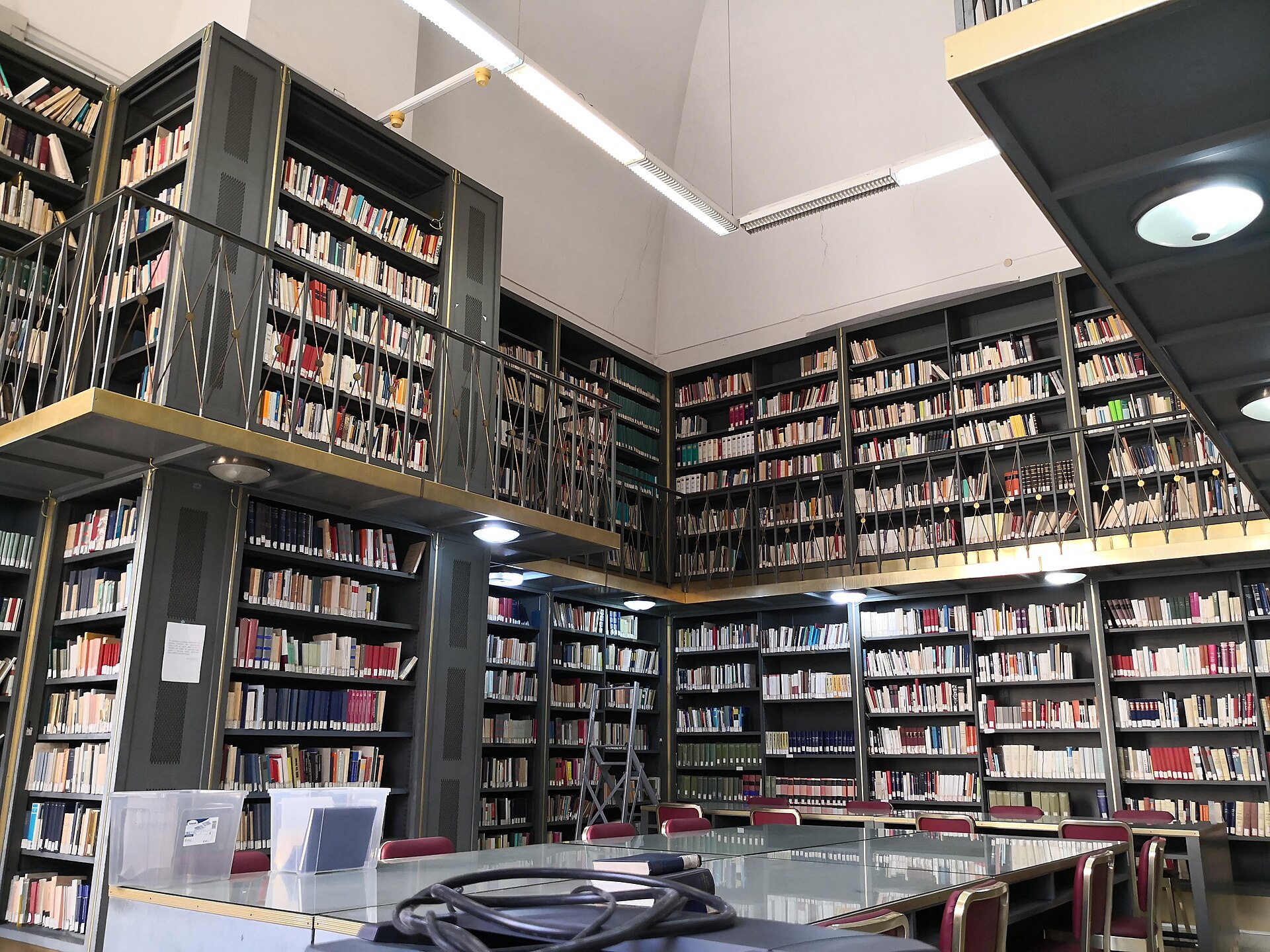
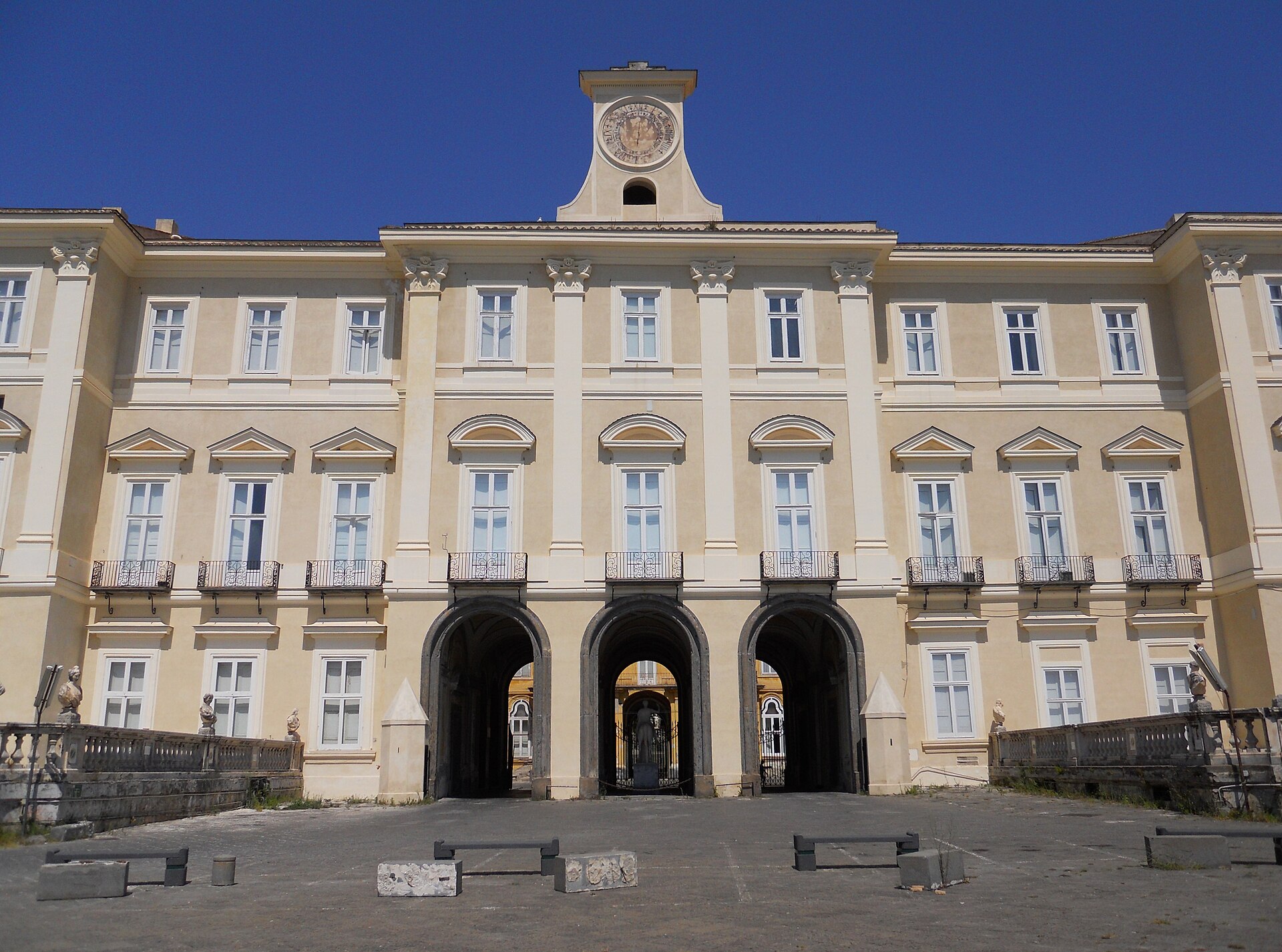
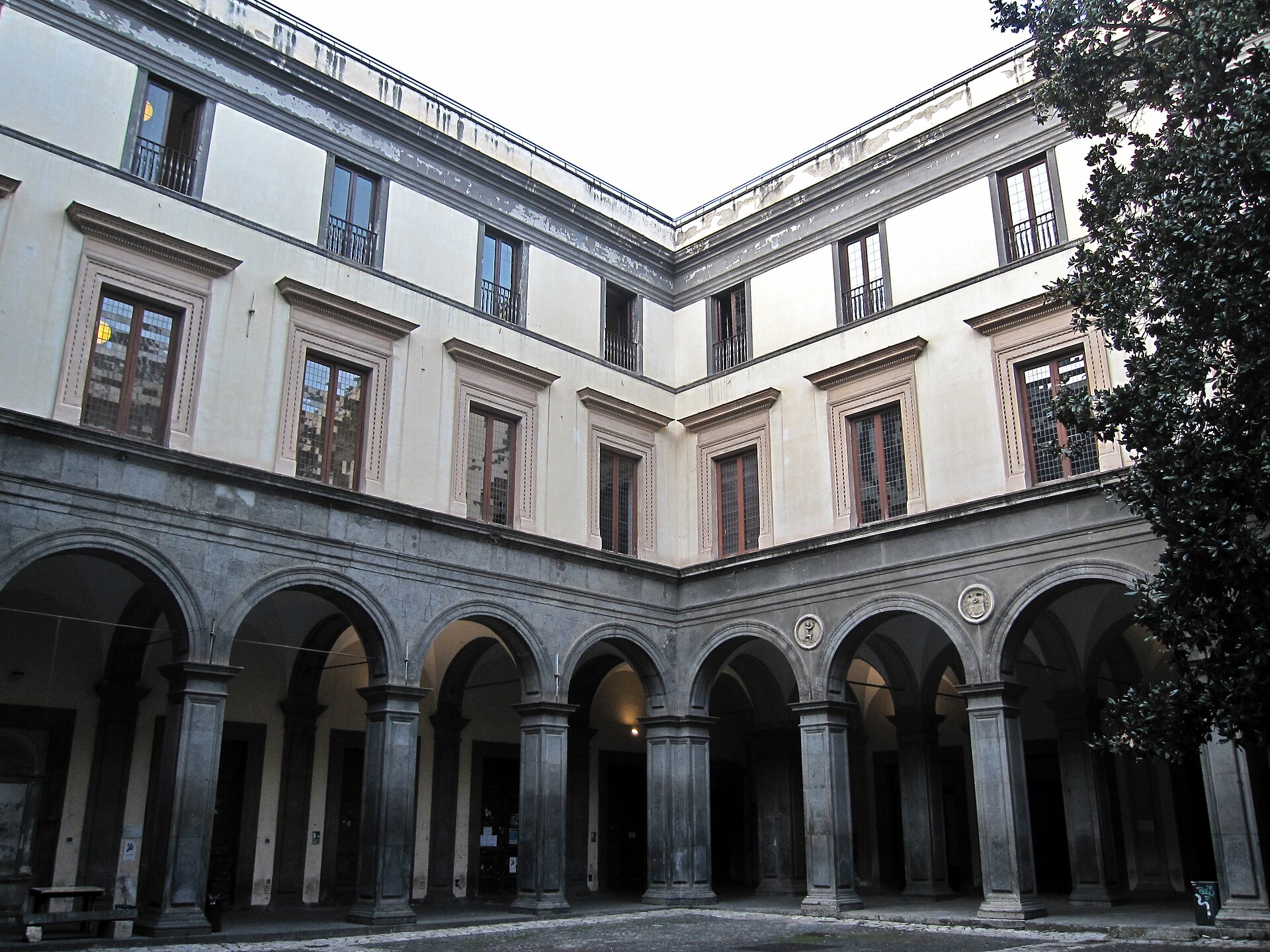
University of Naples Federico II — campus in pictures
Real, freely-licensed photographs of the campus (via Wikimedia Commons).



Why Federico II — History, Research & Extraordinary Value
Eight centuries of scholarly tradition meet world-class research infrastructure at an institution that defines what a European public research university can be.
SELECTIVITY
Admissions Profile
As a large Italian public university, Federico II is broadly accessible rather than highly selective in the Anglo-American sense. Most programmes operate with open enrolment or programme-specific admission tests rather than a holistic review process. Selectivity is highest in Medicine, Pharmacy, Architecture, and select Engineering programmes where national or institutional admission tests apply.
QUICK FACTS
Federico II at a Glance
WHAT YOUR APPLICATION INCLUDES
Application Components
Federico II uses Italy's national Universitaly pre-enrolment system for non-EU applicants. The application is document-based and grades-focused — there are no essays or personal statements in the US/UK sense.
WHAT FEDERICO II LOOKS FOR
The International Student Profile
Unlike US or UK selective universities, Federico II does not conduct holistic review. Your academic record and, where applicable, your admission test score are the primary determinants. For restricted programmes, competitive test performance is crucial. For open-enrolment programmes, having a strong secondary school diploma and the required language certification will see you through.
International students who thrive at Federico II tend to share certain qualities: genuine intellectual curiosity and self-direction (large Italian public universities reward independent learners), strong foundational preparation in their subject area, at least functional Italian language skills (even for English-taught master's programmes, daily life in Naples is conducted in Italian), and an appetite for the richness of living and studying in one of the world's most historically layered cities.
DEADLINES & APPLICATION TIMELINE
Key Dates for International Applicants
Federico II follows the Italian academic calendar. The academic year runs October to June/July. Always confirm current deadlines on the official Universitaly and university portals, as dates are updated annually.
Deadlines shown are for the 2025–2026 cycle (verify on official site for the current year).
| Stage | Deadline | Notes |
|---|---|---|
| Universitaly Pre-Enrolment Opens | February/March | Portal opens for next academic year applications |
| Pre-Enrolment Submission Deadline | 15 June | Non-EU applicants must submit on Universitaly |
| Admission Tests (restricted programmes) | April–July | TOLC, MedTest — dates set nationally by CISIA |
| Visa Application at Embassy | By 30 November | Apply with validated pre-enrolment summary |
| Academic Year Begins | October | First semester starts; second semester February/March |
CAMPUS & CITY LIFE
Life in Naples at Federico II
Federico II is a 'città universitaria' — a city university spread across Naples and the nearby town of Portici, with its main faculties distributed through the city's historic centre, Fuorigrotta, Monte Sant'Angelo, and the Portici campus for agricultural sciences. This means campus life is inseparable from city life — you study amid baroque palaces, underground Greek ruins, and one of the world's most exuberant street food cultures.
Naples consistently ranks among Europe's most affordable cities for students. A monthly budget covering rent, food, transport, and leisure can be managed on roughly €700–900, well below comparable Italian cities. The university operates student housing through DSU Campania, the regional student welfare agency, with priority given to students with lower incomes. Cafeterias (mense) offer subsidised meals for enrolled students.
CAREERS & OUTCOMES
Where Federico II Graduates Go
With an employment rate of 78% and average starting salaries comparable to Italian university norms, Federico II graduates are well-regarded in Italian and broader European job markets. Engineering, aerospace, pharma, agriculture, and tech are particularly strong sectors.
Federico II's Campania location gives graduates strong access to the region's aerospace manufacturing cluster (Leonardo, Avio Aero), pharmaceutical production companies, and agrifood industry. The Apple Developer Academy pipeline has produced app developers who have launched internationally successful products. For graduate and doctoral study, the Scuola Superiore Meridionale and collaborations with international research centres create pathways to academic and research careers in Europe and globally.
FREQUENTLY ASKED QUESTIONS
Federico II — FAQ for International Students
Is most teaching at Federico II in Italian or English?+
The majority of bachelor's (triennale) programmes are taught in Italian. English-taught programmes are more common at master's (laurea magistrale) level, particularly in engineering, computer science, physics, and management. Always check the specific programme page to confirm the language of instruction before applying.
Do I need to take an admission test?+
It depends on the programme. Medicine, Dentistry, Pharmacy, Architecture, and some Engineering courses require national admission tests (MedTest or TOLC, administered by CISIA). Most other programmes operate as open-enrolment — you apply, meet the language requirement, and your secondary qualification is assessed for equivalence.
How is tuition calculated? Is it really that low?+
Yes. Federico II uses an income-based fee system where tuition scales with your family's ISEE (Italian equivalent income measure). Non-EU students declare income using foreign equivalents. Students from low-income families can receive significant exemptions or reductions. The base tuition is among the lowest of any ranked European university.
Can I get a scholarship as an international student?+
Yes. DSU Campania (the regional student welfare body) awards grants covering tuition, accommodation, and a living allowance to qualifying students based on income and merit, and these are open to international students. The university also participates in various Italian government scholarship schemes for students from specific partner countries.
What Italian language level do I need?+
B2 level Italian is required for admission to Italian-taught programmes, evidenced by a recognised certificate (CILS, CELI, PLIDA) or by passing the university's own language test. For English-taught programmes, Italian proficiency is not formally required for admission, though functional Italian is strongly advisable for daily life in Naples.
What is the Universitaly portal and why do I need it?+
Universitaly (universitaly.it) is Italy's national pre-enrolment platform for non-EU international students. Completing pre-enrolment here is mandatory before you can apply for an Italian student visa at your country's Italian Embassy. The university validates your application on the platform. Without this step, you cannot legally study in Italy.
What is the IB Diploma equivalent entry standard?+
An IB Diploma score of 27 or above is the minimum recognised for admission purposes. However, for competitive restricted programmes (Medicine, Architecture), higher scores and strong scores in relevant Higher Level subjects strengthen your application alongside the admission test.
Is Naples safe for international students?+
Naples has a complex reputation, but the university area and major student neighbourhoods (Vomero, Chiaia, Fuorigrotta, historic centre) are safe for everyday student life. Hundreds of international students live and study here annually. Standard urban precautions apply, and the university's SAFE UNINA service provides support if needed.
ACADEMIC EXPECTATIONS
Academic Life at Federico II — What International Students Need to Know
Federico II operates on the Bologna Process credit framework (ECTS), which structures bachelor's degrees as 3-year triennale programmes and master's degrees as 2-year magistrale programmes. Academic culture is rigorous, self-directed, and oral-exam intensive — a very different experience from Anglo-American universities. Understanding the system before you arrive is half the battle.
ACADEMIC BENCHMARKS
Entry Requirements at a Glance
Federico II does not use SAT or ACT scores — standardised tests are not part of the Italian admissions system. Entry is based on secondary qualification equivalence, language certification, and (for restricted programmes) admission test scores.
STANDARDISED TEST POLICY
Standardised Tests — Not Applicable
Federico II's test policy is test-blind with respect to international standardised tests (SAT, ACT, GRE, GMAT). These are not required, accepted, or considered in admissions. The Italian system does not use them.
Instead of SAT/ACT, admissions to restricted programmes are governed by specific Italian tests: the MedTest (medicina.cisia.eu) for Medicine and Dentistry, and TOLC (tolc-i, tolc-e, tolc-f, tolc-b, tolc-su) for Engineering, Economics, Biology, and other fields. These are standardised Italian-language tests that assess subject-specific knowledge and logical reasoning. Non-Italian speakers taking Italian-language programmes should prepare for these in Italian.
If you are applying to an English-taught master's programme, admission is based on your undergraduate academic record, language certification, and programme-specific requirements. Confirm with the individual department.
ITALIAN ADMISSION TESTS
TOLC and MedTest — What You Need to Know
For restricted programmes, Italian admission tests determine admission and ranking. Here is what international applicants need to understand.
IB, A-LEVELS & INTERNATIONAL QUALIFICATIONS
How Your International Qualifications Are Assessed
Federico II recognises major international secondary qualifications for admission to undergraduate programmes. Your qualification is assessed for equivalence to the Italian maturità through a process involving a Declaration of Value (Dichiarazione di Valore) from the Italian Embassy in your country or an ENIC-NARIC statement.
SUBJECT PREPARATION
What to Study Before You Arrive
Federico II's strongest programmes have specific preparation expectations. Here is what admission-track students should prioritise by field.
ENGLISH LANGUAGE REQUIREMENTS
English Proficiency Standards
English language certification is required for English-taught programmes. Requirements vary by programme — the values below are the institution-wide minimums from the facts file.
| Test | Minimum | Notes |
|---|---|---|
| IELTS Academic | 6.0 | Overall band; individual module minimums may apply |
| TOEFL iBT | 78 | Internet-based total score |
| Cambridge Exams | FCE / B2 First or above | Grade C or better typically accepted |
| Duolingo English Test | Not specified | Confirm with target programme; not universally accepted |
YEAR-BY-YEAR PLAN
Building Your Academic Profile — Grade 9 to Arrival
A practical roadmap for IB and international students targeting Federico II.
COMMON PITFALLS
Academic Mistakes International Students Make
- Assuming Federico II works like a UK or US university — it does not. Exams are largely oral, self-scheduling is your responsibility, and professors do not track attendance in most courses.
- Underestimating the Italian language requirement. Even for English-taught programmes, conducting life in Naples requires at least functional Italian. Arriving without any Italian is a significant disadvantage.
- Leaving the Declaration of Value process too late. This document from the Italian Embassy can take 1–3 months. Start as soon as you know your final qualification results.
- Missing the Universitaly pre-enrolment deadline (15 June). Without this, you cannot obtain a student visa and your entire admission timeline collapses.
- Not researching TOLC/MedTest preparation. These tests have specific formats and content. Generic study is not enough — use official CISIA practice tests and subject-specific preparation materials.
- Ignoring the DSU Campania scholarship window. Applications open annually and close early. Missing the deadline means losing access to a grant that covers tuition and living costs.
- Choosing a programme without checking whether it is Italian-taught or English-taught. Most bachelor's programmes are in Italian. Enrolling without the language requirement met is a route to serious academic difficulty.
COST & FINANCIAL AID
Federico II — Among Europe's Most Affordable Universities
The University of Naples Federico II's income-based tuition system, combined with regional scholarship support from DSU Campania, makes it one of the most financially accessible ranked research universities in Europe. For international students from modest backgrounds, the combination of very low base tuition and available grants can make total net costs extraordinarily low.
ANNUAL COSTS
Estimated Annual Costs for International Students
All figures are annual estimates in USD. Tuition at Federico II scales with income — the figures below represent the approximate range. Confirm current fees on the university's official fee calculator.
Values from university facts file. Local costs in EUR — USD equivalents are approximate.
| Component | Annual_usd | Notes |
|---|---|---|
| Tuition (average) | $2,700 | Income-based; can be lower with exemptions |
| Cost of Attendance (total) | $12,500 | Includes tuition, housing, food, transport, personal |
| Cost of Living (excl. tuition) | $9,500 | Naples — below Italian national average |
| Application Fee | $30 | Universitaly pre-enrolment fee |
| Regional Tax (tassa regionale) | ~$150 | Mandatory for all enrolled students |
FINANCIAL AID
Financial Aid Policy for International Students
Federico II's income-based tuition structure means that students with lower declared family incomes pay significantly reduced or zero tuition. Non-EU students can participate in this system by declaring their foreign income using the university's official conversion methodology.
Approximately 20% of students receive some form of financial support (from the facts file). The main aid mechanism is the DSU Campania scholarship system — the Campania regional government's student welfare body administers grants that can cover tuition, a monthly living allowance, and discounted or free accommodation. International students are eligible if they meet income and merit thresholds. The total grant can amount to several thousand euros per year, substantially reducing or eliminating effective costs for qualifying students.
Aid is not guaranteed and is subject to annual application, income verification, and merit criteria. Apply as early as possible each cycle.
SCHOLARSHIPS
Scholarship Opportunities
Scholarships for international students at Federico II come from multiple sources. None of them operate like US merit scholarships (automatic, rolling, no separate application). Each requires a proactive separate application.
NET COST REALITY
What Federico II Actually Costs International Students
For international students from lower-income backgrounds who qualify for DSU Campania support, effective costs at Federico II can be remarkably close to zero. Tuition is waived; a living allowance is provided; and subsidised canteen meals are available. This is one of the most genuinely affordable paths to a ranked European research university education.
Even without scholarships, the combination of low income-based tuition (~$2,700/year average) and Naples' lower-than-average Italian cost of living (~$9,500/year for living) makes Federico II significantly cheaper than comparable universities in Germany, the Netherlands, or the Nordic countries for non-EU students. There are no no-loan policies to speak of — Italian student finance does not generally operate on a loan model, relying instead on grants, fee exemptions, and part-time work.
HOW TO APPLY FOR AID
Steps to Secure Financial Support
COST FAQs
Cost & Aid — Frequently Asked Questions
How is tuition calculated at Federico II?+
Tuition is calculated on an income-based sliding scale using the ISEE index. Non-EU students declare foreign income using an official conversion. Students below the minimum income threshold can be fully exempt from tuition and still pay only the mandatory regional tax (~€140/year) plus stamp duty.
Can non-EU students really access DSU Campania scholarships?+
Yes. DSU Campania scholarships are open to non-EU international students studying at Campanian universities including Federico II. You must meet income and merit thresholds and submit the required foreign income documentation. The scholarship covers tuition waiver plus a cash allowance.
Is there student housing available?+
DSU Campania manages student residences in Naples with priority for scholarship recipients. Availability is limited, so most students find private accommodation. Naples has a range of private rentals — single rooms in shared flats in student neighbourhoods run approximately €300–500/month.
Are meals subsidised?+
Yes. Enrolled students at Federico II can access university canteens (mense) at subsidised rates. DSU Campania scholarship holders may eat at significantly reduced prices or free. Multiple canteen locations exist across the city.
What is the application fee?+
The Universitaly pre-enrolment fee is approximately $30 (€25–30). This covers the administrative pre-enrolment process. Some restricted programmes may have additional admission test fees through CISIA.
APPLICATION & MOTIVATION
Applying to Federico II — No Supplemental Essays, But Clarity Matters
The University of Naples Federico II uses the Italian national application system — not Common App, UCAS, or any essay-based selection process. There are no supplemental essays, personal statements in the UK sense, or holistic review. What matters is your academic record, language certification, and for restricted programmes, your admission test score. This guide explains what the application process actually involves and how to present yourself clearly and compellingly where written materials are required.
APPLICATION SYSTEM
How Federico II Applications Actually Work
Federico II is an Italian public university operating under the Bologna Process framework. It does not use Common App, UCAS, or Coalition App. The application system is direct and document-based.
MOTIVATION LETTER
When a Statement is Required — What to Write
Some Federico II master's programmes require a motivation letter (lettera di motivazione) or statement of purpose as part of programme-level selection. Unlike US supplemental essays, this is typically a straightforward academic document, not a personal narrative.
There are no university-wide standardised prompts. Requirements are set by individual departments. Always visit the specific programme page or contact the programme coordinator to confirm whether a written statement is required and what format is expected.
NO COMMON APP
Why There Is No Personal Statement — and What That Means for You
If you are used to writing Common App essays or UCAS personal statements, Federico II will feel different. The Italian system is more meritocratic and document-driven: your grades, your qualifications, and your test scores do the talking.
This can feel liberating or unfamiliar depending on your background. The practical implication is that there is no essay that can compensate for a weak academic record, and there is no admissions hook that rewards exceptional extracurricular achievements. Federico II looks at what you have learned and how well you performed — not who you are outside the classroom. Invest accordingly: the time you would spend on essay drafts is better spent preparing for TOLC or MedTest, improving your Italian, and ensuring all your documentation is complete and correctly translated.
PROGRAMME SELECTION PROCEDURES
What Different Federico II Programmes Require
While there are no universal supplemental essays, different programme types have different additional requirements that function as selection mechanisms.
IF A STATEMENT IS REQUIRED
Choosing What to Include in Your Motivation Letter
When a master's programme or doctoral application requests a written statement, the content strategy is different from US or UK applications. Here is how to approach it.
COMMON MISTAKES
Application Pitfalls to Avoid
- Submitting the Universitaly pre-enrolment after the June 15 deadline — there are no extensions and you cannot apply for a visa without it.
- Uploading untranslated documents. All academic documents must be officially translated into Italian (or English for English-taught programmes). Unrecognised translations delay or void your application.
- Not obtaining the Declaration of Value in advance. This document from the Italian Embassy can take 1–3 months. If you apply late, you may miss the enrolment window.
- Ignoring the Italian language requirement for Italian-taught programmes. Applying without B2 Italian certification is an automatic disqualification — no exceptions.
- Assuming a motivation letter from a restricted programme is optional when it is required. Read every programme requirement carefully.
- Writing a generic motivation letter that could apply to any university. Committees see through it. Be specific about Federico II's particular strengths and the specific programme.
- Not confirming programme language before applying. Most bachelor's programmes are in Italian. Applying to an Italian-taught programme without Italian is not possible — verify language of instruction for every programme individually.
APPLICATION FAQs
Application Process — Frequently Asked Questions
Does Federico II require a personal statement or Common App essay?+
No. Federico II does not use Common App, UCAS, or any essay-based application system. Selection for most programmes is based on academic qualifications, language certification, and where applicable, admission test scores. Some master's programmes require a motivation letter — check your specific programme.
What is Universitaly and is it mandatory?+
Universitaly (universitaly.it) is Italy's national pre-enrolment platform for non-EU international students. It is mandatory — without completing pre-enrolment here, you cannot apply for an Italian student visa and therefore cannot study at Federico II. The deadline is 15 June annually.
Is there an interview as part of the application?+
Not for most undergraduate programmes. Some master's and all doctoral programmes may include an interview as part of programme-level selection. Confirm with the specific programme coordinator. There is no general admissions interview at the university level.
Can I apply if I do not speak Italian?+
Only for English-taught programmes, which are primarily at master's level. For Italian-taught programmes (the majority of bachelor's options), B2 Italian is a formal requirement. For daily life in Naples, Italian is essential regardless of your programme language.
Does my extracurricular record or volunteering experience matter?+
Generally no — for standard admission. Federico II's selection processes are grades and test-based. Extracurricular activities may be mentioned in a motivation letter for master's programmes, but they carry far less weight than in the US or UK system.
What supporting documents should I prepare?+
Passport copy; official transcripts with certified Italian translation; secondary school diploma with Declaration of Value (from Italian Embassy) or ENIC-NARIC statement; language certification (Italian B2 and/or English IELTS/TOEFL); passport photo; and proof of financial resources for the visa. Check the Universitaly checklist for the complete and current list.
Is there a motivation letter for undergraduate programmes?+
Typically no — undergraduate admissions are document-based. Motivation letters may occasionally be requested by specific bachelor's-level programmes with selection procedures, but this is uncommon. Always verify with the specific faculty.
Courses — schools, degrees & intake
64 degrees across 4 groupings.
Scuola Politecnica e delle Scienze di Base · 26 degrees
Informatica
Ingegneria Biomedica
Ingegneria dell'Automazione
Ingegneria Elettrica
Ingegneria Elettronica
Ingegneria Informatica
Ingegneria delle Telecomunicazioni e dei Media Digitali
Ingegneria Meccatronica
Ingegneria Chimica
Scienza ed Ingegneria dei Materiali
Ingegneria Civile
Civil and Environmental Engineering
Ingegneria Edile per la Sostenibilità
Ingegneria per l'Ambiente e il Territorio
Construction Engineering Management
Ingegneria Edile-Architettura
Ingegneria Aerospaziale
Ingegneria Meccanica
Ingegneria Navale
Scienze dell'Architettura
Urbanistica Sostenibile
Design per la Comunità
Architettura
Biologia
Scienze per la Natura e per l'Ambiente
Biology for One-Health
Scuola di Medicina e Chirurgia · 27 degrees
Medicina e Chirurgia
Odontoiatria e Protesi Dentaria
Dietistica
Fisioterapia
Igiene Dentale
Infermieristica
Infermieristica Pediatrica
Logopedia
Ortottica e Assistenza Oftalmologica
Ostetricia
Tecniche Audiometriche
Tecniche Audioprotesiche
Tecniche della Prevenzione nell'Ambiente e nei Luoghi di Lavoro
Tecniche di Fisiopatologia Cardiocircolatoria e Perfusione Cardiovascolare
Tecniche di Laboratorio Biomedico
Tecniche di Neurofisiopatologia
Tecniche di Radiologia Medica, per Immagini e Radioterapia
Tecniche Ortopediche
Terapia Occupazionale
Biotecnologie per la Salute
Biotecnologie Molecolari ed Industriali
Scienze Nutraceutiche
Scienze e Tecnologie Erboristiche
Controllo di Qualità
Farmacia
Chimica e Tecnologia Farmaceutiche
Scienze e Tecniche Psicologiche
Scuola di Agraria e Medicina Veterinaria · 4 degrees
Viticoltura ed Enologia
Scienze Gastronomiche Mediterranee
Medicina Veterinaria
Hospitality Management
Scuola delle Scienze Umane e Sociali · 7 degrees
Giurisprudenza
Scienze dei Servizi Giuridici
Sociologia
Culture Digitali e della Comunicazione
Scienze Politiche
Scienze dell'Amministrazione e dell'Organizzazione
Economia Aziendale
Want your real chances at University of Naples Federico II?
Create a free TYCHR account for your personalised admit-chance, a shortlist you can track, exact entry requirements, and essay + counselling help.