University of Milan
Milan, Italy · Urban
ITALY'S RESEARCH POWERHOUSE
University of Milan — Admissions Guide for International Students
Known as La Statale, the University of Milan is Italy's largest public research university and the country's only member of the League of European Research Universities (LERU). Founded in 1924 and spread across elegant historic buildings in one of Europe's most dynamic cities, it combines serious academic rigour with remarkably accessible tuition fees — making it one of the best-value research universities in the world for international students.
With 60,000 students, world-leading faculties in medicine, law, life sciences, and food science, and a city that is Italy's cultural and economic capital, Milan offers international students an education that is both intellectually ambitious and globally connected.
Campus
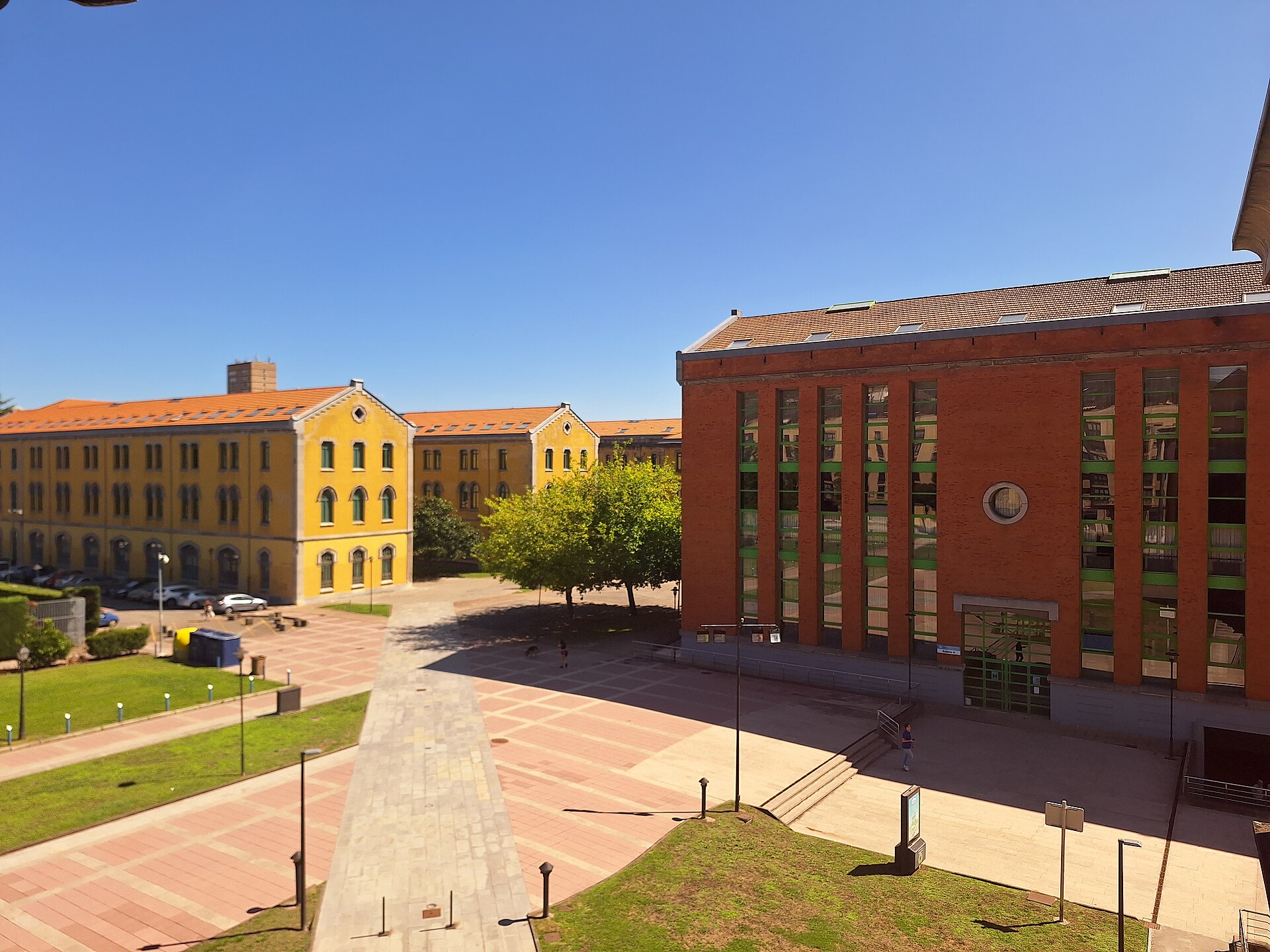
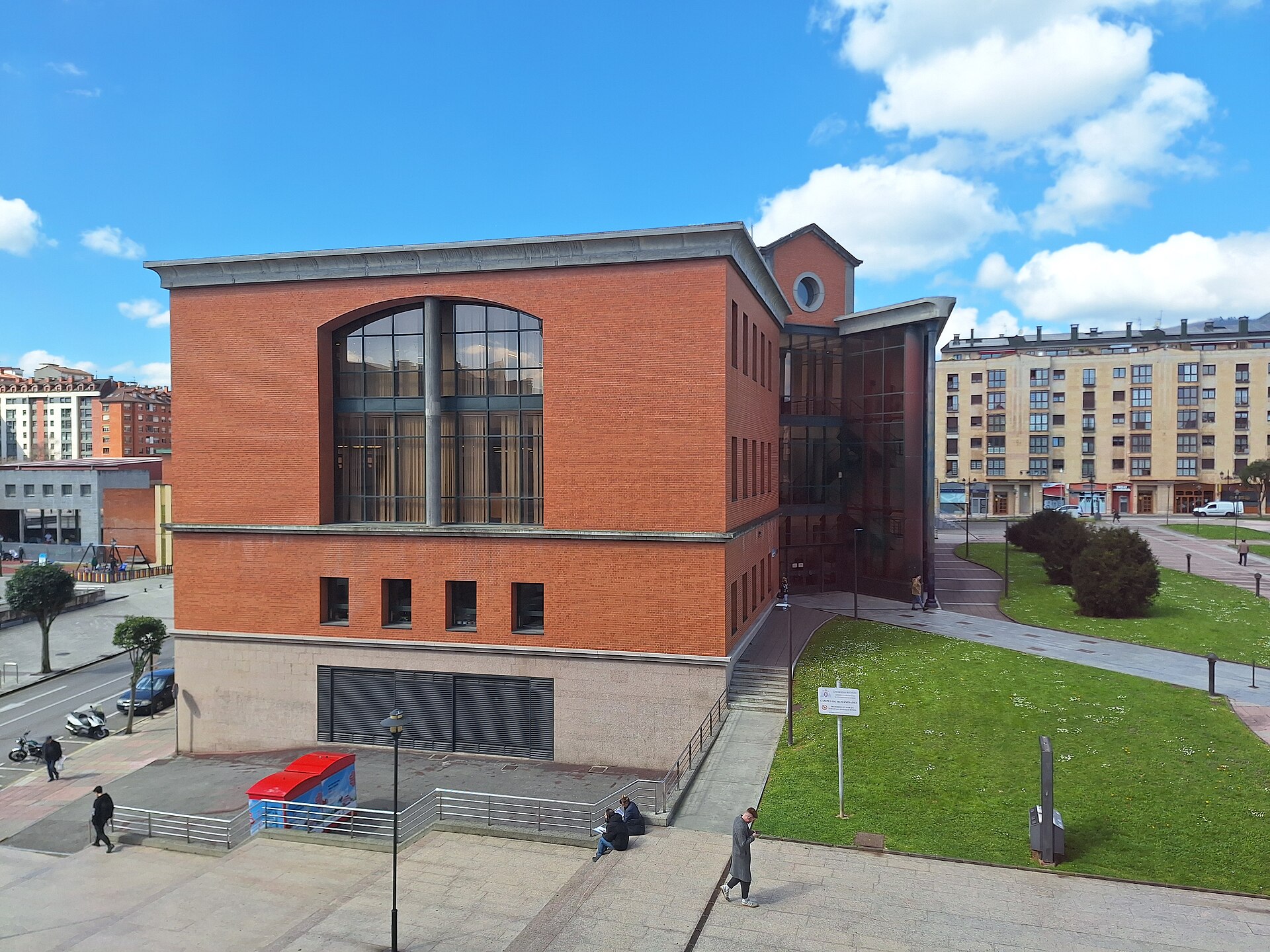
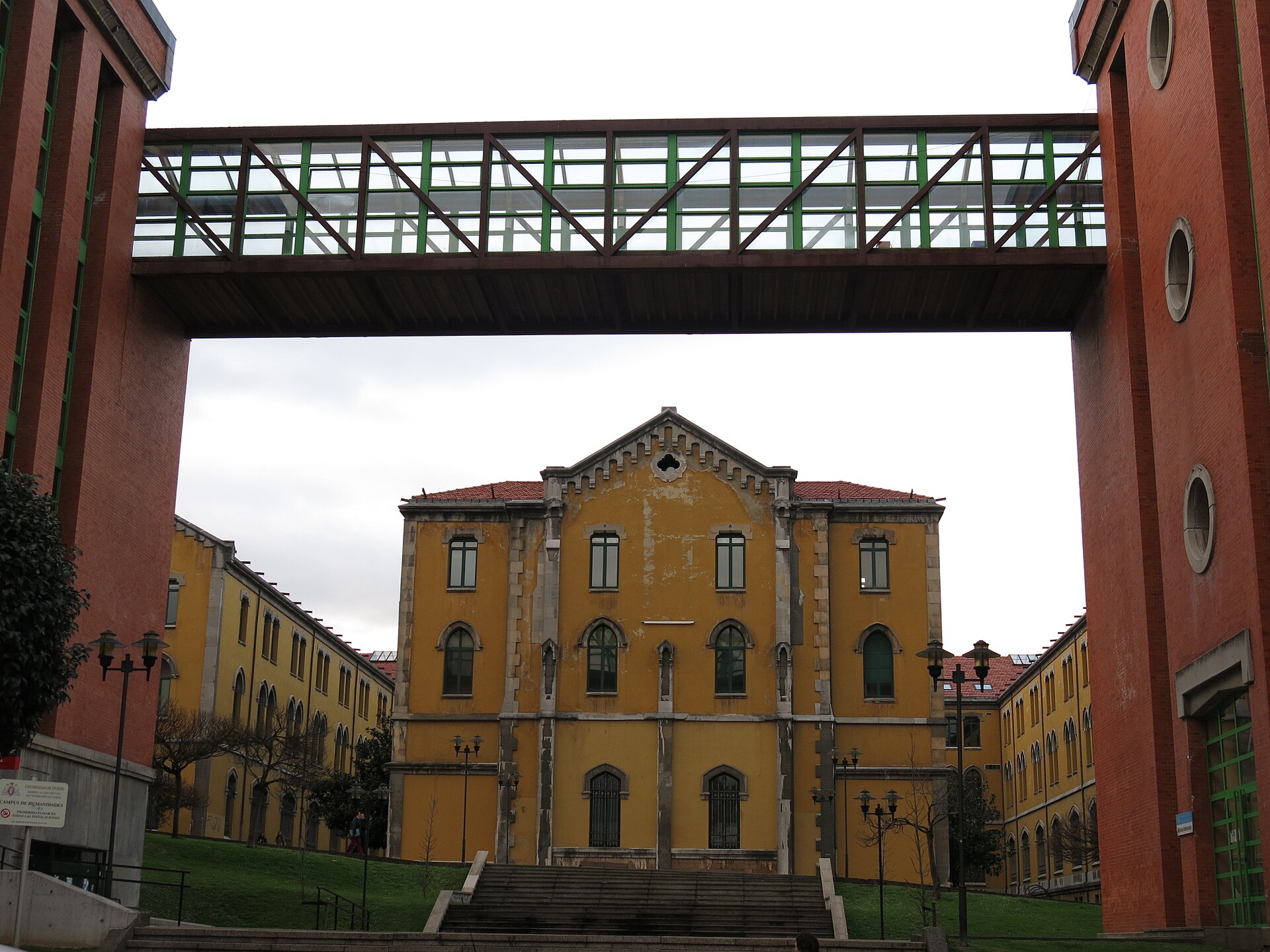
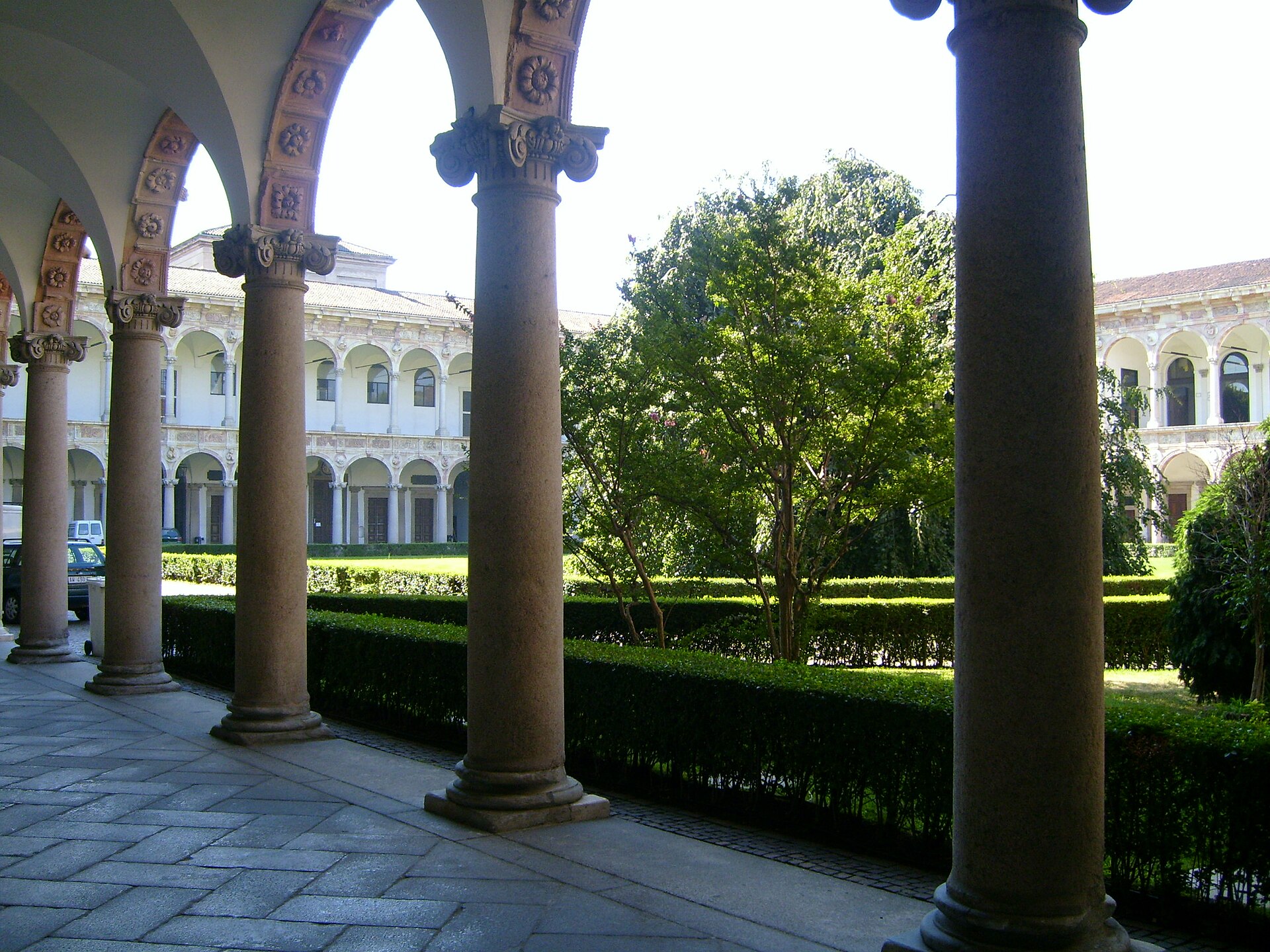
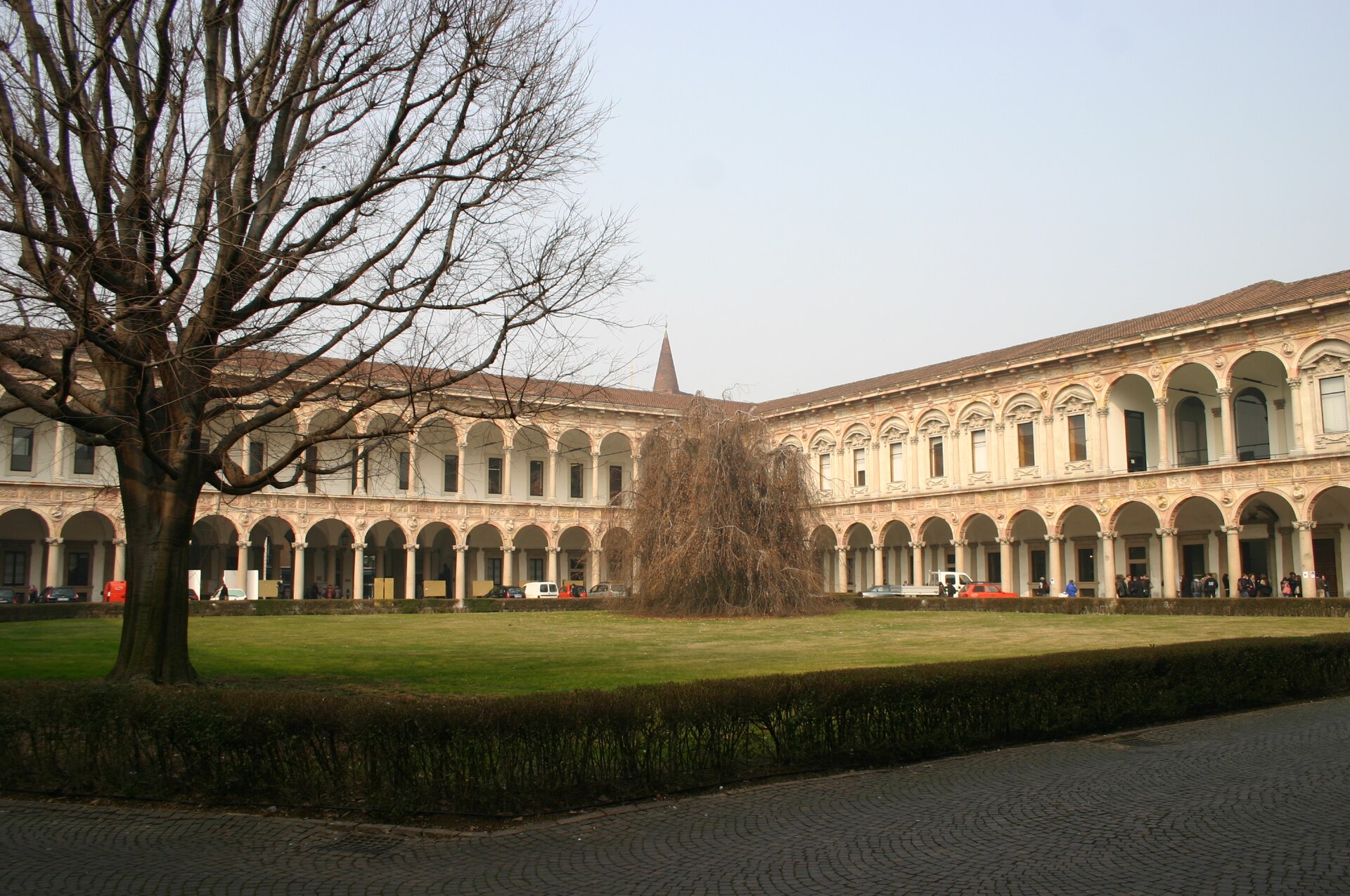
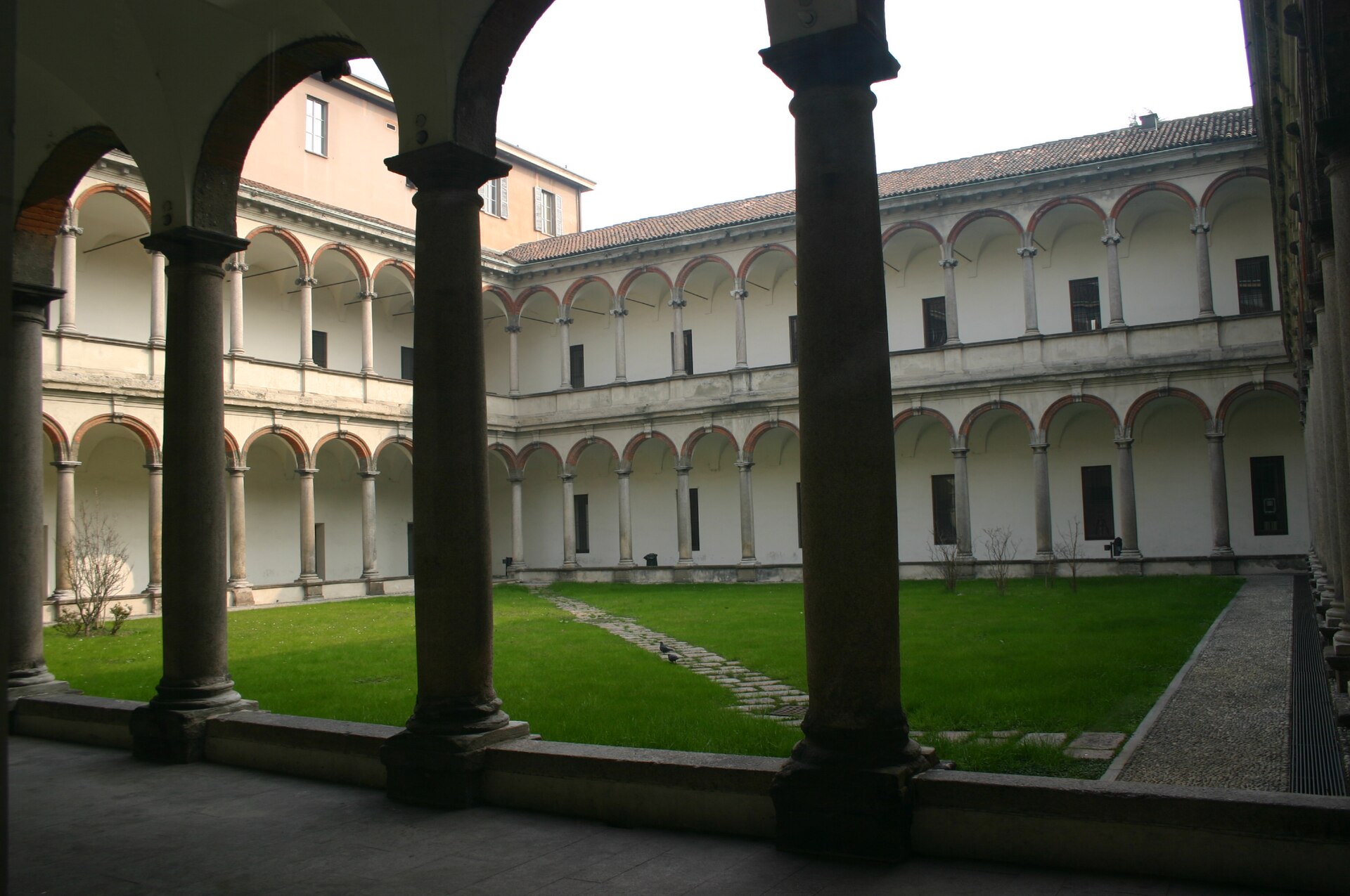
University of Milan — campus in pictures
Real, freely-licensed photographs of the campus (via Wikimedia Commons).
WHY LA STATALE
Why Choose the University of Milan?
La Statale is not just Italy's biggest university — it is one of Europe's most respected public research institutions. Here is what sets it apart for international students.
SELECTIVITY
Admission Profile & Selectivity
The University of Milan is Italy's largest public university with an overall acceptance rate that is moderately open for most programmes — but this headline figure conceals significant variation. Medicine, Dentistry, and Veterinary Medicine are highly competitive and subject to a national admission test (TOLC). Law and Pharmacy also use selection tests for entry. Computer Science and Engineering programmes draw competitive applicants from across Italy and abroad. Humanities and social science programmes are generally more accessible.
International students compete in separate intake pools for most programmes. Admission is primarily grade-based, not holistic — your academic transcript is the central factor.
AT A GLANCE
University of Milan — Quick Facts
THE APPLICATION
What Your Application Consists Of
Admission to La Statale is managed through Italy's national pre-enrolment system and the university's own portal. Unlike US or UK systems, there is no holistic review — your academic record is the primary determinant.
WHAT MATTERS
What La Statale Looks For
The University of Milan's admissions process is primarily academic and merit-based. Unlike US universities, there is no holistic 'whole person' review of extracurriculars, essays, or recommendation letters for most undergraduate programmes. What matters most is your academic record, the rigour of your previous studies, and your demonstrated preparation for the specific discipline.
WHEN TO APPLY
Application Deadlines & Key Dates
Italian university deadlines for international students are driven by the national pre-enrolment calendar and the university's own intake windows. Dates below are indicative — always verify exact deadlines on the official university portal for the specific academic year, as they shift year to year.
Non-EU students must begin the process at their local Italian consulate well before the university deadline. The pre-enrolment window typically opens in March.
| Milestone | Approx_period | Notes |
|---|---|---|
| Italian Consulate Pre-Enrolment Opens | March – June | Non-EU students only; initiated at Italian embassy in home country |
| TOLC Admission Tests (Medicine/Vet etc.) | April – July | Book early; limited seats; some tests available abroad |
| University Online Application Opens | April – September | Via SIFA or programme-specific portal on unimi.it |
| English-Taught Master's Application | Varies by programme | Some programmes have rolling deadlines; others close February–April |
| Academic Year Start | October | Most degree programmes begin the first week of October |
CAMPUS & CITY
Student Life in Milan
Milan is Italy's most cosmopolitan city and one of Europe's great metropolises. It is the country's financial and fashion capital, home to a thriving contemporary art scene, world-class restaurants, and a startup and technology ecosystem that is growing rapidly. For international students, the city offers both the deep cultural richness of Italy and the forward-looking energy of a global hub.
La Statale's main campus is the Ca' Granda — a breathtaking 15th-century former hospital in the heart of Milan, just minutes from the Duomo and the city's cultural core. The university's faculties are distributed across several elegant historic buildings throughout the city, meaning student life is woven into the fabric of Milan itself rather than contained on a traditional campus.
AFTER GRADUATION
Career Outcomes & Professional Prospects
Medicine, Pharmacy, and Veterinary Medicine graduates enter licensed professions with strong demand across Europe. Law graduates find careers in Italy's legal system and in European institutions. Political Science and International Studies alumni populate Italian and EU foreign services, NGOs, and international organisations. Computer Science and Biotechnology graduates are increasingly recruited by Milan's growing technology and pharmaceutical sectors.
La Statale graduates enter Italy's professional world through some of the country's strongest faculty networks. With an employment rate of 86% and an average starting salary of approximately $34,000 USD annually, the university's career outcomes reflect both the quality of its programmes and the advantage of being embedded in Milan — Italy's job creation capital.
Cards
Stats
COMMON QUESTIONS
Frequently Asked Questions
Do I need to speak Italian to study at La Statale?+
It depends on your programme. Most undergraduate (bachelor's) programmes are taught entirely in Italian, so a B2 level of Italian is required. Many Master's degree programmes are offered in English — check the specific programme page on unimi.it. If you are planning a bachelor's, expect to invest seriously in Italian language learning before arrival.
Can I apply with an IB Diploma?+
Yes. The IB Diploma is recognised for admission. La Statale assesses it against Italian secondary education standards. A score of 30 or above is the general benchmark, though competitive programmes — particularly Medicine — may expect higher scores. You will still need a Declaration of Value from the Italian consulate.
How do non-EU students apply?+
Non-EU students must pre-enrol at the Italian embassy or consulate in their home country, typically between March and June for an October start. You will need your qualification certified (Declaration of Value or equivalent), a study visa, and to complete the university's own enrolment process once you arrive. The process involves both national and university-level steps.
Is Medicine at La Statale open to international students?+
Yes. La Statale offers an English-taught International Medical Programme (specifically for the MD in Medicine and Surgery) which is open to international students and taught entirely in English. This programme has its own selection test and is separate from the Italian-language medical degree. Competition is significant — prepare thoroughly.
What scholarships are available to international students?+
International students may be eligible for DSU (Diritto allo Studio Universitario) scholarships administered by LAREAS in Lombardy, which cover tuition waivers and living allowances for students demonstrating financial need. Italian Government (MAECI) scholarships are also available through the Italian Ministry of Foreign Affairs for students in certain countries. University-level merit scholarships exist for select programmes.
Is La Statale a good university for research?+
Yes — it is one of Europe's genuine research universities. Its LERU membership places it alongside institutions like UCL, Amsterdam, and Lund. Research opportunities for undergraduates exist mainly in science faculties; at master's and PhD level, research activity is embedded in the curriculum. The university runs extensive EU-funded research projects.
Is Milan expensive to live in?+
Milan is one of Italy's more expensive cities. Estimated annual living costs (accommodation, food, transport, personal expenses) are around $15,000 USD. Student accommodation and shared flats in student-heavy neighbourhoods like Città Studi are more affordable. The low tuition means total cost of attendance remains modest by international standards.
Can I transfer credits from another university?+
Credit transfer is possible but must be approved by the receiving faculty. La Statale uses the ECTS credit system, which is standard across European universities. Credit recognition depends on the comparability of courses completed. Contact the specific faculty's international office before assuming transfer credits will apply.
ACADEMIC STANDARDS
Academic Preparation for La Statale
La Statale is a serious research university. Academic standards are high, programmes are demanding, and the expectation is that students arrive prepared to engage at a rigorous European university level. Unlike many Italian public universities that rely heavily on self-directed study, La Statale's LERU membership signals institutional expectations aligned with Europe's top research environments.
For international students, the key academic challenge is often twofold: demonstrating that your home-country qualifications meet Italian equivalence standards, and ensuring your language of instruction (Italian or English) is genuinely at the required level — not just certified, but functional for academic study.
ACADEMIC BENCHMARKS
Admitted Student Academic Profile
Admission to La Statale for undergraduates is based on your secondary school leaving qualification and, for competitive programmes, the results of a programme-specific admission test (such as TOLC for Medicine). For Master's programmes, your bachelor's degree grade and academic record are the primary criteria. Extracurricular activities, recommendation letters, and other holistic factors common in US admissions are generally not part of the Italian system.
TEST POLICY
Standardised Tests — What La Statale Requires
Where admission tests do apply, they are programme-specific Italian instruments: the TOLC (Test Online CISIA) for medicine, pharmacy, biology, and some science programmes, and in some cases university-designed knowledge assessments. These are distinct from US/UK standardised tests and must be taken through the official CISIA system.
La Statale operates on a test-blind policy with respect to international standardised tests like the SAT and ACT. These scores are neither required nor considered in the admissions process. Italian universities evaluate international qualifications through established grade-equivalence frameworks, not by SAT/ACT performance.
IB & A-LEVELS
IB Diploma & A-Level Recognition at La Statale
A minimum IB Diploma score of 30 is the general benchmark for eligibility, though competitive programmes — particularly Medicine and Law — will effectively require higher scores among competitive applicants. Higher Level (HL) subjects in relevant disciplines (sciences for medicine/pharmacy, humanities for law) are viewed favourably. For A-Level students, strong grades in relevant subjects (typically AAB or higher for competitive programmes) should be your target.
La Statale recognises the IB Diploma, A-Levels, and other international qualifications for admission purposes. The IB Diploma is assessed against the Italian Maturità through a standardised conversion table (the Diploma Supplement / grade equivalence framework used by the Italian Ministry of Education).
Always request a Declaration of Value (Dichiarazione di Valore) from the Italian embassy in your home country. This is the official certification process for your IB or A-Level qualification to be accepted in Italy — no Italian university can bypass this step for non-EU students.
SUBJECT PREPARATION
Subject Preparation by Faculty
La Statale's faculties each have specific subject preparation expectations. Unlike holistic universities where breadth can compensate, Italian universities assess whether your prior studies prepared you directly for degree-level work in the discipline.
LANGUAGE REQUIREMENTS
English & Italian Language Requirements
La Statale requires language proficiency certification matched to the language of your chosen programme. English requirements apply to English-taught programmes; Italian requirements apply to Italian-taught programmes (the majority of undergraduate offerings).
Some programmes may require higher English proficiency than the minimums above. Always check the specific programme's requirements on unimi.it. Italian language exemptions apply for students from Italian-speaking countries or with Italian secondary schooling.
| Test | Minimum | Notes |
|---|---|---|
| IELTS Academic | 6.0 | For English-taught programmes |
| TOEFL iBT | 80 | For English-taught programmes |
| Duolingo English Test | Not specified | Check programme requirements; IELTS/TOEFL preferred |
| Italian (CILS/CELI/PLIDA) | B2 level | Mandatory for Italian-taught programmes |
TIMELINE
Building Your Academic Profile — Year by Year
For international students targeting La Statale, the preparation timeline differs from the US or UK application process. The Italian system rewards sustained academic excellence and early language preparation more than strategic extracurricular positioning.
PITFALLS TO AVOID
Common Mistakes International Students Make
- Applying to an Italian-taught programme without genuine B2 Italian — the language requirement is real and enforced; arriving without functional Italian in an Italian-taught programme is extremely difficult.
- Ignoring the Declaration of Value step — this is a non-negotiable official step for non-EU students and takes months; starting late can result in missing the academic year.
- Assuming TOLC preparation is like school exam revision — the TOLC has a specific format and question style; buy dedicated TOLC preparation materials from CISIA early.
- Choosing a programme based on Italian versus international rankings without researching the specific faculty — La Statale's strength is uneven across disciplines; verify the faculty's specific standing.
- Forgetting that credit transfer is not automatic — if you have studied elsewhere, credits must be formally assessed and approved by the faculty; do not assume European ECTS credits transfer seamlessly.
- Not registering with the local municipality (Comune) on arrival — international students in Italy must register their residency within 8 days; this affects access to healthcare and other services.
- Missing the short window for DSU scholarship applications — income-based scholarships from LAREAS have strict, early deadlines at the start of the academic year; missing them means waiting a full year.
COST & VALUE
Understanding the Cost of Studying at La Statale
The University of Milan offers one of the best value-for-money propositions in European higher education. With annual tuition well below €4,000 for most programmes and income-based fee reductions that can lower costs significantly, La Statale makes world-class research university education genuinely accessible — particularly for students who qualify for merit or need-based support.
Italian public universities charge fees on a sliding scale based on family income. Wealthier families pay the higher end; students from lower-income backgrounds can receive substantial tuition reductions or full waivers. International students are eligible for the same income-based sliding scale, subject to providing certified financial documentation.
ANNUAL COSTS
Cost Breakdown — Annual Estimates
All figures in USD equivalents. Tuition and fees vary by programme and income bracket. Living cost estimates are for Milan, which is Italy's most expensive city.
| Component | Annual_usd | Notes |
|---|---|---|
| Tuition & University Fees | ~$3,800 | Average; can be lower with income-based reduction |
| Cost of Living (accommodation, food, transport) | ~$15,000 | Milan estimate; varies by lifestyle |
| Total Cost of Attendance (estimated) | ~$19,000 | Includes all living and study costs |
| Application Fee | ~$30 | One-time non-refundable application fee |
FINANCIAL AID
Financial Aid & Support for International Students
International students must submit certified ISEE-Parificato documentation — an Italian income assessment that requires certification of your family income and assets by the Italian consulate and local tax authorities. This process is paperwork-intensive but essential for accessing aid. Begin the ISEE-Parificato process as early as possible after enrollment.
La Statale's financial aid for international students operates through the Italian DSU (Diritto allo Studio Universitario) system, administered in Lombardy by LaREAS. Students who demonstrate financial need and meet academic performance requirements can receive tuition waivers, accommodation support, and living allowances. Approximately 20% of the cost is covered on average through various forms of institutional support for those who qualify.
NAMED SCHOLARSHIPS
Scholarships for International Students
Several external and institutional scholarship programmes are available to international students at La Statale. Since amounts and availability vary by year and nationality, verify current offerings on the official portals.
THE REAL PICTURE
Affordability — The Real-World Net Cost
For students who qualify for DSU scholarships or income-based tuition reductions, the effective annual cost can fall well below $10,000 USD — possibly to tuition waivers plus living costs only. The income assessment process (ISEE-Parificato) is demanding but worthwhile for students from families with modest incomes. There are no 'no-loan' guarantees as at US need-blind institutions — Italian financial aid is needs-based grants and waivers, not loan replacement — but the low tuition baseline means the debt burden is minimal compared to Anglophone alternatives.
At a headline total cost of attendance of approximately $19,000 USD per year, La Statale is already dramatically cheaper than comparable research universities in the UK, US, or Australia. For context: a year at UCL or University of Edinburgh costs international students $35,000–$50,000 in tuition alone before living costs.
Milan's private rental market is competitive. Starting your accommodation search early — before arrival if possible — significantly reduces cost and stress. University accommodation is limited; priority is given to DSU scholarship recipients.
HOW TO APPLY FOR AID
Steps to Secure Financial Support
COST QUESTIONS
Cost & Aid — Frequently Asked Questions
Is La Statale expensive for international students?+
No — by global standards it is exceptionally affordable. Annual tuition averages around $3,800 USD, and total cost of attendance including living in Milan is approximately $19,000 USD. This is a fraction of comparable UK, US, or Australian research university costs. Income-based reductions can lower tuition further.
Can international students receive the DSU scholarship?+
Yes. International students — both EU and non-EU — can apply for DSU scholarships administered by LaREAS in Lombardy, subject to income eligibility and academic progress requirements. The ISEE-Parificato financial assessment is the key step.
What is the ISEE-Parificato and do I really need it?+
The ISEE-Parificato is the Italian income assessment for international students. You need it to access income-based tuition reductions and DSU scholarships. Without it, you will be charged the maximum tuition bracket. The process requires certifying your family's income through the Italian consulate — start early.
Are there merit-based scholarships at La Statale?+
La Statale's main scholarship system is needs-based. Some faculty-level programmes offer merit-based awards, particularly for master's and PhD research. Italian Government (MAECI) scholarships are competitive and partially merit-based. Check the university's scholarship page and the specific faculty for current offerings.
How much does it cost to live in Milan as a student?+
Milan is Italy's most expensive city. Budget approximately $15,000 USD per year for accommodation, food, local transport, and personal expenses. Shared flats in student-heavy areas like Città Studi cost roughly €500–€800/month per person. University canteen meals are subsidised for students with DSU scholarships.
Is the application fee refundable?+
No. The application fee of approximately $30 USD is non-refundable, regardless of the admissions outcome.
Can I work while studying in Milan?+
Non-EU students on Italian student visas can work part-time (up to 20 hours per week during term, full-time during holidays). Milan's job market — particularly in hospitality, retail, tutoring, and English-language work — offers opportunities for international students. Check the specific conditions of your visa before taking up employment.
APPLICATION & STATEMENT
Applying to La Statale — Your Application & Motivation Statement
Unlike US universities where personal essays and supplemental prompts play a central role in admissions, Italian universities assess applications primarily on academic merit. However, for competitive programmes — particularly English-taught Master's degrees and selective undergraduate courses — a well-crafted motivation letter can genuinely distinguish your application.
This tab guides you through the Italian direct application system, explains where personal statements and motivation letters matter, and offers strategic advice on presenting yourself effectively to La Statale's admissions offices.
APPLICATION SYSTEM
How the Italian Application System Works
La Statale does not use Common App, UCAS, or any centralised application portal shared with other universities. Applications are made directly through the university's own SIFA portal (Sistema Informativo Facoltà e Amministrazione) or through programme-specific online systems. Non-EU students must also complete the national pre-enrolment procedure at the Italian embassy in their home country.
MOTIVATION LETTER
Writing Your Motivation Letter
Italian academic culture values clarity, intellectual seriousness, and precision over storytelling or personal narrative for its own sake. Your letter should be structured, evidence-based, and academically focused. Personal background is relevant only insofar as it explains your academic trajectory and motivates your choice.
The motivation letter (lettera motivazionale) is your main opportunity to speak directly to the admissions committee in Master's applications at La Statale. It is not a US-style personal essay — it is a focused academic and professional statement explaining why you have chosen this specific programme at this specific university, and what you intend to do with the qualification.
ADMISSION TESTS
Preparing for the TOLC Admission Test
If you are applying to Medicine, Pharmacy, Veterinary Medicine, or certain science programmes at La Statale, the TOLC is a central part of your application. It is a computer-based test administered at authorised testing centres in Italy and internationally. The TOLC is offered in several subject-specific versions (TOLC-I for engineering, TOLC-B for biology/medicine, TOLC-E for economics, etc.).
STRATEGY
Application Strategy — Standing Out at La Statale
Because Italian university admission is primarily academic, your strategic leverage lies not in crafting a compelling narrative (as in the US) but in ensuring your academic preparation, documentation, and language readiness are impeccable — and in writing a genuinely specific and well-researched motivation letter for Master's programmes.
WHAT TO WRITE
What to Focus On in Your Motivation Letter
For master's applications where a motivation letter is required, the content should be disciplined and specific. Italian academic culture does not reward sweeping personal narratives. Here is what to include — and what to avoid.
PITFALLS
Common Application Mistakes to Avoid
- Treating the Italian application as a simpler version of a US application — the documentation requirements are different, not fewer. Underestimating the bureaucratic timeline is the most common error.
- Applying to an Italian-taught programme with insufficient Italian — you may gain admission, but you will struggle enormously in courses delivered entirely in academic Italian.
- Missing the consulate pre-enrolment window — for non-EU students, missing this window (typically March–June) means waiting a full year for the next cycle.
- Writing a generic motivation letter that could apply to any university — specificity is what makes motivation letters persuasive in Italian academic contexts.
- Not preparing adequately for the TOLC if applying to Medicine or science programmes — the TOLC has a specific format that is not addressed by school exam revision alone.
- Forgetting to apply for DSU scholarships at the start of the academic year — these have strict, early deadlines and missing them means foregoing potential support for a full year.
- Submitting uncertified translations of documents — Italian universities require certified translations (traduzione giurata) by a sworn translator; unofficial translations are rejected.
- Not registering with the Italian health system (SSN) on arrival — EU students can register with the SSN for free; non-EU students on student visas may need supplementary health insurance.
APPLICATION FAQs
Application & Statement — Frequently Asked Questions
Does La Statale require personal essays for undergraduate admission?+
No. Most undergraduate programmes at La Statale do not require a personal essay or statement. Admission is based on your secondary school qualification (with Declaration of Value) and, for competitive programmes, a TOLC or programme-specific test. A motivation letter is generally required for Master's applications only.
How long should my motivation letter be?+
Most programmes specify a word or page limit in their application instructions. If no limit is given, aim for 400–600 words — enough to be substantive but concise. Italian academic culture values precision over length; a tight, well-argued letter is more effective than a rambling one.
Should I write my motivation letter in Italian or English?+
Write it in the language of the programme. For English-taught master's programmes, write in English. For Italian-taught programmes, write in Italian — and ensure your Italian is at a genuinely high level, as the letter itself demonstrates your language proficiency.
Are recommendation letters required at La Statale?+
Recommendation letters are not universally required at La Statale as they are in US admissions. Some competitive master's programmes may request a reference letter or academic CV. Check the specific programme requirements carefully — do not submit unrequested materials.
What is the difference between the Italian-track and English-track Medicine programmes?+
La Statale offers both an Italian-taught Medical programme (accessed via TOLC-B in Italian) and an International Medical Doctor Programme (IMDP) taught in English. The IMDP has its own admission procedure, including English-language tests and a programme-specific selection process. Non-Italian speakers should apply to the IMDP. Check the current-year process on unimi.it as procedures can change.
Can I apply to multiple programmes at La Statale simultaneously?+
Generally, applications to each programme are submitted separately via the relevant portal. You can apply to more than one programme, but each application must meet the specific requirements of that programme. In Italy, you typically enrol in one programme at a time once admitted.
How important is the motivation letter compared to grades for Master's applications?+
For most master's programmes, your bachelor's grade and academic transcript carry more weight than the motivation letter. However, when applicants have similar academic profiles, a well-crafted, specific motivation letter becomes decisive. At research-intensive universities like La Statale, faculty reading applications respond to genuine intellectual engagement with their field.
Courses — schools, degrees & intake
44 degrees across 10 groupings.
School of Law · 2 degrees
Law (Giurisprudenza)
Legal Services Sciences (Scienze dei Servizi Giuridici)
School of Medicine · 6 degrees
Medicine and Surgery (Medicina e Chirurgia)
Dentistry and Dental Prosthetics (Odontoiatria e Protesi Dentaria)
Nursing (Infermieristica)
Physiotherapy (Fisioterapia)
Psychological Sciences and Techniques (Scienze e Tecniche Psicologiche)
Medical Biotechnology (Biotecnologie Mediche)
School of Science and Technology · 9 degrees
Computer Science (Informatica)
Mathematics (Matematica)
Physics (Fisica)
Chemistry (Chimica)
Biological Sciences (Scienze Biologiche)
Biotechnology (Biotecnologie)
Geological Sciences (Scienze Geologiche)
Natural Sciences (Scienze Naturali)
Science and Technology for the Environment (Scienze e Tecnologie per l'Ambiente)
School of Pharmaceutical Sciences · 2 degrees
Pharmacy (Farmacia)
Pharmaceutical Chemistry and Technology (Chimica e Tecnologia Farmaceutiche)
School of Agricultural and Food Sciences · 4 degrees
Agricultural Sciences and Technologies (Scienze e Tecnologie Agrarie)
Food Science and Technology (Scienze e Tecnologie Alimentari)
Forestry and Environmental Sciences (Scienze Forestali e Ambientali)
Viticulture and Enology (Viticoltura ed Enologia)
School of Veterinary Medicine and Animal Sciences · 2 degrees
Veterinary Medicine (Medicina Veterinaria)
Animal Production Sciences and Technologies (Scienze e Tecnologie delle Produzioni Animali)
School of Humanities · 7 degrees
Literature and Modern Languages (Lettere)
Philosophy (Filosofia)
History (Storia)
Cultural Heritage and Environment (Beni Culturali e Ambientali)
History and Cultures of the Ancient World (Civiltà e Lingue del Mondo Antico)
Humanities for Communication (Scienze Umanistiche per la Comunicazione)
History and Stories of Arts (Storia e Storie dell'Arte)
School of Political, Economic and Social Sciences · 7 degrees
Political Science and International Relations (Scienze Politiche e delle Relazioni Internazionali)
Economics and Management (Economia e Management)
Statistics and Information Management (Statistica e Gestione delle Informazioni)
Sociology (Sociologia)
Social Work (Scienze del Servizio Sociale)
International Cooperation for Human Development (Cooperazione Internazionale per lo Sviluppo Umano)
Communication and Society (Comunicazione e Società)
School of Linguistics and Cultural Mediation · 3 degrees
Foreign Languages and Literatures (Lingue e Letterature Straniere)
Linguistic and Cultural Mediation (Scienze della Mediazione Linguistica e Culturale)
Languages and Cultures for International Communication and Cooperation (Lingue e Culture per la Comunicazione e la Cooperazione Internazionale)
School of Exercise and Sport Sciences · 2 degrees
Exercise and Sport Sciences (Scienze delle Attività Motorie e Sportive)
Preventive and Adapted Physical Education (Educazione Fisica Preventiva e Adattata)
Want your real chances at University of Milan?
Create a free TYCHR account for your personalised admit-chance, a shortlist you can track, exact entry requirements, and essay + counselling help.