University of Michigan-Ann Arbor
Ann Arbor, United States · Suburban
THE LEADER AND BEST — PUBLIC IVY
University of Michigan Admissions Guide for International Students
The University of Michigan–Ann Arbor occupies a unique position in American higher education: a flagship public university that competes head-to-head with the most selective private institutions in the world. Founded in 1817, U-M combines the breadth of a major research university — 52,000 students, 19 schools and colleges, over a billion dollars in annual research — with the academic intensity and alumni power of an elite private. For international students, Michigan offers access to a globally respected degree, world-class faculty, and the iconic energy of one of America's great college towns.
Michigan is not a safety school. It is a deliberate, strategic choice — and for many international students, it represents the intersection of academic rigour, institutional prestige, and a genuinely transformative college experience.
Campus
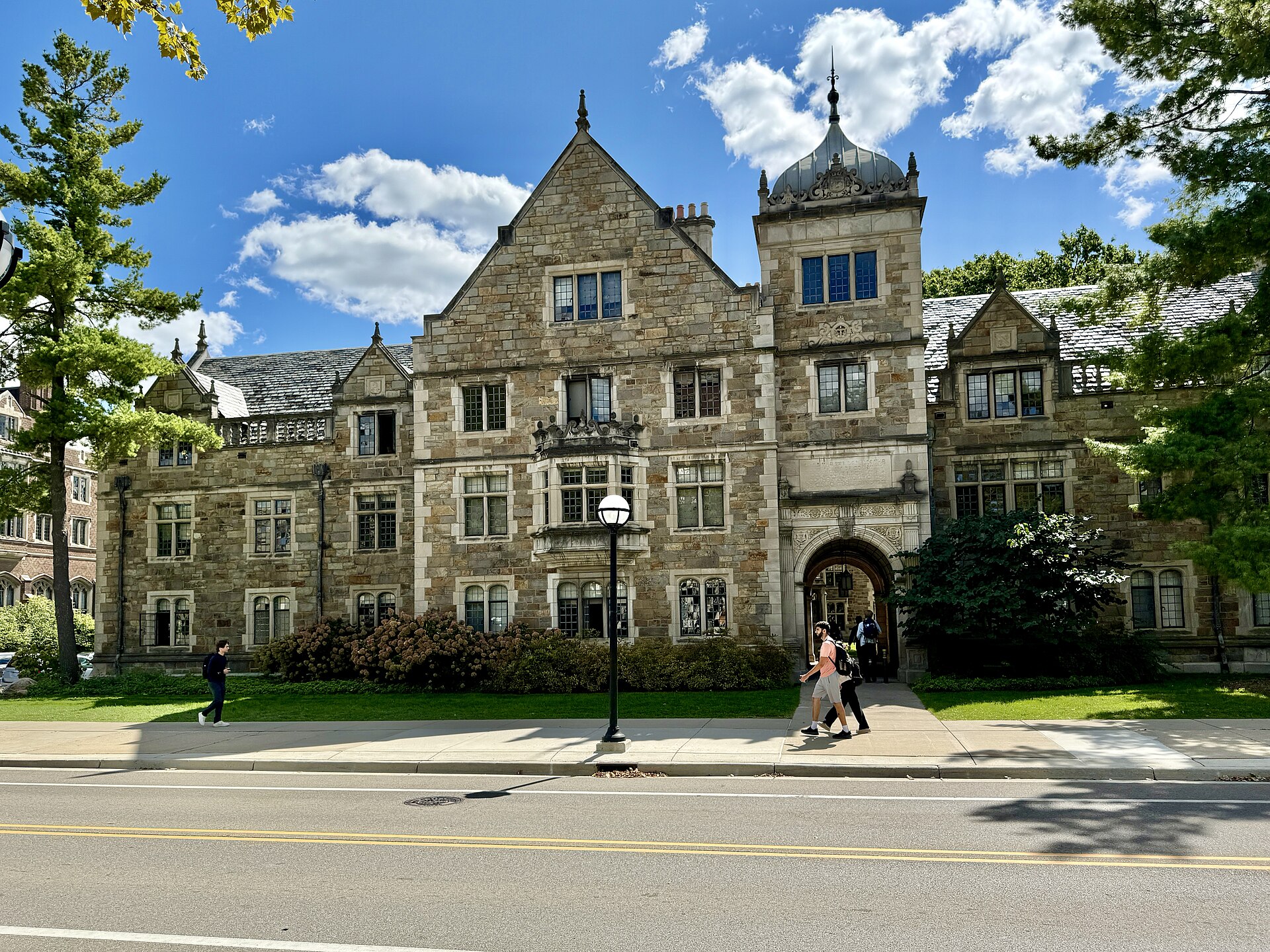
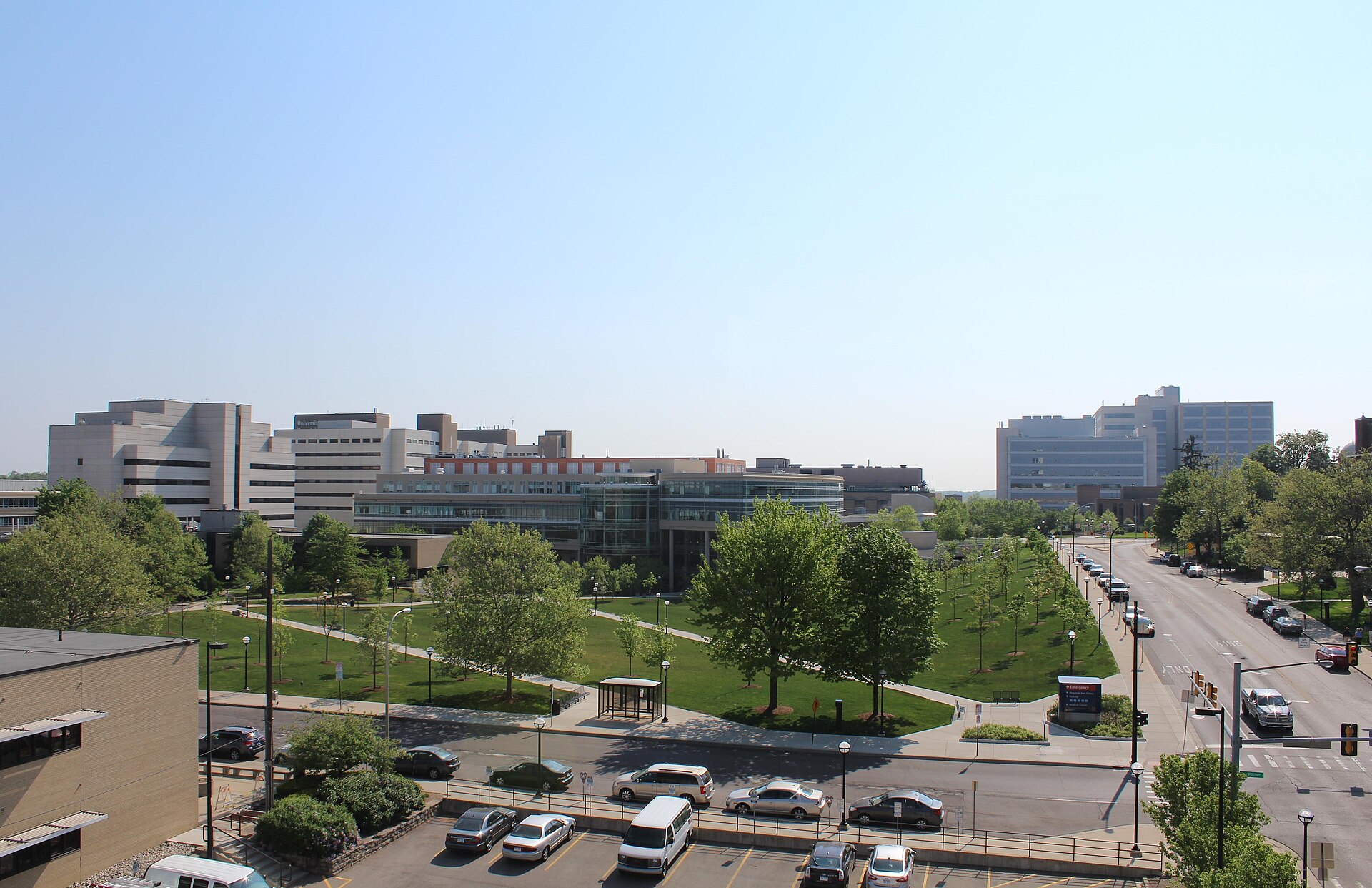
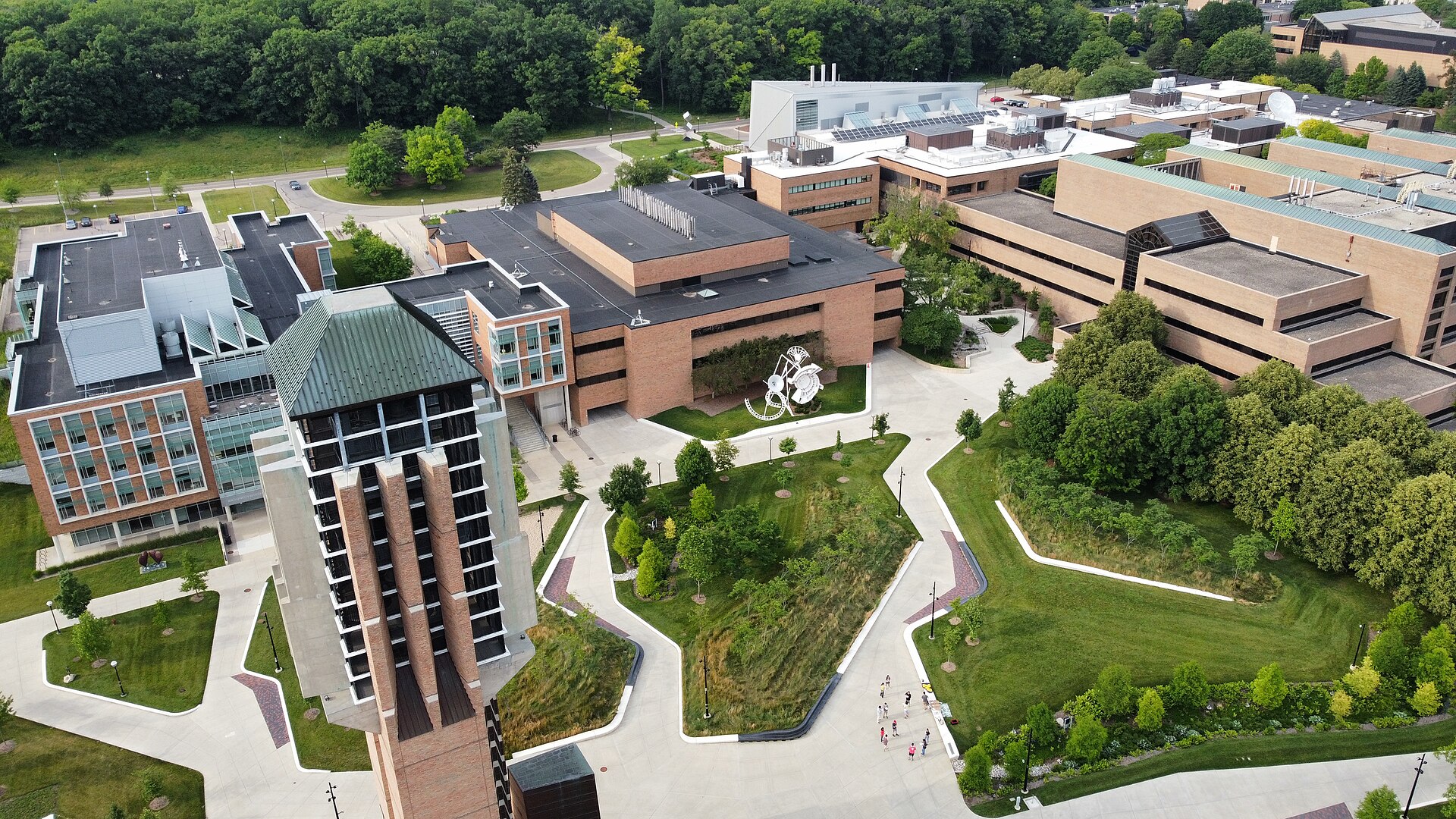
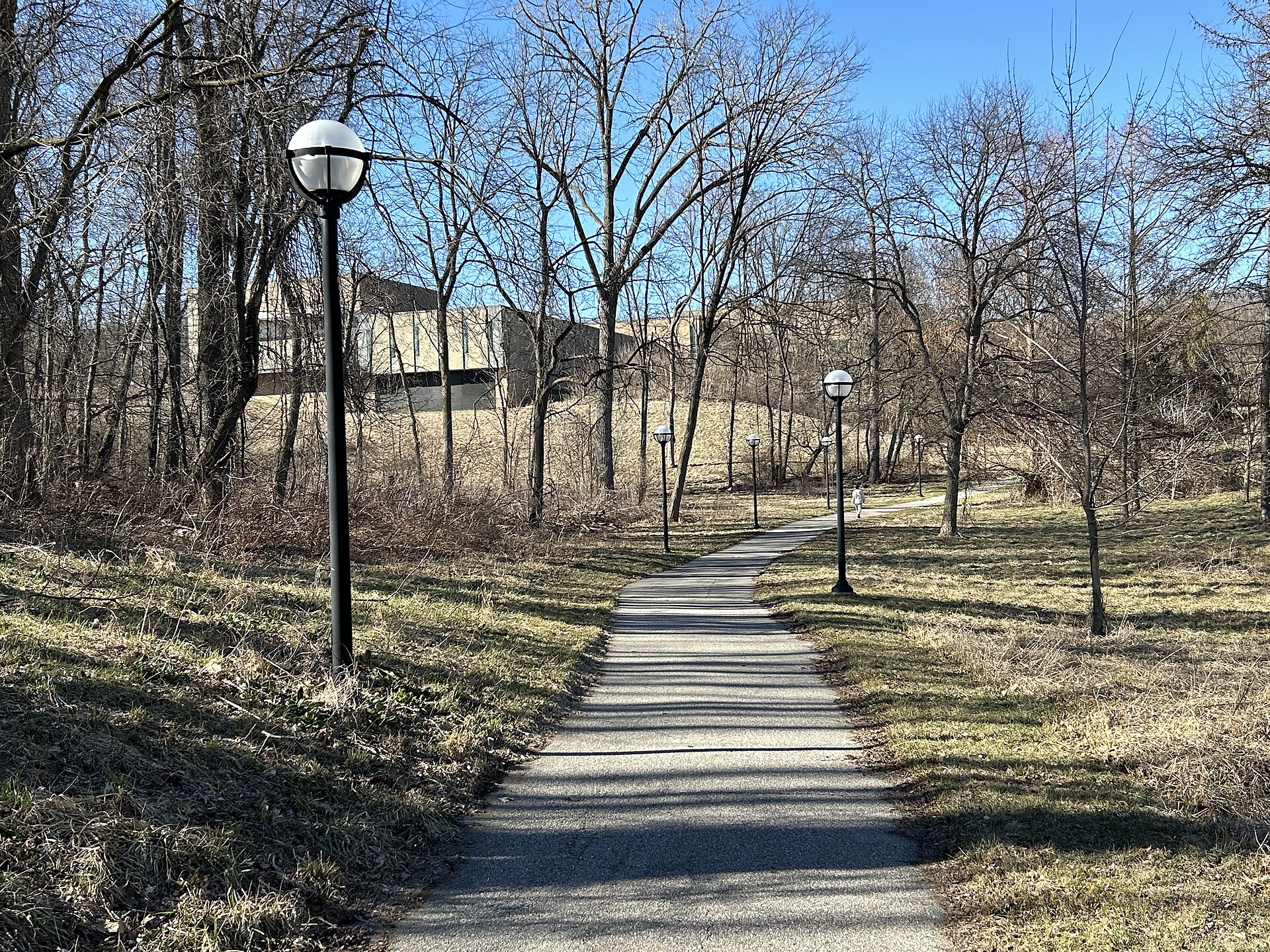
University of Michigan–Ann Arbor — campus in pictures
Real, freely-licensed photographs of the campus (via Wikimedia Commons).

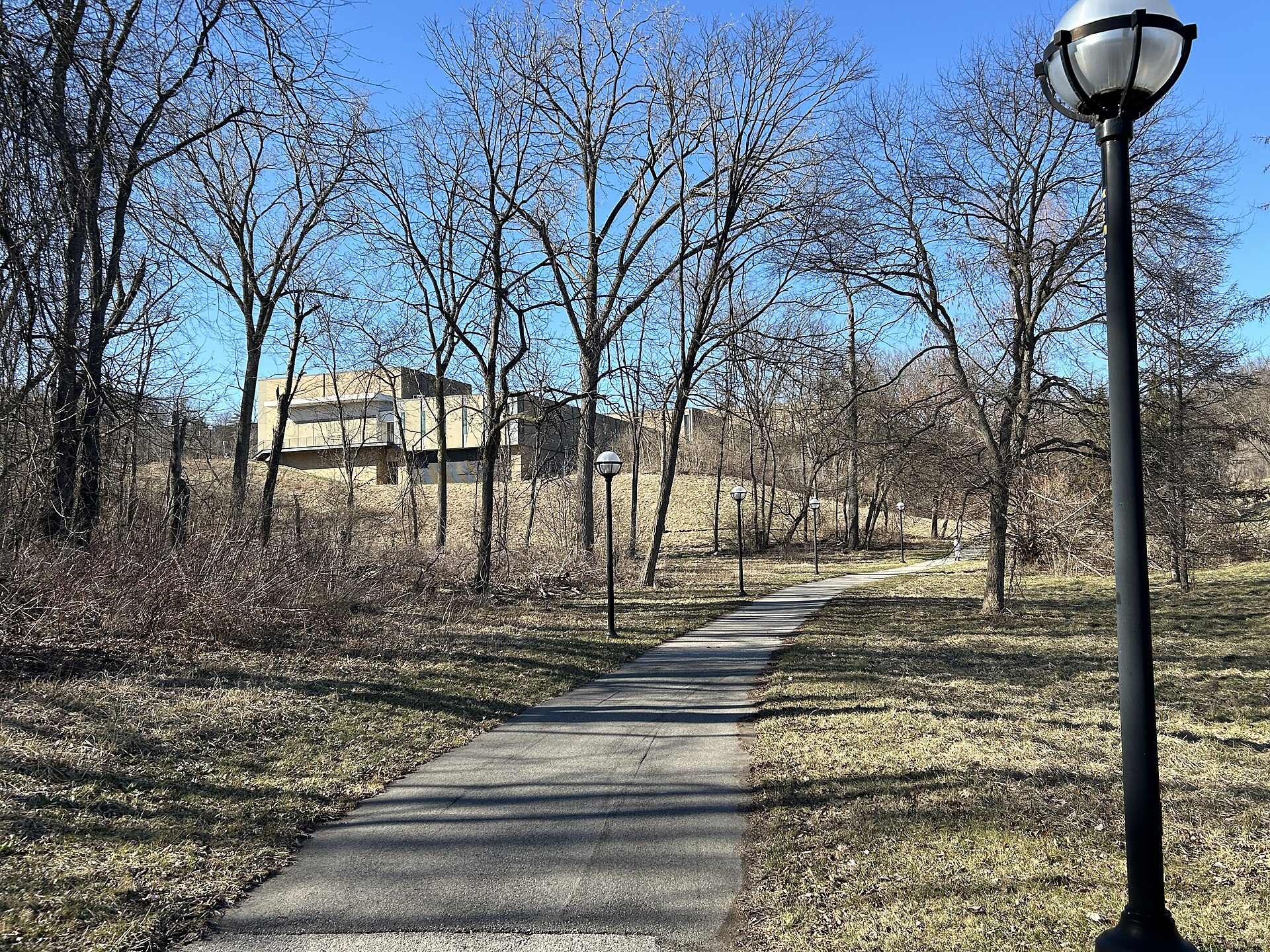
Why Michigan — Public Ivy Prestige, Research Power & Ann Arbor
The University of Michigan is consistently ranked among the top public universities in the world and among the top 25 universities of any kind in the United States. For international students who want the credentials of an elite American institution without the extreme selectivity of the Ivy League, Michigan is the most compelling option in the country.
SELECTIVITY
Michigan Acceptance Rate & Admitted Student Profile
Michigan is significantly more selective than its public university classification might suggest. An acceptance rate of 16% places it firmly in the highly selective tier — comparable to institutions like Notre Dame and Georgetown. For international students, the bar is at least as high as for domestic applicants, and competition for international seats is intense.
Michigan's holistic admissions process evaluates academic strength, intellectual curiosity, leadership, and potential contribution to the university community. Being in the top 10% of your class is the baseline expectation, not a distinguishing feature. What elevates a Michigan application is evidence of genuine intellectual passion and demonstrated impact — inside and outside the classroom.
International students are evaluated alongside the entire applicant pool. Michigan does not publish a separate international acceptance rate, but competition for international places is proportionally more intense given the smaller number of seats available.
QUICK FACTS
University of Michigan at a Glance
University type: Public Research University. Campus setting: Suburban (Ann Arbor, Michigan). Member of Association of American Universities (AAU) and Big Ten Athletic Conference.
APPLICATION CHECKLIST
Michigan Application Components — Common App, Essays & Requirements
Michigan accepts the Common Application. Every component of the application is reviewed holistically. Below is what a complete Michigan application requires — and what each component signals to the admissions committee.
ADMISSIONS PHILOSOPHY
What Michigan Admissions Officers Are Looking For
Michigan's admissions process is holistic — but holistic does not mean subjective. Michigan reads applications looking for specific signals across academic, extracurricular, and personal dimensions. Understanding these signals is foundational to a strong application.
APPLICATION TIMELINE
Michigan Application Deadlines and Plans
Michigan offers three application plans for first-year students. Selecting the right plan for your situation — particularly given Michigan's new Early Decision option for Fall 2026 — is an important strategic decision.
For international students, Early Action is generally recommended over Early Decision: EA results arrive in January and allow you to compare financial aid packages before committing. Given that Michigan offers very limited need-based aid to international students, comparing offers from multiple schools is particularly important.
| Plan | Deadline | Decision | Binding | Notes |
|---|---|---|---|---|
| Early Decision (ED) | November 1 | By end of December | Yes — binding commitment | New for Fall 2026. If admitted, must commit by January 6. |
| Early Action (EA) | November 1 | By January 29 | No — non-binding | Allows comparing financial aid offers. Recommend financial aid filing by Dec 15. |
| Regular Decision (RD) | February 1 | By April 1 | No — non-binding | Final commitment deadline May 1. |
| SMTD (Music, Theatre & Dance) | December 1 | See school website | No | SMTD does not participate in EA or ED. Has its own audition process. |
CAMPUS LIFE
Student Life at Michigan — Ann Arbor, Community & Culture
Ann Arbor is more than a college town — it is a city designed around intellectual life. With over 1,000 registered student organisations, a thriving arts scene, and the unifying force of Big Ten athletics, Michigan offers a social environment unmatched among American research universities.
The university's central gathering point is the Diag — the diagonal path through the heart of North Campus — where student organisations table, protests happen, and impromptu conversations about everything from quantum mechanics to campus politics are everyday occurrences. The Michigan Union and Michigan League anchor the social infrastructure, alongside a remarkable concentration of independent bookstores, cafes, and live music venues in downtown Ann Arbor.
POST-GRADUATION
Career Outcomes & The Michigan Alumni Network
Michigan's career outcomes reflect both the strength of the degree and the power of a 650,000+ alumni network that spans every major industry and city in the world. The university's career services infrastructure — decentralised by school, which means Ross students have Ross-specific recruiters and Engineering students have Engineering-specific career advisors — is one of its most practical advantages.
Ross School of Business graduates regularly secure positions at top investment banks, consulting firms, and Fortune 500 companies — Michigan is a target school for McKinsey, Goldman Sachs, JP Morgan, and Deloitte. Engineering graduates are recruited heavily by Google, Amazon, Apple, and the major automotive OEMs and their technology partners. Medicine, nursing, and public health graduates from Michigan's professional schools command exceptional placement rates due to Michigan Medicine's clinical training infrastructure.
For international students on F-1 visas, Michigan's strong OPT (Optional Practical Training) and STEM OPT extension track record is an important practical consideration — the university actively supports CPT and OPT processes through its International Center.
FREQUENTLY ASKED QUESTIONS
Michigan Admissions — FAQs for International Students
Does Michigan offer Early Decision or Early Action, and which should international students choose?+
Michigan now offers both Early Decision (binding, November 1) and Early Action (non-binding, November 1) as well as Regular Decision (February 1). For most international students, Early Action is the stronger choice: it carries the advantage of an early decision notification (January) while preserving the ability to compare financial aid packages before committing. Given that Michigan offers limited need-based aid to international students, being able to compare offers is particularly important.
Do I apply to 'the University of Michigan' or to a specific school?+
You apply directly to a specific school or college — such as the College of Literature, Science & the Arts (LSA), the College of Engineering, Ross School of Business, the School of Nursing, or others. This choice is significant: the 'Why Michigan' essay must be tailored to that specific school, and transferring between schools after admission is competitive. Choose the school that genuinely reflects your academic plans.
Is the SAT or ACT required at Michigan?+
Yes. Unlike many peer institutions that have gone test-optional, Michigan currently requires the SAT or ACT. Test scores are a genuine component of the evaluation. Michigan superscores the SAT (using highest section scores from multiple sittings) and reports the highest ACT composite score.
How much financial aid is available for international students?+
Honestly: very limited. Michigan does not offer comprehensive need-based aid to international undergraduate students the way the most generous private universities (Harvard, Princeton, Yale) do. International students must demonstrate full financial self-sufficiency before Michigan can issue a visa certificate. A small number of merit scholarships are available through individual schools (particularly LSA and Engineering) but these are highly competitive and do not cover full cost of attendance. Plan your finances on the basis of full cost before applying.
What is Michigan's cost of attendance for international students?+
Annual tuition for international students is approximately $63,398. Total cost of attendance — including tuition, housing, food, books, personal expenses, and health insurance — is approximately $83,682 per year. Four-year total before any scholarship: approximately $334,728. This is a significant financial commitment. Verify current figures on the Michigan financial aid website before applying.
What makes a strong 'Why Michigan / Why This College' essay?+
Specificity. Michigan's admissions officers read thousands of essays about 'world-class faculty' and 'excellent research opportunities.' What distinguishes a strong essay is specific knowledge: naming a specific professor whose research you have read, a specific program or center you want to engage with, or a specific course sequence that is unique to Michigan's curriculum. The more specific your answer, the more credible your interest.
Is applying to Ross School of Business harder than applying to LSA?+
Ross is one of the most selective undergraduate business programmes in the United States, with its own essays and evaluation criteria on top of the standard Michigan application. Applicants who are admitted to both LSA and Ross via the Preferred Admission pathway are a select group. For students genuinely oriented toward business, the Ross-specific essays are a demanding but worthwhile investment.
Does Michigan interview international applicants?+
Michigan does not conduct traditional admissions interviews. There are no alumni interviews or on-campus evaluations for first-year applicants. The application — including essays, test scores, grades, and recommendations — is the complete evaluation.
ACADEMIC EXPECTATIONS
Michigan Academic Requirements — What International Students Actually Need
Michigan is test-required, academically rigorous, and evaluates your record in context. Unlike test-optional peers, submitting strong standardised test scores is not a choice — it is a requirement. Here is the honest picture of what Michigan expects from international applicants across every curriculum.
ACADEMIC PROFILE
The Admitted Student Academic Profile
Michigan's admitted students are academically elite. The middle 50% ranges reflect students who are competitive — not the floor. International students applying to highly sought programmes (Engineering, Ross, CS) should target the upper half of these ranges.
For international students, the minimum GPA of 3.8 is a floor, not a target. Admitted international applicants to competitive programmes typically demonstrate top-percentile performance in their national curriculum, strong standardised test scores, and evidence of intellectual engagement beyond the classroom. Course rigour is evaluated relative to what was available at your specific school — not in absolute terms.
TEST POLICY
Michigan Requires the SAT or ACT — No Exceptions
Michigan's test-required policy distinguishes it from many peer institutions that have gone test-optional. This is significant for international students: strong test scores are not merely advantageous at Michigan — they are mandatory.
Michigan superscore the SAT, combining highest section scores across multiple test sittings. For the ACT, the highest single composite score is reported. This superscore policy makes it worthwhile to sit both tests multiple times if your first attempt is below target.
SAT & ACT
SAT and ACT Scores at Michigan — Strategy for International Students
Michigan's SAT middle 50% of 1360–1530 and ACT middle 50% of 31–34 represent admitted students across all schools. Competition is tighter for Engineering (targeting 1500+ SAT), Ross (targeting 1480+ SAT), and CS-focused programmes.
IB, A-LEVEL & AP
IB, A-Level, and AP at Michigan — Benchmarks and Credit
Michigan has extensive experience evaluating international curricula — IB, A-Level, and AP. The IB band of 38 points is the competitive benchmark, well above the global average. A-Level and other national curriculum students are evaluated in context.
SUBJECT PREPARATION
Subject Preparation Michigan Expects by Programme
Michigan evaluates your course selection against your stated programme of interest. A student applying to Engineering with no advanced mathematics is not a credible candidate. Below is what each major programme area expects to see in your transcript.
ENGLISH PROFICIENCY
English Language Requirements for Michigan
International students whose primary language of instruction is not English must demonstrate English proficiency. Michigan's minimums are competitive — meeting the minimum is necessary but not sufficient for a strong application.
Students who completed at least four years of secondary education in English-medium instruction may be eligible for an exemption. Check the Michigan International Admissions page for current exemption criteria. Strong TOEFL/IELTS scores (TOEFL 110+, IELTS 7.5) are a meaningful differentiator, not just a box to check.
| Test | Minimum | Notes |
|---|---|---|
| TOEFL iBT | 100 | Internet-based total score; Michigan may have sub-score requirements by school |
| IELTS Academic | 7.0 | Overall band score; sub-scores evaluated by school |
| Duolingo English Test | 120 | Accepted as of recent cycles; verify acceptance with your specific school |
YOUR ROADMAP
Building a Michigan-Ready Academic Profile — Grades 9 to 12
A strong Michigan application is built across four years of high school, not in the final semester. Here is the year-by-year roadmap.
AVOID THESE PITFALLS
Academic Mistakes That Cost Michigan Applicants
Common errors in the academic portion of the Michigan application that are avoidable with the right strategy.
Items
- Dropping a rigorous course in Grade 12 — this is flagged as a red flag by Michigan admissions and can lead to rescinded offers.
- Submitting a first-attempt SAT score below 1400 and not retaking — Michigan is test-required; a weak score cannot be omitted.
- Applying to Engineering without calculus preparation — Michigan Engineering expects mathematical preparation through calculus at minimum.
- Choosing your Michigan school based on perceived ease of admission rather than genuine fit — Michigan admissions officers are experienced at identifying applications where the 'Why This School' essay rings hollow.
- Neglecting the IB Extended Essay or AP exams — Michigan awards credit and uses these scores as additional academic context. A weak EE grade or skipped AP exams is a missed opportunity.
- Sending predicted grades that are inflated by your school — Michigan has access to school profiles and understands the school's track record. Overpredicted grades damage credibility when final scores arrive.
- Failing to research Michigan's specific programme before writing the 'Why Michigan' essay — generic answers about 'world-class faculty' and 'amazing resources' are immediately identifiable and are the most common essay error.
Faqs
Can I change my intended school after applying?+
Switching colleges after admission (for example, from LSA to Engineering) requires a separate internal transfer application and is competitive. You should apply to the college that genuinely reflects your academic direction. Internal transfers are possible but not guaranteed.
Does Michigan look at Grade 9 grades?+
Yes. Michigan receives your full transcript and reads all four years. A weak Grade 9 followed by a strong upward trajectory is evaluated positively. A declining trajectory in later years is a significant concern.
How many APs or IB HLs should I take?+
Quality over quantity. Three to four APs with 5s is stronger than seven APs with mixed results. For IB, taking three or four HLs in subjects relevant to your intended programme is the norm. Michigan evaluates course selection relative to what your school offers — maxing out the curriculum where possible is the goal.
COST & FINANCIAL AID
Michigan Cost for International Students — An Honest Financial Picture
Michigan is one of the best-value elite universities in the world — for domestic students. For international students, the picture is fundamentally different. Michigan does not offer comprehensive need-based financial aid to international undergraduates, and before the university can issue a visa certificate, international students must demonstrate the financial resources to cover their full cost of attendance. This guide gives you the honest numbers and the limited aid options that do exist.
If full financial support is a prerequisite for attendance, compare Michigan against the small number of private universities (Harvard, MIT, Princeton, Yale, Columbia, and a few others) that offer need-blind or near-need-blind admissions and meet full demonstrated need for international students.
ANNUAL COSTS
Annual Cost of Attendance at Michigan — International Students
All figures are annual estimates for international undergraduate students. Costs increase modestly each year (typically 2–5%). Verify current figures on the Michigan Financial Aid website before finalising financial plans.
Four-year total before any scholarships: approximately $334,728. This is a significant financial commitment. Begin financial planning well before the application cycle.
| Component | Annual Cost | Notes |
|---|---|---|
| Tuition & Fees (International) | $63,398 | Non-resident international tuition; does not apply to students with permanent resident status |
| Room & Board (estimated) | Included in COA | Michigan's residence halls vary; on-campus housing costs approximately $13,000–$16,000/year |
| Books & Supplies | ~$1,000–$2,000 | Varies significantly by programme; Engineering and Medicine tend to be higher |
| Health Insurance | Included in COA | Michigan requires international students to carry health insurance; student plan available |
| Total Cost of Attendance | $83,682 | Annual estimate including tuition, housing, food, books, insurance, and personal expenses |
| Application Fee | $75 | One-time, non-refundable |
FINANCIAL AID FOR INTERNATIONALS
Financial Aid Policy for International Undergraduate Students
The honest reality: Michigan does not offer comprehensive need-based financial aid to international undergraduate students. International students are not eligible for US federal or state financial aid programmes (Pell Grants, federal loans, work-study). Before Michigan can issue a Certificate of Eligibility for your student visa (Form I-20), you must demonstrate the financial resources to cover your full cost of attendance.
This is not a reason to remove Michigan from your list — but it is essential context for financial planning. Unlike Harvard, Princeton, and a small number of highly endowed private universities that offer need-blind admission and meet full demonstrated need for international students, Michigan's aid programme for international undergraduates is primarily merit-based and limited in scale.
SCHOLARSHIPS
Scholarships Available to International Students at Michigan
Michigan does offer some merit-based scholarships for international undergraduates, though the pool is limited and highly competitive. Below are the primary scholarship pathways. Verify current award amounts on the relevant school website before planning your finances around any specific award.
NET PRICE REALITY
What Michigan Actually Costs International Students — The Honest Net Price
For international students at Michigan, the net price after any merit scholarship is likely to remain close to the full $83,682 annual cost of attendance unless you receive one of the limited merit awards — and even then, awards typically reduce rather than eliminate the cost.
Michigan offers outstanding value compared to similarly ranked private universities if you can fund it: the education quality, research access, and degree prestige are broadly equivalent to institutions charging similar or higher prices. However, the absence of comprehensive need-based aid means Michigan is not 'affordable by policy' for international students the way Harvard, Princeton, or MIT are for families who qualify for their aid programmes.
Practical comparison: If your family qualifies for Harvard's, MIT's, or Princeton's need-based aid, those institutions may actually cost less than Michigan after aid — even though their sticker prices are higher. Before choosing Michigan on cost grounds, compare actual net prices at private institutions with strong international aid programmes.
HOW TO FUND YOUR MICHIGAN DEGREE
Steps to Secure Funding for International Students
COST FAQS
Cost and Financial Aid FAQs for International Students
Can I work on campus to help cover costs?+
Yes. F-1 students are eligible to work on campus up to 20 hours per week during term and full-time during breaks. On-campus employment does not require a separate work authorisation. Off-campus employment during your studies requires prior authorisation (CPT or OPT) and is generally restricted. On-campus work at $12–$20/hour can offset living expenses but will not cover a significant portion of tuition.
Does applying for financial aid affect my admission chances?+
Michigan's undergraduate admissions process is need-aware for international students, meaning financial need may be a factor in admission decisions — unlike the need-blind process at the most generous private universities. This is an important distinction. If your family requires substantial financial assistance, this should factor into your college list strategy.
What is the financial resources statement required by Michigan?+
Before Michigan can issue an I-20 (visa certificate), admitted international students must submit documentation proving they have the financial resources to fund at least the first year of study. Accepted documentation includes bank statements, sponsor letters, and scholarship award letters. This is a visa requirement, not a scholarship application.
Can I receive merit scholarship consideration automatically, or must I apply separately?+
For most Michigan school scholarships (including LSA international scholarships), consideration is automatic upon completing your admission application — there is no separate scholarship application. However, some departmental and external awards do require separate applications with their own deadlines. Check each college's scholarship page after admission.
Does Michigan offer any loan programmes for international students?+
US federal loan programmes are not available to international students. Michigan does not administer its own institutional loan programme for international undergraduates. Some private lenders (e.g., international student loan providers like Prodigy Finance) offer loans for international students at US universities, though these carry interest rates and terms that must be carefully evaluated.
MICHIGAN ESSAYS
Michigan Essays — The Supplement That Separates Identical Applicants
Michigan's essay requirements are deliberately designed to surface what cannot be quantified by grades and test scores. With thousands of applicants who have identical academic profiles, the essays — particularly the 'Why Michigan / Why This College' essay — are where admission decisions are made. Writing generically about 'world-class opportunities' is the single most common and most costly mistake Michigan applicants make.
Michigan's supplement is short by design: the two required U-M essays are 100–300 and 100–550 words respectively. Short essays demand more precision than long ones. Every sentence must carry weight. The admissions reader spends perhaps four minutes on each application — and the essay is often the last thing they read, meaning it either confirms or undermines everything else in the file.
ESSAY SYSTEM
How Michigan's Essay System Works
Michigan requires two U-M-specific essays in addition to the Common Application personal essay. Applicants to specific schools (Ross School of Business) must also complete additional school-specific prompts. All essays are submitted through the Common App platform.
THE PROMPTS
Michigan's Official Essay Prompts — With Strategy
Below are Michigan's current essay prompts with strategic guidance for each. Prompts are confirmed for the 2025–26 application cycle. Verify on the official Michigan admissions website before your application cycle.
COMMON APP PERSONAL ESSAY
The Common App Essay at Michigan — Strategy and Approach
Michigan reads your Common App personal essay as the fullest expression of your voice, values, and intellectual identity. Because this essay goes to every school on your list, it must be universally strong — but should feel personal and authentic, not generic.
The seven Common App prompts are equally weighted at Michigan. Choose the prompt that allows you to write the most honest and specific essay — not the one that sounds most impressive. Michigan's admissions readers have read every possible variation of 'overcoming adversity,' 'my immigrant parents,' and 'the sports injury that changed my life.' What they remember is specificity: a precise memory, a named person, a concrete argument about the world.
SUPPLEMENT STRATEGY
Supplement Strategy by Essay Type
Each Michigan essay type requires a different strategic approach. Here is how to approach each one.
TOPIC SELECTION
How to Choose Your Michigan Essay Topics
Topic selection is as important as writing quality at Michigan. The best topics share specific characteristics — and the worst topics share equally specific warning signs.
ESSAY PITFALLS
The Most Common Michigan Essay Mistakes to Avoid
- Writing a generic 'Why Michigan' essay that mentions rankings, research reputation, and campus culture without naming any specific faculty, programme, or curriculum element.
- Treating the community essay as a biography — listing your accomplishments rather than articulating a specific contribution.
- Padding the personal essay to the 650-word limit with content that dilutes rather than adds — shorter essays that end with impact are stronger than long essays that fade.
- Choosing a 'safe' Common App topic that does not reveal genuine character or intellectual identity — predictable topics require exceptional execution.
- Submitting an optional challenge essay as a placeholder — if the challenge is not specific and genuinely relevant, do not submit it.
- Failing to proofread: spelling errors, misnamed programmes, or — the most damaging — writing a Why essay that names the wrong school (e.g., referencing a Harvard programme in a Michigan essay). This is more common than applicants realise and is an instant red flag.
- Writing Ross essays without researching what business analytical frameworks actually look like — vague social impact writing fails the Ross case analysis prompt.
- Using AI-generated essay text — Michigan explicitly evaluates whether essays reflect the student's own voice and ideas. Generic, structurally perfect prose that lacks the writer's specific voice is identifiable and disadvantages the application.
ESSAY FAQS
Michigan Essay FAQs
Can I reuse my Common App essay for Michigan?+
Yes — the Common App personal essay goes to every school on your list, including Michigan. The U-M-specific essays (Essay 1 and Essay 2) are Michigan-specific and must be written solely for Michigan.
How important is the 'Why Michigan' essay compared to grades and test scores?+
For applicants in the middle of the admitted range (SAT 1400–1480, GPA 3.8–3.9), the essays — particularly the Why Michigan essay — are frequently the deciding factor between admission and rejection. At the extremes (SAT 1540+, very strong grades), essays confirm what scores already suggest. For most competitive international applicants, essays matter enormously.
Should I mention specific professors in my Why Michigan essay?+
Yes, with care. Naming a specific professor whose published research or teaching resonates with your interests is compelling — but only if you have actually read their work and can reference something specific. Mentioning a professor's name without demonstrating knowledge of their work reads as namedropping, which is worse than not mentioning them at all.
How should I write the community essay if I don't have a dramatic story?+
You don't need a dramatic story. The best community essays often describe quiet, persistent contributions — leading a study group, translating for newly arrived community members, organising a local initiative. The test is specificity and self-awareness, not the scale of the contribution.
Can I apply to two different Michigan schools simultaneously?+
No. You must choose one school or college as your primary application. However, Michigan's application does allow you to note a secondary school preference in some cases (e.g., LSA as a backup if applying to Engineering). Check the current application guidelines for your specific combination.
How many drafts should I write for the Why Michigan essay?+
At minimum, three: an information dump (everything you could say), a pruned second draft (the strongest three to four points), and a polished final draft (prose quality and word count refined). Many successful applicants write five or more drafts. Given the essay's importance in the Michigan decision, it deserves at least as much revision time as the much longer personal statement.
Does Michigan use the Coalition Application in addition to Common App?+
Michigan has historically accepted both the Common Application and the Coalition Application. Verify current accepted application platforms on the Michigan admissions website before beginning your application — platform acceptance policies occasionally change.
Courses — schools, degrees & intake
81 degrees across 13 groupings.
College of Literature, Science, and the Arts (LSA) · 43 degrees
Afroamerican and African Studies
American Culture
Anthropology
Art History
Asian Languages and Cultures
Astronomy and Astrophysics
Biology
Biopsychology, Cognition, and Neuroscience (BCN)
Chemistry
Classical Studies
Cognitive Science
Communication and Media
Comparative Literature
Computer Science
Data Science
Earth and Environmental Sciences
Ecology and Evolutionary Biology
Economics
English Language and Literature
Film, Television, and Media
French
German
History
International Studies
Judaic Studies
Latin American and Caribbean Studies
Linguistics
Mathematics
Middle East Studies
Molecular, Cellular, and Developmental Biology (MCDB)
Near Eastern Studies
Neuroscience
Organizational Studies
Philosophy
Physics
Political Science
Psychology
Religious Studies
Russian, East European, and Eurasian Studies (REES)
Sociology
Spanish
Statistics
Women's and Gender Studies
College of Engineering · 15 degrees
Aerospace Engineering (BSE)
Biomedical Engineering (BSE)
Chemical Engineering (BSE)
Civil Engineering (BSE)
Climate and Space Sciences and Engineering (BSE)
Computer Engineering (BSE)
Computer Science (BSE)
Electrical Engineering (BSE)
Environmental Engineering (BSE)
Industrial and Operations Engineering (BSE)
Materials Science and Engineering (BSE)
Mechanical Engineering (BSE)
Naval Architecture and Marine Engineering (BSE)
Nuclear Engineering and Radiological Sciences (BSE)
Robotics (BSE)
Stephen M. Ross School of Business · 1 degrees
Business Administration (BBA)
School of Information · 1 degrees
Information (BSI)
Taubman College of Architecture and Urban Planning · 2 degrees
Architecture (BS Architecture)
Urban Technology
School of Kinesiology · 5 degrees
Athletic Training (BS)
Exercise Science (BS)
Movement Science (BS)
Physical Education Teacher Education (BS)
Sport Management (BS)
School of Music, Theatre & Dance (SMTD) · 8 degrees
Music Performance (BM)
Music Education (BME)
Music Theory (BM)
Composition (BM)
Jazz and Contemplative Studies (BM)
Musical Theatre (BFA)
Theatre (BFA)
Dance (BFA)
School of Nursing · 1 degrees
Nursing (BSN)
College of Pharmacy · 1 degrees
Pharmaceutical Sciences (BS)
School for Environment and Sustainability (SEAS) · 1 degrees
Environment (BS/BA)
School of Education · 1 degrees
Educational Studies (BA)
Gerald R. Ford School of Public Policy · 1 degrees
Public Policy (BA)
School of Social Work · 1 degrees
Social Work (BSW)
Want your real chances at University of Michigan-Ann Arbor?
Create a free TYCHR account for your personalised admit-chance, a shortlist you can track, exact entry requirements, and essay + counselling help.