University of Lausanne (UNIL)
Lausanne, Switzerland · Suburban
SWITZERLAND · QS #220 · FOUNDED 1537
University of Lausanne (UNIL) Admissions Guide for International Students
Set on the northern shore of Lake Geneva beside EPFL, UNIL is one of Switzerland's oldest and most prestigious research universities. With seven faculties — including the internationally renowned HEC Lausanne business school, a world-leading forensic science centre, and elite sport sciences programmes — UNIL offers ambitious students an exceptional education in the heart of Europe. Most teaching is in French, making genuine French proficiency the single most important preparation step for international applicants.
This guide walks you through UNIL's direct-application admissions process, language requirements, academic expectations, and the remarkably affordable cost of studying in one of the world's most liveable cities.
Campus
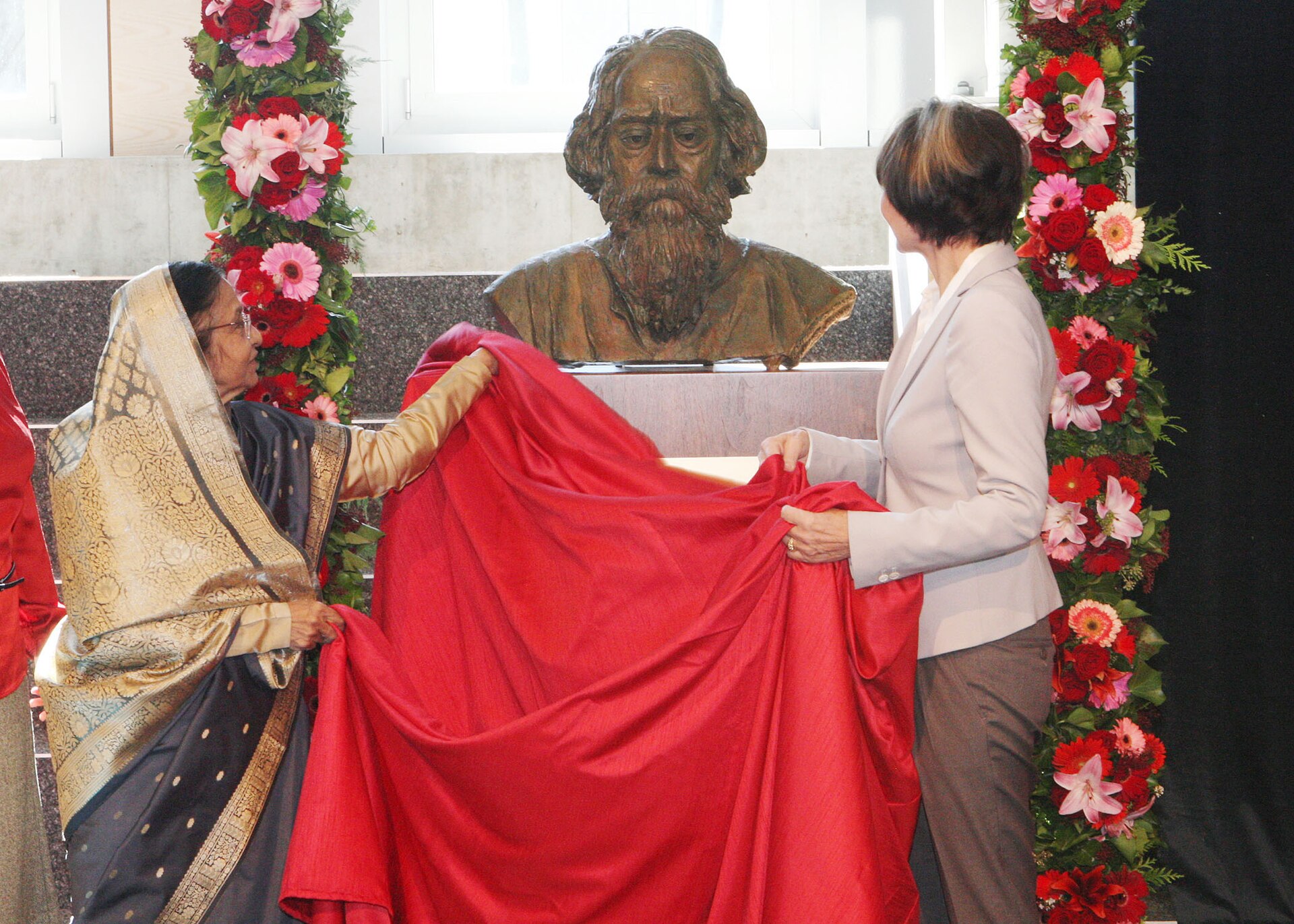
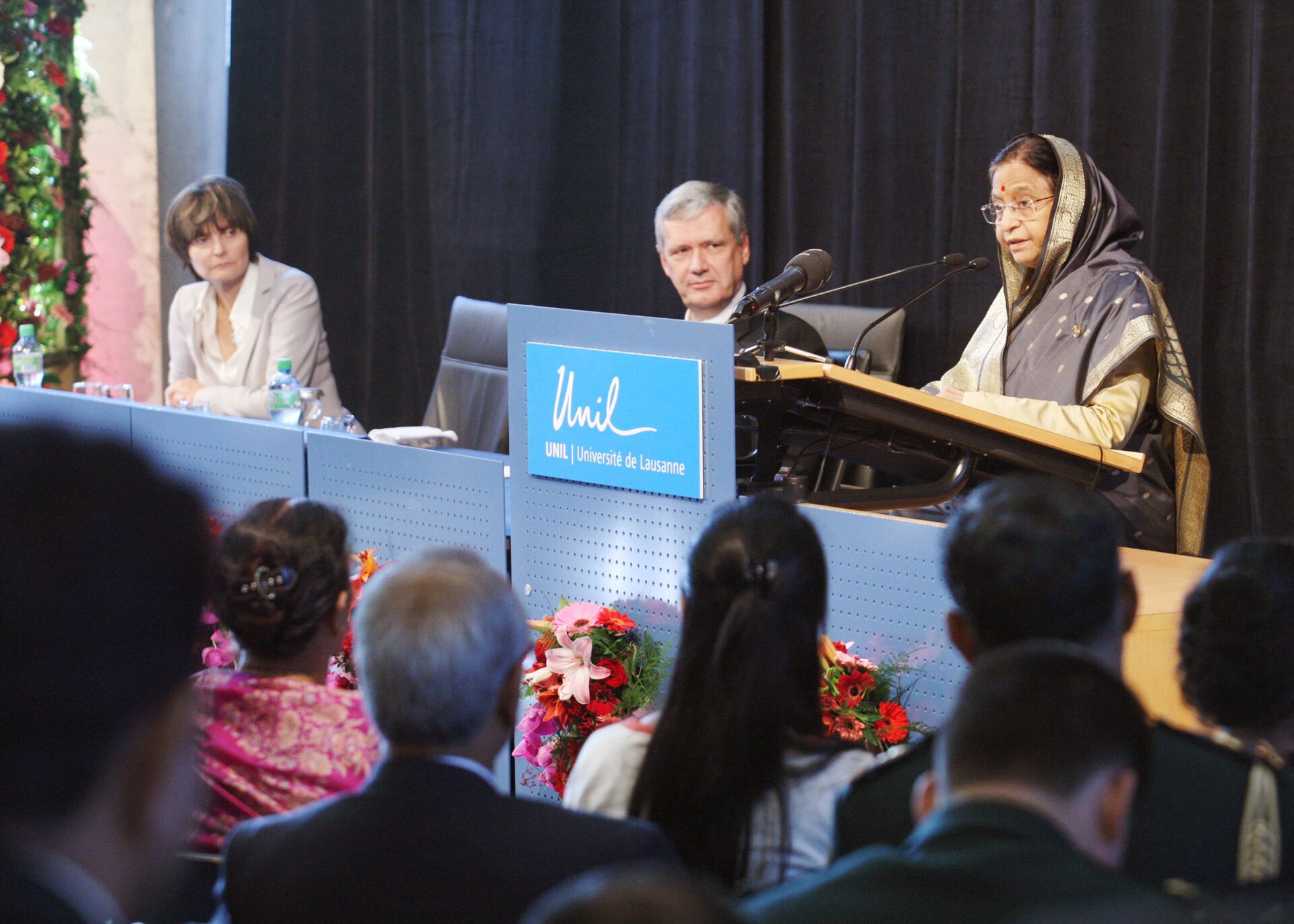
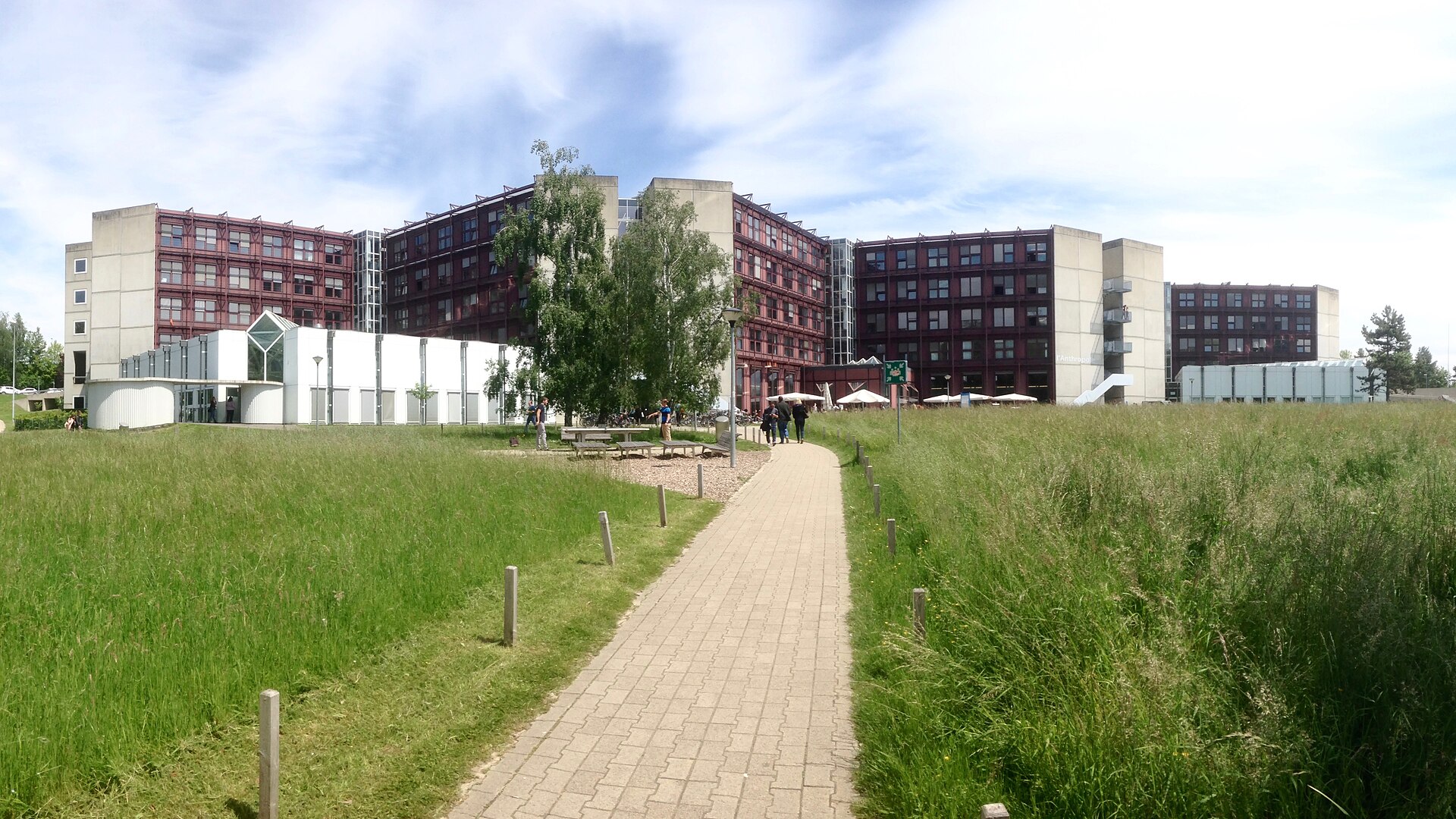
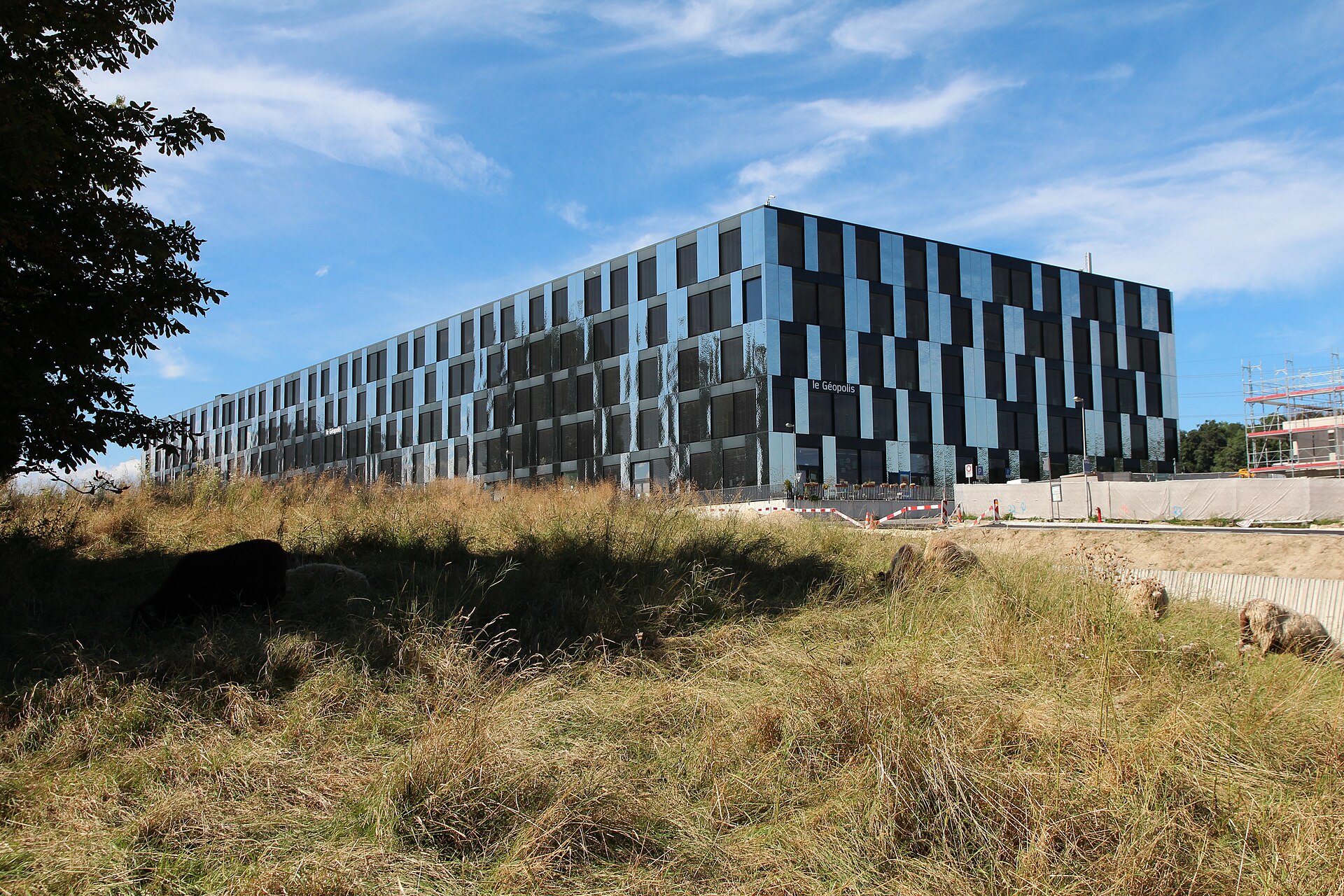
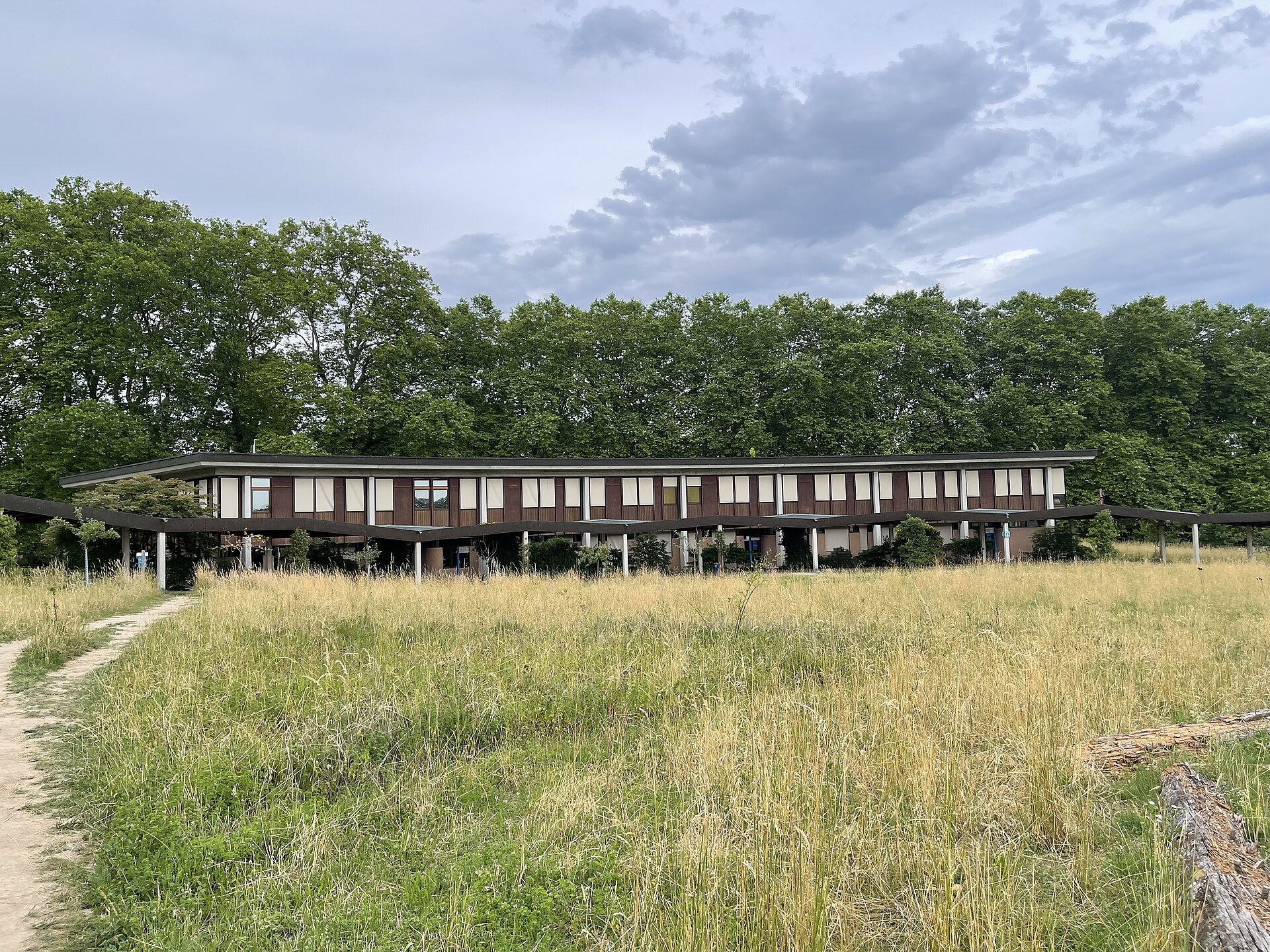
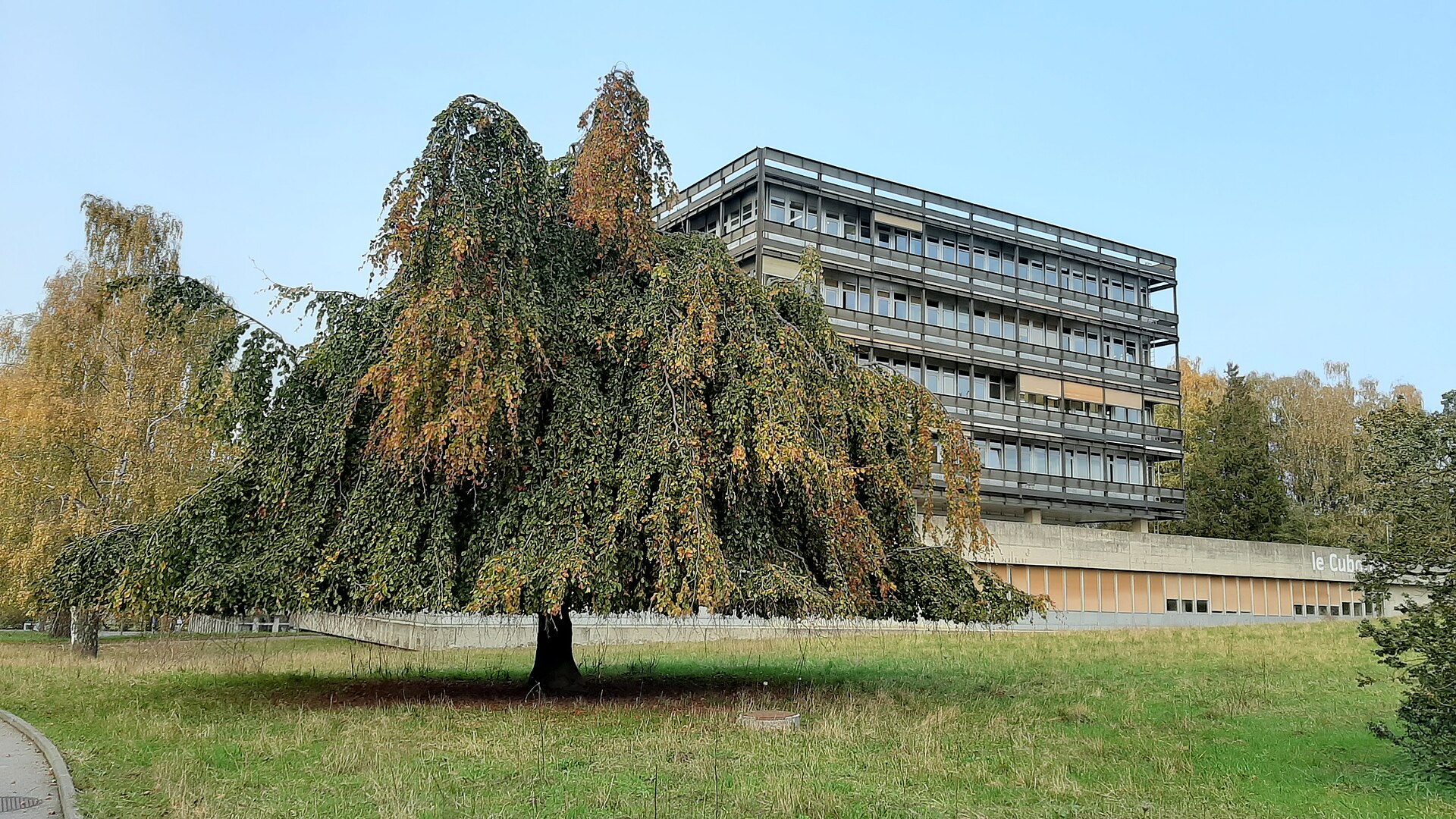
University of Lausanne (UNIL) — campus in pictures
Real, freely-licensed photographs of the campus (via Wikimedia Commons).
WHY UNIL
Why Choose University of Lausanne?
UNIL combines Swiss academic rigour, an unbeatable Lake Geneva location, and some of the lowest tuition fees in the world for a top-200 research university.
SELECTIVITY
Admissions Profile & Selectivity
UNIL's admissions are requirements-based rather than competition-based in the US sense. If your qualifications meet the bar — typically equivalent to the Swiss Maturité gymnasiale — you are admitted. The real threshold for international students is demonstrating equivalent secondary education AND the French language level required to succeed (typically B2–C1 at entry for bachelor's). This means the 'acceptance rate' is less meaningful than understanding exactly what UNIL requires from your specific qualification.
IB band of 34 is from UNIL's published data. Individual faculty requirements may vary — always check your target programme's specific conditions on the official admissions portal.
AT A GLANCE
UNIL Quick Facts
WHAT TO PREPARE
What Your Application Must Include
UNIL operates a direct-application system through its own online portal. There are no standardised tests (SAT/ACT). Admission is based entirely on your academic credentials and documentation.
ADMISSION PROFILE
What UNIL Looks For in International Applicants
UNIL's admissions process is fundamentally about credential equivalency. The university assesses whether your secondary or undergraduate qualification is equivalent in breadth and rigour to Swiss standards. Beyond pure grades, UNIL values students who bring intellectual curiosity and the language readiness to thrive in a predominantly French-speaking academic environment.
WHEN TO APPLY
Application Deadlines 2026–2027
UNIL operates two intake periods: autumn (September start) and spring (February start). Visa applicants must apply earlier. All deadlines below are for the 2026–2027 academic year — verify current dates on the official portal.
Most bachelor's programmes only admit in autumn. Spring entry is more common at master's level. Always confirm intake availability on your specific programme page before applying.
| Semester | Deadline | Notes |
|---|---|---|
| Autumn 2026 (Visa applicants / ECUS) | 28 February 2026 | Visa-requiring nationalities or ECUS-subject students |
| Autumn 2026 (General) | 30 April 2026 | All other international applicants |
| Spring 2027 (Visa applicants) | 30 September 2026 | Visa-requiring nationalities |
| Spring 2027 (General) | 30 November 2026 | Limited programme availability in spring |
CAMPUS & CITY
Student Life in Lausanne
UNIL's Dorigny campus is an expansive green site directly on the shore of Lake Geneva, just five kilometres from Lausanne city centre and accessible by metro in under fifteen minutes. The campus hosts forests, sports facilities, restaurants, and the Rolex Learning Centre (technically on the EPFL side but shared in spirit) — a striking architectural landmark that embodies the innovation culture both campuses share.
Lausanne is ranked among the world's most liveable cities, with clean air, Alpine scenery, exceptional public transport, and a cosmopolitan culture shaped by international organisations (the IOC, the Court of Arbitration for Sport, and dozens of UN agencies in nearby Geneva). The student population — 21% international — brings vibrant diversity to campus clubs, cultural events, and the city's famous lakeside promenades.
AFTER GRADUATION
Career Outcomes & Alumni Success
UNIL graduates enter careers with a recognised Swiss degree that carries weight across European and international job markets. Switzerland's high-wage economy and UNIL's location in the Lake Geneva Arc — one of Europe's densest clusters of multinational headquarters — create strong recruitment pathways.
HEC Lausanne graduates are actively recruited by private banks, asset managers, consulting firms, and multinational consumer companies headquartered in Geneva and Zurich. Life sciences and biology alumni enter the booming Swiss pharma and biotech sector (Novartis, Roche, Nestlé Health Science). Criminal sciences graduates are in demand across European law enforcement, international forensic agencies, and cybersecurity. Sport sciences alumni work with federations, elite clubs, and Olympic programmes globally. UNIL's membership in the CIVIS European university alliance broadens alumni networking across 11 leading universities.
FAQs
Frequently Asked Questions About UNIL
Do I need to speak French to study at UNIL?+
For the vast majority of bachelor's programmes, yes — French is the primary language of instruction. You should aim for B2–C1 French before starting. HEC Lausanne offers bilingual (English-French) bachelor's programmes as an exception. Many master's programmes are taught in English or bilingually. Always verify the language of instruction on your specific programme page.
Is the IB Diploma accepted at UNIL?+
Yes. IB Diploma holders are well positioned, as the IB's breadth closely mirrors the Swiss Maturité gymnasiale that UNIL uses as its benchmark. An indicative total of 34+ is the published minimum. Specific subject requirements may apply depending on your faculty.
Are SAT or ACT scores required?+
No. UNIL is test-blind — SAT, ACT, and similar standardised tests play no role in Swiss university admissions. The focus is entirely on your secondary school qualifications and their equivalency to Swiss standards.
What is the application fee?+
CHF 200 (approximately USD 220). This fee is non-refundable and must be paid as part of your online dossier submission.
Can I study in English at UNIL?+
Partially. HEC Lausanne offers bilingual English-French bachelor's programmes. At master's level, a growing number of programmes are fully English-taught — especially in management, law, international relations, and some sciences. The bachelor's level outside HEC is overwhelmingly French.
Does UNIL provide student housing?+
UNIL supports access to student residences through FMEL and other housing bodies, but supply is limited. International students should apply for housing immediately after receiving an offer. It is advisable to have a private housing backup plan.
Is there a spring intake at UNIL?+
Yes, for some master's programmes. Most bachelor's programmes only admit in September (autumn). The spring intake (February start) is much more limited in availability.
What makes UNIL different from EPFL, which is on the same campus?+
EPFL specialises in engineering, technology, and applied sciences. UNIL is a comprehensive research university covering humanities, social sciences, law, medicine, business, and natural sciences. They share the Dorigny campus and have joint research programmes, but are separately governed institutions with distinct admissions and fee structures.
ACADEMIC EXPECTATIONS
Academic Preparation for UNIL
UNIL sets high academic standards — not through competitive ranking systems, but through rigorous equivalency assessment. The critical question is not 'are you the best student in your class?' but 'does your qualification demonstrate the breadth and depth of a Swiss Maturité?' For most international students, this means strong grades across a broad subject range AND demonstrated French proficiency.
The academic preparation journey for UNIL has two parallel tracks: building strong qualifications in your chosen field and developing genuine French language skills. Both are non-negotiable for bachelor's-level entry. Master's level opens more English-taught options.
ENTRY BENCHMARKS
Academic Profile Benchmarks
UNIL does not publish a single minimum GPA. Instead, admissions are based on the total picture of your secondary qualification. The indicators below reflect the published data and well-established patterns for international applicants.
STANDARDISED TESTS
Test Policy — Test-Blind
UNIL is entirely test-blind. The SAT, ACT, GRE, and GMAT are not required and are not considered in the admissions process at any level. Swiss universities assess your actual secondary and undergraduate qualifications, not standardised external tests. This is standard practice across Swiss public universities.
This is excellent news for international students who find themselves competing on a more holistic canvas. Your IB Diploma total, A-Level grades, or national board results are what UNIL cares about. The energy you would spend on SAT/ACT preparation should instead be redirected to deepening your French language skills.
IB / A-LEVELS / INTERNATIONAL QUALIFICATIONS
How UNIL Reads International Qualifications
UNIL has well-established pathways for most major international qualifications. The IB Diploma, UK A-Levels, French Baccalauréat, German Abitur, and Indian CBSE/ISC boards are all routinely assessed. The key is equivalency: your qualification must demonstrate general education breadth comparable to Swiss standards.
CRITICAL REQUIREMENT
French Language — The Essential Key
This is the single most important section for the majority of UNIL's international applicants. French is the primary language of instruction for almost all bachelor's programmes. It is not possible to succeed at UNIL without strong French proficiency.
ENGLISH-TAUGHT OPTIONS
English-Medium Programmes at UNIL
While French dominates UNIL's bachelor's level, English-taught pathways do exist — particularly at master's level and at HEC Lausanne.
PREPARATION ROADMAP
Building Your Profile Year by Year
COMMON PITFALLS
Academic Mistakes to Avoid
- Assuming UNIL is an English-medium university — the vast majority of bachelor's programmes are taught in French.
- Applying with a US high school diploma only, without a supplementary qualification (IB, AP, or similar) — a standard US diploma alone is generally not considered sufficient.
- Underestimating the French language requirement and planning to 'pick it up on arrival' — B2–C1 is expected before you start, not after.
- Missing the February 28 deadline if your nationality requires a Swiss visa — give yourself at least 8–10 weeks for visa processing.
- Applying for a programme that does not offer a spring intake at bachelor's level — most bachelor's programmes are autumn-only.
- Submitting documents not in French, English, German, or Italian without an accompanying certified translation — applications may be rejected for missing translations.
- Not checking your specific faculty's additional requirements — Medicine, Psychology, and several other programmes have conditions beyond the general requirements.
- Forgetting to pay the CHF 200 application fee before submitting your dossier — incomplete applications are not processed.
COST & AFFORDABILITY
The Real Cost of Studying at UNIL
UNIL offers one of the most extraordinary value propositions in global higher education: tuition fees of approximately CHF 1,200 per year (roughly USD 1,300) for a top-220 world-ranked research university. The challenge is not tuition — it is the high cost of living in Switzerland, one of the most expensive countries in the world. Understanding this distinction is essential for financial planning.
For international students, annual total costs are estimated at approximately USD 27,300, driven almost entirely by living expenses. Swiss wages are also among the world's highest, and part-time work opportunities can meaningfully offset costs for eligible students.
ANNUAL COST ESTIMATE
Cost Breakdown (Annual Estimates)
All figures below are annual estimates from UNIL's published data. Actual costs vary by lifestyle, housing type, and personal spending.
Tuition is the same for Swiss and international students — Switzerland does not charge international premiums at public cantonal universities. However, students from countries that have bilateral agreements or EU/EEA residents may face specific fee structures — confirm with UNIL directly.
| Component | Annual | Notes |
|---|---|---|
| Tuition & Fees | ~USD 1,300 (CHF ~1,200) | One of the lowest of any top-250 global university |
| Cost of Living (Housing, Food, Transport) | ~USD 24,000 | Lausanne is expensive; student housing reduces this |
| Total Cost of Attendance (Estimated) | ~USD 27,300 | Full-year estimate including tuition and living |
| Application Fee | USD 220 (CHF 200) | One-time, non-refundable, paid per application |
FINANCIAL AID
Financial Aid for International Students
UNIL's financial aid system is primarily oriented toward Swiss-resident and EU students through the Swiss cantonal system. International students from outside Europe have more limited access to institutional need-based aid — the CHF 1,200 tuition model means the university's aid budget is relatively small compared to high-tuition US institutions.
UNIL's published average aid rate of approximately 10% reflects the limited institutional aid available. The primary financial support pathways for international students are: external scholarships from your home country, Swiss government grants for select countries, UNIL-specific excellence awards, and self-funding supplemented by permitted part-time work.
Average aid percentage (10%) is from UNIL's published data. Specific aid amounts and availability for your nationality should be confirmed directly with UNIL's financial services office.
SCHOLARSHIPS
Scholarships Available to International Students
Several named scholarship schemes are available to international students at UNIL. Availability, amounts, and eligibility criteria change — always verify current offerings on the official scholarship portal before applying.
NET COST REALITY
Affordability — The Honest Picture
UNIL is genuinely one of the most affordable top-200 global universities in terms of tuition. The challenge for international students is Switzerland's cost of living — Lausanne is significantly more expensive than most European university cities. A realistic annual budget of USD 25,000–28,000 (dominated by living costs) is required.
The offsetting factors are significant: Swiss part-time work is permitted for eligible student visa holders (typically up to 15 hours per week during term), and Swiss wages are very high. A part-time job in Lausanne can earn CHF 1,500–2,000 per month, substantially reducing net costs. Additionally, UNIL student cards provide discounts on public transport, cultural events, and dining on campus. Students who secure student housing through FMEL or similar bodies can reduce accommodation costs compared to private rentals.
FUNDING STRATEGY
Steps to Fund Your UNIL Education
COST FAQs
Cost & Aid Frequently Asked Questions
Do international students pay higher tuition than Swiss students?+
At UNIL, tuition fees are approximately the same for domestic and international students — a fundamental difference from US or UK universities. Swiss public cantonal universities do not charge international premiums. The tuition is around CHF 1,200 per year regardless of nationality.
What is the biggest cost for international students at UNIL?+
By far the biggest cost is cost of living. Lausanne is an expensive Swiss city. Students should budget approximately USD 24,000 per year for accommodation, food, transport, health insurance, and personal expenses — compared to just USD 1,300 in tuition.
Is health insurance included in the fees?+
No. Health insurance is mandatory in Switzerland and must be arranged separately. Students can typically access basic mandatory health insurance (KVG/LAMal) at reduced student rates. Budget this into your living costs — confirm current rates with UNIL's student services.
Can I work while studying at UNIL?+
Most non-EU international students on a Swiss student permit (L-permit) are allowed to work up to 15 hours per week during term. Swiss wages are high, making part-time work a meaningful income source. Confirm the rules for your specific nationality and permit type with the cantonal immigration authority.
Are there need-based grants from UNIL?+
UNIL's institutional aid for international students is limited. The primary need-based support routes are the Swiss Government Excellence Scholarships (ESKAS) for postgraduate students, and home-country government grants. UNIL does offer some emergency hardship grants — contact the social services bureau (Service social) if you face acute financial difficulty.
What is the application fee, and is it refundable?+
The application fee is CHF 200 (approximately USD 220). It is non-refundable regardless of the admissions outcome.
APPLICATION & MOTIVATION
Your Application & Motivation at UNIL
UNIL does not use the US Common App or the UK UCAS system. There are no supplemental essays, no creative writing prompts, and no word-limited personal statements in the American sense. UNIL's direct-application system is document-first: your academic credentials and a well-crafted motivation letter (for master's applicants) are the primary tools of communication with the admissions committee.
This tab explains the UNIL application system honestly, guides you on the motivation letter where it is required, and sets realistic expectations for what the admissions process looks like in the Swiss framework.
THE SWISS SYSTEM
How UNIL Applications Actually Work
Switzerland uses a direct-to-university application model. You apply via UNIL's online portal, uploading your academic documents. The admissions office assesses whether your qualification is equivalent to Swiss standards. For bachelor's applicants, this is predominantly a document and equivalency review — there is no competitive essay round.
THE MOTIVATION LETTER
Writing an Effective Motivation Letter
For master's applicants, the motivation letter is your primary opportunity to make a personal case for admission. Unlike a US personal statement, it should be direct, professional, and academic in tone — think research proposal meeting cover letter, not personal narrative.
A strong UNIL motivation letter typically runs 1–2 pages (500–800 words) and is written in the language of the programme (French for French-medium programmes, English for English-medium). It is addressed to the faculty's admissions committee.
HOW TO APPLY
The UNIL Application Process Step by Step
DOCUMENT CHECKLIST
Document Preparation Guide
Swiss admissions processes are precise about documentation. An incomplete or improperly translated dossier is a common reason for delays.
- Secondary school diploma (PDF) — translated if not in French/English/German/Italian
- Transcripts from final 3 years of secondary education (PDF)
- Bachelor's degree + transcript (master's applicants only) — translated if required
- Degree supplement / diploma supplement if available (master's applicants)
- Official CV in French or English
- Valid passport or national ID (PDF)
- Recent portrait-format photo (PNG or JPG)
- Proof of CHF 200 application fee payment
- Admission attestation from a home-country university (certain nationalities — check the country list on UNIL's FAQ)
- Certified true copies by postal mail (students from countries that have not ratified the Lisbon Convention)
- Motivation letter (master's applicants — in the programme language)
LANGUAGE FOR APPLICATION
Language Proficiency — In the Application
UNIL does not formally require a standardised language test certificate at the application stage for all programmes (unlike many universities). However, language proficiency is assessed through your academic record and, for master's programmes, may be formally documented.
IELTS, TOEFL, and Duolingo minimum thresholds were not universally published by UNIL at the time of writing. Always verify specific English/French documentation requirements with your target programme's admissions contact.
AVOID THESE MISTAKES
Application Mistakes to Avoid
- Writing your motivation letter in English for a French-medium programme — this signals you are not ready for the programme language.
- Submitting a generic motivation letter that could apply to any university — reference specific UNIL programmes, faculty, or research groups to show genuine intention.
- Missing the February 28 visa deadline and assuming the April 30 date applies — if your nationality requires a Swiss visa, you must apply earlier.
- Submitting documents without required official translations — untranslated documents not in French/English/German/Italian lead to delays or rejection.
- Not requesting a certified copy by post if your country hasn't ratified the Lisbon Convention — digital-only submissions may not be accepted.
- Applying to a bachelor's programme expecting a spring intake — most bachelor's programmes are autumn-only.
- Ignoring the CHF 200 fee requirement — the application is not submitted without proof of payment.
- Assuming no French is needed because you saw 'English-taught programmes' mentioned — the English-medium options are primarily at master's level; bachelor's is overwhelmingly French.
APPLICATION FAQs
Application & Statement Frequently Asked Questions
Do I need to write a personal statement for a UNIL bachelor's application?+
Generally no. Bachelor's admissions at UNIL are document-based — your diploma, transcripts, CV, and application fee comprise the core of the application. No personal essay or creative writing is required for most bachelor's programmes. Some highly competitive programmes may have additional requirements — confirm on the specific programme page.
What is a motivation letter and do I need one?+
A motivation letter (lettre de motivation) is typically required for master's applications. It is a professional academic document (1–2 pages) explaining your academic background, reasons for choosing the programme, and career or research goals. It is not a creative personal statement in the US sense — it should be direct, specific, and written in the programme's language (French for French-medium programmes).
How long should a UNIL motivation letter be?+
Typically 500–800 words (one to two A4 pages). Check the specific requirements of your programme — some faculties may specify a maximum length. Conciseness and specificity are valued over length.
Should I write my motivation letter in French or English?+
In the language of the programme. If the programme is taught in French, write in French. English-medium programmes accept an English letter. Submitting in the wrong language signals poor preparation.
Are there application interviews at UNIL?+
For most programmes, no interview is required. Medicine and some other competitive programmes (including some master's in psychology and certain law tracks) may include interviews or aptitude assessments. Confirm with the specific faculty.
Can I apply to multiple UNIL programmes simultaneously?+
You should confirm this directly with UNIL's registration service. In general, applicants are advised to identify their priority programme clearly. If applying to multiple programmes, a separate dossier and fee may be required for each — confirm the current policy on the official admissions portal.
What happens if UNIL decides my diploma is not equivalent?+
UNIL may request additional documentation, ask you to complete bridging courses, or in some cases decline admission. If your diploma is borderline, consulting with UNIL's admissions service before applying — and providing as much supporting documentation as possible — is strongly recommended.
Courses — schools, degrees & intake
34 degrees across 7 groupings.
Faculty of Theology and Religious Studies (FTSR) · 2 degrees
Bachelor in Theology
Bachelor in Study of Religions
Faculty of Law, Criminal Justice and Public Administration (FDCA) · 2 degrees
Bachelor in Law
Bachelor in Forensic Science
Faculty of Arts and Humanities (Lettres) · 17 degrees
Bachelor of Arts — German
Bachelor of Arts — English
Bachelor of Arts — French
Bachelor of Arts — Spanish
Bachelor of Arts — Italian
Bachelor of Arts — Slavonic Studies
Bachelor of Arts — South Asian Languages and Civilizations
Bachelor of Arts — Ancient Greek
Bachelor of Arts — Latin
Bachelor of Arts — Archaeology and Classical Studies
Bachelor of Arts — History
Bachelor of Arts — Art History
Bachelor of Arts — Film History and Aesthetics
Bachelor of Arts — Philosophy
Bachelor of Arts — Linguistics
Bachelor of Arts — Digital Humanities (Computer Science for the Humanities)
Bachelor of Arts — History and Science of Religions
Faculty of Social and Political Sciences (SSP) · 4 degrees
Bachelor in Psychology
Bachelor in Social Sciences
Bachelor in Political Science
Bachelor in Movement and Sports Sciences
HEC Lausanne — Faculty of Business and Economics · 2 degrees
BSc in Management
BSc in Economics
Faculty of Geosciences and Environment (FGSE) · 3 degrees
Bachelor in Geosciences and Environment — Geography, Environment and Societies
Bachelor in Geosciences and Environment — Environmental Sciences
Bachelor in Geosciences and Environment — Geology
Faculty of Biology and Medicine (FBM) · 4 degrees
Bachelor in Biology
Bachelor in Medicine (MD programme — first cycle)
Bachelor in Pharmaceutical Sciences
Bachelor in Nursing
Want your real chances at University of Lausanne (UNIL)?
Create a free TYCHR account for your personalised admit-chance, a shortlist you can track, exact entry requirements, and essay + counselling help.