University of Innsbruck
Innsbruck, Austria · Urban
UNIVERSITY OF INNSBRUCK — INNSBRUCK, AUSTRIA
Where Alpine Grandeur Meets World-Class Research
Founded in 1669 at the foot of the Alps, the University of Innsbruck is Austria's third-ranked university and one of Europe's most internationally open research institutions. With 40% of its 27,000 students coming from abroad, it offers an extraordinary combination of cutting-edge science — particularly in quantum physics and mountain-related disciplines — and a city that is genuinely one of the most liveable student destinations on the planet. If you are an international student who wants rigorous academics, low tuition, and life at altitude, Innsbruck deserves serious consideration.
Campus
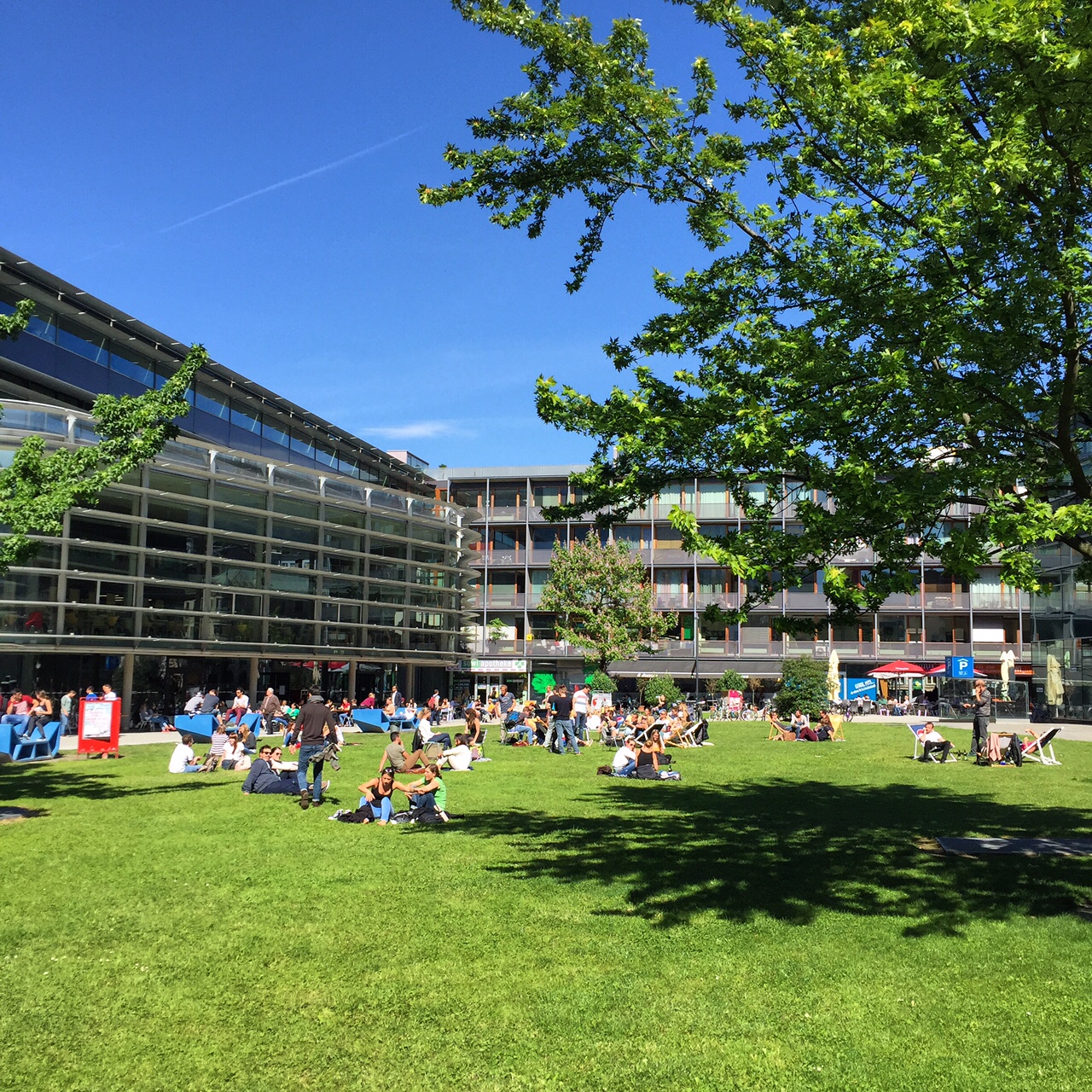
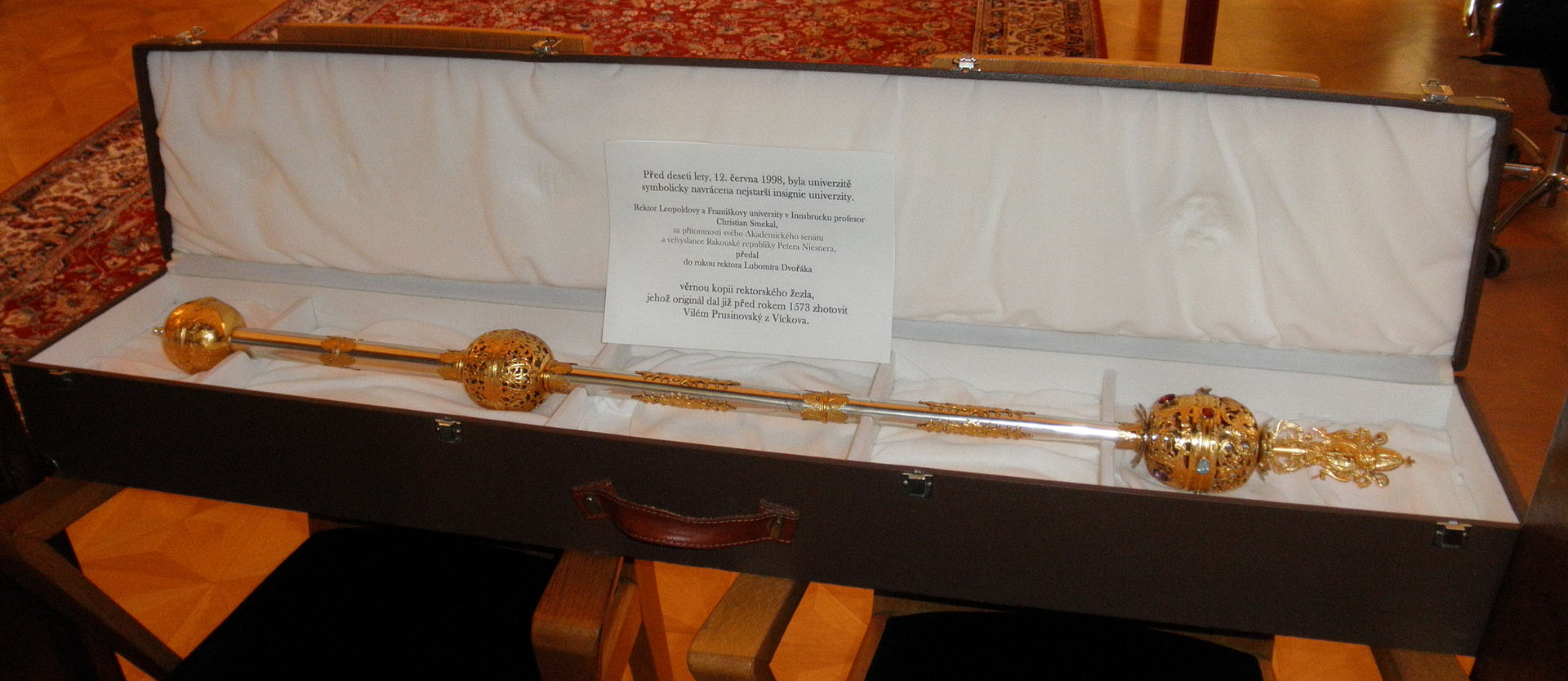
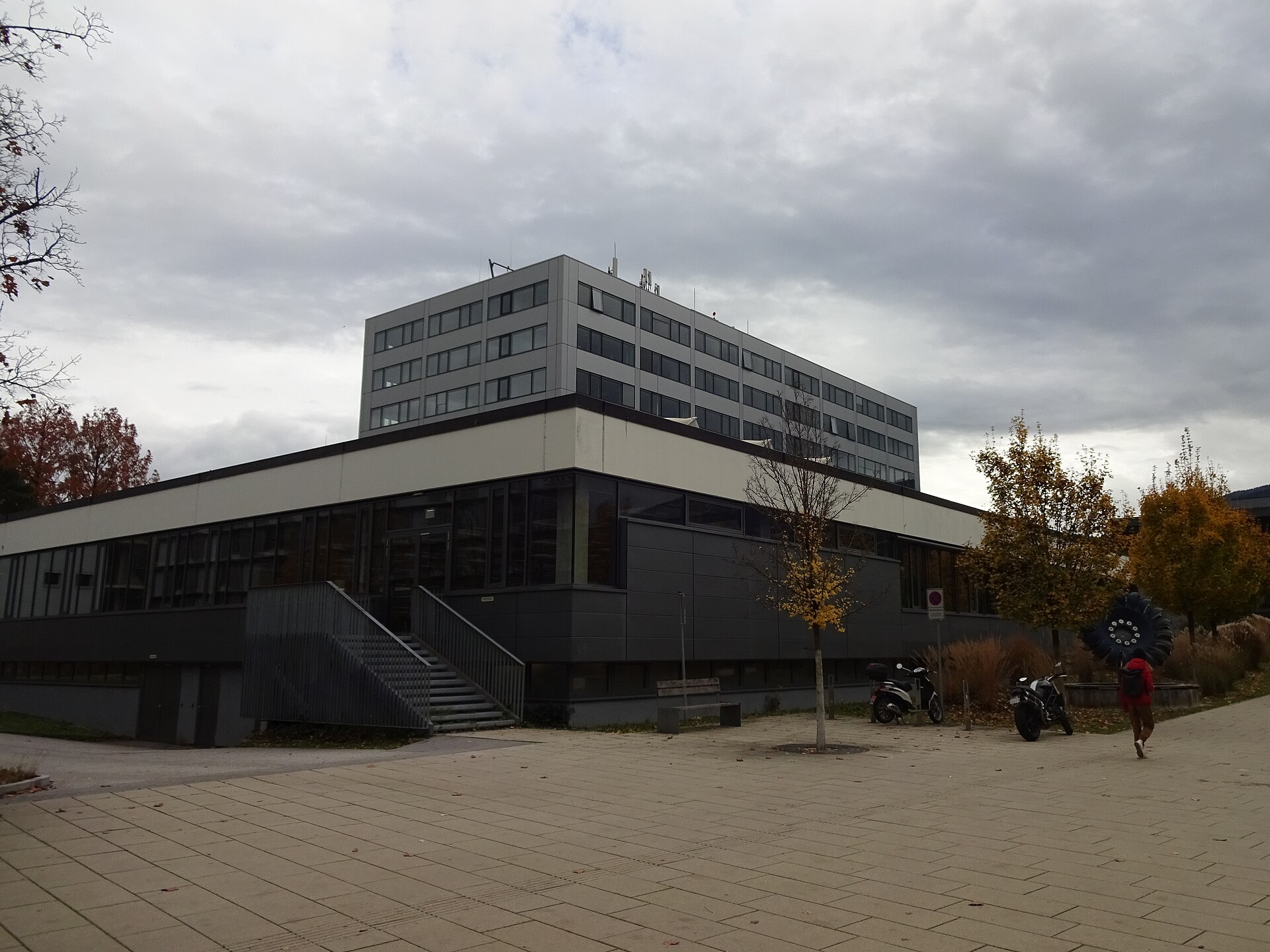
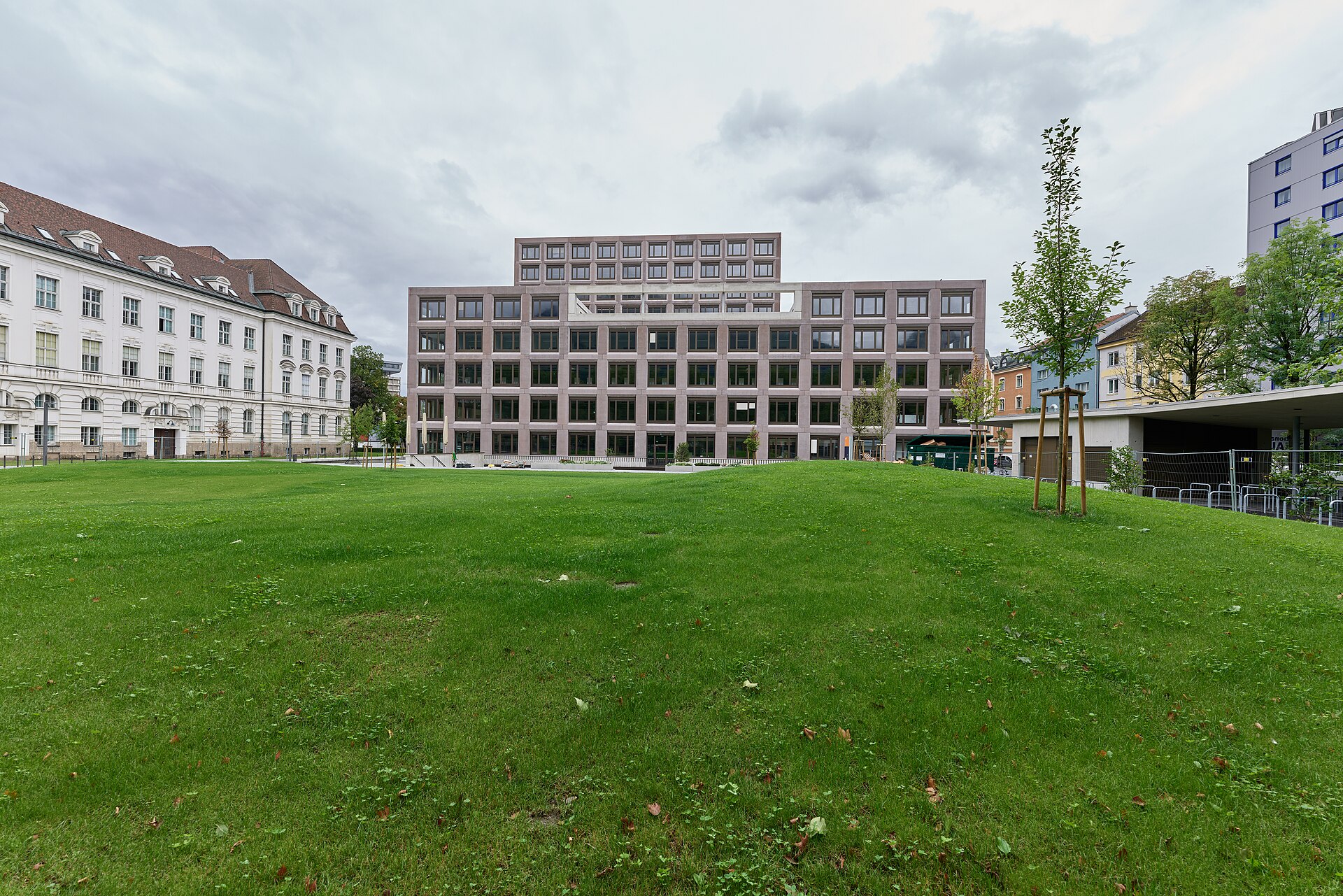
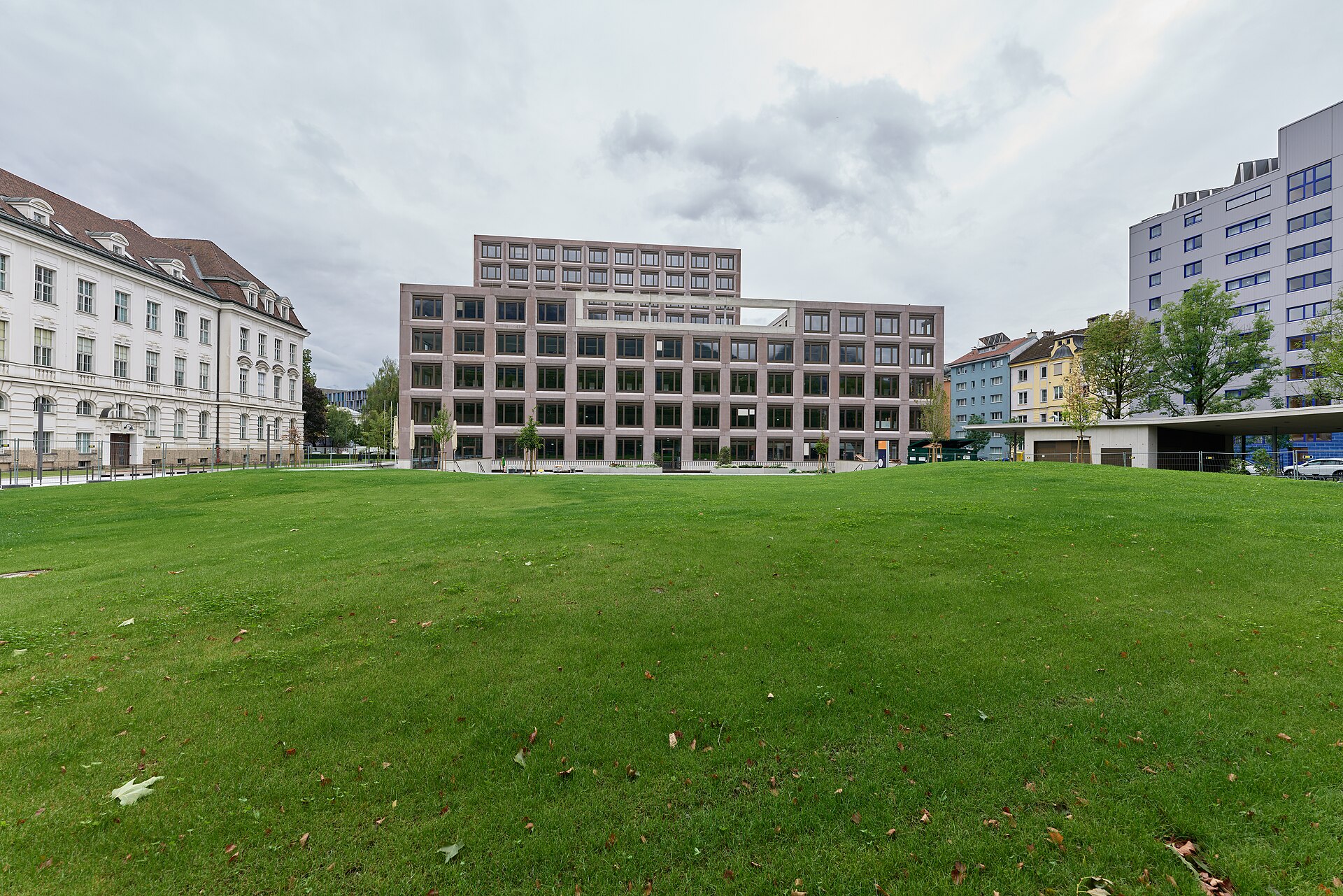
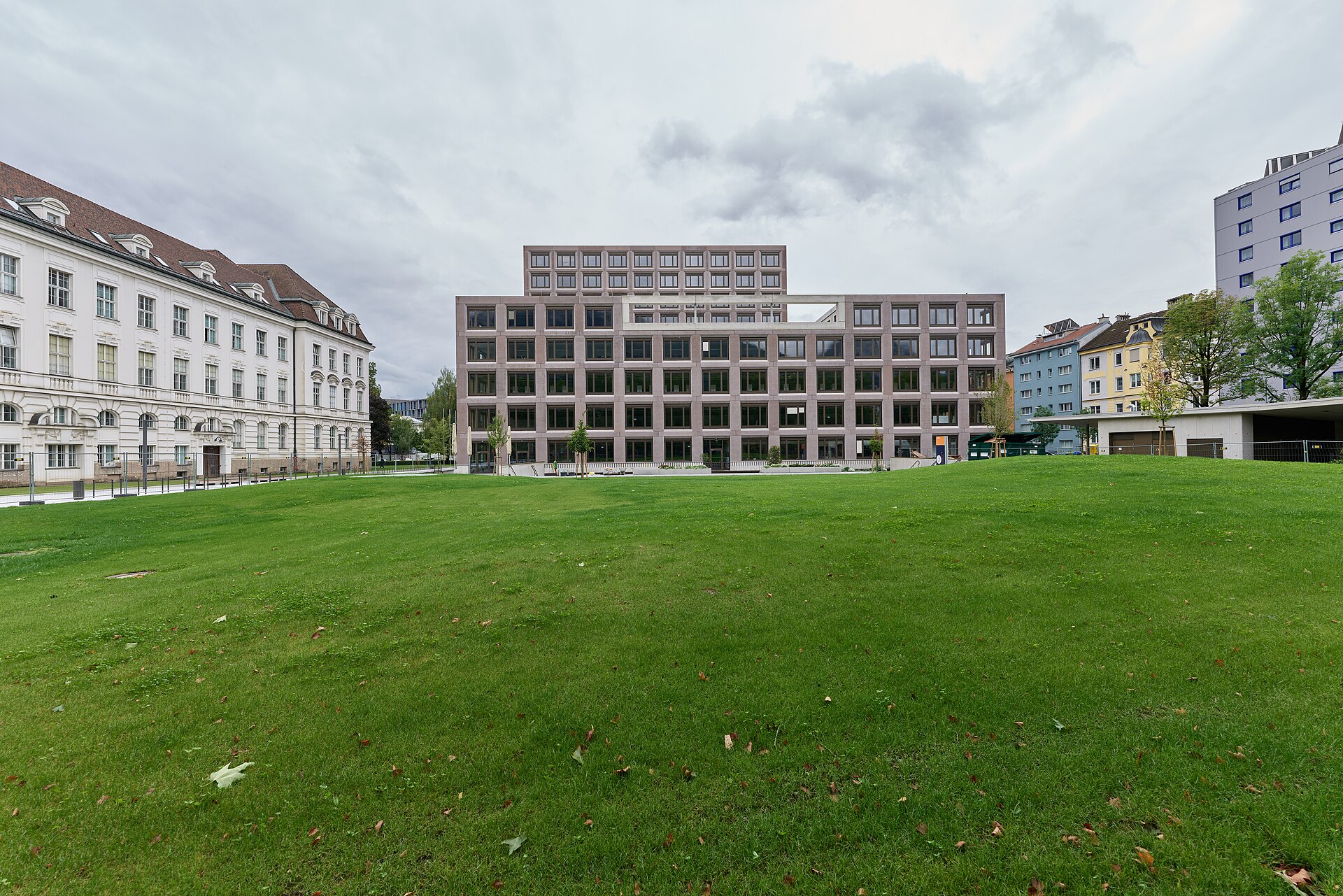
University of Innsbruck — campus in pictures
Real, freely-licensed photographs of the campus (via Wikimedia Commons).
Why University of Innsbruck — Quantum Physics, Alpine Science & Exceptional Value
The University of Innsbruck punches well above its size on the global stage. Nobel Prize-linked quantum physics research, a 40% international student body, and one of Europe's most spectacular campus settings make it genuinely distinctive. For international students who look beyond the Anglo-Saxon circuit, Innsbruck offers a quality-to-cost ratio that is hard to beat anywhere in the world.
Selectivity & Acceptance Profile
The University of Innsbruck admits the majority of qualified applicants at the undergraduate level, reflecting the Austrian public university tradition of open access for those who hold a recognised university entrance qualification. An overall acceptance rate of approximately 55% is partly shaped by a small number of competitive programmes — Architecture, Psychology, and Sports Science — that hold entrance examinations and cap enrolment. Most programmes are open to any applicant who meets the formal qualification requirements. At the master's level, admission is programme-specific and typically more selective, often requiring relevant bachelor's credentials and, for competitive programmes, a motivation letter or interview.
Quick Facts
What Your Application Consists Of
Austrian public universities use a direct application system — there is no national clearing house like UCAS. You apply online through the university's own portal. The components below apply to most standard degree programmes; competitive programmes (Architecture, Psychology, Sports Science) add an entrance examination.
What the University Looks For
Unlike US universities, the University of Innsbruck does not holistically evaluate your extracurriculars, essays, or personal narrative for most programmes. Admission is qualification-driven: do you hold a recognised secondary (or prior tertiary) credential, do you meet the language requirement, and does your qualification level meet the programme's academic threshold? That said, for competitive master's programmes and the restricted undergraduate programmes, the following additional factors come into play.
Application Deadlines
Austrian universities run two semesters: winter (October start) and summer (March start). Most international students enter in the winter semester. Non-EU/EEA applicants should plan to complete their application and receive admission confirmation significantly before the enrolment period opens, as credential verification takes time. Confirm exact deadlines for your specific programme on the official admissions pages, as restricted programmes often have earlier deadlines.
These are indicative windows. Always verify exact dates on the official University of Innsbruck admissions portal before applying.
| Semester | Application Period | Enrolment Opens | Note |
|---|---|---|---|
| Winter Semester (Oct) | May – September | September | Most common entry point for internationals |
| Summer Semester (Mar) | Nov – February | February | Fewer programmes available |
| Restricted Programmes (e.g. Architecture, Psychology) | May – June | September (after exam results) | Entrance exam held July–August |
Student Life in Innsbruck
Innsbruck is a city of about 130,000 residents that feels larger than its population suggests, thanks to the university's outsized presence. The old town (Altstadt) — with its medieval arcade streets and the famous Golden Roof — is minutes from campus. Everything in the city centre is walkable or reachable by the Sightseer tourist tram and the efficient Innsbruck city bus network.
The Nordkette mountain range rises dramatically above the city. A gondola line runs from the old town all the way to 2,334 metres, meaning you can attend a morning lecture and ski or hike the same afternoon. In winter, multiple ski resorts are within 30–60 minutes by bus. In summer, the surrounding Tyrolean Alps provide world-class hiking, climbing, and cycling. It is not unusual for international students to say that Innsbruck changes not just their academic life but their entire lifestyle. Student housing is available through the Österreichische Studentenförderungsstiftung (ÖSF) and various private providers. On-campus student residences (Studentenheime) are affordable but competitive — apply early. The student union (ÖH) organises a year-round social calendar including ski weekends, intercultural evenings, language tandem programmes, and academic support. With 40% international students, English-language social networks form easily.
Career Outcomes
The University of Innsbruck records an 89% employment rate among graduates, with an average starting salary of approximately $49,000 (roughly €45,000). These figures reflect a broad alumni base across disciplines. Physics and Computer Science graduates move into academia, deep-tech, and industry roles across the EU. Law graduates predominantly enter the Austrian and German legal markets. Business Administration graduates are well-placed across Central Europe.
Frequently Asked Questions
Is the University of Innsbruck taught in English?+
Most bachelor's programmes are taught in German. However, the university offers a growing portfolio of English-taught master's and PhD programmes in fields including Physics, Computer Science, Atmospheric Sciences, Economics, and Political Science. If you do not speak German, your entry point into Innsbruck is most likely a master's or PhD programme. The Language Centre also offers German-language preparation courses.
Do I need to speak German to apply?+
For German-taught programmes (most bachelor's degrees), you need a certified German language qualification at B2 level or higher. For English-taught master's and PhD programmes, English proficiency (IELTS 6.0 or TOEFL 80) replaces the German requirement, though learning some German will greatly enrich your time in the city.
Is the IB Diploma accepted?+
Yes. The IB Diploma is a recognised university entrance qualification in Austria. A score of 30 points is the established minimum benchmark for admission. Some master's programmes may expect higher scores as part of a competitive process.
How much does it cost to study at University of Innsbruck?+
Non-EU/EEA international students pay approximately $1,600 per year in tuition (roughly €726 per semester). The full estimated cost of attendance — including housing, food, transport, and personal expenses — is approximately $14,600 per year, making Innsbruck one of the most affordable ways to access a globally ranked European research university.
Is there financial aid for international students?+
The university's own scholarship coverage is modest (averaging around 10% of costs for aided students). However, students can apply for OeAD scholarships (Austria's national mobility agency) and Erasmus+ funding if coming from an EU partner university. Some faculties also offer performance-based scholarships (Leistungsstipendien). Full financial aid packages comparable to US or UK universities do not exist in the Austrian public system.
Are there programmes with restricted admission?+
Yes. Architecture, Psychology, Sports Science, and a small number of other programmes have numerus clausus — they hold entrance examinations to manage enrolment. The majority of programmes, however, have open admission for qualified applicants.
What is the AURORA Alliance?+
AURORA is a European university alliance of which Innsbruck is a founding member, alongside universities in Norway, Romania, Sweden, the Netherlands, Cyprus, Hungary, the United Kingdom, and Spain. It enables student mobility, joint degree programmes, and collaborative research across these institutions.
Can I do a PhD in English at University of Innsbruck?+
Yes. The vast majority of PhD programmes are conducted primarily in English, as research output and international collaboration are in English. The university runs doctoral colleges with structured funding. Contact the specific research group or faculty directly to explore PhD opportunities.
ACADEMICS
Academic Expectations for International Students
The University of Innsbruck is a comprehensive research university with 16 faculties covering natural sciences, humanities, law, social sciences, economics, and engineering. Academic standards are high, particularly in the natural sciences and quantum research. For international students, the key strategic question is not just 'can I get in?' but 'which programmes are taught in a language I can study in, and do my qualifications translate cleanly to Austrian norms?'
Academic Profile of Admitted Students
Austrian university admission is qualification-based rather than holistic. The university assesses whether your credentials meet the formal requirements; there is no ranking of applicants by GPA or test score for most programmes. The figures below represent the established benchmarks from the facts on file.
Standardised Test Policy
The University of Innsbruck is entirely test-blind with respect to SAT, ACT, and similar Anglo-American standardised tests. These tests have no role in the Austrian university admissions process whatsoever. Austrian admission is based on your school-leaving qualification and language proficiency — the university does not request, consider, or accept SAT/ACT scores as part of an application.
SAT / ACT — Not Applicable
If you are coming from an education system where SAT/ACT preparation is standard, you should redirect that energy for an Innsbruck application. The Austrian system uses your secondary school qualification — including IB Diploma, A-Levels, or your national school-leaving certificate — as the primary academic credential. Strong performance in your actual school programme is what matters, not standardised test scores.
IB, A-Level & Other International Qualifications
Austria has a well-developed recognition framework for international secondary qualifications. Most standard international curricula are recognised without additional process. The IB Diploma is fully accepted as a university entrance qualification. A-Levels are similarly recognised. For other national curricula, the Austrian Federal Ministry of Education publishes bilateral recognition agreements that the university's admission office applies.
Subject Preparation by Faculty
The University of Innsbruck's programme range is broad. The academic preparation you need depends entirely on your chosen discipline.
English Language Requirements
English proficiency requirements apply specifically to English-taught programmes (primarily master's and PhD). For German-taught programmes, German language certification is required instead. The table below reflects the minimums from the university's admissions criteria.
Some highly competitive English-taught master's programmes may require higher English scores. Always verify with the specific programme's admission page.
| Test | Minimum | Notes |
|---|---|---|
| IELTS Academic | 6.0 | For English-taught master's and PhD programmes |
| TOEFL iBT | 80 | For English-taught master's and PhD programmes |
| Duolingo English Test | Not listed | Verify with specific programme before applying |
| German (for German-taught programmes) | B2 level | Goethe B2, ÖSD B2, TestDaF, DSH accepted |
Building Your Profile — Year by Year
Austrian universities evaluate qualifications, not holistic profiles. But the strongest international applicants build a record that makes them competitive on every dimension the system does evaluate.
Common Mistakes & How to Avoid Them
- Assuming SAT/ACT scores matter — they play no role in Austrian admissions whatsoever. Redirect that preparation time.
- Applying for a German-taught bachelor's without B2-level German already in place. You will not be admitted without the language certificate.
- Ignoring the distinction between open-admission and restricted programmes. For Architecture, Psychology, and Sports Science, the entrance exam is the gate — not just your qualifications.
- Submitting uncertified translations of your school certificates. Austrian admission offices require certified translations if originals are not in German or English.
- Leaving the application until late September for a winter semester start. Non-EU students need time for credential verification and visa processing — aim to apply by July at the latest.
- Writing a generic motivation letter for a master's application without demonstrating knowledge of specific research groups or faculty at Innsbruck.
- Underestimating living costs. While tuition is low, Innsbruck is an alpine tourist city and not the cheapest place to live in Austria — budget carefully using the $13,000 annual estimate.
- Not exploring the AURORA Alliance — if direct admission to Innsbruck is difficult for your programme, an exchange year through a partner university can open a path.
COST & FINANCIAL AID
A World-Class Degree at European Public University Prices
The University of Innsbruck is a public Austrian university, funded primarily by the state. For non-EU/EEA international students, annual tuition is approximately $1,600 — one of the lowest fee levels of any globally ranked university. The catch is that most financial aid comes through external scholarship schemes rather than university-administered bursaries, and the Austrian system does not offer the large need-based grants that top US universities extend to international students. Innsbruck's value proposition is structural: low fees, not large aid packages.
Annual Cost Breakdown (Estimated)
All figures below are annual estimates for a non-EU/EEA international student. Figures sourced from the university's facts data.
EU/EEA citizens studying within the standard programme duration pay a reduced tuition (student union fee only, typically ~€23 per semester). Non-EU/EEA students pay the full amount. Exchange students on Erasmus+ arrangements typically pay at their home institution's rate.
| Component | Annual Usd | Annual Eur | Notes |
|---|---|---|---|
| Tuition (non-EU/EEA) | $1,600 | ~€1,450 | ~€726 per semester |
| Cost of living (housing, food, transport, personal) | $13,000 | ~€12,000 | Innsbruck is mid-range for Austrian cities |
| Total estimated cost of attendance | $14,600 | ~€13,500 | Based on facts data |
| Application fee | $0 | €0 | No fee charged |
Financial Aid for International Students
The Austrian public university system does not operate a US-style need-based financial aid office that packages grants for international students. The university's average aid percentage is approximately 10% of costs — this reflects a small proportion of students receiving some form of external scholarship or internal performance grant, not a broad aid programme. The main avenues for funding are external: national and EU scholarship agencies, bilateral government programmes, and the university's own competitive merit scholarships.
International students should plan to self-fund or secure scholarship support before arrival. Given that total annual costs are approximately $14,600, the funding gap is manageable relative to Anglo-Saxon universities — but the aid structures are different. Plan ahead, apply broadly to external scholarships, and consult OeAD (Austria's national education agency) for the most current list of schemes.
Scholarships & Funding Sources
The following categories of scholarship are available to international students at or coming to University of Innsbruck. Always verify current availability and application windows on official sites.
The Real Affordability Picture
At $14,600 per year total, the University of Innsbruck is among the most affordable globally ranked research universities in the world for international students. For comparison: tuition alone at a typical US private university exceeds $60,000 per year, and the UK research university average runs £20,000–£35,000 for international students. Innsbruck's total cost is roughly equivalent to tuition-only at many mid-ranked US state schools.
The tradeoff is that Innsbruck does not have large endowment-funded need-based grants. You are benefiting from Austrian taxpayer subsidy of public education — and you are expected to largely self-fund within that already-subsidised system. For students who can manage approximately €12,000–€14,000 per year from savings, family support, scholarships, or part-time work (EU rules permit international students to work a limited number of hours per week), Innsbruck represents extraordinary value. Housing is the largest cost variable. Student residences are cheaper than private apartments and should be your first choice. Apply to the university's Welcome Service for housing assistance as early as possible after receiving your admission decision.
How to Secure Funding — Step by Step
Cost & Aid FAQs
How does Innsbruck's cost compare to other globally ranked universities?+
At approximately $14,600 total annual cost, Innsbruck is dramatically cheaper than equivalent US, UK, or Australian universities. It sits in the same range as other Continental European public universities (Germany, the Netherlands, the Nordics), but with the added advantage of no per-programme application fee and an acceptance rate that is not hyper-selective.
Do EU students pay the same tuition as non-EU students?+
No. EU/EEA citizens studying within the standard programme duration are essentially exempt from the non-EU tuition surcharge and pay only the student union contribution (~€23 per semester). Non-EU/EEA students pay approximately €726 per semester.
Can I work while studying in Austria?+
Non-EU/EEA students on an Austrian student residence permit are permitted to work up to a limited number of hours per week — check current regulations with the Austrian authorities, as the exact threshold is set by immigration policy. German language skills significantly expand your job options.
Is there a university-administered loan programme?+
No. Austrian public universities do not operate student loan programmes. Funding comes from your own resources, external scholarships, or (for EU students) potentially domestic loan schemes in your home country.
How much does student housing cost in Innsbruck?+
Student residence halls (Studentenheime) typically cost €300–€500 per month for a single room. Private apartments average higher, particularly given Innsbruck's popularity as a tourist destination. Budget at minimum €400–€600 per month for accommodation.
APPLICATION & MOTIVATION
Applying to University of Innsbruck — No Essays, But Your Motivation Matters
The University of Innsbruck does not use a US-style essay system. There is no Common Application, no personal statement in the UCAS sense, and no supplemental prompts. Austrian university admissions are qualification-driven: your school certificate and language proficiency are the primary gate. However, for competitive master's programmes and restricted undergraduate programmes, a well-crafted motivation letter (Motivationsschreiben) can be decisive. This guide explains the Austrian application system honestly and tells you exactly when and how written statements matter.
The Austrian Application System — What Actually Exists
Austria's public universities use direct, online application — not a national clearing system. For the vast majority of undergraduate programmes, there is no written statement of any kind. You submit your qualification documents, language certificate, and register online. The decision is essentially administrative: do your documents meet the criteria?
Written statements become relevant in two scenarios: (1) Master's and PhD programme applications, where a motivation letter is typically required and sometimes assessed competitively, and (2) Restricted undergraduate programmes (Architecture, Psychology, Sports Science), where an entrance examination may include an assessed written component. If you are applying directly out of secondary school for an open-admission bachelor's programme, do not expect to write admissions essays — and do not worry that you cannot 'tell your story.' The system simply does not work that way. If you are aiming for a master's or PhD, the motivation letter is your primary opportunity to distinguish yourself beyond your transcript.
Where Written Statements Are Required
The following scenarios require or benefit from a written statement. Note that for most undergraduate applicants, this section does not apply.
For Undergraduate Applicants — What to Do Instead
If you are applying directly for a bachelor's programme at the University of Innsbruck (for an open-admission programme), there is no personal statement or essay to write. Use the time you would have spent on essays to do the following:
First, ensure your German language preparation is at B2 level with a valid certificate. This is the single biggest differentiating factor for undergraduate admission success. Second, get your school-leaving certificate officially translated and certified in advance — this takes time and costs money, and applications stall without it. Third, research the programme curriculum in detail so you can confirm it matches your academic goals before you arrive. Austrian programmes tend to be more prescribed in their structure than Anglo-Saxon degrees, with less flexibility to mix subjects across faculties. For students who need a year of German language preparation before entering: the University of Innsbruck's Language Centre and several affiliated language schools in Innsbruck offer intensive German programmes. Some students spend a gap year building German proficiency specifically to open up the broader Austrian bachelor's curriculum.
Motivation Letter Strategy — For Master's & PhD Applicants
The Austrian motivation letter is the closest equivalent to a US supplemental essay, but it is read by academics — not admissions generalists — and evaluated on intellectual substance, not storytelling craft.
What to Write About
The motivation letter should cover three core areas: your academic origin (where you studied and what you mastered), your academic or professional motivation for this specific programme (not Austrian universities generically), and your intended direction post-graduation.
Common Mistakes in Austrian University Applications
- Writing a personal narrative or storytelling-style essay for an Austrian master's motivation letter — save that for US applications. Austrian academic readers want structure and intellectual argument.
- Failing to name specific faculty, research groups, or programme features at Innsbruck. Generic letters that could be sent to any university are immediately recognisable and unconvincing.
- Submitting a motivation letter in a language other than the programme's language of instruction. Write in English for English-taught programmes, German for German-taught ones.
- Exceeding two pages without strong reason. Brevity and clarity are virtues in European academic writing.
- For PhD applicants: applying without first contacting a potential supervisor. Cold institutional applications without a faculty sponsor rarely succeed.
- For restricted undergraduate programmes: attending the entrance examination unprepared. Research the format in detail from the specific faculty's pages and practice accordingly.
- Assuming there is a personal statement for a standard undergraduate bachelor's programme — there is not. Do not invent one or submit unsolicited additional documents.
Application & Statement FAQs
Do I need to write a personal statement to apply for a bachelor's programme at Innsbruck?+
No. For most open-admission bachelor's programmes, there is no personal statement, essay, or written submission required. Your school-leaving certificate and language qualification are the primary admission documents.
Is a motivation letter required for master's applications?+
Yes, for most master's programmes. Some may also request a CV, academic transcripts, and letters of recommendation. Check the specific programme's admissions page for exact requirements.
How formal should the motivation letter be?+
Very formal by Anglo-Saxon standards. Use proper academic register, avoid casual language, structure your argument with clear paragraphs, and do not use first-name references to faculty. In German: use 'Sehr geehrte Damen und Herren' or address the specific faculty or dean. In English: 'Dear Admissions Committee' is standard.
Can I write my motivation letter in English for a German-taught programme?+
For a German-taught programme, the motivation letter should typically be in German. Writing it in English when the programme is conducted in German may signal insufficient language preparation and is generally inadvisable.
How do I apply for a PhD at the University of Innsbruck?+
The first step is to identify a potential supervisor and contact them directly by email with your CV, a brief research proposal, and your academic transcripts. If a supervisor agrees to work with you, they will guide you through the formal application process. Do not submit a formal application without first establishing supervisor interest.
What happens at the entrance exam for Architecture?+
The Architecture entrance exam (Aufnahmeprüfung) typically tests spatial reasoning, visual aptitude, and design thinking through drawing and problem-solving tasks. The exact format is published annually by the Faculty of Architecture. Attend a preparation workshop if offered and research past-year formats thoroughly.
Is there an interview as part of the admissions process?+
Interviews are rare for undergraduate admission but may occur for competitive master's programmes and doctoral applications. If an interview is part of the process, it will be communicated as part of the application requirements by the specific programme.
Courses — schools, degrees & intake
44 degrees across 17 groupings.
Faculty of Engineering Sciences · 4 degrees
Civil Engineering
Electrical Engineering
Environmental Engineering
Mechatronics
Faculty of Mathematics, Computer Science and Physics · 3 degrees
Computer Science
Mathematics
Physics
Faculty of Biology · 1 degrees
Biology
Faculty of Chemistry and Pharmacy · 2 degrees
Chemistry
Pharmacy
Faculty of Geo- and Atmospheric Sciences · 3 degrees
Atmospheric Sciences
Earth Science
Geography
Faculty of Humanities and Cultural Sciences · 5 degrees
Archaeological Studies
Art History
Classica et Orientalia
Comparative Literature
European Ethnology
Faculty of Language, Literature and Culture · 8 degrees
English and American Studies
French and Francophone Studies
German Philology
Italian Studies
Linguistics
Multilingual Communication
Slavonic Studies
Spanish and Latin American Studies
Faculty of Philosophy and History · 2 degrees
History
Philosophy
Faculty of Social and Economic Sciences · 4 degrees
Management and Economics
International Business and Economics
Economy, Health and Sports Tourism
Sports Management
Faculty of Social and Political Sciences · 2 degrees
Political Science
Sociology
Faculty of Psychology and Sport Science · 2 degrees
Psychology
Sport Science
Faculty of Law · 1 degrees
Business Law
Faculty of Educational Sciences · 1 degrees
Educational Sciences
Faculty of Catholic Theology · 2 degrees
Catholic Religious Education
Philosophy at Faculties of Catholic Theology
Faculty of Islamic Theology · 2 degrees
Islamic Religious Education
Islamic-Theological Studies
Faculty of Architecture · 1 degrees
Architecture
Interfaculty Studies · 1 degrees
Music Studies
Want your real chances at University of Innsbruck?
Create a free TYCHR account for your personalised admit-chance, a shortlist you can track, exact entry requirements, and essay + counselling help.