University of Groningen
Groningen, Netherlands · Urban
NETHERLANDS · GRONINGEN
University of Groningen Admissions Guide for International Students
Founded in 1614, the University of Groningen (RUG) is one of the oldest and most internationally respected research universities in the Netherlands, ranked #3 nationally and #139 globally by QS. Home to Nobel laureate Ben Feringa and a community of 36,000 students from more than 120 nationalities, RUG offers an exceptional range of English-taught bachelor's and master's programmes in a compact, affordable, and famously student-friendly city. For ambitious international students seeking world-class research, genuine multicultural immersion, and strong graduate outcomes in Europe, Groningen delivers at a fraction of the cost of comparable Anglo-American universities.
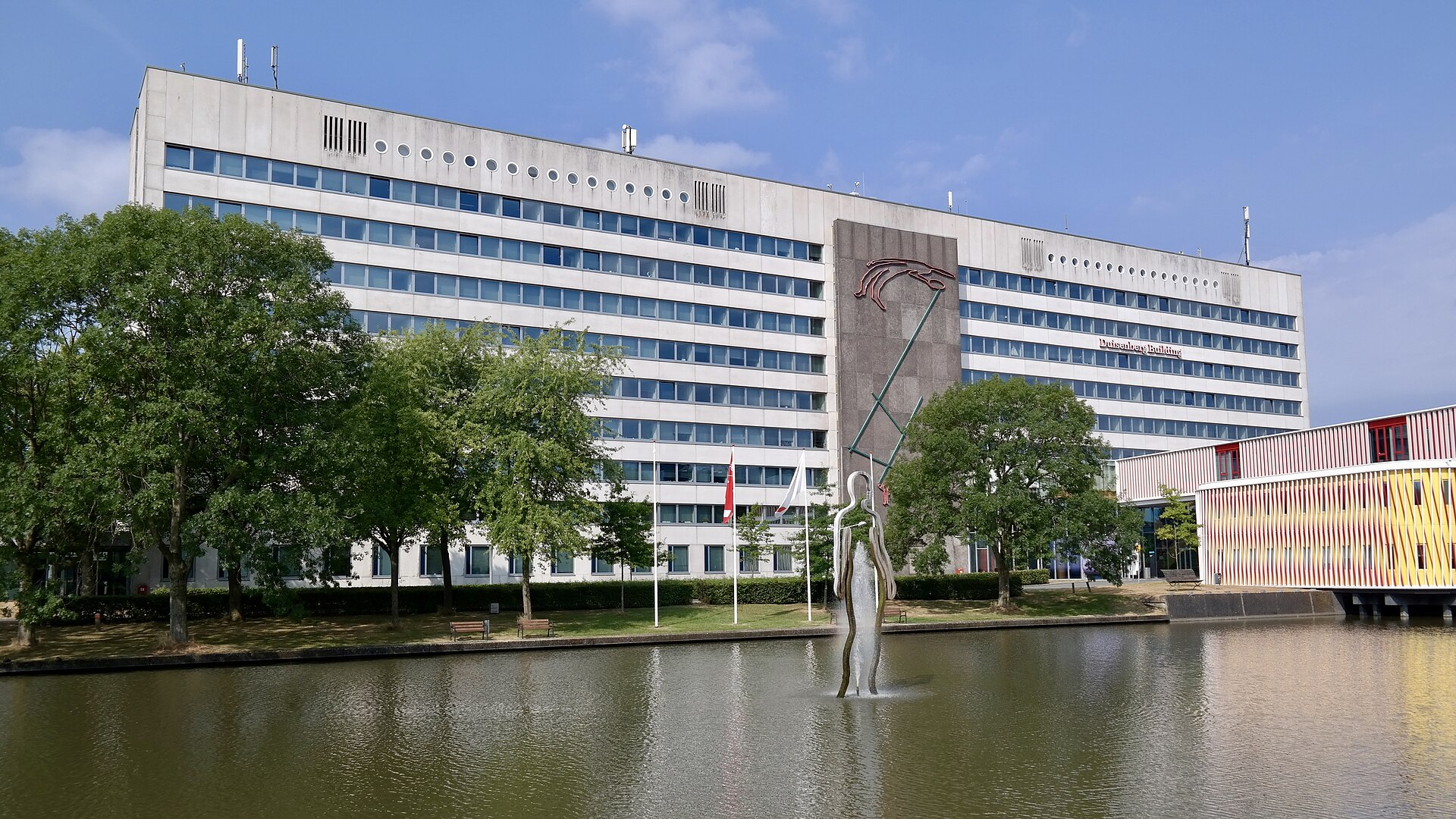
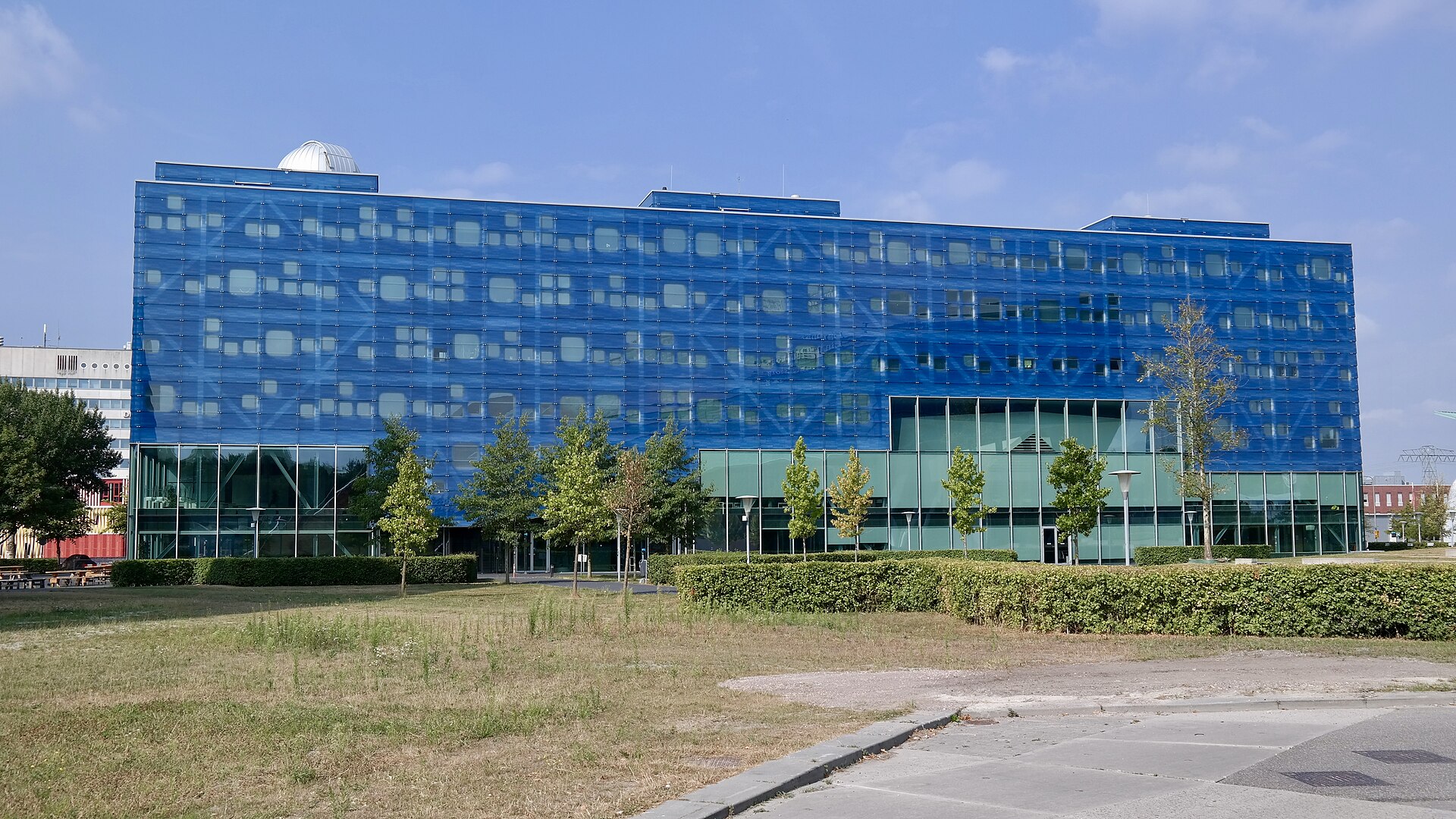
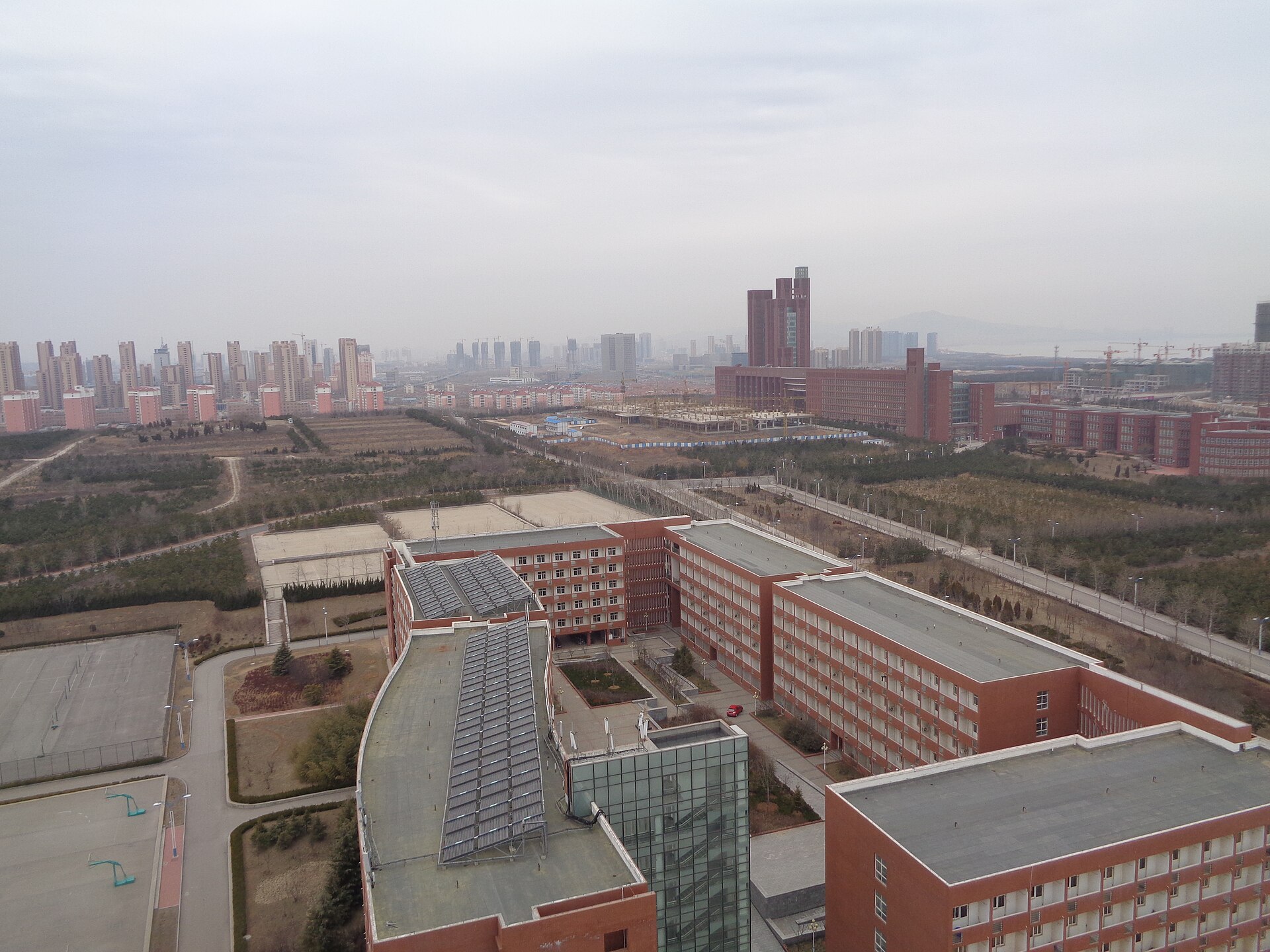
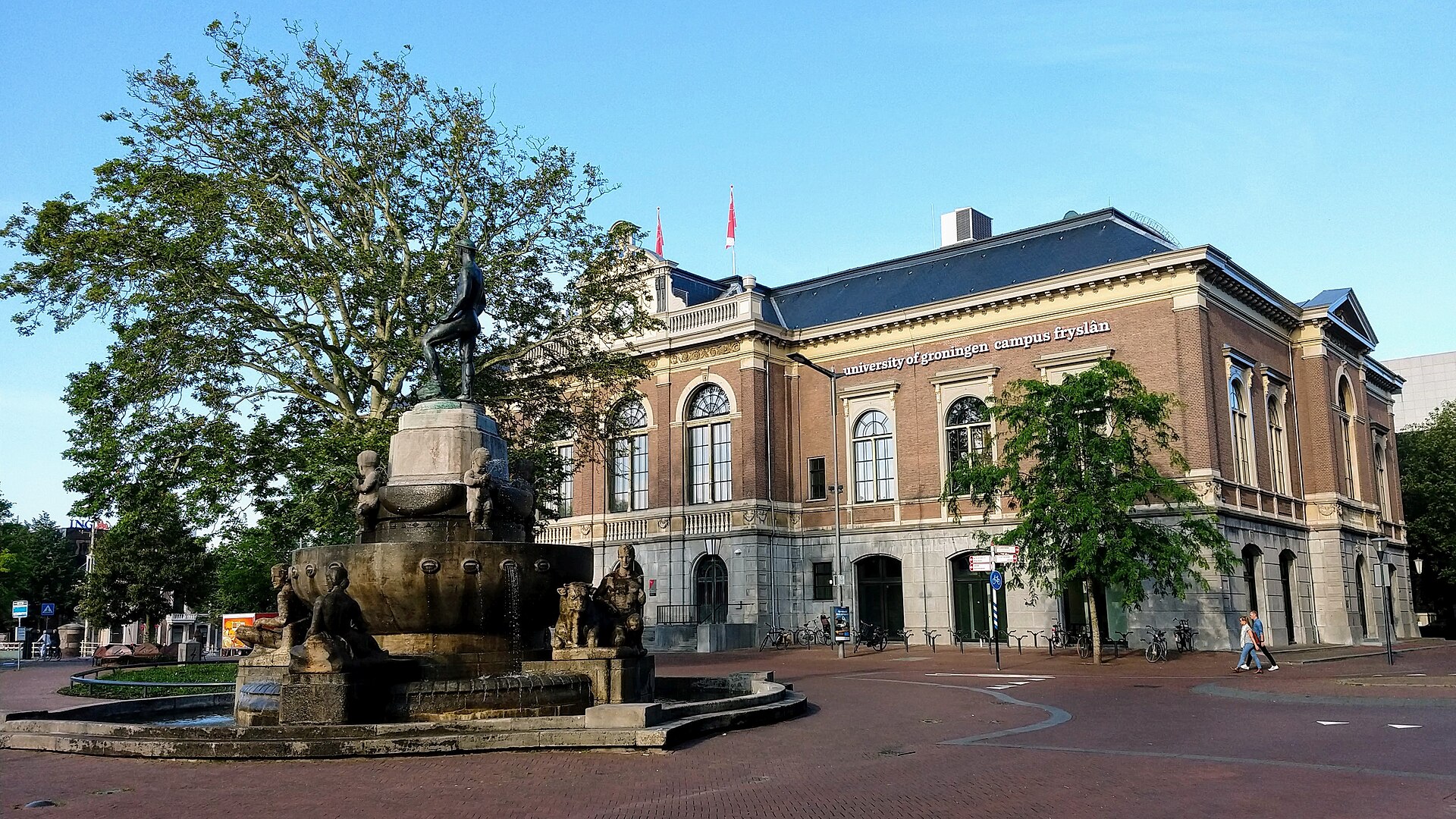
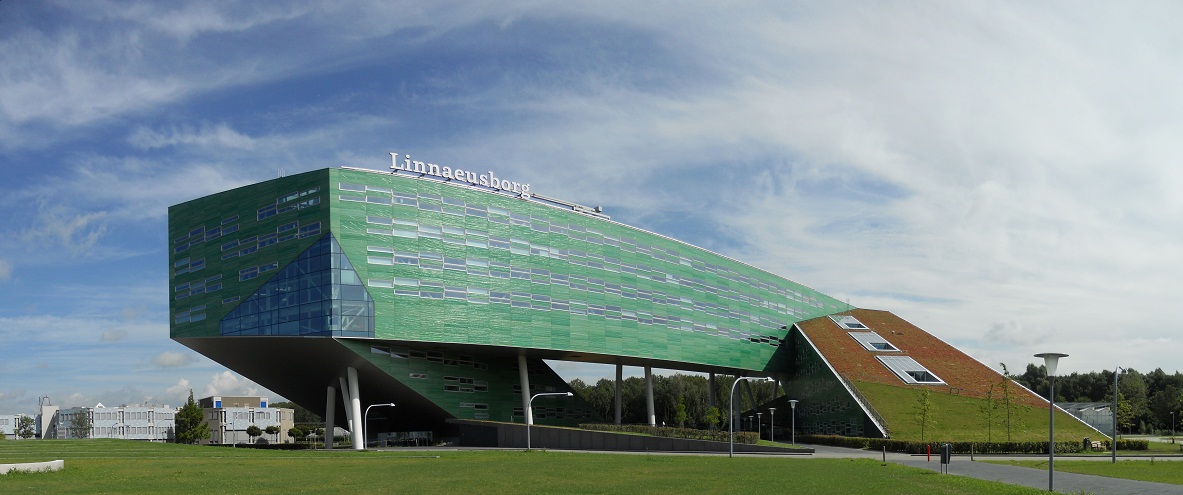
Campus
University of Groningen — campus in pictures
Real, freely-licensed photographs of the campus (via Wikimedia Commons).

Why Choose University of Groningen
Groningen combines four centuries of academic tradition with a genuinely international present-day campus. Here is what sets it apart for students coming from outside the Netherlands.
SELECTIVITY
Who Gets In Acceptance & Admissions Profile
Admissions at RUG depend heavily on programme type. Open-admission programmes accept all applicants who meet the minimum entry requirements (secondary diploma, language proficiency). Numerus fixus (limited-enrolment) programmes — including Psychology, Medicine, and some others — use selection procedures and may admit as few as 50% of qualified applicants. Across the full range of programmes, the average acceptance rate is approximately 50%, but this figure masks significant variation: competitive programmes are much harder to enter than their open-admission counterparts.
AT A GLANCE
University of Groningen Quick Facts
WHAT YOU NEED TO APPLY
Application Components
RUG uses the Dutch national application platform Studielink. Applications are submitted online; supporting documents are uploaded separately. The components required depend on your programme and nationality, but the following are standard for international bachelor's applicants.
ADMISSIONS PHILOSOPHY
What RUG Looks For
Unlike highly selective US or UK universities with holistic admissions processes, most RUG programmes use a qualification-based model: if you meet the entry requirements, you are admitted. However, for numerus fixus programmes like Psychology, selection is genuinely competitive. Across all routes, the key factors are:
KEY DATES
Application Deadlines
RUG operates a rolling admissions process for most open-enrolment bachelor's programmes, with deadlines in the spring for September intake. Numerus fixus programmes have strict early deadlines. The table below gives general guidance — confirm exact dates for your specific programme on the official RUG deadlines page, as these are updated annually.
All deadlines are indicative. Always verify current-year deadlines directly at rug.nl before applying. Non-EU applicants requiring a visa or residence permit should apply at least three months before the programme start date to allow immigration processing time.
| Round | Deadline | Notes |
|---|---|---|
| Numerus fixus programmes | 15 January (indicative) | Strict deadline; late applications not accepted |
| Open-enrolment bachelor's (non-EU) | 1 May (indicative) | Apply early; some programmes close earlier |
| Open-enrolment bachelor's (EU/EEA) | 1 July (indicative) | Later deadline; document deadline 20 Aug |
| Certified document submission | 20 August | Final upload deadline for admitted students |
| Programme start | September | Primary intake; limited February intake for some |
CAMPUS & CITY
Student Life in Groningen
Groningen is frequently cited as one of the best student cities in the Netherlands — and indeed in Europe. With a student population of roughly 60,000 in a city of 240,000, the university shapes the city's character in unmistakeable ways. The historic city centre, with its medieval Martinitoren, canals, and market square, is home to countless cafes, international restaurants, music venues, and independent bookshops.
Cycling is the primary mode of transport, and Groningen is consistently ranked among Europe's most cycle-friendly cities — a fact that dramatically reduces day-to-day costs and makes the entire city navigable within 15 minutes by bike. The cost of living is lower than Amsterdam, Utrecht, or Leiden, making it significantly more affordable for students on a budget. Most international students live in shared apartments or student housing in the city centre or adjacent neighbourhoods. RUG has more than 300 student associations and clubs spanning sports, culture, debate, sustainability, entrepreneurship, and academic interest. The university's International Student Network (ISN) runs social events and excursions specifically designed to integrate newly arriving international students. The city also hosts a lively arts and music scene — it is the birthplace of DJ Tiësto — and has strong theatre, gallery, and festival programming year-round.
GRADUATE OUTCOMES
Career Outcomes & Employment
88% of RUG graduates are employed within a defined period after graduation, with an average starting salary of approximately USD 42,000 (equivalent). RUG's location in the northern Netherlands places graduates close to a growing ecosystem of energy, agri-food, and technology companies, while its Coimbra Group membership and pan-European alumni network open doors across the continent.
RUG graduates enter a wide range of industries. Economics & Business graduates typically go into finance, consulting, and corporate strategy — many at major Dutch and European multinationals like Shell, Philips, KPMG, and Unilever. Science graduates pursue PhD programmes across Europe, or enter the energy, biotech, and computing sectors. Psychology and Behavioural Sciences graduates enter healthcare, HR, policy, and research. Law graduates, particularly in International and European Law, find careers in international organisations, NGOs, multinational firms, and government. The Career Services & Alumni office at RUG runs year-round career events, employer fairs, internship databases, and coaching sessions. The university maintains strong employer relationships in the Netherlands and broader EU, and hosts specific events for international students navigating the Dutch job market.
FAQS
Frequently Asked Questions
Can I apply to multiple programmes at RUG simultaneously?+
Yes. Via Studielink, you can apply to multiple programmes at Dutch universities simultaneously. However, if you are applying to a numerus fixus programme, you should have a clear first choice in mind, as selection procedures can differ.
Does RUG accept the IB Diploma for direct bachelor's admission?+
Yes. IB Diploma holders are accepted for direct entry to most RUG bachelor's programmes. A typical minimum of 32 points is expected for admission, though higher-demand programmes may require more. Specific subject prerequisites (e.g., Higher Level Mathematics for STEM programmes) must also be met.
Do I need to speak Dutch to study at RUG?+
Not for English-taught programmes. RUG offers more than 30 English-taught bachelor's programmes, and English is widely spoken across campus and in the city. Some degree programmes are taught in Dutch — check programme pages carefully if you are uncertain.
What is a numerus fixus programme and how does selection work?+
Numerus fixus programmes have a capped number of places. For these programmes, meeting minimum entry requirements does not guarantee admission — you undergo a selection procedure that typically includes a motivation letter, an online questionnaire, and sometimes additional tasks or interviews. Psychology is the most prominent example at RUG.
Can I get financial aid as a non-EU student at RUG?+
Non-EU/EEA students are not eligible for Dutch student finance (DUO). However, the NL Scholarship (€5,000) is available for non-EEA master's students with excellent bachelor grades. Some programmes and external government scholarships also exist. See the Cost & Aid tab for more detail.
Is Groningen a safe city for international students?+
Groningen is consistently rated one of the safest cities in the Netherlands, with low crime rates and a welcoming attitude towards international students. The large student population means support infrastructure — including international student services — is well-developed.
What housing options are available for international students?+
RUG does not guarantee on-campus housing, and the Groningen student housing market is competitive. The university strongly advises starting your housing search early — ideally as soon as you receive an offer. SSH Student Housing (the regional student housing corporation) is the main provider, supplemented by private-sector apartments. The International Student Network also provides tips and resources for new arrivals.
When should I apply if I need a student visa?+
Non-EU students who need a residence permit or student visa (MVV) should apply to their programme at least three to four months before the September start date to allow sufficient time for immigration processing. RUG's Student Immigration Team provides guidance on the residence permit process.
ACADEMIC EXPECTATIONS
Academic Preparation for University of Groningen
RUG is a research-intensive university with high academic standards. Understanding what is expected — and how international qualifications are assessed — is the first step to a strong application.
Unlike many Anglo-American universities, RUG does not use a single holistic admission score. Instead, admission is primarily qualification-based: your secondary school diploma must be equivalent to Dutch VWO (pre-university education), and programme-specific subject and grade requirements must be met. For competitive programmes with selection (numerus fixus), academic excellence matters both as a threshold and as part of the selection ranking. For open-enrolment programmes, meeting the requirements means you are in — which makes preparation about eligibility, not just competitiveness.
ACADEMIC BENCHMARKS
Admissions Academic Profile
The following benchmarks give a practical guide to the academic profile of a competitive RUG international applicant. Hard numbers come from the facts file; others are qualitative.
TEST POLICY
Standardised Tests Policy
RUG's standardised test policy is listed as 'optional' — this means that SAT and ACT scores are neither required nor a central part of the admissions evaluation. The admissions system is qualification-based: your secondary school diploma and its grades carry the most weight. SAT/ACT results are generally not submitted by applicants to Dutch universities, and submitting them provides little admissions advantage. Admission for international bachelor's students is determined by: (1) equivalency of your secondary qualification to Dutch VWO, (2) grades in prerequisite subjects, and (3) English language proficiency tests.
SAT / ACT
SAT & ACT at RUG — Context for International Students
RUG does not use the SAT or ACT in its admissions process. If you are a US-based applicant or have taken these tests, you may include them in your application, but they carry no formal weight and do not substitute for recognised secondary qualifications.
The admissions office evaluates your secondary school diploma against the Dutch VWO standard. For US students, a high school diploma combined with strong GPA and AP/IB courses is typically accepted. For Indian students, CBSE/ISC 12th standard boards are accepted; for most others, the RUG admissions team will assess your specific qualification. If your secondary qualification is not automatically recognised, RUG may request additional documents or refer you to a qualification assessment body. Check the RUG admissions page or contact Student Information & Administration for guidance specific to your home country's qualifications.
IB, A-LEVELS & INTERNATIONAL QUALIFICATIONS
How IB & A-Level Results Are Assessed at RUG
The IB Diploma is well-known and widely accepted at RUG. Typically, a minimum of 32 points total is the threshold for admission, though specific programmes may require higher overall scores or specific Higher Level results.
SUBJECT PREPARATION
Subject Readiness by Programme Area
ENGLISH LANGUAGE
English Proficiency Requirements
All English-taught programmes require proof of English language proficiency from non-native English speakers. The following are the minimum scores required. Individual programmes may set higher thresholds — always verify at programme level on the RUG website.
Students who completed all their secondary education in English (e.g., IB Diploma in English, A-Levels in English) are typically exempt from language test requirements. Confirm exemption eligibility with RUG's admissions team.
| Test | Minimum | Notes |
|---|---|---|
| IELTS Academic | 6.5 overall | No band below 6.0 for most programmes |
| TOEFL iBT | 90 total | Check programme for sub-score requirements |
| Duolingo English Test | 120 | Accepted by many RUG programmes |
| Cambridge Advanced (CAE) | Grade C or above | Widely accepted; verify at programme level |
YEAR-BY-YEAR ROADMAP
Building Your Profile Grade 9 to 12
PITFALLS TO AVOID
Academic Application Mistakes
- Missing the numerus fixus deadline (typically 15 January) — there are no exceptions, and late applications are not accepted.
- Applying for a Dutch-language programme by mistake — always verify on the programme page whether the degree is taught in English or Dutch before applying.
- Underestimating the mathematics requirement for Econometrics — it is one of Europe's most quantitative undergraduate programmes; apply only with strong HL/A-Level maths.
- Submitting uncertified or unnotarised copies of documents — RUG requires certified translations and certified copies; scanned images are not sufficient.
- Assuming SAT/ACT scores will strengthen your application — they carry no weight at Dutch universities. Focus on your secondary diploma and grades.
- Not checking prerequisite subjects — some programmes require specific Higher Level or A-Level subjects that must appear on your diploma.
- Starting the housing search late — Groningen student housing fills up quickly; begin searching as soon as you receive your offer letter.
- Not checking if your English qualification exempts you from a language test — unnecessarily sitting and paying for IELTS or TOEFL wastes time and money if you already qualify for exemption.
COST & FINANCIAL AID
Understanding the Cost of Studying at RUG
For non-EU/EEA international students, the University of Groningen is significantly more affordable than comparable universities in the UK, US, or Australia — without sacrificing academic quality.
The Netherlands charges two categories of tuition: statutory fees for EU/EEA students (around €2,500/year) and institutional fees for non-EU/EEA international students. RUG's institutional fee for non-EU bachelor's students is approximately $15,960 (USD equivalent) per year. Combined with Groningen's relatively low cost of living, the total annual cost of attendance is around $29,640 — well below comparable programmes at leading UK or US universities. However, non-EU students cannot access Dutch student finance (DUO), so it is important to plan your funding carefully before applying.
ANNUAL COST ESTIMATE
Cost Breakdown (Annual, Non-EU/EEA Student)
The figures below are sourced from the university facts file and represent approximate annual costs. All amounts are in USD equivalent. Always verify current-year EUR figures directly with RUG, as institutional fees are set annually.
EU/EEA students pay the statutory tuition fee (approximately €2,530/year as of 2024–25), which is dramatically lower. If you hold EU/EEA citizenship or permanent residency, confirm your fee status with RUG before applying.
| Item | Annual Usd | Notes |
|---|---|---|
| Institutional tuition fee (non-EU/EEA) | ~$15,960 | Set annually by RUG; verify current rate |
| Living costs (rent, food, transport, personal) | ~$12,000 | Groningen is among the most affordable NL cities |
| Total estimated cost of attendance | ~$29,640 | Tuition + living; books, travel extra |
| Application fee | ~$100 | Non-refundable; non-EU applicants |
FINANCIAL AID POLICY
Financial Aid for International Students
Non-EU/EEA students are not eligible for Dutch government student finance (DUO loans and grants). RUG does not operate a large-scale need-based aid programme for international bachelor's students — in contrast to some US universities that offer need-blind or need-aware admission with substantial grants. The primary source of institutional financial support for non-EU international students is the NL Scholarship (€5,000, primarily for master's students). At bachelor's level, the key funding routes are external: government scholarships from your home country, bilateral programme agreements, and private foundations. Students from specific countries may be eligible for Netherlands-government-funded scholarships administered by Nuffic. Plan your funding comprehensively before committing to a place. RUG's Student Financial Affairs office can advise on available external funding sources relevant to your country of origin.
There is no average aid percentage available in our facts database for RUG — aid figures are not published in aggregate, and we do not estimate what is not verifiable.
SCHOLARSHIPS
Scholarships for International Students
The following scholarships are relevant to international students at RUG. Always verify current eligibility and application deadlines directly with RUG or the administering body, as scholarship programmes change annually.
THE NET PRICE REALITY
Affordability in Context
At approximately $29,640 per year in total cost of attendance, RUG represents exceptional value for a globally ranked top-150 research university. For comparison, US research universities of comparable global standing often cost $70,000–$90,000 per year all-in, and top UK universities can run to £40,000+ per year for international students. Groningen's low cost of living is a genuine advantage: rent for a room in a shared student flat typically runs €400–€700/month, groceries are affordable by Western European standards, and cycling eliminates transport costs. For students who plan carefully and secure part-time work (non-EU students on a student residence permit can typically work 16 hours per week during term time), the actual out-of-pocket cost can be meaningfully lower than the headline figures suggest. That said, no-loan or no-tuition policies do not exist at RUG for non-EU international students. Come with a clear funding plan covering at least the first two years.
HOW TO FUND YOUR DEGREE
Steps to Secure Funding for RUG
COST & AID FAQS
Frequently Asked Questions on Fees
Can I get a student loan in the Netherlands as a non-EU student?+
No. Dutch student finance (DUO) is only available to EU/EEA students and certain other groups. Non-EU/EEA students must fund their studies independently through savings, family support, scholarships, or their home country's loan programmes.
What is the exact tuition fee for non-EU students?+
The institutional tuition fee for non-EU/EEA bachelor's students is approximately €14,900–€16,500/year, depending on the programme (USD equivalent ~$15,960). Fees are set annually — always check the current figure on the RUG tuition fees page before making financial decisions.
Are there scholarships for bachelor's-level international students?+
Institutional scholarships at bachelor's level are very limited at RUG. The NL Scholarship targets master's students. External home-country government scholarships are the main funding route for bachelor's level. Some bilateral agreements exist — check with your national education ministry.
Can I work while studying in the Netherlands?+
Yes. Non-EU students on a student visa may typically work 16 hours per week during the academic year and full-time during summer months. Your employer must hold a valid labour market statement (gecombineerde vergunning or TWV). Always verify current rules with the Dutch immigration authority (IND).
Is the application fee refundable?+
No. The application fee of approximately $100 (€100 equivalent) is non-refundable, regardless of the outcome of your application.
Is health insurance mandatory in the Netherlands?+
Yes, if you work in the Netherlands. Students who work (even part-time) are required to have Dutch health insurance. Students who do not work may use home-country travel/health insurance or a student international policy. Check with RUG's international office for current requirements.
APPLICATION & MOTIVATION
Applying to RUG: The Motivation Letter & Studielink Process
Unlike US or UK universities, the University of Groningen does not require application essays as a central admissions component. Admission to most bachelor's programmes is qualification-based — your diploma and grades decide the outcome. However, for numerus fixus (selection) programmes, your motivation letter is a critical and differentiating document.
This tab explains how the Dutch application system works, what Studielink is, when and how a motivation letter matters, and how to write a compelling one if your target programme requires it. It is designed to give you an honest picture of what the RUG application actually involves — not a US-style supplemental essay guide that doesn't apply here.
APPLICATION SYSTEM
How the Dutch Admissions System Works
The Netherlands uses Studielink — a centralised national platform — for all bachelor's programme applications. Every applicant creates an account at studielink.nl, selects their programme and university, and uploads supporting documents. RUG then receives your application via Studielink and processes it through their internal Progress Portal.
For most open-enrolment (vrije instroom) bachelor's programmes, the application process is primarily administrative: you submit your diploma, transcripts, English test results, and application fee, and receive an admission decision based on whether your qualifications meet the programme entry requirements. There is no competitive ranking, no essay prompt, and no personal statement required in the US sense. For numerus fixus (limited-enrolment) programmes — most notably Psychology, Medicine/Health Science, and certain other programmes — a selection procedure applies. This typically involves: an online questionnaire about your background and motivation, a motivation letter, and sometimes additional tasks. The motivation letter here is substantive and genuinely assessed — it is the closest equivalent to an admissions essay in the Dutch system. For master's programmes, a statement of purpose or motivation letter is often required even for open-enrolment courses, as master's admission is more competitive and involves programme-level review.
STEP-BY-STEP
The Studielink Application Process
THE KEY WRITTEN COMPONENT
Writing Your Motivation Letter
For numerus fixus programmes and master's applications at RUG, the motivation letter (motivatiebrief) is the most important written component of your application. Unlike a US personal essay, the motivation letter at Dutch universities is explicitly professional and academic in tone — it is not a personal narrative or a coming-of-age story. Its purpose is to demonstrate that you have made a deliberate, informed choice about this programme and university, and that you have the academic and personal attributes to succeed.
A strong RUG motivation letter covers four elements: (1) your academic background and what specifically prepared you for this programme; (2) your motivation for studying this field — what drove your interest and how it developed; (3) why you chose the University of Groningen specifically — not generic praise, but concrete reasons linked to the programme's content, faculty research, or unique features; and (4) what you intend to do with the degree — your career direction or further study goals. Length is typically one to two pages (500–800 words). Write in clear, formal English. Avoid clichés ('I have always been passionate about…'). Be specific: name professors whose work interests you, reference RUG's research focus areas (Energy, Healthy Ageing, Sustainable Society), mention particular courses or specialisations within the programme, and connect your prior activities to what the programme offers.
MOTIVATION LETTER STRATEGY
Choosing What to Write About
For the numerus fixus selection questionnaire and motivation letter, the selection committee is assessing fit — between you and the programme, between your goals and what RUG can offer. Your 'topic' is therefore not a narrative choice (as it would be for a US essay), but a strategic framing of your academic and personal development.
Think of your letter as an argument: 'Here is who I am academically, here is what I have done, here is why this specific programme at Groningen is the right next step, and here is where I plan to go afterwards.' The letter should be evidence-based — support your claims with concrete examples rather than assertions. If you say you are passionate about psychology, cite a book you read, a study you found compelling, or an experience that crystallised your interest. If you say you want to work in international development, explain why and how this programme equips you for it. For international students, it can also be powerful — but not obligatory — to briefly acknowledge your international perspective and how diversity of background enriches the learning environment. Keep this brief and avoid making it the centrepiece of your letter.
PITFALLS
Common Mistakes in the RUG Application
- Applying to a numerus fixus programme without checking whether you are likely to be selected — for Psychology, competition is real and motivation letters are closely read.
- Writing a US-style personal narrative essay when RUG expects a direct, professional motivation letter — tone mismatch undermines an otherwise strong candidate.
- Not registering on Studielink early enough — the system requires identity verification and can take several days to activate for international students.
- Missing the numerus fixus application deadline (typically 15 January) — this deadline is absolute; no exceptions are made.
- Submitting uncertified document copies — always check the certification requirements for your country before uploading.
- Writing a generic motivation letter that does not reference the specific programme, RUG's research strengths, or any faculty/course-level details.
- Not verifying whether your secondary qualification meets Dutch VWO equivalency before applying — some qualifications require additional steps or assessments.
- Forgetting to apply for a student residence permit early enough for non-EU students — immigration processing takes time, and missing the MVV window delays your arrival.
- Assuming your IELTS or TOEFL score is sufficient without checking programme-specific minimums, which may be higher than the university-wide minimum.
APPLICATION FAQS
Frequently Asked Questions on Applying to RUG
Do I need to write an essay to apply to RUG?+
Not for most open-enrolment (vrije instroom) bachelor's programmes. Admission is based on your secondary school diploma and grades. A motivation letter is required for numerus fixus (selection) programmes such as Psychology, and for most master's programme applications.
What is Studielink and do I have to use it?+
Studielink (studielink.nl) is the mandatory Dutch national application platform for all bachelor's programmes at Dutch universities. You must register and submit your application via Studielink — there is no separate RUG application form for bachelor's programmes.
How long should my motivation letter be?+
Typically 500–800 words (one to two pages). Check programme-specific guidance, as some programmes may give exact word or page limits. Avoid going significantly over or under the guideline.
Should I write my motivation letter in English or Dutch?+
For English-taught programmes, write in English. Writing in Dutch when the programme is English-taught may actually work against you, as it signals you have not read the programme requirements carefully.
Can I apply to multiple numerus fixus programmes?+
Yes, you can apply to multiple programmes via Studielink. However, selection procedures for numerus fixus programmes are demanding and time-consuming — focus your effort on a small number of strong choices rather than applying broadly and diluting your preparation.
When will I hear back about my application?+
For open-enrolment programmes, decisions are usually made within a few weeks of submitting a complete application. For numerus fixus programmes, national results are announced in the spring (typically April–May for a September start). You are notified via Studielink.
Is there an interview for bachelor's admission at RUG?+
Formal interviews are not a standard part of bachelor's admissions at RUG. Numerus fixus selection may include online tasks, questionnaires, or written components, but in-person interviews are not typical at bachelor's level. Verify with your specific programme.
Courses — schools, degrees & intake
33 degrees across 10 groupings.
Faculty of Arts (Faculteit der Letteren) · 8 degrees
American Studies
Art History
Arts, Culture and Media
Communication and Information Studies
English Language and Culture
History
International Relations and International Organization
Media Studies
Faculty of Economics and Business · 3 degrees
Econometrics and Operations Research
Economics and Business Economics
International Business
Faculty of Science and Engineering · 13 degrees
Applied Mathematics
Applied Physics
Artificial Intelligence
Astronomy
Biology
Biomedical Engineering
Chemical Engineering
Chemistry
Computing Science
Industrial Engineering and Management
Life Science and Technology
Mathematics
Physics
Faculty of Spatial Sciences · 2 degrees
Human Geography and Planning
Spatial Planning and Design
Faculty of Behavioural and Social Sciences · 1 degrees
Psychology
Faculty of Philosophy · 1 degrees
Philosophy of a Specific Discipline
Faculty of Law · 1 degrees
International and European Law
Faculty of Religion, Culture and Society · 1 degrees
Religious Studies
University College Groningen · 1 degrees
Liberal Arts and Sciences
Campus Fryslân · 2 degrees
Data Science and Society
Global Responsibility and Leadership
Want your real chances at University of Groningen?
Create a free TYCHR account for your personalised admit-chance, a shortlist you can track, exact entry requirements, and essay + counselling help.