University of Göttingen
Göttingen, Germany · Urban
GEORGIA AUGUSTA · FOUNDED 1737
University of Göttingen Admissions Guide for International Students
Where Gauss mapped the magnetic poles, Hilbert reshaped mathematics, and more than forty Nobel laureates built the ideas that changed the world — the Georg-August-Universität Göttingen remains one of Germany's most storied research universities. Ranked #111 globally by Times Higher Education and a founding member of the elite German U15 research alliance, Göttingen offers ambitious international students access to a genuine research culture at one of the lowest cost points of any top-200 global university. This guide walks you through every step of applying from abroad.
Campus
University of Göttingen — campus in pictures
Real, freely-licensed photographs of the campus (via Wikimedia Commons).
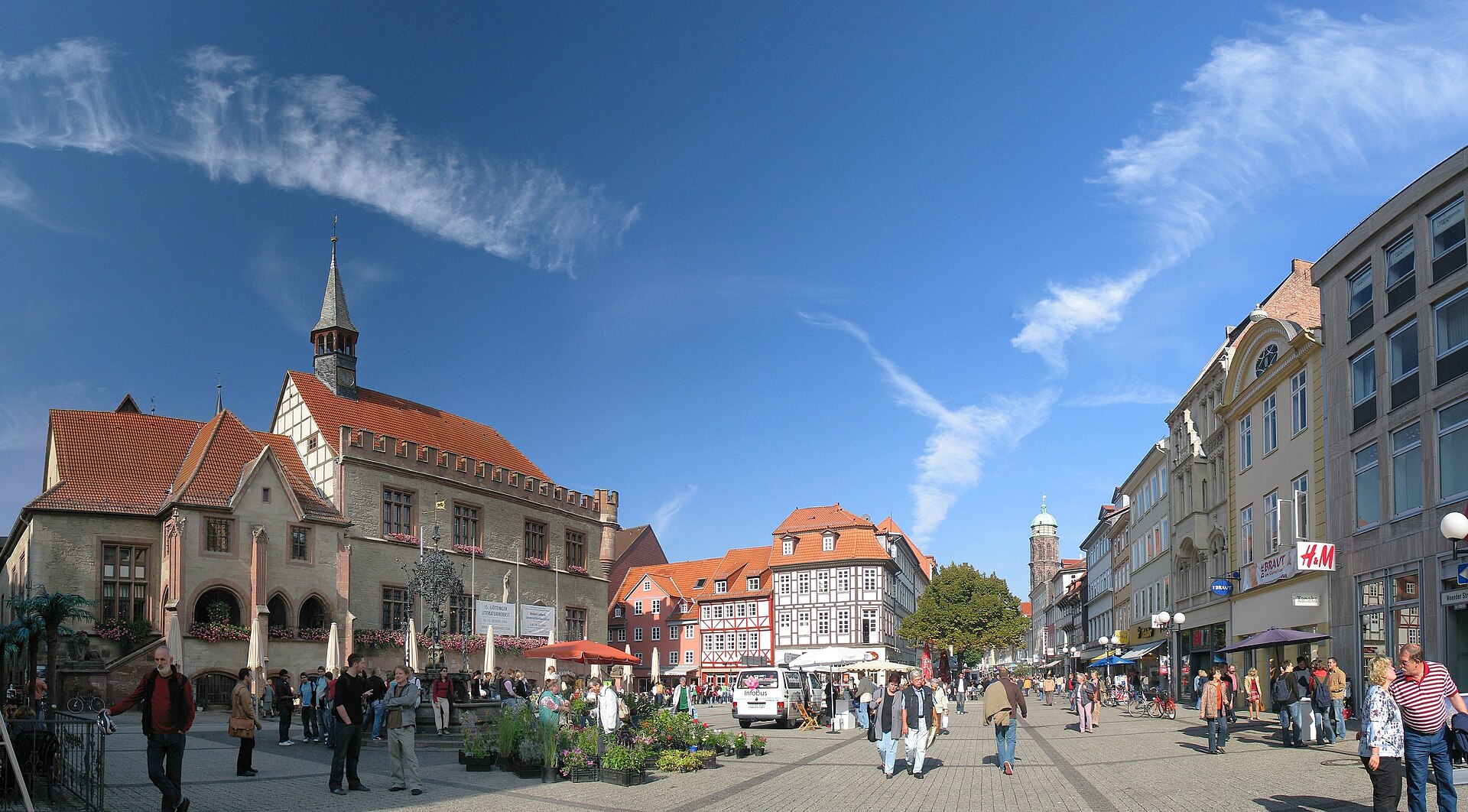
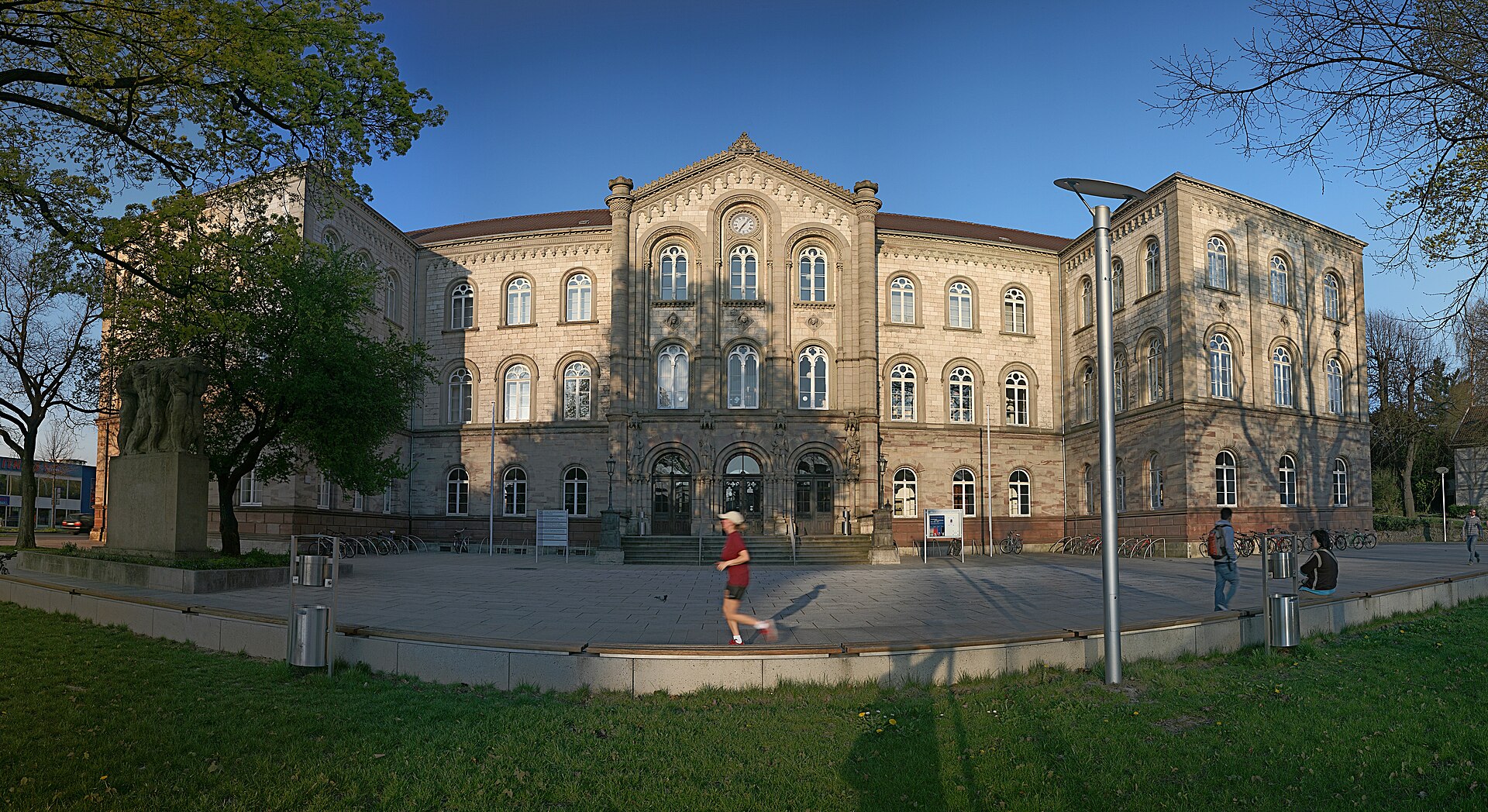
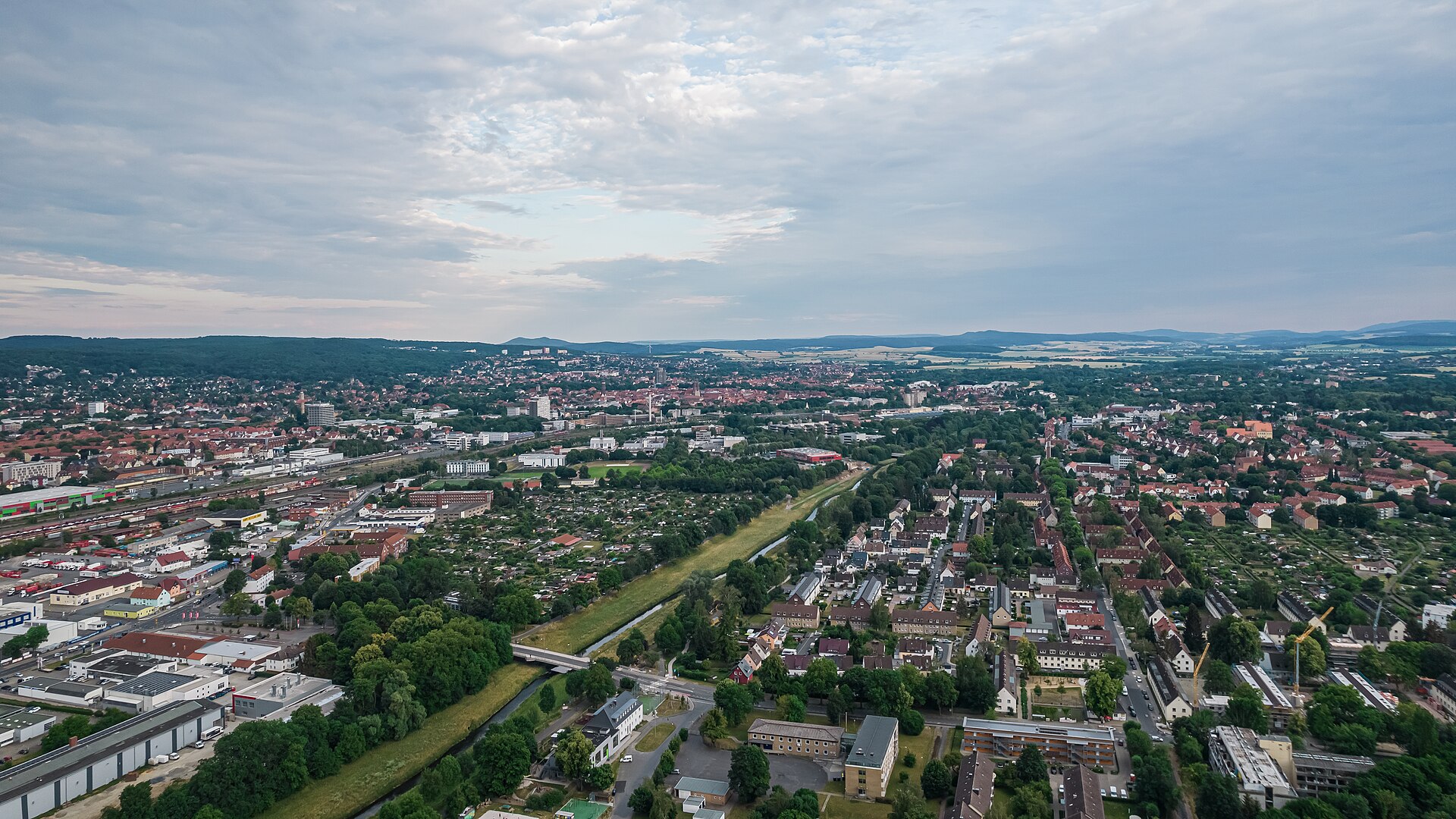
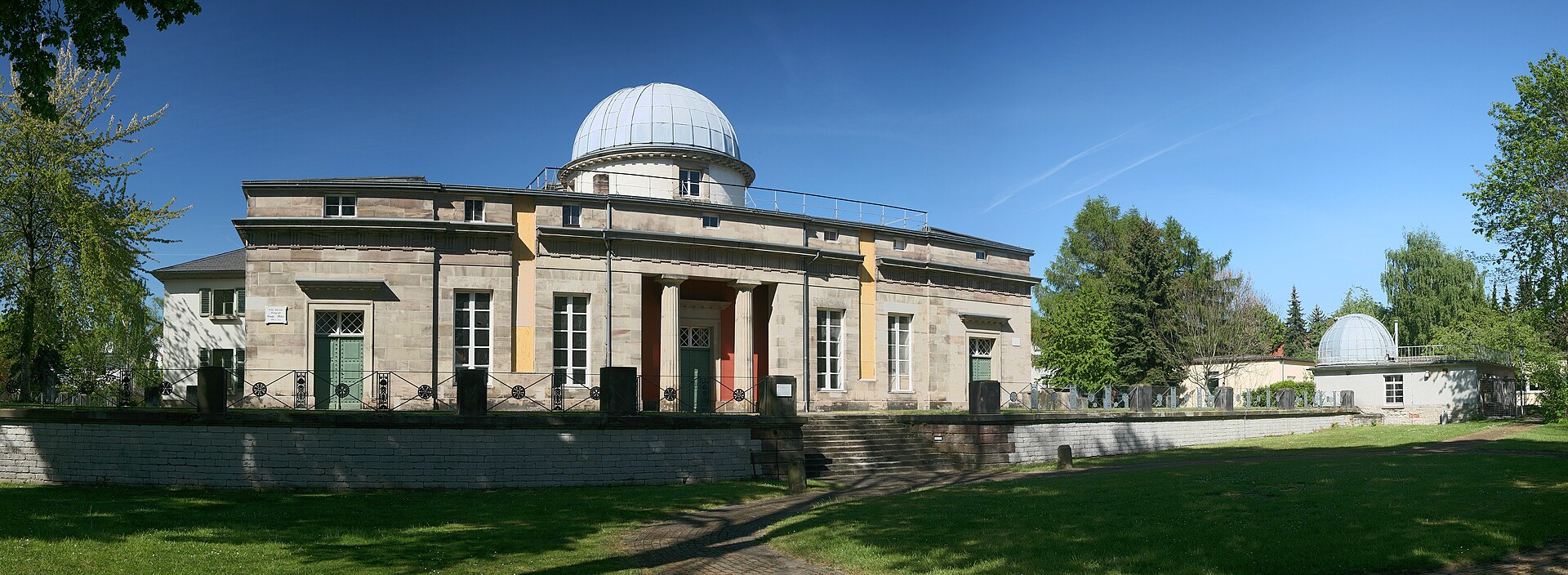
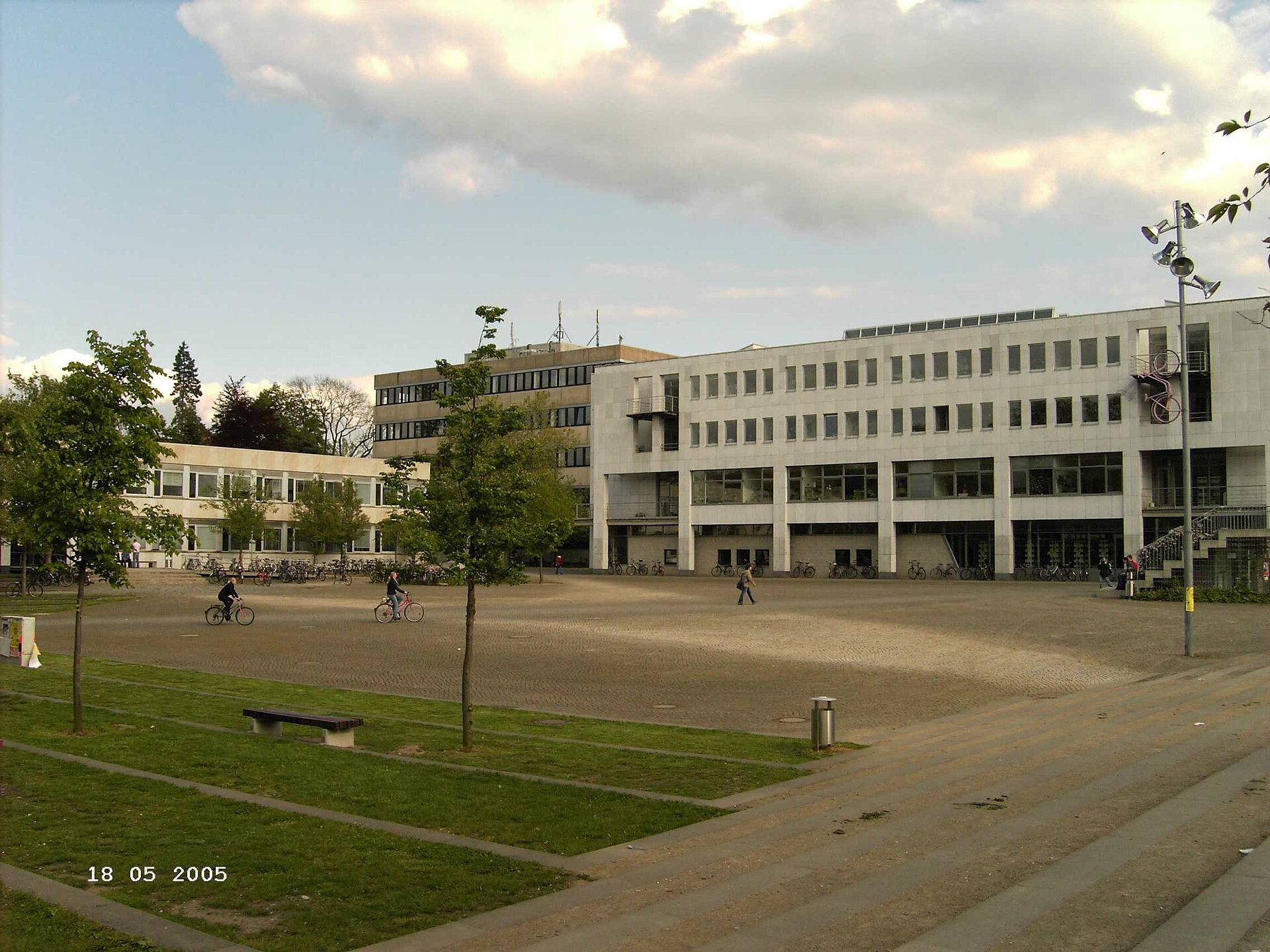
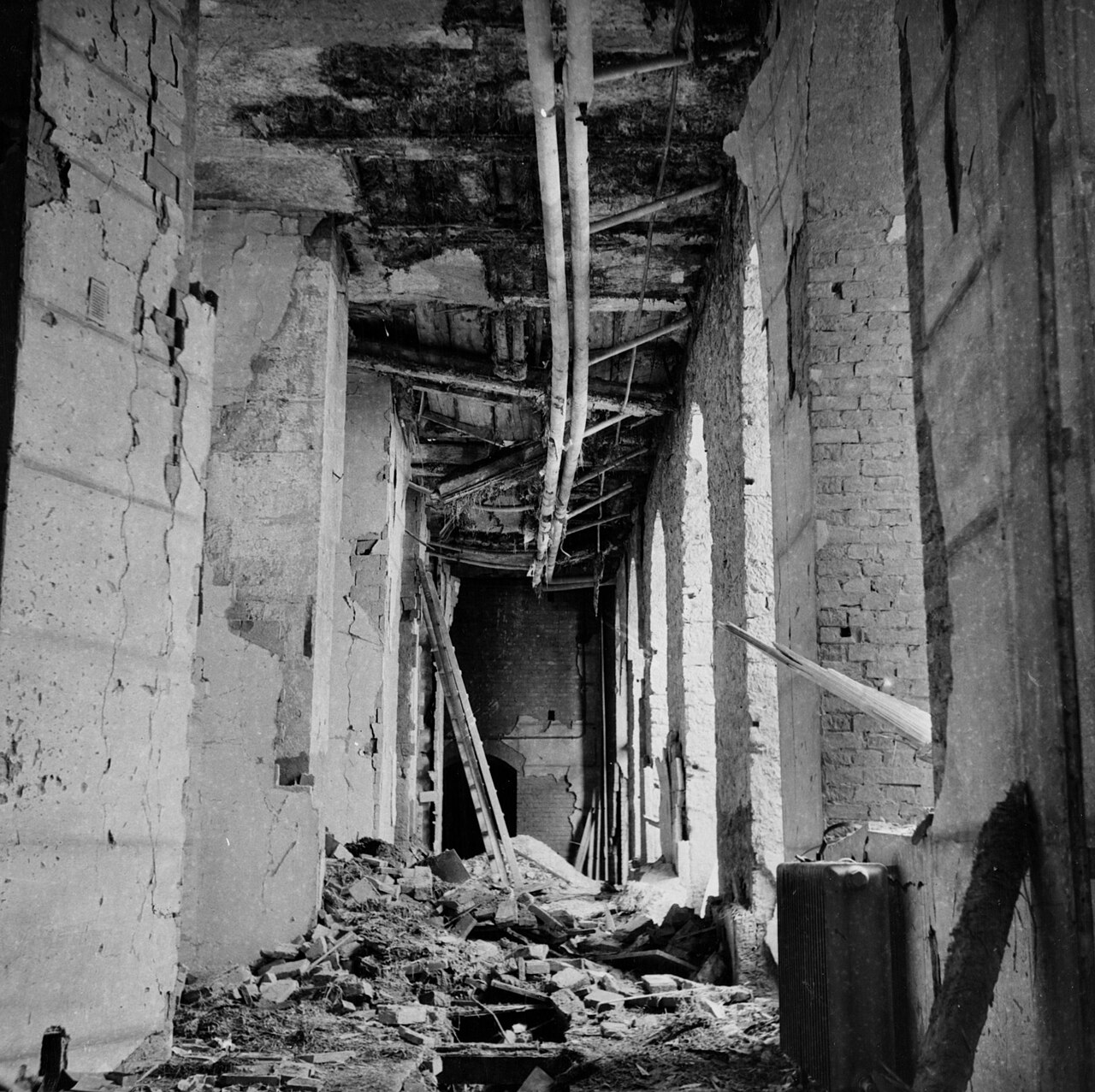
Why Göttingen — Nobel Legacy, Research Depth & Affordability
Göttingen is not a typical university. It is a living scientific tradition — the place where modern mathematics, physics, and life sciences were shaped across three centuries. For international students seeking elite research training at a fraction of the cost of UK or US peers, it is a compelling destination.
SELECTIVITY
How Selective Is Göttingen?
Göttingen operates on a dual-track system. Programmes with open admission (freier Zugang) accept all qualified applicants who meet the entry requirements — academic credentials are what matter, not a competitive pool. Programmes with limited admission (Numerus Clausus, NC) are more selective and admit based on academic performance band, with an average acceptance rate of around 40% across all programmes. Master's programmes admit on the basis of a completed bachelor's and, for competitive fields, additional selection criteria.
QUICK FACTS
University of Göttingen at a Glance
APPLICATION COMPONENTS
What Your Application Consists Of
Göttingen uses a direct university application system — there is no Common App, UCAS, or centralised platform for most programmes. Each component serves a distinct role in the admissions assessment. For limited-admission programmes, applications route through the national hochschulstart.de platform.
ADMISSION PROFILE
What Göttingen Looks For
Unlike US universities that weigh 'holistic' factors heavily, German university admissions are primarily academic. Göttingen's limited-admission programmes allocate places mainly on the basis of your Abitur (or equivalent) grade or your bachelor's GPA for master's programmes, with waiting time as a secondary factor. For English-taught master's programmes and research-oriented tracks, additional selection criteria may apply.
The profile of a competitive international applicant to Göttingen combines strong academic performance, documented language proficiency, and a clear intellectual purpose — particularly for research-focused programmes. Göttingen values students who intend to contribute to its research environment, not merely earn a credential.
DEADLINES & TIMELINE
Application Deadlines
Göttingen's academic year begins in the winter semester (October). Most bachelor's programmes start in October only; some master's programmes also accept summer-semester (April) applicants. The exact deadlines vary by programme — always confirm on the programme-specific page.
Non-EU students are advised to initiate the German student visa process as soon as an admission letter is received. Visa processing at embassies can take 8–12 weeks.
| Round | Deadline | System | Decision |
|---|---|---|---|
| Limited Admission Bachelor's (NC) | 15 July (Winter Semester) | hochschulstart.de portal | August–September |
| Open Admission Bachelor's | 30 September (Winter Semester) | Direct enrolment via uni-goettingen.de | Upon qualification verification |
| English Master's Programmes | Varies by programme (Jan–May typical) | Direct application / programme portal | Varies; typically 4–8 weeks post-deadline |
| PhD / Doctoral Programmes | Rolling / supervisor-dependent | Graduate school (GAUSS/GGNB) or direct faculty contact | Rolling |
CAMPUS & CITY
Student Life in Göttingen
Göttingen is one of Germany's most authentic university towns — a city where the university is not merely a feature of civic life but its defining identity. With around 28,000 students in a city of 120,000, the campus-to-city ratio creates a concentrated, intellectually alive environment unlike the sprawl of Berlin or Hamburg.
The Studentenwerk Göttingen manages dormitories (Wohnheime) across the city, offering subsidised rooms from roughly €200–350/month — the most affordable accommodation option. Private student apartments typically range from €350–550/month for a furnished room. The integrated semester ticket covers all public transport in the wider region.
CAREERS & OUTCOMES
Career Outcomes & Graduate Prospects
A Göttingen degree commands strong recognition across German-speaking Europe and increasingly globally, particularly in STEM, life sciences, and economics. The university's graduate employment rate stands at 90%, and the average starting salary for graduates is approximately $54,000 USD.
Germany's strong engineering and industrial economy — including major employers in Lower Saxony such as Volkswagen, Bosch, and Sartorius (headquartered in Göttingen itself) — provides a strong local graduate job market. For research-oriented graduates, Göttingen's connections to the Max Planck Society and DFG-funded research groups open strong paths into academic and applied research careers.
Cards
Stats
FREQUENTLY ASKED QUESTIONS
FAQs for International Applicants
Do I need to speak German to study at Göttingen?+
For most bachelor's programmes, yes — German proficiency at C1 level (TestDaF TDN 4 or DSH-2) is required. However, Göttingen offers more than fifty fully English-taught master's and PhD programmes, making it accessible to non-German speakers at the graduate level. A small number of bachelor's programmes (such as World Literature) require only B2 German.
What is the tuition fee for international students?+
Göttingen is a German public university and charges no tuition in the traditional sense. All students pay a semester contribution of approximately $800 USD per year, which covers the student union fee, public transport pass, and access to university facilities. This applies to all students regardless of nationality.
What IB score do I need to get into Göttingen?+
The IB Diploma is a recognised university entrance qualification in Germany. A score of 33 or above places you in a competitive range for most programmes. For limited-admission programmes with a Numerus Clausus, the effective score threshold varies by year and discipline — check the most recent NC values on the programme page.
How does the Numerus Clausus (NC) system work?+
NC (limited admission) means places are allocated based on academic grades, waiting time, and sometimes an aptitude test or additional selection criteria. The NC threshold for a given programme changes each semester depending on the applicant pool. Many programmes at Göttingen operate with open admission (freier Zugang), where any qualified applicant who meets the entry requirements is accepted.
Can I apply for a summer semester start?+
Most bachelor's programmes start only in the winter semester (October). Some master's programmes accept applications for the summer semester (April start). Check each programme's eCampus page for the specific intake dates available.
Do I need a German student visa?+
Yes, if you are a non-EU/EEA citizen. Once you receive an admission letter from Göttingen, apply for a Studienvisum at the German embassy or consulate in your home country. The process can take 8–12 weeks, so apply early. EU/EEA citizens can enrol without a visa.
What scholarships are available for international students?+
The DAAD (German Academic Exchange Service) offers a range of scholarships for international students at German universities, including the DAAD Scholarship for Graduate Study. Göttingen also participates in the Deutschlandstipendium programme, offering merit-based scholarships co-funded by the federal government and private sponsors. Erasmus Mundus joint degrees also carry their own funding. See daad.de and deutschlandstipendium.de for current offerings.
Is Göttingen a good university for STEM subjects?+
Göttingen has one of the strongest STEM traditions of any university in the world. The Mathematics, Physics, and Chemistry departments have historically been among Germany's best, and the life sciences faculty (Molecular Biology, Neurosciences, Molecular Medicine) is internationally recognised. For ambitious STEM students who do not need a US or UK brand name, Göttingen represents extraordinary value.
ACADEMIC PROFILE
Academic Expectations for International Students at Göttingen
Göttingen's academic reputation is built on rigour — the same traditions that produced the mathematics of Gauss and Hilbert still shape faculty expectations today. For international students, the key to admission and success at Göttingen is not standardised test scores (Germany is test-blind) but demonstrable academic excellence in your school or prior university record, and the right language foundation for your chosen programme.
German higher education values depth over breadth. At Göttingen you will encounter a lecture-and-seminar structure that demands independent study, active engagement with primary sources, and the ability to write analytically at a high level — in German for most bachelor's programmes, in English for most international master's programmes.
ACADEMIC BENCHMARKS
Academic Profile — What the Numbers Say
Göttingen uses no SAT, ACT, or GRE scores in admissions — it is a fully test-blind institution. Admission is based on academic grades and qualifications. The benchmarks below reflect the competitive range for international applicants.
TEST POLICY
Standardised Tests — Not Required
Göttingen is test-blind for all admission decisions. The SAT, ACT, and GRE are neither required nor considered. This is standard across all German public universities. Admissions decisions are made entirely on the basis of academic credentials, grades, and (for competitive programmes) language proficiency and motivation materials.
This means international students from IB, A-Level, AP, or national curricula are all evaluated on equal terms based on the academic strength of their school record — not a single standardised test sitting. For students who perform well academically but test poorly under pressure, this is a significant advantage of the German system.
IB · A-LEVEL · AP
How IB, A-Level & International Qualifications Are Assessed
International qualifications are recognised by Göttingen through the German anabin database and the process of Hochschulzugangsberechtigung (HZB) — the assessment of whether your qualification gives you the right to enter a German university. The key question is not just your score but whether your country and qualification type is directly recognised, recognised with conditions, or requires an additional assessment (Feststellungsprüfung / Studienkolleg).
GERMAN LANGUAGE
German Language — Critical for Bachelor's Entry
This is the single most important practical barrier for non-German-speaking international students seeking bachelor's-level admission to Göttingen. Most bachelor's programmes are taught entirely in German and require proof of proficiency at C1 level before enrolment.
The two main accepted German proficiency tests are the TestDaF (Test Deutsch als Fremdsprache) and the DSH (Deutsche Sprachprüfung für den Hochschulzugang). TestDaF TDN 4 in all sub-tests (or TDN 5 for some programmes) and DSH-2 are the typical minimum requirements. Begin German language preparation at least 18–24 months before your intended start date if you are starting from zero.
ENGLISH PROFICIENCY
English Language Requirements
For fully English-taught master's and PhD programmes, English proficiency documentation is required. Native English speakers or those who have completed their previous studies in English may be exempt — confirm with the programme office.
| Test | Minimum Score | Notes |
|---|---|---|
| IELTS Academic | 6.5 overall | No individual band below 6.0 typically accepted |
| TOEFL iBT | 85 | Institution code for Göttingen: check programme page |
| Duolingo English Test | Not listed | Confirm with specific programme office |
SUBJECT PREPARATION
Subject Rigour Expected by Faculty
German universities assess not just your overall grade but the specific subjects you studied and how demanding they were. Here is what to expect by field.
TIMELINE
Building Your Profile — Year by Year
COMMON PITFALLS
Academic Mistakes That Derail International Applicants
- Applying to a German-taught bachelor's programme without C1-level German proficiency — you will not be admitted, and if you are, you will struggle severely.
- Assuming your home country's school-leaving certificate is directly recognised without checking the anabin database first.
- Misunderstanding NC: the Numerus Clausus threshold changes every semester — last year's NC is not a reliable guide to this year's.
- Leaving the TestDaF too late — test centres book up months in advance and retakes take time. Plan your test 3–6 months before the application deadline.
- Sending uncertified or non-notarised document copies — Göttingen requires authenticated, translated copies of qualifications.
- Applying only to Göttingen with no backup — German admission outcomes can be unpredictable due to NC fluctuation. Apply to 3–5 universities in parallel.
- For master's applicants: not contacting the supervisor in advance (for research-focused programmes). A prior email connection significantly strengthens research-oriented master's and PhD applications.
COST & AID
The Real Cost of Studying at Göttingen for International Students
Göttingen offers one of the best value propositions in global higher education. A German public university education costs a fraction of equivalent programmes in the UK, USA, or Australia — with the annual student contribution at approximately $800 USD and cost of attendance (including living costs) around $13,300 USD per year. For international students who can access DAAD and other scholarships, the effective cost can be reduced further.
This is not a compromise on quality. Göttingen ranks #111 globally (THE) and is a member of the German U15 research alliance. The low cost reflects Germany's political commitment to publicly funded higher education, not any reduction in academic standing.
COST BREAKDOWN
Annual Cost Estimates
All figures are annual estimates in USD. The semester contribution covers the student union, public transport pass within the region, and university services. Living cost figures reflect typical student expenditure in Göttingen (lower than most German cities).
Germany does not charge traditional tuition fees at public universities. The 'tuition' figure below is the semester contribution paid twice per year.
| Component | Amount | Notes |
|---|---|---|
| Semester Contribution (annual) | ~$800 | Includes transport pass, student union services |
| Accommodation (annual) | Included in CoL estimate | Studentenwerk dorms: ~€200–350/month; private: €350–550/month |
| Cost of Living (annual) | ~$12,000 | Food, rent, transport, personal costs |
| Total Cost of Attendance (annual) | ~$13,300 | Tuition + living costs combined |
| Application Fee | ~$80 | One-time, programme-specific |
| Health Insurance | ~€110/month | Mandatory German statutory health insurance for students |
FINANCIAL AID
Financial Aid for International Students
German public universities, including Göttingen, do not operate need-based financial aid programmes in the way US universities do. There is no institutional 'financial aid office' that assesses family income and offers grants. Instead, financial support for international students comes primarily through external scholarship programmes — most importantly the DAAD — and the federal Deutschlandstipendium scheme.
Approximately 10% of students receive some form of financial support through external funding channels. This lower figure than US universities reflects the fact that the base cost is already dramatically lower — $800/year in fees means the financial challenge is primarily about living costs ($12,000/year), not tuition.
SCHOLARSHIPS
Scholarships Available to International Students
The following scholarship programmes are available to international students at Göttingen. Amounts and eligibility change — always verify current details on the official programme websites.
AFFORDABILITY
The Real Value Proposition
To put Göttingen's cost in perspective: a comparable-ranked UK university (Russell Group) would charge international students £25,000–40,000 per year in tuition alone, plus £12,000–15,000 in living costs. A US private research university would charge $55,000–75,000 in tuition plus $20,000+ in living costs. Göttingen's all-in cost of approximately $13,300/year — including living — is 4–8x cheaper for a comparable research-university education.
The trade-off is primarily linguistic and geographic: most bachelor's programmes require German, and the degree's brand recognition outside European and academic circles is lower than a UK or US equivalent. For students who speak German, are willing to learn it, or are entering English-taught master's programmes, the value equation is exceptional.
Verify all cost figures on the official Göttingen website and with the Studentenwerk, as figures are subject to change each semester.
HOW TO FUND YOUR STUDIES
Steps to Secure Funding
COST FAQs
Cost & Aid — Frequently Asked Questions
Do international students pay higher fees than German students?+
At Göttingen and most German public universities, all students — domestic and international, EU and non-EU — pay the same semester contribution (~$800/year). There is no international surcharge, unlike in the UK, Australia, or Canada. This is a fundamental feature of the German public university system.
Is there need-based financial aid at Göttingen?+
Göttingen does not have an institutional need-based aid programme like US universities. Financial need is addressed primarily through the BAföG system (available to EU students and some long-term residents) and external scholarship programmes. International students are not eligible for BAföG in most cases.
Can I work while studying in Germany?+
Yes. Non-EU international students on a German student visa may work up to 120 full days or 240 half-days per year without special permission. This is a meaningful supplement to your budget. Many students take jobs in cafes, labs, or as teaching assistants.
How does German health insurance work for students?+
All students in Germany under 30 must be covered by statutory health insurance (gesetzliche Krankenversicherung). The student rate is approximately €110–120/month with providers like TK, AOK, or Barmer. This is a fixed cost you should budget for.
What does the semester contribution actually cover?+
The Semesterbeitrag (~$400/semester) covers the student union (AStA), social services, a regional public transport pass (VRB Niedersachsen ticket), and sometimes emergency funds. It is one of the most cost-effective student contributions in Europe — the transport pass alone is worth €400+ commercially.
APPLICATION & STATEMENT
The Motivation Letter — Germany's Application Statement
Göttingen, like all German universities, does not use the US Common App or UK UCAS personal statement system. There are no supplemental essays, short answers, or activity lists. Instead, the primary written component for most competitive programmes is the Motivationsschreiben — a formal motivation letter that explains your academic background, your reasons for choosing this programme at this university, and your career or research goals. This tab is your complete guide to writing it well.
APPLICATION SYSTEM
How German University Applications Work
Germany operates a direct university application system — each university manages its own admissions. For limited-admission (NC) bachelor's programmes, applications route through the national platform hochschulstart.de. For open-admission bachelor's programmes and most master's programmes, applications are made directly through Göttingen's eCampus or programme portal.
The written materials required depend heavily on the programme level and type. Many bachelor's programmes require only your academic qualifications and language certificate — no written statement at all. Master's programmes and competitive bachelor's tracks typically require a Motivationsschreiben (motivation letter) and a structured CV. Some research-oriented master's and PhD programmes additionally request a research proposal or outline.
THE MOTIVATION LETTER
What a German Motivation Letter Covers
Unlike US personal essays, the German Motivationsschreiben is not a narrative personal story. It is a formal academic document — closer to a cover letter for a research position than an American college essay. It should be precise, substantive, and specific to the programme.
Göttingen does not publish a specific prompt for the motivation letter. The structure below reflects the expected conventions for German academic applications and should be verified against your specific programme's requirements.
STRUCTURE & FORMAT
How to Structure the Motivation Letter
The Motivationsschreiben follows German formal letter conventions. It is typically 1–2 pages (DIN A4), in the language of instruction of the programme (English for English-taught programmes), formatted as a professional document.
WHAT TO WRITE ABOUT
Choosing What to Emphasise
The most common weakness in motivation letters is excessive self-description with insufficient specificity about the programme and the university. Flip that ratio: spend more words on the programme and your intellectual connection to it than on generic self-praise.
COMMON MISTAKES
Motivation Letter Pitfalls to Avoid
- Writing a US-style personal narrative essay full of childhood stories and personal anecdotes — this is not appropriate for German academic motivation letters.
- Using the same generic letter for multiple universities without tailoring the 'Why Göttingen?' section — admissions committees notice.
- Exceeding two pages — German academic culture values concision. A one-and-a-half-page letter that is specific and well-organised outperforms a three-page letter that is vague.
- Failing to demonstrate knowledge of the specific programme's structure, faculty, or research groups — this is the most common failing among international applicants.
- Writing in the wrong language — submit the letter in the language of instruction of the programme (English for English-taught, German for German-taught).
- Submitting without grammar-checking in the language you are writing in — a letter with grammatical errors in German or English creates a poor impression immediately.
- Leaving the research proposal for PhD applications as an afterthought — the research proposal is often the most important document in a doctoral application, and should be developed with your intended supervisor.
- Not following the specific formatting or length requirements stated in the programme application guidelines — always read the programme-specific instructions first.
APPLICATION FAQs
Application & Motivation Letter — Frequently Asked Questions
Do I need to write a motivation letter for a bachelor's programme at Göttingen?+
For most open-admission bachelor's programmes, a motivation letter is not required — admission is based on your school-leaving certificate and language proficiency. For programmes with a competitive selection procedure or aptitude test component, a written statement may be part of the process. Check your specific programme's application requirements.
Should I write the motivation letter in German or English?+
Write in the language of instruction of the programme. For English-taught master's programmes, write in English. For German-taught programmes, write in German. This is both a practical requirement and a demonstration of your proficiency.
How long should the motivation letter be?+
One to two pages (DIN A4, standard business formatting, 11–12pt font). Most successful letters are approximately 500–700 words. Concision is valued in German academic culture — say what you need to say clearly and stop.
Do I need letters of recommendation?+
Requirements vary by programme. Some master's programmes, particularly in the sciences, require one or two academic reference letters (Empfehlungsschreiben). Check the specific programme's application checklist. PhD applications typically require at least one academic recommendation.
Can I contact a professor before applying?+
For research-focused master's and PhD applications, contacting a potential supervisor before applying is highly recommended and common practice in the German academic system. A brief, professional email introducing your background and research interests, referencing their work, can open the door. For coursework master's and all bachelor's programmes, cold-contact with professors is generally not necessary.
What is a research proposal and when do I need one?+
A research proposal is a 2–5 page document outlining the research question you intend to investigate, the relevant literature, your proposed methodology, and expected outcomes. It is required for PhD applications and occasionally for research-track master's programmes. It should be developed in consultation with your intended supervisor.
Is there an interview component in the admissions process?+
Some competitive master's programmes include an interview (Eignungsgespräch) as part of the selection procedure — particularly in medicine-adjacent fields, law, and research-intensive science programmes. If an interview is required, you will be informed after submitting your application. Confirm with your programme office.
Courses — schools, degrees & intake
53 degrees across 12 groupings.
Faculty of Agricultural Sciences · 1 degrees
B.Sc. Agricultural Sciences
Faculty of Biology and Psychology · 4 degrees
B.Sc. Biology
B.Sc. Biodiversity and Ecology
B.Sc. Biochemistry
B.Sc. Psychology (Polyvalent)
Faculty of Chemistry · 2 degrees
B.Sc. Chemistry
Two-Subject B.A. Chemistry (Teacher Training)
Faculty of Forest Sciences and Forest Ecology · 3 degrees
B.Sc. Forest Sciences and Forest Ecology
B.Sc. Ecosystem Sciences
B.Sc. Ecosystem Management
Faculty of Geoscience and Geography · 2 degrees
B.Sc. Geography
B.Sc. Geosciences
Faculty of Mathematics and Computer Science · 6 degrees
B.Sc. Mathematics
B.Sc. Mathematical Data Science
B.Sc. Applied Computer Science
B.Sc. Applied Data Science
Two-Subject B.A. Mathematics (Teacher Training)
Two-Subject B.A. Computer Science
Faculty of Physics · 2 degrees
B.Sc. Physics
B.Sc. Physics (Interdisciplinary)
Faculty of Law · 1 degrees
Two-Subject B.A. Legal Studies
Faculty of Social Sciences · 7 degrees
B.A. Social Sciences (Interdisciplinary)
Two-Subject B.A. Ethnology
Two-Subject B.A. Gender Studies
Two-Subject B.A. Modern Indian Studies
Two-Subject B.A. Political Science
Two-Subject B.A. Sociology
Two-Subject B.A. Sports Science
Faculty of Business and Economics · 7 degrees
B.Sc. Business Administration
B.Sc. Economics
Two-Subject B.A. Economics
B.A. Sustainable Development Studies
B.Sc. Business Information Systems
B.A. Business and Human Resource Education
Two-Subject B.A. Applied Statistics
Faculty of Humanities · 16 degrees
Two-Subject B.A. German Philology
Two-Subject B.A. English Philology
Two-Subject B.A. Romance Philology
Two-Subject B.A. Slavic Philology
Two-Subject B.A. Scandinavian Studies
Two-Subject B.A. East Asian Studies
Two-Subject B.A. Indology and Tibetology
Two-Subject B.A. Philosophy
Two-Subject B.A. Musicology
Two-Subject B.A. History
Two-Subject B.A. Digital Humanities
Two-Subject B.A. Religious Studies
Two-Subject B.A. Cultural Anthropology / European Ethnology
Two-Subject B.A. Arabic and Islamic Studies
Two-Subject B.A. Linguistics
B.A. World Literature
Faculty of Theology · 2 degrees
B.A. Protestant Theology
B.A. Intercultural Theology
Want your real chances at University of Göttingen?
Create a free TYCHR account for your personalised admit-chance, a shortlist you can track, exact entry requirements, and essay + counselling help.