University of Gothenburg
Gothenburg, Sweden · Urban
GOTHENBURG, SWEDEN
University of Gothenburg Admissions Guide for International Students
Sweden's third-largest university and its most diverse, the University of Gothenburg weaves together medicine, marine science, arts, law, and social sciences across a vibrant urban campus embedded in Scandinavia's most dynamic port city. Founded in 1891 as a civic institution by the people of Gothenburg, it remains deeply connected to the city's industries, culture, and NGO ecosystem — making it an unusually practical choice for internationally minded students who want rigorous academics alongside real-world immersion.
With 49,000 students and programmes spanning everything from the globally respected Sahlgrenska Academy of Medicine to the Valand Academy of Fine Arts, Gothenburg offers breadth that few European universities can match. The low-tuition Nordic model, combined with a high graduate employment rate, makes this one of the most cost-effective research universities in Europe for international applicants.
Campus
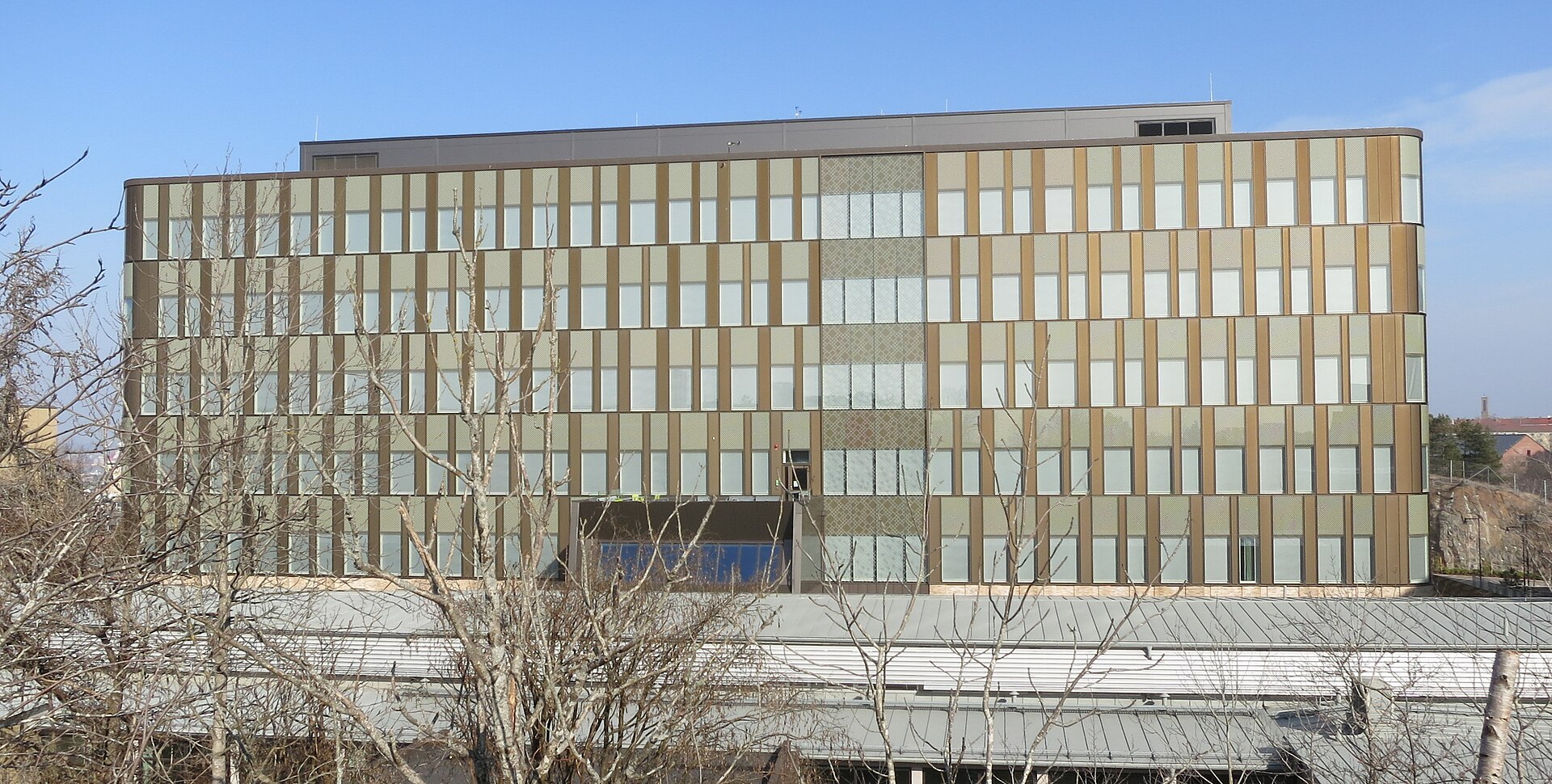
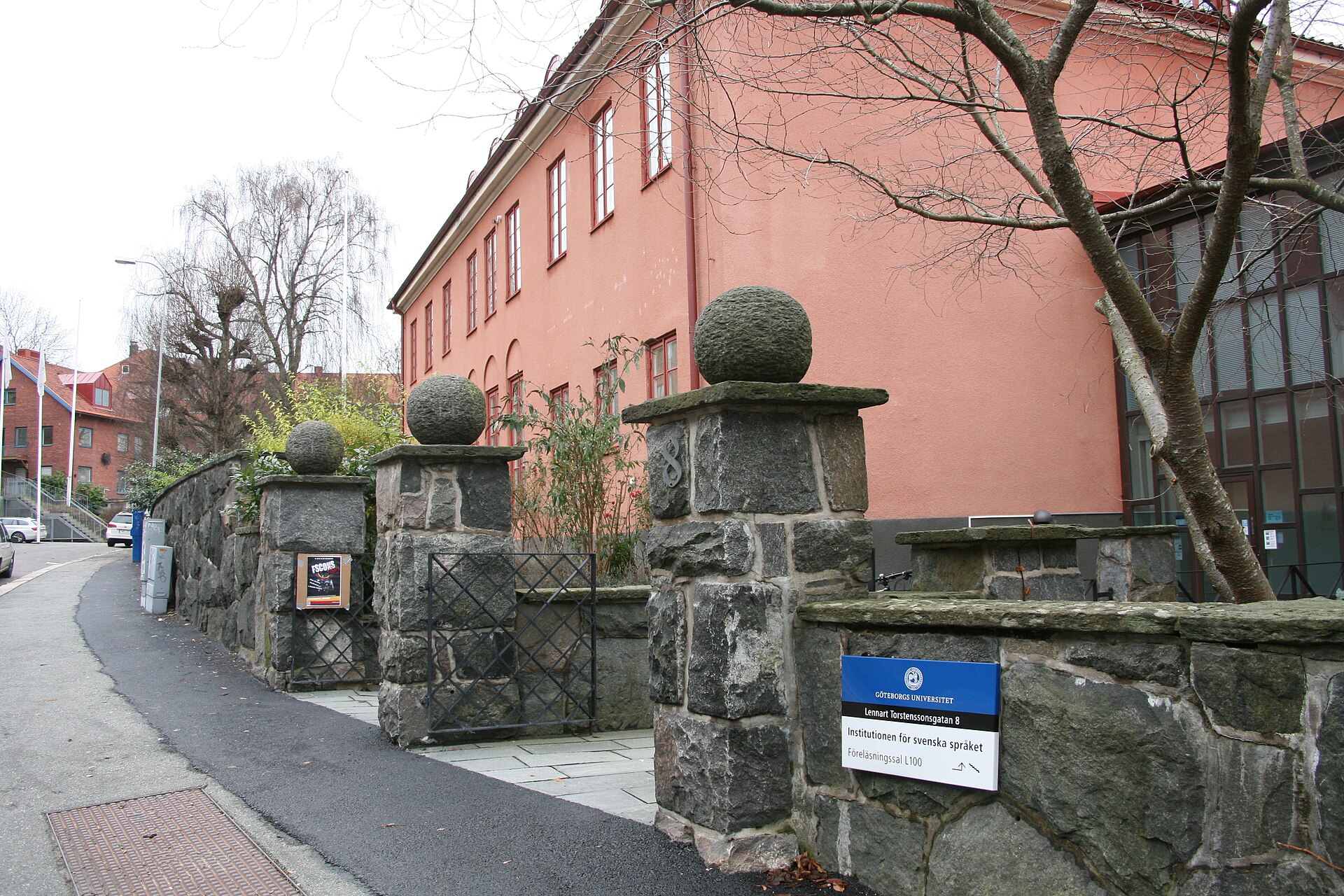
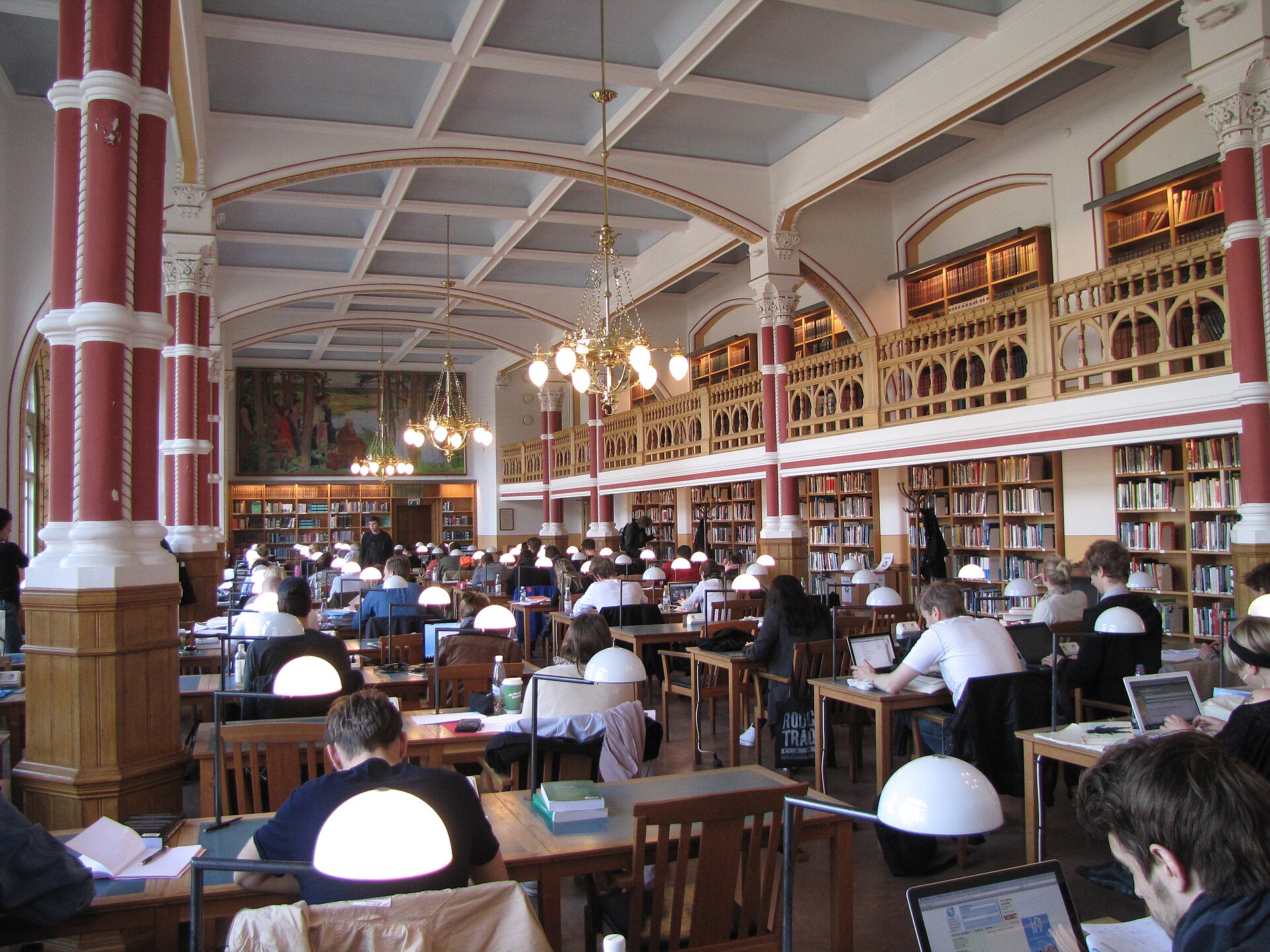
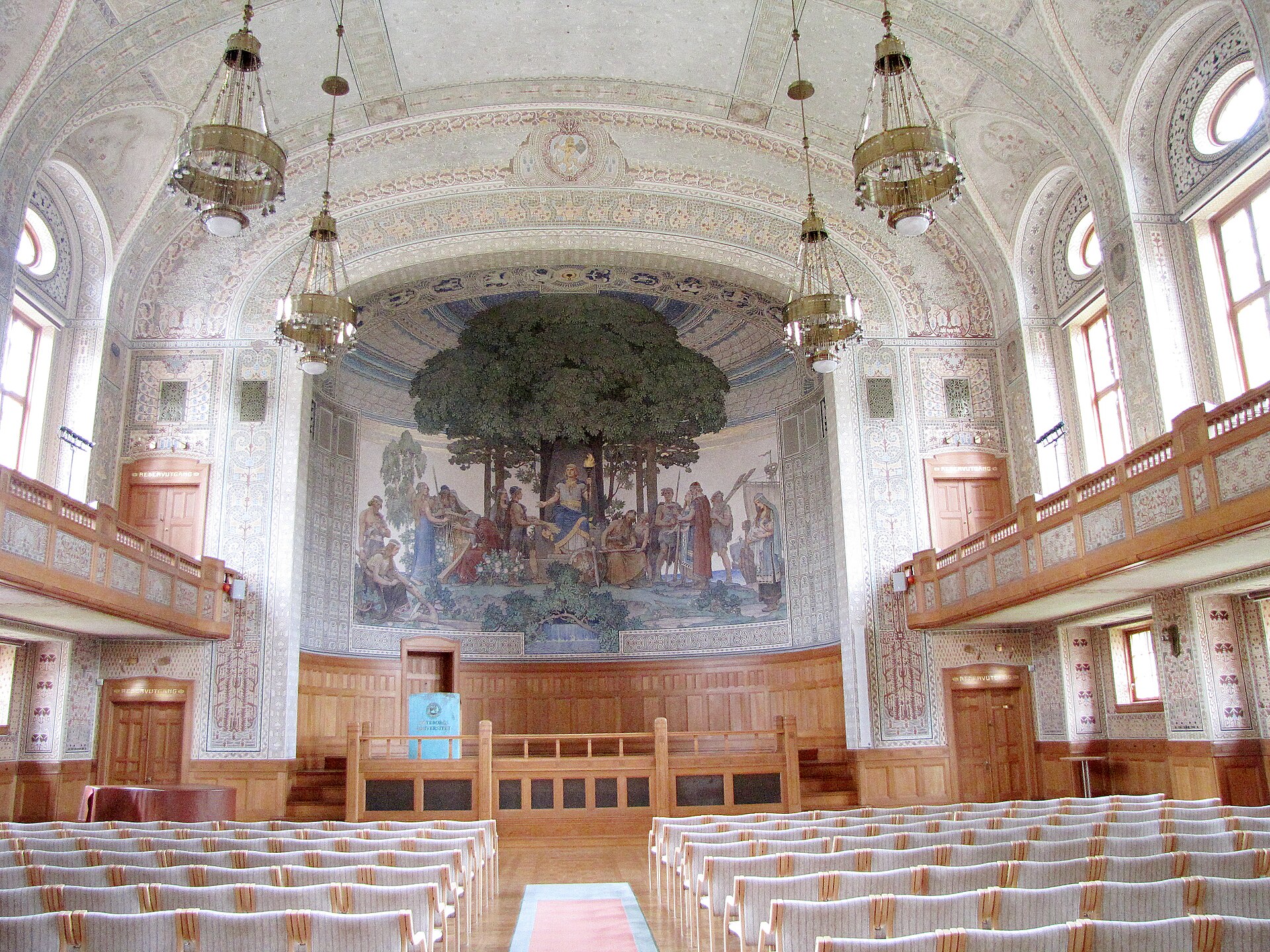
University of Gothenburg — campus in pictures
Real, freely-licensed photographs of the campus (via Wikimedia Commons).

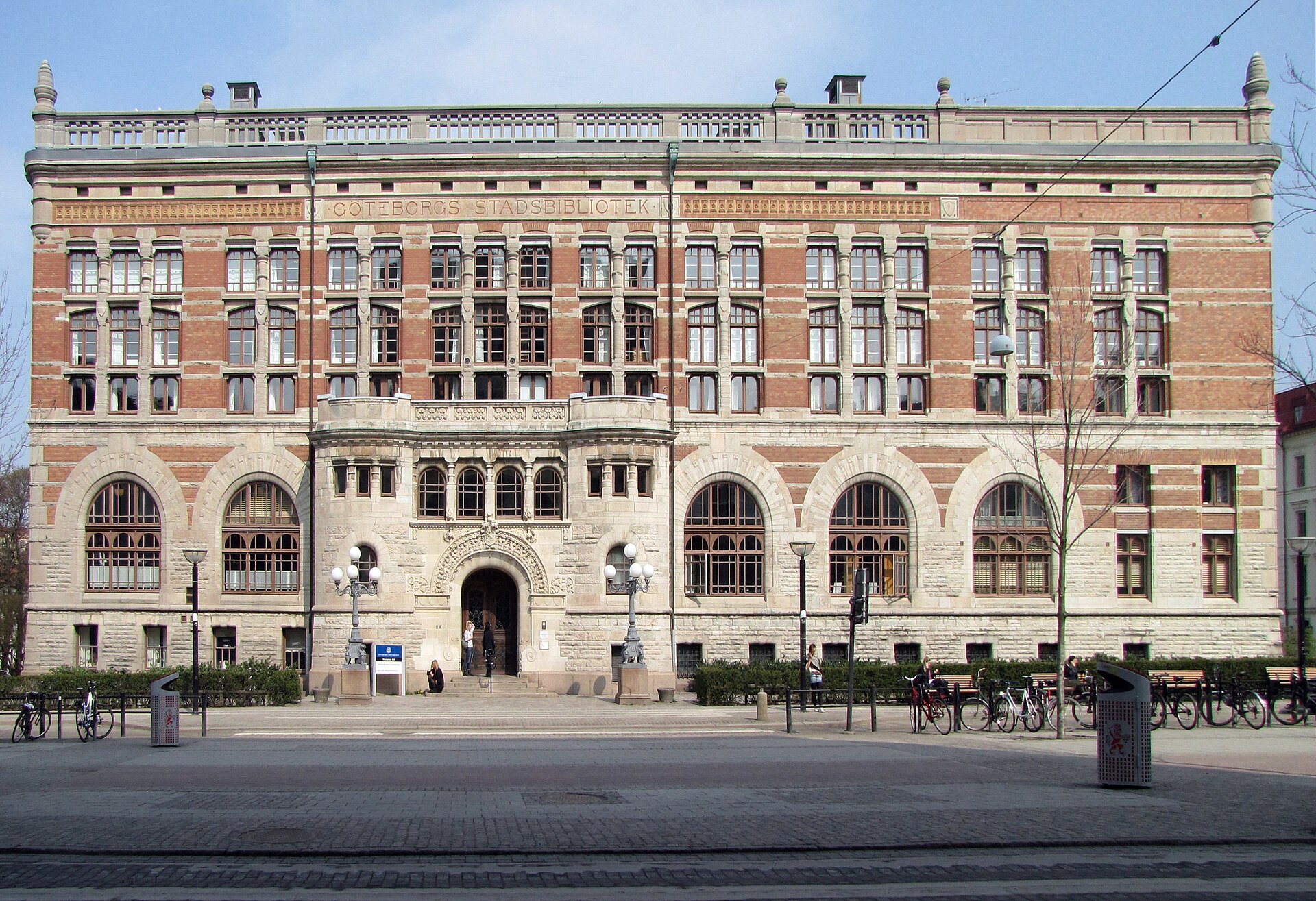
Why Choose Gothenburg — Research Depth, City Life & Value
Gothenburg is not a generic 'study in Sweden' choice. It has specific disciplinary strengths, an urban character distinct from Stockholm, and a civic mission that shapes how it teaches and who it hires.
Admission Profile Who Gets In
The University of Gothenburg admits approximately 50% of applicants across all programmes — but this aggregate figure masks significant variation. Competitive programmes in medicine, law, psychology, and economics admit a much smaller proportion. Selection is primarily grades-based through the Swedish national admissions system.
Swedish admissions for non-EU international students is competitive in the sense that places are allocated on merit rank order within each programme — not holistic review. Your grade profile, IB score, or equivalent international qualification is the primary determinant. A strong IB score (32+) is a reasonable baseline for most bachelor's programmes; competitive programmes in medicine or psychology may require higher. There are no SAT or ACT requirements.
University at a Glance
What Your Application Consists Of
Applications to GU go through universityadmissions.se, Sweden's central admissions portal for international students. The components differ by degree level but follow a standard Swedish pattern.
What University of Gothenburg Looks For
Unlike US universities, GU does not employ holistic admissions review. Selection is merit-based and largely determined by your academic credentials ranked against other applicants through the national system. However, for programmes with supplementary components, there are important nuances.
Application Rounds & Key Dates
Sweden operates two admissions rounds per year for the autumn semester through universityadmissions.se. International students (particularly non-EU/EEA) are strongly advised to apply in Round 1 — Round 2 results arrive in July, leaving insufficient time for residence permit processing.
Spring semester applications have separate deadlines. Always confirm current dates at universityadmissions.se — deadlines are set nationally and apply to all Swedish universities.
| Round | Application Deadline | Documents Deadline | Results |
|---|---|---|---|
| Round 1 — Autumn 2026 | 15 January 2026 | 2 February 2026 | 26–31 March 2026 |
| Round 2 — Autumn 2026 | 15 April 2026 | 18 June 2026 | 10 July 2026 |
Life in Gothenburg Campus, City & Community
Unlike many European universities concentrated on a single campus, GU is spread across several districts of central Gothenburg — meaning you live inside the city rather than in a sealed academic bubble. This urban character defines the student experience.
Gothenburg is Sweden's most international city — a port city that has absorbed waves of global culture, commerce, and ideas since the 17th century. The food scene, music culture (it produced ABBA's Björn Ulvaeus and is home to Way Out West festival), and outdoor access to the archipelago and skiing make it a genuinely exciting place to live. The city is compact and walkable, with excellent tram and cycling infrastructure.
Career Outcomes
Ninety percent of University of Gothenburg graduates enter employment or postgraduate study within one year of graduation — among the highest rates for Swedish research universities. The average starting salary for GU graduates is approximately $42,000 USD equivalent.
Frequently Asked Questions
Do I need to speak Swedish to study at University of Gothenburg?+
No. Most master's programmes and many bachelor's programmes open to international applicants are taught entirely in English. However, daily life in Gothenburg is easier with some Swedish, and some programmes (particularly at bachelor's level) are taught in Swedish. Always check the language of instruction for your specific programme before applying.
Is University of Gothenburg tuition-free for EU students?+
Yes — citizens of EU/EEA countries and Switzerland study tuition-free at all Swedish public universities, including GU. Non-EU/EEA international students pay tuition fees, which for GU programmes typically range from around SEK 90,000–170,000 per year (roughly $8,000–$16,000 USD). The facts file indicates approximately $13,800 USD as a representative figure.
What is the application fee and where do I pay it?+
The application fee is paid through universityadmissions.se. It is approximately SEK 900 (roughly $85 USD) per application cycle, not per programme. EU/EEA students are exempt from the application fee.
Can I apply directly to GU or do I have to use universityadmissions.se?+
For most degree programmes, you must apply through universityadmissions.se — the national portal for international student admissions in Sweden. You cannot apply directly to GU for standard bachelor's or master's programmes. Exchange students and PhD applicants follow a different process.
Which round should international students apply in?+
Round 1 (deadline 15 January for autumn semester) is strongly recommended for non-EU/EEA students. Round 2 results are released in July, leaving insufficient time to obtain a Swedish residence permit before the semester starts in August/September.
Does GU accept the IB Diploma?+
Yes. The IB Diploma is a fully recognised entry qualification for both bachelor's and master's programmes at GU. An IB score of approximately 32 or above is a reasonable starting point for most programmes, though competitive programmes may require higher scores. Specific programme requirements are listed on each course page.
Are there scholarships for non-EU international students?+
Yes, several. The University offers the Axel Adler Scholarship for fee-paying international students. The Swedish Institute Scholarship is a competitive national scholarship for applicants from eligible countries. The School of Business, Economics and Law also offers scholarships specifically for its international students. Check eligibility and deadlines, as scholarship applications often precede or coincide with the main admissions deadline.
What is the campus like?+
GU has no single enclosed campus. Its buildings are distributed across central Gothenburg neighbourhoods — Vasastan, Haga, Medicinareberget, and others. This urban layout means students live integrated with the city rather than isolated in a campus bubble. It also means excellent access to public transport, the city's cultural institutions, and employment opportunities.
ACADEMICS
Academic Standards at Gothenburg What International Students Need to Know
The University of Gothenburg operates within Sweden's rigorous higher education framework, where independent critical thinking, research-led teaching, and academic integrity are core expectations. For international students, the academic culture differs meaningfully from what many will have experienced — Scandinavian pedagogy emphasises student autonomy, debate, and practical application over rote learning.
GU's admissions process is grades-based and merit-ranked rather than holistic — but once admitted, you will encounter an intellectually demanding and genuinely research-oriented learning environment. Understanding what GU expects academically, and how to prepare, is critical to a successful application and a strong first year.
Academic Profile of Admitted Students
Selection at GU is based on academic merit rankings within each programme. These benchmarks give you a sense of the competitive landscape.
Standardised Test Policy
University of Gothenburg is test-blind — SAT, ACT, and similar standardised US tests play no role in admissions decisions and should not be submitted.
Swedish university admissions for international students relies entirely on academic credentials (IB Diploma, A-Levels, national leaving certificates, or prior higher education grades) and documented English proficiency. There is no aptitude test component for undergraduate or master's admissions at GU.
Some specific programmes (e.g., medicine, dentistry) may have additional selection components such as interviews or written tests. Check each programme's individual requirements.
SAT & ACT — Not Applicable
Unlike US universities, GU does not use the SAT or ACT in any part of its admissions process. International students should focus on maximising their IB, A-Level, or national leaving certificate grades — these are the sole academic credential inputs into the Swedish merit-ranking system.
IB Diploma & A-Levels at GU
The IB Diploma is one of the most recognised and well-regarded international qualifications at Swedish universities. A-Levels are also accepted. GU's minimum IB band for admission is 32 points — programmes in medicine, law, psychology, and economics typically require meaningfully higher scores.
Subject Preparation by Area
GU programmes span a wide range of disciplines. Your subject choices at secondary level significantly affect your eligibility and competitiveness.
English Language Requirements
English-taught programmes at GU require documented proficiency for applicants whose first language is not English and who have not completed prior education in English.
| Test | Minimum Score | Band Requirements |
|---|---|---|
| IELTS Academic | 6.5 overall | No individual band below 5.5 (verify per programme) |
| TOEFL iBT | 90 total | Score report submitted directly to universityadmissions.se |
| Cambridge English | C1 Advanced or C2 Proficiency | Grade C or above |
| Exemptions | Automatic | Students from UK, Ireland, USA, Canada, Australia, NZ, and some others with English-medium schooling are typically exempt |
Building Your Profile for GU
Because GU's selection is grades-based, your academic trajectory is the single most important investment you can make. Here is a year-by-year approach.
Common Academic Mistakes to Avoid
- Missing prerequisite subjects for your target programme — check requirements at least two years before applying
- Applying in Round 2 as a non-EU/EEA student and not leaving enough time for the Swedish residence permit
- Submitting English test scores below the minimum and hoping for an exception — there are none
- Not checking whether your target programme is taught in English or Swedish — many bachelor's programmes are Swedish-only
- Underestimating the merit-ranking system — your grade average is public, objective, and directly compared against all other applicants
- Applying without reading the specific programme's prerequisites on GU's course pages — GU-wide entry requirements and programme-level requirements differ
- Not applying for housing immediately after receiving an offer — student accommodation in Gothenburg is competitive
COST & FUNDING
Understanding the Cost of a GU Education
Sweden's public university model makes University of Gothenburg significantly more affordable than equivalent research universities in the UK, US, or Australia — particularly for EU/EEA students who pay no tuition at all. Non-EU/EEA students pay annual tuition fees and must budget for Gothenburg's cost of living, which is lower than Stockholm but still among the higher cost cities in Central Europe.
Careful financial planning before you arrive matters — Sweden does not have the broad loan-based aid system that US universities offer. But with targeted scholarships, a part-time work allowance, and GU's relatively low fees, the total investment is compelling relative to degree quality.
Annual Cost Breakdown
All figures are annual estimates for non-EU/EEA international students. EU/EEA students pay no tuition. Figures in USD equivalent — actual billing in Swedish Kronor (SEK) and subject to exchange-rate variation.
| Component | Annual Estimate Usd | Notes |
|---|---|---|
| Tuition Fees (non-EU/EEA) | $13,800 | Varies by programme; some specialist programmes higher |
| Cost of Living (Gothenburg) | $11,000 | Housing, food, transport, personal; Gothenburg lower than Stockholm |
| Total Cost of Attendance | $26,000 | Estimated total including all living expenses |
| Application Fee | $85 | One-time per application cycle; EU/EEA exempt |
Financial Aid for International Students
Unlike US universities, Swedish public universities do not operate a need-based financial aid system equivalent to institutional grants or US-style aid packages. Support for international students comes through scholarships and, for EU/EEA students, the elimination of tuition fees.
Approximately 15% of non-EU/EEA international students at GU receive some form of scholarship or tuition reduction (based on available institutional data). This is not a comprehensive need-based aid programme — it reflects competitive merit scholarships. Most students fund their studies through home-country savings, family support, student loans from their home countries, or competitive scholarships.
Sweden permits international students on a residence permit to work part-time (up to approximately 20 hours per week during term) — factoring in part-time income is realistic and common among international students.
Scholarships & Funding Sources
Several named scholarships are available to non-EU/EEA international students at GU. These are competitive and require separate applications alongside or shortly after your admissions application.
The Affordability Case for GU
The University of Gothenburg's combination of strong global ranking (#178 QS), high graduate employment outcomes (90% within one year), and relatively modest tuition creates one of the best quality-to-cost ratios in European higher education for international students.
Compared to a UK Russell Group university, where international tuition alone can reach £25,000–£30,000 per year, GU's estimated $13,800 per year tuition is substantially lower. When combined with a two-year master's programme structure (standard in Sweden), the total cost is typically far below comparable UK, US, or Australian alternatives. Gothenburg's cost of living, while higher than many European cities, is lower than Stockholm or Oslo, and Sweden's extensive public services (subsidised student unions, healthcare, and public transport) partially offset living costs.
EU/EEA citizens pay zero tuition and can access the Swedish student loan system (CSN) for living costs — making GU effectively among the most affordable top-200 research universities in the world for European students.
How to Secure Funding: Step by Step
Cost & Aid FAQs
Do EU students really pay nothing in tuition?+
Yes. EU/EEA citizens and Swiss nationals are fully exempt from tuition fees at all Swedish public universities, including GU. They also have access to Swedish student loans (CSN) for living expenses. This makes GU one of the most accessible research universities in the world for European students.
What is the total cost for a two-year GU master's for a non-EU student?+
Based on available data, the estimated annual cost of attendance is approximately $26,000 USD (tuition + living expenses). Over two years, that is roughly $52,000 USD total — significantly below comparable programmes in the UK or USA.
Can I work while studying?+
Yes. International students with a Swedish residence permit for studies can work without a separate work permit. Most students work 10–20 hours per week, particularly in Gothenburg's service and hospitality sectors.
When should I apply for GU scholarships?+
GU scholarships are typically applied for between January and March, after or concurrent with your universityadmissions.se application. The Swedish Institute scholarship has its own January–February window. Check both gu.se and si.se for current deadlines.
Is there a deposit required to hold my place?+
Acceptance of your offer through universityadmissions.se secures your place. There is generally no separate financial deposit for Swedish universities, though you should check your specific programme's confirmation process.
APPLICATION & MOTIVATION LETTER
Applying to University of Gothenburg The Nordic Application System
University of Gothenburg does not use the US Common Application, UCAS, or supplemental essays. Applications go through universityadmissions.se — Sweden's national portal for international students. The written component is a Motivation Letter (Letter of Intent), required by most master's and some bachelor's programmes. There is no US-style personal statement or supplemental essay process.
Understanding this difference is crucial. Swedish admissions is primarily grade-based and merit-ranked — your written motivation letter does not replace academic credentials, it complements them for programmes where it is required. A strong motivation letter explains why you, specifically, with your specific background, are the right fit for this specific programme at GU.
How the Application System Works
Sweden's admissions system for international students is centralised, transparent, and straightforward. Here is what to expect.
What GU Motivation Letters Cover
GU does not publish a single universal motivation letter prompt. Individual programmes specify their own requirements. Based on GU's published guidance and typical Scandinavian university practice, motivation letters at GU typically address the following areas. Verify your specific programme's exact requirements at gu.se.
Writing the GU Motivation Letter
The motivation letter for GU master's and bachelor's programmes is a professional document, not a personal narrative in the US style. Scandinavian academic culture values clarity, intellectual honesty, and specific reasoning over storytelling or emotional persuasion.
Write in formal but accessible academic English. Use clear paragraph structure: (1) opening that states your motivation directly without preamble, (2) your relevant academic and professional background, (3) why this specific programme at this specific university, (4) your career goals and how the degree enables them. Avoid extended personal history, metaphor, or appeals to general values like 'passion' — these conventions are effective in US applications but feel out of place in Scandinavian academic contexts.
Aim for 500–800 words unless the programme specifies a different length. Shorter is better than padded — Swedish academic reviewers prize concision. Proofread rigorously; English is assessed partially through the quality of your written communication.
Supplementary Application Materials
Beyond the motivation letter, some GU programmes require additional materials. Know what your programme expects before the deadline.
How to Choose Your Angle
The best GU motivation letters emerge from a simple discipline: write about the intersection between what you have done, what this programme offers, and where you want to go.
Common Application Mistakes at GU
- Treating the GU motivation letter like a US-style personal narrative — it should be professional and analytical, not emotionally expressive
- Submitting a generic letter not tailored to GU or to the specific programme
- Missing the Round 1 deadline as a non-EU student and then being unable to obtain a residence permit in time
- Failing to check whether your target programme requires a motivation letter, portfolio, or references — not all do, but missing requirements that are compulsory will disqualify your application
- Writing a motivation letter that is longer than specified — unless a programme allows open length, stay within 1–2 pages
- Not mentioning specific GU faculty, research groups, or programme features — demonstrates insufficient research
- Submitting English test scores at exactly the minimum — aim higher to demonstrate strong language ability
- Applying to programmes taught in Swedish — verify language of instruction before investing time in an application
Application FAQs
Do I need to write a personal statement for every programme I apply to?+
Not necessarily. Many bachelor's programmes select entirely on grades. For master's programmes, most require a motivation letter, but requirements vary — check each programme's specific page on gu.se. If applying to multiple programmes, you may need separate, tailored letters for each.
How different is the GU motivation letter from a UCAS personal statement?+
Significantly different in tone and structure. The UCAS statement is a single document covering up to five UK university choices and blends personal narrative with academic motivation. The GU motivation letter is programme-specific, more professionally formal, and focuses tightly on why this particular programme at GU — not your general academic journey.
Can I apply in English if Swedish is not my first language?+
Yes. For English-taught programmes, all application materials (motivation letter, CV, transcripts with translations) should be in English. For Swedish-taught programmes, you would typically need materials in Swedish, but these programmes are generally not relevant for non-Swedish-speaking international applicants.
Is there an interview as part of the application process?+
Some programmes include interviews or other selection steps beyond documents — certain competitive master's and some arts programmes may conduct interviews. Check your specific programme's admissions requirements on gu.se. Most programmes select on documents alone.
When should I start preparing my motivation letter?+
Start at least six to eight weeks before the deadline. The Round 1 deadline is 15 January, meaning you should begin in November at the latest. This allows time to research the programme thoroughly, draft and revise the letter, and obtain references if needed.
Is there a word limit for the motivation letter?+
Programme-specific. Most GU programmes that require a motivation letter specify 500–800 words or one to two pages. If no limit is given, one page (approximately 500 words) is a safe and respected default in Scandinavian academic culture.
Courses — schools, degrees & intake
76 degrees across 8 groupings.
Sahlgrenska Academy · 14 degrees
Medicine (Läkarprogrammet)
Nursing (Sjuksköterskeprogrammet)
Pharmacy — Pharmacist (Apotekarprogrammet)
Pharmacy — Receptionist/Prescriptionist (Receptarieprogrammet)
Physiotherapy (Fysioterapeutprogrammet)
Occupational Therapy (Arbetsterapeutprogrammet)
Dentistry (Tandläkarprogrammet)
Dental Hygiene (Tandhygienistprogrammet)
Speech and Language Pathology (Logopedprogrammet)
Audiology (Audionomprogrammet)
Biomedical Laboratory Science (Biomedicinska analytikerprogrammet)
Dietetics (Dietistprogrammet)
Radiography (Röntgensjuksköterskeprogrammet)
Health Promotion (Hälsopromotionsprogrammet)
School of Business, Economics and Law · 6 degrees
Business and Economics (Ekonomie kandidatprogram)
Law (Juristprogrammet)
Philosophy, Politics and Economics (Filosofi, politik och ekonomi, kandidatprogram)
Logistics (Handelshögskolans logistikprogram)
Media, Aesthetics and Cultural Entrepreneurship (Medier, estetik och kulturellt entreprenörskap)
Europe Programme — Economics (Europaprogrammet, Nationalekonomi)
Faculty of Fine, Applied and Performing Arts (HDK-Valand & Academy of Music and Drama) · 15 degrees
BFA in Craft — Crafting Futures
BFA in Furniture Design — Wood Oriented
BFA in Metal Art
BFA in Music — Contemporary Traditions
Bachelor of Music — Classical Performance
Bachelor of Music — Improvisation Performance
BFA in Opera
Fine Art in Design (Konstnärligt kandidatprogram i design)
Fine Art in Film (Konstnärligt kandidatprogram i film)
Fine Art in Photography (Konstnärligt kandidatprogram i fotografi)
Fine Art — Free Art (Konstnärligt kandidatprogram i fri konst)
Fine Art in Literary Composition (Konstnärligt kandidatprogram i litterär gestaltning)
Music and Sound Production (Musik- och ljudproduktion)
Musical Theatre — Actor-Singer-Dancer (Musikalartist)
Acting (Skådespelare)
Faculty of Science (IT & Computing) · 5 degrees
Software Engineering and Management
Computer Science and AI
Computer Science (Datavetenskapligt program)
Cognitive Science (Kandidatprogram i kognitionsvetenskap)
Systems Science — Digitalization of Society (Systemvetenskap: samhällets digitalisering)
Faculty of Science (Natural Sciences) · 10 degrees
Biology (Biologi, kandidatprogram)
Chemistry (Kemi, kandidatprogram)
Physics (Fysik, kandidatprogram)
Mathematics (Matematikprogrammet)
Marine Science (Marin vetenskap, kandidatprogram)
Molecular Biology (Molekylärbiologi, kandidatprogram)
Earth Science (Geovetenskap, kandidatprogram)
Environmental Science — Natural Science Track (Naturvetenskapligt miljövetarprogram)
Environmental Science — Social Science Track (Samhällsvetenskapligt miljövetarprogram)
Geography (Geografi, kandidatprogram)
Faculty of Social Sciences · 12 degrees
International Relations (Kandidatprogrammet i internationella relationer)
Political Science (Statsvetarprogrammet)
Global Studies (Kandidatprogrammet i globala studier)
Journalism (Journalistprogrammet)
Psychology (Psykologprogrammet)
Social Work (Socionomprogrammet)
Anthropology (Antropologprogrammet)
Human Resources and Labour Science (Personalvetarprogrammet)
Media and Communication Studies (Medie- och kommunikationsvetarprogrammet)
Public Administration (Kandidatprogrammet i offentlig förvaltning)
Sustainable Development and Climate Transition (Kandidatprogrammet i Hållbar utveckling)
Work and Organisational Science (Arbetsvetarprogrammet)
Faculty of Humanities · 9 degrees
Archaeology (Arkeologprogrammet, kandidatprogram)
Culture (Kultur, kandidatprogram)
Liberal Arts (Liberal arts, kandidatprogram)
Theology (Teologiskt program, kandidatprogram)
English with Professional Focus (Kandidatprogram i engelska med arbetslivsanknytning)
Literary Studies — Editorial Practice (Redaktionell praktik, litteraturvetenskapligt kandidatprogram)
Heritage Studies (Kulturarvsprogrammet)
Language Consultancy (Språkkonsultprogrammet)
Conservation and Restoration (Konservatorsprogrammet)
Faculty of Education · 5 degrees
Pre-school Teacher (Förskollärarprogrammet)
Primary School Teacher — Years 1–3 (Grundlärarprogrammet F-3)
Primary School Teacher — Years 4–6 (Grundlärarprogrammet 4-6)
Education Science (Pedagogik, kandidatprogram)
Vocational Teacher Education (Yrkeslärarprogrammet)
Want your real chances at University of Gothenburg?
Create a free TYCHR account for your personalised admit-chance, a shortlist you can track, exact entry requirements, and essay + counselling help.