← All universities

University of Glasgow

Glasgow, United Kingdom · Urban

Russell GroupUniversitas 21PublicResearch
Acceptance
70.0%
QS World
#78
Tuition/yr
$38,000
Students
36,000
Founded
1451

RUSSELL GROUP · SCOTLAND · EST. 1451

University of Glasgow Admissions Guide for International Students

Founded in 1451, the University of Glasgow is the fourth-oldest university in the English-speaking world and one of the UK's most distinguished research institutions. A proud member of the Russell Group, Glasgow combines six centuries of academic heritage with a £1 billion campus transformation — all set in Scotland's most vibrant, affordable, and internationally welcoming city. For international students seeking a globally respected degree without the London price tag, Glasgow is one of the most compelling choices in the UK.

With over 35% international students, a QS World Ranking of 78, and powerhouse programmes in medicine, engineering, law, and the social sciences, Glasgow offers the full Russell Group experience in one of Europe's most liveable cities.

Campus

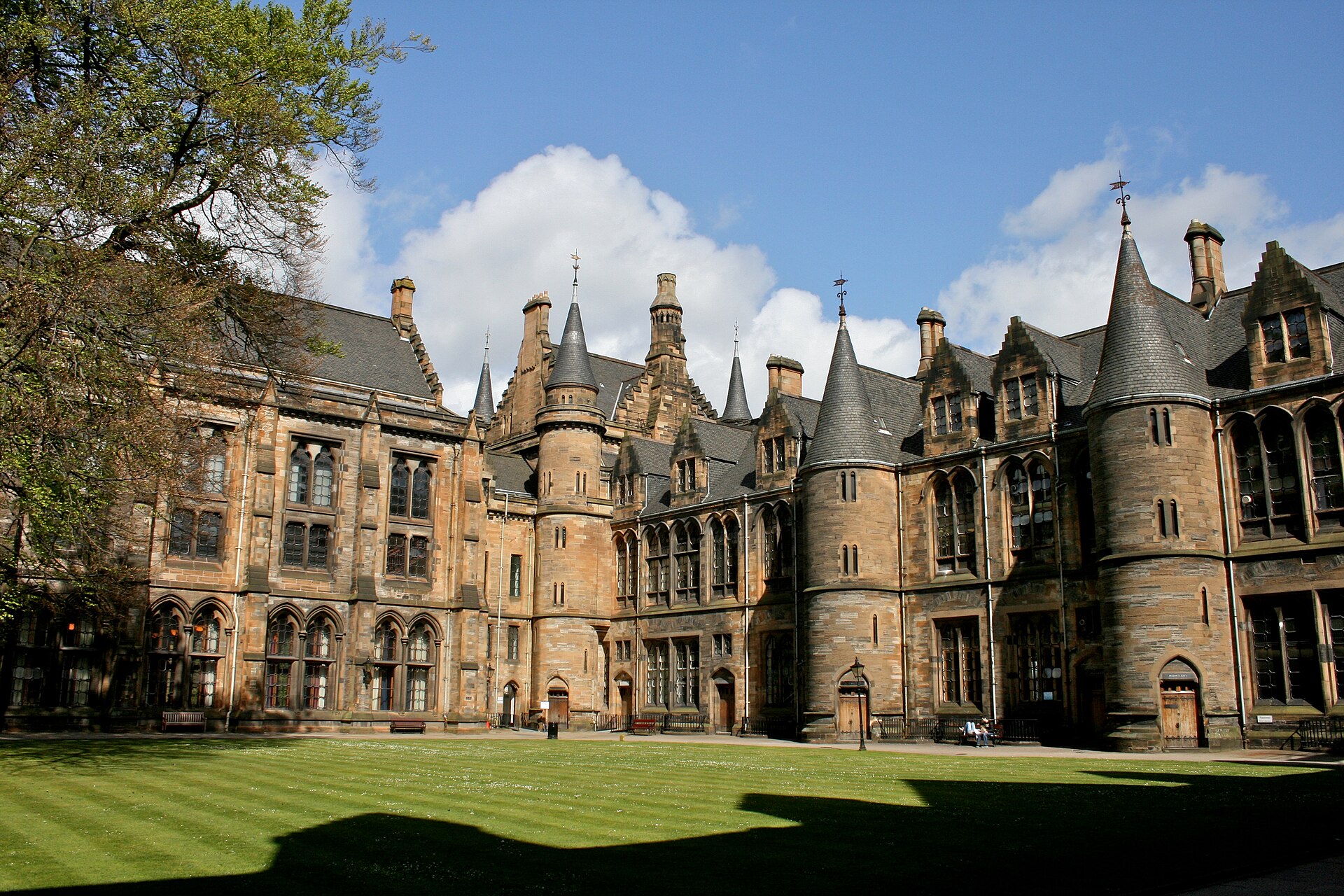
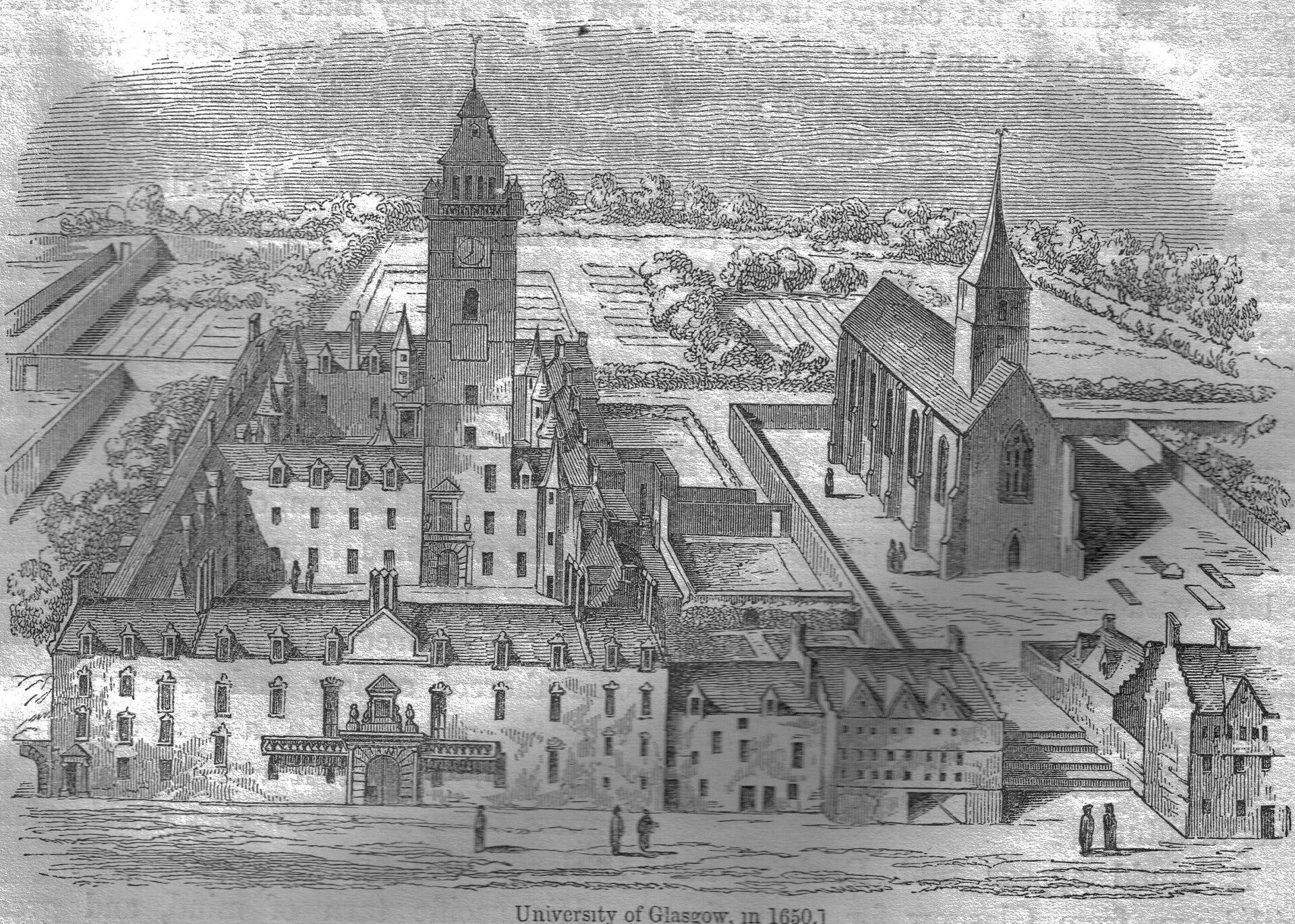
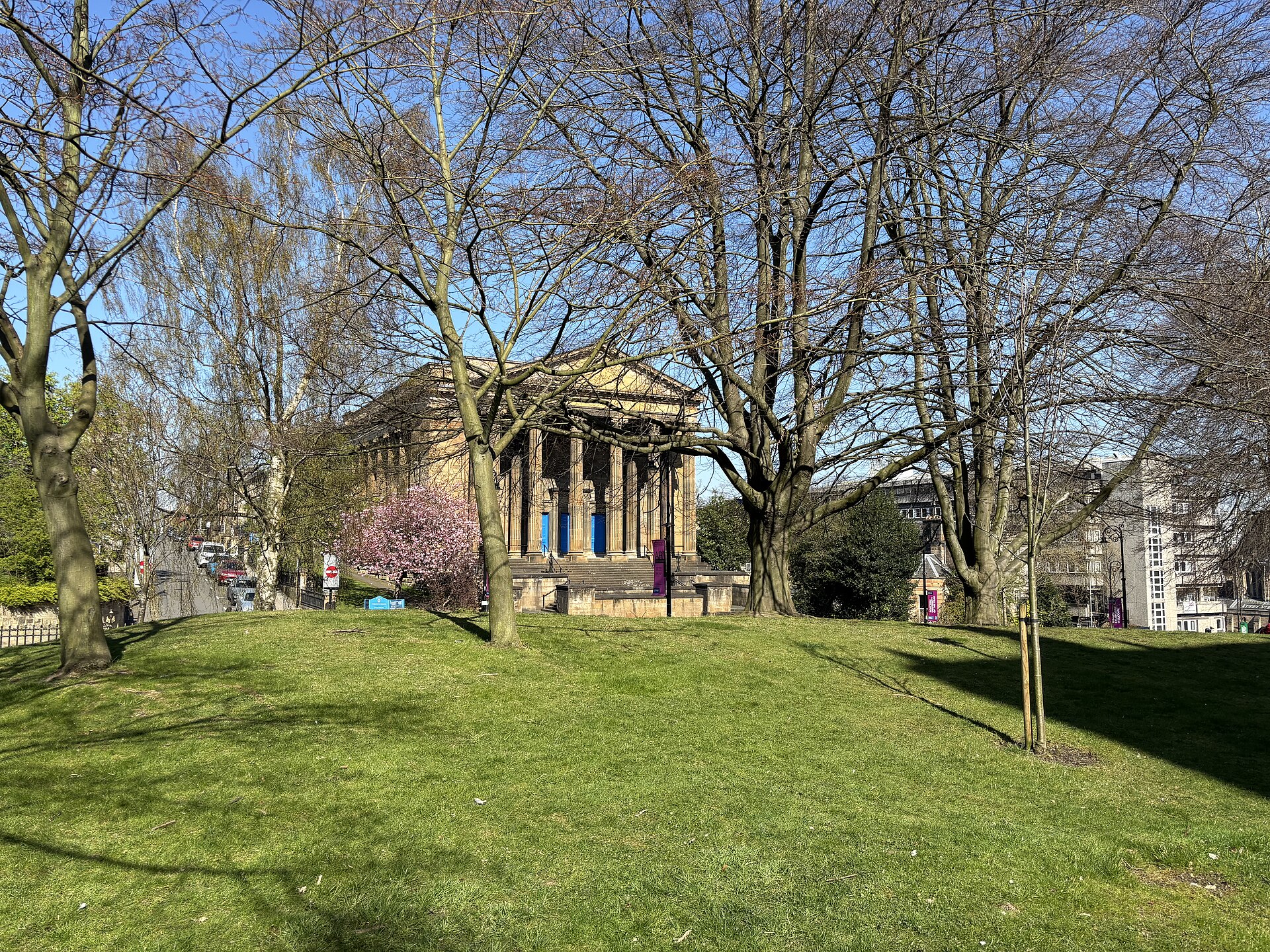
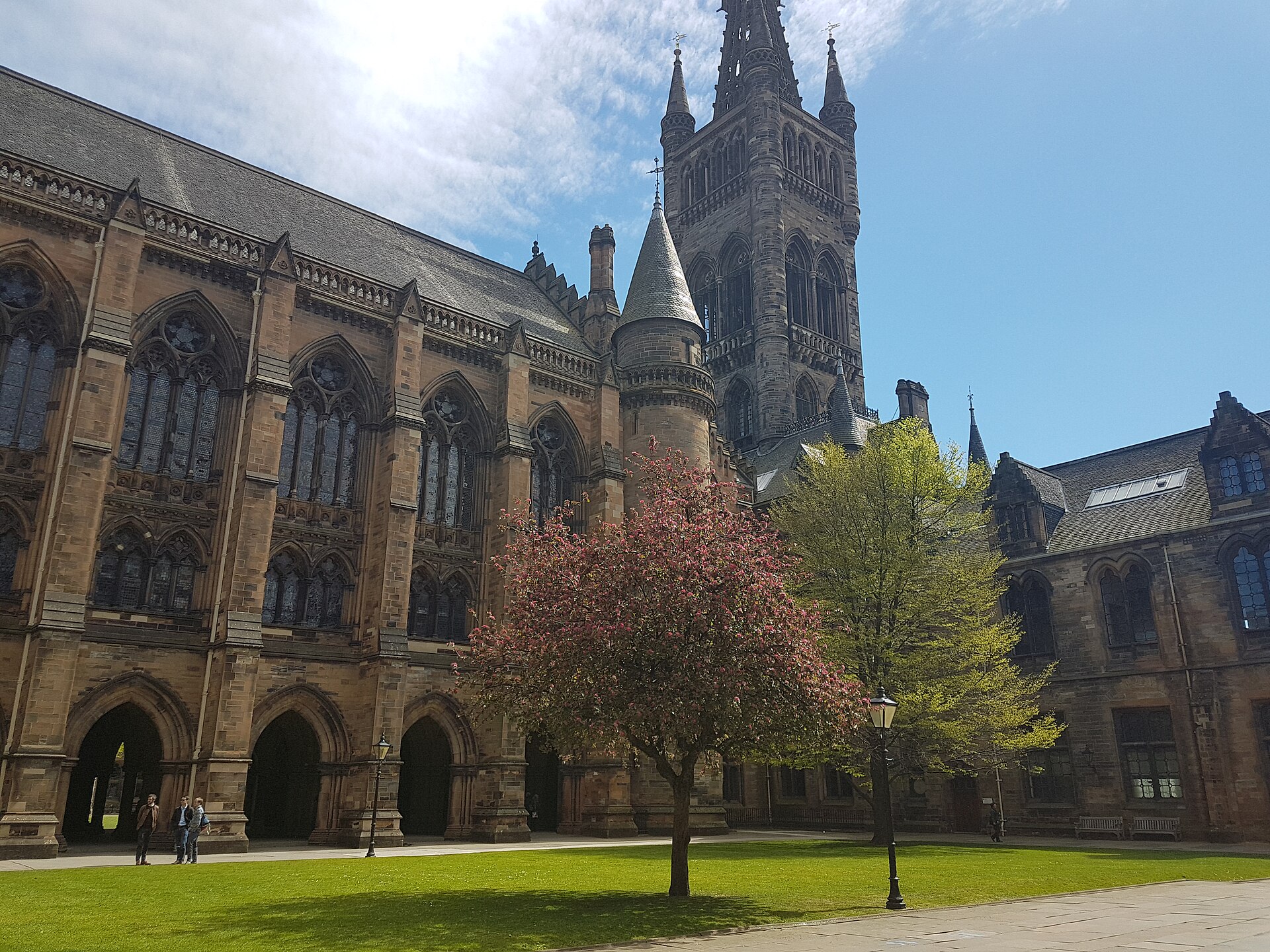
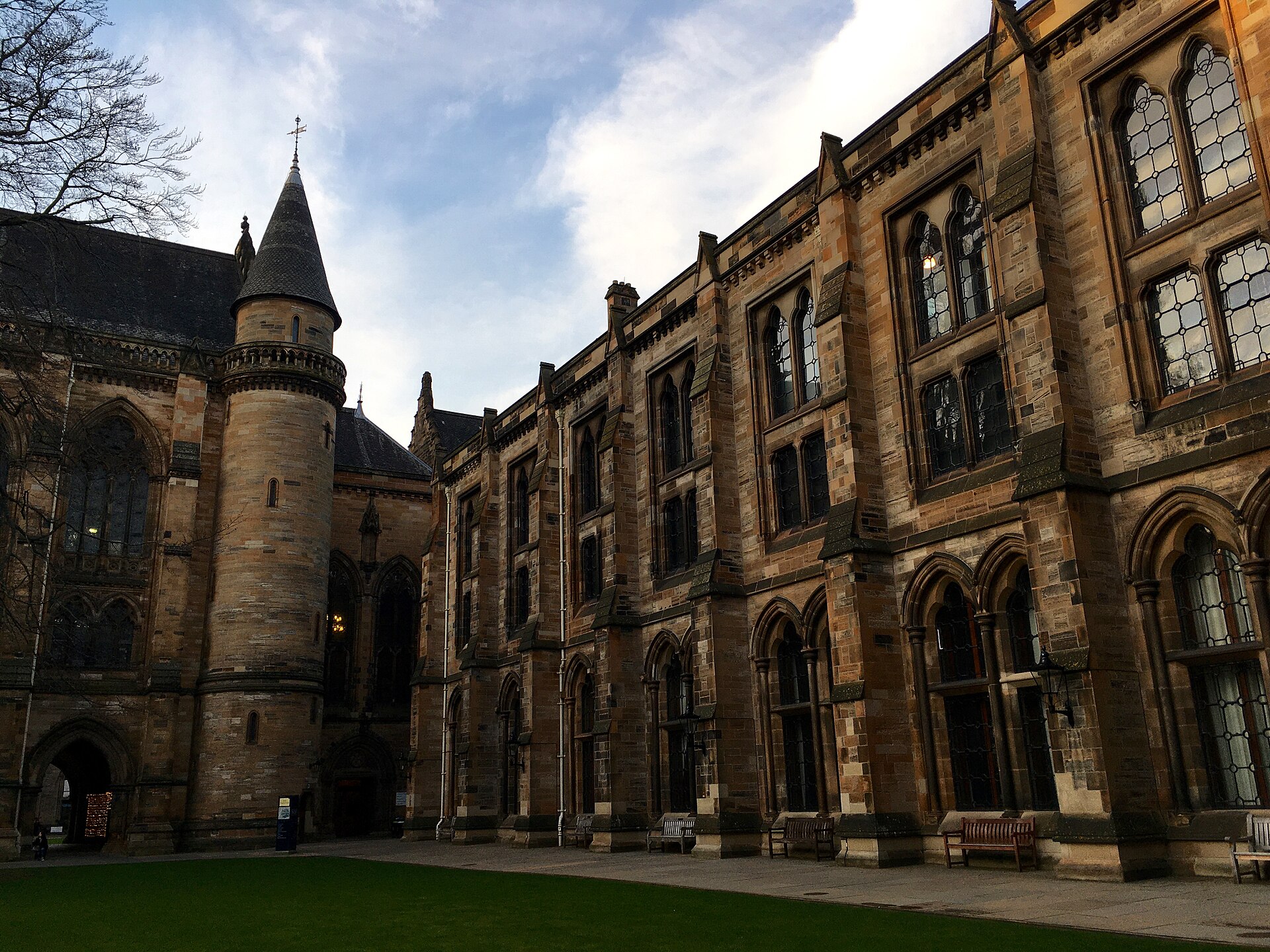
University of Glasgow — campus in pictures

Real, freely-licensed photographs of the campus (via Wikimedia Commons).
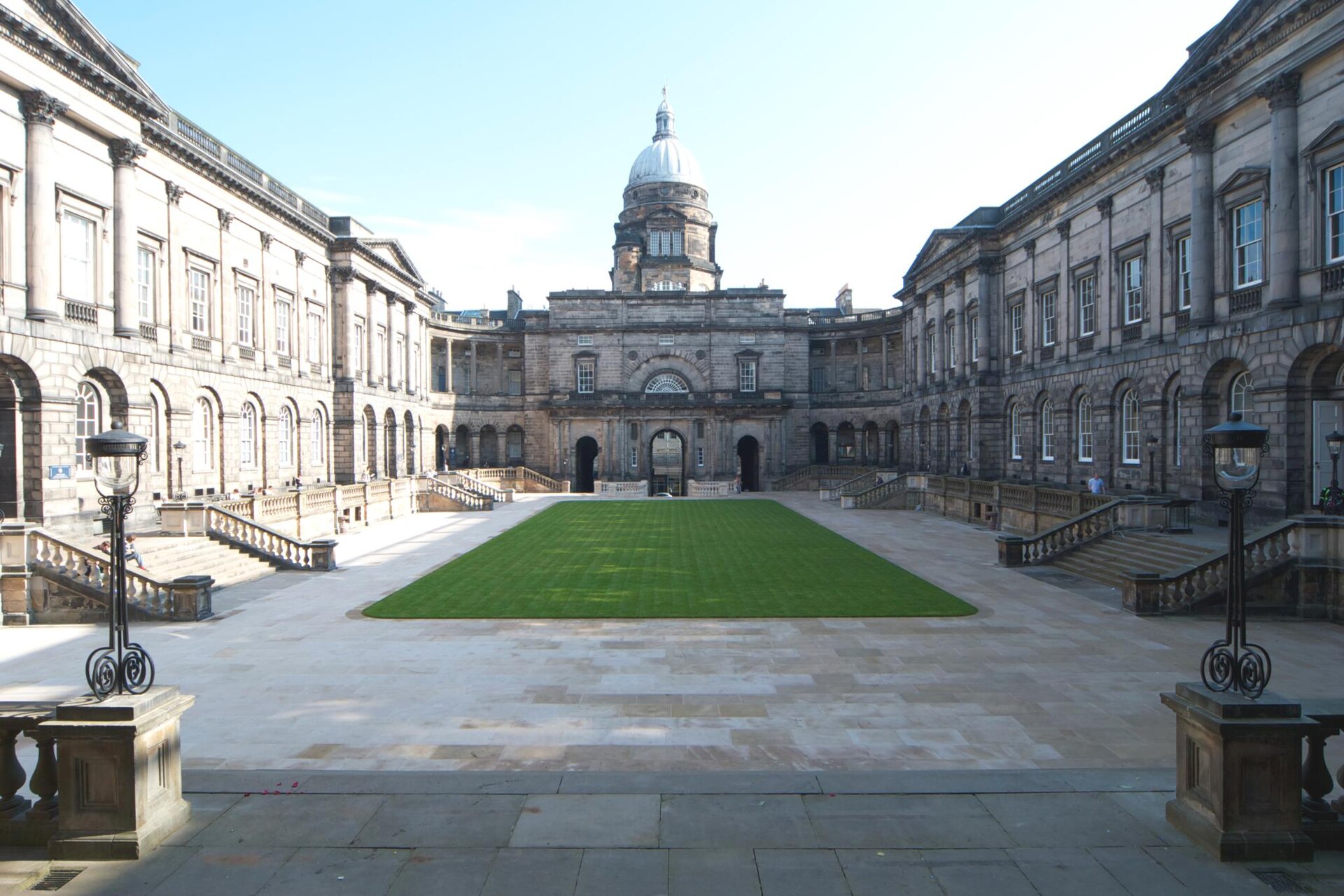
A view of Edinburgh University's Old College Quad
A view of Edinburgh University's Old College QuadTheoden sA · CC BY-SA 3.0 · via Wikimedia Commons
The University of Glasgow
The University of GlasgowPhotograph by Mike Peel (www.mikepeel.net). · CC BY-SA 4.0 · via Wikimedia Commons
Glasgow University in 1654
Glasgow University in 1654Roger Griffith · Public domain · via Wikimedia Commons
This photo shows the exterior of St Gabriel's Orthodox Church on the campus of the University of Glasgow.
This photo shows the exterior of St Gabriel's Orthodox Church on the campus of the University of Glasgow.Atreides83 · CC BY 4.0 · via Wikimedia Commons
This is a photo of listed building number
This is a photo of listed building numberStinglehammer · CC BY-SA 4.0 · via Wikimedia Commons
This is a photo of listed building number
This is a photo of listed building numberLornaMCampbell · CC BY-SA 4.0 · via Wikimedia Commons

WHY GLASGOW

Why Choose University of Glasgow

Glasgow is not just one of Britain's oldest universities — it is one of its most globally relevant. Adam Smith wrote The Wealth of Nations here. Lord Kelvin defined thermodynamics here. Today, Glasgow ranks among the world's top 80 universities and sits at the cutting edge of medical research, engineering innovation, and social science.

1Russell Group Prestige
Membership of the Russell Group — the UK's 24 leading research universities — signals academic rigour and research intensity on every CV and graduate-school application. Glasgow holds a QS World Ranking of 78 and a THE Ranking of 89.
2Historic & Iconic Campus
The Gothic Revival main building and its iconic 278-foot tower have made Gilmorehill one of the most photographed campuses in Europe. A £1 billion campus development is layering state-of-the-art facilities onto this extraordinary backdrop.
3World-Class Research
Glasgow is a research powerhouse in medicine (the Cancer Research UK Beatson Institute), engineering, and life sciences. Undergraduates can engage with research from Year 1 through summer programmes and dissertation projects.
4Glasgow City — Affordable & Vibrant
Scotland's largest city offers a cost of living far below London, a thriving music, arts, and food scene, and one of the warmest welcomes in the UK. The West End, surrounding the university, is consistently rated among Britain's best neighbourhoods to live.
5Strong Graduate Outcomes
87% of Glasgow graduates are in employment or further study within 15 months of graduating. Top employers include the NHS, Barclays, Deloitte, EY, JPMorgan Chase, Amazon, and Google — drawn by Glasgow's reputation across medicine, law, engineering, and business.
6Truly International Community
With 35% of its 36,000 students coming from outside the UK, Glasgow is one of the most internationally diverse universities in Scotland. Over 140 nationalities are represented on campus, creating a genuinely global academic environment.

SELECTIVITY

Acceptance Rate & Admissions Profile

The University of Glasgow is a selective Russell Group institution, with overall entry rates that reflect both high demand and a commitment to genuine academic potential. Acceptance rates vary significantly by programme: Medicine and Dentistry are highly competitive with far lower entry rates, while other programmes admit a wider pool of academically strong candidates. International students compete in the same pool and should aim for the top of each programme's stated requirement range.

The overall acceptance rate reflects the breadth of programmes offered. High-demand courses — Medicine (MBChB), Dentistry, Veterinary Medicine, and Law — are substantially more competitive and require additional admissions tests (UCAT / LNAT) and, in many cases, an interview. Aim for the upper end of stated grade requirements if applying to these programmes.

~70%
Overall Acceptance Rate
36
IB Diploma Typical Offer
3.3
Minimum GPA Equivalent
78
QS World Rank

AT A GLANCE

University of Glasgow — Quick Facts

Stats

1451
Founded
36,000
Total Students
35%
International Students
14:1
Student:Faculty Ratio

Rows

Fact: Type
Public research university
Fact: Setting
Urban — Glasgow West End, Scotland
Fact: Group membership
Russell Group, Universitas 21
Fact: National rank (UK)
12th
Fact: THE World Rank
89
Fact: Key strengths
Medicine, Engineering, Law, Veterinary Medicine, Computing Science, Life Sciences

HOW TO APPLY

What the Application Consists Of

All undergraduate applications to the University of Glasgow are submitted through UCAS (Universities and Colleges Admissions Service). You may also apply through Common App. The application is primarily academic — the UCAS process does not include multiple supplemental essays. You submit one personal statement, your academic transcript and predicted grades, and a reference from your school.

UCAS Application
Apply via www.ucas.com (or Common App). You can apply to up to 5 UK universities on one UCAS form. The Glasgow UCAS institution code is G28.
Academic Qualifications
Your predicted or actual grades in IB Diploma, A-Levels, or equivalent national qualification. Glasgow publishes entry requirements per programme — check the specific course page.
UCAS Personal Statement
From 2026 entry, UCAS has restructured the personal statement into three guided questions (4,000 characters total). This is your only essay-style component.
Academic Reference
A reference from your school counsellor or teacher, submitted directly through UCAS. For professional/vocational degrees, evidence of relevant work experience or volunteering is important.
Admissions Tests (Select Programmes)
Medicine and Dentistry require the UCAT; Law requires the LNAT. Teaching, Nursing, and Veterinary Medicine typically involve an interview. Check your specific programme page.
English Language Evidence
International students from non-English-speaking countries must submit IELTS, TOEFL, or Duolingo English Test scores meeting programme minimums.
https://www.gla.ac.uk/undergraduate/entryrequirements/guidance/

ADMISSIONS PHILOSOPHY

What Glasgow Looks For

The University of Glasgow is looking for students who are genuinely committed to their chosen subject — not generalists who could study anything. In your UCAS personal statement, academic reference, and (where relevant) admissions test and interview, they are assessing subject passion, academic readiness, and the ability to contribute to a research-intensive university community.

Genuine Subject Interest
Glasgow wants to see that you have pursued your subject beyond the classroom — through independent reading, relevant projects, or meaningful engagement with the field. Generic enthusiasm does not convince admissions tutors.
Strong Predicted Grades
Academic performance is the primary filter. Meeting or exceeding stated grade requirements (IB 36 / A-Level AAB for most programmes) is essential. For high-demand programmes, the bar is higher.
Relevant Experience (Vocational Programmes)
For Medicine, Dentistry, Veterinary Medicine, Nursing, and Social Work, Glasgow explicitly asks for evidence of work experience, shadowing, or volunteering that demonstrates understanding of the profession.
Articulate Academic Thinking
The UCAS personal statement and any interview are your opportunities to show you can think analytically — that you engage with ideas critically, not just learn content.

DEADLINES & TIMELINE

Application Deadlines

Glasgow uses the UCAS application cycle. There is one main undergraduate intake per year, in September. There is no Early Decision or Early Action equivalent — all UCAS applicants to the same course are considered on an equal basis if their application is received by the standard deadline.

The UCAS deadline of 14 January applies to the following September's intake (e.g. applications for September 2026 entry close January 2026). Submit well before the deadline — Glasgow reviews applications on a rolling basis and some popular programmes fill early.

RoundDeadlineNotes
Medicine / Dentistry / Veterinary Medicine15 October (UCAS)Earlier UCAS deadline for clinical programmes
All other undergraduate programmes14 January (UCAS)Standard UCAS deadline — equal consideration
UCAS Extra / ClearingFrom late FebruaryIf places remain after the main cycle
September intakeSeptember each yearPrimary entry point for all undergraduates
https://www.gla.ac.uk/undergraduate/entryrequirements/guidance/

CAMPUS & CITY LIFE

Student Life at Glasgow

The University of Glasgow's main Gilmorehill campus sits in the heart of the West End — one of the most desirable neighbourhoods in Scotland. The Gothic Revival architecture, anchored by the historic main building and its 278-foot clock tower, creates an unmistakably grand academic environment. A £1 billion campus development programme is adding modern, sustainable facilities — including the James McCune Smith Learning Hub — while preserving the heritage buildings that make Glasgow visually distinctive.

Glasgow the city is consistently rated one of the best student cities in the UK. It is significantly more affordable than London or Edinburgh, with a thriving cultural scene: world-class live music, internationally acclaimed restaurants, the Kelvingrove Art Gallery, and the Hunterian Museum (Scotland's oldest public museum, housed on campus). The Students' Representative Council runs over 200 clubs and societies. University accommodation includes traditional halls like Wolfson Hall and Kelvinhaugh Gate, and new residences are under construction at Lilybank Gardens to expand on-campus living.

West End Living
The university sits in Glasgow's West End — bohemian, affordable, and packed with independent cafés, bookshops, and vintage stores. Most students live within walking distance of campus.
Hunterian Museum
Scotland's oldest public museum is on campus, holding one of Europe's finest zoological, archaeological, and art collections — a genuine intellectual resource for students across all disciplines.
Clubs & Societies
The Glasgow University Union and the Queen Margaret Union are two of the oldest student unions in the world. Over 200 clubs and societies cover sports, arts, culture, debate, and professional interests.
City of Culture
Glasgow is the music capital of Scotland and holds UNESCO City of Music status. The city centre is 15 minutes away by public transport, with world-class venues, galleries, and festivals year-round.
Affordability
Cost of living in Glasgow is substantially lower than London or Edinburgh — estimated at around £13,000 per year for accommodation, food, and personal expenses. Excellent value for a top-25 UK university.

GRADUATE OUTCOMES

Career Outcomes

87% of University of Glasgow graduates are in employment or further study within 15 months of completing their degree. The Russell Group brand is recognised by employers across the UK and internationally, and Glasgow's specific strength in medicine, engineering, and professional services means strong pipeline placement in those sectors.

Top employers recruiting Glasgow graduates include the NHS (the largest single employer of Glasgow medical and nursing graduates), Barclays, Deloitte, EY, JPMorgan Chase, NatWest Group, Amazon, and Google. Glasgow's computing science graduates are particularly sought after in the UK tech sector. International students benefit from the UK Graduate Route visa, which allows two years of post-study work (three for doctoral graduates) following completion of a degree at a UK institution.

Stats

87%
Employment / Study Rate
$34,000
Avg Starting Salary

Cards

Medicine & Health Sciences
MBChB and BDS graduates enter NHS foundation training directly. Glasgow's clinical placements span major Scottish hospitals and specialist centres.
Engineering & Technology
Aerospace, civil, mechanical, and electronics engineering graduates enter major UK and international firms, including defence, energy, and infrastructure sectors.
Law
Glasgow Law graduates benefit from a Scottish legal qualification with pathways into English law (through the Graduate Diploma in Law). Strong links with Edinburgh, Glasgow, and London legal markets.
Finance & Business
The Adam Smith Business School produces graduates hired by the major financial institutions recruiting in Scotland and London — aligned with Glasgow's growing fintech and finance sector.

FAQs

Frequently Asked Questions

Does the University of Glasgow use Common App or UCAS?+

Both. International applicants can apply via UCAS (www.ucas.com) or Common App (www.commonapp.org). UCAS is the standard route for UK-based applicants and most international students. Common App is an option for applicants more familiar with the US system.

Is the acceptance rate really 70%? Does that mean it is easy to get in?+

The overall acceptance rate reflects the wide range of programmes on offer. Competitive courses like Medicine, Dentistry, Law, and Computing Science are considerably more selective. The overall figure includes many programmes with lower demand. If you are applying to a popular programme, aim well above the minimum stated requirements.

Do international students need an IELTS score?+

Yes, if English is not your first language and your schooling was not entirely in English. The minimum is IELTS 6.5 overall (with no component below 6.0 for most programmes), TOEFL iBT 90, or Duolingo English Test 115. Some professional programmes require higher scores.

Is there a January intake for undergraduates?+

The primary undergraduate intake is September. Some postgraduate programmes offer January and May starts. Undergraduate applicants should apply for September entry via UCAS.

Do I need to take the UCAT or LNAT?+

Only for specific programmes. Medicine and Dentistry require the UCAT (University Clinical Aptitude Test). Law requires the LNAT (Law National Aptitude Test). Teaching, Nursing, and Veterinary Medicine require an interview. All other programmes do not require admissions tests. Check your specific course page on gla.ac.uk.

Can international students get scholarships?+

Yes. The World Changers Global Excellence Scholarship automatically considers all international applicants holding an offer — worth £10,000/year (Science and Engineering) or £7,000/year (Arts and Social Sciences). No separate application is required.

What is the Scottish degree structure — is it different from England?+

Yes. Scottish undergraduate degrees are typically four years, with a broader first two years before specialisation. The first year is called Year 1, and students graduate with an Honours degree after four years (or an Ordinary degree after three). This broader structure is valued by many international students and provides flexibility to change direction in early years.

Can I work in the UK after graduating from Glasgow?+

Yes. International students who graduate from a UK university — including Glasgow — are eligible for the UK Graduate Route visa, which allows two years of post-study work (three years for doctoral graduates). This applies regardless of your nationality.

ACADEMICS

Academic Expectations for International Applicants

The University of Glasgow is a research-intensive Russell Group institution. Academic performance is the primary criterion for admission — grades matter more here than extracurriculars or application essays. International students must meet the published entry requirements for their specific programme and demonstrate the academic foundation to succeed in a rigorous, independent-learning environment.

Glasgow uses a broad range of international qualifications: IB Diploma, A-Levels, Scottish Highers, Advanced Placement (US), and national school-leaving certificates from most countries. Entry requirements are published per programme and vary considerably — from IB 28 for some degrees to IB 39+ for Medicine.

ACADEMIC BENCHMARKS

Entry Grade Benchmarks

The following figures are from the university's facts data and apply to most competitive undergraduate programmes. Always verify the exact requirement on the Glasgow course-finder for your specific degree.

The IB score of 36 is a benchmark for most programmes; high-demand courses such as Medicine (MBChB), Computing Science, Law (LLB), and Adam Smith Business School programmes require higher scores — often IB 38–42. Always check the specific programme entry requirements on the Glasgow course page.

36
IB Diploma (typical offer)
3.3
Minimum GPA Equivalent
36–39+
IB for Excellence Scholarship
12th
National Rank (UK)

TEST POLICY

Standardised Test Policy

The University of Glasgow does not require SAT or ACT scores for undergraduate admission. Standardised tests (in the US sense) are optional. UK university admissions focus on school-leaving examination grades — IB Diploma, A-Levels, or your country's equivalent national qualification.

For some programmes, UK-specific admissions tests are required (not optional): the UCAT for Medicine and Dentistry, and the LNAT for Law. These are entirely separate from the SAT/ACT and are taken through the relevant testing bodies.

OPTIONALSAT / ACT
Not required and not a primary factor. Glasgow focuses on school-leaving exam grades. If you have strong SAT/ACT scores, they may be noted, but they do not substitute for the required national qualifications.
REQUIREDUCAT (Medicine & Dentistry)
The University Clinical Aptitude Test is required for all MBChB and BDS applicants. Taken online at an approved test centre; tests verbal reasoning, quantitative reasoning, abstract reasoning, decision making, and situational judgement.
REQUIREDLNAT (Law)
The Law National Aptitude Test is required for LLB applicants. It assesses verbal reasoning and includes a written essay component. Registered separately from UCAS.

QUALIFICATIONS

IB, A-Level, and International Qualifications

The University of Glasgow accepts a wide range of international qualifications and has a well-established framework for evaluating them. IB Diploma is the most internationally recognised qualification and is well understood by Glasgow admissions tutors.

WELL RECOGNISEDIB Diploma
The IB is explicitly listed in Glasgow's entry requirements. Most programmes require a total of 32–36 points. Higher-level (HL) subjects often have specific grade requirements (e.g. HL6 in Chemistry for Medicine). The IB Extended Essay and Theory of Knowledge are not awarded additional points but demonstrate academic breadth.
STANDARDA-Levels
The standard UK qualification. Glasgow's published requirements are expressed in A-Level grades (e.g. AAB, AAA, A*AA for more competitive programmes). General Studies A-Level is not accepted. Critical Thinking is typically not accepted as a subject-specific requirement.
ACCEPTEDAdvanced Placement (AP)
AP exams are accepted in combination with other qualifications. AP scores of 4 or 5 in relevant subjects may be considered. AP alone is typically not sufficient for entry — it should complement your transcript.
VARIESNational Qualifications
Glasgow accepts qualifications from most countries. Specific equivalency tables exist for Indian boards (CBSE/ISC), US high school diplomas, South African Matric, and others. Check the country-specific entry requirements section of the Glasgow website.
https://www.gla.ac.uk/undergraduate/entryrequirements/guidance/

SUBJECT PREPARATION

Subject Rigour Expected by Programme

Many Glasgow programmes have specific subject requirements — not just a total points score. Taking the right subjects at the right level is critical. Review these expectations before finalising your IB or A-Level subject choices.

Medicine (MBChB) & Dentistry (BDS)
Typically require Chemistry HL and at least one of Biology, Physics, or Maths at HL (IB) or A-Level. Minimum HL6 in Chemistry is common. UCAT score and interview are also required.
Engineering (All branches)
Mathematics and Physics are essential at Higher Level (IB) or A-Level. Some branches (Chemical Engineering) also require Chemistry. Strong quantitative foundations are non-negotiable.
Computing Science
Mathematics is required at Higher Level. Some applicants also offer Further Mathematics or Physics. Programming experience is valued but not formally required — demonstrate it in your personal statement if you have it.
Law (LLB)
No specific required subjects, but strong English and a LNAT score are required. History, Politics, or Philosophy at HL are advantageous for demonstrating analytical reasoning.
Veterinary Medicine
Chemistry and at least one of Biology, Physics, or Maths at HL/A-Level are required. Practical animal handling or veterinary experience is expected and must be evidenced in the personal statement.
Economics & Business
Mathematics at Standard Level (IB) is typically the minimum; HL Maths strengthens an application. Economics at HL is not required but demonstrates relevant background.

ENGLISH PROFICIENCY

English Language Requirements

All international applicants whose first language is not English, or who have not studied entirely in English, must provide proof of English proficiency. The following are the standard minimum scores for most undergraduate programmes.

Professional and clinical programmes (Medicine, Dentistry, Nursing, Social Work) typically require higher English scores — often IELTS 7.0 overall. Always verify the specific requirement for your programme on the Glasgow course page. Scores must be from tests taken within the last two years.

TestOverallComponent MinNotes
IELTS Academic6.56.0 in each componentMost UG programmes; Medicine/Dentistry typically require 7.0+
TOEFL iBT90Varies by programmeCheck specific programme for sub-score requirements
Duolingo English Test115No component minimum listedAccepted as an alternative to IELTS/TOEFL
https://www.gla.ac.uk/undergraduate/entryrequirements/guidance/

GRADE-BY-GRADE PLAN

Building Your Academic Profile — Year by Year

Glasgow places academic performance above all else. Use this roadmap to build a competitive application from Year 9.

1Years 9–10: Lay the Foundation
Identify your subject interests early. For science and engineering, prioritise Mathematics and the sciences. Seek out teachers who can stretch you beyond the curriculum — reading around your subject is noted in personal statements. Begin building your GCSE or equivalent profile with strong grades in core subjects.
2Year 11: Choose Your IB / A-Level Subjects Wisely
Before selecting IB or A-Level subjects, check the entry requirements for your target Glasgow programme. Take the required subjects at the required level (HL vs SL). General Studies, Critical Thinking, and similar subjects do not count for Glasgow admissions purposes.
3Year 12: Build Academic Depth
Excel in your IB Year 1 or AS results. If applying for Medicine or Law, register for the UCAT or LNAT and begin preparation — these tests reward practice. For vocational programmes, begin gaining relevant work experience or volunteering (clinical shadowing for Medicine; animal handling for Veterinary Medicine).
4Year 13 (First Semester): Apply and Perform
Submit your UCAS application before the relevant deadline (15 October for Medicine/Dentistry; 14 January for all others). Focus intensely on your IB or A-Level examinations — your predicted grades determine whether you receive an offer, and your final grades determine whether it is confirmed.
5Results Day: Confirm Your Place
Glasgow offers are conditional on final exam results. When results are released, Glasgow will confirm or withdraw offers based on your actual grades. If you narrowly miss your offer grades, contact the admissions office — contextual flexibility exists in some cases.

COMMON PITFALLS

Academic Mistakes to Avoid

Items

  • Taking the wrong subjects at the wrong level — check Glasgow's programme entry requirements before finalising your IB HL/SL or A-Level choices.
  • Applying without taking the required admissions test (UCAT for Medicine/Dentistry, LNAT for Law) — your application will be ineligible.
  • Underperforming in predicted grades — UCAS personal statements are read, but offers are primarily grade-driven. Your school's grade prediction matters enormously.
  • Assuming a high IB total compensates for low scores in required subjects — a low HL Chemistry score can disqualify a Medicine application regardless of overall points.
  • Neglecting English language test preparation — IELTS is time-sensitive and requires practice. Do not leave it until the last minute.
  • Applying with only a US high school diploma and no AP or SAT scores without checking if Glasgow accepts the combination — always verify on the country-specific entry requirements page.
  • Missing the UCAS deadline — the standard deadline of 14 January is firm. Late applications are considered only if spaces remain.

Faqs

Can I apply for a different year if I miss the January deadline?+

You can apply via UCAS Clearing for any remaining places, typically from July onwards. Alternatively, you can apply for the following year's intake. Missing the January deadline significantly limits your options for that cycle.

Does Glasgow require a GMAT or GRE for undergraduate admission?+

No. GMAT and GRE are postgraduate tests. Undergraduate admissions at Glasgow rely on school-leaving examination grades (IB, A-Levels, or equivalent), not GMAT/GRE.

COST & FINANCIAL AID

Understanding the Cost of Studying at Glasgow

The University of Glasgow offers a top-25 UK university education at a cost of living that is substantially lower than London or Edinburgh. International tuition fees are significant, but automatic merit scholarships reduce net costs for academically strong applicants. Understanding the full picture — fees, living costs, and scholarship availability — is essential before you apply.

All costs below are annual estimates in USD, drawn from the university's facts data. Actual fees are published in GBP and will vary with exchange rates. Check the official Glasgow fees page for current GBP figures.

ANNUAL COSTS

Cost of Attendance Breakdown

The following are annual estimates for international undergraduate students. All figures in USD are converted from GBP figures in the university's published data; exchange rate fluctuations will affect actual amounts.

Glasgow's cost of living is estimated at around £10,000–£11,000 per year — well below the London average of £15,000+. This makes Glasgow one of the most cost-efficient Russell Group institutions for international students.

ComponentAmountNotes
International Tuition (annual)~$38,000Varies by programme; clinical programmes (Medicine, Dentistry) are higher
Cost of Living (annual)~$13,000Accommodation, food, transport, personal expenses
Estimated Total Cost of Attendance~$54,000Full year including living costs
UCAS Application Fee~$30Paid to UCAS at application; covers up to 5 choices

FINANCIAL AID

Financial Aid for International Students

The University of Glasgow does not operate a US-style need-based financial aid programme for international students. There is no institutional need-blind or need-aware aid system for international undergraduates. The primary route to fee reduction is through merit-based scholarships, which are automatically considered upon receiving an offer.

The university's published data does not include an average aid percentage for international undergraduates. Students should budget for the full cost of attendance and then apply any scholarship award against it. External funding — government scholarships from your home country, Commonwealth scholarships, and bilateral agreements — should also be explored.

SCHOLARSHIPS

Named Scholarships for International Students

Glasgow offers several merit-based scholarships specifically for international students. The flagship World Changers Global Excellence Scholarship is the most accessible — no separate application required.

AUTOMATIC CONSIDERATIONWorld Changers Global Excellence Scholarship
The most significant scholarship for international undergraduates. Worth £10,000 per year for students in the College of Medical, Veterinary & Life Sciences and College of Science and Engineering; £7,000 per year for College of Arts and College of Social Sciences. Awarded automatically based on academic merit — no separate application needed. Requires A-Level AAB / IB 36 for most programmes; higher for Computing Science, Law, and Business. Renewable each year subject to academic progress.
Source: https://www.gla.ac.uk/scholarships/worldchangersglobalexcellencescholarship
POSTGRADUATE · COMPETITIVE575th Anniversary World-Changer Scholarship
Awarded to exceptional postgraduate taught master's students — worth £15,000 as a tuition fee discount. Only 4 scholarships offered per cycle. Requires grades equivalent to UK First Class Honours. Shortlisted candidates submit a short video. Check the Glasgow scholarships page for availability in your cycle.
Source: https://www.gla.ac.uk/scholarships/575thanniversaryworld-changerscholarship
POSTGRADUATEGREAT Scholarships (British Council)
Glasgow participates in the GREAT Scholarships programme offered by the British Council, worth £10,000 for full-time postgraduate taught master's programmes. Eligibility varies by country of citizenship. Check the Study UK website for current countries and application details.
Source: https://study-uk.britishcouncil.org/scholarships-funding/great-scholarships/university-glasgow
VERIFYExternal & Government Scholarships
Many international students fund their studies through home-government scholarships (e.g. chevening for UK-linked nations, Commonwealth Scholarship, bilateral agreements). Glasgow is an approved institution for most major external scholarship programmes. Check your government's study-abroad scholarship portal and the Glasgow scholarships finder.
https://www.gla.ac.uk/scholarships/worldchangersglobalexcellencescholarship

NET COST REALITY

Affordability in Context

Glasgow is consistently cited as one of the most affordable Russell Group universities for international students — not because tuition is cheaper, but because the city of Glasgow dramatically reduces living costs. Compared to Imperial College London or UCL, students at Glasgow save £4,000–£6,000 per year on living expenses alone.

With the World Changers Global Excellence Scholarship (£7,000–£10,000/year), a high-achieving international student could reduce annual costs by approximately $9,000–$13,000 USD. Over a four-year Scottish undergraduate degree, that represents a total saving of $36,000–$52,000 — equivalent to a full year of tuition. Plan your finances carefully: Glasgow does not offer instalment plans for international tuition in all cases, and UK visa requirements include demonstrating sufficient funds before entry.

Scottish undergraduate degrees are four years. Budget for four years of costs, not three — though the broader first two years often deliver better academic preparation and flexibility than the three-year English equivalent.

FUNDING ROADMAP

Steps to Fund Your Glasgow Education

1Calculate Your Full Four-Year Cost
Scottish degrees are four years. Multiply annual tuition (~$38,000) plus living (~$13,000) by four to get a total estimate. Factor in exchange rate uncertainty — GBP/USD fluctuations of 10-15% are common over a four-year period.
2Apply via UCAS — Scholarship is Automatic
The World Changers Global Excellence Scholarship requires no separate application. If you receive a conditional offer from Glasgow and your predicted grades meet the threshold (IB 36 / A-Level AAB for most programmes), you will be automatically considered and notified within two weeks of receiving your offer.
3Research Home-Country Government Scholarships
Many governments offer scholarships for students attending top-ranked UK universities. Search for Chevening (UK Foreign Office), Commonwealth Scholarships, and bilateral agreements. Apply as early as possible — these schemes often close 12 months before entry.
4Explore the Glasgow Scholarships Finder
The University of Glasgow runs an online scholarship finder at gla.ac.uk/scholarships. Filter by student type (international), level (undergraduate/postgraduate), and discipline to find all applicable awards.
5Confirm Financial Evidence for Your UK Visa
As part of the UK Student visa application, you must demonstrate you have sufficient funds for your first year of tuition plus living costs (currently £9,135 for living costs outside London, as set by UKVI). Gather financial documentation early — bank statements typically need to show funds held for 28 consecutive days.

COST FAQs

Cost & Aid FAQs

Does Glasgow offer need-based financial aid to international students?+

No. There is no institutional need-based grant programme for international undergraduates. Aid is merit-based. Explore external funding through your home government, Chevening, Commonwealth, or bilateral scholarships.

When and how do I apply for the World Changers Global Excellence Scholarship?+

You do not apply separately. All international applicants who hold a conditional or unconditional offer are automatically assessed based on their academic grades. You will receive notification of your scholarship status within two weeks of receiving your offer from Glasgow.

Is the scholarship renewed each year?+

Yes, the World Changers Global Excellence Scholarship is renewable each year of your degree, subject to satisfactory academic progress. If you maintain the required academic standard, the award continues.

How much does it cost to live in Glasgow compared to London?+

Glasgow's cost of living is estimated at around £10,000–£11,000 per year for a student, compared to £15,000–£18,000 in London. This makes a meaningful difference over a four-year degree.

Are there payment plan options for international tuition?+

The University of Glasgow typically requires international tuition fees to be paid at the start of each academic year. Check the Finance and Student Services pages on gla.ac.uk for current payment plan arrangements — these can change year to year.

Can I work part-time as an international student?+

Yes. UK Student visa holders studying a full-time degree at a university are permitted to work up to 20 hours per week during term time and full-time during vacations. Glasgow's location provides reasonable part-time work opportunities.

UCAS PERSONAL STATEMENT

The Glasgow Application — Your UCAS Personal Statement

The University of Glasgow is a UCAS institution. There are no supplemental essays, no 'Why Glasgow?' short answer, and no Common App–style additional writing. Your sole written submission is the UCAS personal statement — and from 2026 entry, UCAS has restructured it into three guided questions. This is your one opportunity to show subject passion, academic readiness, and relevant experience in writing.

Unlike US universities, UK admissions do not weight essays as heavily as grades. But for competitive programmes — and for borderline candidates — a strong personal statement can be decisive. For professional degrees (Medicine, Dentistry, Veterinary Medicine, Law), the personal statement is read with particular care by faculty admissions tutors.

THE FORMAT

How the UCAS Personal Statement Works

From 2026 entry, UCAS replaced the single open personal statement with three scaffolded questions. The total character limit remains 4,000 characters (including spaces) — roughly 600–650 words. Each question requires a minimum of 350 characters. You write one personal statement on UCAS that goes to all universities you apply to (up to 5) — you cannot customise it per institution.

The three sections are submitted as a single piece and reviewed together. Avoid repetition across the three questions. Four thousand characters total across all three answers is less than you think — plan your word count carefully before you start writing.

WHY — MANDATORYQuestion 1: Why This Subject?
Why do you want to study this course or subject? Explain your motivation, share experiences that sparked your interest, and articulate what excites you about the discipline. This is where you demonstrate genuine intellectual passion — not just career utility.
QUALIFICATIONS — MANDATORYQuestion 2: How Have Your Studies Prepared You?
How have your qualifications and studies helped you to prepare? Connect your IB, A-Level, or national qualification subjects to your chosen degree. Discuss specific projects, topics, or aspects of your coursework that built directly relevant knowledge or skills.
BEYOND SCHOOL — MANDATORYQuestion 3: What Else Have You Done?
What else have you done outside education, and why is it useful? Cover extracurricular activities, work experience, volunteering, and personal interests. Focus on specific examples and link them explicitly to your chosen course — not just to your character in general.
https://www.thecompleteuniversityguide.co.uk/student-advice/applying-to-uni/ucas-2026-personal-statement-changes

THE THREE QUESTIONS

UCAS Personal Statement Questions (2026 Format)

These are the official UCAS personal statement questions for 2026 entry applicants. They apply to Glasgow and all other UK universities you list on your UCAS form.

REQUIRED · ~1,200–1,500 CHARACTERS SUGGESTEDQuestion 1: Why?
Official Text: Why do you want to study this course or subject?
Strategic Guide: This is your most important question — allocate the largest share of your characters here. Avoid clichés ('I have always been passionate about...'). Instead, identify a specific intellectual encounter — a book, an experiment, a problem, a news story, a conversation — that genuinely shaped your interest. For Science or Medicine: a specific discovery or mechanism you found fascinating. For Law: a case, judgment, or systemic issue you have engaged with. For Engineering: a design or systems challenge. Be concrete and analytical, not vague and emotional.
REQUIRED · ~1,000–1,200 CHARACTERS SUGGESTEDQuestion 2: Academic Preparation
Official Text: How have your qualifications and studies helped you to prepare?
Strategic Guide: For IB students: go beyond listing your subjects. Pick two or three specific things you studied — an HL topic, an IA, an EE — that directly built relevant knowledge or skills. Show that you have engaged deeply with your subjects, not just accumulated points. Avoid restating your subject list (the admissions tutor can see your qualifications). Show what you got from them.
REQUIRED · ~800–1,000 CHARACTERS SUGGESTEDQuestion 3: Beyond the Classroom
Official Text: What else have you done to prepare, outside of your education, and why will it be useful?
Strategic Guide: For vocational programmes (Medicine, Dentistry, Vet Med, Law): this question is critical. You must include specific work experience, clinical shadowing, volunteer placements, or legal work experience. Glasgow explicitly expects evidence of professional engagement for these degrees. For other programmes: focus on relevant extracurriculars — a research project, a competition, a club, a creative pursuit — that demonstrates aptitude or character relevant to your degree.
https://www.ucas.com/applying/applying-to-university/writing-your-personal-statement/personal-statement-guides

STRATEGY

Writing a Strong UCAS Personal Statement for Glasgow

Your UCAS personal statement goes to every university you apply to — so it must work for all of them simultaneously. However, you can calibrate the tone and content to suit the type of institution you are most seriously targeting.

Glasgow admissions tutors read personal statements to assess subject suitability, not personality. A personal statement that demonstrates genuine intellectual engagement with the subject — specific books read, concepts explored, problems worked through — will stand out far more than one that describes charity work and leadership. Get to the academic content quickly. Do not waste characters on your childhood, your school's achievements, or general aspirations. The admissions tutor wants to know: does this student understand what the degree involves, and are they intellectually ready for it?

PROGRAMME-SPECIFIC GUIDANCE

Tailoring Your Statement by Programme

Because UCAS accepts up to 5 university choices with one personal statement, you cannot directly address 'Why Glasgow?'. Instead, your personal statement should demonstrate readiness for the discipline itself. Below is guidance by Glasgow's most popular international programmes.

Medicine (MBChB)
The personal statement for Medicine must demonstrate: genuine understanding of what medical practice involves (not just enthusiasm for helping people), clinical or healthcare work experience (the more specific and reflective, the better), and evidence that you understand the intellectual and ethical demands of the profession. Glasgow's MBChB is highly competitive — UCAT score matters as much as grades, and the personal statement must support the interview.
Law (LLB)
Glasgow Law wants intellectual engagement with legal problems, not career aspiration. Reference specific cases, legal issues, or jurisprudential questions you have engaged with. The LNAT essay tests your ability to argue — demonstrate similar analytical writing in your personal statement. Work experience in a legal setting (mooting, law firm visits, paralegal work) adds credibility.
Engineering
Focus on problem-solving and the specific branch of engineering you are applying for. Glasgow offers Aerospace, Civil, Mechanical, and Electronics Engineering — be explicit about which area interests you and why. Reference relevant projects, competitions (e.g. FIRST Robotics, Olympiad problems), or independent explorations. The IB or A-Level Physics and Maths background should be woven in.
Computing Science
Show that you programme and build things. Glasgow CS tutors respond well to specific examples of code written, projects completed, or problems solved. Reference specific areas of computer science that fascinate you (algorithms, machine learning, systems). Contributing to open-source projects or completing online courses in relevant areas strengthens Question 3.
Veterinary Medicine (BVMS)
Animal handling and clinical veterinary experience is not optional — it is expected. Evidence a range of species if possible (small animals, farm animals, equine). Show that you understand the scientific and ethical complexity of veterinary medicine, not just a love of animals. This is one of the most competitive programmes at Glasgow.

WHAT TO WRITE ABOUT

Choosing Your Content

The most common mistake in UCAS personal statements is being too generic. Here is how to choose content that is specific, credible, and memorable.

  • For Question 1 (Why?): identify a single intellectual encounter that genuinely changed how you think about the subject — a book, a paper, a lecture, a documentary, a problem. Explain why it fascinated you and what question it opened up.
  • For Question 2 (Academic preparation): pick the two or three IB/A-Level topics or projects that are most directly relevant to your degree — your Extended Essay topic, a specific HL unit, an Internal Assessment. Explain what you learned, not just what you did.
  • For Question 3 (Beyond school): choose activities that connect to academic or professional relevance — not generic leadership or teamwork. Work experience and volunteering should include specific reflective observation, not just time logged.
  • Avoid listing — every experience you mention should be explained and analysed, not just named.
  • Do not mention specific universities (you are applying to up to 5 and they all read the same statement).
  • Do not mention specific admissions tests you have taken (UCAT score etc.) — these are assessed separately.
  • Avoid starting with quotes, rhetorical questions, or statements about childhood dreams. Start with intellectual substance.

COMMON MISTAKES

Personal Statement Pitfalls to Avoid

  • Writing a generic statement that could apply to any subject or any university — admissions tutors read thousands and spot vagueness immediately.
  • Spending too many characters on extracurriculars and not enough on subject-specific academic engagement.
  • For vocational programmes (Medicine, Vet Med, Law): not evidencing work experience — this is a near-automatic weakness.
  • Fabricating or exaggerating work experience — Glasgow interviews for Medicine and Vet Med and tutors will probe your experiences.
  • Copying a template or using AI to generate generic content — tone is detectable and generic content wastes your character limit.
  • Repeating the same point across all three questions — plan your content distribution carefully.
  • Not leaving enough characters for Question 3 — the 350-character minimum per section is the floor, not the target.
  • Submitting your UCAS application right at the deadline — submit at least two weeks early to avoid technical issues and allow your referee time to complete their reference.

PERSONAL STATEMENT FAQs

UCAS Personal Statement FAQs

Is there a 'Why Glasgow?' essay or supplemental writing?+

No. The University of Glasgow does not require any supplemental essays beyond the UCAS personal statement. There is no 'Why Glasgow?', no short-answer supplement, and no additional writing. Your entire written case is made in the 4,000-character UCAS personal statement.

Can I mention other universities I am applying to in my personal statement?+

Definitely not. All universities on your UCAS form read the same personal statement — mentioning one by name will be seen by all the others. Write for the subject and discipline, not for any specific institution.

Does Glasgow read the UCAS personal statement carefully for all programmes?+

Yes, but with varying weight. For competitive programmes like Medicine, Dentistry, Veterinary Medicine, and Law, the personal statement is read closely by faculty tutors and informs interview invitations. For less competitive programmes, grades often dominate and the personal statement plays a secondary role.

What is the character limit for the 2026 UCAS personal statement?+

4,000 characters (including spaces) total across all three questions. Each question has a minimum of 350 characters. The total is roughly 600–650 words — plan your distribution carefully.

Can I apply to Glasgow through Common App instead of UCAS?+

Yes. Glasgow accepts applications through Common App as an alternative to UCAS. The Common App includes its own personal statement (650 words). If applying via Common App, follow the Common App personal statement guidance — but be aware there are still no Glasgow-specific supplements.

When should I start writing my personal statement?+

Start drafting in the summer before your final year (Year 12/Grade 11). Give yourself at least two to three months of drafting, feedback, and revision. Your school counsellor and subject teachers can help — ask them to review it before you submit.

Does Glasgow prefer applicants who have done a pre-university course or foundation programme?+

Glasgow accepts most recognised foundation programmes for students who do not meet direct entry requirements. Check the specific foundation programme page on gla.ac.uk — not all foundation routes lead to all programmes.

Courses — schools, degrees & intake

99 degrees across 4 groupings.

College of Arts & Humanities · 24 degrees

English Literature

BachelorsEntry IB 34 (6,5,5); A-level ABB–BBB; HL English or Humanities subjectDeadline 2026-01-15

English Language & Linguistics

BachelorsEntry IB 34 (6,5,5); A-level ABB–BBB; HL English or HumanitiesDeadline 2026-01-15

History

BachelorsEntry IB 34 (6,5,5); A-level ABB–BBB; HL English or Humanities subject requiredDeadline 2026-01-15

History of Art

BachelorsEntry IB 34 (6,5,5); A-level ABB–BBBDeadline 2026-01-15

Philosophy

BachelorsEntry IB 34 (6,5,5); A-level ABB–BBBDeadline 2026-01-15

Music

BachelorsEntry IB 34 (6,5,5); A-level ABB–BBB; audition or portfolio may be requiredDeadline 2026-01-15

Theology & Religious Studies

BachelorsEntry IB 34 (6,5,5); A-level ABB–BBBDeadline 2026-01-15

Classics (Classical Civilisation)

BachelorsEntry IB 34 (6,5,5); A-level ABB–BBBDeadline 2026-01-15

Ancient History

BachelorsEntry IB 34 (6,5,5); A-level ABB–BBBDeadline 2026-01-15

Film & Television Studies

BachelorsEntry IB 34 (6,5,5); A-level ABB–BBBDeadline 2026-01-15

Theatre Studies

BachelorsEntry IB 34 (6,5,5); A-level ABB–BBBDeadline 2026-01-15

Creative Writing

BachelorsEntry IB 34 (6,5,5); A-level ABB–BBBDeadline 2026-01-15

Celtic Studies

BachelorsEntry IB 34 (6,5,5); A-level ABB–BBBDeadline 2026-01-15

Gaelic

BachelorsEntry IB 34 (6,5,5); A-level ABB–BBBDeadline 2026-01-15

French

BachelorsEntry IB 34 (6,5,5); A-level ABB–BBB; French required at A-level or HLDeadline 2026-01-15

German

BachelorsEntry IB 34 (6,5,5); A-level ABB–BBBDeadline 2026-01-15

Spanish

BachelorsEntry IB 34 (6,5,5); A-level ABB–BBBDeadline 2026-01-15

Italian

BachelorsEntry IB 34 (6,5,5); A-level ABB–BBBDeadline 2026-01-15

Russian

BachelorsEntry IB 34 (6,5,5); A-level ABB–BBBDeadline 2026-01-15

Chinese

BachelorsEntry IB 34 (6,5,5); A-level ABB–BBBDeadline 2026-01-15

Portuguese

BachelorsEntry IB 34 (6,5,5); A-level ABB–BBBDeadline 2026-01-15

Comparative Literature

BachelorsEntry IB 34 (6,5,5); A-level ABB–BBBDeadline 2026-01-15

Liberal Arts

BachelorsEntry IB 34 (6,5,5); A-level ABB–BBBDeadline 2026-01-15

Scottish Literature

BachelorsEntry IB 34 (6,5,5); A-level ABB–BBBDeadline 2026-01-15

College of Medical, Veterinary & Life Sciences · 17 degrees

Medicine (MBChB)

BachelorsEntry IB 38 (6,6,6 HL); HL Chemistry and Biology required; SL Physics or Maths at 6; SL English at 6; A-level AAA with Chemistry plus one of Biology/Physics/MathsDeadline 2025-10-15

Dentistry (BDS)

BachelorsEntry IB 36 (6,6,6 HL); HL Chemistry and Biology required; A-level AAA with Chemistry and BiologyDeadline 2025-10-15

Veterinary Medicine & Surgery (BVMS)

BachelorsEntry IB 38 (6,6,6 HL); HL Chemistry and Biology required; A-level AAA including Chemistry and BiologyDeadline 2025-10-15

Nursing

BachelorsEntry IB 34 (6,5,5); two HL subjects from Chemistry, Biology, Physics or Maths; SL English and Maths at 4; A-level ABB–BBBDeadline 2026-01-15

Biochemistry

BachelorsEntry IB 34 (6,5,5); HL Chemistry and Biology required; A-level ABB–BBB with Chemistry and BiologyDeadline 2026-01-15

Genetics

BachelorsEntry IB 34 (6,5,5); HL Biology required; A-level ABB–BBB with BiologyDeadline 2026-01-15

Molecular & Cellular Biology

BachelorsEntry IB 34 (6,5,5); HL Biology and Chemistry required; A-level ABB–BBBDeadline 2026-01-15

Microbiology

BachelorsEntry IB 34 (6,5,5); HL Biology and Chemistry required; A-level ABB–BBBDeadline 2026-01-15

Neuroscience

BachelorsEntry IB 34 (6,5,5); HL Biology required; A-level ABB–BBBDeadline 2026-01-15

Pharmacology

BachelorsEntry IB 34 (6,5,5); HL Chemistry and Biology required; A-level ABB–BBBDeadline 2026-01-15

Immunology

BachelorsEntry IB 34 (6,5,5); HL Biology and Chemistry required; A-level ABB–BBBDeadline 2026-01-15

Anatomy

BachelorsEntry IB 34 (6,5,5); HL Biology required; A-level ABB–BBBDeadline 2026-01-15

Human Biology & Physiology

BachelorsEntry IB 34 (6,5,5); HL Biology required; A-level ABB–BBBDeadline 2026-01-15

Marine & Freshwater Biology

BachelorsEntry IB 34 (6,5,5); HL Biology required; A-level ABB–BBBDeadline 2026-01-15

Zoology

BachelorsEntry IB 34 (6,5,5); HL Biology required; A-level ABB–BBBDeadline 2026-01-15

Veterinary Biosciences

BachelorsEntry IB 34 (6,5,5); HL Biology and Chemistry required; A-level ABB–BBBDeadline 2026-01-15

Sport & Exercise Science

BachelorsEntry IB 34 (6,5,5); HL Biology required; A-level ABB–BBBDeadline 2026-01-15

College of Science & Engineering · 31 degrees

Computing Science

BachelorsEntry IB 38 (6,6,6); HL Mathematics (Analysis & Approaches) required; A-level AAA–AAB with MathematicsDeadline 2026-01-15

Software Engineering

BachelorsEntry IB 38 (6,6,6); HL Mathematics (Analysis & Approaches) required; A-level AAA–AAB with MathematicsDeadline 2026-01-15

Artificial Intelligence

BachelorsEntry IB 38 (6,6,6); HL Mathematics (Analysis & Approaches) required; A-level AAA–AAB with MathematicsDeadline 2026-01-15

Robotics & Artificial Intelligence

BachelorsEntry IB 34 (6,5,5); HL Mathematics and Physics required; A-level AAB–BBB with Mathematics and PhysicsDeadline 2026-01-15

Aeronautical Engineering

BachelorsEntry BEng: IB 34 (6,5,5); MEng: IB 38 (6,6,6); HL Mathematics (Analysis & Approaches) and Physics; A-level AAB–BBB (BEng) or AAA (MEng)Deadline 2026-01-15

Aerospace Systems

BachelorsEntry BEng: IB 34 (6,5,5); MEng: IB 38 (6,6,6); HL Mathematics and Physics required; A-level AAB–BBB (BEng)Deadline 2026-01-15

Mechanical Engineering

BachelorsEntry BEng: IB 34 (6,5,5); MEng: IB 38 (6,6,6); HL Mathematics (Analysis & Approaches) and Physics; A-level AAB–BBB (BEng) or AAA (MEng)Deadline 2026-01-15

Mechanical Engineering with Aeronautics

BachelorsEntry BEng: IB 34 (6,5,5); MEng: IB 38 (6,6,6); HL Mathematics and Physics requiredDeadline 2026-01-15

Mechanical Design Engineering

BachelorsEntry BEng: IB 34 (6,5,5); MEng: IB 38 (6,6,6); HL Mathematics and Physics requiredDeadline 2026-01-15

Civil Engineering

BachelorsEntry BEng: IB 34 (6,5,5); MEng: IB 38 (6,6,6); HL Mathematics and Physics required; A-level AAB–BBBDeadline 2026-01-15

Civil Engineering with Architecture

BachelorsEntry BEng: IB 34 (6,5,5); MEng: IB 38 (6,6,6); HL Mathematics and Physics requiredDeadline 2026-01-15

Electronics & Electrical Engineering

BachelorsEntry BEng: IB 34 (6,5,5); MEng: IB 38 (6,6,6); HL Mathematics and Physics required; A-level AAB–BBBDeadline 2026-01-15

Electronic & Software Engineering

BachelorsEntry BEng: IB 34 (6,5,5); MEng: IB 38 (6,6,6); HL Mathematics and Physics requiredDeadline 2026-01-15

Biomedical Engineering

BachelorsEntry BEng: IB 34 (6,5,5); MEng: IB 38 (6,6,6); HL Mathematics and Physics or Biology requiredDeadline 2026-01-15

Energy Engineering

BachelorsEntry BEng: IB 34 (6,5,5); MEng: IB 38 (6,6,6); HL Mathematics and Physics requiredDeadline 2026-01-15

Mechatronics

BachelorsEntry BEng: IB 34 (6,5,5); MEng: IB 38 (6,6,6); HL Mathematics and Physics requiredDeadline 2026-01-15

Product Design Engineering

BachelorsEntry BEng: IB 34 (6,5,5); MEng: IB 38 (6,6,6); HL Mathematics and Physics requiredDeadline 2026-01-15

Electronics with Music

BachelorsEntry BEng: IB 34 (6,5,5); HL Mathematics and Physics requiredDeadline 2026-01-15

Mathematics

BachelorsEntry IB 34 (6,5,5); HL Mathematics (Analysis & Approaches) required; A-level AAB–BBB with MathematicsDeadline 2026-01-15

Statistics

BachelorsEntry IB 34 (6,5,5); HL Mathematics (Analysis & Approaches) required; A-level AAB–BBB with MathematicsDeadline 2026-01-15

Machine Learning, Mathematics & Statistics

BachelorsEntry IB 38 (6,6,6); HL Mathematics (Analysis & Approaches) required; A-level AAA with MathematicsDeadline 2026-01-15

Physics / Theoretical Physics

BachelorsEntry IB 34 (6,5,5); HL Mathematics (Analysis & Approaches) and Physics required; A-level AAB–BBBDeadline 2026-01-15

Physics with Astrophysics

BachelorsEntry IB 34 (6,5,5); HL Mathematics (Analysis & Approaches) and Physics required; A-level AAB–BBBDeadline 2026-01-15

Astronomy

BachelorsEntry IB 34 (6,5,5); HL Mathematics and Physics required; A-level AAB–BBBDeadline 2026-01-15

Chemistry

BachelorsEntry IB 32 (5,5,5); HL Mathematics (Analysis & Approaches) and Chemistry required; A-level ABB–BBB with Mathematics and ChemistryDeadline 2026-01-15

Chemistry with Medicinal Chemistry

BachelorsEntry IB 32 (5,5,5); HL Mathematics and Chemistry required; A-level ABB–BBB with ChemistryDeadline 2026-01-15

Materials Chemistry

BachelorsEntry IB 32 (5,5,5); HL Chemistry required; A-level ABB–BBB with ChemistryDeadline 2026-01-15

Chemical Physics

BachelorsEntry IB 34 (6,5,5); HL Chemistry and Physics required; A-level AAB–BBB with Chemistry and PhysicsDeadline 2026-01-15

Environmental Geoscience

BachelorsEntry IB 34 (6,5,5); HL Sciences required; A-level ABB–BBB with a Science subjectDeadline 2026-01-15

Geology

BachelorsEntry IB 34 (6,5,5); HL Sciences required; A-level ABB–BBB with a Science subjectDeadline 2026-01-15

Environmental Science & Sustainability

BachelorsEntry IB 34 (6,5,5); HL Sciences required; A-level ABB–BBBDeadline 2026-01-15

College of Social Sciences · 27 degrees

Scots Law

BachelorsEntry IB 38 (6,6,6); HL Humanities and SL English at 6 required; A-level AAA with English or Humanities; LNAT requiredDeadline 2026-01-15

Common Law

BachelorsEntry IB 38 (6,6,6); HL Humanities and SL English at 6 required; A-level AAA with English or Humanities; LNAT requiredDeadline 2026-01-15

Economics

BachelorsEntry IB 36 (6,6,5); HL English or Humanities and HL Mathematics (Analysis & Approaches); A-level AAB–BBB with English or Humanities and MathematicsDeadline 2026-01-15

Business & Management

BachelorsEntry IB 36 (6,6,5); HL English or Humanities with HL6, SL English at 6; A-level AAB–BBB with English or HumanitiesDeadline 2026-01-15

Accountancy & Finance

BachelorsEntry IB 36 (6,6,5); HL Mathematics recommended; A-level AAB–BBBDeadline 2026-01-15

Finance

BachelorsEntry IB 36 (6,6,5); HL Mathematics required; A-level AAB–BBB with MathematicsDeadline 2026-01-15

Finance & Mathematics

BachelorsEntry IB 36 (6,6,5); HL Mathematics (Analysis & Approaches) required; A-level AAB–BBB with MathematicsDeadline 2026-01-15

Finance & Statistics

BachelorsEntry IB 36 (6,6,5); HL Mathematics (Analysis & Approaches) required; A-level AAB–BBB with MathematicsDeadline 2026-01-15

Accounting & Mathematics

BachelorsEntry IB 36 (6,6,5); HL Mathematics (Analysis & Approaches) required; A-level AAB–BBB with MathematicsDeadline 2026-01-15

Business Economics

BachelorsEntry IB 36 (6,6,5); HL Humanities or English; A-level AAB–BBBDeadline 2026-01-15

Psychology

BachelorsEntry IB 36 (6,6,5); BSc requires two HL Science subjects; MA requires HL English or Humanities with English SL6; A-level AAA–ABBDeadline 2026-01-15

Sociology

BachelorsEntry IB 34 (6,5,5); HL English or Humanities required; A-level ABB–BBBDeadline 2026-01-15

Politics

BachelorsEntry IB 34 (6,5,5); HL English or Humanities required; A-level ABB–BBBDeadline 2026-01-15

International Relations

BachelorsEntry IB 34 (6,5,5); HL English or Humanities required; A-level ABB–BBBDeadline 2026-01-15

Social & Public Policy

BachelorsEntry IB 34 (6,5,5); HL English or Humanities required; A-level ABB–BBBDeadline 2026-01-15

Geography

BachelorsEntry IB 34 (6,5,5); HL English or Humanities (for MA route), HL Sciences (for BSc route); A-level ABB–BBBDeadline 2026-01-15

Archaeology

BachelorsEntry IB 34 (6,5,5); HL English or Humanities required; A-level ABB–BBBDeadline 2026-01-15

Economic & Social History

BachelorsEntry IB 34 (6,5,5); HL English or Humanities required; A-level ABB–BBBDeadline 2026-01-15

Scottish History

BachelorsEntry IB 34 (6,5,5); HL English or Humanities required; A-level ABB–BBBDeadline 2026-01-15

Central & East European Studies

BachelorsEntry IB 34 (6,5,5); HL English or Humanities required; A-level ABB–BBBDeadline 2026-01-15

Communication, Culture & Technology

BachelorsEntry IB 34 (6,5,5); HL English or Humanities required; A-level ABB–BBBDeadline 2026-01-15

Digital Media & Information Studies

BachelorsEntry IB 34 (6,5,5); HL English or Humanities required; A-level ABB–BBBDeadline 2026-01-15

Quantitative Methods

BachelorsEntry IB 34 (6,5,5); HL Mathematics required; A-level ABB–BBB with MathematicsDeadline 2026-01-15

Community Development

BachelorsEntry IB 34 (6,5,5); HL English or Humanities required; A-level ABB–BBBDeadline 2026-01-15

Global Sustainable Development

BachelorsEntry IB 34 (6,5,5); HL English or Humanities required; A-level ABB–BBBDeadline 2026-01-15

Education with Teaching Qualification (Primary)

BachelorsEntry IB 34 (6,5,5); HL English or Humanities required; A-level ABB–BBB; Higher English at A requiredDeadline 2026-01-15

Creative Arts & Industries

BachelorsEntry IB 34 (6,5,5); HL English or Humanities required; A-level ABB–BBBDeadline 2026-01-15

Want your real chances at University of Glasgow?

Create a free TYCHR account for your personalised admit-chance, a shortlist you can track, exact entry requirements, and essay + counselling help.