University of Geneva
Geneva, Switzerland · Urban
SWITZERLAND · QS #120 · EST. 1559
University of Geneva Admissions Guide for International Students
Founded by John Calvin in 1559, the University of Geneva sits at the heart of the world's most international city — home to CERN, the United Nations, the Red Cross, and over 40 international organisations. With tuition under $1,200 per year, a 40% international student body, and recognised strength in international relations, law, life sciences, and physics, UNIGE offers an extraordinary combination of academic prestige, global environment, and affordability that is almost unmatched in the world.
If your goal is a career in global diplomacy, international law, physics, or life sciences, there are few settings on earth that rival Geneva. The challenge for international students is clear: most bachelor programmes are conducted in French, so your readiness to study in French (B2 minimum) will be the central question the admissions office asks. For master's programmes, a growing range of English-taught options makes UNIGE accessible even without French fluency.
Campus
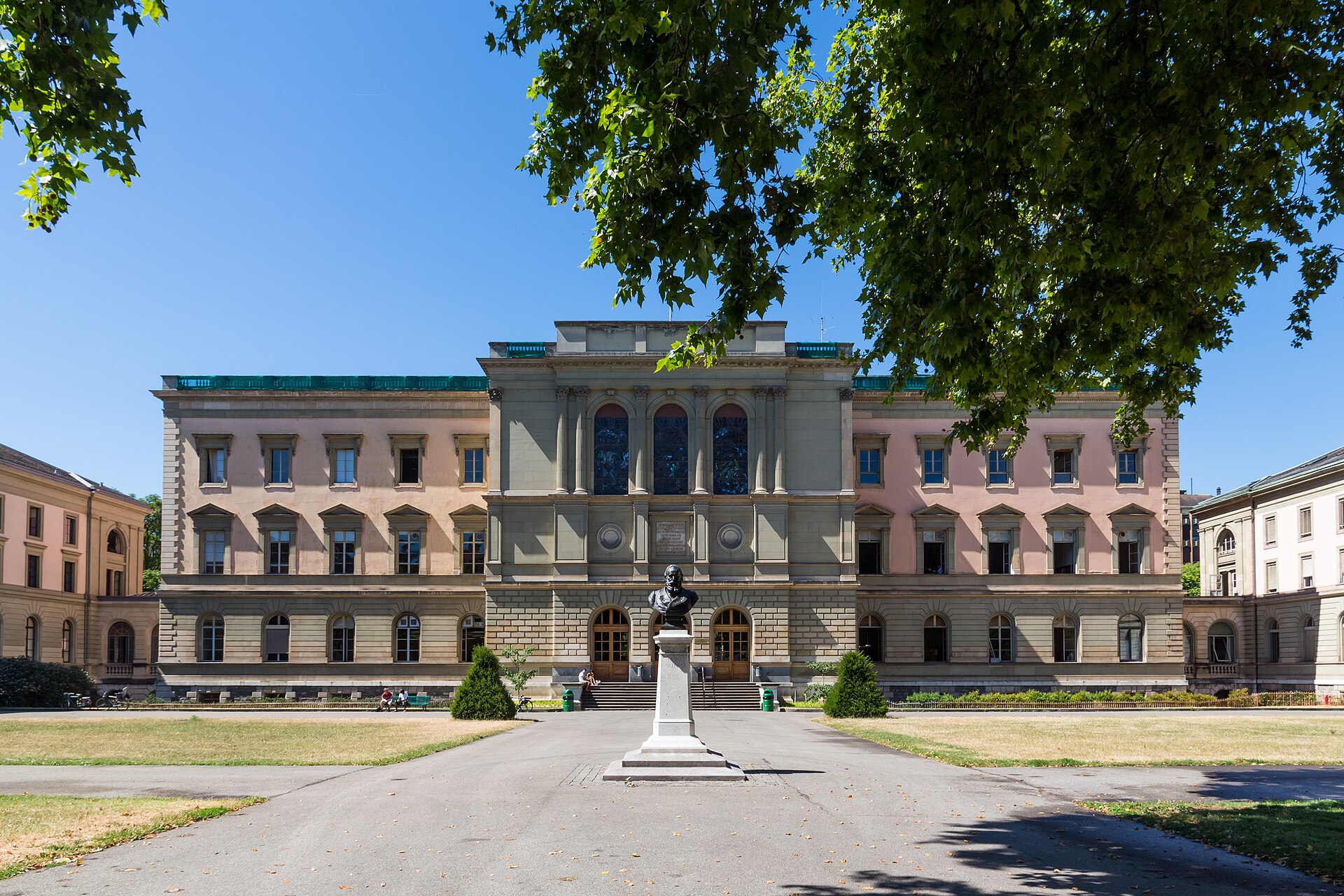
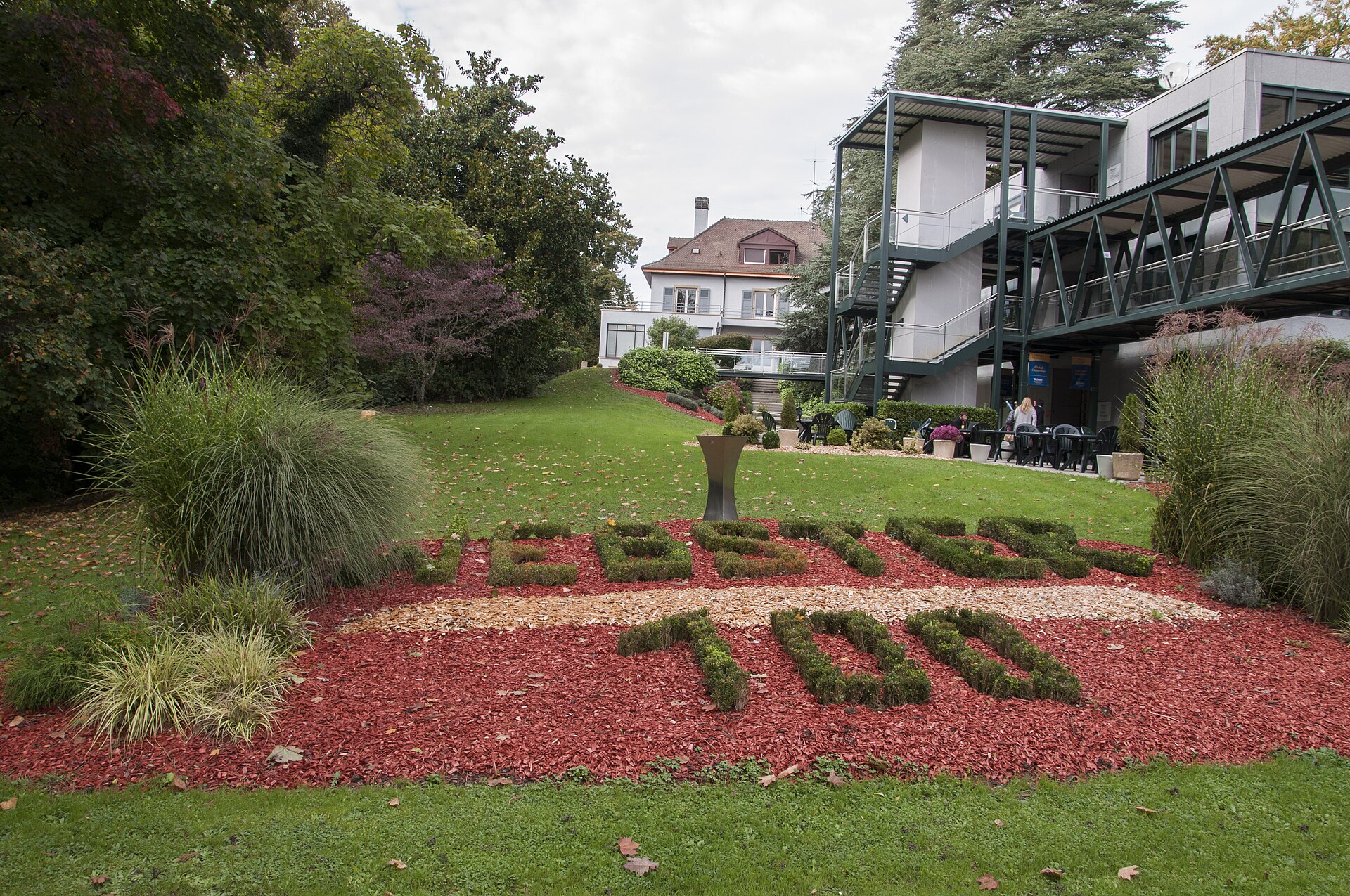
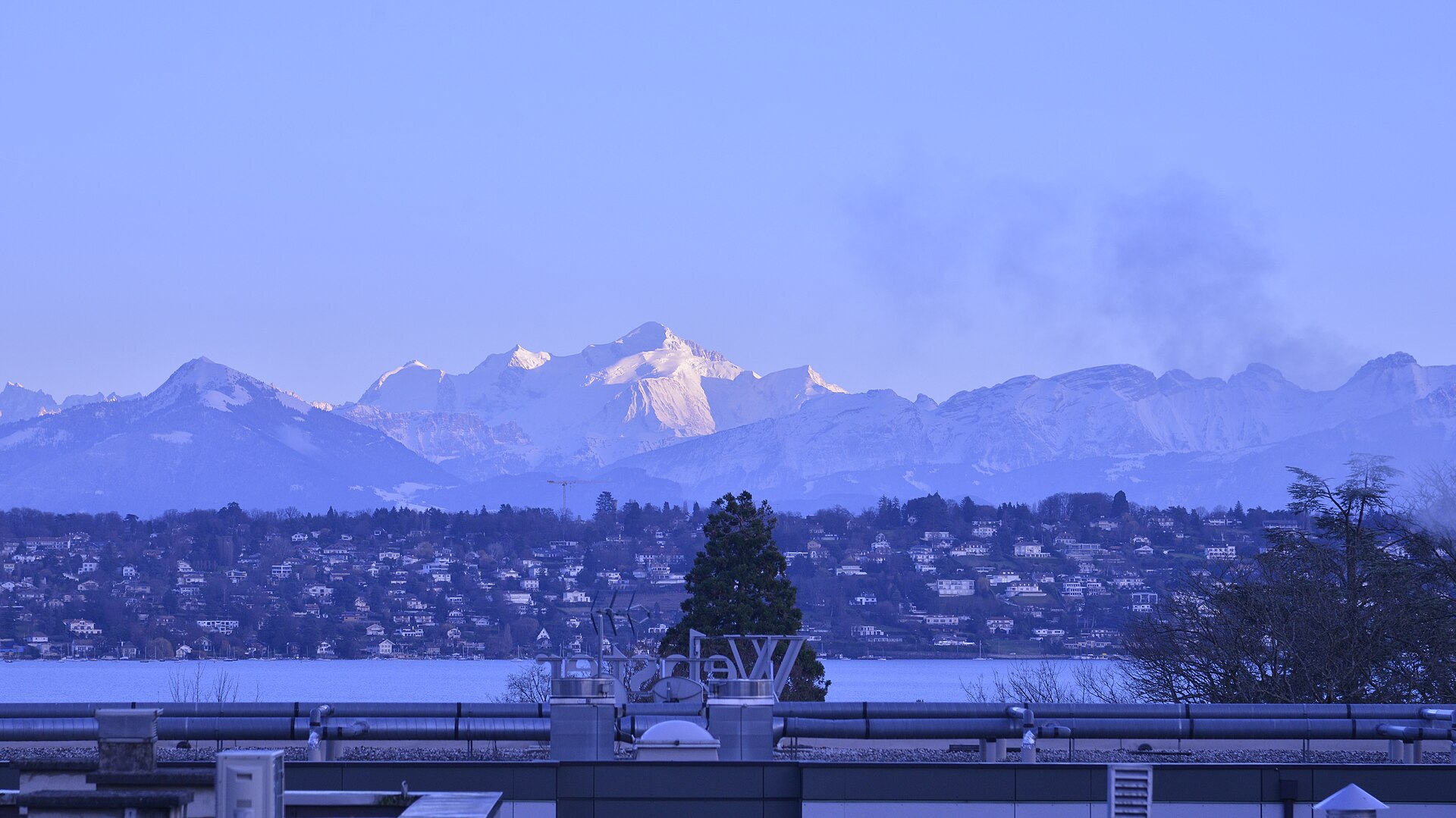
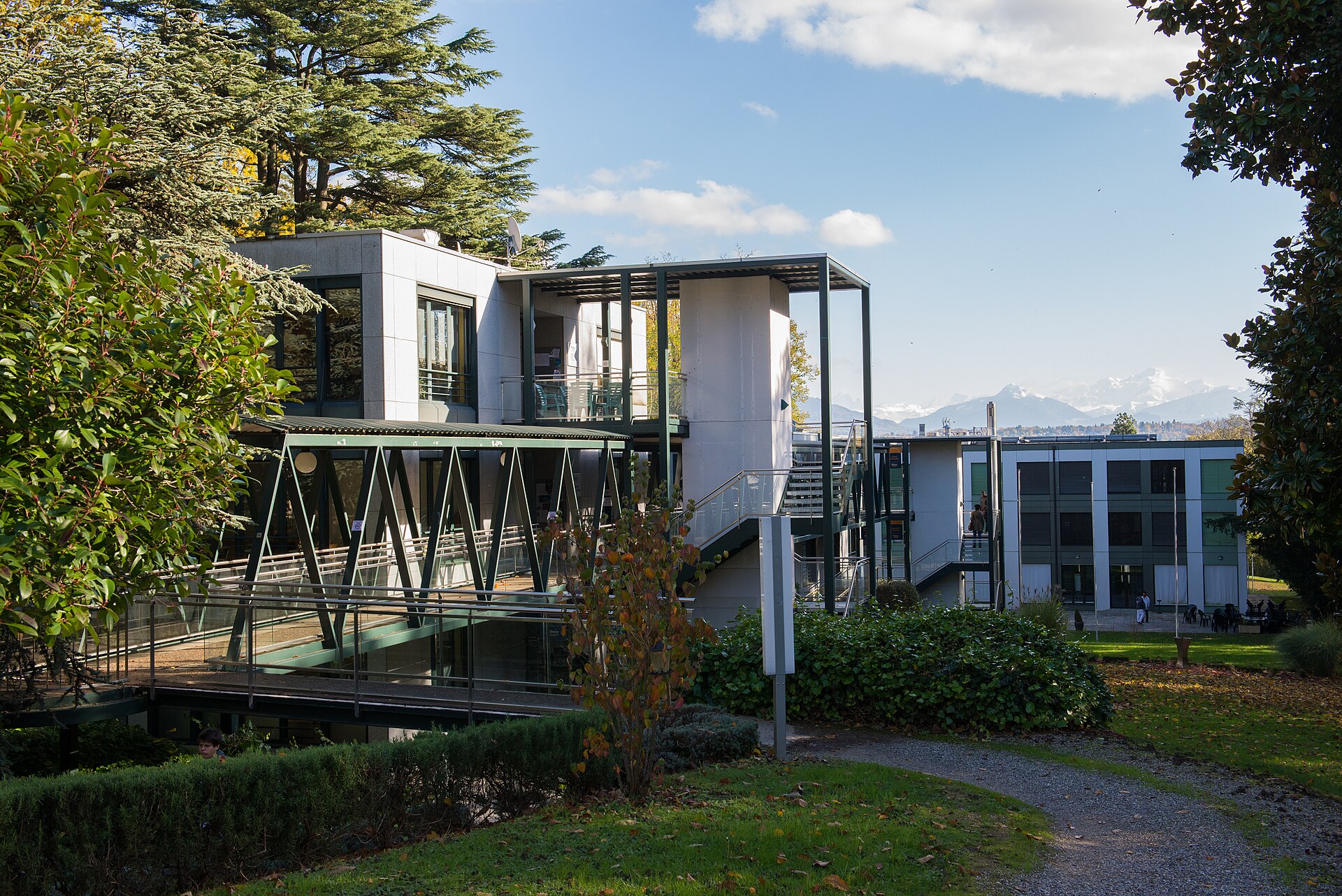
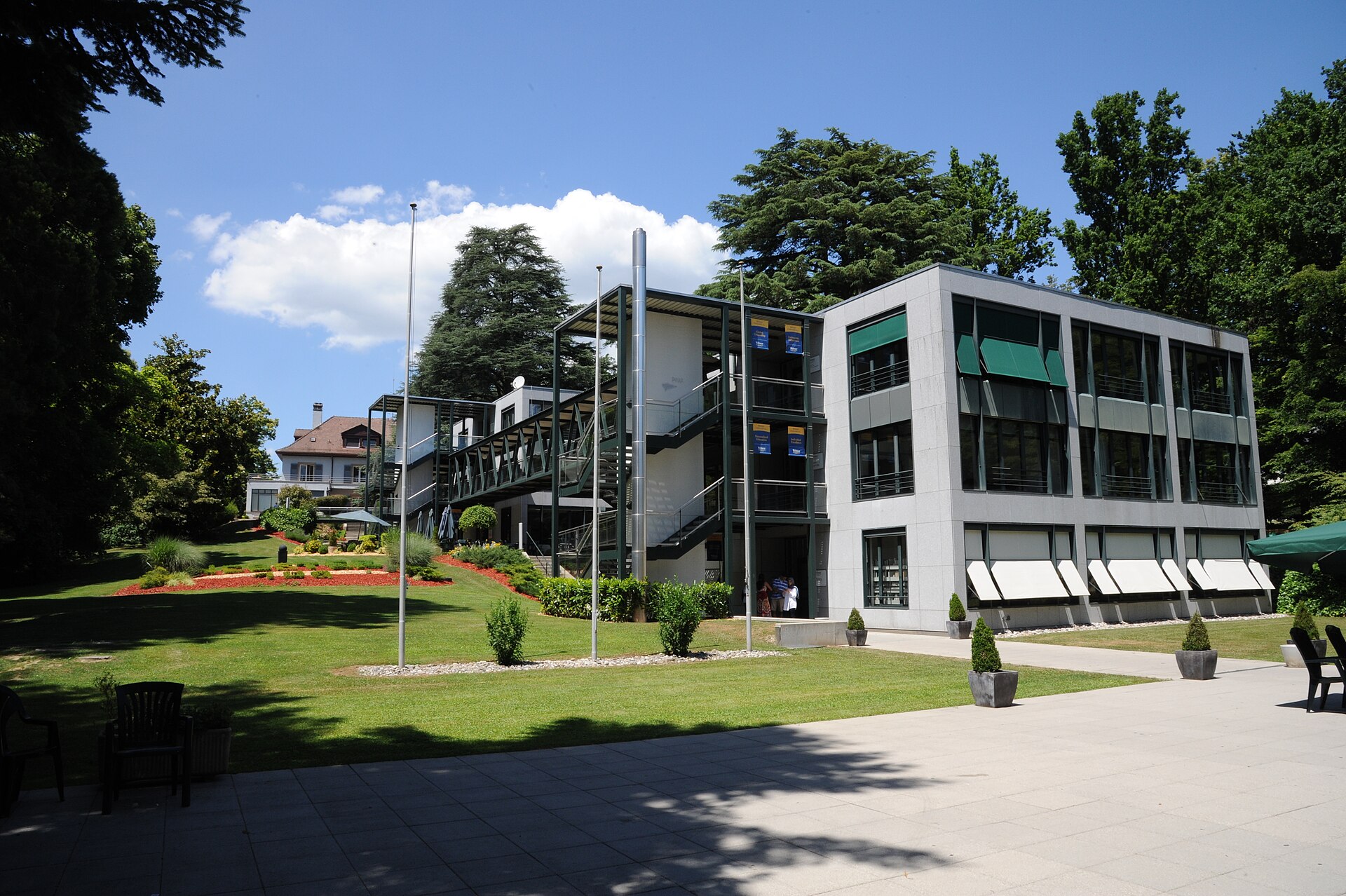
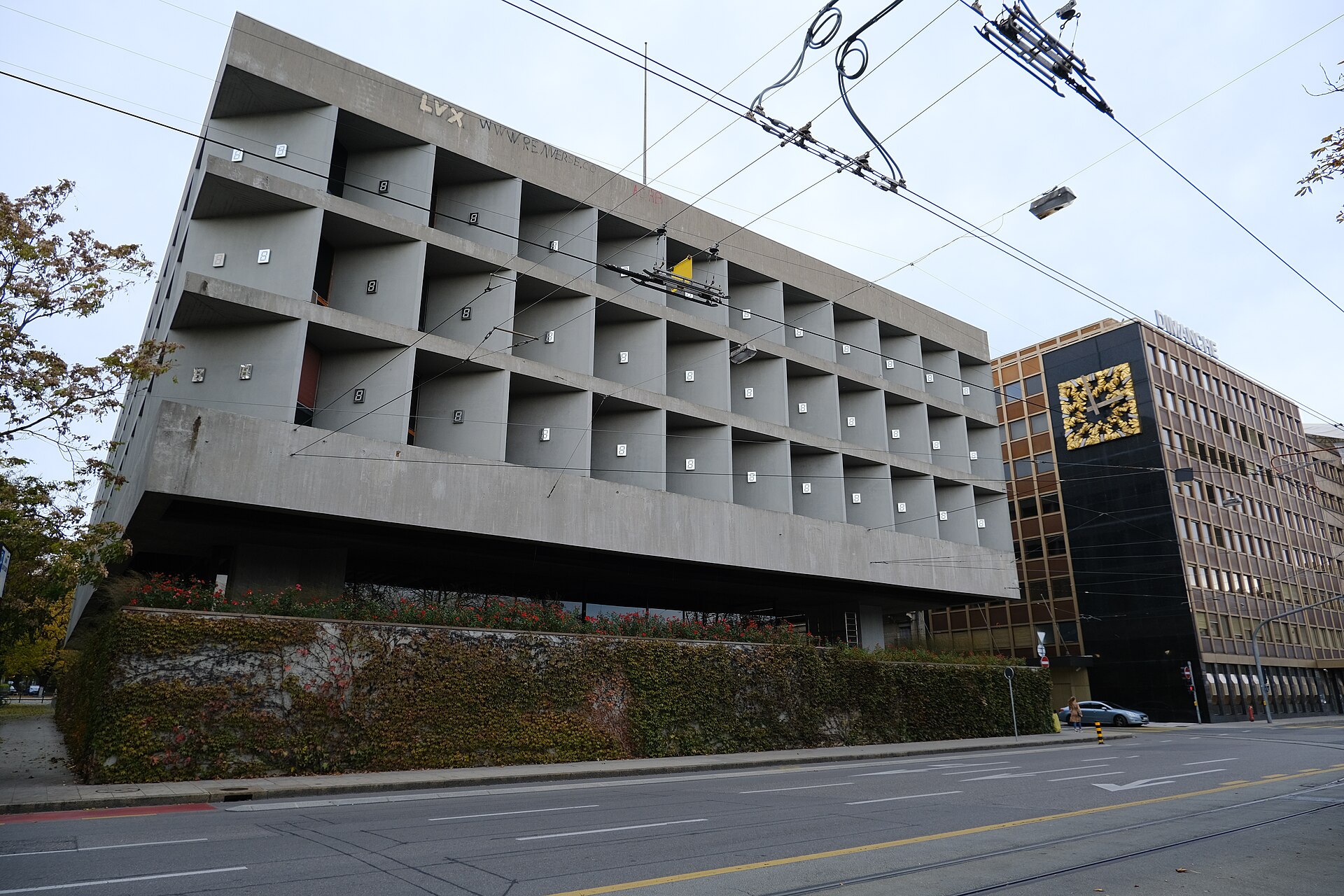
University of Geneva — campus in pictures
Real, freely-licensed photographs of the campus (via Wikimedia Commons).
WHY GENEVA
Why Choose the University of Geneva — Prestige, Location & Global Impact
Choosing UNIGE means choosing one of Europe's most historically significant research universities, at an exceptionally low cost, in a city that functions as a permanent laboratory for international affairs.
SELECTIVITY
How Selective Is the University of Geneva?
UNIGE's overall acceptance rate of 21% is moderate by European standards, but this figure masks important variation. Many bachelor programmes accept all qualified applicants who hold the required secondary diploma with sufficient grades; selectivity is primarily driven by whether you meet the qualification thresholds, not by a competitive ranking of applicants. Some high-demand programmes — medicine, law, and some master's — operate numerus clausus (limited places) and are considerably more competitive.
Medicine (MPhys and MD) operates under numerus clausus — only Swiss and EU/EFTA residents may register for the competitive entrance examination. International students seeking medicine at UNIGE should verify current eligibility carefully on the official admissions page.
AT A GLANCE
University of Geneva: Quick Facts
WHAT YOU SUBMIT
What the Application Consists Of
UNIGE uses a direct, qualification-based admission system. There are no letters of recommendation, no application essays, and no standardised test scores for bachelor admission. The decision rests on whether your secondary diploma meets the recognised thresholds.
ADMISSION PROFILE
What the University of Geneva Looks For
UNIGE does not score holistic profiles or review personal statements at the bachelor level. Admission is fundamentally qualification-based: if your diploma meets the standards and your French is at B2 level, you qualify. This is a genuinely meritocratic, transparent system that rewards academic preparation over packaging. Focus your energy on achieving strong grades and French proficiency.
DEADLINES
Application Deadlines & Timeline
UNIGE operates two semesters. Most bachelor programmes start in the autumn semester (September). Applications are submitted online at inscription.unige.ch. Deadlines depend on your specific situation and diploma type.
The exact deadline applicable to you depends on your diploma type and country of origin. Some programmes have only one intake per year. Applications sent by email are not accepted — use the online portal only. Decisions are communicated through the portal.
| Semester | Early Deadline | Late Deadline | Starts |
|---|---|---|---|
| Autumn Semester | February 28 | April 30 | September |
| Spring Semester | September 30 | November 30 | February |
CAMPUS & CITY LIFE
Life in Geneva
Geneva is one of the world's most liveable cities — and also one of its most expensive. Understanding the reality of student life here is essential before you commit.
The university campus spans several sites in central Geneva, close to the lake and the Old Town. Student associations are active across the nine faculties, with UNIGE hosting dozens of clubs spanning sport, culture, sustainability, and academic interests. The Geneva Summer Schools attract international professionals and students from around the world, adding a vibrant summer dimension to campus life.
OUTCOMES
Career Outcomes & Graduate Employment
A University of Geneva degree carries significant weight in European and international job markets, particularly in sectors concentrated in Geneva and Switzerland.
UNIGE graduates in international relations, law, and economics find ready employment across international organisations, Swiss banks, consultancies, and NGOs. The proximity to Geneva-based international organisations creates an internship and networking ecosystem unmatched in Europe for these fields. Physics and life sciences graduates feed directly into CERN, biotech (Switzerland is a global pharma hub — Novartis, Roche, Lonza are all nearby), and leading research institutes. Translation and interpreting graduates enter careers at EU institutions, the UN, and the private sector.
Switzerland has the highest average wages in Europe. Geneva-based salaries for professionals with international organisation backgrounds are particularly strong. Swiss work permit regulations apply to non-EU/EFTA graduates after the degree — factor this into post-degree planning.
FAQ
Frequently Asked Questions
Is the University of Geneva primarily French-medium?+
Yes. The vast majority of bachelor programmes are taught entirely in French. English is the language of instruction for a subset of master's programmes. If you intend to study at bachelor level, achieving B2 French fluency before arrival is essential, not optional.
Do I need SAT or ACT scores to apply?+
No. UNIGE does not require SAT or ACT scores from international applicants. Admission at bachelor level is based on your secondary school diploma (IB, A-Levels, national baccalaureate, etc.) and French language proficiency.
What is the minimum IB score for admission?+
The minimum IB Diploma score for recognition at UNIGE is 34 points (without bonus points). Some high-demand programmes may set higher programme-specific thresholds.
How much does it actually cost to study at UNIGE?+
Tuition (semester fees) is CHF 500 per semester — approximately USD 550 — making the annual tuition cost around USD 1,100–1,200. This is exceptionally low for a world-ranked research university. However, Geneva's cost of living is very high. Total annual cost of attendance including accommodation, food, transport, and personal expenses is estimated at approximately USD 26,000.
Is financial aid available for international students?+
UNIGE itself offers limited scholarship support for international students. The Swiss government offers the Swiss Government Excellence Scholarships for foreign researchers and artists. Some bilateral agreements between Switzerland and specific countries may also provide funding. We recommend verifying current scholarship availability directly on the UNIGE website and with your country's embassy.
Can I do medicine at UNIGE as an international student?+
Medical programmes at UNIGE operate under numerus clausus. Access to the admission examination for medicine is currently restricted primarily to Swiss residents and EU/EFTA nationals. International students from outside the EU/EFTA should check the current eligibility rules carefully before applying — these are set by Swiss federal and cantonal authorities and may change.
Does UNIGE accept A-Level students?+
Yes. A-Level students are generally accepted with passes in three subjects at appropriate grades. The specific grade thresholds required depend on the combination of subjects studied. Check the official conditions page for your country's diploma requirements.
What makes Geneva different from other Swiss universities like ETH Zurich or EPFL?+
ETH Zurich and EPFL are primarily technical/engineering universities with instruction primarily in German and French respectively. UNIGE is a comprehensive liberal arts and sciences university with particular strengths in humanities, social sciences, law, international relations, medicine, and life sciences, as well as physics. Its proximity to international organisations gives it a unique profile for students interested in global policy, law, and diplomacy.
ACADEMICS
Academic Expectations at the University of Geneva for International Students
UNIGE operates at the standard of a leading European research university. Swiss universities assess students through rigorous written examinations — often at the end of semester or year — rather than continuous coursework. For international students accustomed to assignment-heavy systems, this is a significant shift in study culture.
ACADEMIC BENCHMARKS
Academic Profile of Successful Applicants
Because admission is qualification-based rather than holistic, the benchmarks below represent the minimum thresholds for recognised diplomas. Strong applicants typically exceed these thresholds.
TEST POLICY
Standardised Test Policy
UNIGE does not require SAT, ACT, or GRE for undergraduate admission. Admission is based on your secondary school leaving certificate. Standardised tests are simply not part of the Swiss university application system at bachelor level.
For master's programmes, some faculties may require a GRE or GMAT for specific programmes (particularly in management or economics). Always check the individual master's programme page for requirements. English-language proficiency tests (IELTS/TOEFL) are required for English-taught master's programmes.
SAT / ACT
SAT & ACT — Not Required at UNIGE
Unlike US universities, UNIGE does not factor SAT or ACT scores into its admissions decisions for bachelor programmes. If you hold a US High School Diploma, what UNIGE requires instead is evidence of six Advanced Placement (AP) exams with a minimum score of 3, covering the required subject areas.
AP courses demonstrate subject breadth and academic rigour in the Swiss system. UNIGE maps your AP portfolio against the six subject-area requirement (first language, second language, mathematics, natural sciences, social sciences, and a free choice). Gaps in coverage may affect admissibility.
IB / A-LEVEL / AP
How IB, A-Levels & AP Are Evaluated
UNIGE recognises the IB Diploma as a path to direct admission, provided the score meets the threshold.
SUBJECT RIGOUR
Subject Preparation by Faculty
While UNIGE does not set published subject-combination prerequisites for most faculties, there are implicit expectations. Preparing the right subjects significantly increases your readiness.
ENGLISH REQUIREMENTS
English Language Requirements
English proficiency tests are required for English-taught master's programmes. Bachelor programmes are primarily French-medium; English test scores are not the primary language requirement for bachelor admission.
French B2 proficiency is the critical language gate for most bachelor programmes. If you are a native English speaker without French, consider starting with an English-taught master's programme, or invest in serious French language study before applying to bachelor level.
| Test | Minimum | Notes |
|---|---|---|
| IELTS Academic | 6.0 overall | For English-taught master's programmes |
| TOEFL iBT | 90 | For English-taught master's programmes |
| Duolingo English Test | Not specified | Check individual programme requirements |
| French (DELF/DALF) | B2 minimum | Required for all French-medium bachelor programmes |
PREPARATION TIMELINE
Building Your Profile: Grade 9 to Admission
COMMON MISTAKES
Academic Preparation Mistakes to Avoid
- Underestimating the French language requirement: arriving with less than B2 French means you cannot attend lectures or sit examinations. This is the single most common reason international students struggle.
- Applying to Medicine without checking numerus clausus eligibility: access to the medicine entrance exam is restricted. Verify your eligibility before building your plans around a UNIGE medical degree.
- Assuming the application fee (CHF 65) and semester fees (CHF 500/semester) are the only costs: Geneva's cost of living is one of the highest in the world. Budget for a total annual cost of approximately USD 26,000 including living expenses.
- Not checking the ECUS requirement: students from some countries must pass the Examen Complémentaire (ECUS) before admission to a bachelor programme in Switzerland. Discover this early — not in April of your graduation year.
- Expecting essay or portfolio submission: UNIGE bachelor admission is entirely qualification-based. There is no personal statement, no letter of recommendation, and no interview. You cannot compensate for grades with personal narrative.
- Missing the February 28 deadline by assuming April 30 applies: the two deadlines apply to different categories of applicant. Check which applies to your specific diploma and situation.
- Failing to plan housing before arrival: Geneva has a severe housing shortage. Students who arrive hoping to find a flat quickly often face weeks without stable accommodation.
COST & AID
The Cost of Studying at the University of Geneva Exceptional Value, High Living Costs
The University of Geneva offers one of the most remarkable cost propositions in global higher education: annual tuition under $1,200 USD at a QS Top 120 research university. The important caveat: Geneva itself is one of the world's most expensive cities, with a realistic annual cost of living around USD 22,000. Understanding this split clearly is essential to accurate financial planning.
COST BREAKDOWN
Annual Cost Estimate for International Students
All figures are annual estimates. Tuition is fixed by the university; living costs are estimates and vary significantly based on individual lifestyle and housing type.
These figures come from the university's own facts data. The gap between tuition ($1,150) and total cost of attendance ($26,000) is almost entirely Geneva's cost of living. Tuition itself is a minor fraction of the total annual cost.
| Component | Annual Cost | Notes |
|---|---|---|
| Tuition / Semester Fees | ~USD 1,150 | CHF 500 per semester; same for all nationalities |
| Cost of Living (Housing, Food, Transport, Personal) | ~USD 22,000 | Geneva is among Europe's most expensive cities |
| Total Estimated Cost of Attendance | ~USD 26,000 | Annual estimate including all expenses |
| Application / Registration Fee | ~USD 75 | CHF 65 one-time fee (non-Swiss diplomas only) |
FINANCIAL AID
Financial Aid for International Students
UNIGE is a public university with very low tuition — the institution itself does not operate large need-based financial aid programmes comparable to those at US universities. Aid for international students is primarily sourced through external scholarships.
The Swiss government administers the Swiss Government Excellence Scholarships (ESKAS), which are available to international students and researchers. These are awarded through bilateral agreements between Switzerland and specific countries, and are allocated through the relevant Swiss embassy or consulate in your home country — not directly by UNIGE. Check the ESKAS website and your country's education ministry for current availability.
SCHOLARSHIPS
Scholarships Available to International Students
Because UNIGE's tuition is already extremely low, its internal scholarship offering for international undergraduates is limited compared to high-tuition institutions. The primary scholarship routes for international students are external.
We strongly recommend verifying current scholarship availability directly at unige.ch and eskas.ch, as programmes change. Do not rely on scholarship information that cannot be confirmed on official sources.
NET PRICE REALITY
The Real Affordability Picture
UNIGE's tuition is genuinely among the lowest of any internationally ranked university anywhere in the world. CHF 1,000 per year in semester fees is remarkable.
However, Geneva's cost of living is not remarkable in the affordable direction. Housing alone will typically cost CHF 900–1,500 per month for a single room in a shared flat. Add food, transport (monthly transit pass CHF ~70 with student discount), health insurance (mandatory in Switzerland, approximately CHF 100–200/month for students), and personal expenses, and you are looking at CHF 1,800–2,500 per month in living costs alone. This makes UNIGE primarily accessible to students who can rely on family support, external scholarships, or student employment (with Swiss work permit). Students relying on part-time work should note Swiss regulations on how many hours a student visa permits.
FUNDING STEPS
Steps to Secure Funding
COST FAQ
Cost & Aid FAQs
Is UNIGE tuition really under $1,200 per year?+
Yes. The semester fee is CHF 500 per semester, totalling CHF 1,000 per year — approximately USD 1,100–1,200 at current exchange rates. This is the same for students of all nationalities. This is one of the lowest tuition figures of any QS Top 200 research university in the world.
Can international students get need-based financial aid from UNIGE?+
UNIGE does not operate a large need-based aid programme comparable to US universities. Limited cantonal financial assistance may be available for students who are resident in Geneva, but most international students should not assume institutional aid and plan funding primarily through scholarships, family support, or employment.
What does health insurance cost in Switzerland?+
Health insurance is mandatory for all residents in Switzerland, including students. Students can apply for a student tariff through Swiss health insurers. Monthly premiums are typically CHF 100–200 depending on the insurer and chosen plan. Budget for this in your cost planning.
Are there merit scholarships at UNIGE for bachelor students?+
UNIGE does not award merit-based tuition scholarships to incoming international bachelor students in the way US universities do. The very low tuition level means aid at this level is not institutionally structured.
Is Geneva more expensive than other Swiss cities?+
Yes. Geneva and Zurich are typically the two most expensive cities in Switzerland. Lausanne (EPFL, UNIL) and Basel (University of Basel) are somewhat cheaper. If cost of living is a significant constraint, factor this into your choice between Swiss universities.
APPLICATION & MOTIVATION
Applying to the University of Geneva No Essays — But Preparation Still Matters
The University of Geneva uses a direct, qualification-based application system. There are no application essays, personal statements, or supplemental prompts for bachelor admission. This is standard for Swiss public universities. What matters is your academic transcript, your diploma threshold, and — critically — your French language certification. At master's level, a motivation letter is typically required and deserves serious attention.
For students accustomed to preparing for the Common App or UCAS personal statement, the Swiss system requires a mental shift. Success at UNIGE is not about crafting a narrative — it is about meeting the academic benchmarks and language requirements that grant access. That said, at master's level, the motivation letter can be a meaningful differentiator for competitive programmes.
APPLICATION SYSTEM
Understanding the Swiss Application System
MOTIVATION LETTER
The Master's Motivation Letter
If you are applying to a master's programme at UNIGE, the motivation letter is your primary opportunity to distinguish yourself. Unlike bachelor admission, master's programmes do exercise selection, and the letter matters.
BACHELOR APPLICANTS
Bachelor Admission: Where to Focus Your Energy
Since there are no essays at bachelor level, your preparation energy should be directed entirely at the factors that actually determine admission: grades, diploma quality, and French proficiency.
The most impactful thing you can do for a UNIGE bachelor application is achieve a strong final diploma score (IB 36+, strong A-Levels), demonstrate B2+ French through a formal certificate (DELF B2 or DALF C1), and ensure all your documentation is uploaded correctly by the relevant deadline. Unlike in the US or UK, there is no way to 'make up' for a weaker academic profile through a compelling personal narrative. The system is transparent and qualification-based. This is, in one sense, a more equitable system than essay-based admissions: your place at UNIGE depends on your learning, not your storytelling.
MASTER'S STRATEGY
Master's Application Strategy by Programme Type
TOPIC & APPROACH
Writing a Strong Motivation Letter for UNIGE
For master's applicants, the motivation letter is read by faculty who know exactly what their programme offers. Specificity and intellectual honesty are rewarded.
MISTAKES TO AVOID
Common Application Mistakes
- Submitting an application by email: UNIGE does not accept email applications. Use only the official online portal at inscription.unige.ch.
- Applying to a French-medium programme without B2 French certification — this will result in rejection regardless of academic grades.
- Writing a generic motivation letter for a master's that does not name specific UNIGE programmes, courses, or faculty.
- Assuming there is a personal statement at bachelor level and spending time writing one that will never be read.
- Missing your specific deadline (February 28 vs April 30) by assuming the later date applies to your situation.
- Not preparing housing before admission — arriving in Geneva without accommodation is a serious risk.
- Confusing the University of Geneva (UNIGE) with the Graduate Institute of International and Development Studies (IHEID) — these are separate institutions with separate applications and very different admissions processes.
- For medicine applicants: not verifying numerus clausus eligibility before committing to a UNIGE medicine application as an international student outside EU/EFTA.
APPLICATION FAQ
Application FAQs
Does UNIGE require a personal statement for bachelor admission?+
No. There is no personal statement, application essay, or supplemental prompt for bachelor admission at UNIGE. Admission is based on your secondary diploma, grades, and French language certification.
Do I need letters of recommendation?+
Letters of recommendation are not required for bachelor admission. For master's programmes, individual programmes may request academic references — check the specific programme requirements.
Is the motivation letter for master's programmes in French or English?+
Write in the language of instruction of the programme you are applying to. French-medium programmes expect French; English-medium programmes expect English. A bilingual programme may accept either — confirm with the admissions office.
Is there an interview as part of the admission process?+
Interviews are not standard for bachelor admission. Some highly competitive master's programmes may include an interview stage. This will be communicated directly if required.
How is UNIGE different from the Graduate Institute of International and Development Studies (IHEID)?+
These are two separate institutions, both located in Geneva, with completely separate admissions processes. IHEID (often called 'The Graduate Institute') is a postgraduate-only institution specialising in international relations, development, and international law, taught primarily in English and French. UNIGE is a comprehensive university offering bachelor through doctoral programmes across nine faculties. If your goal is international relations at postgraduate level and you prefer English instruction, research both institutions.
Can I apply to multiple master's programmes simultaneously?+
In general, students should apply to the programme that best fits their background and goals. UNIGE's system applies per programme per faculty. Confirm with the admissions office whether simultaneous applications to multiple programmes within UNIGE are permitted.
Courses — schools, degrees & intake
48 degrees across 10 groupings.
Faculty of Sciences · 8 degrees
Bachelor in Mathematics
Bachelor in Computer Science
Bachelor in Physics
Bachelor in Astronomy
Bachelor in Chemistry and Biochemistry
Bachelor in Biology
Bachelor in Pharmaceutical Sciences
Bachelor in Earth and Environmental Sciences
Faculty of Medicine · 3 degrees
Bachelor in Human Medicine
Bachelor in Dental Medicine
Bachelor in Biomedical Sciences
Faculty of Humanities (Lettres) · 19 degrees
Bachelor in French Language and Literature
Bachelor in English Language and Literature
Bachelor in German Language, Literature and Civilization
Bachelor in Italian Language and Literature
Bachelor in Hispanic Language, Literature and Culture
Bachelor in Latin Language and Literature
Bachelor in Greek Language and Literature
Bachelor in General History
Bachelor in History of Art
Bachelor in Philosophy
Bachelor in Linguistics
Bachelor in Comparative Literature
Bachelor in Musicology
Bachelor in Chinese Studies
Bachelor in Japanese Studies
Bachelor in Arabic Language, Literature and Civilization
Bachelor in History and Anthropology of Religions
Bachelor in Ancient History
Bachelor in Digital Humanities
Faculty of Social Sciences · 4 degrees
Bachelor in Political Science
Bachelor in Sociology
Bachelor in Geography and Environment
Bachelor in Political Economy and Economic History
Geneva School of Economics and Management (GSEM) · 2 degrees
Bachelor in Economics and Management
Bachelor in Information Systems and Business Analytics
Faculty of Law · 2 degrees
Bachelor in Law
Bachelor in Law (for Foreign Law Graduates)
Faculty of Theology · 2 degrees
Bachelor in Theology
Bachelor in Theology (Distance Learning)
Faculty of Psychology and Educational Sciences (FPSE) · 4 degrees
Bachelor in Psychology
Bachelor in Educational Sciences – Education and Training
Bachelor in Educational Sciences – Primary Teaching
Interdisciplinary Bachelor in Linguistics and Psychology (BULP)
Faculty of Translation and Interpreting (FTI) · 2 degrees
Bachelor in Multilingual Communication
e-Bachelor in Multilingual Communication (Distance Learning)
Global Studies Institute (GSI) · 2 degrees
Bachelor in International Relations (BARI)
Bachelor in Computational Sciences and International Relations (BASCRI)
Want your real chances at University of Geneva?
Create a free TYCHR account for your personalised admit-chance, a shortlist you can track, exact entry requirements, and essay + counselling help.