University of Galway
Galway, Ireland · Urban
IRELAND · GALWAY
University of Galway Admissions Guide for International Students
Founded in 1845 on the banks of the River Corrib, University of Galway is Ireland's fourth-ranked university and one of Europe's most distinctive academic destinations. Situated in the beating heart of the world's medtech capital — Galway hosts more medical-device multinationals per capita than anywhere else on Earth — the university offers international students an extraordinary combination of research access, Irish culture, and genuine career proximity to global industry leaders. Whether your ambition is biomedical engineering, law, marine science, or the creative arts, Galway delivers a European university experience that is intimate, internationally connected, and deeply human.
Campus
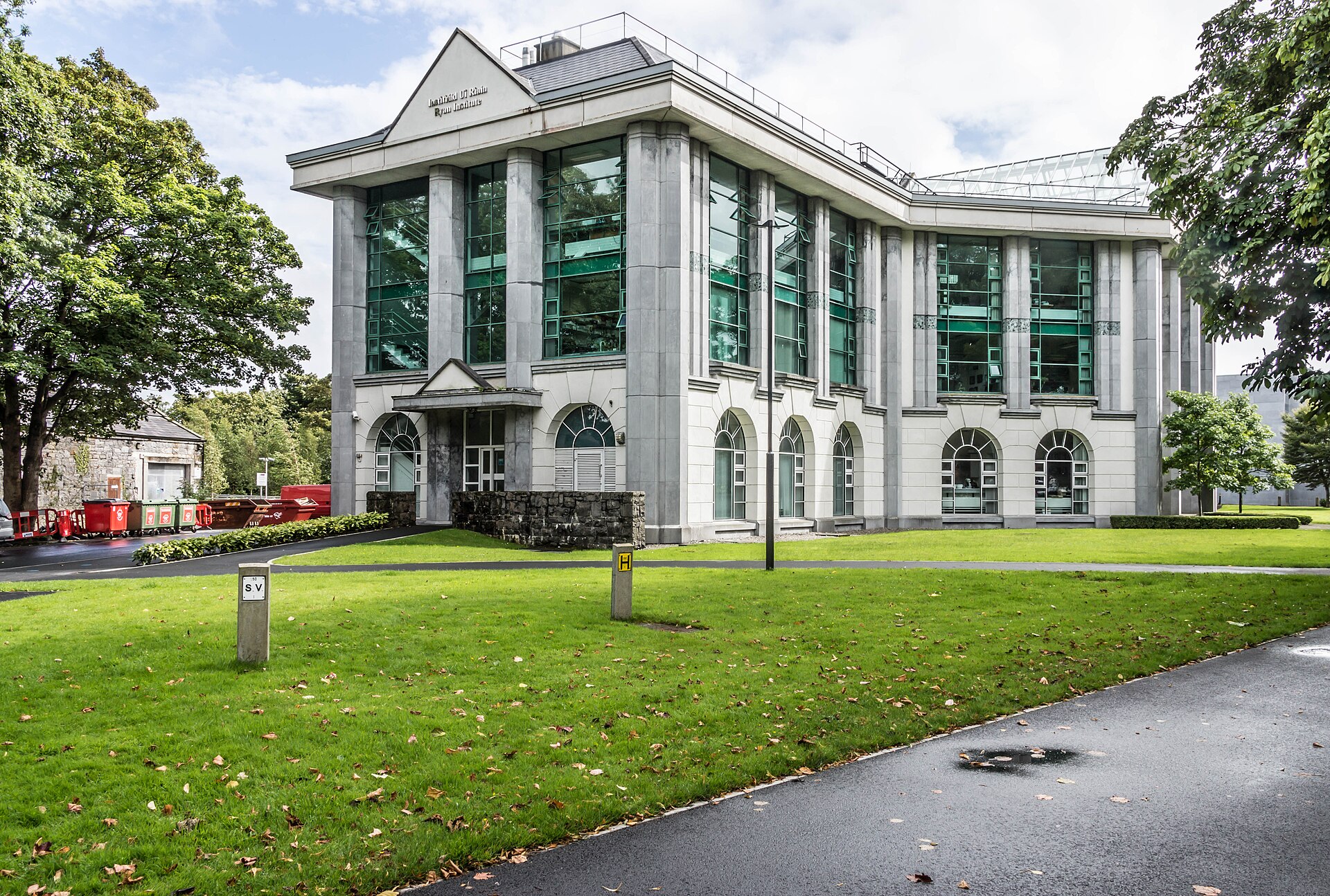
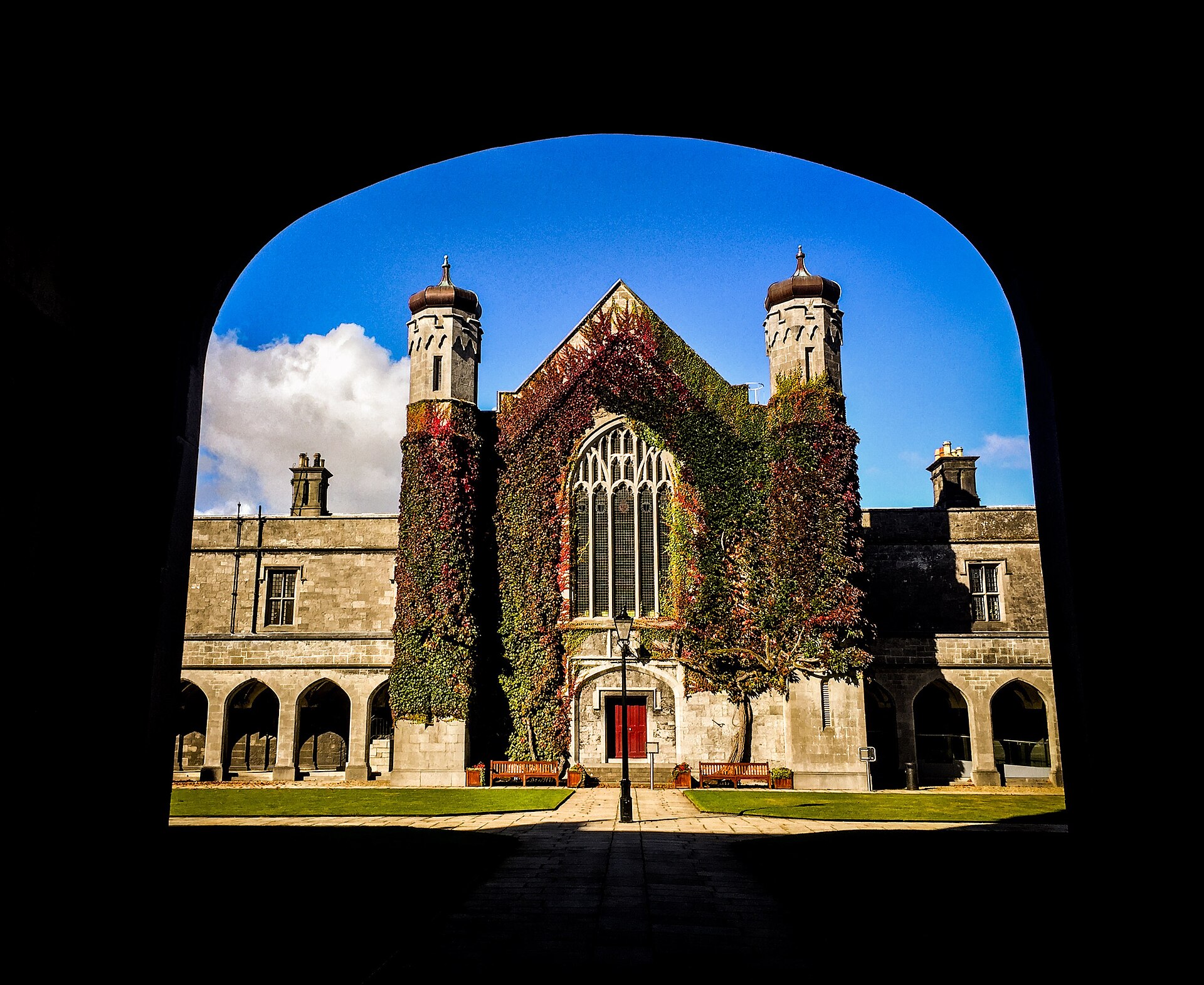
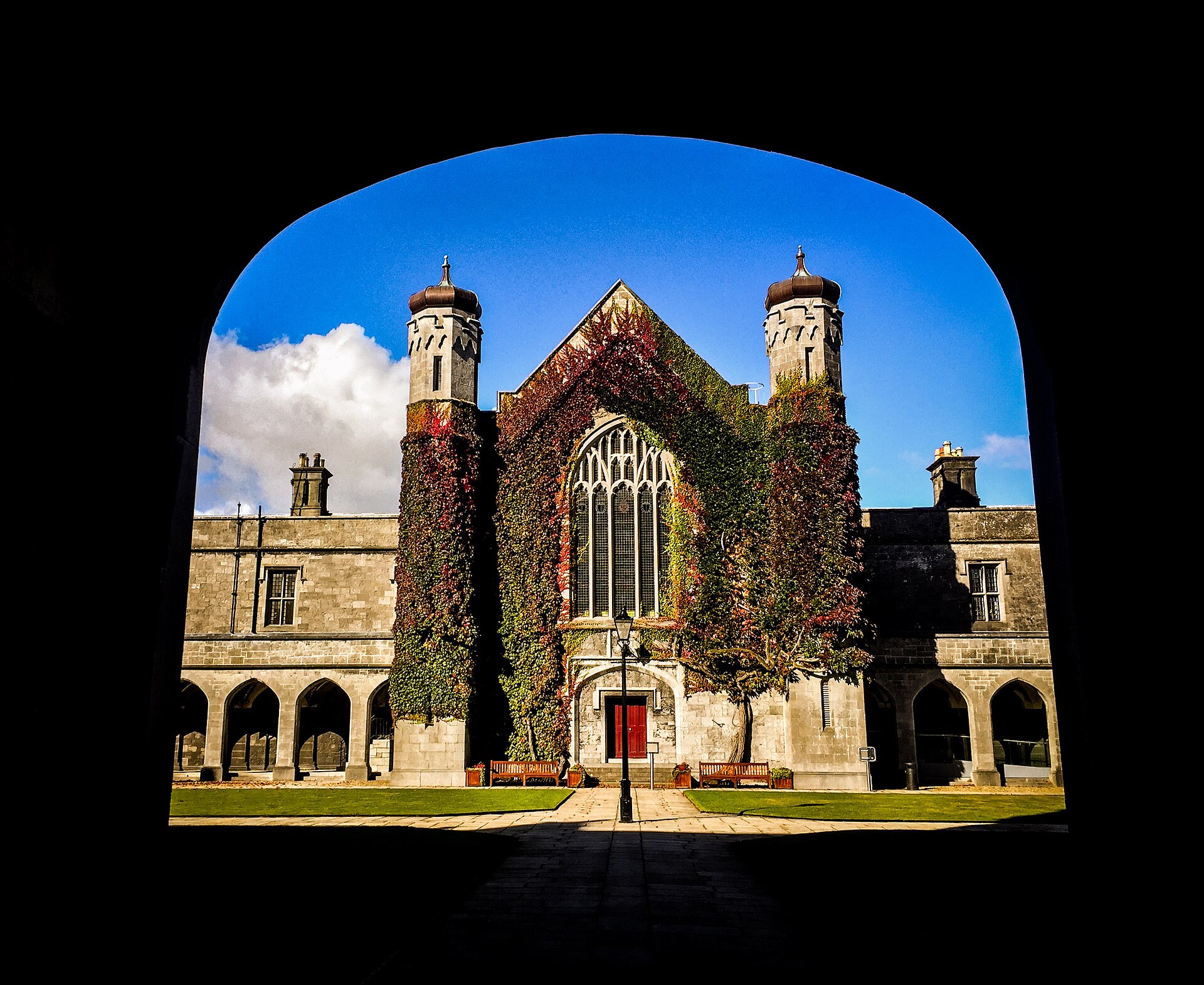
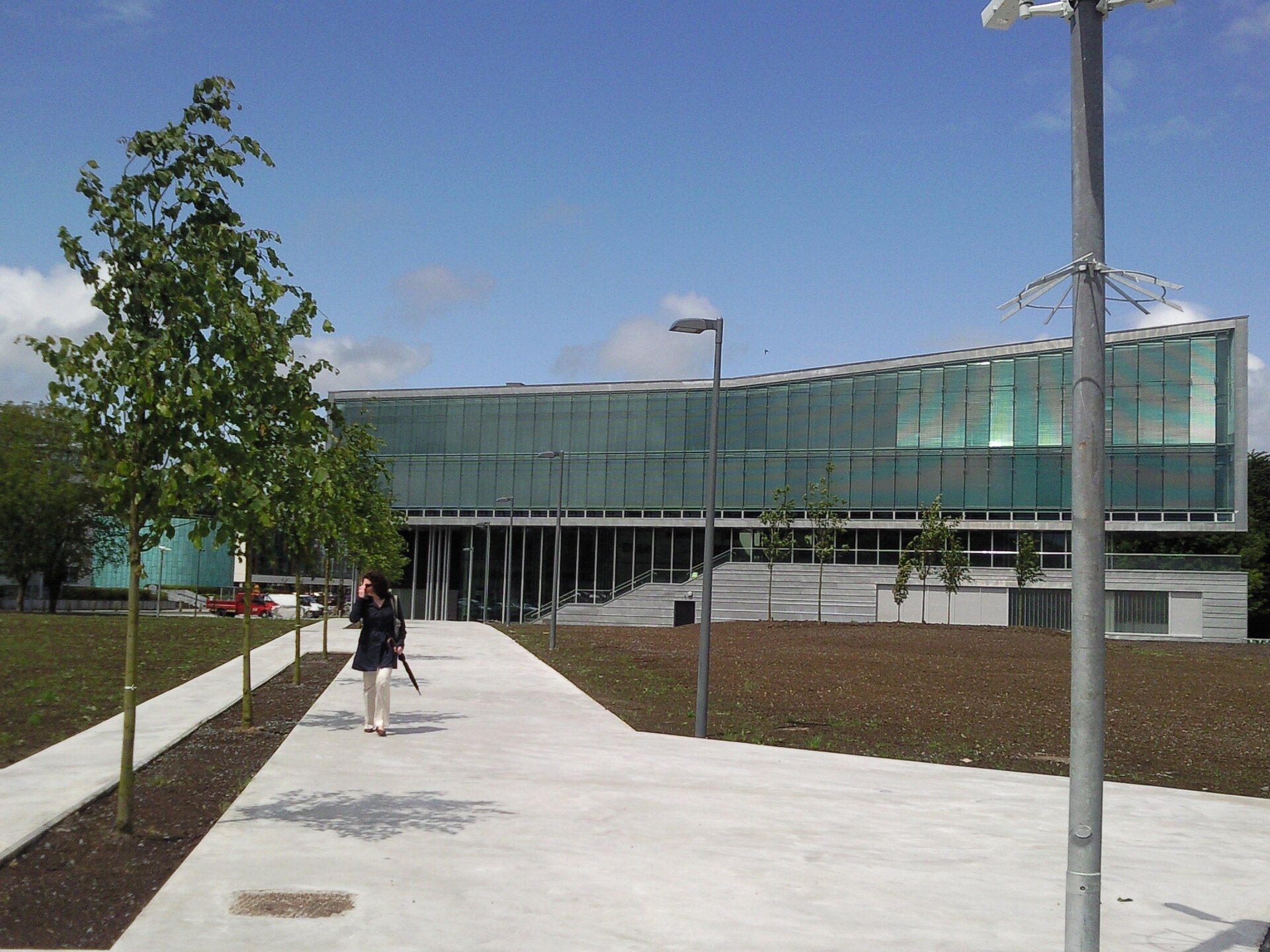
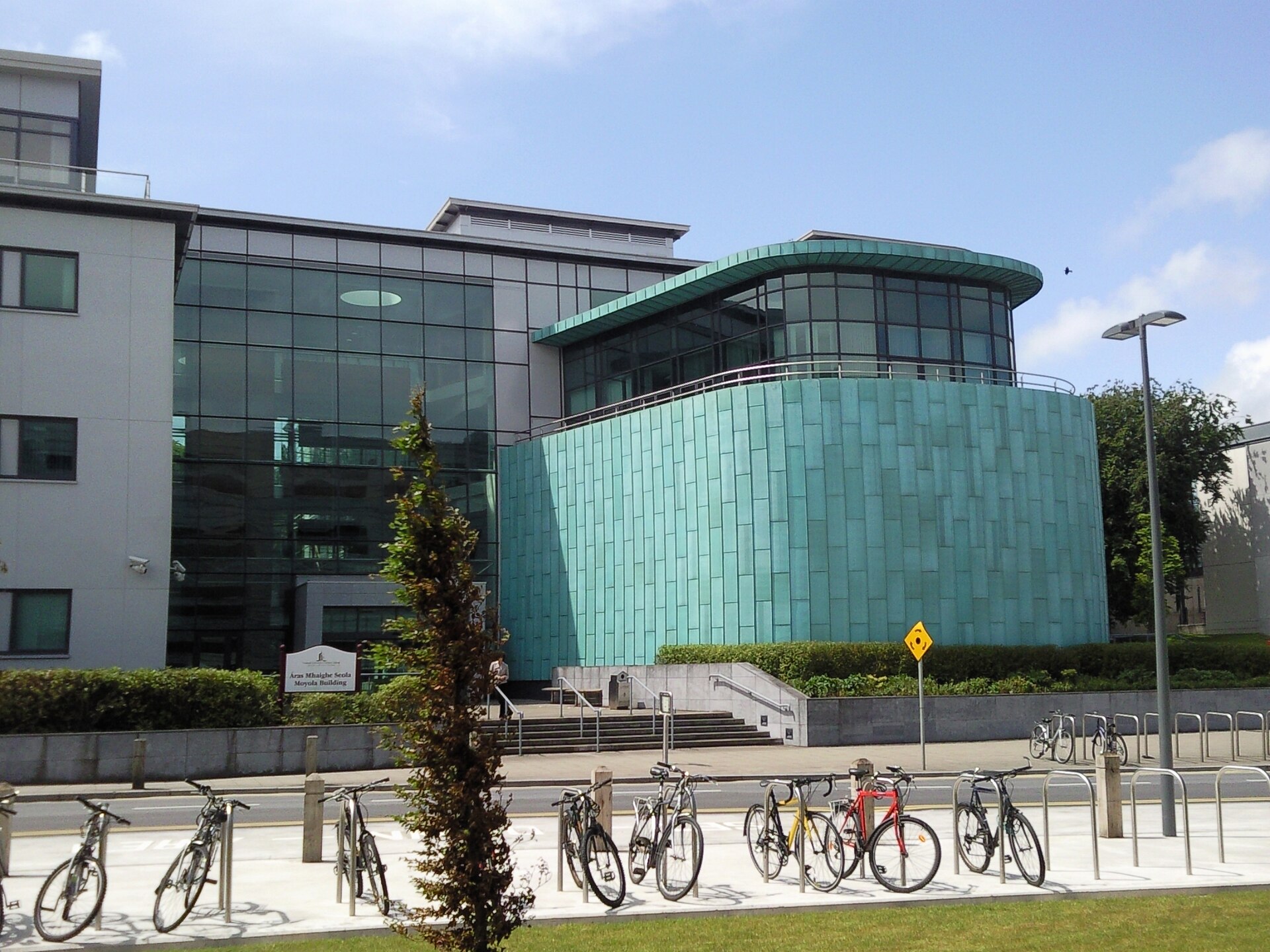
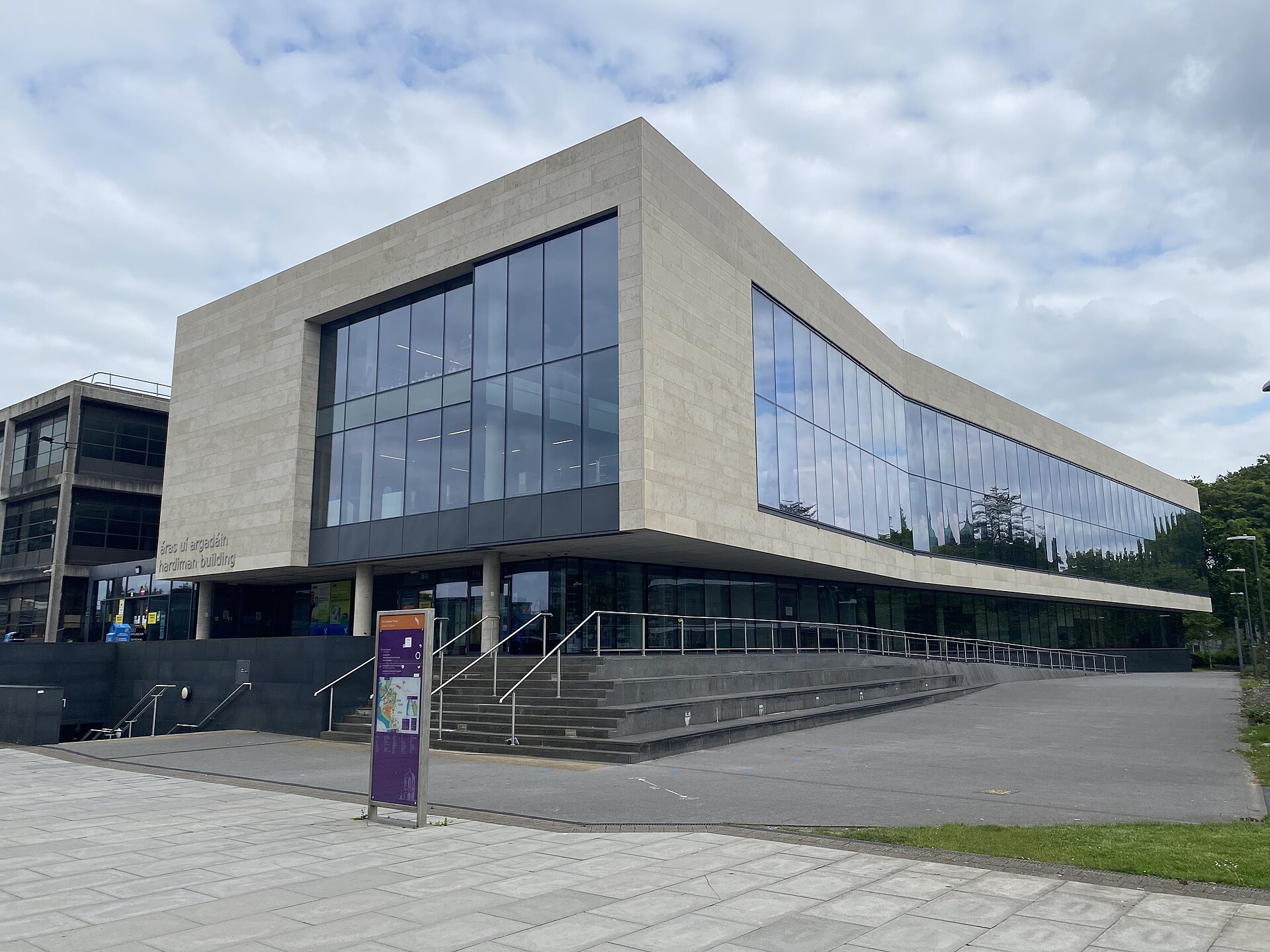
University of Galway — campus in pictures
Real, freely-licensed photographs of the campus (via Wikimedia Commons).
WHY GALWAY
Why University of Galway — Medtech, Research & the Atlantic Edge
University of Galway is not a generic European university. It sits at the intersection of cutting-edge biomedical research, a vibrant bilingual culture, and an industry ecosystem that gives its graduates a head start the moment they graduate.
SELECTIVITY
How Selective is University of Galway?
With an acceptance rate of approximately 55%, University of Galway is moderately selective. Admission to most programmes is grades-based: the university assesses your existing and predicted academic qualifications against the programme's published entry requirements. Demand varies significantly by programme — Medicine, Law, and Biomedical Engineering are the most competitive, while some Arts and Science pathways are more accessible for strong international applicants.
Medicine and competitive programmes require significantly higher IB scores — typically 38–40+ with specific Higher Level subject requirements. Always check the individual programme entry page on the official website.
AT A GLANCE
University of Galway Quick Facts
APPLICATION COMPONENTS
What the Application Consists Of
University of Galway uses a direct online application system for international (non-EU) students. There is no centralised Irish clearing system equivalent to UCAS for international applicants — you apply directly to the university. The key components are straightforward but require careful preparation.
WHAT THEY LOOK FOR
The Profile University of Galway Admits
Unlike US universities, University of Galway is fundamentally grades-driven for undergraduate admission. Your academic record is the primary factor. The admissions office is looking for students with a clear aptitude for their chosen subject, demonstrated through consistent performance in relevant subjects at the highest level your curriculum offers.
DEADLINES & ROUNDS
Application Deadlines
University of Galway operates a direct, rolling admissions model for international students. There are no fixed early/regular decision rounds equivalent to the US system. Applications are processed as received, and popular programmes can fill early. The guidance below is typical — always verify exact dates on the official admissions site before applying.
Visa processing times for Irish student visas (from most countries outside the EU/EEA) can be 8–12 weeks. Apply well before the academic year start. Verify current dates at universityofgalway.ie.
| Stage | Typical_timing | Notes |
|---|---|---|
| Application Opens | September–October (prior year) | Online portal opens for next intake |
| Rolling Offers | November – May | Competitive programmes fill faster; apply early |
| Recommended International Deadline | 1 March – 1 May | Allows time for visa processing |
| Final Results Submission | July – August | IB / A-Level results required to confirm place |
| Programme Start | September | Academic year begins September each year |
STUDENT LIFE
Life at University of Galway and in the City
On campus, the Students' Union organises more than 200 clubs and societies spanning sport, culture, politics, creative arts, language, and community volunteering. Accommodation includes on-campus residences and a strong private rental market within walking distance. The Accommodation Advisory Service helps international students navigate Ireland's rental landscape before and after arrival.
University of Galway's compact riverside campus sits in the centre of one of Europe's most culturally rich student cities. The River Corrib runs through campus, and the Atlantic coast — Salthill promenade, the Aran Islands, Connemara National Park — is minutes away. Galway earned its reputation as Ireland's 'cultural capital' and 'bohemian city' honestly: live music spills from pubs on Shop Street nightly, the Galway International Arts Festival draws global artists every July, and the city has a strong bilingual Irish-English character that is unlike anywhere else in Ireland.
Cost of living in Galway is notably lower than Dublin — the city is more walkable and socially connected, making it easier to build community quickly as an international student.
CAREERS & OUTCOMES
Graduate Career Outcomes
University of Galway graduates benefit from strong professional outcomes, shaped by the university's deep ties to Galway's industry ecosystem and an Irish job market that has become a global hub for technology, life sciences, and financial services.
The medtech corridor in Galway — home to Boston Scientific, Medtronic, Abbott, Stryker, and GE Healthcare — provides biomedical and engineering students with one of the most employer-dense graduate environments in Europe. The broader Irish economy hosts European headquarters of Google, Meta, Pfizer, Apple, and hundreds of other multinationals, giving graduates in technology, business, and law access to a rich employment market with English as the working language.
Ireland's Post-Study Work Visa (the Third Level Graduate Programme, or 'Stamp 1G') allows non-EEA graduates of Irish universities to remain in Ireland to seek employment after graduation, typically for 12–24 months depending on degree level. This is a significant advantage for international students.
FAQ
Frequently Asked Questions
Do international students apply through CAO?+
No. The Central Applications Office (CAO) is for EU/Irish applicants. International (non-EU) students apply directly through University of Galway's online admissions portal at universityofgalway.ie.
What IB score do I need?+
The indicative minimum is 31 IB points, but this varies significantly by programme. Medicine and highly competitive programmes typically require 38–40+ points with specific Higher Level subject requirements. Check the individual programme page.
Can I work while studying in Ireland?+
Yes — non-EEA students on a valid Irish student visa (Stamp 2) are typically permitted to work up to 20 hours per week during term and 40 hours during vacation periods. Always confirm current visa conditions with the Irish Naturalisation and Immigration Service (INIS).
Is there a post-study work option in Ireland?+
Yes. Ireland's Third Level Graduate Programme (Stamp 1G) allows non-EEA graduates of Irish institutions to stay and seek employment for up to 12 months (bachelor's) or 24 months (master's/PhD) after graduation.
How does University of Galway compare to UCD and Trinity?+
University of Galway (national rank #4) has distinct strengths in biomedical engineering, marine science, and health professions, and offers a smaller-city experience compared to Dublin's UCD (rank #1) and Trinity (rank #2). It is a strong choice if your target discipline aligns with Galway's research and industry specialisations.
Is Galway expensive to live in?+
Galway is less expensive than Dublin but has seen rental demand rise as the city has grown. Annual cost of living for a student is approximately $14,200 (USD), covering accommodation, food, transport, and personal expenses. On-campus accommodation is limited and competitive.
Do I need to learn Irish (Gaeilge)?+
No. All degree programmes at University of Galway are taught in English. Irish is a co-official language of the campus and the city, and you may encounter signage in both languages, but it is not a requirement for international students.
What are the most competitive programmes for international students?+
Medicine, Biomedical Engineering, Law, and Occupational Therapy are the most competitive and have the highest grade requirements. Commerce and many Arts/Science pathways are somewhat more accessible for strong applicants.
ACADEMIC EXPECTATIONS
Academic Standards for International Students at University of Galway
University of Galway evaluates international applicants primarily on their academic record. For most undergraduate programmes, your predicted or final grades in your home curriculum — IB Diploma, A-Levels, the Indian 10+2, the US High School Diploma with AP/SAT, or national equivalents — are converted into a comparable standard against the programme's published entry requirements. Unlike US universities, there is no holistic 'activities' portfolio driving admission: grades are king.
ACADEMIC BENCHMARKS
Typical Admitted Student Profile
The figures below are drawn from the university's own published data and its facts file. They represent indicative floors, not guarantees — programme-specific requirements may be higher.
TEST POLICY
SAT, ACT & Standardised Tests
University of Galway's admissions process is grades-first and does not require SAT or ACT scores for undergraduate admission. Standardised tests are considered optional and supplementary. International students whose home qualification (e.g. US High School Diploma) is accompanied by strong AP or IB results may use those to demonstrate academic capability, but SAT/ACT scores alone do not substitute for the underlying qualification assessment.
If you are an American student applying from a US high school, your GPA, AP scores, and/or IB results will be the primary evaluation criteria. Include SAT/ACT scores in your application if they are strong — they will not hurt — but be aware that the admissions office will focus on your course grades and subject-level performance.
IB & A-LEVEL
How IB Diploma and A-Levels are Evaluated
University of Galway actively recruits IB and A-Level students internationally and has well-established conversion benchmarks for both qualifications. These are two of the most recognised pathways for international entry.
SUBJECT PREPARATION
Subject Rigour by Discipline
Matching your subject choices to your target programme from as early as Year 10 is critical for University of Galway admission to competitive courses.
ENGLISH PROFICIENCY
English Language Requirements
All undergraduate and postgraduate programmes at University of Galway are taught in English. Students from non-majority English-speaking countries or who have not completed prior education in English must demonstrate proficiency through one of the following tests.
Competitive programmes (Medicine, Occupational Therapy) may set higher English requirements. Always verify on the programme's own page. Students who completed their previous degree or final two years of schooling entirely in English are typically exempt — confirm with the admissions office.
| Test | Minimum | Notes |
|---|---|---|
| IELTS Academic | 6.5 overall | No individual band below 6.0 for most programmes |
| TOEFL iBT | 88 overall | Accepted as equivalent to IELTS 6.5 |
| Duolingo English Test | 120 | Accepted by University of Galway |
| PTE Academic | ~62 | Verify current threshold on official site |
YEAR-BY-YEAR GUIDE
Building Your Academic Profile: Years 9–12
COMMON MISTAKES
Academic Application Pitfalls to Avoid
- Applying to Medicine or Biomedical Engineering without the required HL/A-Level science subjects — the offer will not be made regardless of overall grade.
- Submitting predicted grades only and failing to send final results promptly — conditional offers lapse if results are not confirmed by the university's deadline.
- Assuming the same IB score qualifies for all programmes — a 31 is the floor for some Arts courses but wholly insufficient for Medicine.
- Relying on SAT/ACT scores as your primary credential — University of Galway is grades-first; test scores are a supplement not a substitute.
- Missing the English language test deadline — test bookings fill quickly around popular IB exam seasons; book your IELTS/TOEFL at least three months before you need the result.
- Applying too late for competitive programmes — rolling admissions means early applicants get the broadest range of offers.
- Confusing the CAO process (domestic/EU) with the international direct application — non-EU students must apply through the international portal, not CAO.
COST & AID
Understanding the Cost of University of Galway for International Students
University of Galway is a public Irish research university with relatively moderate tuition compared to US and UK peers. However, as a non-EU student you pay the full international fee rate — significantly higher than EU students who pay regulated fees. The good news: Ireland's cost of living outside Dublin, especially in Galway, is meaningfully lower than comparable English-speaking destinations, and partial scholarship support is available to strong international applicants.
COST BREAKDOWN
Annual Costs for International Students
All figures are annual estimates in USD. Tuition varies substantially by programme — the table below reflects the indicative range drawn from the university's published data.
Tuition is denominated in Euros and fluctuates with USD/EUR exchange rates. The figures above reflect the facts file estimate; check the university's current fee schedule in EUR at universityofgalway.ie/courses/fees-and-funding/.
| Component | Annual_usd | Notes |
|---|---|---|
| Tuition (non-EU undergraduate) | $21,800 (typical arts/business) | Engineering ~$27,600; Medicine ~$55,000+ |
| Cost of Living (Galway) | $14,200 | Accommodation, food, transport, personal expenses |
| Total Cost of Attendance | ~$37,500 | Typical estimate; varies by programme and lifestyle |
| Application Fee | ~$50 | Non-refundable; verify current amount on portal |
FINANCIAL AID
Financial Aid for International Students
University of Galway provides a package of scholarships and grants for international students, with an average aid offset of approximately 15% of costs for those who qualify. Need-based aid in the US sense (meeting full demonstrated need) is not available — Ireland's public universities do not have large endowment-funded aid budgets. However, merit-based scholarships that meaningfully reduce tuition do exist.
The most direct route to funding reduction is the university's own International Scholarships programme, awarded on academic merit to high-performing applicants. Additional funding may be available through government scholarship schemes in your home country (e.g. the Irish Government's STEM scholarships, bilateral agreements, and specific country partnerships). Postgraduate students also have access to research funding, teaching assistantships, and scholarship schemes tied to specific programmes.
Irish Government scholarships for international students, administered through the Higher Education Authority, are a separate avenue worth researching at hea.ie. Galway's Medical School is also linked to RCSI and HRB funding streams for health-science researchers.
SCHOLARSHIPS
Scholarships for International Students
The following scholarship types are available to international applicants. Specific amounts and eligibility criteria should be verified on the official scholarships page, as they are reviewed annually.
REAL COST
Net Cost Reality for International Families
For families funding privately, the most important variables are: the specific programme (Medicine tuition is dramatically higher than Arts or Commerce), the exchange rate between your home currency and the Euro, and whether your student qualifies for a merit scholarship. A strong IB or A-Level result genuinely opens financial doors here — unlike at many US universities, merit aid at Irish institutions is transparently academic.
University of Galway's total cost of attendance of approximately $37,500 per year is notably lower than comparable US private universities ($75,000–$90,000+) and competitive with UK Russell Group universities. The lower cost of living in Galway — versus Dublin, London, or Edinburgh — adds a meaningful real-world advantage.
HOW TO SECURE FUNDING
Steps to Maximise Your Funding
COST FAQ
Cost & Aid — Frequently Asked Questions
Can international students work part-time to offset costs?+
Yes. Non-EEA students on an Irish student visa (Stamp 2) can typically work up to 20 hours per week during term time and 40 hours during academic vacation periods. Many students supplement their income this way — Galway's hospitality, retail, and medtech sectors all employ students.
Is there a no-loan policy or full-need policy for internationals?+
No. University of Galway does not meet full demonstrated financial need for international students in the US university model. Aid is primarily merit-based scholarship plus self-funding. Irish Government-backed loans are not available to non-EU students.
Are fees paid in euros or dollars?+
Fees are billed in Euros. The USD equivalent in this guide is an estimate based on approximate exchange rates and may vary. Budget in Euros using the university's official fee schedule.
Is on-campus accommodation guaranteed for international students?+
On-campus accommodation is limited and not guaranteed. University of Galway's Accommodation Advisory Service helps students find private rentals. Galway's rental market is competitive — begin your search immediately on receiving your offer.
Does receiving a scholarship affect visa eligibility?+
No — having a scholarship is typically advantageous for visa purposes, as it demonstrates financial sufficiency. Maintain all scholarship documentation for visa submission.
APPLICATION & STATEMENT
Applying to University of Galway: Your Statement & Application
University of Galway follows Ireland's direct admissions model for international students — not the US Common App, not the UK UCAS personal statement. For most undergraduate programmes, admission is grades-driven and the application itself is straightforward. However, for competitive programmes and all postgraduate courses, a thoughtful personal statement or motivation letter can be the difference between a conditional offer and a waitlist. This guide tells you exactly how to approach it.
APPLICATION SYSTEM
How the Application System Works
Ireland's international student application process is direct — you apply online through University of Galway's own portal. There is no centralised personal statement system (unlike UCAS in the UK). Whether a personal statement is required depends on the programme.
WHAT TO ADDRESS
What Your Personal Statement Should Cover
University of Galway does not publish fixed essay prompts in the US-university style. Your statement is a free-form motivation letter, typically 500–800 words for undergraduate and 600–1,000 words for postgraduate applications. Address the following themes.
WRITING STRATEGY
How to Write Your University of Galway Motivation Letter
Structure it clearly: an opening that states your programme choice and a compelling 'hook' — a specific intellectual moment, question, or experience that sparked your interest; a middle that demonstrates your academic preparation and relevant experience; a close that makes a specific case for why University of Galway and Galway city are the right environment for your goals. Keep it concise and concrete — avoid adjective-heavy generalities ('passionate', 'dedicated', 'driven') in favour of specific evidence.
Think of the University of Galway personal statement as a cover letter for a competitive position. It is not the US personal essay (no confessional narrative required) and not the UCAS personal statement (no word count micromanagement, typically). It is a professional, focused argument for why you are an excellent candidate for this specific programme at this specific university.
Irish admissions staff read many applications from around the world. Specificity about the university, its programmes, and its location signals that you have done your homework and that you are a serious candidate who will actually attend if offered.
BY PROGRAMME TYPE
Strategy by Programme Category
TOPIC APPROACH
Choosing What to Write About
For University of Galway, the biggest mistake is writing a generic 'why I want to study X' statement that could be sent to any university. The institution values applicants who have done real research about Galway specifically. Use the following questions to find your angle:
- What specific aspect of the programme's curriculum or teaching methodology at Galway is different from other universities — and why does that difference matter to you?
- Is there a named research centre, institute, or lab at University of Galway whose work connects directly to your interests? (CÚRAM for medical devices; Ryan Institute for environment and natural resources; Moore Institute for humanities; Insight SFI Centre for Data Analytics)
- Does the Galway industry ecosystem create a specific opportunity you cannot get elsewhere? Name the companies.
- Have you visited Galway, spoken to current students, or attended a virtual open day? Genuine familiarity with the place comes through in writing.
- For postgraduate: have you identified a specific supervisor whose research aligns with your proposed direction? Mention them.
COMMON MISTAKES
Application Statement Pitfalls
- Writing a generic statement that does not mention University of Galway or Ireland by name — signals a copy-paste application.
- Focusing entirely on personal story and not enough on academic preparation and programme fit.
- For PhD applicants: submitting a vague research proposal without first contacting a potential supervisor — proposals without supervisor buy-in rarely succeed.
- Exceeding the suggested length significantly — concise, well-edited writing is appreciated; excessive length suggests poor self-editing.
- Confusing the application with a UCAS-style personal statement — University of Galway's direct system has more flexibility, but that means your structure matters more, not less.
- Failing to explain your home qualification system to a reader who may not be familiar with it — a brief contextual sentence about your curriculum is helpful.
- Submitting a statement with grammatical or spelling errors — Irish universities value strong written English, and a statement riddled with errors undermines your English proficiency claim.
STATEMENT FAQ
Application Statement — FAQs
Is a personal statement required for all undergraduate programmes?+
Not formally for all programmes — but it is strongly encouraged for competitive courses and is always reviewed positively when submitted. For Medicine and Occupational Therapy, treat it as required.
How long should my personal statement be?+
Typically 500–800 words for undergraduate and 600–1,000 words for postgraduate taught applications. Research (PhD) proposals are usually 1,000–2,000 words separately. Check the specific programme application portal for any stated limits.
Should I mention specific faculty or research groups?+
Yes — especially for postgraduate applicants. Demonstrating that you know who is doing what research at Galway and why it aligns with your goals is one of the most effective signals of a serious, well-researched application.
Is the University of Galway application the same as the UCAS application?+
No. UCAS is the UK centralised application system and is not used for Irish universities except for courses in Northern Ireland (which is part of the UK). University of Galway's international applications go through its own online portal.
Do I need to contact a supervisor before applying for a PhD?+
It is strongly advisable. Many PhD supervisors at University of Galway expect or prefer that prospective students have made initial contact to discuss fit before applying. A cold application without supervisor awareness is possible but less likely to succeed.
Can I apply to multiple programmes simultaneously?+
Check University of Galway's portal — some universities allow multiple programme preferences in a single application; others require separate submissions per programme. The international office can advise.
Courses — schools, degrees & intake
68 degrees across 4 groupings.
College of Arts, Social Sciences & Celtic Studies · 22 degrees
Bachelor of Arts (Joint-Honours)
Bachelor of Science (Psychology)
Bachelor of Arts (History)
Bachelor of Arts (Mathematics and Education)
Bachelor of Arts (Children's Studies)
Bachelor of Arts (Arts with Children's Studies)
Bachelor of Arts (English and Creative Writing)
Bachelor of Arts with Human Rights
Bachelor of Arts (Drama, Theatre, and Performance Studies)
Bachelor of Arts (Journalism)
Bachelor of Arts (Cumarsáid agus Gaeilge)
Bachelor of Science (Social Sciences and Sustainability)
Bachelor of Arts (Film & Digital Media)
Bachelor of Arts (Global Languages)
Bachelor of Arts (Global Experience)
Bachelor of Arts (Music)
Bachelor of Arts Government (Politics, Economics and Law)
Bachelor of Arts Education (Computer Science and Mathematical Studies)
Bachelor of Science (Geography and Geosystems)
Bachelor of Arts (Global Media)
Bachelor of Arts (Gaeilge agus Léann an Aistriúcháin)
Bachelor of Arts (Child, Youth and Family: Policy and Practice)
College of Medicine, Nursing & Health Sciences · 8 degrees
Bachelor of Medicine/Surgery/Obstetrics (MB BCh BAO)
Bachelor of Science (Occupational Therapy)
Bachelor of Science (Speech and Language Therapy)
Bachelor of Science (Podiatric Medicine)
Bachelor of Science (Pharmacy)
Bachelor of Nursing Science (General)
Bachelor of Nursing Science (Mental Health)
Bachelor of Midwifery Science
College of Business, Public Policy & Law · 15 degrees
Bachelor of Commerce
Bachelor of Commerce (International with French)
Bachelor of Commerce (International with German)
Bachelor of Commerce (International with Spanish)
Bachelor of Science (Business Information Systems)
Bachelor of Commerce (Accounting)
Bachelor of Commerce (Gaeilge)
Bachelor of Commerce (Global Experience)
Law (BCL) and Business
Law (BCL)
Law (BCL) and Human Rights
Law (BCL), Criminology and Criminal Justice
Bachelor of Business Studies (International Hotel Management)
Bachelor of Commerce in International Hotel Management
Bachelor of Business Studies in Global Luxury & Experience Management
College of Science and Engineering · 23 degrees
Bachelor of Science (Undenominated)
Bachelor of Science (Biomedical Science)
Bachelor of Science (Biotechnology)
Bachelor of Science (Environmental Science)
Bachelor of Science (Financial Mathematics and Economics)
Bachelor of Science (Marine Science)
Bachelor of Science (Occupational Health and Safety Management)
Bachelor of Science (Earth and Ocean Sciences)
Bachelor of Science (Biopharmaceutical Chemistry)
Bachelor of Science (Mathematical Science)
Bachelor of Science (Physics)
Bachelor of Science (Genetics and Genomics)
Bachelor of Science (Agricultural Science)
Bachelor of Science (Zoology)
Bachelor of Science (Computer Science and Information Technology)
Bachelor and Master of Engineering (Undenominated)
Bachelor and Master of Engineering (Civil)
Bachelor and Master of Engineering (Mechanical)
Bachelor and Master of Engineering (Electronic & Computer)
Bachelor and Master of Engineering (Biomedical)
Bachelor of Science (Project and Construction Management)
Bachelor and Master of Engineering (Energy Systems)
Bachelor and Master of Engineering (Electrical & Electronic)
Want your real chances at University of Galway?
Create a free TYCHR account for your personalised admit-chance, a shortlist you can track, exact entry requirements, and essay + counselling help.