University of Freiburg
Freiburg im Breisgau, Germany · Urban
FOUNDED 1457 · FREIBURG IM BREISGAU, GERMANY
University of Freiburg — Admissions Guide for International Students
One of Germany's oldest and most distinguished universities, the University of Freiburg (Albert-Ludwigs-Universität Freiburg) sits at the meeting point of the Black Forest, the Rhine, and three national borders — Germany, France, and Switzerland. Founded in 1457, it carries 566 years of intellectual heritage and counts Martin Heidegger and Friedrich Hayek among its faculty legends. For international students seeking a European research education with near-zero tuition, a UNESCO biosphere region on their doorstep, and a passport into the LERU and German U15 networks, Freiburg is one of the most compelling destinations in continental Europe.
This guide walks you through the German university application system as it applies to Freiburg: how entry works, what language and academic qualifications are needed, how much it actually costs, and how to write the motivation letter that competitive programmes require. No Common App, no supplemental essays — but the application process has its own logic, and this guide decodes it.
Campus
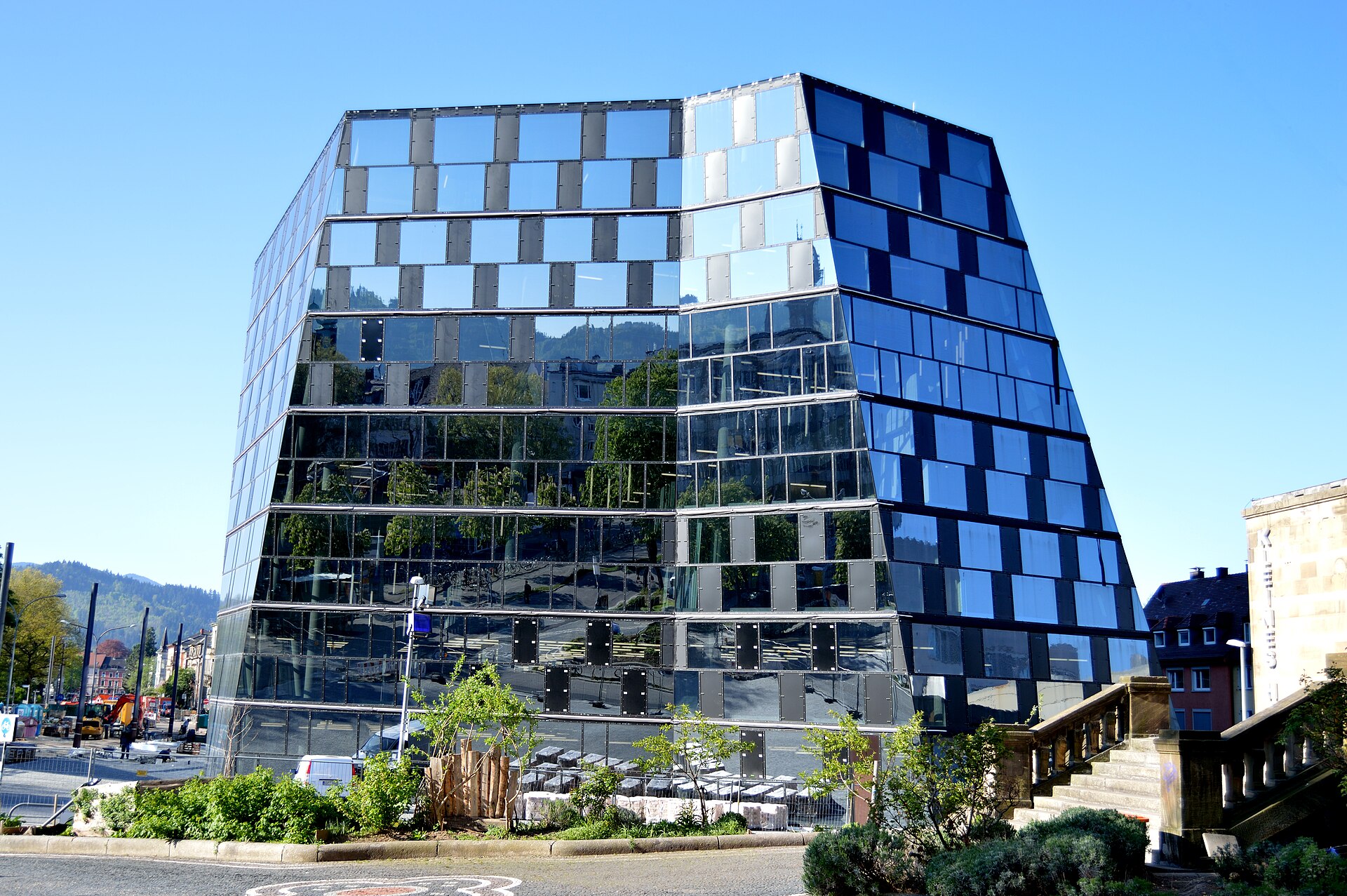
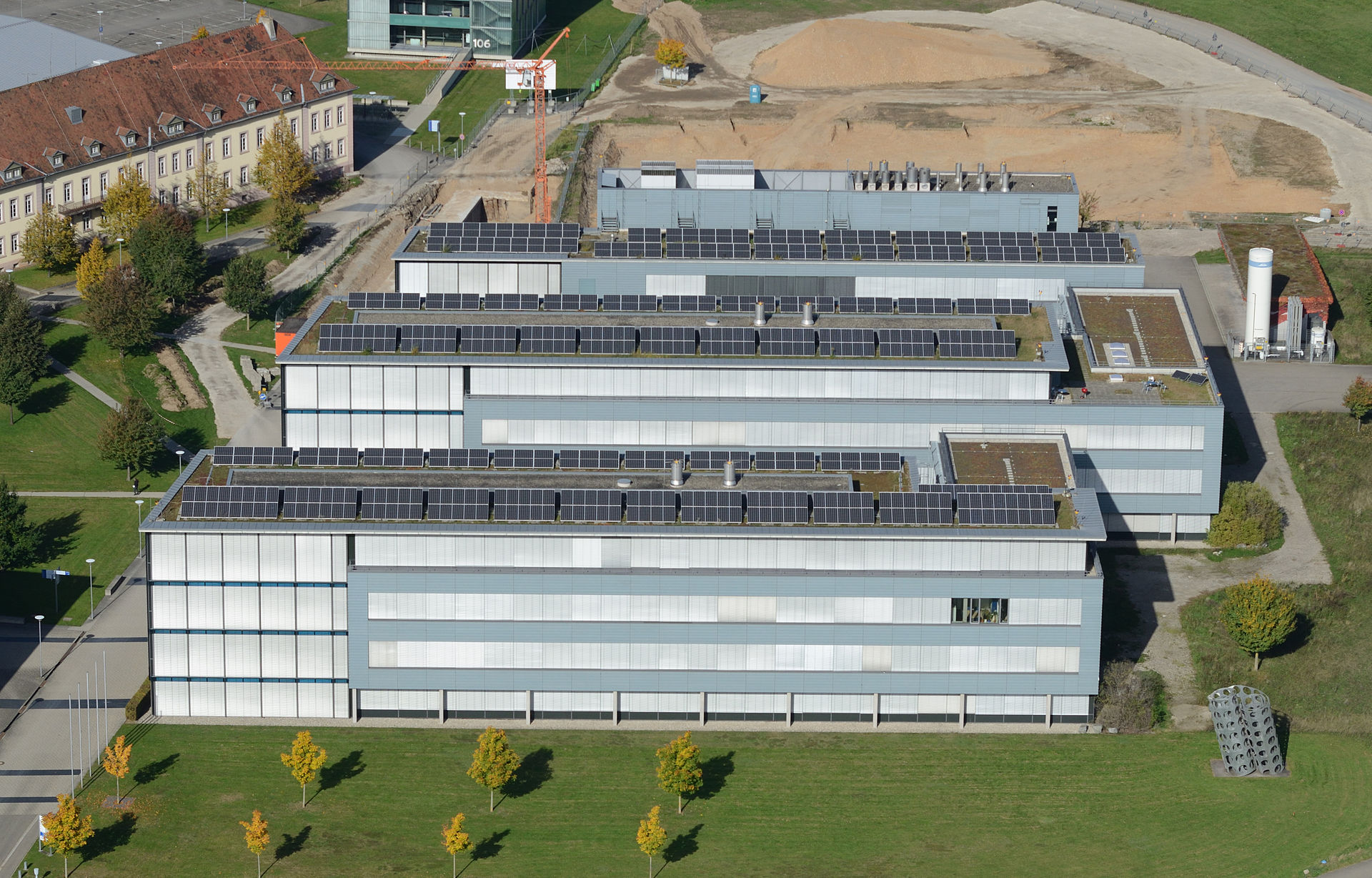
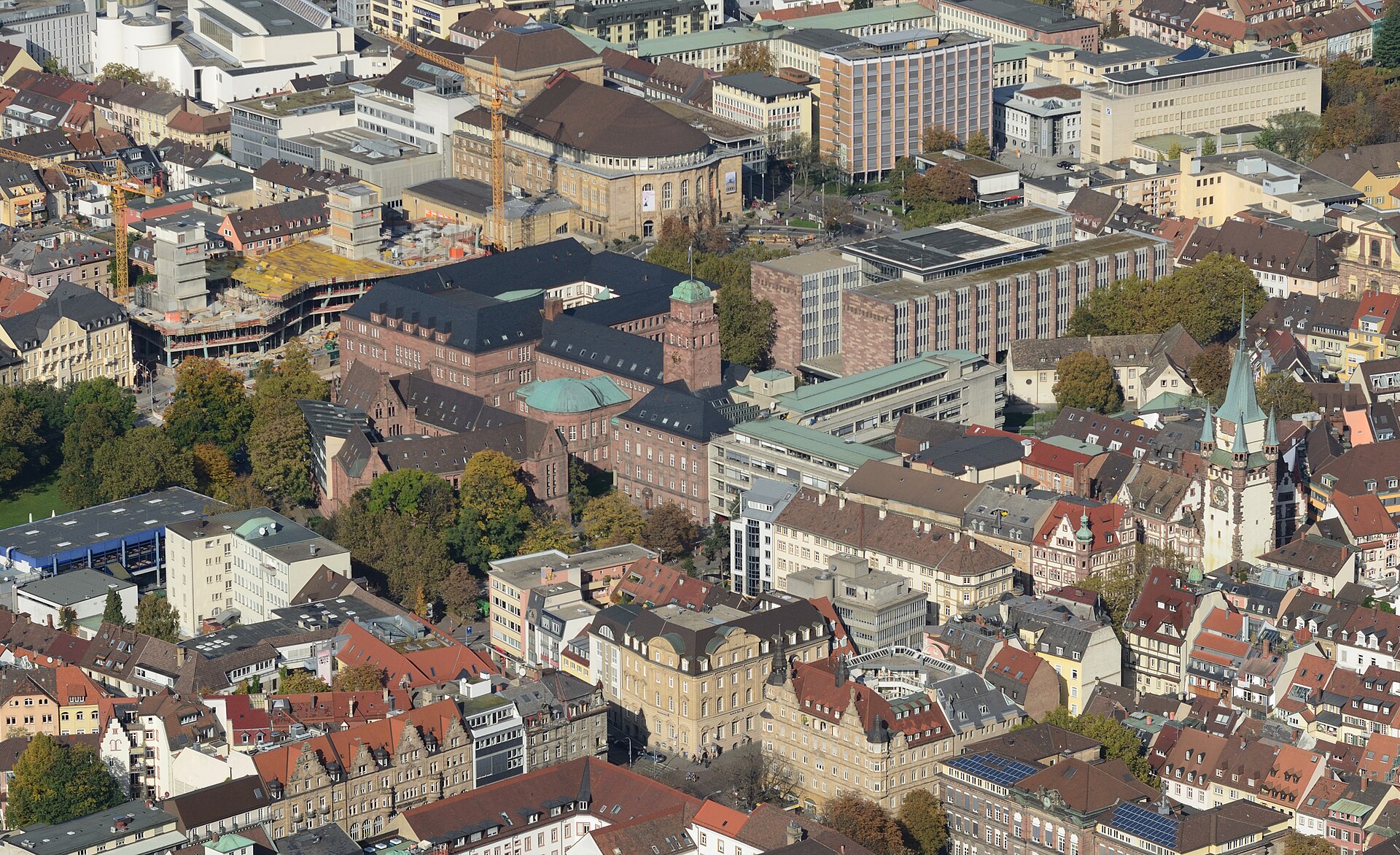
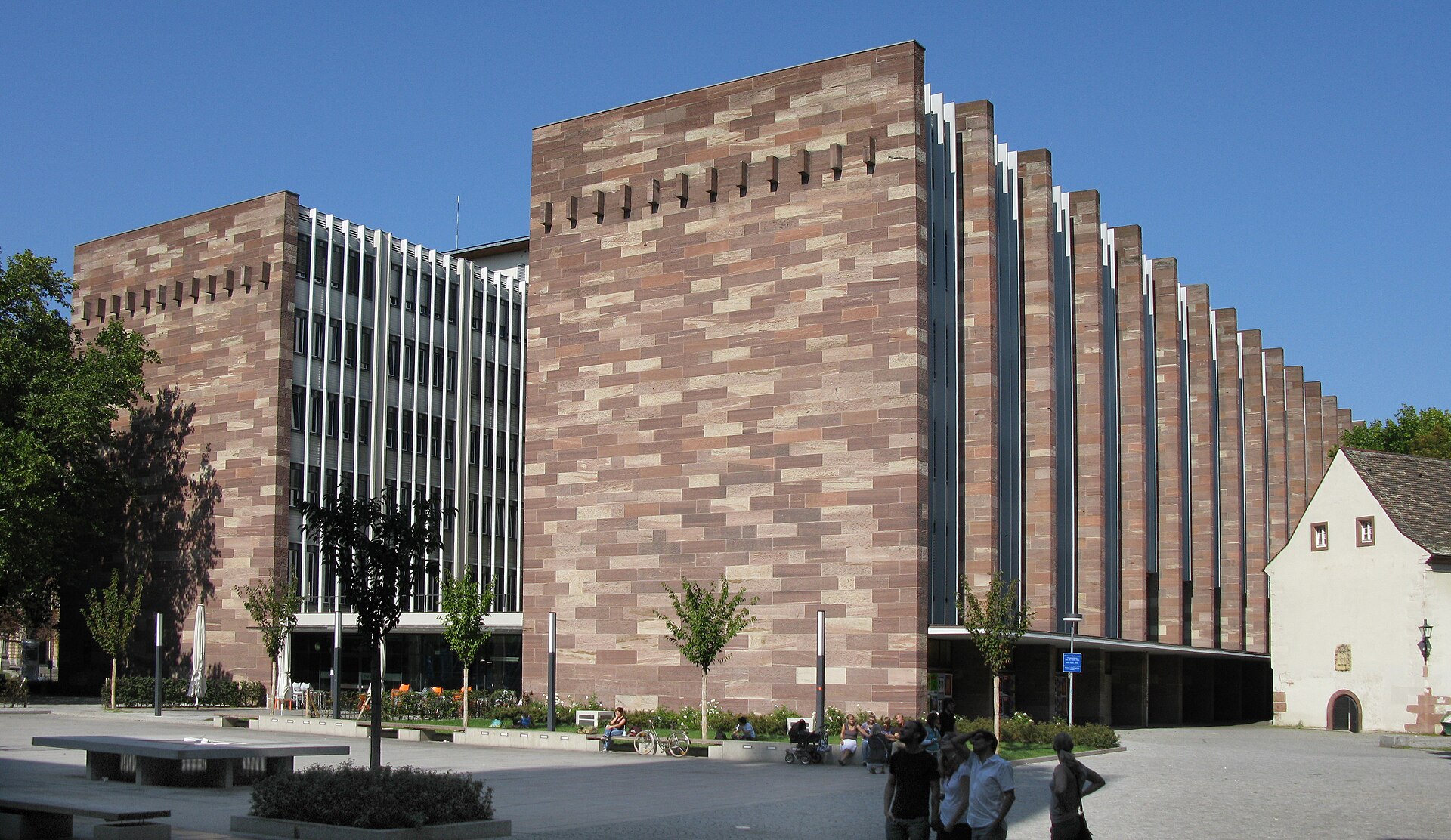
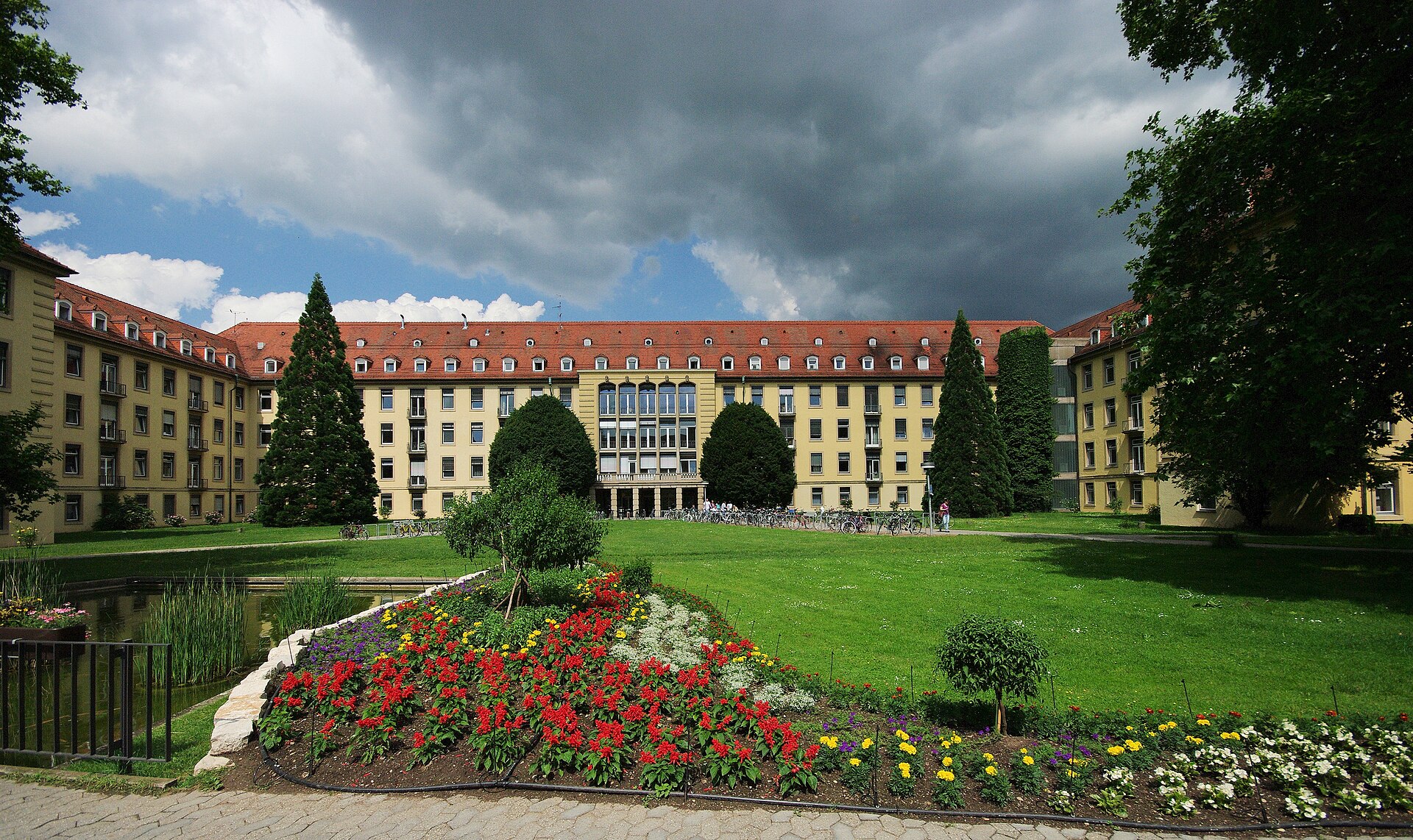
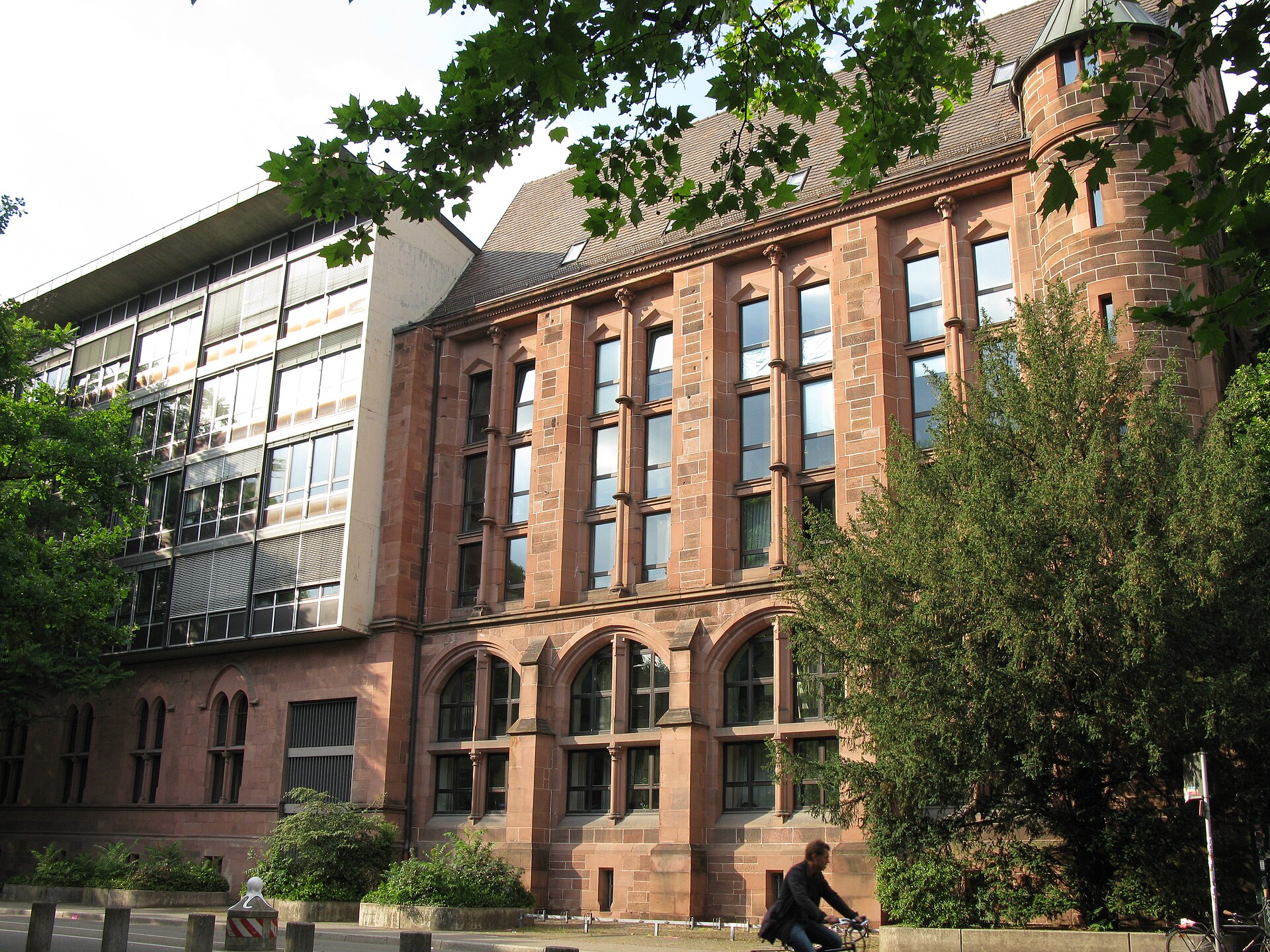
University of Freiburg — campus in pictures
Real, freely-licensed photographs of the campus (via Wikimedia Commons).
Why Freiburg — Research, Heritage & the Black Forest Lifestyle
Freiburg combines the prestige of a medieval research university with the practicality of one of Germany's most liveable and sustainable cities. It is not a trade-off between academic excellence and quality of life — you get both.
Selectivity & Admission Profile Who Gets In at Freiburg
Admission at Freiburg works differently from US or UK universities. There is no single acceptance rate — selectivity depends entirely on the programme and the applicant's home country qualification. Some programmes (like Medicine, Dentistry, and Pharmacy) are extremely competitive under numerus clausus (NC) restrictions. Others with open admission (freier Zugang) admit all qualified applicants who meet the academic prerequisites. The figure below reflects the overall enrolment context.
For international applicants, the key question is whether your home qualification is directly recognised (allowing direct entry) or whether you need to attend the Studienkolleg preparatory college first. IB Diploma holders typically qualify for direct entry at the 34-point band. Your programme-specific numerus clausus and your language certificate are the two decisive factors.
Quick Facts University of Freiburg at a Glance
What the Application Consists Of Germany's Direct Application System
Freiburg uses Germany's direct university application model — there is no central clearing house equivalent to UCAS or Common App for most programmes. Applications are submitted electronically via the university's campus portal. Some international applicants may need to apply through uni-assist (a centralised document verification service for international credentials).
What Freiburg Looks For Academic Profile & Qualifications
Freiburg is a research university, not a liberal arts college. The admissions process is primarily grade-based and qualification-based — your academic performance in subjects relevant to your chosen programme is the dominant criterion. Freiburg does not conduct holistic review or weigh extracurriculars the way US universities do.
For restricted-admission programmes (Zulassungsbeschränkung), places are allocated based on a combination of your grade average (Abitur-Durchschnittsnote or equivalent) and waiting semesters. For English-taught master's programmes, the quality of your undergraduate degree, your grades in relevant subjects, and your motivation letter determine selection. For open-admission programmes, any qualified applicant with the right language certificate and HZB is admitted — grades are not used to rank applicants.
Application Deadlines Winter & Summer Semesters
Freiburg has two intakes each year: the Winter Semester (October start) and the Summer Semester (April start). Most international applicants target the Winter Semester, which has the widest programme availability. Deadlines vary by programme type. All applications go through the campus portal at campus.uni-freiburg.de.
These are indicative windows based on published university guidance. Always verify exact deadlines in the Degree Programme Finder (Studiengangssuche) for your specific programme, as individual programmes may have earlier internal deadlines. Master's programme deadlines vary considerably — some close as early as January for an October start.
| Programme Type | Winter Semester | Summer Semester |
|---|---|---|
| Medicine, Dentistry, Pharmacy (non-EU) | 1 Dec – 15 Jan | 1 Jun – 15 Jul |
| Restricted Admission (Numerus Fixus/Clausus) | 1 Dec – 15 Jan | 1 Jun – 15 Jul |
| Special Prerequisites (incl. many Master's) | 1 Dec – 31 Mar | 1 Jun – 30 Sep |
| Open Admission (Freier Zugang) | 1 Dec – 9 Apr | 1 Jun – 8 Oct |
Student Life in Freiburg Black Forest City, Vibrant Campus Culture
Freiburg is consistently ranked one of the most liveable cities in Germany — and for student life, it is exceptional. The combination of a compact, walkable Altstadt (historic centre), a passionate cycling culture, abundant green space, and a young, international population creates an environment that is as energising outside the classroom as inside it.
The Studierendenwerk Freiburg manages affordable student housing (Wohnheime) across the city, with rooms typically costing €250–450/month — considerably cheaper than Munich or Berlin. The university operates a large Mensa (student canteen) network with subsidised meals. The Student Services also run a cultural ticket programme giving students discounted or free access to concerts, theatre, and events throughout the city.
Career Outcomes Where Freiburg Graduates Go
Freiburg's graduates benefit from Germany's globally respected higher-education brand, strong ties to regional industries in medtech, environmental technology, and advanced manufacturing, and the university's deep research infrastructure.
Germany's job market is among the most graduate-friendly in Europe, with a regulated recognition of academic qualifications and strong industry demand for STEM, health sciences, and legal professionals. A Freiburg degree in medicine, biology, microsystems engineering, or law carries direct professional recognition in Germany and much of Europe.
Stats
Cards
Frequently Asked Questions University of Freiburg for International Students
Do I need to speak German to study at Freiburg?+
For most bachelor's degree programmes, yes — a high level of German (DSH-2 or TestDaF-4, equivalent to C1) is required. However, select master's programmes are taught entirely in English and require IELTS 6.5 / TOEFL iBT 90 instead. Always check the language of instruction in the degree programme finder before applying.
Is my IB Diploma directly recognised for admission?+
In most cases, yes. IB Diploma holders generally qualify for direct university entry in Germany. A competitive IB score at Freiburg typically sits around 34 points. Some German-taught programmes may require German language proof separately from the IB Diploma. Confirm with the admissions office for your specific programme.
What is uni-assist and do I need it?+
Uni-assist is a central credential evaluation service used by many German universities for international applicants with foreign school-leaving certificates. Freiburg requires some non-EU applicants to submit through uni-assist first. Check whether your programme and your nationality require this step at the start of your application process — it adds cost (around €75 per university) and processing time.
What is numerus clausus (NC) and does it affect me?+
Numerus clausus is Germany's admissions restriction system for competitive programmes. Medicine, dentistry, pharmacy, psychology, and some law programmes at Freiburg are NC-restricted, meaning there are more applicants than places. Selection is based on your Abitur-equivalent grade average (or IB grade conversion). Non-restricted programmes (freier Zugang) admit anyone with the required qualifications.
How much does it cost as a non-EU international student?+
Non-EU international students pay a supplementary tuition fee of approximately €1,500 per semester (around $3,300/year) in addition to the semester contribution (Semesterbeitrag) of roughly €160–180. The semester contribution includes a public transport ticket (Semesterticket) valid across the Baden-Württemberg transport network. Total annual cost of attendance is approximately $15,800 (including living costs).
Can I work while studying in Germany?+
Yes. Non-EU international students in Germany on a student visa are permitted to work up to 120 full days or 240 half days per year. Germany's strong labour market and minimum wage mean student jobs (Studentenjobs, HiWi positions) are widely available and help offset living costs.
Does Freiburg offer English-taught master's programmes?+
Yes, Freiburg offers a range of master's programmes taught in English, particularly in biology, environmental sciences, microsystems engineering, and some social science fields. The full list changes periodically — use the university's degree programme finder and filter by language of instruction (Unterrichtssprache: Englisch).
Can I apply for a post-study work visa after graduating?+
Yes. Germany's Aufenthaltserlaubnis für Absolventen (graduate stay permit) allows international graduates from German universities to remain in Germany for up to 18 months after graduation to seek employment matching their qualification level. This is one of the most generous post-study work rights in Europe.
ACADEMICS · UNIVERSITY OF FREIBURG
Academic Expectations What International Students Need to Know
Studying at Freiburg means entering one of Germany's most demanding research university environments. Academic preparation is assessed through your prior qualifications and language certificates — not through an entrance exam or holistic portfolio review. Understanding how the German qualification recognition system works is the key to positioning your application correctly.
This section explains the academic profile Freiburg's programmes look for, how IB and A-Level qualifications are evaluated, what the test policy means in practice, and how to build the academic record that gives you the best chance of admission to your chosen programme.
Academic Profile Grades, Qualifications & Benchmarks
Freiburg does not use a universal GPA scale. Admission is determined by your home qualification's grade average (converted where necessary), your language certificate, and — for restricted programmes — your numerical ranking against other applicants.
Standardised Test Policy Test-Blind Admissions
The University of Freiburg is entirely test-blind for admissions purposes. SAT, ACT, GRE, and GMAT scores are not required, not considered, and not part of any application at Freiburg. This applies to both undergraduate and postgraduate programmes.
The German higher education system does not use US-style standardised tests. Instead, the relevant 'tests' are your school-leaving certificate grade average and your language certificate. These are far more important than any external test score. Do not spend time or money preparing for SAT/ACT for a Freiburg application — invest that time in your German language study instead.
Language Tests as the Relevant 'Standardised Test' DSH, TestDaF & English Certificates
In the German system, language proficiency certificates function as the key standardised benchmark alongside your academic qualification. There are no SAT/ACT equivalents, but the language requirements are non-negotiable.
IB & A-Level at Freiburg How International Qualifications Are Evaluated
Germany has a well-established system for evaluating international school-leaving qualifications. IB Diploma and UK A-Levels are both recognised for direct university entry — but the conversion to the German Abitur grade scale matters for restricted-admission programmes.
The IB Diploma is widely accepted by German universities. A competitive IB score for Freiburg sits around 34 points, with medicine and other highly restricted programmes expecting 36 or above. For A-Level applicants, German universities typically require at least three A-Level subjects (the equivalent of a full qualification). A*A*A or AAA at A-Level is typically competitive for selective programmes. Note that A-Level applicants may still need to demonstrate one further qualification component to fully satisfy the German HZB definition — verify this with the admissions office based on your specific combination of subjects.
Subject Preparation by Faculty What to Study Before You Arrive
Freiburg's programmes vary considerably in how subject-specific they are at the point of entry. Here is what to prioritise by faculty area.
English Language Requirements IELTS, TOEFL & Recognised Certificates
English language requirements apply to English-taught programmes only. German-taught programmes require German proficiency — English certificates are not substitutes for German ones.
Always confirm the accepted tests and minimum scores directly with your target programme — Freiburg sets requirements at the programme level, not university-wide.
| Test | Minimum Score | Notes |
|---|---|---|
| IELTS Academic | 6.5 overall | Some programmes require 7.0; no skill below 6.0 |
| TOEFL iBT | 90 | Some programmes may require 95+ |
| Cambridge CAE / C1 Advanced | Grade C or above | Check programme-specific acceptance |
| Degree completed in English | Accepted for Master's | Undergraduate degree fully taught in English may suffice |
| Duolingo English Test | Not specified | Verify programme-by-programme; not universally listed |
Building Your Profile Grade 9 to University Entrance — A Roadmap
For students targeting Freiburg from an international school background, the path is about language and academic depth — not the US-style extracurricular portfolio.
Academic Application Mistakes to Avoid Common Errors International Students Make
Items
- Assuming all programmes are available in English — the majority of bachelor's degrees at Freiburg are taught in German. Always verify the language of instruction first.
- Not starting German language preparation early enough. C1 German takes most students 2–3 years from scratch. Starting in the final year of school is too late for Winter Semester entry.
- Applying without verifying whether uni-assist is required for your nationality — missing this step will invalidate your application.
- Submitting uncertified translations of academic documents. German universities require beglaubigte Übersetzungen (certified translations by a sworn translator). Photocopies or unofficial translations are not accepted.
- Missing programme-specific internal deadlines. The university-level deadline windows are the outer limits — individual programmes within those windows may close earlier.
- Targeting medicine without understanding numerus clausus. Medicine at Freiburg is one of the most competitive NC programmes in Germany. Check the exact NC thresholds for international applicants each year.
- Confusing the semester contribution (Semesterbeitrag, ~€160) with tuition — non-EU international students pay both the semester contribution and the international tuition supplement (€1,500/semester), totalling roughly €1,660 per semester in fees.
Faqs
Can I apply with my IB predicted grades?+
Some master's programmes may allow provisional admission based on predicted grades, followed by confirmation once final results are in. For undergraduate NC programmes, final grades are typically required. Check with the admissions team for your programme.
How are IB scores converted to German grades?+
Germany uses a 1.0–4.0 grade scale (1.0 being best). IB scores are converted using a recognised formula: generally, a score of 35 IB points maps to approximately a 1.5 German grade. The exact conversion varies and can be confirmed through uni-assist or the admissions office.
COST & AID · UNIVERSITY OF FREIBURG
Cost of Studying at Freiburg One of the Most Affordable Elite Research Degrees in the World
The University of Freiburg offers something genuinely rare: a place in the top-200 globally, inside one of Germany's nine national excellence clusters, at a fraction of the cost of UK or US equivalents. For non-EU international students, the total annual cost of study — including living expenses — is approximately $15,800 USD. This is not a trade-off in quality; it is an artefact of Germany's public funding model.
Germany historically provided free tuition to all students. Baden-Württemberg, the state in which Freiburg sits, reintroduced a supplementary fee for non-EU international students in 2017 of €1,500 per semester. This remains a fraction of what British or American institutions charge. Combined with Germany's post-study work rights, currency stability, and quality of life, Freiburg represents extraordinary value.
Annual Cost Breakdown Tuition, Living & Fees (Annual Estimates)
All figures are annual estimates in USD. Actual costs depend on exchange rates, programme, and lifestyle choices.
EU/EEA students and Swiss nationals are exempt from the non-EU tuition supplement and pay only the semester contribution of approximately €160–185 per semester.
| Item | Annual Usd | Notes |
|---|---|---|
| International student tuition supplement (non-EU) | $3,300 | €1,500/semester × 2; EU students pay only semester contribution |
| Semester contribution (Semesterbeitrag) | ~$380 | Includes public transport (Semesterticket for BW) and student services |
| Cost of living (housing, food, personal) | $12,500 | Freiburg is more expensive than eastern German cities; lower than Munich |
| Total estimated cost of attendance | $15,800 | Per year; includes tuition, fees, and living costs |
| Application fee | $80 | Plus ~€75 for uni-assist if required |
Financial Aid for International Students Aid Policy & Eligibility
Freiburg does not operate a US-style institutional need-based financial aid programme for international students. The university does not have endowment-funded grants. Financial support for international students comes primarily from external sources: the German government's DAAD (German Academic Exchange Service), the Deutschlandstipendium programme, Baden-Württemberg state scholarships, and bilateral agreements.
Approximately 10% of international students receive some form of financial support. This figure encompasses all forms of external funding, scholarships, and assistantships — it does not reflect a university-administered aid pool comparable to US institutions. Students requiring substantial financial support should apply to DAAD and other external scholarship schemes well in advance of their study start.
The Real Affordability Picture Net Cost vs. Value
At approximately $15,800/year all-in, a Freiburg degree costs roughly 10–15% of what a comparable research university in the United States or UK would cost for the same academic standard. This is not marketing language — it is the factual consequence of Germany's public higher education funding model.
The practical financial picture for international students: budget €700–900/month for living expenses (shared apartment, food, utilities, personal costs) in Freiburg. The Semesterticket included in the semester contribution means unlimited public transport in Baden-Württemberg at no additional cost. Student Mensa meals cost €3–5 per meal. Working up to 120 full days per year as a student visa holder provides meaningful supplementary income at Germany's minimum wage. For students who secure DAAD or Deutschlandstipendium funding, the total out-of-pocket cost can fall to near zero.
Non-EU students who complete a degree at a German university and transition to German employment may be eligible for tax benefits and employer-sponsored further study — the long-term return on a Freiburg education is substantial.
Steps to Secure Funding Your Scholarship Application Roadmap
Cost & Aid FAQs
Do EU students pay tuition at Freiburg?+
EU/EEA students and Swiss nationals are exempt from the non-EU international tuition supplement. They pay only the semester contribution (Semesterbeitrag) of approximately €160–185 per semester, which includes the public transport ticket.
What is the semester contribution and what does it include?+
The Semesterbeitrag is a mandatory per-semester fee paid by all students at Freiburg. It covers student services, the student union (AStA), and critically includes a Semesterticket — a public transport pass valid throughout Baden-Württemberg's entire rail and bus network. This alone is worth €200–300/semester in saved transport costs.
Is there a tuition waiver for high-achieving international students?+
No formal university-administered tuition waiver exists for the non-EU supplement at Freiburg. External scholarships (DAAD, Deutschlandstipendium) can cover or supplement this cost. Verify the current policy with the admissions office as rules can change.
How much does a student health insurance cost in Germany?+
Student health insurance through German public insurers (e.g., TK, AOK, Barmer) costs approximately €110–130/month for students under 30. This is mandatory for enrolment and significantly cheaper than private alternatives. Budget this as a fixed monthly expense.
Can I get a scholarship specifically from the University of Freiburg?+
The university primarily administers the Deutschlandstipendium (€300/month, co-funded with federal government). Institutional scholarships funded entirely by Freiburg are limited. Most international student support comes via DAAD or external foundation scholarships.
APPLICATION & MOTIVATION · GERMANY SYSTEM
Applying to Freiburg — No US-Style Essays, But the Motivation Letter Matters
Germany's university application system does not use supplemental essays, Common App personal statements, or UCAS personal statements. At Freiburg, the written element of your application — where one exists — is the Motivationsschreiben (motivation letter), required for competitive, restricted-admission, and many master's programmes. This tab explains the German application framework honestly, and gives you strategic guidance on writing a motivation letter that actually works.
If you are expecting to write a 650-word narrative essay about your personal journey, the German system will feel unfamiliar. The Motivationsschreiben is more focused, more academic, and less personal than a US personal statement. It is primarily about intellectual purpose: why this programme, why at this institution, and what you bring academically. The good news: a well-crafted, specific, concise letter can genuinely differentiate you in competitive programmes.
The German Application System at Freiburg How It Actually Works
Applications to Freiburg are made directly through the university's campus portal (campus.uni-freiburg.de) or through uni-assist for international applicants whose credentials require centralised verification. The process is primarily document-based.
What the Motivation Letter Must Address The Core Questions (Not Verbatim Prompts)
Germany does not publish fixed essay prompts the way US universities do. The Motivationsschreiben is an open-format document, but every strong one answers four implicit questions. Treat these as the framework for your letter.
There are no standardised, year-specific prompts published by the University of Freiburg. The following are the structural questions your letter should address, based on general German university conventions. Always verify any specific requirements or instructions in your programme's admission documents.
Writing the Motivationsschreiben Format, Tone & Strategic Approach
The Motivationsschreiben is not a personal essay in the US sense. It is not the place for personal narrative, emotional storytelling, or identity-based reflection. German academic culture values precision, intellectual purpose, and clarity of argument. The letter should read like the opening section of an academic application — professional, focused, and evidence-based.
Recommended structure: begin with a brief statement of your academic background and its relevance to the programme. Move quickly to your specific research interests or academic focus within the programme's scope. Then address why Freiburg specifically — naming faculty, research groups, or curriculum elements. Close with a clear statement of your post-degree intentions. Aim for 500–700 words on one to two A4 pages. Use formal German conventions if writing in German (Sie, not du; formal salutation). English is typically acceptable for English-taught programmes.
If the programme issues specific Motivationsschreiben instructions (maximum word count, required questions to address, or a structured template), follow those instructions exactly. Programme-specific guidance overrides general conventions.
Other Written Components CV, Research Proposals & Portfolio Guidance
Choosing Your Approach How to Make Your Letter Stand Out
In a field of applicants with similar academic qualifications, the motivation letter is one of the few places where individual distinction is possible. Here is how to use it effectively.
Motivation Letter Mistakes to Avoid What Weakens Applications to German Universities
- Writing a personal narrative essay instead of an academic motivation letter. German academic culture values intellectual purpose and precision, not personal storytelling.
- Being vague about why you chose Freiburg. 'Because it is an excellent university' tells the committee nothing. Name specific programmes, faculty, or research elements.
- Exceeding the specified length or format without reason. If the programme specifies one page, write one page.
- Writing in English for a German-taught programme when German is expected. Even if the programme accepts English applications, submitting in German demonstrates language ability and cultural attunement.
- Listing extracurricular activities as primary content. Unless directly relevant to the programme (e.g., environmental fieldwork for an environmental science programme), clubs and activities are not the focus of a German motivation letter.
- Failing to connect your prior degree to the master's curriculum. Programme committees want to see academic lineage — how your undergraduate study prepares you for this specific graduate programme.
- Using AI-generated generic text that lacks genuine programme knowledge. Admission committees read hundreds of letters and can detect generic content immediately. Specificity is the differentiator.
Application & Motivation FAQs
Is a motivation letter always required at Freiburg?+
No. Open-admission (freier Zugang) programmes typically do not require a motivation letter — you are admitted if you meet the qualification and language requirements. Restricted-admission and most master's programmes do require one. Always check your specific programme's admission requirements.
How long should the motivation letter be?+
Unless specified otherwise, aim for 500–700 words (one to two A4 pages). Some programmes specify a maximum length — always follow the programme's own guidance. A shorter, focused letter is better than a longer, rambling one.
Should I write the letter in German or English?+
For German-taught programmes, write in German — this demonstrates your language ability and is generally expected. For English-taught programmes, English is appropriate and usually preferred. Some programmes specify the language; follow their instructions.
Can I contact professors directly before applying?+
For doctoral positions, yes — and it is often expected. Emailing a potential supervisor to discuss your research interests before formally applying is standard practice in Germany. For master's and bachelor's applications, unsolicited emails to professors are generally less useful and not part of the formal process.
Is there an interview as part of the application?+
Some competitive master's programmes at Freiburg include an admissions interview or aptitude test (Eignungsgespräch). This is programme-specific and not universal. Check your programme's admission requirements carefully and prepare to discuss your motivation letter and academic interests in depth.
What is the difference between a Motivationsschreiben and a Bewerbungsschreiben?+
A Motivationsschreiben (motivation letter) is focused on your academic and intellectual motivations for the programme. A Bewerbungsschreiben is a formal cover letter typically used in job applications. Universities ask for the Motivationsschreiben. Do not submit a generic job-application cover letter format.
Can I apply to multiple programmes at Freiburg simultaneously?+
You apply to each programme through a separate application in the campus portal. There is no restriction on applying to multiple programmes, but each requires its own set of documents, language certificates, and motivation letter — tailored to that programme specifically.
Courses — schools, degrees & intake
35 degrees across 11 groupings.
Faculty of Biology · 1 degrees
Biology
Faculty of Chemistry and Pharmacy · 2 degrees
Chemistry
Pharmacy (Staatsexamen)
Faculty of Economics and Behavioural Sciences · 4 degrees
Economics (Volkswirtschaftslehre)
Psychology
Educational Science (Erziehungswissenschaft)
Sport and Sports Science (Sport und Sportwissenschaft)
Faculty of Engineering · 4 degrees
Computer Science (Informatik)
Microsystems Engineering (Mikrosystemtechnik)
Embedded Systems Engineering
Sustainable Systems Engineering
Faculty of Environment and Natural Resources · 4 degrees
Forest Sciences (Waldwissenschaften)
Environmental Natural Sciences (Umweltnaturwissenschaften)
Geosciences (Geowissenschaften)
Geography (Geographie)
Faculty of Humanities · 3 degrees
Philosophy (Philosophie)
Political Science (Politikwissenschaft)
Sociology (Soziologie)
Faculty of Law · 2 degrees
Law (Erste Juristische Prüfung / State Examination)
Bachelor of Laws (LL.B.)
Faculty of Medicine · 3 degrees
Medicine (Humanmedizin – Staatsexamen)
Dentistry (Zahnmedizin – Staatsexamen)
Molecular Medicine (B.Sc.)
Faculty of Philology · 10 degrees
German Language and Literary Studies (Deutsche Sprach- und Literaturwissenschaft)
Germanistik from a Franco-German Perspective
English and American Studies
Media Culture Studies (Medienkulturwissenschaft)
FrankoMedia – French Language, Literature and Media Culture
IberoCultura – Spanish Language, Literature and Culture
Romance Languages and Literatures (Romanische Sprachen und Literaturen)
Classical Philology and Ancient Studies (Altertumswissenschaften / Klassische Philologie)
Scandinavian Studies (Skandinavistik)
Slavic Studies (Slavistik)
Faculty of Theology · 1 degrees
Catholic Theology (Magister Theologiae)
University College Freiburg · 1 degrees
Liberal Arts and Sciences
Want your real chances at University of Freiburg?
Create a free TYCHR account for your personalised admit-chance, a shortlist you can track, exact entry requirements, and essay + counselling help.