University of Copenhagen
Copenhagen, Denmark · Urban
DENMARK'S TOP UNIVERSITY
University of Copenhagen Admissions Guide for International Students
Founded in 1479, the University of Copenhagen is Denmark's oldest and most prestigious university — and a world leader in life sciences, health, humanities, and sustainability research. As Denmark's only member of the International Alliance of Research Universities (IARU) and the League of European Research Universities (LERU), UCPH attracts ambitious students from across the globe seeking a rigorous European education in one of the world's most liveable cities.
If you are an international student weighing European university options, UCPH offers a rare combination: global research prestige, a welcoming English-taught master's portfolio, a city with extraordinary quality of life, and tuition that is dramatically lower than comparable UK or US institutions. This guide covers everything you need to know — from admissions requirements to scholarships, and from application timelines to what the university genuinely looks for.
Campus
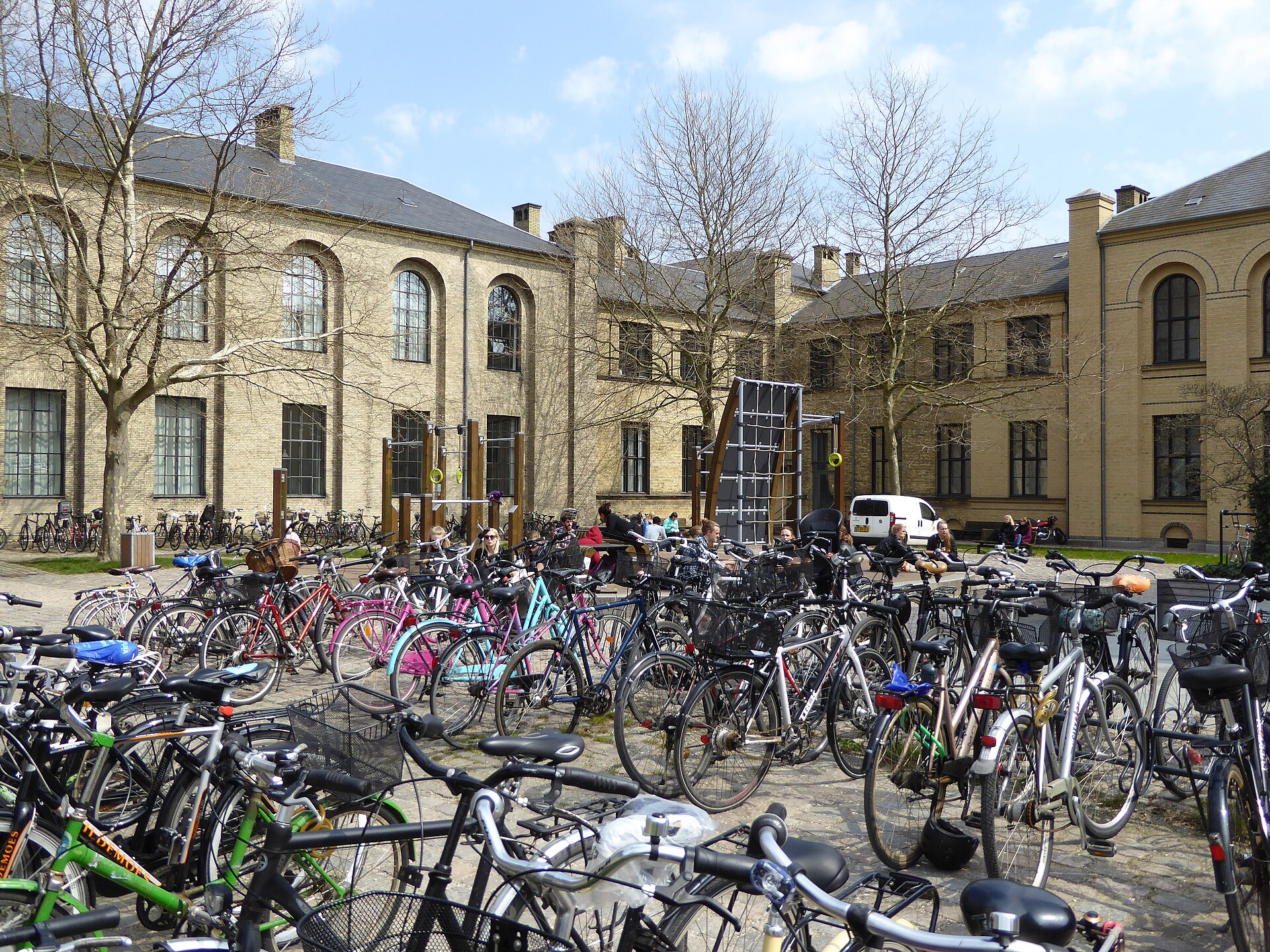
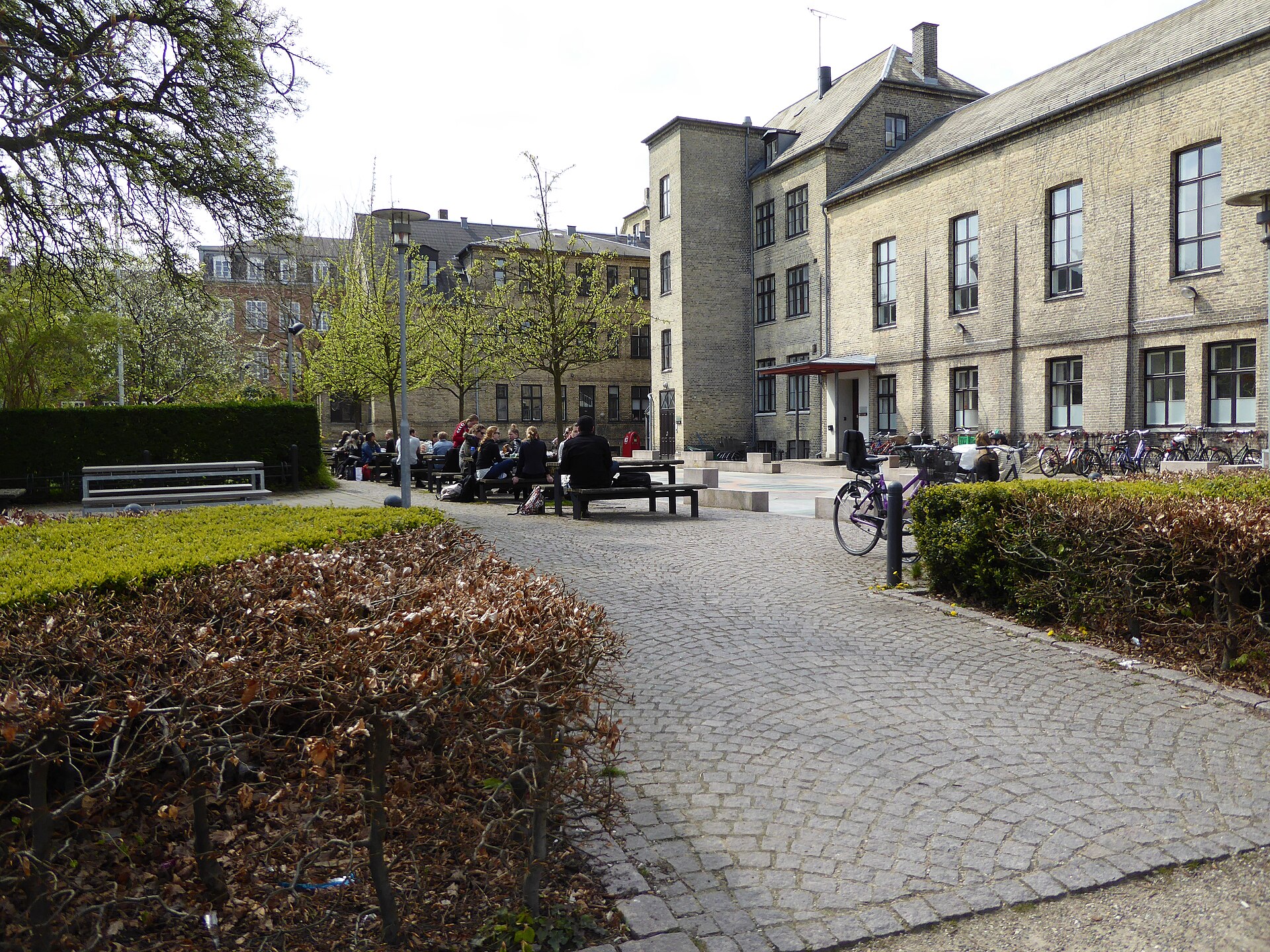
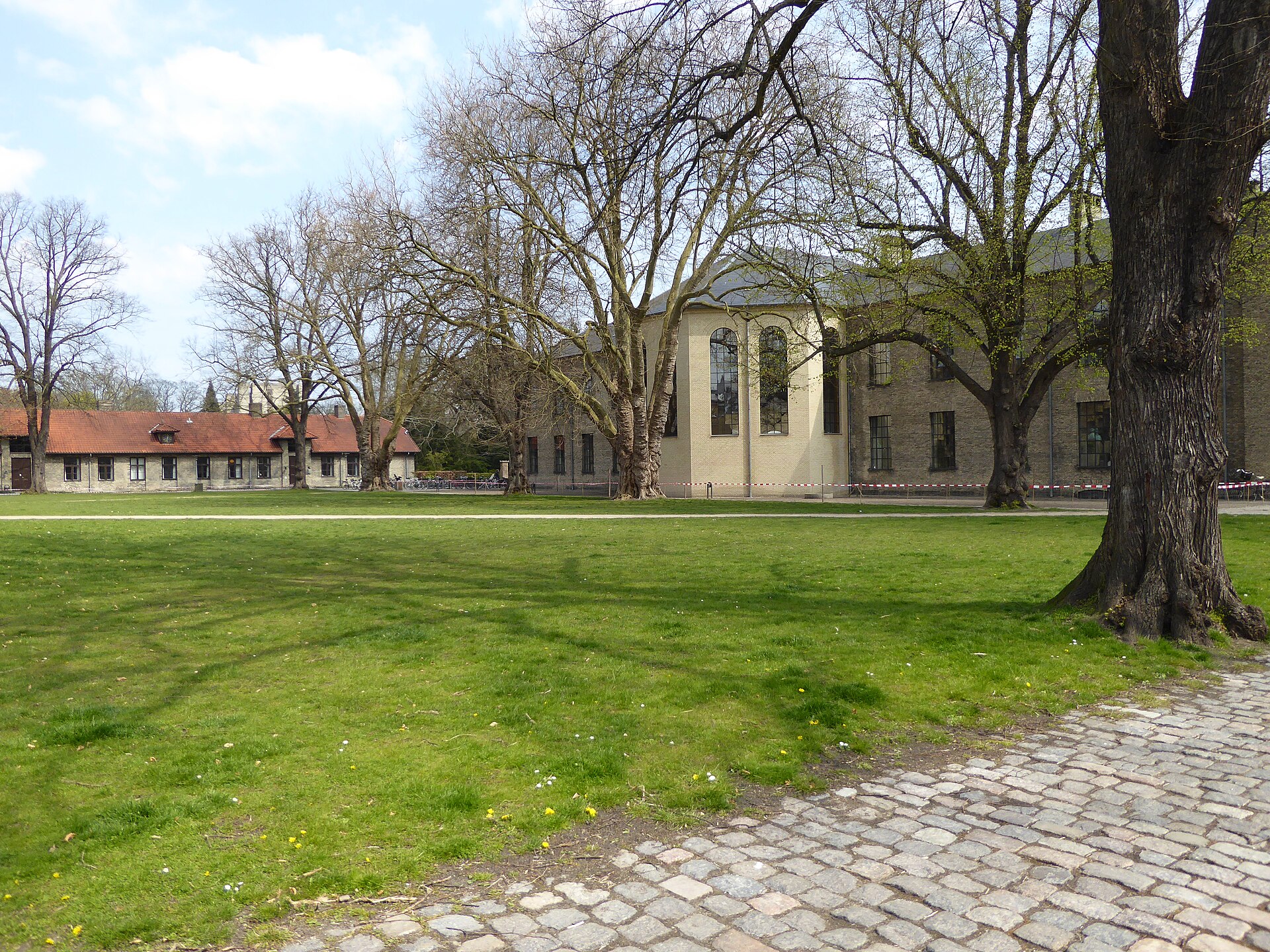
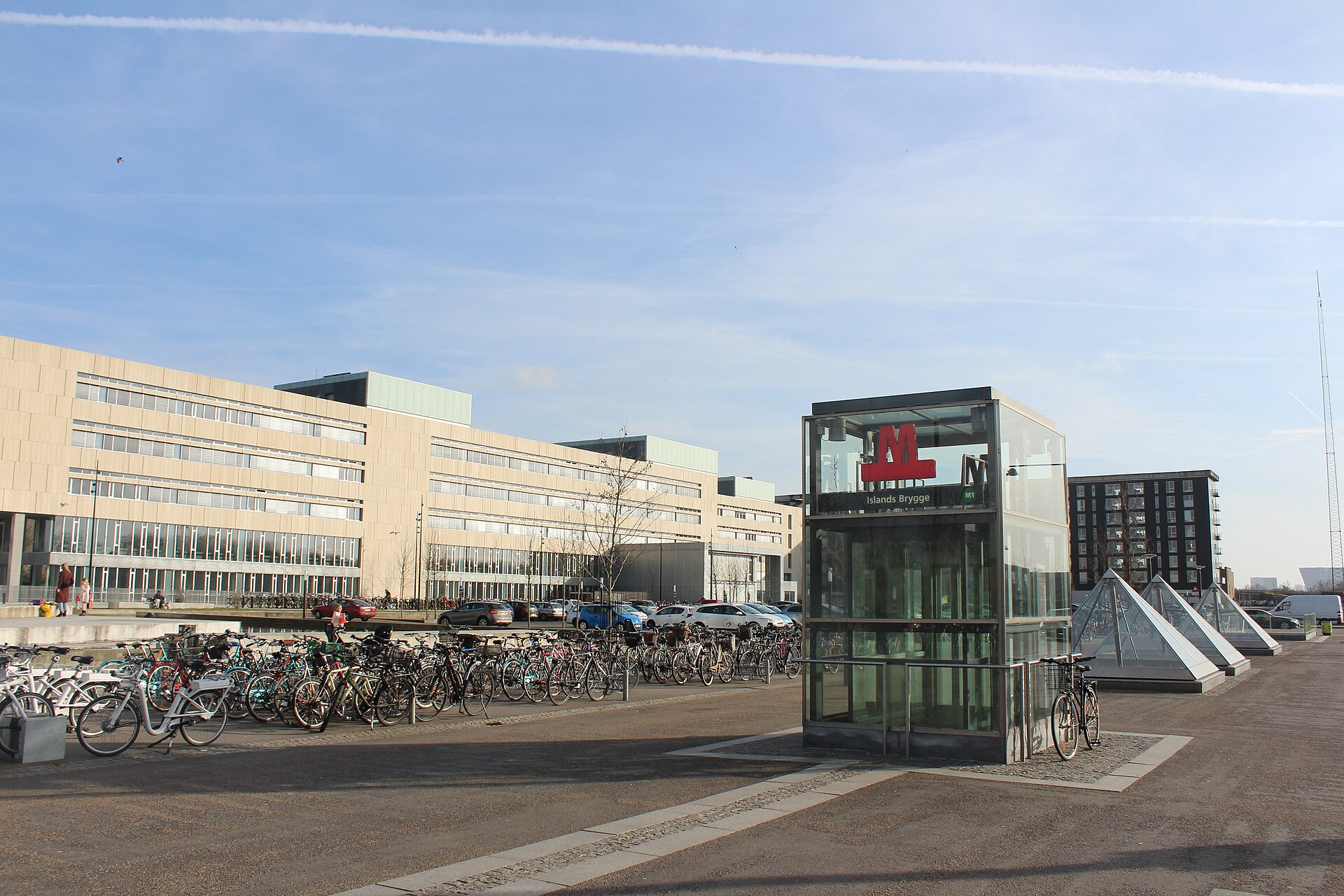
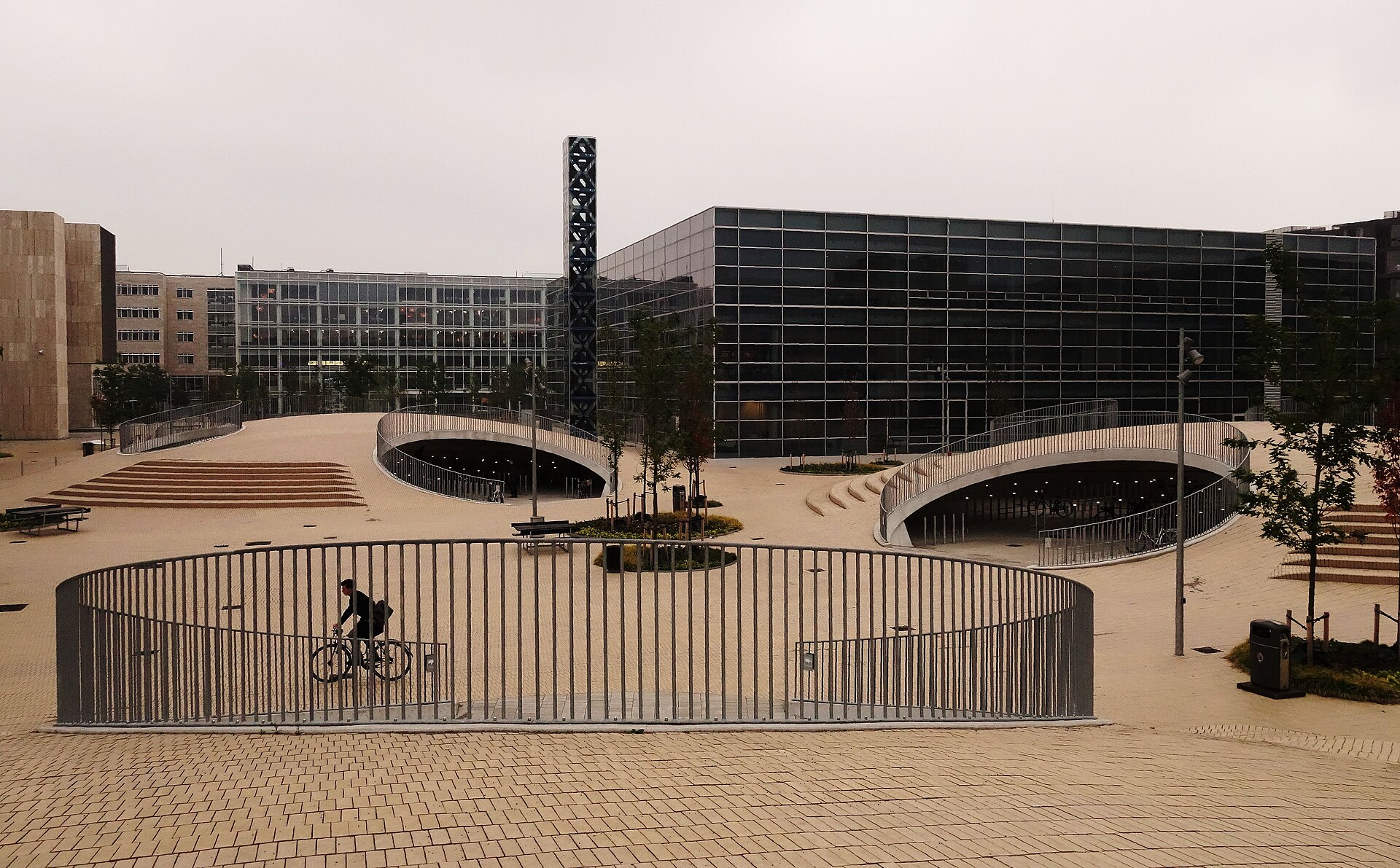
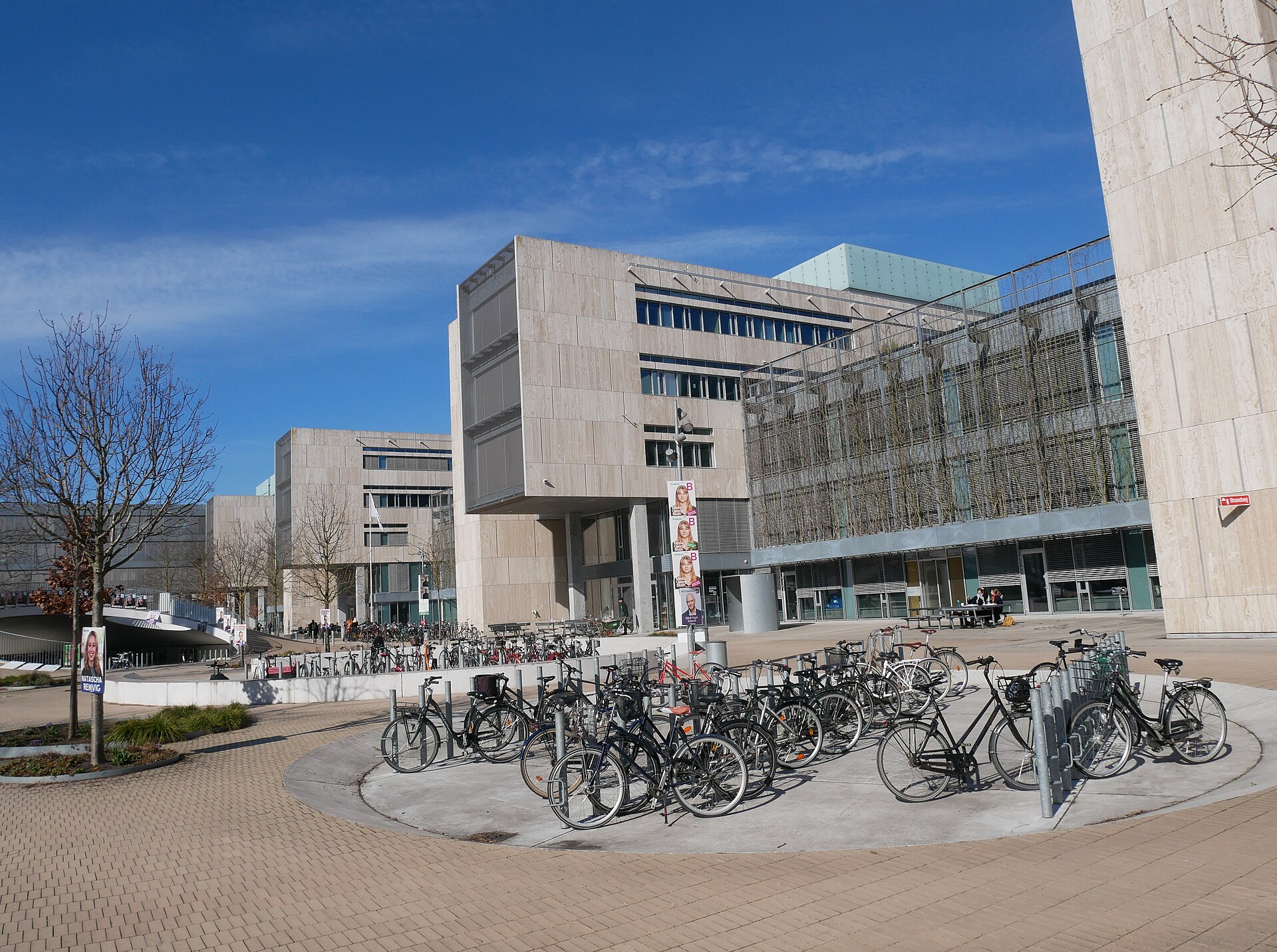
University of Copenhagen — campus in pictures
Real, freely-licensed photographs of the campus (via Wikimedia Commons).
WHY UCPH
Why Choose the University of Copenhagen
UCPH is not just Denmark's top university — it is a globally recognised research powerhouse whose alumni and faculty have shaped science, literature, medicine, and public policy for over five centuries.
SELECTIVITY
Acceptance Rate & Admissions Profile
Admission to the University of Copenhagen is competitive but structured. Unlike US institutions, UCPH uses qualification-based admissions: meeting the stated academic requirements and, for oversubscribed programmes, being ranked on academic merit. Selectivity varies significantly by programme — some master's programmes fill quickly with top-ranked applicants while others have available seats.
Non-EU/EEA international applicants should note that place availability for paying students can be more limited than for EU students (who study free) in some programmes. Applying well before the January 15 deadline for non-EU students is strongly advised.
QUICK FACTS
University of Copenhagen At a Glance
APPLICATION COMPONENTS
What the Application Consists Of
UCPH uses its own online application portal for master's programmes. There is no Common App or UCAS. Each programme has specific requirements, but the following components apply broadly to international applicants.
ADMISSIONS CRITERIA
What UCPH Looks For
UCPH's admissions system is qualification-based: if you meet the academic entry requirements for a programme, you are eligible. Where more applicants meet the requirements than there are places, UCPH ranks applicants by academic performance.
This means your undergraduate GPA, degree classification, and academic alignment with the programme are the primary drivers of admission. A strong motivation letter, however, can be decisive in programmes that use it as a selection criterion. Extracurricular activities and work experience are less weighted than at US or UK universities — academic excellence and subject fit are paramount.
APPLICATION DEADLINES
When to Apply — Rounds & Key Dates
UCPH master's application deadlines depend on your citizenship (EU/EEA vs. non-EU) and the programme start month. Most programmes start in September. Apply early — places for non-EU students can be limited.
Deadlines are for master's programmes. Bachelor's programmes are primarily taught in Danish; international students are typically directed to master's-level entry. Always verify the deadline on your specific programme page, as variations exist.
| Applicant Type | Portal Opens | Deadline | Decision |
|---|---|---|---|
| Non-EU/EEA (September start) | 15 November | 15 January (23:59 CET) | By 13 March |
| EU/EEA/Swiss (September start) | 16 January | 1 March (23:59 CET) | By 15 May |
| February start (select programmes) | August | 15 October | Rolling |
STUDENT LIFE
Life in Copenhagen — Campus, Culture & City
Copenhagen is consistently rated among the world's happiest and most sustainable cities — and studying here is genuinely special. The UCPH campus is distributed across the city rather than being a single enclosed campus, which means students are embedded in Copenhagen's neighbourhoods from day one.
The historic city centre houses the Faculty of Law and the Faculty of Humanities. The Panum Complex in the Nørrebro district hosts the Faculty of Health and Medical Sciences alongside the major Copenhagen hospitals it partners with. The Frederiksberg Campus is home to the Faculty of Science, with well-equipped labs and greenhouses. The North Campus hosts Social Sciences, and the Faculty of Theology is located at the Old Town site.
CAREER OUTCOMES
Graduate Outcomes & Career Pathways
UCPH graduates are highly sought after in Scandinavia and internationally, particularly in life sciences, pharmaceuticals, policy, academia, and international development.
Denmark's life sciences cluster — home to Novo Nordisk, Leo Pharma, Lundbeck, and Chr. Hansen — regularly recruits UCPH graduates. The UN City in Copenhagen, the WHO Europe offices, and multiple international NGOs create strong pathways into global public health and policy. For those pursuing academia, UCPH's IARU membership opens doors to PhD programmes at Harvard, Cambridge, and peer institutions. The Copenhagen Business School, located nearby, also creates cross-disciplinary collaborative opportunities.
Stats
Cards
FAQS
Frequently Asked Questions — International Applicants
Are there English-taught programmes at UCPH?+
Yes — UCPH offers a large number of fully English-taught master's degree programmes in sciences, social sciences, health, and humanities. Bachelor's programmes, however, are predominantly taught in Danish. Most international students from outside the Nordic region apply at the master's level.
Do non-EU students pay tuition at UCPH?+
Yes. EU/EEA and Swiss citizens study at UCPH free of charge. Students from outside the EU/EEA pay tuition fees, which vary by programme but are broadly in the range of the facts on file (approximately USD 18,600 per year). Tuition is significantly lower than comparable UK, Australian, or US programmes.
Is IELTS required for international applicants?+
Yes, for non-native English speakers. The minimum is IELTS Academic 6.5, TOEFL iBT 83, or Duolingo 120. Some programmes require higher scores; check your specific programme. Applicants who completed their prior education entirely in English may be exempt.
Can I apply to more than one master's programme?+
Yes. You can apply to multiple programmes through the portal. However, each programme requires its own separate set of documents and (where required) a tailored motivation letter. Non-EU applicants pay the application deposit for each programme applied to.
What is the application fee for non-EU students?+
Non-EU/EEA applicants pay a DKK 1,120 application deposit (approximately EUR 150 / USD 110). This is paid via the university's online shop before submitting. If you are admitted and enrol, this amount is deducted from your first tuition payment.
When should I apply if I'm from outside the EU?+
Non-EU/EEA applicants have an earlier deadline: January 15 (for a September start). The portal opens November 15 for non-EU applicants. EU/EEA students have until March 1. Apply by the non-EU deadline — do not miss it.
Is a motivation letter always required?+
It depends on the programme. Many master's programmes at UCPH do require a motivation letter; some do not. You must check the admission requirements listed on your specific programme's page. Where required, the letter is taken seriously and can influence selection.
Is Copenhagen expensive to live in?+
Copenhagen is a high-cost city but student life is very manageable. Student housing (via UCPH or the broader student housing system) is affordable relative to the private market. The annual cost of living estimate is approximately USD 16,000, which includes housing, food, transport, and personal costs.
ACADEMIC PROFILE
Academic Expectations at University of Copenhagen
UCPH is a research-intensive institution where academic rigour is non-negotiable. Whether you are applying for a master's in pharmaceutical sciences, political science, or computer science, the university expects strong disciplinary preparation, intellectual independence, and the ability to engage with primary research from day one.
Most master's programmes are structured around seminars, research projects, and independent thesis work rather than lecture-heavy coursework. International students should expect to read extensively, engage critically with literature, and contribute original thinking. This is not a spoon-fed curriculum — it rewards self-direction and intellectual initiative.
ACADEMIC BENCHMARKS
Academic Profile of Admitted Students
UCPH does not publicly report median SAT/ACT scores (these tests are not part of the Danish admissions system). The key academic benchmarks for international applicants are based on degree classification, GPA equivalent, and the IB Diploma where applicable.
TEST POLICY
Standardised Test Policy — SAT, ACT & Entrance Exams
UCPH does not require SAT or ACT scores — these American standardised tests play no role in the UCPH admissions process. Admission is based on your academic qualifications (your degree, transcripts, and grade profile) and, where relevant, a motivation letter.
UCPH's test policy is formally 'optional' in the context of international qualifications: the university assesses international credentials on their own terms. If you hold an IB Diploma, A-Levels, or a national degree, those are evaluated directly against the programme's stated entry requirements — no translation to an SAT/ACT equivalent is needed or expected.
FOR IB STUDENTS
How IB, A-Level & International Qualifications Are Evaluated
UCPH has a clear framework for accepting international qualifications at the master's level. The university evaluates your bachelor's degree from your home country against Danish equivalency standards.
ENGLISH REQUIREMENTS
English Language Proficiency Requirements
All non-native English speakers applying to English-taught programmes at UCPH must demonstrate English proficiency through an approved test. Some nationalities and educational backgrounds are exempt — always verify on your specific programme page.
Students who completed their entire prior education (including bachelor's) in English at an accredited institution may be exempt from the language requirement. Verify exemption eligibility on your programme page.
| Test | Minimum Score | Notes |
|---|---|---|
| IELTS Academic | 6.5 overall | No band below 6.0 for most programmes |
| TOEFL iBT | 83 | Internet-based test |
| Duolingo English Test | 120 | Accepted for 2024–25 entry onwards |
| Cambridge CAE / CPE | Grade C or above | Accepted at most faculties |
SUBJECT PREPARATION
Academic Preparation for UCPH's Key Fields
UCPH's strongest programmes demand specific undergraduate preparation. The following cards outline what rigorous preparation looks like for the university's flagship disciplines.
PROFILE BUILDING
Building Your Academic Profile — A Year-by-Year Roadmap
For international students aiming at UCPH master's programmes, the window to build a competitive application begins well before your final year of undergraduate study.
COMMON MISTAKES
Academic Application Mistakes to Avoid
Based on what UCPH communicates to applicants and the common pitfalls of European graduate admissions, avoid these errors.
- Applying to a Danish-taught programme without Danish language skills — many bachelor's programmes are only in Danish. Always check the language of instruction.
- Missing the non-EU January 15 deadline — this is a hard cutoff with no exceptions. Start the portal early to avoid technical issues.
- Submitting a generic motivation letter that could apply to any university — UCPH admissions staff read specificity and programme fit. Write for this programme, not for a template.
- Forgetting to pay the DKK 1,120 application deposit before submitting — applications from non-EU students without the deposit receipt are not processed.
- Not checking individual programme requirements — English test minimums, prerequisite subjects, and required documents vary by faculty and programme. The general website is not a substitute for your programme's specific page.
- Assuming SAT/ACT scores are needed — they are not required or considered. Submit your undergraduate academic record and language test results instead.
- Uploading documents in Word format — UCPH only accepts PDF, JPEG, JPG, PNG, and XLSX formats. Word documents are rejected.
- Applying without checking if your bachelor's degree is recognised as equivalent to a Danish bachelor's (180 ECTS) — if your degree is less than 3 years, you may need additional credits.
COST & AID
Cost of Attending University of Copenhagen
UCPH's cost structure is fundamentally different from US or UK universities. EU/EEA students pay zero tuition. Non-EU/EEA students pay programme-specific tuition — but at rates well below comparable research universities in the UK, US, or Australia.
Copenhagen itself is an expensive city, but student infrastructure (housing foundations, subsidised canteens, free healthcare for registered students in Denmark, and heavily discounted public transport passes) means the real cost of student life is substantially lower than the headline cost-of-living figures in other major European capitals.
COST BREAKDOWN
Annual Cost Estimate — International (Non-EU) Students
The following figures are annual estimates for non-EU/EEA students attending an English-taught master's programme. All values are sourced from the university's facts data and should be verified against your specific programme's published fee.
EU/EEA/Swiss students pay no tuition. Danish and Nordic students pay tuition only for certain programmes. Always confirm your programme's specific fee on the UCPH admissions website.
| Component | Annual Usd | Notes |
|---|---|---|
| Tuition Fees (Non-EU) | $18,600 | Varies by programme; verify on programme page |
| Cost of Living (Copenhagen) | $16,000 | Housing, food, transport, personal costs |
| Estimated Total Cost of Attendance | $36,000 | Indicative; includes tuition + living |
| Application Deposit (Non-EU, one-time per programme) | $110 | DKK 1,120; deducted from tuition if admitted |
FINANCIAL AID
Financial Aid for International Students
UCPH's financial aid landscape for non-EU international students is more limited than at US universities with large endowments. The most important thing to understand: there is no need-blind or need-based aid programme for non-EU international students comparable to US or UK programmes.
The best financial routes for non-EU students are: (1) government-sponsored scholarships from your home country that can be used at any approved institution (e.g., government fellowships, bilateral agreements); (2) UCPH-specific merit scholarships and tuition waivers for selected programmes; (3) external scholarships from EU and Danish funding bodies. Always check with your home country's education ministry for outbound scholarship opportunities.
The avgAidPct for UCPH is not publicly reported for non-EU international students. Describe qualitatively: aid availability is limited and competitive; most non-EU students are self-funded or hold government/external scholarships.
SCHOLARSHIPS
Scholarships & Funding Opportunities
While UCPH does not operate a large institutional scholarship programme for non-EU students comparable to US private universities, a number of funding routes are available. Research current offerings on the official UCPH fees and funding page, as availability changes annually.
AFFORDABILITY
The Real Cost of Studying in Copenhagen
UCPH's tuition for non-EU students (approximately USD 18,600/year) is significantly lower than UK Russell Group universities (USD 25,000–45,000/year) or comparable US research universities. When you factor in Copenhagen's excellent student infrastructure, the value proposition improves further.
Denmark's public healthcare system covers registered international students during their stay. Copenhagen has an excellent and affordable cycling infrastructure, a heavily subsidised public transport system for students (with discount passes available), and UCPH's student canteens offer subsidised meals on campus. The actual monthly spend for a frugal-to-comfortable student lifestyle in Copenhagen is approximately DKK 7,000–10,000 (USD 1,000–1,500) per month, inclusive of rent in student housing.
Copenhagen's private housing market is competitive. Securing a place in UCPH's student housing (or KAB housing foundation) substantially reduces housing costs. Apply for student housing as early as possible — waiting lists are long.
FUNDING ROADMAP
Steps to Fund Your UCPH Education
COST FAQS
Cost & Aid Frequently Asked Questions
Do EU students really pay no tuition at UCPH?+
Yes. Citizens of EU/EEA member states and Switzerland study at UCPH at no tuition cost, in the same way as Danish students. This applies to full bachelor's and master's degree programmes. EU students still pay for living costs.
How much is the tuition fee for non-EU students?+
Non-EU/EEA students pay programme-specific tuition fees. The indicative annual figure is approximately USD 18,600, but this varies by programme and faculty. Always verify on your specific programme's fees page, as exact amounts differ.
Is there need-based financial aid for international students?+
UCPH does not operate a large need-based financial aid programme for non-EU international students. Most students are self-funded or hold external/government scholarships. Some programmes offer merit-based tuition reductions — check your programme page.
Can I work while studying in Denmark on a student visa?+
Yes. Denmark's student visa (study permit) allows non-EU students to work up to 20 hours per week alongside full-time study, and full-time during the summer. Student jobs (studiejobs) are common in Copenhagen, especially in hospitality, retail, and research assistant roles.
Is the application deposit refundable if I am rejected?+
If your application is rejected, the DKK 1,120 application deposit is not refunded. If you are admitted and enrol, it is deducted from your first tuition payment. If admitted but you withdraw before enrolment, the deposit is generally not refunded.
Is Copenhagen expensive compared to other European cities?+
Copenhagen is one of Europe's more expensive cities by headline metrics, but the student experience is cushioned by student housing foundations, subsidised canteens, student transport discounts, and free healthcare. The realistic monthly budget for a student living frugally is approximately DKK 7,000–9,000 (USD 1,000–1,350).
APPLICATION & MOTIVATION
Applying to UCPH — No Essays, But Motivation Matters
The University of Copenhagen does not use the US Common Application, UCAS, or a personal statement in the UK sense. Admissions are primarily merit-based — your academic qualifications come first. However, many master's programmes require a motivation letter, and this document can be decisive in competitive programmes.
This guide explains the UCPH application process honestly, frames the motivation letter for what it actually is (an academic document, not a creative essay), and gives you a clear strategy for standing out in a qualification-based admissions system.
APPLICATION SYSTEM
How UCPH Applications Actually Work
UCPH uses a direct university application through its own online portal. There is no centralised system like Common App (US) or UCAS (UK). Each faculty and programme sets its own specific requirements, which means you must read your target programme's admission page carefully.
MOTIVATION LETTER
The UCPH Motivation Letter — What It Is & What It Isn't
Where a motivation letter is required, it is the most important piece of writing in your UCPH application. It is not a US-style 'tell your story' personal statement. It is an academic document that must answer specific questions about your qualifications and intentions.
MOTIVATION LETTER STRATEGY
Writing a Strong UCPH Motivation Letter
The UCPH motivation letter is best thought of as a condensed academic cover letter — not a personal narrative. Danish academic culture values clarity, precision, and intellectual substance over storytelling or emotional appeals.
The most effective UCPH motivation letters follow a clear structure: (1) brief statement of your academic background and most relevant qualifications; (2) specific explanation of why this programme, with reference to research groups, curriculum, or faculty; (3) your academic or professional goals post-graduation and how this programme serves them. Aim for 1–1.5 pages. Avoid padding. Every sentence should earn its place.
A common mistake is writing the same motivation letter for multiple programmes with minimal changes. UCPH faculty are experienced at spotting generic applications. The letter should read as if you wrote it exclusively for this programme.
SUPPORTING DOCUMENTS
Supporting Application Documents Strategy
Beyond the motivation letter, the supporting documents in your UCPH application carry significant weight. Here is how to approach each.
WHAT TO WRITE ABOUT
Choosing What to Highlight in Your Application
The UCPH motivation letter rewards intellectual precision and subject specificity. The most effective applications focus on a few concrete academic experiences rather than surveying everything you have ever done.
COMMON MISTAKES
Application Mistakes to Avoid at UCPH
- Applying to Danish-taught programmes without Danish language skills — the language of instruction is always specified; ignoring it wastes your application deposit.
- Writing a generic motivation letter that could apply to any European university — UCPH faculty expect programme-specific reasoning.
- Missing the January 15 non-EU deadline — there are no extensions. Submit 1–2 weeks early to avoid portal technical issues.
- Failing to pay the DKK 1,120 deposit before submitting — your application will not be processed without it.
- Submitting transcripts in Word format — only PDF, JPEG, JPG, PNG, or XLSX are accepted.
- Applying without checking whether your bachelor's degree is accepted as equivalent to a 180-ECTS Danish bachelor's degree — some degrees require credit supplementation.
- Not tailoring the motivation letter to the specific programme — especially important for competitive life sciences, CS, and medicine programmes.
- Leaving the English test too late — scores must be available by the application deadline. Book your IELTS/TOEFL at least 2 months in advance.
APPLICATION FAQS
Application & Motivation Letter Frequently Asked Questions
Do I need to write a personal statement or Common App essay for UCPH?+
No. UCPH does not use Common App, UCAS, or a universal personal statement. If your programme requires a motivation letter, it will be specified on the programme's admissions page. Many programmes do not require any essay at all.
How long should a UCPH motivation letter be?+
Typically 1–2 pages (approximately 400–700 words). Some programmes specify a word or page limit. Follow the limit precisely. If no limit is given, aim for 1–1.5 pages of focused, substantive content.
Should my motivation letter be in English or Danish?+
For English-taught programmes, write in English. For Danish-taught programmes, write in Danish (or whichever language the programme specifies). If you are applying to a Danish-taught programme without strong Danish, reconsider whether the programme is appropriate for you.
Is there an interview at UCPH?+
Interviews are not a universal part of UCPH admissions. Some competitive programmes (medicine, certain research master's programmes) do include an interview stage. Check your target programme's requirements.
Can I apply to multiple programmes with the same motivation letter?+
Technically you can apply to multiple programmes in the same portal session, but you should tailor your motivation letter for each programme. A generic letter submitted to multiple programmes is a common mistake that admissions readers notice.
What matters more — my GPA or my motivation letter?+
For most UCPH programmes, your academic record (GPA, degree classification, subject alignment) is the primary selection criterion. In oversubscribed programmes where many applicants meet the requirements, the motivation letter and supporting documents distinguish between similarly qualified applicants.
Can TYCHR help me with my UCPH motivation letter?+
Yes. TYCHR's counsellors are experienced in guiding students through European graduate admissions, including crafting motivation letters that are academically precise, programme-specific, and compelling to Scandinavian admissions readers.
Courses — schools, degrees & intake
49 degrees across 6 groupings.
Faculty of Health and Medical Sciences · 10 degrees
Medicine
Dental Surgery
Veterinary Medicine
Pharmacy
Dental Hygiene
Public Health Science
Health Informatics
Molecular Biomedicine
Medicine and Technology
Cognitive Data Science
Faculty of Science · 20 degrees
Biology
Biochemistry
Chemistry
Physics
Mathematics
Mathematics-Economics
Computer Science
Computer Science and Economics
Nanoscience
Bioinformatics
Geology-Geoscience
Geography and Geoinformatics
Pharmaceutical Sciences
Food Science and Technology
Agriculture (Agronomy)
Animal Science
Environmental Science
Natural Resources
Sustainable Forest and Nature Management
Biotechnology
Faculty of Humanities · 12 degrees
Danish
English
History
Philosophy
Linguistics
African Studies
Asian Studies
Film and Media Studies
Musicology
European Ethnology
Religious Studies
Dance Studies
Faculty of Social Sciences · 5 degrees
Economics
Political Science
Sociology
Psychology
Anthropology
Faculty of Law · 1 degrees
Law (LL.B.)
Faculty of Theology · 1 degrees
Theology
Want your real chances at University of Copenhagen?
Create a free TYCHR account for your personalised admit-chance, a shortlist you can track, exact entry requirements, and essay + counselling help.