University of Cologne
Cologne, Germany · Urban
GERMANY · COLOGNE · EST. 1388
University of Cologne Admissions Guide for International Students
One of Europe's oldest universities and Germany's largest by enrolment, the University of Cologne combines six centuries of academic tradition with a forward-looking research agenda in the heart of the Rhineland. With its world-renowned WiSo faculty — one of only a handful in Europe to hold both EQUIS accreditation and CEMS membership — and a campus embedded in Germany's fourth-largest city, Cologne offers international students a genuinely European education at a fraction of the cost of comparable institutions in the UK or US.
This guide is written specifically for international students navigating Germany's direct-application system. Most undergraduate programmes are taught in German; English-taught options are concentrated at Master's level. Understanding the German admissions logic — grades-first, semester fees instead of tuition, and motivation letters in place of American-style essays — is the first step to a successful application.
Campus
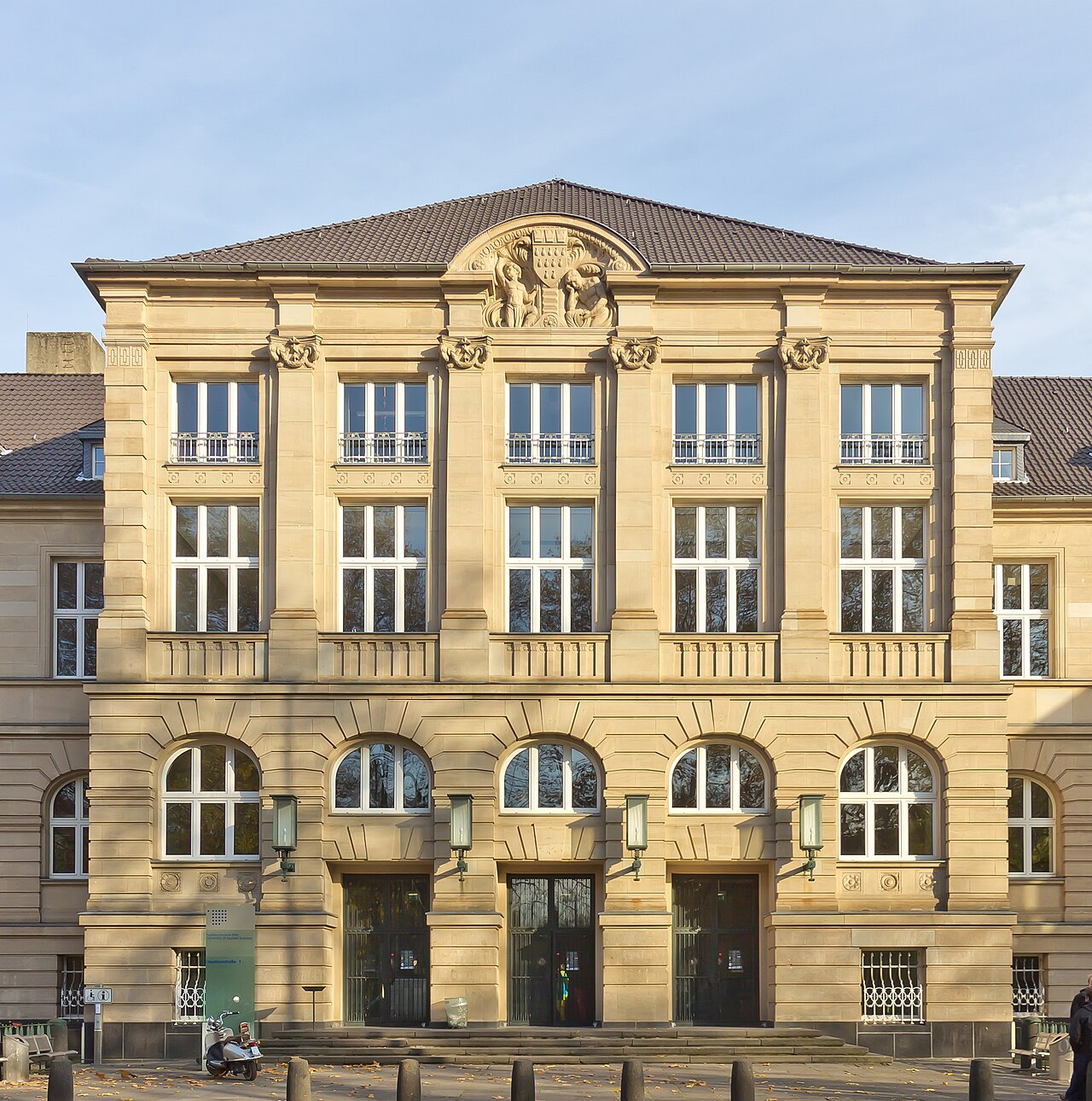
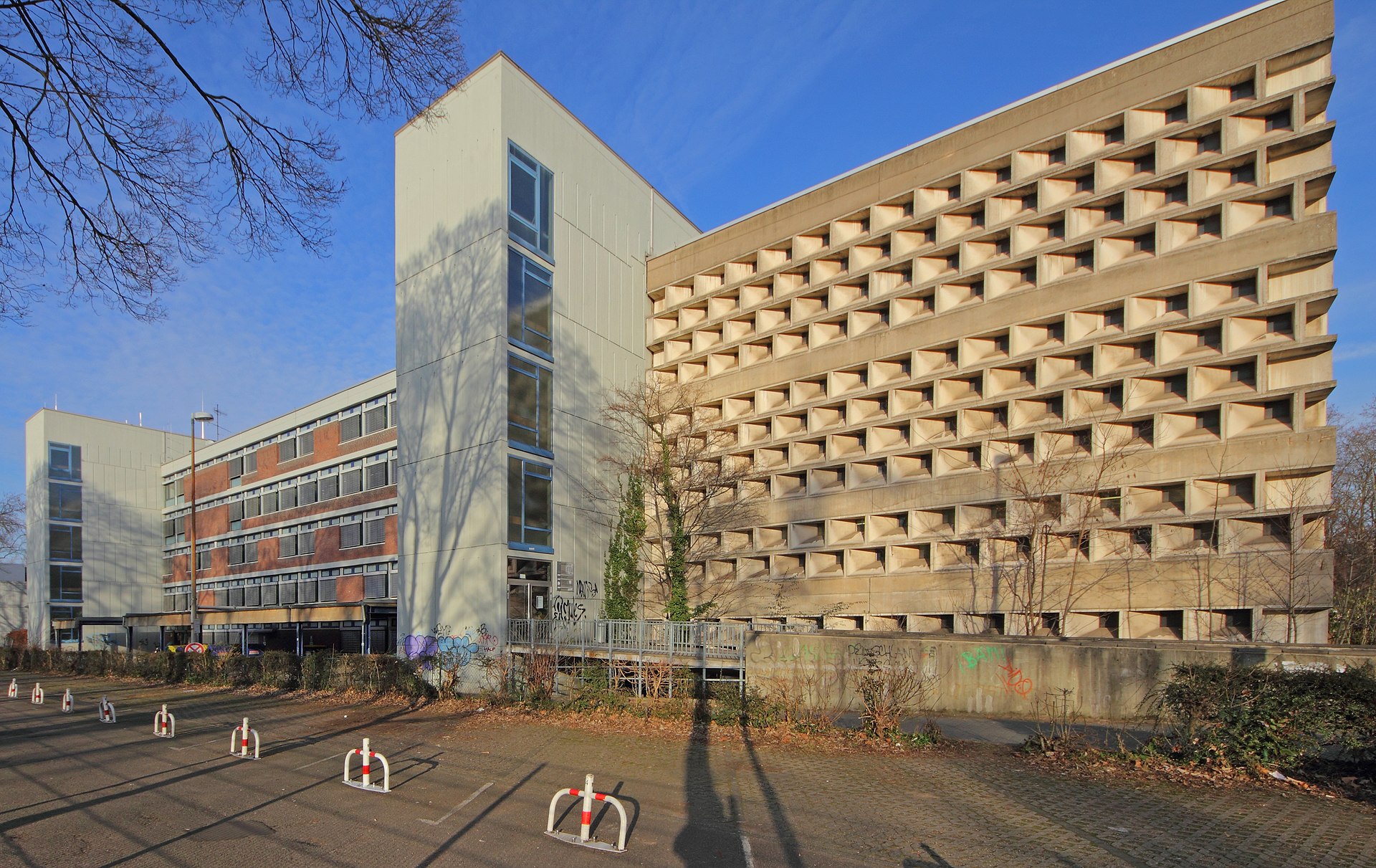
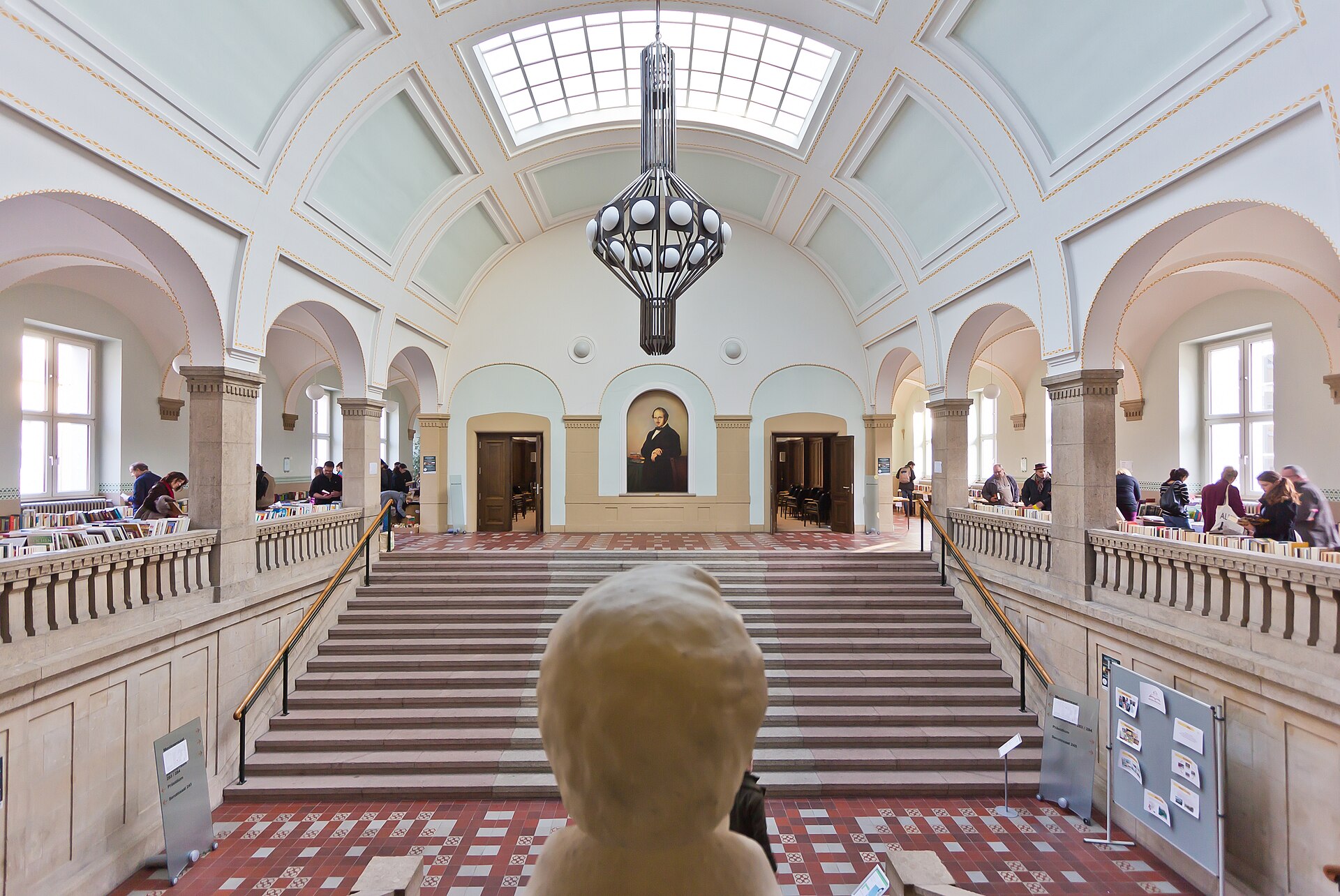
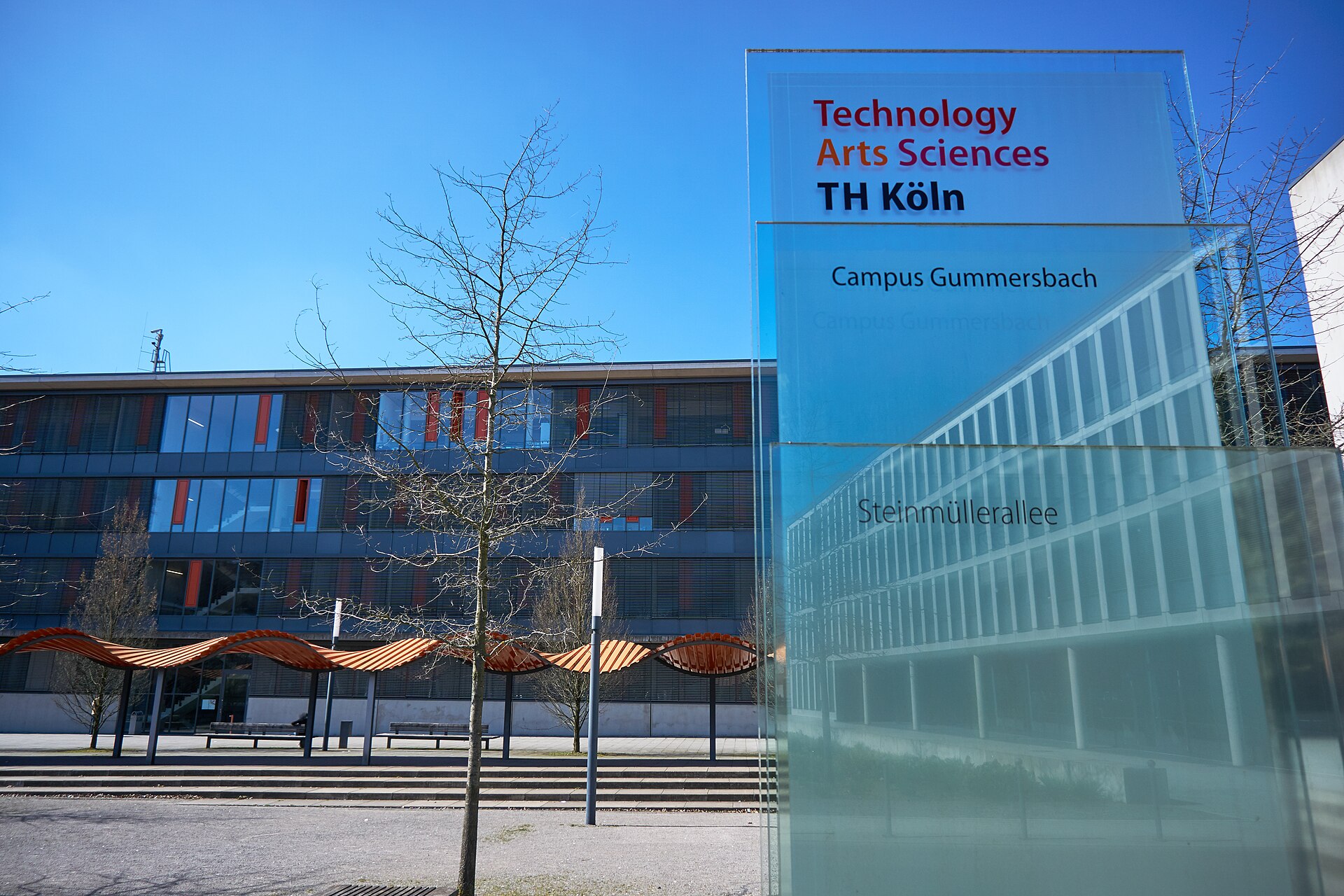
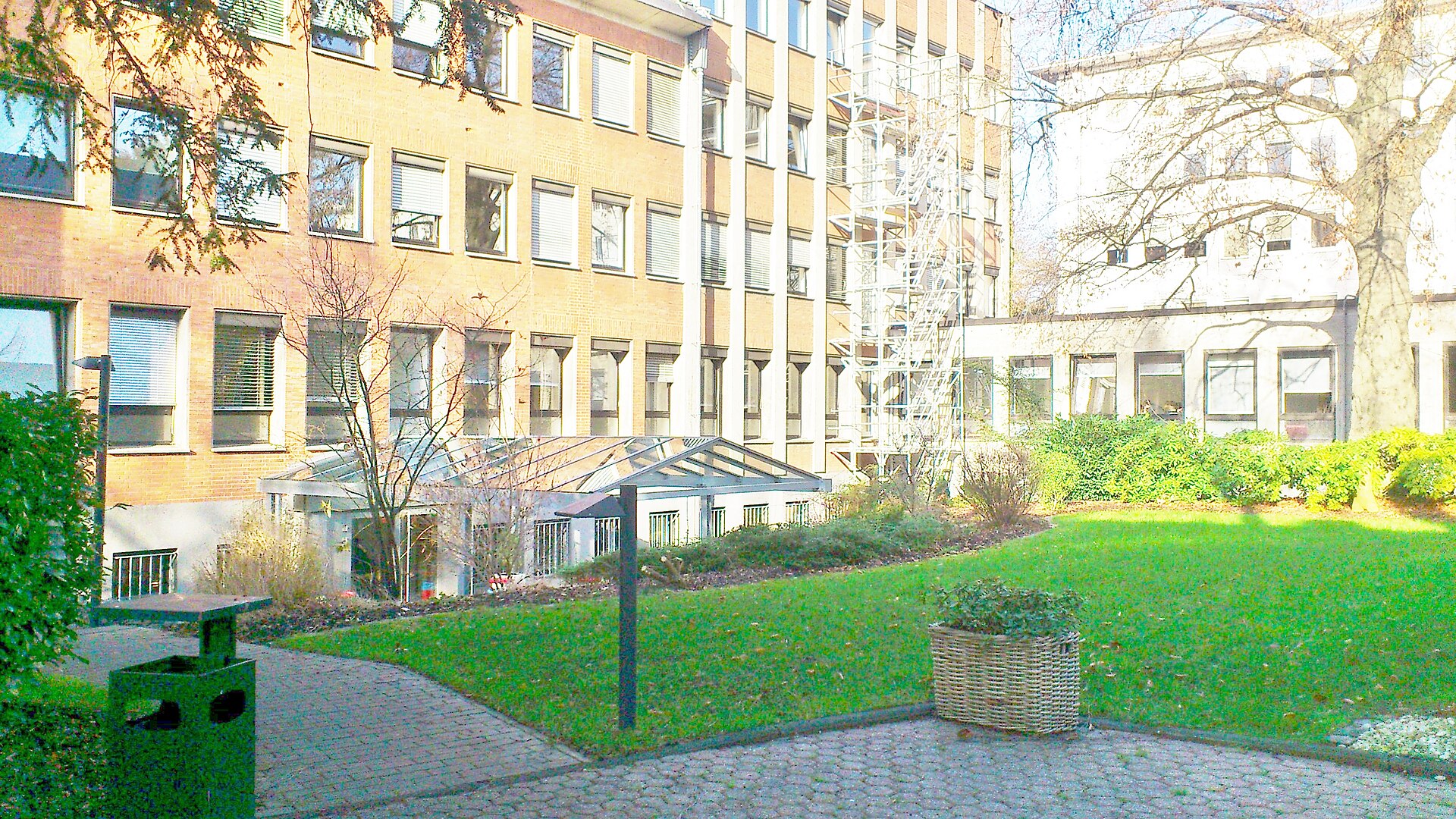
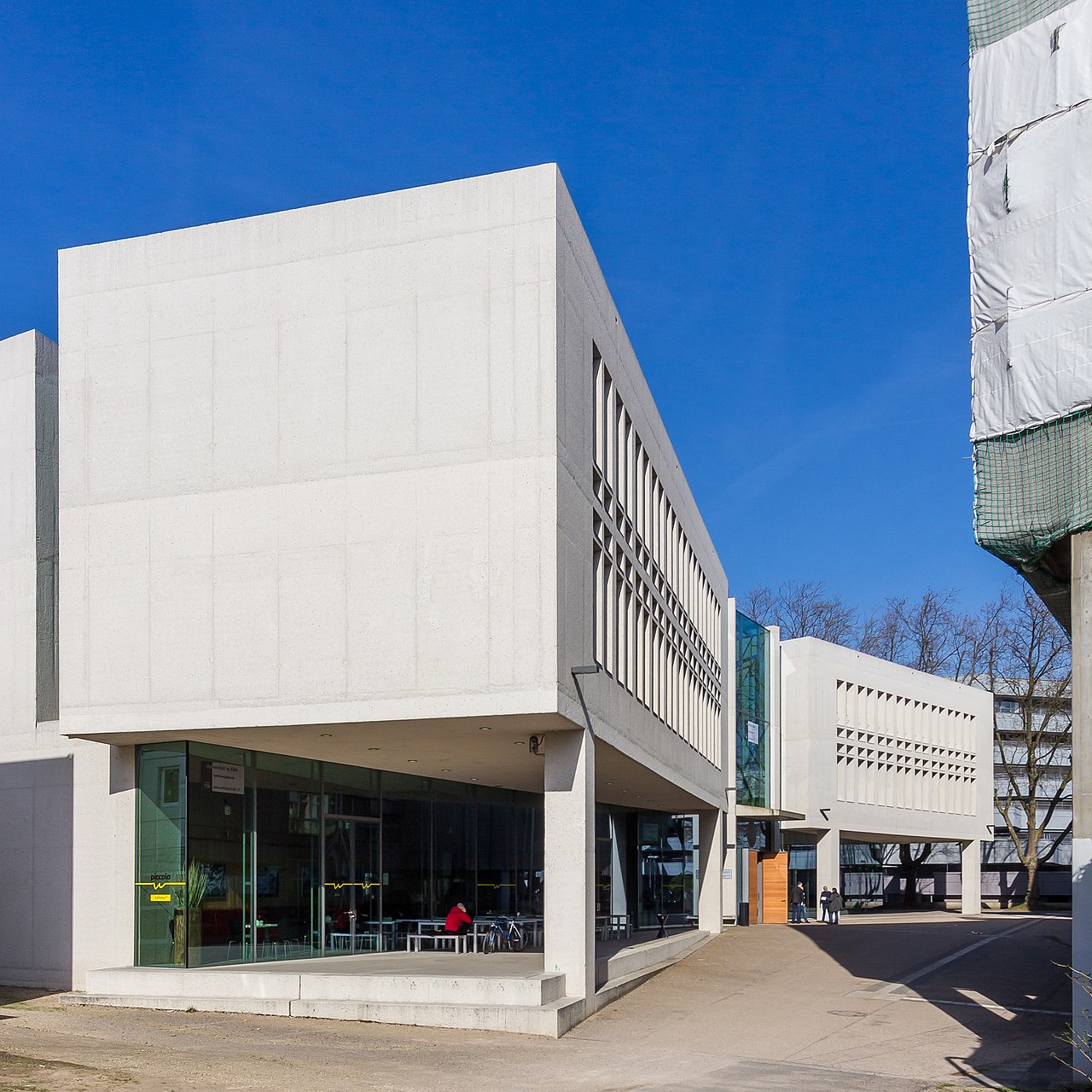
University of Cologne — campus in pictures
Real, freely-licensed photographs of the campus (via Wikimedia Commons).
WHY COLOGNE
Why Study at the University of Cologne
From its towering Gothic cathedral to its annual carnival, Cologne is a city that values both intellectual depth and joyful community — and the university reflects exactly that character.
SELECTIVITY
Admissions Profile & Selectivity
The University of Cologne uses a grade-based admissions system. Unlike US or UK universities, there is no holistic review panel weighing extracurriculars, essays, and references for most programmes. Admission is governed primarily by your academic average (Abitur equivalent) and, for restricted-admission programmes, by a Numerus Clausus (NC) — a grade threshold that varies by programme and cohort.
With an overall acceptance rate of approximately 35%, Cologne is selectively competitive for its most sought-after programmes (Business Administration, Law, Medicine, Psychology), while maintaining more open entry for programmes in natural sciences and humanities. The IB benchmark in the facts file (33 points) reflects a general indicator; specific programme requirements can be higher or lower depending on demand.
AT A GLANCE
University of Cologne — Quick Facts
HOW TO APPLY
What the Application Consists Of
Applications to the University of Cologne are made directly through the university's online portal (KLIPS 2.0). There is no centralised clearing system for international bachelor's applicants equivalent to UCAS or Common App. Master's applications are submitted programme-by-programme via the faculty portal.
ADMISSIONS PROFILE
What the University of Cologne Looks For
The University of Cologne's admissions philosophy is primarily meritocratic and grade-based. For international students, the key question is whether your qualifications meet the equivalency standards for German university entry.
IB Diploma holders are generally well regarded — the IB's rigour is recognised, and a score of around 33 or above typically satisfies entry requirements for most programmes. Higher scores (35+) are advisable for competitive programmes such as Business Administration, Medicine, Law, or Psychology, where the NC (grade threshold) reflects intense domestic demand. A-Level students with strong grades across three subjects are also eligible, and students from national systems (CBSE, ISC, HKDSE, Gaokao, etc.) must have their qualifications evaluated for German-equivalency, often through the uni-assist service.
DEADLINES
Application Deadlines & Key Dates
The German academic year has two semesters: Winter Semester (starting October) and Summer Semester (starting April). Most international applicants target the Winter Semester intake. Application deadlines vary by programme type — always verify on the official programme page as dates can shift annually.
These are indicative dates based on standard German university application cycles. Always verify exact deadlines on the University of Cologne's official admissions pages at uni-koeln.de before applying.
| Intake | Application Open | Deadline | Notes |
|---|---|---|---|
| Winter Semester (Oct start) | May/June | ~15 July | Most popular intake for international students |
| Summer Semester (Apr start) | Nov/Dec | ~15 January | Fewer programmes available; less common for first-year entry |
| Master's programmes | Varies | Programme-specific | Check each faculty's portal directly |
CAMPUS & CITY LIFE
Student Life in Cologne
The University of Cologne's main campus lies in the Lindenthal district, a pleasant residential neighbourhood about 20 minutes from the city centre by tram. The campus is compact and walkable, with most faculties within easy reach of one another and a lively Mensa (student cafeteria) at its core.
Cologne itself is one of Germany's most liveable cities — cosmopolitan, creative, and significantly more affordable than Munich or Frankfurt. The city sits on the Rhine, and the sight of the Gothic Cologne Cathedral (Kölner Dom) from the central station is one of Europe's more arresting arrivals. Beyond the cathedral, Cologne has world-class museums (Wallraf-Richartz, the Museum Ludwig for modern art, and the Chocolate Museum, inevitably), one of Germany's most active live music scenes, and a nightlife culture that comes alive especially during Karneval in February.
CAREER OUTCOMES
Careers & Graduate Outcomes
Cologne graduates are well placed in Germany's job market, particularly in the Rhine-Ruhr corridor — the densest concentration of corporate headquarters in continental Europe outside Paris. With an employment rate of approximately 90% among graduates, the university's career pathways are strong across sectors.
WiSo graduates are recruited by major consulting firms (McKinsey, BCG, Deloitte), international banks, and media conglomerates headquartered in Cologne and Düsseldorf. Natural sciences graduates find openings in Cologne's life-sciences cluster and BASF/Bayer's regional operations. Law graduates feeding into German legal practice or the EU institutions in Brussels and Luxembourg represent another significant pathway. The average starting salary for Cologne graduates is approximately $55,000 USD — in line with German professional norms and meaningfully higher in business and consulting roles.
FAQS
Frequently Asked Questions — University of Cologne
Can I study at the University of Cologne entirely in English?+
Most undergraduate (bachelor's) programmes are taught entirely in German and require C1-level proficiency. English is the medium of instruction for a growing number of Master's programmes, particularly in the WiSo faculty (business, economics, management science) and some science disciplines. Doctoral research can often be conducted and supervised in English. Always verify the language of instruction on the specific programme page before applying.
Is there tuition at the University of Cologne?+
No — the University of Cologne charges a semester contribution (Semesterbeitrag) of roughly €300 per semester rather than tuition fees. This applies to all students, including non-EU internationals. The fee covers student services, the Semesterticket for public transport, and administration. Total cost of attendance is driven primarily by living costs, not by academic fees.
Do I need an APS certificate?+
Students from China, Vietnam, and Mongolia must obtain an APS (Akademische Prüfstelle) certificate confirming the authenticity and equivalency of their academic credentials before applying. The APS process is administered by the German Embassy/Consulate in your home country and can take several months — start early. Students from most other countries are not required to hold an APS.
What is uni-assist and do I need it?+
uni-assist (Gesellschaft für akademische Studienvorbereitung und Testentwicklung) is a service that evaluates foreign qualifications for German universities. Some universities and programmes route international applications through uni-assist; others handle them directly. Check the specific programme's application instructions to determine which route applies. There is a fee for uni-assist processing.
How competitive is medicine at Cologne?+
Medicine (Medizin) is among the most restricted programmes in Germany. Domestic applicants compete through a national allocation system; international applicants should expect extremely high academic thresholds. Admission requires near-perfect grades and, for non-EU students, a special application pathway. The WiSo business and management programmes are competitive but more accessible for international students with strong IB or A-Level results.
Are DAAD scholarships available for students at Cologne?+
Yes. The DAAD (German Academic Exchange Service) funds students at German universities through a range of competitive programmes covering Master's studies, doctoral research, and language courses. Separately, the Deutschlandstipendium (Germany Scholarship) is open to all enrolled students who demonstrate outstanding academic achievement — students apply through the university once admitted. Check daad.de for the full scholarship database.
What is the CEMS programme at the WiSo faculty?+
The CEMS Master's in International Management is a dual-degree programme offered jointly by 34 elite partner schools worldwide. Cologne's WiSo faculty is the German CEMS partner. Students complete coursework at two CEMS institutions, undertake an international internship, and graduate with both the CEMS MIM degree and Cologne's own MSc. It is among the most sought-after business Master's pathways in Europe.
How do I find housing as a new international student?+
Apply to the Kölner Studierendenwerk (KSTW) dormitories as soon as you receive your admission confirmation — waitlists can be long. The university's accommodation portal also lists approved private housing. The Cologne student housing market is competitive; arriving with accommodation confirmed is strongly recommended.
ACADEMICS
Academic Expectations for International Students
At the University of Cologne, academic rigour is expressed differently from UK or US universities — there are fewer mid-semester assignments and more weight on final examinations (Klausuren) or research papers (Hausarbeiten). Understanding this pedagogical model before arrival prevents common first-year surprises.
The university is organised into six faculties: Management, Economics and Social Sciences (WiSo); Law; Medicine; Arts and Humanities; Mathematics and Natural Sciences; and Human Sciences. Each faculty has its own academic culture, assessment style, and pace. WiSo and Law programmes are among the most structured; humanities programmes give considerable independence to students in choosing modules and scheduling their path to degree completion.
Attendance expectations vary by programme. Lecture attendance is often optional (though implicit for success), while seminars (Seminare) and practical courses (Übungen) typically require active participation and often a presentation or written paper to pass. The grading scale runs from 1.0 (excellent) to 4.0 (pass), with 5.0 being failure.
ACADEMIC PROFILE
Academic Benchmarks for Admission
Admission to the University of Cologne is grade-based. For international qualifications, the university assesses an equivalency to the German Abitur scale. Below are the key benchmarks from verified data:
TEST POLICY
Standardised Tests — Test-Blind Admissions
The University of Cologne is entirely test-blind with respect to standardised tests such as the SAT, ACT, or GRE for most programmes. These tests are neither required nor considered in the admissions process. Germany's university admission system is not built around standardised aptitude tests in the way the US system is.
The primary academic credential is your final secondary school leaving examination result (Abitur, IB Diploma, A-Levels, or national equivalent). For Master's programmes in business and economics, some programmes may consider the GMAT or GRE as optional supplementary evidence of quantitative ability — but always check the specific programme requirements, as this is not universal. Language proficiency tests (IELTS, TOEFL, DSH, TestDaF) are the only standardised tests required, and these apply solely to demonstrate language competency, not academic aptitude.
LANGUAGE TESTS
Language Proficiency Requirements
Language proficiency is the most important test-based requirement at the University of Cologne. The requirements differ completely depending on whether you are applying to a German-taught or English-taught programme.
| Test | Applicable | Minimum | Notes |
|---|---|---|---|
| DSH-2 | German-taught programmes | DSH-2 (level 2 of 3) | University's own German language exam; can be sat on-campus |
| TestDaF | German-taught programmes | 4×4 (all four sections at 4) | International German test recognised worldwide |
| Goethe-Zertifikat C2 | German-taught programmes | C2 level | Also: DSD II, ÖSD C2 |
| IELTS Academic | English-taught Master's | 6.5 overall | No band below 6.0 typically accepted |
| TOEFL iBT | English-taught Master's | 87 | Equivalent to approximately IELTS 6.5 |
IB & A-LEVELS
IB Diploma & A-Level Recognition in Germany
The International Baccalaureate Diploma is well recognised in Germany and provides a generally straightforward route to university entry without the need for additional qualification verification through APS (for most nationalities).
An IB score of 33 or above typically satisfies the general university entry requirement (Hochschulzugangsberechtigung) for most programmes at Cologne. For restricted-admission programmes — Business Administration, Psychology, Law — the equivalent NC means only higher IB scores (often 35–40, depending on the cohort) result in direct admission in the first round. Students with lower scores may be placed on a waiting list or can apply to wait one or more semesters (Wartezeit). A-Level students are typically required to hold at least three A-Level passes at strong grades. The precise Abitur-equivalent grade is calculated by the admissions office and may depend on the specific A-Level subjects taken. AP scores alone are generally not sufficient for German university admission — you should hold the full secondary leaving certificate from your national system.
IB students: Higher-Level (HL) subjects carry more weight in equivalency calculations. Aim for strong HL grades in subjects relevant to your chosen programme.
SUBJECT PREPARATION
Subject-Specific Academic Preparation
Different faculties at Cologne reward different subject backgrounds. Plan your secondary school subject choices accordingly.
ENGLISH PROFICIENCY
English Language Requirements
English proficiency requirements apply to English-taught Master's programmes. For German-taught programmes, German proficiency is required instead (see the Language Tests section above).
IB students who completed the Diploma in English are typically considered native-level — confirm exemption eligibility with the admissions office.
| Test | Minimum | Notes |
|---|---|---|
| IELTS Academic | 6.5 | Check band minimums per programme |
| TOEFL iBT | 87 | Internet-based test |
| Native speakers | Waiver | Applicants educated in English may be exempt — verify per programme |
YEAR-BY-YEAR PLAN
Building Your Profile — Grade 9 to Application
COMMON MISTAKES
Academic Mistakes to Avoid
- Assuming English is sufficient for most programmes — most bachelor's programmes at Cologne are in German; do not apply without checking the language of instruction first.
- Underestimating the NC threshold for popular programmes — Business, Law, Psychology, and Medicine have waitlists; only the top grade bands receive direct offers in round one.
- Ignoring the APS requirement — Chinese, Vietnamese, and Mongolian students who skip APS will have their applications rejected regardless of academic merit.
- Applying via the wrong route — some programmes use uni-assist, others use the KLIPS 2.0 portal directly. Applying through the wrong channel costs time and application fees.
- Delaying German language study — expecting to reach C1 German in six months is unrealistic. Students who begin in Grade 9 or 10 arrive far better prepared.
- Treating the motivation letter as a UK personal statement or a US college essay — it is a professional, structured document; creativity and personal anecdotes are generally not appropriate in the German academic tradition.
- Missing the semester application deadline by even one day — German university administrative deadlines are firm; late applications are not considered.
- Not arranging housing early — applying for accommodation after receiving your admission letter rather than simultaneously is a common mistake that leaves students scrambling in an expensive private rental market.
COST & AID
The Real Cost of Studying at the University of Cologne
The University of Cologne is one of the most financially accessible world-class universities for international students anywhere. There is no tuition in the conventional sense — only a modest semester contribution. The cost of education is dominated almost entirely by living expenses.
For students from countries where high tuition fees are the norm (UK, US, Australia), the German funding model is striking: a globally ranked research university, a world-renowned business faculty, and an internationally diverse student body — all for a semester contribution of roughly €300, which includes your city-wide public transport pass. The financial access here is real and consistent, regardless of your nationality.
COST BREAKDOWN
Annual Cost of Attendance — Estimated Figures
All figures are annual estimates based on verified data. The tuition figure reflects the semester contribution (Semesterbeitrag) rather than tuition in the conventional sense. Living costs vary significantly depending on housing choice and lifestyle.
Application processing fee: approximately $80 USD equivalent. This may apply to uni-assist processing where required.
| Component | Annual Usd | Notes |
|---|---|---|
| Semester Contribution (×2) | ~$600 | Includes Semesterticket for public transport; all students |
| Accommodation | ~$6,000–8,000 | Studierendenwerk dorms at lower end; private rental higher |
| Food & groceries | ~$3,000–4,000 | Mensa subsidised meals significantly reduce food costs |
| Health insurance | ~$1,200 | Mandatory; public Krankenkasse (statutory health insurance) |
| Books & materials | ~$300–600 | University library access reduces costs substantially |
| Total estimated COA | ~$14,100 | Per verified data; actual varies by lifestyle |
FINANCIAL AID
Financial Aid for International Students
The University of Cologne does not operate a need-based financial aid endowment of the type found at US universities. However, the near-zero tuition fee already eliminates the largest cost barrier. Approximately 10% of students receive some form of funded support, primarily through Germany's national scholarship and funding infrastructure rather than university-specific grants.
The primary funding route for international students is the DAAD (Deutscher Akademischer Austauschdienst — German Academic Exchange Service), which funds over 100,000 students and researchers annually through competitive scholarship programmes. The Deutschlandstipendium (Germany Scholarship), administered through the university, provides €300/month and is funded 50% by private donors and 50% by the Federal Government. BAföG (Federal Training Assistance) is generally not available to non-EU international students.
SCHOLARSHIPS
Scholarships Available to International Students
AFFORDABILITY
The Net Cost Reality — What Students Actually Pay
For the vast majority of international students, studying at the University of Cologne is genuinely affordable relative to comparable-ranked institutions worldwide. The semester contribution of approximately €300 is the only mandatory academic fee — there is no differential non-EU tuition surcharge of the type applied by UK or Australian universities.
Total annual costs of approximately $14,100 USD (as per verified data) represent the full cost of attendance including living expenses. Compare this to a year at a US university ranked in a similar tier ($60,000–80,000+ all-in) or a Russell Group UK university (£25,000–35,000+ all-in for international students). The financial case for Cologne, for students who can meet the German language requirement or access English-taught programmes, is exceptional. Students receiving a Deutschlandstipendium (€300/month) effectively cover food costs alone from the scholarship, leaving only accommodation and personal expenses as unsubsidised items.
Students from EU/EEA member states have the same rights as domestic students with respect to fees. Non-EU students pay the same semester contribution as German students — there is no international surcharge.
FUNDING STRATEGY
Steps to Secure Funding for Cologne
COST FAQs
Cost & Aid — Common Questions
Is there really no tuition at the University of Cologne?+
Correct. The University of Cologne charges a semester contribution (Semesterbeitrag) of approximately €300 per semester rather than tuition fees. This applies equally to German citizens, EU students, and non-EU international students. The contribution covers student services, administration, and — crucially — the Semesterticket for unlimited public transport across Cologne.
What is the real annual cost for an international student?+
Based on verified data, total cost of attendance is approximately $14,100 USD per year. The dominant costs are accommodation (especially if you cannot secure a Studierendenwerk dorm place) and food. Cologne is less expensive than Munich or Frankfurt but more expensive than smaller German university cities like Münster or Marburg.
Is health insurance mandatory?+
Yes. All students enrolled at a German university must have valid health insurance. Students under 30 can typically access statutory health insurance (gesetzliche Krankenkasse) at a subsidised student rate of approximately €70–100/month. Students over 30 or in certain circumstances may need private health insurance instead.
Can I work to support myself while studying?+
Non-EU international students on a student visa in Germany are permitted to work up to 120 full days or 240 half days per year. Germany's minimum wage applies. Cologne's job market — particularly in retail, hospitality, and student jobs (Werkstudent positions with companies) — provides realistic earning opportunities that many students use to supplement their living costs.
Are there scholarships specifically for students from my home country?+
Possibly. The DAAD scholarship database (funding-guide.de) allows you to filter by home country and study level to find country-specific programmes. Additionally, some of Germany's bilateral cultural agreements fund students from specific partner countries to study at German universities.
APPLICATION & STATEMENT
Applications at the University of Cologne — No US-Style Essays
The University of Cologne does not use a US-style application with personal essays, short-answer supplements, or a common application platform. The German academic application tradition is grade-first and professional — but that does not mean your written statements do not matter.
For many programmes — particularly restricted-admission (numerus-clausus) and English-taught Master's programmes — a Motivationsschreiben (motivation letter) is required. This document is the primary opportunity to communicate who you are, why you have chosen this programme, and what you bring to it. Understanding how to write it well is essential to a competitive application.
OVERVIEW
The Application System — Germany (Direct Application)
Applications to the University of Cologne are submitted directly through the university's portal — primarily KLIPS 2.0 for enrolled students and the relevant faculty portals for degree programme applications. There is no central application system like UCAS or Common App.
THE MOTIVATIONSSCHREIBEN
The Motivation Letter — What to Cover
There are no standardised essay prompts in the German system. The Motivationsschreiben is an open-format professional letter — typically 1 to 2 pages — addressing a standard set of expectations. Below are the content areas you are expected to address, drawn from established German university admissions conventions.
STRATEGY
Writing the Motivationsschreiben — A Different Register
The most common mistake international students make with the Motivationsschreiben is writing it like a US college essay or a UK personal statement. The German tradition expects a different register: professional, structured, evidence-based, and forward-looking — not personal, narrative-driven, or emotionally evocative.
The standard structure is: (1) Brief introduction — who you are and what you are applying for. (2) Academic background — your most relevant qualifications and experiences. (3) Why this programme — specific, researched reasons tied to the curriculum and Cologne's unique attributes. (4) Career goals — what you want to do and how this programme advances those goals. (5) Closing — a brief, professional conclusion. Avoid starting with an anecdote. Avoid describing your childhood passions. Avoid vague assertions like 'I am hardworking and passionate'. Every claim should be backed by evidence. Write in formal language — in German for German-taught programmes (have a native speaker proofread), in academic English for English-taught programmes.
ADDITIONAL MATERIALS
Supporting Documents — Programme-Specific Requirements
Some programmes at the University of Cologne require additional materials beyond the standard motivation letter. These vary by faculty and programme — always check the official programme page.
TOPIC SELECTION
Choosing What to Write About — The German Approach
In the German university context, the substance of your Motivationsschreiben matters far more than its literary style. Admissions readers are typically faculty members or administrative staff assessing academic fit, not creative directors evaluating a personal brand.
Choose to write about: your strongest and most directly relevant academic experiences; a research interest or intellectual question that connects organically to the programme; specific modules, research groups, or professors at Cologne whose work you have actually read and can speak to honestly; and career goals that are plausible and grounded in your field's realities. Avoid: sweeping generalisations about the importance of your field to humanity; vague claims about Cologne being a 'dynamic, world-class university'; topics from your personal life that have no direct relevance to your academic preparation; and anything you cannot substantiate if asked about it at an interview.
MISTAKES TO AVOID
Application Mistakes That Weaken Your Case
- Writing in a personal, narrative style — the German Motivationsschreiben is professional, not literary. Save the storytelling for UK personal statements.
- Failing to name specific modules, professors, or research groups at Cologne — generic praise for the university is the most common and most damaging mistake.
- Submitting in the wrong language — German-taught programme documents should be in German; English-taught programme documents in English. Mismatching signals a failure to research basic programme information.
- Exceeding the length limit — 1–2 pages is standard; going to 3 pages does not demonstrate greater commitment, it demonstrates an inability to communicate concisely.
- Not proofreading for German language errors — if writing in German, have a native speaker review the document. Grammar errors in a German-language Motivationsschreiben create a strongly negative impression.
- Describing personal hardships or emotional journeys — unless directly and demonstrably connected to an academic interest, personal narrative of this kind is out of register in the German tradition.
- Applying too late — July 15 deadlines are firm. Sending documents even one day after the deadline typically results in rejection without review.
- Not having transcripts certified and translated — uncertified copies of foreign-language transcripts may not be accepted; have official certified translations prepared in advance.
APPLICATION FAQs
Application & Statement — Common Questions
Does the University of Cologne have personal essays like US universities?+
No. The University of Cologne does not use personal essays, short-answer prompts, or a Common Application. The primary written document is the Motivationsschreiben — a professional motivation letter in the German academic tradition. It is focused on your academic background, programme fit, and career goals, not on personal identity or values-based storytelling.
How long should my motivation letter be?+
Typically 1 to 2 pages (approximately 500–800 words). Some programmes specify a word or character limit — always check. Brevity and precision are valued; a concise, well-argued letter is stronger than a lengthy one that covers the same ground repeatedly.
Should I write my Motivationsschreiben in German or English?+
For German-taught programmes, write in German. For English-taught programmes, write in English. If you are applying to a bilingual programme or are unsure, check the programme's application instructions. Using the wrong language is a significant negative signal.
Is an interview part of the admissions process?+
For most undergraduate programmes, no formal interview is conducted. Some highly competitive Master's programmes (including the CEMS MIM) have multi-stage selection processes that include interviews and group exercises. Doctoral admission almost always involves a meeting or video call with the potential supervisor. Check the specific programme's admissions process page.
What is the CEMS MIM selection process like?+
The CEMS Master's in International Management is one of the most prestigious business programmes in Europe and has a competitive selection process that typically involves academic applications, a GMAT or GRE score (verify current requirements), language proficiency documentation, and an admissions interview. The WiSo faculty administers Cologne's CEMS selection — contact the faculty directly for current process details.
Can I reapply if I am not admitted in the first round?+
Yes. For NC-restricted programmes where your grade average was close to but below the threshold, you may be placed on the Wartesemester (waiting semester) list. Each semester of waiting earns additional points that improve your position. You can also reapply the following semester with updated credentials. For programmes using selection procedures, reapplication is generally possible.
Courses — schools, degrees & intake
57 degrees across 6 groupings.
Faculty of Management, Economics and Social Sciences (WiSo) · 6 degrees
Business Administration
Economics
Management, Economics and Social Sciences
Social Sciences
Health Economics
Information Systems
Faculty of Law · 3 degrees
German and French Law
German and Italian Law
German and Turkish Law
Faculty of Medicine · 2 degrees
Applied Midwifery Science
Clinical Nursing
Faculty of Arts and Humanities · 29 degrees
African Languages and Cultures
Ancient Languages and Cultures
Archaeology
Art History
Catholic Theology
Chinese Studies
Computational Humanities
Dutch Studies
English Studies
German Language and Literature
German Linguistics
History
Intermedia
Interpreting: German Sign Language – Spoken German
Japanese Culture Past and Present
Jewish Studies
Languages and Cultures of the Islamic World
Linguistics and Phonetics
Media Cultural Studies
Media Studies
Musicology
Philosophy
Regional Studies China
Regional Studies Eastern and Central Europe
Regional Studies Latin America
Romance Studies
Scandinavian/Finnish Studies
Slavic Studies
Social and Cultural Anthropology
Faculty of Mathematics and Natural Sciences · 12 degrees
Biochemistry
Biology
Business Mathematics
Chemistry
Computer Science
Earth and Climate Physics
Geography
Geosciences
Mathematics
Neurosciences
Physics
Quantitative Biology
Faculty of Human Sciences · 5 degrees
Early Learning and Intervention
Education Science
Psychology
Special Education
Speech Therapy
Want your real chances at University of Cologne?
Create a free TYCHR account for your personalised admit-chance, a shortlist you can track, exact entry requirements, and essay + counselling help.