University of Cape Town
Cape Town, South Africa · Urban
AFRICA'S TOP-RANKED UNIVERSITY
University of Cape Town Admissions Guide for International Students
Set on the slopes of Table Mountain with Cape Town's iconic skyline as a backdrop, the University of Cape Town (UCT) is Africa's highest-ranked university and one of the southern hemisphere's most distinguished research institutions. Founded in 1829, UCT blends a rigorous academic culture with an unmatched continental perspective — making it the destination of choice for international students who want a world-class degree grounded in the realities and opportunities of Africa and the Global South.
Campus
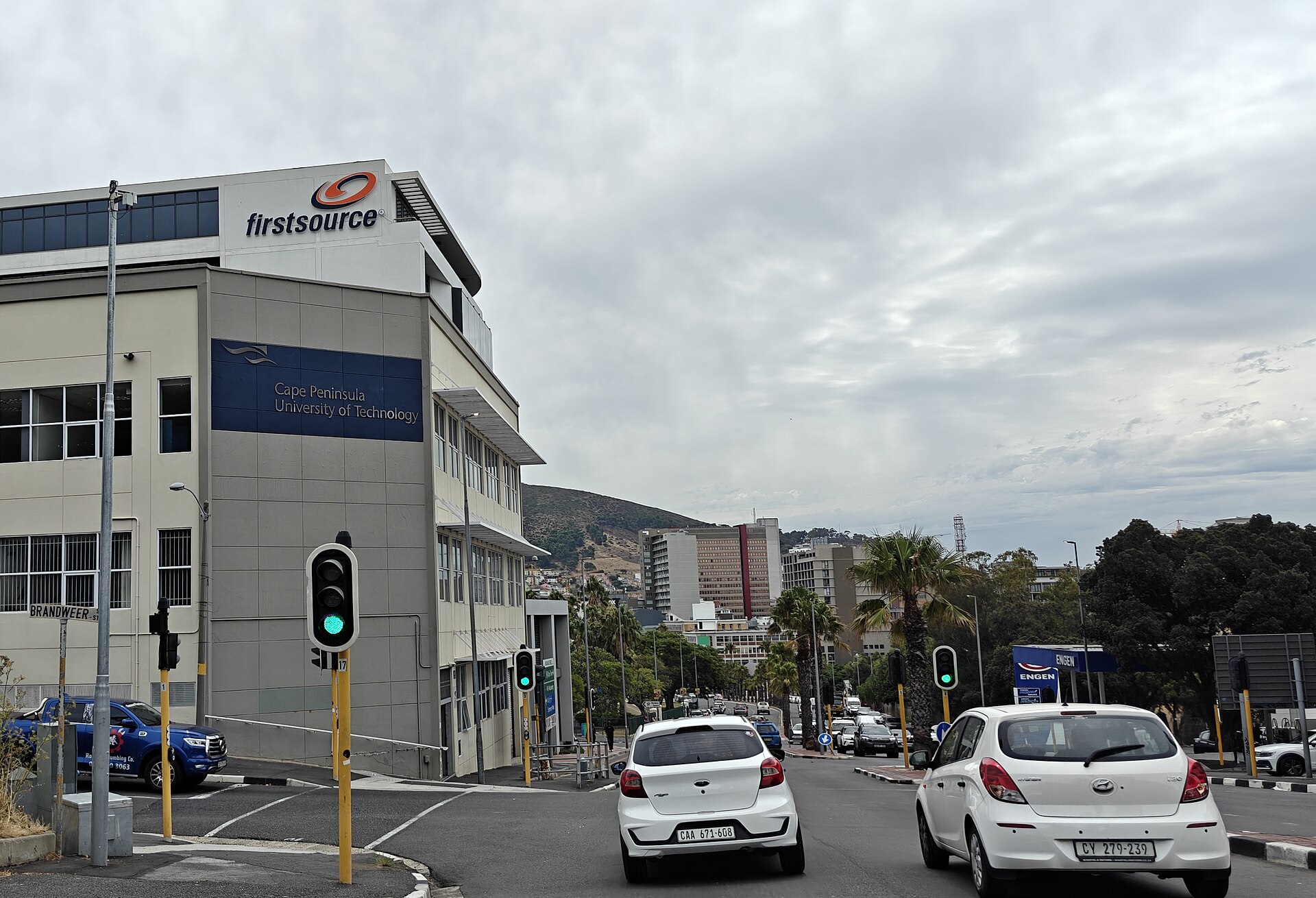
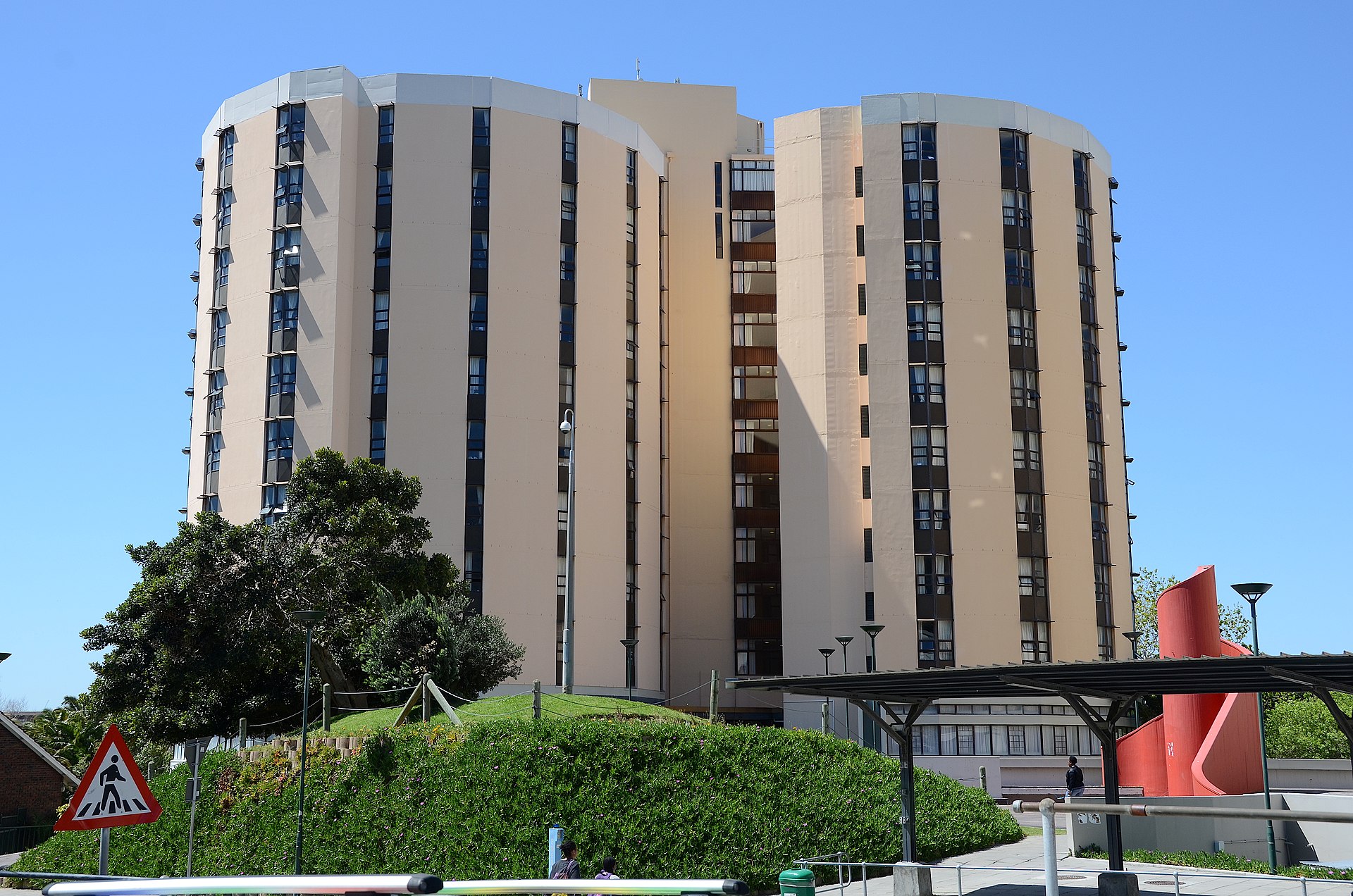
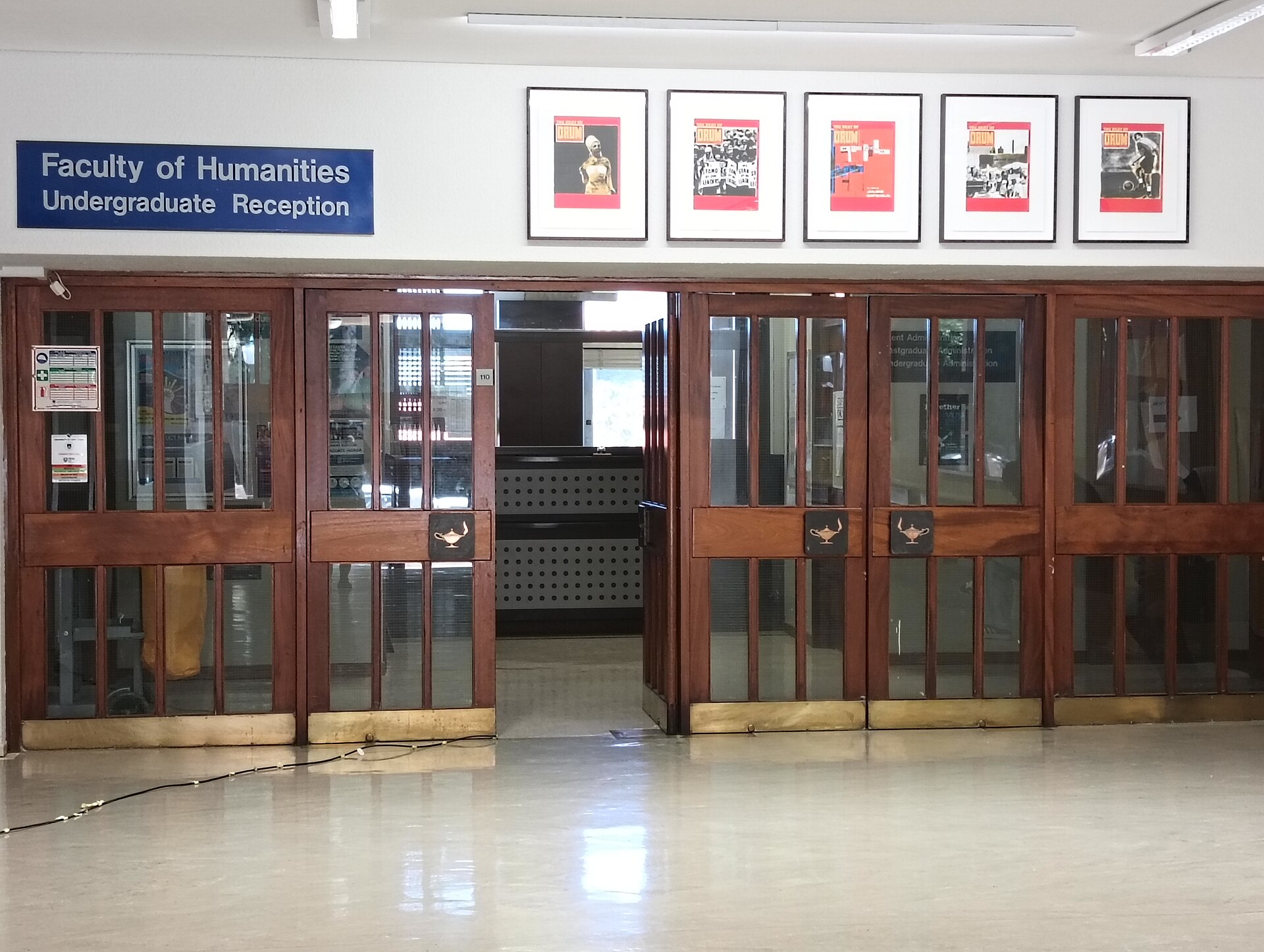
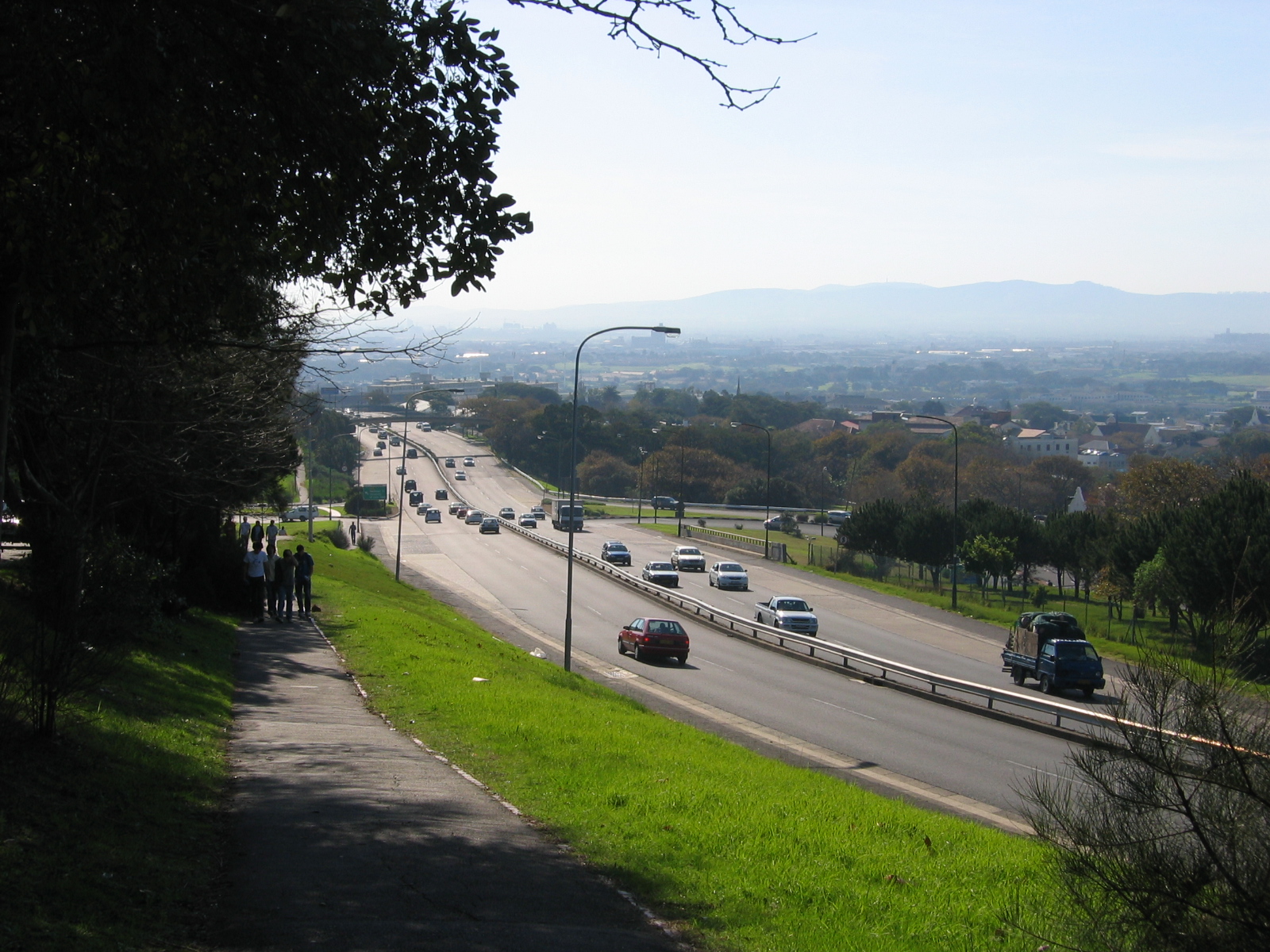
University of Cape Town — campus in pictures
Real, freely-licensed photographs of the campus (via Wikimedia Commons).


Why UCT — Africa's Gateway to Global Excellence
UCT is not simply Africa's top university — it is the continent's most internationally connected research institution, consistently ranked among the world's top 200 universities. For ambitious international students, it offers a rare combination: globally recognised credentials, a transformative location, and a fraction of the cost of comparable universities in the UK or USA.
SELECTIVITY
How Selective Is UCT?
UCT admits approximately 27% of applicants across all programmes — but selectivity varies dramatically by faculty. High-demand programmes such as Medicine, Law, and Actuarial Science are significantly more competitive. International students are assessed against their home-country qualification equivalents, and UCT is looking for strong academic achievement.
UCT's overall acceptance rate of 27% masks wide variation: Medicine and Law routinely admit under 10% of applicants. International students compete in a separate pool and should target programmes where their predicted or final IB score exceeds the listed minimum by at least 2–3 points.
SNAPSHOT
UCT at a Glance
APPLICATION COMPONENTS
What UCT Requires
UCT uses a direct online application system at applyonline.uct.ac.za. Applications are primarily evaluated on academic merit — your predicted or final grades in your home country qualification are the most important factor. There is no Common App, UCAS, or Coalition App route.
ADMISSIONS PROFILE
The Profile UCT Admits
UCT's admissions are primarily meritocratic and academic. Unlike US selective universities, there is no holistic 'whole person' scoring system with essays and activities as equal pillars. Academic grades are the primary gate. That said, UCT looks beyond minimum entry to identify students who will thrive in Cape Town's research-intensive, socially engaged environment.
KEY DATES
Application Deadlines
UCT operates a single annual intake (February) with a fixed undergraduate application deadline. Late applications are not accepted. Applications open in April for the following year's admission.
UCT has a single academic intake per year beginning in February. There are no Early Decision or Early Action rounds — all undergraduate applicants are assessed on the same timeline.
| Milestone | Date | Notes |
|---|---|---|
| Applications open | 1 April 2026 | For 2027 academic year entry |
| Undergraduate deadline | 31 July 2026 | Hard deadline; no late applications accepted |
| NBT last writing date | 3 October 2026 | Required for many Science, Engineering, Commerce programmes |
| Postgraduate deadline | 30 September 2026 | Including English proficiency and international documents |
| International offer deadline | 15 November 2026 | Final date for offers to allow visa processing |
| Final transcripts due | 31 December 2026 | Post-exam final results for IB and other year-end sitters |
CAMPUS & CITY
Life at UCT and in Cape Town
The UCT campus on the slopes of Devil's Peak, overlooking Cape Town's Atlantic seaboard, is regularly cited as one of the world's most beautiful campuses. The university combines Victorian architecture with modern research facilities and a vibrant, politically engaged student community. Cape Town itself is one of Africa's most cosmopolitan cities — a fusion of cultures, cuisines, and natural landscapes.
OUTCOMES
Where UCT Graduates Go
UCT graduates enjoy strong employment outcomes, with an employment rate of approximately 85% within a defined period post-graduation. Average starting salaries reflect South African market conditions but UCT's strongest graduates move into pan-African and international careers.
Stats
Cards
FAQs
Frequently Asked Questions
Is UCT genuinely internationally recognised?+
Yes. UCT is ranked #171 in QS and #167 in Times Higher Education world rankings — placing it among the world's top 200 universities. Its medical, law, and commerce programmes are recognised by professional bodies and graduate schools in the UK, USA, Australia, and across Africa.
Do international students need to write the National Benchmark Tests (NBT)?+
Depending on your chosen faculty, yes. Most Science, Engineering, Commerce, and Health Science programmes require NBTs. Check with the specific faculty's admissions requirements and register for NBTs well in advance of the October deadline.
Can I apply with IB Diploma predicted grades?+
Yes. UCT accepts predicted IB grades for conditional admission. You must then submit final results once available. A minimum IB score of 34 is a competitive benchmark, though individual programme requirements vary.
Is financial aid available to international students?+
UCT's main financial aid schemes (NSFAS, UCT Gap Funding) are primarily for South African citizens. International students should explore Mastercard Foundation Scholars Program (for African citizens), faculty-specific bursaries, and sponsorship in their home countries. The cost of attendance at UCT is significantly lower than comparable universities in the UK or Australia, making it more accessible without institutional aid.
What is the language of instruction?+
All undergraduate and postgraduate programmes at UCT are taught entirely in English. Non-native speakers must demonstrate IELTS 7.0 or TOEFL 100 unless they can provide evidence of English-medium secondary schooling.
Can I apply from outside South Africa?+
Absolutely. UCT welcomes international applications and runs its online application portal for applicants worldwide. Once admitted, international students must obtain a South African Study Permit (student visa) before arrival. UCT's IAPO office provides guidance on the visa process.
When does the academic year start?+
UCT has a single annual intake beginning in February, with the academic year running February to November (aligned with the southern hemisphere calendar). This means UCT's academic year runs opposite to Northern Hemisphere universities — plan gap years, test schedules, and visa timelines accordingly.
What is safety like in Cape Town?+
Cape Town, like many South African cities, requires awareness of personal safety. UCT operates a campus security and shuttle service, and on-campus residences have security protocols. Students are advised to exercise standard urban caution, particularly in unfamiliar areas. The majority of international students report a very positive experience.
ACADEMIC EXPECTATIONS
Academic Standards at UCT What International Students Need to Know
UCT is a research-intensive university where academic standards are high and the pace of study can be demanding. Unlike many African universities, UCT's teaching is research-led — faculty are active researchers and expectations for independent reading, written analysis, and critical thinking are substantial. For international students, understanding the academic environment before you arrive is essential to performing at your best.
UCT runs a semester system with two semesters per year (February–June and July–November). Most undergraduate programmes are three to four years. The Health Sciences MBChB is a six-year programme. Academic assessment combines coursework, tests, and formal examinations. UCT does not use a grade-point average (GPA) system in the same way as US universities — results are expressed in percentage terms with distinctions typically awarded at 75%+.
ENTRY BENCHMARKS
Academic Benchmarks for Admission
UCT's admissions are grades-led. The IB Diploma is well-known to UCT admissions officers and widely accepted. The following are benchmarks from the facts file and official guidance — individual programme requirements vary and should be verified on the UCT faculty pages.
These are entry benchmarks, not guarantees. High-demand programmes such as Medicine, Law, and Actuarial Science require significantly higher IB scores — some effectively require 38+ or subject-specific HL grades of 6 or 7. Check the UCT undergraduate prospectus for faculty-specific requirements.
TEST POLICY
SAT, ACT & Standardised Testing
UCT does not require SAT or ACT scores for admission, and its test policy is classified as 'optional' for international standardised tests. Admissions are based on national qualification results (IB Diploma, A-Levels, or equivalent). However, some UCT faculties require South African National Benchmark Tests (NBTs) — which are domestic assessment tools, not equivalent to SAT/ACT.
INTERNATIONAL QUALIFICATIONS
IB, A-Levels & International Qualifications
UCT has a well-established track record of admitting IB Diploma and A-Level students. These qualifications are well understood by UCT admissions officers and your predicted and final scores will be directly evaluated.
SUBJECT PREPARATION
Subject Preparation by Faculty
Choosing the right subjects in Grades 10–12 is critical for UCT admissions. The following are the key subject requirements and recommended preparation pathways per faculty.
ENGLISH PROFICIENCY
English Language Requirements
All instruction at UCT is in English. Students from schools where English was not the primary medium of instruction must provide language proficiency test results.
Duolingo English Test acceptance is not confirmed by UCT. IELTS and TOEFL are the standard accepted tests. If you attended an English-medium school, contact UCT Admissions with your school's language-of-instruction documentation.
| Test | Minimum | Notes |
|---|---|---|
| IELTS Academic | 7.0 overall | No individual band specified below 6.5; confirm with faculty |
| TOEFL iBT | 100 | Internet-based total score |
| English-medium secondary school | Exempt (verify) | Documentary proof of English-medium instruction required |
TIMELINE
Building Your Academic Profile: Year by Year
COMMON PITFALLS
Academic Mistakes That Cost International Applicants
- Applying without checking NBT requirements — missing the NBT deadline is a common reason international students lose their place
- Choosing IB Mathematics Applications & Interpretations (AI) when the faculty requires Analysis & Approaches (AA) — this can make you ineligible regardless of your total score
- Applying without subject prerequisites for your chosen faculty (e.g. applying to Medicine without HL Chemistry and Biology)
- Leaving the application until late July — UCT's portal can experience delays; apply early in the window
- Assuming IELTS or TOEFL is automatically waived — if your school was partially English-medium, confirm with UCT Admissions in writing
- Not applying for residence alongside your academic application — residence is offered separately and demand is high
- Missing the final transcript deadline (31 December) — this can delay or void an offer even after conditional admission
COST & AFFORDABILITY
The Real Cost of UCT for International Students
UCT is one of the most affordable research-intensive universities in the world for international students. Total annual costs — including tuition, accommodation, living expenses, and flights — are a fraction of what comparable universities in the UK, USA, or Australia charge. For ambitious students, particularly from the African continent, UCT represents extraordinary value.
As a public South African university, UCT's fees are set in South African Rand and are substantially lower than equivalent institutions in Western countries. International students pay a slightly higher rate than domestic students plus an International Administration Fee. Costs listed below are approximate USD equivalents based on available data — confirm current rates in ZAR on the UCT fees handbook, as exchange rates vary.
COST BREAKDOWN
Annual Cost Estimates (USD)
The following figures are from the university's facts data and represent approximate annual totals for an international student. Actual fees vary by faculty and programme — Sciences and Engineering are typically higher than Humanities.
These are approximate USD estimates. All UCT fees are published in South African Rand — check the official UCT Fees Handbook for current ZAR figures. Exchange rate fluctuations can meaningfully affect USD equivalent costs.
| Item | Annual | Notes |
|---|---|---|
| Tuition (international rate) | ~$4,000 | Varies by faculty; ZAR equivalent subject to exchange rate |
| Accommodation & meals (on-campus estimate) | Included in COA | Campus residences vary; self-catered options available |
| Cost of living (total annual estimate) | ~$8,000 | Including accommodation, food, transport, personal |
| Total cost of attendance (estimate) | ~$15,000 | All-in annual estimate; excludes flights and visa fees |
| Application fee | ~$20 | R100–R300 for most undergraduate programmes |
FINANCIAL AID
Financial Aid for International Students
UCT's primary financial aid programmes — NSFAS and UCT Gap Funding — are designed for South African citizens and permanent residents, and are not available to international students. However, UCT's cost structure is inherently more accessible than peer universities in the Global North.
SCHOLARSHIPS
Scholarship Landscape
International students are advised to pursue a multi-track approach to funding: apply directly for UCT scholarships, explore home country sponsorship, and investigate bilateral or multilateral programmes. The low cost of UCT relative to peer universities means the funding gap is more bridgeable than at Western institutions.
PERSPECTIVE
UCT in Global Cost Context
A total cost of attendance of approximately $15,000 per year makes UCT one of the most affordable world-ranked universities on the planet. For comparison, tuition alone at UK Russell Group universities typically runs $20,000–$40,000 per year for international students; in the USA, comparable research universities often exceed $55,000 total annual cost. UCT's academic prestige, combined with its affordability, makes it a uniquely compelling value proposition — particularly for students from the African continent.
Living costs in Cape Town are also favourable. Student accommodation in Rondebosch and the surrounding area is substantially less expensive than London, Sydney, or Toronto. South Africa's exchange rate dynamics also mean that students earning or saving in stronger currencies may find their purchasing power further amplified.
UCT fees are denominated in South African Rand. USD equivalents fluctuate with the ZAR/USD exchange rate. The figures quoted throughout this guide are estimates — confirm current ZAR fees at uct.ac.za/students/fees-funding-fees/fees-handbook before making financial plans.
ACTION PLAN
Steps to Secure Your Funding
COST FAQs
Cost & Aid: Common Questions
Are international students eligible for NSFAS?+
No. NSFAS (National Student Financial Aid Scheme) is exclusively for South African citizens. International students must fund their studies through other means — family funds, home government scholarships, or UCT/external merit awards.
Can I work part-time in South Africa while studying?+
International students on a student visa (Study Permit) in South Africa are generally not permitted to work. This restriction is important for financial planning — your budget must cover full living costs without relying on part-time income. Confirm the current visa conditions with South African Home Affairs.
Are fees paid in ZAR or USD?+
UCT fees are charged in South African Rand (ZAR). International payments can be made via Flywire, which converts from your home currency. Plan for exchange rate variability and make payments well in advance of deadlines.
Is the Mastercard Foundation Scholars Program open to all African students?+
The Mastercard Foundation Scholars Program targets talented young people from sub-Saharan Africa who face financial barriers. Applicants must demonstrate both exceptional academic achievement and financial need. Visit the dedicated programme page on UCT's website for current eligibility criteria and deadlines.
How does UCT's cost compare to UK universities?+
UCT's total annual cost of approximately $15,000 compares very favourably to UK Russell Group universities, where international students typically pay $30,000–$50,000 per year in tuition alone. UCT offers comparable academic prestige at roughly one-third the total annual cost.
APPLICATION & STATEMENT
Applying to UCT What You Write and Why It Matters
UCT is a South African public university that uses a direct online application system — not Common App, UCAS, or Coalition. Undergraduate admissions are primarily grades-led, and UCT does not require a personal statement or supplemental essays as a standard component of undergraduate applications. However, for competitive programmes, a motivation letter may be requested, and for postgraduate study, a research statement is essential. Understanding what UCT's application asks for — and what it does not — is critical to putting your energy in the right place.
If you are applying from a background where you have been preparing a Common App personal statement or UCAS personal statement, that work is not wasted — the thinking and reflection it generates will help you write a stronger motivation letter if required, and it sharpens your sense of purpose. But do not submit unsolicited essays to UCT's undergraduate portal; focus your energy on academic performance, NBT preparation, and meeting all documentation requirements on time.
APPLICATION OVERVIEW
How UCT's Application Works
UCT runs its own online application portal (applyonline.uct.ac.za). The application is direct — there is no intermediary platform. The core of the undergraduate application is academic: your transcripts, qualification results, and documentation.
MOTIVATION LETTER
When a Motivation Letter Is Required
If your chosen programme at UCT requests a motivation letter, treat it seriously — it becomes a meaningful differentiator when candidates have comparable academic profiles. The following guidance applies to any required written statement for UCT applications.
POSTGRADUATE STUDY
Research Proposals & Postgraduate Statements
For students applying to UCT's master's or doctoral programmes, the research proposal is the centrepiece of the application. UCT is a research-intensive institution and supervisors are selecting research partners, not just students.
FOCUS
What to Emphasise in Your Application
Given that UCT's undergraduate application is primarily academic, your written and documentary components should reinforce your academic narrative.
COMMON MISTAKES
Application Mistakes to Avoid
- Treating UCT like a US or UK application — do not submit an unsolicited Common App personal statement; focus on the documentation UCT actually requests
- Missing the 31 July deadline — UCT explicitly states late applications are not considered, with no exceptions
- Failing to check whether your programme requires NBTs — missing the NBT window disqualifies you for many programmes
- Uploading uncertified documents — UCT requires certified copies of all academic documents; uncertified uploads cause delays and may result in a rejected application
- Not specifying programme choices clearly — you may apply for up to three programmes in preference order; leaving this unclear or applying to incompatible programmes wastes choices
- Assuming English proficiency is automatically waived — confirm in writing with the Admissions Office if your school claims to be English-medium
- Not applying for residence separately — academic admission does not automatically secure accommodation; apply for residence as early as possible alongside your academic application
- Ignoring visa processing time — South African Study Permits can take months; begin the visa application immediately upon receiving your admissions offer
FAQs
Application & Statement FAQs
Does UCT require a personal statement for undergraduate admission?+
No, not as a standard component. UCT's undergraduate application is primarily grades-based. A motivation letter may be required for some specific programmes — check the UCT undergraduate prospectus for your intended faculty.
Can I send my Common App personal statement to UCT?+
UCT does not use Common App and the portal does not have a field for a personal statement. Do not send unsolicited essays — they will not be read in the undergraduate admissions process. If a motivation letter is required for your specific programme, that request will come from the programme directly.
What is required for architecture applicants?+
The Bachelor of Architectural Studies at UCT requires a portfolio of creative work as part of the application. This is a significant component — consult the Faculty of Engineering & the Built Environment's admissions page for specific portfolio requirements and deadlines.
How important is a motivation letter if my programme requests one?+
Very important. If a programme explicitly requests a motivation letter, it becomes a meaningful differentiator. Write it specifically for the programme, demonstrate subject knowledge and academic preparation, and show awareness of the African and South African context of your field.
What should a postgraduate research proposal include?+
A clear research question, brief literature context, proposed methodology, anticipated contribution to the field, and timeline. It should be specific enough to demonstrate genuine research readiness. Identifying a potential supervisor before applying is strongly recommended.
Is there an interview process at UCT?+
Most undergraduate programmes do not interview. Competitive professional programmes including Medicine and some law programmes may conduct interviews or additional assessments — verify with the specific faculty.
What language should my application documents be in?+
English. All UCT documentation must be submitted in English. Transcripts in other languages must be accompanied by certified translations.
Courses — schools, degrees & intake
50 degrees across 6 groupings.
Faculty of Commerce · 17 degrees
Bachelor of Commerce (BCom) – Financial Accounting
Bachelor of Commerce (BCom) – Actuarial Science
Bachelor of Commerce (BCom) – Actuarial Science in Quantitative Finance
Bachelor of Commerce (BCom) – Philosophy, Politics and Economics (PPE)
Bachelor of Commerce (BCom) – Economics and Finance
Bachelor of Commerce (BCom) – Economics and Statistics
Bachelor of Commerce (BCom) – Economics with Law
Bachelor of Commerce (BCom) – Information Systems
Bachelor of Commerce (BCom) – Management Studies
Bachelor of Business Science (BBusSc) – Actuarial Science
Bachelor of Business Science (BBusSc) – Finance, Investment and Banking
Bachelor of Business Science (BBusSc) – Finance with Accounting
Bachelor of Business Science (BBusSc) – Marketing
Bachelor of Business Science (BBusSc) – Information Systems
Bachelor of Business Science (BBusSc) – Computer Science
Bachelor of Business Science (BBusSc) – Economics
Bachelor of Business Science (BBusSc) – Statistics and Data Science
Faculty of Engineering & the Built Environment · 8 degrees
Bachelor of Science in Engineering (BSc Eng) – Chemical Engineering
Bachelor of Science in Engineering (BSc Eng) – Civil Engineering
Bachelor of Science in Engineering (BSc Eng) – Electrical and Computer Engineering
Bachelor of Science in Engineering (BSc Eng) – Mechanical Engineering
Bachelor of Architectural Studies (BAS)
Bachelor of Science in Geomatics
Bachelor of Science in Property Studies
Bachelor of Science in Construction Project Management
Faculty of Health Sciences · 5 degrees
Bachelor of Medicine and Bachelor of Surgery (MBChB)
Bachelor of Science in Audiology
Bachelor of Science in Occupational Therapy
Bachelor of Science in Physiotherapy
Bachelor of Science in Speech-Language Pathology
Faculty of Humanities · 7 degrees
Bachelor of Arts (BA)
Bachelor of Social Sciences (BSocSc)
Bachelor of Social Science in Philosophy, Politics and Economics (PPE)
Bachelor of Social Work
Bachelor of Arts in Fine Art (Michaelis School of Fine Art)
Bachelor of Arts in Theatre and Performance
Bachelor of Music (BMus)
Faculty of Law · 1 degrees
Bachelor of Laws (LLB)
Faculty of Science · 12 degrees
Bachelor of Science (BSc) – Archaeology
Bachelor of Science (BSc) – Astronomy
Bachelor of Science (BSc) – Biological Sciences
Bachelor of Science (BSc) – Chemistry
Bachelor of Science (BSc) – Computer Science
Bachelor of Science (BSc) – Environmental and Geographical Science
Bachelor of Science (BSc) – Geological Sciences
Bachelor of Science (BSc) – Mathematics and Applied Mathematics
Bachelor of Science (BSc) – Molecular and Cell Biology
Bachelor of Science (BSc) – Oceanography
Bachelor of Science (BSc) – Physics
Bachelor of Science (BSc) – Statistical Sciences
Want your real chances at University of Cape Town?
Create a free TYCHR account for your personalised admit-chance, a shortlist you can track, exact entry requirements, and essay + counselling help.