University of California, San Diego
San Diego, United States · Suburban
UCSD ADMISSIONS GUIDE FOR INTERNATIONAL STUDENTS
University of California, San Diego — World-Class Research in a City That Never Stops
UC San Diego is one of America's premier public research universities — a place where oceanography meets computer science, cognitive science meets biology, and an iconic coastal campus meets the world's most ambitious students. Ranked #72 globally (QS) and #32 by Times Higher Education, UCSD is a member of the Association of American Universities and one of the most research-intensive universities in the world.
This guide covers every element of a UCSD application: the UC Application system (not Common App), the Personal Insight Questions, the 8-college residential system, costs and financial realities for international students, and how to build the academic profile that makes a UCSD offer possible.
Campus
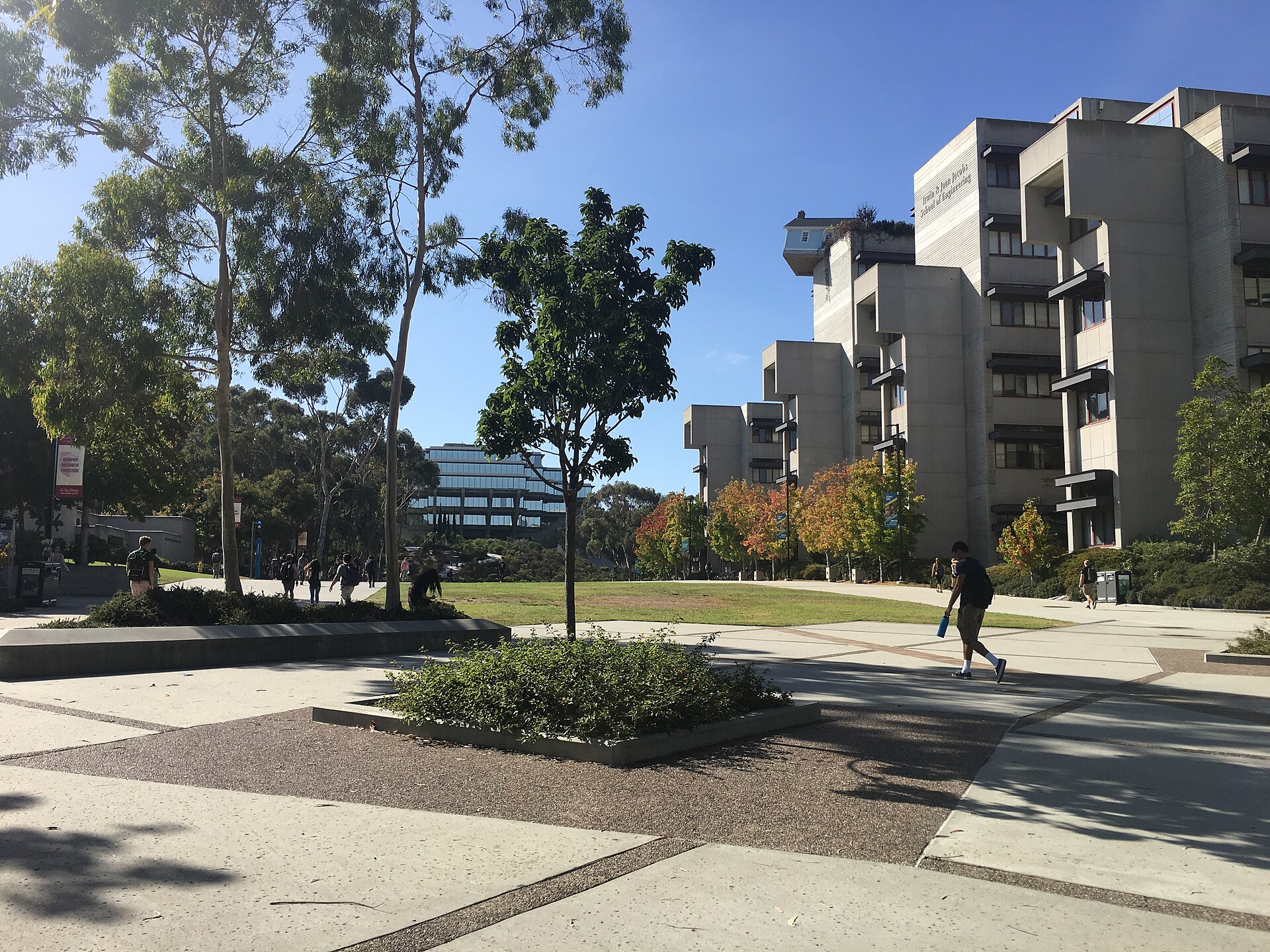
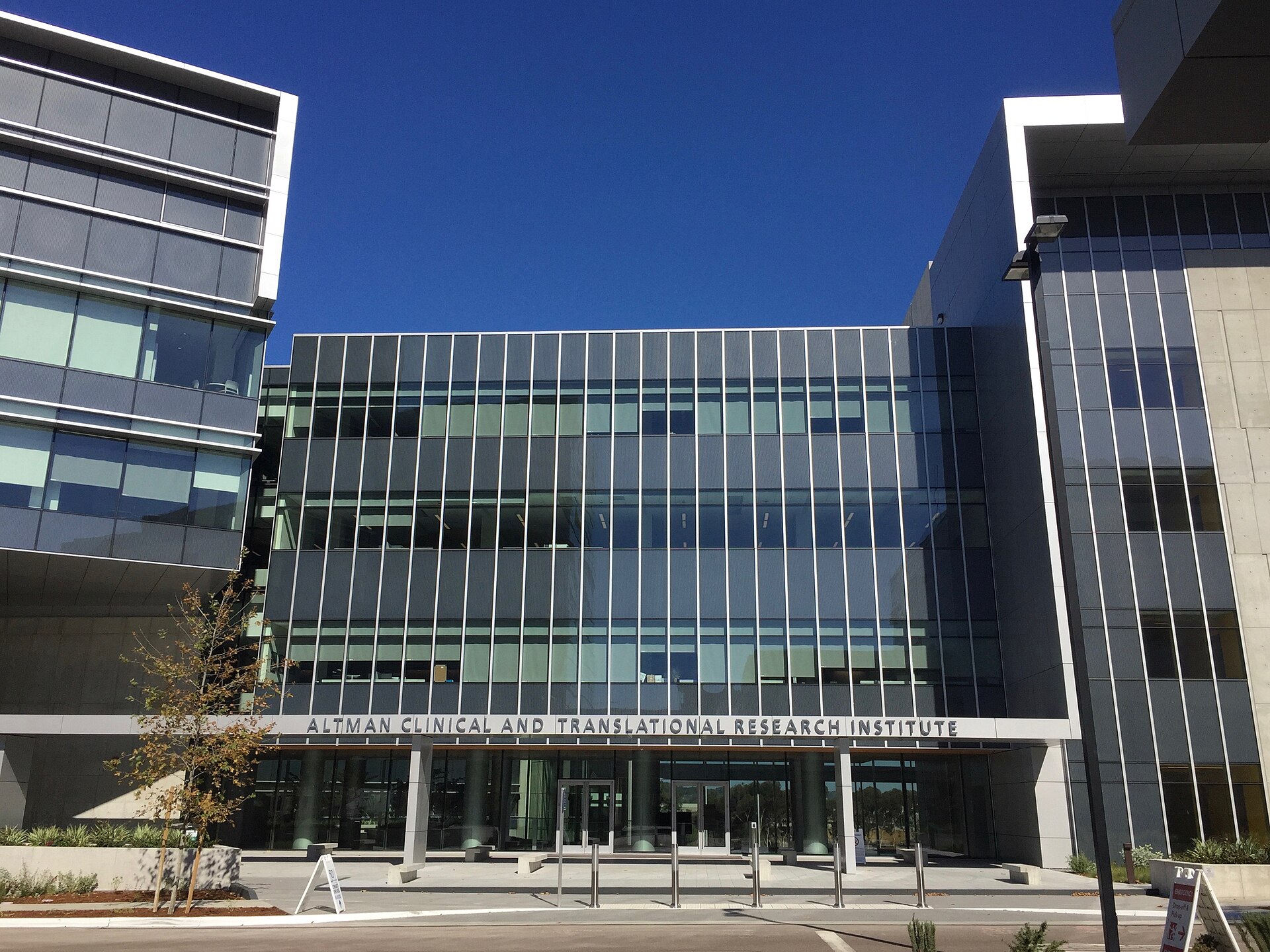
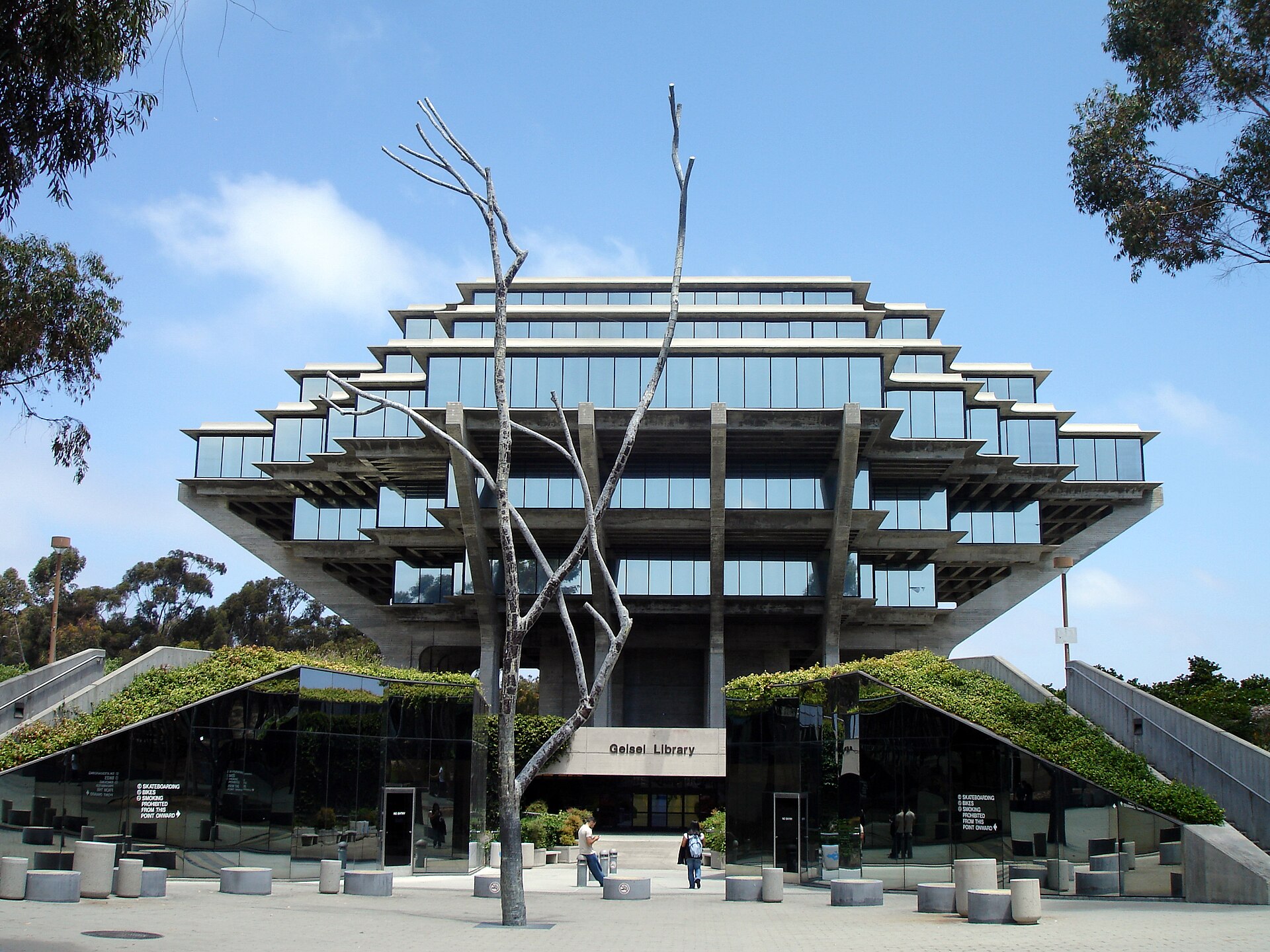
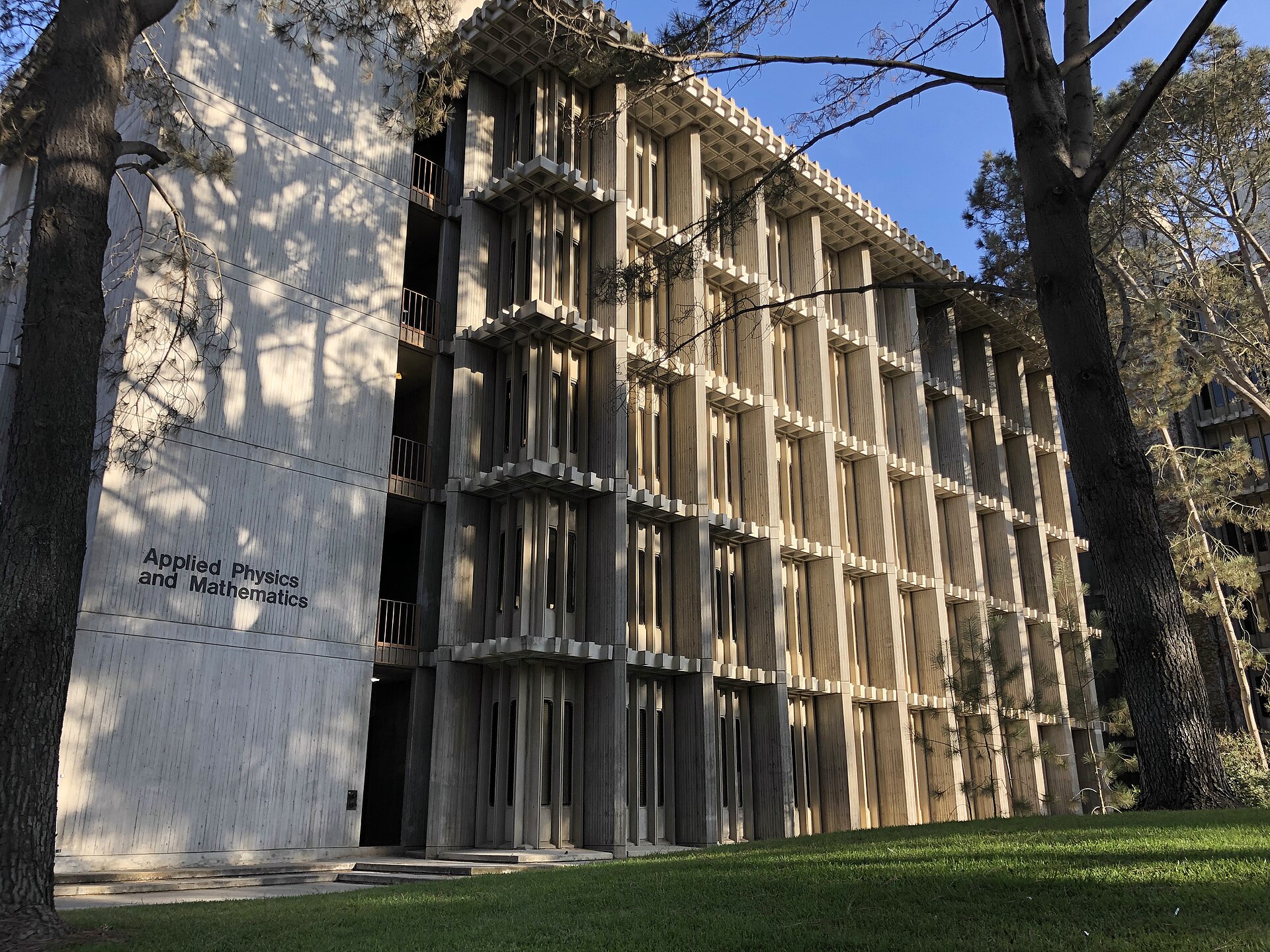
University of California, San Diego — campus in pictures
Real, freely-licensed photographs of the campus (via Wikimedia Commons).
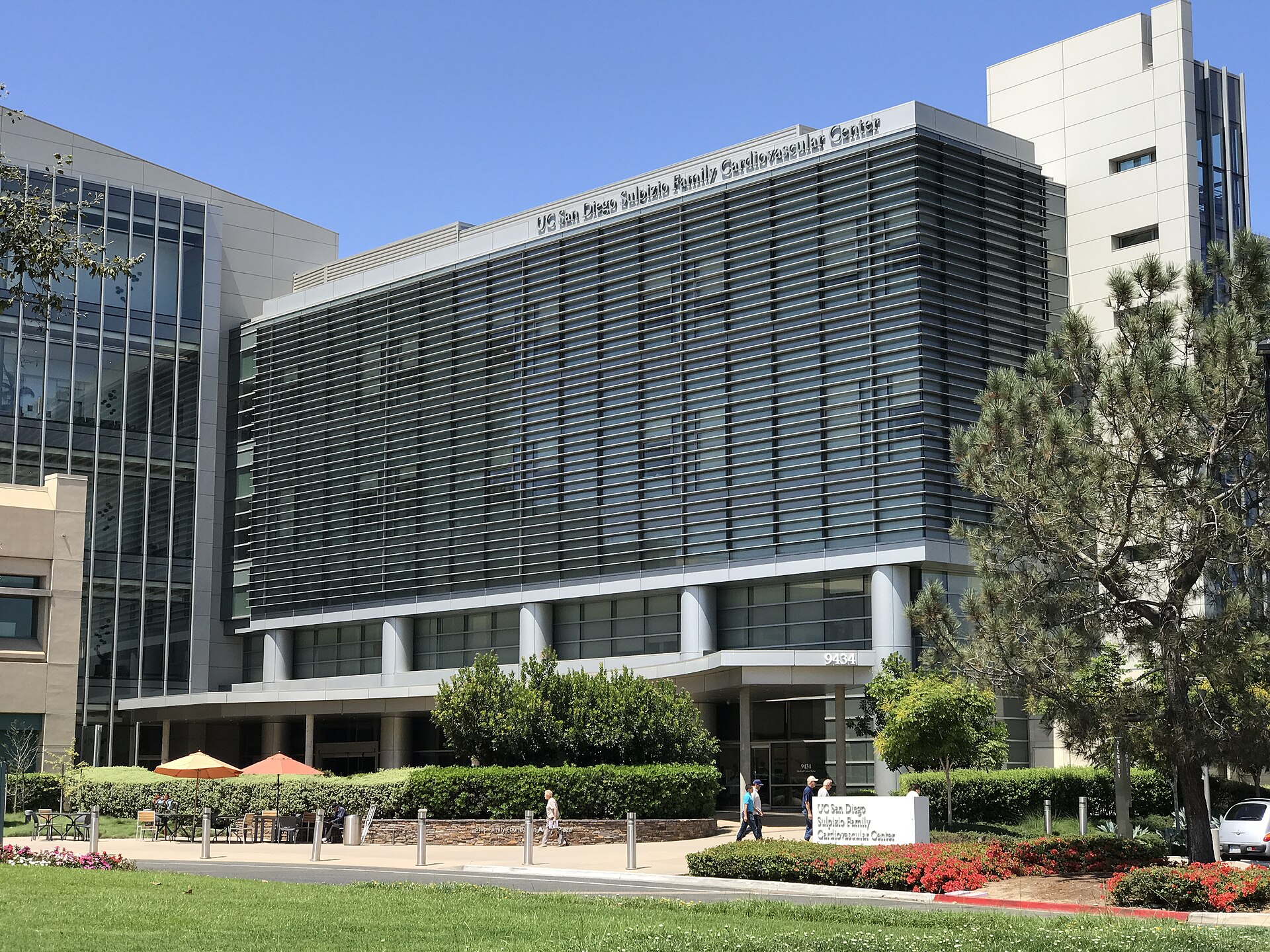
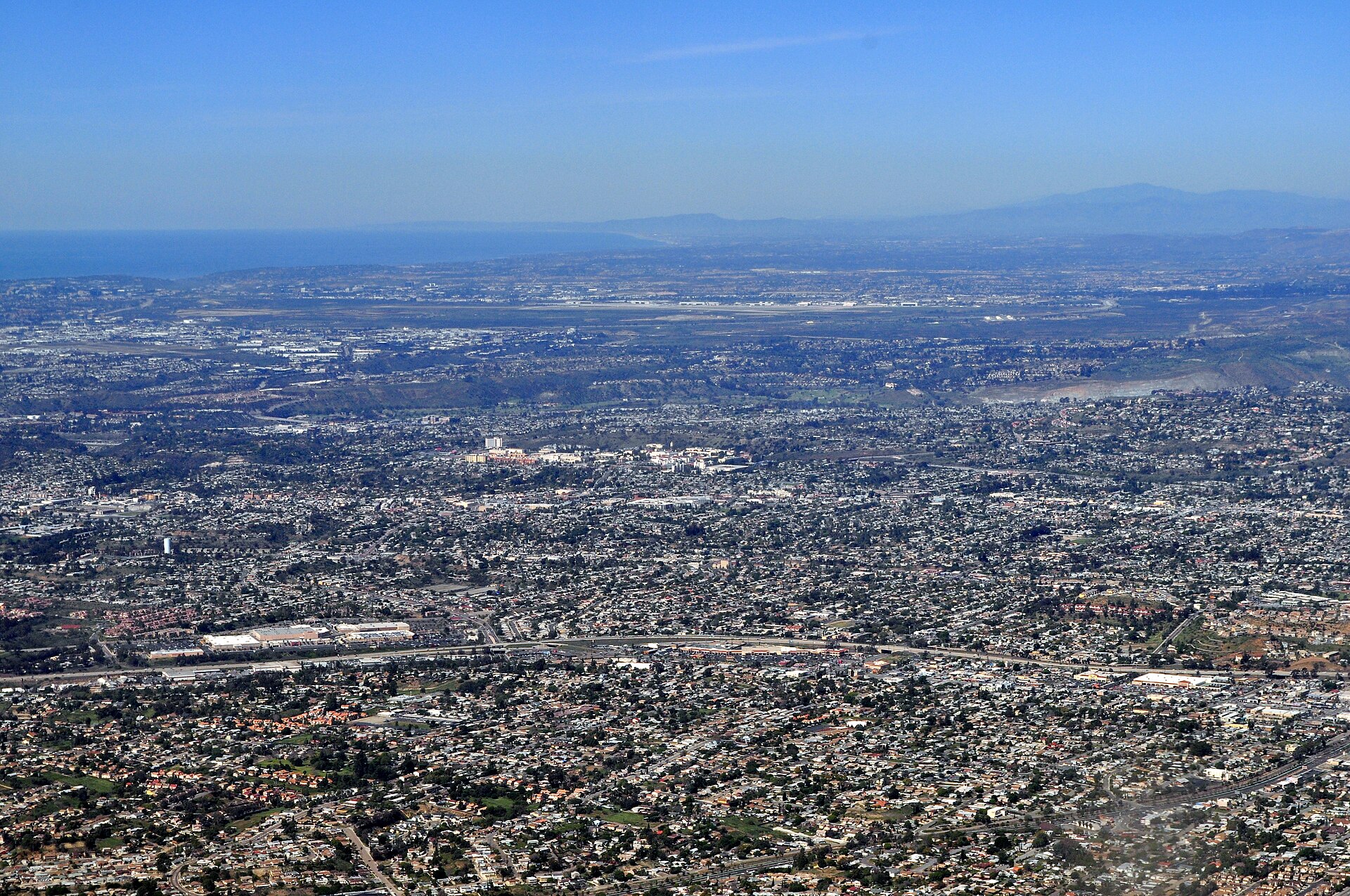
Why Choose UCSD — Research, Location & Academic Distinction
UC San Diego is not a typical American campus. It is a research engine embedded in one of the world's most liveable cities, with a residential college system that creates close communities inside a 42,000-student university.
UCSD Acceptance Rate & Admitted Student Profile
UCSD is a highly selective public research university. With an acceptance rate of 28.4%, it is substantially more selective than most US public universities — and significantly more competitive for international applicants who are evaluated in the same pool as domestic students.
UCSD's comprehensive review process evaluates academic performance, personal qualities, and the context in which achievements were earned. The stated minimum GPA is 3.8 (UC-calculated unweighted GPA), but the competitive admitted pool consistently exceeds this floor. Importantly, UCSD is test-blind: SAT and ACT scores are not reviewed, submitted, or considered at any stage.
UCSD at a Glance Key Facts
UCSD Application Components — UC Application, PIQs & Requirements
UCSD uses the unified UC Application — a California system-wide platform that lets students apply to multiple UC campuses in a single submission. There is no Common App, Coalition App, or separate UCSD supplement.
What UCSD Is Looking For in International Applicants
UCSD uses comprehensive review — a holistic process that evaluates academic performance in context, personal qualities, and each applicant's potential to contribute to the university. No single factor is determinative. The 14-factor review is applied consistently to domestic and international applicants.
For international students, UCSD looks for applicants who have distinguished themselves academically within their own system — whether IB, A-Levels, national boards, or other curricula — and who can articulate their intellectual curiosity and personal growth through the Personal Insight Questions. UCSD particularly values applicants who have taken genuine initiative and shown meaningful engagement with their community or field.
UCSD Application Deadlines & the UC Application Window
UCSD admits first-year students for Fall term only. There is no Early Action, Early Decision, or rolling admissions at UCSD. All applicants — domestic and international — submit in the same window and are reviewed together.
Decisions are typically released in March. UCSD does not offer application deferral except in rare circumstances (military deployment or acute medical emergency, maximum one year). There is no advantage to submitting earlier within the October–November window — but submitting on November 30 is unnecessary stress.
Application fee: $95 per UC campus. One UC Application covers all campuses you select — you do not submit separate applications to each UC.
| Event | Date | Notes |
|---|---|---|
| UC Application Opens | August 1 | Begin preparing early; system opens August 1 |
| Submission Window Opens | October 1 | All materials submitted online via the UC Application |
| Application Deadline | November 30 | Hard deadline; no exceptions or extensions |
| Admissions Decisions | March (approx.) | Notifications released; enrollment deadline typically May 1 |
Student Life at UCSD — 8 Colleges, San Diego & Campus Culture
UCSD's defining social structure is its 8-residential-college system — each college a distinct community with its own housing, dining, general education requirements, and character. Every student belongs to a college from day one, creating an intimate community within a 42,000-student research university.
The campus sits in La Jolla, surrounded by cliffs, canyons, and the Pacific Ocean. Student life extends into San Diego's beaches, restaurants, neighbourhoods, and startup scene. San Diego has a relatively moderate cost of living compared to Los Angeles or San Francisco, consistent warm weather year-round, and a robust biotech, tech, and defence economy that provides internship and employment pathways.
Career Outcomes from UCSD
UCSD graduates are in high demand across biotechnology, technology, healthcare, and environmental sectors — industries that are clustered around San Diego and the broader California economy. The university's location adjacent to one of the world's largest biotech ecosystems gives undergraduates unusual access to internships, research, and direct recruitment.
An employment rate of 88% and an average starting salary of $68,000 reflect a graduate body largely placed in STEM-heavy industries. UCSD has produced multiple Nobel laureates and is consistently recognised as a top institution for research training that translates directly into industry placement and graduate programme admission.
Stats
Cards
Frequently Asked Questions — UCSD & International Applicants
Does UCSD require SAT or ACT scores?+
No. UCSD is test-blind — SAT and ACT scores are not submitted, reviewed, or considered at any stage of the admissions decision. This is a permanent policy. You do not need to take these tests to apply to UCSD.
Is there an Early Action or Early Decision option at UCSD?+
No. UCSD does not offer Early Action or Early Decision. All applicants submit in the same window (October 1–November 30) and are reviewed in the same pool. There is no strategic advantage to submitting within a specific part of the window.
Can international students get financial aid at UCSD?+
International students are not eligible for US federal or California state financial aid. UCSD requires international applicants to demonstrate sufficient personal funds to cover all costs. Limited merit-based scholarships may be available — verify with the UCSD Financial Aid & Scholarships Office for current international-student opportunities.
How does the college system work? Can I choose my college?+
Every UCSD undergraduate is assigned to one of 8 residential colleges. You rank your preferences (1–8) in the UC Application, and UCSD considers your rankings when making assignments. Placement in your first-choice college is not guaranteed. Each college has its own general education requirements — research them carefully before ranking.
What is the UC Application? Is it the same as Common App?+
No. UC campuses use their own platform — the UC Application — which is entirely separate from Common App, Coalition App, or any other system. Apply at apply.universityofcalifornia.edu. One application lets you apply to multiple UC campuses simultaneously.
How competitive is UCSD for international students?+
UCSD's overall acceptance rate is 28.4%, but the pool is highly competitive. Competitive international applicants typically have strong academic records in rigorous curricula (IB, A-Levels, national exams) and compelling Personal Insight Questions demonstrating genuine intellectual curiosity and initiative.
What makes UCSD different from other UC campuses like UCLA or Berkeley?+
UCSD is distinctly a research-first institution with particular strengths in STEM, cognitive science, and oceanography. Its 8-college residential system creates a community structure unlike most US public universities. The La Jolla location and adjacent biotech ecosystem are also distinctive. UCLA and Berkeley have broader arts and professional school reputations; UCSD has deeper research intensity.
Does UCSD interview applicants?+
No. UCSD does not conduct admissions interviews. The UC Application, Personal Insight Questions, and academic record are the sole bases for the admissions decision.
UCSD ACADEMIC REQUIREMENTS
The Academic Profile UCSD Is Looking For — What International Students Need to Know
UCSD is a research-driven public university with selective admissions and a permanent test-blind policy. Understanding what constitutes a competitive academic profile — whether in the IB, A-Level, Indian board, or another international curriculum — is the foundation of a strong UCSD application.
This section covers UCSD's academic expectations: GPA, the test-blind policy, IB and A-Level benchmarks, English proficiency requirements, and how to build your academic profile from Year 9 through Year 12.
UCSD Academic Profile Stats for the Admitted Student Pool
UCSD calculates its own GPA from the courses and grades you self-report in the UC Application, using the UC GPA formula. The stated minimum is 3.8 unweighted UC GPA — but the competitive admitted pool consistently and substantially exceeds this floor. Since UCSD is test-blind, the academic record carries more weight than at most US universities.
UCSD Test Policy — Test-Blind, Permanently
UCSD is test-blind, not merely test-optional. SAT and ACT scores are not submitted, not reviewed, and not considered at any stage of the admissions process. The University of California system adopted this policy permanently after a comprehensive review that found standardised test scores added limited predictive value beyond high school GPA.
What this means for international applicants is straightforward: your SAT or ACT score — high or low — is irrelevant to UCSD's admission decision. There is no advantage in submitting strong scores and no disadvantage in never having taken the test. Your academic record, grades in context, and Personal Insight Questions carry the full weight of the academic and narrative portions of your application.
Should I mention my SAT/ACT score in my PIQs?+
No. Test scores are not reviewed. Referencing them in your Personal Insight Questions adds nothing to your application and wastes precious word count.
Does test-blind apply to English proficiency tests too?+
No. Test-blind applies only to SAT and ACT. International students still need to demonstrate English proficiency through TOEFL, IELTS, or Duolingo — unless a waiver applies.
Is the test-blind policy temporary (post-COVID) or permanent?+
Permanent. The University of California Board of Regents voted to end SAT/ACT consideration permanently following a systemwide review. It is not a temporary accommodation.
SAT & ACT at UCSD — Why They Are Irrelevant Here
Unlike most US universities, UCSD does not review, consider, or request SAT or ACT scores. The historical bands (SAT 1250–1470, ACT 26–33) describe past admitted classes that did submit scores — they are not requirements, targets, or competitive benchmarks for current applicants.
If you are applying to multiple US universities alongside UCSD, test preparation still matters for other institutions on your list. For UCSD specifically, time invested in test preparation produces no admissions return. Redirect that energy toward strengthening your grades, deepening extracurricular engagement, and crafting exceptional Personal Insight Questions.
The SAT and ACT bands in the academic profile section reflect historical data from before the permanent test-blind policy was established. They are provided for contextual information only.
IB, A-Level & International Curricula at UCSD Benchmarks & Strategic Guidance
UCSD is experienced at evaluating international curricula. Whether you are completing the IB Diploma, Cambridge A-Levels, Indian national boards, or another recognised system, your performance is contextualised against what was available at your school and what is typical for that system.
The IB score cited for competitive UCSD admits is 36 and above. However, UCSD's comprehensive review means a lower score in a particularly challenging HL selection — or in difficult personal circumstances — may remain competitive when the PIQs and broader profile are strong. Academic context always matters.
Subject Preparation — What UCSD's Top Programmes Expect
UCSD is primarily known as a STEM-first institution. While it admits students across all disciplines, the programmes with the highest academic demand and strongest reputations are in engineering, biology, computer science, cognitive science, and data science.
English Proficiency Requirements for International Applicants
International students whose primary language of instruction is not English must demonstrate English proficiency before enrolment. UCSD accepts three English proficiency tests.
Students who have completed at least three years of secondary school with English as the primary language of instruction may qualify for a waiver — confirm this directly with UCSD's International Students & Programs Office before assuming exemption. Your PIQ writing quality is also an informal signal of English ability: poorly written essays raise concerns that may affect admission decisions independently of proficiency scores.
| Test | Minimum | Notes |
|---|---|---|
| TOEFL iBT | 83 | Internet-Based Test; subsection requirements may vary by college |
| IELTS Academic | 7.0 | Academic band; applies to overall band score |
| Duolingo English Test | 120 | Accepted; verify current UCSD policy each cycle |
Building Your Academic Profile Year 9 to Year 12 Roadmap
A competitive UCSD profile is built over four years of deliberate academic choices — not assembled in the final semester. This roadmap is for international students starting early or reviewing their trajectory.
Common Academic Mistakes UCSD Applicants Make
These are the mistakes TYCHR counsellors most consistently see from international students applying to UCSD — mistakes that are avoidable with the right preparation.
- Preparing extensively for SAT or ACT — UCSD is test-blind and scores are not reviewed. This time is better invested in strengthening grades, PIQs, and genuine academic engagement.
- Treating the 3.8 minimum GPA as the target — it is the floor, not the goal. The competitive admitted pool sits substantially above this minimum.
- Choosing IB or A-Level courses based on what is easiest to score well in, rather than what is most rigorous and most relevant to your intellectual interests. UCSD's comprehensive reviewers can identify grade-optimised course choices.
- Leaving PIQ drafting too late — the UC Application window is October–November, but strong PIQs require months of drafting and revision. Beginning in August leaves insufficient time for the iteration quality demands.
- Applying as undeclared — UCSD recommends declaring an intended major. Some high-demand, impacted majors (such as Computer Science and Engineering) have additional review criteria. Research major-specific admission requirements before applying.
- Assuming an English proficiency waiver without verifying — many international students believe they are exempt because they attended English-medium schools. Check UCSD's specific waiver criteria directly rather than assuming.
- Not researching college general education differences — each UCSD college has meaningfully different GE requirements. Ranking colleges without understanding their specific requirements leads to poor fit and wasted preference slots.
COST & FINANCIAL AID
The Real Cost of UCSD — An Honest Breakdown for International Students
UC San Diego is a world-ranked public university at a public-university price — but international students pay non-resident tuition, which is substantially higher than the California in-state rate. Understanding the full cost and the very limited financial aid available to international students is essential planning before you apply.
International students at UCSD must plan to fund their education independently. Federal and California state aid are not available to international students. UCSD requires proof of financial ability before issuing a visa document. The figures below are your planning baseline.
UCSD Annual Cost Breakdown for International Students
All figures below are annual estimates based on the university's published cost of attendance. Tuition reflects the non-resident (international) rate. Housing and living costs vary by college, room type, and personal lifestyle.
The Tuition Stability Plan (launched Fall 2022) locks undergraduate tuition and mandatory fees at the enrolment-year rate for up to 6 academic years, providing cost predictability across your degree.
| Item | Annual | Notes | One_time |
|---|---|---|---|
| Tuition & Fees (non-resident) | $47,874 | International students pay the non-resident tuition rate | — |
| Total Cost of Attendance | $69,574 | University-estimated total including housing, meals, and living | — |
| Living Costs (estimated) | $18,000 | Housing, food, transport, personal — La Jolla/San Diego area | — |
| Application Fee | — | Per UC campus; non-refundable | $95 |
Financial Aid for International Students — The Honest Picture
International students are not eligible for US federal financial aid (FAFSA) or California state grants (Cal Grant). This is a structural feature of the American financial aid system, not a UCSD-specific policy. UCSD meets 85% of demonstrated financial need for eligible students — but international students on F-1 or J-1 visas are generally not among eligible recipients.
UCSD requires all international students to demonstrate proof of sufficient funding for their full degree before an I-20 visa document is issued. You must show you can cover the full cost of attendance (approximately $69,574/year) from personal, family, or sponsor funds.
Scholarships at UCSD for International Students
UCSD offers a range of merit and need-based scholarships, primarily for domestic and eligible students. International students should investigate opportunities directly through the Financial Aid & Scholarships Office (fas.ucsd.edu), as programme eligibility and availability change annually.
TYCHR's research found that specific scholarship names and award amounts for international students at UCSD were not consistently verifiable from official published sources at the time of authoring. We do not invent figures. The cards below outline where to look and what types of funding international students can realistically pursue.
Affordability Reality Check for International Families
At a total cost of approximately $69,574 per year, four years at UCSD totals roughly $278,000 at current rates — a significant investment that families must plan for without institutional aid.
International families should evaluate UCSD against elite private universities that do offer generous need-based aid to international students. In specific cases, attending Harvard, Princeton, or Yale after need-based aid may cost less than UCSD at full price. Compare net costs rather than sticker prices.
How to Fund Your UCSD Education A Step-by-Step Approach for International Families
Cost & Aid Frequently Asked Questions
Can international students receive financial aid at UCSD?+
International students are not eligible for US federal aid (FAFSA) or California state grants (Cal Grant). UCSD does not offer institutional need-based aid to international students. Some merit scholarships and external funding may be available — check fas.ucsd.edu for current programmes open to international students.
What is the total annual cost for an international student at UCSD?+
The university-estimated total cost of attendance is $69,574 per year, covering non-resident tuition ($47,874) and estimated living, housing, and personal costs. Actual costs vary based on housing choice, lifestyle, and currency exchange rates.
Will UCSD tuition increase every year?+
UCSD's Tuition Stability Plan (launched Fall 2022) locks tuition and mandatory fees at the enrolment-year rate for up to 6 academic years. This provides meaningful cost predictability for your degree, though the plan locks rates at the time you enrol — not at the rate in any prior year.
Can I work to help offset costs as an international student?+
F-1 visa holders can work on-campus up to 20 hours per week during the academic year and full-time during breaks. On-campus employment can offset living costs but is not sufficient to cover tuition. Off-campus employment (CPT/OPT) is typically available only after one full academic year and requires authorisation.
Is UCSD expensive compared to elite private US universities?+
UCSD's sticker price ($69,574/year) is lower than most elite private US universities, which run $80,000–$90,000/year in total cost. However, elite private universities often offer substantial need-based aid to international students, potentially bringing their net cost well below UCSD's. Always compare net costs — what you will actually pay — not sticker prices.
UCSD ESSAYS & PERSONAL INSIGHT QUESTIONS
Why Your PIQs Define Your UCSD Application — No Test Scores. No Supplements. It's All Here.
UCSD is test-blind, has no supplemental essays, and conducts no interviews. Your Personal Insight Questions — four responses of 350 words each — are your primary opportunity to introduce yourself as a person. They carry more weight here than essays do at most US universities. Read this section before you write a single word.
This section covers all 8 PIQ prompts verbatim, how to choose which 4 to answer, strategic guidance for each prompt, and the pitfalls that most commonly derail international applicants.
The UC Personal Insight Questions — How the System Works
The UC Application uses a distinctive essay format called Personal Insight Questions (PIQs). There are 8 questions. You must respond to exactly 4. Each response has a strict maximum of 350 words. All UC campuses — including UCSD, UCLA, and Berkeley — receive the same PIQs.
There is no Common App essay, no 'Why UCSD' supplement, and no short answers. Your entire essay component is 4 × 350 words = 1,400 words maximum. This format rewards precision, specificity, and genuine self-knowledge. Every word must earn its place — vague writing is exposed immediately at 350 words.
All 8 UC Personal Insight Questions — Official Prompts & TYCHR Strategy
Below are all 8 PIQ prompts verbatim, sourced from the UC Admissions website. Choose the 4 that give you the strongest and most differentiated material — not the 4 that feel safest.
There Is No Common App Here — The UC Application Is a Different System
Many international students spend months preparing a Common App Personal Statement only to discover that UC campuses — including UCSD — use a completely separate application system with entirely different essay requirements.
The Common App Personal Statement (650 words, one prompt) cannot be submitted to UCSD. PIQs are 350 words each, ask different questions, and require distinct responses. The writing skills transfer — but the content is almost entirely different. Students applying to both UC and non-UC universities need to prepare two separate sets of essays with separate timelines.
Choosing Your 4 PIQs — Strategic Selection Framework
Which 4 of 8 PIQs should you answer? The right four depend on what material you have — not which prompts feel easiest or most impressive. Here is a practical framework.
What to Write About — Topics That Work and Topics That Don't
UCSD readers process thousands of PIQ responses each cycle. Topics that feel original to you are often common in the applicant pool. Here is an honest guide to what lands and what doesn't.
PIQ Mistakes to Avoid The Most Common Errors in UC Applications
These are the mistakes TYCHR counsellors most consistently identify when reviewing UC applications from international students.
- Using most of 350 words for backstory — spend at least 60% of each response on your actions, decisions, and growth rather than on context-setting. Readers want to see what you did, not just what happened.
- Writing what you think they want to read rather than what is genuinely true. UCSD readers have strong pattern recognition for performed responses — and they are not impressed by them.
- Writing generic conclusions ('This experience taught me to never give up') instead of specific takeaways that reveal how you actually think.
- Forgetting to directly answer the question asked — re-read each prompt after drafting to confirm your response actually addresses it.
- Repeating the same type of story across multiple PIQs (four responses all about academic achievement, or all about community work). Variety across the four responses matters.
- Treating 350 words as a maximum to fill rather than a budget to spend wisely — the strongest responses often use 310–340 words and leave nothing unnecessary.
- Submitting after too few revision cycles — PIQs need at least 3–5 rounds of revision to reach the specificity and authenticity that distinguishes strong responses from average ones.
Essay & PIQ Frequently Asked Questions
Can I reuse my Common App personal statement as a PIQ?+
No. The Common App personal statement (650 words, open-ended) is different in length, format, and prompt from UC PIQs (350 words, specific questions). Content will not transfer directly. You will need to write original PIQ responses for UC applications.
Does UCSD see all 8 PIQs or only my 4?+
UCSD receives only the 4 PIQs you submit. They do not see which questions you chose not to answer, and they have no access to your draft responses.
Is there a 'Why UCSD' essay?+
No. UC campuses including UCSD do not have a 'Why This University' supplement. Your college preference ranking in the UC Application is the closest equivalent — choosing and ranking your preferred UCSD college thoughtfully demonstrates genuine interest.
How important are PIQs compared to grades?+
At UCSD, the PIQs are exceptionally important — more so than at most US universities. Because UCSD is test-blind and has no supplements or interviews, the PIQs and the academic record are the two primary inputs to the admissions decision. A strong GPA with weak PIQs is a common reason for rejection from an otherwise competitive applicant.
Should I write about my intended major?+
Not necessarily in every PIQ. However, for UCSD specifically, at least one response demonstrating genuine intellectual curiosity — ideally connected to your academic or research interests — is strategically valuable. Prompt 6 (Academic Subject) is the natural home for this.
How formal should my writing tone be?+
Personal, clear, and direct — not formal academic prose. PIQs are personal statements, not essays. Write in first person, use specific and concrete details, and let your authentic voice come through. Overly formal vocabulary creates distance between you and the reader, which is exactly what these responses must overcome.
Can the same story appear in more than one PIQ?+
No. If the same experience, activity, or theme anchors two of your four responses, you are wasting a slot. Your four PIQs should collectively show four distinct dimensions of who you are. Each should introduce the reader to a new facet of your character, interests, or background.
Courses — schools, degrees & intake
157 degrees across 9 groupings.
Division of Arts and Humanities · 27 degrees
Black Diaspora and African American Studies
Chicanx and Latinx Studies
Chinese Studies
Cinematic Arts
Classical Studies
Dance
German Studies
Global South Studies
History
Interdisciplinary Computing and the Arts
Italian Studies
Japanese Studies
Jewish Studies
Literary Arts
Literatures in English
Literatures in Spanish
Music
Music/Humanities
Philosophy
Russian, East European, and Eurasian Studies
Speculative Design
Study of Religion
Theatre
Visual Arts (Art History/Criticism)
Visual Arts (Media)
Visual Arts (Studio)
World Literature and Culture
Division of Biological Sciences · 7 degrees
Biology with Specialization in Bioinformatics
Ecology, Behavior and Evolution
General Biology
Human Biology
Microbiology
Molecular and Cell Biology
Neurobiology
Halıcıoğlu Data Science Institute · 1 degrees
Data Science
Jacobs School of Engineering · 24 degrees
Aerospace Engineering
Aerospace Engineering with Specialization in Aerothermodynamics
Aerospace Engineering with Specialization in Astrodynamics and Space Applications
Aerospace Engineering with Specialization in Flight Dynamics and Controls
Artificial Intelligence
Bioengineering
Bioengineering: Bioinformatics
Bioengineering: BioSystems
Bioengineering: Biotechnology
Chemical Engineering
Computer Engineering
Computer Science
Computer Science with Specialization in Bioinformatics
Electrical Engineering
Electrical Engineering and Society
Engineering Physics
Mechanical Engineering
Mechanical Engineering with Specialization in Controls and Robotics
Mechanical Engineering with Specialization in Fluid Mechanics and Thermal Systems
Mechanical Engineering with Specialization in Materials Science and Engineering
Mechanical Engineering with Specialization in Mechanics of Materials
Mechanical Engineering with Specialization in Renewable Energy and Environmental Flows
NanoEngineering
Structural Engineering
Division of Physical Sciences · 22 degrees
Applied Mathematics
Astronomy and Astrophysics
Astrophysical Sciences
Biochemistry
Chemistry
Environmental Chemistry
General Physics
General Physics/Secondary Education
Joint Major Mathematics and Economics
Mathematical Biology
Mathematics
Mathematics—Applied Science
Mathematics—Computer Science
Mathematics—Secondary Education
Molecular Synthesis
Pharmacological Chemistry
Physics—Biophysics
Physics with Specialization in Astrophysics
Physics with Specialization in Computational Physics
Physics with Specialization in Earth Sciences
Physics with Specialization in Materials Physics
Probability and Statistics
Herbert Wertheim School of Public Health and Human Longevity Science · 3 degrees
Public Health
Public Health with Concentration in Biostatistics
Public Health with Concentration in Medicine Sciences
Scripps Institution of Oceanography · 7 degrees
Environmental Systems—Earth Sciences
Environmental Systems—Ecology, Behavior and Evolution
Environmental Systems—Environmental Chemistry
Environmental Systems—Environmental Policy
Geosciences
Marine Biology
Oceanic and Atmospheric Sciences
Division of Social Sciences · 65 degrees
Anthropology (Biological Concentration)
Anthropology (Archaeology Concentration)
Anthropology (Climate Change and Human Solutions Concentration)
Anthropology (Sociocultural Anthropology Concentration)
Biological Anthropology
Business Economics
Business Psychology
Cognitive and Behavioral Neuroscience
Cognitive Science
Cognitive Science with Specialization in Clinical Aspects of Cognition
Cognitive Science with Specialization in Design and Interaction
Cognitive Science with Specialization in Language and Culture
Cognitive Science with Specialization in Machine Learning and Neural Computation
Cognitive Science with Specialization in Neuroscience
Communication
Critical Gender Studies
Economics
Education Sciences
Environmental Anthropology
Ethnic Studies
Experimental Psychology
Global Health
Human Developmental Sciences
Human Developmental Sciences with Specialization in Equity and Diversity
Human Developmental Sciences with Specialization in Healthy Aging
International Studies—Anthropology
International Studies—Economics
International Studies—History
International Studies—International Business
International Studies—Linguistics
International Studies—Literature
International Studies—Philosophy
International Studies—Political Science
International Studies—Sociology
Latin American Studies
Latin American Studies (Mexico Concentration)
Latin American Studies (Migration and Border Studies Concentration)
Linguistics
Linguistics (Cognition and Language)
Linguistics (Language and Society)
Linguistics (Language Studies)
Linguistics (Speech and Language Sciences)
Media Industries and Communication
Political Science—American Politics
Political Science—Comparative Politics
Political Science—Data Analytics
Political Science—General Political Science
Political Science—International Relations
Political Science—Political Theory
Political Science—Public Law
Political Science—Public Policy
Political Science—Race, Ethnicity, and Politics
Psychology
Psychology with Specialization in Clinical Psychology
Psychology with Specialization in Cognitive Psychology
Real Estate and Development
Sociology
Sociology—American Studies
Sociology—Culture and Communication
Sociology—Economy and Society
Sociology—International Studies
Sociology—Law and Society
Sociology—Science and Medicine
Sociology—Social Inequalities
Urban Studies and Planning
Rady School of Management · 1 degrees
Business Economics
Want your real chances at University of California, San Diego?
Create a free TYCHR account for your personalised admit-chance, a shortlist you can track, exact entry requirements, and essay + counselling help.