← All universities

University of California, Davis

Davis, United States · Suburban

Association of American UniversitiesPublicResearchLand-grant
Acceptance
42.0%
QS World
#110
Tuition/yr
$44,130
Students
40,000
Founded
1905

UC DAVIS ADMISSIONS GUIDE

University of California, Davis for International Students

UC Davis is one of America's most distinguished public research universities — a land-grant institution that has grown from an agricultural college into a global powerhouse in veterinary medicine, biological sciences, sustainable agriculture, and engineering. Located in the heart of California's Central Valley, just 15 miles west of Sacramento and 70 miles from San Francisco, Davis offers international students a rare combination: world-class research access, a tight-knit college-town campus culture, and unrivalled proximity to California's booming tech, biotech, and agribusiness sectors.

With more than 40,000 students, 13% of whom come from outside the United States, UC Davis is a genuinely international campus with deep roots in applied science and innovation. If you are passionate about the life sciences, agriculture, environmental sustainability, engineering, or the social sciences, Davis consistently ranks among the best places in the world to pursue those interests.

Campus

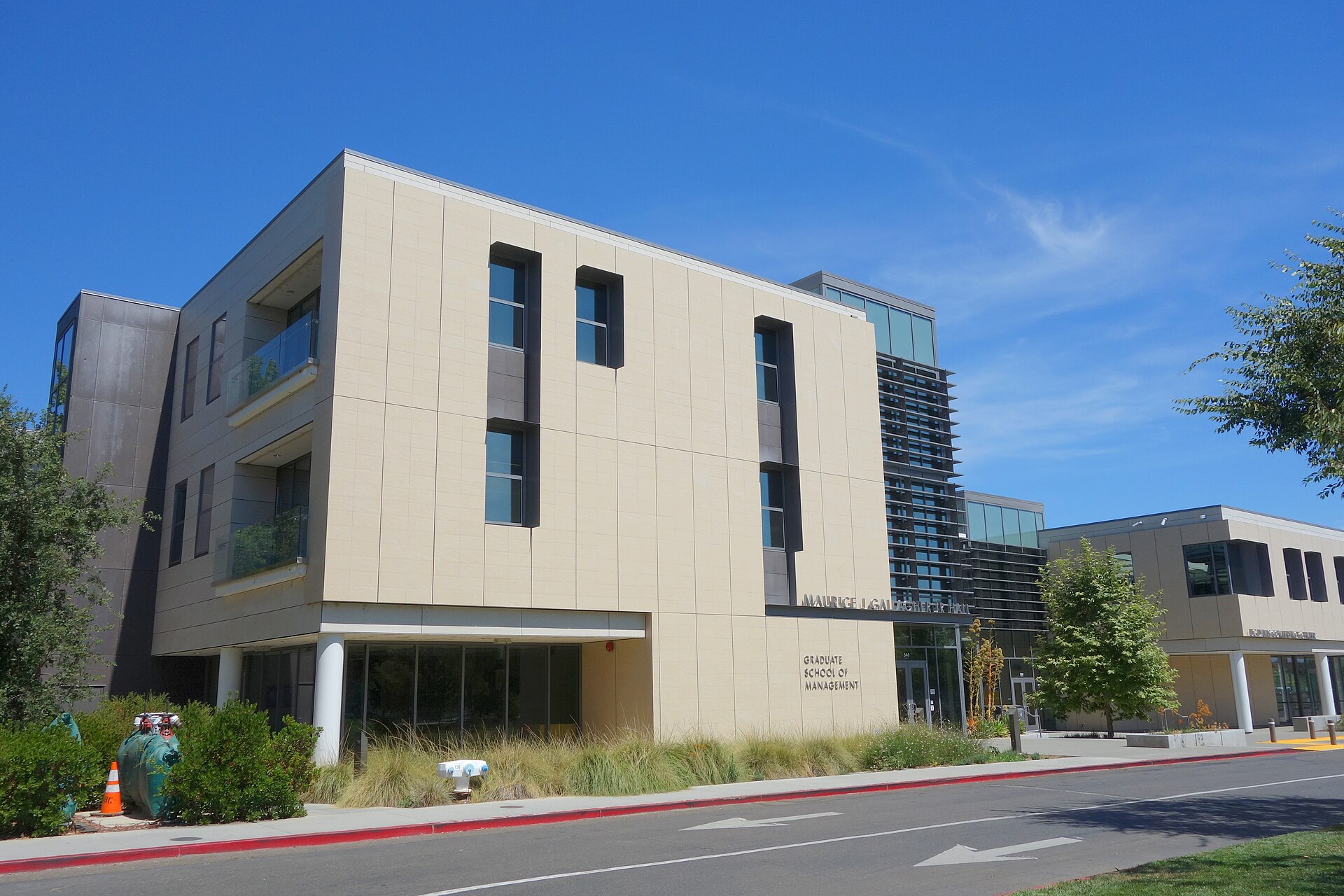
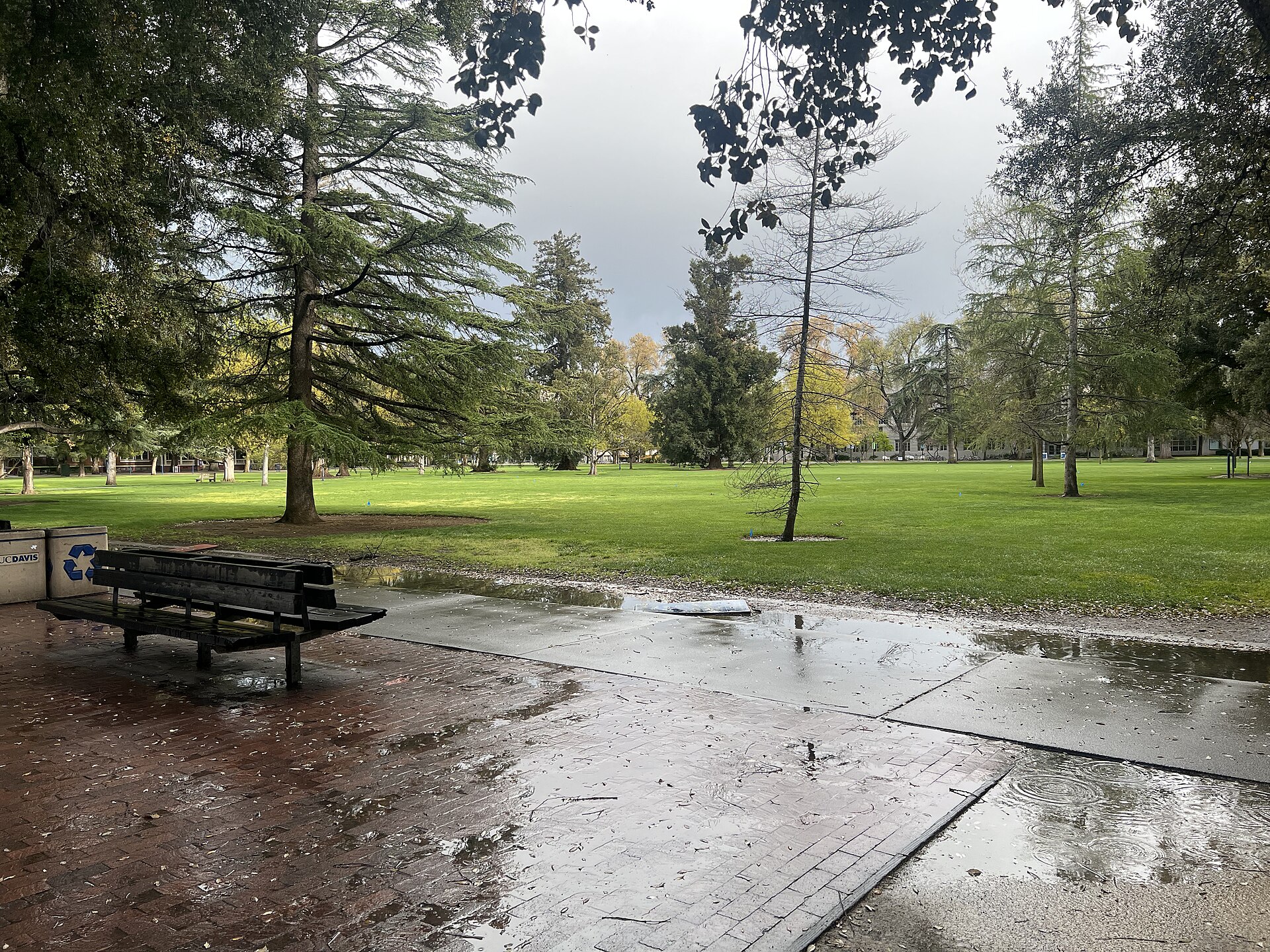
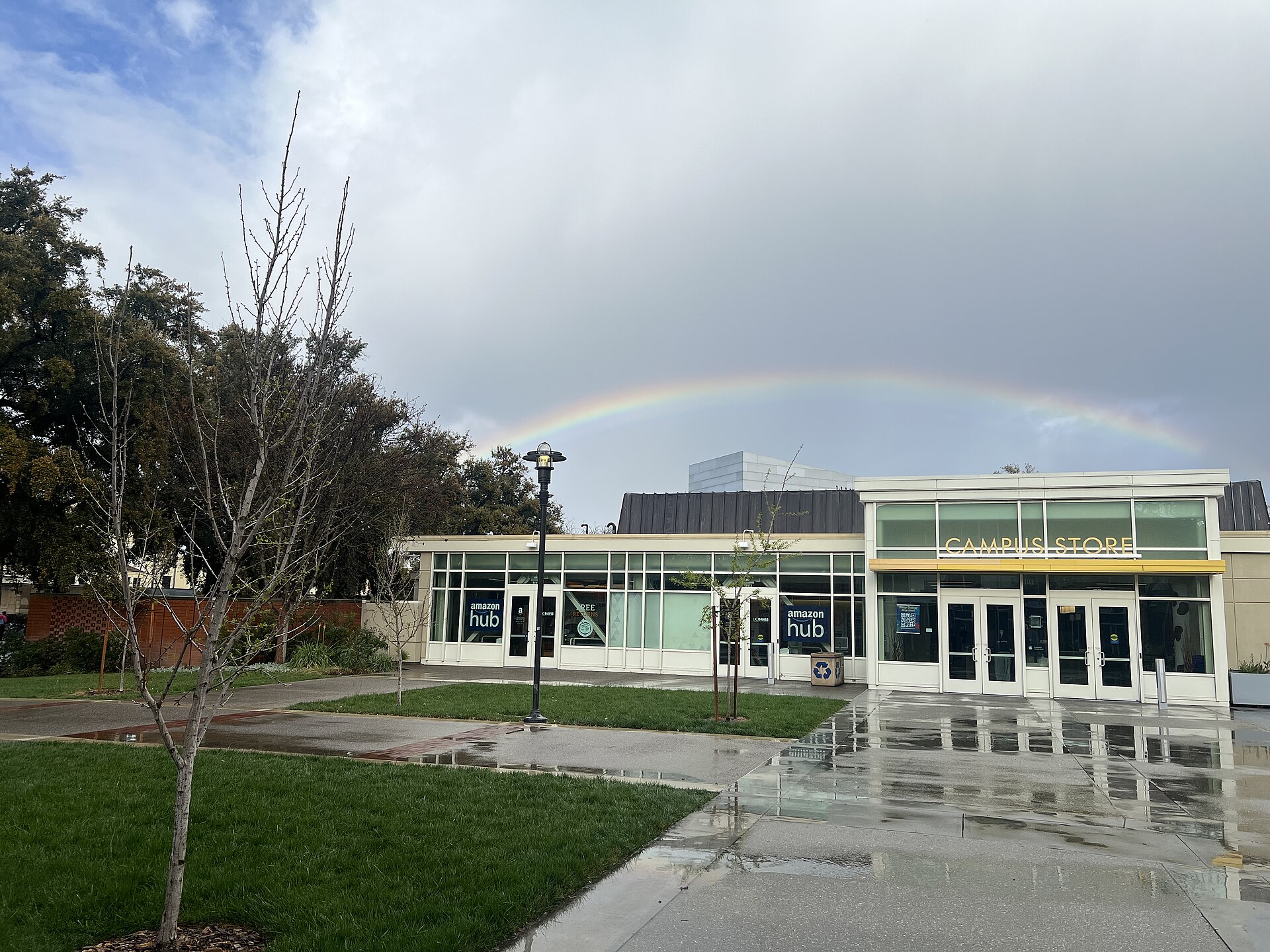
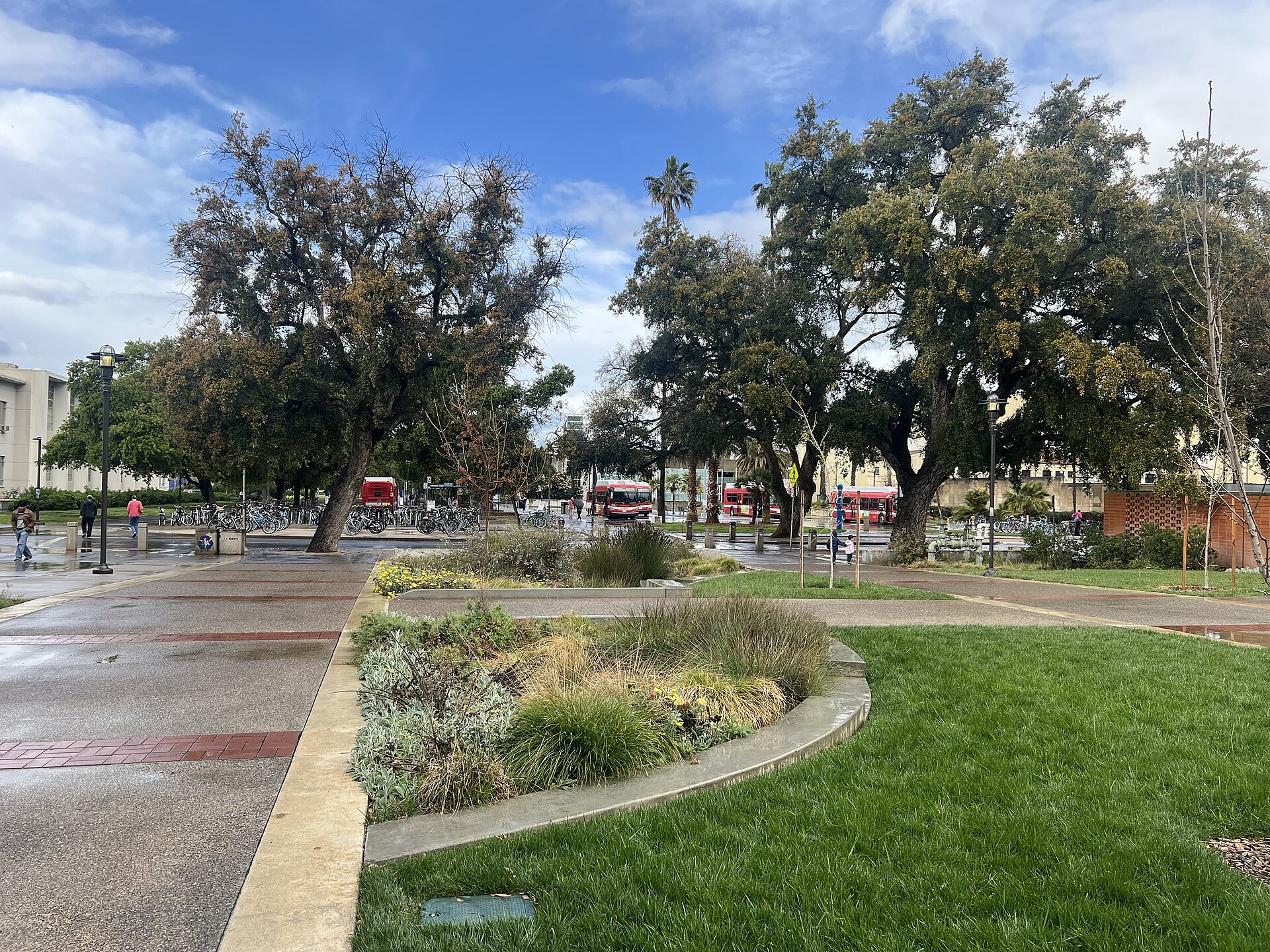
University of California, Davis — campus in pictures

Real, freely-licensed photographs of the campus (via Wikimedia Commons).
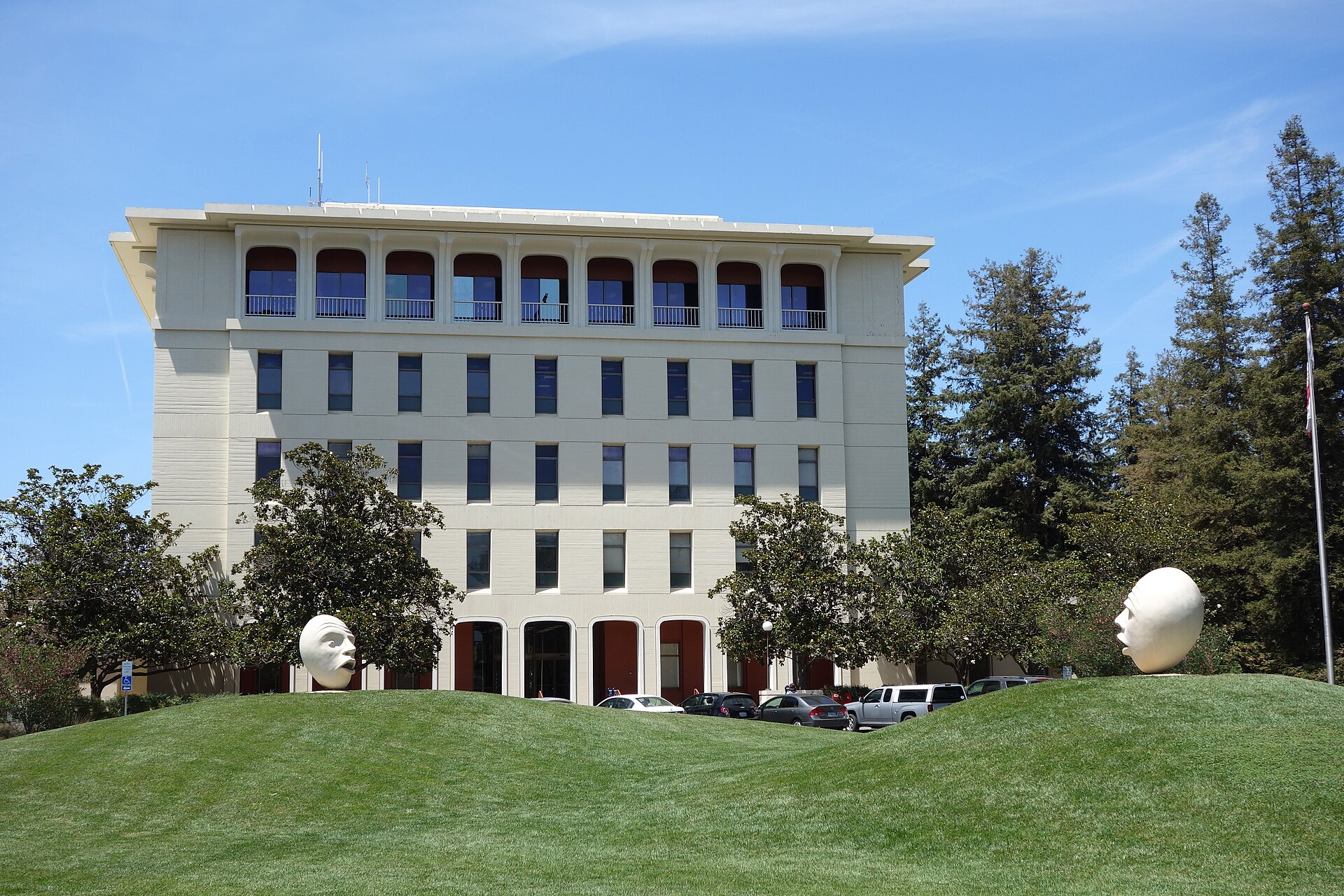
University of California, Davis - Davis, California, USA.
University of California, Davis - Davis, California, USA.Daderot · CC0 · via Wikimedia Commons
University of California, Davis - Davis, California, USA.
University of California, Davis - Davis, California, USA.Daderot · CC0 · via Wikimedia Commons
University of California, Davis campus
University of California, Davis campusFastily · CC BY-SA 4.0 · via Wikimedia Commons
University of California, Davis campus
University of California, Davis campusFastily · CC BY-SA 4.0 · via Wikimedia Commons
University of California, Davis campus
University of California, Davis campusFastily · CC BY-SA 4.0 · via Wikimedia Commons
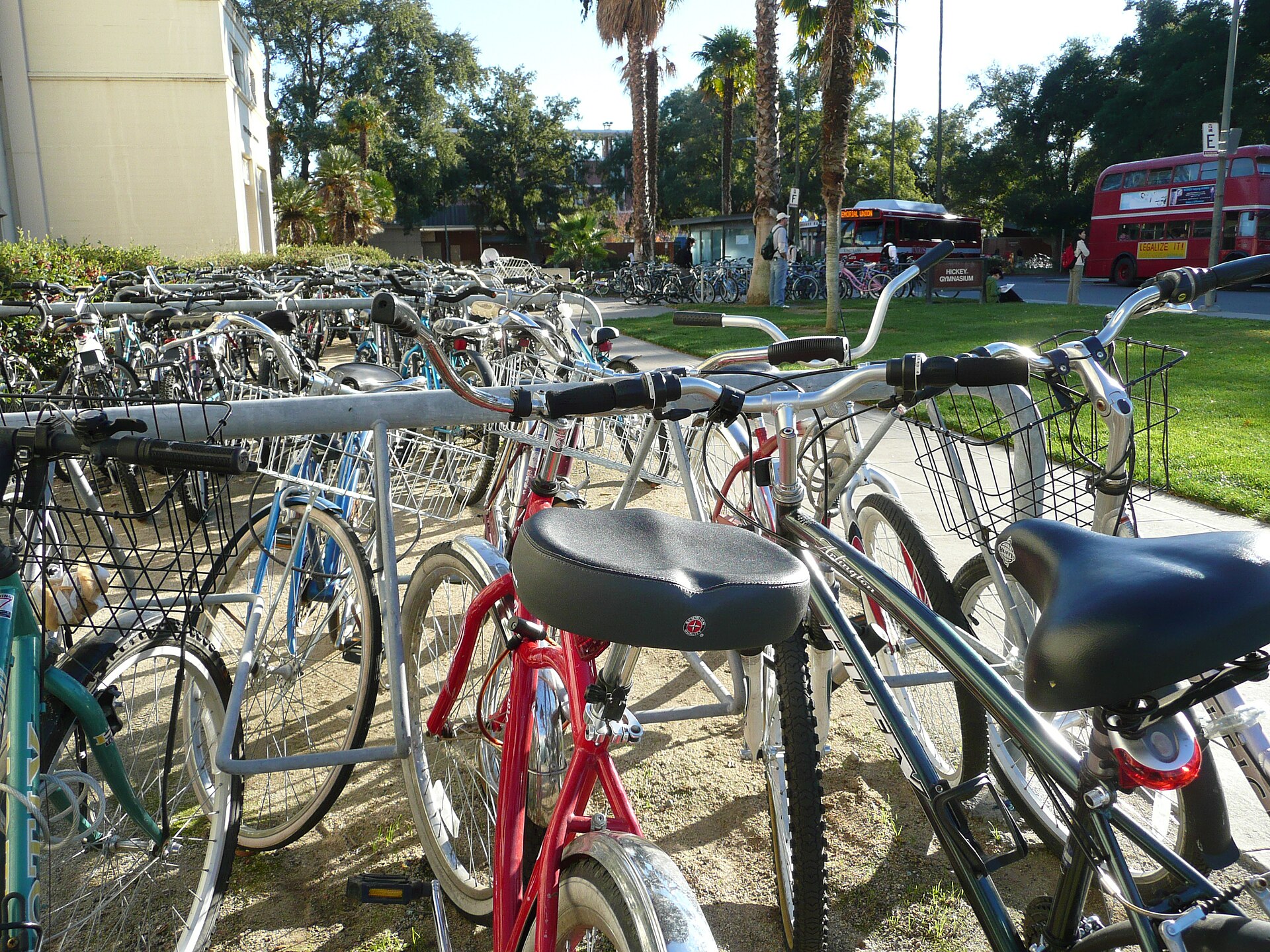
Bicycles, UC Davis
Bicycles, UC DavisShea · CC BY 2.0 · via Wikimedia Commons

Why UC Davis — Research, Location & Global Impact

UC Davis is not simply a large state university — it is one of the world's leading research institutions, a member of the prestigious Association of American Universities, and home to the #1-ranked veterinary programme in the United States. Here is why ambitious international students choose Davis.

1World-Leading Research
UC Davis consistently ranks in the top 10 globally for agricultural sciences, veterinary sciences, plant science, and ecology. Undergraduates can join faculty-led research labs from their first year through the Undergraduate Research Center.
2Exceptional Academic Range
From Viticulture & Enology (one of only a handful of such programmes in the US) to Computer Science, Managerial Economics, and Biomedical Engineering, Davis offers programmes that are genuinely distinctive, not just versions of what every university offers.
3California Location & Career Access
Positioned between the Sacramento government hub, Silicon Valley's tech corridor, Bay Area biotech firms, and the Central Valley's global agricultural industry, UC Davis graduates have immediate access to some of the world's most dynamic job markets.
4UC System Prestige
As a University of California campus, UC Davis benefits from a system-wide reputation matched by few public universities globally. The UC system collectively holds more top-10 academic departments than any other university system in the United States.
5Collaborative Campus Culture
Davis is known for its unusually collaborative student culture — the city of Davis is famously bicycle-friendly, close-knit, and environmentally conscious. Students here tend to be curious, community-oriented, and passionate about making a difference.
6Strong International Community
With 13% of undergraduates coming from abroad and dedicated support through the Services for International Students and Scholars (SISS) office, Davis has genuine infrastructure for your transition, including immigration advising, cultural programmes, and English-language support.

SELECTIVITY

UC Davis Acceptance Rate & Admitted Profile

UC Davis is a selective institution within the University of California system. Admission is holistic but quantitative academic performance — particularly your UC GPA — carries significant weight. The university reviews a wide range of applicants across all 14 colleges and schools.

The 42% headline acceptance rate disguises significant variation by college, programme, and residency. Competitive programmes such as Computer Science, Biological Sciences, and Engineering admit at considerably lower rates. International applicants should target a strong UC GPA well above the minimum threshold and demonstrate genuine alignment with their intended major.

42%
Overall Acceptance Rate
36+
Recommended IB Score
3.4
Minimum UC GPA
#110
QS World Ranking

AT A GLANCE

UC Davis — Quick Facts

1905
Founded
40,000+
Total Enrolment
13%
International Students
20:1
Student:Faculty Ratio

WHAT YOU WILL SUBMIT

UC Davis Application Components

UC Davis uses the University of California Application system — not the Common App or Coalition App. Every component of the UC application is read holistically as one of 13 comprehensive review criteria.

REQUIREDUC Application
Submitted at apply.universityofcalifornia.edu between October 1 and November 30. One application reaches all UC campuses you designate. There is no fee waiver for international applicants — the application fee applies per campus.
REQUIRED · 4 OF 8Personal Insight Questions (PIQs)
You choose 4 of 8 questions and respond with up to 350 words each. This is where your voice, values, and story come through. The PIQs replace supplemental essays — they are the essay component of your UC application.
REQUIREDAcademic Transcripts
All secondary school transcripts from grade 9 onward, including official translations if not in English. The UC calculates its own GPA from your coursework — understand how your IB or A-Level grades translate.
REQUIRED FOR MOSTEnglish Proficiency
If your secondary instruction was not in English, you must submit IELTS, TOEFL, or Duolingo scores. Exceptions exist if you meet specific criteria (see English Requirements section).
REQUIREDProof of Financial Resources
International students must submit documentation (bank statements or sponsor letters) confirming ability to cover at least one year of full cost of attendance, typically required before a visa is issued.
NOT ACCEPTEDStandardised Test Scores
UC Davis is test-blind. SAT and ACT scores are not accepted as part of the admissions process and should not be submitted. This policy applies to all applicants.

ADMISSION PHILOSOPHY

What UC Davis Looks For

For international applicants, the UC system recognises that academic systems differ globally. Your IB or A-Level results are evaluated in context: a strong IB score (especially above the competitive benchmark of 36) signals the kind of academic rigour the UC values, and Higher Level subjects in relevant disciplines carry particular weight for competitive programmes.

UC Davis uses a comprehensive review process that evaluates applicants across 13 criteria established by the UC system. Academic achievement is central — particularly your UC-calculated GPA in college-preparatory A-G subject requirements — but Davis reviewers also assess intellectual curiosity, persistence, leadership, special talents, and your potential to contribute to the campus community.

Academic Rigour
UC reviewers look at the most challenging courses available to you — IB HL, A-Level, AP — and your performance in them. Consistent excellence across all four years of secondary school matters more than a late surge.
Major Alignment
Demonstrating genuine, sustained interest in your intended major — through coursework, extracurricular activities, research, or personal projects — significantly strengthens applications for competitive programmes such as CS, Biology, and Engineering.
Personal Insight
The PIQs are your opportunity to show who you are beyond grades. UC reviewers want to see authentic storytelling, self-awareness, and evidence that you have reflected on your experiences and grown from them.
Community Contribution
UC Davis values students who contribute to their communities — whether through service, leadership, cultural exchange, or creative work. International students are encouraged to share how their unique backgrounds will enrich the Davis community.

APPLICATION TIMELINE

UC Davis Application Deadlines

UC Davis uses the University of California Application system. There is NO Early Action or Early Decision — all freshman applicants submit in the same window. The deadline is firm.

There is no advantage to applying earlier within the October 1–November 30 window. All applications are reviewed after the window closes. International students should begin visa and financial documentation well before the May 1 SIR deadline.

MilestoneDateNotes
Application opens1 AugustYou may begin preparing your UC application
Application filing window opens1 OctoberCan now submit; fall enrollment
Application deadline30 NovemberFirm deadline — late submissions not accepted
Admission decisionsMarch (approx.)UC Davis typically releases decisions in March
Statement of Intent to Register1 MayConfirm your enrollment; international docs follow
Fall quarter beginsLate SeptemberUC Davis operates on the quarter system
https://admission.universityofcalifornia.edu/how-to-apply/applying-as-a-freshman/

CAMPUS & CITY

Student Life at UC Davis

UC Davis guarantees housing for all first-year students, with a range of residence halls and apartments across campus. After first year, many students move into the affordable off-campus neighbourhoods surrounding the university. On-campus dining is considered among the best in the UC system.

Davis is one of America's most distinctive college towns. The City of Davis is famously bicycle-friendly — with more bikes per capita than almost any US city — and the flat, tree-lined streets between campus and downtown make getting around easy and sustainable. The campus itself is sprawling and green, covering 5,300 acres, with a working farm and arboretum that reflect the university's agricultural heritage.

900+ Student Clubs
From the Aggie Investment Club and Davis Formula Racing team to cultural organisations for over 40 national communities, there is a club for virtually every interest. International students commonly find community through the Davis International Association and culture-specific organisations.
The Aggie Athletic Community
UC Davis competes in NCAA Division I sports. The Aggie Pride athletic culture — especially football, basketball, and track — brings the campus together, and students attend games at zero or low cost with their student ID.
Sacramento & Bay Area Access
Sacramento is 20 minutes away by train and is California's growing capital city with a booming arts, food, and startup scene. San Francisco and the Bay Area are accessible by train in under two hours — giving Davis students big-city access without big-city living costs.
Sustainability Culture
UC Davis is consistently ranked among the most sustainable universities in the world. The campus runs a zero-waste initiative, is home to the UC Davis Energy and Efficiency Institute, and students are deeply engaged in environmental activism and research.

OUTCOMES

Career Outcomes & Industry Access

California's biotech corridor, Silicon Valley, and Sacramento's government and policy sector create exceptional demand for UC Davis graduates — particularly in the life sciences, environmental science, and engineering. The Internship and Career Center maintains relationships with thousands of employers and posts tens of thousands of opportunities annually. The UC Davis alumni network, with graduates in leadership positions at Google, Genentech, USDA, and the California state government, provides meaningful mentorship access for international students navigating a career in the US or abroad.

UC Davis graduates have a strong employment record, reflecting both the university's academic quality and its California location. Within one year of graduation, the large majority of Davis alumni are employed or enrolled in graduate or professional school.

85%
Employment Rate
$60,000
Average Starting Salary

FREQUENTLY ASKED QUESTIONS

UC Davis — International Student FAQs

Does UC Davis use the Common App?+

No. All UC campuses use the University of California Application, available at apply.universityofcalifornia.edu. One application can be sent to multiple UC campuses simultaneously.

Is UC Davis test-blind for international applicants too?+

Yes. UC Davis is test-blind for all applicants, including international students. SAT and ACT scores are not considered and should not be submitted. Your IB or A-Level academic record is what matters.

What is the minimum GPA required for international applicants?+

The minimum UC GPA for international applicants is 3.4 (calculated on a 4.0 scale using UC's A-G subject list). However, competitive programmes typically admit students with UC GPAs well above this minimum.

When should I apply if there is no Early Action?+

The UC Application window is October 1–November 30, and all applications in that window are reviewed together. There is no advantage to applying on October 1 vs November 29 — submit when your application is complete and polished.

Can international students receive financial aid at UC Davis?+

UC Davis is a public university; need-based federal aid is not available to international students. However, some merit-based scholarships and private aid sources are available. International students should budget for the full cost of attendance without assuming aid.

How does UC Davis evaluate IB scores?+

UC Davis uses your IB Higher Level and Standard Level grades to calculate a UC GPA and assess academic preparation. A total IB score of 36 or above is considered competitive. HL grades in subjects relevant to your intended major carry particular weight.

What English proficiency scores does UC Davis require?+

UC Davis requires a minimum IELTS of 7.0, TOEFL iBT of 80, or Duolingo English Test of 120. These are minimum thresholds — competitive applicants typically exceed them.

What is the quarter system and how does it affect my experience?+

UC Davis operates on a quarter system rather than semesters. You will complete three academic quarters per year (fall, winter, spring), each about 10 weeks long. This means faster pacing but also more flexibility — you can take a wider variety of courses across the year.

ACADEMIC EXPECTATIONS

Academics at UC Davis for International Students

UC Davis expects incoming students to arrive with a strong foundation in analytical thinking, scientific reasoning, or humanities — depending on their intended college. As a UC campus with a test-blind admissions policy, your academic record is the primary lens through which reviewers assess your readiness.

International students frequently excel at UC Davis, particularly those who have completed rigorous pre-university curricula like the IB Diploma or A-Levels. The quarter system moves quickly and rewards students who are self-directed and academically proactive. Understanding UC Davis's academic expectations before you apply helps you present your record in its strongest light.

ACADEMIC BENCHMARKS

Admitted Student Academic Profile

Because UC Davis is test-blind, your academic profile is built entirely from your secondary school record and extracurricular achievements. These are the key benchmarks for competitive applicants.

3.4
Minimum UC GPA
36+
Competitive IB Score
Test-Blind
Test Policy
#59
THE World Rank

TEST POLICY

UC Davis is Test-Blind

This policy levels the playing field for international students, who may have had unequal access to test preparation resources. Your UC GPA, course rigor, Personal Insight Questions, and extracurricular profile carry the full weight of the academic evaluation. Focus your preparation on achieving the strongest possible A-G GPA and on crafting compelling PIQs.

As of the University of California system-wide policy, UC Davis is fully test-blind: SAT and ACT scores are not accepted in the admissions process at all, for any applicant. This is different from test-optional, where you could choose to submit scores — test-blind means scores are entirely excluded from review.

https://admission.universityofcalifornia.edu/admission-requirements/freshman-requirements/

STANDARDISED TESTS

SAT & ACT — Not Part of UC Admissions

Some students find value in taking the SAT/ACT as a self-assessment tool, and scores can still be useful for merit scholarships at other schools. However, investing excessive preparation time in standardised testing at the expense of your IB or A-Level results would be counter-productive for UC Davis specifically.

UC Davis does not accept or consider SAT or ACT scores under any circumstances. Do not submit them. If you are planning to apply to UC Davis alongside US universities that do consider standardised tests, prepare for those tests for the other institutions — but know that for all UC campuses, those scores play no role.

IB & A-LEVEL

How UC Davis Evaluates IB, A-Level & Other International Qualifications

A-Level students should aim for high grades (A-A*) in three or more subjects. UC calculates a GPA from your coursework using its A-G subject framework — your counsellor or the UC admissions website can help you understand how your specific curriculum translates. Advanced Placement (AP) credits earned in the US curriculum are also recognised and can satisfy general education requirements after admission.

UC Davis has extensive experience evaluating international qualifications. If you are completing the IB Diploma, your Higher Level (HL) grades in core subjects are the most important academic signal. A competitive applicant typically scores 36 or above overall, with strong HL grades in subjects relevant to their intended major — for example, HL Biology and Chemistry for a Pre-Med or Biological Sciences track, or HL Mathematics and Physics for Engineering.

An IB score of 36+ is the competitive benchmark for UC Davis, with students admitted to selective programmes often achieving higher. HL grades of 6 or 7 in core subject areas are associated with successful applicants.

SUBJECT PREPARATION

Subject Rigour UC Davis Expects

UC Davis evaluates applicants in the context of what was available to them. But certain subject areas are expected for specific majors.

Mathematics
For Engineering, Computer Science, Economics, and the Physical Sciences, mathematics through calculus (IB HL Mathematics AA or A-Level Further Maths) is strongly recommended. UC Davis engineers take calculus from Week 1.
Biological & Life Sciences
For Biological Sciences, Animal Science, Veterinary interests, or Pre-Med pathways, strong grades in IB Biology HL and Chemistry HL signal genuine readiness. These courses are prerequisites for many upper-division life science courses.
English & Writing
All UC Davis students must meet a Subject A writing requirement. For international students, strong English performance — including essays, analysis, and argumentation — is assessed through your academic record and PIQs.
Social Sciences & Humanities
For programmes in Economics, Political Science, Sociology, or International Relations, strong performance in IB History, Economics, or Geography HL demonstrates the analytical foundation UC Davis instructors expect.
Agriculture & Environmental Sciences
UC Davis's College of Agricultural and Environmental Sciences is its most distinctive. Students interested in these fields benefit from coursework in biology, chemistry, and environmental science at the highest available level.

ENGLISH PROFICIENCY

English Language Requirements

International students whose secondary school instruction was not primarily in English must demonstrate English proficiency. UC Davis sets the following minimum thresholds.

These are minimum thresholds. Competitive applicants to selective programmes frequently score above these levels. If your secondary school instruction was fully in English, you may be exempt — verify your eligibility on the UC admissions site.

TestMinimumNotes
IELTS7.0 overallNo individual band specified at system level
TOEFL iBT80Internet-based total score
Duolingo English Test120Accepted system-wide
https://admission.universityofcalifornia.edu/admission-requirements/international-applicants/

GRADE-BY-GRADE GUIDE

Building Your UC Davis Profile: Year 9–12

1Year 9–10: Build the Foundation
Focus on earning strong grades in all A-G subjects. Choose IB or A-Level courses in alignment with your genuine interests — not what looks impressive on paper. Begin exploring extracurricular activities in areas you are authentically passionate about.
2Year 11: Demonstrate Intellectual Depth
Commit to your IB Diploma or A-Level programme with intention. Begin a research project, pursue a meaningful internship, or engage seriously in one or two extracurricular activities — depth over breadth. Start thinking about which UC PIQs align with your authentic story.
3Year 12 (First Half): Finalise and Prepare
Take English proficiency tests (IELTS/TOEFL/Duolingo) in spring or early summer. Research UC Davis's specific colleges and programmes. Begin drafting your four PIQs. Gather financial documentation your family will need for the visa and financial verification process.
4Year 12 (October–November): Apply
Submit your UC Application between October 1 and November 30. Ensure all English proficiency scores are sent directly. Verify your application status through the UC portal. If you have senior-year academic updates, they can be submitted after admission.

COMMON PITFALLS

Academic Mistakes International Applicants Make

  • Underestimating the UC GPA calculation — the UC system has its own formula; verify how your IB or A-Level grades translate before assuming your GPA is strong.
  • Submitting SAT/ACT scores thinking it will help — UC Davis is test-blind; scores are not reviewed and should not be submitted.
  • Choosing IB subjects purely for the grade, not alignment with the intended major — reviewers notice when a stated interest in Engineering is backed by no HL Mathematics.
  • Neglecting the PIQs until the last minute — these 350-word responses require multiple drafts and honest reflection; rushed PIQs are among the most common reasons for weak applications.
  • Not meeting the minimum UC GPA threshold of 3.4 — students below this threshold are unlikely to be considered regardless of other strengths.
  • Forgetting to arrange official English test score reports well in advance — IELTS and TOEFL reports must be sent directly from the testing body; delays can jeopardise your application.
  • Applying to only one UC campus — using a single UC application for multiple campuses is simple and increases your options significantly; apply to a realistic range of UC campuses.

COST & FINANCIAL AID

Understanding the Cost of UC Davis for International Students

UC Davis is a public university, and while its in-state tuition for California residents is significantly subsidised, international students pay non-resident tuition — a substantially higher figure. Understanding the full cost of attendance is essential before you apply.

The good news: despite higher sticker costs for international students, UC Davis's cost of living in Davis is significantly lower than in San Francisco or Los Angeles, making the overall financial picture more manageable than at many comparable US research universities. Planning carefully and researching scholarship opportunities early gives international students the best chance of making Davis work financially.

ANNUAL COSTS

UC Davis Cost of Attendance — International Students

The following figures are annual estimates for international undergraduate students. Verify current figures on the UC Davis Financial Aid & Scholarships website before finalising your budget.

These are estimates for one academic year. UC Davis operates on the quarter system (three quarters per year). Costs increase modestly each year; verify the current year's figures before committing.

ComponentAnnual CostNotes
Tuition & Fees (Non-Resident)$44,130Academic year; subject to annual increase
Total Cost of Attendance$84,000Includes housing, food, books, personal, transport
Cost of Living (Davis)$19,000Annual estimate; Davis is affordable vs. Bay Area
Application Fee$95Per UC campus; one application can cover multiple campuses

FINANCIAL AID POLICY

Financial Aid for International Students

UC Davis does offer some institutional aid and is committed to increasing access. However, need-based institutional aid for international undergraduates is limited. Most international students fund their education through a combination of personal/family resources, government scholarships from their home countries (such as government-sponsored scholarships), and merit-based awards. Students from countries with bilateral scholarship programmes with the US (including Fulbright or government-to-government programmes) should research those opportunities independently.

UC Davis is a public university, and as such, international students are not eligible for US federal financial aid (FAFSA). The Cal Grant and most California state grants are also restricted to US citizens and eligible non-citizens.

International students are required to demonstrate proof of financial resources sufficient to cover at least one full academic year before a visa is issued. Begin financial planning well before November of your application year.

SCHOLARSHIPS

Scholarship Opportunities for International Students

A range of merit and community scholarships are available through UC Davis and external sources. The UC Davis Scholarship Office maintains a searchable database of awards open to all enrolled students.

MERIT · COMPETITIVEUC Davis Regents Scholarship
The most prestigious scholarship at UC Davis, awarded to incoming students of exceptional academic achievement and leadership. Recipients typically have some of the strongest academic profiles in the admitted class. Verify current eligibility and amounts on the UC Davis Scholarship Office website.
Source: https://financialaid.ucdavis.edu/
INTERNATIONAL · VERIFYUC Davis Global Affairs Grants
UC Davis's Global Affairs office periodically supports international students through programming and funding opportunities. Check their website for current offerings targeted at international undergraduates.
EXTERNALHome-Country Government Scholarships
Many governments fund students to study at top US universities. Examples include Saudi Arabia's KASP, Brunei's Colombo Plan, Indonesia's LPDP, and Egypt's government scholarships. Research your home country's government scholarship programmes early — many have separate application cycles that precede the university application.
EXTERNALExternal Merit Scholarships
Scholarships from foundations, professional associations, and community organisations can supplement university aid. Examples include the QuestBridge College Prep Scholarship (for high-achieving low-income students) and various engineering and STEM-specific scholarships. Explore databases such as Fastweb and the College Board Scholarship Search.

THE FINANCIAL REALITY

Affordability: What International Students Should Know

UC Davis does not have a no-loan or meets-full-need policy for international students. Admitted international students who require substantial financial assistance beyond what merit scholarships can provide may find financing a full four-year degree challenging without home-country government support or a pre-arranged scholarship. If cost is a major constraint, explore California's community college + UC transfer pathway — a highly respected route that can dramatically reduce total degree costs while still ending with a UC diploma.

UC Davis's total cost of attendance for international students — approximately $84,000 per year — is significant but lower than many comparable private US research universities. The City of Davis is meaningfully more affordable than San Francisco, Los Angeles, or New York, and students typically find housing, food, and transport costs manageable on a Davis budget.

International students on F-1 visas may work on-campus up to 20 hours per week during term and full-time during breaks, which can help with living costs — but this should not be relied upon as a primary funding strategy.

STEP-BY-STEP

How to Fund Your UC Davis Education

1Research Home-Country Scholarships Early
Government-sponsored scholarships from your home country often have application cycles months before your university application. Research these first — they typically offer the most substantial international support.
2Apply to UC Davis Institutional Scholarships
Submit a separate scholarship application through the UC Davis Scholarship Office alongside your admissions application. Many institutional scholarships are awarded automatically to applicants who meet criteria; others require a separate application.
3Prepare Financial Documentation
Gather bank statements, sponsor letters, and any scholarship award letters in advance of your visa appointment. The US embassy requires proof of funds for at least one academic year before issuing an F-1 visa.
4Explore External Scholarships
Use Fastweb, the College Board Scholarship Search, and professional association databases to find merit scholarships open to international students at US universities.
5Plan for Annual Cost Increases
UC tuition typically increases each year. Build a four-year budget that accounts for modest annual tuition and living cost increases to avoid surprises in later years.

COST FAQs

Cost & Aid — Frequently Asked Questions

Can I get need-based financial aid as an international student?+

UC Davis provides very limited need-based aid to international undergraduate students. Federal and California state aid programmes are restricted to US citizens and eligible permanent residents. Plan to fund the majority of your education through family resources, home-country scholarships, or merit awards.

What is the application fee and are fee waivers available for international students?+

The UC application fee is $95 per campus. Fee waivers are available for qualifying low-income US domestic applicants but are generally not available for international applicants. One UC application covers all UC campuses you designate.

Is Davis expensive to live in?+

Davis is one of the more affordable university cities in California. Estimated annual living costs of around $19,000 are lower than equivalent costs in San Francisco, Los Angeles, or San Diego. Shared housing, cycling, and student meal plans help keep costs down.

Can I work while studying on an F-1 visa?+

Yes, international students on F-1 visas can work on campus up to 20 hours per week during academic terms and full-time during breaks. Off-campus work requires authorisation (CPT or OPT). Campus employment can help cover personal expenses but is not sufficient to cover tuition.

Is there a UC-wide scholarship I should know about?+

The UC Regents Scholarship is the most competitive institutional award and is available at UC Davis to incoming students with exceptional academic credentials. Automatic consideration is typically given to admitted students who complete admissions by the deadline — verify current criteria on the UC Davis Financial Aid website.

THE UC APPLICATION ESSAYS

Essays & Personal Insight Questions at UC Davis

UC Davis does not use the Common App or its supplemental essays. Instead, all applicants submit four Personal Insight Questions (PIQs) — 350 words each — through the UC Application. These PIQs are the essay component of your application, and they are the most direct window into who you are as a person.

Unlike a traditional personal essay, the PIQs are short, focused, and specific. They reward clarity, authenticity, and concrete storytelling over grand philosophical claims. For international students, they are your best opportunity to let a UC Davis reviewer understand your context, your values, your resilience, and your potential to contribute to the campus community.

OVERVIEW

The UC Personal Insight Questions — What You Need to Know

Because all four responses are equally weighted, choosing your four questions strategically matters. Select questions where you have genuine, specific stories to tell — not questions where you can write an impressive-sounding but generic answer. The UC system explicitly states there is no advantage or disadvantage to choosing certain questions over others, so authenticity is the only strategy.

The UC Application includes eight Personal Insight Questions. You select four to answer. Each response has a strict 350-word limit. There is no Common App personal statement, no supplemental essays, and no additional writing prompts from UC Davis itself — the PIQs are your complete essay component.

4 of 8 Questions
You choose which four questions to answer. All carry equal weight in the review.
350 Words Each
Strict word limit per response. Short, specific, and story-driven is the format that works best.
UC Application System
Submitted at apply.universityofcalifornia.edu. No Common App. No Coalition App.
https://admission.universityofcalifornia.edu/how-to-apply/applying-as-a-freshman/personal-insight-questions.html

THE PROMPTS

The 8 UC Personal Insight Questions

These are the eight official PIQs from the UC system. Choose four to answer. Prompts below are as published by the University of California.

CHOOSE 4 OF 8 · 350 WORDSPIQ 1 — Leadership
Official Text: Describe an example of your leadership experience in which you have positively influenced others, helped resolve disputes, or contributed to group efforts over time.
Strategic Guide: Leadership does not have to mean formal titles. For international students, leading a cultural initiative, organising a community project, or taking initiative in a school or family context all count. Focus on a specific moment of impact, not a general overview of your role. Show what you did and what changed because of you.
Source: https://admission.universityofcalifornia.edu/how-to-apply/applying-as-a-freshman/personal-insight-questions.html
CHOOSE 4 OF 8 · 350 WORDSPIQ 2 — Creative Expression
Official Text: Every person has a creative side, and it can be expressed in many ways: problem solving, original and innovative thinking, and artistically, to name a few. Describe how you express your creative side.
Strategic Guide: Creativity here is broad — it can be a scientific approach, a business idea, a design solution, or an art form. What the UC wants to see is originality and your personal relationship with the creative process. Avoid clichés about 'thinking outside the box'. Tell a specific story about something you actually created or figured out.
Source: https://admission.universityofcalifornia.edu/how-to-apply/applying-as-a-freshman/personal-insight-questions.html
CHOOSE 4 OF 8 · 350 WORDSPIQ 3 — Greatest Talent or Skill
Official Text: What would you say is your greatest talent or skill? How have you developed and demonstrated that talent over time?
Strategic Guide: Be specific and honest — not aspirational. If your greatest skill is a genuine academic ability, a technical skill, a language, or a cultural competence, ground the answer in how you developed it step by step. International students often have genuine multilingual or cross-cultural skills that make powerful answers here.
Source: https://admission.universityofcalifornia.edu/how-to-apply/applying-as-a-freshman/personal-insight-questions.html
CHOOSE 4 OF 8 · 350 WORDSPIQ 4 — Educational Opportunity or Barrier
Official Text: Describe how you have taken advantage of a significant educational opportunity or worked to overcome an educational barrier you have faced.
Strategic Guide: This is a natural fit for international students who have navigated different educational systems, limited resources, or geographic barriers to quality education. Focus on a specific opportunity (a research programme, a course, a mentor) or a specific barrier (language, access, circumstances) and what you did in response — not just what happened to you.
Source: https://admission.universityofcalifornia.edu/how-to-apply/applying-as-a-freshman/personal-insight-questions.html
CHOOSE 4 OF 8 · 350 WORDSPIQ 5 — Significant Challenge
Official Text: Describe the most significant challenge you have faced and the steps you have taken to overcome this challenge. How has this challenge affected your academic achievement?
Strategic Guide: Be honest and specific. Avoid challenges that sound manufactured or minor. Show your resilience through what you actively did — not passively endured. International students often have genuinely powerful answers here, from navigating educational transitions to supporting families or communities through hardship.
Source: https://admission.universityofcalifornia.edu/how-to-apply/applying-as-a-freshman/personal-insight-questions.html
CHOOSE 4 OF 8 · 350 WORDSPIQ 6 — Academic Passion
Official Text: Think about an academic subject that inspires you. Describe how you have furthered this interest inside and/or outside of the classroom.
Strategic Guide: This is the easiest PIQ to make generic and the hardest to make memorable. Avoid 'I've always loved science'. Instead, pick one specific moment — a paper you read, an experiment you ran, a question you could not stop thinking about — and build the response around that. Strong major-alignment answers choose this PIQ and make the link to UC Davis's specific strengths explicit.
Source: https://admission.universityofcalifornia.edu/how-to-apply/applying-as-a-freshman/personal-insight-questions.html
CHOOSE 4 OF 8 · 350 WORDSPIQ 7 — Community Contribution
Official Text: What have you done to make your school or your community a better place?
Strategic Guide: Community can be local, national, or cultural. International students often have deeply meaningful community contributions that differ from the typical US extracurricular resume — volunteering in under-resourced schools, organising cultural events, supporting cross-community dialogue. Make it specific and genuine.
Source: https://admission.universityofcalifornia.edu/how-to-apply/applying-as-a-freshman/personal-insight-questions.html
CHOOSE 4 OF 8 · 350 WORDSPIQ 8 — Beyond the Application
Official Text: Beyond what has already been shared in your application, what do you want us to know about you?
Strategic Guide: This is a genuinely open prompt — use it if there is an important part of your story that none of the other seven questions gave you room to share. Strong uses include: an unusual context for your academic record, a meaningful but undocumented achievement, or a dimension of your identity or background that brings something genuinely distinctive to UC Davis.
Source: https://admission.universityofcalifornia.edu/how-to-apply/applying-as-a-freshman/personal-insight-questions.html
https://admission.universityofcalifornia.edu/how-to-apply/applying-as-a-freshman/personal-insight-questions.html

UC vs. COMMON APP

No Common App Personal Statement — What This Means for You

If you are also applying to Common App schools, treat your UC PIQs and your Common App personal statement as separate writing projects. The Common App essay (650 words) rewards narrative arc and reflection over time. The PIQs (350 words each) reward specificity, directness, and concrete stories. The best UC applicants approach each PIQ as a standalone short piece, not a cut-down version of a longer essay.

Many international students preparing for US university applications default to writing a Common App personal statement first, then adapting it for the UC. This approach often produces weak PIQs. The UC PIQ format is fundamentally different from the Common App personal essay — shorter, more focused, more specific — and benefits from being written with the format in mind from the start.

You do not need to address all your achievements across four PIQs. Aim for a portfolio that, together, shows complementary dimensions of who you are — one might highlight your intellectual passion, another your community contribution, another a challenge you overcame, and another a skill or talent that defines you.

CHOOSING YOUR 4

How to Choose Your Four PIQs

With eight questions available and four to answer, the choice is strategic. Here is how to approach the selection.

Anchor with Your Strongest Story
Identify the two or three most powerful, specific stories from your life. Then find the PIQs that most naturally accommodate those stories. Let your stories lead the question selection, not the other way around.
Aim for Complementary Coverage
Across four responses, ideally cover different dimensions: something intellectual/academic, something personal or community-oriented, something about resilience or challenge, and something distinctive. Avoid four PIQs that all feel like the same story told differently.
Avoid PIQ 8 Unless Necessary
PIQ 8 (what else do you want us to know?) is valuable if you have something genuinely important to share that fits nowhere else. But it is also the easiest to write weakly. Only choose it if you have a clear, compelling, specific story that truly belongs there.
International Context is an Asset
PIQ 4 (educational opportunity or barrier) and PIQ 7 (community contribution) are often natural fits for international applicants who have navigated genuinely different educational and cultural contexts. Do not underestimate the power of your specific international experience as material.

TOPIC GUIDANCE

What to Write About — and What to Avoid

For international students specifically: your unique context — studying under a different educational system, navigating cultural transitions, contributing to a community context UC reviewers rarely encounter — is genuinely interesting material. Do not sanitise your story to sound more generically American. Your authentic background is a strength.

The most common PIQ mistake is writing about an impressive achievement rather than a meaningful story. UC reviewers read tens of thousands of applications. They are not looking for the most impressive activity — they are looking for the most authentic, specific, reflective voice.

  • Write about something specific — a single event, project, moment, or relationship — rather than a general summary of a theme.
  • Use concrete details: names, places, numbers, outcomes. 'I led a team of six students to create a sustainable agriculture project that fed 200 families' is stronger than 'I cared about sustainability'.
  • Reflect genuinely. Show you have thought about what you learned, how you changed, or what you would do differently. The reflection matters as much as the event.
  • Do not write about a famous person or place as the main subject. UC reviewers want to hear about YOU.
  • Avoid topics that require extensive background explanation — with 350 words, setup costs you precious space. Jump into the story quickly.

ESSAY PITFALLS

Most Common UC PIQ Mistakes

  • Writing generic responses that could apply to any university or any applicant — the PIQs must reveal something specific about you.
  • Treating PIQs as mini-personal statements with a thesis and multiple examples — each PIQ works best with ONE specific story, explored deeply.
  • Exceeding the 350-word limit — the UC system strictly enforces this; words over the limit are simply cut.
  • Describing the activity or achievement without reflecting on what you learned or how it shaped you.
  • Choosing questions where you don't have a strong story because the question 'sounds impressive'.
  • Writing all four PIQs about the same dimension of your life (e.g. four responses all about academic achievement).
  • Using academic jargon or trying to sound formal — the PIQs reward a natural, honest, first-person voice.
  • Submitting first drafts — UC admissions is competitive enough that every PIQ benefits from multiple rounds of revision and honest feedback from someone outside your family.

ESSAY FAQs

UC PIQ Frequently Asked Questions

Does UC Davis have its own supplemental essays?+

No. UC Davis does not have supplemental essays. The four Personal Insight Questions are the sole essay component of the UC Application — they go to all UC campuses you designate simultaneously.

Can I reuse my Common App personal statement as a PIQ?+

You should not simply copy your Common App essay into a PIQ. The formats are different — the PIQs are shorter (350 words vs 650) and more focused. Adapt if there is overlap, but write PIQs in the PIQ format: specific, short, story-driven.

Which four PIQs should I choose?+

Choose the four questions where you have the strongest, most specific stories to tell. There is no strategic advantage to any particular set of four — UC explicitly states all questions are equally valued.

Should I mention UC Davis specifically in my PIQs?+

You can, but it is not required. Because the same four PIQs go to all UC campuses you apply to, most applicants write responses that are not UC Davis-specific. If a response genuinely connects to UC Davis's strengths (e.g. a passion for sustainable agriculture or veterinary science), mentioning the university can add authenticity.

How important are the PIQs relative to grades?+

For UC Davis, academic achievement (GPA and course rigor) carries substantial weight. PIQs matter significantly for the comprehensive review process — particularly for borderline academic profiles and for competitive programmes where many applicants have similar grades. A strong academic record plus compelling PIQs is the winning combination.

Can I use my PIQs to explain a difficult year in my grades?+

Yes. PIQ 4 (educational opportunity or barrier) and PIQ 5 (significant challenge) are natural vehicles for contextualising academic difficulties. If a specific year was impacted by illness, family circumstances, or other hardship, use one of these PIQs to explain it directly and show what you did in response.

Courses — schools, degrees & intake

108 degrees across 4 groupings.

College of Agricultural and Environmental Sciences · 20 degrees

Agricultural and Environmental Education

BachelorsEntry Test-blind; unweighted GPA min. 3.4; IB min. 36 pts; holistic review; acceptance rate ~42%Deadline 2025-11-30

Agricultural and Environmental Technology

BachelorsEntry Test-blind; unweighted GPA min. 3.4; IB min. 36 pts; holistic review; acceptance rate ~42%Deadline 2025-11-30

Animal Science

BachelorsEntry Test-blind; unweighted GPA min. 3.4; IB min. 36 pts; holistic review; acceptance rate ~42%Deadline 2025-11-30

Animal Science and Management

BachelorsEntry Test-blind; unweighted GPA min. 3.4; IB min. 36 pts; holistic review; acceptance rate ~42%Deadline 2025-11-30

Community and Regional Development

BachelorsEntry Test-blind; unweighted GPA min. 3.4; IB min. 36 pts; holistic review; acceptance rate ~42%Deadline 2025-11-30

Entomology

BachelorsEntry Test-blind; unweighted GPA min. 3.4; IB min. 36 pts; holistic review; acceptance rate ~42%Deadline 2025-11-30

Environmental Policy Analysis and Planning

BachelorsEntry Test-blind; unweighted GPA min. 3.4; IB min. 36 pts; holistic review; acceptance rate ~42%Deadline 2025-11-30

Environmental Science and Management

BachelorsEntry Test-blind; unweighted GPA min. 3.4; IB min. 36 pts; holistic review; acceptance rate ~42%Deadline 2025-11-30

Environmental Toxicology

BachelorsEntry Test-blind; unweighted GPA min. 3.4; IB min. 36 pts; holistic review; acceptance rate ~42%Deadline 2025-11-30

Evolution, Ecology and Biodiversity

BachelorsEntry Test-blind; unweighted GPA min. 3.4; IB min. 36 pts; holistic review; acceptance rate ~42%Deadline 2025-11-30

Food Science

BachelorsEntry Test-blind; unweighted GPA min. 3.4; IB min. 36 pts; holistic review; acceptance rate ~42%Deadline 2025-11-30

Horticulture and Agronomy

BachelorsEntry Test-blind; unweighted GPA min. 3.4; IB min. 36 pts; holistic review; acceptance rate ~42%Deadline 2025-11-30

Human Development

BachelorsEntry Test-blind; unweighted GPA min. 3.4; IB min. 36 pts; holistic review; acceptance rate ~42%Deadline 2025-11-30

International Agricultural Development

BachelorsEntry Test-blind; unweighted GPA min. 3.4; IB min. 36 pts; holistic review; acceptance rate ~42%Deadline 2025-11-30

Landscape Architecture

BachelorsEntry Test-blind; unweighted GPA min. 3.4; IB min. 36 pts; holistic review; acceptance rate ~42%Deadline 2025-11-30

Nutrition Science

BachelorsEntry Test-blind; unweighted GPA min. 3.4; IB min. 36 pts; holistic review; acceptance rate ~42%Deadline 2025-11-30

Plant Sciences

BachelorsEntry Test-blind; unweighted GPA min. 3.4; IB min. 36 pts; holistic review; acceptance rate ~42%Deadline 2025-11-30

Sustainable Agriculture and Food Systems

BachelorsEntry Test-blind; unweighted GPA min. 3.4; IB min. 36 pts; holistic review; acceptance rate ~42%Deadline 2025-11-30

Viticulture and Enology

BachelorsEntry Test-blind; unweighted GPA min. 3.4; IB min. 36 pts; holistic review; acceptance rate ~42%Deadline 2025-11-30

Wildlife, Fish and Conservation Biology

BachelorsEntry Test-blind; unweighted GPA min. 3.4; IB min. 36 pts; holistic review; acceptance rate ~42%Deadline 2025-11-30

College of Biological Sciences · 14 degrees

Animal Biology

BachelorsEntry Test-blind; unweighted GPA min. 3.4; IB min. 36 pts; holistic review; acceptance rate ~42%Deadline 2025-11-30

Biochemistry and Molecular Biology

BachelorsEntry Test-blind; unweighted GPA min. 3.4; IB min. 36 pts; holistic review; acceptance rate ~42%Deadline 2025-11-30

Biological Sciences

BachelorsEntry Test-blind; unweighted GPA min. 3.4; IB min. 36 pts; holistic review; acceptance rate ~42%Deadline 2025-11-30

Biotechnology

BachelorsEntry Test-blind; unweighted GPA min. 3.4; IB min. 36 pts; holistic review; acceptance rate ~42%Deadline 2025-11-30

Cell Biology

BachelorsEntry Test-blind; unweighted GPA min. 3.4; IB min. 36 pts; holistic review; acceptance rate ~42%Deadline 2025-11-30

Global Disease Biology

BachelorsEntry Test-blind; unweighted GPA min. 3.4; IB min. 36 pts; holistic review; acceptance rate ~42%Deadline 2025-11-30

Human Biology

BachelorsEntry Test-blind; unweighted GPA min. 3.4; IB min. 36 pts; holistic review; acceptance rate ~42%Deadline 2025-11-30

Marine and Coastal Science — Marine Ecology and Organismal Biology

BachelorsEntry Test-blind; unweighted GPA min. 3.4; IB min. 36 pts; holistic review; acceptance rate ~42%Deadline 2025-11-30

Marine and Coastal Science — Coastal Environmental Processes / Marine Environmental Chemistry

BachelorsEntry Test-blind; unweighted GPA min. 3.4; IB min. 36 pts; holistic review; acceptance rate ~42%Deadline 2025-11-30

Marine and Coastal Science — Oceans and the Earth System

BachelorsEntry Test-blind; unweighted GPA min. 3.4; IB min. 36 pts; holistic review; acceptance rate ~42%Deadline 2025-11-30

Molecular and Medical Microbiology

BachelorsEntry Test-blind; unweighted GPA min. 3.4; IB min. 36 pts; holistic review; acceptance rate ~42%Deadline 2025-11-30

Neurobiology, Physiology and Behavior

BachelorsEntry Test-blind; unweighted GPA min. 3.4; IB min. 36 pts; holistic review; acceptance rate ~42%Deadline 2025-11-30

Quantitative Biology and Bioinformatics

BachelorsEntry Test-blind; unweighted GPA min. 3.4; IB min. 36 pts; holistic review; acceptance rate ~42%Deadline 2025-11-30

Systems and Synthetic Biology

BachelorsEntry Test-blind; unweighted GPA min. 3.4; IB min. 36 pts; holistic review; acceptance rate ~42%Deadline 2025-11-30

College of Engineering · 16 degrees

Aerospace Science and Engineering

BachelorsEntry Test-blind; unweighted GPA min. 3.4; IB min. 36 pts; holistic review; acceptance rate ~42%Deadline 2025-11-30

Applied Chemistry

BachelorsEntry Test-blind; unweighted GPA min. 3.4; IB min. 36 pts; holistic review; acceptance rate ~42%Deadline 2025-11-30

Applied Mathematics

BachelorsEntry Test-blind; unweighted GPA min. 3.4; IB min. 36 pts; holistic review; acceptance rate ~42%Deadline 2025-11-30

Applied Physics

BachelorsEntry Test-blind; unweighted GPA min. 3.4; IB min. 36 pts; holistic review; acceptance rate ~42%Deadline 2025-11-30

Biochemical Engineering

BachelorsEntry Test-blind; unweighted GPA min. 3.4; IB min. 36 pts; holistic review; acceptance rate ~42%Deadline 2025-11-30

Biological Systems Engineering

BachelorsEntry Test-blind; unweighted GPA min. 3.4; IB min. 36 pts; holistic review; acceptance rate ~42%Deadline 2025-11-30

Biomedical Engineering

BachelorsEntry Test-blind; unweighted GPA min. 3.4; IB min. 36 pts; holistic review; acceptance rate ~42%Deadline 2025-11-30

Chemical Engineering

BachelorsEntry Test-blind; unweighted GPA min. 3.4; IB min. 36 pts; holistic review; acceptance rate ~42%Deadline 2025-11-30

Civil Engineering

BachelorsEntry Test-blind; unweighted GPA min. 3.4; IB min. 36 pts; holistic review; acceptance rate ~42%Deadline 2025-11-30

Computer Engineering

BachelorsEntry Test-blind; unweighted GPA min. 3.4; IB min. 36 pts; holistic review; acceptance rate ~42%Deadline 2025-11-30

Computer Science and Engineering

BachelorsEntry Test-blind; unweighted GPA min. 3.4; IB min. 36 pts; holistic review; acceptance rate ~42%Deadline 2025-11-30

Data Science

BachelorsEntry Test-blind; unweighted GPA min. 3.4; IB min. 36 pts; holistic review; acceptance rate ~42%Deadline 2025-11-30

Electrical Engineering

BachelorsEntry Test-blind; unweighted GPA min. 3.4; IB min. 36 pts; holistic review; acceptance rate ~42%Deadline 2025-11-30

Environmental Engineering

BachelorsEntry Test-blind; unweighted GPA min. 3.4; IB min. 36 pts; holistic review; acceptance rate ~42%Deadline 2025-11-30

Materials Science and Engineering

BachelorsEntry Test-blind; unweighted GPA min. 3.4; IB min. 36 pts; holistic review; acceptance rate ~42%Deadline 2025-11-30

Mechanical Engineering

BachelorsEntry Test-blind; unweighted GPA min. 3.4; IB min. 36 pts; holistic review; acceptance rate ~42%Deadline 2025-11-30

College of Letters and Science · 58 degrees

African American and African Studies

BachelorsEntry Test-blind; unweighted GPA min. 3.4; IB min. 36 pts; holistic review; acceptance rate ~42%Deadline 2025-11-30

American Studies

BachelorsEntry Test-blind; unweighted GPA min. 3.4; IB min. 36 pts; holistic review; acceptance rate ~42%Deadline 2025-11-30

Anthropology

BachelorsEntry Test-blind; unweighted GPA min. 3.4; IB min. 36 pts; holistic review; acceptance rate ~42%Deadline 2025-11-30

Art History

BachelorsEntry Test-blind; unweighted GPA min. 3.4; IB min. 36 pts; holistic review; acceptance rate ~42%Deadline 2025-11-30

Art Studio

BachelorsEntry Test-blind; unweighted GPA min. 3.4; IB min. 36 pts; holistic review; acceptance rate ~42%Deadline 2025-11-30

Asian American Studies

BachelorsEntry Test-blind; unweighted GPA min. 3.4; IB min. 36 pts; holistic review; acceptance rate ~42%Deadline 2025-11-30

Atmospheric Science

BachelorsEntry Test-blind; unweighted GPA min. 3.4; IB min. 36 pts; holistic review; acceptance rate ~42%Deadline 2025-11-30

Chemical Physics

BachelorsEntry Test-blind; unweighted GPA min. 3.4; IB min. 36 pts; holistic review; acceptance rate ~42%Deadline 2025-11-30

Chemistry

BachelorsEntry Test-blind; unweighted GPA min. 3.4; IB min. 36 pts; holistic review; acceptance rate ~42%Deadline 2025-11-30

Chicana/Chicano Studies

BachelorsEntry Test-blind; unweighted GPA min. 3.4; IB min. 36 pts; holistic review; acceptance rate ~42%Deadline 2025-11-30

Chinese

BachelorsEntry Test-blind; unweighted GPA min. 3.4; IB min. 36 pts; holistic review; acceptance rate ~42%Deadline 2025-11-30

Cinema and Digital Media

BachelorsEntry Test-blind; unweighted GPA min. 3.4; IB min. 36 pts; holistic review; acceptance rate ~42%Deadline 2025-11-30

Classical Civilization

BachelorsEntry Test-blind; unweighted GPA min. 3.4; IB min. 36 pts; holistic review; acceptance rate ~42%Deadline 2025-11-30

Clinical Nutrition

BachelorsEntry Test-blind; unweighted GPA min. 3.4; IB min. 36 pts; holistic review; acceptance rate ~42%Deadline 2025-11-30

Cognitive Science

BachelorsEntry Test-blind; unweighted GPA min. 3.4; IB min. 36 pts; holistic review; acceptance rate ~42%Deadline 2025-11-30

Communication

BachelorsEntry Test-blind; unweighted GPA min. 3.4; IB min. 36 pts; holistic review; acceptance rate ~42%Deadline 2025-11-30

Comparative Literature

BachelorsEntry Test-blind; unweighted GPA min. 3.4; IB min. 36 pts; holistic review; acceptance rate ~42%Deadline 2025-11-30

Computer Science

BachelorsEntry Test-blind; unweighted GPA min. 3.4; IB min. 36 pts; holistic review; acceptance rate ~42%Deadline 2025-11-30

Design

BachelorsEntry Test-blind; unweighted GPA min. 3.4; IB min. 36 pts; holistic review; acceptance rate ~42%Deadline 2025-11-30

East Asian Studies

BachelorsEntry Test-blind; unweighted GPA min. 3.4; IB min. 36 pts; holistic review; acceptance rate ~42%Deadline 2025-11-30

Economics

BachelorsEntry Test-blind; unweighted GPA min. 3.4; IB min. 36 pts; holistic review; acceptance rate ~42%Deadline 2025-11-30

English

BachelorsEntry Test-blind; unweighted GPA min. 3.4; IB min. 36 pts; holistic review; acceptance rate ~42%Deadline 2025-11-30

French

BachelorsEntry Test-blind; unweighted GPA min. 3.4; IB min. 36 pts; holistic review; acceptance rate ~42%Deadline 2025-11-30

Gender, Sexuality and Women's Studies

BachelorsEntry Test-blind; unweighted GPA min. 3.4; IB min. 36 pts; holistic review; acceptance rate ~42%Deadline 2025-11-30

Genetics and Genomics

BachelorsEntry Test-blind; unweighted GPA min. 3.4; IB min. 36 pts; holistic review; acceptance rate ~42%Deadline 2025-11-30

Geology

BachelorsEntry Test-blind; unweighted GPA min. 3.4; IB min. 36 pts; holistic review; acceptance rate ~42%Deadline 2025-11-30

German

BachelorsEntry Test-blind; unweighted GPA min. 3.4; IB min. 36 pts; holistic review; acceptance rate ~42%Deadline 2025-11-30

History

BachelorsEntry Test-blind; unweighted GPA min. 3.4; IB min. 36 pts; holistic review; acceptance rate ~42%Deadline 2025-11-30

Human Physiology

BachelorsEntry Test-blind; unweighted GPA min. 3.4; IB min. 36 pts; holistic review; acceptance rate ~42%Deadline 2025-11-30

Hydrology

BachelorsEntry Test-blind; unweighted GPA min. 3.4; IB min. 36 pts; holistic review; acceptance rate ~42%Deadline 2025-11-30

International Relations

BachelorsEntry Test-blind; unweighted GPA min. 3.4; IB min. 36 pts; holistic review; acceptance rate ~42%Deadline 2025-11-30

Italian

BachelorsEntry Test-blind; unweighted GPA min. 3.4; IB min. 36 pts; holistic review; acceptance rate ~42%Deadline 2025-11-30

Japanese

BachelorsEntry Test-blind; unweighted GPA min. 3.4; IB min. 36 pts; holistic review; acceptance rate ~42%Deadline 2025-11-30

Linguistics

BachelorsEntry Test-blind; unweighted GPA min. 3.4; IB min. 36 pts; holistic review; acceptance rate ~42%Deadline 2025-11-30

Managerial Economics

BachelorsEntry Test-blind; unweighted GPA min. 3.4; IB min. 36 pts; holistic review; acceptance rate ~42%Deadline 2025-11-30

Mathematical Analytics and Operations Research

BachelorsEntry Test-blind; unweighted GPA min. 3.4; IB min. 36 pts; holistic review; acceptance rate ~42%Deadline 2025-11-30

Mathematical and Scientific Computation

BachelorsEntry Test-blind; unweighted GPA min. 3.4; IB min. 36 pts; holistic review; acceptance rate ~42%Deadline 2025-11-30

Mathematics

BachelorsEntry Test-blind; unweighted GPA min. 3.4; IB min. 36 pts; holistic review; acceptance rate ~42%Deadline 2025-11-30

Medicinal Chemistry and Drug Design

BachelorsEntry Test-blind; unweighted GPA min. 3.4; IB min. 36 pts; holistic review; acceptance rate ~42%Deadline 2025-11-30

Medieval and Early Modern Studies

BachelorsEntry Test-blind; unweighted GPA min. 3.4; IB min. 36 pts; holistic review; acceptance rate ~42%Deadline 2025-11-30

Middle East/South Asia Studies

BachelorsEntry Test-blind; unweighted GPA min. 3.4; IB min. 36 pts; holistic review; acceptance rate ~42%Deadline 2025-11-30

Music

BachelorsEntry Test-blind; unweighted GPA min. 3.4; IB min. 36 pts; holistic review; acceptance rate ~42%Deadline 2025-11-30

Native American Studies

BachelorsEntry Test-blind; unweighted GPA min. 3.4; IB min. 36 pts; holistic review; acceptance rate ~42%Deadline 2025-11-30

Philosophy

BachelorsEntry Test-blind; unweighted GPA min. 3.4; IB min. 36 pts; holistic review; acceptance rate ~42%Deadline 2025-11-30

Physics

BachelorsEntry Test-blind; unweighted GPA min. 3.4; IB min. 36 pts; holistic review; acceptance rate ~42%Deadline 2025-11-30

Plant Biology

BachelorsEntry Test-blind; unweighted GPA min. 3.4; IB min. 36 pts; holistic review; acceptance rate ~42%Deadline 2025-11-30

Political Science

BachelorsEntry Test-blind; unweighted GPA min. 3.4; IB min. 36 pts; holistic review; acceptance rate ~42%Deadline 2025-11-30

Political Science — Public Service

BachelorsEntry Test-blind; unweighted GPA min. 3.4; IB min. 36 pts; holistic review; acceptance rate ~42%Deadline 2025-11-30

Psychology

BachelorsEntry Test-blind; unweighted GPA min. 3.4; IB min. 36 pts; holistic review; acceptance rate ~42%Deadline 2025-11-30

Religious Studies

BachelorsEntry Test-blind; unweighted GPA min. 3.4; IB min. 36 pts; holistic review; acceptance rate ~42%Deadline 2025-11-30

Russian

BachelorsEntry Test-blind; unweighted GPA min. 3.4; IB min. 36 pts; holistic review; acceptance rate ~42%Deadline 2025-11-30

Science and Technology Studies

BachelorsEntry Test-blind; unweighted GPA min. 3.4; IB min. 36 pts; holistic review; acceptance rate ~42%Deadline 2025-11-30

Sociology

BachelorsEntry Test-blind; unweighted GPA min. 3.4; IB min. 36 pts; holistic review; acceptance rate ~42%Deadline 2025-11-30

Sociology — Organizational Studies

BachelorsEntry Test-blind; unweighted GPA min. 3.4; IB min. 36 pts; holistic review; acceptance rate ~42%Deadline 2025-11-30

Spanish

BachelorsEntry Test-blind; unweighted GPA min. 3.4; IB min. 36 pts; holistic review; acceptance rate ~42%Deadline 2025-11-30

Statistics

BachelorsEntry Test-blind; unweighted GPA min. 3.4; IB min. 36 pts; holistic review; acceptance rate ~42%Deadline 2025-11-30

Sustainable Environmental Design

BachelorsEntry Test-blind; unweighted GPA min. 3.4; IB min. 36 pts; holistic review; acceptance rate ~42%Deadline 2025-11-30

Theatre and Dance

BachelorsEntry Test-blind; unweighted GPA min. 3.4; IB min. 36 pts; holistic review; acceptance rate ~42%Deadline 2025-11-30

Want your real chances at University of California, Davis?

Create a free TYCHR account for your personalised admit-chance, a shortlist you can track, exact entry requirements, and essay + counselling help.