University of Bristol
Bristol, United Kingdom · Urban
RUSSELL GROUP · UK TOP 10 · QS #54
University of Bristol Admissions Guide for International Students
The University of Bristol is one of the UK's leading research universities — a Russell Group powerhouse ranked 54th globally (QS 2026) and 9th nationally, situated in South West England's most vibrant and culturally dynamic city. Founded in 1876 and the first higher education institution in the UK to admit men and women on equal terms, Bristol has earned its place among Britain's elite universities through world-class engineering, medicine, law, computer science, and social sciences. For ambitious international students, Bristol offers something genuinely compelling: the credibility of a Russell Group research university, a campus embedded in one of the UK's most exciting cities, and a global community representing 28% of the student body. This guide gives you everything you need — deadlines, entry requirements, the UCAS personal statement strategy, scholarships, and insider advice — to build a winning Bristol application.
Campus
University of Bristol — campus in pictures
Real, freely-licensed photographs of the campus (via Wikimedia Commons).
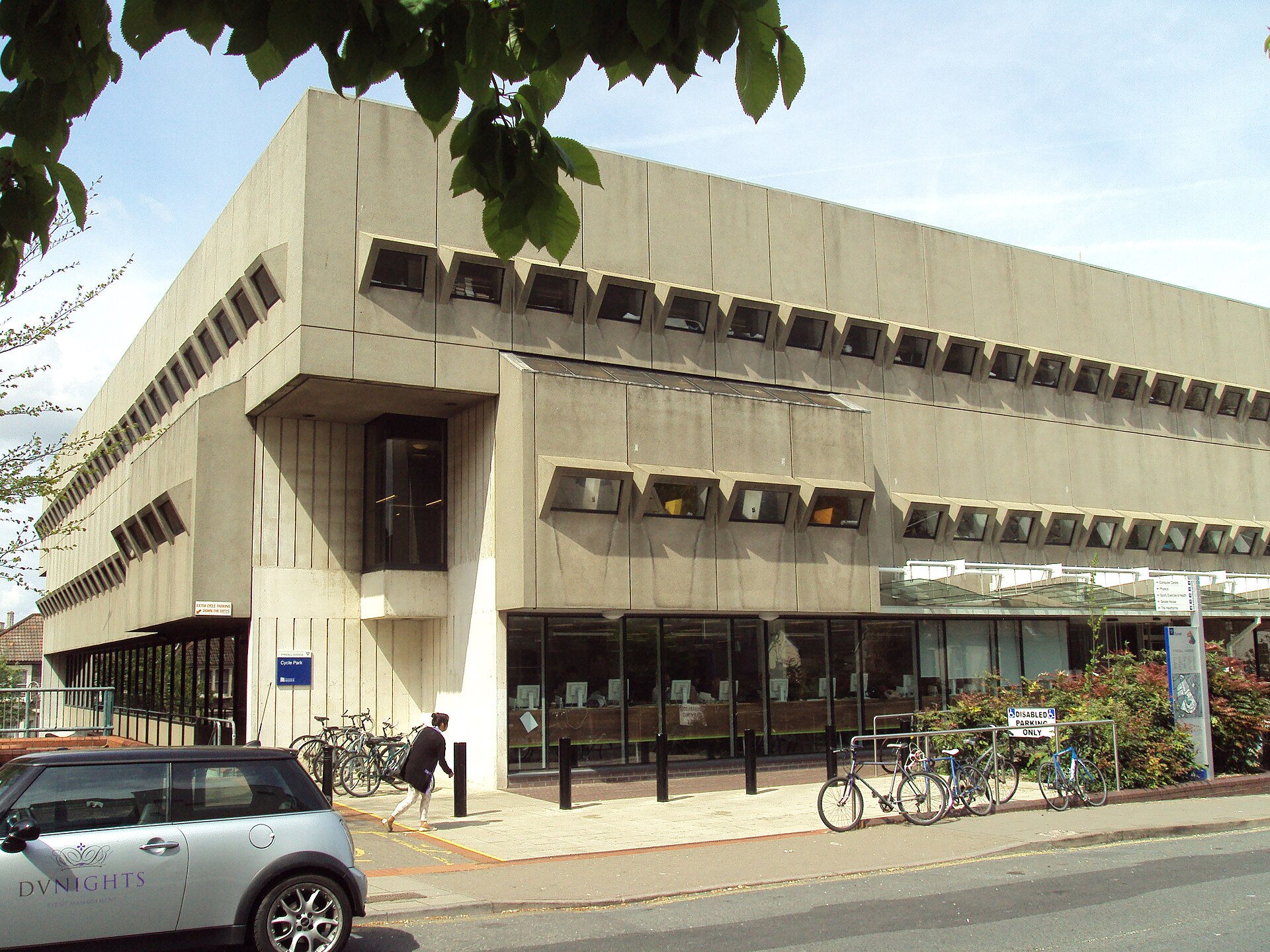
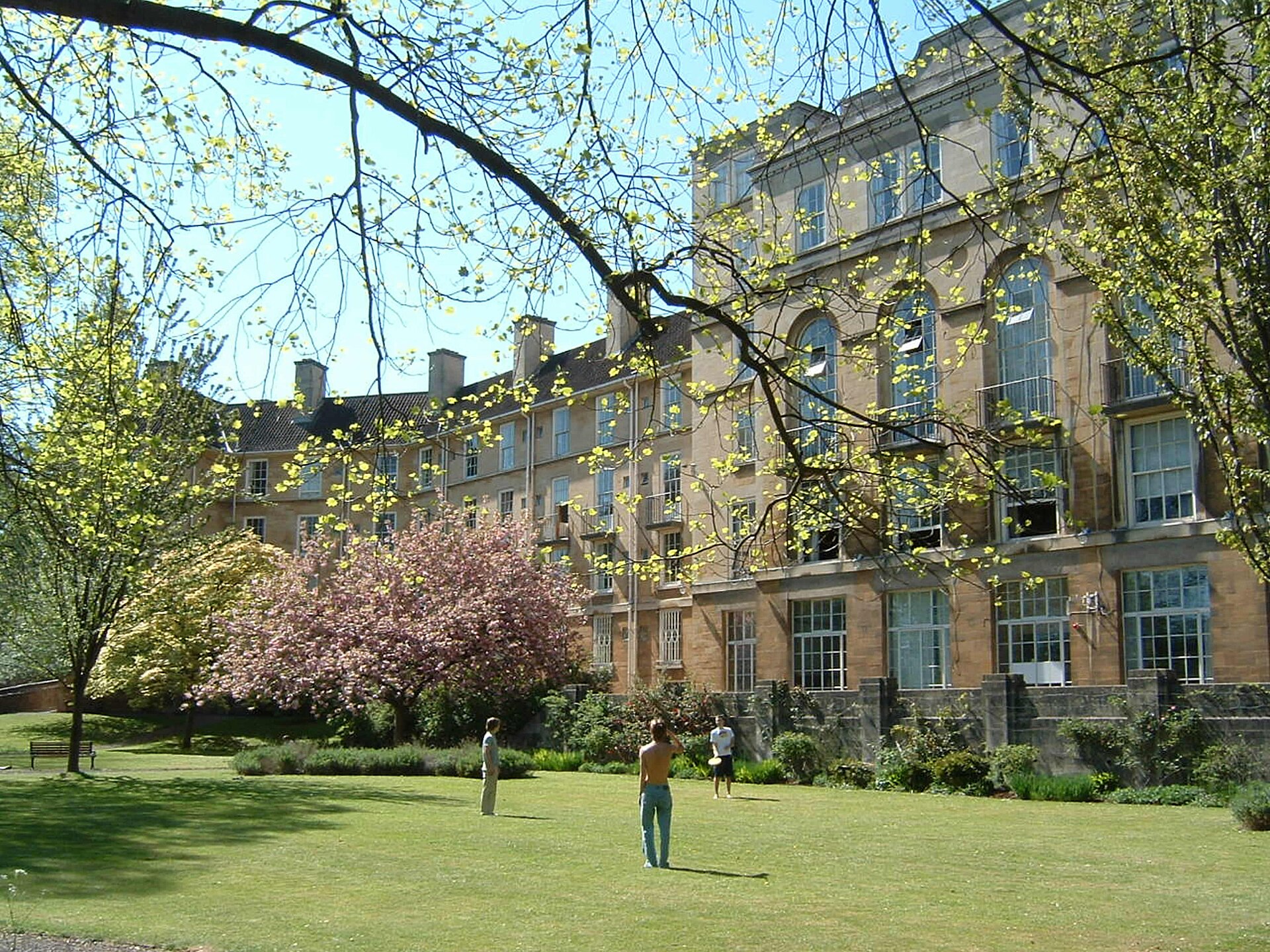
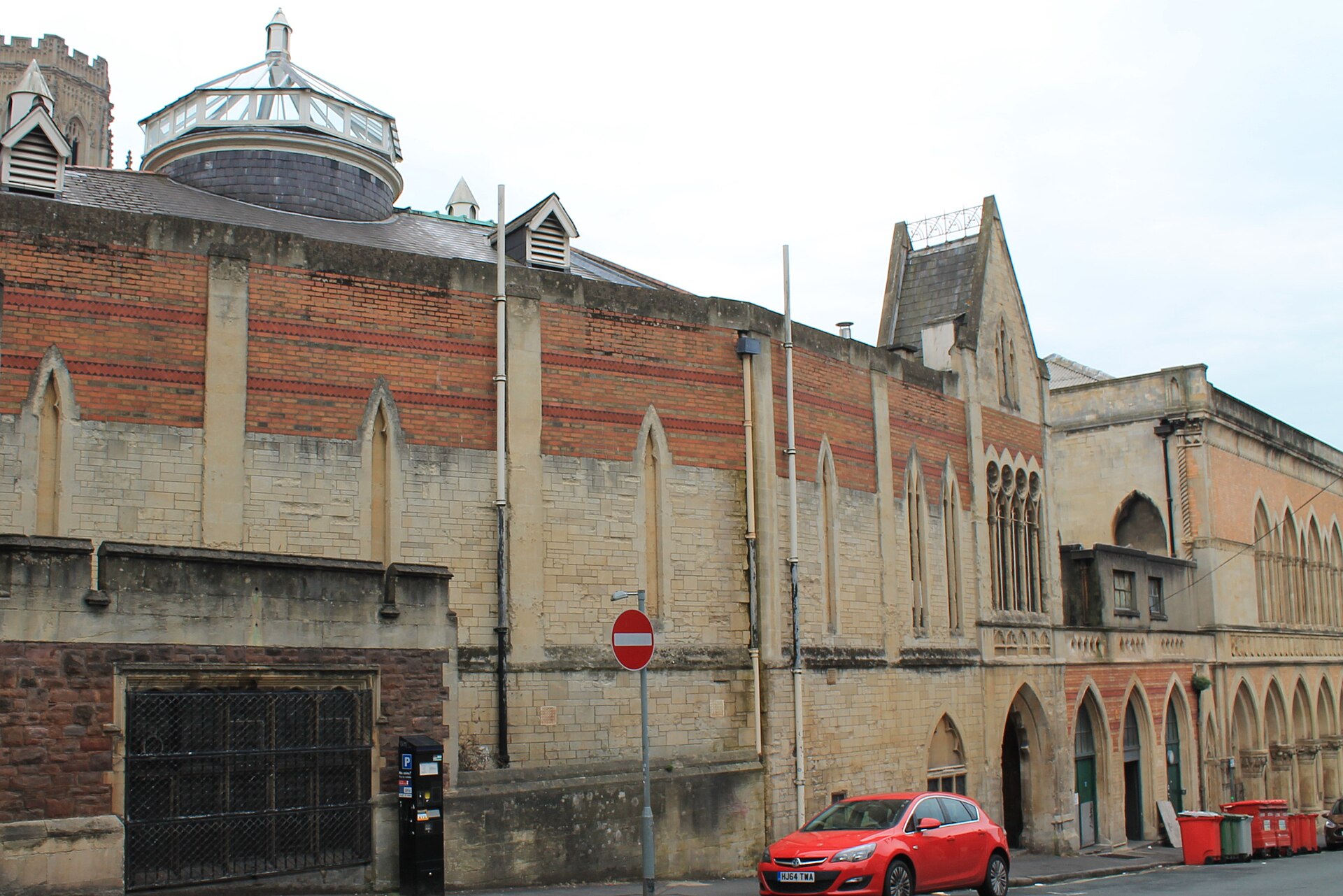
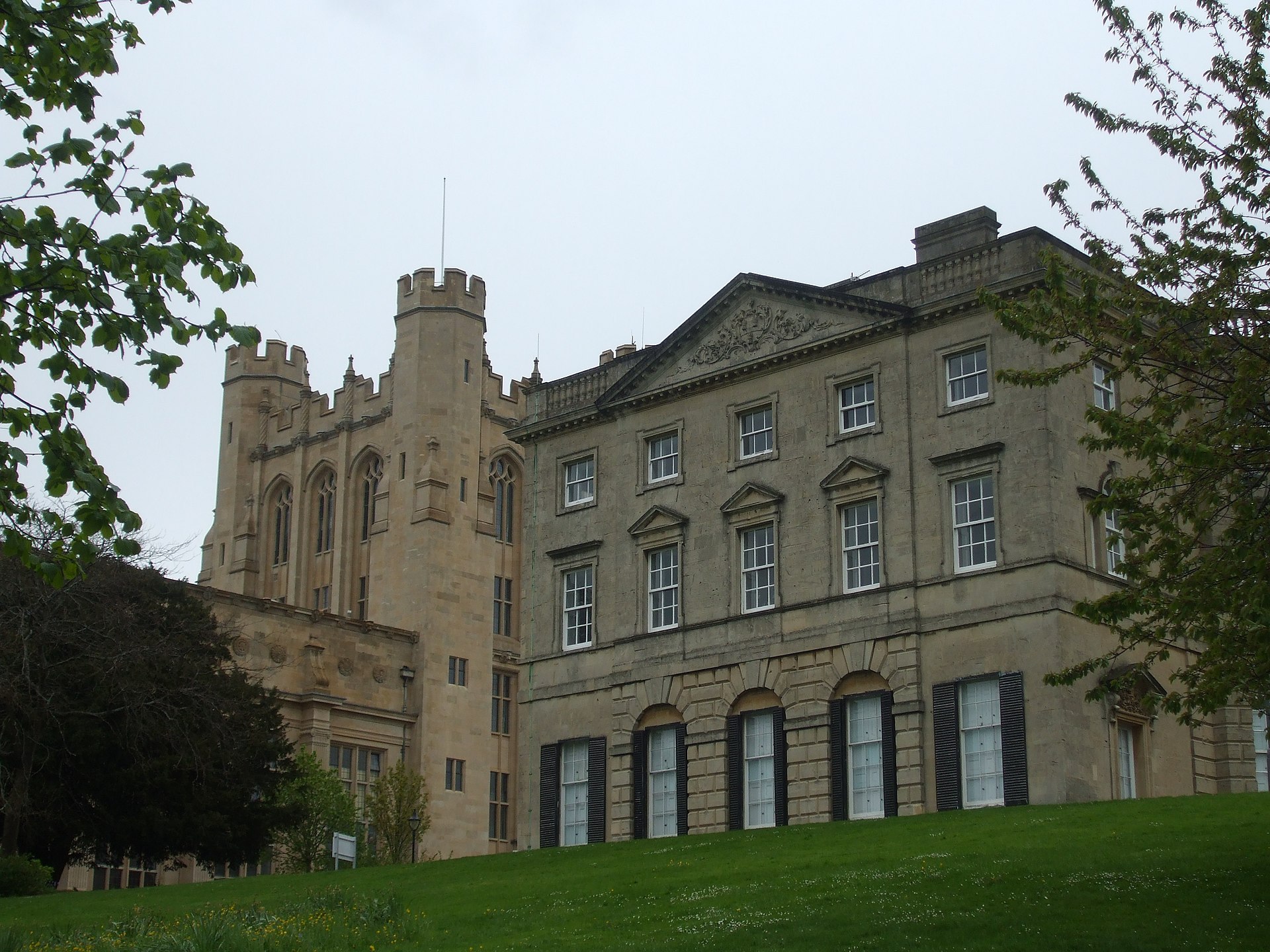
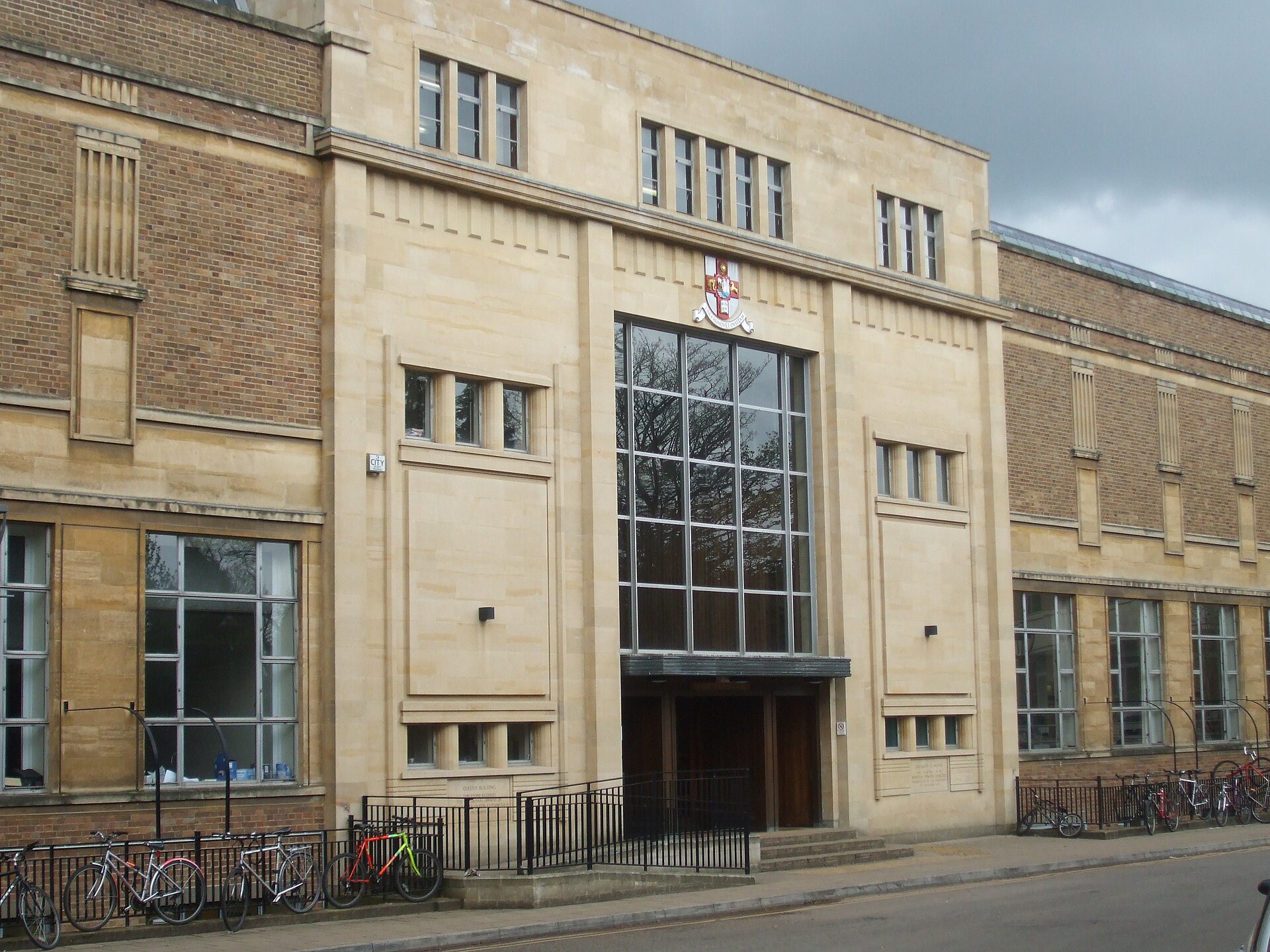
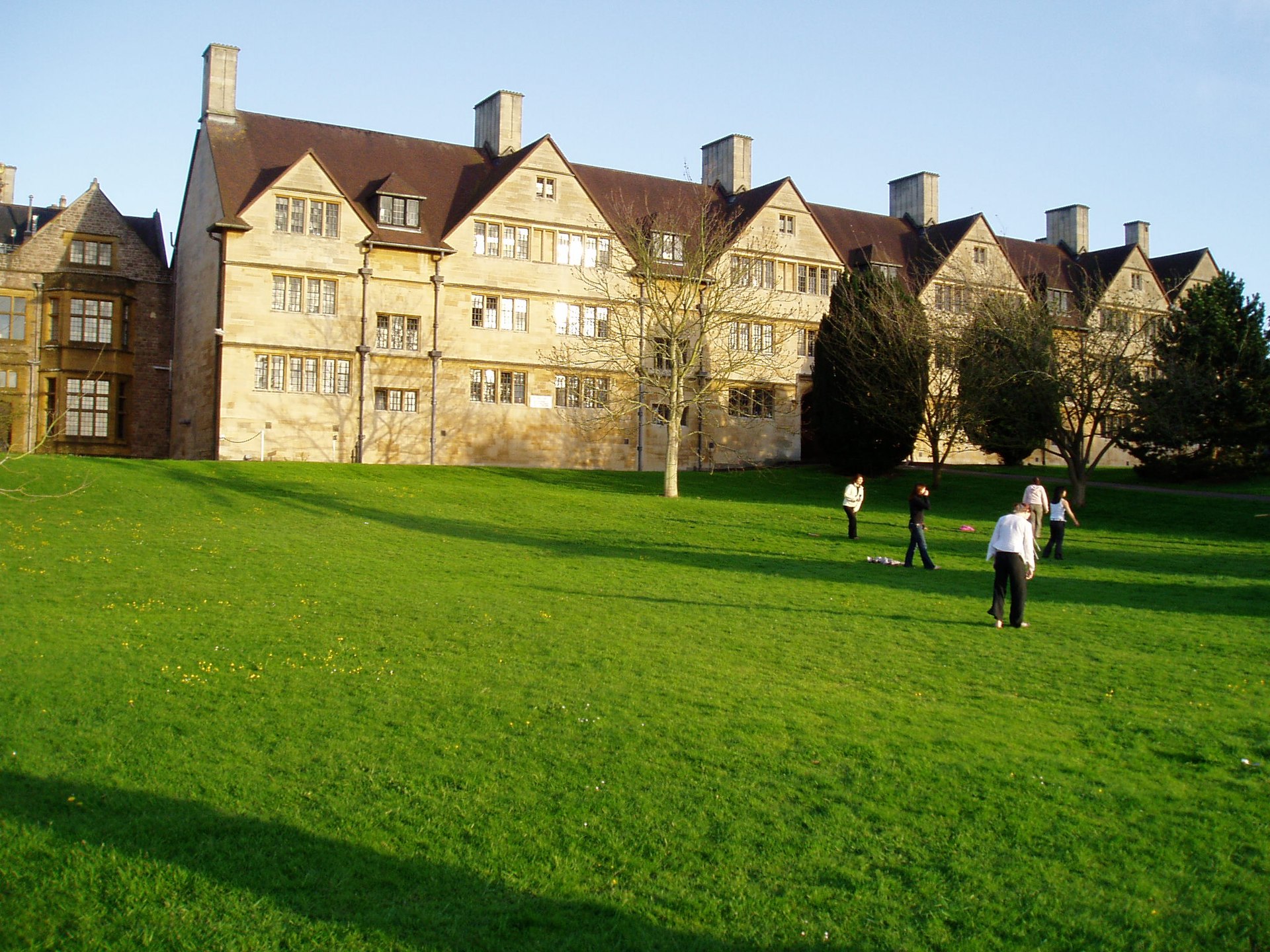
Why Bristol — Russell Group Prestige, Research Depth & City Energy
Bristol is not just a top-10 UK university — it is a Russell Group institution with a distinctive identity: technically rigorous, culturally engaged, and rooted in one of Britain's most creative and entrepreneurial cities. Here is why international students choose Bristol over other UK options.
SELECTIVITY & ADMISSIONS PROFILE
Bristol Acceptance Rate & What the Numbers Actually Mean
Bristol's overall acceptance rate of 67% reflects how UK admissions works: students apply through UCAS to a specific programme, and offers are made against published entry requirements for that course. The 67% figure is a university-wide average — it includes all programmes from the Arts to Engineering. For competitive courses such as Medicine, Veterinary Science, Computer Science, Law, and Economics, the effective acceptance rate is far lower and the academic bar is substantially higher.
In the UK system, selectivity is course-level, not university-level. Bristol Medicine is one of the most competitive undergraduate programmes in the country; Bristol Film Studies is accessible to a much broader range of applicants. What matters is whether your predicted grades, supporting qualifications, and personal statement meet the entry requirements for your chosen course — not Bristol's aggregate acceptance figure. Research your specific programme, understand the typical offer, and build a profile that genuinely meets it.
AT A GLANCE
Bristol Quick Facts
WHAT YOUR APPLICATION INCLUDES
Bristol Application Components — What You Submit Through UCAS
All undergraduate applications to Bristol are submitted through UCAS (the UK Universities and Colleges Admissions Service). There is no Bristol-specific application portal for undergraduate study. Your UCAS application includes the following components, all of which Bristol's admissions team reviews.
WHAT BRISTOL LOOKS FOR
The Profile Bristol Admits — Academic Achievement & Subject Commitment
Bristol is a research-intensive Russell Group university, and its admissions process reflects this: academic achievement is the primary filter. Conditional offers are made based on predicted grades for your specific course. If your grades do not meet the published requirements, your application will not proceed regardless of other strengths.
Beyond grades, Bristol looks for evidence of genuine intellectual engagement with the subject you are applying to. Your personal statement should demonstrate that you understand what the course involves, that you have explored the subject independently beyond your school curriculum, and that you are committed to the discipline — not just interested in 'university' generally. Bristol's admissions tutors read the personal statement carefully, particularly for borderline applicants and for courses where many applicants present similar grade profiles.
Contextual offers are available at Bristol for applicants from disadvantaged or under-represented educational backgrounds. Eligible applicants may receive an offer one to two grades lower than the standard entry requirement. International students may qualify for contextual offers in some circumstances — check Bristol's contextual admissions eligibility criteria on the official website.
APPLICATION DEADLINES
Key Dates for Bristol Applications — UCAS Deadlines You Cannot Miss
All undergraduate applications to Bristol are submitted through the UCAS system. UCAS sets the deadlines — Bristol does not have its own separate deadlines for standard undergraduate applications. The most critical deadlines are set out below.
Applying close to the January deadline carries no admissions disadvantage — Bristol gives equal consideration to all applications received by 29 January. However, applying in October or November reduces the risk of technical issues. Earlier submission is recommended for international students dealing with school references, document translation, or UCAS technical steps across time zones.
| Round | Deadline | Notes |
|---|---|---|
| Medicine, Dentistry & Veterinary Science | 15 October | UCAS equal-consideration deadline for clinical programmes; no exceptions |
| All Other Undergraduate Programmes | 29 January | UCAS equal-consideration deadline; apply by this date to be guaranteed equal consideration |
| UCAT Registration (Medicine/Dentistry) | Before October UCAS deadline | UCAT must be taken and results available before submitting Medicine/Dentistry applications |
| LNAT (Law) | Before January UCAS deadline | LNAT must be completed before receiving an offer from Bristol Law School |
| Think Big Scholarship Application | 10 April | After receiving an offer; open to eligible international offer-holders |
STUDENT LIFE
Life at Bristol — Campus Culture, City & Community
Bristol regularly ranks among the UK's favourite student cities — and it is not difficult to understand why. The University campus sits in the Clifton area of the city, with the iconic Wills Memorial Building at its heart. Clifton Village is a five-minute walk from most academic buildings, with independent cafés, restaurants, and the famous Clifton Suspension Bridge overlooking the Avon Gorge.
The city of Bristol itself is one of the UK's most vibrant cultural destinations. Street art is everywhere — Bristol is Banksy's hometown and one of the world's leading cities for urban art. The Harbourside, Old City, and Stokes Croft neighbourhoods offer music, food markets, live music venues, and galleries. Bristol has a thriving live music and festival scene, with major events across the year. It is compact, safe, and well-connected — with trains to London in under two hours and to Bath in 12 minutes.
CAREER OUTCOMES
Graduate Outcomes at Bristol — Employment, Sectors & the Bristol Network
93% of Bristol graduates are in employment or further study within 15 months of graduation. The average starting salary for Bristol graduates is approximately $35,000 (USD equivalent) — reflecting the broad range of disciplines and destinations Bristol graduates pursue, from graduate schemes in banking and consulting to careers in healthcare, engineering, and the arts.
Bristol's Careers Service provides comprehensive support from Year 1 through graduation — and the university extends career support to alumni for two years post-graduation through its mycareer.bristol.ac.uk platform. Bristol's strongest employer relationships are in aerospace and defence (Airbus, Rolls-Royce, BAE Systems, GKN), financial services (major investment banks, consulting firms), healthcare and life sciences (NHS, global pharmaceutical companies), and the technology sector. Bristol's proximity to the UK's South West aerospace corridor makes it a distinctive destination for engineering and technology students who want industry access that London-centric universities cannot match.
FREQUENTLY ASKED QUESTIONS
Bristol Admissions FAQs
Is the University of Bristol a Russell Group university?+
Yes. Bristol is a member of the Russell Group — the 24 research-intensive UK universities, which collectively receive the majority of UK research funding. Russell Group membership is a widely recognised marker of academic quality and research intensity, and a Bristol degree carries this prestige internationally.
What is the typical IB score needed for Bristol?+
Bristol's typical IB requirement across competitive courses is 36–38 points, with Higher Level requirements varying by course. Economics and Computer Science both require 38 points overall with 18 at HL (including specific Maths HL requirements). Law requires 38 points overall with 18 at HL. Check the individual course page for your specific programme as requirements differ.
Does Bristol interview undergraduate applicants?+
Most Bristol undergraduate programmes do not conduct interviews. Medicine and certain clinical courses may include interviews as part of their selection process. For Engineering, Law, Economics, Computer Science, and most Arts and Social Science programmes, the decision is based entirely on your UCAS application.
How do contextual offers work at Bristol?+
Bristol offers reduced entry grade requirements to applicants who meet certain contextual criteria — typically students from disadvantaged educational backgrounds, under-represented postcodes, or schools with below-average progression to higher education. Eligible applicants may receive an offer one to two grades below the standard entry requirement. Eligibility is determined automatically based on the information in your UCAS application and can be checked on Bristol's admissions website.
Can international students apply for the Think Big scholarship?+
Yes. Think Big is Bristol's flagship scholarship for international (overseas fee status) undergraduate and postgraduate students. Undergraduate awards range from £6,500 to £13,000 per year for up to four years, depending on your course. Applications open after you receive your Bristol offer and close on 10 April. The scholarship is merit-based and competitive.
How many UCAS choices can I include Bristol in?+
You submit one UCAS application listing up to five university choices. Bristol counts as one choice. You can apply to Bristol alongside four other universities on the same application, with the same personal statement. You cannot apply to two different courses at Bristol simultaneously.
Is Bristol Medical School hard to get into?+
Yes — Medicine at Bristol Medical School is among the most competitive undergraduate courses in the UK. It requires strong A-Level or IB results (typically AAA at A-Level or equivalent IB), a competitive UCAT score, and for applications to be submitted by 15 October. International applicants must meet all the same requirements as home students.
What is Bristol like as a city compared to London or Edinburgh?+
Bristol is smaller, more compact, and significantly more affordable than London, while being considerably more vibrant and culturally diverse than smaller university cities. It has its own international airport, excellent rail connections (London in under 2 hours, Bath in 12 minutes), a thriving arts and music scene, and a distinctive independent character. For students who want a genuine city life without London's costs or scale, Bristol is a compelling option.
ACADEMIC REQUIREMENTS
What Bristol Expects Academically — Entry Requirements for International Students
Bristol's admissions process is qualification-led. Unlike the holistic scoring of US admissions, at Bristol your conditional offer is built around specific predicted grades for your course. The academic requirement is the primary filter: if your predicted grades do not match the published entry requirements, you will not receive an offer. This is true even if your personal statement is exceptional. Understanding exactly what is required for your specific programme — and ensuring your school predicts you accurately — is the most important strategic task in a Bristol application.
The good news: Bristol's qualification-based admissions is transparent. Entry requirements are published for each course, for A-Levels, the IB Diploma, and a wide range of international qualifications. International students who meet the published requirements and submit a strong personal statement are assessed on entirely equal terms with UK-educated applicants.
ENTRY PROFILE
Bristol's Academic Entry Profile
Bristol does not publish a single university-wide entry threshold — requirements are programme-specific and should always be verified on the individual course page. The statistics below represent the range across competitive programmes. STEM and professional programmes sit at the higher end; Humanities and some Social Science programmes accept a broader range.
STANDARDISED TESTS
Bristol's Test Policy — SAT, ACT & Subject Aptitude Tests
Bristol does not use SAT or ACT scores in undergraduate admissions. UK university admissions is based on national qualification systems — A-Levels, the IB Diploma, and their international equivalents — not standardised aptitude tests. If you are applying from a US curriculum school, your predicted AP scores and GPA are what matter, not your SAT or ACT result.
Bristol does require subject-specific aptitude tests for certain professional programmes. Medicine and Dentistry require the UCAT (University Clinical Aptitude Test), which must be completed before the 15 October UCAS deadline. Law requires the LNAT (Law National Admissions Test), which must be completed before your application is assessed. For Engineering, Computer Science, Economics, and all Arts programmes, no additional aptitude test is needed.
IB & A-LEVEL REQUIREMENTS
IB and A-Level at Bristol — Course-by-Course Entry Requirements
Bristol publishes entry requirements in both A-Level and IB Diploma format for each course. The table below shows sourced requirements for key programmes most commonly applied to by international students. Always verify on the official Bristol course page for your specific programme and entry year, as requirements can change.
Contextual offer reductions (typically 2 grades at A-Level or 4 IB points) apply to eligible applicants. Always check the specific course page as entry requirements may differ from the indicative figures above.
| Course | A Level | Ib Points | Ib Notes |
|---|---|---|---|
| BSc Economics | A*AA including Mathematics | 38 points, 18 at HL | Mathematics HL (Analysis & Approaches) 6 or Mathematics SL (A&A) 7 required |
| BSc Computer Science | A*AA with A* in Mathematics | 38 points, 18 at HL | Mathematics HL (A&A or A&I) 7 required; contextual: 34 pts, Maths HL 6 |
| LLB Law | A*AA or A*A*B | 38 points, 18 at HL | No specific subject required; LNAT mandatory; contextual: 34 pts, 17 HL |
| Engineering (MEng/BEng — indicative) | A*AA (A* in Mathematics; Physics/Further Maths required by discipline) | 38 points, 18 at HL | Mathematics and Physics typically required at HL; check specific course page |
| Medicine (MBChB — indicative) | AAA including Chemistry and Biology (or Physics) | 36 points, 6,6,6 at HL | Chemistry and Biology at HL; UCAT required; 15 October UCAS deadline |
| Arts & Social Sciences (indicative) | ABB–AAA (course-dependent) | 30–36 points (varies by course) | Subject-specific HL requirements vary; check individual programme page |
SUBJECT PREPARATION
Academic Preparation by Field — What Bristol Expects You to Demonstrate
Bristol is research-intensive, and its admissions readers look for evidence that you understand what studying your subject at university level actually involves. Grade achievement is necessary but not sufficient for competitive programmes. Here is what strong academic preparation looks like across Bristol's most popular subject areas for international students.
ENGLISH LANGUAGE
English Language Requirements
All international applicants whose first language is not English must provide evidence of English language proficiency as a condition of their offer. Bristol uses a language profile system — courses are assigned one of several profiles, each specifying minimum test scores. The figures below reflect the minimum required for most undergraduate programmes (Profile B). Some courses require higher scores.
If you have completed at least three years of full-time education with English as the medium of instruction (for example, in an English-medium international school), you may be exempt from additional English language tests. Bristol specifies exemptions on a case-by-case basis — contact the admissions team to confirm your status before applying.
| Test | Minimum | Notes |
|---|---|---|
| IELTS Academic | 6.5 overall | No band below 6.0 (standard); Economics requires 7.0 in reading/listening |
| TOEFL iBT | 88 total | Component minimums vary by course; check individual programme page |
| Duolingo English Test | 120 | Accepted as an alternative for most courses; check clinical programme pages |
| Pearson PTE Academic | Score equivalent to IELTS 6.5 | Accepted by Bristol; verify minimum on individual course page |
| Cambridge English (C1 Advanced / C2 Proficiency) | Grade B or above (C1 Advanced) | Both C1 Advanced and C2 Proficiency accepted |
BUILDING YOUR APPLICATION
The Year-by-Year Bristol Preparation Ladder
A competitive Bristol application is not built overnight. The foundation is laid across Years 9–13, with specific actions in each year that compound into a strong application. Use this ladder as your planning framework.
COMMON MISTAKES
Academic Application Mistakes at Bristol
These are the most common reasons strong students fail to receive Bristol offers — avoidable with the right preparation.
- Applying to a course without checking the subject-specific entry requirements: An Economics applicant without Mathematics at A-Level or IB HL will not receive an offer regardless of their overall profile. Verify subject requirements before finalising your IB or A-Level choices.
- Underestimating how competitive Bristol Medicine really is: Bristol Medical School is among the UK's most competitive programmes. A competitive UCAT score, clinical work experience, and a strong personal statement are all required in addition to excellent predicted grades — any weakness across these components can cost you an offer.
- Assuming contextual offers apply to you without checking: Bristol's contextual offer eligibility is specific. Do not assume you qualify — verify through the official eligibility checker.
- Missing the 15 October UCAS deadline for Medicine, Dentistry, or Vet: This deadline is absolute. There are no exceptions for missed clinical programme deadlines. If you miss it, you must wait until the following year to apply.
- Treating the personal statement as an afterthought: For borderline applicants and for courses like Law and Medicine where the statement is formally assessed, a weak personal statement can result in rejection at grade levels that would otherwise receive an offer.
- Having your school predict grades you cannot realistically achieve: Bristol makes conditional offers. If your school overpredicts and you do not meet the offer conditions in your final exams, your place is withdrawn. Accurate predictions are essential — not inflated ones.
- Applying to Mathematics: Analysis and Interpretations (AI) when the course requires Analysis and Approaches (AA): Several Bristol STEM courses (Economics, Computer Science) require Mathematics Analysis and Approaches specifically. Applications and Interpretations may not satisfy the requirement. Check before finalising your IB subject choices.
- Not registering for UCAT or LNAT early enough: UCAT registration and test places fill quickly in summer. LNAT has specific deadlines. Both must be completed before your application is assessed — leaving them until the last minute creates unnecessary risk.
COST & FINANCIAL AID
Understanding the Cost of Bristol — An Honest Overview for International Students
Bristol is a Russell Group research university in one of the UK's most desirable cities — and for international students, it carries international tuition fees. UK universities do not offer need-blind admissions for international undergraduates, and Bristol's financial aid for international students is limited in scope compared to US need-based programmes.
The honest picture: Bristol's international tuition fees are substantial, the Think Big scholarship programme is competitive and partial, and most international students fund their Bristol education through a combination of family savings, home-country government scholarships, and in some cases employer sponsorship. That said, Bristol is significantly more affordable than studying in London — and the city's cost of living, accommodation costs, and transport are all lower than capital city equivalents. Plan carefully, apply for every scholarship you can, and start financial planning early.
COST BREAKDOWN
Annual Cost Estimates for International Undergraduates
The figures below are annual estimates in USD equivalent, sourced from the facts file. Tuition fees vary by programme — clinical degrees (Medicine, Dentistry, Veterinary Science) typically carry higher fees than Arts and Humanities. All figures are subject to annual revision and exchange rate fluctuation.
All figures are annual estimates in USD equivalent. Actual fees are set in GBP and fluctuate with exchange rates. Always check Bristol's current international fee schedule for your specific programme and year of entry before making financial commitments.
| Component | Amount | Notes |
|---|---|---|
| International tuition fees (annual estimate) | ~$35,500 | Programme fees vary; clinical degrees typically higher |
| Living costs (food, transport, personal — annual) | ~$15,000 | Bristol is affordable relative to London; accommodation costs vary |
| Total estimated cost of attendance (annual) | ~$52,000 | Tuition + living; books, travel, and extras additional |
| UCAS application fee | ~$35 | Single UCAS fee covers all five university choices |
FINANCIAL AID POLICY
Financial Aid for International Undergraduates
Bristol does not offer a broad need-based financial aid programme for international undergraduates comparable to US need-blind institutions. There is no institutional guarantee that demonstrated financial need will be fully met. Most international undergraduate students at Bristol pay full international tuition fees.
The University's primary financial support for international students comes through competitive merit scholarships — principally the Think Big scholarship programme. These scholarships are partial (covering a portion of tuition) and competitive. They do not come close to covering full tuition for the majority of recipients. International students are excluded from UK government student loans and the domestic fee regime.
The most effective funding routes for international Bristol undergraduates are: the Think Big scholarship (merit-based, partial), home-country government scholarships (Chevening for postgraduate, Commonwealth Scholarships, bilateral awards, national merit programmes), employer sponsorship programmes in your home country, and family savings. Investigate your home country's scholarship offerings early — many countries fund undergraduate study at UK Russell Group universities specifically.
SCHOLARSHIPS
Think Big & Other Scholarships — What Is Actually Available for International Students
Bristol's flagship international scholarship is Think Big, administered by the University's International Office. Awards are available for both undergraduate and postgraduate students. Scholarships are merit-based and available to eligible overseas fee-status students in most faculties.
NET COST REALITY
What Bristol Actually Costs After Scholarships
For most international students, the Think Big scholarship partially offsets the tuition cost — it does not eliminate it. A £6,500 annual scholarship on a programme with £28,000–£35,000+ annual tuition still leaves a substantial remaining fee. Families should plan for the full tuition cost as the baseline and treat any scholarship as a welcome reduction, not a guaranteed offset.
Where Bristol does provide genuine affordability advantage is in cost of living. Bristol is significantly less expensive than London — accommodation, transport, food, and social costs are materially lower than in the capital. Students at comparable London universities face total costs of attendance 20–30% higher than Bristol equivalents, simply due to city pricing. For international families budgeting carefully, this is a real and meaningful difference over a three-or-four-year degree.
Work rights: most UK student visas allow up to 20 hours of part-time work per week during term time and full-time work during holidays. Bristol's Careers Service and the Bristol SU Jobs Board list part-time employment opportunities accessible to international students. Part-time work income can meaningfully contribute to living costs but should not be relied upon to cover tuition.
FUNDING STRATEGY
Steps to Secure Your Bristol Funding
COST & AID FAQS
Cost and Scholarships FAQs
Do international students pay the same tuition as UK students at Bristol?+
No. UK students at Bristol pay regulated domestic tuition fees. International (overseas fee-status) students pay significantly higher international fees. The annual international tuition fee varies by programme and is set in GBP — check Bristol's current international fee schedule for your specific course.
Is the Think Big scholarship available for all courses?+
No. Think Big is available for most, but not all, undergraduate programmes. Bristol Dental School and Bristol Medical School are excluded from the standard Think Big undergraduate award. Veterinary Science was newly added for 2026 entry. Check the Think Big eligibility list on Bristol's official scholarship page before applying.
Can I apply for Think Big before receiving an offer?+
No. You must hold a conditional or unconditional offer from Bristol to apply for Think Big. Secure your UCAS application and Bristol offer first, then apply for the scholarship once the portal opens.
Are there any no-loan or full-need scholarships for international undergraduates at Bristol?+
Bristol does not operate a need-blind or full-need scholarship programme for international undergraduates. The Think Big programme is partial and merit-based. Full-funding options are primarily available through external channels — government scholarship programmes, bilateral awards, and employer sponsorships from your home country.
What is the cost of living in Bristol compared to London?+
Bristol is substantially more affordable than London. Accommodation, food, transport, and social costs are roughly 30–40% lower than comparable spending in London. For international students, this means the total cost of attendance in Bristol is significantly lower than at a London university with similar tuition fees — a genuine financial advantage over a three-or-four-year degree.
Can I work part-time as an international student to help with living costs?+
Most UK student visas allow up to 20 hours of paid work per week during term time and unlimited work during official university holiday periods. Many international students take part-time work to supplement living costs. Bristol's Careers Service and Bristol SU Jobs Board list accessible part-time opportunities.
What is the application fee for Bristol?+
There is no separate Bristol application fee. You pay a single UCAS application fee — approximately £29.50 (roughly $35 USD) — which covers applications to all five of your UCAS university choices.
UCAS PERSONAL STATEMENT
Your Bristol Personal Statement — Why It Matters and How to Get It Right
In the UK admissions system, grades are the primary filter — but the personal statement is the only place in your Bristol application where your voice, your intellectual engagement, and your subject commitment can speak directly to the admissions tutor. From 2026 entry onwards, the UCAS personal statement has moved from a single open-form essay to a structured three-question format. This is a significant change — and understanding how to use each question strategically is essential for any competitive Bristol applicant.
Bristol's admissions teams read the personal statement carefully, particularly for competitive programmes (Law, Medicine, Economics, Computer Science) and for borderline applicants where grade profiles are similar. A generic statement that could apply to any university, or any subject, will not distinguish you. A specific, evidence-based statement that demonstrates you understand the course, have engaged with the subject beyond school, and can write with clarity and intellectual confidence — that is what earns offers at Bristol.
THE FORMAT
UCAS Personal Statement Overview — The New Three-Question Format (2026 Entry Onwards)
From 2026 entry onwards, UCAS replaced the previous free-form 4,000-character personal statement with a new three-question structure. All universities on your UCAS list — including Bristol — receive the same statement. You cannot write different statements for different universities. The statement must be genuinely relevant to the specific subject you are applying to.
The strategic implication for Bristol applicants: because the same statement goes to all your UCAS choices, it must be subject-specific — not university-specific. You are not expected to mention Bristol by name (doing so poorly is worse than not doing it). What Bristol's admissions tutors want to see is that you genuinely understand and are committed to the subject you are applying to study for three or four years. Every sentence should serve that purpose.
THE THREE QUESTIONS
UCAS Personal Statement Questions — What to Write for Each (Bristol Perspective)
The UCAS personal statement for 2026 entry is structured around three questions. Below is the question focus for each, with Bristol-specific strategic guidance on how to approach each one.
STRATEGY
How Bristol Uses Your Personal Statement — What Admissions Tutors Actually Read
Bristol's admissions system is primarily grade-based — conditional offers are made around predicted grades and qualification requirements. But the personal statement plays a meaningful secondary role, particularly in the following scenarios: when applicants present similar grade profiles and the statement differentiates them; when a course explicitly evaluates the statement (Law, Medicine, and some clinical programmes); and when an applicant is on the borderline of the published entry requirements.
For Medicine at Bristol, the personal statement is formally assessed — it contributes to interview invitation decisions alongside UCAT scores. Every sentence in a Medicine personal statement is read carefully. For Law (with the LNAT requirement), the statement is part of a holistic picture that includes your test score. For Engineering and Computer Science, the statement matters most when many applicants present similar strong predicted grades and admissions tutors need to distinguish genuine commitment from applications assembled for strategic reasons. The single most important strategic point: your statement must be written for one subject. Admissions tutors at Bristol's competitive programmes can tell immediately whether a personal statement was written with genuine knowledge of the field or recycled from a generic template.
WRITING GUIDANCE
Maximising Each UCAS Question at Bristol
WHAT TO WRITE ABOUT
Topics That Work for Bristol Applications
The most effective Bristol personal statements are the most specific ones. Here is what strong content looks like across the main subject areas Bristol is known for.
WHAT NOT TO DO
Personal Statement Mistakes That Cost Bristol Offers
- Writing a statement that works for multiple subjects: Bristol admissions tutors can identify immediately whether a personal statement was written with genuine knowledge of the subject or assembled to cover multiple fields. A statement that is vague enough to apply to Engineering and Computer Science and Physics is specific enough for none of them.
- Opening with a generic claim ('From a young age, I have always been passionate about...'): This opening is used by the majority of applicants. It wastes your first and most valuable sentences. Begin with something specific — a concept, a problem, a discovery — not a biographical statement.
- Listing achievements in Question 3 without reflection: Admissions tutors want to know what you learned from each experience, not just where you went. A list of ten activities without a single reflection demonstrates breadth without depth. Bristol values intellectual engagement — show it.
- Not researching what the course actually involves: A personal statement for Bristol Computer Science that does not engage with computation, algorithms, or programming signals that you are applying to 'computer science generally' rather than Bristol's specific programme. Read the first-year module outlines for your course before writing.
- Mentioning Bristol specifically in ways that are hollow: If you are going to reference Bristol research or academic strengths, do so only if you have genuinely engaged with that work. Name-dropping the Cabot Institute or Bristol Quantum Photonics Programme without substantive connection signals strategy over authenticity.
- Submitting a statement that is well below 4,000 characters: The character limit exists to be used. A statement that uses 2,500 characters out of a possible 4,000 is failing to make the case. Every available character is an opportunity to demonstrate knowledge, engagement, and commitment.
- Using AI to generate the final statement: UCAS uses AI-detection tools, and Bristol's admissions tutors read thousands of statements — AI-generated content is identifiable by its generic structure and absence of genuine personal voice. Use AI for brainstorming, structural feedback, or editing — not to generate the text itself.
- Leaving the personal statement until the last minute: A strong statement requires multiple drafts, teacher feedback, and genuine reflection. Starting in October for a January deadline leaves almost no time to revise. Start drafting in summer before Year 13.
UCAS PERSONAL STATEMENT FAQS
Personal Statement FAQs for Bristol Applicants
Can I write different personal statements for different universities?+
No. UCAS uses a single personal statement submitted to all five of your university choices simultaneously. The same text goes to Bristol and to every other university on your UCAS form. This is the most important difference from the US application system — you cannot tailor the statement to Bristol specifically if you are also applying to other institutions.
How much of the personal statement should I give to each question?+
There is no fixed ratio, but a widely used guide is: allocate approximately 40–50% of your characters (roughly 1,800 characters) to Question 1 (why this subject), about 30% (roughly 1,200 characters) to Question 2 (academic preparation), and 20% (roughly 800 characters) to Question 3 (beyond the classroom). Question 1 is the most important for most courses.
Should I mention Bristol by name in my personal statement?+
You are not expected to mention Bristol — and doing so poorly is counterproductive. The statement is about the subject you are applying to study, not the university you want to attend. If you have a substantive and genuine reason to reference a specific Bristol research group, professor, or programme element, it can add value. Otherwise, leave it out.
What is the new UCAS 3-question format replacing?+
Before 2026 entry, UCAS used a single open-format personal statement of 4,000 characters (approximately 47 lines of text). From 2026 entry onwards, this has been replaced by three structured questions with a combined 4,000-character limit and a minimum of 350 characters per question. The content expected has not changed dramatically — but the structure makes it easier to assess whether applicants have addressed all three dimensions (motivation, academic preparation, and wider engagement).
Is the personal statement more important for some Bristol courses than others?+
Yes. For Medicine, the personal statement is formally assessed alongside UCAT scores and contributes to interview invitation decisions — every sentence is read carefully. For Law (LNAT required), the statement forms part of a holistic assessment. For Engineering, Computer Science, and Economics, the statement matters most for borderline applicants where grade profiles are similar. For all courses, a strong statement can only help — never hurt.
How early should I start writing my personal statement?+
For Medicine and Dentistry (15 October UCAS deadline), a near-complete draft should be ready by early September — this means beginning in Year 12 Summer. For all other courses (29 January deadline), a strong first draft by October, revised version by November, and final version by December is the recommended timeline. A good personal statement takes multiple drafts and real feedback.
Can AI tools write my personal statement?+
UCAS has implemented AI-detection tools and explicitly warns against submitting AI-generated content. Beyond detection risk, AI-generated statements lack the specific personal voice and genuine intellectual engagement that Bristol's admissions tutors are trained to identify — and the absence of that authenticity can cost you an offer in competitive programmes. Use AI for brainstorming, structural planning, or editing your own drafts — not for generating the text you submit.
If I have a very strong UCAS application overall, does the personal statement still matter?+
For most courses, a very strong academic profile (predicted grades well above the offer level) reduces the weight of the personal statement. But for courses where the statement is formally assessed (Medicine), and for programmes where many applicants meet or exceed grade requirements, the statement remains a meaningful differentiator. A strong statement can never hurt your application — and for borderline cases, it can determine the outcome.
Courses — schools, degrees & intake
124 degrees across 22 groupings.
University of Bristol Law School · 4 degrees
LLB Law
LLB Law with Study Abroad
LLB Law and Modern Languages
LLB Law with Study in Continental Europe
School of Economics · 11 degrees
BSc Economics
BA Economics
BSc Economics and Econometrics
BSc Economics and Finance
BSc Economics and Data Science
BSc Economics and Accounting
BSc Economics and Management
BSc Economics and Mathematics
BSc Economics and Politics
BA Politics, Philosophy and Economics
BSc Philosophy and Economics
School of Arts and School of Humanities · 21 degrees
BA English
BA English and Classical Studies
BA English and History
BA English and Modern Languages
BA English and Philosophy
BA Film and English
BA Theatre and English
BA History
BA History and Modern Languages
BA Ancient History
BA Classical Studies
BA Classics
BA Comparative Literatures and Cultures
BA Film and Television
BMus Music
BA Theatre
BA Philosophy
BA Religion and Theology
BA History of Art
BA Liberal Arts
BA Anthropology and Archaeology
School of Modern Languages · 2 degrees
BA Modern Languages
BA Politics and Modern Languages
School of Sociology, Politics and International Studies · 7 degrees
BSc Politics and International Relations
BSc Politics and Sociology
BSc Social Policy and Politics
BSc Philosophy and Politics
BSc Sociology
BSc Criminology
BSc Social Policy
University of Bristol Business School · 7 degrees
BSc Business and Management
BSc Business Analytics
BSc Accounting and Finance
BSc Finance
BSc Accounting and Management
BSc International Business Management
BSc Marketing
School of Education · 2 degrees
BA Education
BSc Childhood Studies
Bristol Medical School · 2 degrees
MB ChB Medicine
MB ChB Gateway to Medicine
Bristol Dental School · 3 degrees
BDS Dentistry
BDS Gateway to Dentistry
BSc Dental Hygiene and Dental Therapy
Bristol Veterinary School · 2 degrees
BVSc Veterinary Science
BSc Veterinary Nursing
School of Biochemistry and Biomedical Sciences · 9 degrees
BSc Biochemistry
BSc Biochemistry with Medical Biochemistry
BSc Biochemistry with Molecular Biology and Biotechnology
MSci Biochemistry
BSc Biomedical Sciences
BSc Cellular and Molecular Medicine
BSc Pharmacology
BSc Physiological Science
BSc Applied Anatomy
School of Biological Sciences · 4 degrees
BSc Biology
MSci Biology
BSc Plant Sciences
BSc Zoology
School of Psychology and Neuroscience · 3 degrees
BSc Psychology
MSci Psychology and Neuroscience
BSc Neuroscience
School of Civil, Aerospace, and Design Engineering · 5 degrees
BEng Aerospace Engineering
MEng Aerospace Engineering
BEng Civil Engineering
MEng Civil Engineering
BEng Design Engineering
School of Computer Science · 7 degrees
BSc Computer Science
BSc Computer Science with Artificial Intelligence
MEng Computer Science
MEng Computer Science with Artificial Intelligence
MEng Computer Science with Innovation
BSc Mathematics and Computer Science
MEng Mathematics and Computer Science
School of Electrical, Electronic and Mechanical Engineering · 6 degrees
BEng Electrical and Electronic Engineering
MEng Electrical and Electronic Engineering
BEng Mechanical Engineering
MEng Mechanical Engineering
BEng Mechanical and Electrical Engineering
MEng Mechanical and Electrical Engineering
School of Engineering Mathematics and Technology · 3 degrees
BEng Engineering Mathematics
MEng Engineering Mathematics
BEng Artificial Intelligence
School of Mathematics · 8 degrees
BSc Mathematics
MSci Mathematics
BSc Mathematics with Statistics
BSc Mathematics with Statistics for Finance
BSc Data Science
BSc Mathematics and Physics
BSc Mathematics and Philosophy
MSci Mathematics and Physics
School of Physics · 8 degrees
BSc Physics
MSci Physics
BSc Physics with Astrophysics
MSci Physics with Astrophysics
BSc Physics with Computing
MSci Physics with Computing
MSci Theoretical Physics
BSc Physics and Philosophy
School of Chemistry · 5 degrees
BSc Chemistry
BSc Chemistry with Computing
MSci Chemistry
MSci Chemistry with Computing
BSc Chemical Physics
School of Earth Sciences · 3 degrees
BSc Geology
BSc Environmental Geoscience
BSc Palaeontology and Evolution
School of Geographical Sciences · 2 degrees
BSc Geography
MSci Geography with Innovation
Want your real chances at University of Bristol?
Create a free TYCHR account for your personalised admit-chance, a shortlist you can track, exact entry requirements, and essay + counselling help.