University of Bern
Bern, Switzerland · Urban
SWITZERLAND · QS #119
University of Bern Admissions Guide for International Students
Founded in 1834 in Switzerland's federal capital, the University of Bern is one of Europe's most respected comprehensive research universities — and one of the most affordable. Known for world-class work in space science, climate research, and medicine, Bern offers international students a rare combination: a top-100 global institution, low tuition by Swiss public standards, and a vibrant, safe city that happens to be a UNESCO World Heritage site. Most bachelor's programmes are taught in German, so language planning is essential — but a growing portfolio of English-taught master's programmes has made Bern increasingly accessible to international applicants who are not German speakers.
Campus
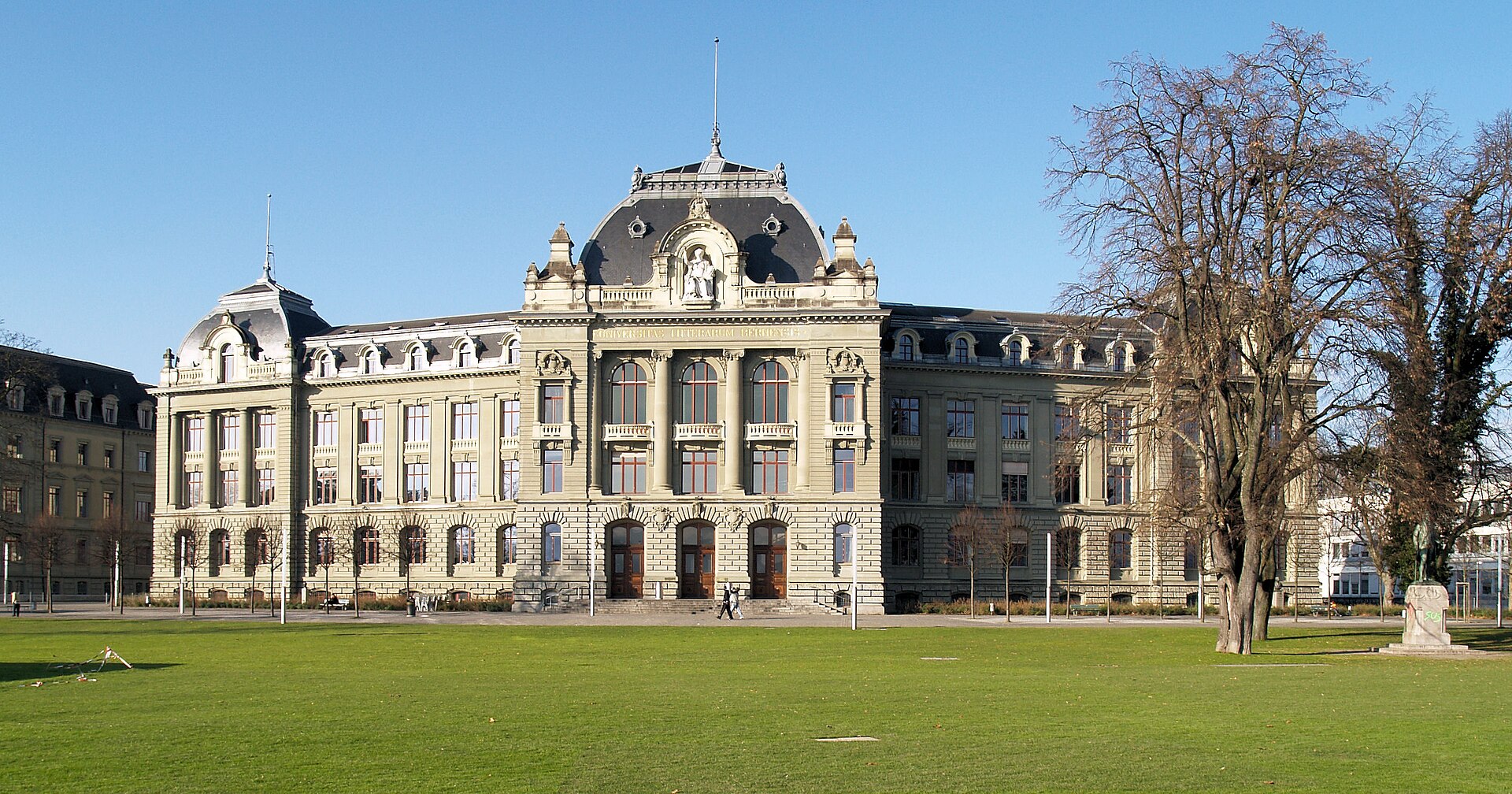
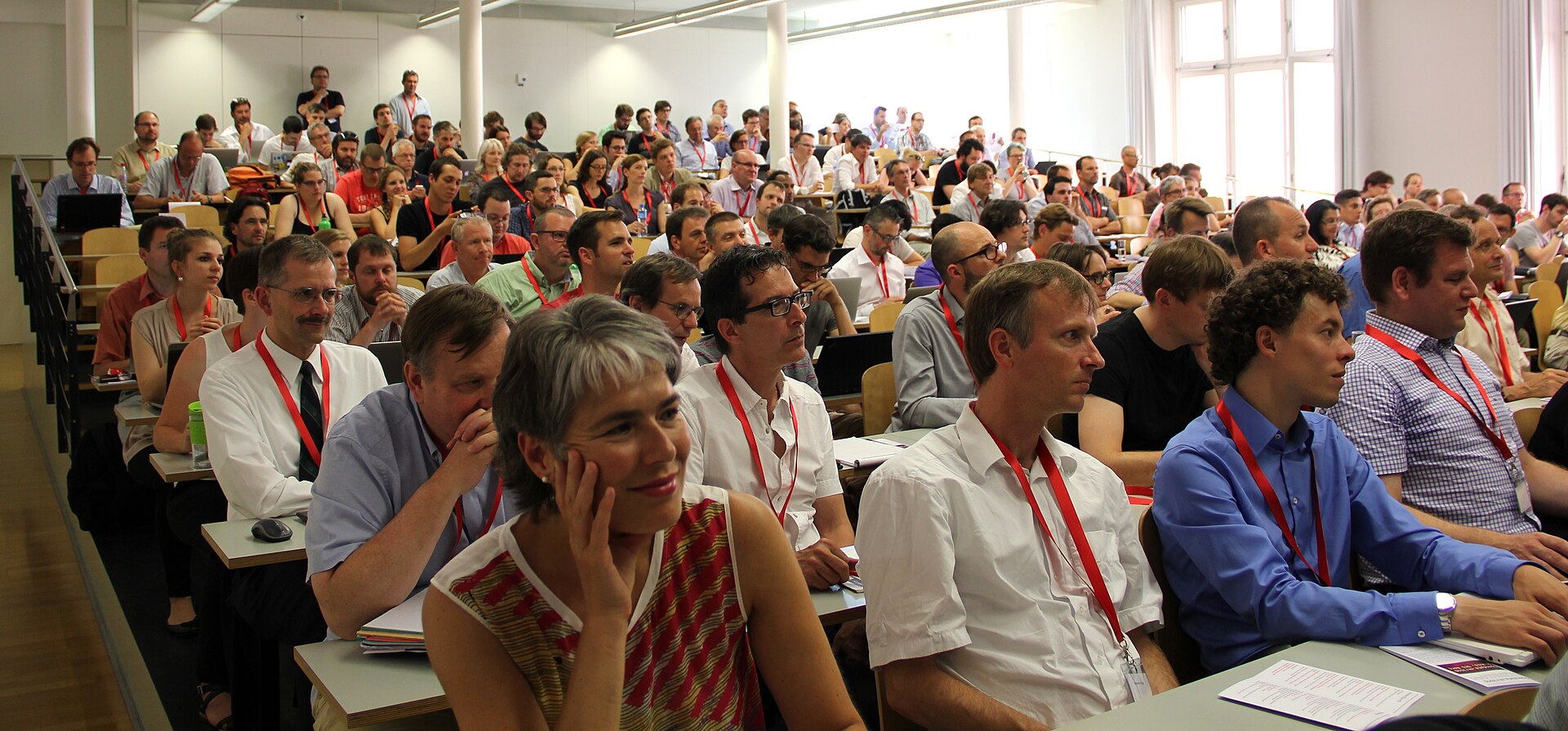
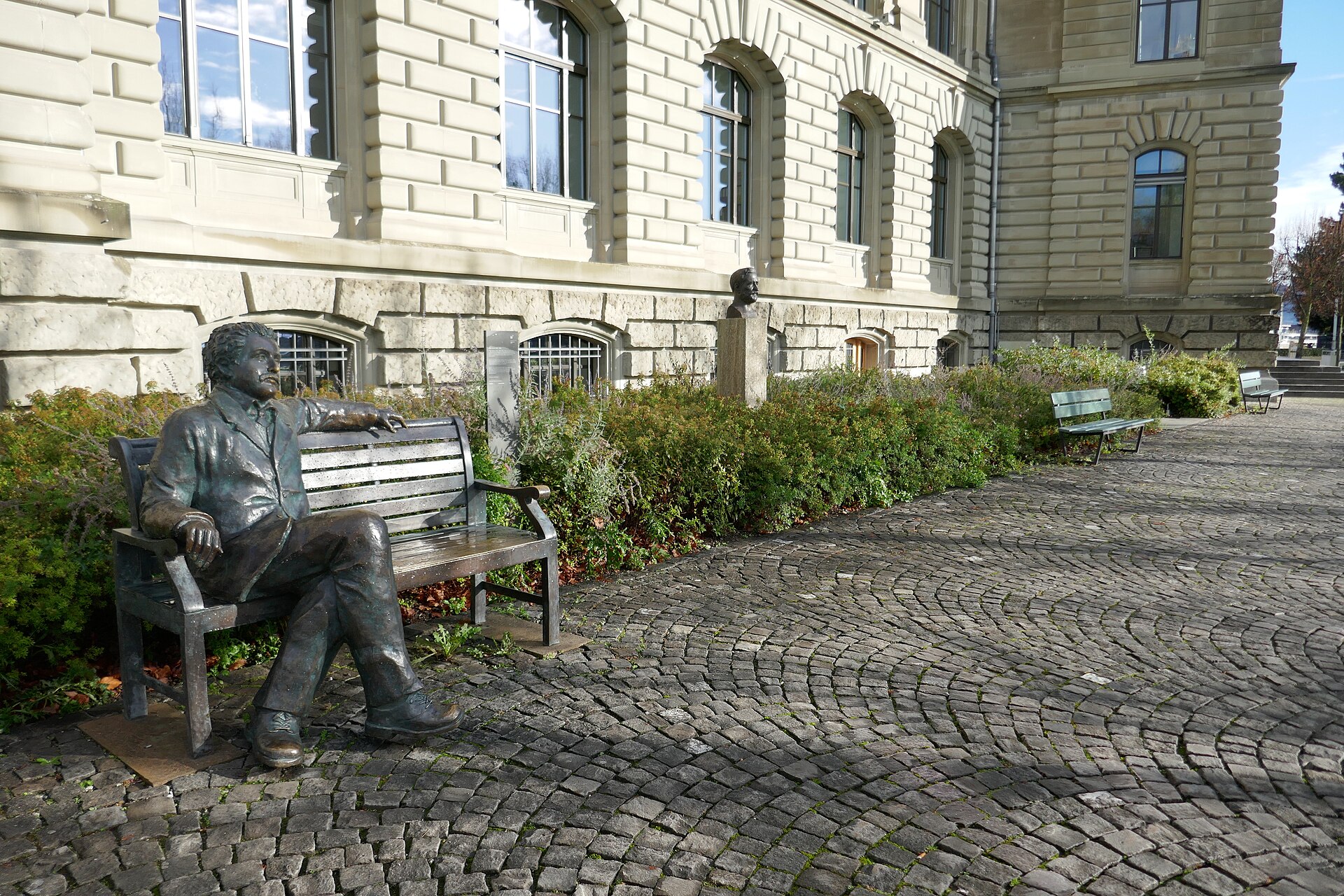
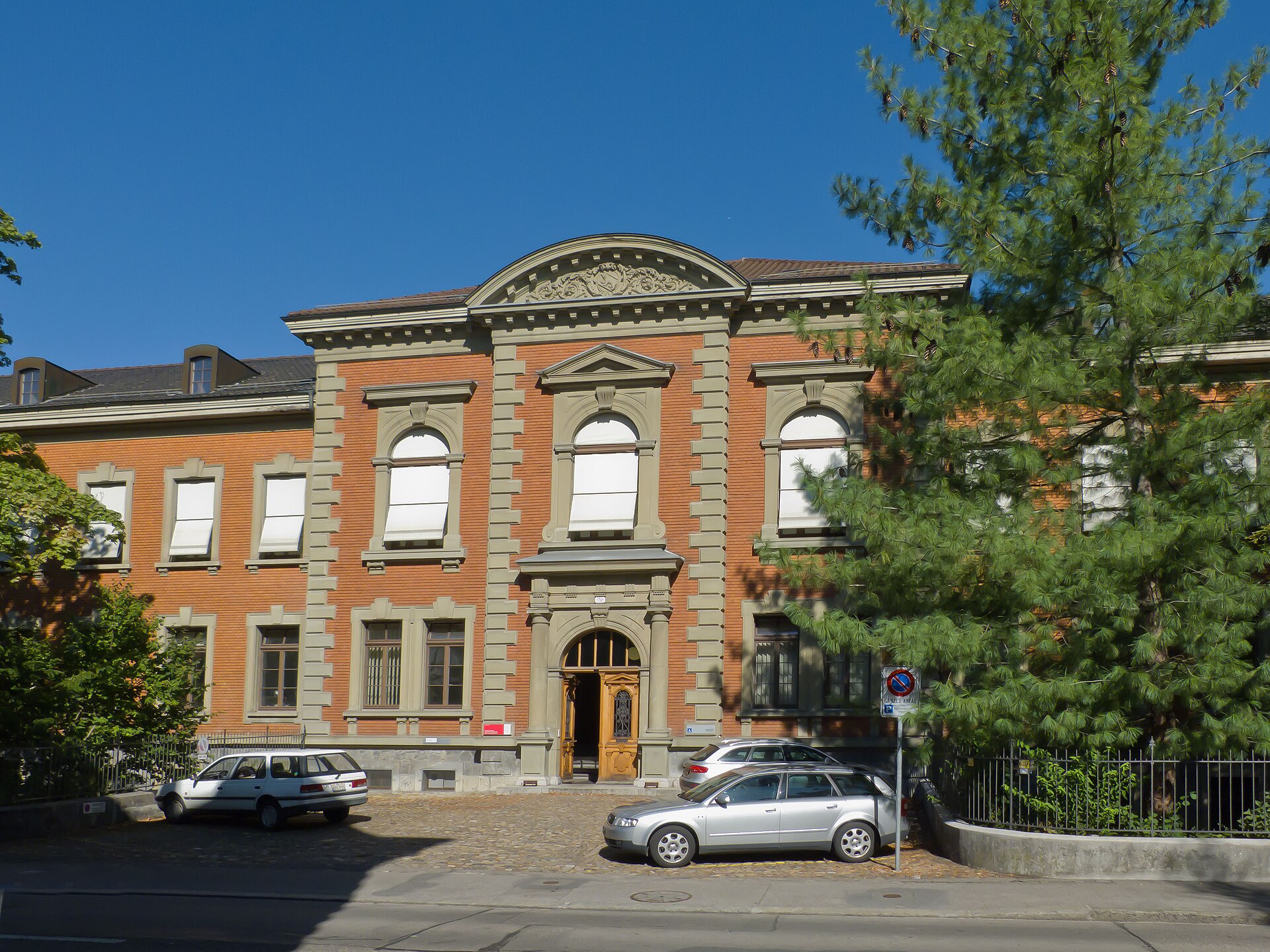
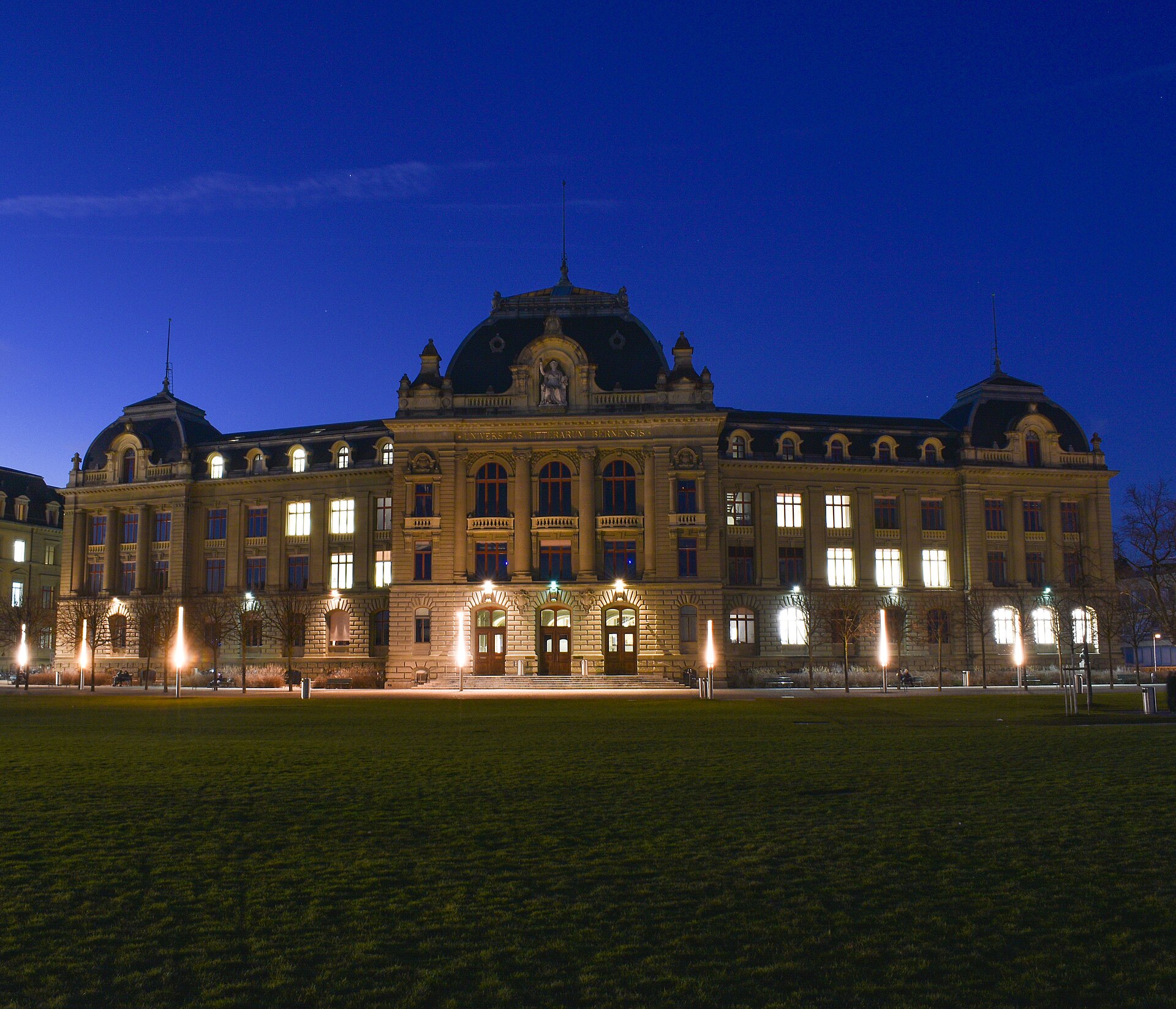
University of Bern — campus in pictures
Real, freely-licensed photographs of the campus (via Wikimedia Commons).
Why University of Bern — Research, Affordability & the Swiss Capital
The University of Bern punches above its weight on every dimension that matters to ambitious international students: research output, career outcomes, and the singular advantage of studying in Switzerland's political and diplomatic heart.
ADMISSIONS SNAPSHOT
Selectivity & Entry Profile
The University of Bern has an overall acceptance rate of 19%, making it moderately selective — but selectivity varies sharply by programme. Medicine and veterinary medicine are highly competitive, with an entrance examination (EMS) required. Most arts, humanities, social science, and science bachelor's programmes are open-admission for qualified applicants. For international students, the key gatekeeping factor is usually language of instruction (German) or specific programme requirements rather than a holistic application process.
QUICK FACTS
University of Bern at a Glance
APPLICATION COMPONENTS
What Your University of Bern Application Requires
The University of Bern uses a direct online application — no common portal like UCAS or Common App. Applications open from January 1 for the fall semester and from September 1 for the spring semester. The process is straightforward but requires careful preparation of official documents, especially for international credentials.
ADMISSION PROFILE
What University of Bern Looks For
Unlike US universities that assess holistic 'fit', the University of Bern and the Swiss system more broadly are primarily academic-credential based. Admission depends on whether your qualifications meet the threshold for your chosen programme — there is no 'soft factors' review for most programmes.
APPLICATION DEADLINES
When to Apply — Deadlines & Semesters
The University of Bern operates on a semester system with a fall start (October) and spring start (February). International students are strongly advised to target the fall semester and begin the application process well before the deadline to allow time for document certification and translation. Verify all deadlines on the official admissions portal, as exact dates are confirmed annually.
Deadlines confirmed annually. Always verify on the official University of Bern admissions portal before applying.
| Semester | Application Window | Decision Timeline | Notes |
|---|---|---|---|
| Fall (October start) | January 1 – April 30 | July – September | Recommended for international first-year students |
| Spring (February start) | September 1 – November 30 | December – January | Fewer programmes; mainly master's / transfers |
STUDENT LIFE
Living & Studying in Bern
Bern is regularly ranked among the world's most liveable cities — compact, extraordinarily safe, and architecturally stunning. The UNESCO World Heritage old town sits above the Aare river, its arcaded Lauben allowing residents to walk the entire medieval centre under cover. Trams run quietly on solar energy, and the Alps are two train stops away.
CAREER OUTCOMES
Where University of Bern Graduates Go
Switzerland's employment market is among the strongest in the world, and a University of Bern degree carries real weight with Swiss employers, international organisations, and research institutions globally. The university's employment rate stands at 88% within a defined period post-graduation, with an average starting salary of approximately USD 85,000 — reflecting Switzerland's premium compensation levels.
Stats
Cards
FREQUENTLY ASKED QUESTIONS
University of Bern — FAQs for International Students
Do I need to speak German to study at the University of Bern?+
For the vast majority of bachelor's programmes, yes — German is the language of instruction and C1-level proficiency (DSH-2 or equivalent) is required. A growing selection of master's programmes are taught in English, for which IELTS 6.5 / TOEFL iBT 87 is accepted. If you are targeting a bachelor's degree and your German is below C1, budget 12–18 months for language preparation before applying.
Is the IB diploma recognised for admission?+
Yes. The International Baccalaureate (IB) diploma is directly recognised for admission to Swiss cantonal universities including the University of Bern. A score of 34 or above is the typical threshold for direct consideration. Individual programme prerequisites (specific HL subjects, etc.) still apply.
How competitive is admission to Medicine?+
Human Medicine at the University of Bern is one of Switzerland's most competitive programmes. All applicants must sit the EMS (Eignungstest für das Medizinstudium), and selection is primarily based on EMS performance. Having an IB diploma or strong grades is necessary but not sufficient — EMS preparation is essential.
What is the tuition fee for international students?+
The University of Bern does not charge differential 'international' tuition. All students pay the same cantonal tuition rate, currently approximately CHF ~900 per semester (roughly USD 5,700 per year at current exchange rates). This is significantly lower than comparable-ranked institutions in the UK or US, though Switzerland's cost of living is among the world's highest.
Can international students work while studying in Switzerland?+
Yes, in most cases. Students from non-EU/EFTA countries on a student residence permit can typically work up to 15 hours per week during the semester and full-time during semester breaks (verify with the Swiss cantonal authorities, as rules can change). This provides meaningful income in a high-wage environment.
Does the University of Bern offer scholarships for international students?+
The university does not offer large-scale institutional need-based aid for undergraduates. The main scholarship route for international students at the postgraduate level is the Swiss Government Excellence Scholarship (ESKAS), which provides a monthly stipend of CHF 2,450 for qualified early-career researchers. Cantonal and private Swiss foundation scholarships also exist — check the official Swiss scholarship database at scholarship.ch.
When should I apply?+
For the fall semester (October start, recommended for international students), the application window opens January 1 and typically closes April 30. Apply as early as possible to allow time for document authentication, translation, and any supplementary requirements. The spring semester window opens September 1.
Are there English-taught programmes at bachelor's level?+
Very few bachelor's programmes are taught primarily in English. Some bachelor's programmes in English linguistics or international studies include significant English-medium content, but most are German-medium. At master's level, the English-taught offering is substantially broader. Verify the teaching language of your target programme on the official programme page before applying.
ACADEMICS
Academic Standards at the University of Bern What International Students Need to Know
The University of Bern operates on a qualification-threshold model: if your credentials meet the requirements for your chosen programme, you are eligible to apply. The academic culture is rigorous, independent, and research-oriented — Swiss higher education expects you to take ownership of your learning from the first week. For international students, the language requirement is often the highest barrier, followed by subject prerequisites. Strong IB or A-Level results put you in a competitive position if you meet the language threshold.
ACADEMIC ENTRY PROFILE
Typical Academic Entry Standards
The University of Bern does not publish a holistic admissions rubric — entry is determined by whether your qualifications are formally recognised and whether they meet programme-specific requirements. The figures below reflect the typical profile of applicants who gain entry.
TEST POLICY
Standardised Tests — Policy & Approach
The University of Bern does not require SAT, ACT, or similar standardised tests as part of its undergraduate admissions process. Admission is based on secondary school qualifications, language certificates, and programme-specific requirements. The facts file records the test policy as optional, meaning standardised scores are neither required nor the basis for evaluation. The primary 'test' required for some programmes is the EMS (for medicine) — Switzerland's own aptitude examination.
LANGUAGE TESTS
English & German Language Requirements
Language proficiency tests are the primary standardised requirement for international applicants at the University of Bern. The thresholds below come from the university's verified facts data.
| Test | Minimum Score | Applicable To | Notes |
|---|---|---|---|
| IELTS Academic | 6.5 overall | English-taught master's programmes | No band below 6.0 typically accepted |
| TOEFL iBT | 87 | English-taught master's programmes | Internet-based test |
| Duolingo English Test | 105 | English-taught master's programmes | Verify acceptance with specific programme |
| DSH (German) | DSH-2 (level 2) | German-taught bachelor's programmes | Most common German language entry requirement |
| TestDaF | TDN 4 in all four skills | German-taught bachelor's programmes | International equivalent of DSH-2 |
IB & A-LEVEL
How the University of Bern Reads IB, A-Levels & Other Qualifications
Switzerland's cantonal universities have a well-established recognition framework for international qualifications. The IB diploma is the qualification that fits most smoothly into direct admissions.
SUBJECT PREPARATION
Academic Preparation by Subject Area
University of Bern programmes are academically demanding. Here is how to prepare in the year before you apply.
ENGLISH LANGUAGE REQUIREMENTS
English Proficiency Requirements — Master's Programmes
The thresholds below apply to English-taught master's programmes. Verify requirements for your specific programme, as some may set higher minimums.
| Test | Minimum | Validity | Notes |
|---|---|---|---|
| IELTS Academic | 6.5 | 2 years | Most widely accepted |
| TOEFL iBT | 87 | 2 years | Internet-based only |
| Duolingo English Test | 105 | 2 years | Confirm acceptance with programme |
YEAR-BY-YEAR ROADMAP
Building Your Profile for University of Bern — Grade 9 to 12
AVOID THESE MISTAKES
Common Academic Preparation Mistakes for University of Bern
- Assuming you can study in English at bachelor's level — most programmes require C1 German. Verify the specific programme language before applying.
- Underestimating EMS preparation for medicine — the EMS is a specialised test unlike any school exam; months of dedicated practice are required to perform competitively.
- Waiting until after final results to start the application — the admissions window opens January 1 and applying early (with predicted results if needed) is essential.
- Neglecting to get documents officially certified and translated — Swiss universities require authenticated copies; uncertified photocopies are rejected.
- Assuming your school-leaving certificate is automatically recognised — applicants from non-OECD systems or some Asian and African qualifications may need credential evaluation via Swiss ENIC.
- Overlooking health insurance — health insurance is compulsory in Switzerland for all residents, including students. Budget CHF 300–500/month and enrol before or immediately upon arrival.
- Not budgeting realistically for Bern's cost of living — while tuition is low, total annual costs including rent, food, transport, and insurance can reach CHF 25,000–30,000 (roughly USD 28,000–34,000).
COST & AID
The Real Cost of Studying at the University of Bern Low Tuition, High Cost of Living
The University of Bern offers one of the most affordable tuition rates among top-100 global universities — approximately USD 5,700 per year. However, Switzerland is consistently ranked as one of the world's most expensive countries to live in. The honest picture for an international student at Bern is: very low tuition, very high living costs, and limited institutional financial aid. Plan accordingly, and investigate Swiss Government scholarships and external funding before you arrive.
ANNUAL COST BREAKDOWN
University of Bern — Estimated Annual Costs
All figures are annual estimates in USD, based on the university's facts data. Actual costs in CHF will depend on the USD/CHF exchange rate at time of payment.
| Component | Annual Usd | Notes |
|---|---|---|
| Tuition & Semester Fees | ~USD 5,700 | Same rate for all students (no international premium) |
| Living Costs (accommodation, food, personal) | ~USD 24,000 | Bern is one of Europe's most expensive cities |
| Total Estimated Cost of Attendance | ~USD 32,000 | Tuition + living; health insurance and books extra |
| Application Fee | ~USD 110 | One-time, non-refundable |
| Health Insurance (mandatory) | ~USD 3,600–6,000 | Compulsory for all Swiss residents; shop KVG-compliant providers |
FINANCIAL AID POLICY
Financial Aid for International Students — Honest Assessment
The University of Bern does not operate a large-scale institutional need-based financial aid programme for international undergraduate students. Swiss public universities are designed to be accessible through low tuition rather than through grants and scholarships — the expectation is that students cover living costs through savings, family support, part-time work (permitted up to ~15 hours/week during term on a Swiss student permit), and targeted external scholarships.
SCHOLARSHIPS
Funding Pathways for International Students at University of Bern
AFFORDABILITY REALITY CHECK
What International Students Actually Pay — The Honest Picture
The University of Bern's tuition of approximately USD 5,700/year makes it an extraordinary value among top-100 global universities. A student at a comparable US institution might pay USD 50,000–60,000/year in tuition alone. The trade-off is Bern's cost of living — accommodation, food, health insurance, and transport in Switzerland are among the most expensive in Europe.
A realistic annual budget for an international student in Bern: CHF ~900 in tuition, CHF ~500–700/month in student accommodation, CHF ~300–450/month in food, CHF ~300–500/month in compulsory health insurance, CHF ~80–100/month in transport (with a student ZVV/GA pass discount), and personal expenses. The total annual cost of attendance from the facts file is approximately USD 32,000 — this is the more reliable planning figure. Students who budget carefully, live in student residences, and supplement with part-time work can manage in Bern, but it requires planning. There are no 'no-loan' policies equivalent to US Ivy League financial aid — the accessibility model here is low tuition, not need-blind grants.
HOW TO FUND YOUR STUDIES
Step-by-Step: Securing Funding for University of Bern
COST FAQs
Cost & Aid — Frequently Asked Questions
Do international students pay more tuition than Swiss students?+
No. The University of Bern charges the same tuition rate to all students regardless of nationality — approximately USD 5,700/year (CHF ~900/semester). This distinguishes Swiss public universities from many Anglo-American institutions that charge international premiums.
Is there need-based financial aid for international undergraduates?+
Not in a systematic way. The University of Bern does not operate a need-blind or need-based grant system for international undergraduates. The primary financial support mechanism for international students is external: Swiss Government Excellence Scholarships (postgraduate level), home-country government scholarships, and private Swiss foundation grants.
How much should I budget per month for living in Bern?+
A realistic monthly budget is CHF 2,200–3,000, covering student accommodation (CHF 500–700), food (CHF 300–450), health insurance (CHF 300–500), transport, and personal expenses. This is significantly higher than most European student cities but is offset by lower tuition and high part-time wages.
What is the Swiss Government Excellence Scholarship?+
The ESKAS is a Swiss federal scholarship for outstanding international researchers and postgraduate students from 183 countries. It provides CHF 2,450/month and covers master's and doctoral studies at Swiss universities. Applications open in August each year. It is competitive — most countries have small annual quotas.
Can I work to support myself during my studies?+
Yes. Non-EU/EFTA students on a Swiss student permit can generally work up to 15 hours per week during the semester and full-time during official semester breaks. Switzerland's labour market is well-regulated and wages are high — even part-time work provides meaningful income.
APPLICATION & MOTIVATION
Applying to University of Bern — No US-Style Essays; Motivation Matters Where Required
The University of Bern uses a direct online application system — not UCAS, Common App, or any central portal. For most bachelor's programmes, admission is primarily credential-based: your school-leaving certificate, language proficiency, and academic results do the work. There are no US-style personal essays or supplemental prompts for most programmes. However, certain master's programmes and competitive tracks require a motivation letter or statement of purpose — and when one is required, it carries real weight. This guide tells you what to expect, and how to write a strong motivation letter for Swiss university applications.
THE APPLICATION SYSTEM
How the University of Bern Application Actually Works
Switzerland's university application system is document-centred, not essay-centred. The structure differs fundamentally from US and UK systems.
WHAT TO WRITE
Motivation Letter Requirements — University of Bern
The University of Bern does not publish universal essay prompts. When a motivation letter is required by a specific programme, the prompt or guidance is provided in the programme's application instructions. The cards below describe the typical structure and content expected from a University of Bern motivation letter — these are general guidelines, not verbatim prompts. Always check your specific programme's admissions page for current requirements.
MOTIVATION LETTER STRATEGY
Writing a Strong Motivation Letter for the University of Bern
If your chosen programme requires a motivation letter, approach it very differently from a US personal essay. The Swiss academic tradition values clarity, precision, and intellectual substance over storytelling and emotional appeal.
A strong University of Bern motivation letter is concise (one to two pages maximum), professionally formatted, and structured around three clear pillars: who you are academically, what you want to study and why here specifically, and where you intend to go professionally. Open with a direct statement of your purpose — not an anecdote or rhetorical question. Reviewers in Swiss academic contexts expect you to state your thesis in the first paragraph. Use the body to establish your academic preparation, connect your background to the specific programme, and demonstrate genuine knowledge of the University of Bern's work in your field. Close with a clear statement of professional direction. Have a native or near-native German speaker review any German-language motivation letters — language quality in written submissions matters.
APPLICATION STRATEGY
Key Elements of a Competitive University of Bern Application
TOPIC GUIDANCE
How to Approach Your Motivation Letter Topic
For the University of Bern, topic selection means selecting the right programme-specific angle — not a personal growth narrative.
AVOID THESE MISTAKES
Common Application & Motivation Letter Mistakes
- Writing a US-style personal narrative essay when a professional motivation letter is expected — Swiss academic writing culture is direct and structured, not anecdotal.
- Submitting a generic motivation letter not tailored to University of Bern's specific programme and research environment.
- Missing or incomplete language documentation — this is the most common administrative rejection reason for international applicants.
- Submitting uncertified copies of diplomas and transcripts — official authenticated documents are required; photocopies are not accepted.
- Applying without verifying your qualification is on the Swiss recognised-list — contact ZIB or Swiss ENIC before applying if you have any doubt.
- Leaving the application until April — the window opens January 1 and processing takes time; early applications give you space to fix document issues.
- For medicine applicants: neglecting EMS preparation and assuming strong IB/A-Level grades alone are sufficient — the EMS is the decisive selection tool.
- Writing in a language other than the programme language without instruction to do so — motivation letters should be in the language of instruction (German or English as appropriate).
APPLICATION FAQs
Application & Motivation Letter — Frequently Asked Questions
Does the University of Bern require a personal essay like US universities?+
No. The University of Bern uses a direct online application process that is primarily credential-based. There is no universal personal essay requirement. Some master's programmes and competitive bachelor's tracks require a motivation letter (Motivationsschreiben), but this is a structured professional document, not a US-style personal narrative.
What is a Motivationsschreiben and how long should it be?+
A Motivationsschreiben is a motivation letter — a concise, professionally structured document explaining why you are applying to this programme, what makes you academically prepared, and what you plan to do with the degree. Standard length is one to two pages. It should be direct, specific, and written in the language of the programme (German for German-taught programmes, English for English-taught).
How do I know if my programme requires a motivation letter?+
Check the specific programme's admissions requirements page on the University of Bern website. Each programme lists its required application documents. If a motivation letter is required, the instructions will specify this and may provide additional guidance on format or content.
Can I write my application in English even if the programme is in German?+
The application form is available in multiple languages. However, if a motivation letter is required for a German-taught programme, it should typically be submitted in German. Writing it in German also demonstrates the language proficiency the programme requires. If in doubt, contact the ZIB office for guidance specific to your programme.
Are references or letters of recommendation required?+
Not as standard practice at bachelor's level. Some master's programmes — particularly research-intensive ones — may request academic references or a letter from a potential supervisor. Check your specific programme requirements carefully, as practice varies across the university's 74 master's programmes.
Is there an interview process?+
Interviews are not standard in the Swiss bachelor's admissions process. Some highly competitive programmes (certain master's programmes, programmes in fine arts, or research master's routes) may include a portfolio review, selection day, or brief interview. Verify with your specific programme. Medicine applicants do not typically have interviews — the EMS examination is the selection tool.
Courses — schools, degrees & intake
39 degrees across 8 groupings.
Faculty of Business, Economics and Social Sciences · 4 degrees
Business Administration
Economics
Political Science and Public Administration
Social Sciences
Faculty of Humanities · 3 degrees
Education
Psychology
Sport Science
Faculty of Human Sciences · 17 degrees
Archaeology
Classics
Eastern European Studies
English
French Linguistics and Literature
German Language and Literature
History
Italian Linguistics and Literature
Linguistics
Musicology
Philosophy
Science of Religion
Slavic Languages and Literatures
Social Anthropology
Spanish Linguistics and Literature
Studies of the Middle East and Muslim Societies
Theatre Studies
Faculty of Law · 1 degrees
Law
Faculty of Medicine · 2 degrees
Medicine
Dental Medicine
Faculty of Science · 9 degrees
Biochemistry and Molecular Biology
Biology
Chemistry and Molecular Sciences
Computer Science
Earth Sciences (Geology)
Geography
Mathematics
Pharmaceutical Sciences
Physics
Faculty of Theology · 2 degrees
Interreligious Studies
Theology
Vetsuisse Faculty of Veterinary Medicine · 1 degrees
Veterinary Medicine
Want your real chances at University of Bern?
Create a free TYCHR account for your personalised admit-chance, a shortlist you can track, exact entry requirements, and essay + counselling help.