University of Bergen
Bergen, Norway · Urban
UNIVERSITY OF BERGEN — NORWAY
Where Fjords Meet World-Class Research
Nestled between seven mountains and the Atlantic, the University of Bergen (UiB) is Norway's second-largest university and a globally recognised research powerhouse. Its strengths in marine biology, climate science, and comparative politics are outsized for its size — the Bjerknes Centre for Climate Research, one of Europe's leading climate institutes, calls UiB home. For international students drawn to rigorous science, social research, or professional degrees in a breathtaking natural setting, Bergen offers an exceptional combination of academic depth, Scandinavian quality of life, and surprisingly accessible tuition.
Campus
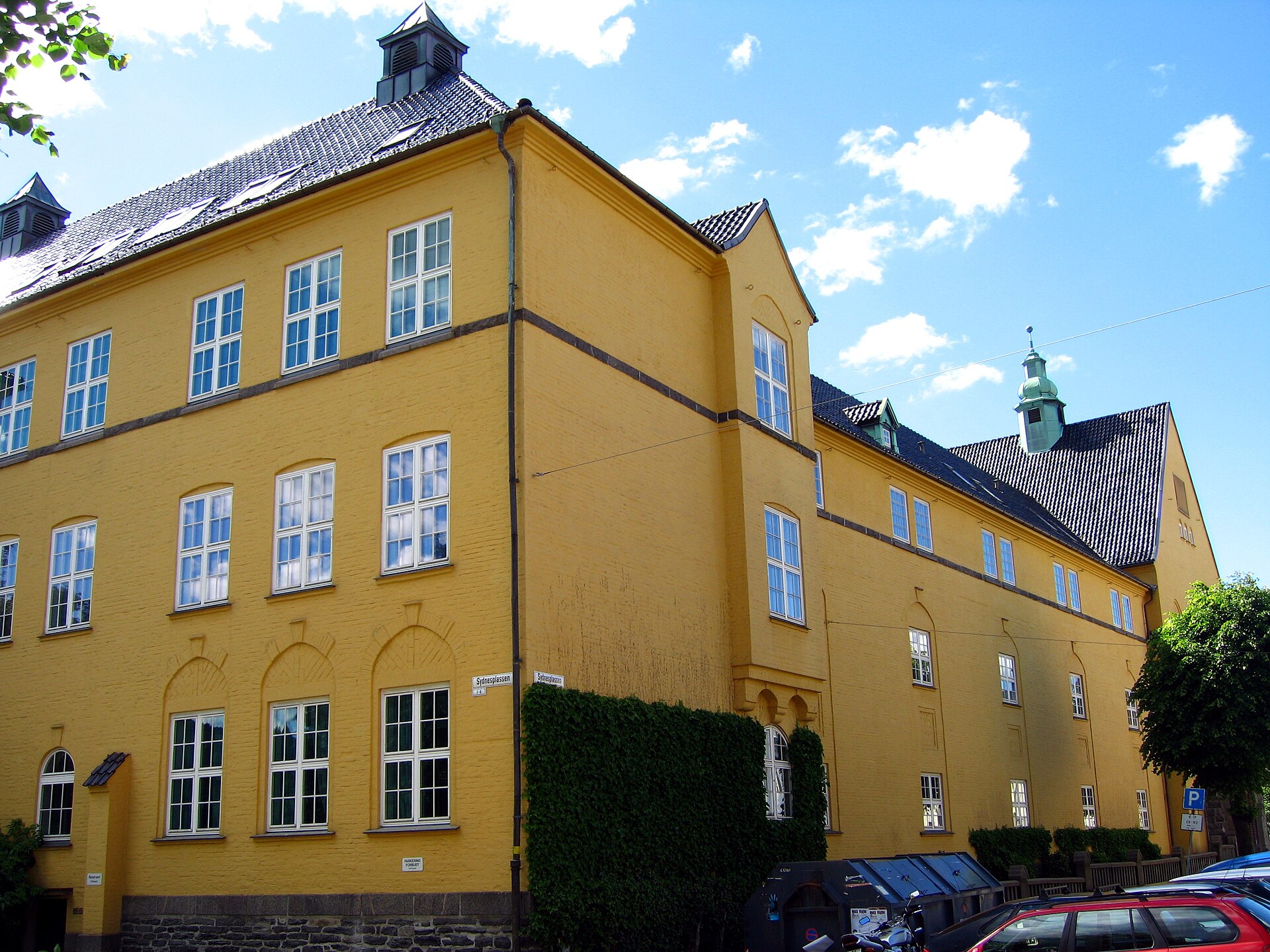
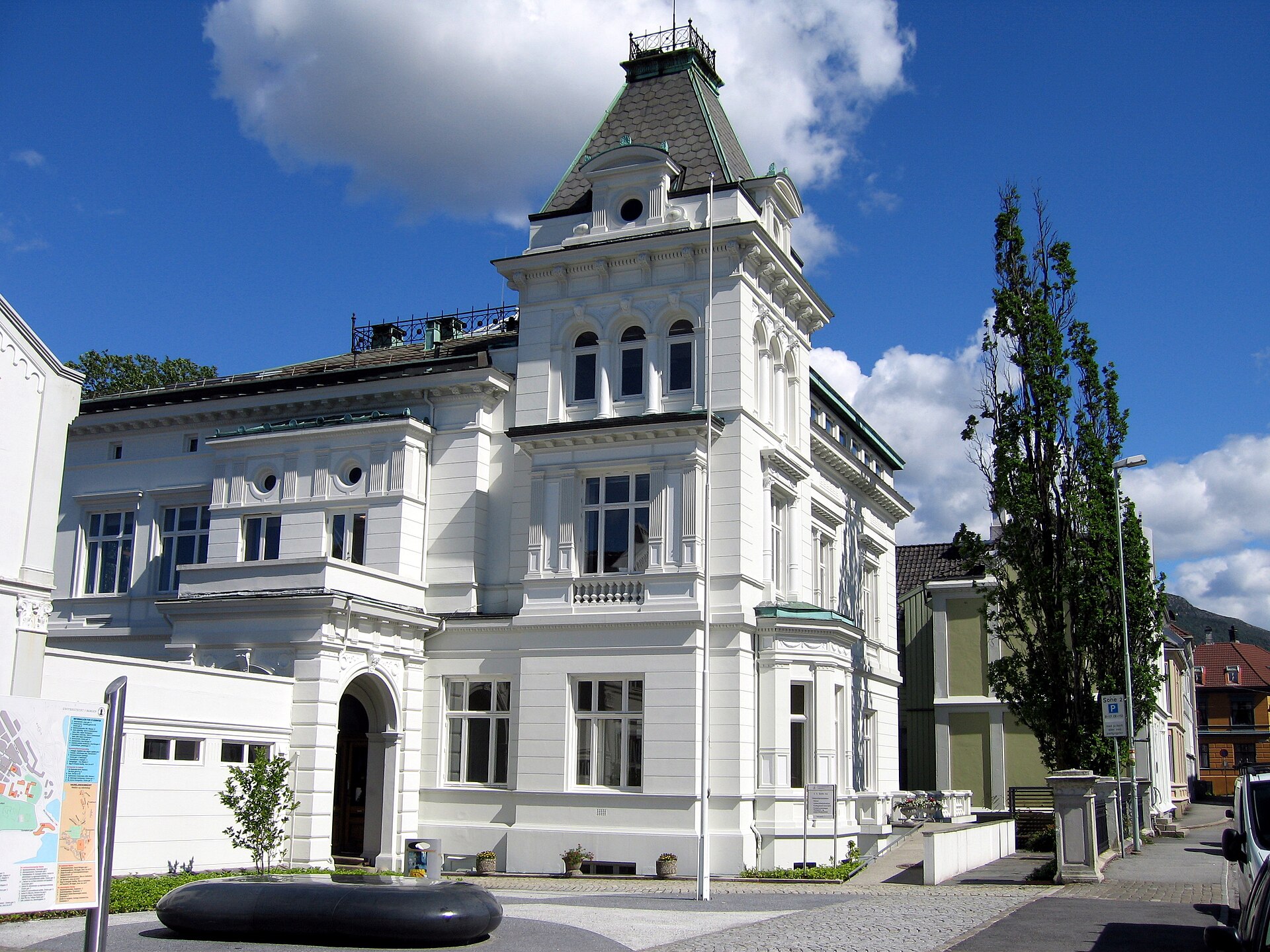
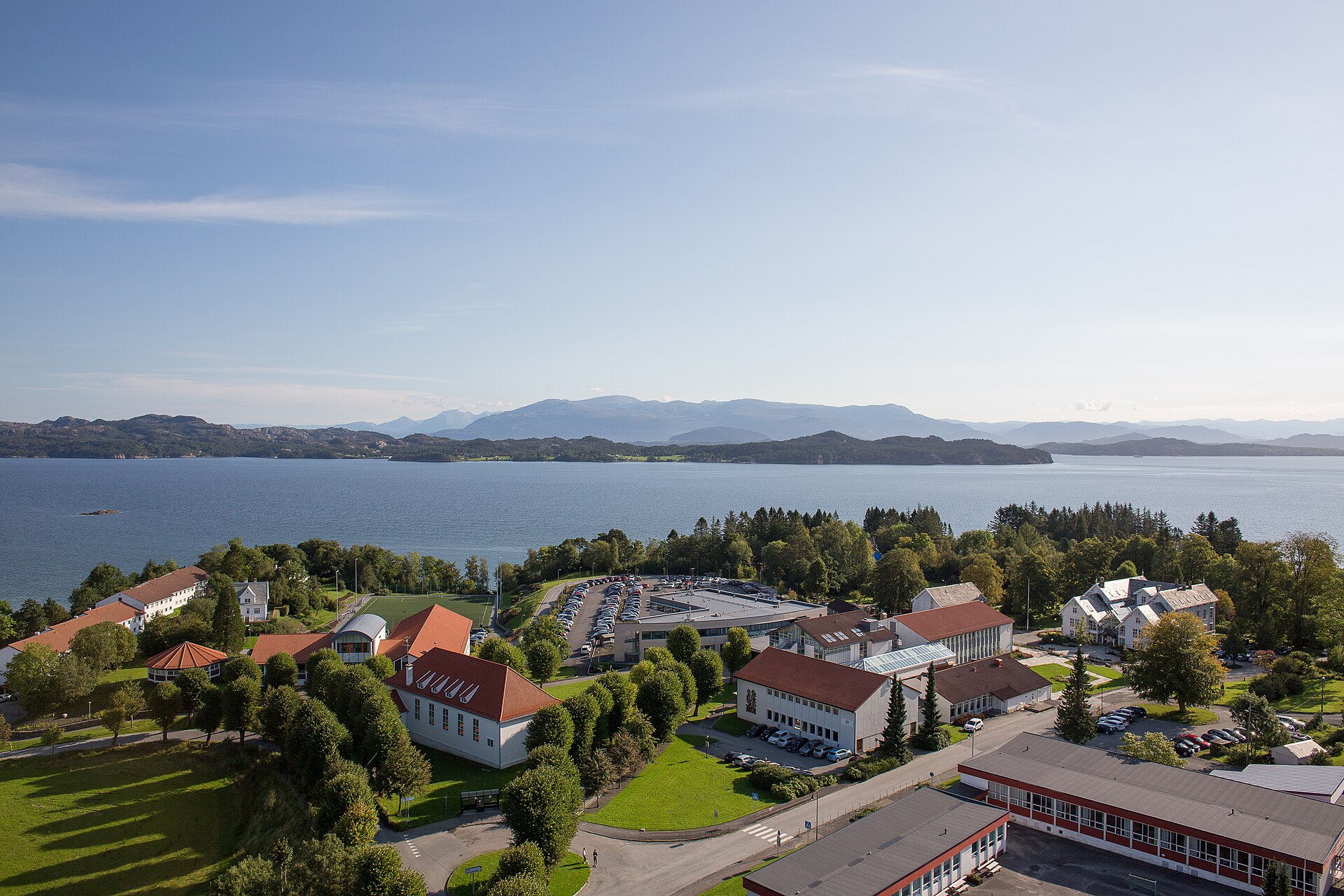
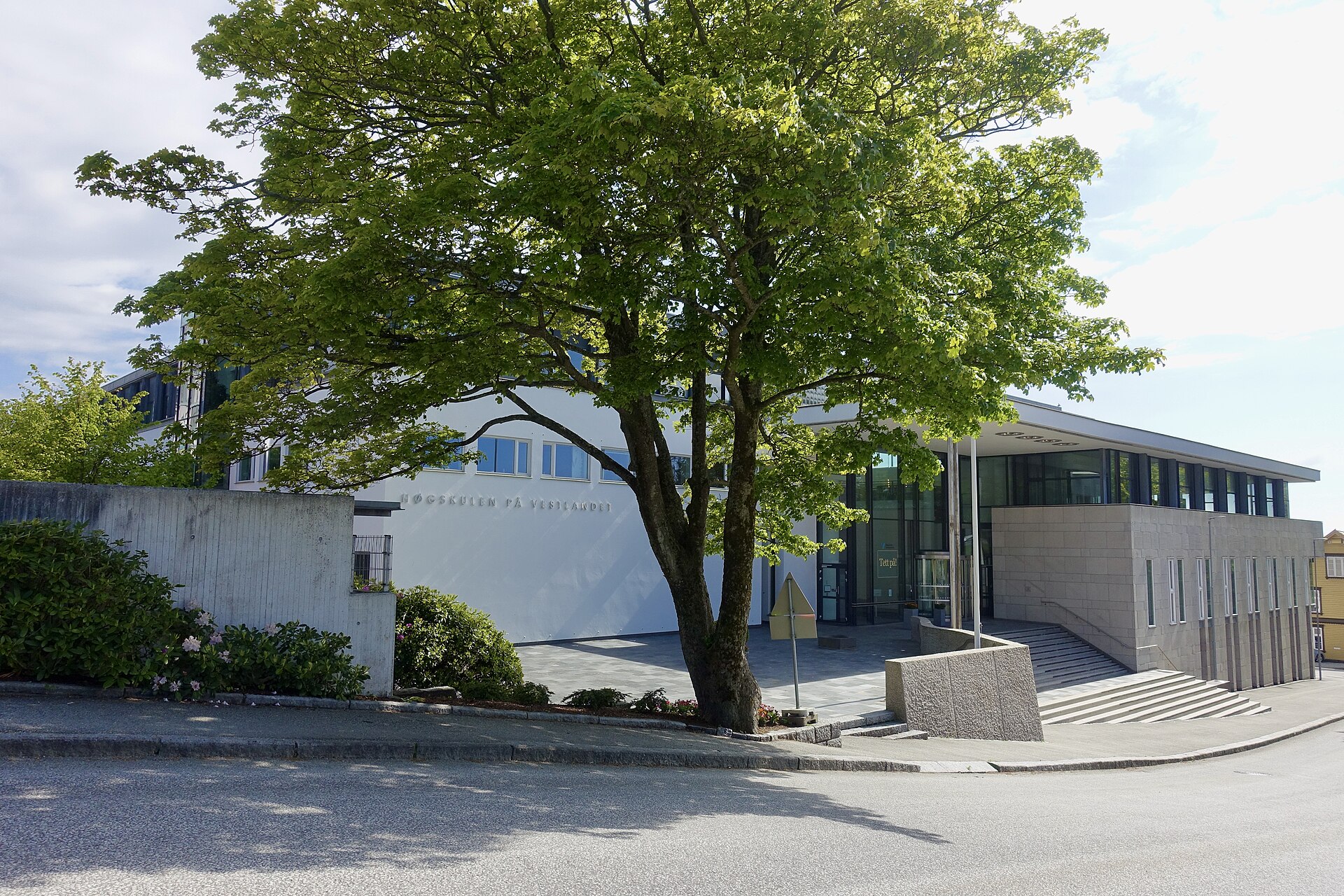
University of Bergen — campus in pictures
Real, freely-licensed photographs of the campus (via Wikimedia Commons).


Why Choose University of Bergen — Research, Nature & Nordic Living
UiB is far more than a scenic campus. Its research output per academic is among the highest in Scandinavia, its faculties span the full breadth of disciplines, and its location in Bergen — Norway's historic port city and gateway to the UNESCO-listed fjords — offers a student life that is genuinely unlike anywhere else in Europe.
SELECTIVITY
Admissions Profile
UiB admits roughly 45% of applicants across all programmes, but selectivity varies enormously by faculty. Medicine, Dentistry, and Law are highly competitive with limited international intake; master's programmes in English attract a strong global pool and are assessed on academic grades, relevance of prior study, and the motivation letter. The IB minimum benchmark is a total score of 32 points — competitive programmes expect grades well above this floor.
QUICK FACTS
University at a Glance
WHAT YOU SUBMIT
Application Components
UiB uses a direct online application system — there is no Norwegian national clearing house for international degree students equivalent to UCAS or Common App. Each application is submitted via the university's own admissions portal.
WHAT UIB VALUES
The Admitted Student Profile
UiB selects for academic excellence in relevant disciplines, genuine intellectual curiosity, and — at master's level — clear articulation of research or professional purpose. Norway's education culture prizes substance over marketing: a well-grounded motivation letter that honestly connects your background to the programme will outperform a vague statement about 'passion for change'. Key dimensions the admissions committee evaluates:
WHEN TO APPLY
Application Deadlines
Deadlines at UiB vary by programme and degree level. Most English-taught master's programmes admit for an August (autumn) start. Bachelor's programmes are primarily taught in Norwegian. The general pattern below is indicative — always verify exact deadlines on the specific programme page at uib.no, as some programmes have earlier internal deadlines for documentation. (verify on official programme pages)
Always check the individual programme page on www.uib.no for the exact deadline. Some competitive programmes (Medicine, Law) have earlier deadlines and separate international admission tracks.
| Intake | Applicant | Typical_deadline | Notes |
|---|---|---|---|
| Autumn (August start) | Non-EU/EEA international | 1 December – 1 March (varies by programme) | Most common intake for international students |
| Autumn (August start) | EU/EEA / Norwegian | 15 April (via Samordna opptak for bachelor) | Bachelor's through national clearing |
| Spring (January start) | Some master's programmes | 1 October – 1 November (varies) | Not all programmes offer spring entry |
LIFE IN BERGEN
Student Life at UiB
Bergen is one of Scandinavia's most characterful student cities. With a population of around 285,000, it is large enough to offer culture, cuisine, and diversity, yet compact enough that you can walk from campus to the famous Bryggen wharf in under 20 minutes. The student community is tight-knit: UiB's 19,000 students make up a significant share of Bergen's population. The Student Welfare Organisation (SiB / Studentsamskipnaden på Vestlandet) manages affordable student housing, health and counselling services, sports facilities, canteen and café networks, and a student cultural house. Demand for student housing is high — apply for SiB housing immediately upon receiving an offer of admission. International students are prioritised for the first semester. Bergen gets rain — locals joke that it has two seasons: winter and summer rain. Pack accordingly. But the mountains that surround the city (the 'Seven Mountains' hiking circuit is a rite of passage for every UiB student) and the proximity to the Western Norwegian fjords mean outdoor adventure is always a short bus or ferry ride away. The Flåm railway, Hardangerfjord, and Sognefjord are all accessible as day trips. Bergen's student culture is active: there are over 150 student organisations at UiB covering sports, arts, politics, international affairs, and discipline-specific societies. The city has a thriving music scene, several museums, and a lively café and restaurant culture — all within walking distance of campus.
GRADUATE OUTCOMES
Career & Employment Outcomes
UiB graduates enter a Norwegian labour market that is among the most prosperous in the world. The employment rate for UiB graduates stands at 91%, with an average starting salary of approximately $55,000 USD annually — reflecting Norway's high wage floors across sectors. Norway's economy is anchored in energy (oil and gas technology, plus the rapidly growing renewables sector), maritime industries, aquaculture, public service, and an expanding technology sector in Bergen and Oslo. UiB graduates in climate science and marine biology feed directly into Norway's government research institutes, international NGOs, and private-sector ocean technology companies. Comparative politics alumni enter international organisations, government, consulting, and development finance. Medicine and Dentistry graduates are licensed within the Norwegian health system and increasingly work across the EU. Law graduates serve in Norwegian courts, international arbitration, and corporate law. Bergen itself has a growing technology and startup ecosystem, with particular strength in aquaculture technology and ocean data. The Coimbra Group network broadens UiB graduates' access to opportunities across European partner universities and organisations.
FAQ
Frequently Asked Questions
Do I need to speak Norwegian to study at UiB?+
For most master's programmes taught in English, you do not need Norwegian. However, nearly all bachelor's programmes are taught in Norwegian, which means international students typically enter at master's level. If you want to study a bachelor's at UiB, you will need Norwegian language proficiency (usually B2 level or Norwegian upper secondary certificate).
Is UiB free for international students?+
Students from Norway, the EU, and EEA countries (plus Switzerland) attend UiB with no tuition fees. Students from outside those regions pay tuition — currently estimated at around $17,100 USD per year. There is no application fee for anyone.
Does UiB accept IB results for admission?+
Yes. The IB Diploma is recognised as meeting Norway's Higher Education Entrance Qualification. A score of at least 32 points is a common benchmark, though individual programmes may set higher subject-specific requirements. Confirm requirements for your specific programme with UiB's admissions office.
What is the language of instruction for master's programmes?+
UiB offers a growing number of master's programmes fully in English, particularly in science, social sciences, and some humanities. However, not all master's are in English — some are in Norwegian or bilingual. Check the teaching language for your specific programme before applying.
Do I need a visa or residence permit to study in Norway?+
Citizens of the EU/EEA and Switzerland do not need a separate visa. Citizens of most other countries need a student residence permit, which requires proof of admission, documented funding for living costs (approximately NOK 15,488 / month as of 2025), and confirmed housing. Apply for the permit as soon as you receive your admission letter.
Is student housing guaranteed at UiB?+
UiB does not guarantee housing, but international students receive priority for student accommodation through SiB (Studentsamskipnaden på Vestlandet) for their first semester. Apply immediately upon receiving your admission letter — Bergen's private rental market is competitive.
Are there scholarships for non-EU international students at UiB?+
Direct university scholarships for international students are limited. The Norwegian government's former Quota Scheme (which offered full funding to students from developing countries) was phased out. Students should research their home country's bilateral agreements with Norway, Erasmus Mundus joint programmes, and subject-specific research assistantships. Some UiB programmes participate in Erasmus Mundus, which carries full funding for selected applicants.
Can I work while studying in Bergen?+
Students from non-EU/EEA countries holding a valid student residence permit are permitted to work up to 20 hours per week during term time. Norwegian minimum wage is among the highest in the world, making part-time work a meaningful contribution to living costs — though it should not be relied upon as the sole funding source.
ACADEMICS
Academic Standards at UiB What International Students Need to Know
UiB operates within Norway's rigorous public university tradition: academic performance is assessed through written exams, coursework, and research projects rather than standardised tests. International applicants are evaluated on their secondary or undergraduate academic record, English proficiency, and programme fit. There is no SAT, ACT, or admissions test — grades and academic relevance are the primary filters.
ENTRY BENCHMARKS
Academic Entry Requirements
Minimum entry benchmarks are set per programme. The figures below represent university-wide floors from the facts database — individual programmes, particularly Medicine, Law, and Dentistry, set higher thresholds and are substantially more selective.
TEST POLICY
Standardised Tests Are Not Used
UiB is test-blind with respect to the SAT and ACT — these scores play no role in Norwegian university admissions and should not be submitted. Academic qualifications assessed at UiB include the IB Diploma, A-levels, Norwegian Vitnemål, and equivalent national school-leaving certificates from over 100 countries as listed in the Norwegian Government's GSU (General Study Competence) list. For master's programmes, the primary academic document is your bachelor's degree transcript. The quality and relevance of your undergraduate coursework in the specific field — not a standardised test — is what UiB evaluates.
SAT / ACT
No Standardised Tests Required
Unlike universities in the United States or some UK programmes, UiB does not request or consider SAT or ACT scores. If you have taken these tests, you do not need to report them. Norway's admission framework is built on secondary school qualification equivalency — whether that is an IB Diploma, UK A-levels, German Abitur, Indian Class 12 boards, or another recognised qualification. The only 'test' that matters at UiB is the English language proficiency test (IELTS or TOEFL) for applicants whose prior education was not in English.
IB, A-LEVELS & INTERNATIONAL QUALIFICATIONS
How IB and A-Level Results Are Read
The IB Diploma is fully recognised as meeting the Norwegian Higher Education Entrance Qualification (Generell studiekompetanse). A minimum of 32 IB points is the university-wide floor, though in practice most admitted students to sought-after programmes score above this benchmark. There is no mandatory Higher Level subject requirement from UiB for most programmes, but individual faculties — particularly Science and Technology — may specify required subjects at HL (e.g. Mathematics and a science subject for natural science programmes). A-Level results are equally well-recognised. Typically, three A-Level subjects at A-grade are expected for competitive programmes, plus GCSE English (or equivalent). Applicants with fewer than three A-levels should check programme-specific requirements carefully. AP scores, French Baccalauréat, German Abitur, and most national leaving certificates are assessed via the GSU-list maintained by the Norwegian Agency for Quality Assurance in Education (NOKUT). If your qualification is not on the list, NOKUT can issue an individual assessment.
SUBJECT PREPARATION
What to Study in School
Programme-specific subject preparation matters more at UiB than at many universities. The following subject guidelines apply to UiB's most popular international-entry programmes:
ENGLISH PROFICIENCY
English Language Requirements
English language evidence is required from all applicants whose prior education was not delivered in English. The minimum scores below are university-wide floors — some programmes may require higher scores. Exemptions may apply for students from majority-English-speaking countries or those who completed secondary or higher education in English; confirm with UiB's admissions office.
Test scores are typically valid for two years from the date of sitting. Certificates must be sent directly from the testing body to UiB's admissions office.
| Test | Minimum | Notes |
|---|---|---|
| IELTS Academic | 6.5 overall | No individual band specified — aim for 6.5+ in all sections |
| TOEFL iBT | 90 | Check individual programme for section minimums |
| Duolingo English Test | Not specified | Acceptance varies — confirm with admissions |
YEAR-BY-YEAR PLAN
Building a Competitive UiB Application
PITFALLS TO AVOID
Common Academic Mistakes
- Applying to a Norwegian-language programme without Norwegian proficiency — check teaching language first
- Submitting SAT/ACT scores expecting them to be evaluated — they will not be considered
- Writing a generic motivation letter that could apply to any university — UiB faculty read specificity as a signal of genuine interest
- Missing the documentation deadline — UiB admissions offices cannot process incomplete files, and late documents typically result in rejection regardless of grades
- Ignoring subject-specific prerequisites — if a programme requires HL Mathematics, a standard-level pass will disqualify you
- Applying to Medicine without Norwegian language proficiency — most undergraduate medical pathways require it
- Underestimating the English proficiency requirement — the minimum is a floor, not a target
COST & FUNDING
Understanding the Cost of Studying at UiB For International Students
Bergen is one of Norway's most expensive cities, but UiB's tuition fees are substantially lower than comparable research universities in the UK, USA, or Australia. The biggest cost for most international students is living expenses, not tuition. EU/EEA students enjoy particularly favourable conditions — minimal or zero tuition, plus access to Norway's student welfare infrastructure. Non-EU/EEA students pay tuition but still benefit from no application fee and a high-quality student support ecosystem.
COST BREAKDOWN
Estimated Annual Costs
Figures below are annual estimates in USD based on the university facts database. Tuition applies to non-EU/EEA international students. All figures should be verified against current UiB and Norwegian government rates, as costs are subject to currency fluctuation and policy updates.
Norwegian authorities require non-EU/EEA students to demonstrate funding of approximately NOK 15,488 per month for visa purposes. Verify current NOK/USD exchange rates.
| Component | Annual_usd | Notes |
|---|---|---|
| Tuition (non-EU/EEA students) | $17,100 | EU/EEA students pay minimal or no tuition |
| Cost of Living (housing, food, transport) | $14,000 | Bergen is expensive; student housing reduces costs |
| Total Estimated Cost of Attendance | $33,000 | Including tuition + living for non-EU/EEA students |
| Application Fee | $0 | No application fee at UiB |
FINANCIAL AID
Financial Aid for International Students
Direct need-based financial aid from UiB for non-EU/EEA international students is very limited — approximately 5% of students receive aid assistance of some form. Norway does not operate a broad need-based aid system equivalent to US universities. The primary funding routes for international students are: 1. Home country scholarships and government sponsorships that cover study abroad in Norway 2. Subject-specific research assistantships and fellowships within UiB's graduate schools 3. Erasmus Mundus Joint Master's Programmes, where UiB participates in select fields — these carry full funding including living stipends 4. Part-time employment (permitted up to 20 hrs/week with a valid student permit) 5. The Norwegian State Educational Loan Fund (Lånekassen) — this is primarily for Norwegian citizens and EEA residents, but some international students may qualify under specific agreements; confirm eligibility directly.
SCHOLARSHIPS
Scholarship Opportunities
UiB itself offers limited direct scholarships for non-EU/EEA international students. The most relevant funding routes to investigate are listed below. All scholarship details should be verified on official sources as eligibility, amounts, and availability change annually.
AFFORDABILITY
The Real Cost Picture
Bergen is an expensive city by global standards — comparable to Edinburgh, Amsterdam, or Melbourne in day-to-day costs. Groceries, eating out, and transport are all priced at Nordic levels. However, student welfare infrastructure significantly cushions costs: SiB (Studentsamskipnaden på Vestlandet) operates subsidised student housing (significantly cheaper than private rentals), canteens and cafés with student-priced meals, health and counselling services, and sports facilities — all funded partly through the mandatory semester fee that all students pay. This semester fee (around NOK 550–700 per semester) is separate from tuition but covers access to a broad range of student services. EU/EEA students in particular find UiB genuinely affordable: with zero tuition, student housing, and part-time work income, a European student can manage Bergen comfortably. Non-EU/EEA students should budget realistically for tuition plus approximately NOK 10,000–15,000 per month in living expenses, with student housing reducing the housing component substantially.
FUNDING PLAN
Steps to Fund Your UiB Studies
COST FAQs
Cost & Funding Questions
Do EU students really pay nothing at UiB?+
Students from Norway, EU/EEA countries, and Switzerland are exempt from tuition fees under Norwegian law. They do pay a mandatory semester fee (around NOK 550–700 per semester) which covers student welfare services, but not tuition in the traditional sense.
How much do non-EU international students pay?+
Based on the facts database, annual tuition is approximately $17,100 USD for non-EU/EEA students. This is set by Norwegian legislation and applies to public universities. Confirm the exact current figure with UiB, as it can change with government policy and currency rates.
Is there any merit scholarship from UiB for top students?+
UiB does not operate a broad merit scholarship programme for international students equivalent to UK or US universities. Funding is primarily through Erasmus Mundus, research positions, or external sources. This is typical of Norwegian public universities.
How much should I budget for living in Bergen?+
The facts database estimates $14,000 USD per year in living costs. Norwegian authorities set the minimum proof-of-funds requirement at approximately NOK 15,488 per month (around NOK 185,000 per year) for residence permit purposes. Budget conservatively in NOK terms and watch exchange rates.
Can I get a student loan in Norway as an international student?+
The Norwegian State Educational Loan Fund (Lånekassen) primarily serves Norwegian citizens and EEA residents. Non-EEA students generally do not qualify. Check your specific situation with Lånekassen and your home country's loan programmes.
APPLICATION & MOTIVATION LETTER
How UiB Reads Your Written Application The Motivation Letter Is Your Voice
Norway does not use the Common Application, UCAS, or any US-style supplemental essays. University of Bergen applications are submitted directly via UiB's online admissions portal. The key written component is the motivation letter (sometimes called a letter of intent or personal statement) — typically required for master's and competitive bachelor's programmes. There are no short-answer prompts, activity lists, or peer evaluation components. This guide explains how to navigate UiB's application system and write a motivation letter that works.
APPLICATION SYSTEM
How UiB's Application Works
UiB operates a direct online admissions system. Applications are made through the university's own web portal — not through a national clearing house like UCAS or Common App. There is no application fee. For bachelor's programmes, most Norwegian-language programmes for domestic students use the Samordna Opptak national system. International applicants typically apply directly through UiB. For English-taught master's programmes — the primary route for most international students — the application is submitted directly to UiB with the relevant documents. The motivation letter is a key differentiator, particularly for selective programmes and master's entry. It is typically assessed by academic staff in the relevant department, not a separate admissions office. This means faculty research priorities, department culture, and academic fit carry direct weight.
MOTIVATION LETTER
The Motivation Letter
UiB does not publish standardised prompts — the motivation letter format varies by programme. Most programmes ask for 1–2 pages addressing your academic background, reasons for applying to this specific programme, and career or research intentions. Below is the standard structure expected; verify the specific instructions on your programme's application page.
WRITING STRATEGY
Writing a Motivation Letter That Works for UiB
The most common mistake international students make when writing for Norwegian universities is importing a US-style narrative essay into a Nordic academic context. UiB faculty are not looking for a compelling personal story with a 'hook' — they are assessing academic seriousness and programme fit. A strong UiB motivation letter is structured and precise. It answers three questions clearly: Who are you academically? Why this specific programme at this specific university? Where are you going professionally or academically after? Each section should be substantiated with evidence from your record — courses you have taken, research you have done, skills you have developed. Refer specifically to UiB. If you are applying to Marine Biology, mention the Bergen Marine Research Cluster. If you are applying to Comparative Politics, cite the department's work on democratic governance. If you are applying to Climate and Earth Sciences, mention the Bjerknes Centre. This specificity signals that you have done your homework and that Bergen — not just 'Norway' — is genuinely where you want to be. Length: typically 1–2 pages, single-spaced, in English. Use clear paragraphs. Do not exceed the word limit specified by your programme.
OTHER WRITTEN DOCUMENTS
Beyond the Motivation Letter
Several other written components are part of a UiB master's application. Each requires care:
HOW TO APPROACH IT
What to Say in Your Motivation Letter
The strongest motivation letters for UiB follow a clear intellectual through-line. Use the following framework to structure your thinking before you write:
PITFALLS
Motivation Letter Mistakes to Avoid
- Writing a US-style personal narrative essay — UiB expects an academic motivation letter, not a 'story'
- Generic statements that could apply to any university — failing to name UiB's specific research strengths or faculty
- Exceeding the page or word limit specified by the programme
- Submitting in a language other than English (for English-taught programmes) or Norwegian (for Norwegian-taught programmes)
- Fabricating or exaggerating research experience — faculty in small departments will notice inconsistencies
- Neglecting the CV — many students draft a strong motivation letter but submit a weak, unformatted CV
- Not contacting a potential PhD supervisor before applying — for research degrees, a supervisor connection is nearly essential
- Applying too late — documentation deadlines are firm, and translated transcripts can take weeks to prepare
ESSAY FAQs
Application & Motivation Letter Questions
Is the motivation letter mandatory or optional at UiB?+
For most master's programmes and many competitive bachelor's tracks, the motivation letter is mandatory. Some programmes with broad entry criteria may not require one. Check your specific programme's application requirements page — if a motivation letter is mentioned, treat it as central to your application.
How long should the UiB motivation letter be?+
Typically one to two pages (approximately 500–800 words). If the programme specifies a word or page limit, respect it precisely. If no limit is given, aim for one dense, well-argued page rather than two padded pages.
Should I write the motivation letter in English or Norwegian?+
Write in the language of instruction of the programme you are applying to. English-taught programmes expect an English motivation letter. Norwegian-taught programmes expect Norwegian. Submitting in the wrong language signals poor attention to detail.
Can I apply to multiple UiB programmes with the same motivation letter?+
You should write a tailored letter for each programme. A letter that mentions a specific UiB research group or faculty will not make sense if sent unchanged to a different department. The effort to tailor letters is well worth it for selective programmes.
Is there an interview process at UiB?+
Most programmes do not interview applicants. Some competitive or specialised programmes (particularly in Fine Art & Design, and some PhD programmes) may include an interview or audition stage. Check your specific programme's admissions information for details.
When should I contact a UiB professor about PhD supervision?+
Ideally, reach out three to six months before the application deadline. A brief, specific email — outlining your research background and your interest in their specific research — is appropriate. Avoid mass-emailing multiple professors with identical messages. A genuine intellectual connection with a supervisor significantly strengthens a PhD application.
Courses — schools, degrees & intake
64 degrees across 7 groupings.
Faculty of Humanities · 26 degrees
Arabic Language with Middle Eastern History
Archaeology
Digital Culture
English
European Studies
Film and TV Production
Philosophy
French
History
Italian
Japanese
Chinese
Classical Philology
Cognitive Science
Cultural Studies
Art History
Literary Studies
Musicology
Nordic Language and Literature
Old Norse Philology
Norwegian as a Second Language
Russian
Spanish Language and Latin American Studies
Linguistics
Theatre Studies
German
Faculty of Social Sciences · 10 degrees
Gender, Sexuality and Diversity
Geography
Information Science
Journalism
Media and Communication
Politics and Administration
Comparative Politics
Economics
Social Anthropology
Sociology
Faculty of Science and Technology · 14 degrees
Applied Mathematics
Biology
Physics
Geoscience and Informatics
Geoscience
Informatics: Bioinformatics
Informatics: Cybersecurity
Informatics: Computer Technology
Informatics-Mathematics-Economics
Chemistry
Artificial Intelligence
Mathematics
Molecular Biology
Statistics and Data Science
Faculty of Medicine · 4 degrees
Nutrition
Dental Hygiene
Medicine
Dentistry
Faculty of Psychology · 5 degrees
General Psychology
Work and Organizational Psychology
Pedagogy
Special Education
Psychology (Professional)
Faculty of Law · 1 degrees
Law
Faculty of Fine Art, Music and Design · 4 degrees
Design
Fine Art
Media and Interaction Design
Performing Music or Composition
Want your real chances at University of Bergen?
Create a free TYCHR account for your personalised admit-chance, a shortlist you can track, exact entry requirements, and essay + counselling help.