University of Antwerp
Antwerp, Belgium · Urban
BELGIUM · ANTWERP · PUBLIC RESEARCH UNIVERSITY
University of Antwerp Admissions Guide for International Students
Founded in 2003 through the merger of three historic Antwerp institutions, the University of Antwerp has rapidly become one of Belgium's leading research universities. Ranked #4 nationally and #280 globally by QS, UAntwerp combines rigorous academic training with close proximity to Europe's second-largest port city — a gateway to global commerce, pharmaceutical innovation, and cultural richness. For ambitious international students, UAntwerp offers world-class research opportunities, a genuinely international campus, and access to one of the continent's most dynamic cities, all at a fraction of the cost of comparable universities in the UK or US.
Campus
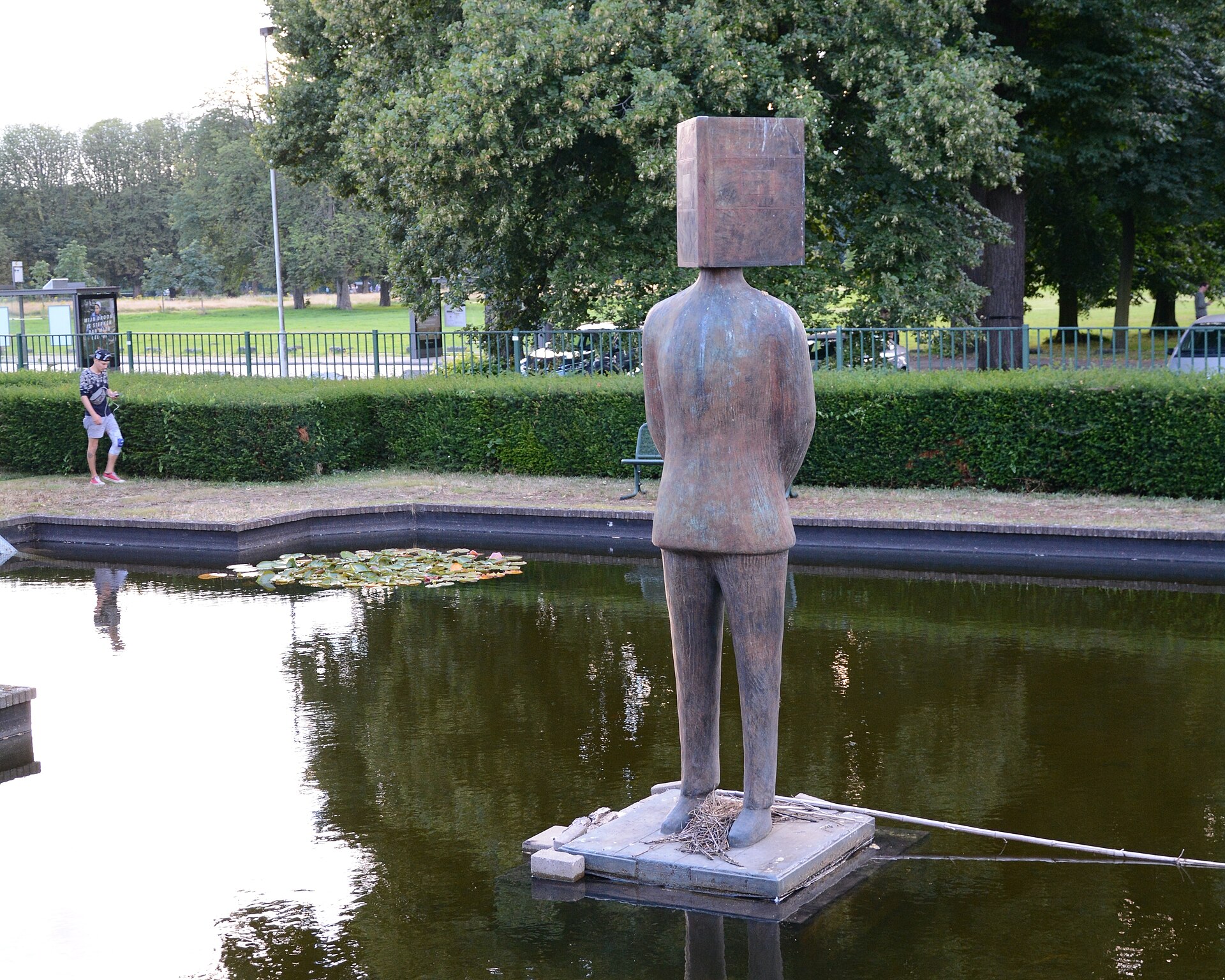
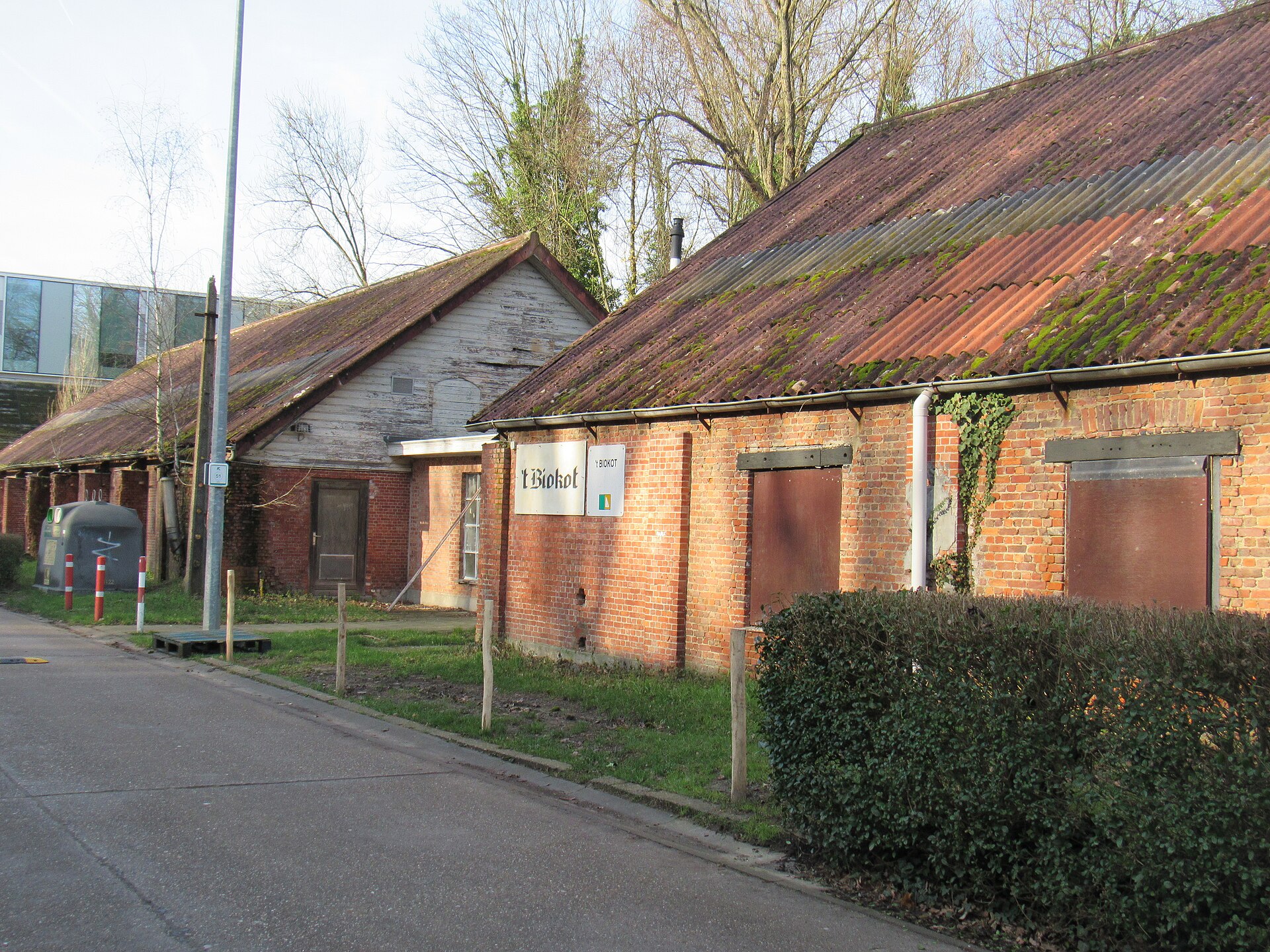
University of Antwerp — campus in pictures
Real, freely-licensed photographs of the campus (via Wikimedia Commons).
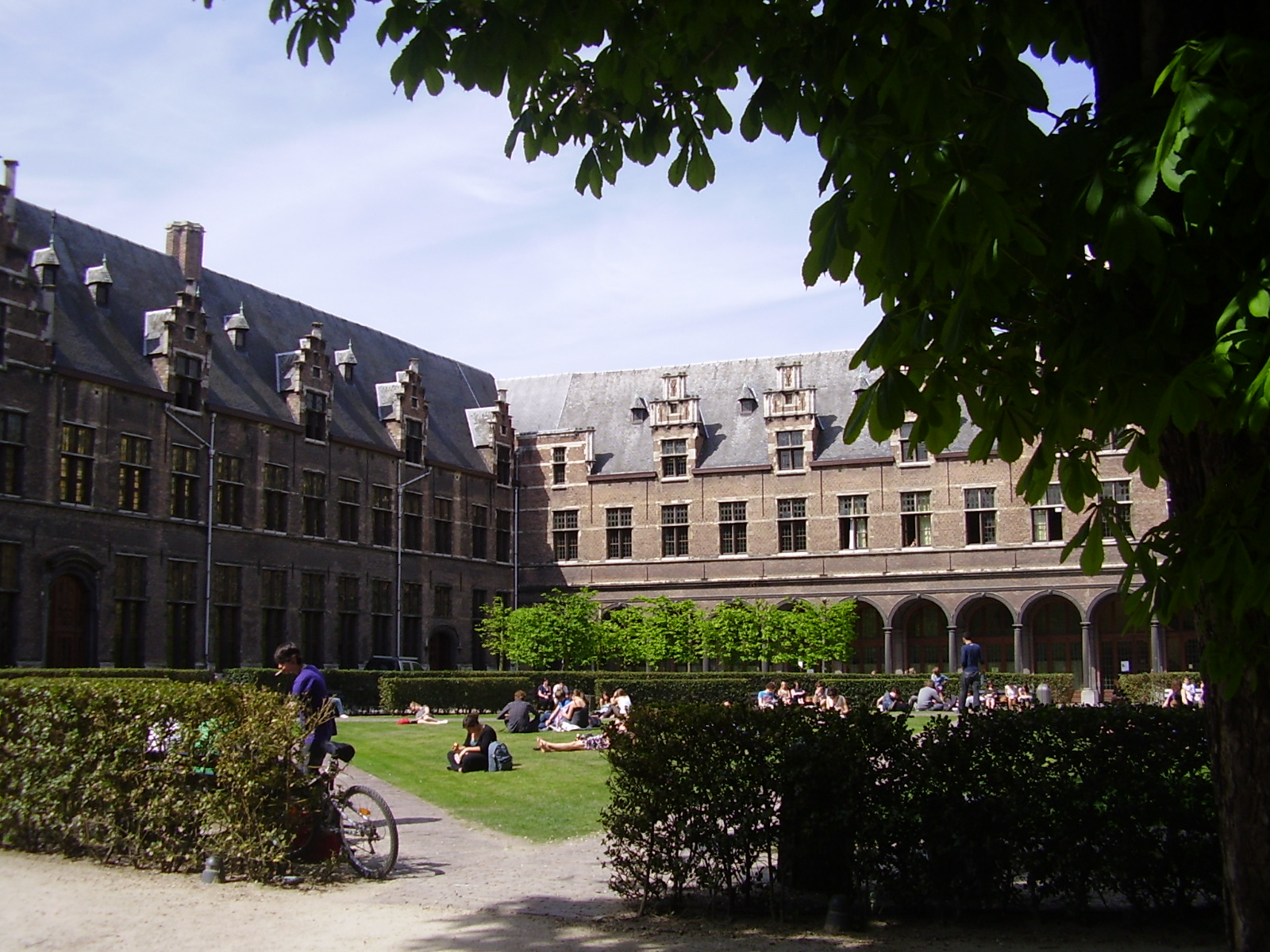
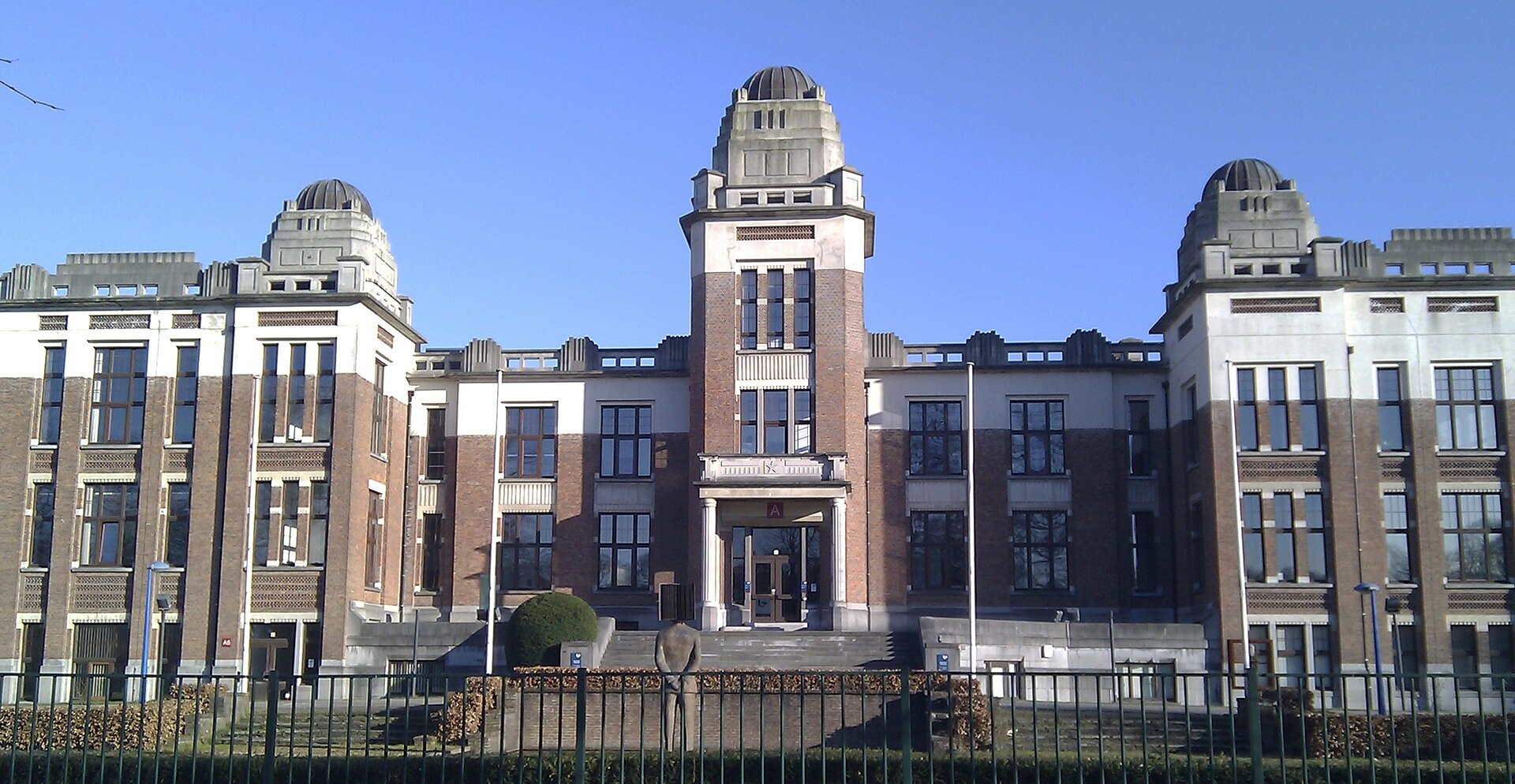
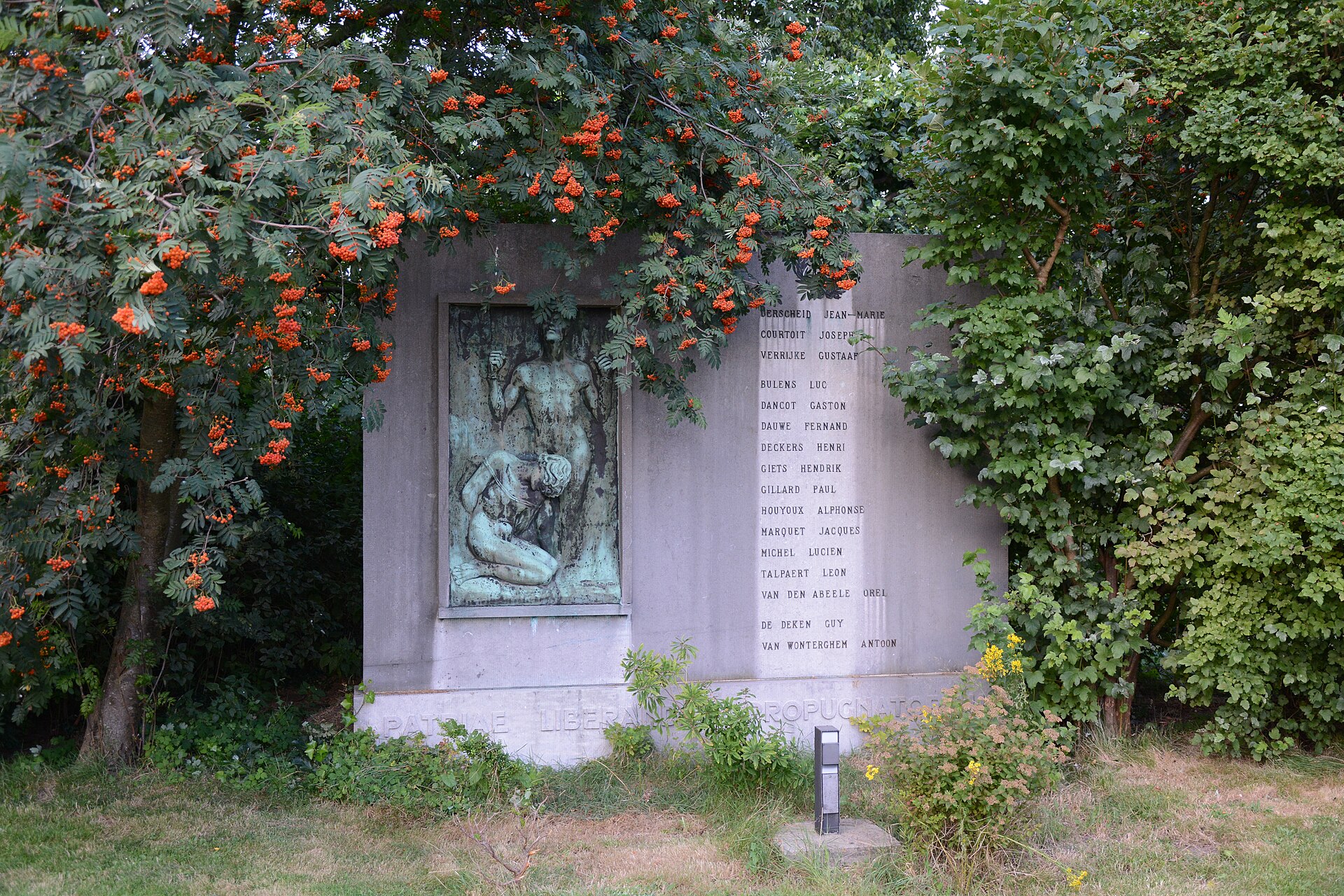
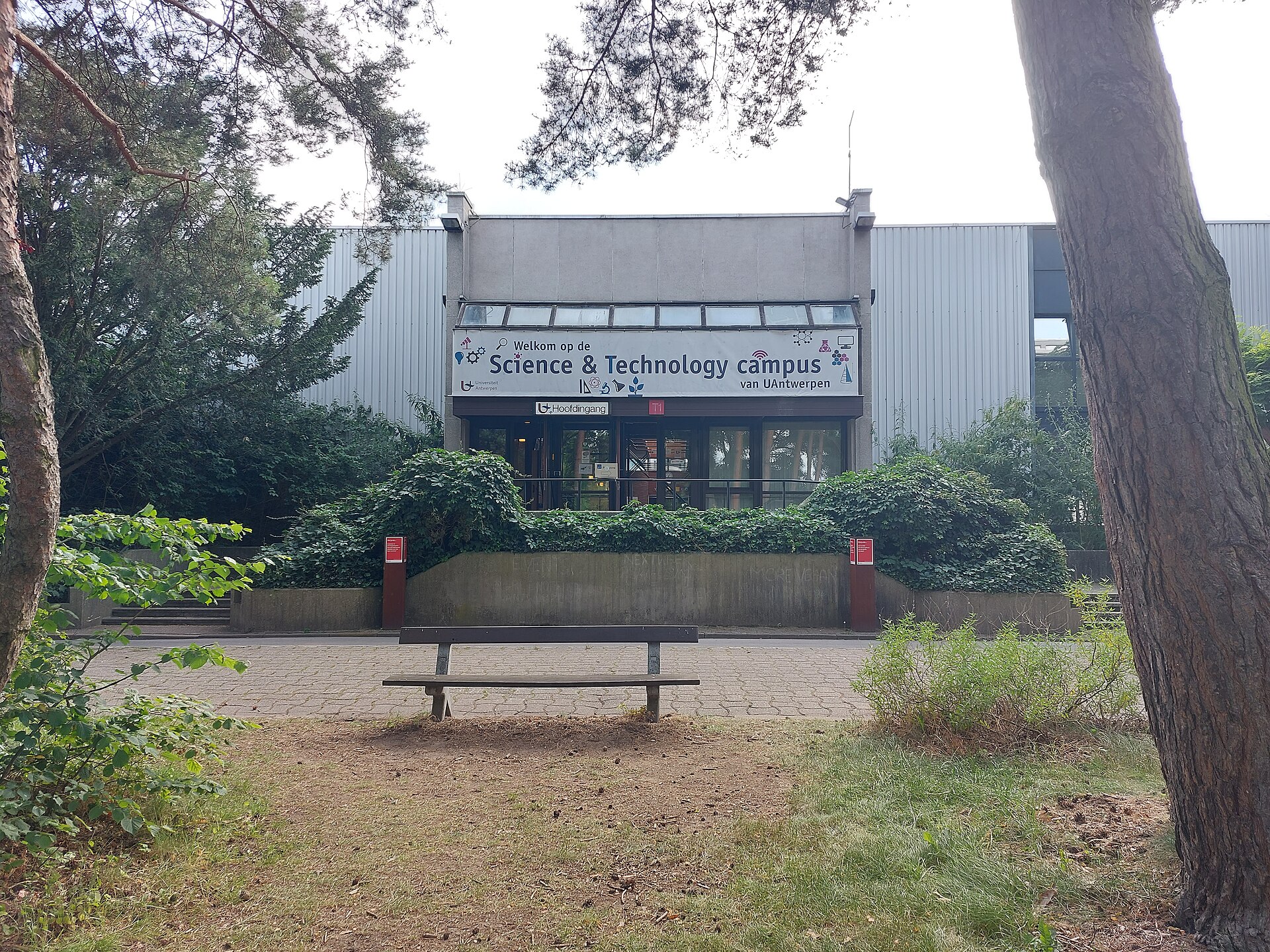
Why University of Antwerp — Research, City & Global Opportunity
UAntwerp punches well above its young age. Two decades after its founding merger, it sits among Europe's top research universities in drug discovery, infectious disease research, and port economics — disciplines where its Antwerp location gives it a distinctive edge no competitor can replicate.
Admissions Profile How Selective Is UAntwerp?
UAntwerp has an overall acceptance rate of approximately 75%, which reflects its commitment to broad access to public higher education. However, selectivity varies significantly by programme: Medicine and some Engineering tracks have additional entrance requirements or competitive quotas. International students should not mistake a high headline acceptance rate for a low bar — the university expects demonstrated academic competence, a coherent motivation, and strong language proficiency for all programmes.
SAT and ACT scores are not used in Belgian admissions — the university operates on a test-blind basis regarding standardised US tests. What matters most is your prior academic record, the equivalence of your qualification to the Belgian secondary or bachelor's diploma, and — for competitive programmes — your motivation letter.
University of Antwerp at a Glance
What Your Application Consists Of
UAntwerp does not use Common App or UCAS. You apply directly through the university's Mobility Online portal. The application is free of charge (verify on the official admissions page). Your file is evaluated in two stages: first on academic content and level, then on document authenticity.
What UAntwerp Looks For In an Applicant
Belgian public universities evaluate international applicants primarily on the basis of prior academic achievement and qualification equivalence. There are no holistic review committees weighing extracurricular activities against test scores in the way a US admissions process would. What the University of Antwerp's admission board actually reads carefully is your academic record and your motivation letter.
Application Deadlines By Nationality
UAntwerp has two application rounds each academic year, with different deadlines depending on whether you are an EEA citizen or a non-EEA citizen without Belgian residence. The portal typically opens in November for the following academic year. Always verify current-cycle dates on the official admissions page.
Non-EEA applicants are strongly advised to apply in Round 1 (by 28 February). Belgian student visa processing typically exceeds three months, and a late application leaves insufficient time to complete the visa procedure before the academic year begins.
| Applicant Type | Round | Deadline | Notes |
|---|---|---|---|
| Non-EEA (no Belgian residence) | Round 1 | 28 February | Recommended for visa applicants — visa process takes 3+ months |
| Non-EEA (no Belgian residence) | Round 2 | 31 May | Later deadline; visa timeline may be tight |
| EEA citizens or Belgian residents | Round 1 | 31 May | Standard deadline for EU/EEA applicants |
| EEA citizens or Belgian residents | Round 2 | 30 June | Final deadline; limited spots may remain |
Student Life in Antwerp City, Campus & Community
Antwerp is one of Europe's most underrated student cities. With a population of around 530,000, it is large enough to offer world-class museums, nightlife, dining, and fashion — yet small enough to be genuinely navigable on a student budget. The university's city-centre campuses — particularly the historic Stadscampus — are embedded in Antwerp's medieval core, putting cafés, galleries, and the Scheldt waterfront within easy walking distance. UAntwerp does not operate a traditional residential campus. Student housing is arranged privately or through the university's accommodation service, which maintains partnerships with approved student residences across the city. International students arriving for the first time will benefit from the Welcome Week and the International Students Office, which organises orientation events and connects incoming students with local and international peers. Student associations (student clubs) cover everything from faculty-specific societies to cultural, athletic, and international student networks. The YUFE student community also connects UAntwerp students with peers across nine other European universities. Antwerp's central location — 45 minutes from Brussels, 1.5 hours from Paris, and 30 minutes from the Dutch border — makes weekend travel across Europe extremely easy.
Career Outcomes Where UAntwerp Graduates Go
UAntwerp graduates enjoy a 90% employment rate and an average starting salary of approximately $46,000 USD — strong figures that reflect the university's deep integration with Antwerp's industrial and commercial ecosystem. The pharmaceutical and biotech sectors are the largest employers of UAntwerp life-science graduates. Johnson & Johnson, Pfizer, and UCB all have significant operations in or near Antwerp, and UAntwerp research partnerships give students a route into these organisations. Business Engineering and Applied Economics graduates frequently enter roles in logistics, port management, trade finance, and supply-chain consulting — sectors where Antwerp's port economy creates a constant demand for talent. Law graduates enter one of Belgium's most active commercial legal markets, given Antwerp's role as a major trading and diamond hub. For students considering graduate school, UAntwerp's YUFE membership and strong research output facilitate applications to top European doctoral and master's programmes. A significant number of UAntwerp graduates continue to PhD positions at Belgian, Dutch, and German research universities.
Frequently Asked Questions
Are most programmes at UAntwerp taught in English?+
No. The majority of bachelor's programmes at UAntwerp are taught in Dutch. English-taught programmes are concentrated at the Master's level, where UAntwerp offers a substantial portfolio across business, sciences, and social sciences. If you are an international student who does not speak Dutch, you should check each programme's language of instruction carefully before applying.
Do I need to take the SAT or ACT to apply?+
No. UAntwerp does not consider SAT or ACT scores. The university operates on a test-blind basis regarding these US standardised tests. Your prior academic qualifications (IB diploma, A-levels, national leaving certificate) are what matter.
Is the application fee refundable if I am not admitted?+
The official UAntwerp admissions page states that the application procedure is free of charge. Please verify this on the current official admissions page, as fees and policies can change between cycles.
When should I apply as a non-EEA student?+
Apply by 28 February (Round 1 deadline for non-EEA applicants) whenever possible. Belgian student visa processing typically takes more than three months. Applying in Round 2 (by 31 May) leaves very little time to complete the visa process before September.
Can I study fully in English at UAntwerp as a bachelor's student?+
It is difficult to complete a full bachelor's degree entirely in English at UAntwerp — most bachelor's programmes are Dutch-medium. Exceptions exist in some international or joint programmes. At the Master's level, a much wider English-taught offering is available. If you are set on English-medium bachelor's study, verify availability carefully before applying.
Is there on-campus housing?+
UAntwerp does not operate traditional university dormitories. The university's accommodation service helps students find rooms in approved private student residences across Antwerp. The International Students Office provides guidance on housing before arrival. Antwerp has an active student rental market, and many international students find accommodation through the university's referral network.
Does UAntwerp offer scholarships to international students?+
Yes, but the landscape is specific. The Master Mind scholarship (awarded centrally by Flanders) covers living costs plus near-zero tuition for outstanding non-EEA Master's students. The Erasmus Mundus programmes (MAEH and LIVE) offer full funding for qualifying applicants. VLIRUOS scholarships are available for students from 29 eligible countries in Africa, Asia, and Latin America. The High Potential Incentive automatically reduces tuition for outstanding non-EEA Master's applicants — no separate application is needed.
Is UAntwerp a good university for research during my Master's?+
Yes. UAntwerp is a research-intensive university with strong output in drug discovery, infectious disease, tropical medicine, and maritime economics. Master's students in life sciences and engineering frequently join research groups and contribute to ongoing projects. The Antwerp Doctoral School also provides a pathway into PhD studies for high-performing graduates.
ACADEMICS
Academic Expectations at University of Antwerp For International Students
UAntwerp's academic culture is rigorous, research-driven, and built on the Flemish tradition of combining theoretical depth with applied problem-solving. International students entering from IB, A-level, or equivalent international qualifications will find the transition manageable but demanding — especially in quantitative disciplines where Belgian secondary curricula often develop deep mathematical fluency from an early age. Understanding what UAntwerp's admission board looks for, and preparing your academic profile accordingly, is the foundation of a successful application.
Academic Profile What Numbers to Target
A minimum IB score of 32 is the widely cited benchmark for UAntwerp entry. For competitive programmes — particularly Medicine, Biomedical Sciences, and Business Engineering — your grades within the IB should be strong, not merely above minimum. HL subjects in Mathematics, Biology, Chemistry, or Economics are particularly relevant depending on your target faculty.
Test Policy SAT, ACT & Belgian Admissions
UAntwerp is fully test-blind with respect to SAT and ACT scores. These tests play no role in Belgian higher education admissions. The university evaluates applicants on the basis of their prior academic qualifications — what matters is your IB diploma, A-level results, or national leaving certificate, not a standardised US exam score. However, some programmes — particularly Medicine — have specific Belgian requirements. Medical studies in Flanders require applicants to sit the central entrance examination (toelatingsexamen geneeskunde) regardless of their international qualifications. This is a Flemish government requirement, not a UAntwerp policy, and international students applying to Medicine must be aware of it and plan accordingly. Check programme-specific requirements on the official UAntwerp admissions site.
Standardised Tests in the Belgian Context
Unlike the US system, Belgian higher education does not use a single standardised admissions exam for most programmes. Instead, each discipline has its own entry standards. For most UAntwerp programmes, your secondary leaving certificate (IB, A-level, national bachillerato, CBSE board results, etc.) is the primary document. The admission board assesses whether your qualification is equivalent to the Belgian secondary diploma — a process called 'equivalence assessment'. For some competitive programmes, UAntwerp may require applicants to pass an internal entrance test or present a portfolio. These programme-specific requirements should be confirmed directly with the relevant faculty. International students from non-EU countries should also allow adequate time for the legalisation and translation of their documents, which is a prerequisite for admission.
IB, A-Level & International Qualifications At UAntwerp
The International Baccalaureate Diploma is well understood by UAntwerp's admissions office. An overall score of 32 is the widely referenced minimum, but the composition of your score matters: relevant Higher Level subjects in your intended field of study signal genuine preparation for the programme you are entering. For science and engineering programmes, HL Mathematics (Analysis and Approaches or Applications and Interpretation) is important — UAntwerp's quantitative programmes expect strong foundational mathematics. For Biomedical Sciences and Pharmaceutical Sciences, HL Biology and Chemistry are the natural preparation. Business Engineering values HL Economics and HL Mathematics. A-Level applicants should present three strong subjects directly relevant to their programme. The UAntwerp admissions board will assess whether the combination and grades demonstrate sufficient preparation for the first year of study.
Subject Preparation by Faculty
Different UAntwerp faculties prioritise different academic backgrounds. Choose your IB or A-level subject combination thoughtfully based on your intended programme.
English Language Requirements
All international students applying to English-taught programmes must demonstrate English proficiency through an official test. Applicants whose previous education was conducted entirely in English may be eligible for an exemption — verify this with your programme before applying.
| Test | Minimum Score | Notes |
|---|---|---|
| IELTS Academic | 6.5 | Overall band; individual component minimums may apply |
| TOEFL iBT | 90 | Internet-based test |
| Prior English-medium education | Evidence required | May substitute for a test; confirm with your programme |
| Duolingo English Test | Not specified in facts | Verify acceptance on official admissions page |
Building Your Profile Year by Year
Belgian and Flemish universities are primarily grades-first institutions. That said, a strong academic profile combined with a compelling motivation letter and relevant experience gives you the best chance at UAntwerp's competitive programmes.
Academic Pitfalls to Avoid
- Applying to a Dutch-taught bachelor's programme without Dutch language proficiency — check the language of instruction for every programme before applying.
- Underestimating the legalisation timeline — apostilling documents from many countries takes four to eight weeks; missing deadlines due to late document preparation is the most common avoidable error.
- Submitting an IELTS score below 6.5 or not planning to take the test — no English certificate means automatic rejection from English-taught programmes.
- Applying to Medicine without registering for the Flemish entrance examination — this is a government requirement that cannot be bypassed regardless of your qualifications.
- Writing a generic motivation letter — the admission board reads hundreds of applications; letters that could have been written for any university at any institution are immediately recognisable.
- Applying to multiple UAntwerp programmes simultaneously — the university does not allow concurrent applications; choose your programme carefully.
- Assuming a high overall acceptance rate means easy admission to your programme — competitive faculties like Medicine and Business Engineering have much higher bars than the university-wide 75% figure suggests.
COST & FINANCIAL AID
Cost of Studying at University of Antwerp An Honest Picture
One of UAntwerp's strongest selling points for international students is its exceptional affordability relative to comparable research universities in the UK, US, or the Netherlands. Annual tuition of approximately $5,800 USD and a total cost of attendance around $18,300 USD place UAntwerp among the most affordable options for a globally ranked, research-intensive education. Understanding the full financial picture — including non-EEA vs EEA tuition differences and available scholarships — is essential before you commit.
All figures below are drawn from UAntwerp's facts data. Costs are stated in USD equivalents and are subject to annual adjustment. Always verify current-year figures in euros on the official UAntwerp website.
Annual Cost Breakdown
The figures below represent the estimated annual costs for an international student studying at UAntwerp. Non-EEA students typically pay higher tuition rates than EEA students — verify the exact amount for your programme and nationality on the official UAntwerp website.
| Component | Annual U S D | Notes |
|---|---|---|
| Tuition (non-EEA, est.) | $5,800 | Approximate; varies by programme and EEA/non-EEA status |
| Cost of Living (Antwerp) | $12,500 | Accommodation, food, transport, personal expenses |
| Total Cost of Attendance | $18,300 | Estimated full annual budget |
| Application Fee | Free | UAntwerp official page states application is free of charge; verify annually |
Financial Aid for International Students
UAntwerp is a Belgian public university, not a US-style institution with large endowment-funded aid packages. Need-based financial aid in the American sense is not available to international students. However, UAntwerp and the Flemish government participate in several competitive scholarship programmes that can dramatically reduce the cost of study — some to near zero. Approximately 10% of students receive some form of aid or scholarship support. The most impactful programmes are externally funded (Erasmus Mundus, Master Mind, VLIRUOS) and are highly competitive. Planning your financial strategy around scholarship outcomes alone is risky — ensure you have alternative funding before applying.
Scholarships Available For International Students
UAntwerp participates in several external scholarship programmes and offers one internal award for outstanding non-EEA Master's applicants.
Affordability in Context
Compared to peer research universities, UAntwerp's cost profile is exceptional. UK universities of comparable ranking charge non-EU international students £22,000–£35,000 per year in tuition alone. US universities at equivalent QS rankings typically charge $40,000–$60,000 in tuition. UAntwerp's approximately $5,800 annual tuition — even at the non-EEA rate — is among the lowest in the world for a QS top-300 institution. Antwerp itself is a mid-size city with lower living costs than Amsterdam, Zurich, Paris, or London. Student housing, local transport (UAntwerp students receive a campus card), and food are all significantly cheaper than in comparable Western European capitals. A realistic monthly budget for a student in Antwerp falls in the range of €900–€1,100 including rent, food, transport, and personal expenses — verify current figures with UAntwerp's student financial guidance. However, be aware that EEA students pay substantially lower tuition than non-EEA students in Belgian public universities. This differential is set by Flemish government policy. If you are from outside the EEA and not holding a Belgian residence permit, confirm your exact tuition rate for your specific programme before making financial plans.
How to Fund Your Studies Step by Step
Cost & Aid FAQs
How much does UAntwerp cost for non-EEA international students?+
Based on our facts data, tuition runs approximately $5,800 USD per year for non-EEA students, with a total estimated cost of attendance of around $18,300 USD annually. These are estimates — verify exact current figures in euros on the official UAntwerp admissions page for your specific programme.
Does UAntwerp offer need-based financial aid to international students?+
No, not in the US sense. UAntwerp does not have a large endowment-funded need-based aid programme for international students. What it does offer is access to competitive scholarships (Master Mind, Erasmus Mundus, VLIRUOS) and an internal High Potential Incentive for high-achieving non-EEA Master's applicants.
What is the Master Mind scholarship and how do I apply?+
Master Mind is a Flemish government scholarship providing €10,020 annual living allowance plus reduced tuition (€139.40 in 2026–2027) for outstanding international Master's students in Flanders. UAntwerp submits the application on your behalf — you do not apply independently. The deadline is 1 February, aligned with the non-EEA admissions deadline.
Can I work part-time in Belgium to offset costs?+
Non-EEA students in Belgium may be permitted to work part-time — typically up to 20 hours per week during term time — depending on your visa/permit conditions. Belgian minimum wage is among the highest in Europe, which can make part-time work meaningful. Confirm your specific work rights with the UAntwerp International Students Office or Belgian immigration authorities.
Is health insurance mandatory in Belgium?+
Yes. Students in Belgium are required to have health insurance. Non-EEA students typically enrol in a student health insurance plan through a Belgian health insurance fund (mutualiteit/mutualité). This is not optional and should be factored into your living cost budget.
MOTIVATION LETTER & APPLICATION
Your Application to University of Antwerp The Motivation Letter
UAntwerp uses a direct application system (Mobility Online portal) — not Common App, UCAS, or any centralised system. There are no US-style supplemental essays. The core qualitative written component of your application is the motivation letter (sometimes called a personal statement or letter of motivation). For most programmes, this is the only document where you speak in your own voice. Getting it right matters.
The Application System How UAntwerp Receives Applications
International students apply to UAntwerp through the Mobility Online online portal. Applications are submitted directly to UAntwerp — there is no intermediary system. You submit one application for one programme (concurrent applications to multiple UAntwerp programmes are not permitted). The application is free of charge (verify annually). Required documents are uploaded digitally. The key written component is a motivation letter — a focused document explaining your academic background, your reasons for choosing this programme and this university, and your professional or academic goals. Unlike the US system, there are no separate Common App or Coalition prompts, no 'Why Us?' supplements, and no short-answer activities lists. The motivation letter is your one opportunity to make a qualitative case for yourself.
What Your Motivation Letter Should Cover
UAntwerp does not publish a formal word limit or a prescribed set of prompts for the motivation letter. However, based on the university's published admission procedure, the letter is assessed by the admission board as part of the 'screening on content and level'. It should address the following areas substantively.
The Motivation Letter vs US Personal Statement Key Differences
If you have previously written — or are simultaneously writing — a US-style personal statement (for Common App), you need to understand the fundamental difference before writing your UAntwerp motivation letter. The US personal statement is a narrative personal essay about who you are as a person — your values, your story, your identity. It is deliberately broad and personal. The UAntwerp motivation letter is a professional-academic document about why you want this specific programme, at this university, and how your background prepares you for it. It is focused, rational, and programme-specific. Copying your Common App personal statement into the motivation letter format is one of the most common mistakes international applicants make when applying to European universities. The tone, structure, and purpose are different. Start fresh.
Strategy for Each Section of the Motivation Letter
There are no supplemental essays at UAntwerp. Your entire written argument must be made in a single, structured motivation letter. Think of it in four logical sections.
Choosing Your Angle What to Write About
The strongest UAntwerp motivation letters share a common trait: they are written by applicants who have genuinely researched the programme and can speak specifically about it. Broad letters that could apply to any Belgian university — or worse, any European university — are easy to identify and difficult to act on favourably. Before you write, spend 30 minutes on UAntwerp's faculty website for your programme. Find the research groups, the faculty members whose work interests you, the specific courses in the second or third year that excite you. Then build your letter around those specifics. This signals to the admission board that you have made a deliberate, informed choice — and that is exactly what they want to see.
Motivation Letter Mistakes to Avoid
- Writing a generic letter that could be sent to any university — the admission board reads hundreds; specificity is what makes a letter memorable.
- Opening with your life story instead of immediately addressing the programme — get to the point in the first paragraph.
- Copying your US Common App personal statement — the purpose, tone, and structure are fundamentally different.
- Exceeding two pages or using small font to fit more content — concise and well-structured outperforms dense and exhaustive.
- Describing activities without explaining what you learned — the admission board wants evidence of intellectual development, not a résumé in prose form.
- Stating vague professional goals ('I want to help people', 'I want to make an impact') — be specific about the role you want to play and how this programme leads there.
- Failing to mention UAntwerp specifically — a letter that never references the university by name, or references it only in the opening line, signals a generic approach.
- Submitting without proofreading for language — the letter is also an implicit test of your written English (for English-taught programmes). Grammar and clarity matter.
Application & Motivation Letter FAQs
Does UAntwerp require a motivation letter for all programmes?+
A motivation letter is listed as a required document for the general UAntwerp application procedure. It is part of the 'screening on content and level' stage. Check your specific programme for any additional requirements.
How long should the motivation letter be?+
UAntwerp does not publish an official word or page limit. A well-structured motivation letter of one to two pages (approximately 500–800 words) is standard for European university applications. Aim for quality and specificity over length.
Should I write the motivation letter in English or Dutch?+
For English-taught programmes, write in English. For Dutch-taught programmes, writing in Dutch signals language readiness, though the admissions office can advise. If in doubt, contact the programme office before submitting.
Can I apply to multiple UAntwerp programmes simultaneously?+
No. UAntwerp explicitly does not permit concurrent applications to multiple programmes. Choose carefully before applying — if you wish to change your programme after submission, contact the admissions office.
Is there an interview as part of the UAntwerp application?+
Most UAntwerp programmes do not require an interview. Some specific Master's programmes may invite shortlisted candidates for an interview or assessment — check your programme's specific requirements on the UAntwerp website.
What happens after I submit my application?+
After submission, the admission board conducts a two-stage review: first, screening on content and level (your academic qualifications and motivation letter), then verification of document authenticity by the registrar. You will be notified of the outcome. If admitted, you proceed to enrolment through Mobility Online.
Can I reapply if I am rejected?+
Yes, in principle — Belgian public universities permit applicants to reapply in subsequent cycles. If you are rejected, it is worth contacting the admissions office to understand the reason, which may be a documentation issue, a qualification equivalence question, or a competitive programme cutoff. Use the feedback to strengthen your next application.
Courses — schools, degrees & intake
33 degrees across 9 groupings.
Faculty of Applied Engineering · 6 degrees
Civil Engineering Technology
Electromechanical Engineering Technology
Electronics and ICT Engineering Technology
Chemical and Biochemical Engineering Technology
Business Engineering
Bioscience Engineering
Faculty of Arts · 5 degrees
Linguistics and Literary Studies
Applied Linguistics
History
Philosophy
Communication Studies
Faculty of Business and Economics · 2 degrees
Applied Economics
Social-Economic Sciences
Faculty of Design Sciences · 5 degrees
Architecture
Interior Architecture
Product Development
Conservation-Restoration
Urban Sustainability Studies
Faculty of Law · 1 degrees
Laws
Faculty of Medicine and Health Sciences · 2 degrees
Medicine
Rehabilitation Sciences and Physiotherapy
Faculty of Pharmaceutical, Biomedical and Veterinary Sciences · 3 degrees
Pharmaceutical Sciences
Biomedical Sciences
Veterinary Medicine
Faculty of Science · 6 degrees
Chemistry
Physics
Mathematics
Biology
Biochemistry and Biotechnology
Computer Science
Faculty of Social Sciences · 3 degrees
Political Science
Sociology
Social and Economic Sciences
Want your real chances at University of Antwerp?
Create a free TYCHR account for your personalised admit-chance, a shortlist you can track, exact entry requirements, and essay + counselling help.