University of Amsterdam
Amsterdam, Netherlands · Urban
UNIVERSITY OF AMSTERDAM — ADMISSIONS GUIDE
University of Amsterdam Admissions Guide for International Students
The University of Amsterdam (UvA) is the Netherlands' largest and most prestigious comprehensive research university, consistently ranked among the top 55 universities in the world by QS and THE. Founded in 1632 in the heart of one of Europe's most cosmopolitan cities, UvA offers internationally minded students a rigorous academic environment, English-taught programmes across disciplines, and a direct connection to Amsterdam's world-leading industries in finance, tech, media, and the creative economy.
Whether you are targeting the highly competitive PPLE programme, the interdisciplinary Amsterdam University College, or one of UvA's flagship Bachelor's in Economics, Psychology, or AI, this guide explains exactly how to apply from outside the Netherlands — what the Dutch university system expects, how the Studielink process works, and what genuinely sets successful international applicants apart.
Campus
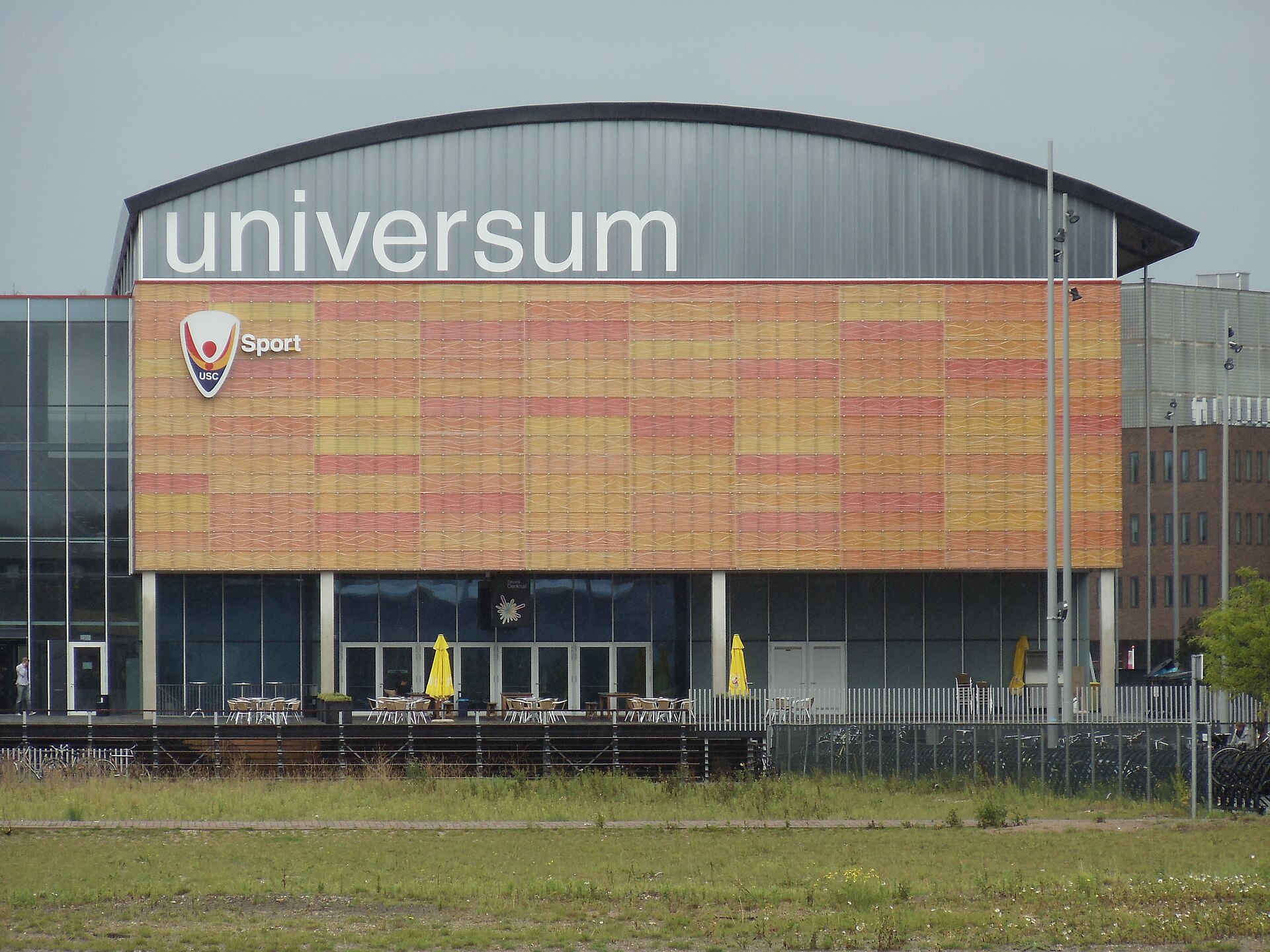
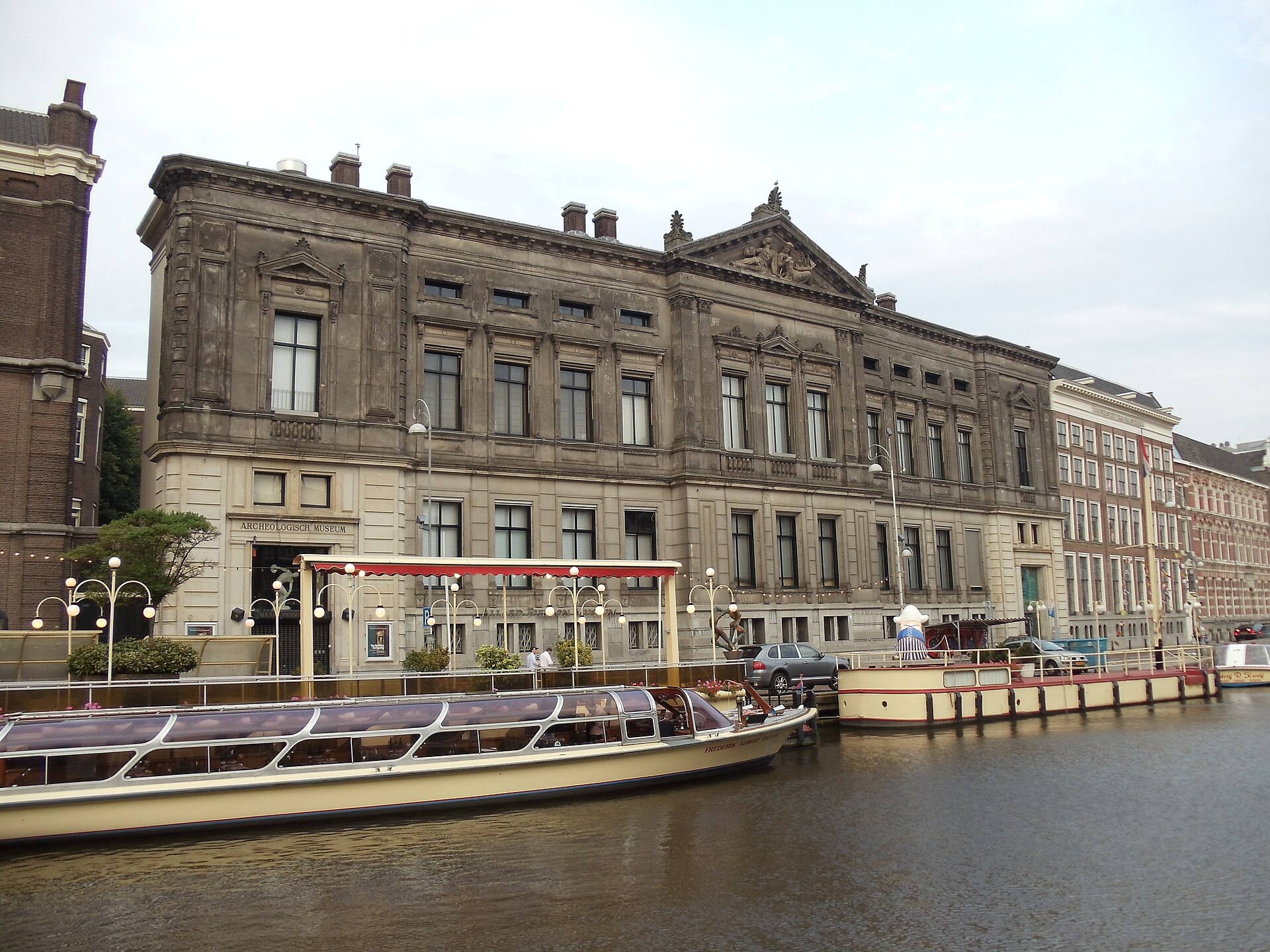
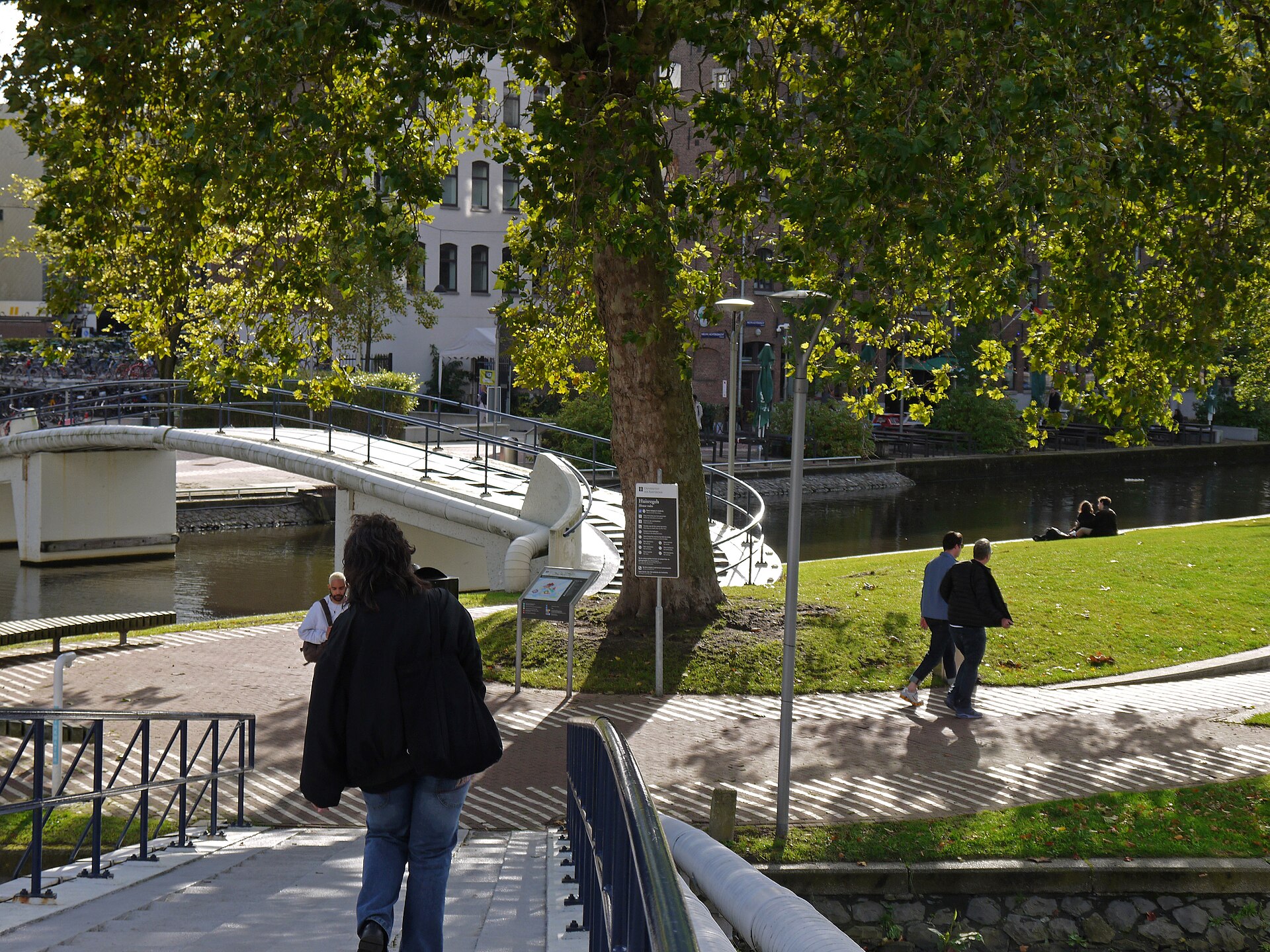
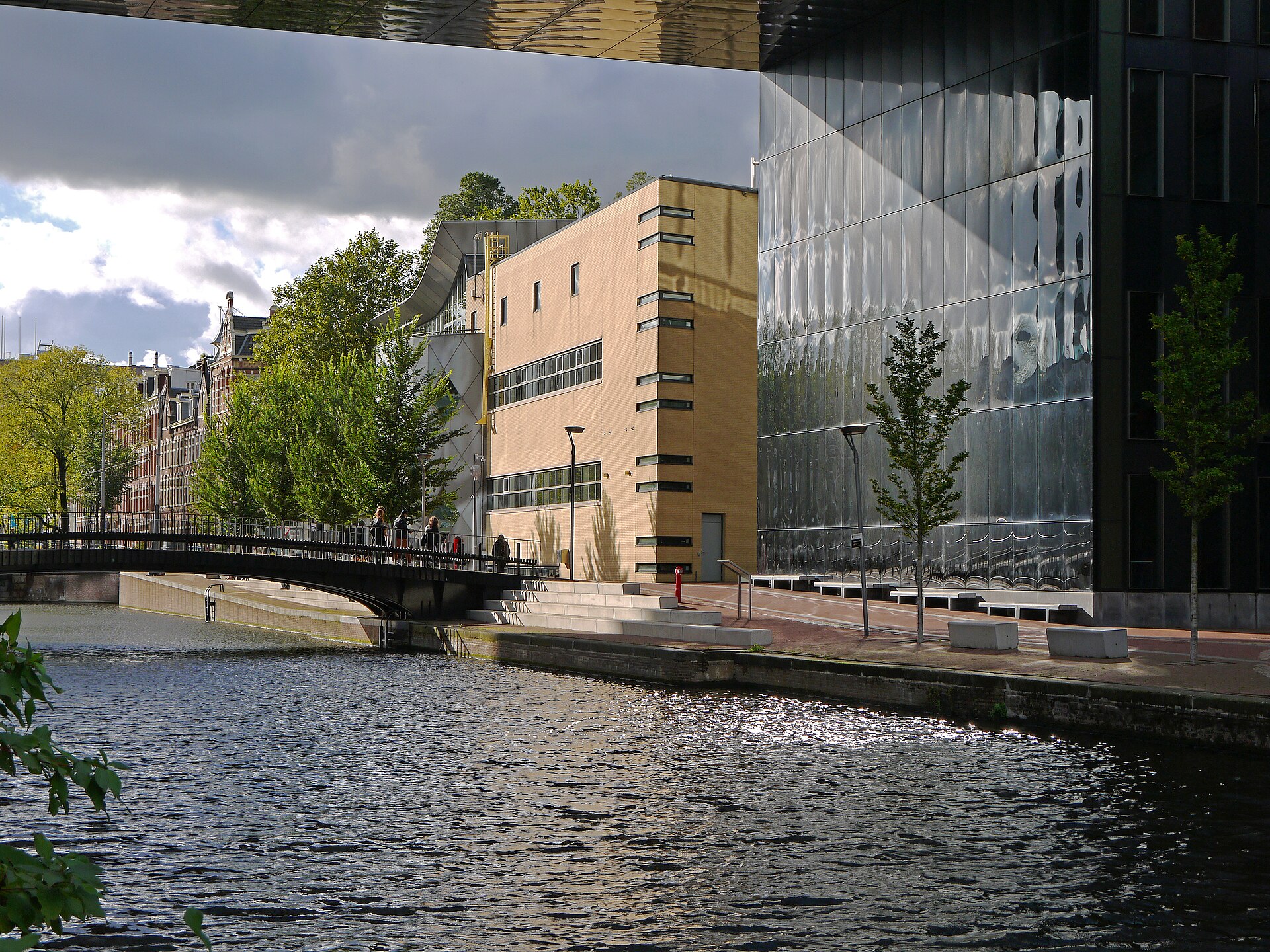
University of Amsterdam — campus in pictures
Real, freely-licensed photographs of the campus (via Wikimedia Commons).

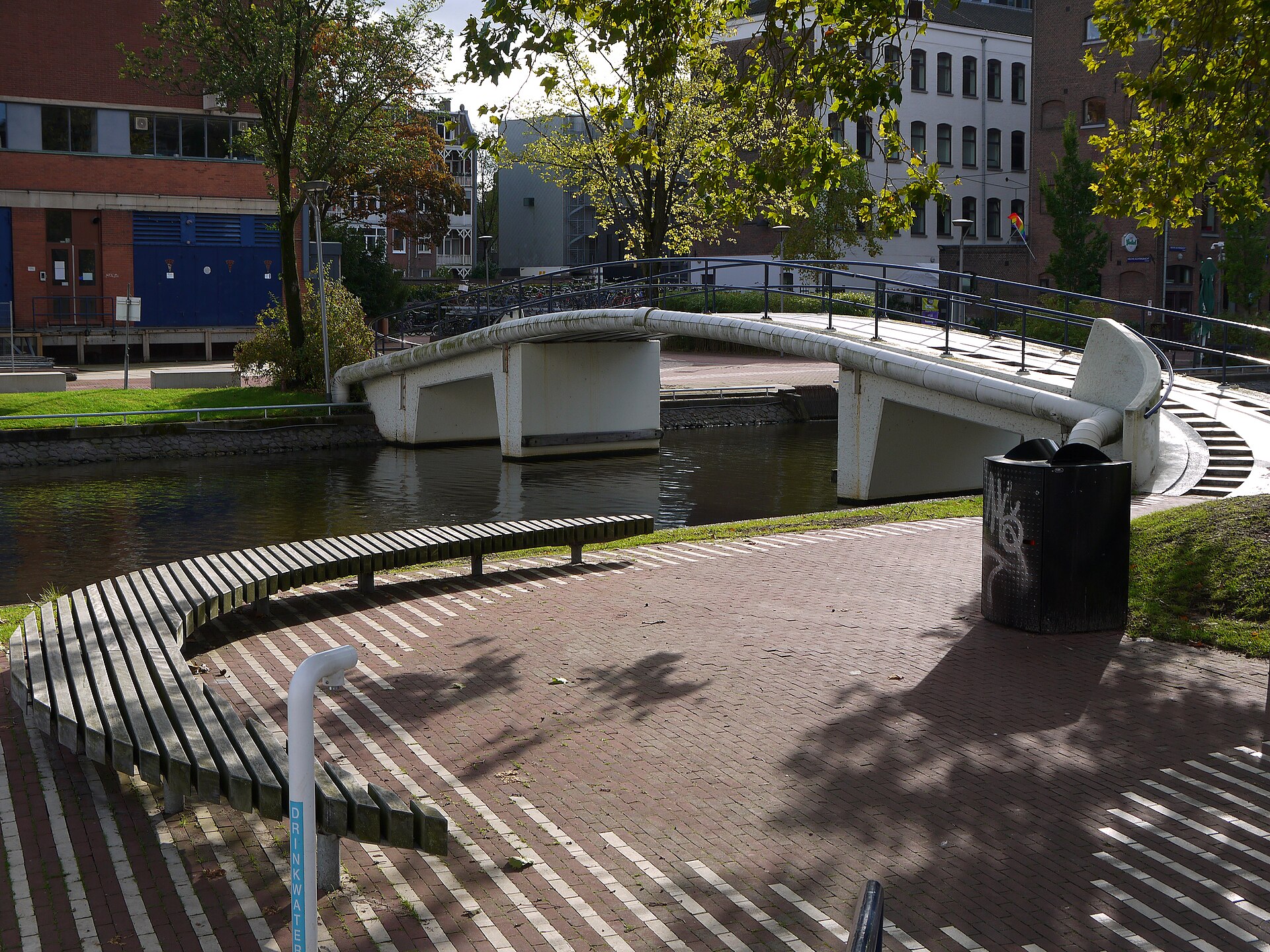
Why UvA — Research, Amsterdam, and Europe's Academic Pulse
The University of Amsterdam is not a campus university in the traditional sense — it is a city university, woven through the canals and neighbourhoods of central Amsterdam. This integration with a global capital is one of its defining advantages for international students.
UvA Selectivity — Understanding Acceptance and Enrolment
The University of Amsterdam's overall acceptance rate of approximately 60% can be misleading. The reality for international students depends entirely on which programme you are applying for. Standard programmes are broadly accessible to international students who meet the entry requirements. However, UvA's most competitive programmes — PPLE, Liberal Arts & Sciences (AUC), and numerus fixus programmes in Business Administration, Economics, and Psychology — are genuinely selective with competitive multi-round selection procedures.
For competitive programmes, meeting the minimum requirements is not sufficient — the selection process assesses academic profile, written ability, and personal fit.
University of Amsterdam — Quick Facts
UvA Application Components — What International Students Submit
UvA applications are submitted through Studielink, the national Dutch university portal. The process is not identical to Common App or UCAS — it is more document-driven and programme-specific. Here is every component that international students submit.
What UvA Looks For in International Applicants
For most UvA programmes, the admissions process is document-based: your diploma, grades, and English proficiency are the primary criteria. For selective programmes, the profile they seek goes deeper — intellectual ambition, interdisciplinary thinking, and the ability to articulate why you are applying.
UvA Application Deadlines — by Programme Type
Deadlines at UvA vary significantly by programme. International students should note that the most competitive programmes close much earlier — missing the January or February deadline means waiting a full year. Applications open on 1 October each year.
All applications are submitted through Studielink (studielink.nl). UvA applications open 1 October. Register in Studielink at least 1 week before the deadline.
| Programme | Deadline | Type | Notes |
|---|---|---|---|
| Business Administration (numerus fixus) | 15 January | Numerus Fixus | Selection procedure after deadline |
| Economics & Business Economics (numerus fixus) | 15 January | Numerus Fixus | Selection procedure after deadline |
| Psychology (numerus fixus) | 15 January | Numerus Fixus | Selection procedure after deadline |
| PPLE (selective) | 1 February | Selective | Multi-round: statement, assignments, interview |
| Liberal Arts & Sciences — AUC (selective) | 1 February (regular) / 1 December (early-bird) | Selective | Early-bird decision in February; regular in April |
| All other programmes (non-EU/EEA) | 1 April | Standard | Advisory deadline for international students |
| All other programmes (EU/EEA) | 1 May | Standard | Final deadline |
Student Life at UvA — Amsterdam as Your Campus
The University of Amsterdam has no single enclosed campus — its buildings, libraries, and faculties are spread across central Amsterdam, from the historic Binnengasthuis site to the Science Park in the east. This makes Amsterdam itself your university experience in a very real sense.
Amsterdam is consistently rated among the world's most liveable cities for students: cycling infrastructure makes it uniquely navigable, the international community means English is widely spoken everywhere, and the cultural scene — museums, music, film, architecture, food — is genuinely world-class. The Vondelpark, the Jordaan, the Plantage neighbourhood, and the canal ring are all within easy cycling distance of most UvA buildings.
Career Outcomes — Amsterdam as a Launch Pad
With an 88% employment rate post-graduation, UvA graduates are well-placed in the Dutch and European job markets. Amsterdam's economy — home to Booking.com, ASML, Adyen, ING, ABN AMRO, Heineken, and the headquarters of numerous multinationals — creates direct opportunity for students who network during their studies.
Stats
Cards
Frequently Asked Questions — UvA International Admissions
Do I need to speak Dutch to study at UvA?+
No — UvA offers a substantial range of English-taught Bachelor's programmes including Economics & Business Economics, Business Administration, PPLE, Liberal Arts & Sciences (AUC), Computer Science, Artificial Intelligence, and others. However, Dutch-taught programmes constitute the majority of the catalogue. Always confirm the language of instruction for your specific programme before applying.
What is a numerus fixus programme and how does selection work?+
A numerus fixus programme has a fixed maximum number of places. When applications exceed available spots, Studielink assigns ranking numbers as of 15 January (the application deadline). Selection then takes place between January and April, and accepted students must confirm within two weeks. Business Administration, Economics & Business Economics, and Psychology are numerus fixus programmes.
Is PPLE as competitive as it appears?+
Yes. PPLE is one of the most competitive Bachelor's programmes in the Netherlands and arguably in Europe. Selection is multi-round: personal statement, written assignments, and an interview. Meeting the entry requirements is necessary but far from sufficient. Intellectual breadth, clear motivation, and strong written English are essential.
What IB score do I need for UvA?+
The minimum IB score is 32 (from the facts file). For competitive programmes like PPLE and Economics, successful applicants typically score well above this minimum. Your HL subject choices also matter — quantitative programmes expect HL Mathematics.
Does UvA offer financial aid to international (non-EU) students?+
There is no need-based financial aid for non-EU/EEA international students at UvA. The Amsterdam Merit Scholarship (AMS) is the main merit-based award for non-EU/EEA students — it is available for Master's programmes and varies in value by faculty. Bachelor's applicants should plan on self-funding and explore Dutch government or home-country scholarships.
How much does UvA cost for non-EU international students?+
Non-EU/EEA students pay the institutional tuition rate, approximately $14,000 USD (€12,000–14,000) per year depending on the programme. EU/EEA students pay the statutory Dutch tuition rate — significantly lower at around €2,530/year. Total estimated cost of attendance is approximately $28,000 per year including living costs in Amsterdam.
Can I apply to multiple programmes at UvA?+
Yes. You can apply to multiple programmes through Studielink, though you should check each programme's specific requirements and deadlines individually. Note that selective programmes like PPLE require separate, programme-specific application materials.
Does UvA recognise IB and A-Level qualifications?+
Yes. UvA recognises the IB Diploma and A-Levels as qualifications for Bachelor's admission. An IB score of 32 is the stated minimum. A-Level equivalencies depend on the specific programme — check UvA's international prior education page for exact subject and grade requirements.
ACADEMIC REQUIREMENTS — UVA AMSTERDAM
Academic Requirements at UvA — What International Students Need to Know
The University of Amsterdam assesses international applicants primarily on academic qualifications — your diploma, grades, and subject choices. Unlike US universities, there is no holistic review of activities or personal narrative for most programmes. What matters is the level and content of your secondary education, whether your qualifications meet the entry threshold, and — for selective programmes — how your profile compares with other applicants.
This section breaks down exactly what UvA expects academically from students coming through the IB, A-Level, and other international qualification routes.
Academic Profile — The Numbers That Matter at UvA
UvA uses your secondary school qualification to assess whether you meet the entry threshold. The figures below are drawn directly from UvA's published data. For selective programmes, these are minimums — not targets.
Standardised Test Policy — SAT/ACT Not Required
UvA does not require or accept the SAT or ACT as part of its admissions process. Admission is based on your secondary school qualification (IB, A-Levels, national diplomas) and language proficiency tests. This is the standard across Dutch and most continental European universities.
The test policy is listed as 'optional' in some databases because UvA does not use standardised tests in the US sense — it simply is not part of the Dutch admissions framework. Do not prepare for or submit SAT/ACT scores for UvA. Your energy is better spent ensuring your IB, A-Level, or equivalent credentials are strong and your English proficiency test meets the required standard.
International students should focus on achieving strong results in their final secondary school examinations — these are the academic currency at UvA.
IB Diploma & A-Levels at UvA — What You Need by Programme
UvA explicitly recognises the IB Diploma and A-Level qualifications. Here is how each is assessed and what programmes typically expect.
English Language Requirements at UvA
All English-taught programmes at UvA require proof of English proficiency. The following minimum scores apply. Note that test results older than two years are not accepted.
Students whose secondary education was entirely in English (e.g. IB students at English-medium schools, or students from the UK, Australia, Ireland, US, etc.) may be exempt from the language test requirement. Confirm with UvA for your specific programme.
| Test | Minimum | Notes |
|---|---|---|
| IELTS Academic | 6.5 | Academic band only; General Training not accepted |
| TOEFL iBT | 92 | Internet-based test; home edition also accepted |
| Duolingo English Test | 120 | Accepted by most UvA programmes |
| Cambridge C1 Advanced (CAE) | 180 | Cambridge C2 Proficiency also accepted |
English-Taught Bachelor's Programmes — What UvA Offers
It is important to understand that the majority of UvA's Bachelor's programmes are taught in Dutch. The English-taught offer is substantial but specific. Before applying, confirm that your target programme is taught in English.
Subject Preparation — What UvA Programmes Expect
Because UvA admission is qualification-based rather than holistic, the subjects you study and the levels you take them at matter directly. Here is what different programme types expect.
Building Your Academic Profile — Year by Year
For UvA and other Dutch universities, the most important years are your final two — the grades and subject choices in those years are what admission is based on.
Common Academic Mistakes — What to Avoid
- Applying to a Dutch-taught programme without Dutch language proficiency — always confirm the language of instruction
- Missing the January 15 deadline for numerus fixus programmes — there is no late-application option
- Submitting an IELTS or TOEFL result that is more than two years old — UvA will not accept it
- Choosing IB subjects without checking UvA's specific entry requirements for your target programme
- Treating the minimum IB score (32) as a target for competitive programmes — it is a floor, not a benchmark
- Assuming that a high overall IB score compensates for weak mathematics in a quantitative programme
- Not registering in Studielink at least a week before the deadline — the UvAnetID takes up to 48 hours to issue
- Waiting until May to apply as a non-EU student — the 1 April advisory deadline exists for a reason; international processing takes longer
COST & AID — UVA AMSTERDAM
The Real Cost of UvA — For Non-EU International Students
The University of Amsterdam is a Dutch public university, which means tuition is heavily subsidised for EU/EEA students. Non-EU/EEA international students pay the institutional rate, which is significantly higher. There is no need-based financial aid for international Bachelor's students — planning ahead is essential.
Amsterdam is one of the most expensive cities in the Netherlands, and among the more costly student cities in Europe. Budget realistically: housing in particular is tight and expensive, and international students must plan accommodation from the moment they receive their offer.
Annual Cost Breakdown — Non-EU International Students
The figures below are estimated annual costs in USD. All hard numbers are from UvA's published data. Costs are listed per academic year.
Cost of living in Amsterdam is high relative to other Dutch cities. Housing costs alone can exceed €700-900/month for a room or shared apartment. Budget conservatively.
| Item | Annual | Notes |
|---|---|---|
| Tuition (non-EU/EEA) | ~$14,000 | Varies by programme; institutional rate |
| EU/EEA statutory tuition | ~$2,800 | Dutch statutory rate (~€2,530); much lower |
| Cost of living — Amsterdam | ~$14,000 | Housing, food, transport, personal |
| Total estimated cost of attendance | ~$28,000 | Non-EU; tuition + living combined |
| Application fee | $100 | Non-refundable; per application |
Financial Aid for International Students — The Honest Picture
UvA does not offer need-based financial aid to non-EU/EEA international Bachelor's students. This is standard for Dutch public universities. EU/EEA students may be eligible for Dutch student finance (Studiefinanciering) under certain conditions, but non-EU students are not.
The most important financial consideration for non-EU students is the difference between the statutory tuition (paid by EU/EEA students) and the institutional tuition (paid by non-EU/EEA students). This gap — roughly €10,000–12,000 per year — is the primary financial planning challenge. Students should confirm their fee status early, as it significantly affects total costs.
There is no average aid percentage available for UvA — this reflects the reality that need-based aid for international Bachelor's students is not part of the Dutch university funding model.
Scholarships for International Students at UvA
The primary scholarship for non-EU/EEA students at UvA is the Amsterdam Merit Scholarship. Additional external funding sources are available through the Dutch government and programme-specific funds.
Affordability at UvA — Planning Realistically
For non-EU/EEA students, UvA is not an inexpensive option. The combination of institutional tuition (~$14,000/year) and Amsterdam living costs (~$14,000/year) makes the total cost of attendance approximately $28,000 per year — a three-year Bachelor's represents roughly $84,000 in total.
EU/EEA students face a very different picture: statutory tuition of approximately €2,530/year, combined with Amsterdam living costs, makes UvA genuinely affordable by international standards. If you hold an EU/EEA passport, UvA offers extraordinary value for the quality of education and prestige it provides.
There are no no-loan policies or guaranteed aid packages at UvA for international Bachelor's students. Financial planning should assume full self-funding from tuition and living costs, with any scholarships treated as supplements rather than primary funding.
Steps to Fund Your UvA Education
Cost & Aid — Frequently Asked Questions
Does UvA offer financial aid to non-EU international Bachelor's students?+
No — UvA does not offer need-based financial aid to non-EU/EEA Bachelor's students. The AMS scholarship is available for Master's students only. Bachelor's applicants should plan for full self-funding and explore external scholarships (Holland Scholarship, home country government awards).
What is the difference between statutory and institutional tuition at UvA?+
EU/EEA students pay the Dutch statutory tuition of approximately €2,530/year — a heavily subsidised rate. Non-EU/EEA students pay the institutional rate, approximately €12,000–14,000 per year depending on the programme. This ~€10,000 gap is the primary cost consideration for international students deciding to study in the Netherlands.
How competitive is the Holland Scholarship?+
Competitive. The Holland Scholarship awards €5,000 (once, in the first year) to a limited number of non-EEA students studying in the Netherlands. Many Dutch universities participate, and applications are reviewed together across institutions. Strong academic results improve your chances, but it is not guaranteed.
Is Amsterdam expensive to live in as a student?+
Yes. Amsterdam is consistently ranked among the more expensive cities in Europe for students. Housing is particularly tight — demand significantly exceeds supply, and private room costs of €700–1,000/month are common. Total living costs including food, transport, and personal expenses average approximately $14,000/year (USD equivalent).
Are there part-time work opportunities for international students in Amsterdam?+
Non-EU/EEA students on a student visa (MVV/VVR) in the Netherlands are generally permitted to work up to 16 hours per week during term time and full-time during summer months — but work permits may be required. Confirm with your IND (Immigration and Naturalisation Service) advisor. Amsterdam's international job market offers real opportunities in hospitality, retail, and international organisations.
APPLICATION & MOTIVATION — UVA AMSTERDAM
Applying to UvA — Motivation Letters, Not US-Style Essays
The University of Amsterdam is a Dutch university and does not use the Common App, UCAS, or Coalition App. There are no Common App personal essays, no supplemental essays, and no short-answer prompts in the US university sense. The application system is Studielink — the Netherlands' national university portal.
For most UvA programmes, admission is primarily grades-based: if your qualification meets the threshold, you are admitted. However, for UvA's most competitive programmes — PPLE, Liberal Arts & Sciences (AUC), and certain numerus fixus programmes — a motivation letter, written assignments, and/or an interview are central to selection. This tab explains what those statements involve and how to approach them.
The Dutch Application System — How It Actually Works
Understanding the Dutch system before applying saves time and prevents common mistakes. Here is the honest overview.
Selective Programme Statements — What Is Required
For UvA's selective programmes, the personal statement is genuinely consequential. Here is what each major selective programme requires.
Writing the Motivation Letter — Strategy for Dutch University Applications
A motivation letter for a Dutch selective programme is different from a US Common App essay. It is not a personal narrative — it is closer to an academic argument for why you belong in this specific programme.
The selection committee is not looking for a moving personal story. They are looking for evidence that you: (1) understand what the programme actually involves; (2) have the intellectual interests and academic ability to succeed; and (3) can write clearly and persuasively in English under a word limit. Personal anecdotes are useful only insofar as they provide evidence of these three things — they are means, not ends.
PPLE Selection Process — Round by Round
PPLE's admissions are genuinely competitive and multi-stage. Understanding each round in advance allows you to prepare strategically.
What to Write About — Choosing Your Angle
For Dutch university motivation letters, the most effective approach is to anchor your statement in a specific intellectual question or problem — not a life story or a list of achievements.
Common Mistakes in Dutch University Applications
- Writing a US-style narrative essay for a Dutch motivation letter — the format and purpose are different
- Submitting a generic motivation letter not tailored to the specific UvA programme
- Missing the PPLE or AUC deadlines (1 February) and assuming the May deadline applies — it does not for selective programmes
- Failing to demonstrate knowledge of what the programme actually involves — committees can tell immediately
- Writing about the prestige or ranking of UvA as a reason to apply — cite academic or programme-specific reasons instead
- Exceeding the word limit — 500 words for PPLE means 500 words maximum; going over signals poor editing
- Treating the personal statement as less important than grades — for PPLE and AUC, it is central to selection
- Applying for a Dutch-taught programme without Dutch proficiency and only realising after admission
Application & Statement — Frequently Asked Questions
Does UvA use the Common App?+
No. UvA uses Studielink, the Netherlands' national university registration portal. There are no Common App essays, supplemental essays, or short-answer prompts in the US sense.
Do all UvA programmes require a personal statement?+
No. For most standard UvA programmes, admission is purely based on academic qualifications — no personal statement is required. A motivation letter is required for PPLE, AUC, and some other selective programmes. Always check the specific admissions page for your target programme.
How long should my PPLE motivation letter be?+
A maximum of 500 words. This is a firm limit, not a guideline. Write tightly and edit ruthlessly — every word should contribute to your argument.
Is the PPLE interview conducted in English?+
Yes — PPLE is an English-taught programme, and the selection process including the interview is conducted in English. Non-native English speakers should ensure their spoken English is at a high level before the interview stage.
Can I apply to PPLE and Economics at the same time?+
Yes. You can submit applications to multiple UvA programmes through Studielink. However, each selective programme has its own application requirements and timeline — you will need to complete PPLE's full multi-round selection process separately from any other application.
Does UvA consider extracurricular activities?+
Not in the US sense. For most programmes, activities outside school are not formally evaluated. For PPLE and AUC, your CV is reviewed as part of the selection, and relevant activities or experiences that demonstrate intellectual interests can add context — but they do not substitute for academic qualifications.
How should I structure a motivation letter for AUC?+
AUC values genuine curiosity across multiple disciplines and a clear sense of why the residential liberal arts model fits how you learn. Explain why broad interdisciplinary study at AUC — rather than a single-subject programme anywhere — is the right academic path for you. Be specific about AUC's curriculum or community, not just about learning broadly.
Courses — schools, degrees & intake
47 degrees across 7 groupings.
Faculty of Economics and Business · 7 degrees
Business Administration
Economics and Business Economics
Econometrics and Data Science
Actuarial Science
Business Analytics
Accountancy and Control
Fiscal Economics
Faculty of Social and Behavioural Sciences · 9 degrees
Psychology
Communication Science
Political Science
Sociology
Human Geography and Planning
Politics, Psychology, Law and Economics (PPLE)
Cultural Anthropology and Development Sociology
Computational Social Science
Pedagogy and Education
Faculty of Humanities · 10 degrees
Ancient Studies
Archaeology
Art History and Architectural History
European Studies
Film Studies
History
Linguistics
Literary and Cultural Analysis
Media and Information
Philosophy
Faculty of Natural Sciences, Mathematics and Informatics (FNWI) · 13 degrees
Artificial Intelligence
Biology
Biomedical Sciences
Chemistry
Computer Science
Mathematics
Physics and Astronomy
Natural and Social Sciences
Information Science
Science, Technology and Innovation
Future Planet Studies
Earth Sciences
Psychobiology
Faculty of Law · 5 degrees
Dutch Law (Rechtsgeleerdheid)
International and European Law
Criminology
Notarial Law
Fiscal Law (Fiscaal Recht)
Amsterdam University College (AUC) · 1 degrees
Liberal Arts and Sciences
Faculty of Medicine (Amsterdam UMC) · 2 degrees
Medicine (Geneeskunde)
Dentistry (Tandheelkunde)
Want your real chances at University of Amsterdam?
Create a free TYCHR account for your personalised admit-chance, a shortlist you can track, exact entry requirements, and essay + counselling help.