Universiti Malaya
Kuala Lumpur, Malaysia · Urban
MALAYSIA'S #1 UNIVERSITY
Universiti Malaya Admissions Guide for International Students
Universiti Malaya (UM) is Malaysia's oldest and most prestigious public research university, established in 1949 and consistently ranked among the world's top 60 universities by QS. Situated across an 800-acre urban campus in Kuala Lumpur — one of Southeast Asia's most dynamic capital cities — UM combines genuine academic rigour with exceptional cost-effectiveness for international students. For ambitious students from across Asia, the Middle East, Africa, and beyond, UM offers a pathway into a QS top-60 institution at a fraction of the cost of comparable universities in the UK, US, or Australia — with strong graduate employment rates and a growing research reputation that now spans medicine, engineering, computer science, law, and the social sciences.
Campus
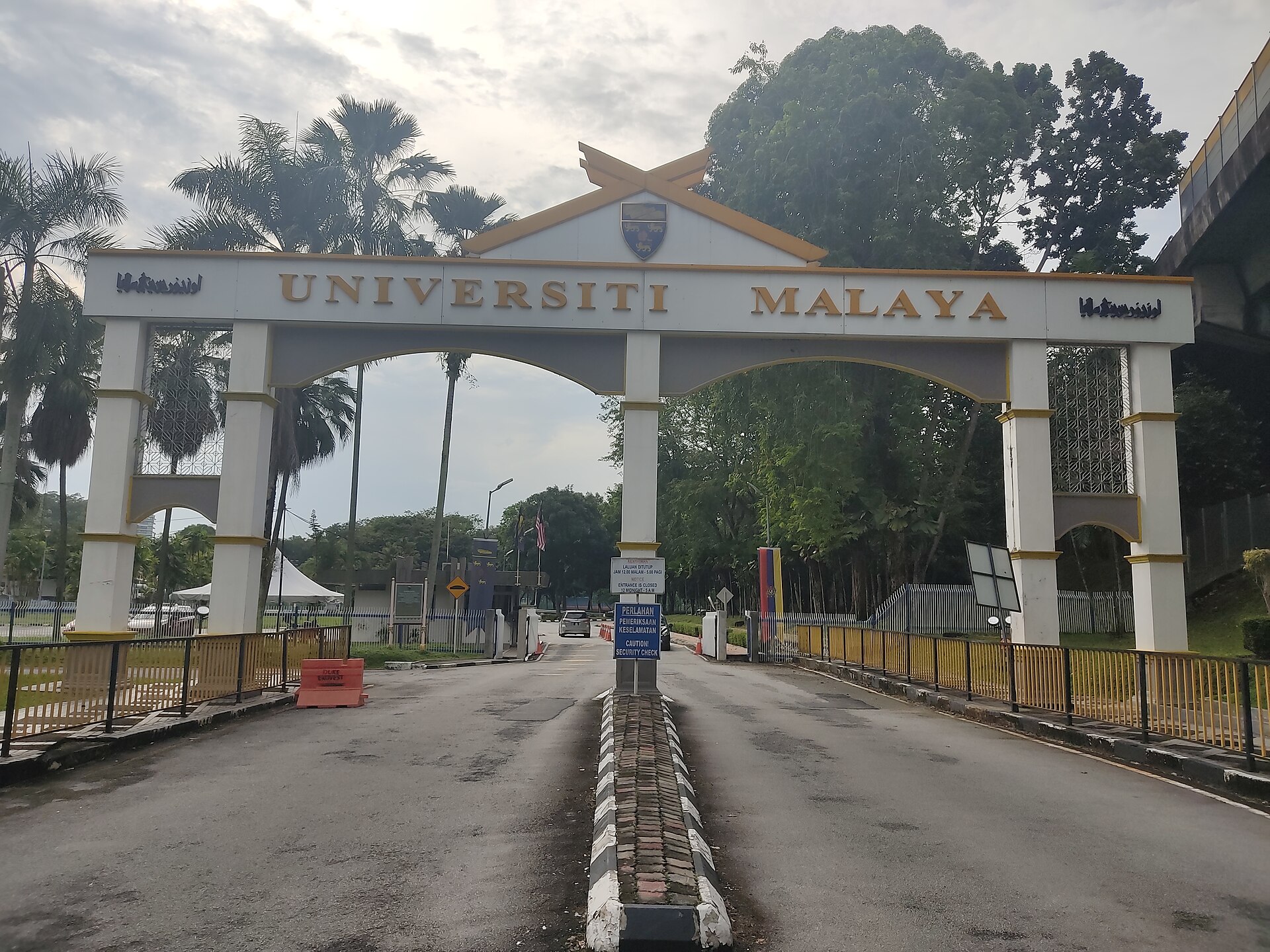
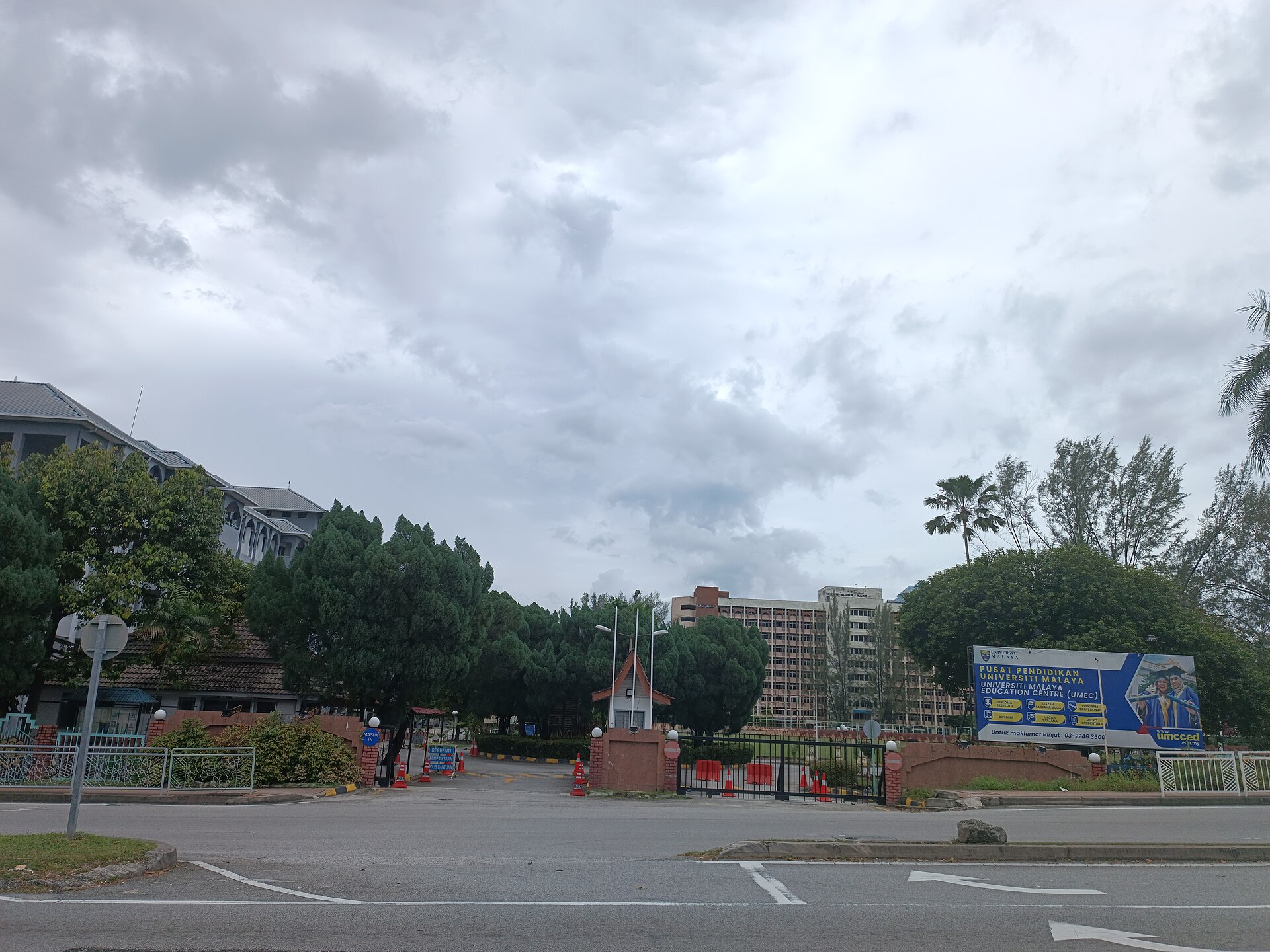
Universiti Malaya — campus in pictures
Real, freely-licensed photographs of the campus (via Wikimedia Commons).
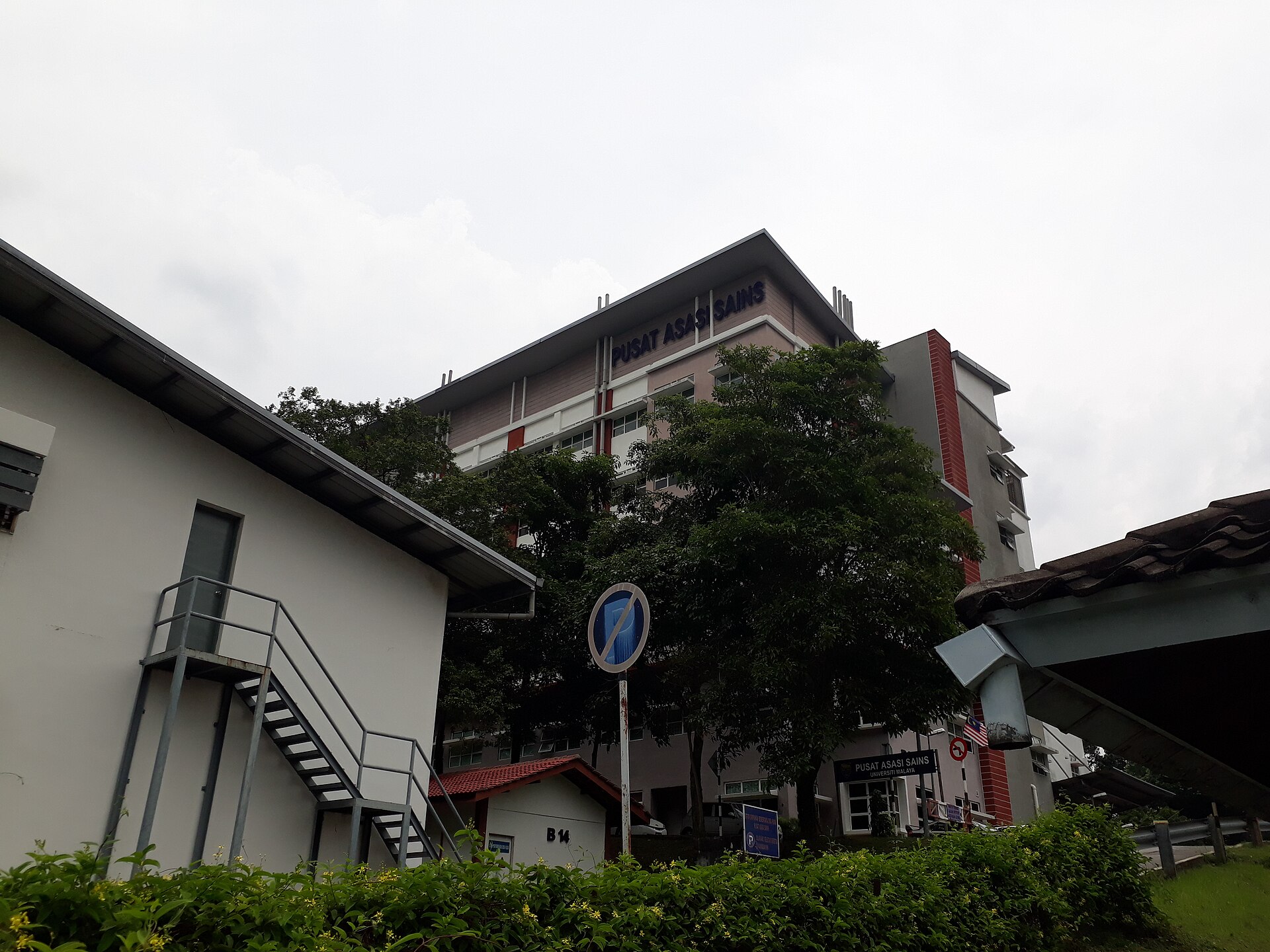
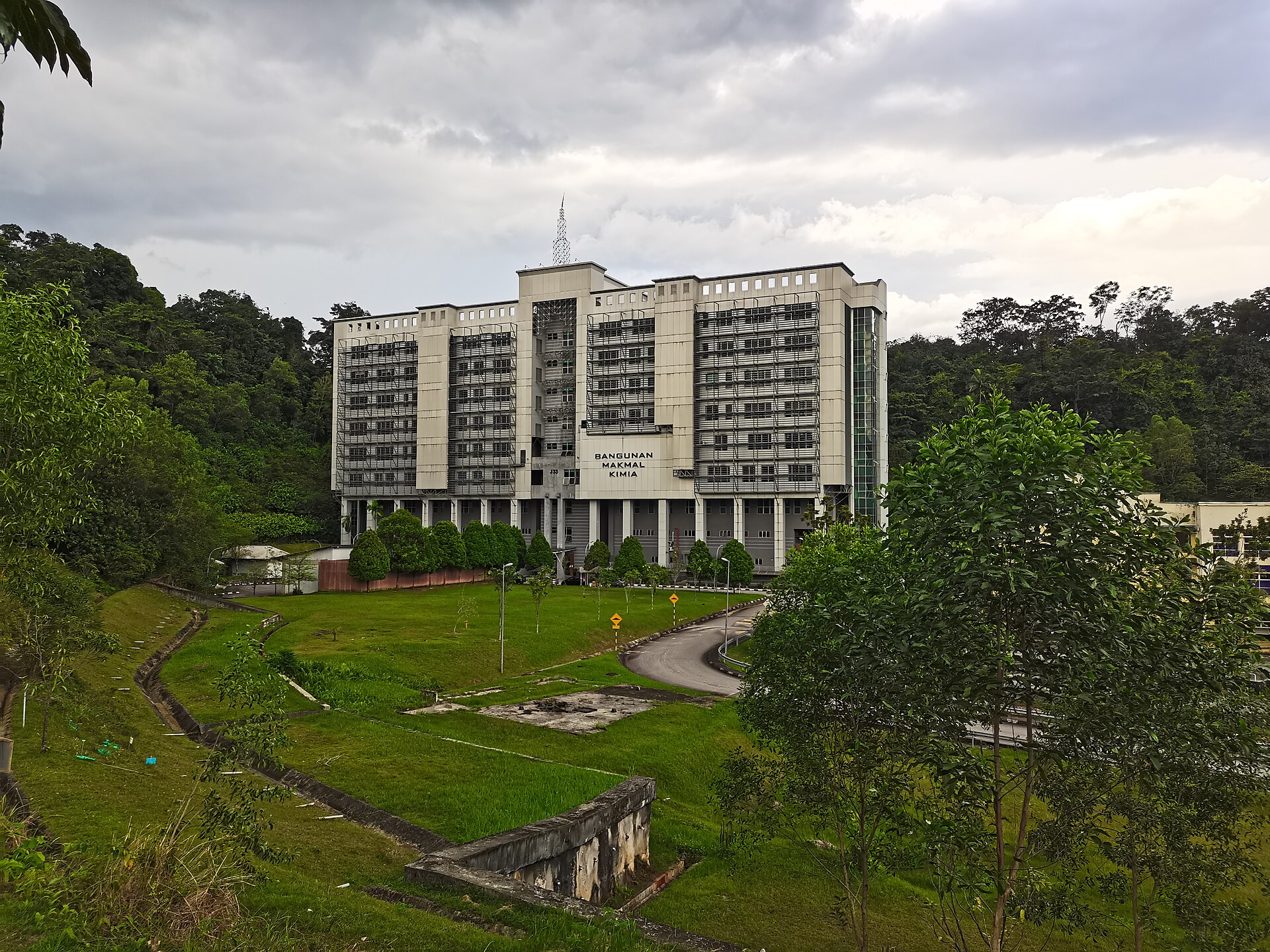
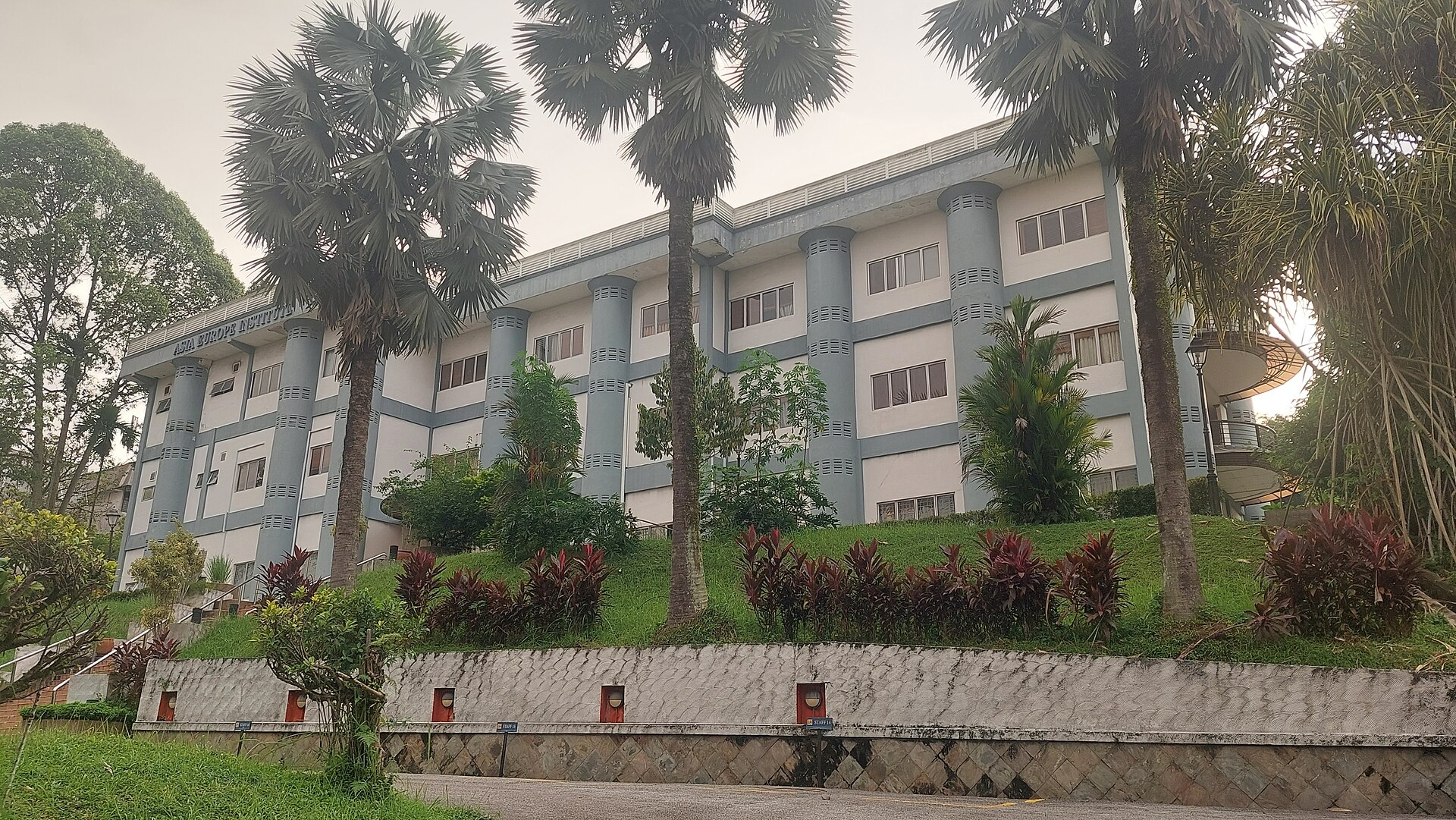
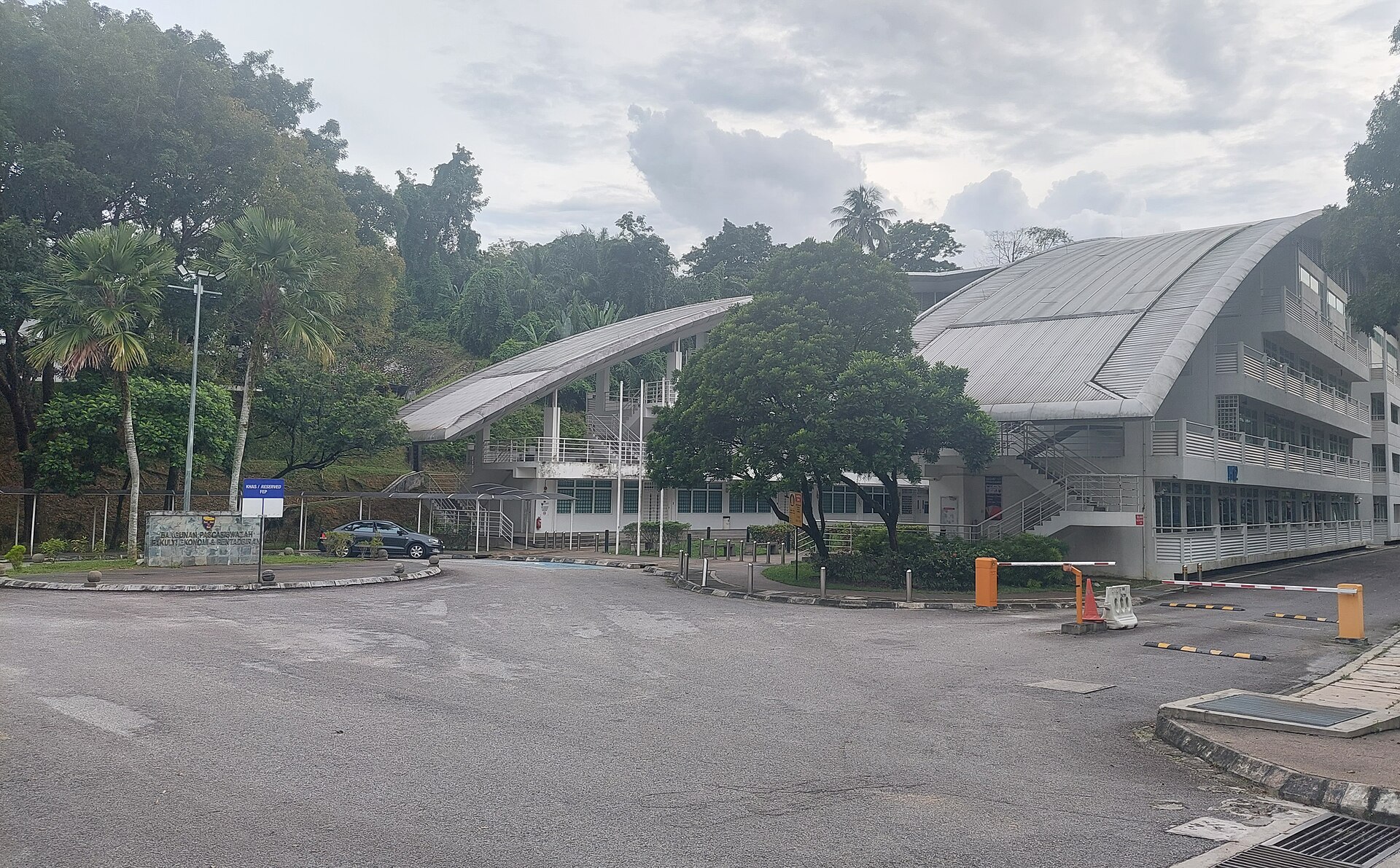
Why Universiti Malaya — Prestige, Value & Location
As Malaysia's flagship research university and its number-one ranked institution, UM offers international students a rare combination of global recognition, outstanding value for money, and a genuinely multicultural campus community. Here is what distinguishes UM from other choices at the same price point.
SELECTIVITY
How Selective Is Universiti Malaya?
UM is a selective public research university. Approximately 34% of international applicants receive an offer, but competition for high-demand programmes — Medicine, Law, Engineering, and Computer Science — is considerably sharper. Admission is primarily grades-based: your academic transcript and qualification level carry the most weight, followed by English proficiency scores.
Selective programmes such as Medicine and Dentistry set higher entry benchmarks. Always check the specific programme requirements on the official admissions portal before applying.
AT A GLANCE
Universiti Malaya — Quick Facts
WHAT YOU NEED TO APPLY
Application Components
Universiti Malaya uses a direct online application system through its MAYA Portal (apply.um.edu.my). The process is straightforward and grades-centric. There are no standardised admission essays or supplemental writing components for most undergraduate programmes.
ADMISSION PROFILE
What UM Looks For in International Applicants
Universiti Malaya is a grades-first institution. Unlike US liberal-arts universities, there are no holistic essays, no evaluated extracurricular portfolios, and no alumni interviews in the undergraduate admission process. Your offer is determined primarily by how well your academic profile meets the programme-specific entry requirements.
INTAKE DATES & DEADLINES
When to Apply
Universiti Malaya runs two main undergraduate intakes per academic year: October and March. Apply at least 8–12 weeks before your target intake to allow time for offer processing, visa approval (student pass), and travel arrangements to Malaysia.
Exact intake dates and deadlines vary by programme and academic session. Always confirm on the official MAYA application portal at apply.um.edu.my before submitting.
| Intake | Application Period | Notes |
|---|---|---|
| October (Semester I) | Typically June–August | Main intake for most undergraduate and postgraduate programmes |
| March (Semester II) | Typically November–January | Second intake; select programmes only |
| July (Foundation) | April–June | Foundation programmes only |
| June (Clinical Masters) | By April | Clinical postgraduate programmes only |
CAMPUS & CITY
Student Life at Universiti Malaya
The UM campus spans over 800 acres in the south of Kuala Lumpur, one of Southeast Asia's most liveable and connected capital cities. The campus is spacious and largely self-contained, with its own shuttle bus network (UMRIDE), cycling paths, and extensive green spaces — including Rimba Ilmu, a protected 100-acre botanical garden within the campus boundary. Accommodation is available on campus in 12 residential colleges plus two additional residences. Rooms range from single occupancy to shared configurations, priced between RM 15–45 per person per day. Living in a residential college is a defining part of the UM experience, immersing students in a diverse, multilingual community. Most colleges have study rooms, recreational areas, and strong traditions of inter-college competitions in sports and cultural events. Beyond academics, UM has over 100 student-run clubs and societies spanning language learning, performing arts, dance, entrepreneurship, sports, and cultural celebration. The UM Arena Stadium and Olympic-sized swimming pool are available to students largely free of charge. The broader Kuala Lumpur environment provides easy access to public transport, world-class food culture, shopping, and natural escapes including Batu Caves, Fraser's Hill, and the Titiwangsa Lake Gardens — all within one hour of campus.
CAREER OUTCOMES
What Happens After You Graduate?
UM has a strong track record of graduate employment. Across faculties, 90% of graduates are employed within a defined period after graduation — reflecting both strong programme-to-market alignment and UM's reputation among Malaysian and regional employers.
UM graduates enter careers across Malaysia's public sector, banking and finance, technology, healthcare, legal services, and engineering industries. The university has deep ties with Malaysian government agencies — including the Ministry of Health, the Judiciary, and public sector engineering bodies — making it a particularly strong platform for graduates who intend to build careers in Malaysia or the broader ASEAN region. For international students planning to return home with a regionally respected qualification, a UM degree is well-recognised across ASEAN, South Asia, the Middle East, and Africa. UM's medical and engineering programmes in particular enjoy strong recognition for professional accreditation purposes in many countries.
Starting salaries in Malaysia are lower in USD terms than equivalent-tier universities in the US or UK, but purchasing power parity in Kuala Lumpur is significantly higher. The cost-to-outcome ratio is exceptionally compelling.
COMMON QUESTIONS
Frequently Asked Questions
Is Universiti Malaya taught in English?+
Postgraduate programmes at UM are predominantly taught in English. At the undergraduate level, the teaching language varies by faculty and programme — Engineering, Computer Science, Business, and many Science programmes use English, while some programmes (particularly in Humanities and Law) incorporate Bahasa Malaysia. Always confirm the language of instruction for your specific programme on the UM website before applying.
Does UM accept the IB Diploma for direct undergraduate entry?+
Yes. The IB Diploma is accepted for direct entry to undergraduate programmes. The university-wide minimum is 32 IB points, but competitive faculties such as Medicine, Dentistry, and Law may require higher scores. Your IB subject combination should align with your intended programme.
Can international students work part-time in Malaysia while studying at UM?+
International students holding a student pass in Malaysia are permitted to work part-time for up to 20 hours per week during semester breaks and up to 10 hours per week during term (in approved sectors). Confirm current regulations with the Malaysian Immigration Department before making plans, as rules can change.
How long does the admissions process take?+
Processing times vary by programme and intake. As a general guide, plan for 4–8 weeks from application submission to receiving an offer. After receiving your offer, you will need additional time to apply for your Malaysian Student Pass — allow a minimum of 6–8 weeks for visa processing. Apply as early as possible.
Is on-campus accommodation guaranteed for international students?+
UM has 14 residential colleges and accommodations on campus, but on-campus housing is not automatically guaranteed for all international students. New international students are encouraged to apply for accommodation early through the university's residential services. Off-campus rentals in the surrounding Petaling Jaya and Bangsar area are also a popular and affordable alternative.
Are there scholarships available for international undergraduates at UM?+
Financial aid options for international undergraduates at UM are limited compared to postgraduate students. The PTE x Universiti Malaya Scholarship (£3,000 towards tuition) is available for international applicants who take the PTE Academic English test. The Malaysian government's Malaysia International Scholarship (MIS) covers postgraduate study. Students should also explore government and foundation scholarships in their home countries that support study abroad in Malaysia.
How do I apply to Universiti Malaya as an international student?+
All international students apply online through the MAYA Portal at apply.um.edu.my. You will need to create an account, select your programme, upload required documents, and pay the MYR 300 non-refundable application fee. Do not apply through third-party agents unless they are officially recognised by UM — always verify your application status directly through the portal.
What is the cost of living in Kuala Lumpur as a student?+
Kuala Lumpur is among the most affordable capital cities for international students in Asia. The estimated annual cost of living (including on-campus accommodation and meals) is approximately USD 6,000. Off-campus living can be cheaper if you share accommodation. Public transport, food, and daily expenses are significantly less expensive than in Singapore, Hong Kong, or any European city.
ACADEMIC EXPECTATIONS
Preparing for Academic Life at Universiti Malaya
UM's academic environment is rigorous and research-oriented. Faculty members are active researchers, and undergraduate teaching increasingly incorporates inquiry-based learning, industry projects, and research exposure. International students who thrive here are academically disciplined, capable of self-directed learning, and prepared for a competitive but collaborative peer group.
ENTRY BENCHMARKS
Academic Profile of Admitted International Students
Admission at UM is grades-first. The following benchmarks come from the official facts and represent minimum university-wide thresholds; competitive programmes require stronger profiles.
These are floor minimums. High-demand programmes (Medicine, Dentistry, Law, Engineering) operate at materially higher benchmarks. Research the specific faculty requirements on UM's programme pages.
TEST POLICY
SAT / ACT Policy
Universiti Malaya's admissions system is test-optional with respect to SAT and ACT standardised tests. These US-centric examinations are not part of the UM admissions framework — you are neither required nor advantaged by submitting them. UM's admission is based on your academic qualification (IB, A-Level, AUSMAT, Grade 12, etc.) and English proficiency test, not on US college entrance examinations.
If you hold strong SAT or ACT scores, they will not be used or evaluated by UM. Focus your preparation energies on your IB / A-Level results and your English proficiency test.
ENGLISH PROFICIENCY
English Proficiency Requirements
An English proficiency test is a mandatory component of the UM application for most international students. Scores must be less than 2 years old at the time of application (except Cambridge English qualifications, which are accepted indefinitely).
Exemptions are available for students who are citizens of English-speaking countries or who completed their entire secondary education at an English-medium institution. Documentary proof is required.
| Test | Minimum Score | Notes |
|---|---|---|
| IELTS Academic | 6.0 overall | Most widely accepted; no individual band minimum stated university-wide, but faculties may add sub-score requirements |
| TOEFL iBT | 80 | Internet-based test; accepted across all programmes |
| PTE Academic | Verify with faculty | Accepted; taking PTE also makes you eligible for the PTE x UM Scholarship 2026 |
| Cambridge English | Verify with faculty | Accepted indefinitely; no expiry |
| MUET (Malaysian) | Band 3+ | Available for students who completed secondary education in Malaysia |
IB & A-LEVEL
How UM Reads IB Diplomas and A-Levels
Both the IB Diploma Programme and A-Levels are well-established, widely-recognised qualifications for entry to Universiti Malaya. UM admissions officers are familiar with these curricula and the rigor they represent.
SUBJECT PREPARATION
What to Study Before Arriving at UM
LANGUAGE
English Requirements at a Glance
International students at UM must demonstrate English proficiency. Below is a summary of recognised tests and minimum benchmarks.
| Test | Minimum | Valid For |
|---|---|---|
| IELTS Academic | 6.0 | 2 years |
| TOEFL iBT | 80 | 2 years |
| PTE Academic | Verify | 2 years |
| Cambridge English | Verify grade | Indefinite |
PREPARATION TIMELINE
Building Your Academic Profile for UM — Year by Year
COMMON PITFALLS
Academic Mistakes That Cost International Applicants
- Applying without checking programme-specific subject requirements — your IB combination may not meet the target faculty's prerequisites even if your total score does.
- Submitting an application with an English proficiency score below 6.0 IELTS — this is an automatic disqualifier regardless of academic strength.
- Waiting until final results before applying — conditional offers are available for IB students; apply with predicted grades to secure your place early.
- Choosing a qualification not recognised by UM — the 2025/2026 update removed recognition for OSSD and A-Levels offered in China. Verify your qualification's current status.
- Not having a certified copy of transcripts — photocopies must be certified; un-certified documents are rejected without review.
- Underestimating the visa processing timeline — the Malaysian Student Pass takes 6–8 weeks minimum. Delayed applications result in missing the intake date.
- Assuming English is the medium of instruction for all programmes — some undergraduate programmes use Bahasa Malaysia. Confirm before applying.
- Ignoring the expiry dates on your English proficiency test scores — scores more than 2 years old are not accepted.
COST & SCHOLARSHIPS
Understanding the Real Cost of Studying at Universiti Malaya
Universiti Malaya is one of the most cost-effective QS top-60 universities in the world. For international students, annual tuition starts at approximately USD 6,000 — with total estimated costs of living and studying at around USD 12,000 per year. This positions UM in a tier of outstanding value rarely matched by universities of comparable global rank.
Kuala Lumpur is an affordable capital city by international standards. Day-to-day costs — food, transport, accommodation — are significantly lower than Singapore, Hong Kong, the UK, or Australia. A well-managed budget can comfortably cover a full year of studying at UM for less than the price of one semester at many Western universities.
ANNUAL COST ESTIMATE
Estimated Annual Costs for International Students
All figures are annual estimates in USD. Actual costs depend on programme, lifestyle, and accommodation choice.
These are estimates based on published facts. Actual tuition varies significantly by programme — Medicine and specialised postgraduate degrees are priced differently. Always confirm current fees with UM's Finance Division or on official programme pages.
| Item | Annual Cost Usd | Notes |
|---|---|---|
| Tuition Fees | ~USD 6,000 | Varies by programme and level; estimate for international undergraduate students |
| Living Costs (accommodation, food, transport) | ~USD 6,000 | Kuala Lumpur student lifestyle; on-campus accommodation included in estimate |
| Total Cost of Attendance | ~USD 12,000 | All-in annual estimate including tuition and living |
| Application Fee | USD 20 (approx.) | MYR 300 non-refundable processing fee; one-time per application |
FINANCIAL AID
Financial Aid for International Students
Universiti Malaya's financial aid landscape for international undergraduate students is more limited than what students might encounter at US, UK, or Australian universities. The university does not publish a general need-blind or need-aware policy for international undergraduates comparable to top Western institutions. Most institutional scholarships are directed at Malaysian citizens or postgraduate researchers.
For postgraduate international students, more funding options exist — including government-funded scholarships and UM's own research scholarship programmes. International undergraduate students should plan primarily for self-funded study, supplemented where possible by home-country government scholarships or international partnership awards. The low cost base at UM means that even without institutional aid, the out-of-pocket cost remains modest by global standards.
International students seeking financial support should investigate home-government scholarship schemes, bilateral education grants between their country and Malaysia, and corporate/foundation scholarships available in their home country specifically for overseas study.
SCHOLARSHIPS
Scholarship Opportunities for International Students
THE REAL COST
Is UM Genuinely Affordable?
For most international student profiles, Universiti Malaya sits in an unusually attractive cost bracket. At approximately USD 12,000 all-in per year — and with QS #60 prestige — UM competes meaningfully with universities charging two to five times more for equivalent global ranking positions. Kuala Lumpur is Southeast Asia's most cosmopolitan city and among its most affordable for students. On-campus meals cost as little as RM 5–10 per meal. Campus transport (UMRIDE shuttle) is free. Public transport in KL (MRT and LRT network) is inexpensive and covers the city well. Students on careful budgets regularly manage comfortable student lives in KL at costs that would be impossible in Singapore, Hong Kong, Sydney, or London. The honest caveat: graduate starting salaries in Malaysia (USD 10,000 annually as an estimate) are lower in absolute terms than comparable roles in the West or Singapore. Students planning careers in Malaysia or ASEAN will find the return on this investment strong. Students planning to return to high-salary markets in Europe or North America should weigh UM's regional recognition in their target market carefully — the degree is well-respected in ASEAN and increasingly in the Middle East and South Asia, but may require additional credentialing or local experience to match a UK or Australian degree's immediate impact in Western markets.
HOW TO FUND YOUR EDUCATION
Steps to Secure Funding for UM
COST FAQs
Cost & Aid — Frequently Asked Questions
Is Universiti Malaya need-blind for international students?+
No. UM does not operate a need-blind admissions policy for international students comparable to the top US universities. Admission is based on academic merit; financial need does not factor into the admissions decision. Limited institutional financial aid for international undergraduates is available — most students self-fund or bring external scholarships.
Can I work part-time in Malaysia to offset costs?+
International students holding a valid Malaysian Student Pass may work part-time in approved sectors (up to 10 hours per week during term, more during holidays). However, Malaysian part-time wages are modest, and working during term-time can affect academic performance. Part-time earnings should be viewed as supplementary, not as a primary funding strategy.
Are Medicine and Dentistry fees different from standard tuition?+
Yes. Medicine, Dentistry, and Pharmacy programmes typically carry significantly higher tuition fees than other faculties. Check the official UM Finance Division page for current programme-specific fee schedules — do not budget based on the general tuition estimate for these specialised programmes.
Is there a tuition fee difference between countries of origin?+
UM sets a single international student tuition fee schedule, not differentiated by country of origin. All non-Malaysian students are subject to the international student fee category for their respective programme.
Are there any fee waivers for students with exceptional academic results?+
UM does not publish a systematic fee-waiver programme for undergraduate international students based on academic merit. Exceptional postgraduate research candidates may negotiate funding as part of supervisor-led research projects. Confirm directly with the relevant faculty for any informal provisions.
APPLICATION & STATEMENT
Applying to Universiti Malaya — No Essay Track, But Preparation Still Matters
Unlike US or UK university applications, Universiti Malaya does not require a personal statement or supplemental essays for most undergraduate admissions. Entry is grades-first and document-based. However, for competitive programmes, postgraduate study, and scholarship applications, a well-crafted motivation letter or personal statement can make a meaningful difference.
This guide covers how to present your application documents most effectively, what to do when a motivation letter is required (typically at postgraduate level or for some competitive undergraduate programmes), and how to approach scholarship essays — which often demand genuine, specific writing.
APPLICATION SYSTEM
How the Universiti Malaya Application Works
UM uses a direct online application system — the MAYA Portal (apply.um.edu.my). This is not Common App, UCAS, or any other international platform. It is UM's own portal, and all applications must be submitted here.
WHEN A STATEMENT IS REQUIRED
Writing Your Research Proposal or Motivation Statement
For postgraduate applicants and scholarship candidates, a well-written statement is a meaningful part of the application. The following guidance applies when a written statement is required.
DOCUMENT QUALITY
Making Your Application Documents Work Hard
Even though most UM undergraduate applicants do not write a personal statement evaluated by admissions, the quality of your supporting documents matters. Transcripts and certificates must be certified and clearly legible. Your English proficiency score should exceed the minimum — a score of 6.5 rather than 6.0 IELTS signals stronger academic readiness and may matter for competitive programme consideration. For international students whose home-country academic grading systems are less familiar to UM admissions officers — for example, national Grade 12 examinations from East Africa, South Asia, or Latin America — consider including a one-page context document (attached with your application) that explains your country's grading scale and how your grades compare nationally. This is not required but can help admissions officers calibrate your results accurately.
UM admissions decisions are holistic within the grades-first framework — a complete, clearly presented application with supporting context will always be reviewed more favourably than an identical academic profile submitted with incomplete documentation.
WHEN STATEMENTS MATTER
Strategic Guidance by Application Type
WRITING GUIDANCE
Writing a Strong Motivation Letter or Study Plan
When a written statement is required at UM — whether for a postgraduate application, a competitive programme, or a scholarship — the most effective approach is specificity. Admissions committees and scholarship panels at UM read hundreds of letters. The ones that succeed are the ones that are clearly written for Universiti Malaya specifically, not recycled from a UK UCAS statement or a US Common App draft. Ask yourself three questions before writing: Why this discipline, and why now? Why Universiti Malaya specifically — which faculty members, research centres, or programmes are you drawn to and why? What do you plan to do after graduating, and how does UM help you get there? Answering these three questions with concrete, honest detail is the foundation of a compelling letter.
COMMON MISTAKES
Application Mistakes to Avoid
- Assuming UM requires a personal statement and submitting an unsolicited essay with an undergraduate application — this does not help and is not evaluated.
- Submitting a research proposal that is generic and non-specific to UM's research environment — name faculty, name centres, and demonstrate genuine knowledge of UM's research landscape.
- Writing a scholarship motivation letter that is entirely self-focused, without addressing how your study will benefit your home country — the MIS is explicitly a development-impact scholarship.
- Recycling a UCAS personal statement or US Common App essay for a UM postgraduate application — the framing is entirely different and the recycled content is usually obvious.
- Providing false information about your academic qualifications or English test results — UM verifies all credentials, and misrepresentation results in immediate disqualification and potential permanent bar.
- Submitting a poorly proofread statement with grammatical errors — this undermines your demonstrated English proficiency and your professional credibility.
- Failing to contact a potential PhD supervisor before applying — for research programmes, supervisor alignment is critical and an unsolicited application without supervisor support is rarely successful.
APPLICATION FAQs
Application & Statement — Frequently Asked Questions
Does Universiti Malaya require a personal statement for undergraduate admission?+
No — for most undergraduate programmes, UM does not require or evaluate a personal statement or motivation essay. Admission is based on academic results, English proficiency scores, and document completeness. Some highly competitive or specialised programmes may request a brief statement — check the specific programme requirements on apply.um.edu.my.
Can I apply to UM through a third-party agent?+
UM recommends applying directly through the official MAYA Portal at apply.um.edu.my. If you choose to use an education agent, ensure they are officially accredited by UM or a recognised national education authority. You are always able to verify your application status directly on the portal regardless of how you applied.
I am applying for a PhD programme. Do I need to contact a supervisor before applying?+
Yes, for research (PhD and Master's by Research) programmes, securing a supervisor's agreement before submitting your application is strongly advisable and in many cases practically necessary. Research supervisors have limited capacity and their willingness to take you on directly strengthens your application. Email faculty members in your research area with a concise research interest summary and your CV before applying.
How long should my MIS scholarship study plan be?+
The Malaysia International Scholarship application guidelines specify the length and content requirements for the study plan. Follow the MIS portal's guidance precisely. Typically, one to two pages of clear, structured writing addressing your programme, career goals, and development impact is expected. Visit biasiswa.mohe.gov.my for current-cycle instructions.
If I do not get in on my first application, can I reapply?+
Yes. Unsuccessful applicants can reapply for a subsequent intake. Use the time between applications productively — retake English proficiency tests if your score was below the competitive threshold, and if you received feedback on your application, address those specific issues in the next submission.
Is there an interview component to UM undergraduate or postgraduate admissions?+
Most UM undergraduate programmes do not include a formal interview in the admissions process. Some postgraduate programmes — particularly in Health Sciences, Law, and research degrees — may include an interview or supervisory meeting as part of the shortlisting process. Check the specific programme page for confirmation.
Courses — schools, degrees & intake
80 degrees across 17 groupings.
Academy of Islamic Studies · 7 degrees
Bachelor of Islamic Studies and Science
Bachelor of Muamalat Management
Bachelor of Al-Quran and Al-Hadith
Bachelor of Shariah and Law
Bachelor of Shariah
Bachelor of Usuluddin
Bachelor of Islamic Education
Academy of Malay Studies · 4 degrees
Bachelor of Professional Malay Language
Bachelor of Malay Linguistics
Bachelor of Malay Literature
Bachelor of Malay Studies
Faculty of Arts and Social Sciences · 12 degrees
Bachelor of Arts Anthropology and Sociology
Bachelor of Arts Chinese Studies
Bachelor of Arts English
Bachelor of Arts History
Bachelor of Arts Indian Studies
Bachelor of Arts International and Strategic Studies
Bachelor of Arts Southeast Asian Studies
Bachelor of East Asian Studies
Bachelor of Environmental Studies
Bachelor of Geography
Bachelor of Media Studies
Bachelor of Social Administration
Faculty of Built Environment · 5 degrees
Bachelor of Science in Architecture
Bachelor of Building Surveying
Bachelor of Quantity Surveying
Bachelor of Urban and Regional Planning
Bachelor of Real Estate
Faculty of Business and Economics · 4 degrees
Bachelor of Business Administration (BBA)
Bachelor in Accounting (BAcc)
Bachelor of Finance (BFin)
Bachelor of Economics (BEc)
Faculty of Computer Science and Information Technology · 6 degrees
Bachelor of Computer Science (Artificial Intelligence)
Bachelor of Computer Science (Computer System and Network)
Bachelor of Computer Science (Information Systems)
Bachelor of Computer Science (Software Engineering)
Bachelor of Computer Science (Multimedia Computing)
Bachelor of Computer Science (Data Science)
Faculty of Creative Arts · 4 degrees
Bachelor of Dance
Bachelor of Drama
Bachelor of Music
Bachelor of Performing Arts
Faculty of Dentistry · 1 degrees
Bachelor of Dental Surgery (BDS)
Faculty of Education · 3 degrees
Bachelor of Counselling
Bachelor of Education Teaching English as a Second Language
Bachelor of Early Childhood Education
Faculty of Engineering · 5 degrees
Bachelor of Biomedical Engineering
Bachelor of Chemical Engineering
Bachelor of Civil Engineering
Bachelor of Electrical Engineering
Bachelor of Mechanical Engineering
Faculty of Languages and Linguistics · 9 degrees
Bachelor of Arabic Language and Linguistics
Bachelor of Chinese Language and Linguistics
Bachelor of English Language and Linguistics
Bachelor of French Language and Linguistics
Bachelor of German Language and Linguistics
Bachelor of Italian Language and Linguistics
Bachelor of Japanese Language and Linguistics
Bachelor of Spanish Language and Linguistics
Bachelor of Tamil Language and Linguistics
Faculty of Law · 2 degrees
Bachelor of Laws (LLB)
Bachelor of Jurisprudence
Faculty of Medicine · 2 degrees
Bachelor of Medicine and Bachelor of Surgery (MBBS)
Bachelor of Biomedical Science (BBiomedSc Hons)
Faculty of Nursing · 1 degrees
Bachelor of Nursing Science
Faculty of Pharmacy · 1 degrees
Bachelor of Pharmacy with Hons
Faculty of Science · 12 degrees
Bachelor of Science Biotechnology
Bachelor of Science Biochemistry
Bachelor of Science Ecology and Biodiversity
Bachelor of Science Microbiology and Molecular Genetics
Bachelor of Science Mathematics
Bachelor of Science Statistics
Bachelor of Science Actuarial
Bachelor of Science Chemistry
Bachelor of Science Physics
Bachelor of Science Education
Bachelor of Science Applied Geology
Bachelor of Science in Environmental Management
Faculty of Sport and Exercise Sciences · 2 degrees
Bachelor of Exercise Science
Bachelor of Sports Management
Want your real chances at Universiti Malaya?
Create a free TYCHR account for your personalised admit-chance, a shortlist you can track, exact entry requirements, and essay + counselling help.