Universität Heidelberg
Heidelberg, Germany · Urban
GERMANY'S OLDEST UNIVERSITY
Universität Heidelberg Admissions Guide for International Students
Founded in 1386, Heidelberg University is Germany's oldest university and one of Europe's premier research institutions — ranked #84 globally by QS and #47 by Times Higher Education. It is a powerhouse in medicine, the life sciences, physics, and law, and is associated with numerous Nobel laureates. For international students, Heidelberg offers a rare combination of world-class research, very low tuition costs, and a storied university town that has inspired scholars for six centuries.
This guide walks you through every step of applying to Heidelberg as an international student — from understanding Germany's application system and motivation letter conventions, to English-taught programme options, costs, scholarships, and realistic academic preparation.
Campus
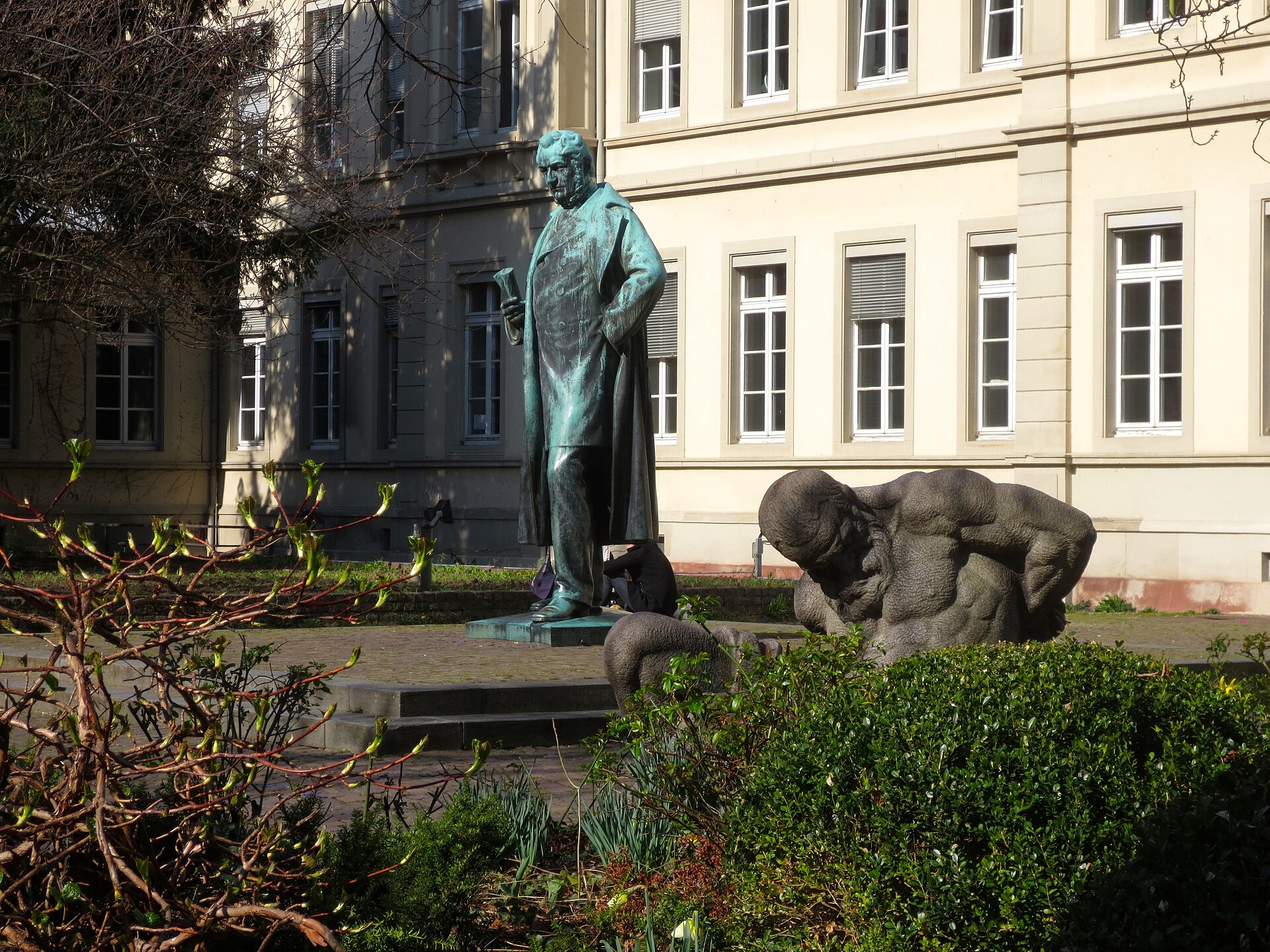
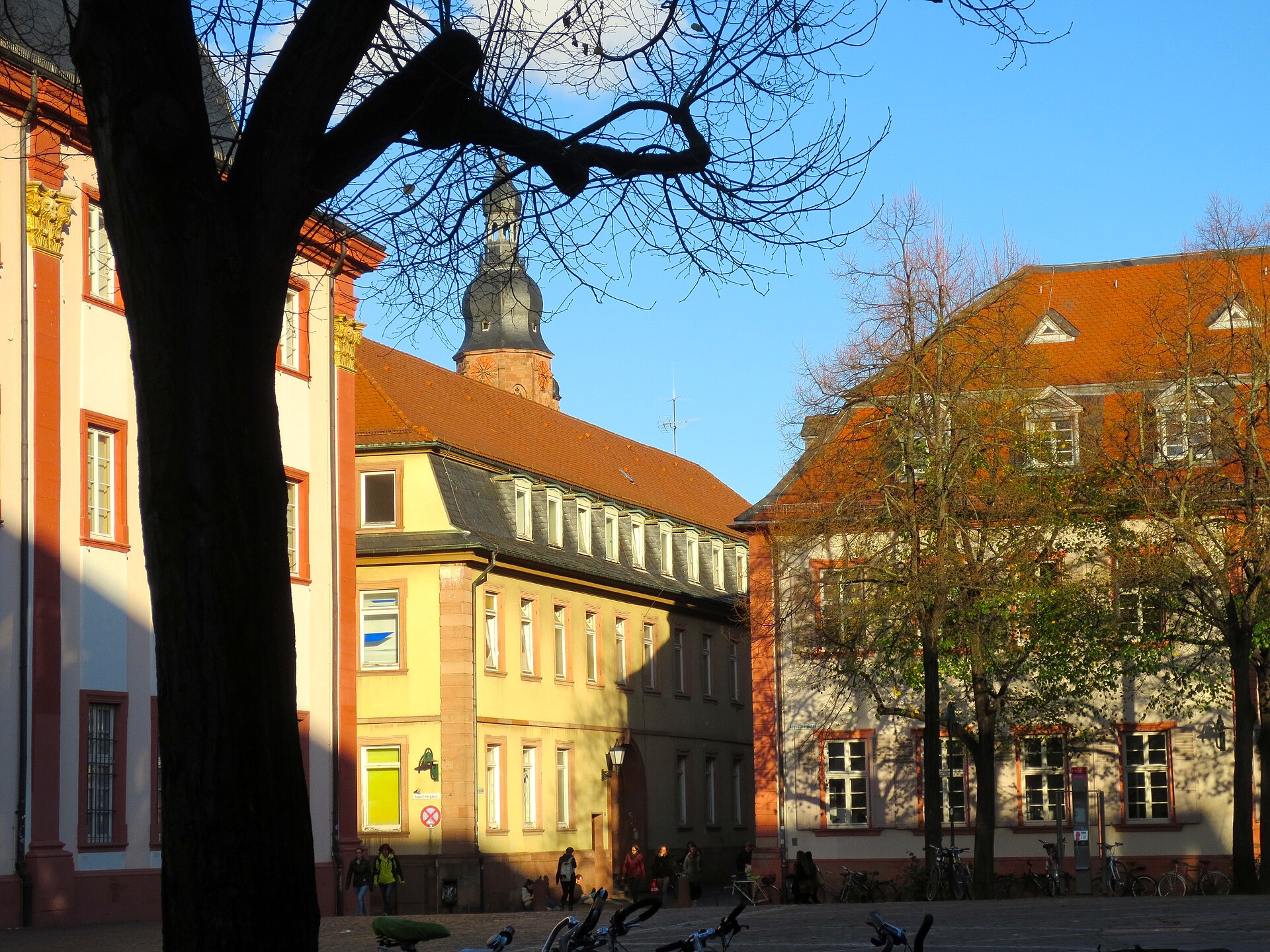
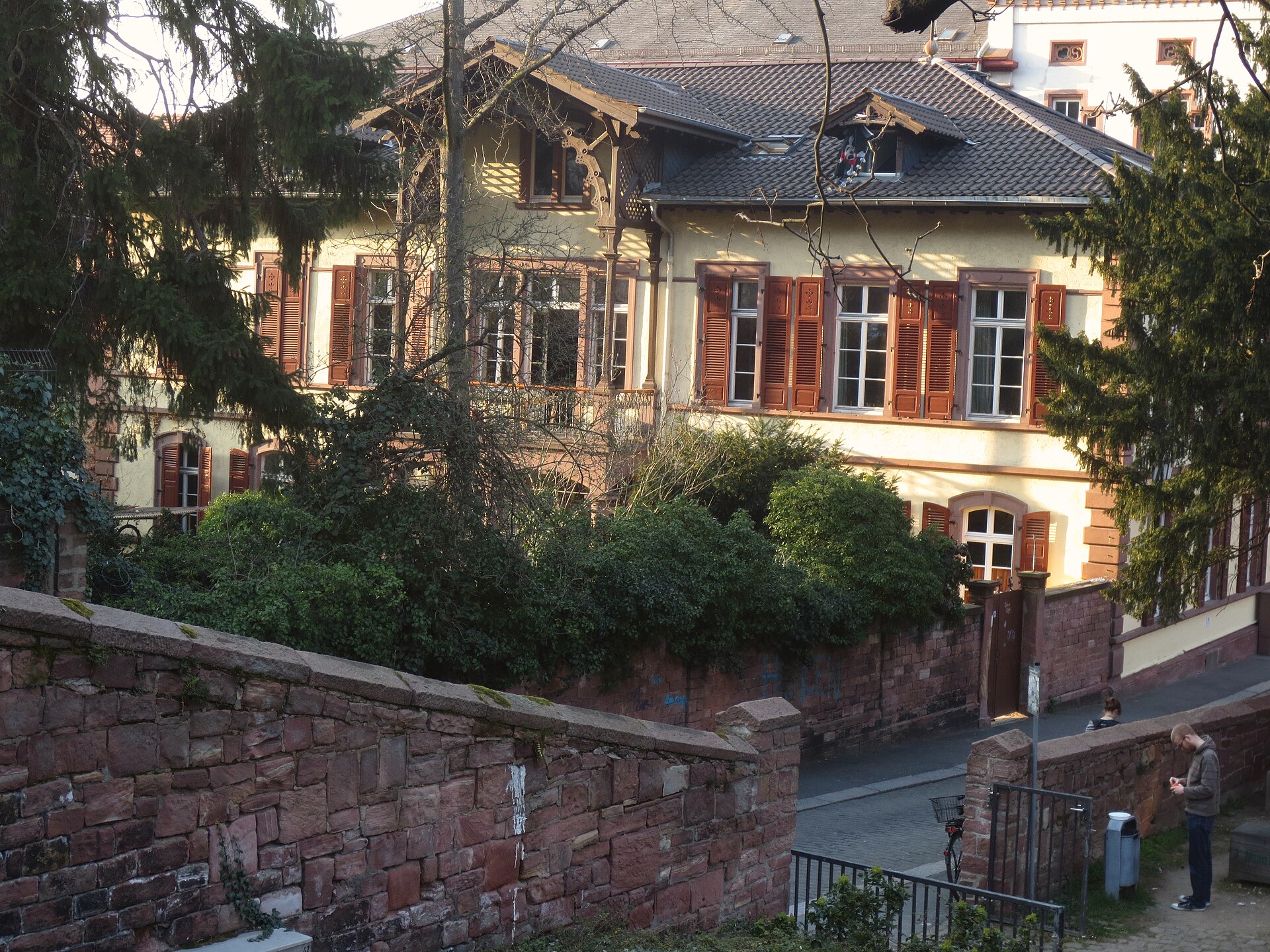
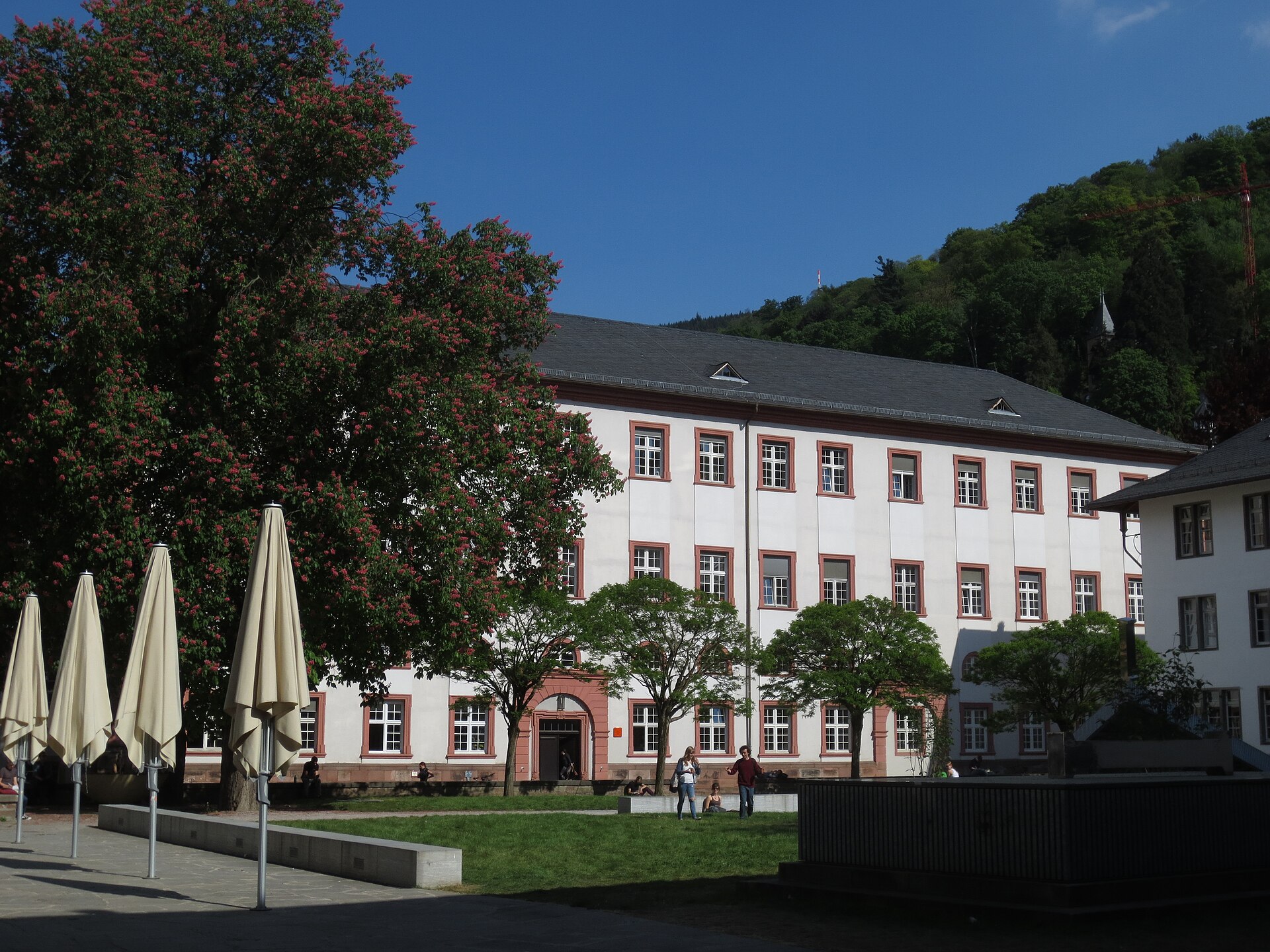
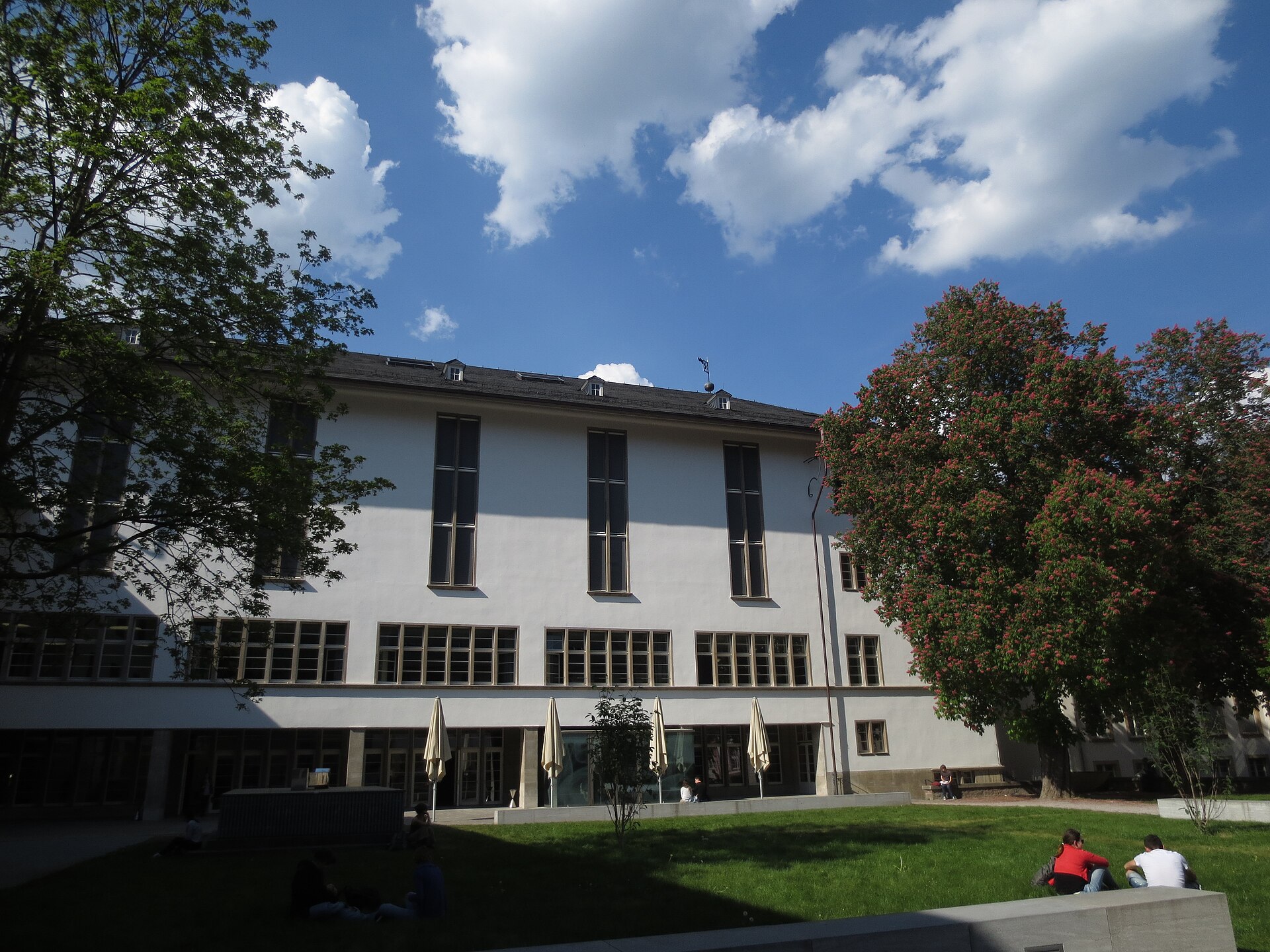
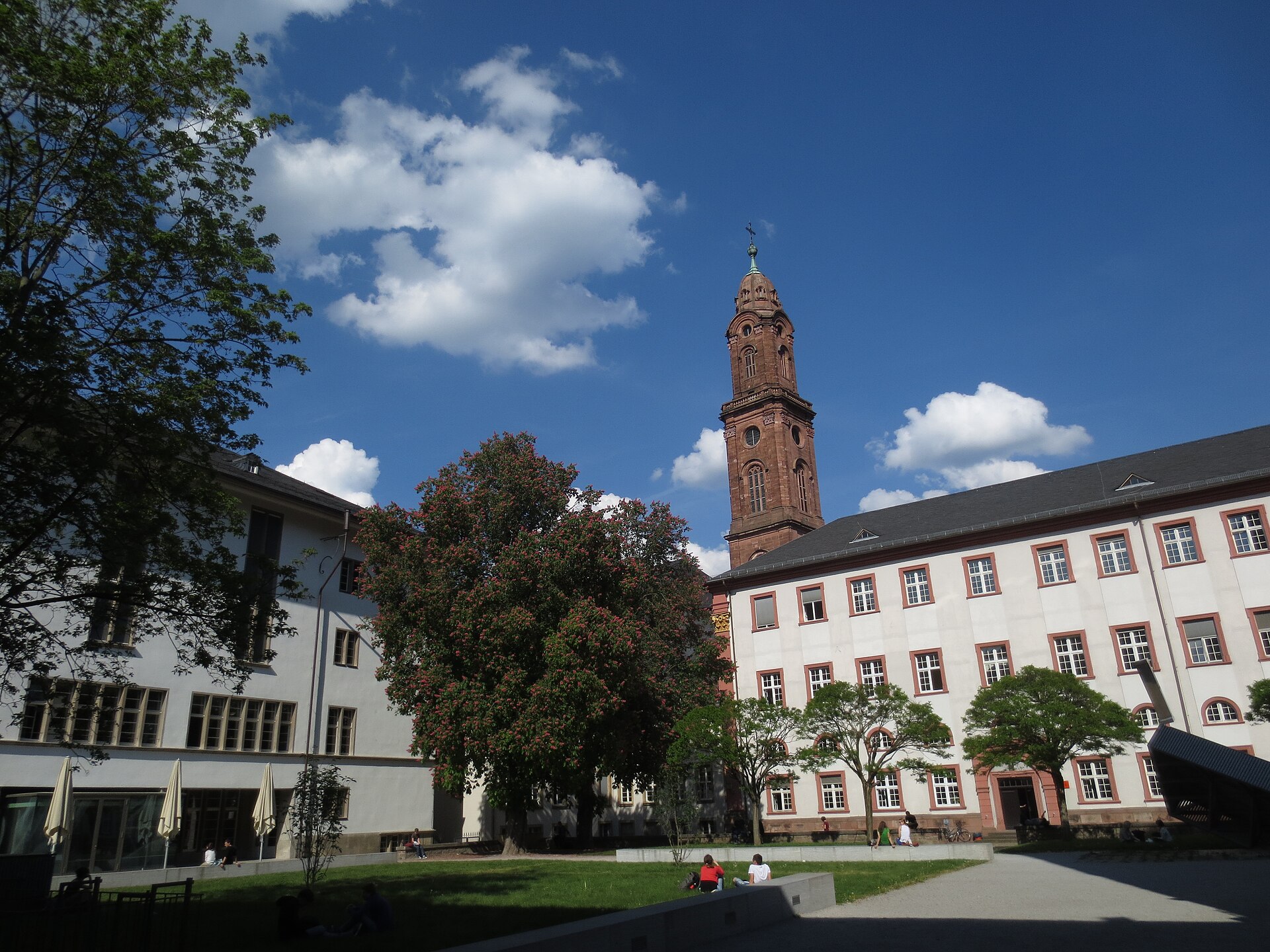
Universität Heidelberg — campus in pictures
Real, freely-licensed photographs of the campus (via Wikimedia Commons).
Why Choose Heidelberg — Prestige, Research, and Exceptional Value
Heidelberg is not simply Germany's oldest university — it is a founding member of LERU (League of European Research Universities), the German U15 group of leading research universities, and the historic Coimbra Group. For international students weighing cost, prestige, and research opportunity, Heidelberg offers a combination few universities in the world can match.
SELECTIVITY
Heidelberg Admission Profile
Heidelberg admits approximately 18% of applicants, making it selective by German standards — though selectivity varies significantly by programme. Numerus Clausus (NC) restrictions apply to high-demand fields such as Medicine, Psychology, and Law. International applicants are evaluated on academic merit relative to their national educational system.
Medicine (Medizin) and Psychology are among the most competitive programmes in all of Germany, with very high NC cutoffs and a national allocation process. English-taught Master's programmes vary from competitive to moderately selective. Applicants from outside the EU/EEA must additionally have their credentials evaluated by uni-assist before Heidelberg can process their application.
AT A GLANCE
Heidelberg University Quick Facts
HOW TO APPLY
Heidelberg Application Components
Heidelberg uses a direct application system — not a centralised portal like UCAS or Common App. Most international applicants outside the EU/EEA must also route their documents through uni-assist for credential verification before Heidelberg can issue an admission decision.
ADMISSION CRITERIA
What Heidelberg Looks For in International Applicants
Unlike US holistic admissions, Heidelberg's selection process is primarily merit-based, focused on academic qualifications. For restricted programmes (Numerus Clausus), grades are the primary selection criterion. For Master's programmes, a combination of undergraduate GPA, motivation letter quality, and academic fit determines admission.
APPLICATION DEADLINES
Heidelberg Application Deadlines
Heidelberg operates on two intakes per year — the Winter Semester (October start) and Summer Semester (April start). Most international students apply for the Winter Semester, which has the broadest programme availability. Always verify the deadline for your specific programme, as restricted programmes and certain Master's courses have earlier cutoffs.
These are general deadlines. Competitive programmes (Medicine, Psychology, Law) operate under the national hochschulstart.de allocation system and have separate deadlines. Always check the official programme page on uni-heidelberg.de.
| Semester | Intake | Deadline | Notes |
|---|---|---|---|
| Winter Semester | October start | July 15 | Main intake; most programmes available |
| Summer Semester | April start | January 15 | Fewer programmes; check availability |
| uni-assist submission | Non-EU/EEA | 4–6 weeks before programme deadline | Allow processing time for VPD |
CAMPUS & CITY
Student Life in Heidelberg
Heidelberg is one of Germany's most internationally recognised university towns — it attracts students and researchers from over 130 countries, and the city's entire identity is shaped by its university, which has been present since 1386. Student life here is academically serious but enriched by an exceptionally liveable city.
The university is spread across several campuses: the Old Campus (Altstadt) in the historic city centre, the Neuenheimer Feld scientific campus across the Neckar River, and the Bergheim campus for economics and social sciences. Heidelberg's old town is largely car-free, centred on the Hauptstrasse and dominated by the iconic ruined Heidelberg Castle above.
CAREERS & OUTCOMES
Career Outcomes for Heidelberg Graduates
Heidelberg's reputation in Germany and across Europe opens doors in academia, research, medicine, law, and the sciences. With an employment rate of 85% and an average starting salary of approximately $50,000, graduates compare favourably with peers from other leading European institutions.
Stats
Cards
FREQUENTLY ASKED QUESTIONS
FAQs — Heidelberg University for International Students
Can I study at Heidelberg in English without speaking German?+
Yes — Heidelberg offers 37 programmes taught entirely in English, primarily at the Master's level. However, many Bachelor's programmes are taught in German. For daily life in Heidelberg, basic German will significantly improve your experience, though the city is international-friendly.
Do non-EU students pay higher tuition than EU students?+
Yes. Since 2017, Baden-Württemberg charges non-EU/EEA international students an additional €1,500 per semester (~$3,420/year at current rates). This is separate from the semester contribution (Semesterbeitrag) all students pay (~€180–€200/semester), which covers the semester ticket for public transport.
Is there a minimum IB score for admission to Heidelberg?+
Heidelberg does not publish a universal IB minimum. The benchmark in the facts is 36 points as a competitive starting point. Programme-level requirements vary: Medicine is extremely competitive, while some Master's programmes evaluate IB alongside other factors. Contact the specific faculty admissions office for programme-level guidance.
What is uni-assist and do I need to use it?+
uni-assist e.V. is a central service organisation that evaluates the academic qualifications of non-German, non-EU/EEA applicants. Many Heidelberg programmes require non-EU/EEA applicants to obtain a Vorprüfungsdokumentation (VPD) from uni-assist before their application can be processed. Allow 4–6 weeks and submit well before the programme deadline.
Is accommodation guaranteed for international students?+
Housing is not guaranteed, but Studierendenwerk Heidelberg manages dormitories and a central housing market. International students are advised to apply for dormitory places as early as possible after receiving their admission letter. The waiting list can be long during Winter Semester intake.
Can international students work in Germany while studying at Heidelberg?+
Yes. EU/EEA students have no restrictions. Non-EU students may work up to 120 full days or 240 half-days per year without a work permit, as part of standard German student visa conditions. Many international students work as student assistants (Hilfswissenschaftler/HiWi) in university labs or departments.
Does Heidelberg require a language test if I attended an English-medium school?+
This varies by programme. Some programmes accept proof of English-medium instruction in lieu of a formal test; others require IELTS/TOEFL regardless. Always check your specific programme's admissions page — the university's general guideline is that a recognised test certificate is required unless explicitly waived.
Is Heidelberg part of any exchange or dual-degree networks?+
Yes — Heidelberg is a member of the Coimbra Group, has 500+ Erasmus+ partnerships, and maintains bilateral agreements with leading universities in Asia, the Americas, and Australia. International students at Heidelberg can apply for outgoing exchange programmes after completing one or two semesters.
ACADEMIC REQUIREMENTS
Academic Preparation for Heidelberg University What International Students Need to Know
Heidelberg's admissions process is primarily grade-based, not holistic. Academic performance in your secondary school or prior degree is the primary determinant of admission. Understanding how German universities evaluate international qualifications — and what benchmark you need — is the foundation of a successful application.
ACADEMIC BENCHMARKS
Academic Profile of Admitted Students
Heidelberg does not publish a single academic cutoff — requirements differ by programme, faculty, and the level of restriction (Numerus Clausus or open admission). The figures below from the university's facts represent the competitive range for international applicants across the university's portfolio.
German grades run 1.0 (highest) to 5.0 (fail). The equivalent of a 3.3 GPA maps roughly to a German 2.0. Medicine, Psychology, and Law at Heidelberg are among the most competitive in Germany — applicants to these fields should expect significantly higher grade requirements and should consult the specific NC cutoffs published annually.
TEST REQUIREMENTS
Standardised Tests and Heidelberg
German universities, including Heidelberg, do not use SAT, ACT, or other US-style standardised tests in admissions. The primary academic evidence is your school-leaving certificate or university transcripts. Heidelberg's test policy is classified as 'optional' in the sense that test scores from foreign systems are considered when they form part of your qualification — not as a separate submission.
For international students whose qualifications are from systems without formal grade-point equivalents, Heidelberg and uni-assist use established conversion tables to map your academic record onto the German scale. If your qualification requires it, you may also be asked to sit the Test für Ausländische Studierende (TestAS) — a reasoning aptitude test designed for international applicants to German universities.
LANGUAGE TESTS
English Language Requirements at Heidelberg
For English-taught programmes, Heidelberg requires documented English proficiency. The minimum thresholds from the university's facts are listed below. Scoring above the minimum — particularly for competitive Master's programmes — is strongly advisable.
If your entire prior education was conducted in English (e.g., IB at an English-medium school), some programmes may waive the requirement — but do not assume this. Confirm in writing with the programme coordinator before omitting a language certificate from your application.
| Test | Minimum | Notes |
|---|---|---|
| IELTS Academic | 6.5 | Overall band; no sub-score requirement stated universally — check programme |
| TOEFL iBT | 90 | Internet-based total; some programmes require 100+ |
| Duolingo English Test | 110 | Accepted by some programmes — verify with your specific faculty |
| Cambridge C1 / C2 | C1 Advanced | Generally accepted — verify with programme admissions office |
INTERNATIONAL QUALIFICATIONS
How Heidelberg Evaluates IB, A-Levels, and Other International Qualifications
Heidelberg and the German university system have established conversion frameworks for the most common international qualifications. Your final grade is converted to the German scale (1.0–4.0) by uni-assist, and this converted grade is used for NC selection.
SUBJECT PREPARATION
Academic Subject Preparation by Field
Heidelberg's programmes have implicit and explicit subject expectations. The following preparation guidance covers the university's major fields for international students.
ENGLISH PROFICIENCY
English Language Requirements — Full Table
If your primary language of instruction was not English or German, you must document this through a formally recognised test. There are no exceptions at the application stage — missing a language certificate is among the most common reasons applications are rejected without further review.
| Test | Minimum | Recommended | Notes |
|---|---|---|---|
| IELTS Academic | 6.5 | 7.0+ | Most English-taught programmes |
| TOEFL iBT | 90 | 100+ | Some competitive programmes require 100 |
| Duolingo English Test | 110 | 120+ | Verify acceptance per programme |
| German DSH-2 | DSH-2 | DSH-3 | Required for German-taught programmes |
| TestDaF | TDN 4 (all sections) | TDN 5 | Alternative to DSH for German-taught programmes |
PREPARATION ROADMAP
How to Build Your Profile for Heidelberg — Year by Year
COMMON PITFALLS
Academic Preparation Mistakes to Avoid
- Underestimating the NC cutoff for Medicine — Germany's medical admissions are among the most competitive in Europe, with national allocation processes separate from Heidelberg's own decisions.
- Missing the uni-assist step or submitting too late — uni-assist processing takes 4–6 weeks; a late submission almost always results in missing the deadline.
- Applying to German-taught programmes without C1/C2 German certification — your application will be rejected at the document check stage regardless of your grades.
- Assuming your secondary qualification directly qualifies you for entry — some national qualifications require a Studienkolleg or one year of recognised university study before you can apply directly.
- Submitting a motivation letter that is generic or focused on the university's prestige rather than the specific programme — German academic admissions committees are experienced at identifying letters written for any institution.
- Neglecting the semester contribution (Semesterbeitrag) — this additional ~€180–€200 per semester is separate from tuition and covers your semester ticket. It is compulsory and must be paid to complete enrolment.
COST & FUNDING
What Does Heidelberg University Cost? An Honest Guide for International Students
Heidelberg University is among the most affordable world-ranked research universities for international students. Non-EU/EEA students pay approximately €1,500 per semester in tuition — roughly $3,420 per year at current exchange rates — making it a fraction of the cost of comparable institutions in the UK, US, or Australia. Total cost of attendance, including living expenses, is approximately $16,000 per year.
This section breaks down the full cost of studying at Heidelberg, explains the non-EU tuition fee structure, and details the scholarships available to international students.
COST BREAKDOWN
Annual Cost Estimates — Heidelberg University
All figures below are annual estimates in USD, based on the university's facts data. Tuition reflects the Baden-Württemberg non-EU international student fee (€1,500/semester). Exchange rate fluctuations may affect these figures.
EU/EEA students do not pay the €1,500/semester international fee, reducing their annual tuition to effectively zero (only the semester contribution applies). This makes Heidelberg an extraordinary value for eligible EU/EEA international students.
| Component | Annual Usd | Notes |
|---|---|---|
| Tuition (non-EU/EEA international) | $3,420 | €1,500/semester × 2 |
| Semester contribution (Semesterbeitrag) | ~$400–$450 | Covers semester transport ticket, student services |
| Housing (university dormitory) | $2,500–$9,500 | €214–€797/month range |
| Food & daily expenses | $3,500–$5,000 | Mensa meals, groceries; Heidelberg moderately affordable |
| Health insurance | $1,200–$1,800 | Statutory student insurance required in Germany |
| Books & materials | $300–$600 | University library access reduces textbook costs |
| Total cost of attendance (est.) | ~$16,000 | University facts figure; varies with lifestyle and housing |
| Application fee | $75 | One-time; plus separate uni-assist fees (€75–€150 per application) |
FINANCIAL AID
Financial Aid for International Students at Heidelberg
Germany's public universities, including Heidelberg, do not operate the US-style need-blind financial aid system. There is no institutional 'financial aid office' that meets demonstrated need for international applicants. Instead, funding for international students comes through merit-based scholarships — primarily from DAAD (German Academic Exchange Service), the Deutschlandstipendium programme, and Heidelberg-specific funds.
International students are expected to demonstrate financial capacity to cover their costs of study as part of the German student visa application process. The standard requirement is a blocked account (Sperrkonto) holding approximately €11,904 per year (2026 rate) or an equivalent funding declaration. This is a visa requirement, not an admissions requirement — but it must be resolved before your visa is issued.
The average aid percentage is not published for Heidelberg (facts value: null). Students should plan on self-funding or securing scholarship support before applying — unlike US universities, acceptance to Heidelberg does not come with a financial aid package.
SCHOLARSHIPS
Named Scholarships for International Students at Heidelberg
The following scholarships are available to international students at Heidelberg. Eligibility criteria, amounts, and deadlines vary — always verify current information on the official sources.
AFFORDABILITY IN CONTEXT
Putting Heidelberg's Cost in Perspective
For an international student comparing global study options, Heidelberg's cost structure is genuinely remarkable. At approximately $16,000 total annual cost of attendance — including tuition, housing, food, health insurance, and transport — Heidelberg is comparable to or cheaper than mid-tier public universities in Australia, the UK, or the US, while offering significantly higher global research prestige.
The non-EU tuition fee of €1,500/semester was introduced in Baden-Württemberg in 2017 and represents the state's attempt to partially offset costs for non-EU students. Even with this fee, Heidelberg's annual tuition remains a fraction of comparable universities elsewhere. EU/EEA students pay no tuition at all.
The German student semester ticket — included in the Semesterbeitrag — provides free or heavily discounted public transport across the entire regional network, eliminating most local transport costs. In Heidelberg, this means free bus travel throughout the Rhine-Neckar Metropolitan Region.
HOW TO SECURE FUNDING
Steps to Secure Funding for Heidelberg
COST FAQs
Cost & Funding FAQs — Heidelberg University
Do EU students pay tuition at Heidelberg?+
No. EU/EEA students pay only the semester contribution (Semesterbeitrag) of approximately €180–€200 per semester, which covers student services and the regional public transport ticket. There is no tuition fee for EU/EEA students.
What is the non-EU tuition fee and when was it introduced?+
Baden-Württemberg introduced a fee of €1,500 per semester for non-EU/EEA international students in 2017. This applies to all public universities in the state, including Heidelberg. The annual total is approximately €3,000 (~$3,420 USD).
Can I apply for financial aid directly from Heidelberg?+
Heidelberg does not offer institutional need-based financial aid to international students in the manner of US universities. Funding is available via Deutschlandstipendium (merit-based, €300/month) and DAAD scholarships. There is no equivalent of a university financial aid 'package'.
How much money do I need to show for a German student visa?+
The German student visa requires proof of approximately €11,904 per year (2026 rate) — equivalent to €992/month — in a blocked account or equivalent financial guarantee. This is the minimum; actual living costs in Heidelberg may be higher depending on housing.
Is student housing available and affordable?+
Studierendenwerk Heidelberg operates dormitories at €214–€797/month. Places are competitive — apply immediately after receiving your admission letter. Private housing in Heidelberg runs approximately €400–€600/month for a single room, which is relatively affordable by German university-city standards.
APPLICATION & MOTIVATION LETTER
Writing Your Heidelberg Application — The Motivation Letter Guide
Heidelberg University is a German public university — it does not use the Common App, UCAS, or supplemental essays. The written component of your application is the Motivationsschreiben (motivation letter) or letter of motivation, required for almost all Master's programmes and many Bachelor's programmes with restricted admission. This guide explains what it is, what German academics expect, and how to write one that works.
If you have studied the US or UK admissions process, the German motivation letter will feel both more focused and more demanding: it is an academic document, not a personal narrative. Admissions committees at Heidelberg are senior researchers who read with scepticism — vague enthusiasm for the university's 'excellent research' reads as generic and is set aside.
WRITTEN COMPONENTS
Written Components of the Heidelberg Application
Unlike universities in the US or UK, Heidelberg's application system does not require a personal statement covering your life narrative. The written components are academic in nature and vary by programme level.
MOTIVATION LETTER STRUCTURE
What Your Heidelberg Motivation Letter Must Cover
Heidelberg does not publish a set of named essay prompts. The motivation letter is a self-structured document. However, experienced admissions readers at German research universities consistently evaluate motivation letters against the following implicit criteria — treat these as the structural prompts you are answering.
STRATEGY
The Key Difference: German Academic Letter vs. Anglo-American Personal Statement
If you have studied the US admissions process or the UCAS personal statement format, the German Motivationsschreiben requires a significant shift in approach.
The US personal statement is a narrative document — it tells a story, uses literary techniques, and aims to reveal character. The UCAS personal statement balances academic passion with personal journey. The German Motivationsschreiben is primarily an academic document — it is closer to a research proposal introduction than a personal essay. The reader is a professor evaluating whether you have the academic preparation and intellectual focus to succeed in their programme.
Heidelberg's admissions committees include faculty who have read thousands of motivation letters. They identify generic letters within the first paragraph. Letters that name specific faculty, reference current research projects, or engage with the specific curriculum of the programme are the ones that advance. Everything else, regardless of how well-written, reads as interchangeable.
DOCUMENT STRATEGY
How to Approach Each Application Document
CHOOSING YOUR ANGLE
How to Make Your Application Stand Out at Heidelberg
With 29,000 students and a research-intensive academic culture, Heidelberg's admissions committees are experienced at evaluating international applicants. The following principles separate strong applications from average ones.
COMMON MISTAKES
Motivation Letter Mistakes That Sink Heidelberg Applications
- Opening with 'I have always been passionate about...' — this is the most common opening sentence in motivation letters worldwide and signals a generic document.
- Praising Heidelberg's rankings or prestige without demonstrating knowledge of the specific programme — admissions committees can tell you did not research the programme.
- Writing a personal narrative (life story) instead of an academic document — Heidelberg is not looking for character; it is looking for academic preparation.
- Failing to name specific professors, research groups, or modules — this is the most reliable indicator that the letter was not written specifically for this programme.
- Submitting a letter above 2 pages — German academic correspondence is valued for brevity and precision. A 3-page motivation letter signals poor judgment.
- Using generative AI without careful review and personalisation — AI-generated motivation letters have consistent patterns that German academics, many of whom also review AI-generated text in their own fields, readily identify.
- Missing the uni-assist submission window — a late uni-assist submission often means your VPD arrives after the programme deadline, and your application cannot be considered regardless of its quality.
- Not confirming the specific documents required for your programme — requirements vary significantly across Heidelberg's 12 faculties; do not assume the general information applies to your specific programme.
APPLICATION FAQs
Application & Motivation Letter FAQs — Heidelberg
How long should the motivation letter be for a Heidelberg Master's application?+
Typically 500–1,000 words, or approximately 1–2 A4 pages. Some programmes specify a word limit; always follow it. If no limit is given, 700–800 words covering all four core areas (why this programme, academic background, research interests, future plans) is a strong target.
Should I write the motivation letter in German or English?+
For English-taught programmes, write in English. For German-taught programmes, write in German — submitting a German-language letter to a German-language programme is expected and signals genuine language proficiency. For bilingual or international programmes, follow the explicit instruction on the programme page.
Do I need to contact professors before applying to Heidelberg?+
For doctoral applications, contacting a potential supervisor before applying is strongly recommended and often expected — German doctoral programmes work closely with individual professors (Doktorvater/Doktormutter). For Master's applications, it is not required but can be beneficial if you want to signal specific research alignment.
Can I apply to multiple Heidelberg programmes?+
You can apply to multiple programmes, but each application requires a separate, programme-specific motivation letter. Submitting the same letter to multiple programmes is readily detected and is viewed negatively. Each letter must be genuinely tailored to the specific programme.
Is there an interview process at Heidelberg?+
Some programmes include an interview as part of the selection process, particularly competitive Master's and all doctoral programmes. If an interview is required, it is typically academic in nature — a conversation about your research interests, your motivation letter, and your planned project. Prepare to discuss the specific faculty member's work you referenced.
What happens if my application is rejected?+
You may be able to reapply for the following semester. German universities are generally transparent about rejection reasons — if the decision is based on a qualification shortfall, you may receive specific guidance. For NC-restricted programmes, the cutoff for the previous semester is typically published and gives you a clear benchmark.
Courses — schools, degrees & intake
60 degrees across 11 groupings.
Faculty of Biosciences · 4 degrees
Biosciences
Biochemistry
Biology
Molecular Biotechnology
Faculty of Chemistry and Earth Sciences · 2 degrees
Chemistry
Earth Sciences
Faculty of Engineering Sciences · 2 degrees
Medical Informatics
Physiotherapy Science (Physiotherapiewissenschaft)
Faculty of Mathematics and Computer Science · 3 degrees
Mathematics
Computer Science
Computational Linguistics
Faculty of Physics and Astronomy · 1 degrees
Physics
Faculty of Philosophy · 16 degrees
Philosophy
History
Ancient History
Classical Archaeology
European Art History
Byzantine Archaeology and Art History
East Asian Art History
Egyptology
Historical Methodology
Jewish Studies
Middle Eastern Studies
Musicology
Near Eastern Archaeology
Pre- and Protohistory
Religious Studies
Semitic Languages and Cultures Studies
Faculty of Modern Languages · 21 degrees
American Studies
Anthropology
Assyriology
Chinese Studies
Christianity and Culture
Comparative German Studies
East Asian Studies
Eastern European and East Central European Studies
English Studies
French / Romance Studies
German Studies
Greek / Classical Philology
Italian / Romance Studies
Japanese Studies
Latin / Classical Philology
Portuguese / Romance Studies
Slavic Studies
South Asian Studies
Spanish / Romance Studies
Translation Studies
Translation Studies for Information Technologies
Faculty of Theology · 1 degrees
Protestant Theology
Faculty of Law · 1 degrees
Public Law
Faculty of Behavioural and Cultural Studies · 6 degrees
Psychology
Education Studies
Geography
Gerontology, Health, and Care
Interprofessional Health Care
Sport Science
Faculty of Economics and Social Sciences · 3 degrees
Economics
Political Science
Sociology
Want your real chances at Universität Heidelberg?
Create a free TYCHR account for your personalised admit-chance, a shortlist you can track, exact entry requirements, and essay + counselling help.